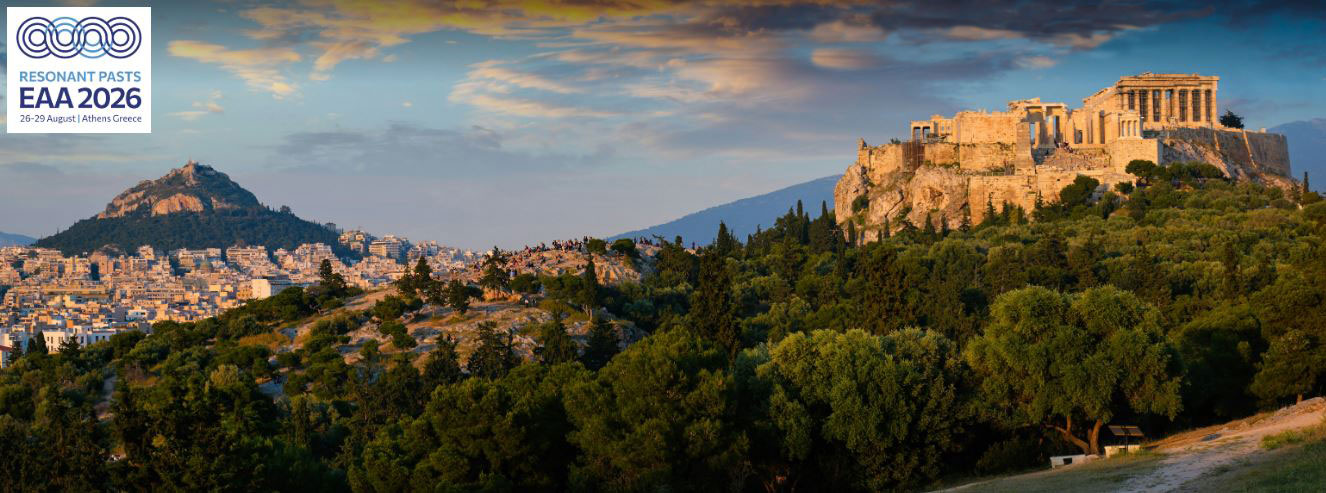
The panel “A Never-Ending Building Traces, Causes, and Effects of Uncompleted Architectures”, Session #144, will be featured at the upcoming EAA conference in Athens (26-29 August).
By “Uncompleted Architectures” we refer to buildings, monuments, or structures whose building process was interrupted and never brought to completion. The construction of a building can be understood as a productive process: in this perspective, drawing on the archaeology of production and the archaeology of construction, unfinished architectures represent suspended or failed stages of a chaîne opératoire. Their incompleted state offers a kind of snapshot of the process, providing a unique opportunity to observe techniques, organisational choices, and building sequences that would remain hidden in finished structures.The reasons for the interruption of construction works may vary (economic, political or epidemic reasons, natural disasters, design issues, etc.). The unfinished thus reflects the society of its own time, in which the causes must be sought; yet, at the same time, its presence will inevitably generate effects on the future of the place. In fact, incomplete buildings end up becoming part of the surrounding landscape just like any other structure thereby influencing it, shaping its development, defining its skyline, and determining its urban layout.
This session aims to focus on the concept of unfinished architecture, understood both as a symptom or effect of changes and events within a community, and as an impulse for further transformations that an incomplete building can generate in the space that surrounds him.This session wants to foster a theoretical and methodological discussion on how to identify, analyse, and interpret uncompleted architectures. We encourage contributions that
– define criteria and material markers for recognising incompletion
– investigate the main factors behind this process
– explore the impact of incomplete structures on landscape formation and long-term transformations
Case studies from any geographical area and chronological framework, with the main goal of identifying the common markers of the unfinished to outline methodological tools for understanding uncompleted architectures.
Organisers:
Maria Teresa Sgromo, University of Pisa ([email protected])
Cleo Barbafiera, In Terra Veritas GMBH ([email protected])
Chiara Mendolia, Sapienza University of Rome ([email protected])
To participate, it will be necessary to submit an abstract of 300–500 words via the EAA 2026 website: https://submissions.e-a-a.org/eaa2026. The session will consist of a 15-minute presentation, followed by a short discussion.
The deadline for submitting or modifying an abstract is 5 February 2026.
For further information, please visit https://www.e-a-a.org/EAA2026/contributions or contact us at our email address.