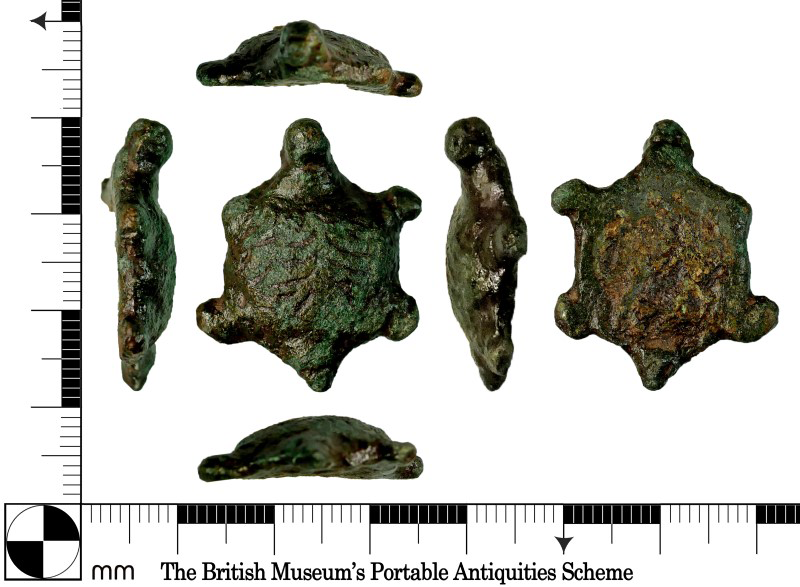
A Roman copper-alloy tortoise figurine found near Wickham Skeith
Cast in copper alloy, the object is in the form of a tortoise or turtle. The flat base shows no evidence for fixing, which suggests that it was a free standing figurine.
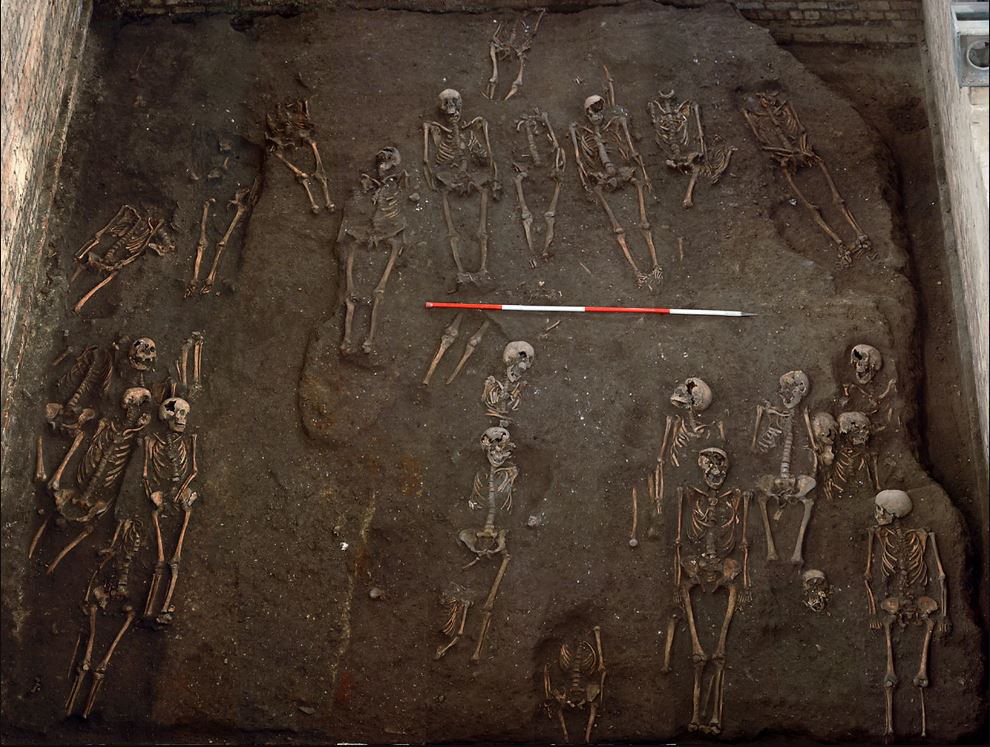
Bringing medieval England to life
Researchers have given medieval Cambridge residents the ‘Richard III treatment’ to reveal the hard-knock lives of those who lived in the city during the University's earliest years.
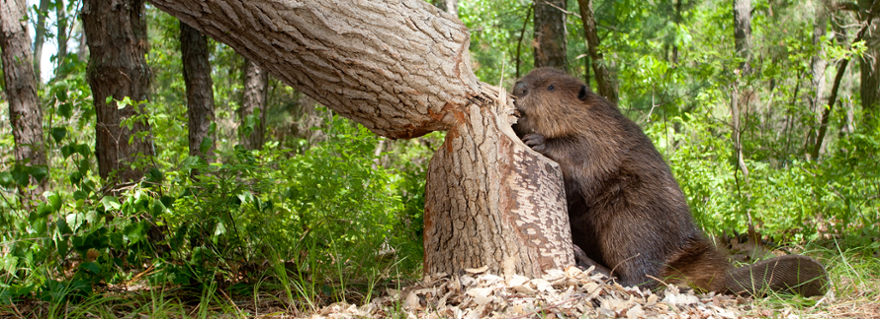
Beaver exploitation testifies to prey choice diversity of early humans
Exploitation of smaller game is rarely documented before the latest phases of the Pleistocene, which is often taken to imply narrow diets for earlier hominins.
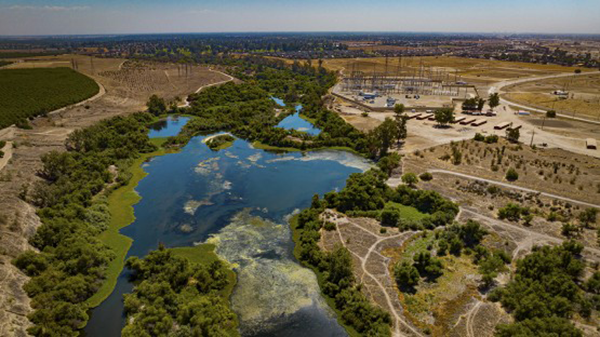
600 years of tree rings reveal climate risks in California
An interdisciplinary collaboration used 600 years of tree rings from the San Joaquin Valley to reconstruct plausible daily records of weather.
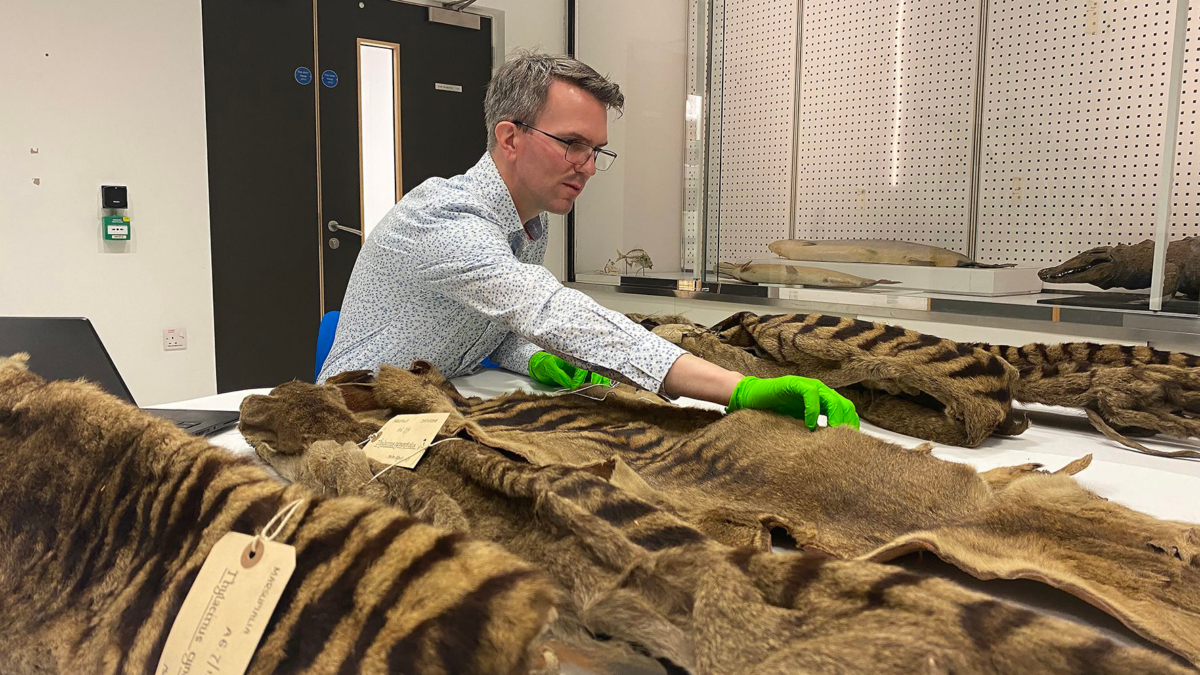
Historical violence in Tasmania
A new study reveals how a Victorian collector traded human Aboriginal remains for scientific accolades.
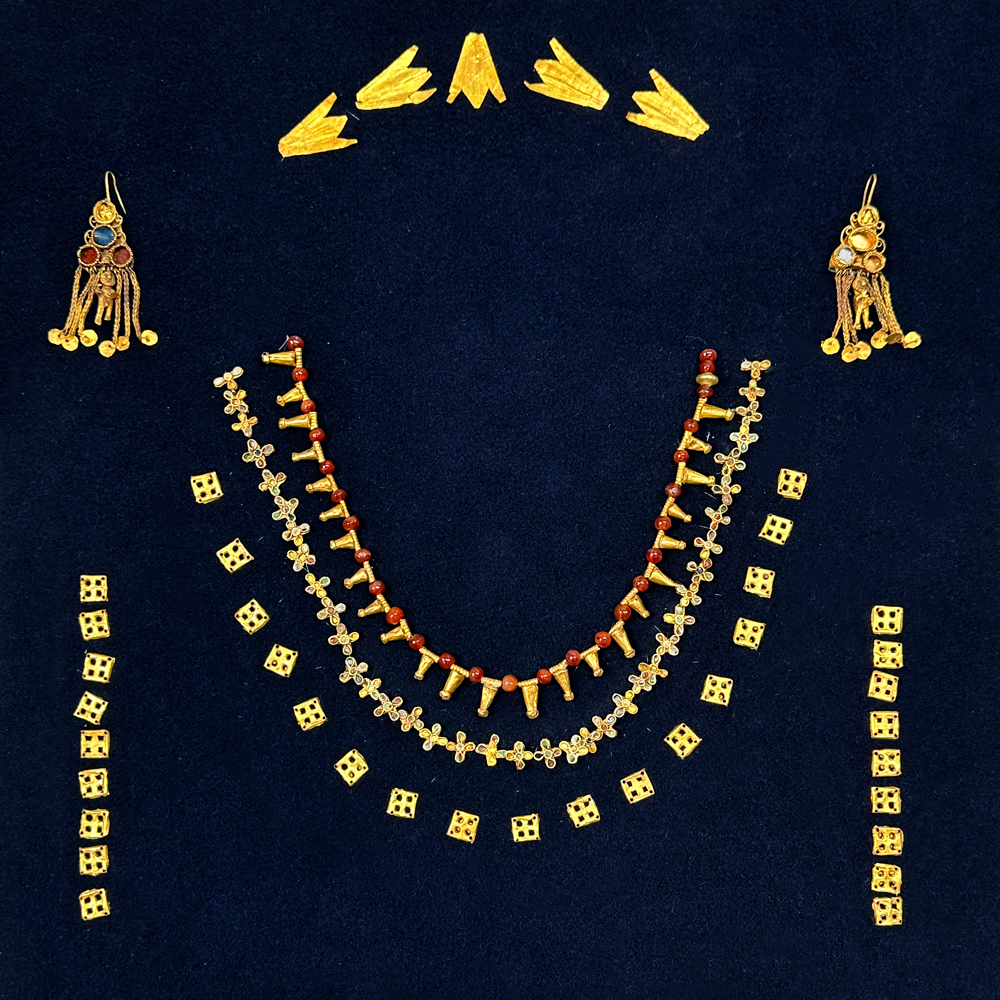
All Crimean artefacts back in Ukraine
All of the remaining artefacts from the exhibition Crimea – Gold and Secrets of the Black Sea have been transferred by the Allard Pierson to Ukraine.
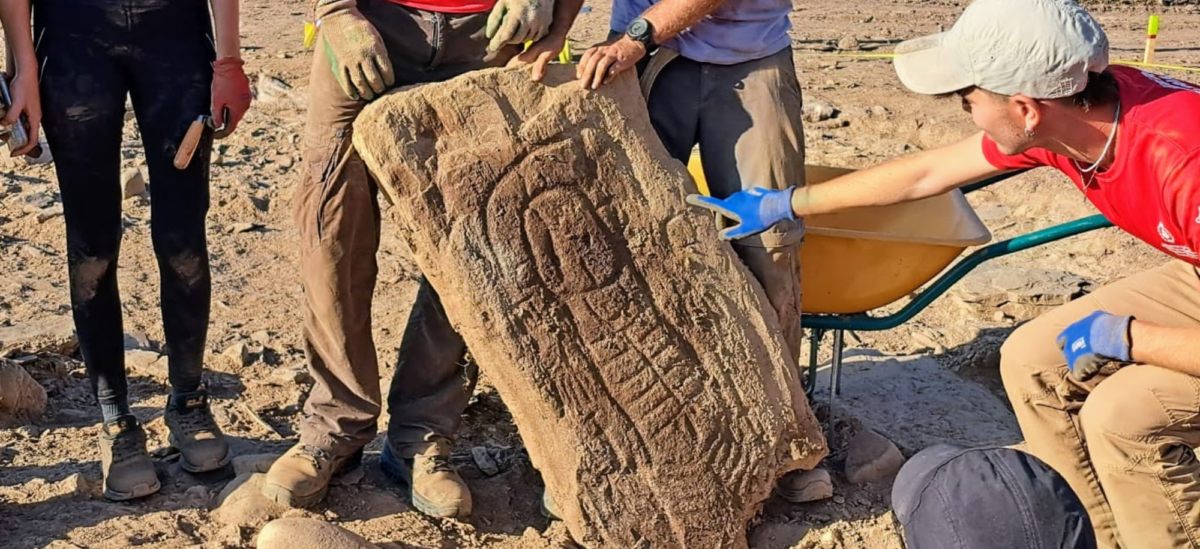
Late Prehistoric discovery turns archaeological assumptions on their head
Stela that challenges long-standing interpretations of how the carvings represent gender and social roles in prehistoric times.

Unearthing ancient social structures with sediment DNA
An ERC Consolidator Grant was awarded to Benjamin Vernot, leader of the Max Planck Research Group for Ancient Environmental Genomics.
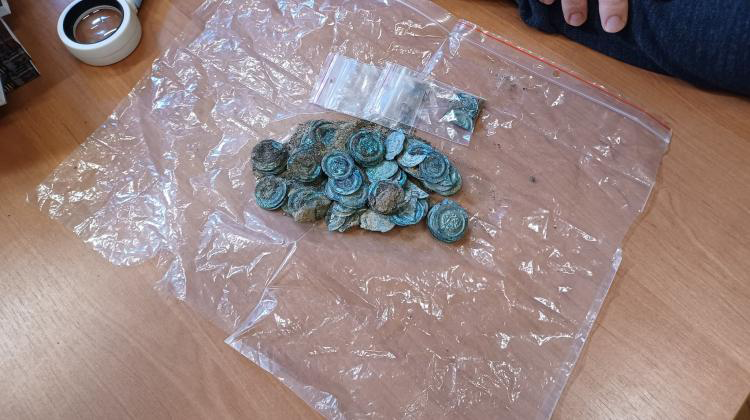
Over 100 medieval coins were discovered in Szprotawa
A hoard of approximately 100-150 coins, initially identified as the so-called Silesian bracteates, was discovered during a rescue excavation.
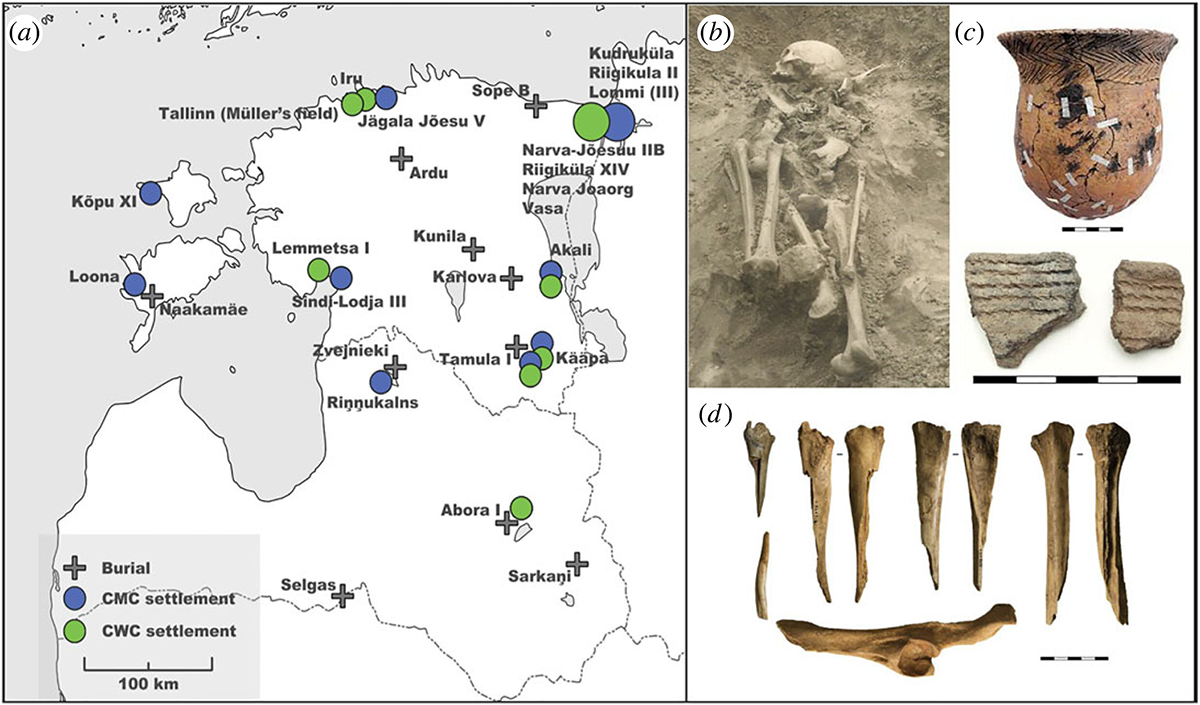
Eastern Baltic’s first farmers and hunter-gatherers lived together
Agriculture was not so enthusiastically welcomed and introduced in places of the previous gathering, fishing and hunting economy.
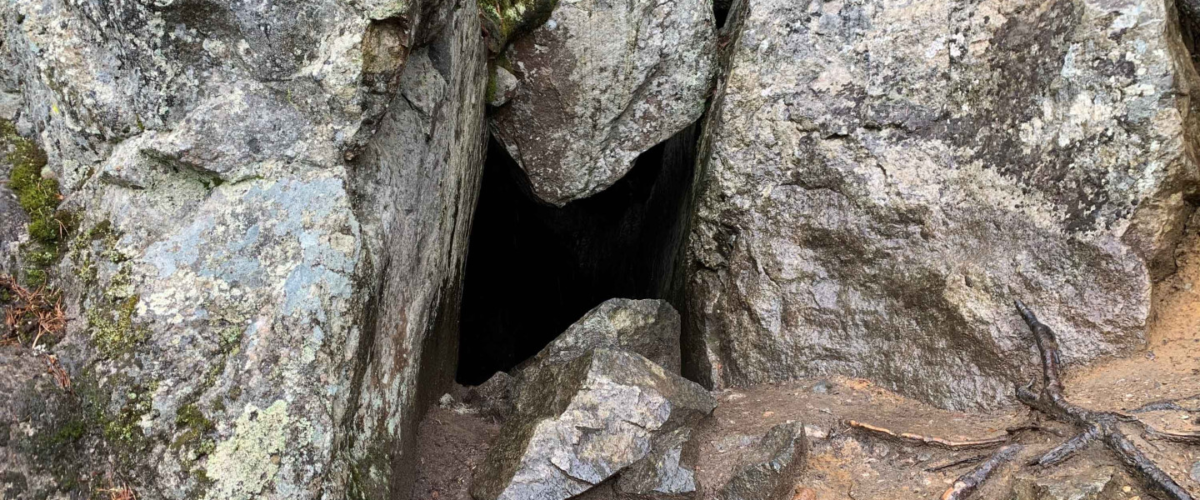
Was “witchcraft” in Koli park cave based on acoustic resonance?
A new article investigates the acoustic properties of the Devil’s Church and explores whether they explain the beliefs associated with it.
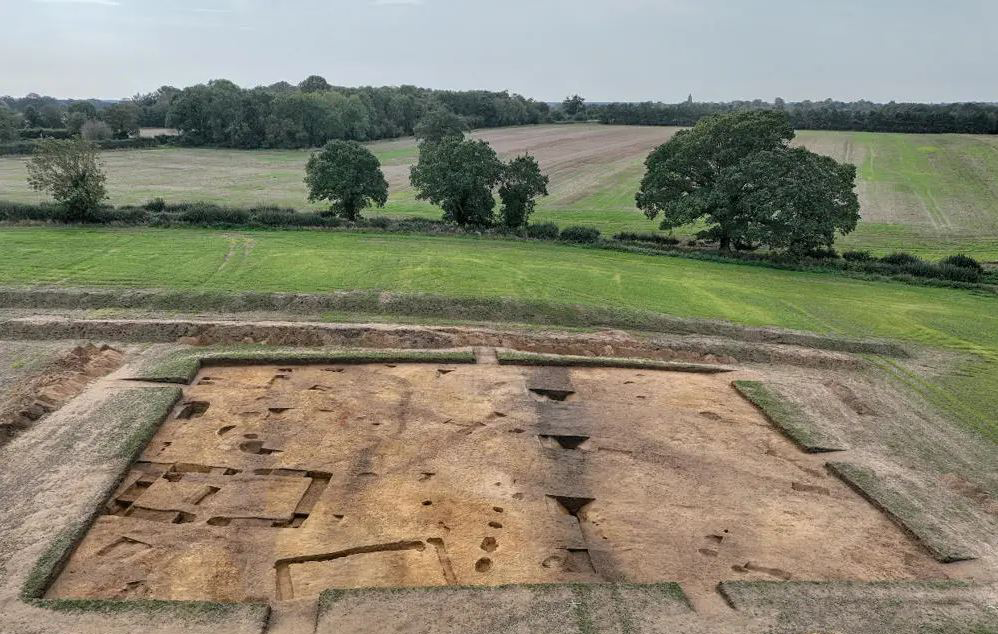
1,400-year-old temple discovered at Suffolk royal settlement
A rare, possible pre-Christian temple from the time of the East Anglian Kings, has been found at Rendlesham, near Sutton Hoo in Suffolk.
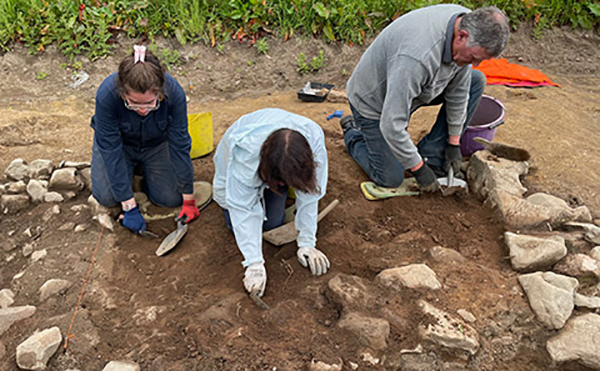
Archaeologists discover long-lost Scottish monastery
A team of archaeologists, co-led by a researcher at the University of Southampton, believe they have located the site of the lost Monastery of Deer in Northeast Scotland.
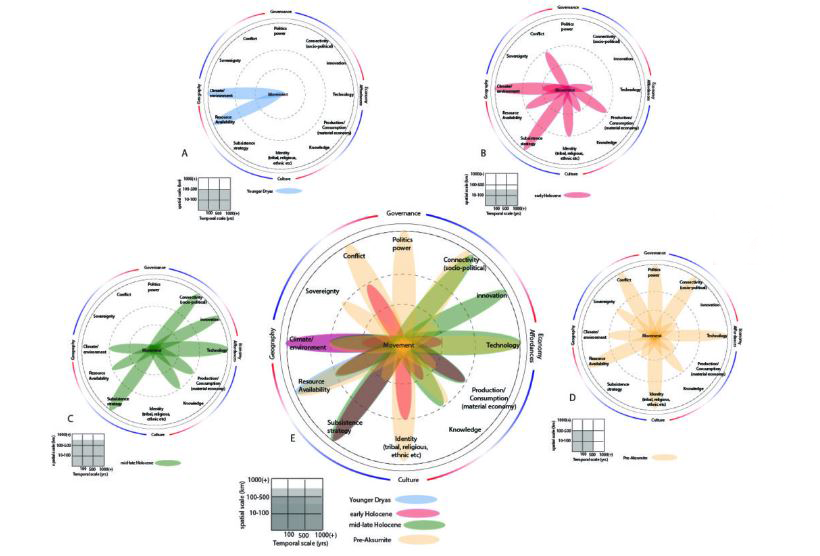
New tool to enable exploration of human-environment interactions
A strengthened commitment to transdisciplinary collaboration for the study of past and present human-environmental interactions.
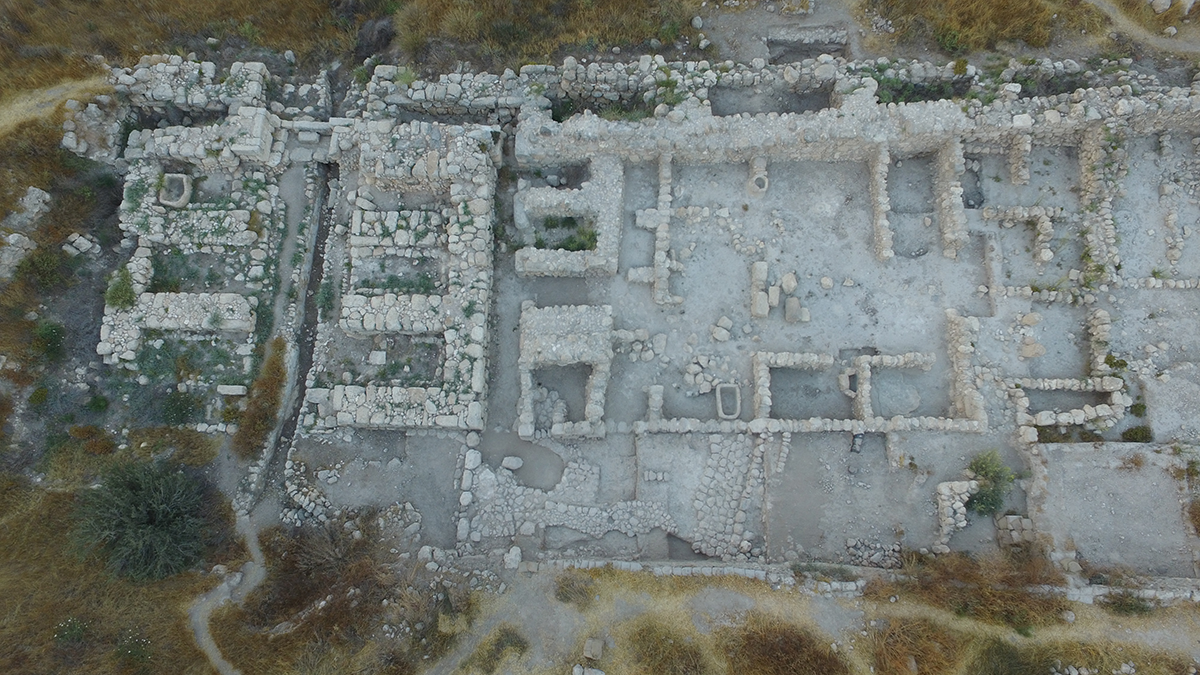
Reliable chronology for important site in Israel for the first time
Researchers from the OeAI have published a new radiocarbon dataset for Tel Gezer, one of the most important Bronze and Iron Age sites in Israel.
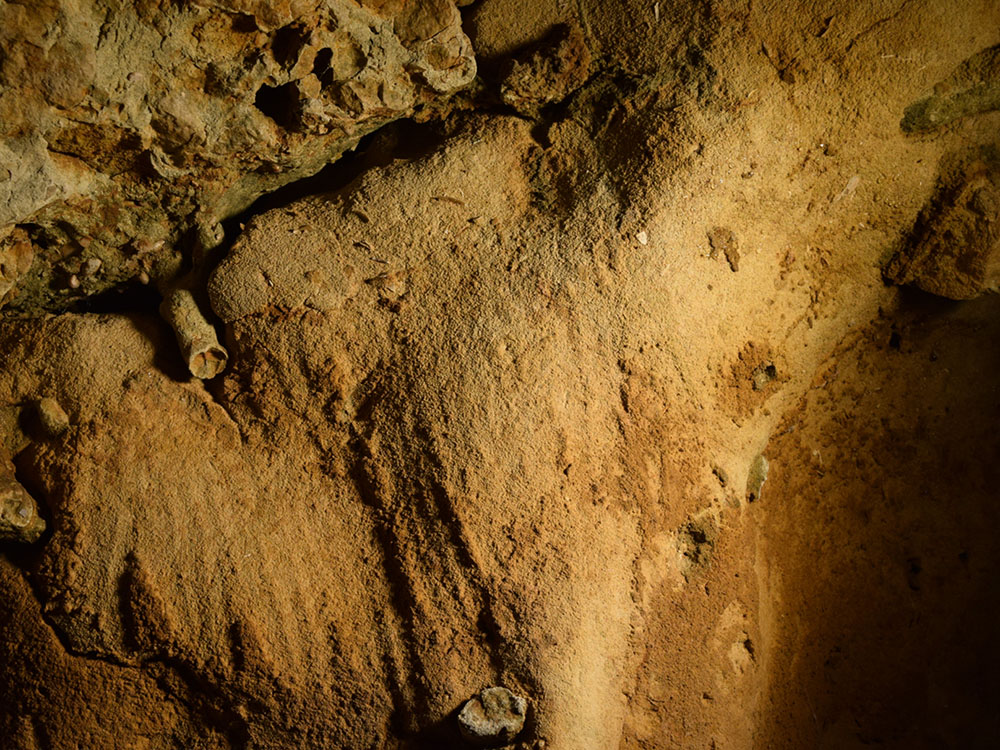
Neanderthals were the world’s first artists
Recent research has shown that engravings in a cave in La Roche-Cotard (France), which has been sealed for thousands of years, were actually made by Neanderthals.
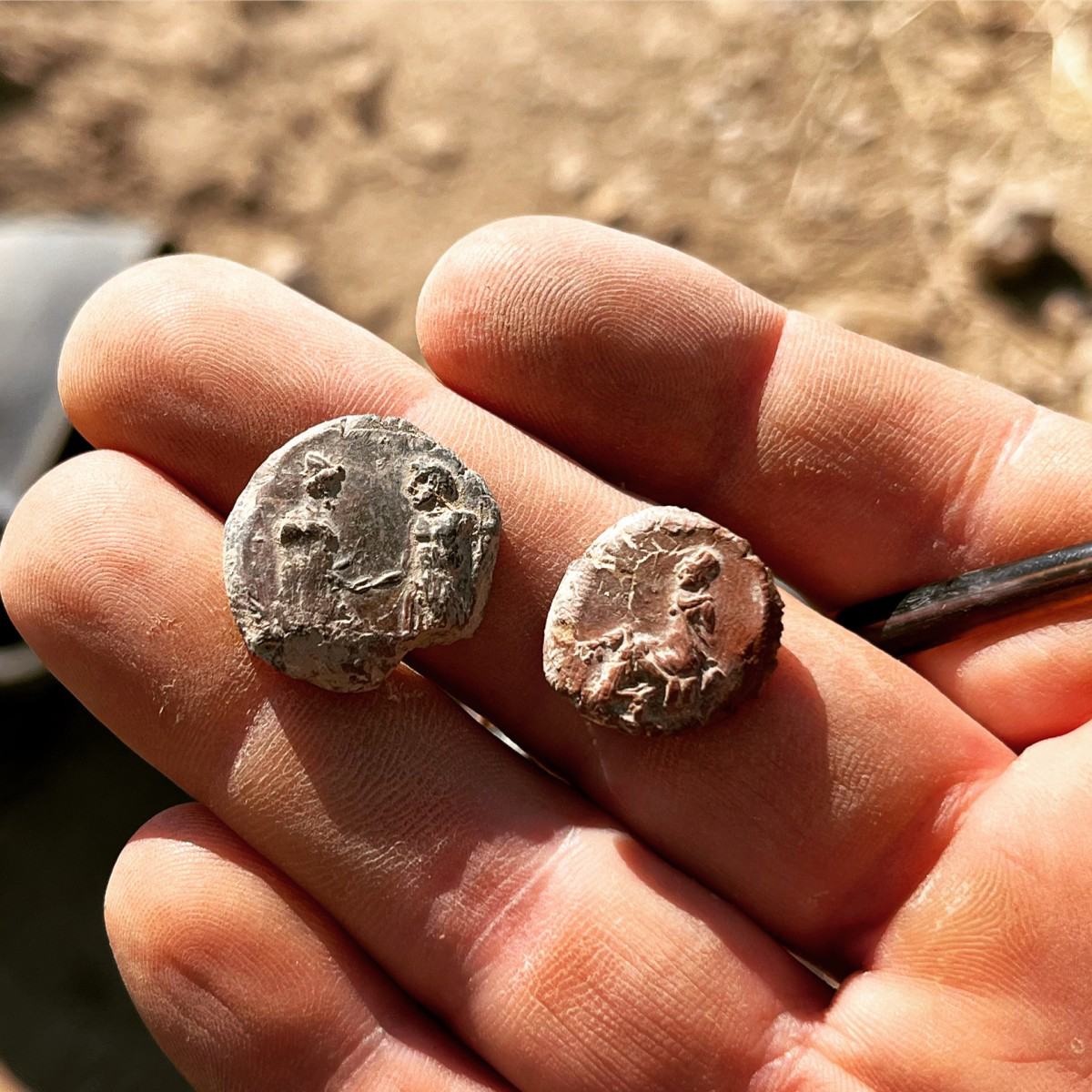
Asia Minor Research Centre uncovers city archives in Doliche
Archaeologists from the Asia Minor Research Centre have uncovered the city archives in the ancient city of Doliche in south-eastern Türkiye.
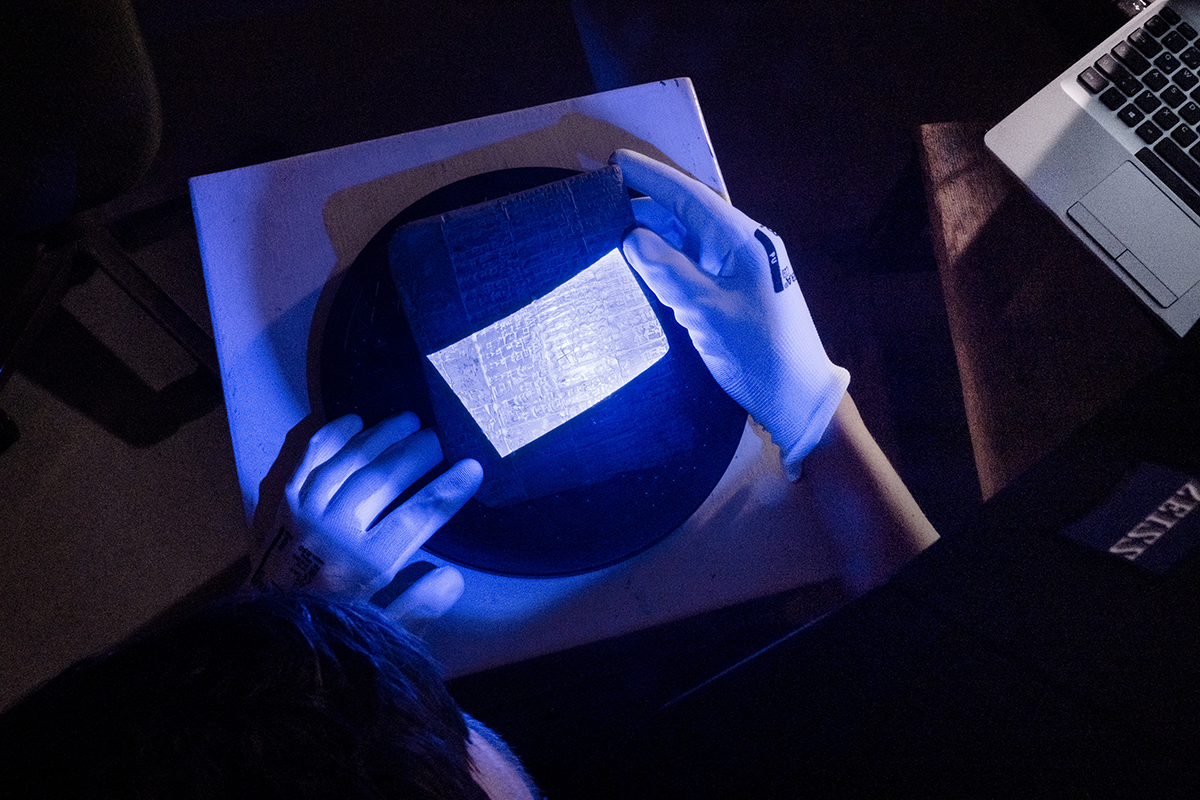
Automatic text recognition for ancient cuneiform tablets
A new artificial intelligence (AI) software is now able to decipher difficult-to-read texts on cuneiform tablets.
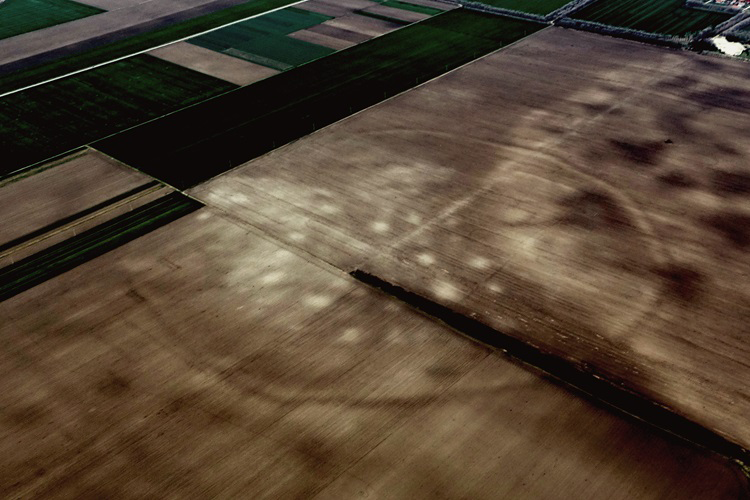
Europe’s hidden Bronze Age megastructures brought to light
Archaeologists from University College Dublin, working with colleagues from Serbia and Slovenia, have uncovered a previously unknown network of massive sites.

First large-scale investigation into the eating habits of the Guarani
A team from University of York’s BioArch Group and the University of Barcelona had studied the diet and cuisine of the indigenous Guarani people.
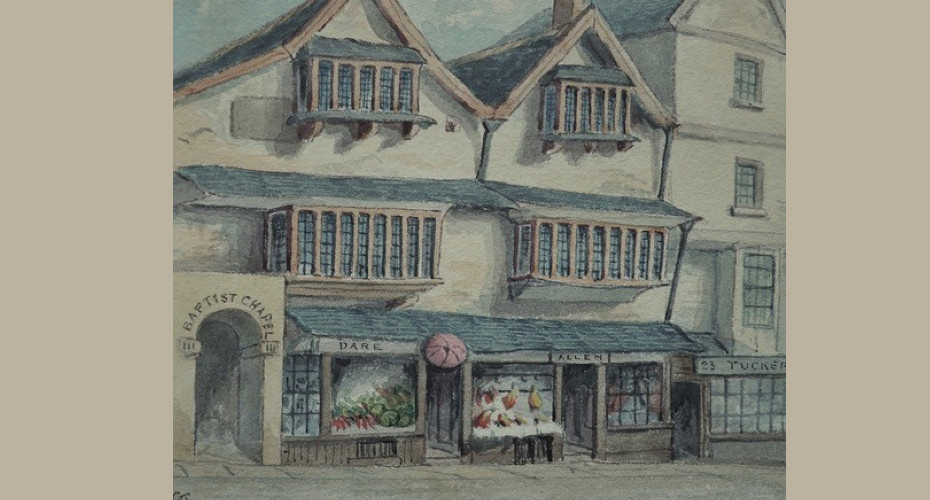
Origins of ancient Elizabethan decorative treasure discovered
The origins of a stunning ancient Elizabethan decorative treasure has been revealed – hundreds of years after the building which housed it was demolished.
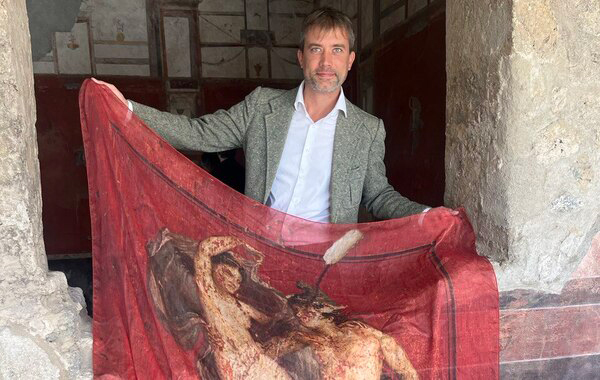
The Pompeian frescoes come to life
The splendid frescoes in the House of the Vettii come to life on sustainable fabrics made of nettle yarn and natural dyes.
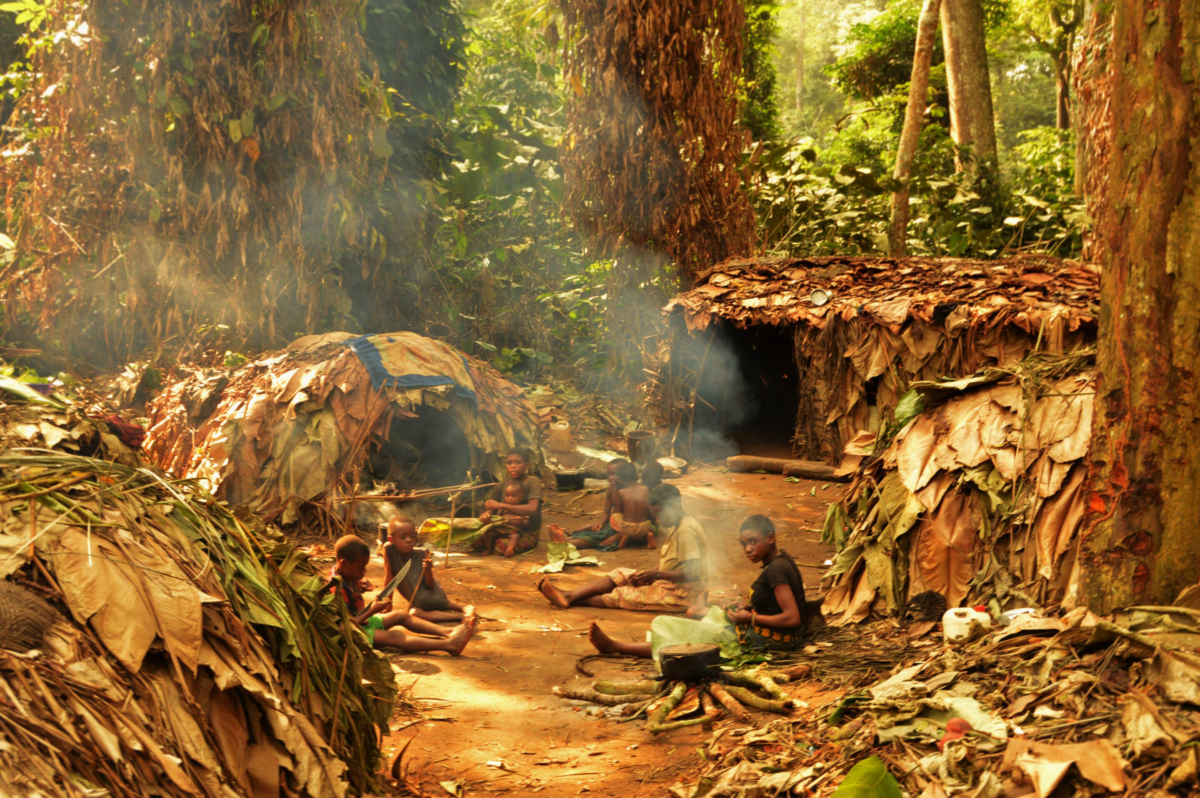
Hunter-gatherer approach to childcare studied
Research led by an evolutionary anthropologist at Cambridge University found that hunter-gatherer infants receive attentive care and physical contact for about nine hours per day from up to 15 different caregivers.
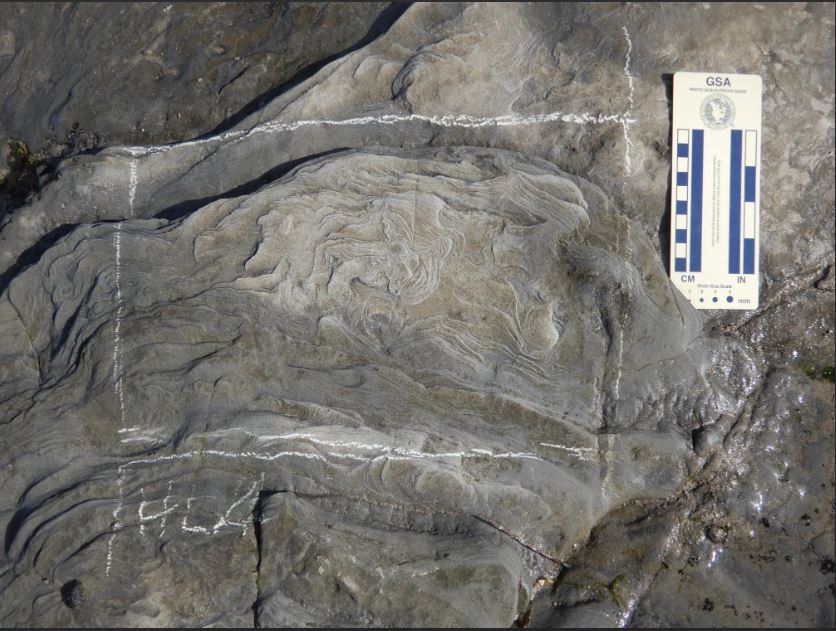
Birds set foot near South Pole in Early Cretaceous
The discovery of 27 avian footprints on the southern Australia coast opens another window onto early avian evolution and possible migratory behavior.