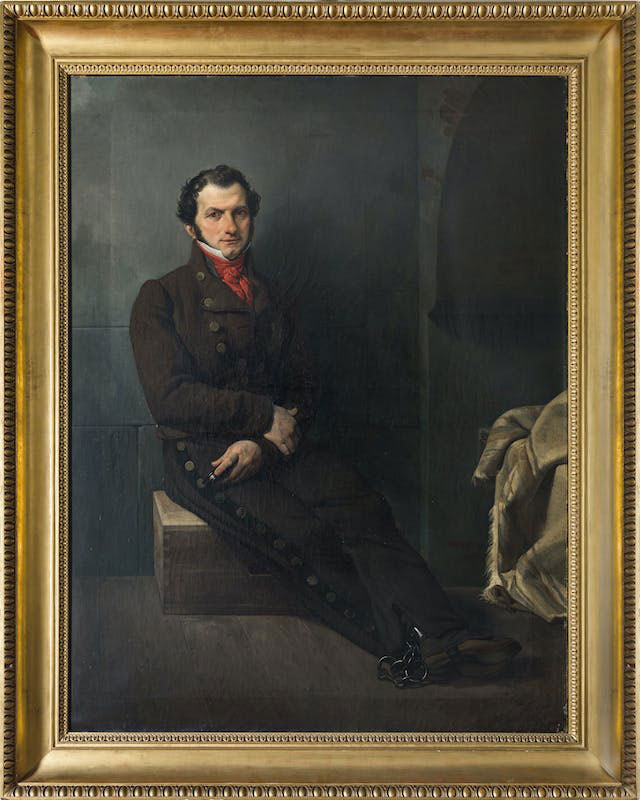
At the Uffizi Galleries a masterpiece of Risorgimento painting
The painting portrays the character in a cell, in the Spielberg prison; now on view at the Uffizi, in spring it will begin an exhibition tour in various locations in Tuscany.
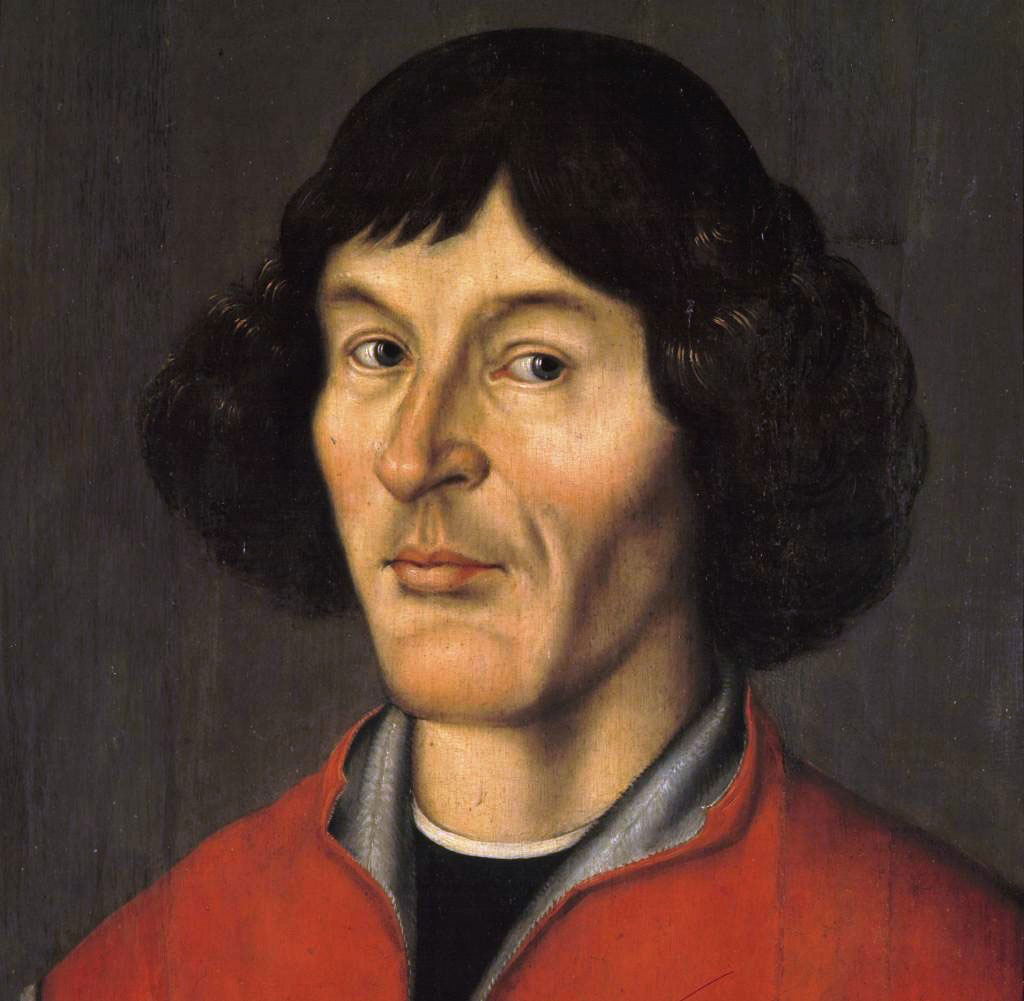
Many sources about Copernicus still await discovery
An interview with historian and philosopher of science, Professor Michał Kokowski.
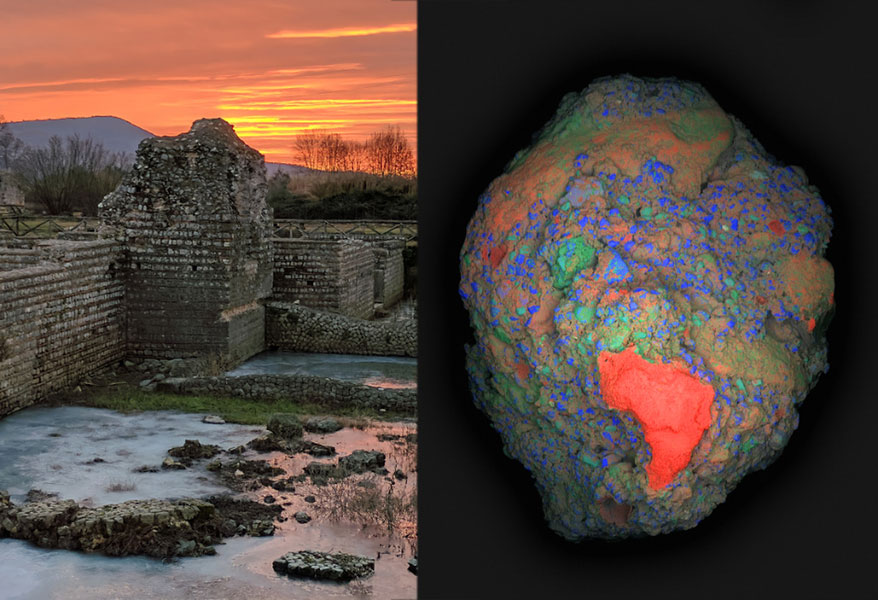
Riddle solved: Why was Roman concrete so durable?
An unexpected ancient manufacturing strategy may hold the key to designing concrete that lasts for millennia.
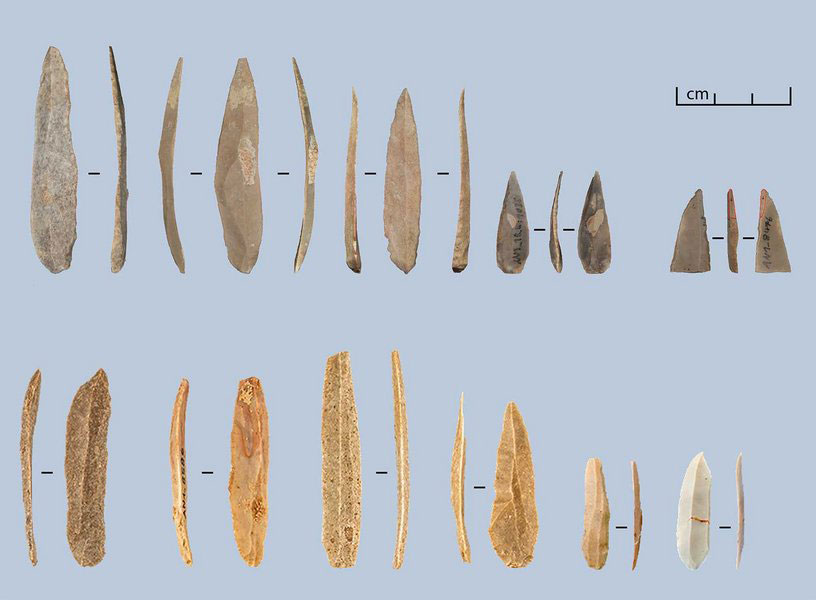
Mass production of bladelets shows cultural shift in Levantine Paleolithic
Stone tools found at the Al-Ansab 1 excavation site are witnesses to the technological change happened 40.000 years ago.
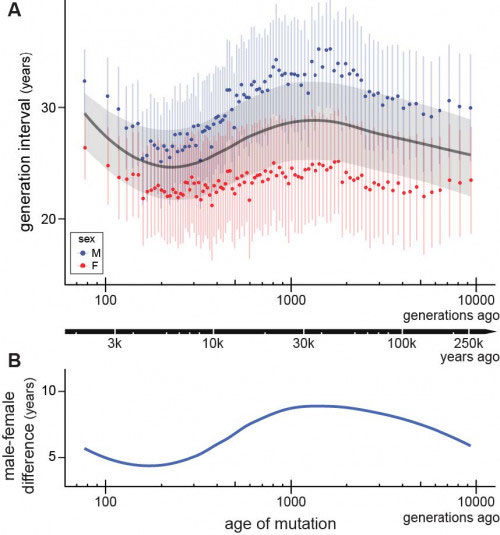
Average age at conception for men versus women over past 250,000 years
Evolutionary biologists at IU found that fathers are consistently older than mothers throughout human evolutionary history, but that age gap has shrunk.
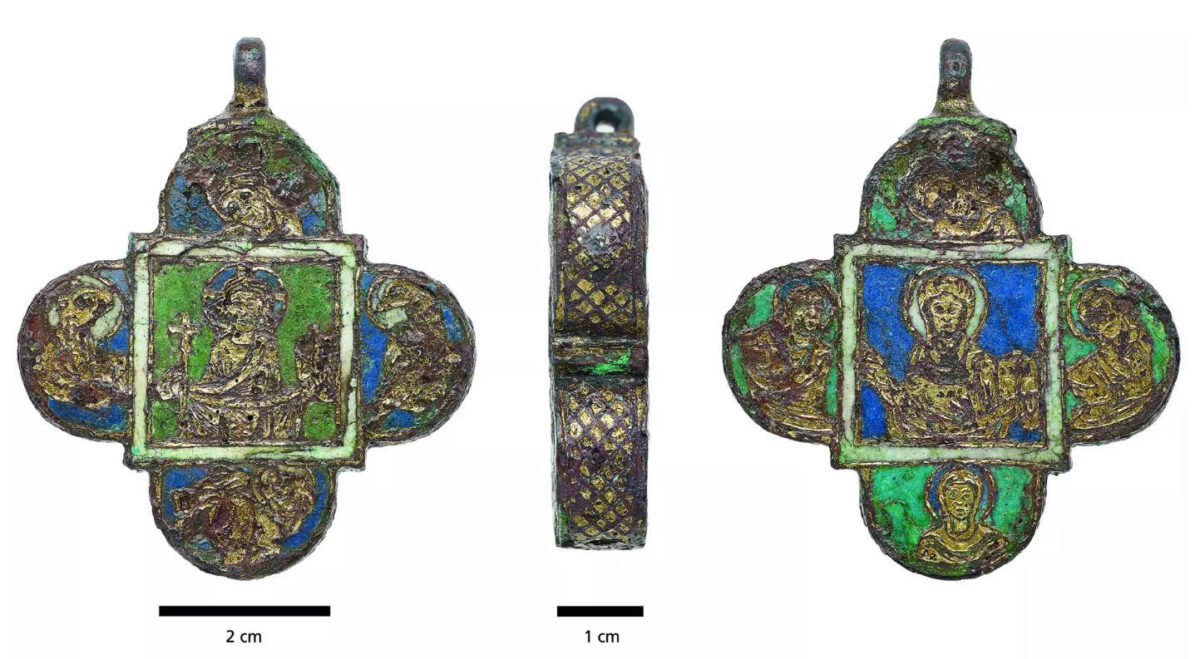
Neutrons expose the insides of a medieval pendant
Research team has solved the mystery of a gold-plated pendant found in 2008 in a medieval refuse pit in the Old City section of Mainz.
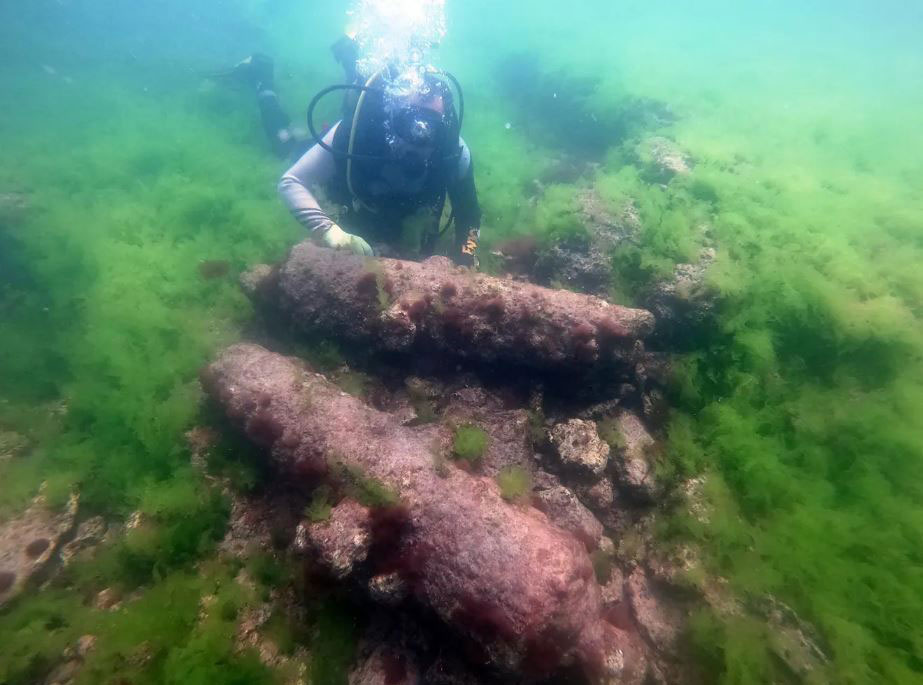
Ship cannons retrieved from the Bulgarian Northern Black Sea
A winter sea rescue expedition brought new ship acquisitions to the National History Museum.
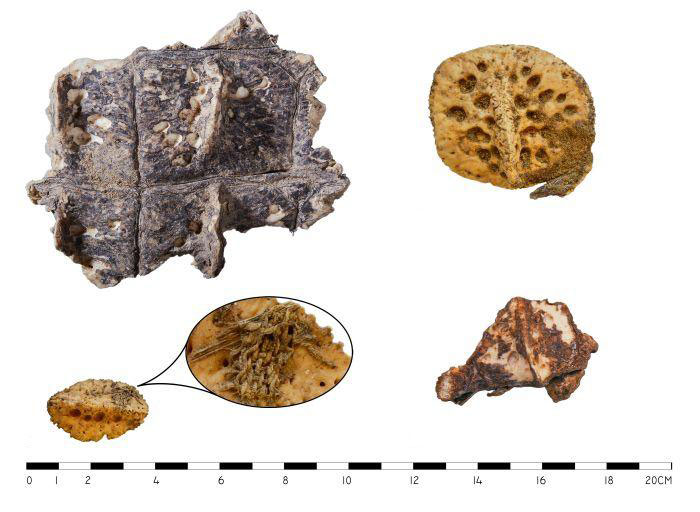
Nine crocodile heads found in ancient Egyptian tombs
Polish archaeologists working in the North Asasif necropolis (West Thebes) near the Temple of Hatshepsut discovered 9 crocodile heads deposited in two elite tombs.
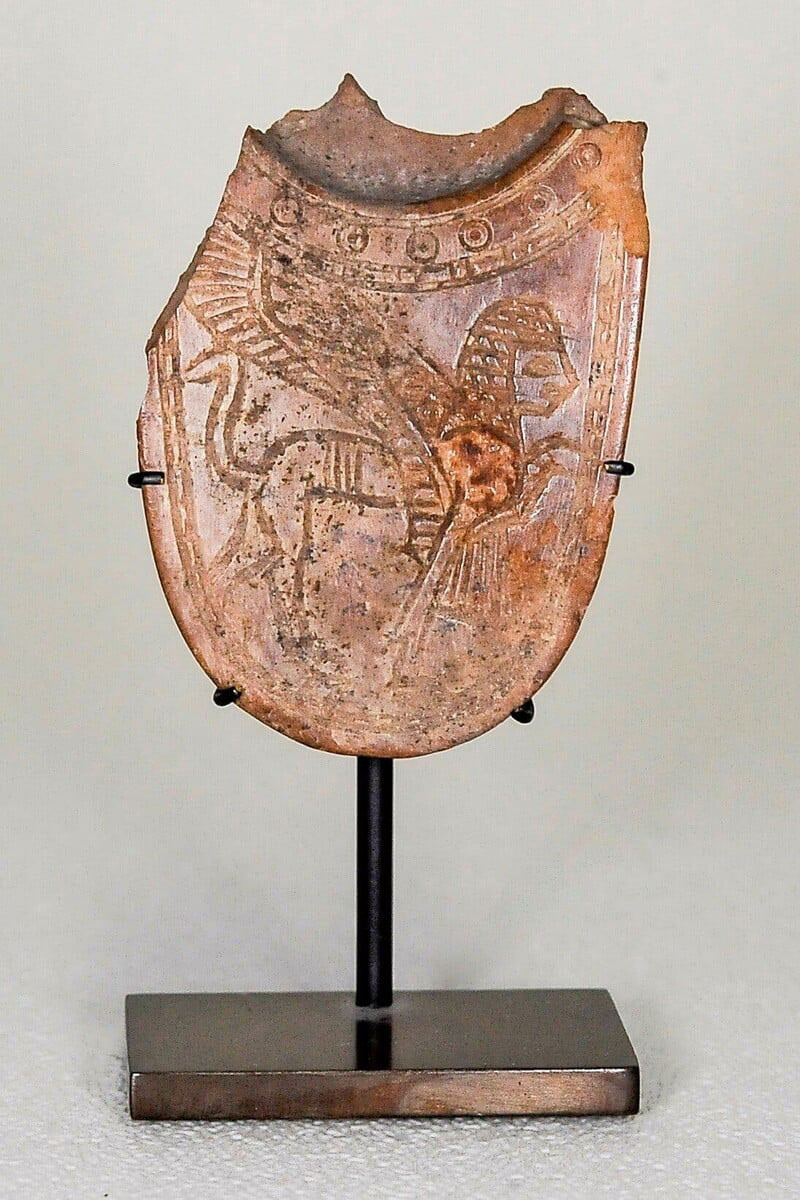
US officials returns stolen antiquity to Palestine
Repatriation marks first time the United States has returned a cultural object to the Palestinian people.
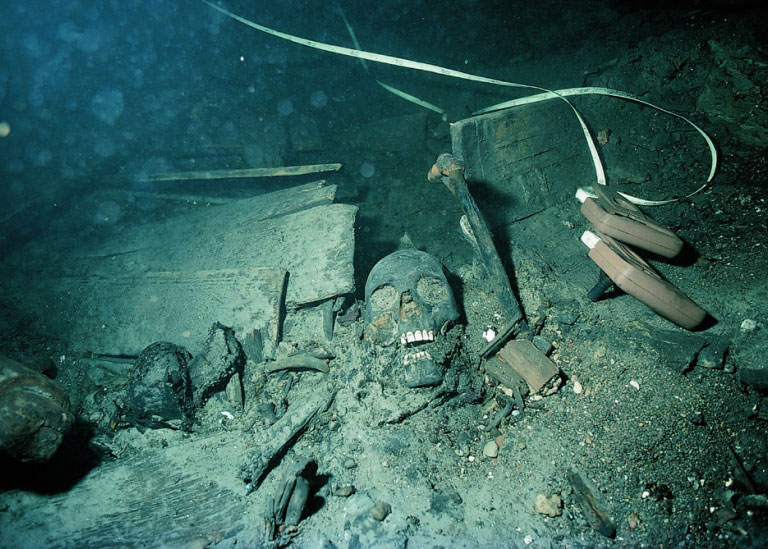
Exceptional migration to Scandinavia during the Viking era
A new study based on 297 ancient Scandinavian genomes analysed together with the genomic data of 16,638 present day Scandinavians resolve the complex relations between geography, ancestry, and gene flow in Scandinavia.
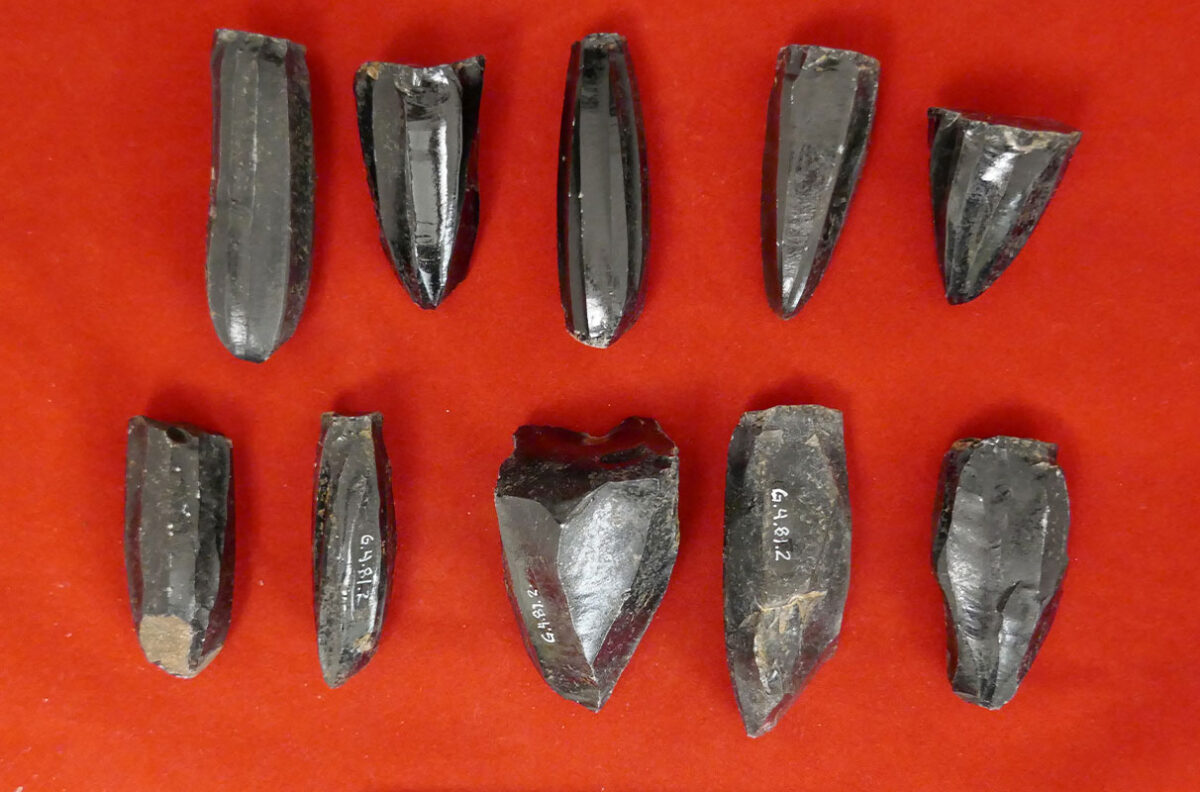
New study suggests Mayas utilized market-based economics
More than 500 years ago Maya people bought and sold goods with far less oversight from their rulers than many archeologists thought.
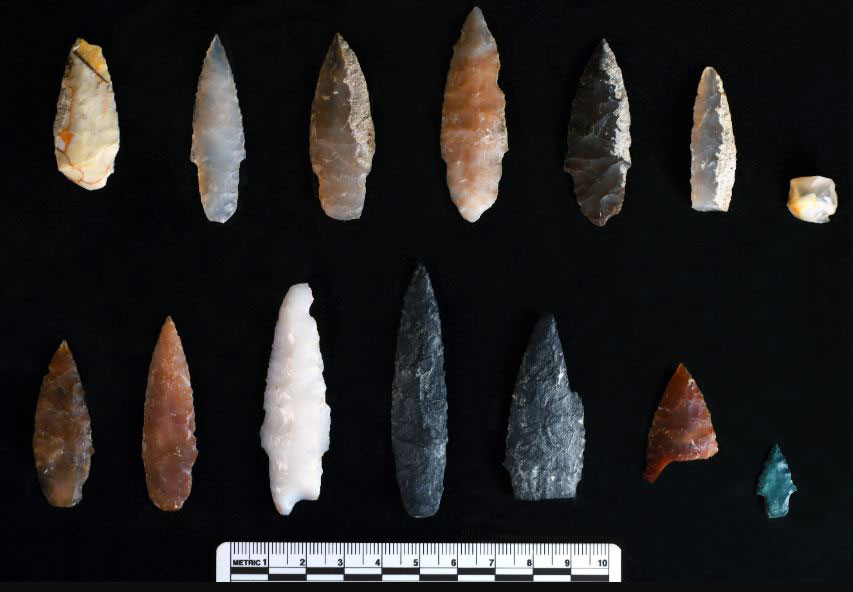
Archaeologists uncover oldest known projectile points in the Americas
Oldest so far projectile points found in the Americas help fill in the history of how early humans crafted and used stone weapons.
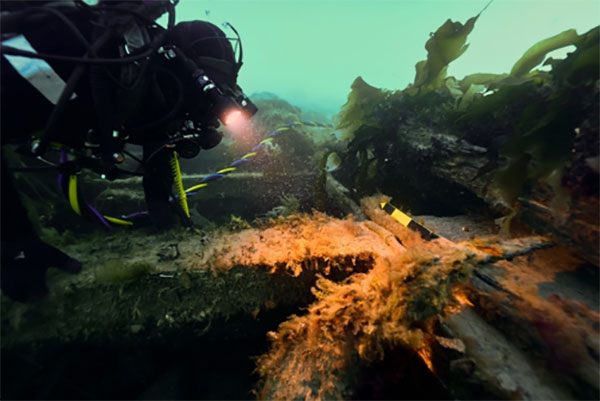
Working together with Inuit in Gjoa Haven
This year underwater archaeologists were able to return to the Wrecks of HMS Erebus and HMS Terror National Historic Site.
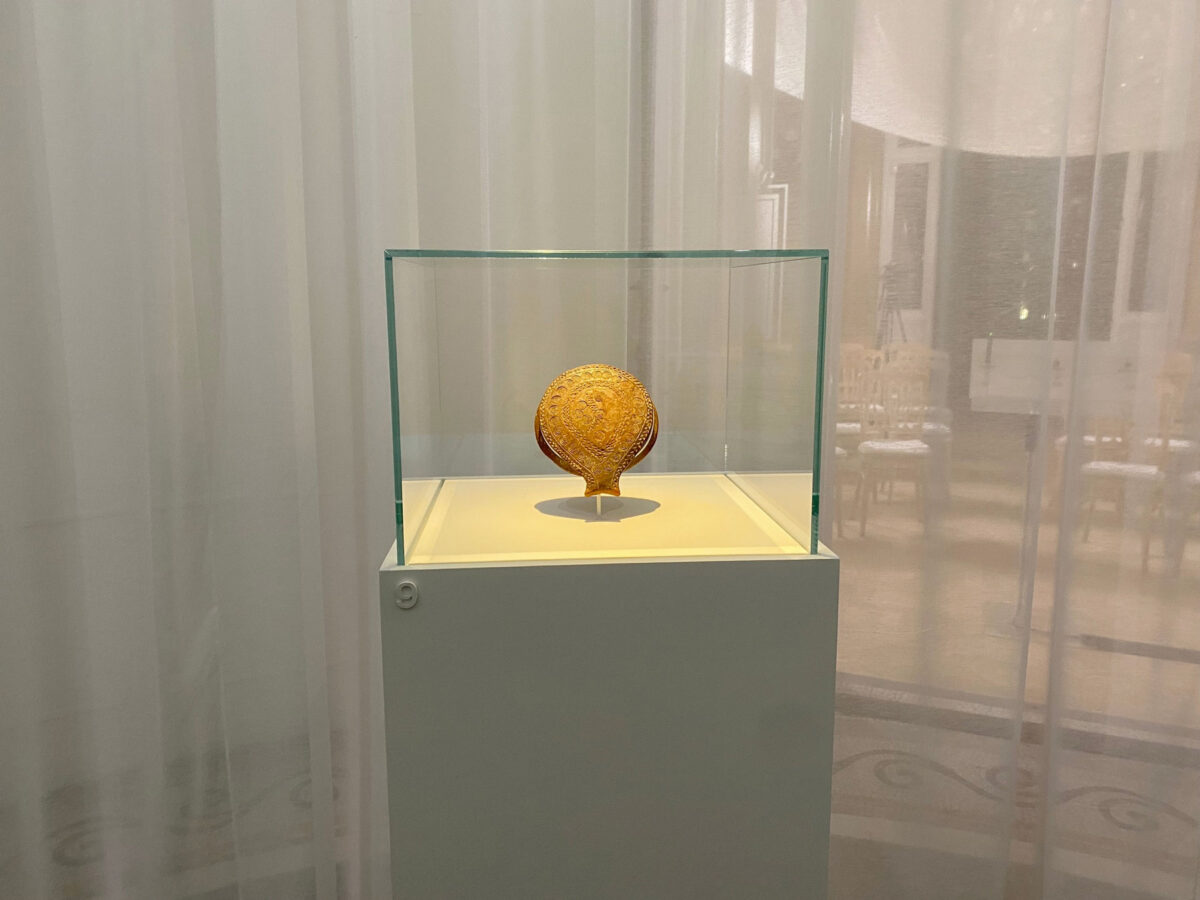
“The agreement on the Stern collection antiquities should be cancelled”
The Association of Greek Archaeologists requests that "the ownership and possession of the original stolen antiquities of the Stern Collection should pass to the Greek State".
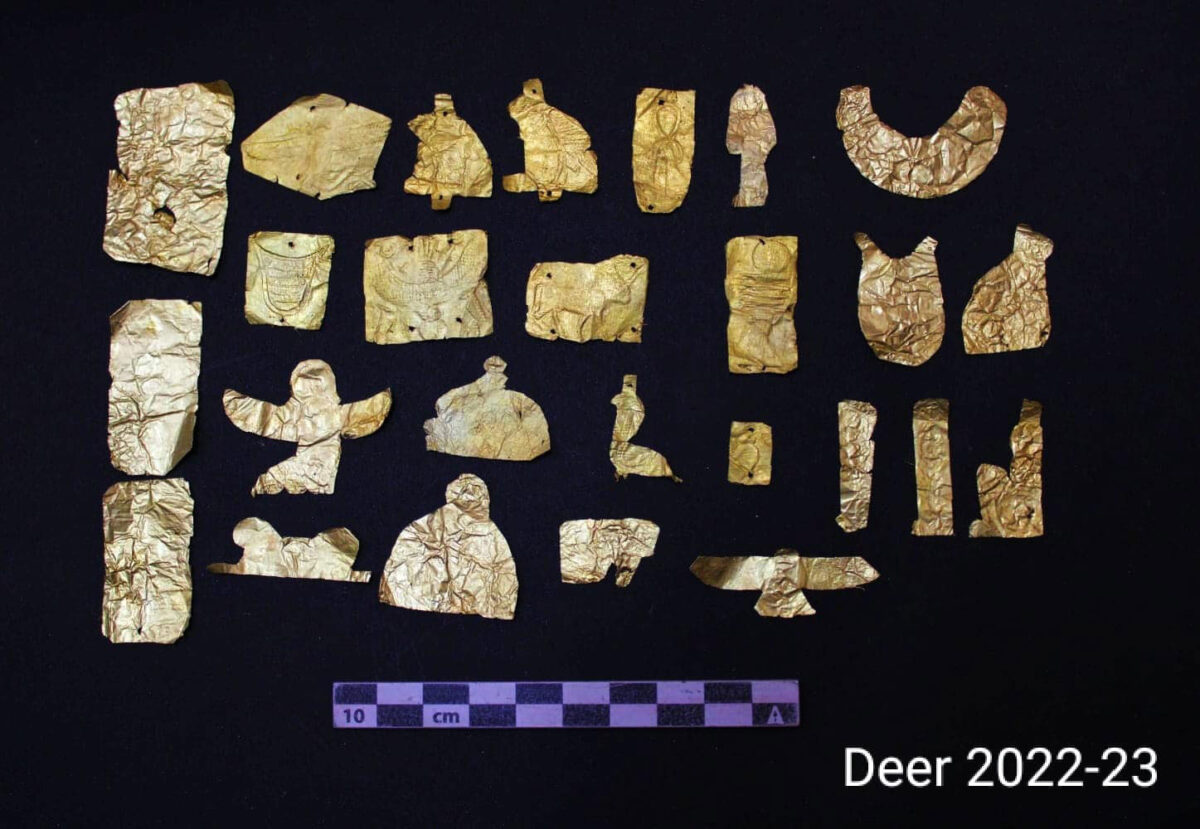
Group of tombs came to light at Tell Al-Deir
Archaeologists working at Tell Al-Deir in Damietta have uncovered a group of 20 tombs dated to the Late Period.
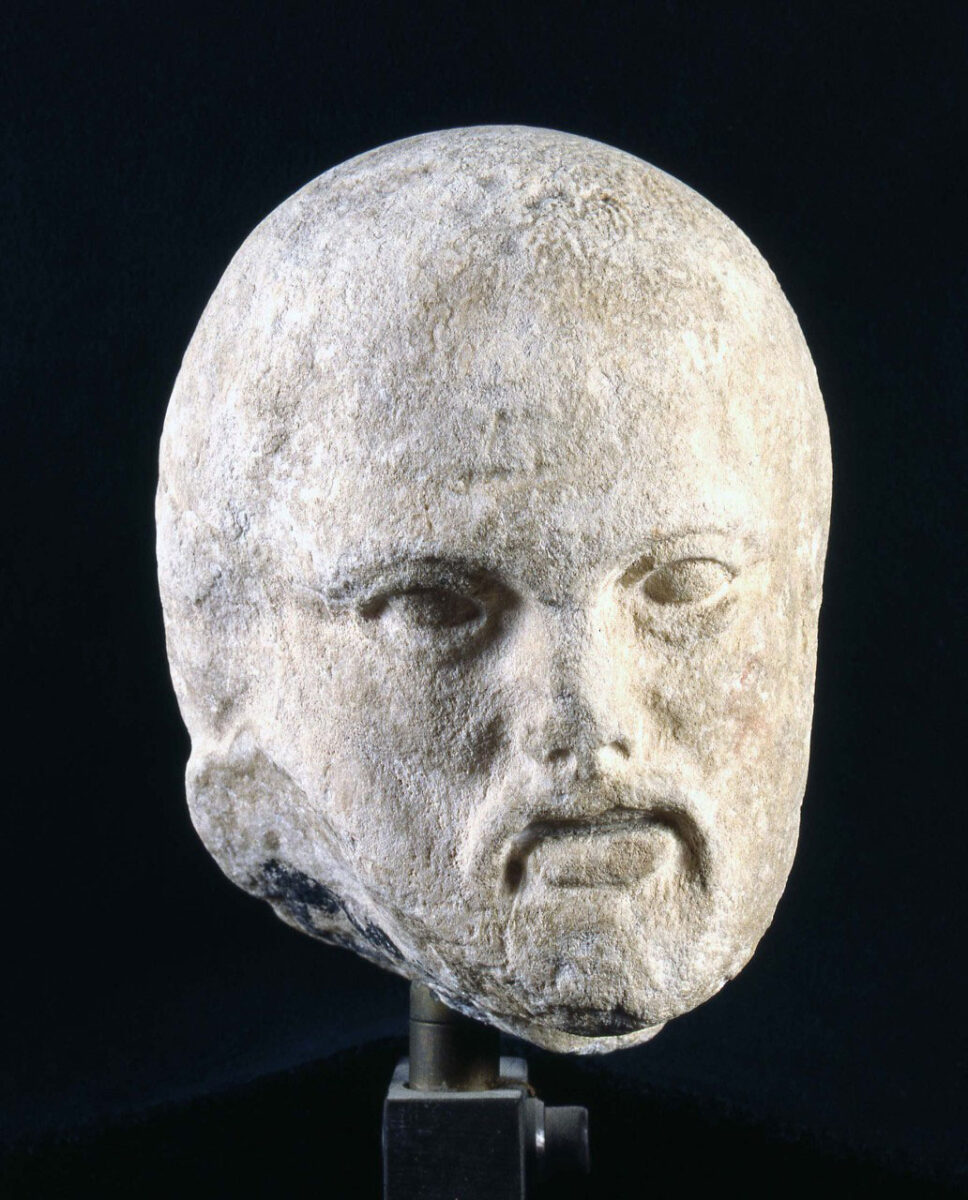
The Vatican returns three fragments from the Parthenon
Since the 19th century the fragments had been kept in the collections of the Vatican Museums.
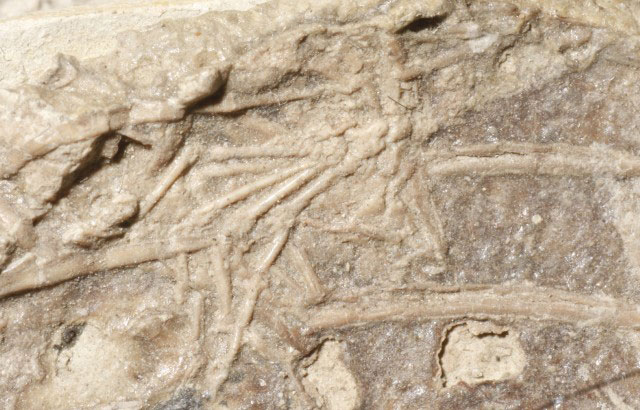
British scientist describes rare discovery of a dinosaur eating a mammal
A new study records this very rare discovery of an incident of a dinosaur having eaten a mammal.
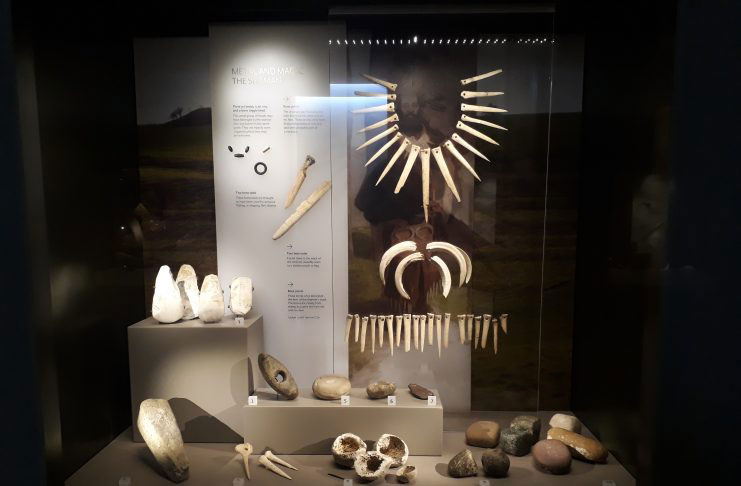
Ancient goldworking tool kit revealed
Archaeologists have identified a 4000-year-old goldworking tool kit amongst the grave goods from an important Bronze Age burial near Stonehenge.
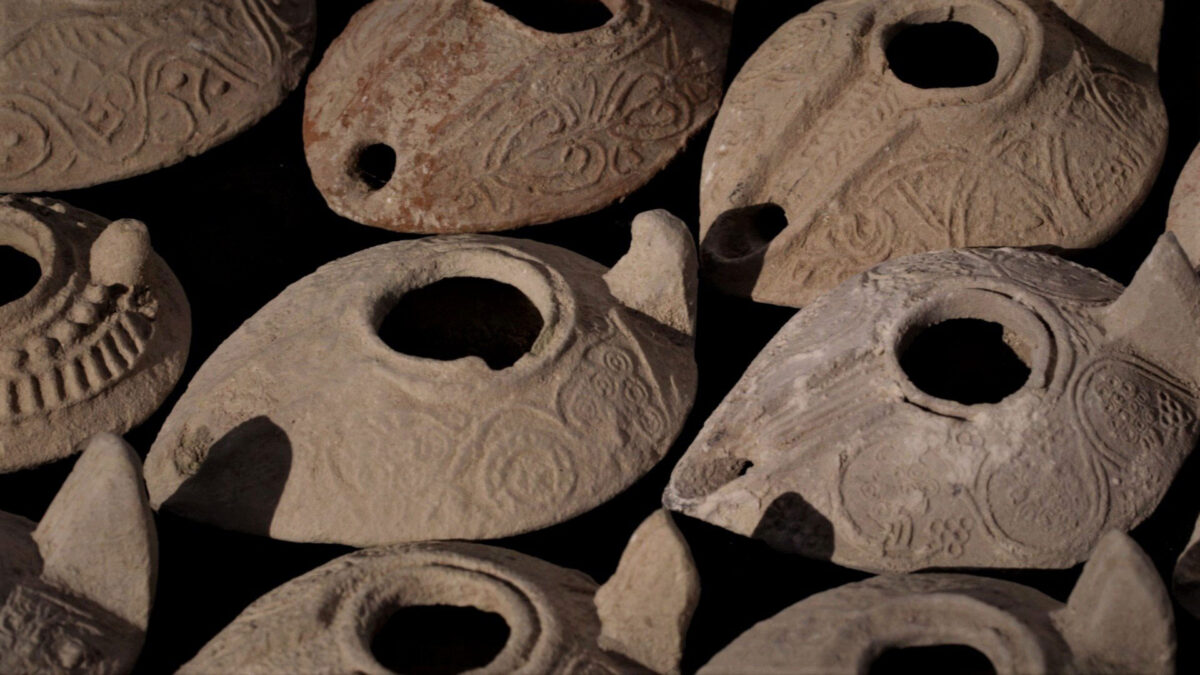
A 2000-year-old family tomb was uncovered in the Salome Cave
A 2000-year-old Second Temple-Period burial cave designated the Salome Cave—one of the most impressive burial caves discovered in Israel—is being uncovered in the Lachish Forest.
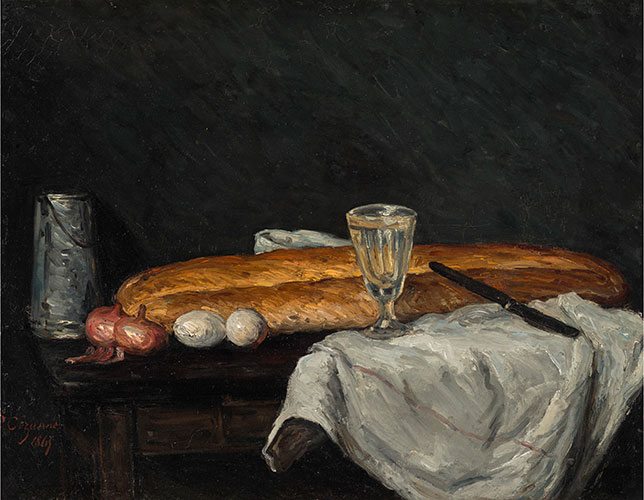
Cincinnati Art Museum discovers hidden work under a Cézanne painting
While examining Paul Cézanne’s Still Life with Bread and Eggs Cincinnati Art Museum Chief Conservator Serena Urry noticed some odd cracks indicating the artwork could be hiding a secret.
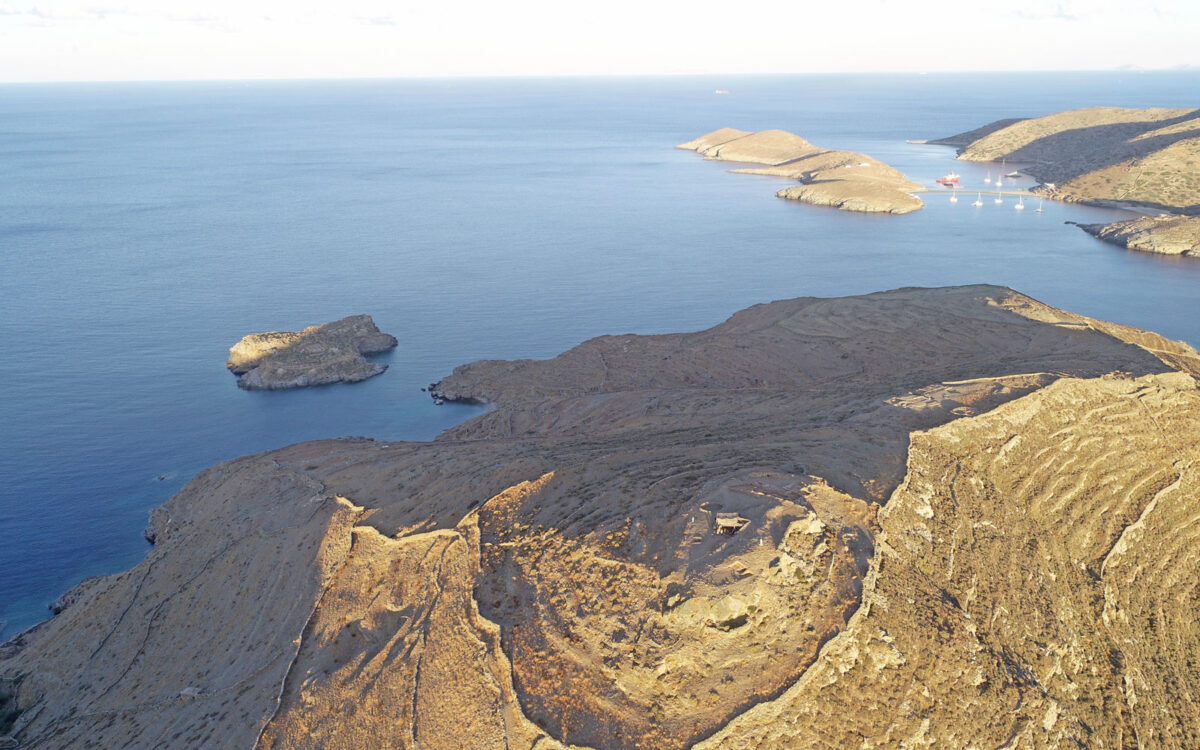
Excavations at Vryokastro on Kythnos (Cyclades) in 2022
This year's excavation on the Acropolis of the ancient city of Kythnos (today's "Vryokastro") had particularly significant results.
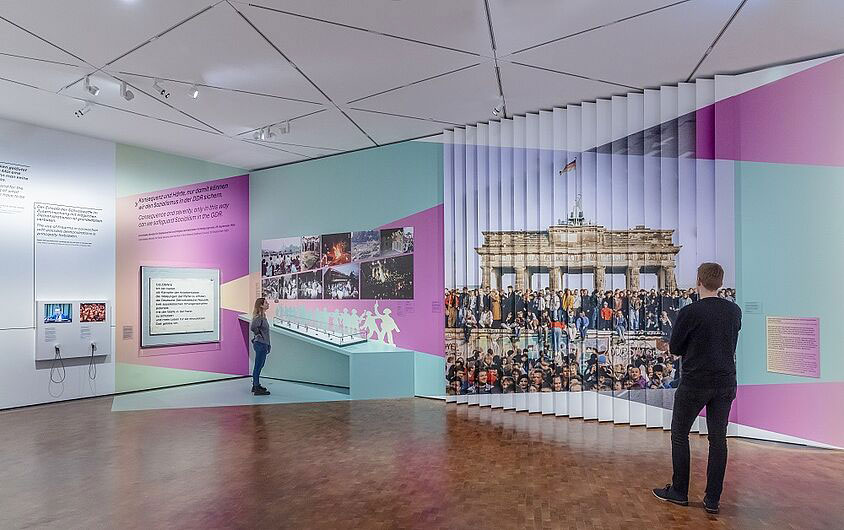
Roads not taken. Oder: Es hätte auch anders kommen können
Starting from key dates in German history, the museum presents a look back(wards) at decisive historical events of the 19th and 20th centuries.
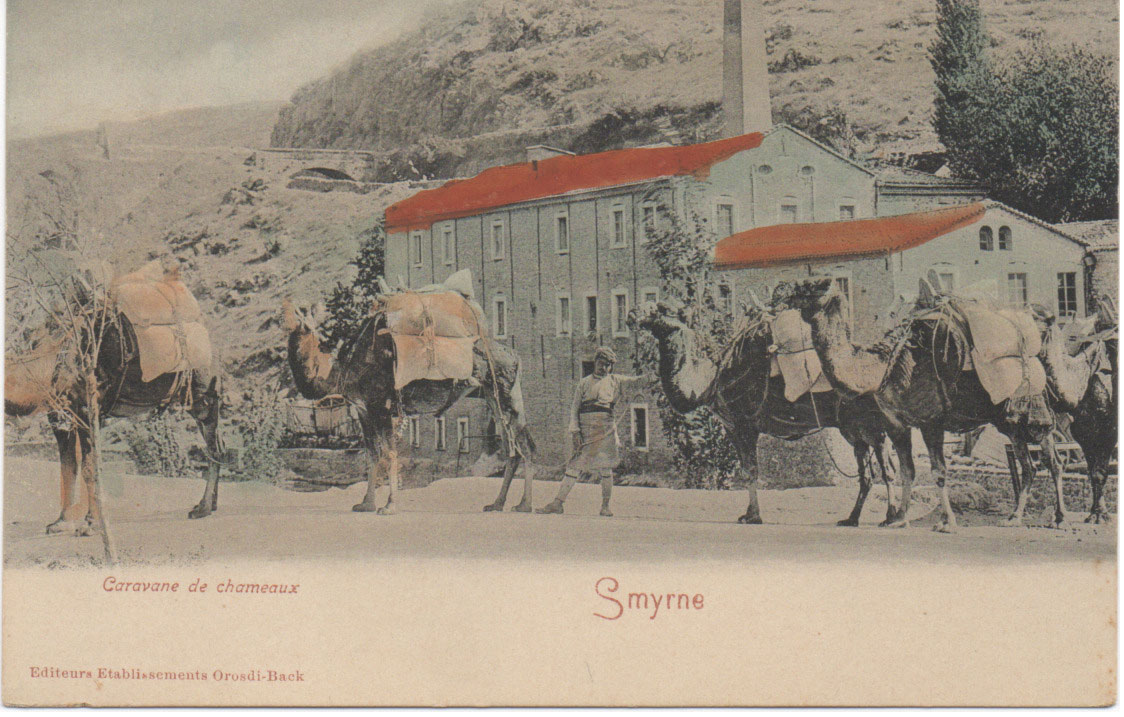
Exhibition at the BCM: Smyrna in the early 20th century
The temporary exhibition “Smyrna in the early 20th century.Through the eyes of the Byzantinist Georgios Lampakis” will be inaugurated on Thursday, December 22 at 18:30 at the Byzantine and Christian Museum.
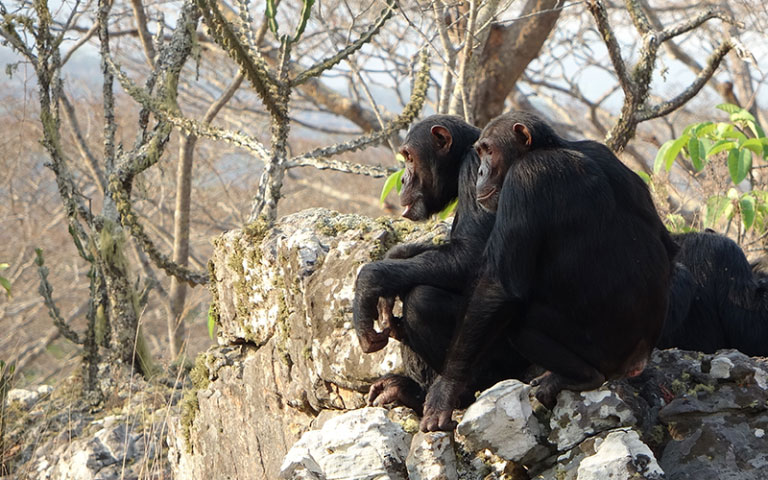
Early humans may have first walked upright in the trees
Human bipedalism – walking upright on two legs – may have evolved in trees, and not on the ground as previously thought, according to a new study involving UCL researchers.