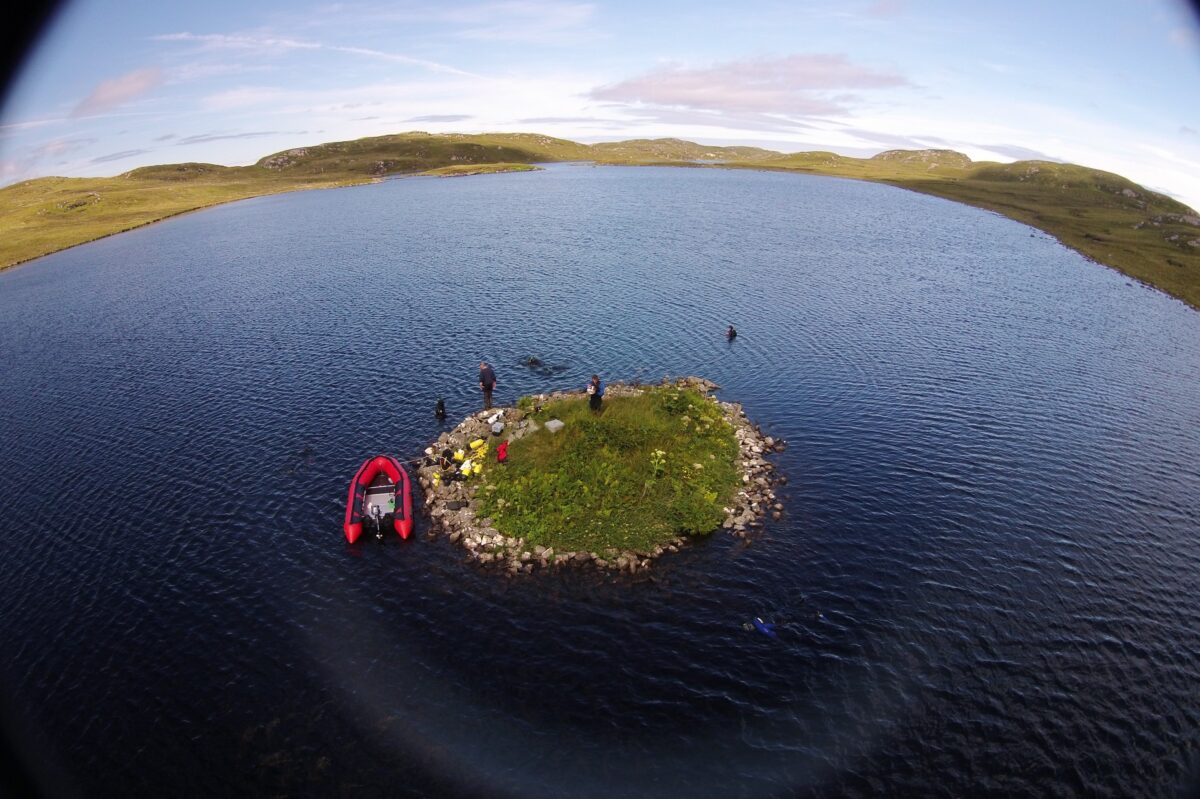
Neolithic culinary traditions uncovered
A team of scientists, led by the University of Bristol, has uncovered intriguing new insights into the diet of people living in Neolithic Britain and found evidence that cereals, including wheat, were cooked in pots.
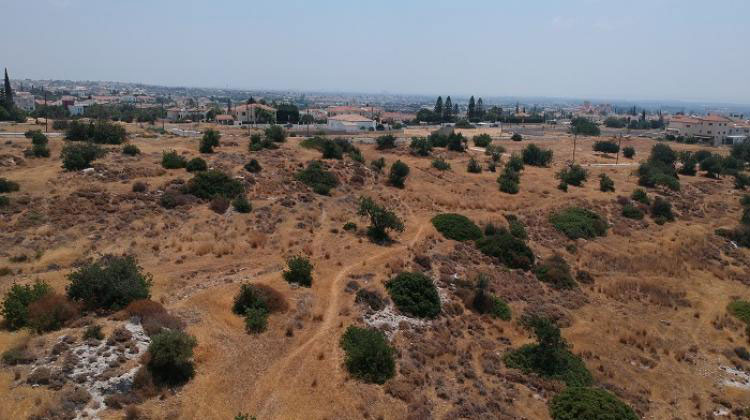
Polish archaeologists study 3,000 years old settlement in Cyprus
One of the most important Bronze Age settlements of southern Cyprus is being studied by an international team of archaeologists under the supervision of an expert from the Institute of Archaeology of the Cardinal Stefan Wyszynski University.
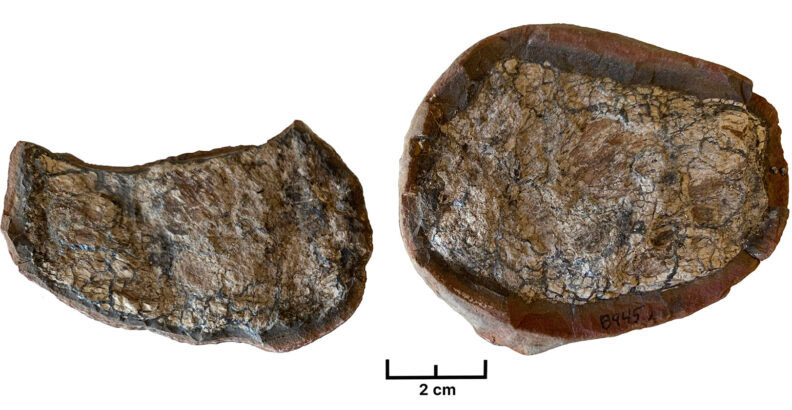
Study of 300-million-year-old faeces finds meat on the menu
Curtin researchers have analysed organic molecules preserved within 306-million-year-old fossilised animal faeces (coprolite) and unlocked a wealth of information about the diets of long-extinct animals and prehistoric ecosystems.
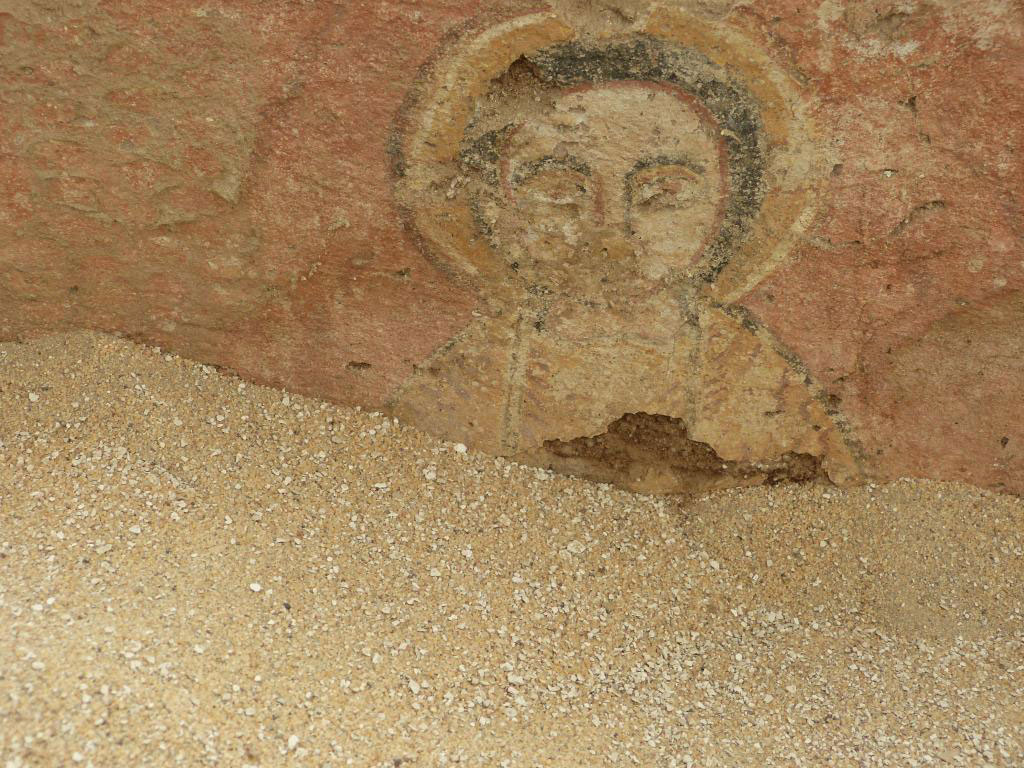
Polish researcher documents 1,000 years old paintings found in Sudan
Paintings from 1,000 years ago showing the Virgin Mary with Christ and two archangels have been documented by Dr. Magdalena Łaptaś from the Cardinal Stefan Wyszyński University.
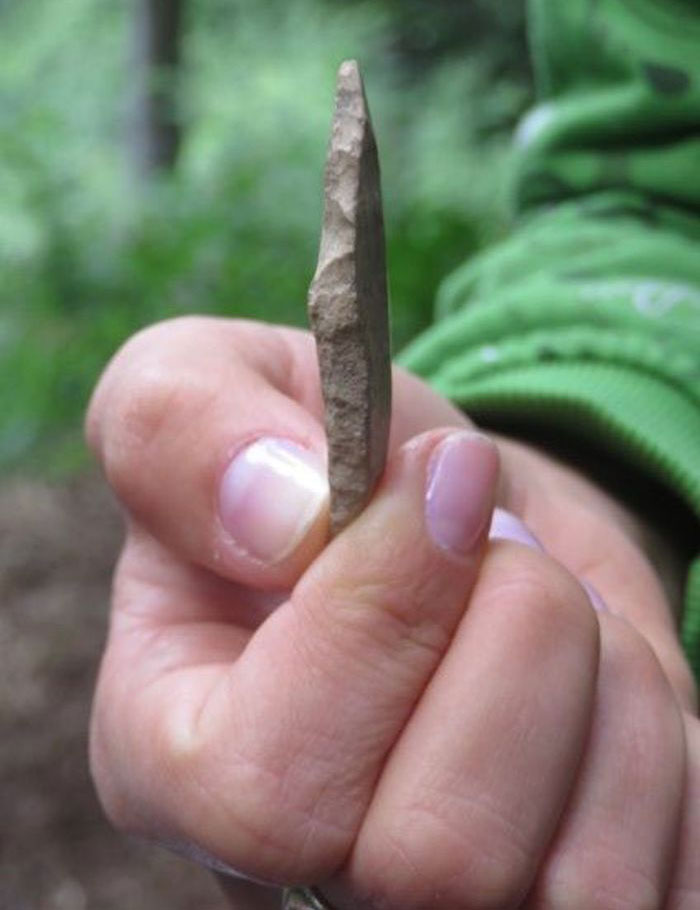
Traces of Alpine ibex hunters found in Tatra cave
Traces of Alpine ibex hunters from several thousand years ago have been discovered in the Belianske Tatras in Slovakia.
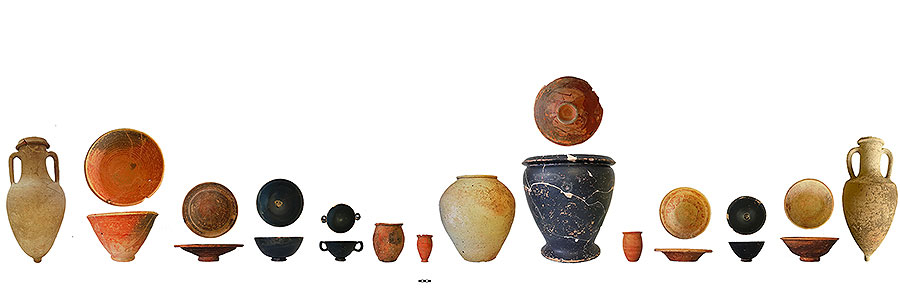
Rare find provides new insight into Etruscan life under Rome
The recent rescue excavation of a burial site in southern Tuscany is providing a previously unseen glimpse of the Etruscan identity.
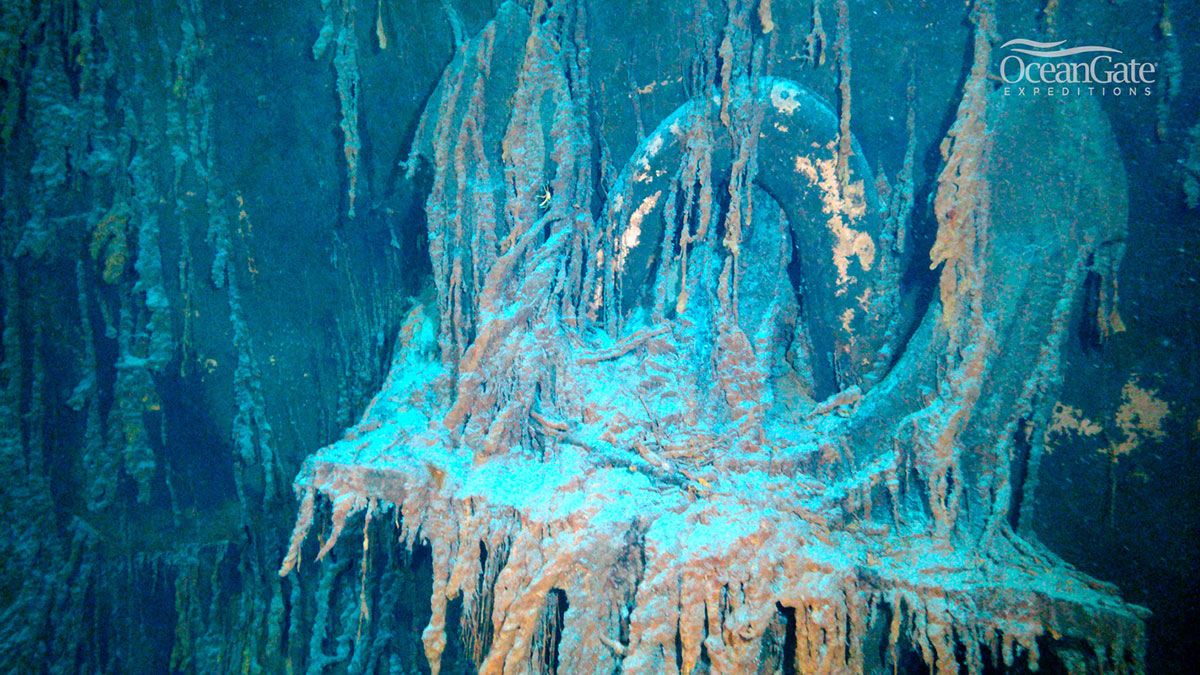
Titanic as never seen before
New details come to light as the world’s only 8k footage of the Titanic is revealed.
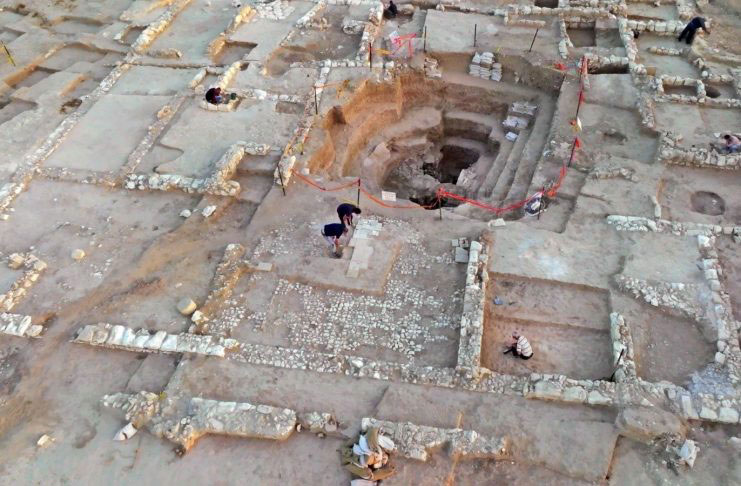
Finest rural estate found in the Negev in Southern Israel
A 1,200-year-old luxurious rural estate, the first of its kind in the Negev, was exposed in archaeological excavations carried out by the IAA.
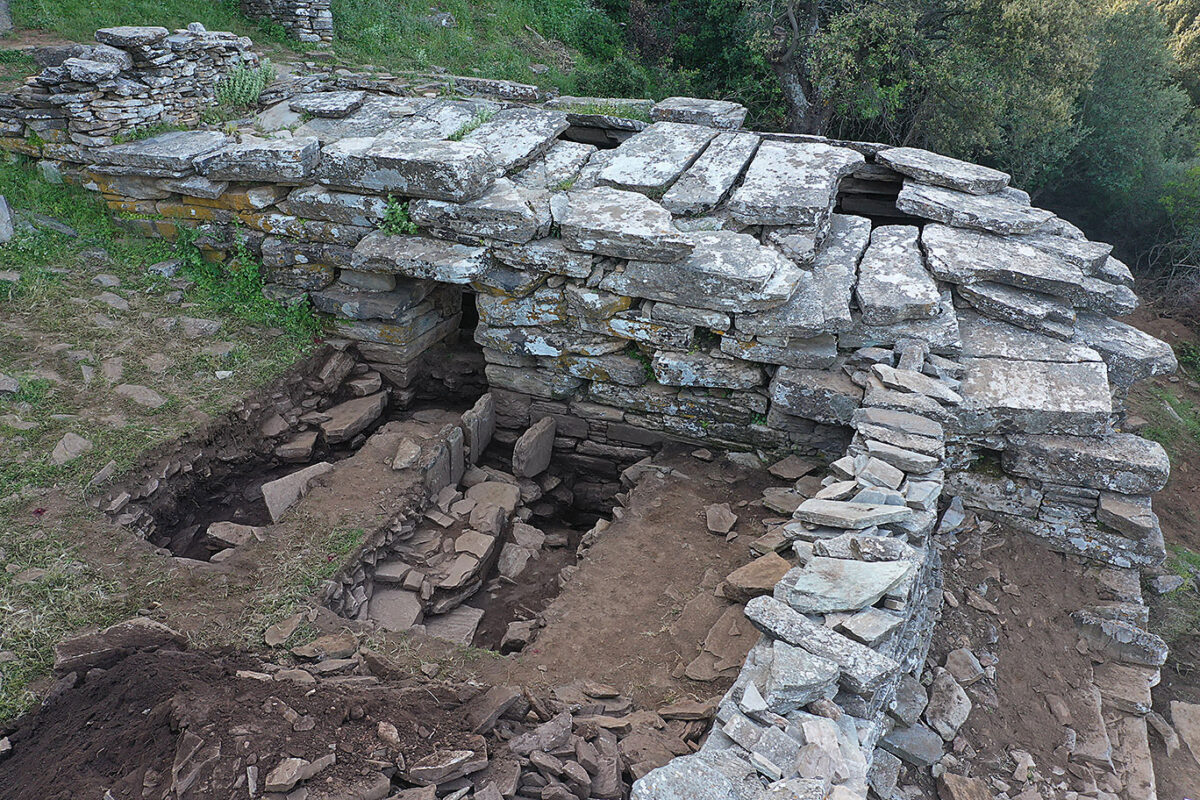
The enigmatic dragon houses of Euboea
Researchers from the Swiss School of Archaeology in Greece (ESAG) and the Ephorate of the Antiquities of Euboea are studying these monumental and enigmatic buildings.
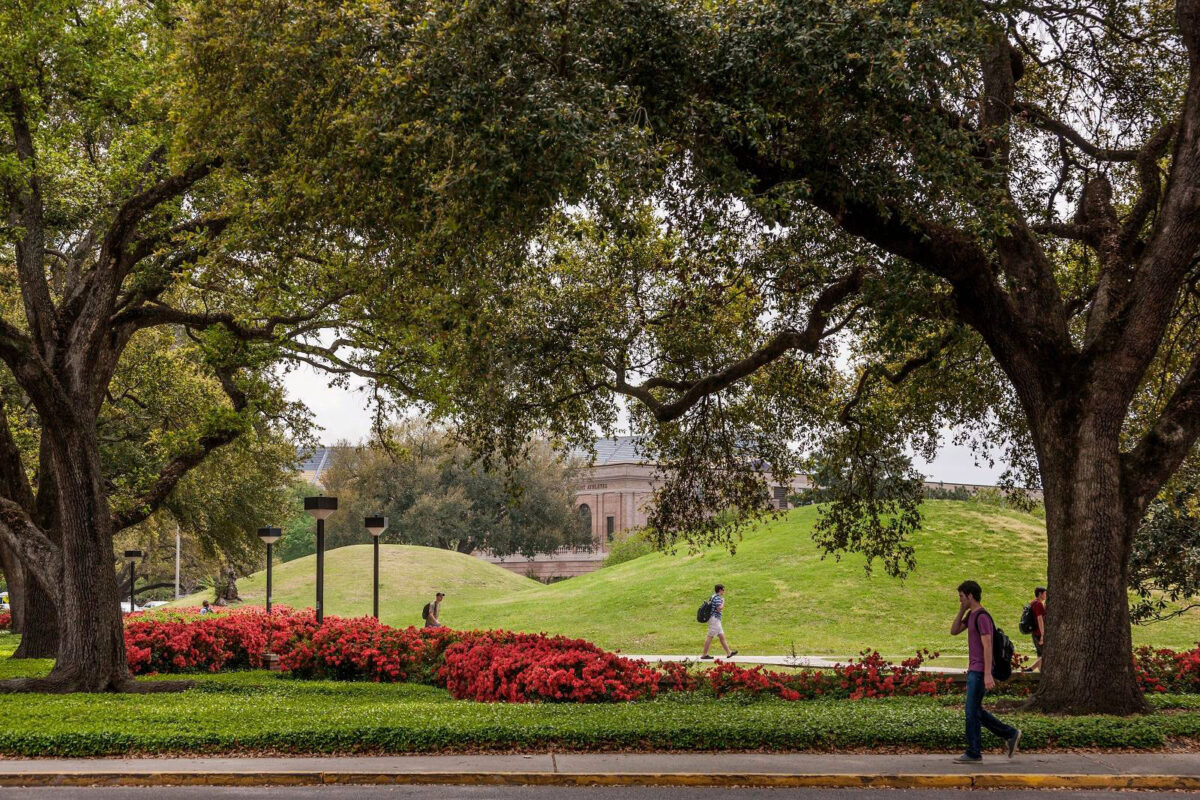
Campus mounds as the oldest known man-made structures in the Americas
New research reveals more information about the LSU Campus Mounds, including the discovery of thousands of years old charred mammal bone fragments.
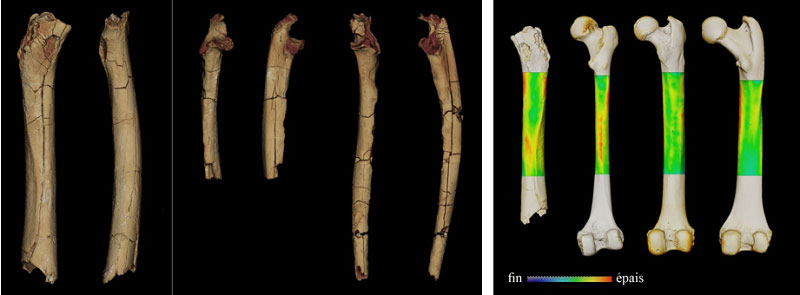
Sahelanthropus, the oldest representative of humanity, was indeed bipedal
A research team, involving researchers from the CNRS, the University of Poitiers (note 1) and their Chadian partners, examined three limb bones from the oldest human representative currently identified, Sahelanthropus tchadensis.
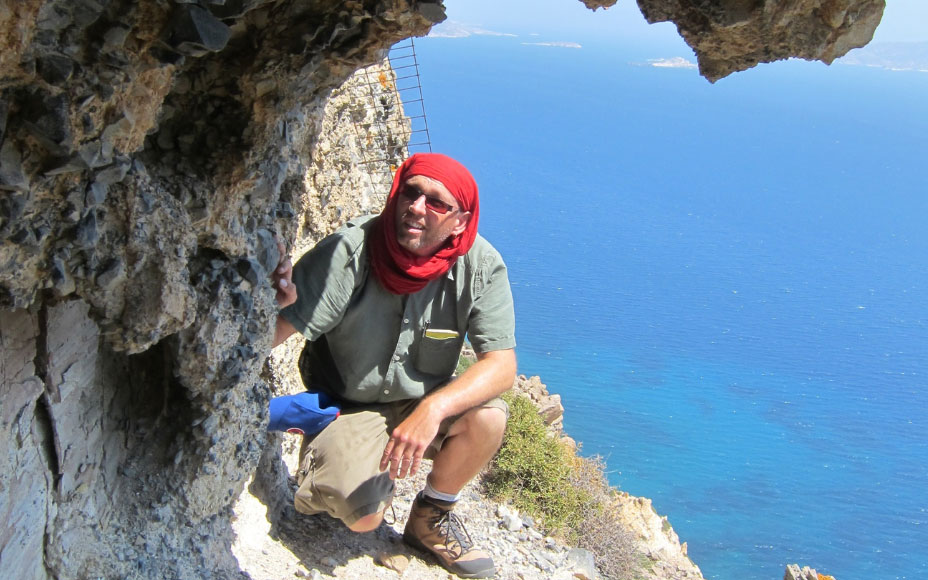
What drove major changes in ancient Greek society
A modern scientific analysis of ancient stone tools is challenging long-held beliefs about what caused radical change on the island of Crete.
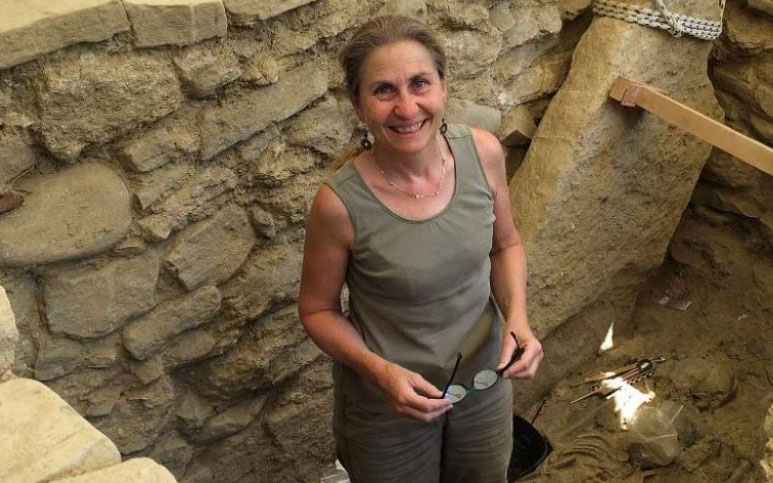
Griffin Warrior was likely a local aristocrat
Archaeology magazine highlighted the discovery that a Bronze Age leader was from the region he one day would come to rule.
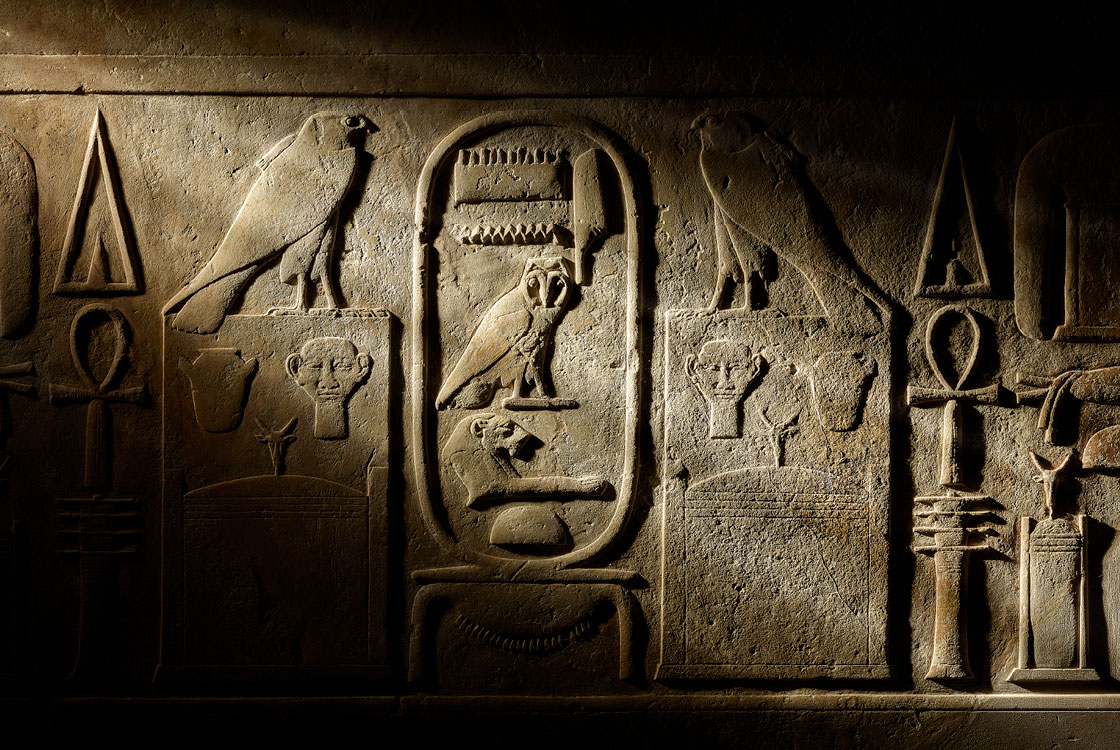
British Museum announces major exhibition on hieroglyphs
Hieroglyphs: unlocking ancient Egypt runs from 13 October 2022 to 19 February 2023 in the Sainsbury
Exhibitions Gallery at the British Museum.
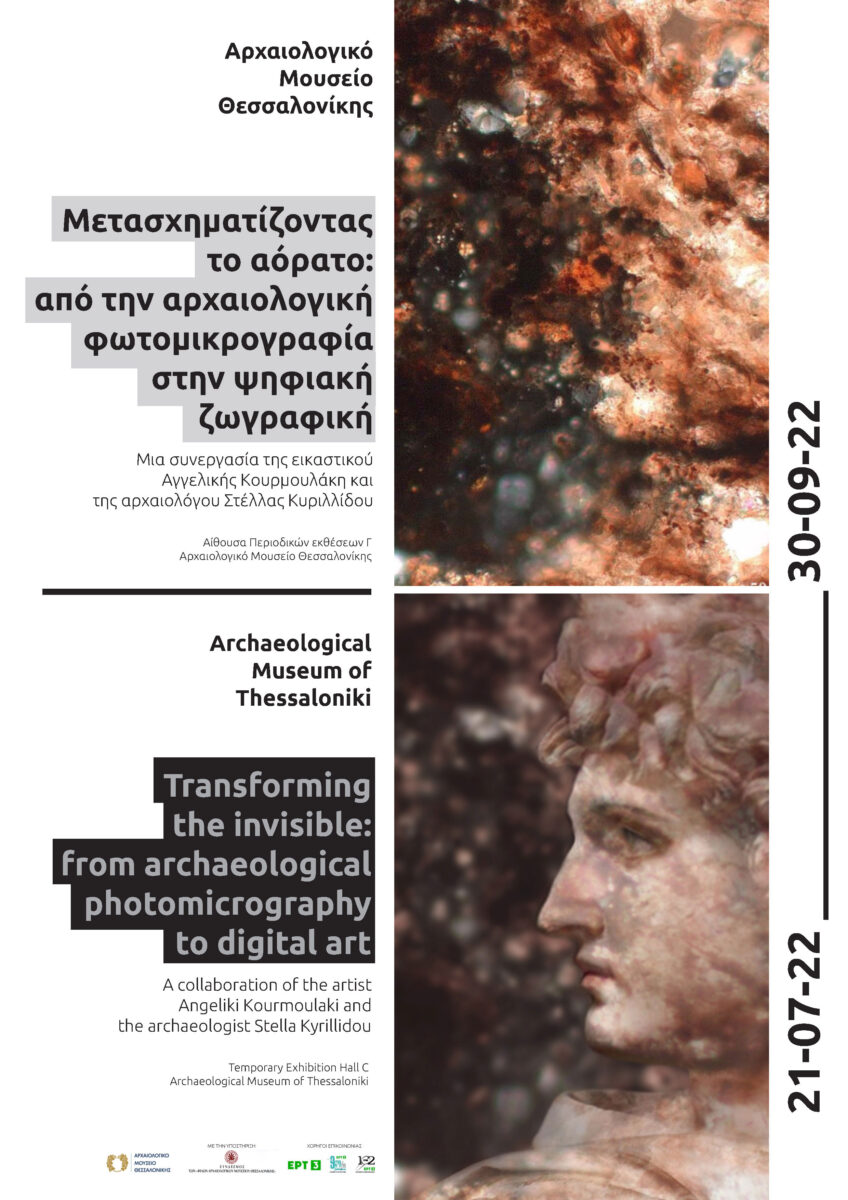
From archaeological photomicrography to digital art
The photographic exhibition “Transforming the invisible: from archaeological photomicrography to digital art" is an artistic bridge between the "visible", tangible world and the "invisible" microcosm.

The Fantasy of the Middle Ages at the Getty Center
This exhibition explores the ways in which the Middle Ages have been mythologized, dramatized, and re-envisioned time and again
Mythologies at the Stavros Niarchos Foundation Cultural Centre
MYTHOLOGIES | NEW TERRAINS exhibition at the SNFCC Dome comprises sculptures, installations and an augmented reality application that explore our age-old complex relationship with mythology.
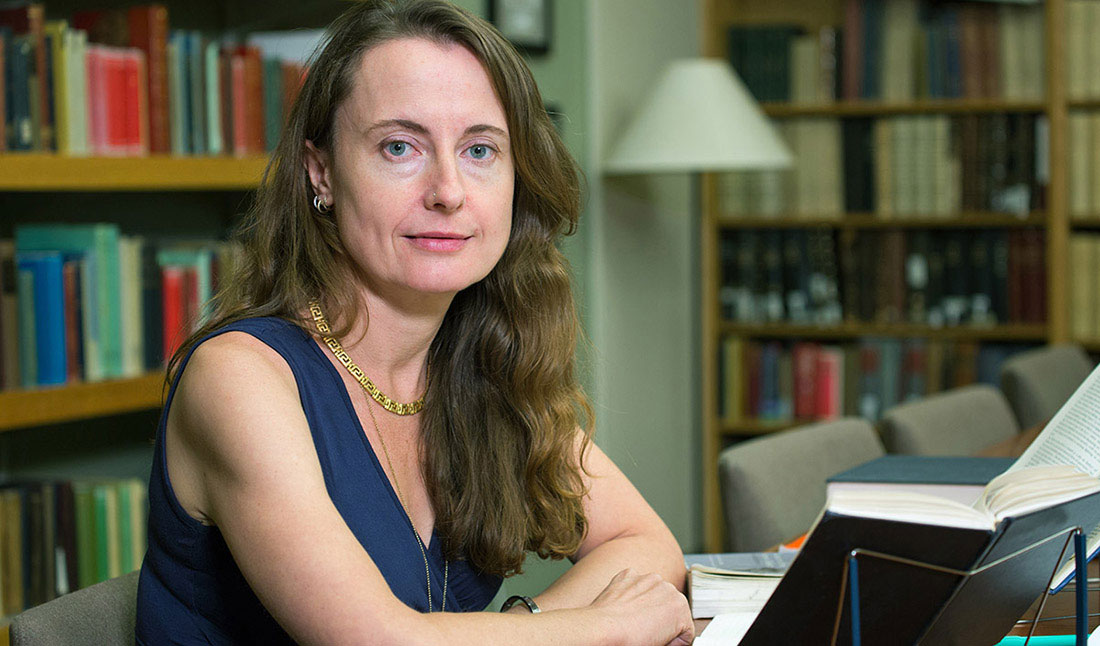
Emily Wilson as guest speaker in Thalia Potamianos Lecture Series
The Gennadius Library is pleased to announce Dr. Emily Wilson as the 2022–2023 speaker for the Thalia Potamianos Annual Lecture Series on the Impact of Greek Culture.
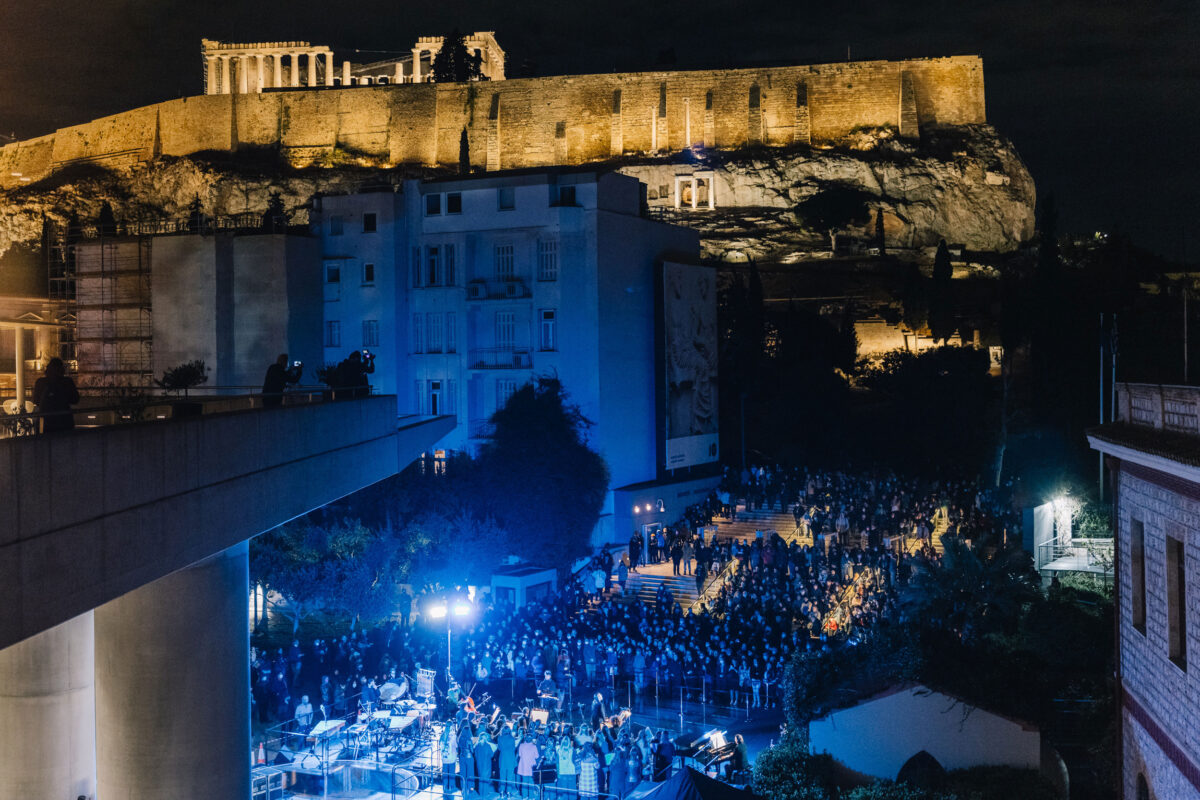
August Full Moon at the Acropolis Museum
The Acropolis Museum celebrates August Full Moon on Friday 12 August 2022 with Greek songs about the moon, film music and famous melodies from abroad.
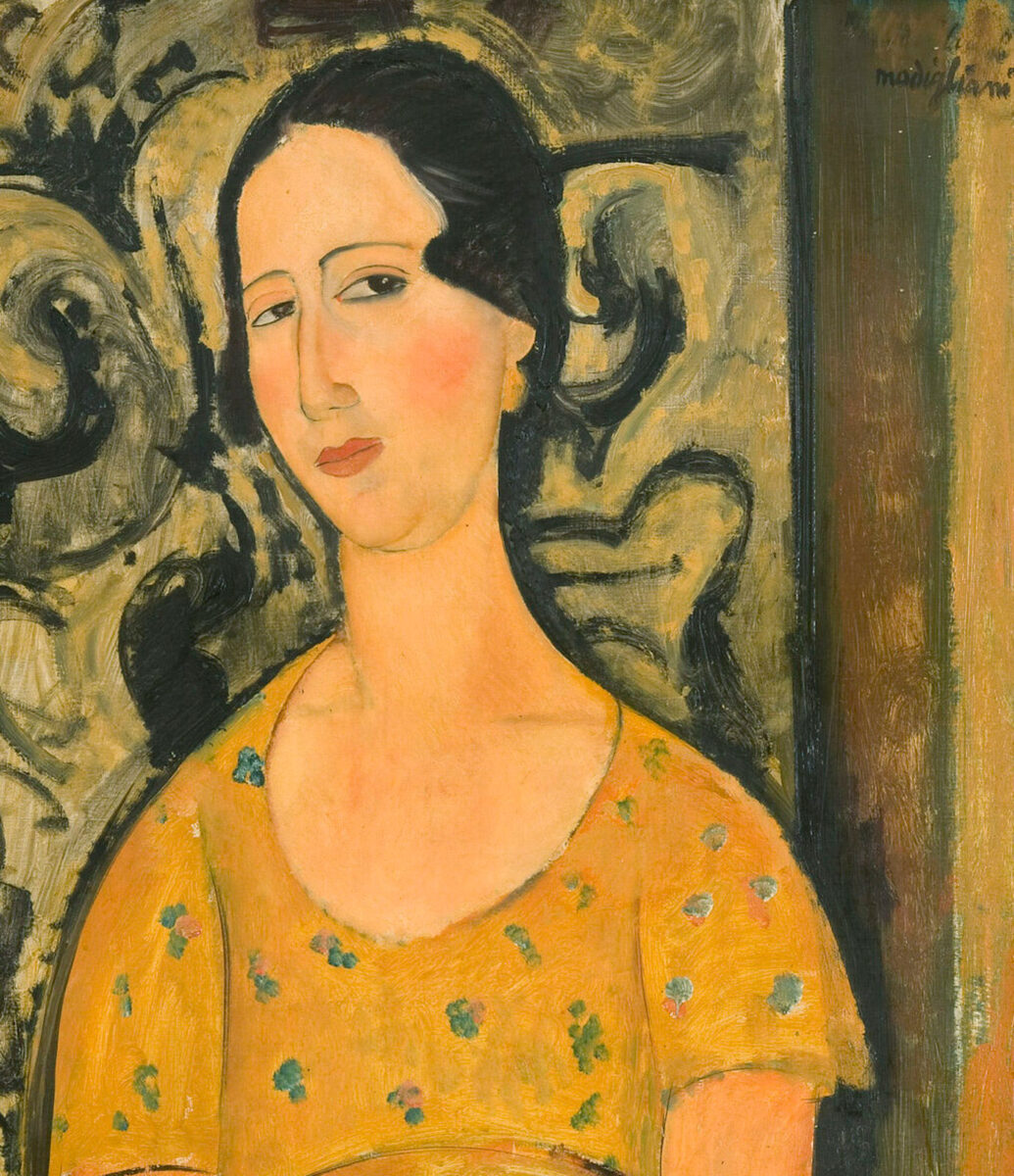
Modigliani Up Close opens at the Barnes in October
Organized by a team of curators and conservators—Nancy Ireson and Barbara Buckley from the Barnes, consultant curator Simonetta Fraquelli, and conservator Annette King of Tate, London—Modigliani Up Close explores Amedeo Modigliani’s working methods and materials.
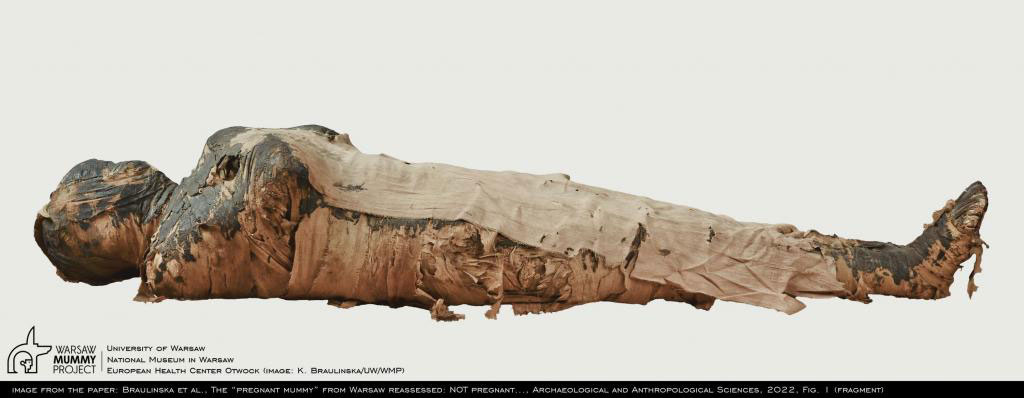
The “pregnant mummy” from Warsaw reassessed: Not pregnant
The case of the first “pregnant ancient Egyptian mummy”, as published by Ejsmond et al. (2021), has raised doubts regarding their conclusions unsupported by (paleo)radiological expertise.
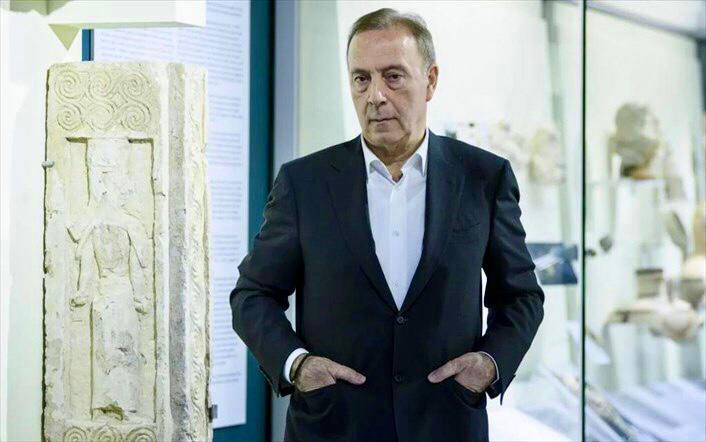
The reunification of the Parthenon marbles is a universal request
When the Parthenon Sculptures were purchased by the English government in 1816, 30 members of the British Parliament were against this acquisition, he pointed out.
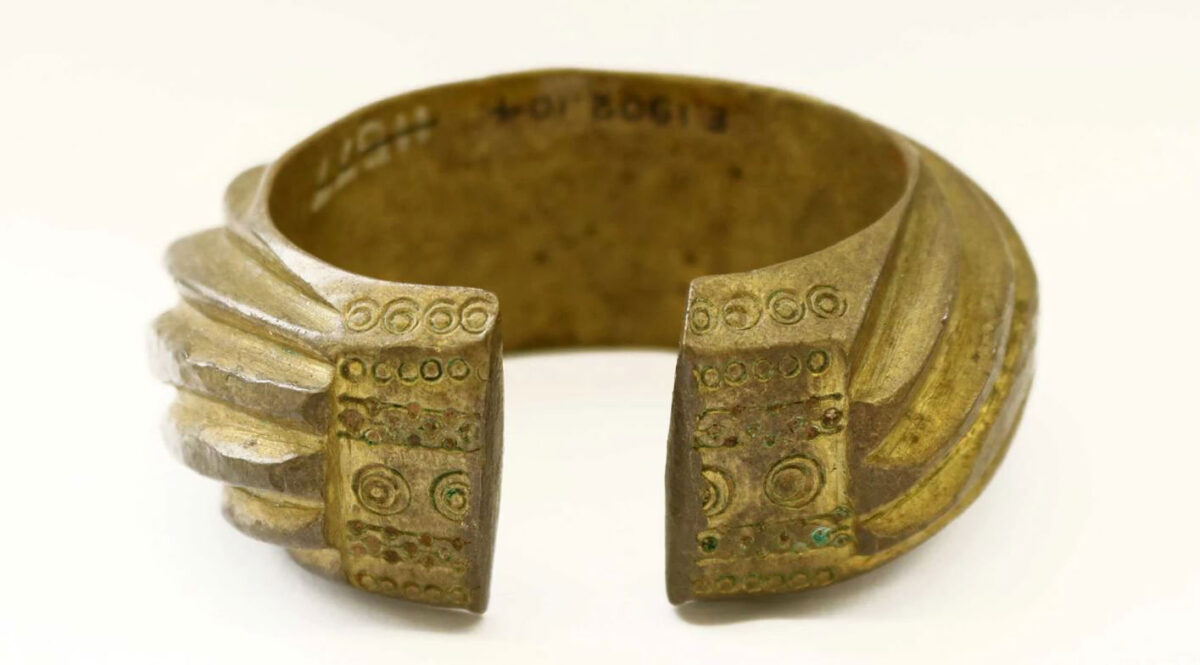
Cambridge supports Nigeria’s claim for return of Benin artefacts
The University of Cambridge is supporting a claim for the return to Nigeria of 116 objects currently held in the University’s Museum of Archaeology and Anthropology (MAA) collections.
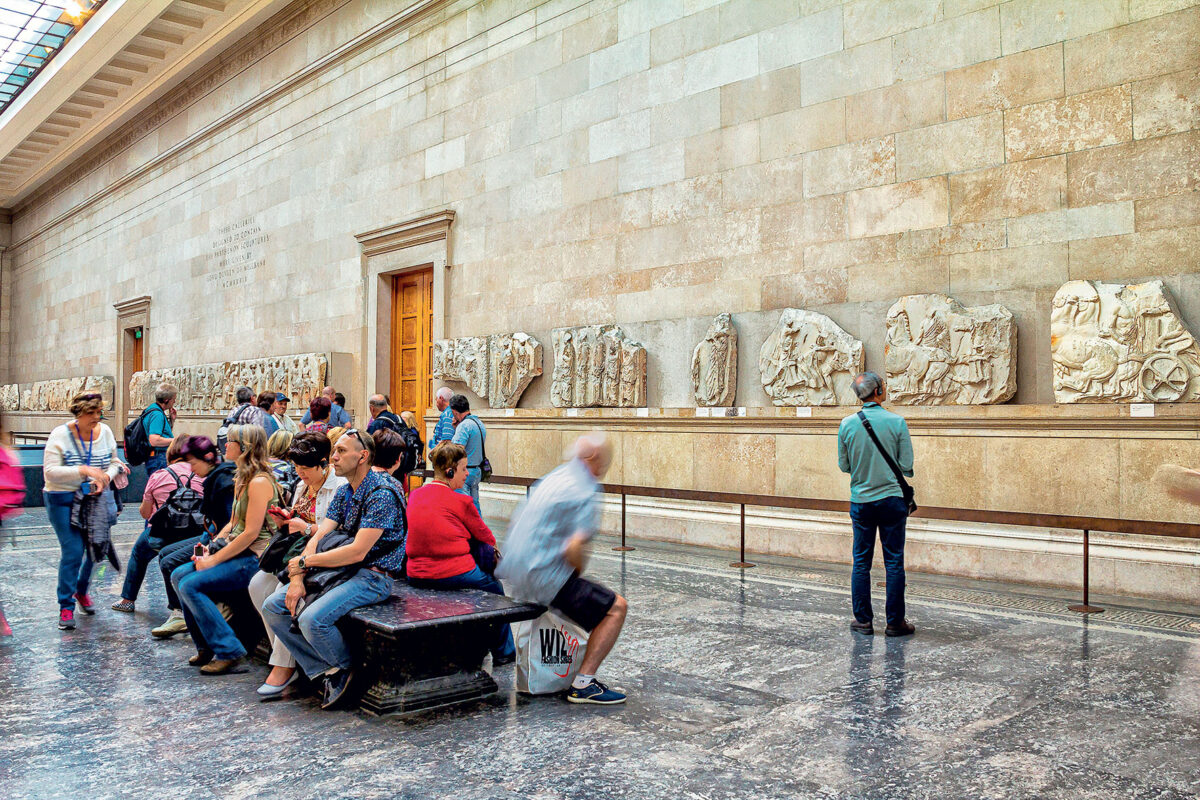
British Museum: A “partnership” regarding the Parthenon marbles
In an interview with the Sunday Times culture magazine deputy director of the British Museum, Jonathan Williams, said that the Museum is ready to find a solution with Greece.