
An international team led by researchers from Universities of Tübingen and Reading and Senckenberg Nature Research Society has discovered the earliest known hand-held wooden tools used by humans.
A study jointly led by Professor Katerina Harvati from the Senckenberg Centre for Human Evolution and Palaeoenvironment at the University of Tübingen and Dr. Annemieke Milks at University of Reading describes discoveries from the Marathousa 1 site in Greece’s central Peloponnese which date back 430,000 years.
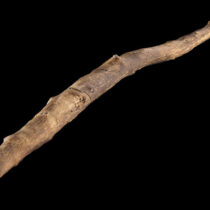
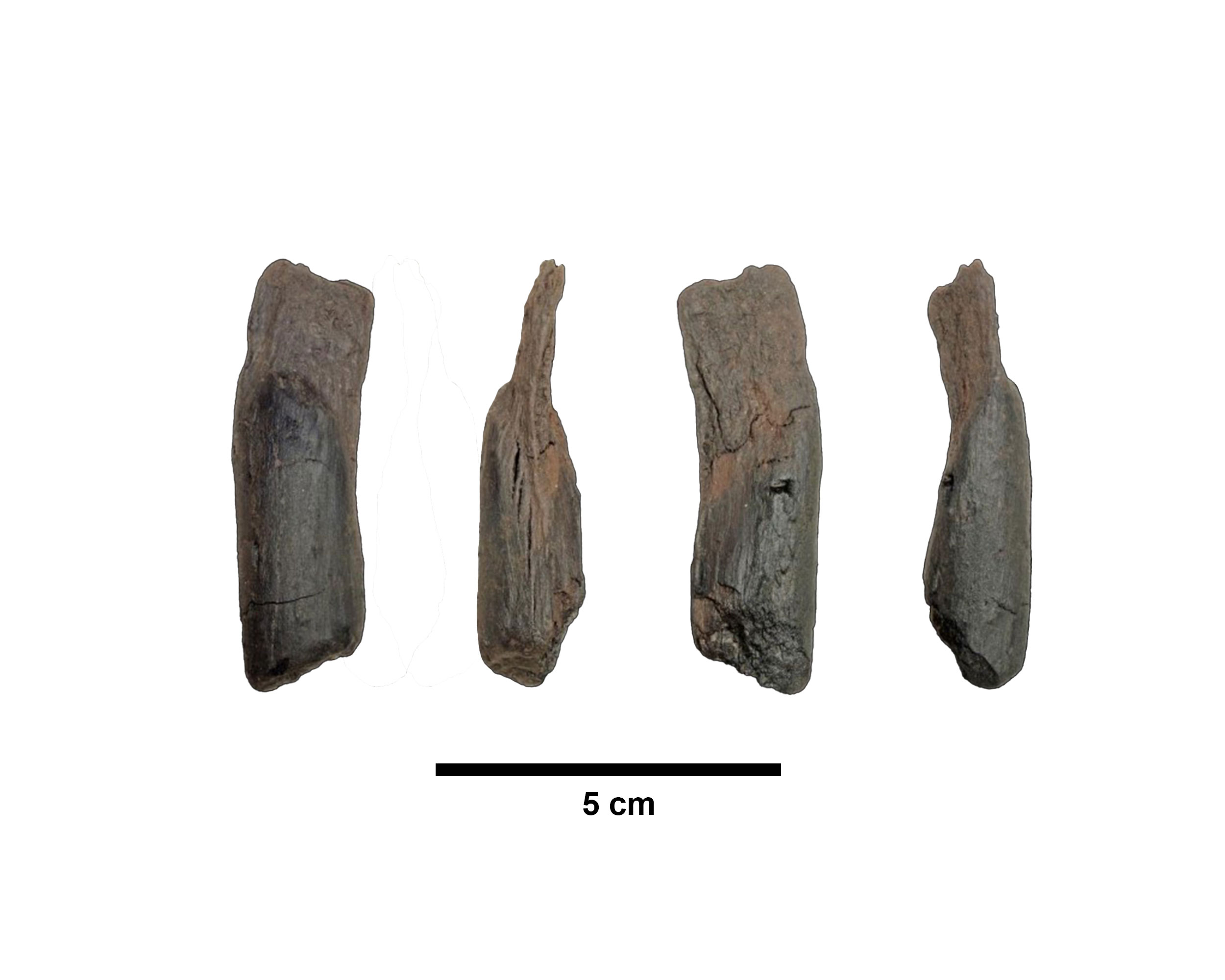
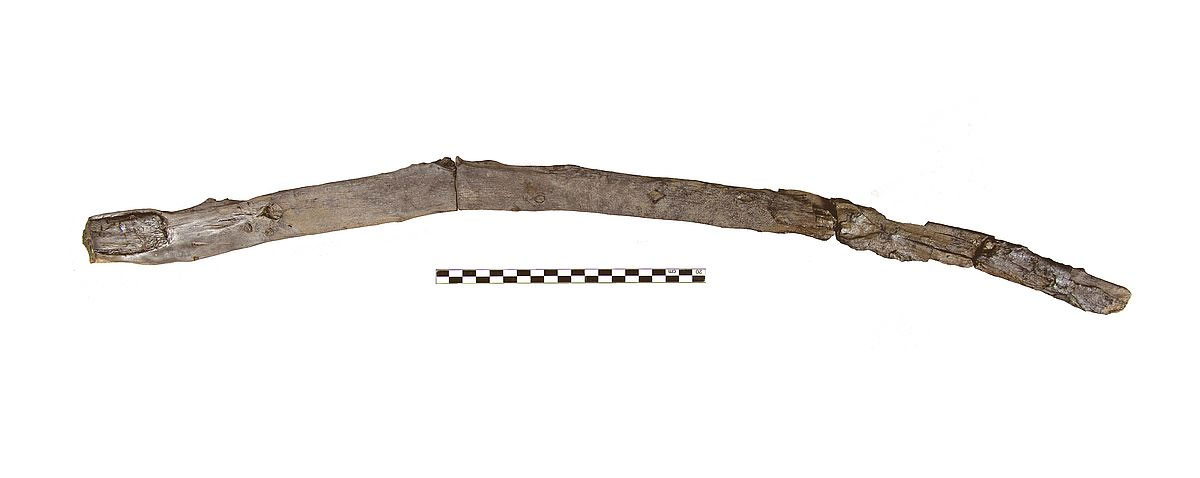
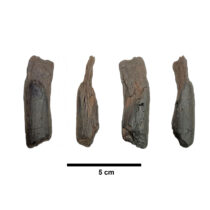
Published in the journal PNAS, the finds consist of two objects crafted and used by humans, one made of alder wood and the other of willow or poplar. The objects represent the oldest hand-held wooden tools ever found, pushing back evidence of this type of tool use by at least 40,000 years.
Other finds of stone tools and the remains of an elephant and other animals indicate that the site, once on the shore of a lake, was used for butchering animals. The site was used by early humans around 430,000 years ago during the Middle Pleistocene – the period from around 774,000 to 129,000 years ago.
“The Middle Pleistocene was a critical phase in human evolution, during which more complex behaviors developed. The earliest reliable evidence of the targeted technological use of plants also dates from this period,” says Professor Katerina Harva-ti, a paleoanthropologist and expert in human evolution, who leads the long-term research program at Marathousa 1.
Worked stones and bone artifacts from the site highlighted the skill and diverse activities of the people who once lived there, so the research team took a closer look at the associated finds made of wood.
“Unlike stones, wooden objects need special conditions to survive over long periods of time,” says Dr Annemieke Milks, a leading expert in early wooden tools. “We examined all the wooden remains closely, looking at their surfaces under microscopes. We found marks from chopping and carving on two objects – clear signs that early humans had shaped them.”
Meticulous examination
The research team identified two wooden artifacts which had been worked by humans: a small piece of an alder trunk shows clear signs of having been shaped as well as signs of wear and tear. The stick was probably used for digging at the edge of the lake, or for removing tree bark.
A second, very small piece of wood from a willow or poplar tree shows signs of working and possible signs of use. A third find – a larger piece of alder trunk with a groove pattern – had been clawed by a large carnivore, possibly a bear, and not shaped by humans, the researchers concluded.
 NOTES
NOTES