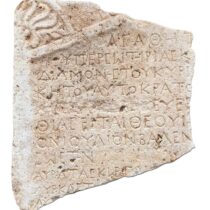
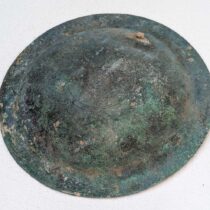
Preventive archaeological excavations carried out at the future site of the Constanța Municipal Hospital have brought to light an important group of Roman-period burials and two exceptional artifacts: a rare parade shield umbo and a Greek inscription documenting a religious association in ancient Tomis. The discoveries were made by archaeologists from the National History and Archaeology Museum of Constanța (MINAC) during research undertaken in advance of construction works intended to improve the energy efficiency of the hospital complex.
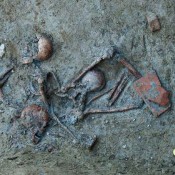
The excavations revealed 34 graves dating to the 3rd–4th centuries CE, part of the necropolis of the ancient city of Tomis, the predecessor of modern-day Constanța. Founded as a Greek colony in the 6th century BCE and incorporated into the Roman Empire in 29 BCE during the reign of Augustus, Tomis later developed into an important urban center on the western coast of the Black Sea. By the early 4th century CE it had become the capital of the province of Scythia Minor and a major hub of maritime trade.
The archaeological investigations were required under heritage protection legislation because the hospital complex lies within the boundaries of the imperial-period necropolis of Tomis and within the protection zone of the early Christian monument known as the Tomb with Orant (4th century CE). Excavations were conducted by a team from MINAC in two stages (September–October 2025 and January–February 2026) after preliminary site works such as demolition, utility relocation, and surface clearing had been completed.
The research also faced significant logistical challenges. The deteriorated structural condition of one of the existing hospital buildings, classified in the highest seismic risk category, created hazardous working conditions and required temporary suspension and reorganization of the archaeological work in order to ensure the safety of the research team.
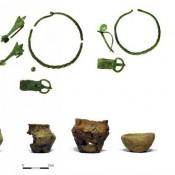
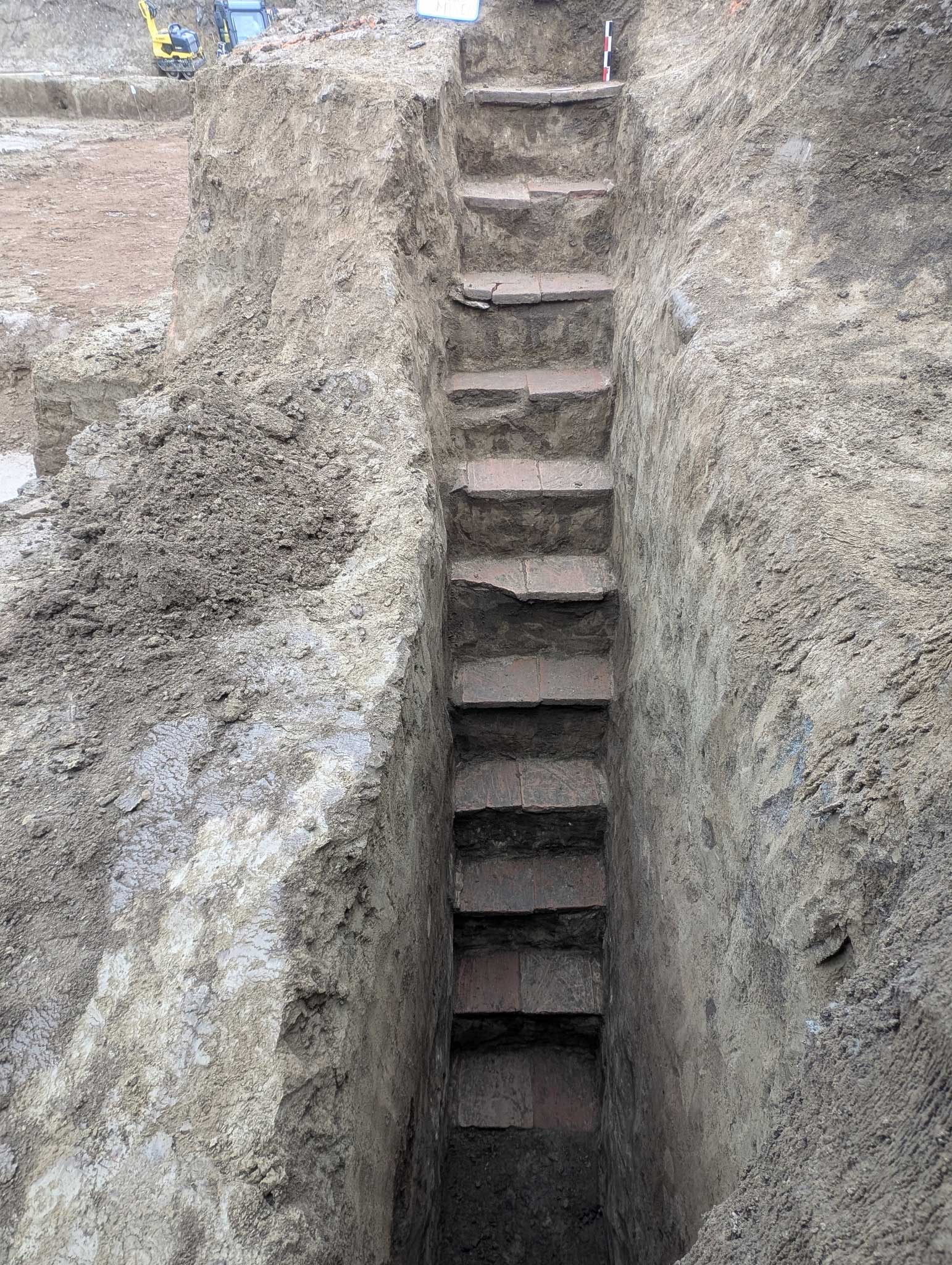
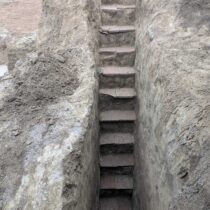
Despite these constraints, the excavations revealed a remarkably well-preserved section of the necropolis. The burials include several catacomb-type tombs used for multiple burials over long periods of time. Some of these underground burial chambers were accessed by tiled staircases that have survived in excellent condition. Many graves contained funerary goods including jewelry, personal adornments, glass vessels, coins, and a large number of ceramic amphorae imported from North Africa, reflecting the vibrant commercial connections of Roman Tomis.
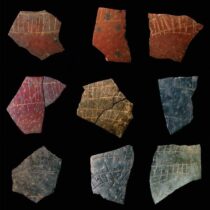
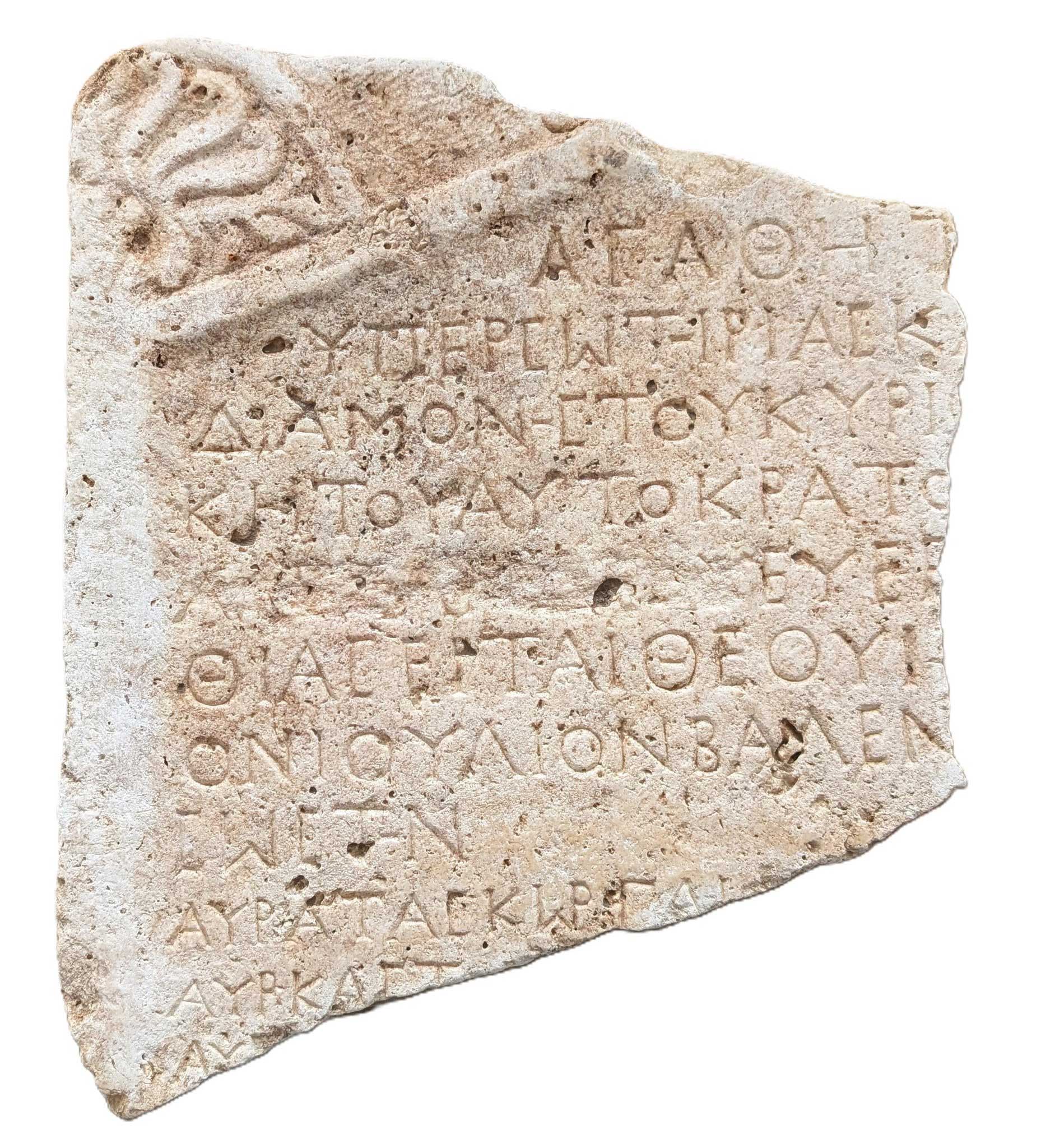
Among the discoveries, two objects stand out for their rarity and historical importance. One is a Greek-language inscription that appears to have originally formed part of a sarcophagus or funerary monument dating to the 3rd century CE. Preliminary analysis suggests that the inscription refers to a religious association active in Tomis during that period.
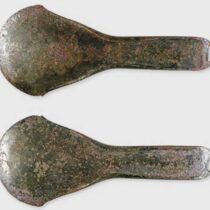
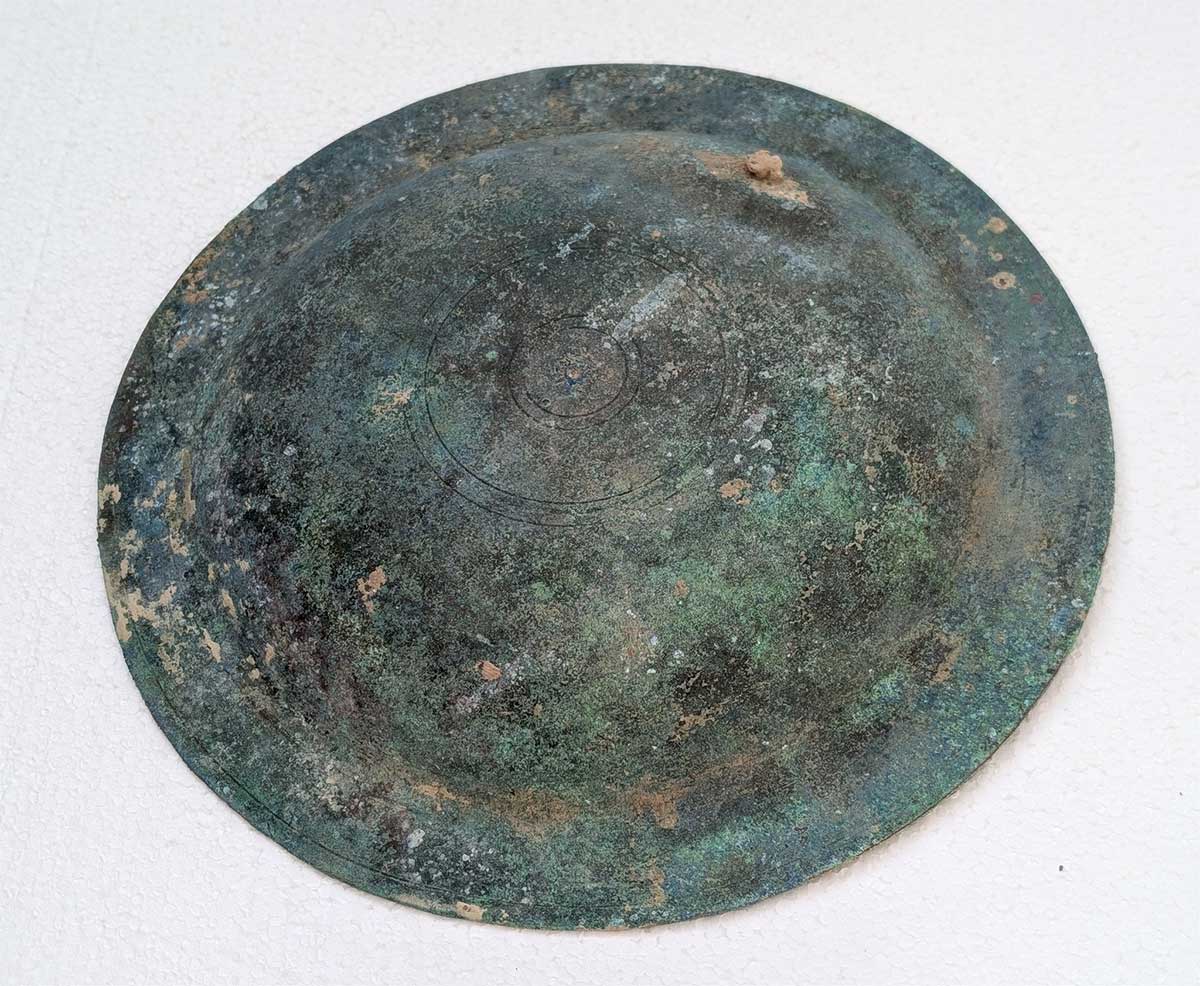
Equally remarkable is the discovery of an umbo—the central projecting element of a shield—belonging to a ceremonial or parade shield. Such objects are extremely rare in the Roman provincial archaeological record. Its presence within a funerary context may indicate the burial of an individual associated with military prestige or elite status.
These findings contribute significantly to the understanding of the social, religious, and cultural life of Roman Tomis. They also highlight the importance of preventive archaeological research in safeguarding and documenting cultural heritage during modern urban development.
The National History and Archaeology Museum of Constanța continues to conduct its work in close cooperation with local authorities and in full compliance with national heritage legislation. Through ongoing research, institutional collaboration, and specialized expertise, the museum remains committed to protecting the archaeological heritage of Constanța and ensuring that the city’s ancient past remains an integral part of its cultural identity.
 NOTES
NOTES