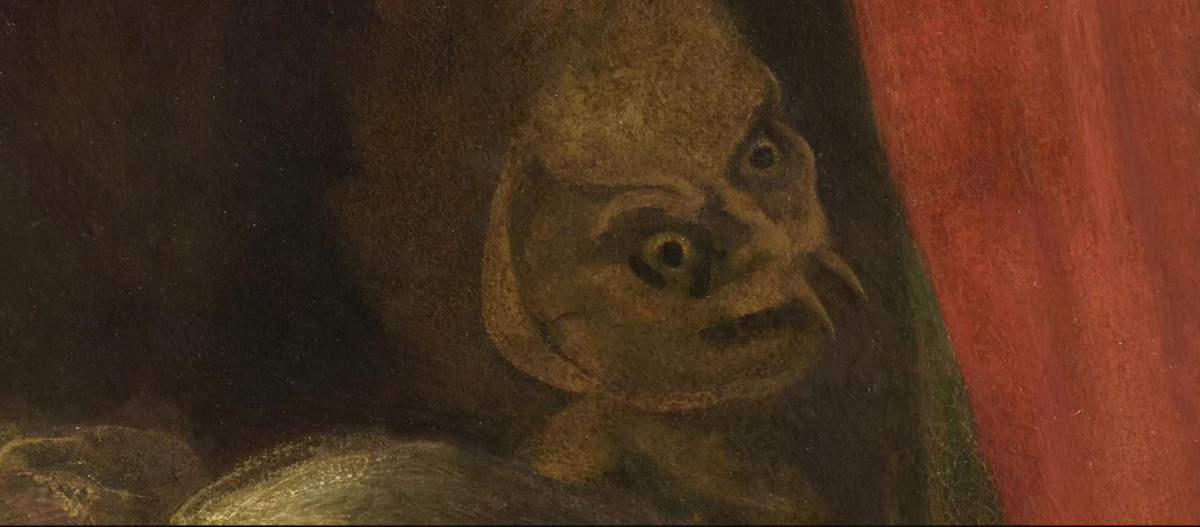
The devil in the detail
A fiend, which has lurked unseen in a painting by Joshua Reynolds, has emerged following conservation work by the National Trust.
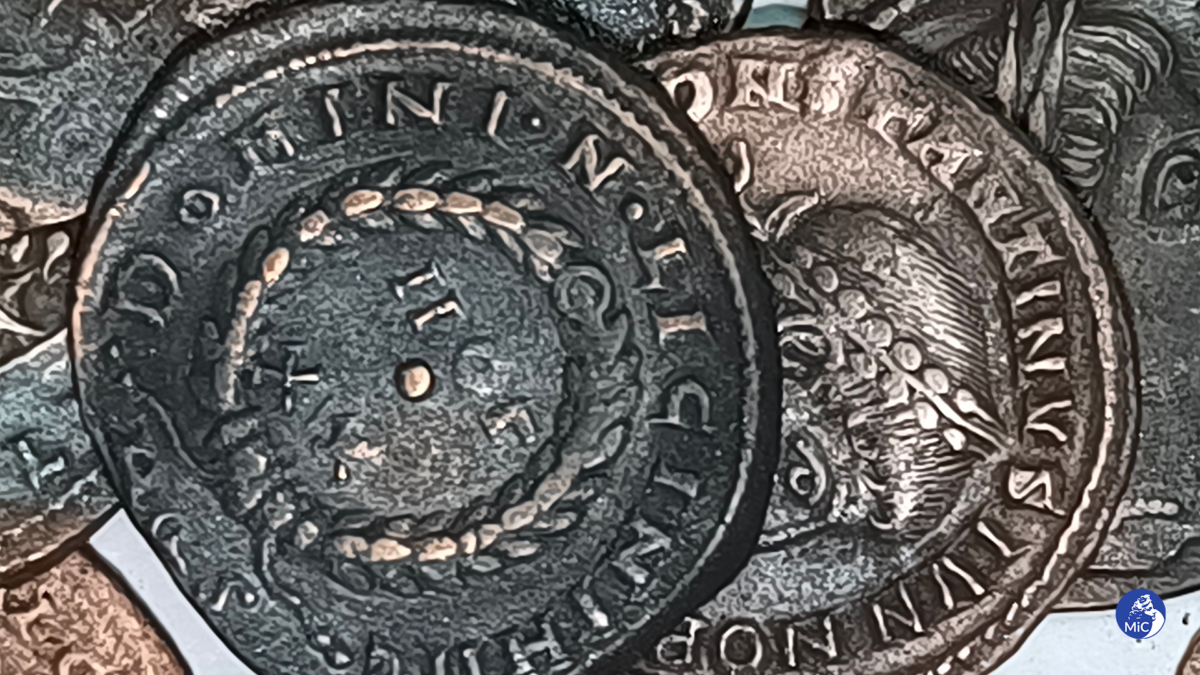
Hoard of coins found at Claternae, Sardinia
A rich deposit of follis was discovered in the sea of the north-eastern coast of Sardinia, in the territory of Arzachena.
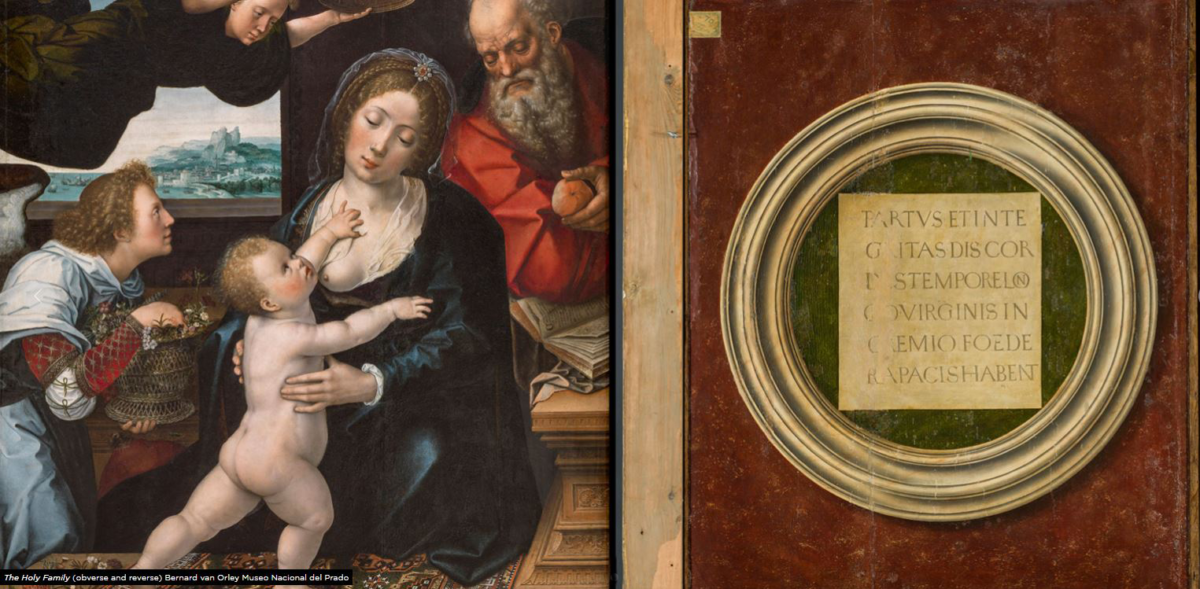
Museo Nacional del Prado: On the Reverse
Until 3 March 2024 the Museo Nacional del Prado and Fundación AXA are undertaking a journey that moves beyond the surface of artistic masterpieces.
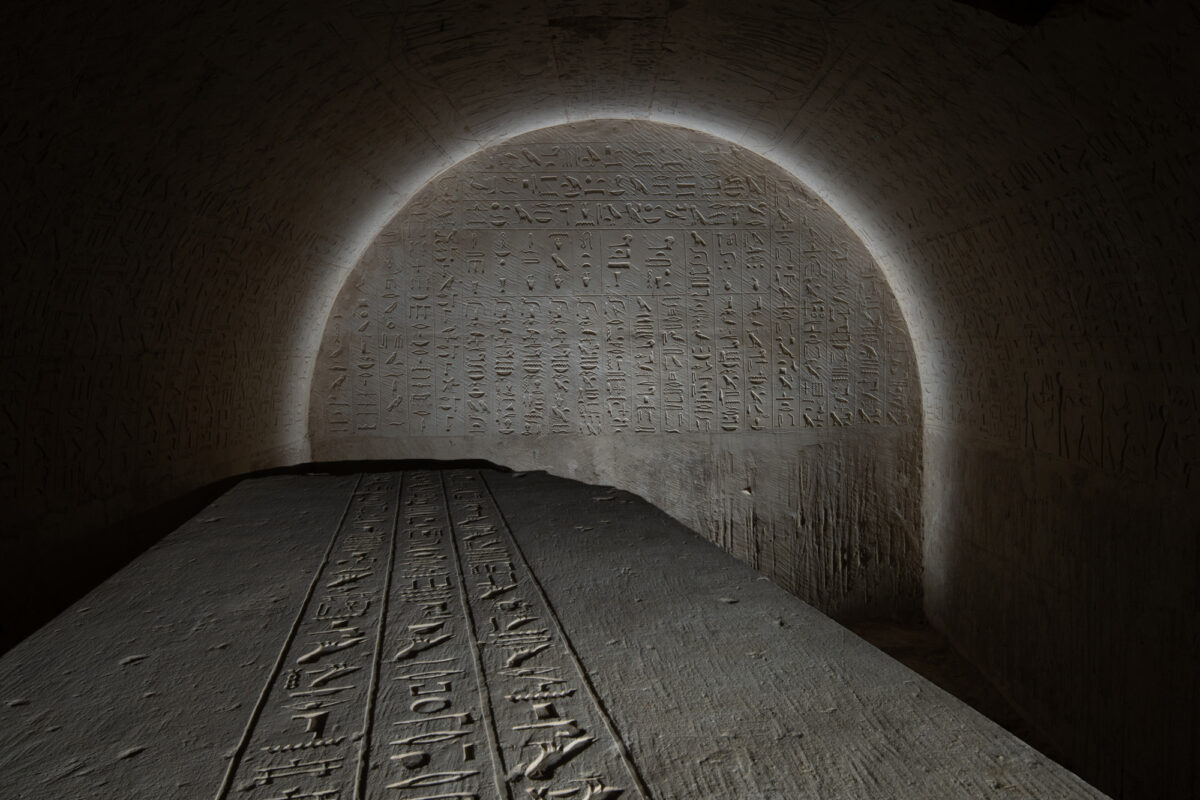
Tomb of a Scribe Unearthed at Abusir
The shaft tomb belongs to a dignitary who served as a scribe at the time of the Persian invasion of Egypt.
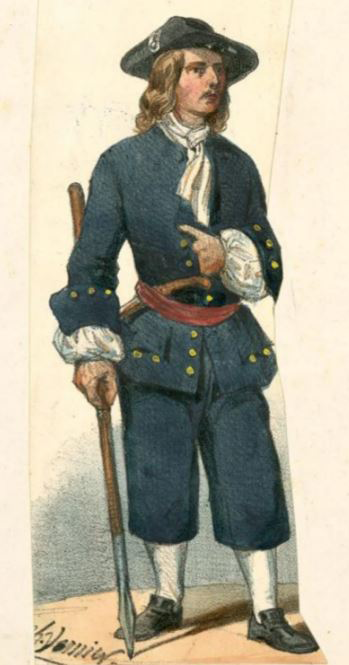
Love lost and found
Over 100 letters sent to French sailors by their fiancées, wives, parents and siblings – but never delivered – have been opened and studied for the first time since they were written in 1757-8.
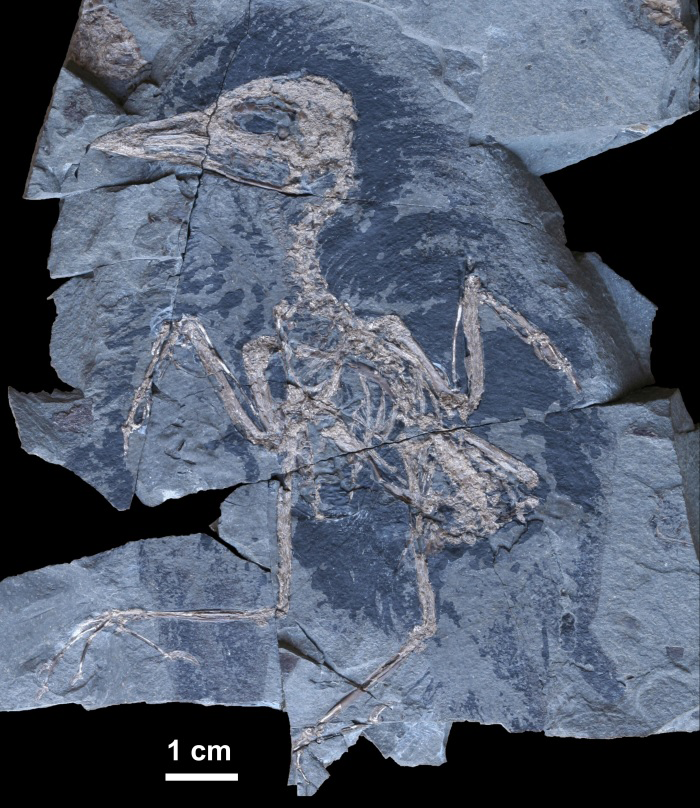
Bird fossils dating back millions of years found in Poland
Thanks to these finds, we know that species related to today's passerines, grouses, hoopoes, hawks and hummingbirds lived in SE Poland.
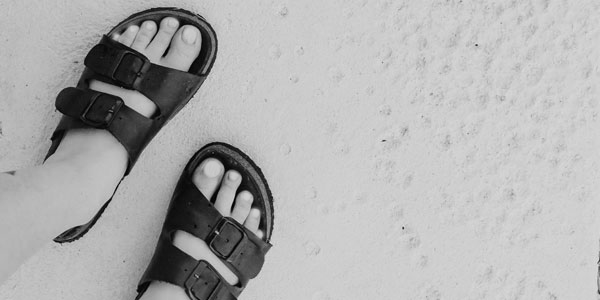
Shoes maketh man
In a twist in the ancient human story, emerging evidence suggests that we may have worn shoes as early as the Middle Stone Age.
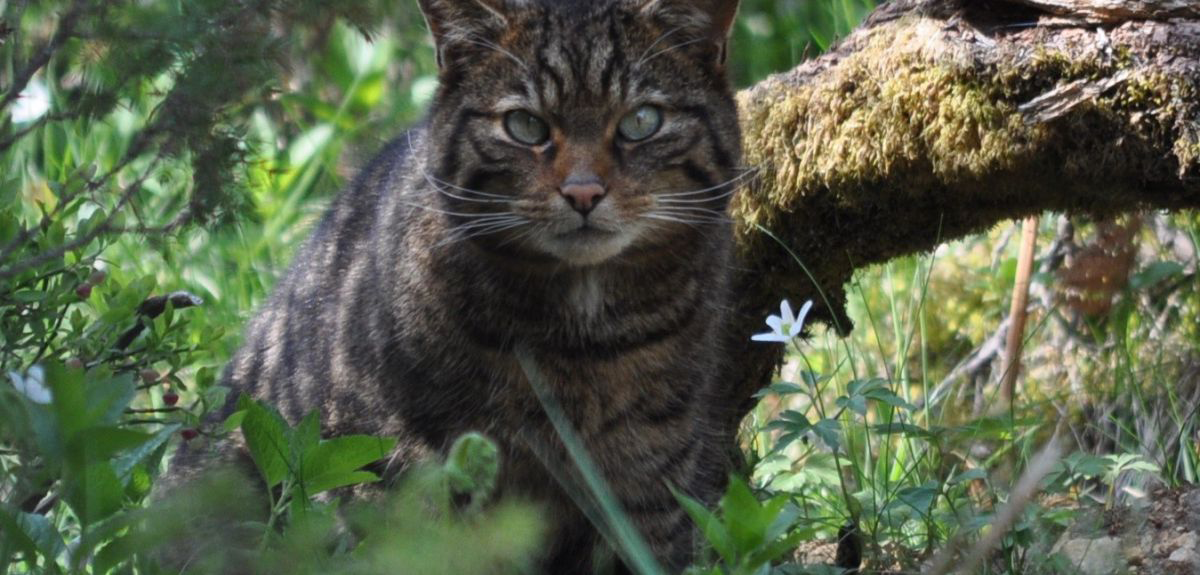
Research transforms understanding of the history of cats in Europe
An international team of researchers has found new archaeological and genetic evidence which transforms our understanding of the history of cats in Europe.
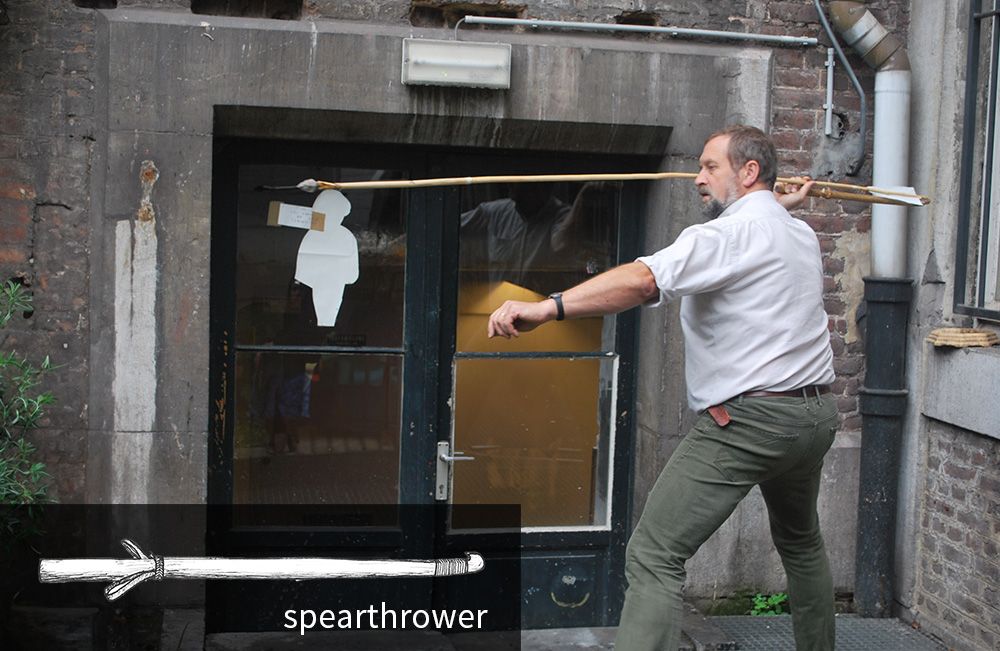
Long-distance weaponry identified at Masières-Canal
The hunter-gatherers who settled on the banks of the Haine, a river in southern Belgium, 31,000 years ago were already using spearthrowers to hunt their game.
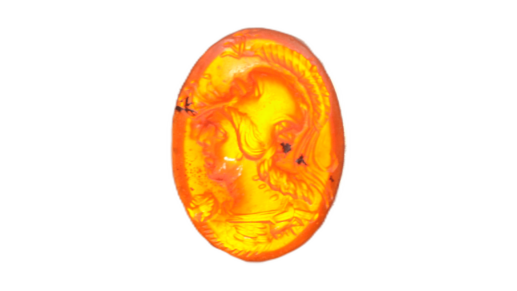
New discoveries in the Roman fort in Gonio-Apsaros
The fieldwork of the team headed by Dr. Radosław Karasiewicz-Szczypiorski and Prof. Shota Mamuladze has delivered several interesting discoveries.
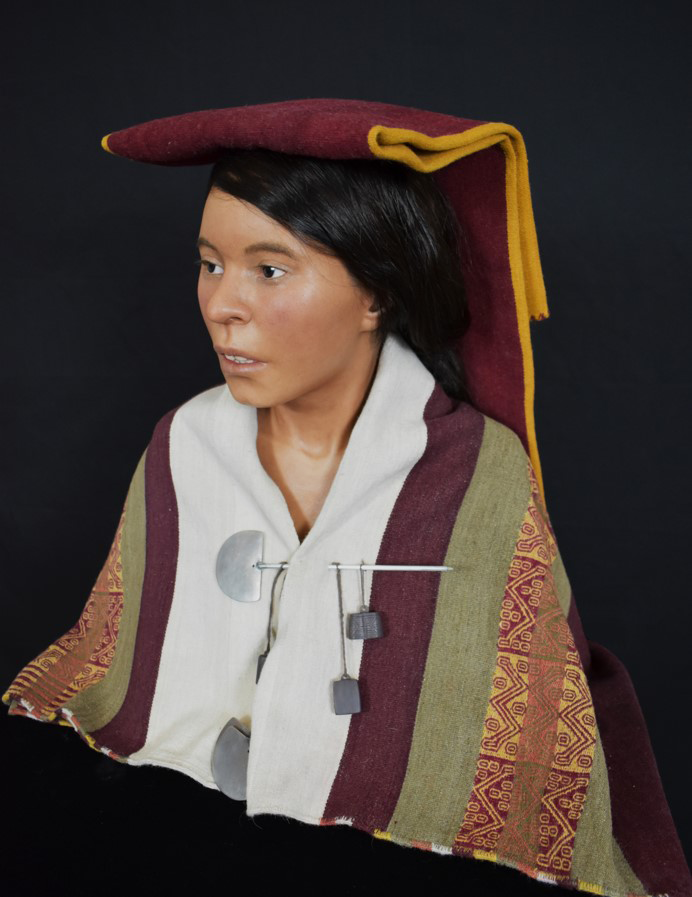
Lady from Ampato
A reconstruction of the face of the woman called Juanita is presented as part of the exhibition at the Andean Sanctuaries Museum in Peru.
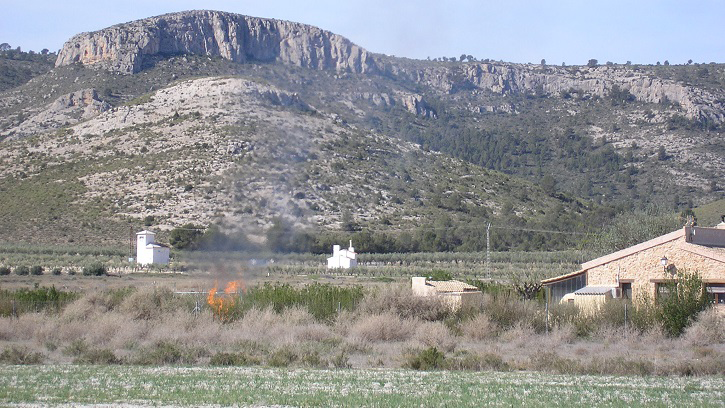
Humans already used controlled fires 11,000 years ago
A study led by the University of Barcelona shows that humans began to transform the landscape through fire earlier than previously thought.
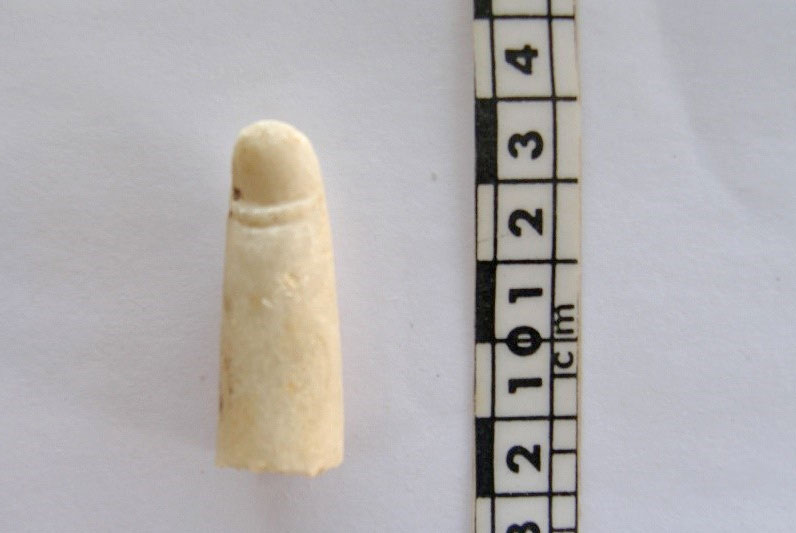
A building with seven rooms came to light in Salamina
Results of the underwater research on the eastern coast of Salamis conducted in July 2022.
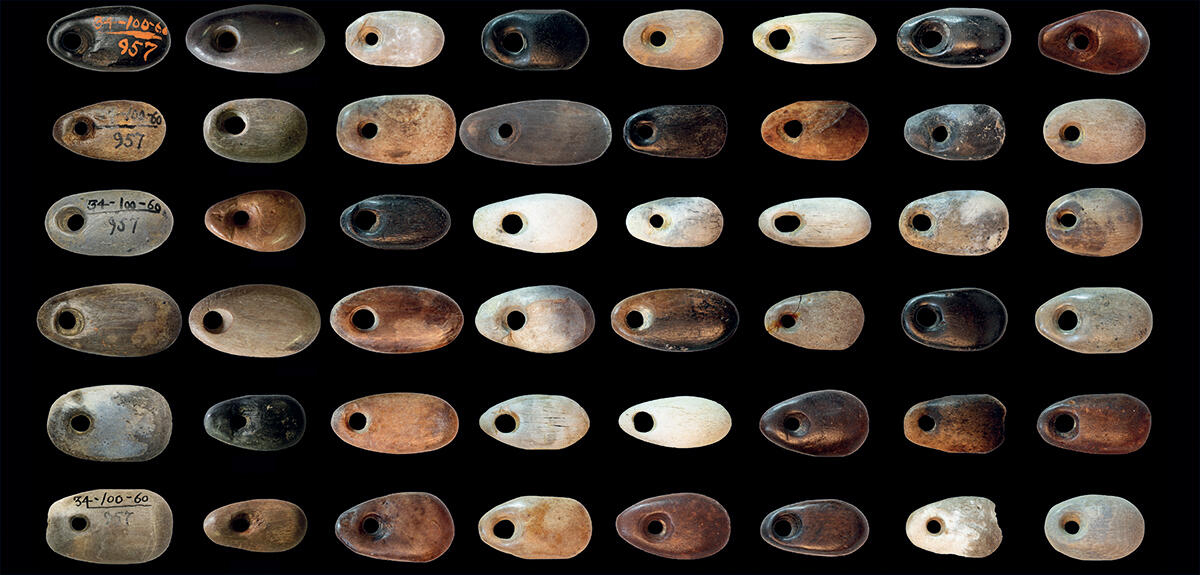
The Natufian culture: A brighter shade of red
Dating back approximately 15,000 years, these non-mineral dyes were found on beads and jewellery from the Kebara Cave.

Did Nature Have a Hand in the Formation of the Great Sphinx?
Researchers turn to erosion in exploring the role natural elements had in building an architectural wonder.
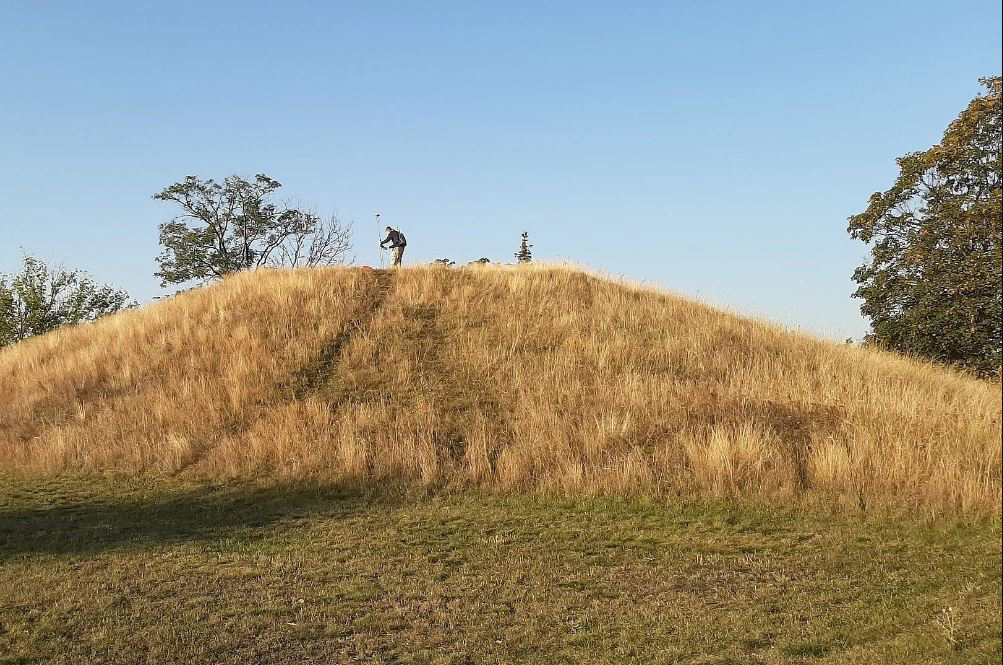
Were early societies dependent on climate?
Climate fluctuations and demographic changes were closely linked during the first farming and metal-producing societies in Central Europe.
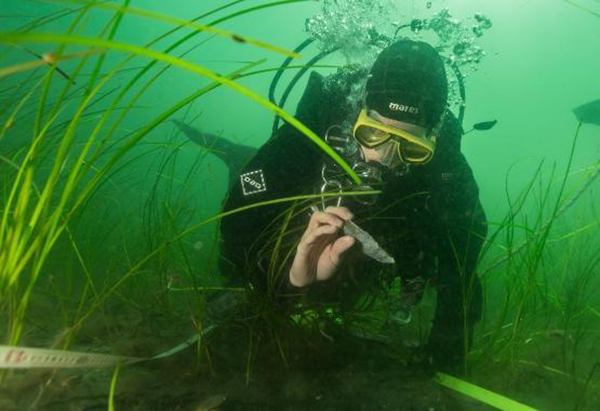
Project looks for lost civilisations beneath Baltic and North Sea
The University of Bradford’s Submerged Landscapes Research Centre, led by Professor Vince Gaffney, is about to embark on an ambitious project to map the seabed in the Baltic and North Seas.
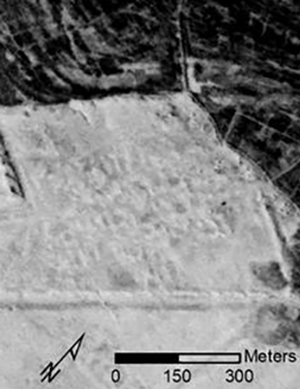
Cold War Spy Satellites Reveal Ancient Roman Forts
Two-thousand years ago, forts were constructed by the Roman Empire across the northern Fertile Crescent, spanning from what is now western Syria to northwestern Iraq.
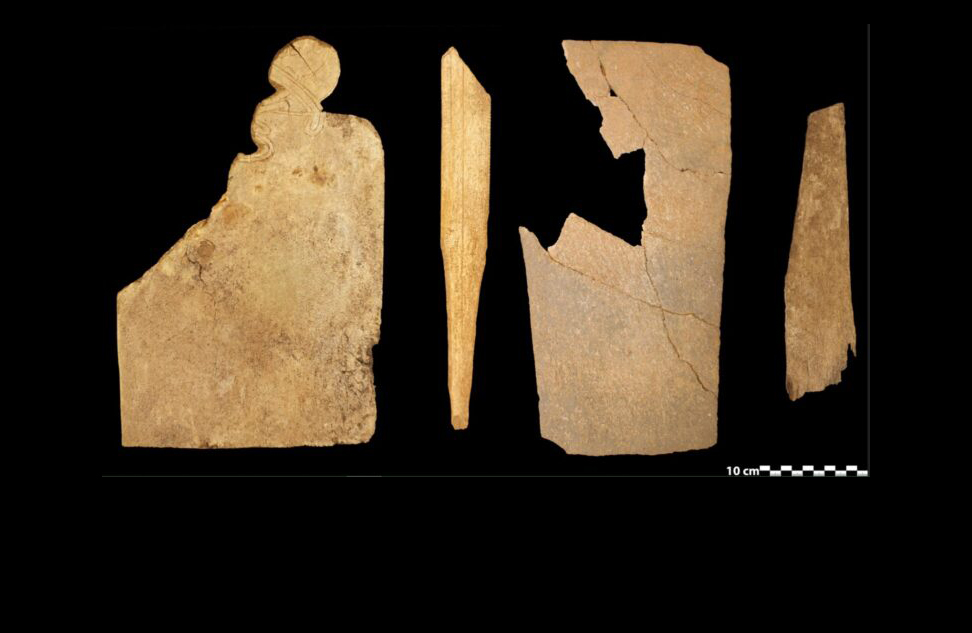
Early whaling eradicated species from local waters
A group of archaeologists examined 719 whale bones from various museum collections in Europe.
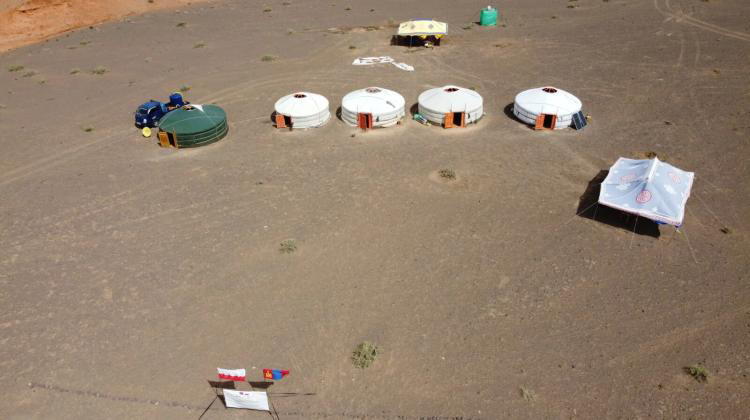
Remains of prehistoric hearths, pottery and ostrich eggs
Archaeologists working in Mongolia have discovered traces of human activity from the early Holocene.
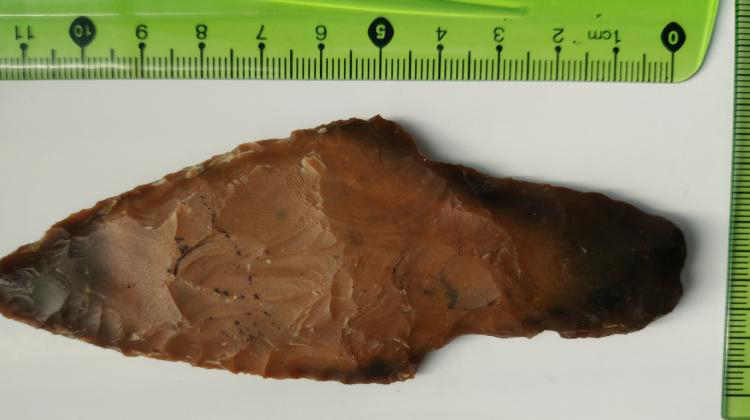
Farmer finds ‘ancient’ weapons while ploughing field
A farmer ploughing his field has stumbled upon the fragment of a large flint axe and a javelin head dating back thousands of years.
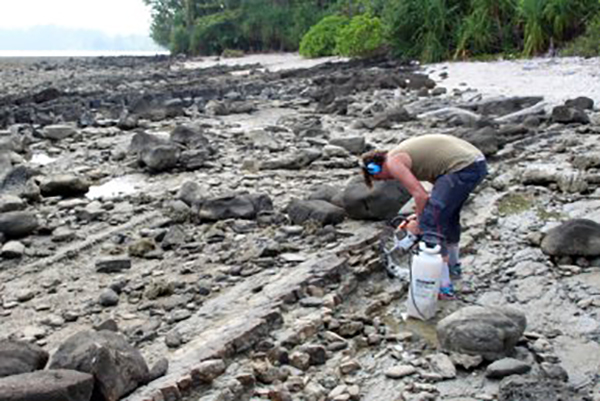
Finding Argoland: how a lost continent resurfaced
Geologists have long known that around 155 million years ago, a 5000 km long piece of continent broke off western Australia and drifted away.
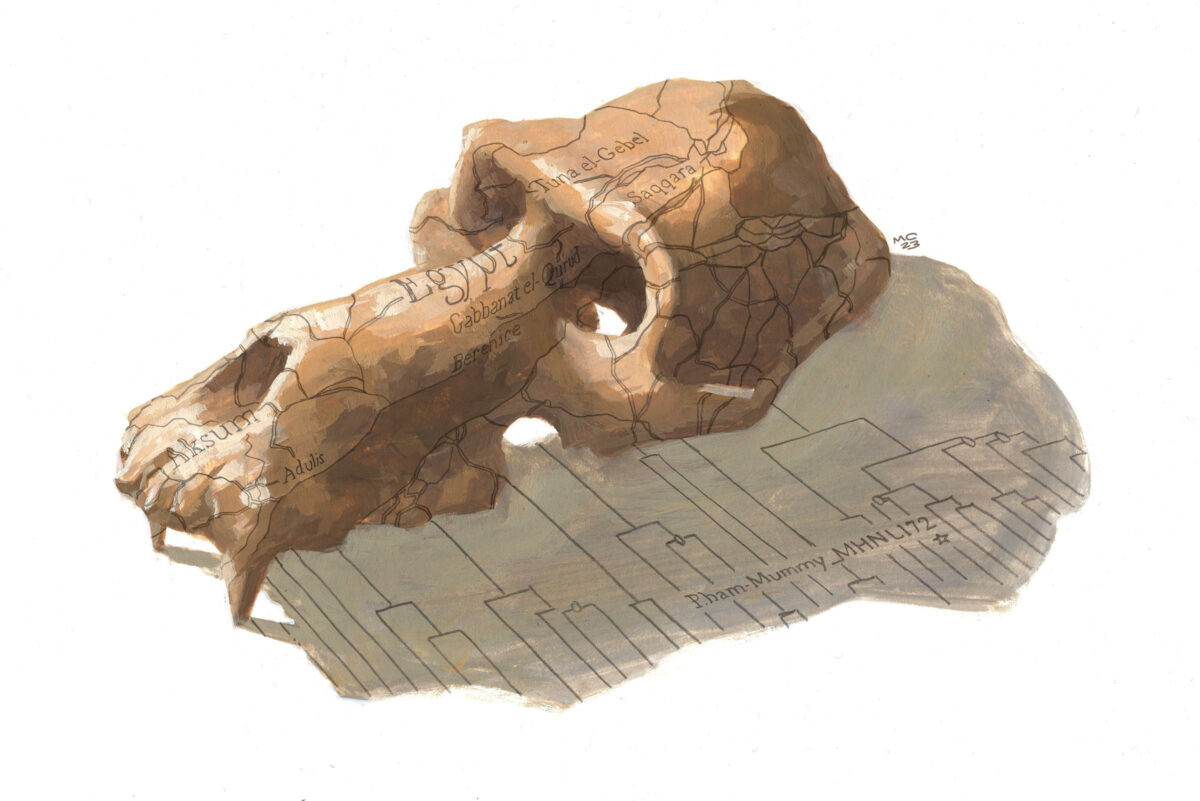
On the trail of a great mystery
An interdisciplinary project is using genetic analysis to determine the geographic origin of mummified baboons found in ancient Egypt.
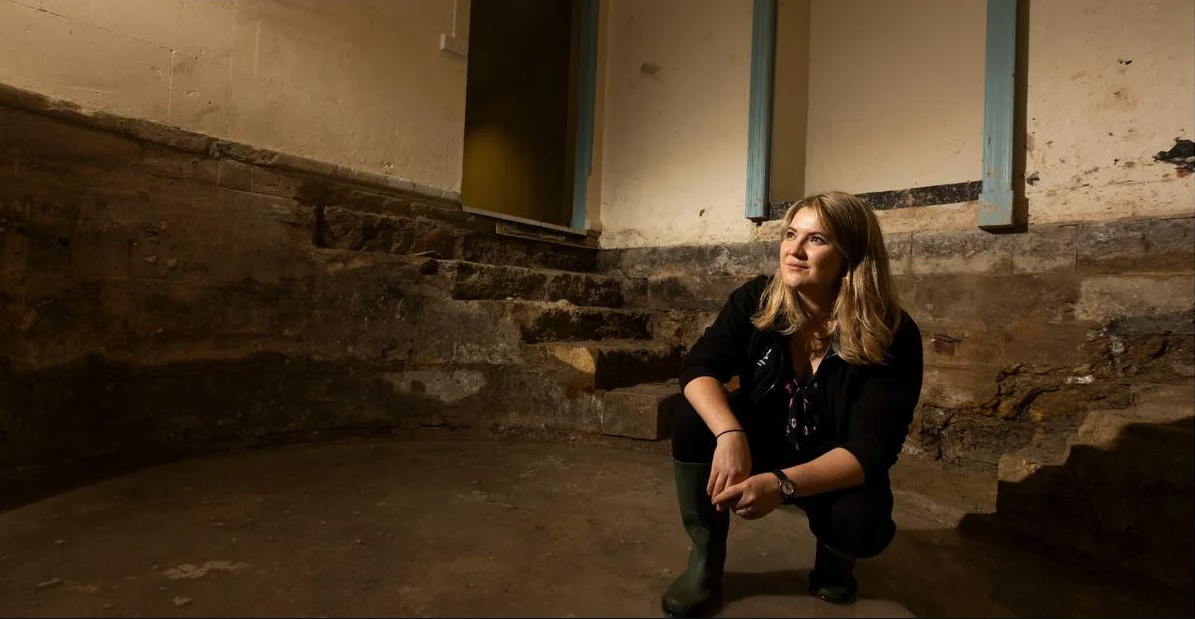
18th-century cold bath found in an assembly room in Bath
Archaeologists have revealed the remains of what was once a popular form of ‘taking the waters’ for health purposes – a Cold Bath.