
A rare medieval tattoo from Ghazali, Sudan
Bioarchaeological research discovered a rare medieval religious tattoo from a burial near a medieval monastery in Sudan.
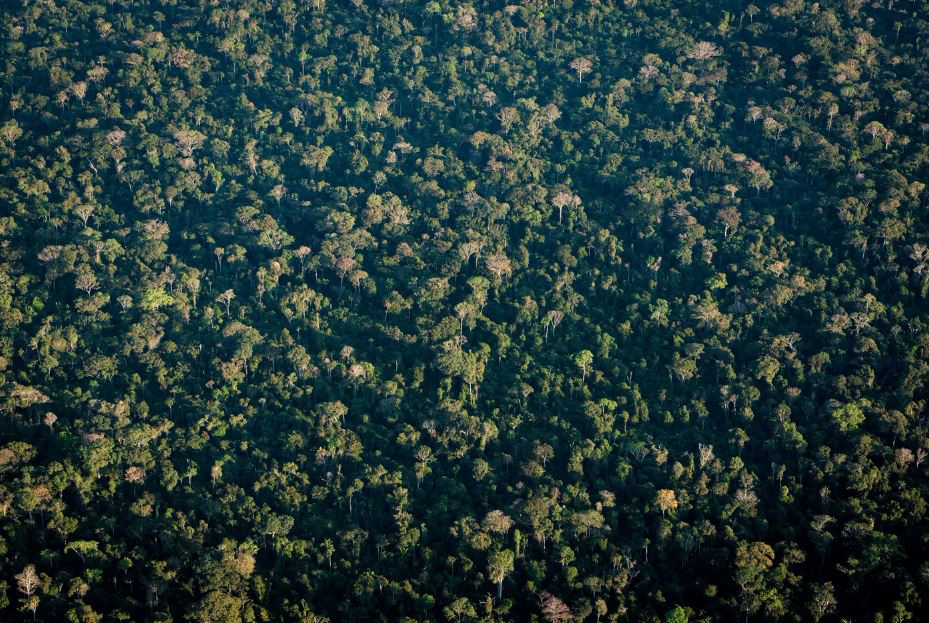
Amazonian Rainforest Hides Thousands of Records of Ancient Indigenous Communities
The world’s most diverse forest, the Amazon, may also host more than 10,000 records of pre-Columbian earthworks.
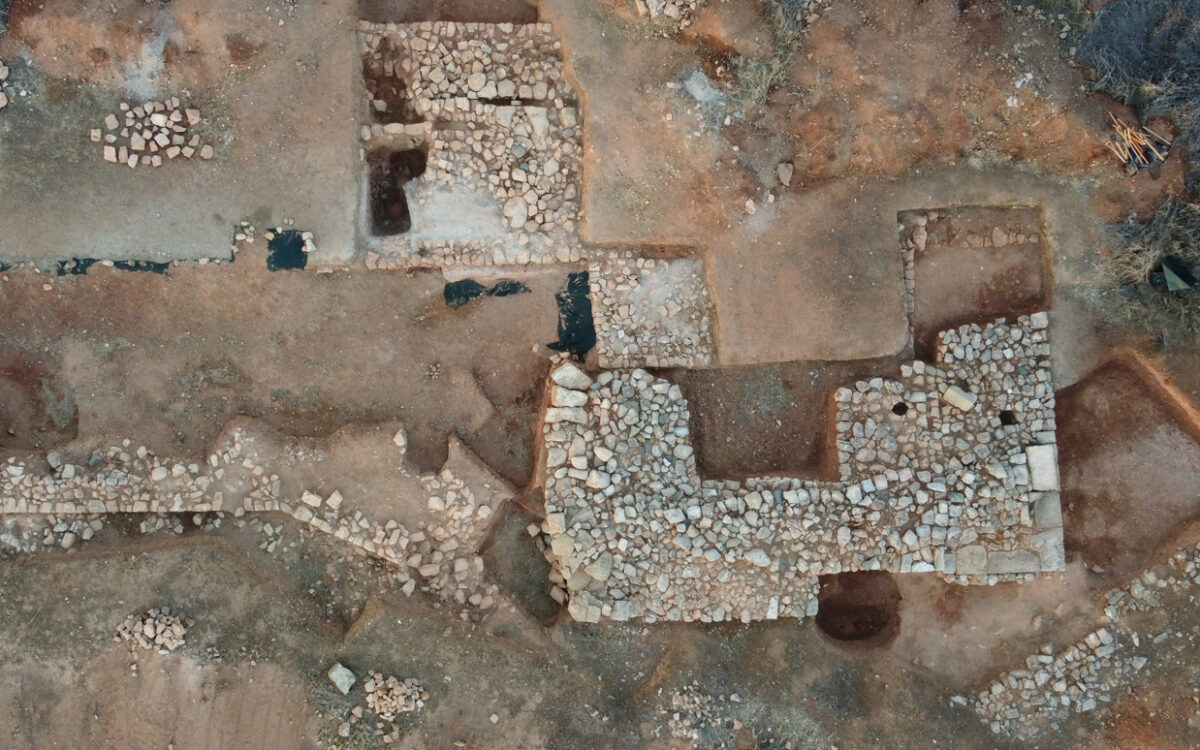
Excavations at Kouklia-Marchello, 2023
The 2023 fieldwork season at Kouklia-Marchello by the Department of History and Archaeology of the National and Kapodistrian University of Athens has been completed.
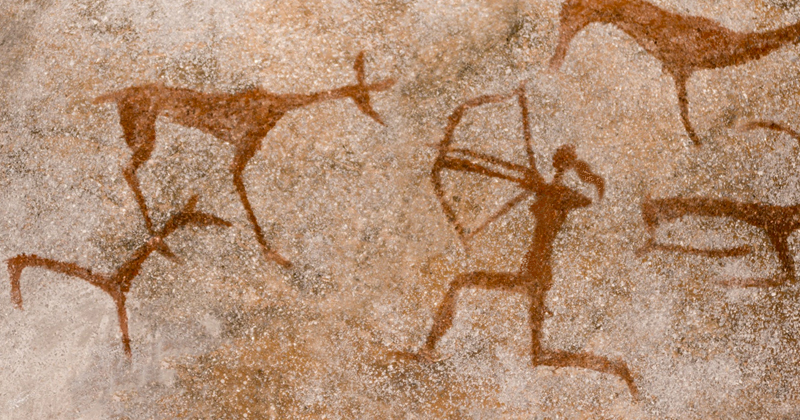
Research article: ‘Woman the hunter: The archaeological evidence’
According to a study by Sarah Lacy and Cara Ocobock published by American Anthropologist prehistoric women were also hunters.
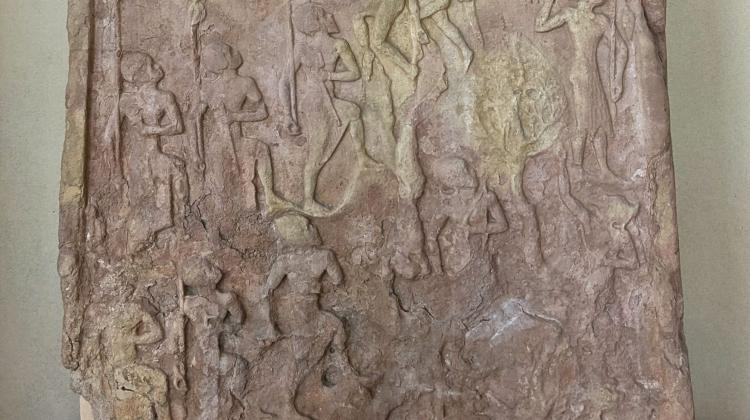
Is violence a ‘natural part’ of human nature
The level of violence among ancient human communities in the Middle East fluctuated greatly throughout history and depended on the social life conditions in particular eras.
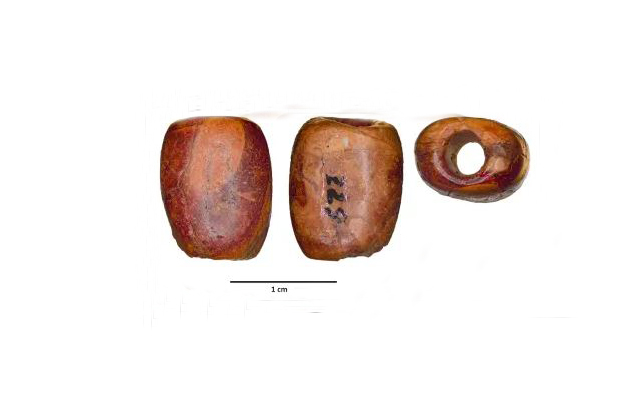
Researchers identify the oldest pieces of Baltic amber found on the Iberian Peninsula
A team of scientists from the Universities of Granada and Cambridge, as well as the Government of Catalonia, have identified the oldest pieces of Baltic amber.
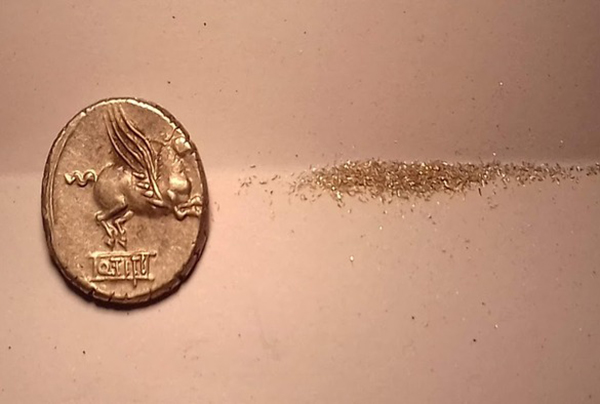
Romans were early pioneers of recycling
Gold impurities in silver coins and lead pollution in Greenland ice show that the Romans were early pioneers of recycling.
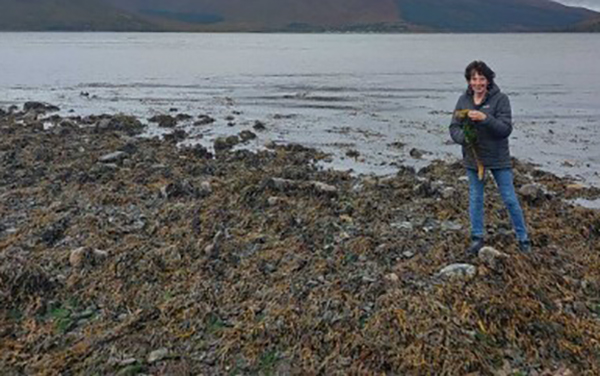
Study reveals our European ancestors ate seaweed and freshwater plants
It appears our European ancestors were ahead of the game and were consuming the nutrient-rich plant for thousands of years.
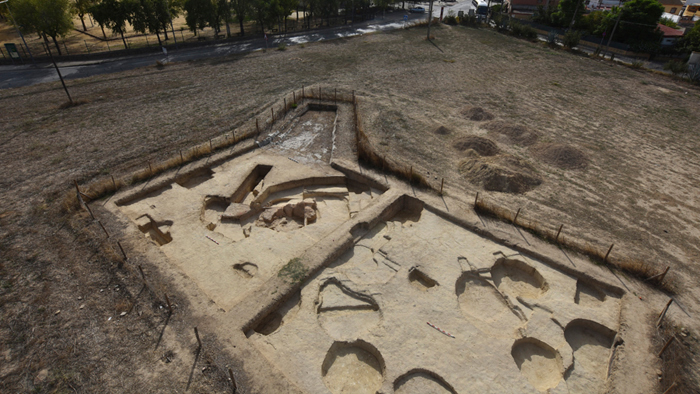
A non-exploitative economy favored the splendor of Copper Age communities
A study by UAB researchers describes the productive forces of the Chalcolithic communities of the southern half of the Iberian Peninsula.
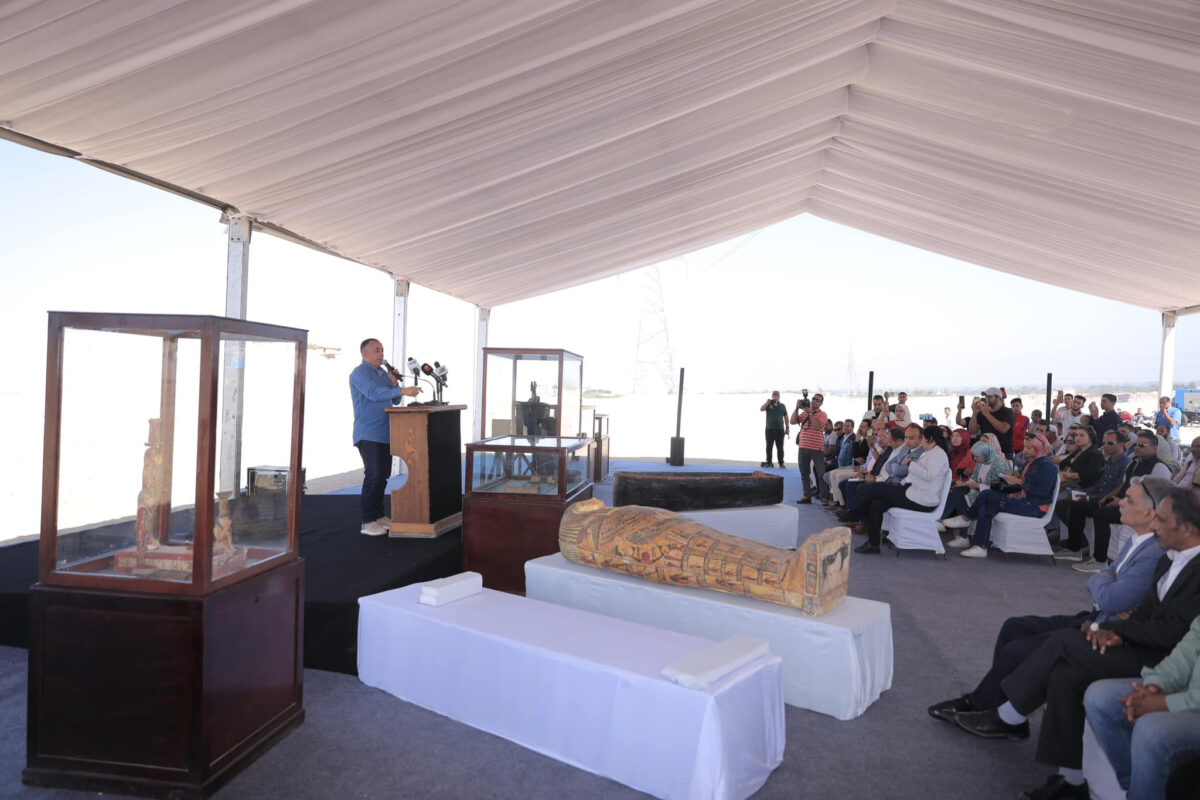
New Kingdom cemetery revealed at Ghoreifa, Egypt
A cemetery of senior officials and priests of the New Kingdom has been revealed in Ghoreifa near the site of Tuna El Gebel.
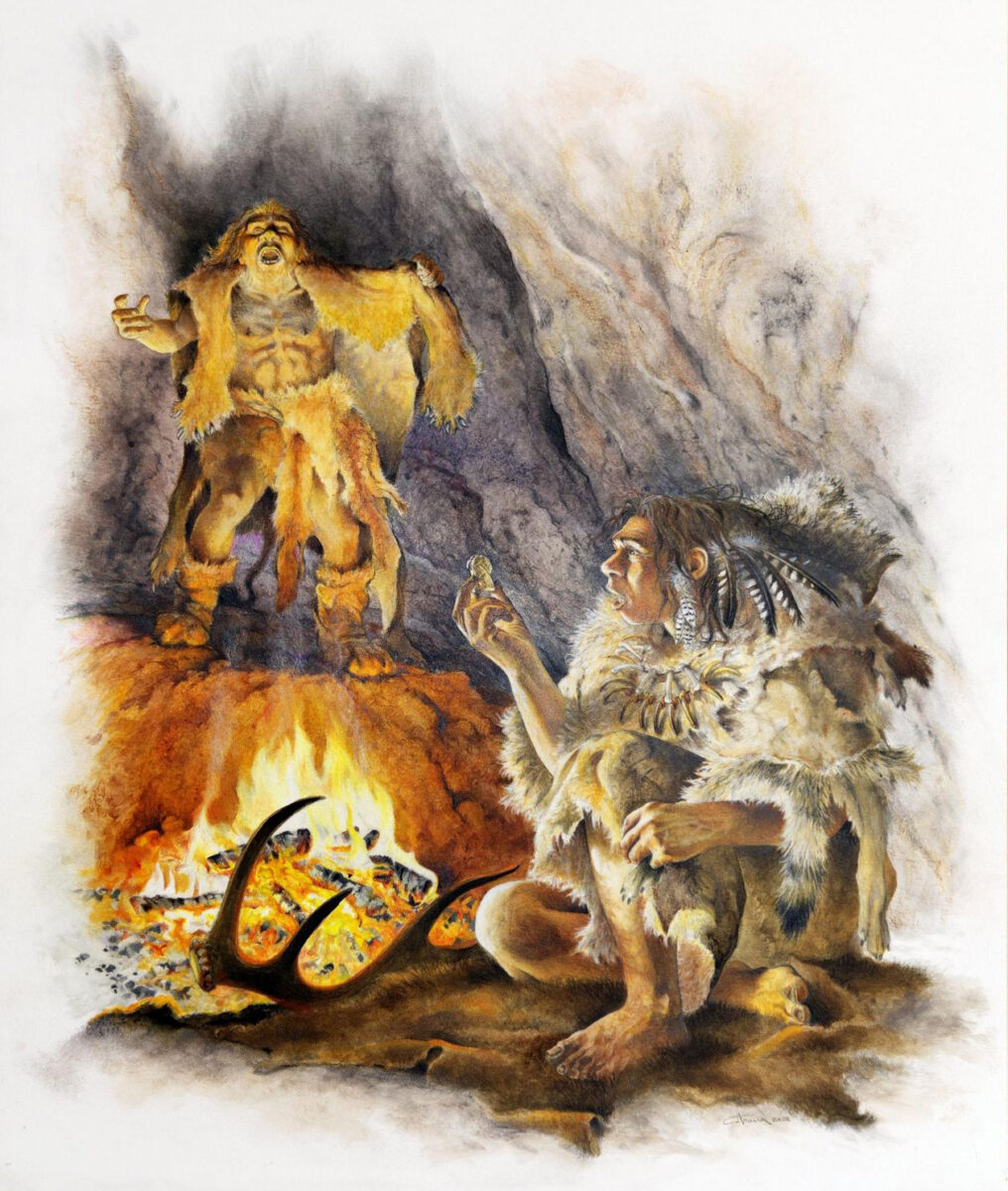
Neanderthals hunted dangerous cave lions and used their pelts
For the first time, a new study by an international research team shows Neanderthals hunted cave lions and used the pelt of this dangerous carnivore.
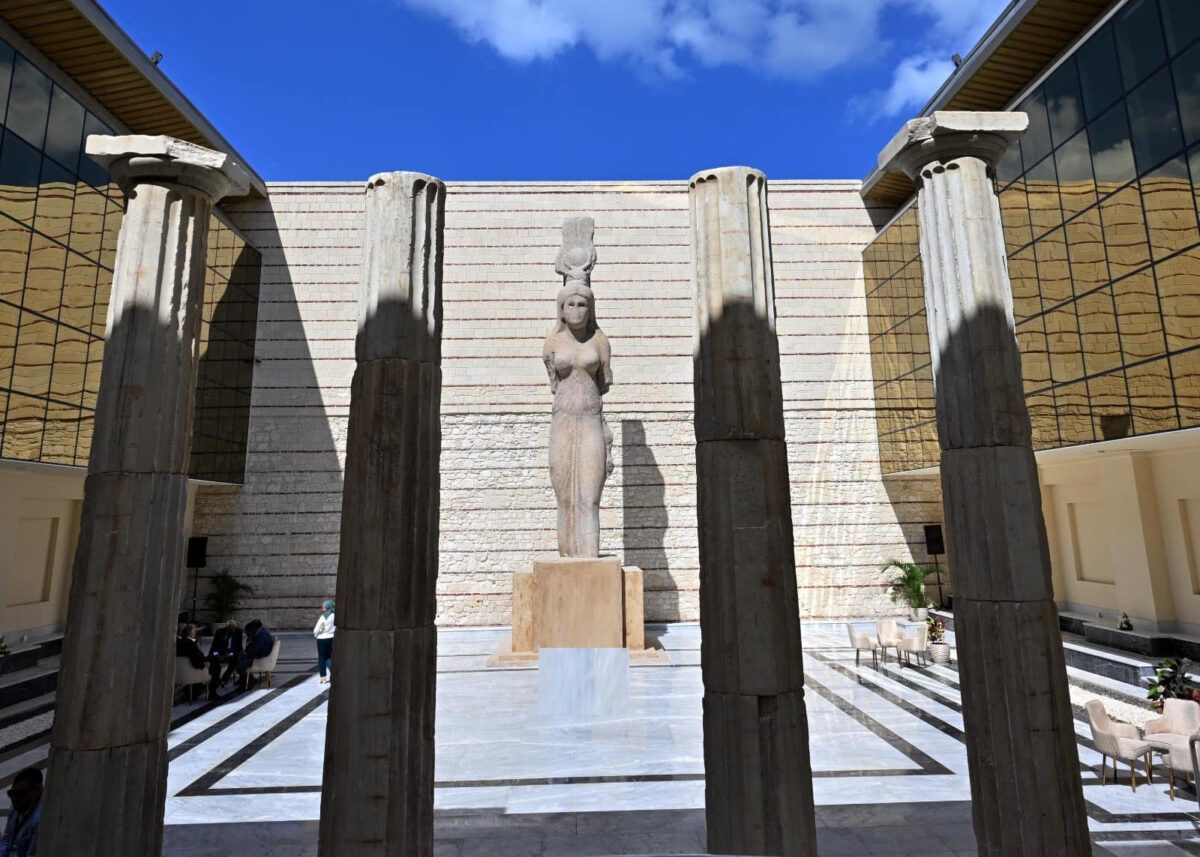
The Greco-Roman Museum of Alexandria has reopened
Egypt’s Prime Minister has attended the opening of the Greco-Roman Museum in Alexandria following an extended renovation and restoration project that lasted 18 years.
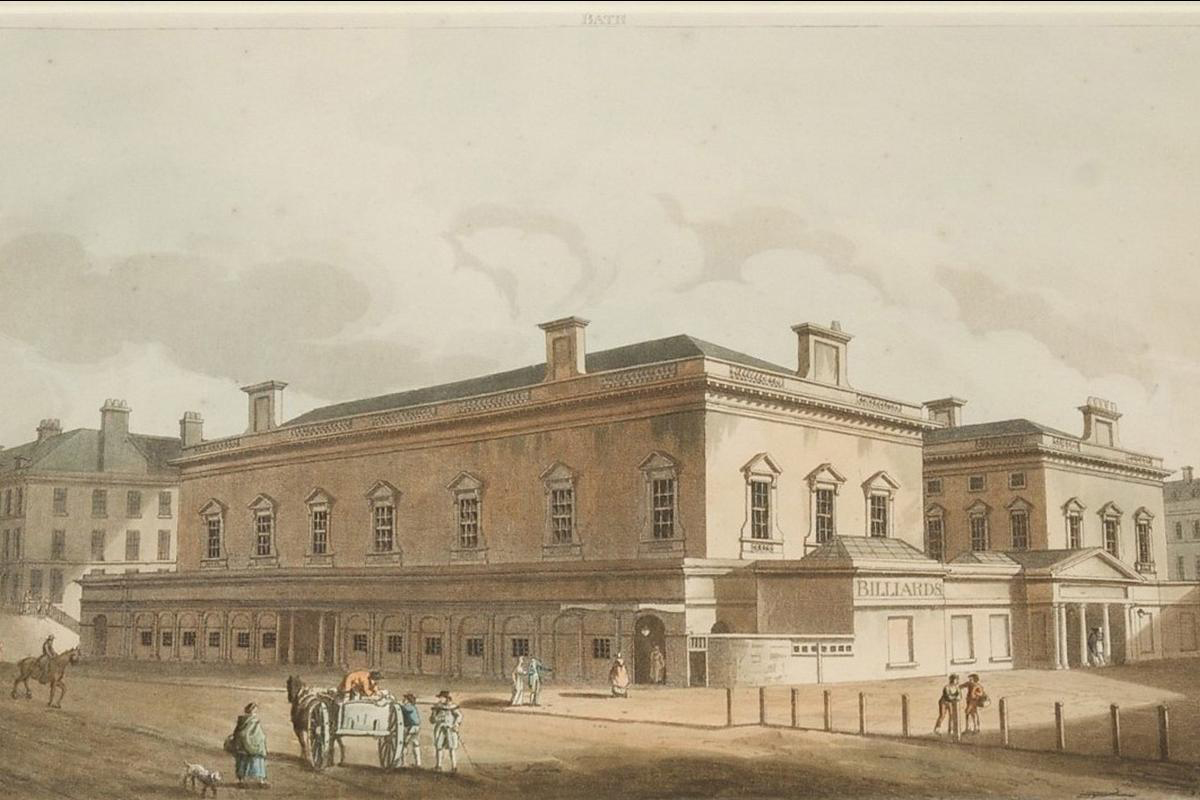
Rare 18th-century cold bath uncovered in Bath Assembly Rooms
Archaeologists working in the basement below the 18th-century Bath Assembly Rooms, have revealed the remains of a rare cold bath.
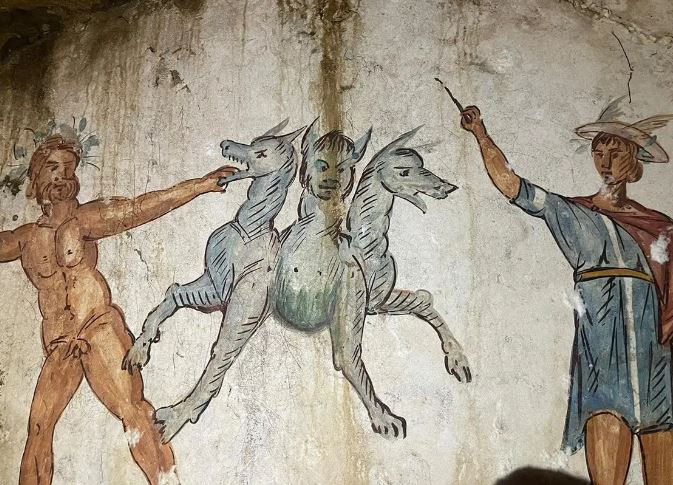
The Tomb of Cerberus discovered in Giugliano
An exceptional chamber tomb, unlooted and in perfect condition, was discovered in the municipality of Giugliano in Campania.

The Vikings had glass in their windows
New research has revealed that the Vikings had windows with glass panes. Until now glazed windows were only associated with medieval churches and castles.
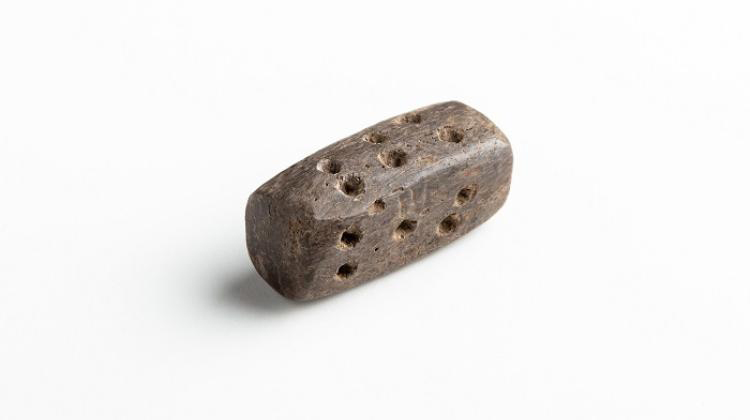
Archaeologists find 2,000-year-old dice in southern Poland
A 2,000-year-old dice (the oldest one found so far in Poland) is among this year's discoveries in the Celtic settlement in Samborowice (Silesia).
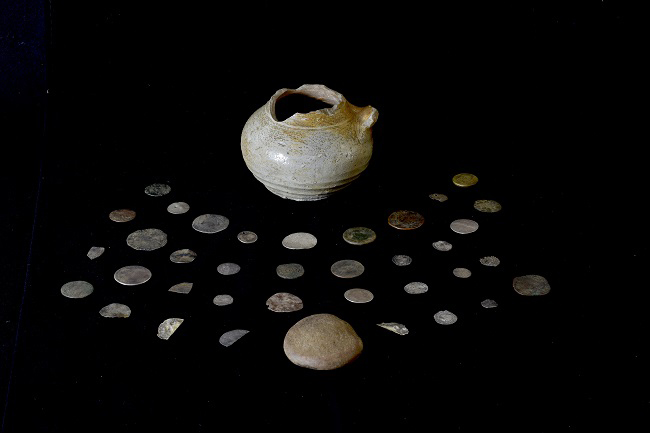
Coin hoard gives fascinating insight into life before the Glencoe Massacre
University of Glasgow archaeologists have revealed that a hoard of coins buried in a small pot, just discovered in Glencoe.
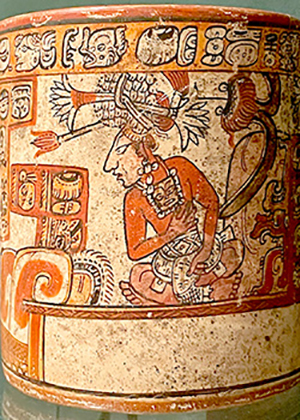
Ancient Maya reservoirs offer lessons for today’s water crises
The Maya built and maintained reservoirs that were in use for more than 1,000 years, wrote University of Illinois Urbana-Champaign anthropology professor Lisa Lucero.
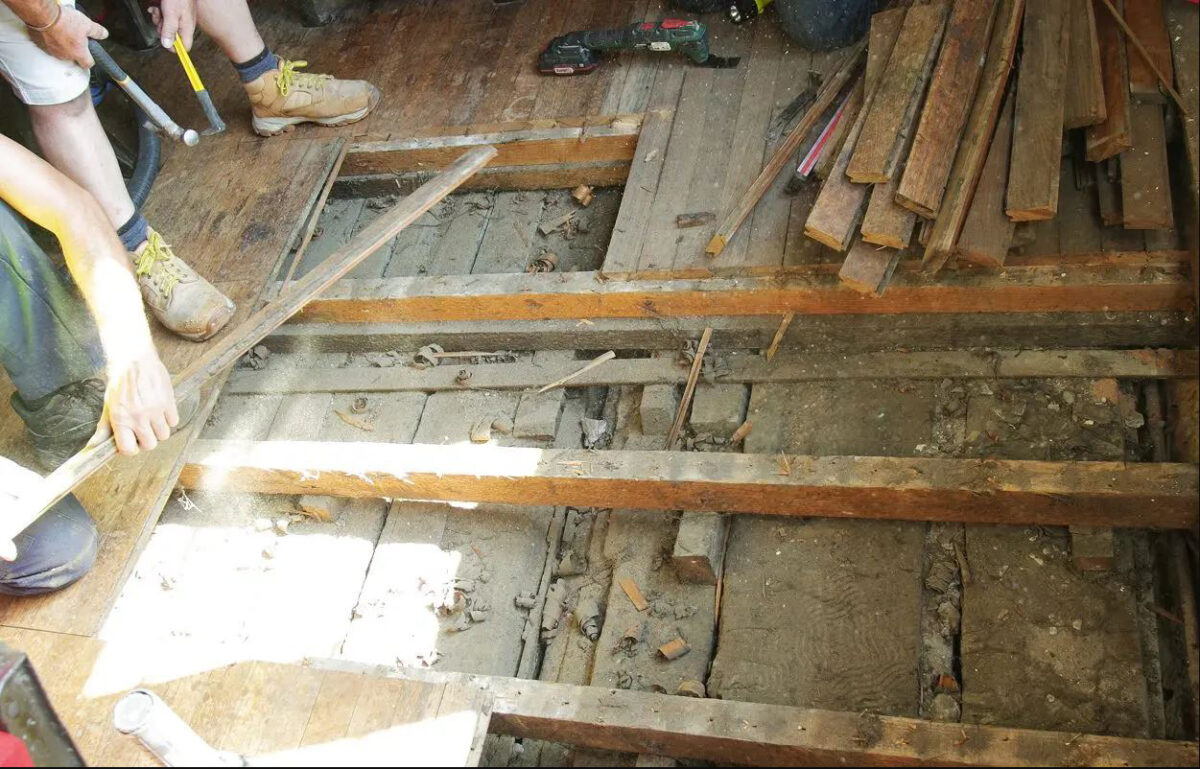
Theatre discovers Medieval stage where Shakespeare is said to have performed
The only working theatre that can claim Shakespeare performed there is celebrating the incredible discovery of the actual boards on which the famous Bard is believed to have trod.

Leeds experts discover biggest ever solar storm over 14,300 years ago
It would potentially wipe out telecommunications and satellite systems, cause massive electricity grid blackouts, and cost the global economy billions of pounds.
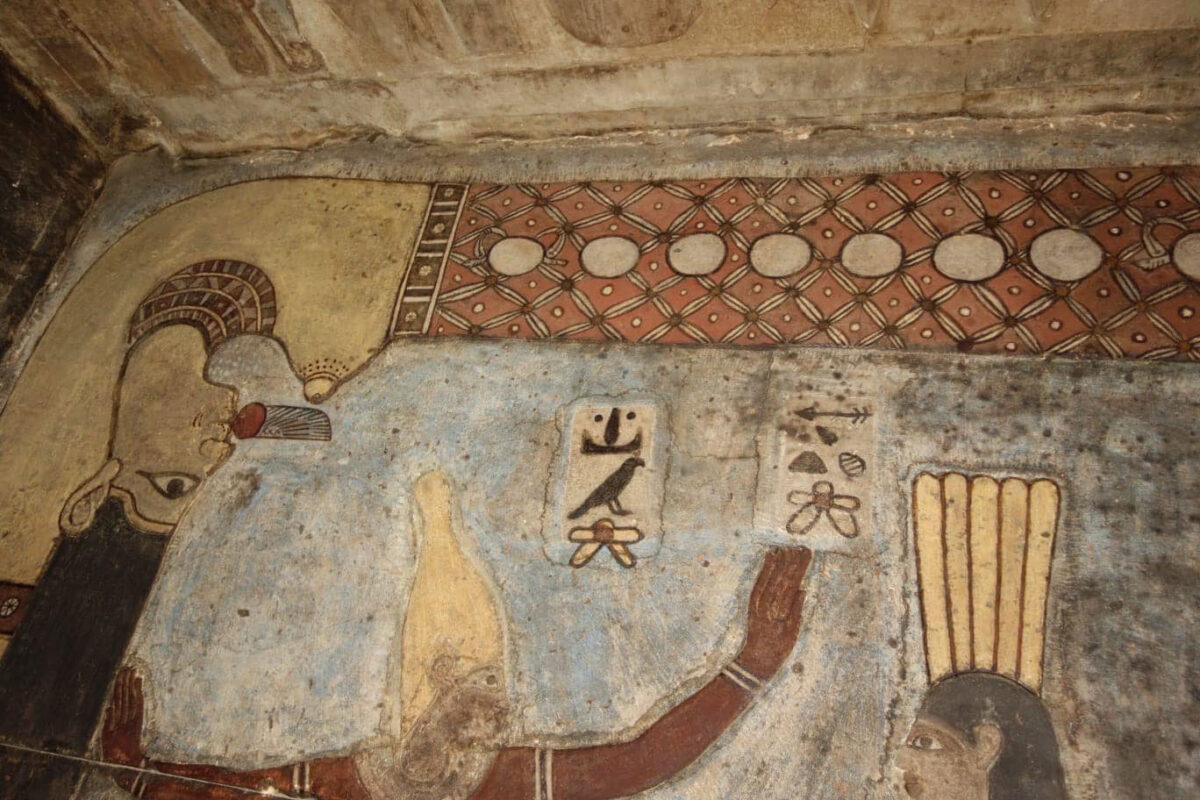
Esna Temple’s True Colors Revealed During Restoration Project
The process of cleaning and conserving the temple's ceiling entered its seventh and final stage.
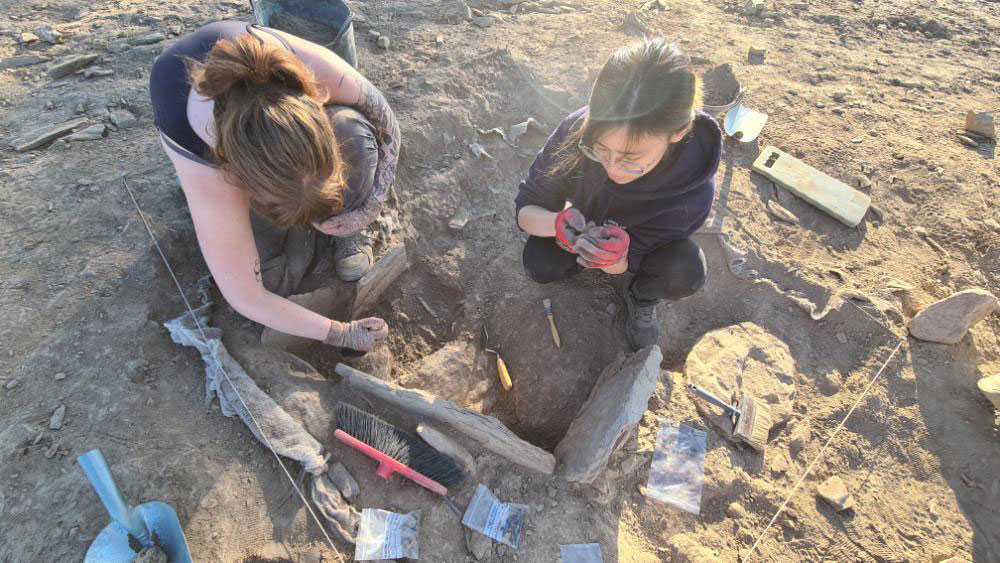
An extraordinary archaeological discovery in Spain
Durham University Archaeology students have been part of an extraordinary archaeological discovery in Spain.
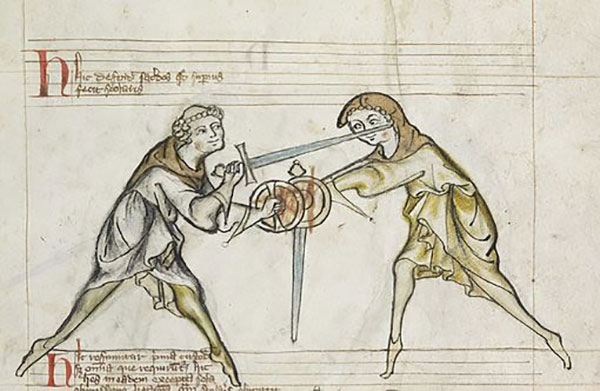
University of Cambridge: Medieval Murder Maps
A project mapping medieval England’s known murder cases has now added Oxford and York to its street plan of London’s 14th century slayings.
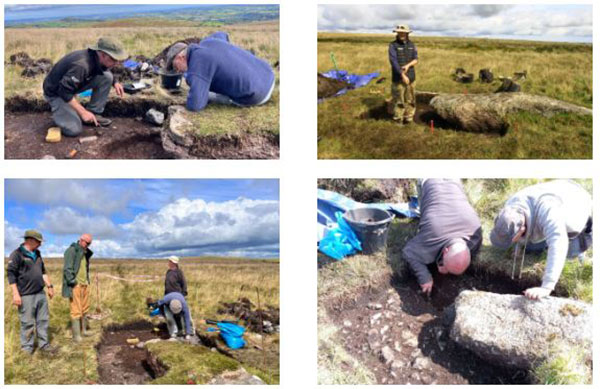
Paved surface at Dartmoor stone row uncovered by archaeologists
Monuments like this are thought to have had considerable ritual importance for the people who created and used them thousands of years ago.