Analysis of skeletal remains from England before and during Roman occupation confirms theories that the population’s health declined during this period, but only in the urban centres.
The Roman occupation of Britain in AD 43 brought with it great social upheaval. Although the Romans wrote of bringing ‘civilisation’ to the people of Britannia, the increased urbanisation of the country under Roman influence exposed people to new diseases and introduced class divides that restricted access to resources, so has widely been viewed as having a negative impact on the overall health of the population. Despite this being the prevailing belief, health in the preceding Iron Age has rarely been studied, meaning our understanding of the Roman impact on health is limited.
To understand how Roman occupation affected health across generations, Rebecca Pitt, from the University of Reading, used a new approach that examines mothers and infants together. Research shows that diseases, malnutrition and other stressors experienced by children under two can affect their health throughout life and even pass to the next generation. By studying both groups, Pitt could assess the long-term health impacts of Roman urbanisation.
Rebecca Pitt said: “Mothers and infants are underrepresented in historical accounts. By looking at mother-infant experiences together, we can observe the long-lasting impact urbanisation has on the health of individuals, with negative health signatures passed from mothers to their children.
“It is likely that urbanisation resulted in overcrowded, polluted living situations, limited access to resources, and exposure to lead, which was a key part of urban Roman infrastructure. This had a harsh, long-term impact on health.
“In contrast, rural communities did not experience these stressors to the same extent. It is even possible that regional Iron Age traditions were preserved in rural areas, questioning the prevailing idea that the Roman administration forced drastic cultural change on Iron Age communities.”
Studying skeletons
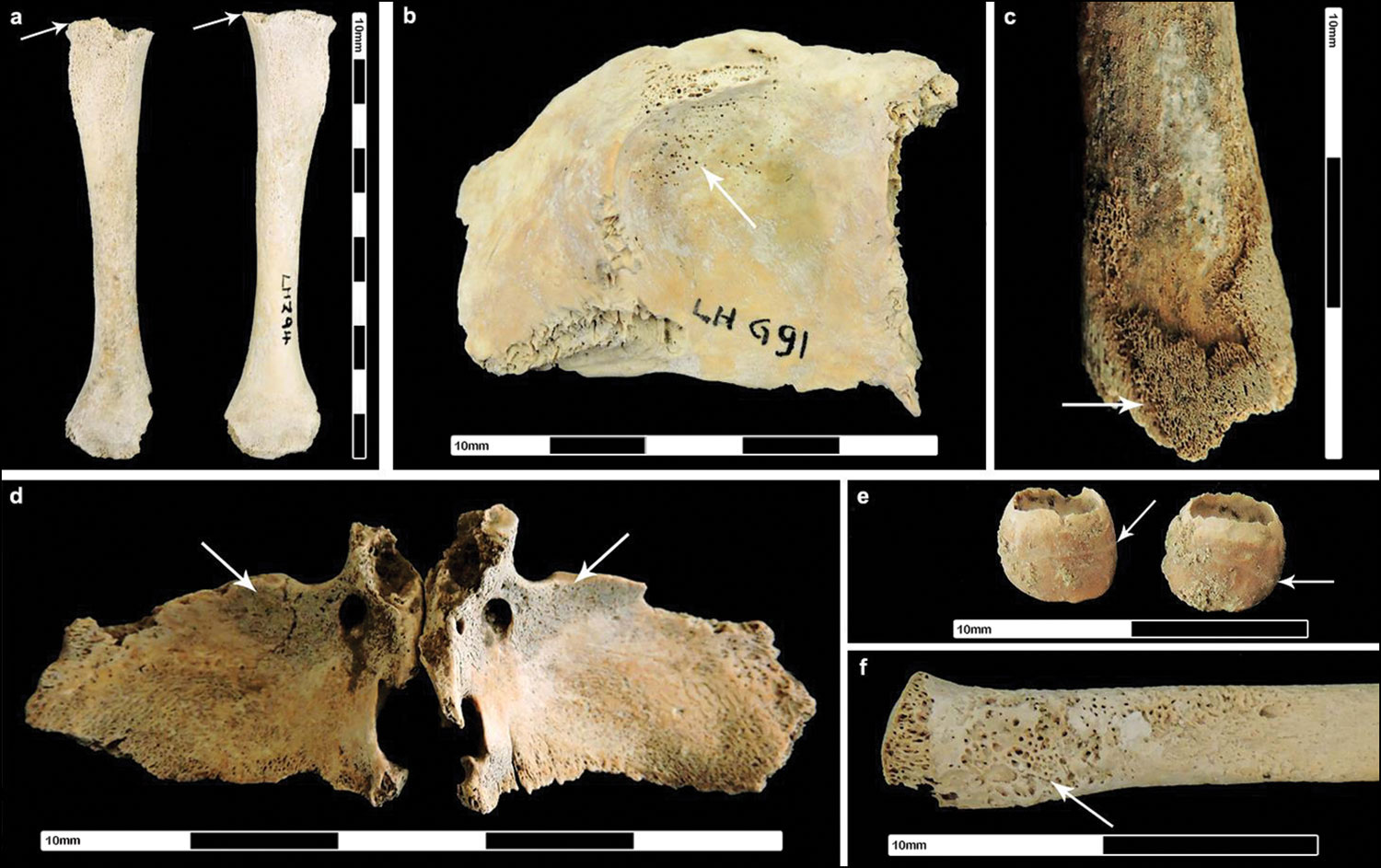
Pitt studied 646 skeletons, 372 of which were non-adults and 274 adult females, from urban and rural Iron Age and Romano-British sites across south and central England.
Pitt identified the skeletons’ ages at death and health indicators such as skeletal lesions, then analysed them statistically to assess differences between Iron Age, rural Roman and urban Roman populations.
The findings, published in the journal Antiquity, show a statistically significant rise in negative health markers during the Roman Period, though this was only in urban contexts such as civitas capitals. Rural skeletons did show slightly increased pathogen exposure, but there was no statistical difference between Iron Age and Roman health in rural contexts.
 NOTES
NOTES