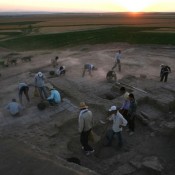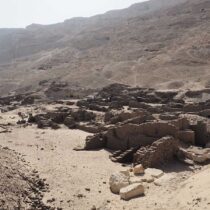
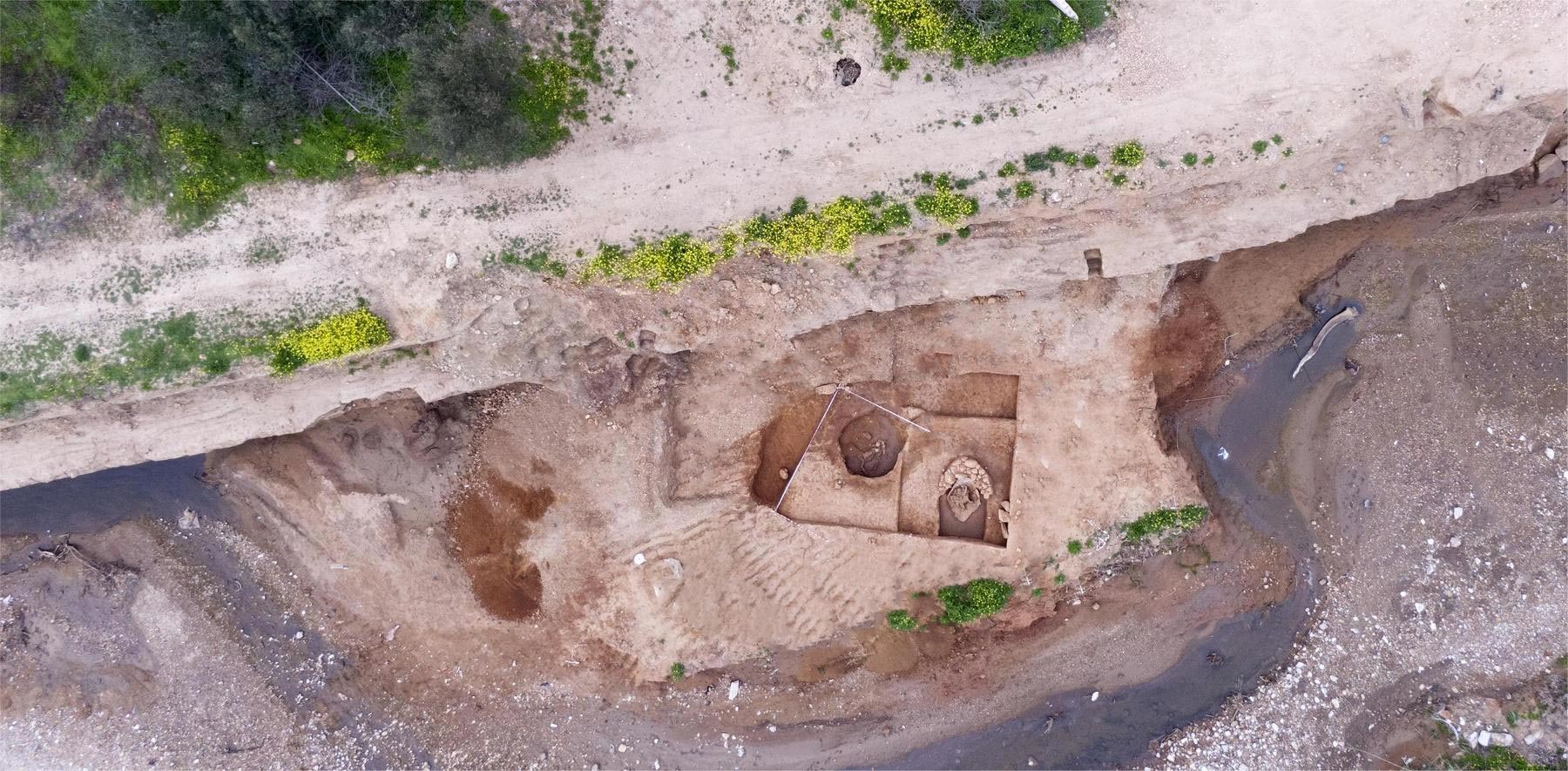
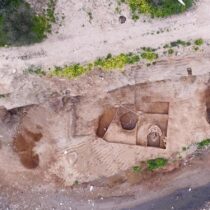
In the course of rescue excavations carried out since 2024 by the Ephorate of Antiquities of Eastern Attica, within the framework of the archaeological subproject “Arrangement–Delimitation of the Rafina Stream”, an exceptionally significant pithos burial was uncovered. The burial dates to the Early Bronze Age (3200–2000 BC).
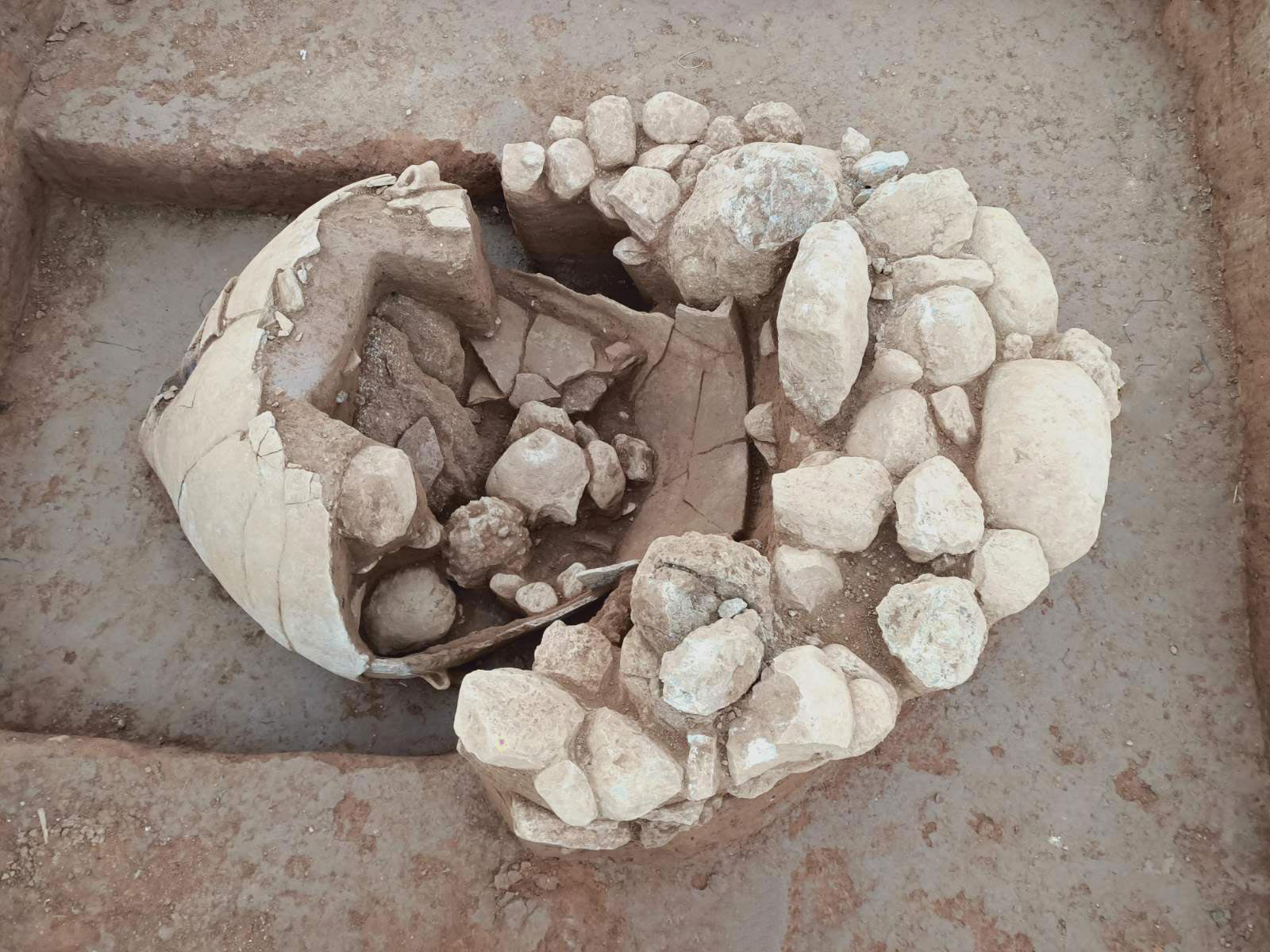
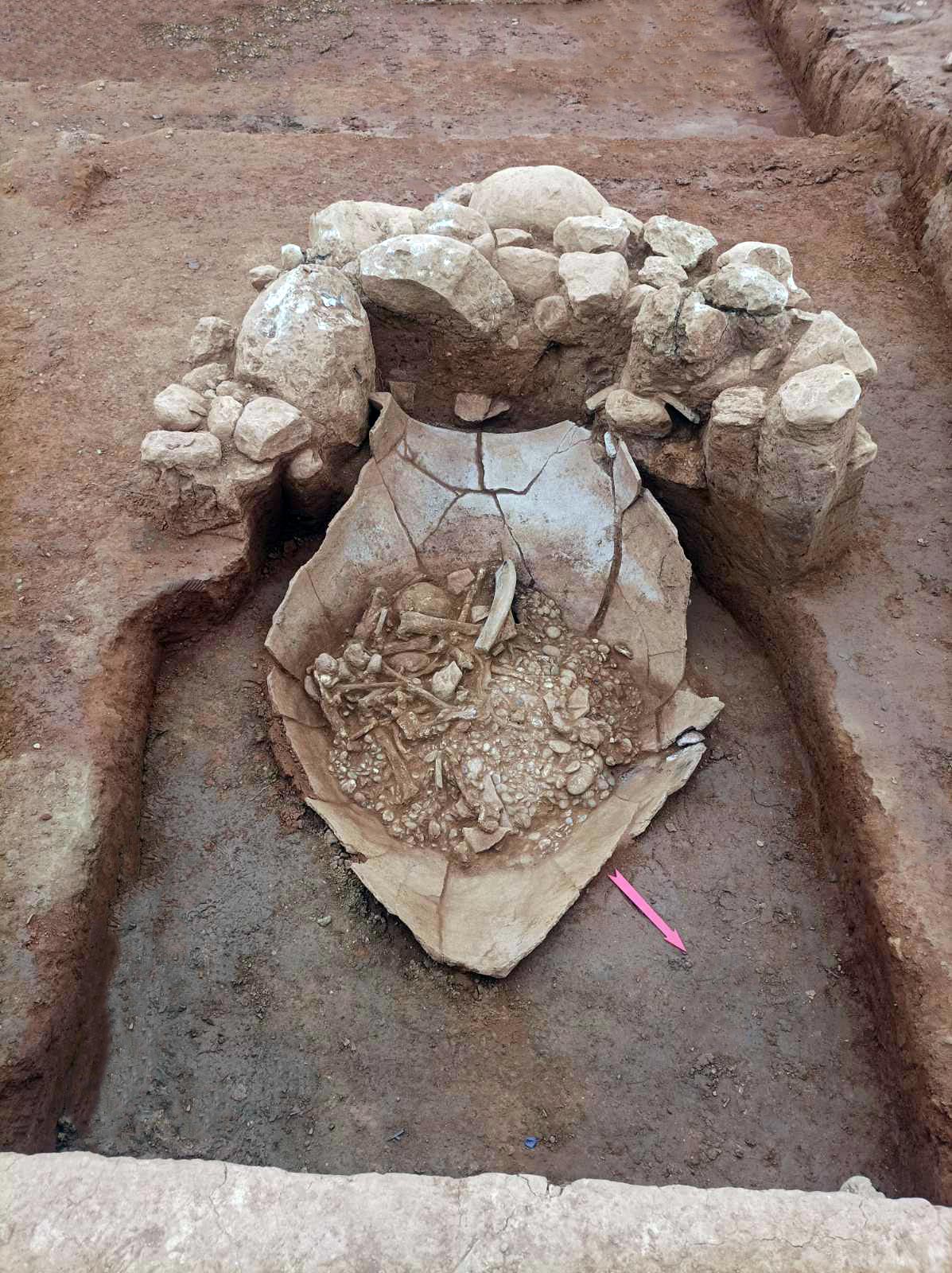
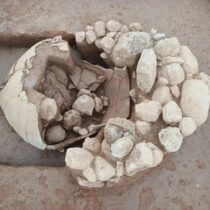
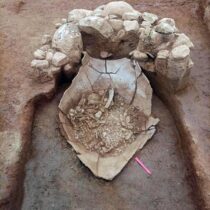
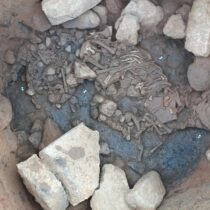
The pithos had been placed in a pit cut into the clayey marl of the southern riverbank. It stands 1.74 meters tall, has horizontal handles at the belly level, and bears the characteristic corded relief decoration around the neck and handles. Its mouth was sealed by a robust semicircular wall made of river cobbles, while two large stones with smaller slabs between them formed a pseudo-door with jambs and a threshold leading into the vessel. Inside, resting on a layer of sand and pebbles, were the bones of two individuals, covered by large stones occupying nearly the entire available space.
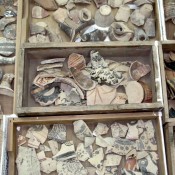
Grave goods included a copper awl, an ovoid flat stone (possibly an offering table), obsidian points, and pottery. The careful construction of the monument reflects a profound respect for the deceased. Despite the existence of organized cemeteries from the same period at Tsepi and Mati in Marathon, Agios Kosmas in Elliniko, and Asteria in Glyfada, this isolated burial offers valuable insights into the diversity of funerary customs in Attica during the 3rd millennium BC, as well as evidence of Cycladic and eastern influences.
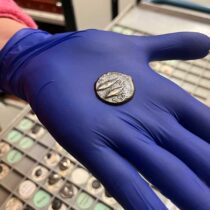
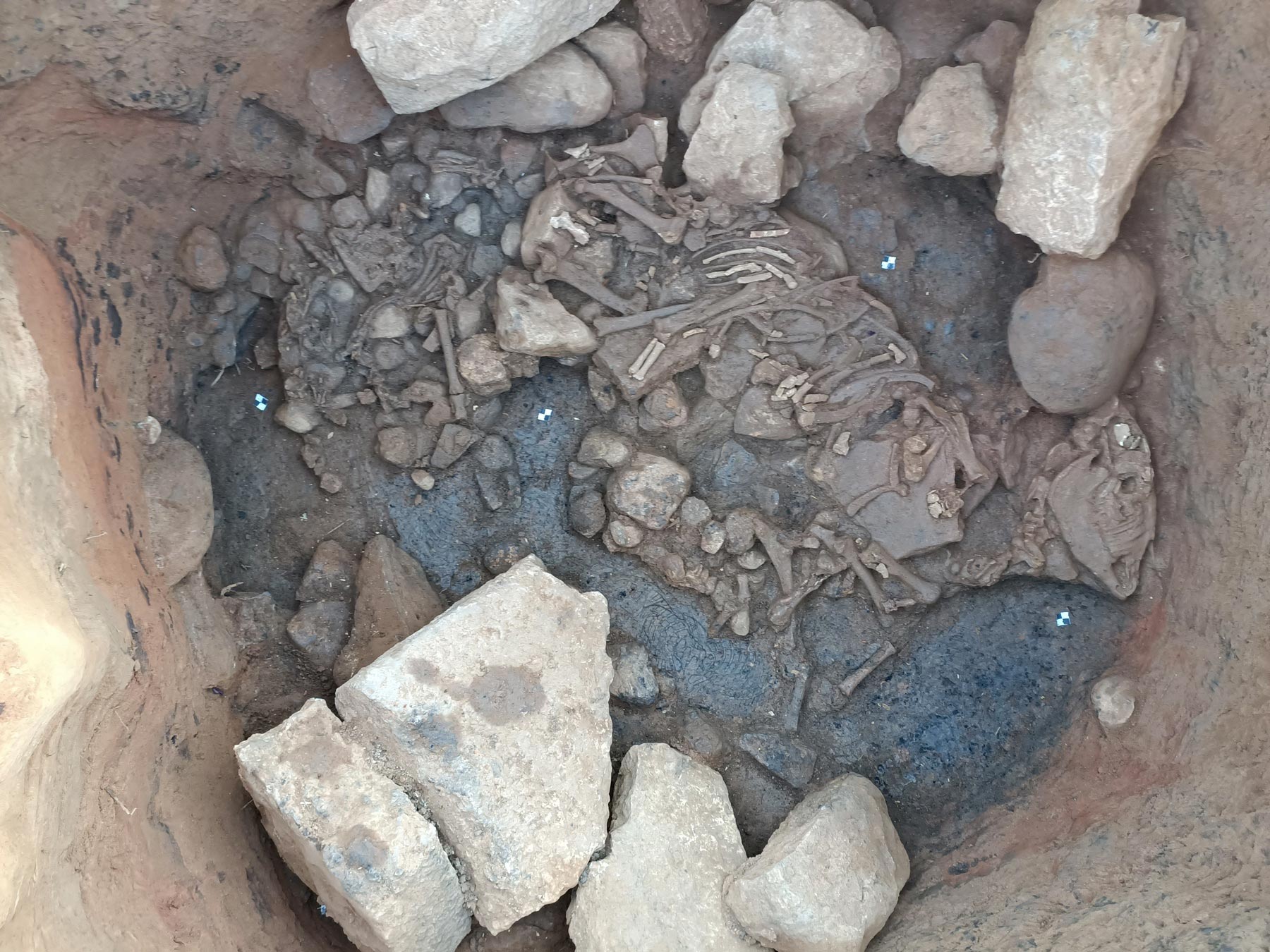
Approximately 2 meters to the southeast of the pithos, a large circular pit was identified, showing prolonged use and traces of burning. In its upper layers, a bucranium was discovered, along with pottery and bronze coins from historical times. Near the bottom, atop a thick layer of ash and burned material, the skeleton of an equid and bones of smaller animals were revealed. The archaeological study, in combination with zooarchaeological and natural sciences analyses, is expected to shed light on possible ritual practices involving animal sacrifices, as well as the enduring sacredness of the site.
Seventy-five years after Dimitrios Theocharis discovered the Early Bronze Age settlements in the area of the old harbor (El. Venizelou Square) and on the Askitari Peninsula, these recent finds along the stream banks offer new data on the social organization and funerary beliefs of the Bronze Age communities of Rafina.
 NOTES
NOTES