The Egyptian archaeological mission from the Supreme Council of Antiquities working in South Sinai has announced the discovery of an immensely important archaeological site called Umm Iraq Plateau.
Sherif Fathy, Egypt’s Minister of Tourism and Antiquities, described the discovery as a significant addition to Egypt’s archaeological map, reflecting the unique civilizational and human richness of Sinai. He noted that it provides new evidence of successive civilizations inhabiting this important region of Egypt over thousands of years and confirms the ministry’s continued efforts in research, excavation, and scientific documentation according to the latest international standards. He added that such discoveries enhance Egypt’s standing on the cultural tourism map and open new horizons for this important sector.
For his part, Hisham El‑Leithy, Secretary-General of the Council, explained that the site is among the most significant rock-art locations discovered recently. He emphasized that the chronological and technical diversity of the engravings at Umm Iraq makes it a natural open-air museum documenting the development of human artistic and symbolic expression from prehistoric times through the Islamic periods, giving the site exceptional scientific importance. He added that scientific study and analysis of the engravings and drawings will continue in preparation for a comprehensive plan to protect and sustainably document the site.
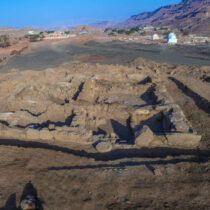
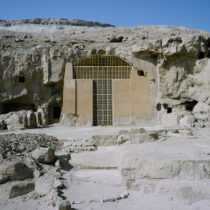
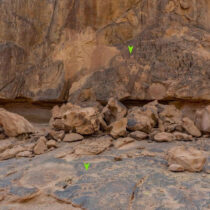
Mohamed Abdel‑Badie, Head of the Egyptian Antiquities Sector, stated that the discovery came as part of ongoing survey and documentation work on rock inscriptions in South Sinai, guided by Sheikh Rabie Barakat from the Serabit el-Khadim area, highlighting the important role of Sinai residents in supporting national efforts to preserve cultural heritage. The Umm Iraq site lies in a sandy area about 5 km northeast of the Serabit el‑Khadim Temple and ancient copper and turquoise mining zones, in a strategic position overlooking a vast open expanse stretching north toward the Tih Plateau—suggesting it was used across ages as a lookout point and resting place.
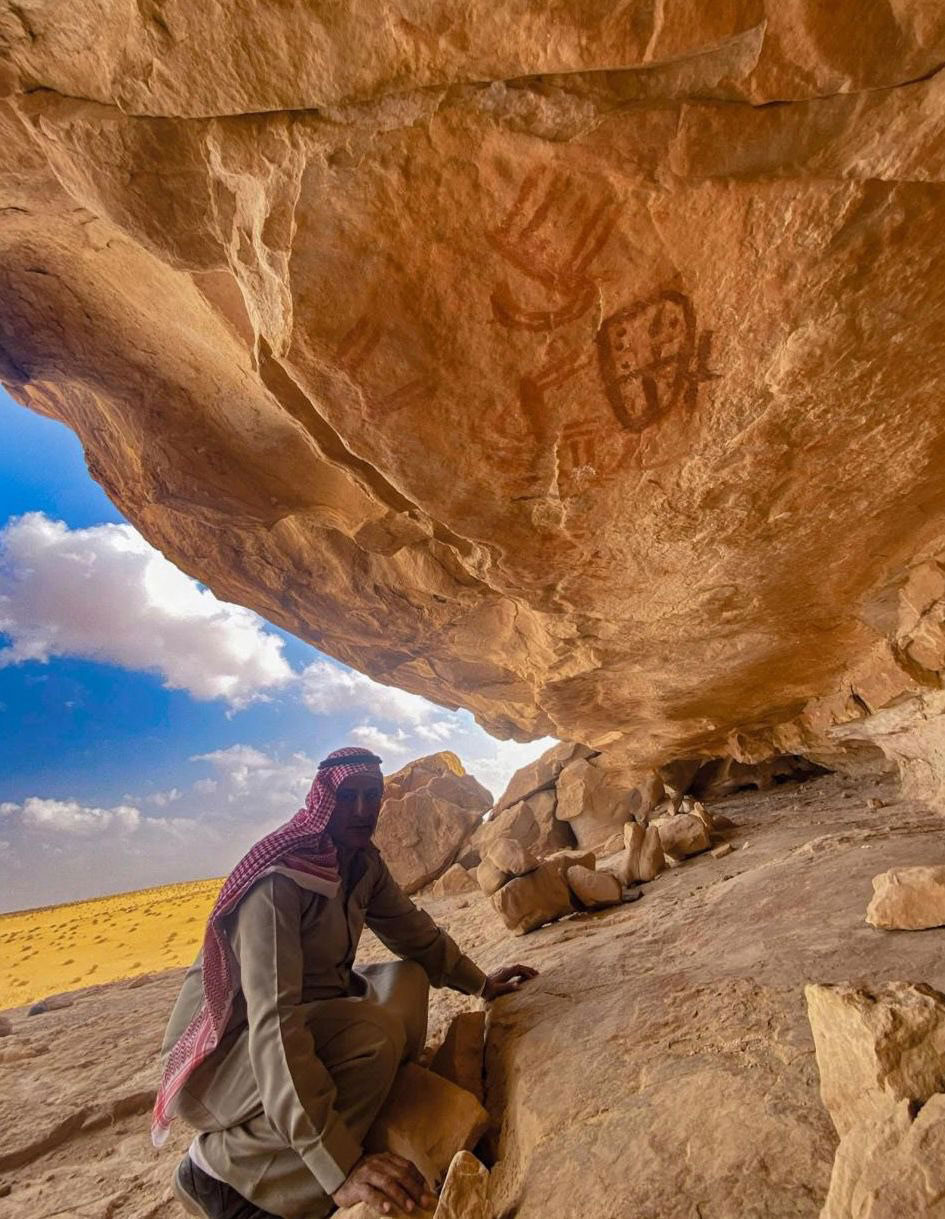
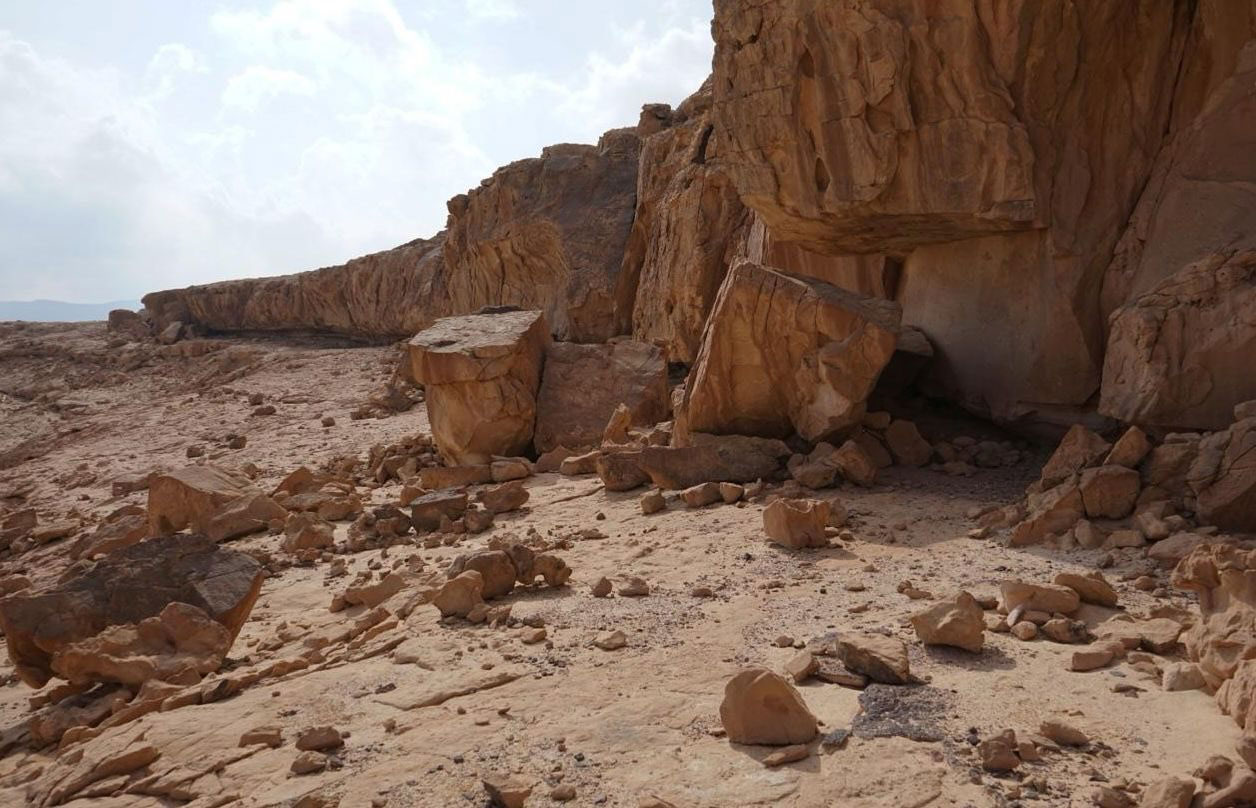
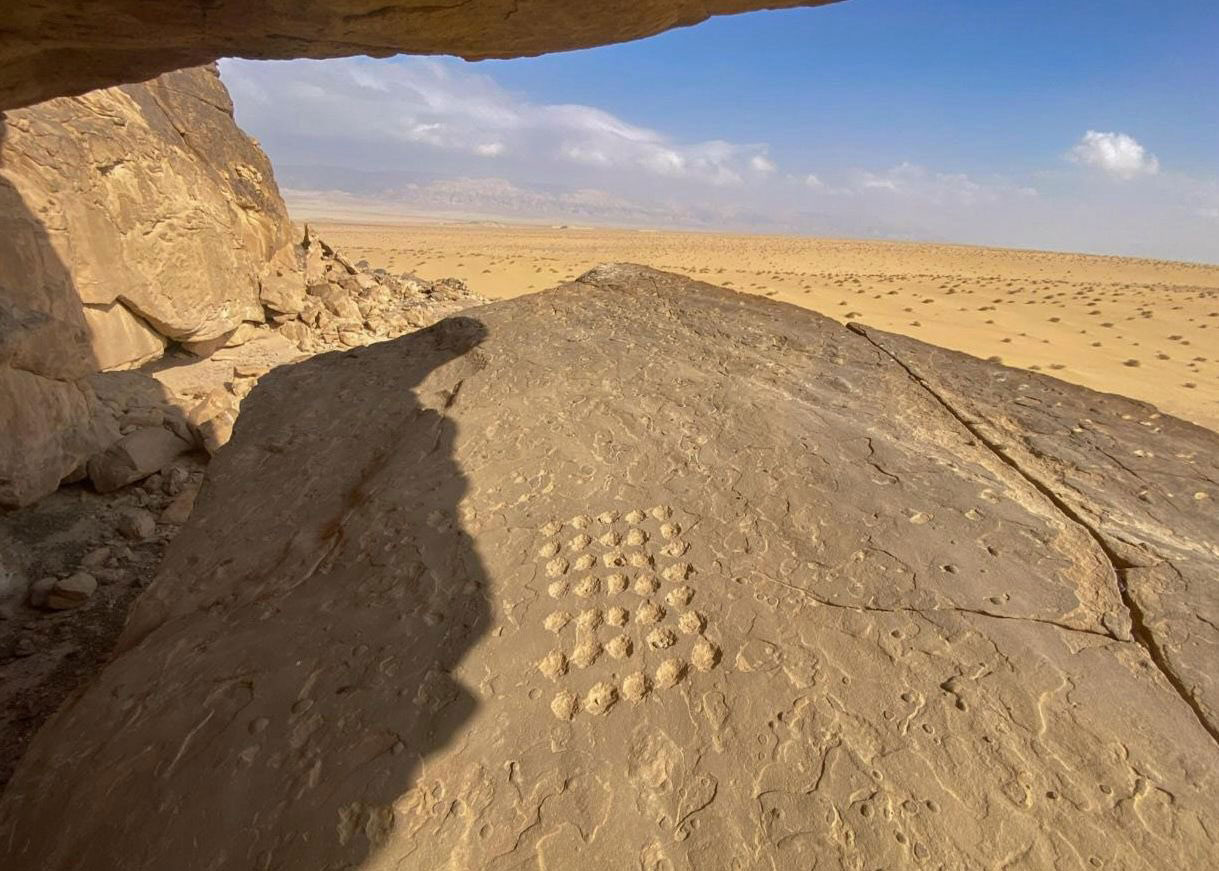
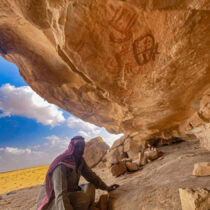
The Egyptian mission fully documented the site, which includes a naturally formed sandstone rock shelter extending along the eastern side of the plateau for more than 100 meters, with a depth between two and three meters and a ceiling height ranging from about 1.5 meters to half a meter.
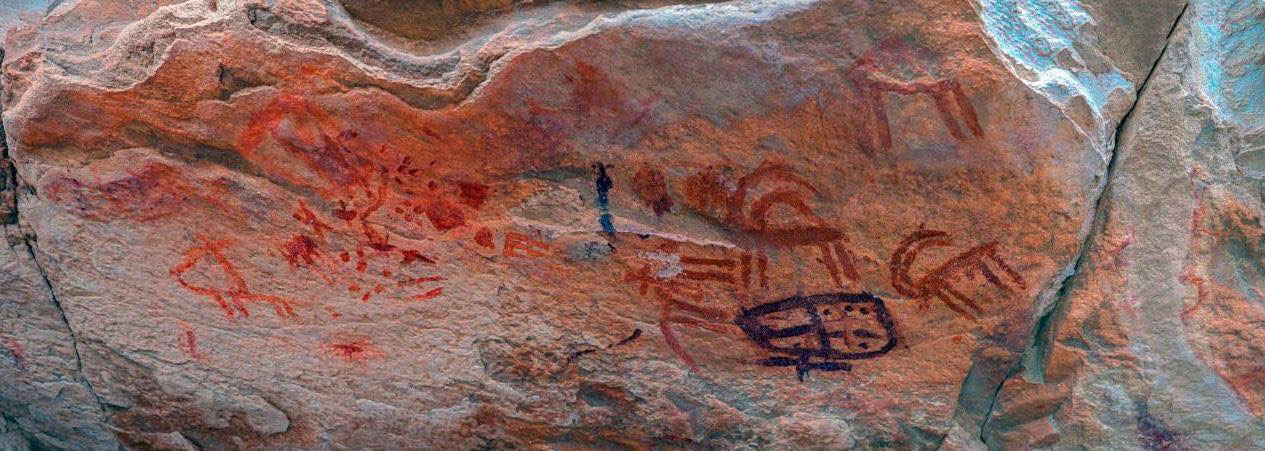
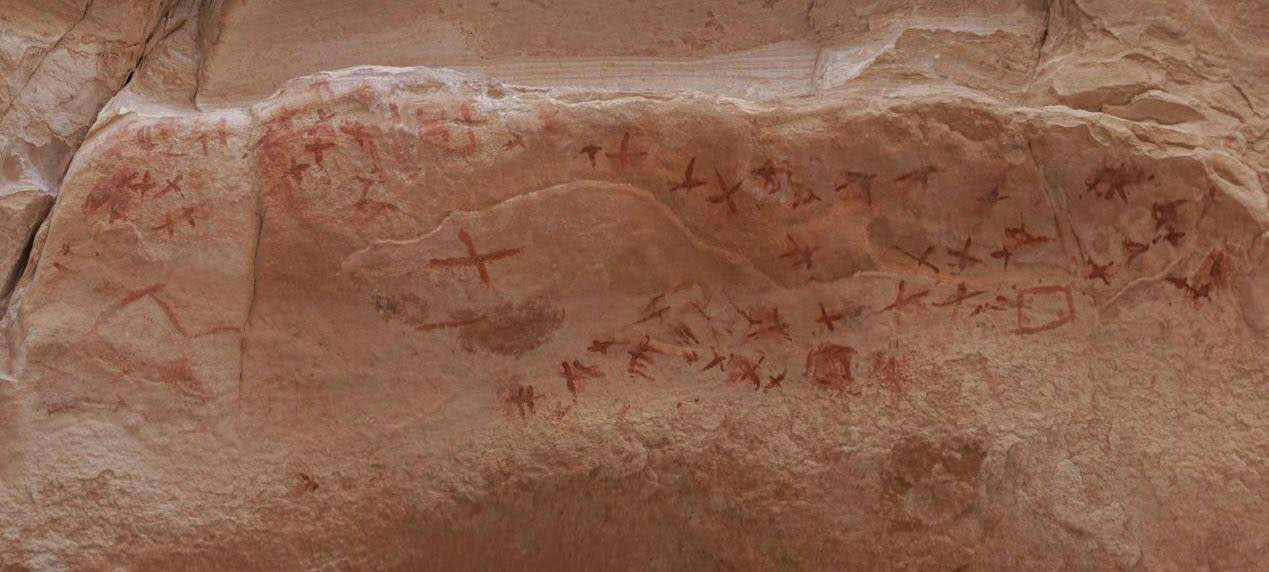
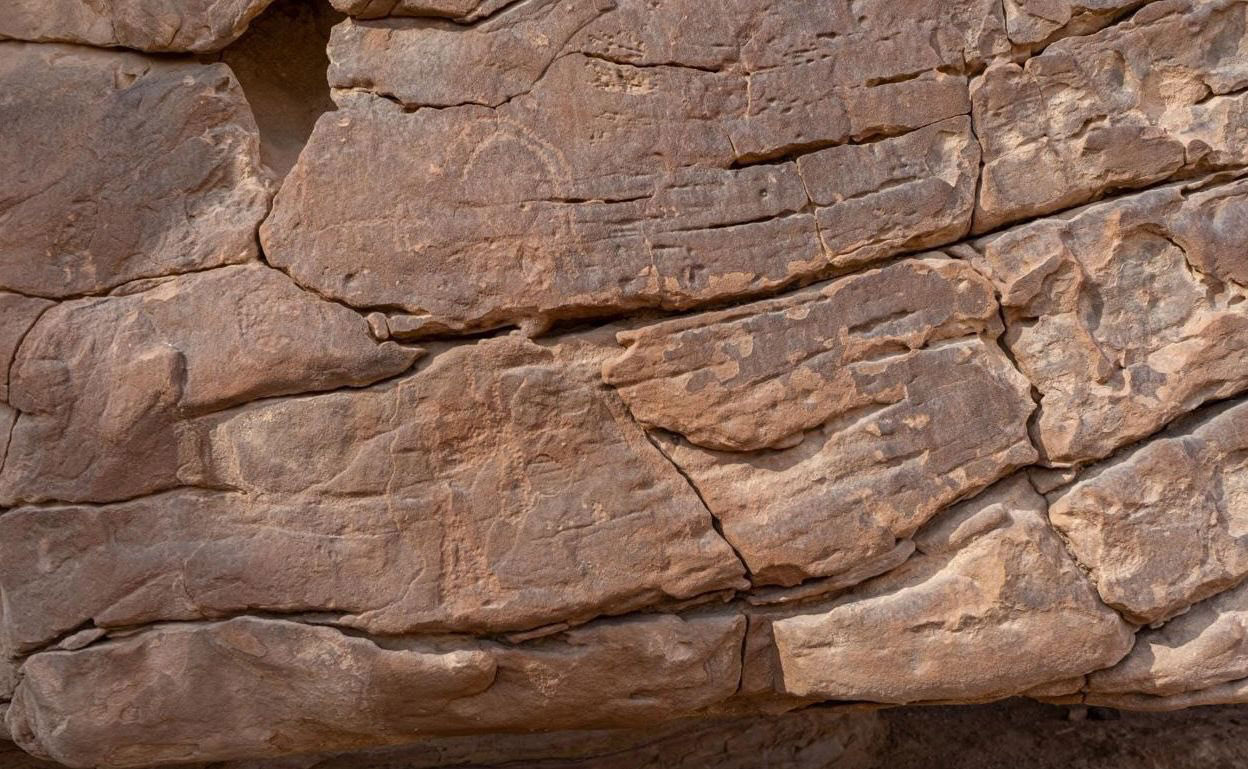
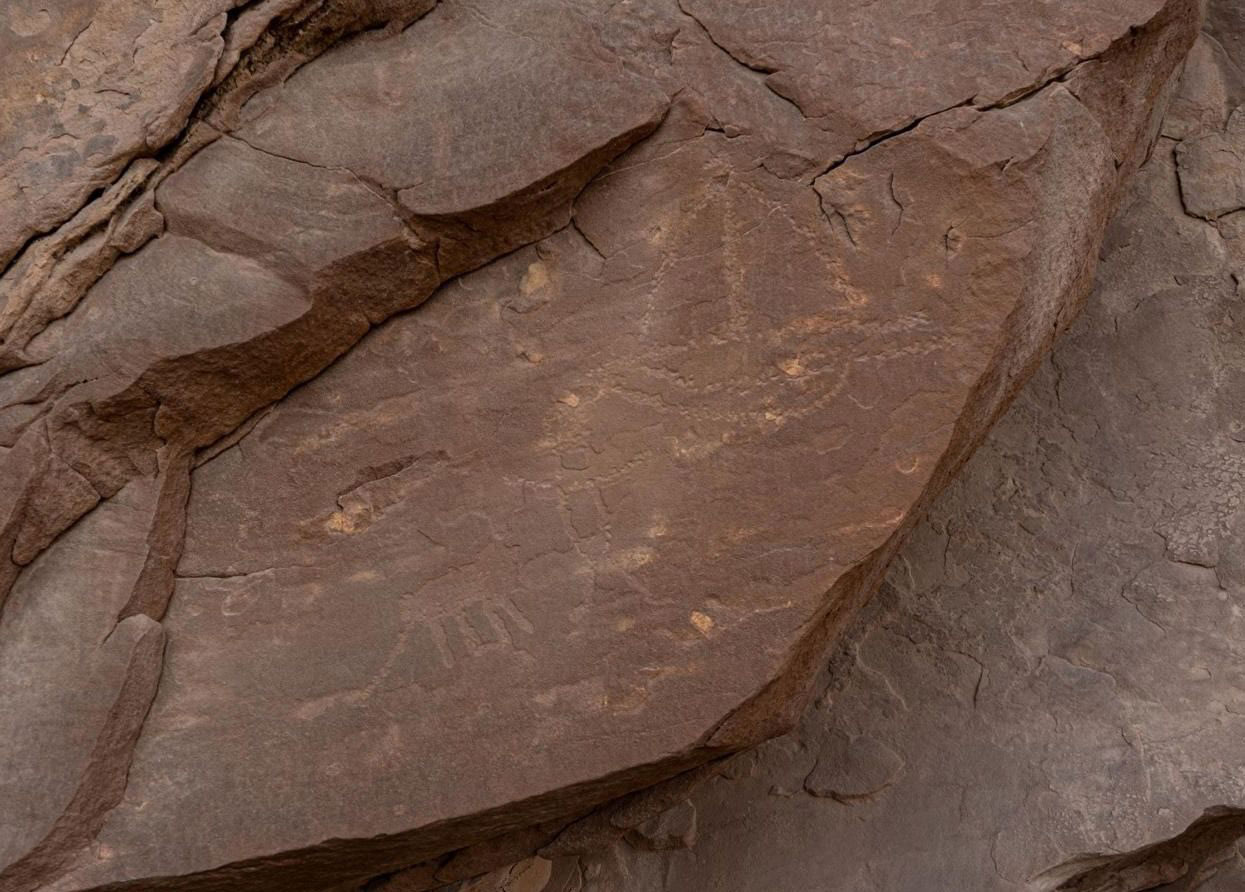
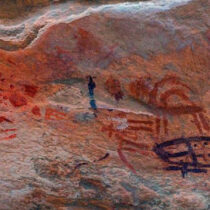
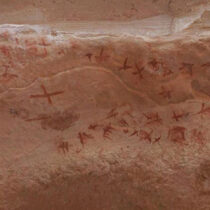
The shelter’s ‘ceiling’ contains numerous rock paintings executed in red pigment depicting animals and various symbols still under study, along with another set of gray drawings documented for the first time. It also includes engravings and scenes created using multiple techniques, reflecting remarkable artistic richness and cultural diversity.
Hisham Hussein, Head of the Central Administration for Lower Egypt Antiquities and leader of the mission, said documentation work inside the shelter uncovered large quantities of animal droppings, indicating it was used in later periods as a refuge for people and livestock from rain, storms, and cold. Stone partitions forming independent living units were also found, with traces of fire layers in their centers, confirming repeated human activity at the site over successive periods.
Archaeological survey also revealed several flint tools and numerous pottery fragments—some likely dating to the Middle Kingdom and others to the Roman period, specifically the 3rd century CE—confirming continuous use of the site over thousands of years.
According to preliminary study, the engravings and drawings have been divided into several chronological groups. The oldest group, painted in red on the shelter ceiling, is tentatively dated between 10,000 and 5,500 BCE and depicts animals reflecting life in those early eras.
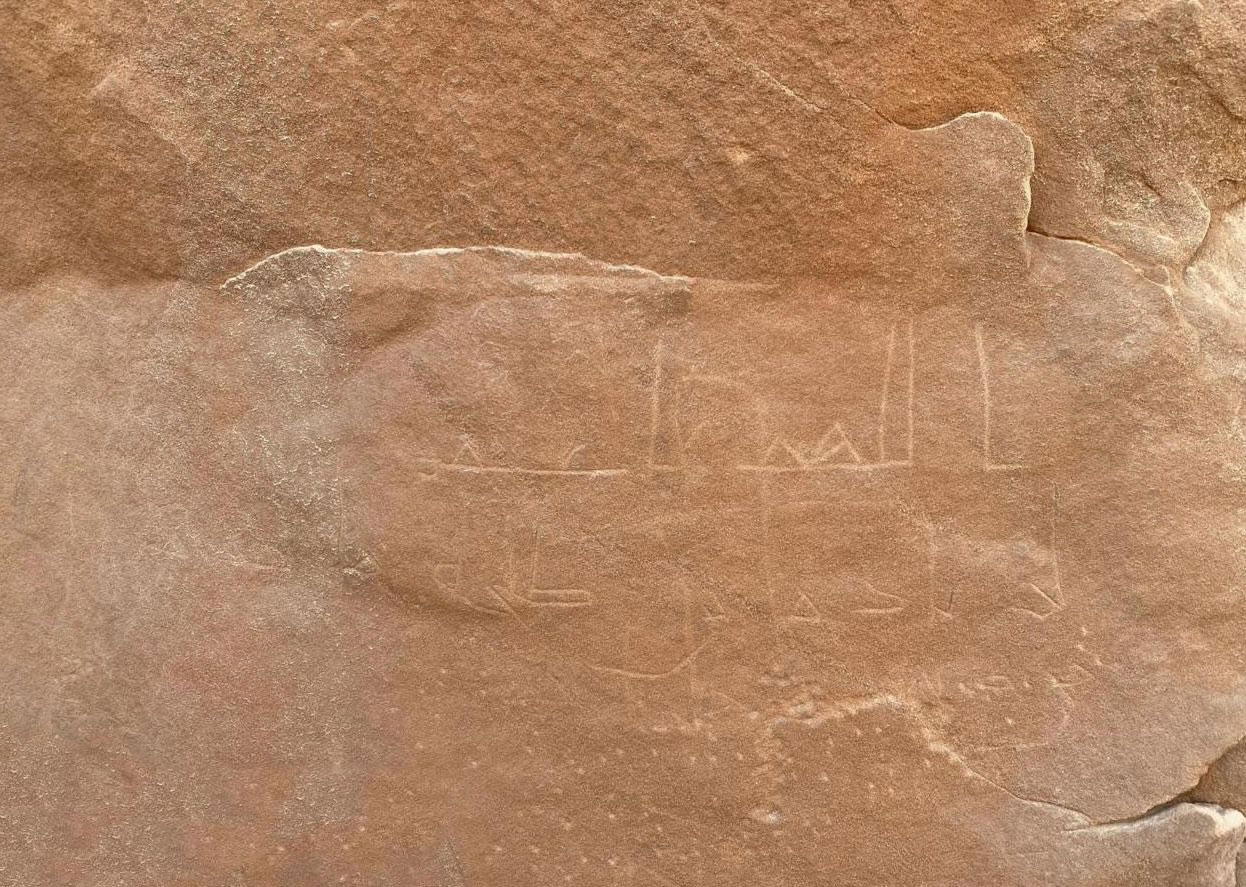
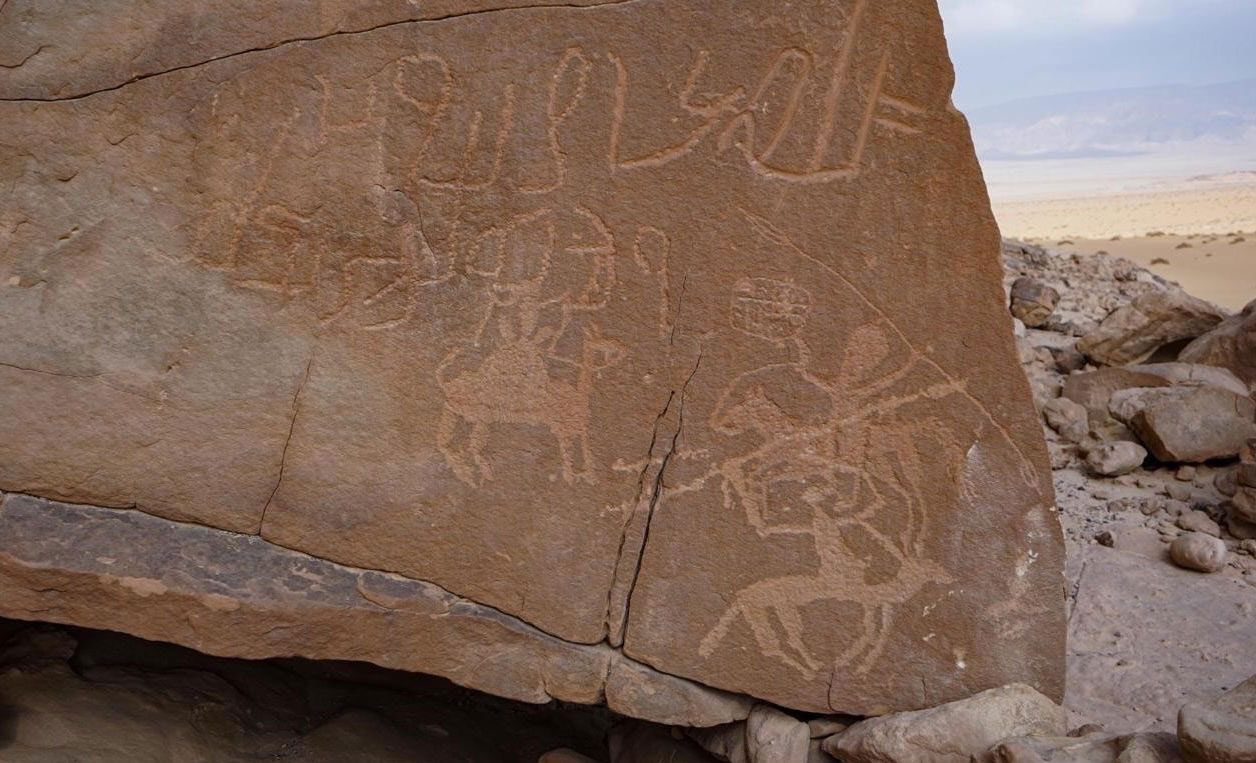
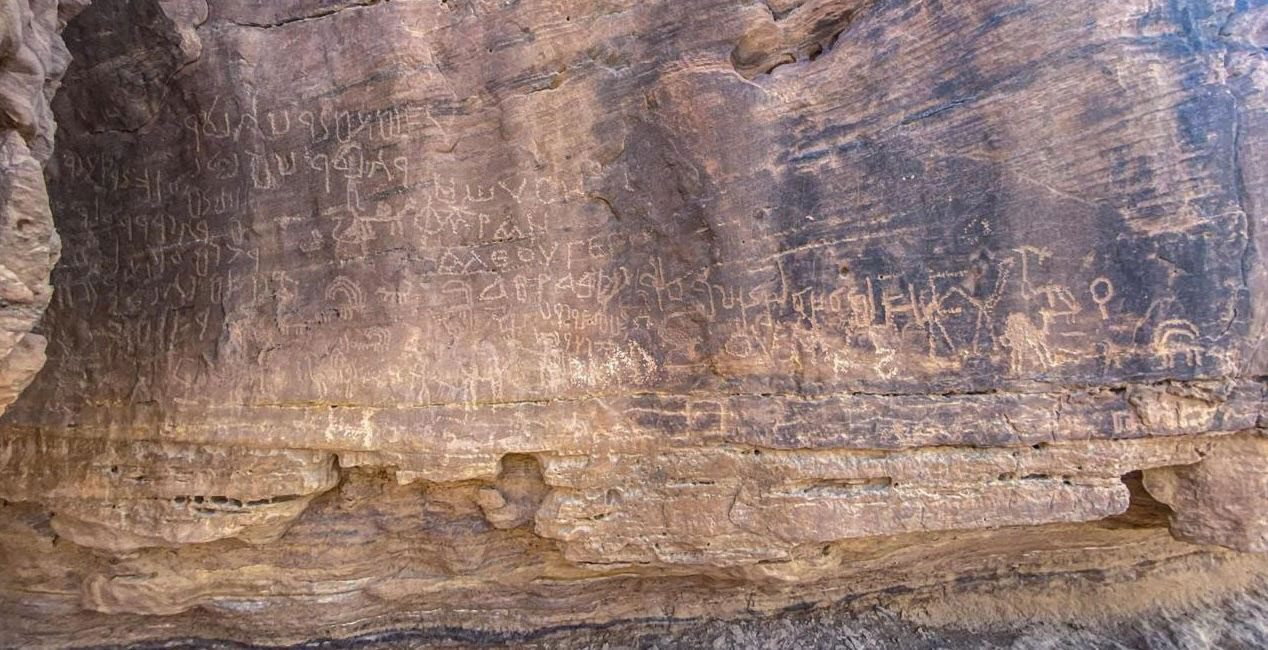
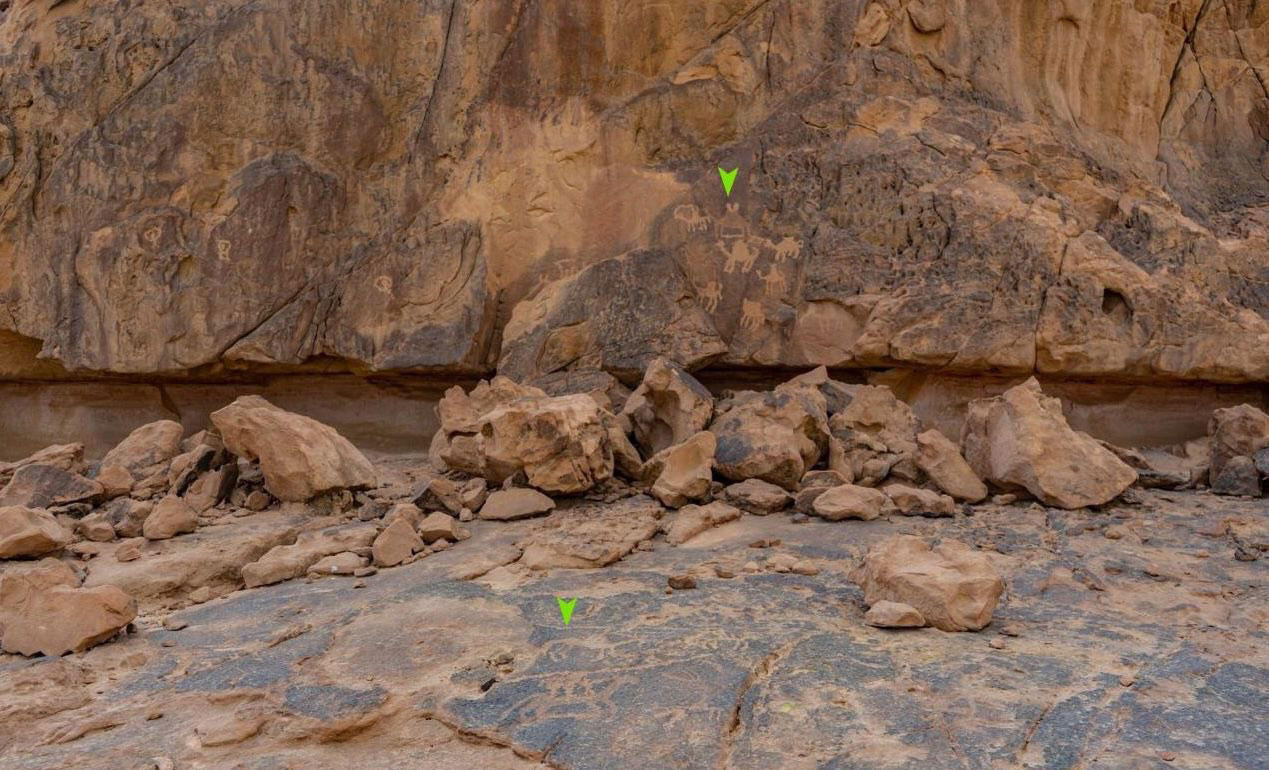
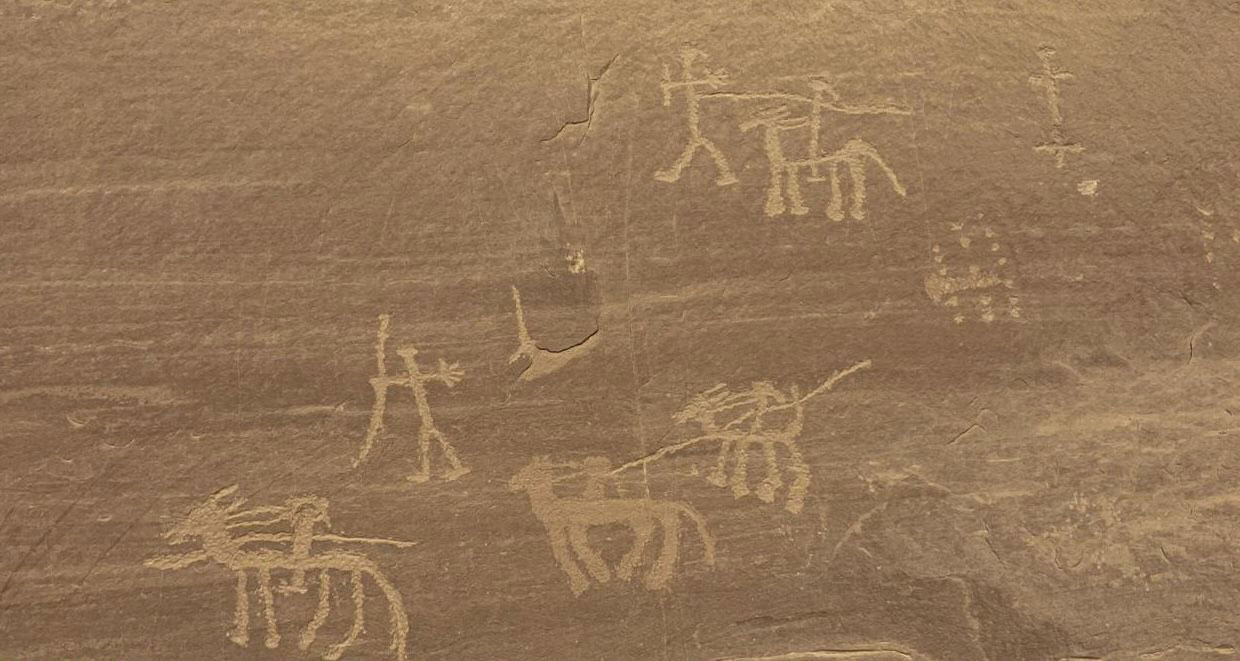
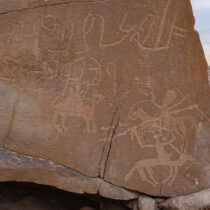
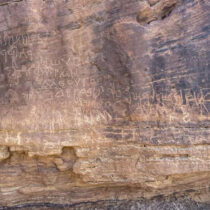
Other engravings made using incised techniques show a hunter using a bow to hunt an ibex accompanied by hunting dogs, illustrating the lifestyle and economic activities of early human communities. Additional groups depict camels and horses in various forms ridden by figures carrying weapons, some accompanied by Nabataean inscriptions, indicating later historical periods marked by cultural interaction in the region.
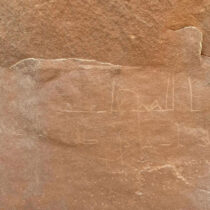
A set of inscriptions written in Arabic was also documented, representing important evidence of continued use of the site during early Islamic periods and afterward.
 NOTES
NOTES