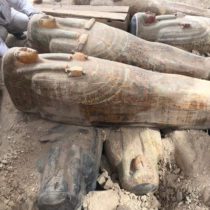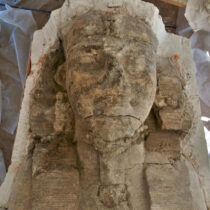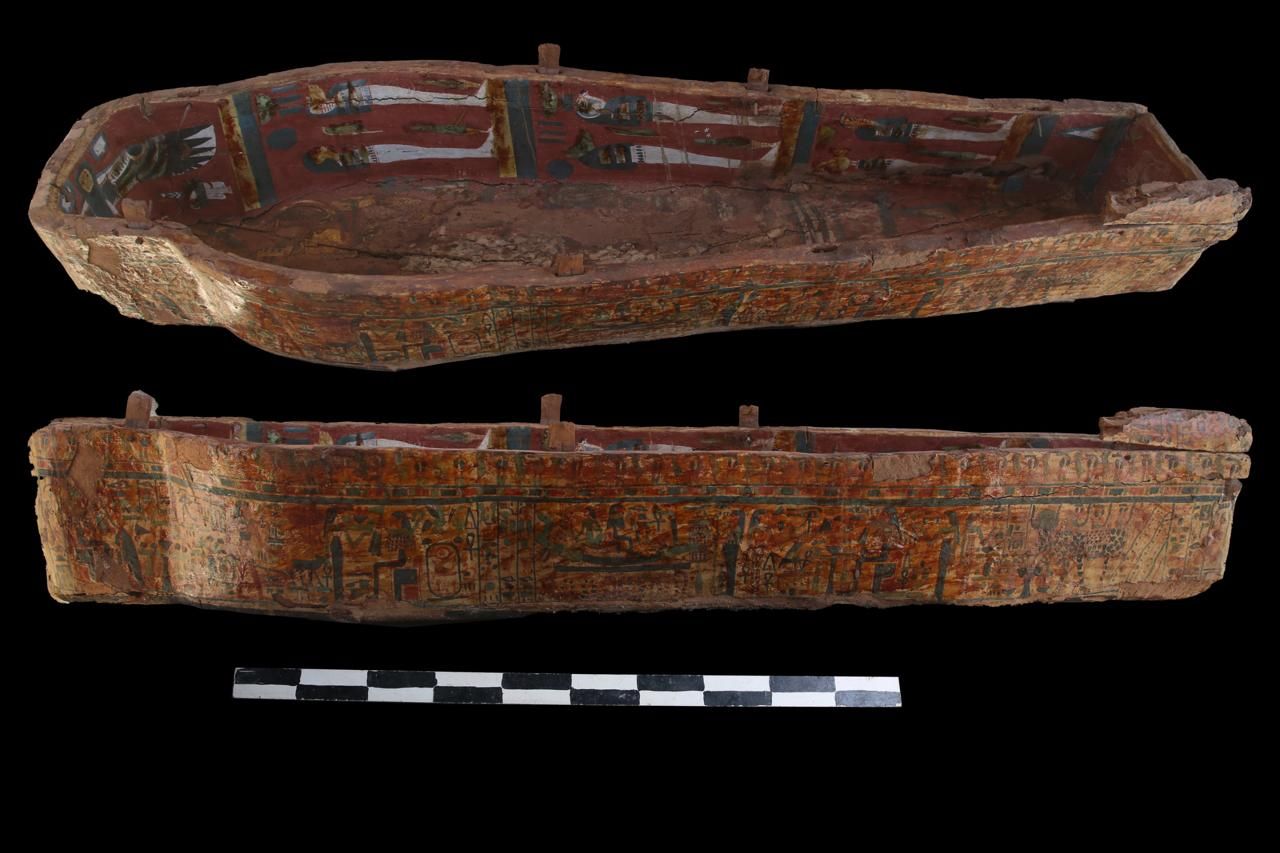
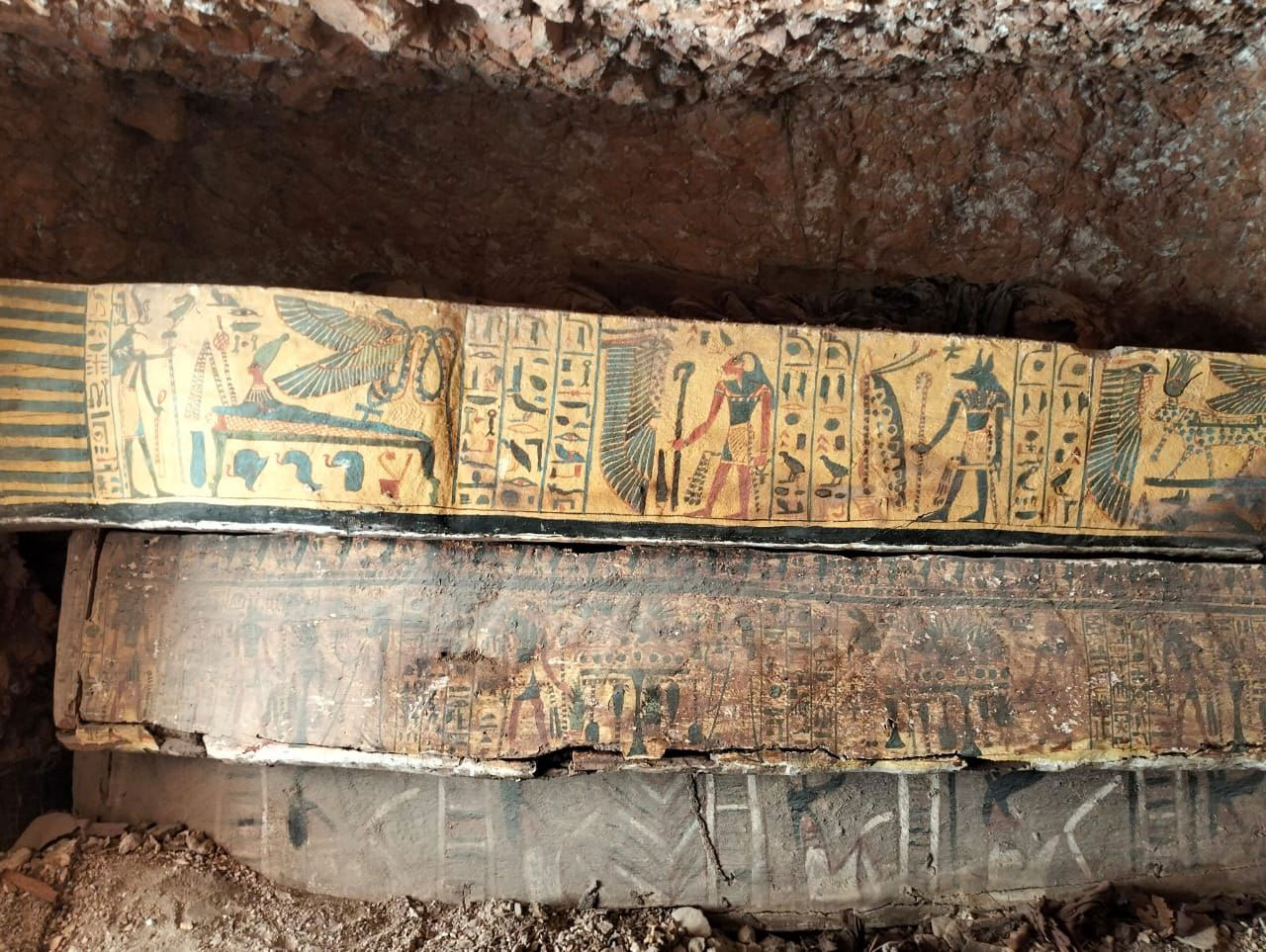
A cache of painted coffins containing mummies, along with a collection of rare papyri dating to the Third Intermediate Period, has been unearthed by the Egyptian archaeological mission, comprising a joint team of the Supreme Council of Antiquities and the Zahi Hawass Foundation for Archaeology and Heritage. The discovery took place during excavation work in the southwestern corner of the courtyard of the Tomb of Seneb in Qurna, on the West Bank of Luxor.
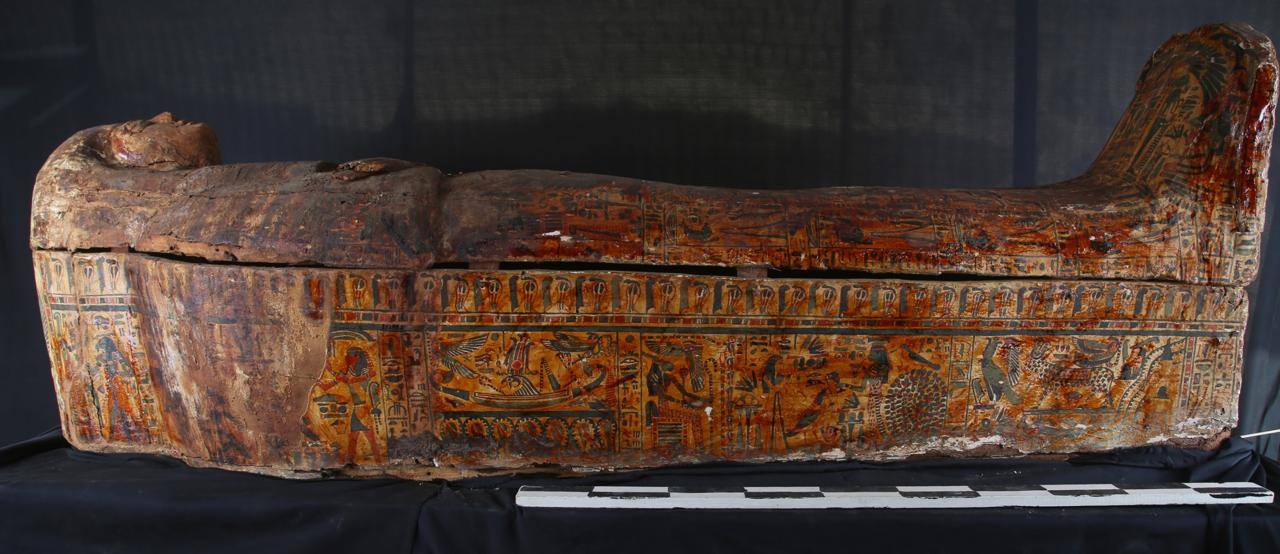
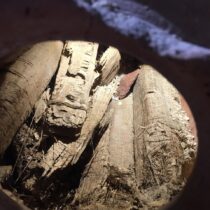
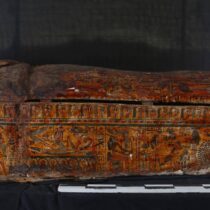
According to project director Zahi Hawass, excavations uncovered a rectangular rock-cut chamber used as a funerary storage space. Inside were 22 painted wooden coffins arranged in several layers, reflecting remarkable spatial organization. The ancient Egyptians maximized the space by stacking the coffins in 10 horizontal rows, separating the lids from the boxes to increase storage capacity. The mission also found a group of pottery vessels believed to have been used to store remnants of mummification materials.
Dr. Hisham El-Leithy, Secretary-General of the Supreme Council of Antiquities, stated that the mission is currently working to identify the individuals buried within the cache and the situation under which the burials took place. Most of the coffins bear functional titles (the most common being “Chanter(s) of Amun”) instead of personal names. He added that due to the poor condition of the wood, the mission’s conservation team carried out urgent preservation measures, including treatment for deteriorated wood fibers, consolidation of weakened painted plaster layers, and careful mechanical cleaning to remove deposits without affecting the bright colors, as well as full documentation to record each piece photographically and architecturally before transfer to storage.
Dr. Afifi Rahim, supervisor of the mission’s work, said the cache dates to the Third Intermediate Period (Dynasties 21–25). He, too, mentioned that the coffins contained mummies, despite the absence of personal names. Since the cache reflects a re-burial, excavations are ongoing to locate the original tombs from which these coffins were transferred.
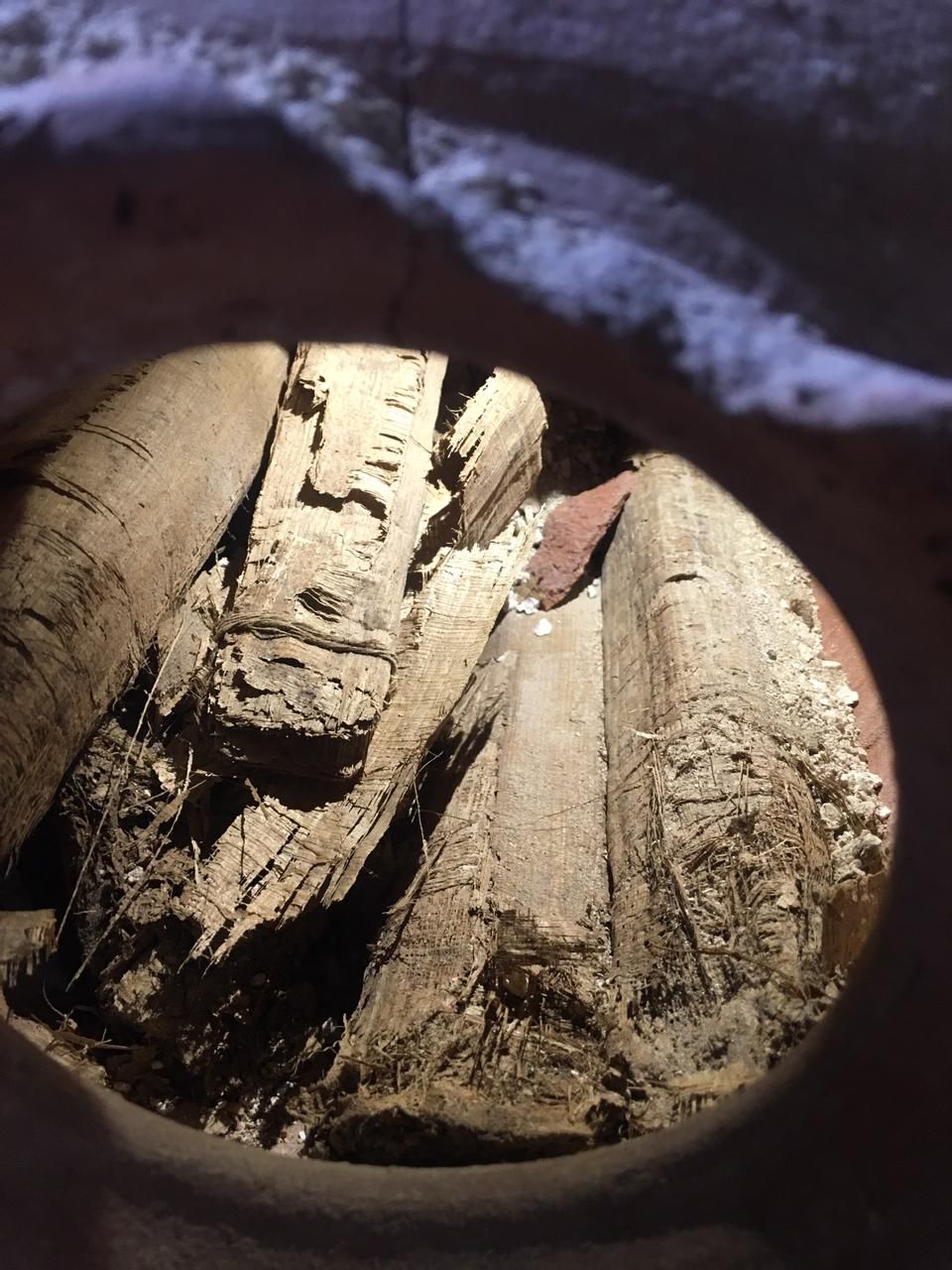
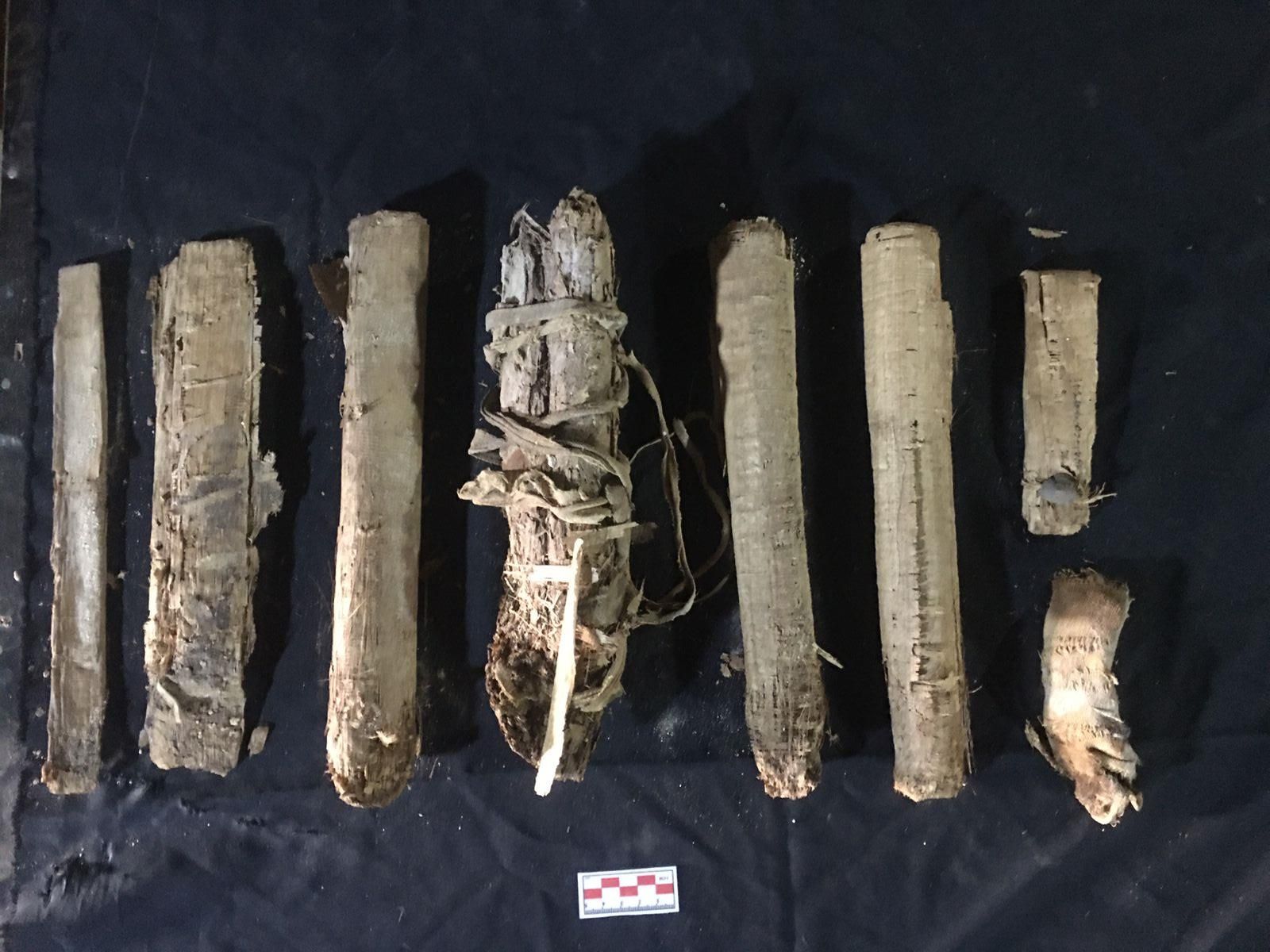
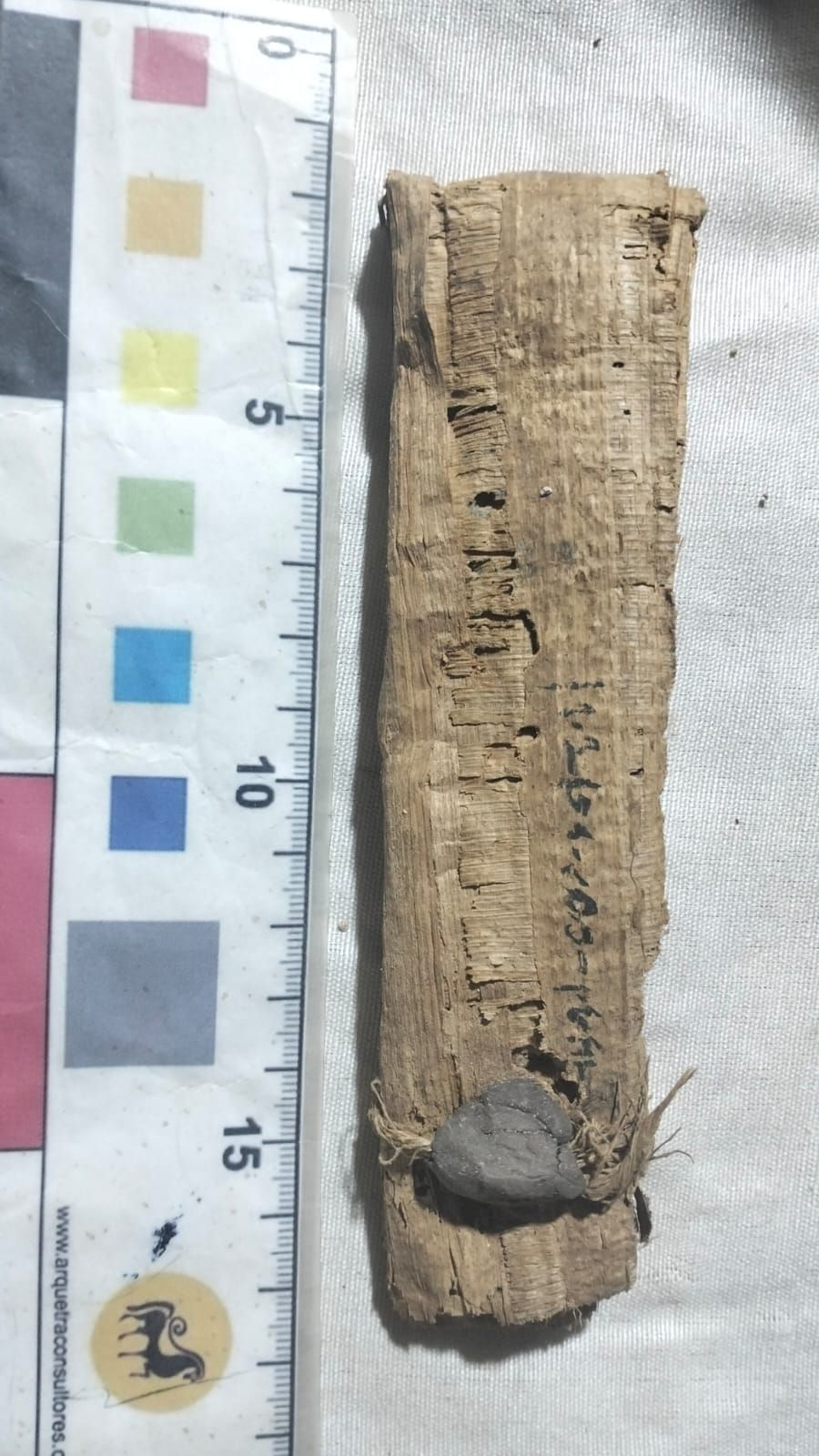
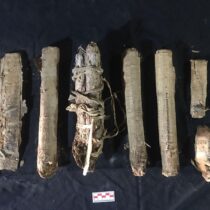
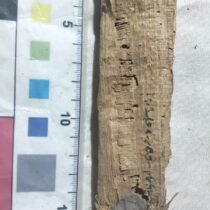
As for the eight papyri, they were found inside a large pottery vessel, some still bearing their original clay seals and varying in size. He emphasized that these papyri represent an informational treasure whose results the world awaits after restoration and translation are completed.
 NOTES
NOTES