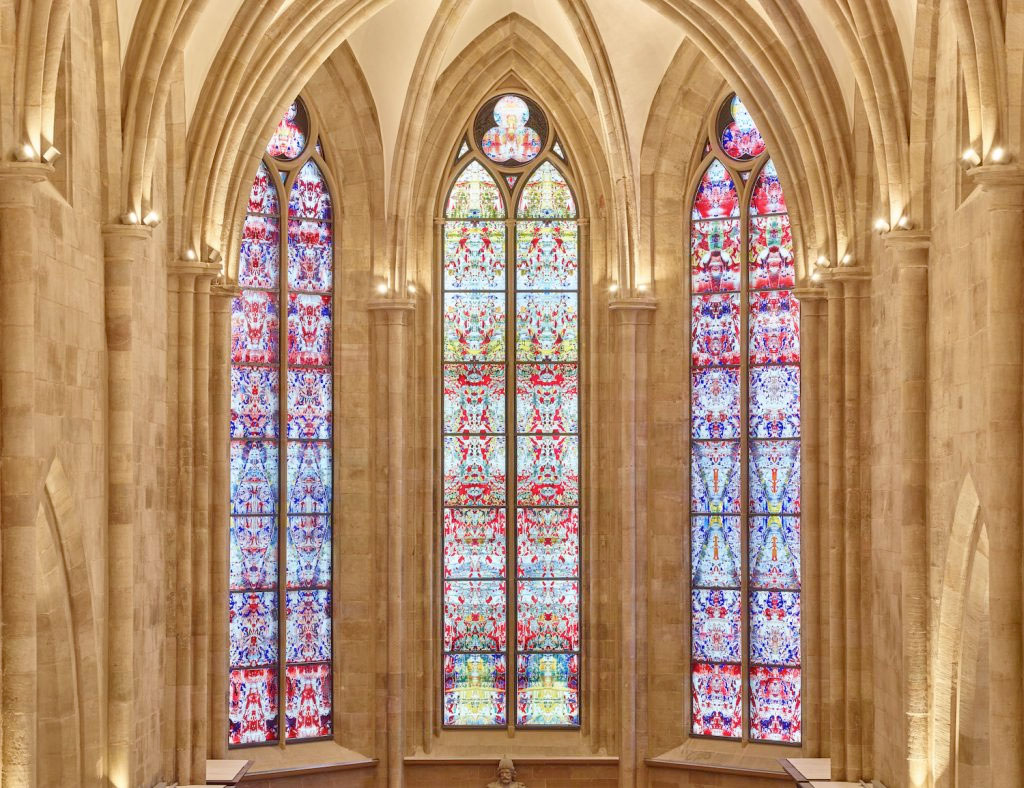
Stained glass windows by Gerhard Richter in the oldest German monastery
Three stained -glass windows in a Gothic monastery in Tholey, Germany, is the latest large-scale work by world famous German artist Gerhard Richter. Speaking to the German press, the 88-year-old artist himself confirmed this. He said that the approximately nine-meter-high
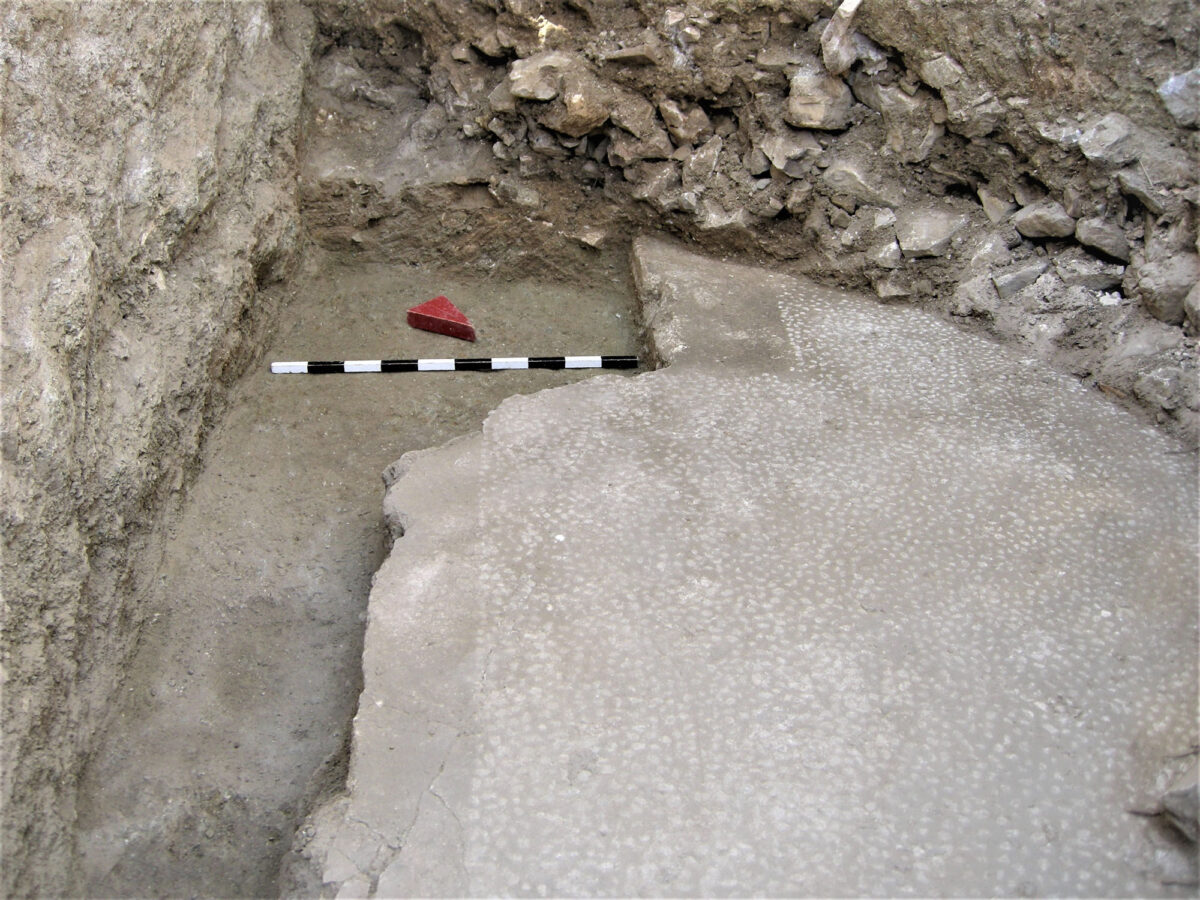
The chthonic dwelling place of Asclepius in Epidaurus
The unearthing of the archaic building located in 2019 near the Tholos of the Asclepieion of Epidaurus continued in August this year.
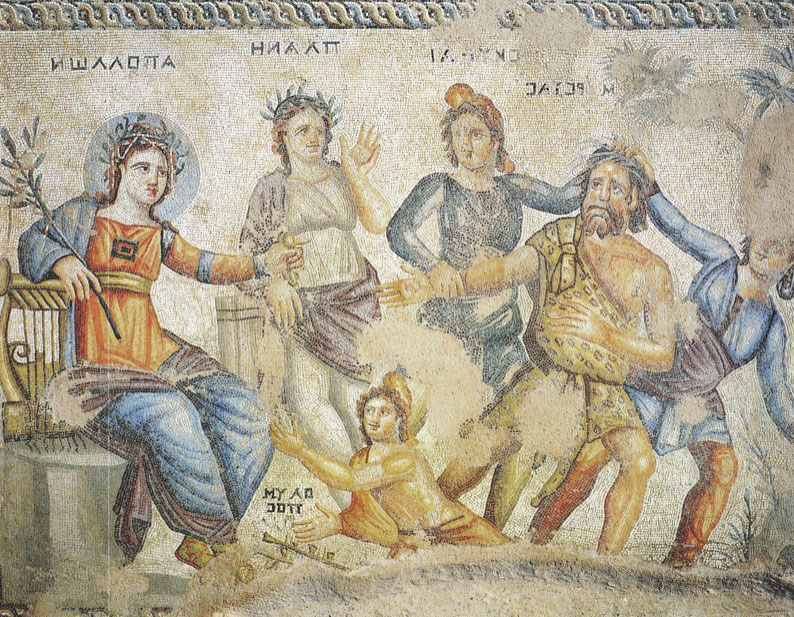
The Roman Mosaic from the House of Aion in Paphos
After years of research conducted by Prof. Marek T. Olszewski from the UW Faculty of Archaeology, the iconographic program of the famous mosaic from the reception room of the Roman House of Aion in Paphos (Cyprus) has been resolved.
Ceramics uncovered in 3000-year-old trading network
Archaeometric analyses of the pottery of Spalmatore di Terra reveal that it comes from various production sites in the region of Etruria.
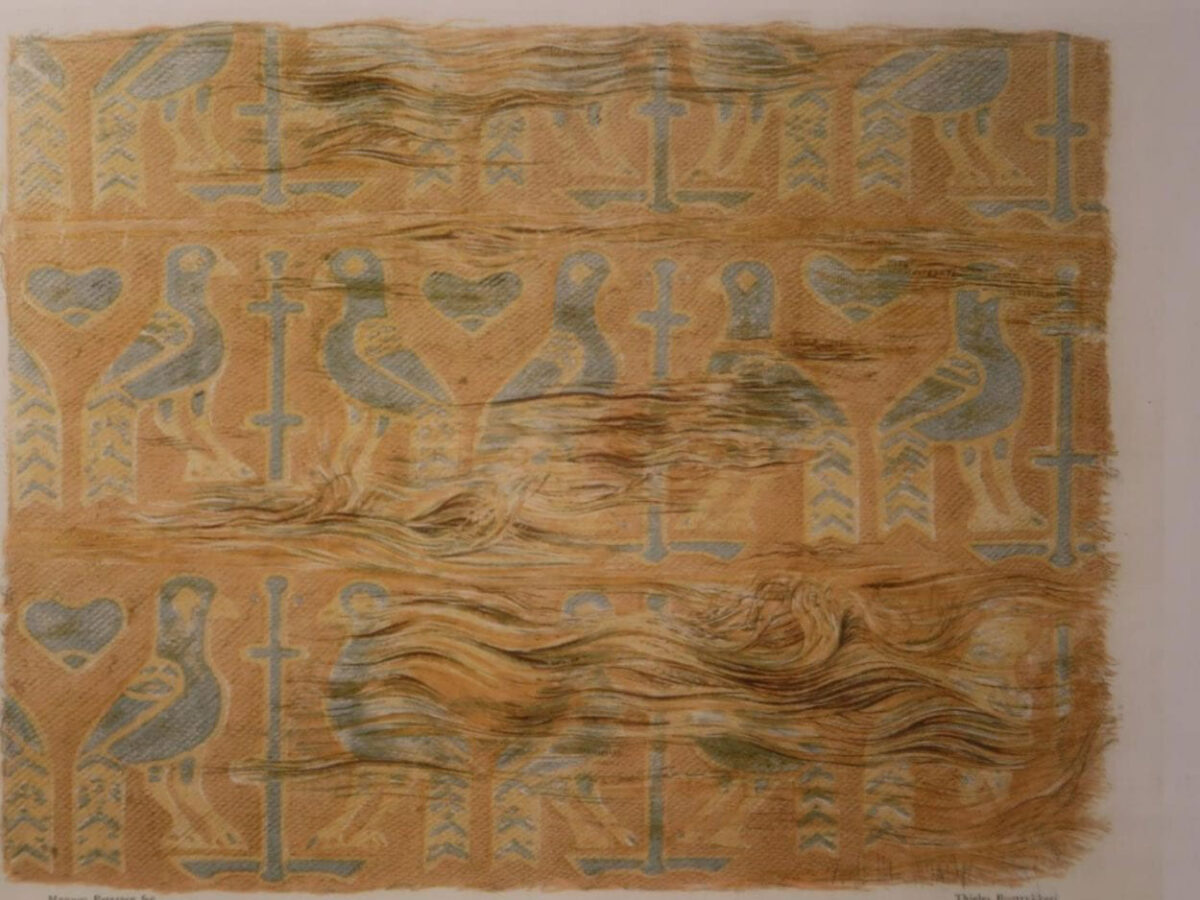
Puzzle about precious silk textiles from AD 1100 solved
The cathedral in Odense, Denmark, has for nine centuries held the relics of the Danish King St. Canute the Holy and his brother Benedikt.
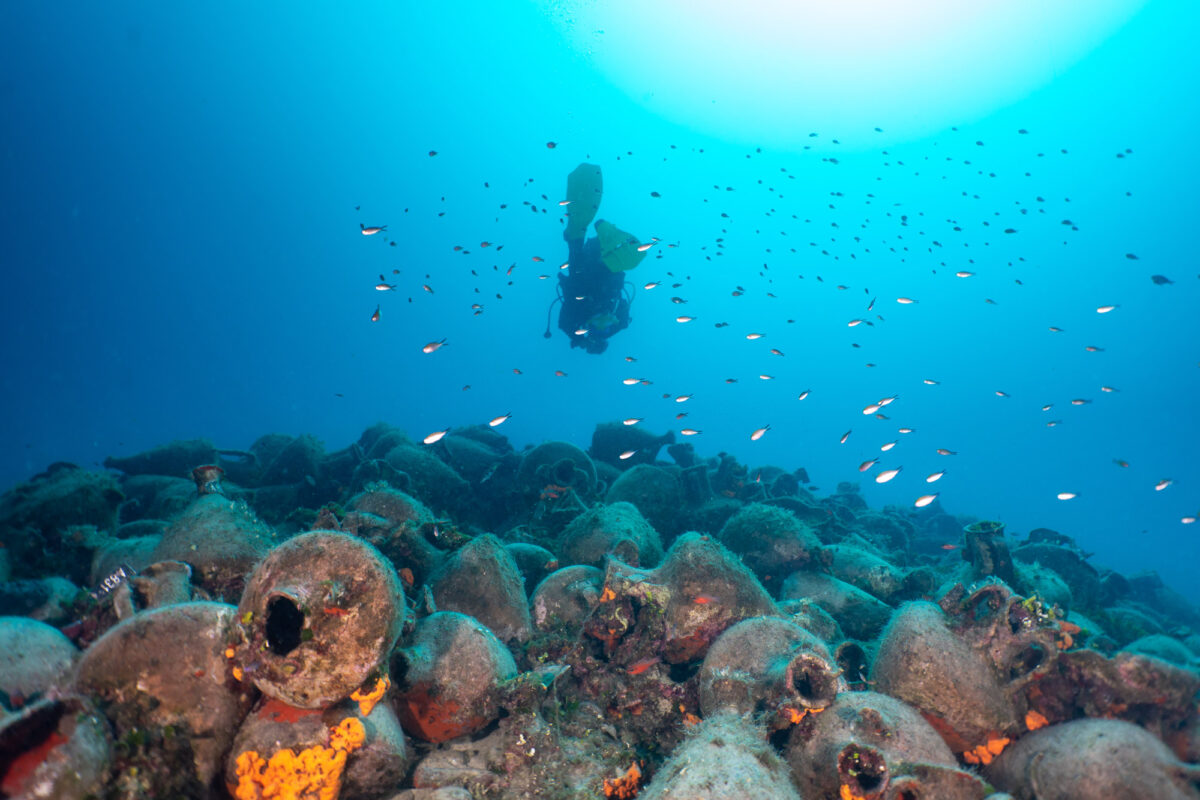
Tribute by Deutsche Welle to the underwater museum of Alonnisos
An impressive first amateur video has been made recording the underwater route of scuba divers as they visit the ancient shipwreck of Peristera.
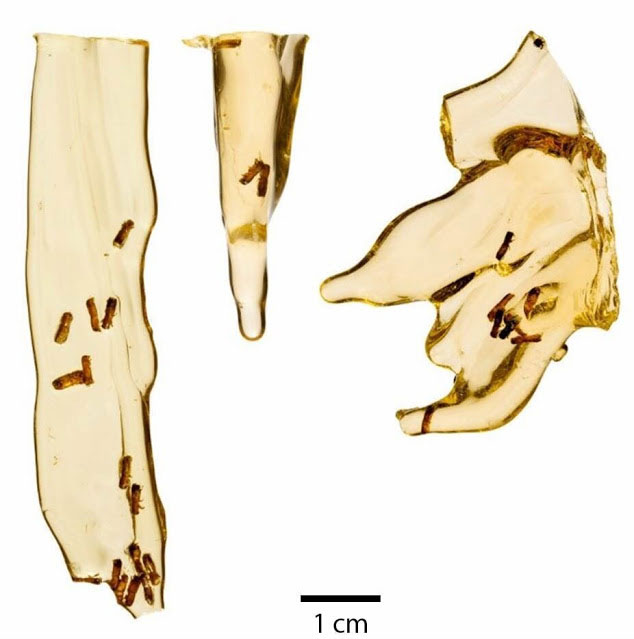
DNA extracted from insects embedded in resin
For the first time researchers successfully extracted genetic material from insects that were embedded in six- and two-year-old resin samples.
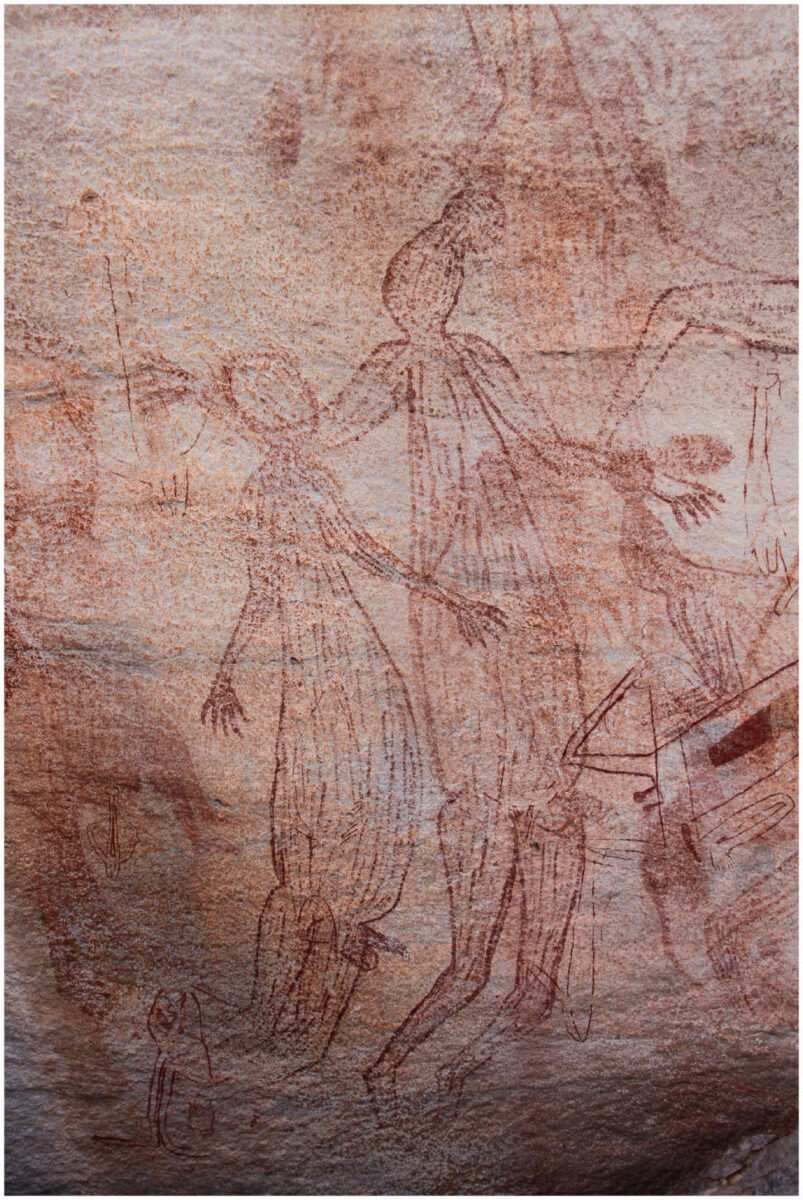
Arnhem Land Maliwawa rock art opens window to past
Stunning Arnhem Land rock art images including three rare depictions of bilbies and a dugong have been described by researchers in a new paper in Australian Archaeology today (Oct 1).
Dinosaur feather study debunked
A new study provides substantial evidence that the first fossil feather ever to be discovered does belong to the iconic Archaeopteryx, a bird-like dinosaur named in Germany on this day in 1861.
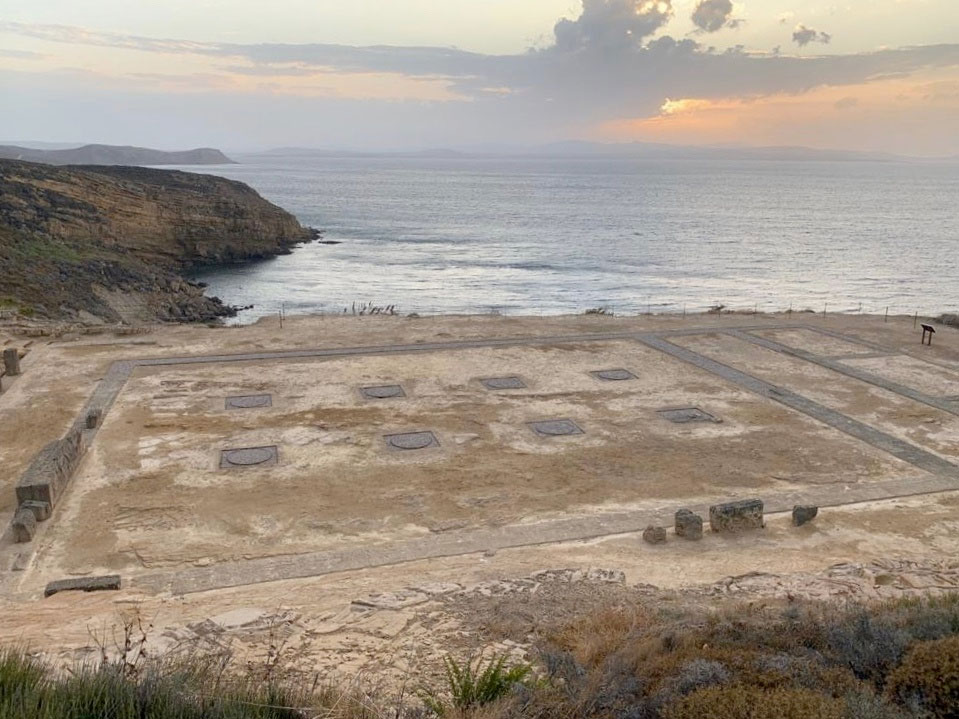
Opening of upgraded archaeological site of Kabeirion, Lemnos
With the works completed, the site is protected from the wear and tear of time, the effects of severe weather and from the pathology of the soil.
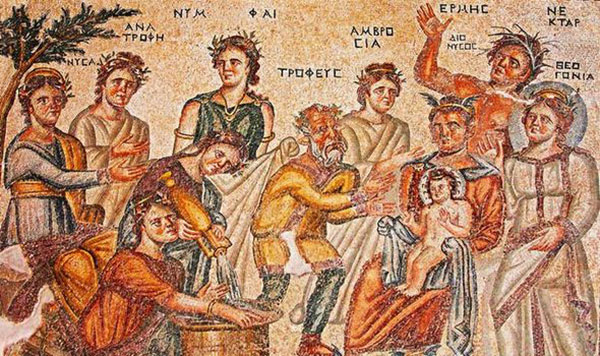
Ancient mosaic criticises Christianity
An ancient mosaic from a 4th-century house in the centre of the ancient city of Paphos in Cyprus, was a ‘pictorial’ criticism of Christianity according to experts.
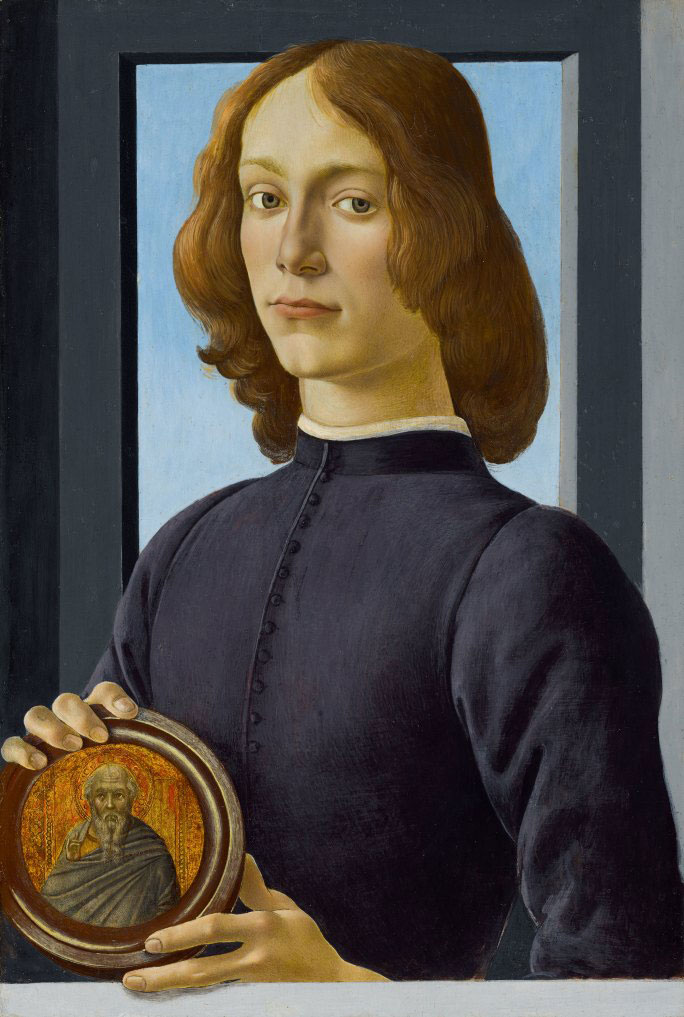
The Ultimate Renaissance Portrait: Young Man Holding a Roundel
In January 2021, Sotheby’s will auction Sandro Botticelli’s Young Man Holding a Roundel, one of the most significant portraits, of any period, ever to appear at auction
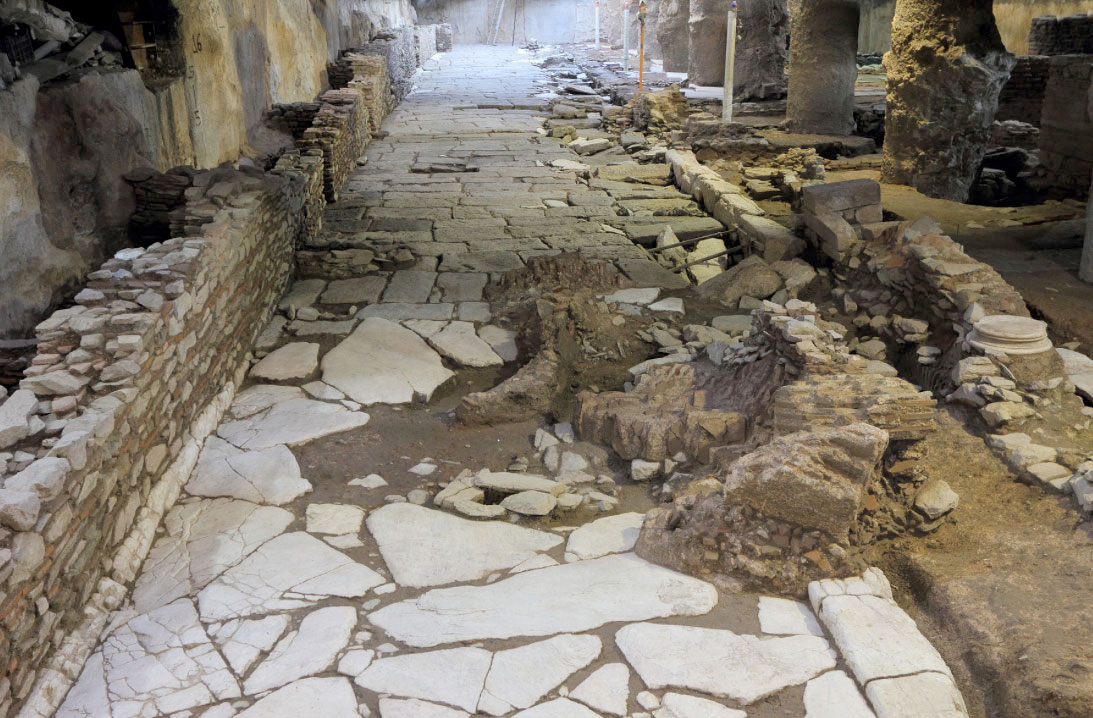
Τemporary removal and relocation of antiquities at the Venizelos station
The decision by the Council of State is pending regarding the request submitted to it for the cancellation of the removal and relocation of the antiquities.
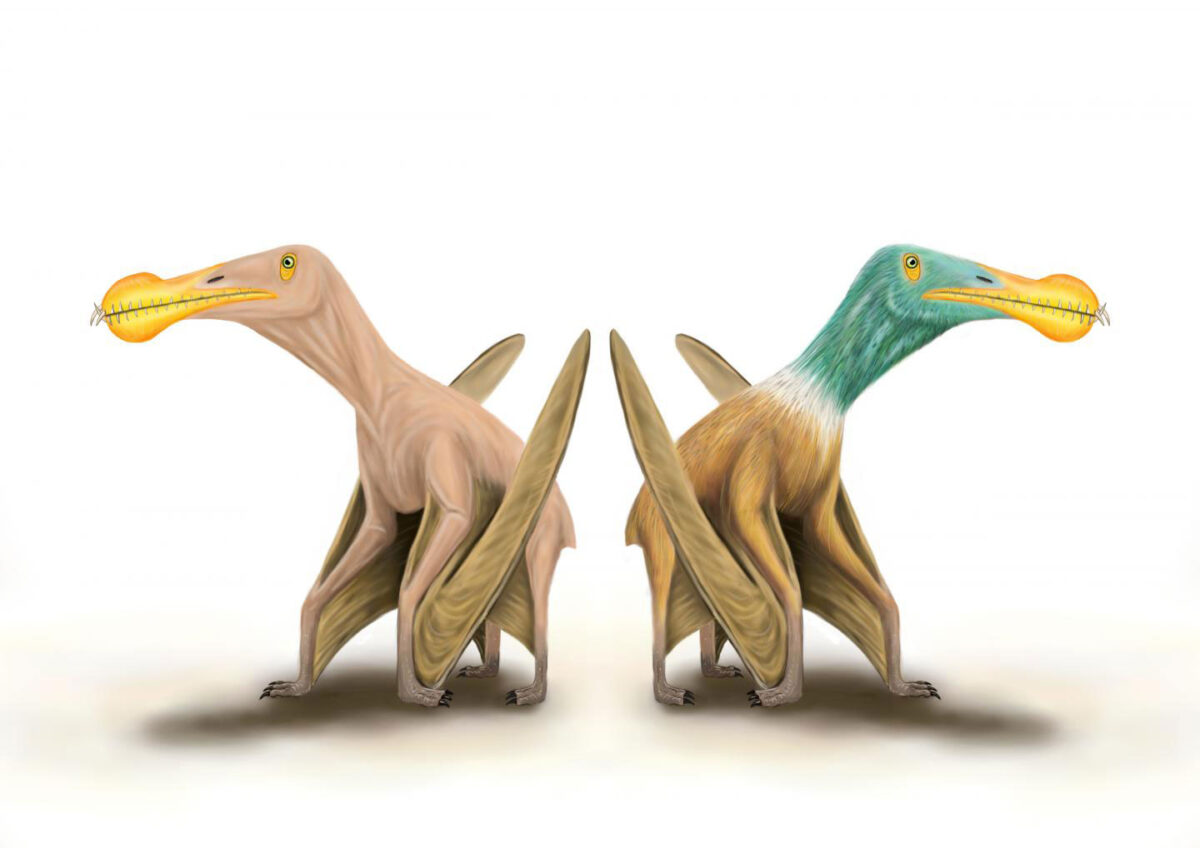
Naked prehistoric monsters!
The debate about when dinosaurs developed feathers has taken a new turn with a paper refuting earlier claims that feathers were also found on dinosaurs' relatives, the flying reptiles called pterosaurs.
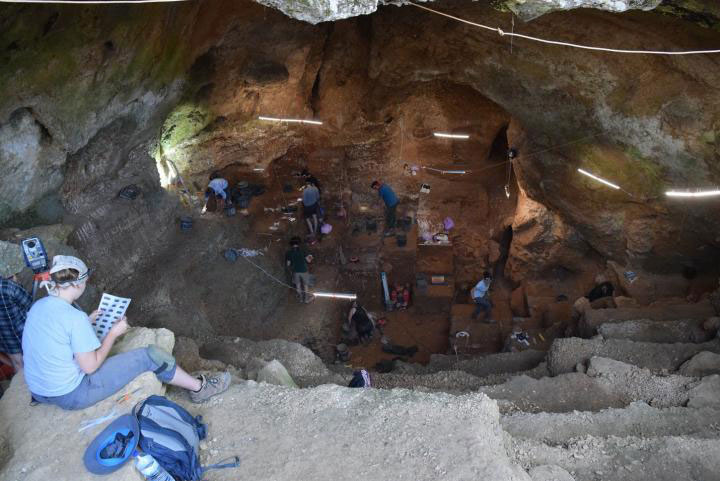
Modern humans reached westernmost Europe 5,000 years earlier
Discovery may indicate modern humans and Neanderthals lived in the area concurrently.
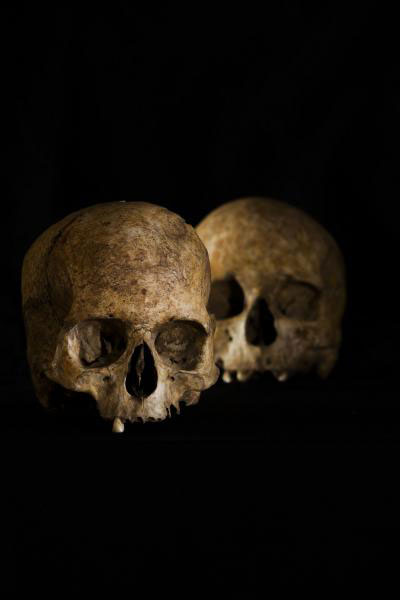
New funerary behaviors of the Neolithic Iberian populations discovered
The finding opens new lines of research and anthropological scenarios, where human and animal sacrifice may have been related to ancestral cults.
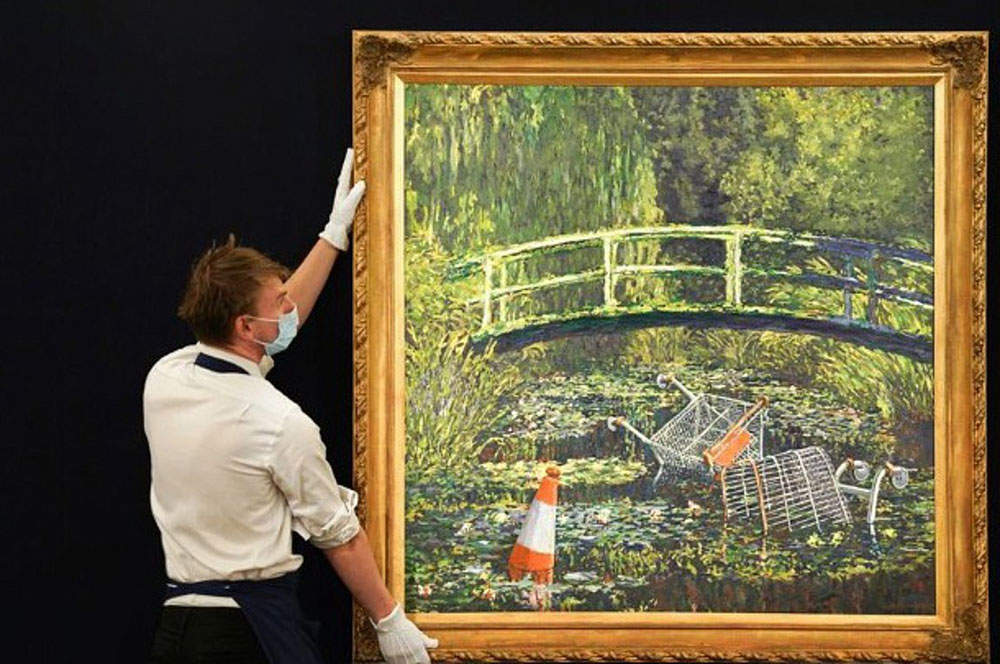
Banksy’s version of Claude Monet’s masterpiece is on sale
It is estimated that Banksy’s oilpainting will fetch between 3,9 and 6,5 million dollars.
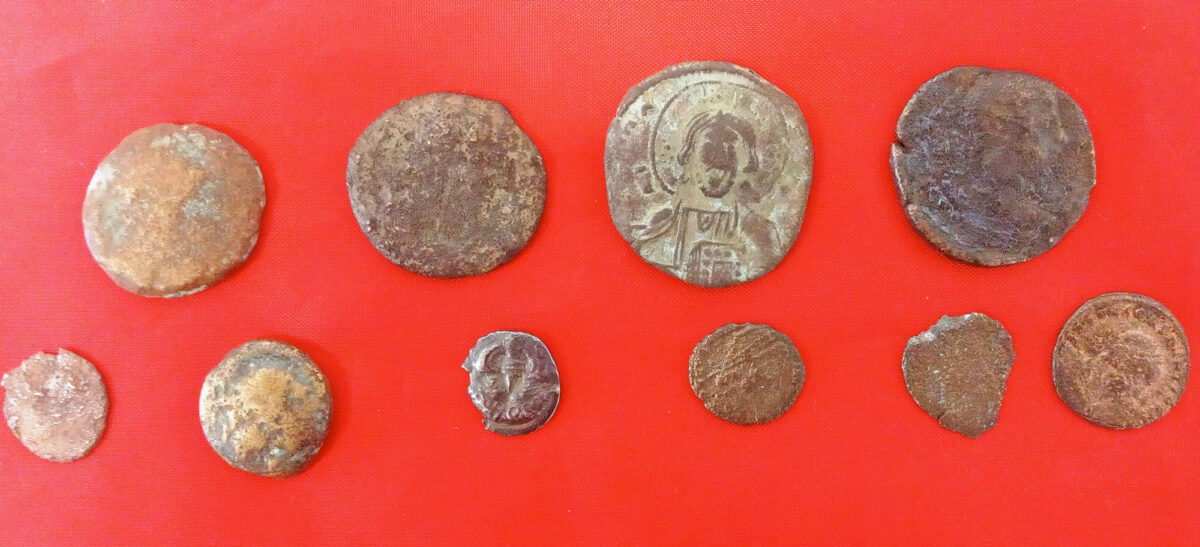
Arrest of two individuals for possession of ancient coins
10 ancient coins (ancient Greek, Roman, Byzantine and Ottoman) were found and confiscated in a village of the Volvi municipality.
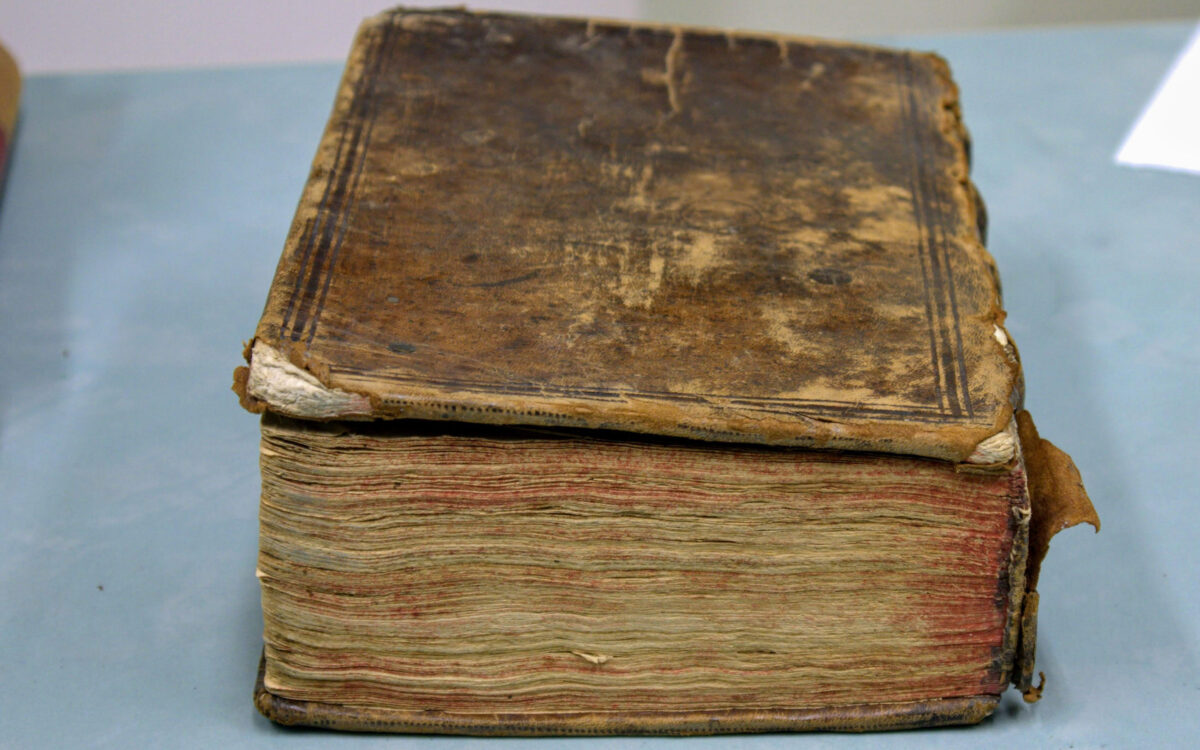
Researcher finds the first Shakespeare play to reach Spain
A 1634 edition of the tragicomedy The Two Noble Kinsmen, written together with John Fletcher, which is thought to be the Shakespeare’s last work.
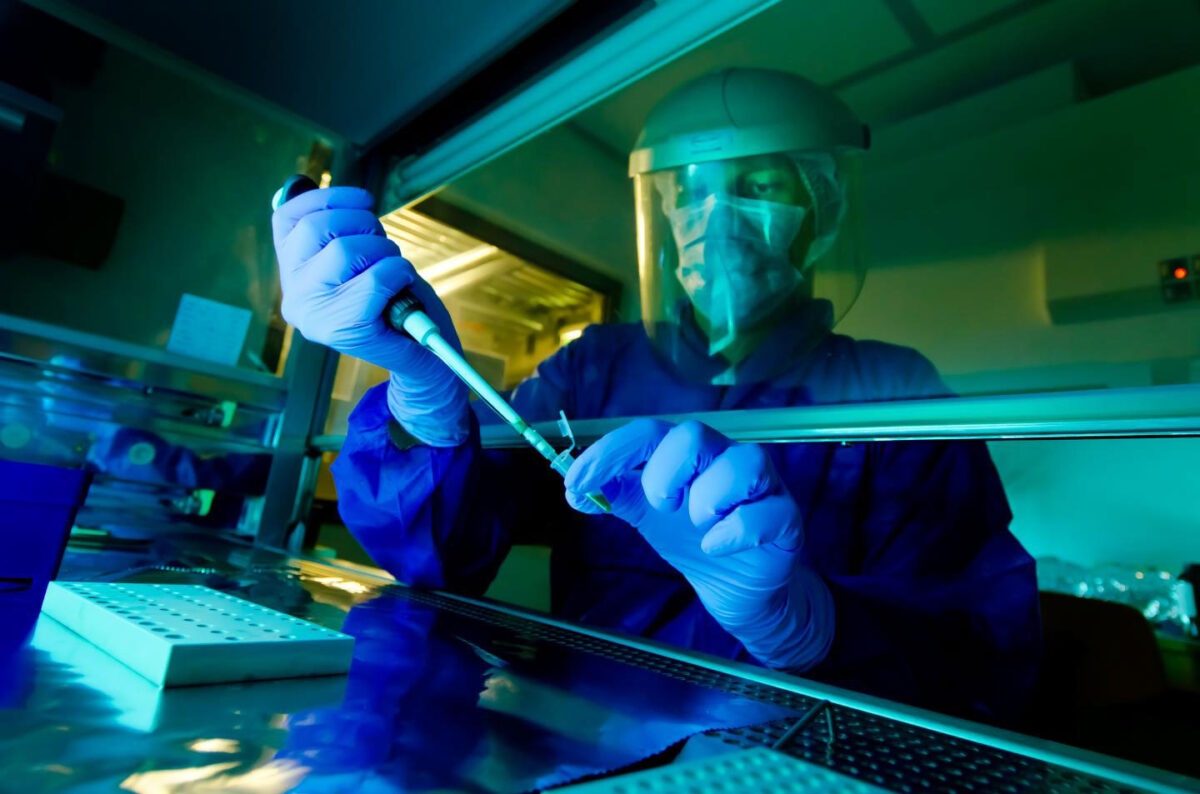
Y chromosomes of Neandertals and Denisovans now sequenced
By comparing the archaic human Y chromosomes to each other and to the Y chromosomes of people living today, the team found that Neandertal and modern human Y chromosomes are more similar to one another than they are to Denisovan Y chromosomes.
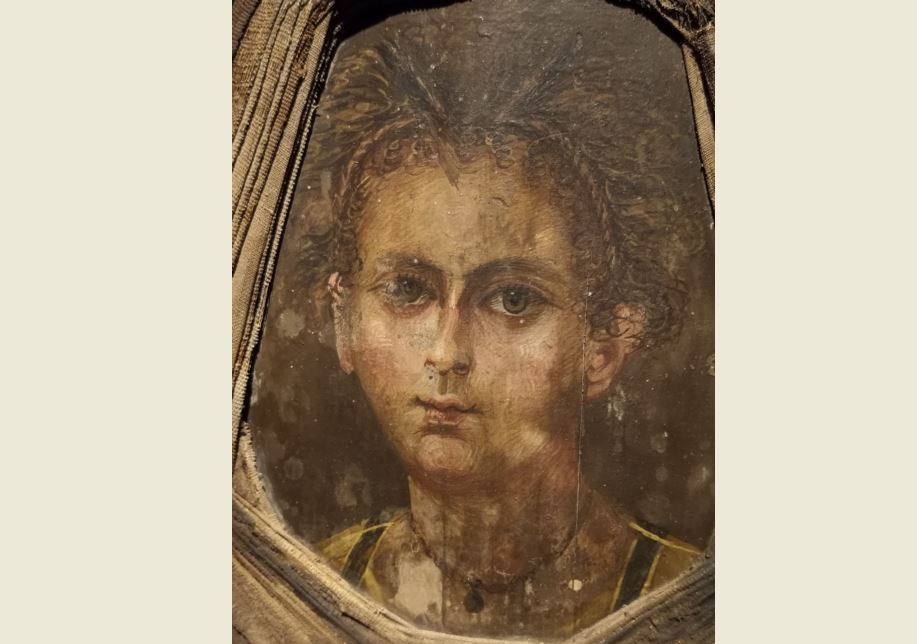
Ancient Egyptian mummified infant’s reconstructed face
Researchers in Germany and Austria managed to provide the first scientific report of a facial reconstruction of a mummified Roman-era Egyptian infant that has been compared with its mummy portrait.
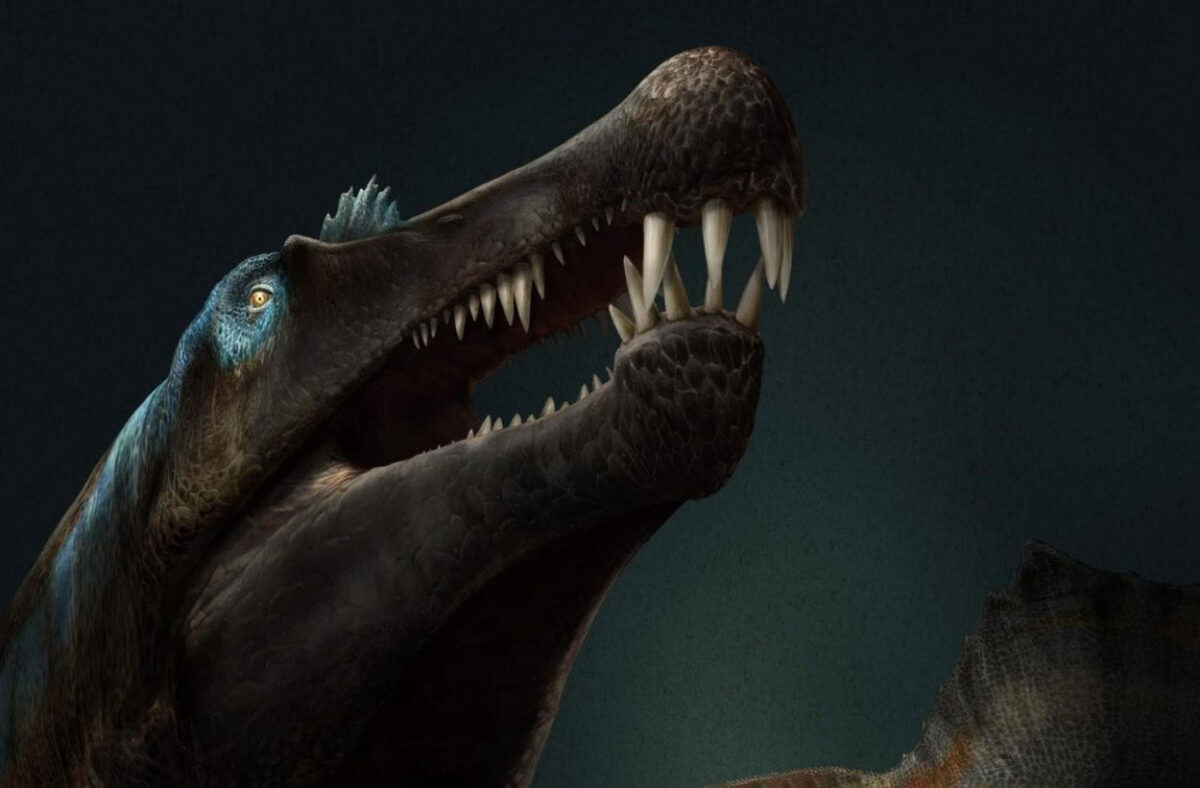
Palaeontologists establish Spinosaurus was real life ‘River Monster’
The giant predator made famous by the movie Jurassic Park III as well as the BBC documentary Planet Dinosaur was an enormous river-monster.
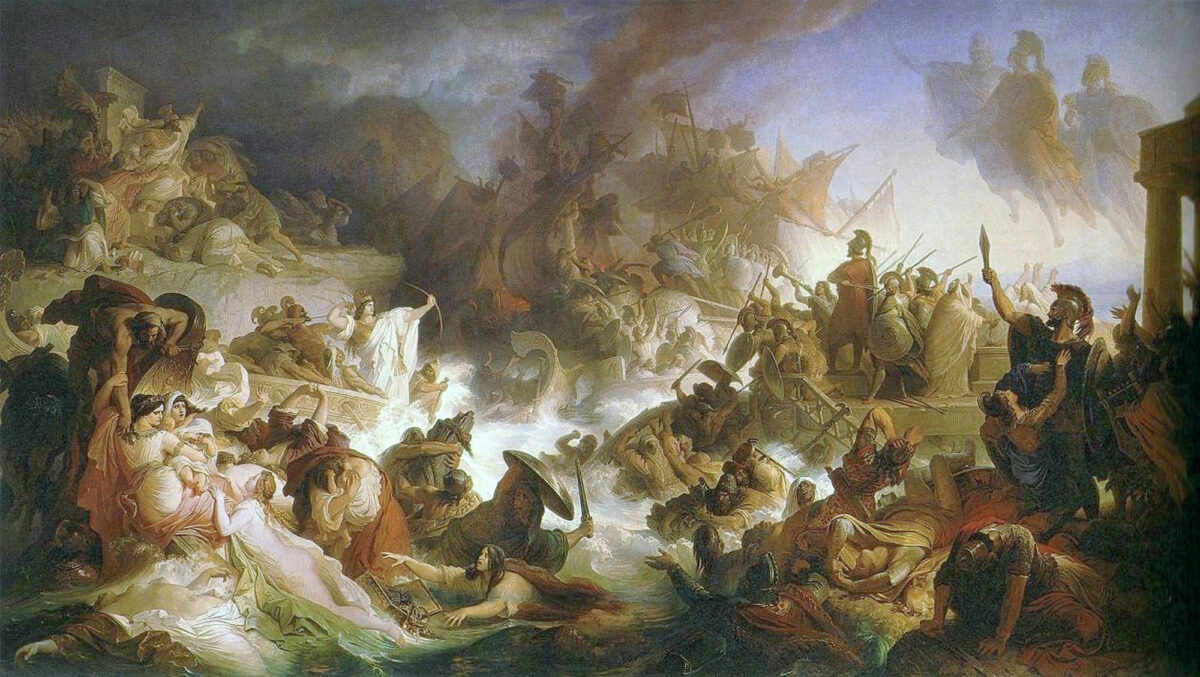
The ancient Greeks took advantage of the weather conditions in the naval battle of Salamis
This is shown in a new study by the Research Centre for Atmospheric Physics and Climatology of the Academy of Athens headed by professor Christos Zerefos.
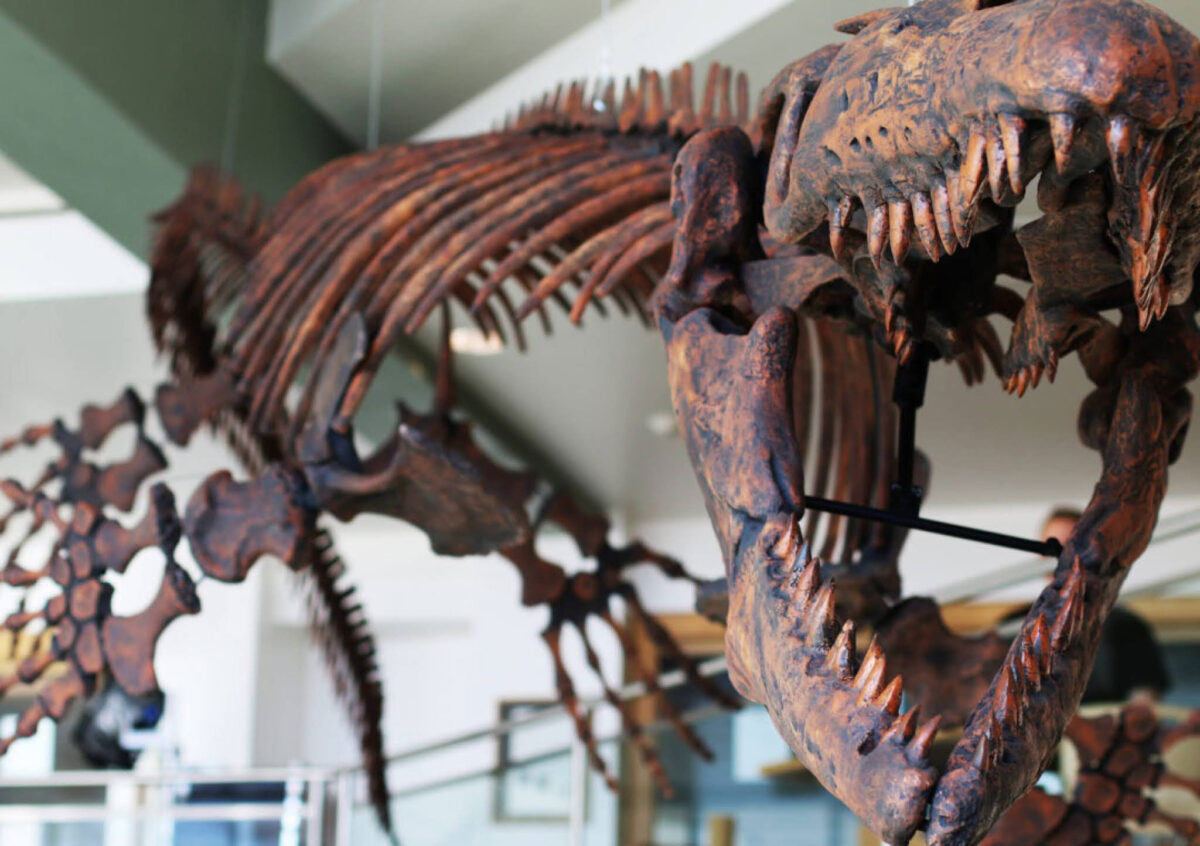
Jaws of Death
Some 92 to 66 million years ago, as the Age of Dinosaurs waned, giant marine lizards called mosasaurs roamed an ocean that covered North America from Utah to Missouri and Texas to the Yukon.