
Child aids paleontologists in discovery of new ancient fish species
UAlberta paleontologists find new fossil species in Colombia with the help of young tourist.
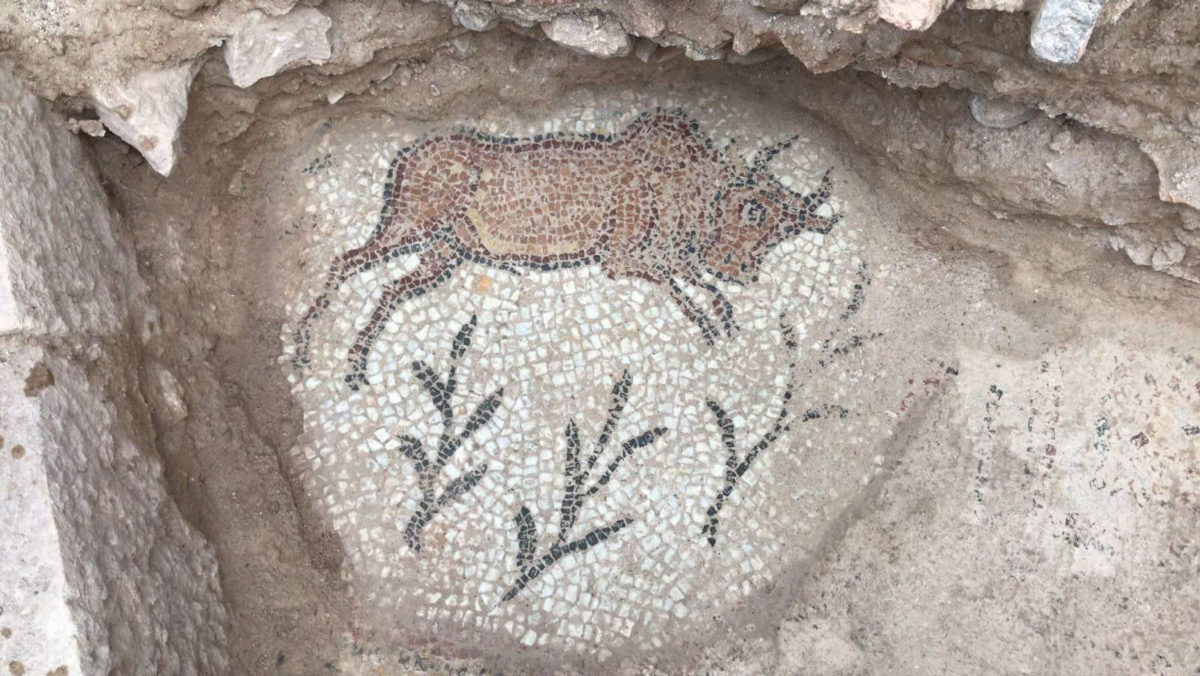
Old Church of Anatolia discovered in Hadrianapolis
Archaeological excavations in the ancient city of Hadrianapolis (Paphlagonia) in the Black Sea revealed a 1,500-year-old structure
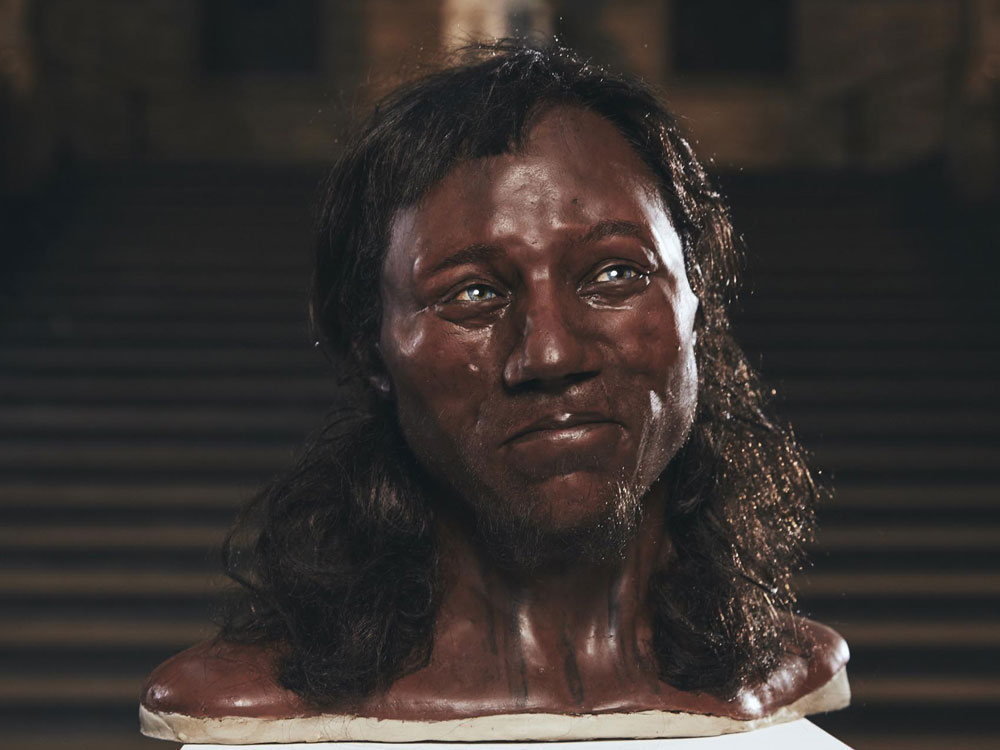
Face of ‘Cheddar Man’ revealed
The face of ‘Cheddar Man’, Britain’s oldest nearly complete skeleton at 10,000 years old, is revealed for the first time and with unprecedented accuracy by UCL and Natural History Museum researchers.
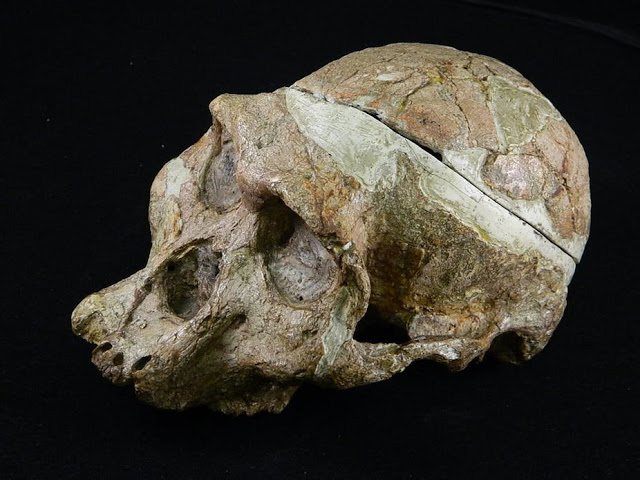
“Mrs Ples” Is Actually A “Mr”
New research finds about the skull discovered more than 70 years ago at the Sterkfontein Caves near Johannesburg.
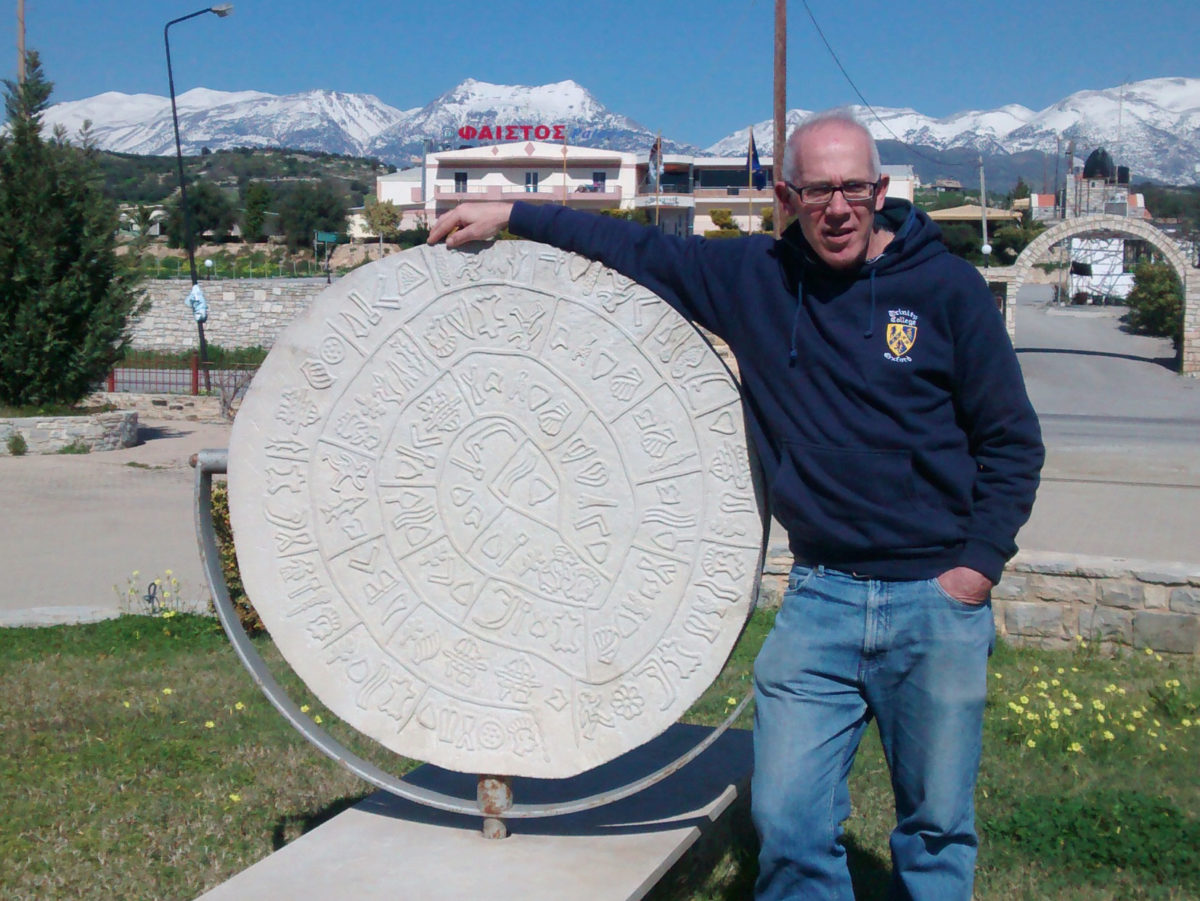
Gareth Owens: “More than 50% of the Phaistos Disk has been deciphered”
"The Phaistos Disk is Minoan script in the form of a text, but it is also a work of art. That is its fascination. To me the Phaistos Disk is the bible of Minoan Crete," says Gareth Owens.

Remarkable spider with a tail found preserved in amber after 100 million years
An extraordinary new species of arachnid, resembling a spider with a tail, has been discovered in amber from Myanmar (formerly Burma), of mid-Cretaceous age, around 100 million years ago.
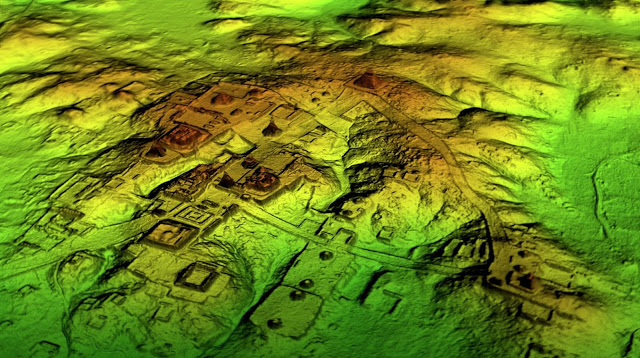
Mapping the Maya
Technology that allows for digital deforestation has uncovered thousands of new Maya structures previously undetected beneath smothering vegetation.
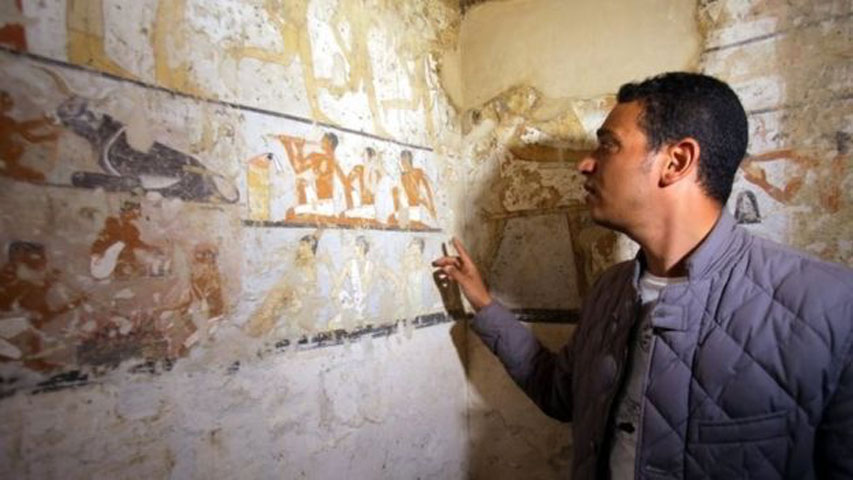
Archaeologists look inside the tomb of an ancient Egyptian priestess
Cairo: Archaeologists reveal the recently discovered 4,000-year-old tomb of a high-powered Egyptian woman.

Is Facebook perhaps confusing art with pornography?
The reinstatement of Gustave Courbet’s painting ‟The origin of the world” before the French court.
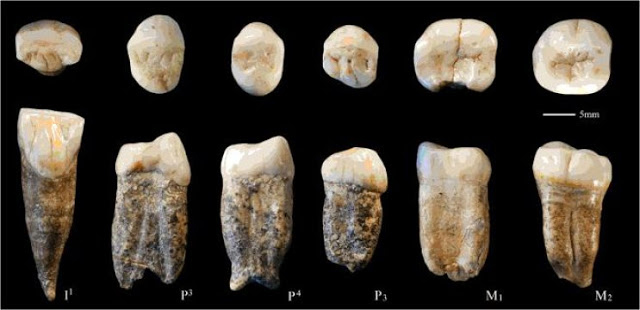
First study of the only original fossils conserved of Peking Man
Scientists have just published a paper studying for the first time the original fossil remains conserved of Peking Man.
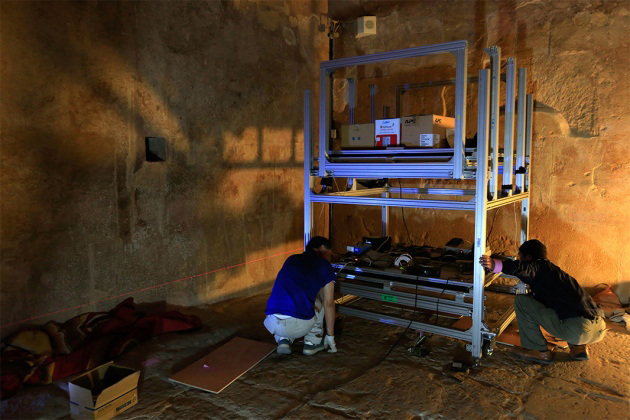
Egypt starts radar scans for secret chamber behind King Tut’s tomb
Egypt's Antiquities Ministry said Thursday that archaeologists are starting “decisive” radar scans of the tomb of famed pharaoh Tutankhamun in the southern city of Luxor.
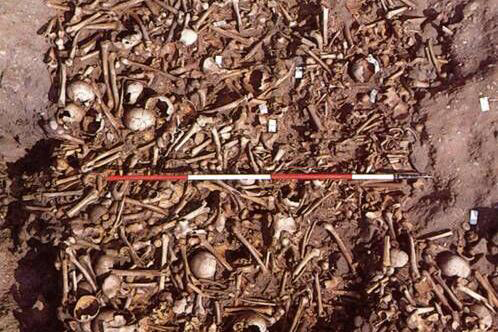
Radiocarbon dating reveals mass grave did date to the Viking age
A mass grave uncovered in the 1980s dates to the Viking Age and may have been a burial site of the Viking Great Army war dead.
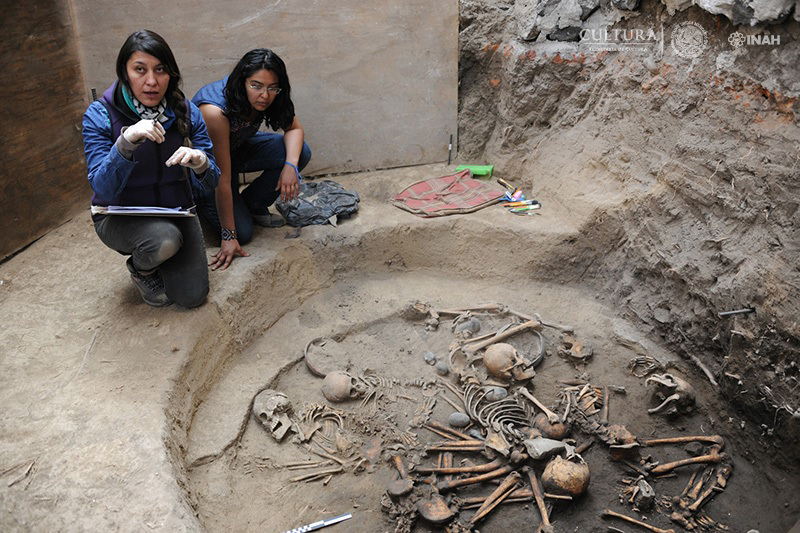
Spiral circle of linked human skeletons discovered at Pre-Aztec burial site in Mexico
A spiral formation of human remains has been unearthed in an ancient burial pit during excavations at a Pre-Aztec village in the South of Mexico City.
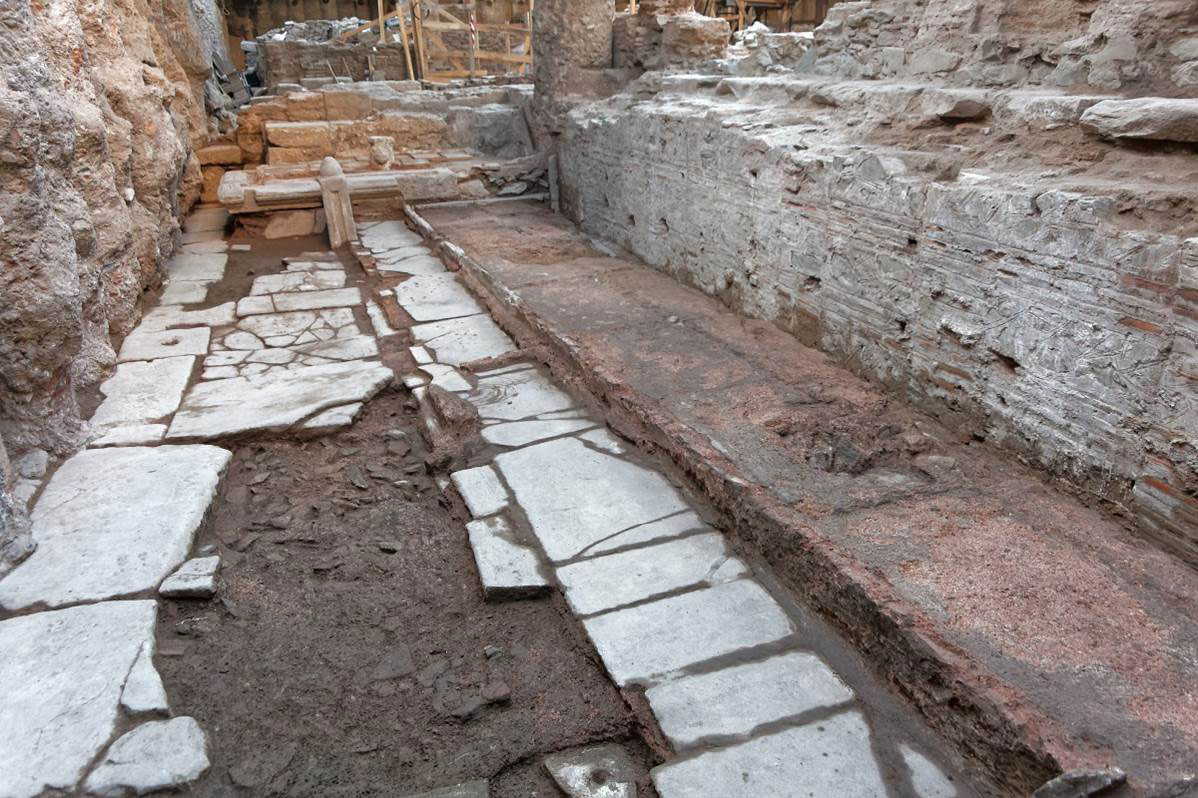
The Central Archaeological Council says “yes” to the total repositioning of the fountain-house in the Thessaloniki Metro
The Attiko Metro finally gave the “go ahead” to the proposal concerning the change of direction of the ventilation shaft, which was presented at the meeting in more detail.
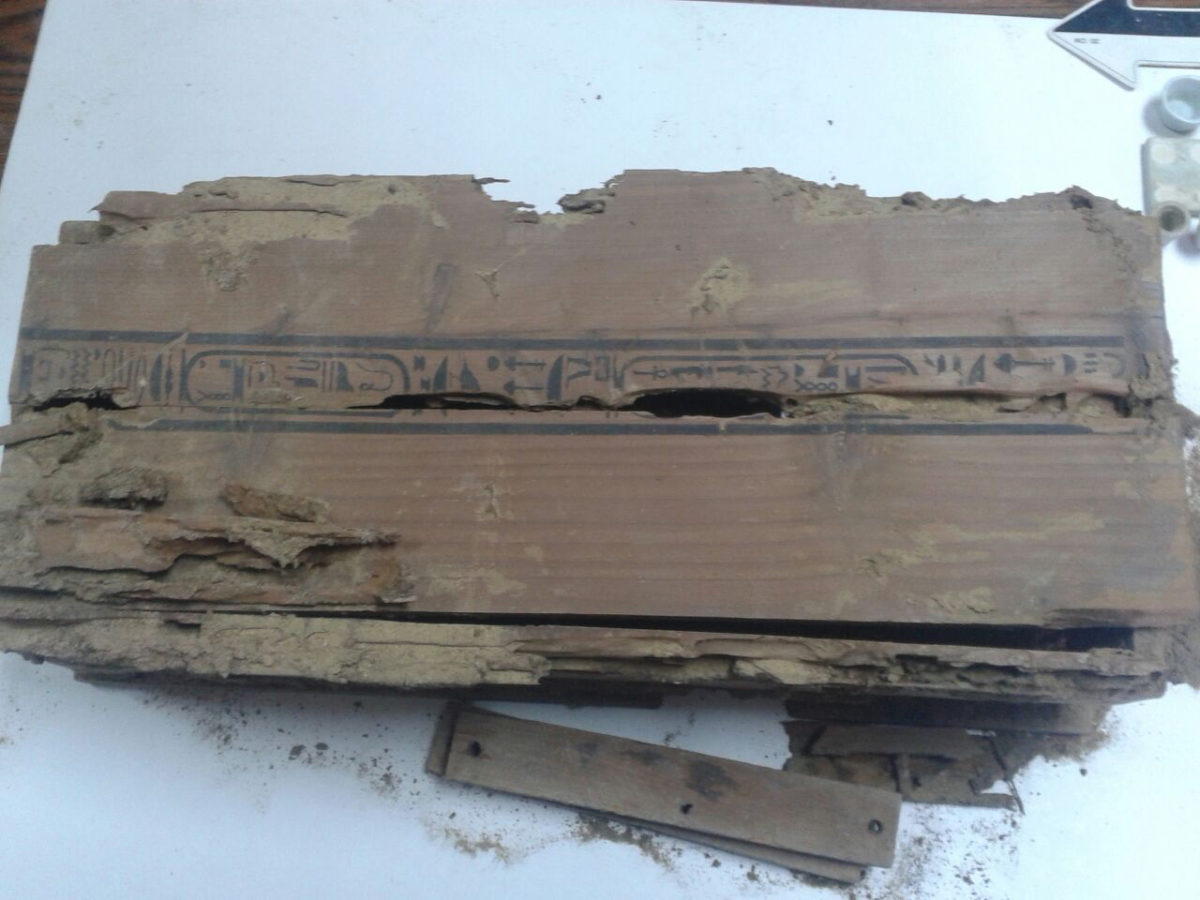
Three rock-hewn burial shafts found in Abusir
The area was urgently investigated by archaeologists after authorities were informed of illegal excavations in the area.
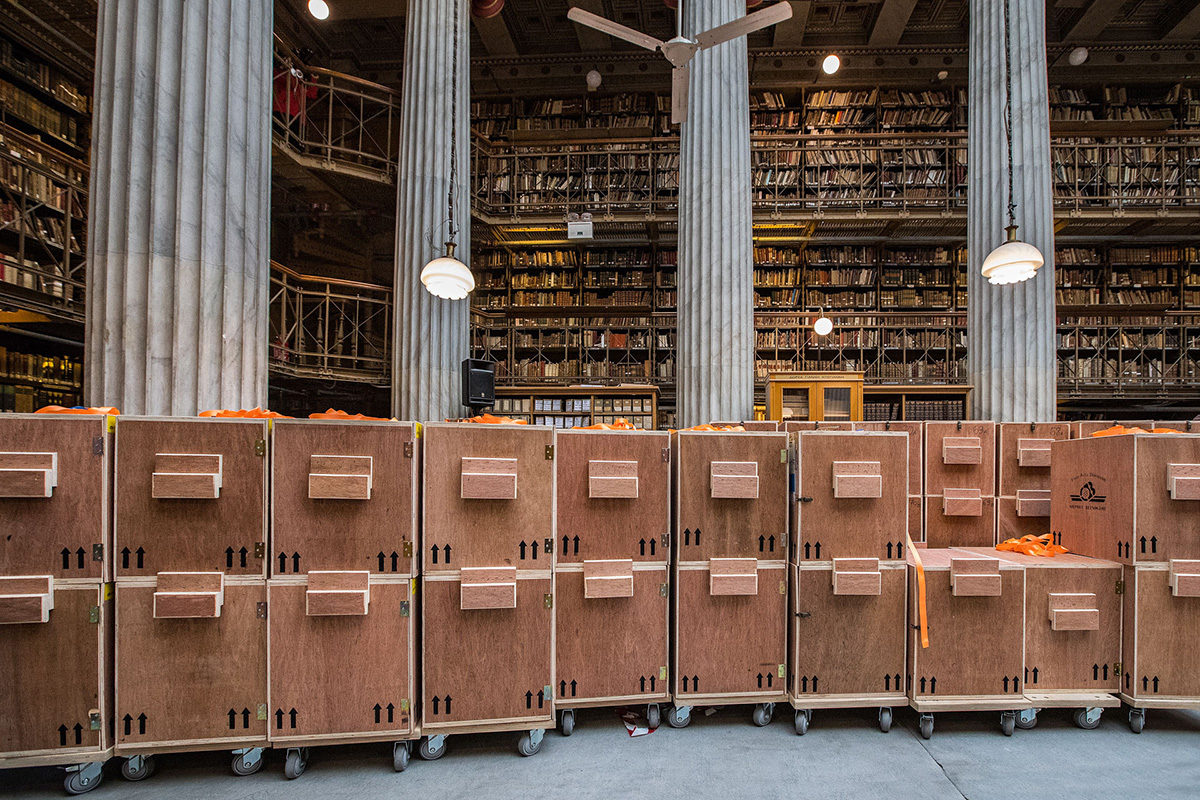
The National Library of Greece is in the process of moving its collections
Hundreds of thousands of testimonies of Hellenism are being transferred to their new building, Τhe Stavros Niarchos Foundation Cultural Centre.

New Egyptian dinosaur reveals ancient link between Africa and Europe
In the Sahara Desert of Egypt, scientists have discovered a new species of dinosaur that helps fill in the gaps of dinosaur evolution in Africa.
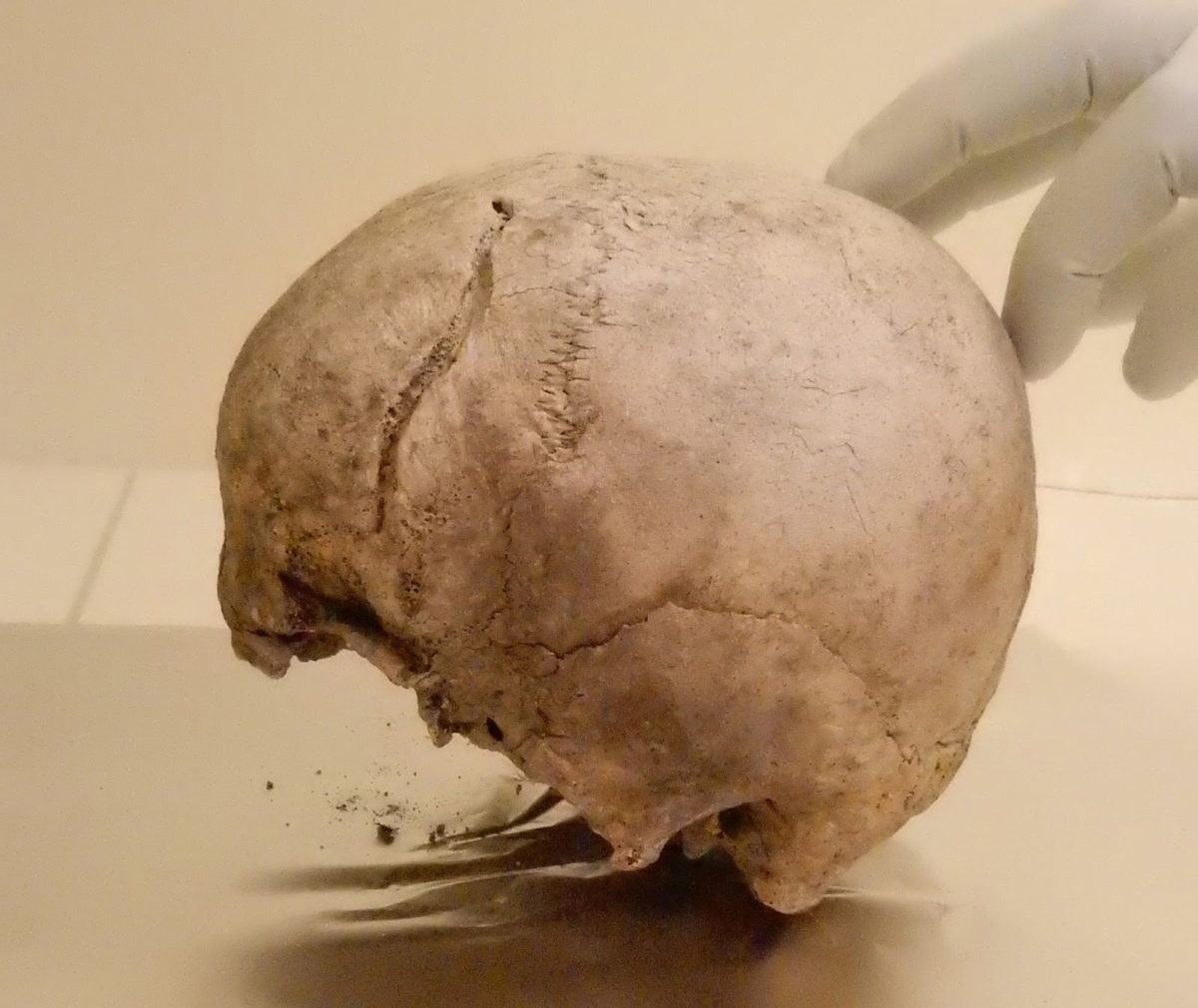
Northern European population history revealed by ancient human genomes
Initial settlement by hunter-gatherers in Northern Europe occurred only about 11,000 years ago.
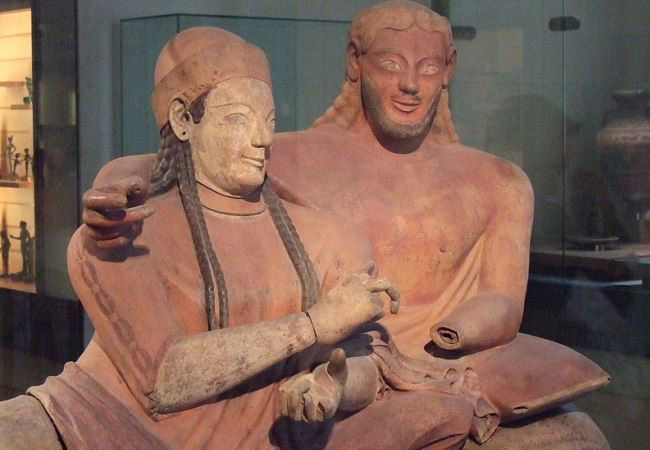
Enduring love affair with textiles and fashion goes back 2,500 years
Research by Dr Susanna Harris, Lecturer in Archaeology at the University.
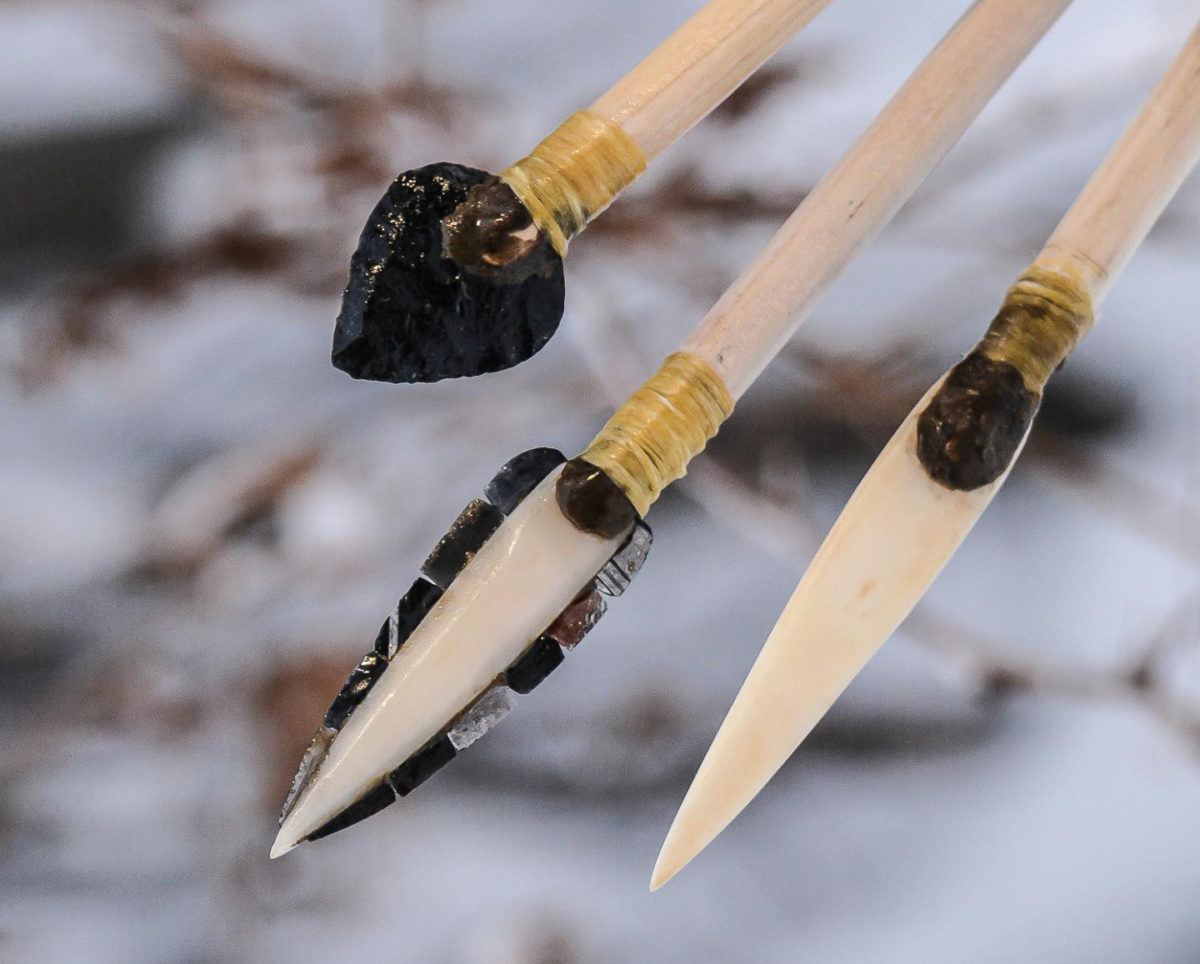
Reconstructing an ancient lethal weapon
University of Washington archaeologists have re-created the weapons used by hunter-gatherers in the post-Ice Age Arctic some 14,000 years ago.
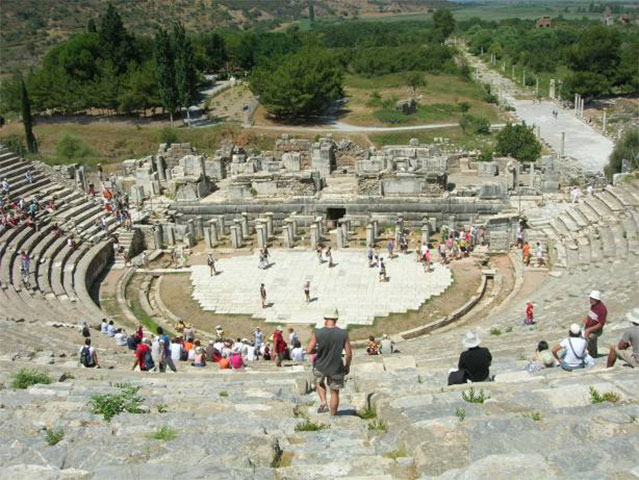
“Yes” to resuming of Austrian excavations in ancient Ephesus
Excavations in Ancient Ephesus interrupted in early September 2016 by order of the Turkish Foreign Ministry are to be resumed by the Austrian Archaeological Institute.
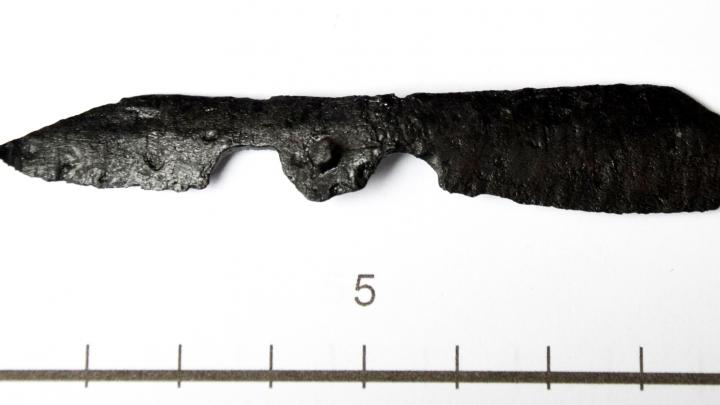
Unusual knife of an early medieval scribe discovered in Pasym
The 8th-9th century knife is the only such object known from Poland.
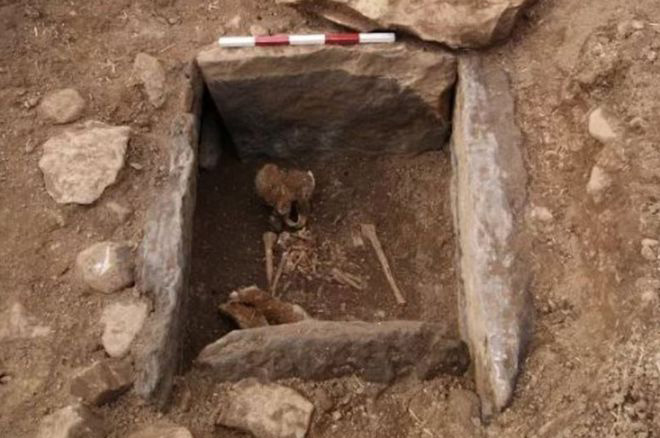
Young, 17 to 20, fairly tall…
Experts believe the Nothumberland skeleton would have been a handsome chap.