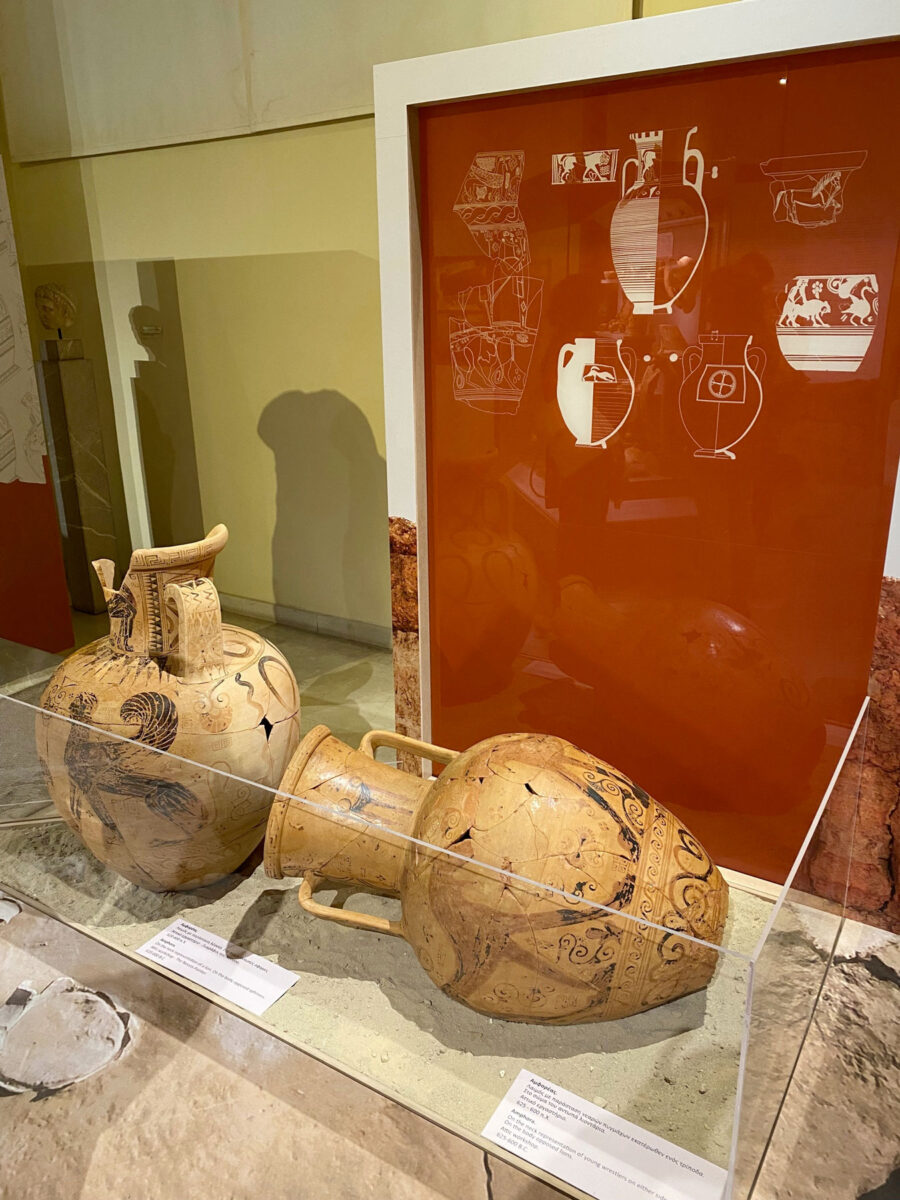
Phalēróthen: Between two worlds
The exhibition presents some of the most important findings from the rescue excavation in the Faliron Delta at the Stavros Niarchos Foundation Cultural Centre.
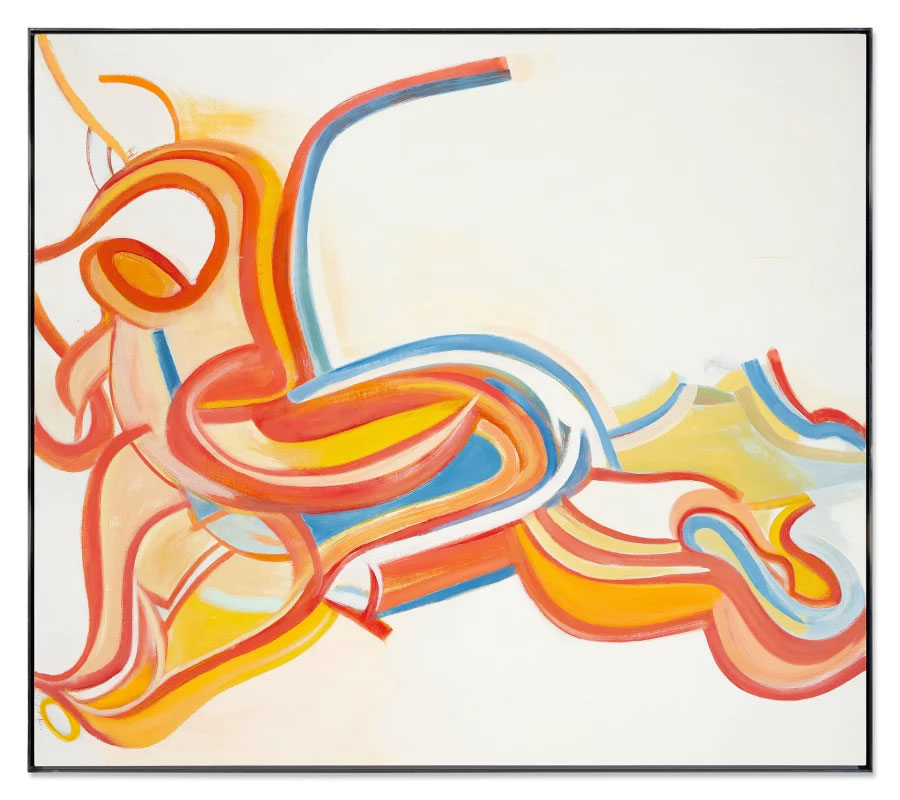
Three paintings by Willem de Kooning at auction
Three large-scale works, which the Dutch expressionist painter created between 1960 and 1980.
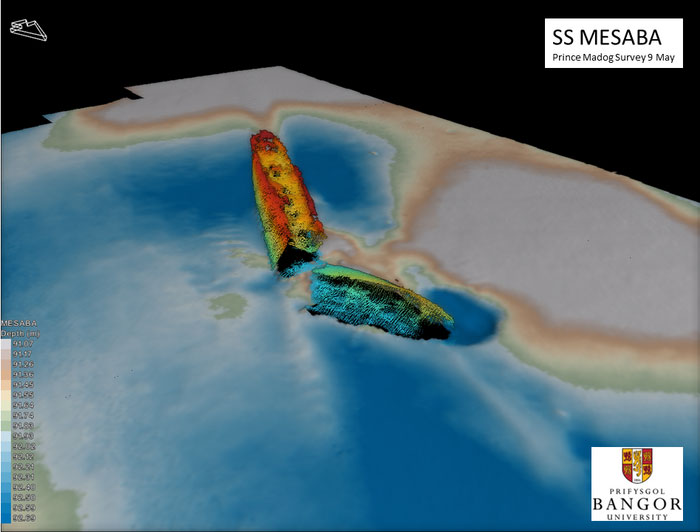
Finding the ship that sent out a warning to The Titanic
The ship which sent an iceberg warning to the RMS Titanic, before the ocean-liner sank, has been identified lying in the Irish Sea.
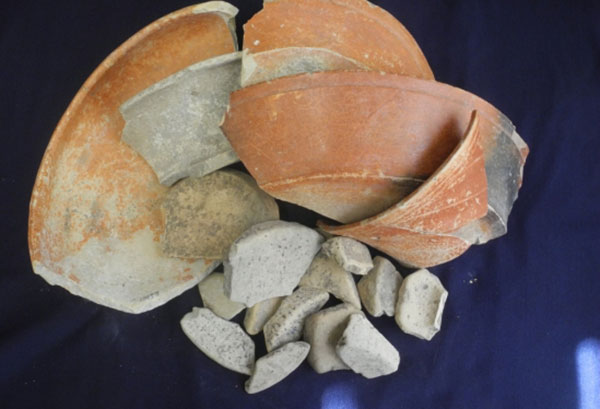
Not Just for the Gods: Cacao and the ancient Maya
Among ancient Mayas, cacao was not a food exclusive to the elite, but was important — and common — to all.
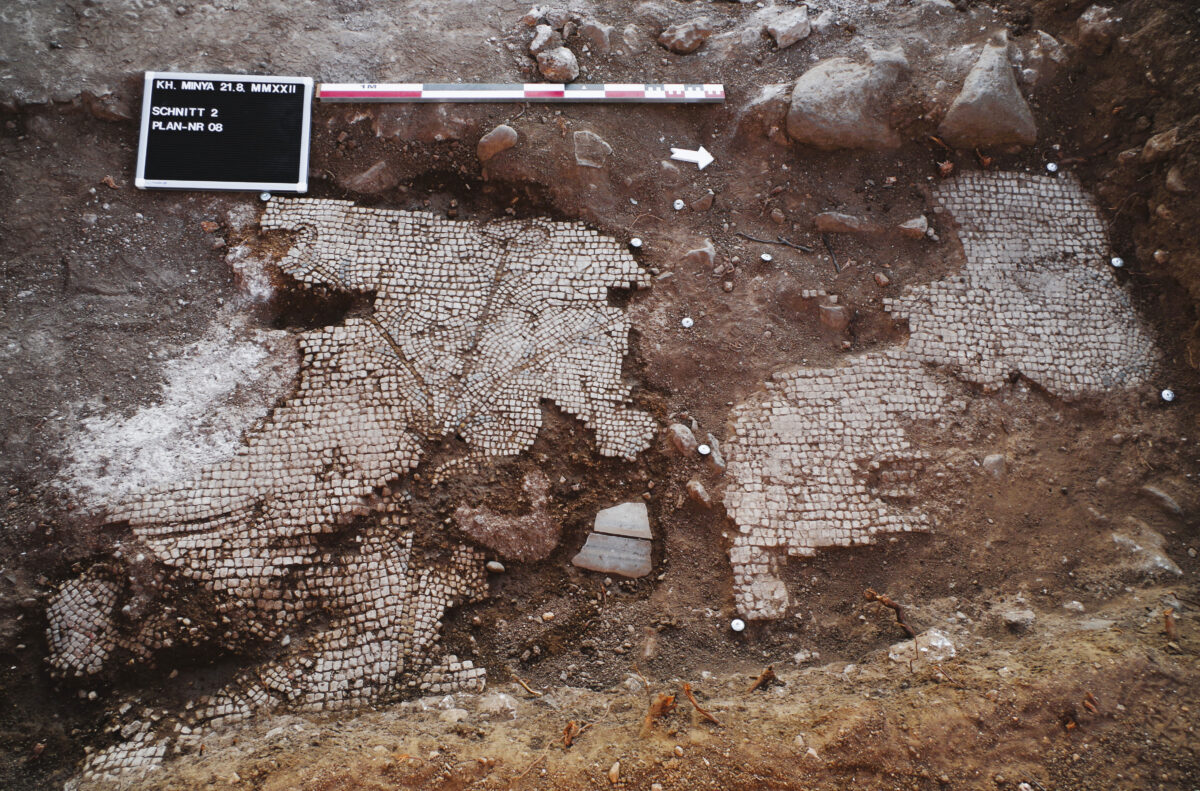
Archaeologists uncover ancient mosaics on the shore of the Sea of Galilee
Geomagnetic surface survey provides accurate information for productive future excavations. Discovery of an ancient settlement close to Khirbat al-Minya.
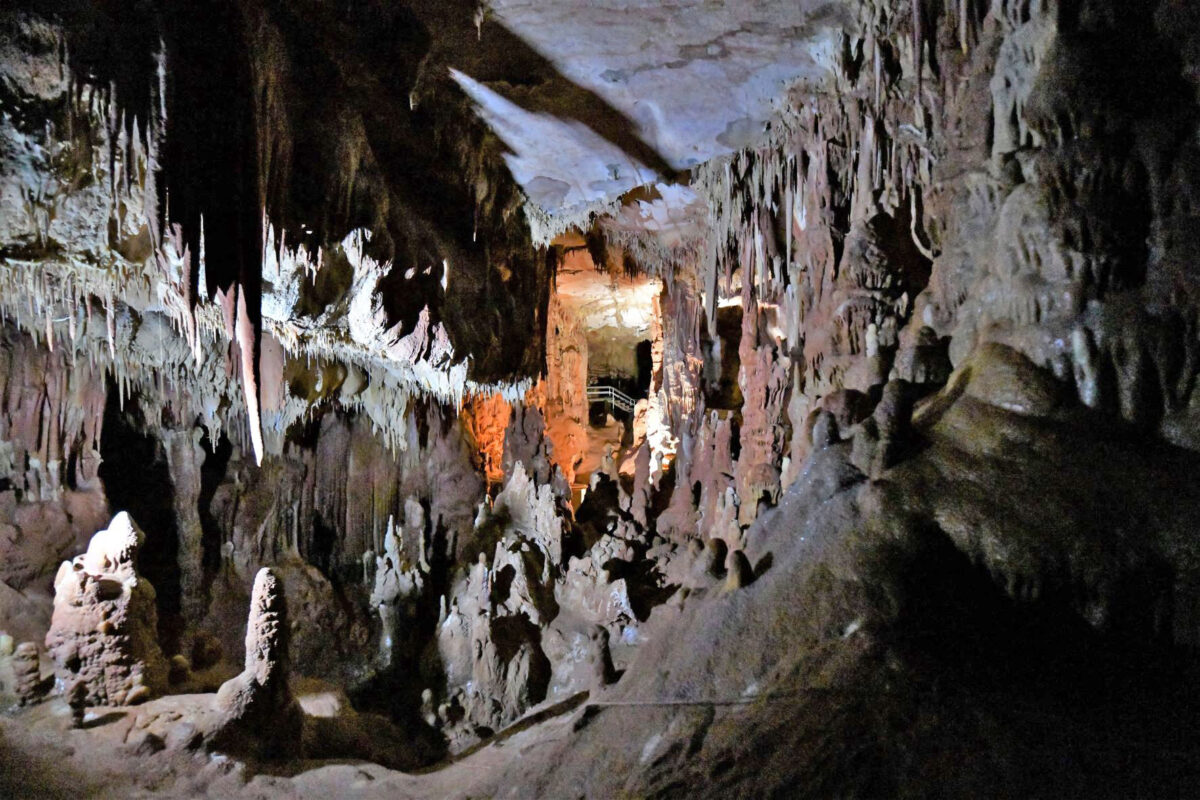
The Petralona Cave opens in the spring of 2023
Now providing documented evidence on the "Archanthropus", the oldest European, as argued decades ago.
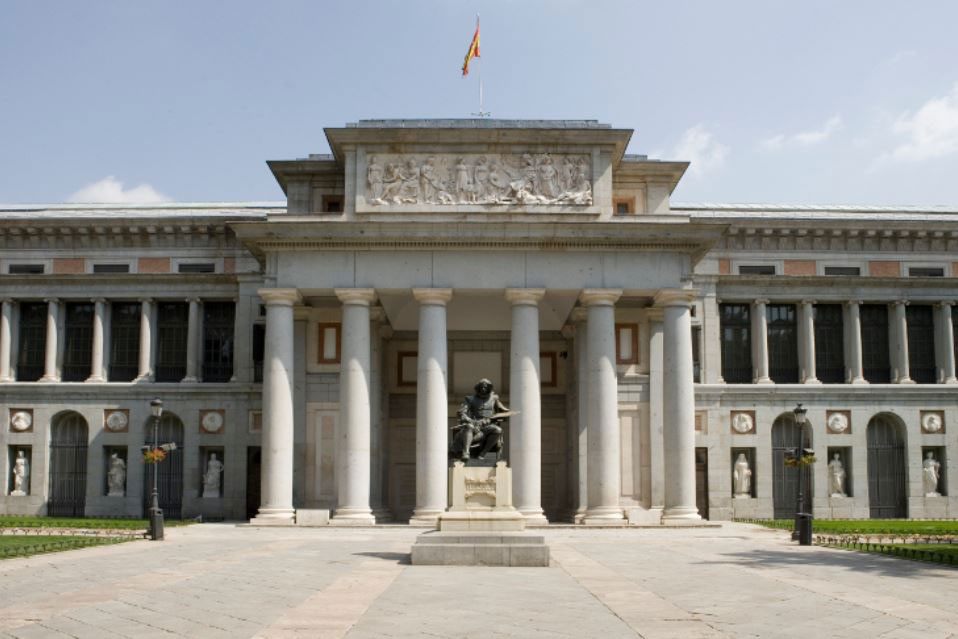
Prado published list of works confiscated during the Civil War
The Museo del Prado has compiled and published the list of works in its collection confiscated during the Civil War.
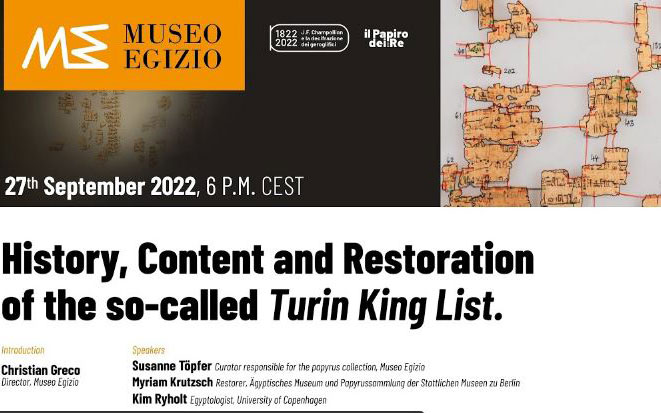
The bicentenary of the decipherment of the hieroglyphs
On Tuesday 27th September 2022, for the 200th anniversary of the deciphering of the hieroglyphs by the father of Egyptology Jean-François Champollion, the Museo Egizio is offering a special free opening from 7 pm to 10 pm.
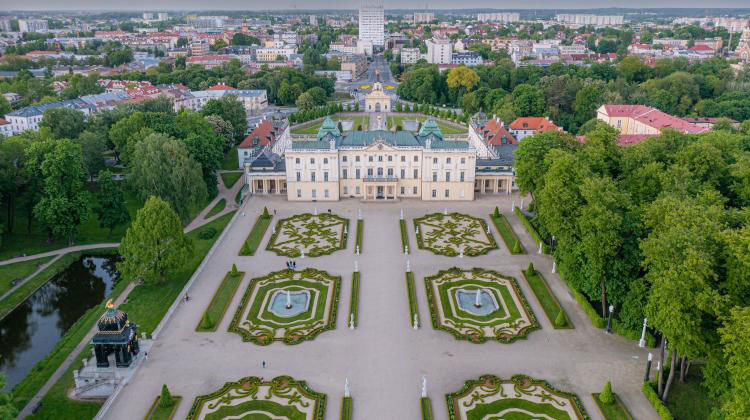
Archaeologists uncover unique find in Białystok’s Branicki Palace courtyard
A fragment of the floor of a large 15th-16th c. building was discovered in the parade courtyard of the historic Branicki Palace in Białystok.
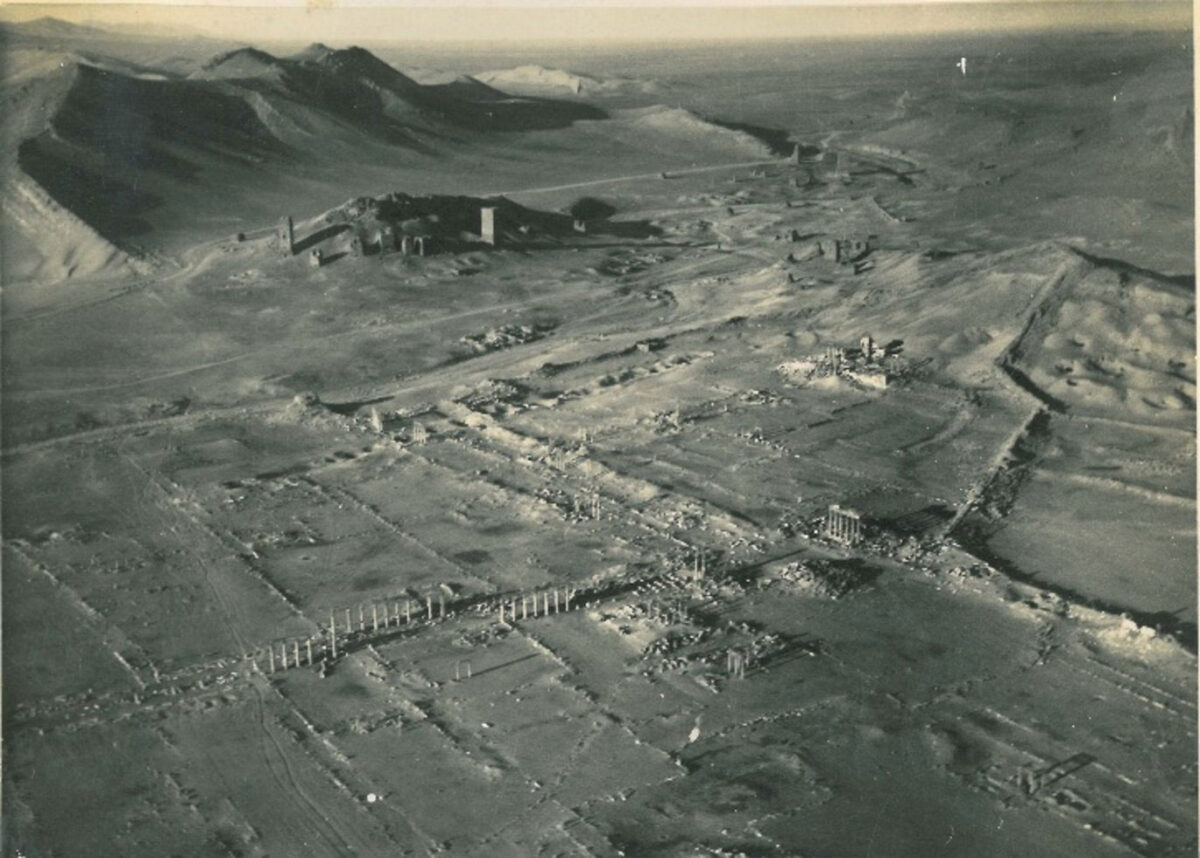
Evidence for food insecurity driving international conflict two thousand years ago
Scientists have identified climate-driven changes to food availability as a factor behind dramatic historical events that led the oasis city of Palmyra in Syria to its ultimate demise.
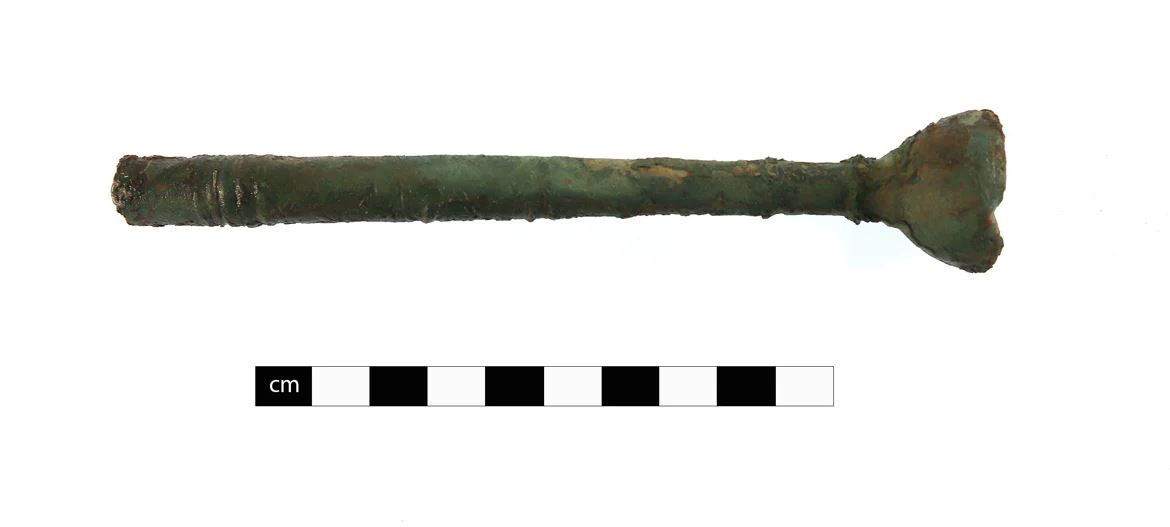
Instruments of War: Roman cornu mouthpiece uncovered
Buried deeply below the remains of a schola (officers’ club house) and left with the debris over a Hadrianic workshop floor, a remarkable musical discovery was made in the silty mud on the Vindolanda excavations this year.
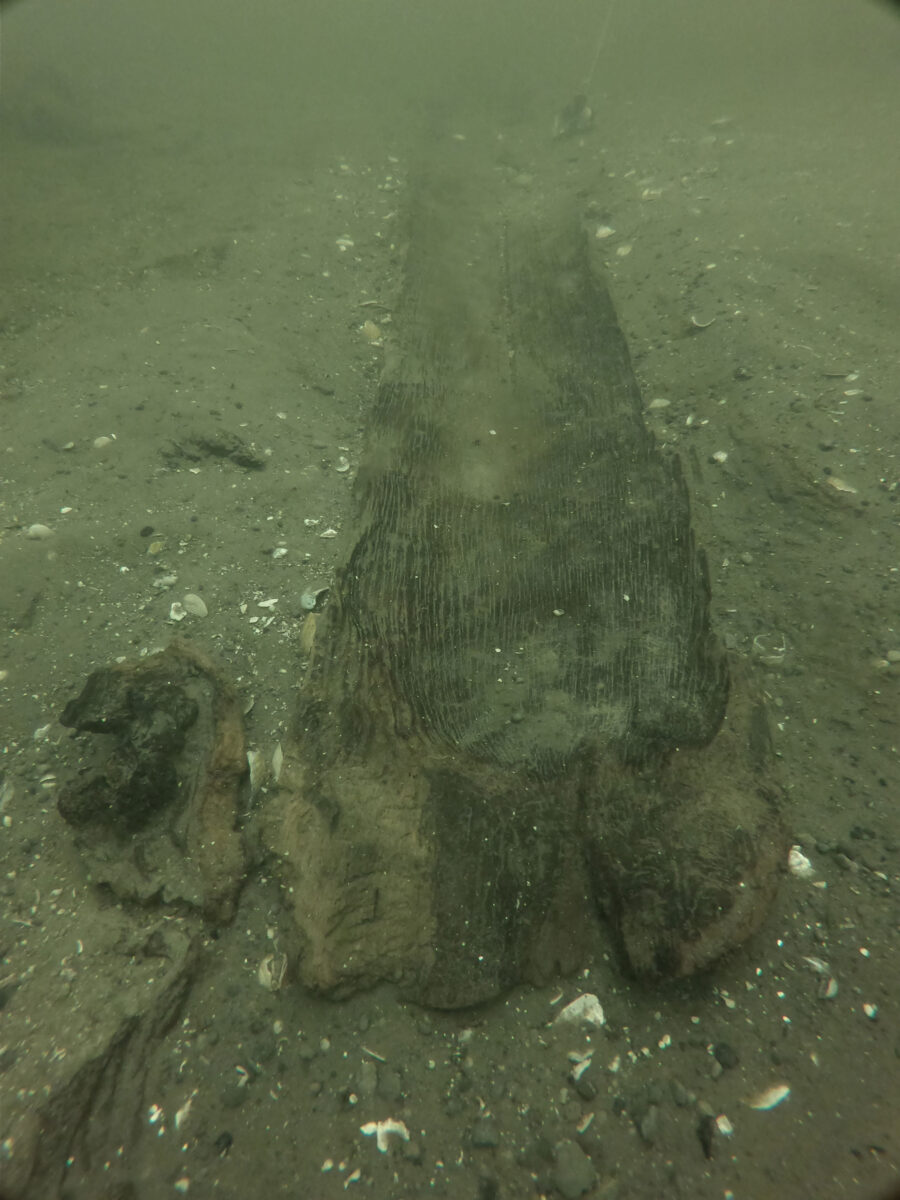
Second historic canoe recovered in Winsconsin Lake
Wisconsin Historical Society maritime archaeologists, alongside partners from Wisconsin’s Native Nations, recovered a 3,000-year-old dugout canoe from Lake Mendota in Madison.
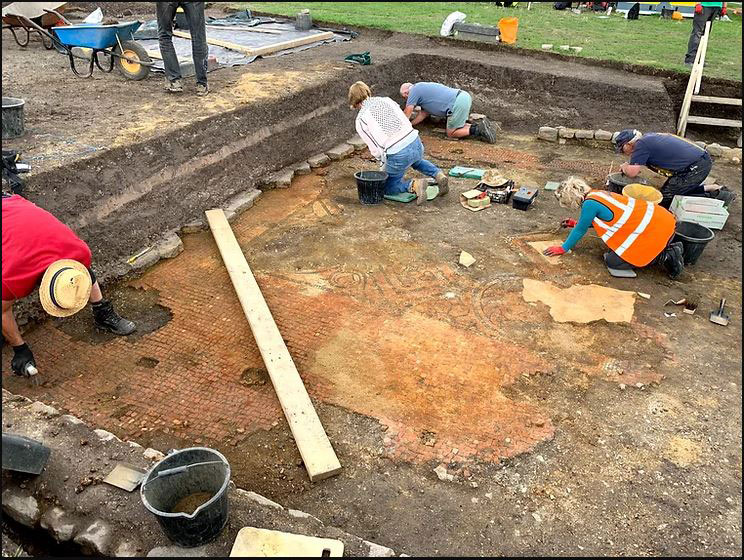
Roman mosaic uncovered at Folkestone, Kent
The remains of a Roman mosaic floor covered-over some 65 years ago has been re-exposed on Folkestone’s East Cliff.
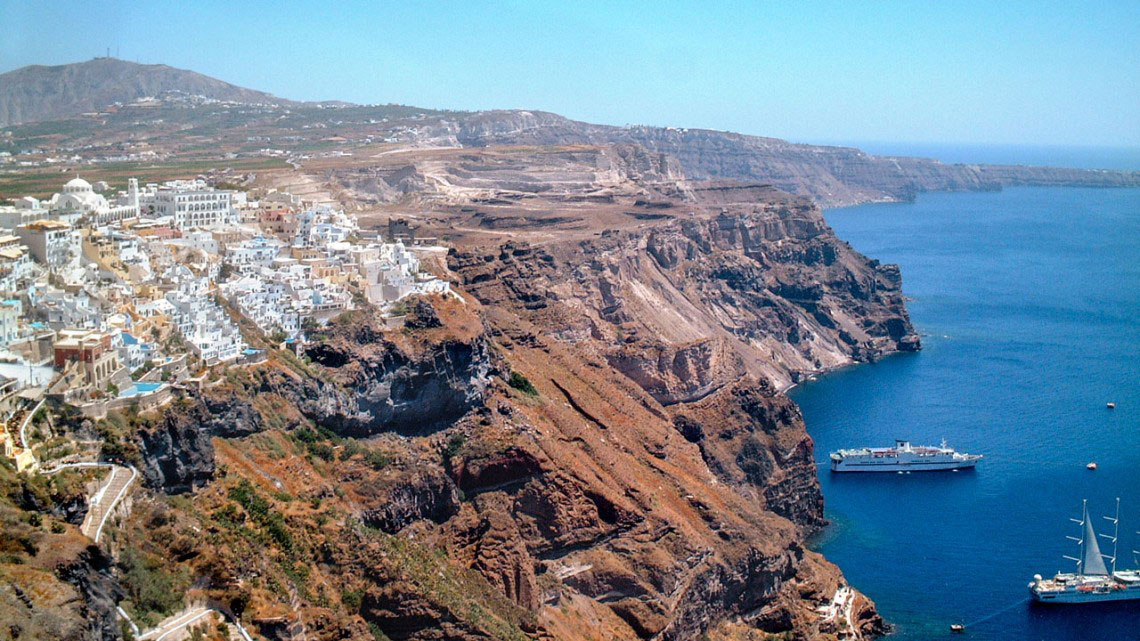
Statistical analysis aims to solve Greek volcano mystery
Sturt Manning, Distinguished Professor of Arts and Sciences in Classical Archaeology in the College of Arts and Sciences, is hoping to settle one of modern archaeology’s longstanding disputes.
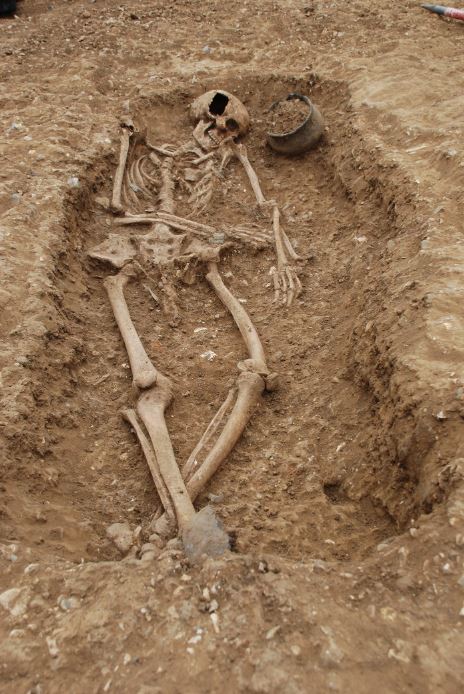
From Continental Europe to England
Archaeogenetic study reveals large-scale continental migration into the East of England during the early Medieval Period.
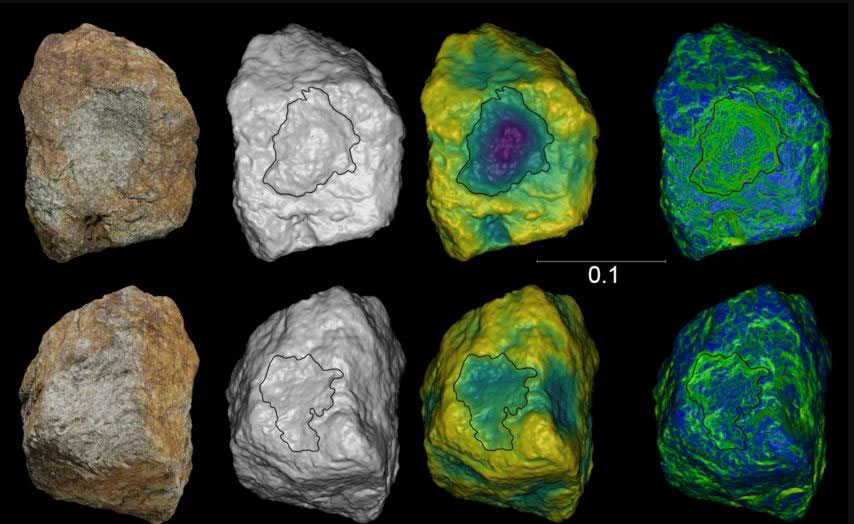
Chimpanzee stone tool diversity
Research has shown that stone tool using chimpanzees in West Africa have distinct and recognizable material cultures.
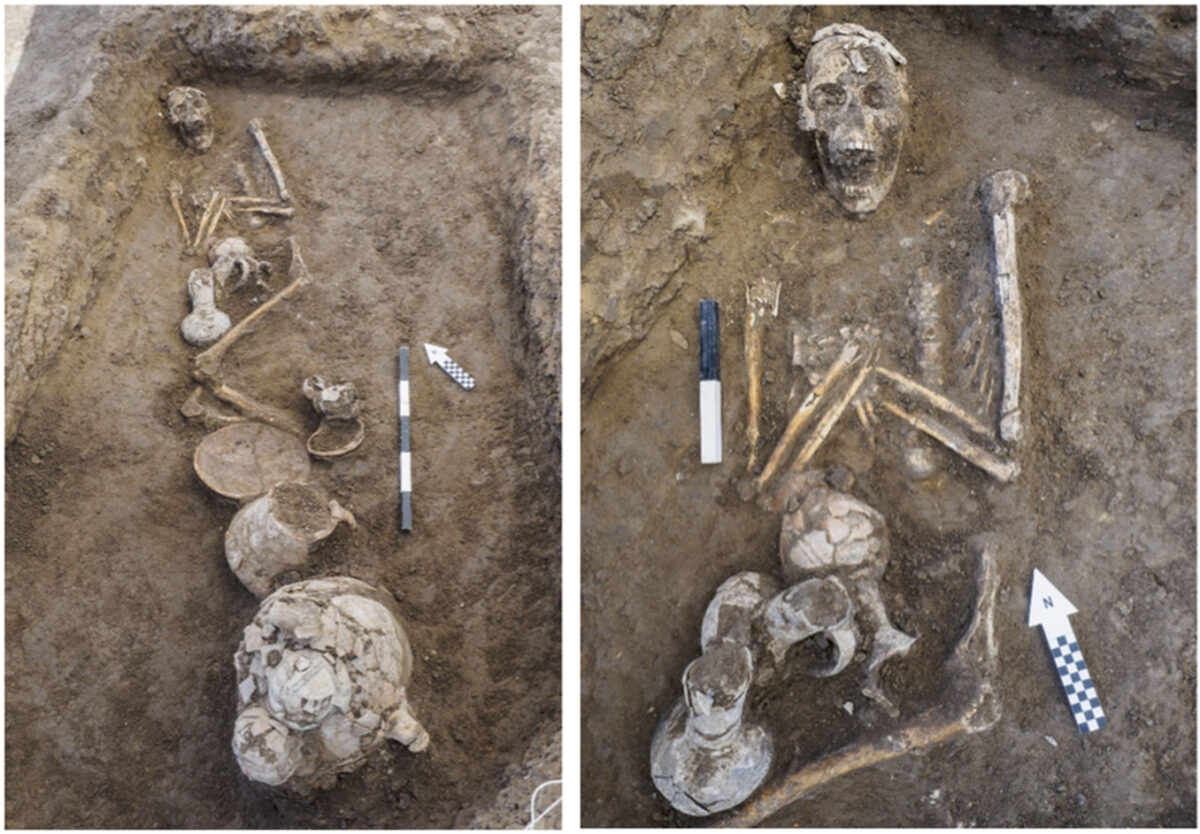
World’s earliest evidence of opium use found in Israel
Opium residue was found in pottery vessels excavated at Tel Yehud, dating back to the 14th century BC.
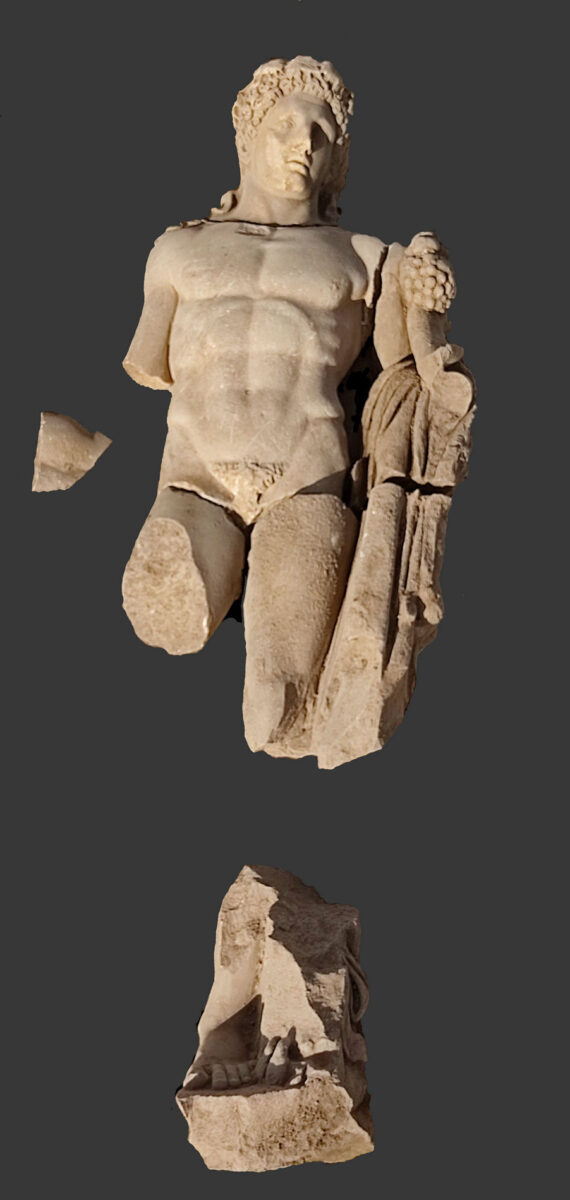
Impressive statue of Hercules came to light at Philippi
The statue which is larger than life depicts a clean shaven Hercules with a young body.
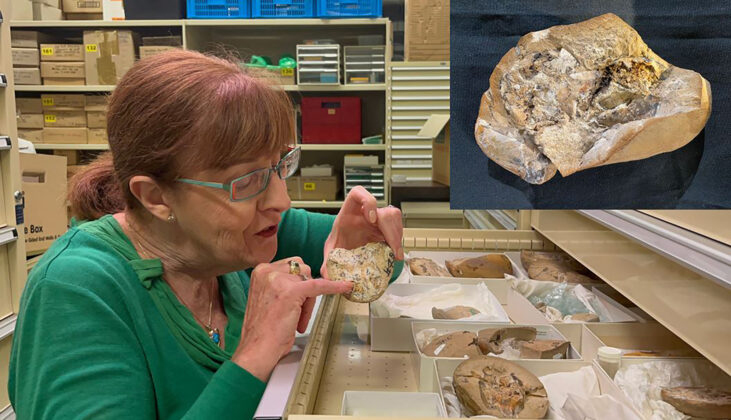
New Curtin-led research discovers the heart of our evolution
Researchers have discovered a 380-million-year-old heart – the oldest ever found – alongside a separate fossilised stomach, intestine and liver in an ancient jawed fish.
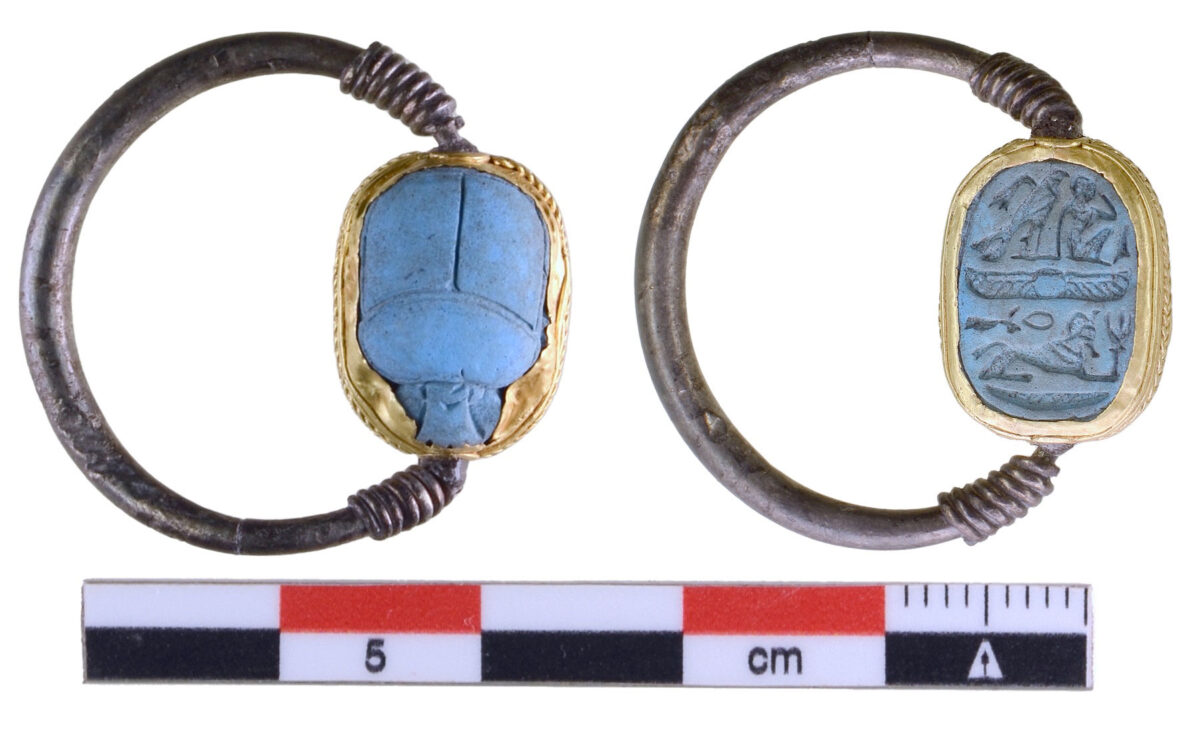
New finds in the sanctuary of Artemis Amarysia
Several new buildings of the Geometric and the Archaic period as well as impressive finds were discovered during the excavations.
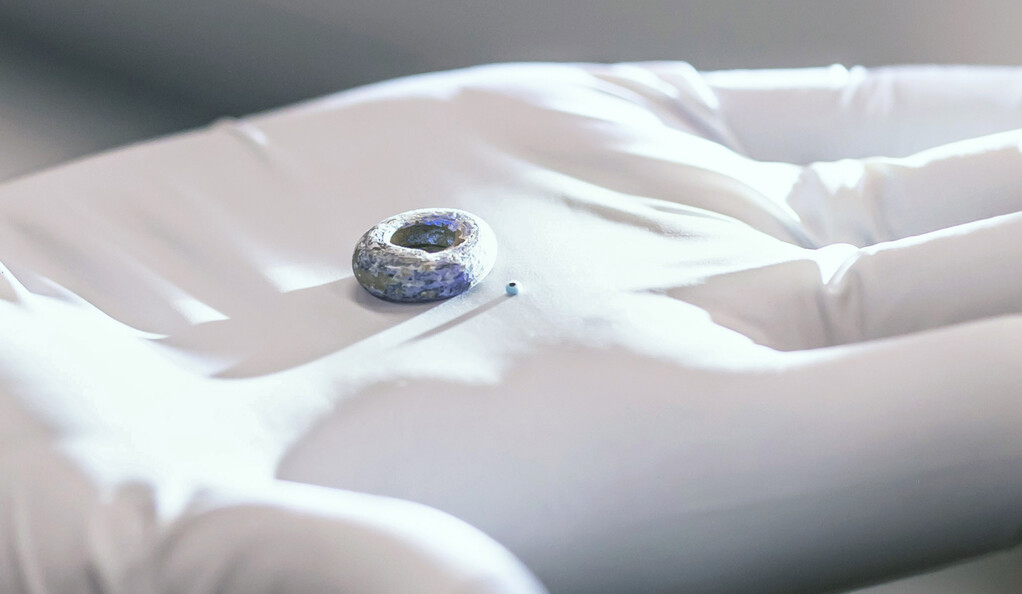
Beads show European trade in African interior used Indigenous routes
The study is based on a collection of 29 glass beads excavated at three sites in the Kasitu Valley in northern Malawi.
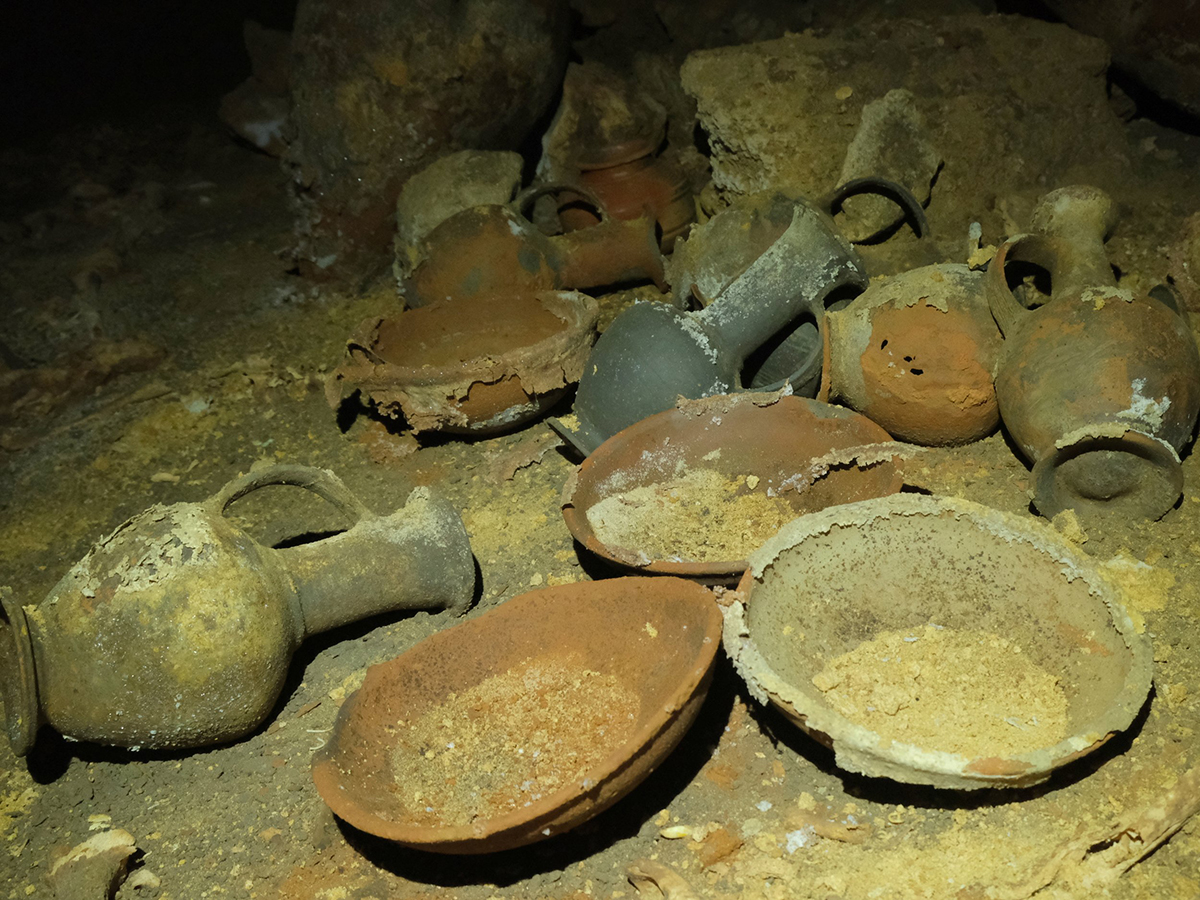
Ancient finds found in a burial cave from the time of Pharaoh Rameses II
The cave may provide a complete picture of the funerary customs of the Late Bronze Age, according to Dr. Eli Yannai, IAA Bronze Age expert.
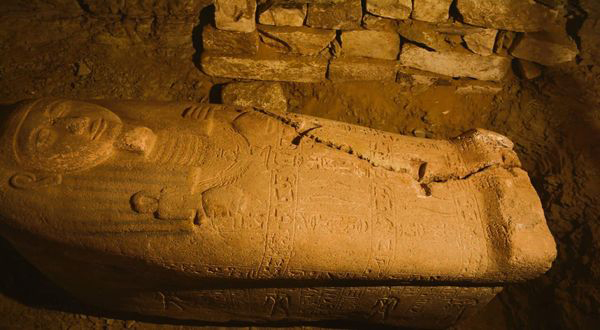
Sarcophagus of high-ranking official from reign of Rameses II found
Archaeologists have uncovered the granite sarcophagus of a high-ranking official from the reign of Ramesses II at Saqqara, Egypt.
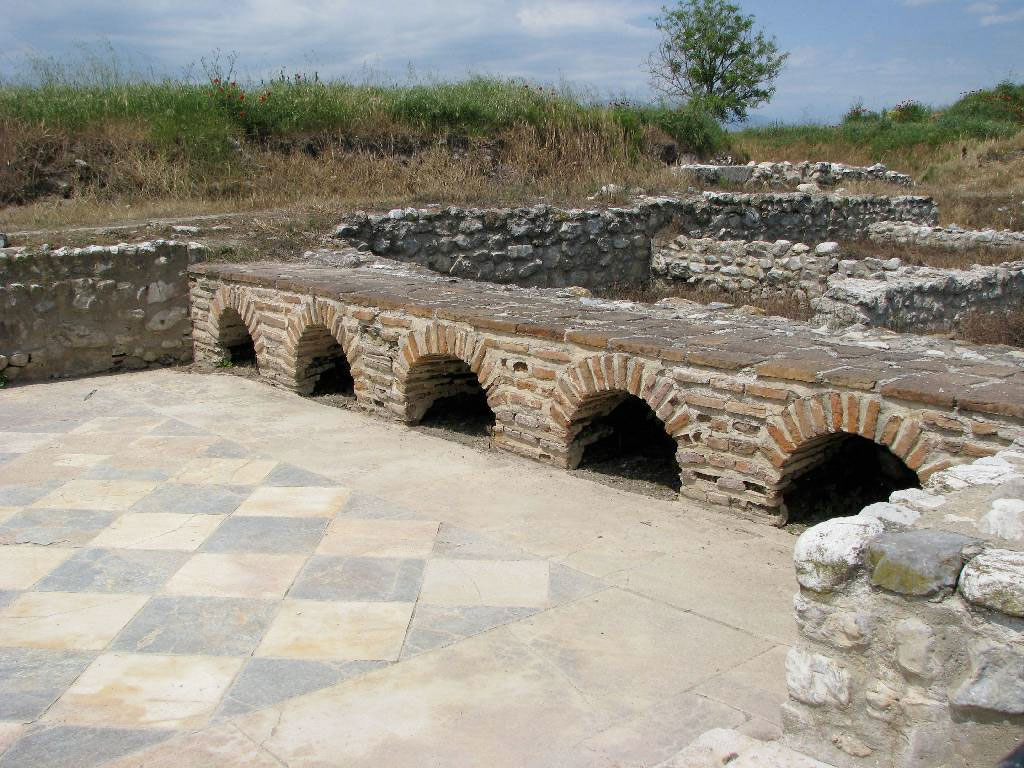
Dimitris Pandermalis and Dion
“The archaeological site of Dion would not exist at all had it not been for the enthusiasm and dedication of Dimitris Pandermalis ” said Ms. Sdrolia to the Athens and Macedonia News Agency.