
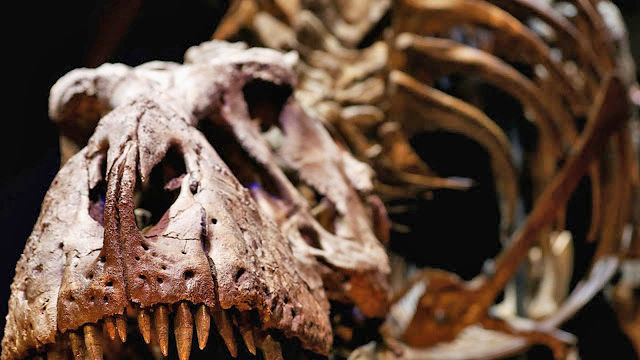
Can we really tell male and female dinosaurs apart?
In the new study, researchers analysed skulls from modern-day gharials, an endangered and giant crocodilian species, to see how easy it is to distinguish between males and females using only fossil records.
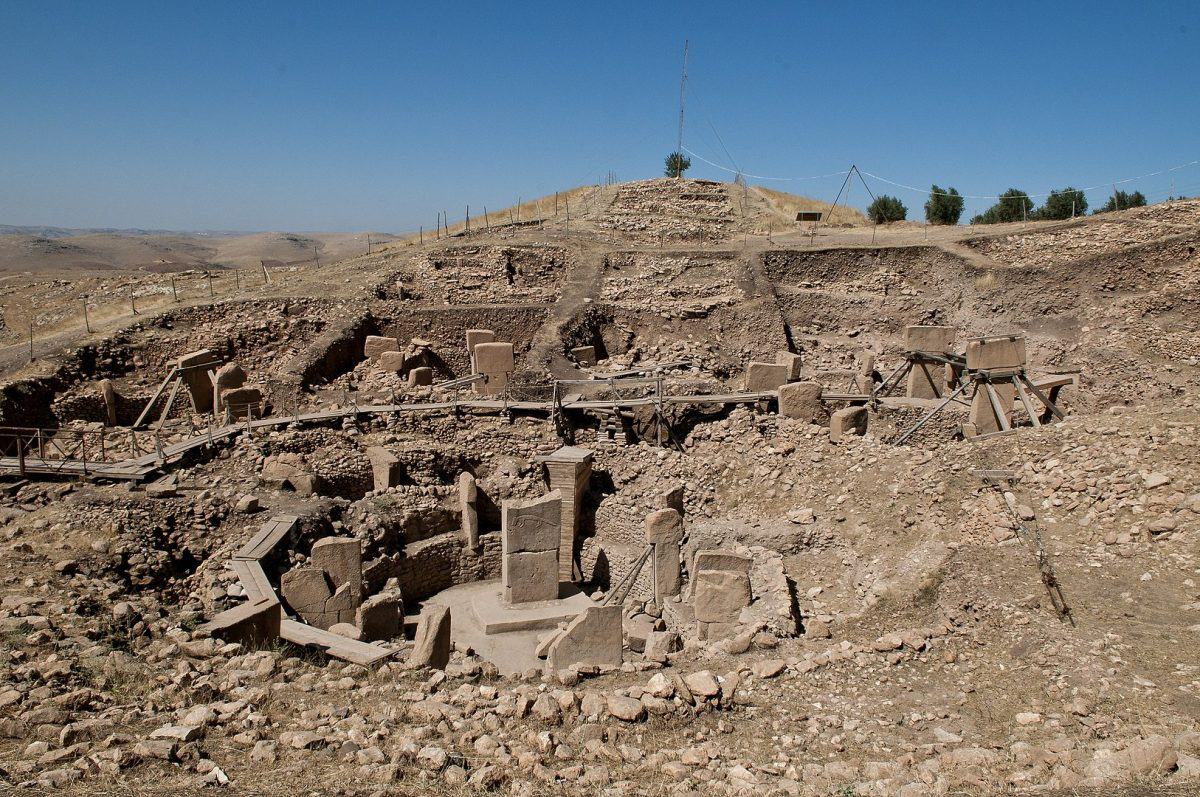
Göbekli Tepe’s construction 11,500 years ago was guided by geometry
Architectural analysis determined that geometry informed the layout of Göbekli Tepe’s round stone monuments and assembly of limestone pillars.
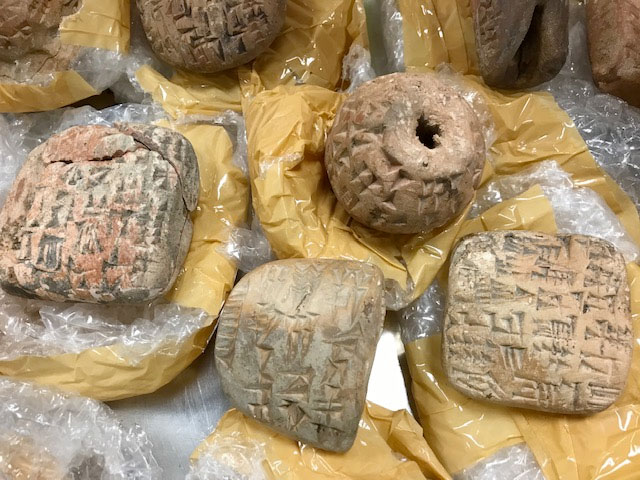
Mesopotamian “antiquities” found at Heathrow have been declared as fake
Experts from the British Museum helped the British customs authorities confirm the suspicious artefacts as fake.
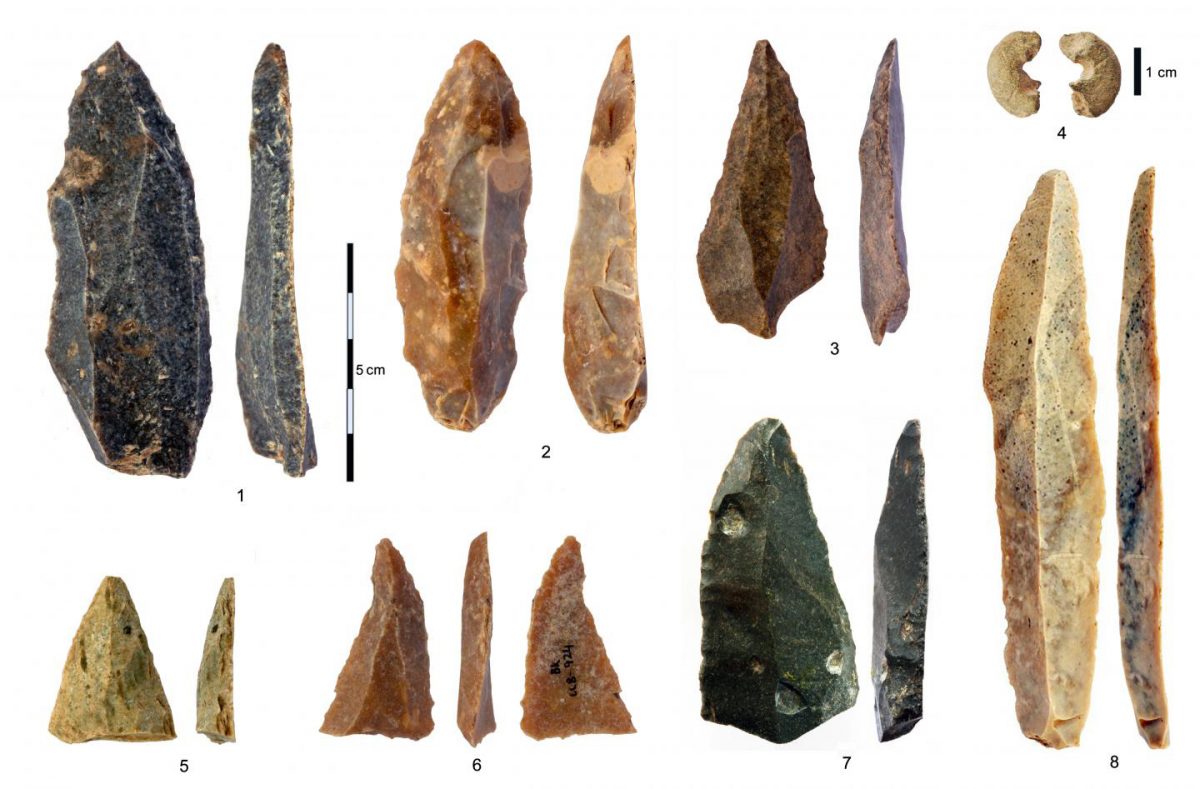
The oldest Upper Paleolithic Homo sapiens in Europe
Two studies report new Homo sapiens fossils from the site of Bacho Kiro Cave in Bulgaria.
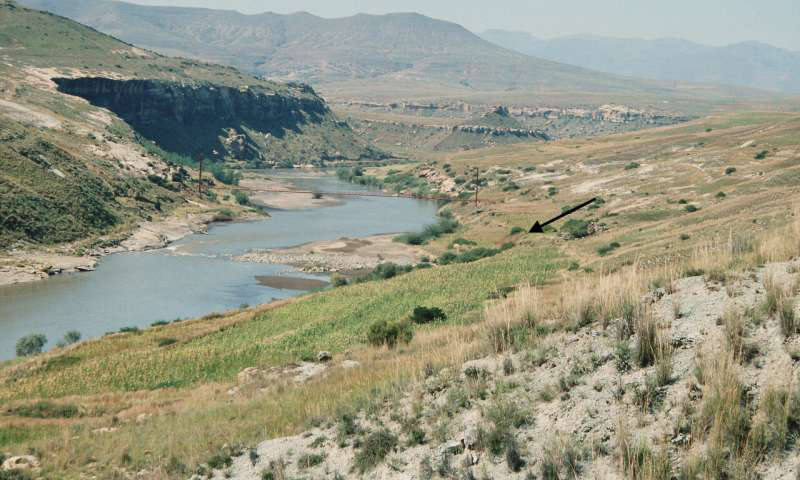
Chemical evidence of dairying by hunter-gatherers in Lesotho
Extensive archaeological evidence shows that Early Iron Age agricultural communities settled in the coastal regions of KwaZulu-Natal in South Africa from around AD 400.
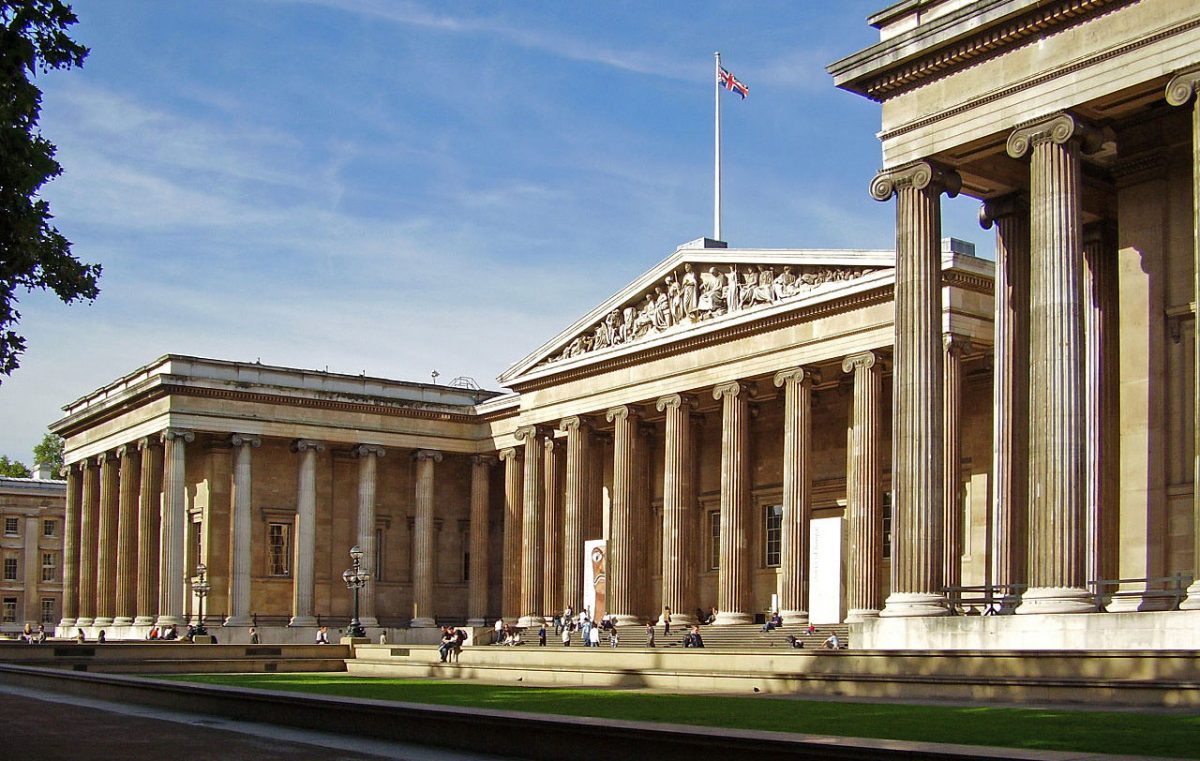
Over half the works hosted by the British Museum go online
This latest version of the British Museum's online catalogue includes more than 280,000 photographs on display for the first time.
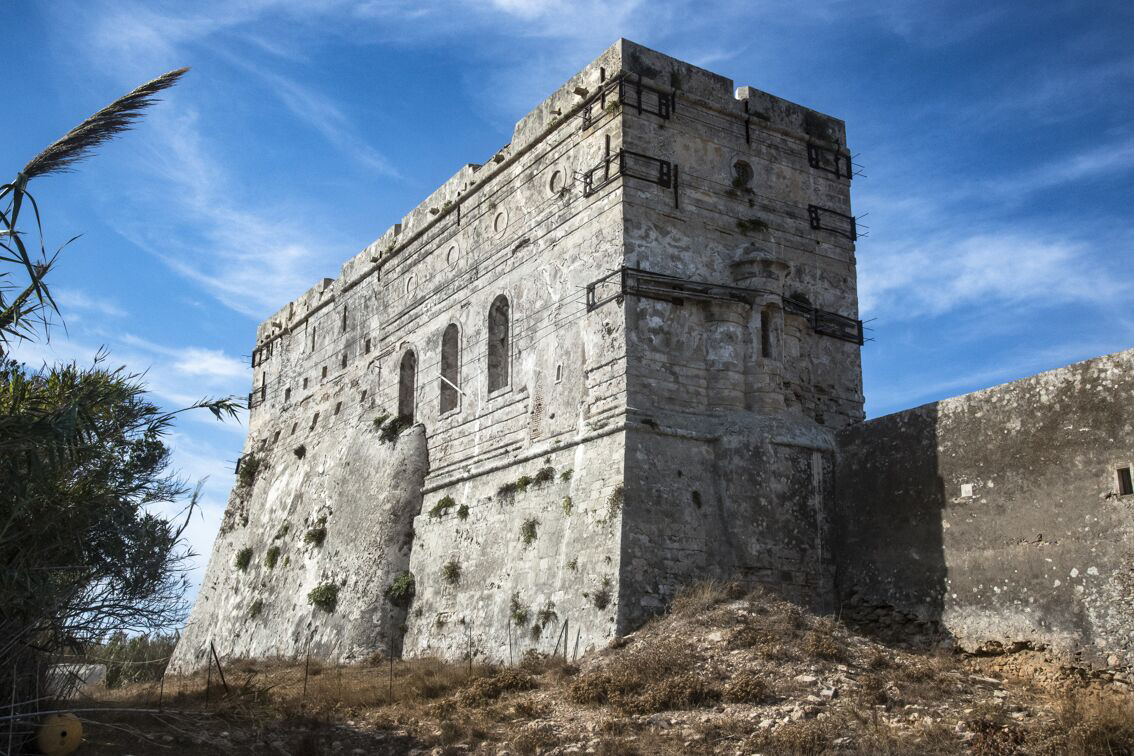
The last monk of Strofades at the Benaki Museum
On Wednesday 13 May 2020 the Benaki Museum welcomes the exhibition Robert McCabe– Katerina Lymperopoulou ‘The last monk of Strofades’.
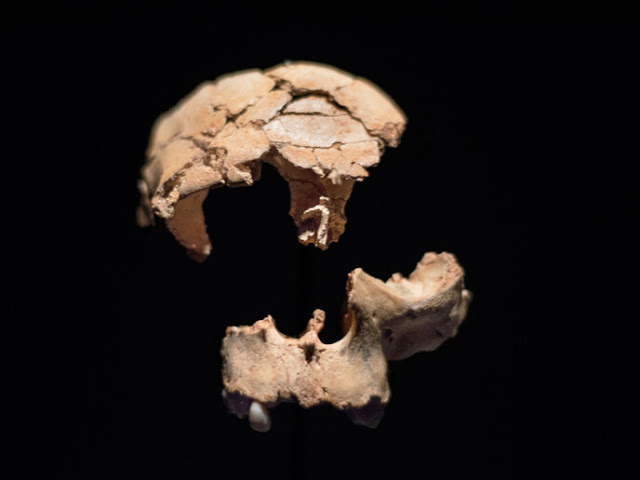
Ancient cannibal tooth provides oldest ever evidence of human ancestors
Researchers sequenced the ancient proteins in the enamel of a Homo antecessor tooth and compared these with their equivalents in other hominins like Homo sapiens.
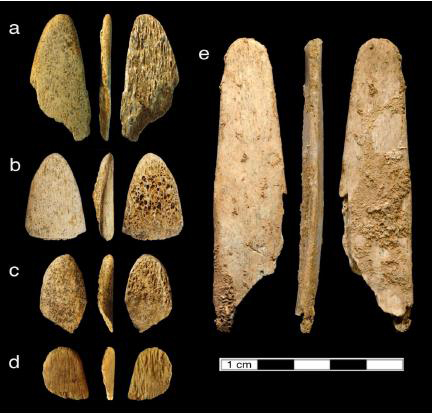
Neandertals were choosy about making bone tools
Evidence continues to mount that the Neandertals, who lived in Europe and Asia until about 40,000 years ago, were more sophisticated people than once thought.
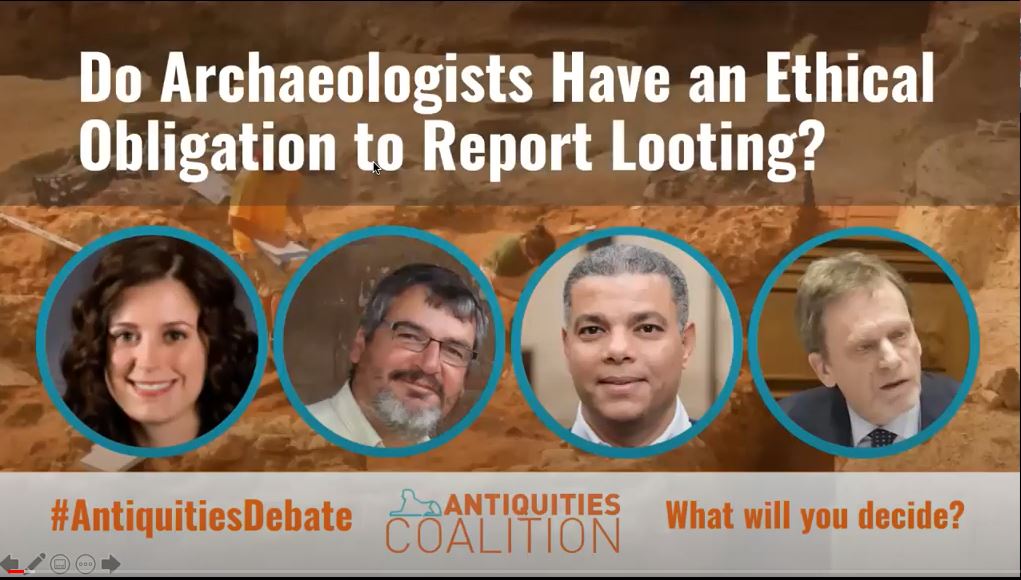
To Report or Not to Report? Archaeologists and Looting
Leading heritage experts discuss fieldwork archaeologists’ responses to looting as recorded through a groundbreaking research project.

Christie’s: Auction towards research on the Covid-19 disease
A series of contemporary art works have been donated by collectors and artists themselves, some of which have never been exhibited to the public.
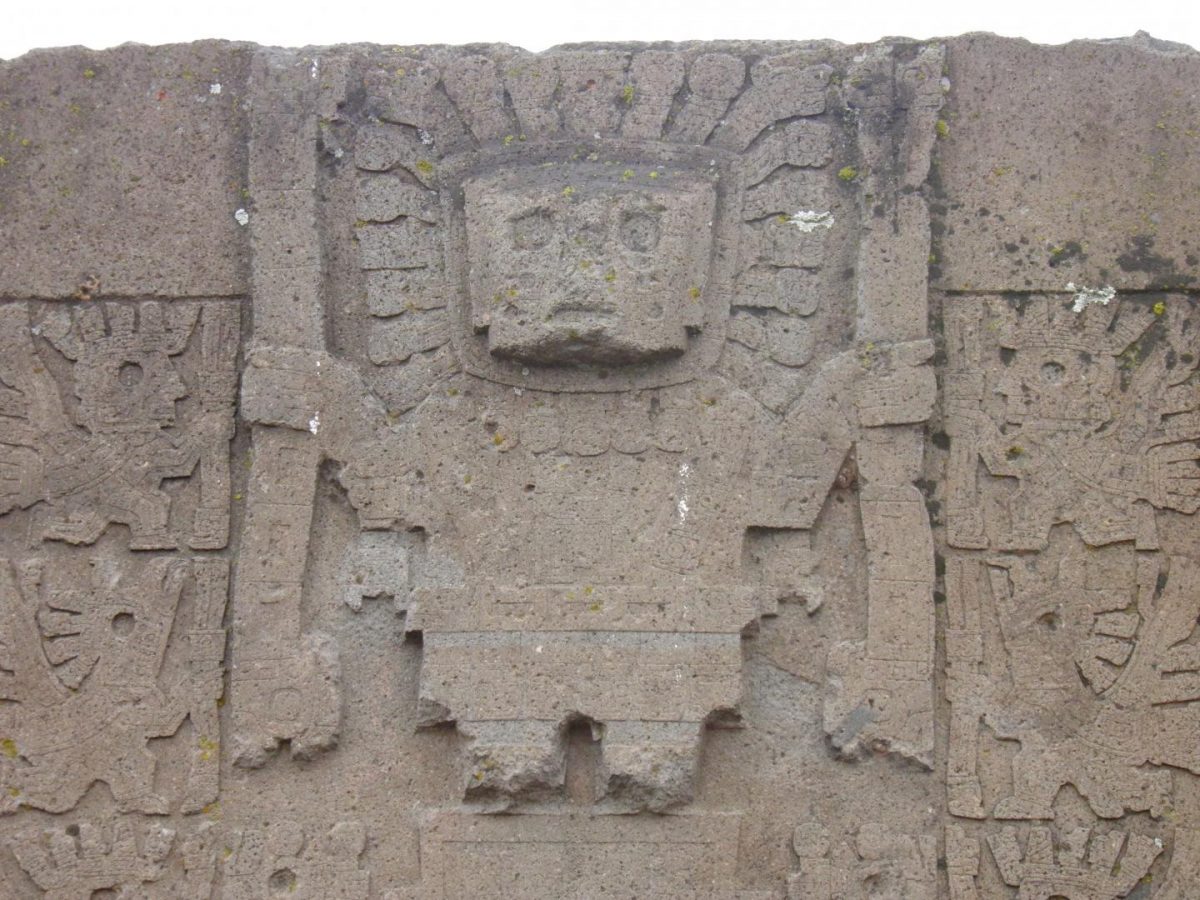
Genomic history of ancient Andean civilisations analysed
A wide-scale study of the genomic history from pre-Columbian civilisations in the Andes has been conducted by an international team from the Harvard Medical School and University of California.
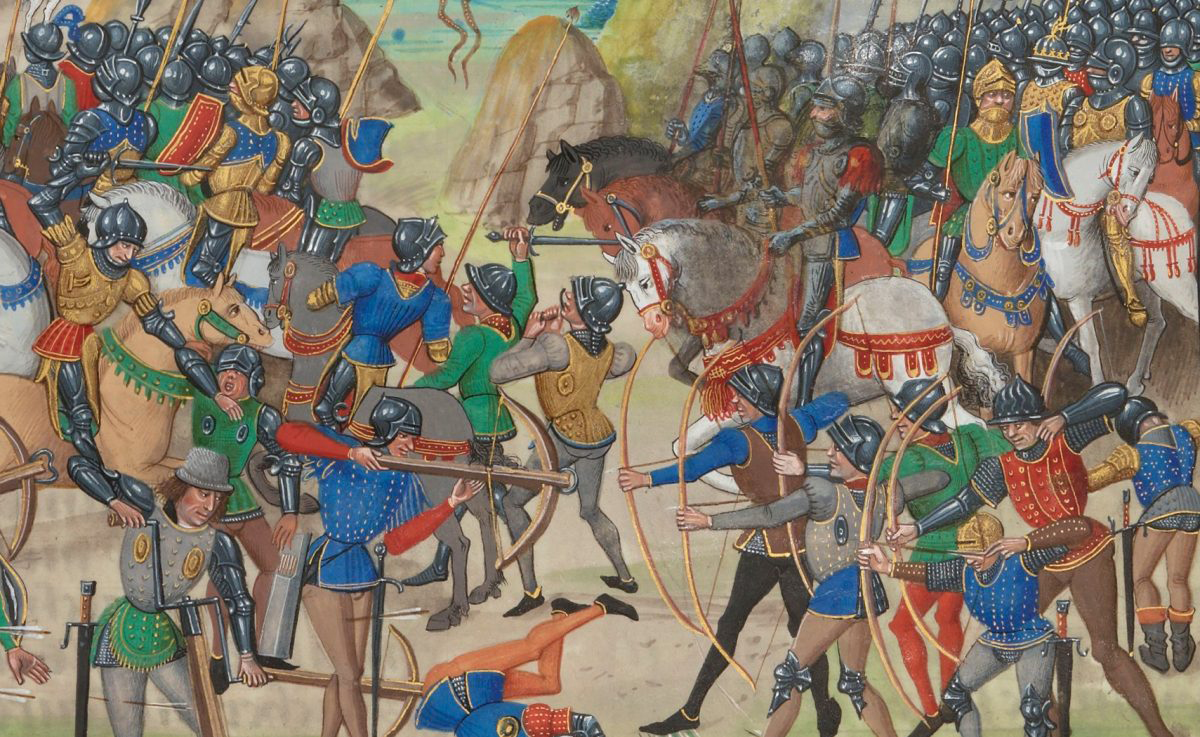
Injuries from medieval arrows just as horrific as gunshot wounds
Bones exhumed from a Dominican Friary in Exeter has revealed that arrows fired from a longbow caused injuries as deadly as modern-day gunshot wounds.
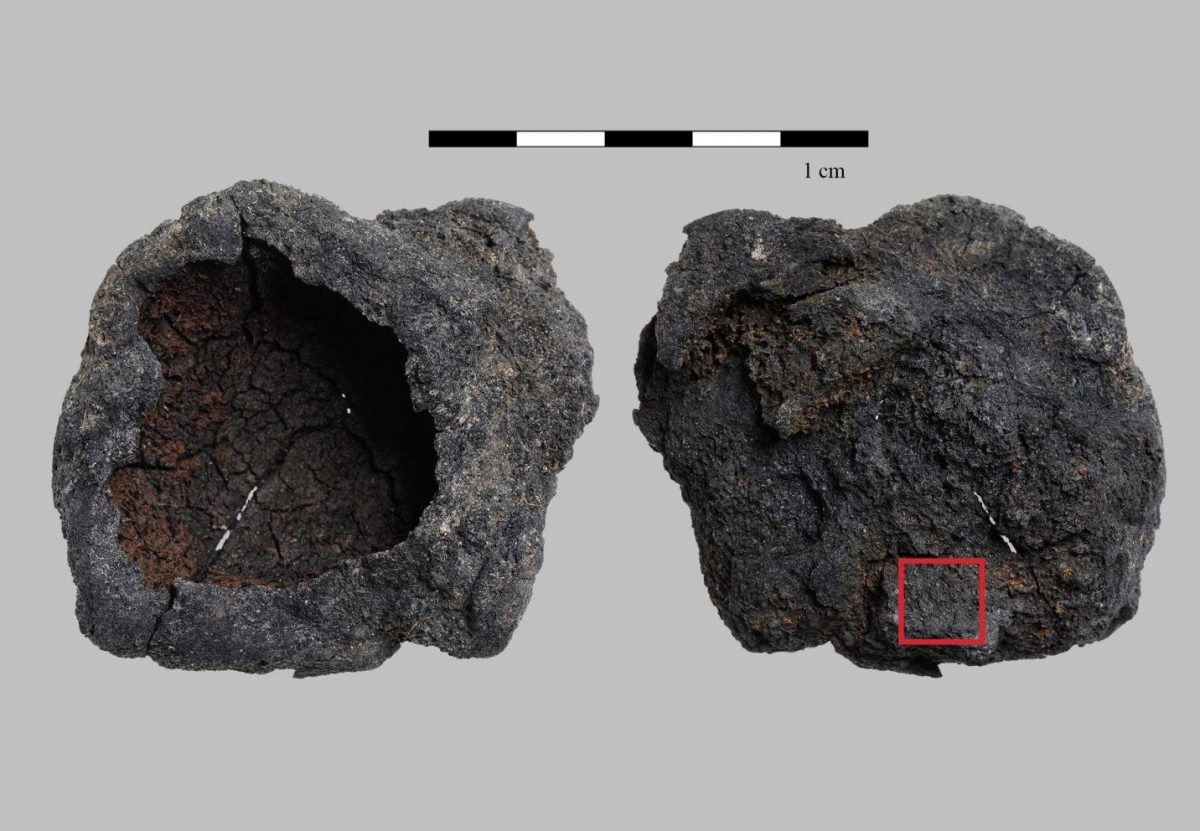
New method to identify beer in the archaeological record
A process to determine the presence of beer and malted remains amongst archaeological finds by analysing microstructural markers have been proposed in a study by the Austrian Academy of Sciences.
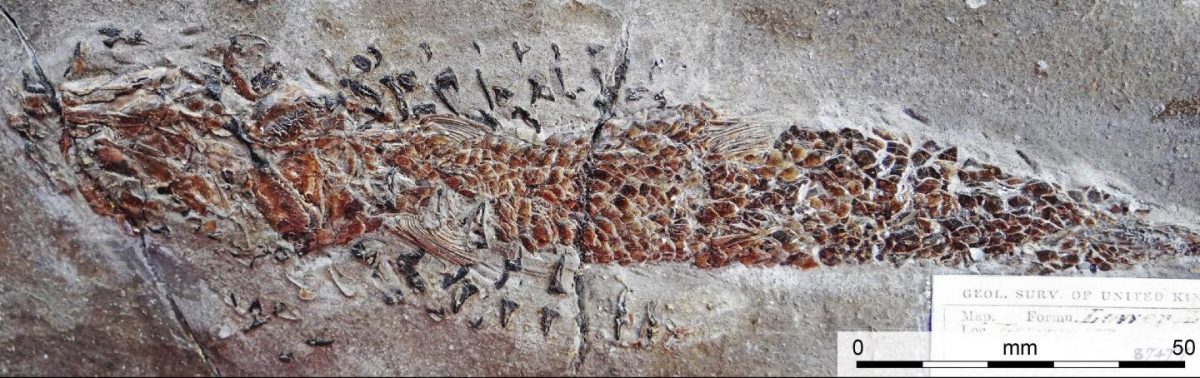
200-million-year old squid attack revealed in fossils
Scientists have discovered the world’s oldest known example of a squid-like creature attacking its prey, in a fossil dating back almost 200 million years.
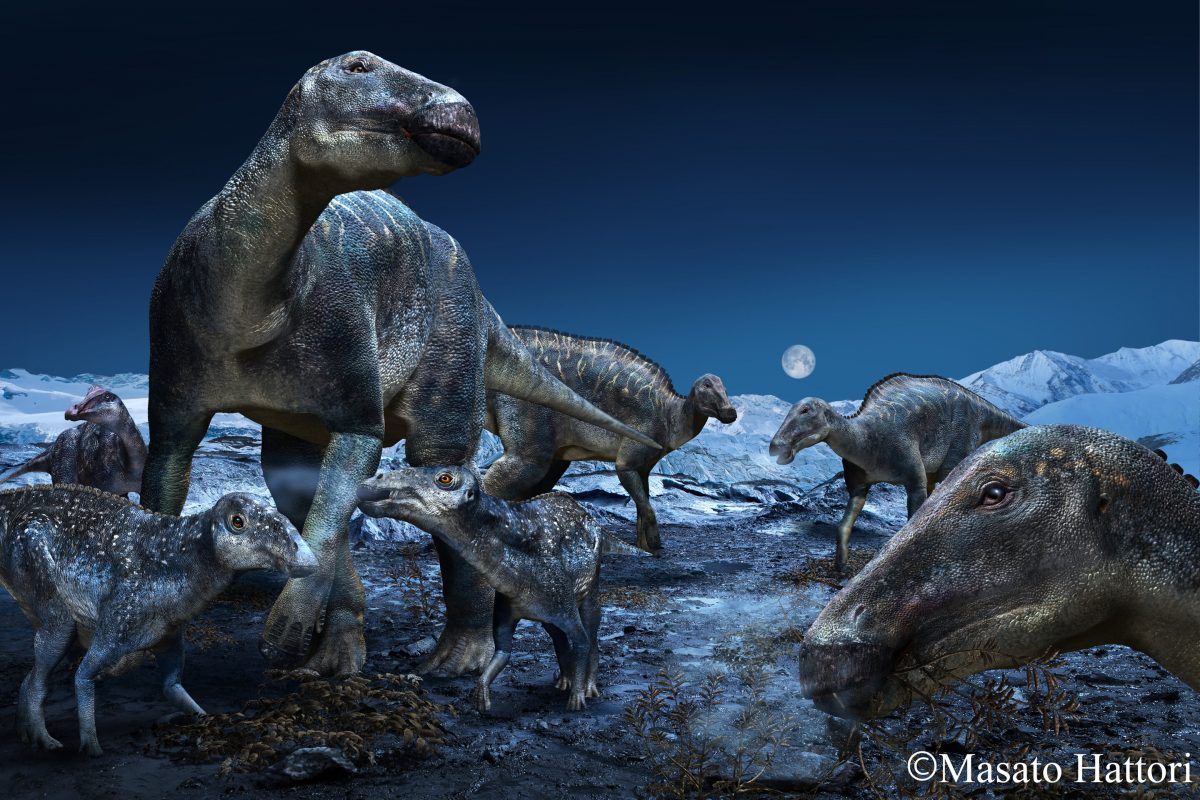
Arctic Edmontosaurus lives again
A new study by an international team from the Perot Museum of Nature and Science in Dallas and Hokkaido University and Okayama University of Science in Japan.
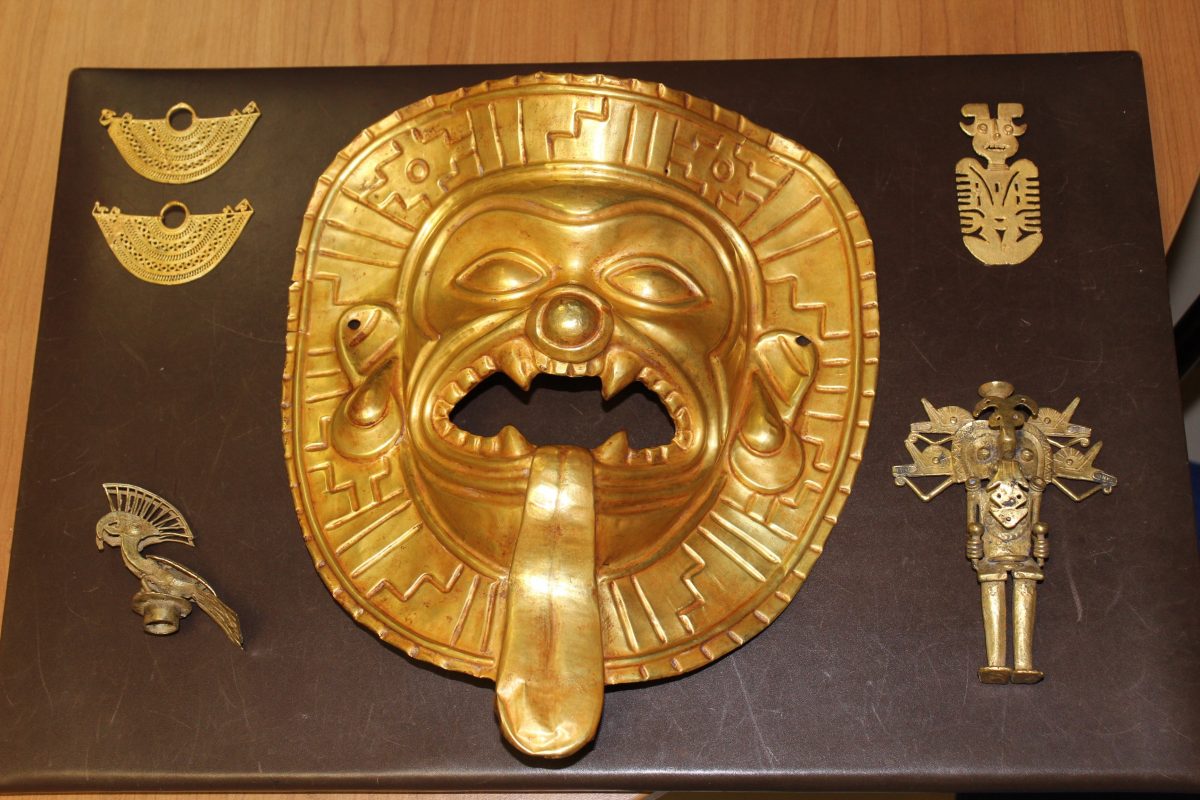
101 arrested and 19,000 stolen artefacts recovered
More than 19,000 archaeological artefacts and other artworks have been recovered as part of a global operation spanning 103 countries and focusing on the dismantlement of international networks of art and antiquities traffickers.
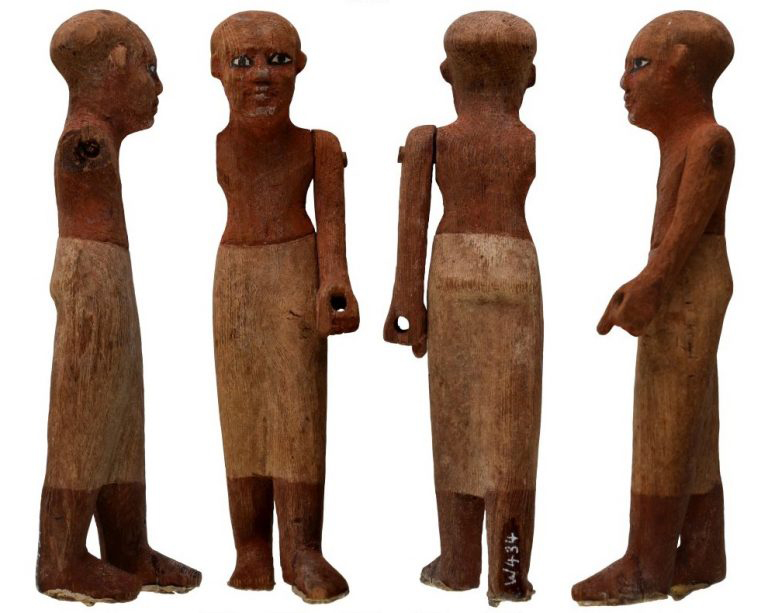
Egypt Centre Zoom lectures
An additional ten free lectures have recently been added to the Egypt Centre virtual conference programme.
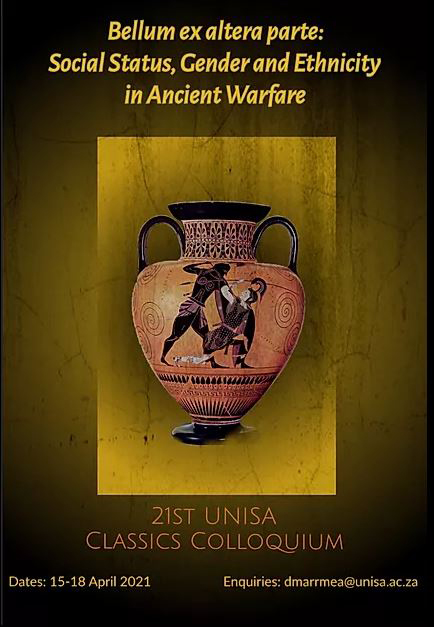
Unisa Classics Colloquium: Bellum ex altera parte
The annual Unisa Classics Colloquium will be held in Pretoria from 15 to 18 April 2021. The call for paper proposals will close at the end of January 2021.
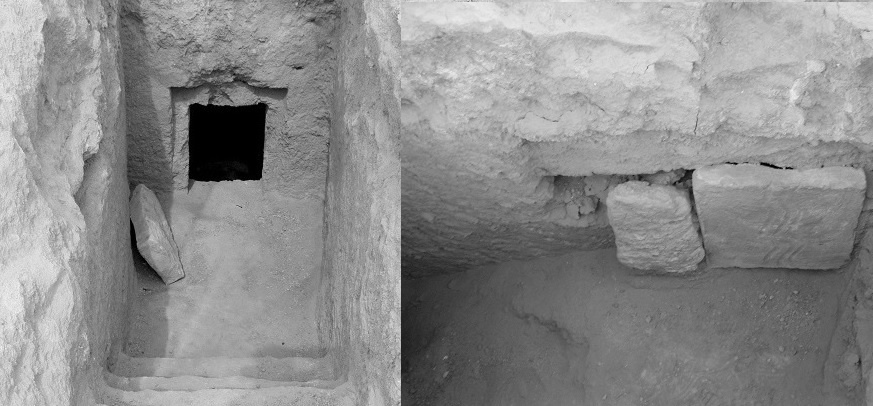
Biological study of Tell es-Sin the Byzantine necropolis
A study published in the journal Bioarcheology of the Near East reveals the characteristics of the population that was buried in the Tell es-Sin necropolis.
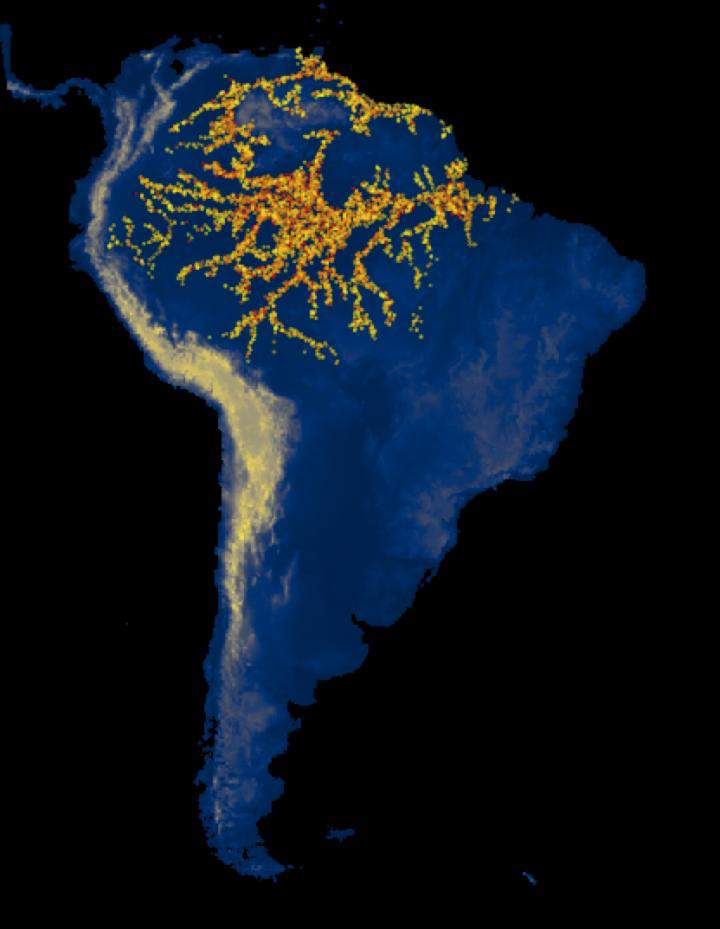
Demographic expansion of several Amazonian archaeological cultures
The study uses simulation techniques and shows that some cultural expansions from Amazonia during the late Holocene may have arisen from similar demographic processes to the Neolithic in Eurasia.
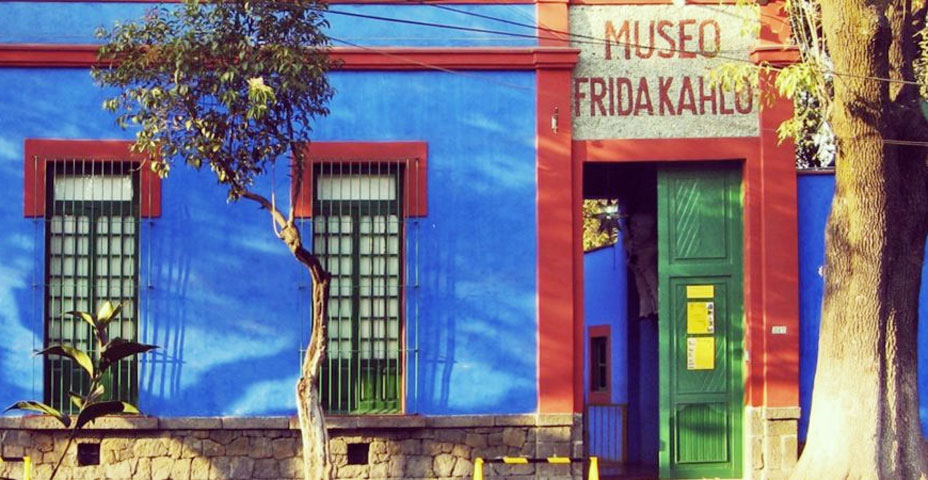
Online tour of Frida Kahlo’s house
The villa, known as Casa Azul (Blue House), is the home where Kalo spent most of her life.

An ancient tradition is reexamined for telecommuting to be successful
The "hanko" or "inkan" is applied with red ink and then stamped on the necessary documents.
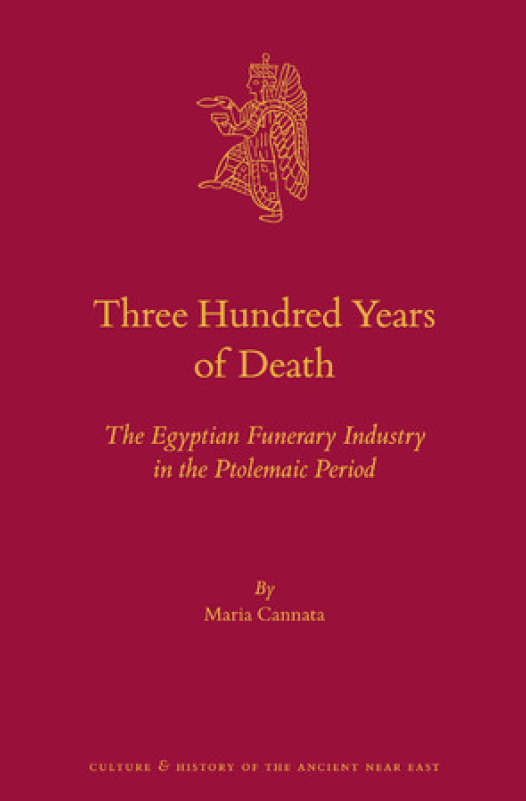
Three Hundred Years of Death
A detailed survey of the organisation of the necropolises and the funerary workers, as well as their role in the practical aspects of the mummification, funeral, burial, and mortuary cult of the deceased, in Ptolemaic Egypt.