



Egypt’s iconic Christian monuments ‘revealed’ in free online lecture
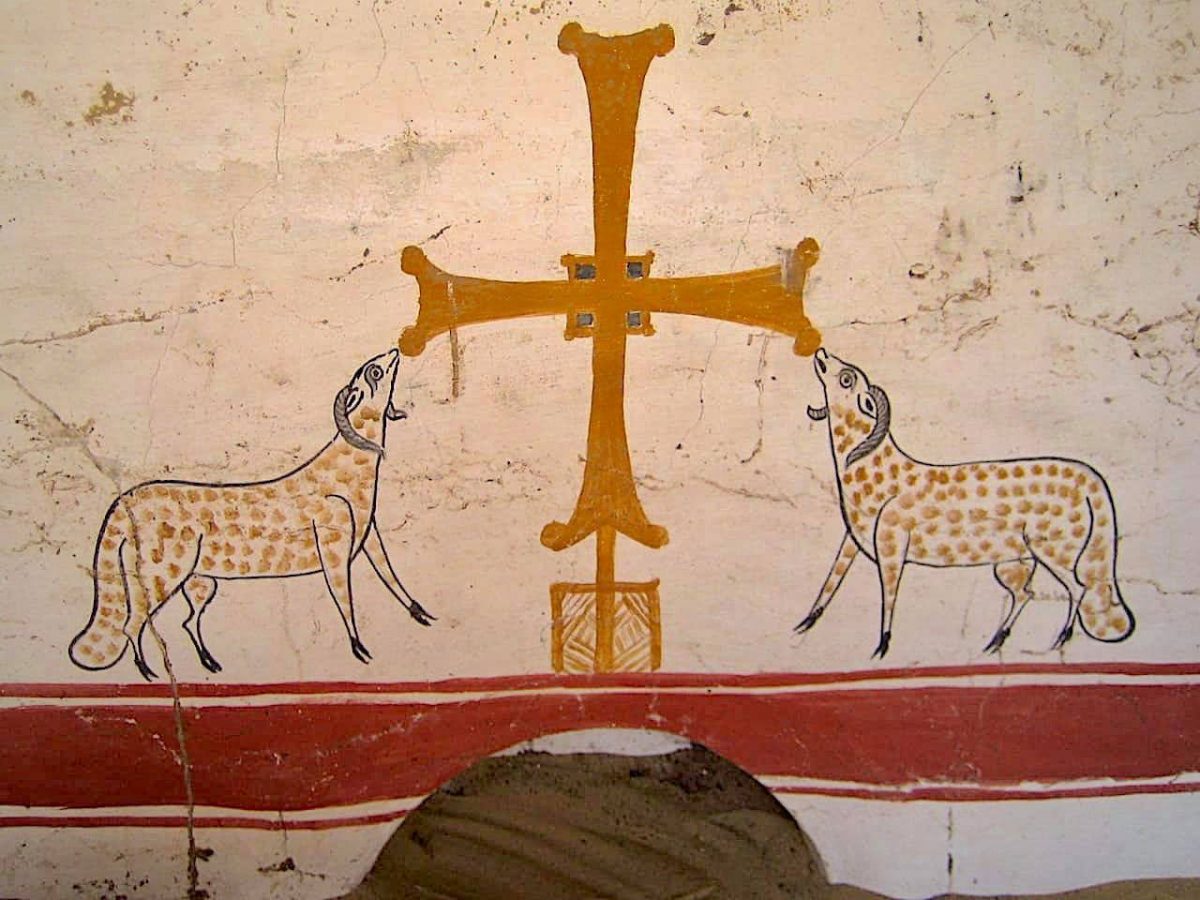
Lecture on the project that brought to life three spectacular Coptic churches and the earliest painted Christian tomb in Egypt.

Extinct sea reptile swam in seas from England to Russia to the Arctic
A paleontologist visiting London’s Natural History Museum took a picture of an extinct aquatic reptile with selfie stick.

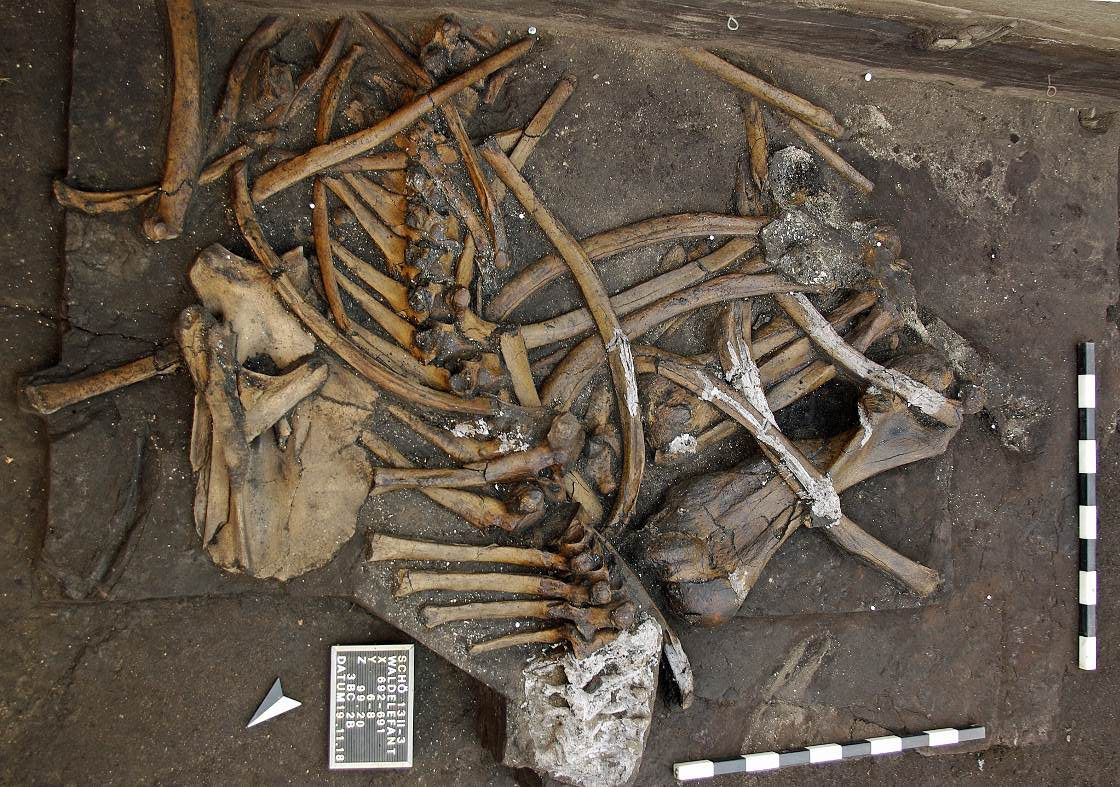
Almost complete 300,000-year-old elephant skeleton found
Archaeologists from the University of Tübingen and the Senckenberg Centre for Human Evolution have discovered the almost complete remains of a Eurasian straight-tusked forest elephant (Palaeoloxodon antiquus) from a Palaeolithic site near Schöningen, Germany.
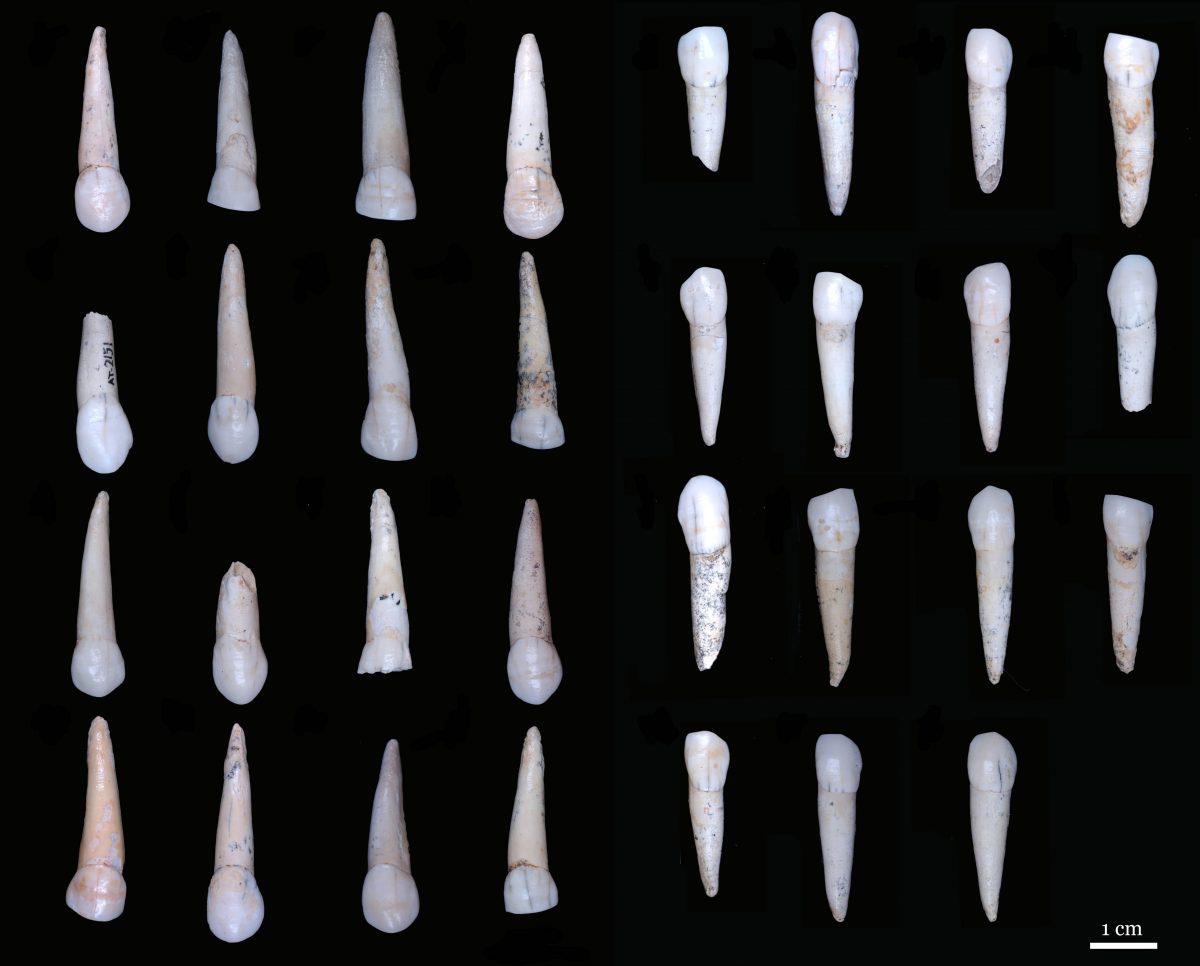
Development of teeth enables sex from fossil site to be estimated
An analysis of 32 dental pieces from Sima de los Huesos in Spain, has enabled researchers to estimate the sex of 15 individuals.
Unique tomb discovered in Oxyrhynchus, Egypt
The walls lean at the ceiling in a way that it is flat instead of domed, like the previously excavated tombs in the area.

Greek archaeological sites are open once again
The opening of the archaeological sites is the first step in the gradual reopening of the country's cultural infrastructure.

Naples’ SSM launches funded Ph.D. programs in archaeology
In particular, the School has released a call for 42 Ph. D. scholarships for an equal number of programs, among which six in archaeology and six for textual/ language studies.

Narrating our own cultural experience on PLUGGY
Making the most of the innovative tools provided by the platform, we create unique stories about the past and present of our part of the world.
Sotheby’s: Painting sells for 14 times more than the highest estimate
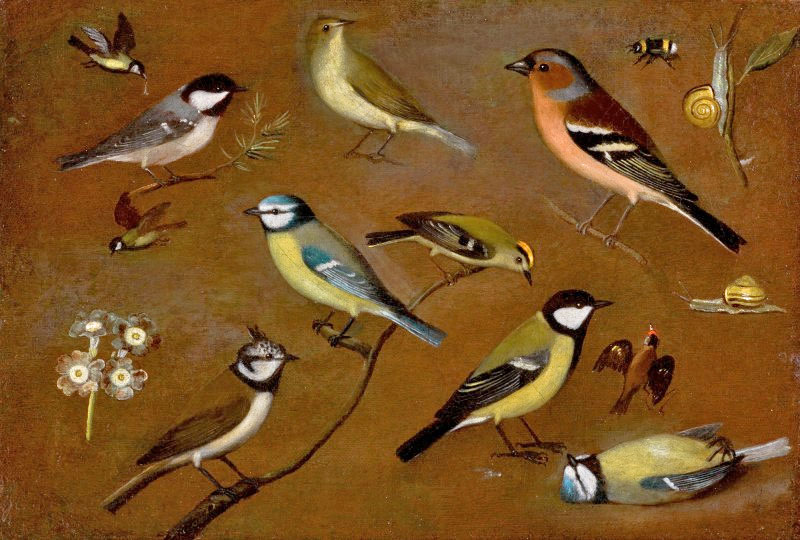
The oil painting “Still life with fish” by the nun Orsola Maddalena Caccia sold for £212.500 while estimated at £15.000.

Turin Papyrus Online Platform won European Heritage Award 2020
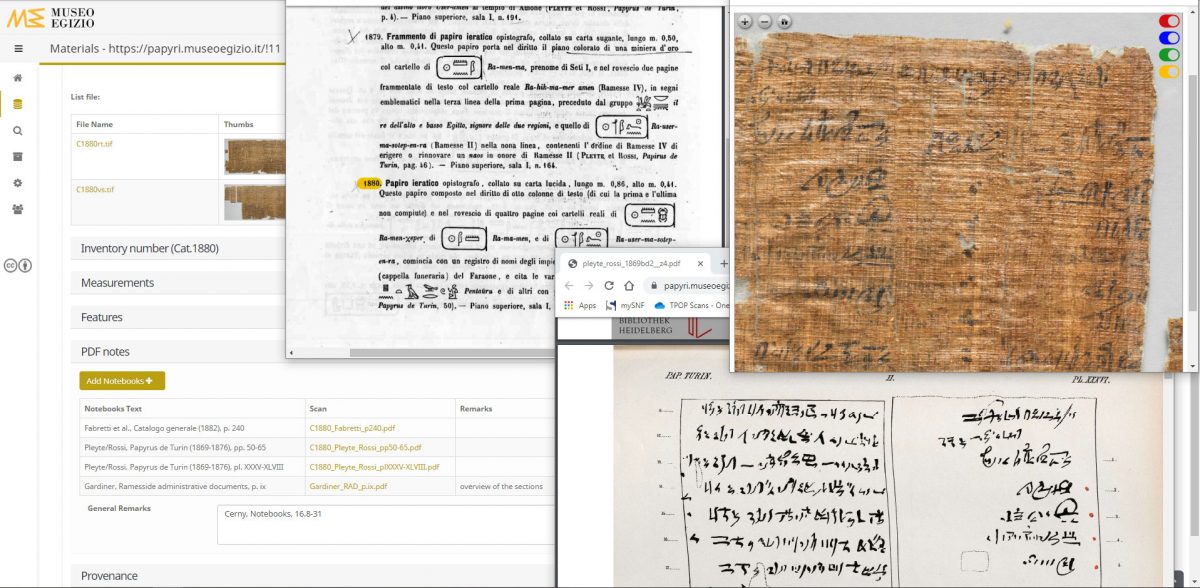
The digitised papyri are in high-resolution, linked with open metadata, available in open-access and can be used "permission-free".
Global cooling event 4,200 years ago spurred rice’s evolution
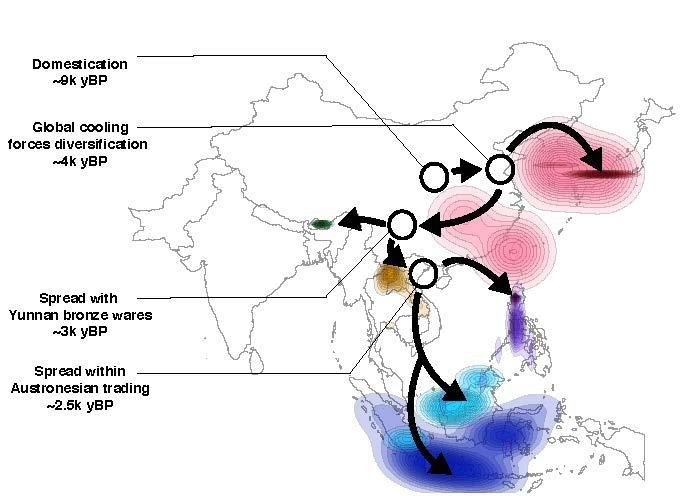
Scientists use genomics, archeology, and climate data to reconstruct history of rice.

A lost world and extinct ecosystem
On the far southern shores of South Africa scientists have discovered the earliest evidence for symbolic behavior, complex pyrotechnology, projectile weapons and the first use of foods from the sea.

Preparations in museums and archaeological sites
Archaeological sites open on May 18, museums on June 15 and open air cultural events start after July 15.
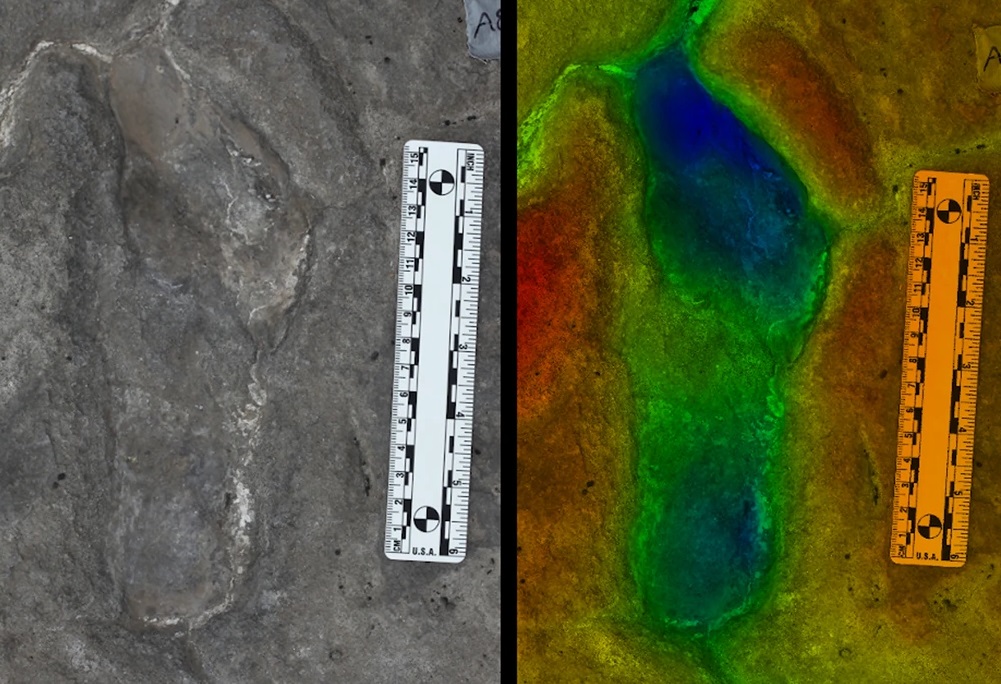
Ancient human footprints suggest ancestors divided labour
The discovery of fossilised footprints, dating from the Pleistocene period (126,000 to 11,700 years ago), suggests that our ancient ancestors had a division of labour amongst communities.
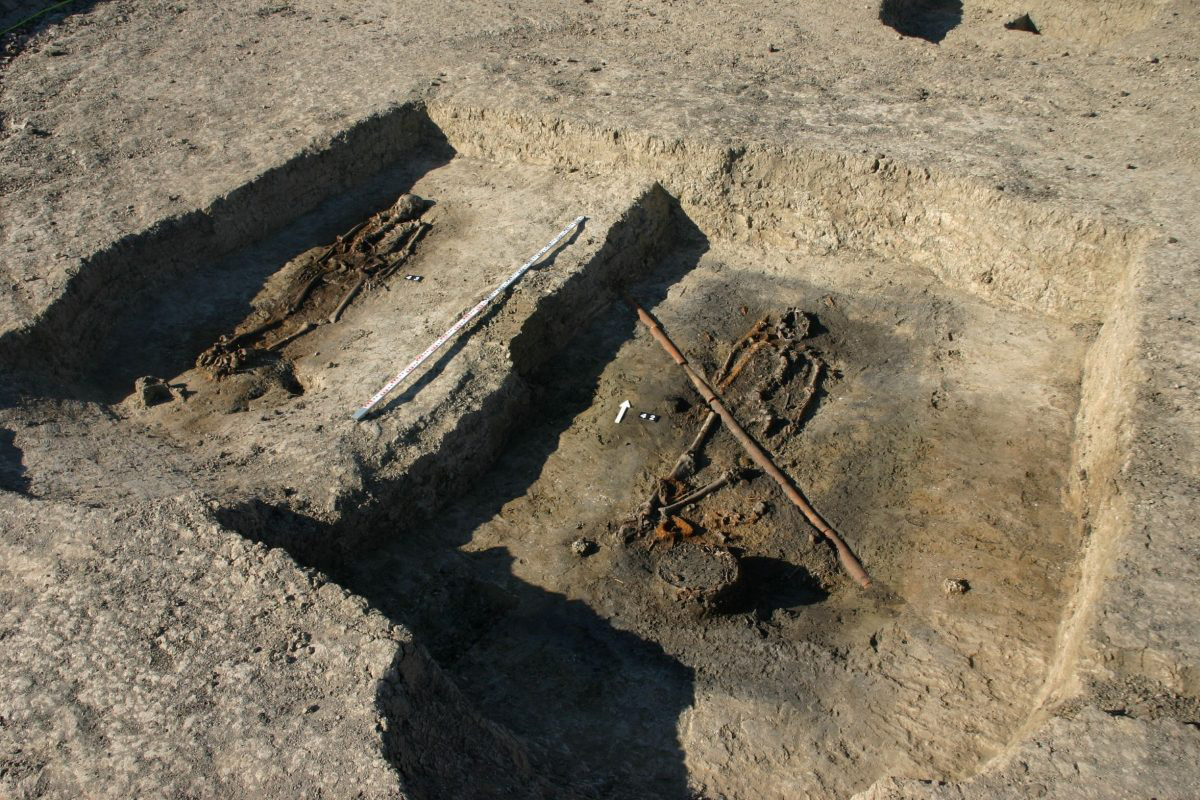
Four warriors buried in 11th c. tombs in Pomerania came from Scandinavia
Four warriors buried with rich grave offerings in the central part of the cemetery in Ciepłe (Pomerania) came from Scandinavia, expert analyses show.
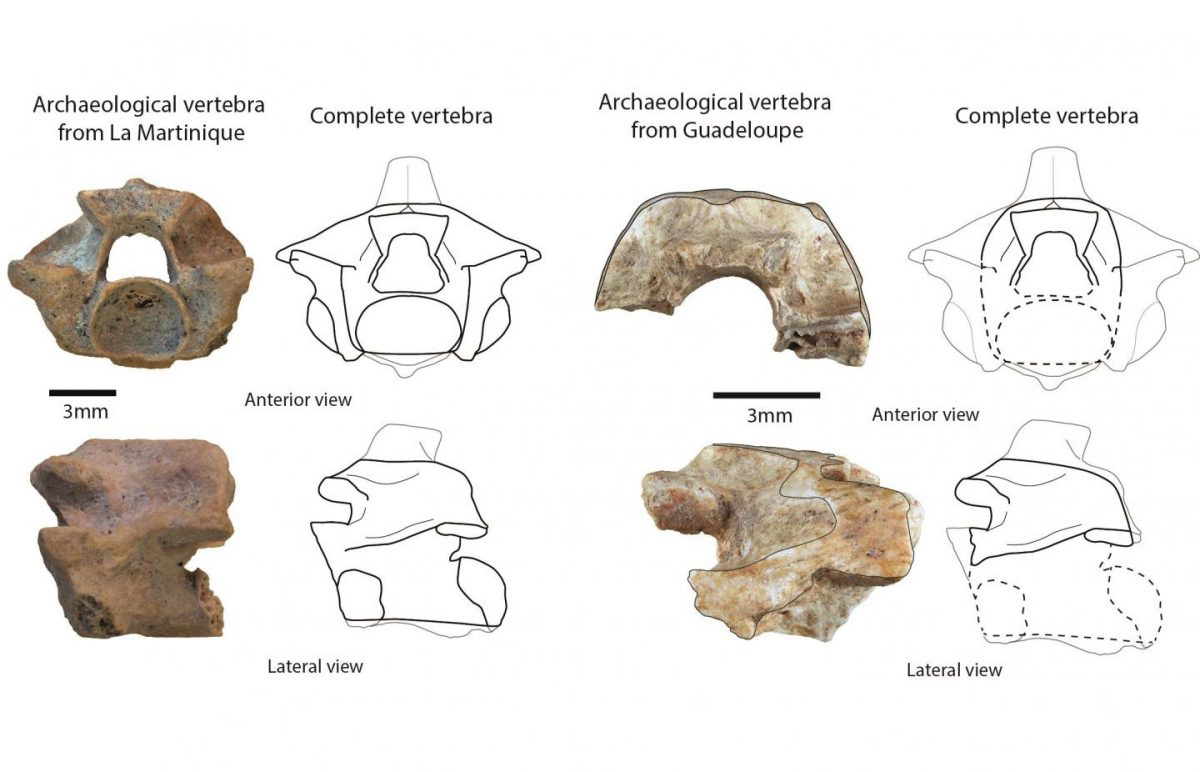
Snake bone beads made from the boa identified in the Lesser Antilles
A new study of 8 archaeological Boa finds on the islands of the Lesser Antilles has been conducted to provide insights into the relationship between Amerindian groups and Boa before Western colonization.
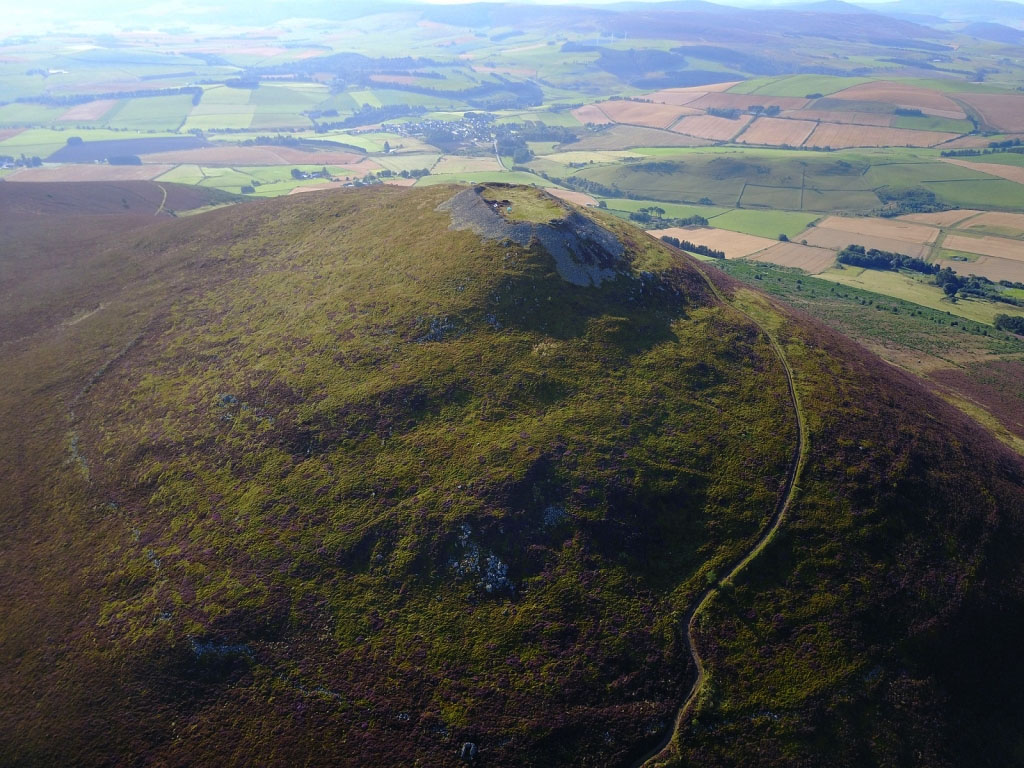
One of the largest post-Roman settlements in Scotland
A hillfort previously discovered on the summit of Tap O’ Noth in Aberdeen, has been described as one of the largest ancient Pictish settlements ever found in Scotland.
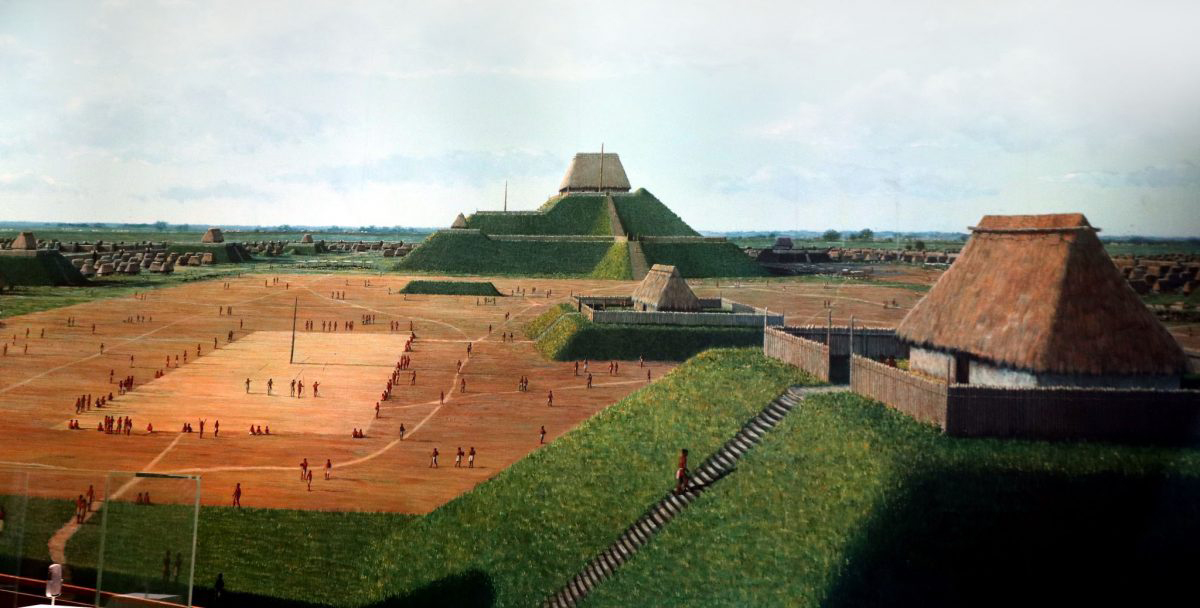
North America’s First City paralleled the onset of corn agriculture
A new study suggests that corn cultivation occurred around AD 900–1000, corresponding to a period when Cahokia was rapidly expanding.
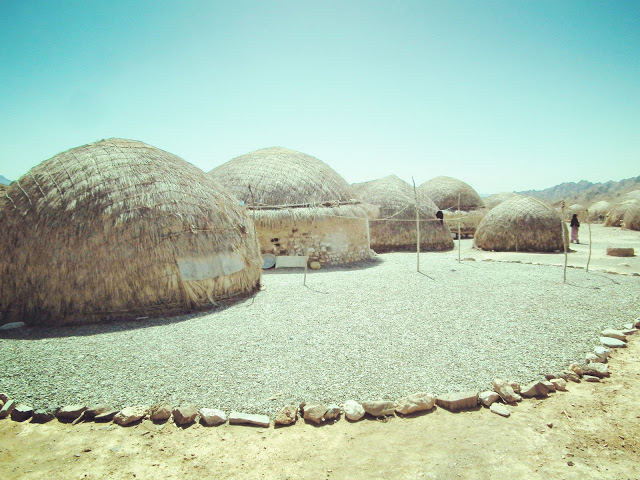
Expedition in Sefidkuh of Makran, Iran
The survey of Makran Sefidkuh in Iran focused on identifying and recording the continuation pattern of settlement of communities in the highland regions.
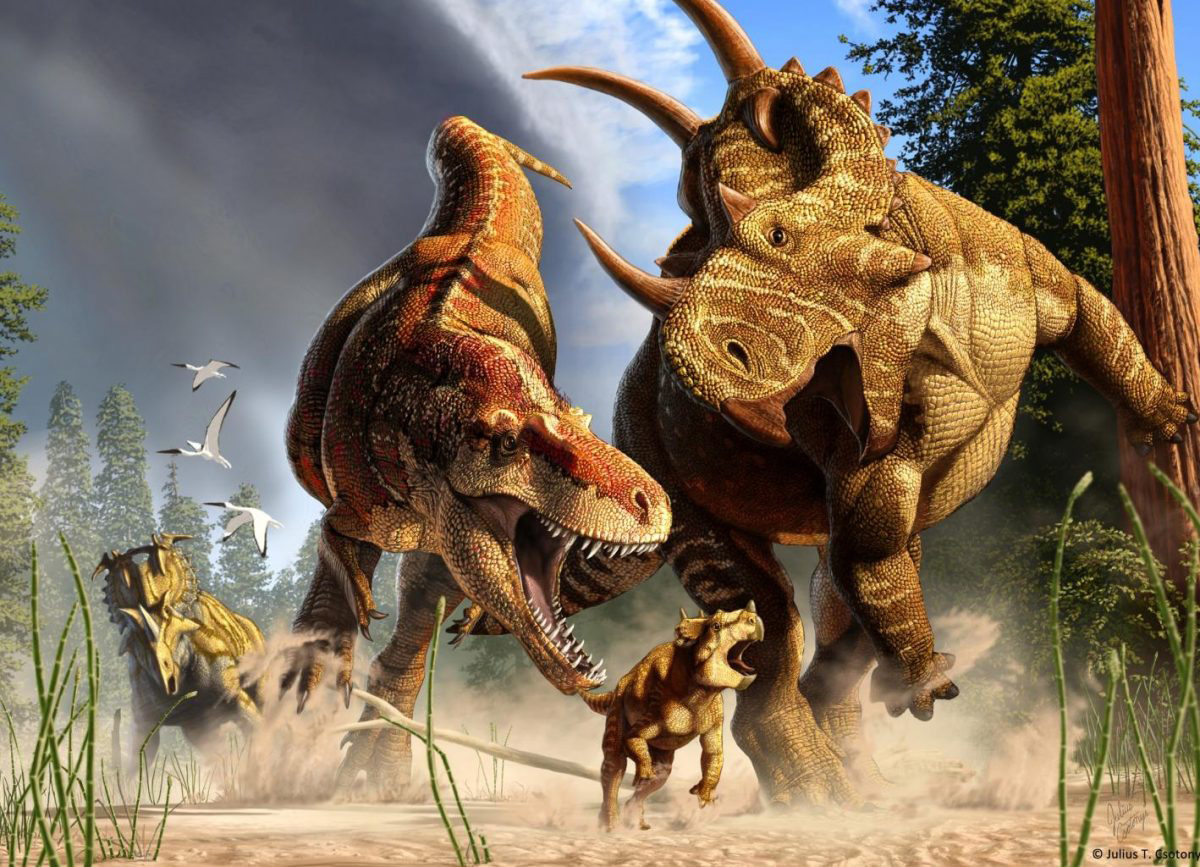
Tyrannosaurus leg length was built for efficiency, not speed
Research finds leg length gave giant predatory dinosaurs the advantage of efficiency, not speed as previously thought.
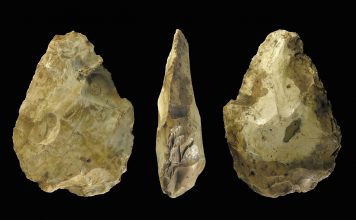
The evolution of self-control through ancient tool manufacturing
Human self-control evolved in our early ancestors, becoming particularly evident around 500,000 years ago when they developed the skills to make sophisticated tools, a new study suggests.
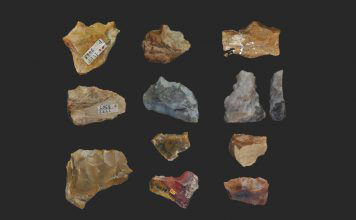
Early humans in China innovated technology to adapt to climate change
Archaeologists examined three well-known archaeological sites from the Nihewan Basin in North China.