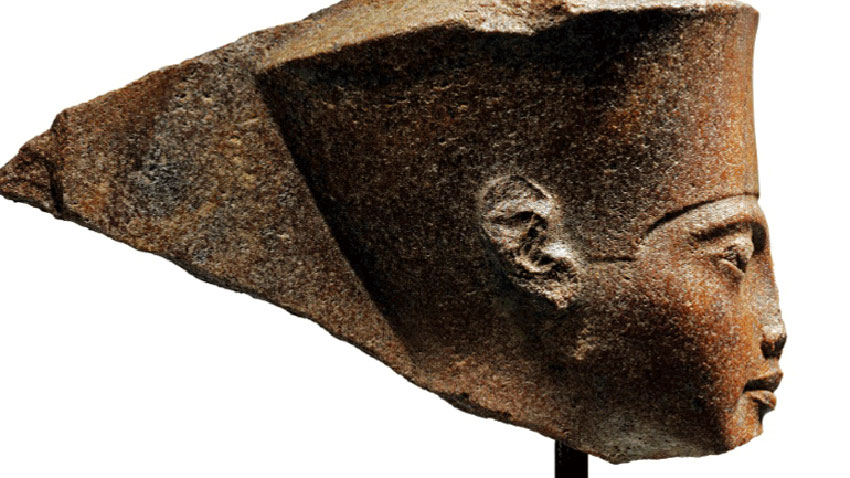
Cairo asked Interpol to locate Tutankhamun’s head
Τhe putting up for sale of the head of Tutankhamun had enraged the Egyptian authorities.
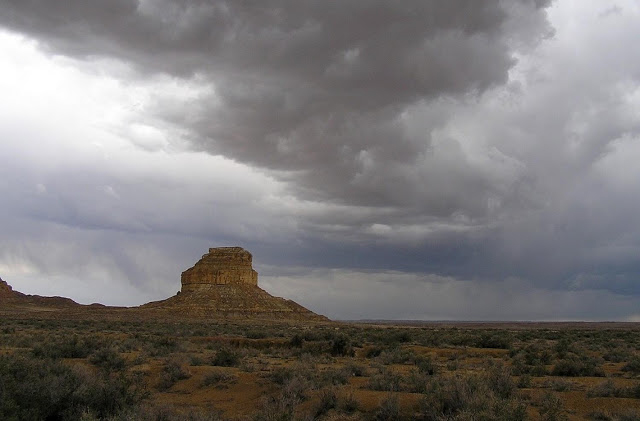
Agricultural productivity of Chaco Canyon could not sustain 2300 residents
Chaco Canyon may not have been able to produce enough food to sustain thousands of residents, according to new research, according to new research.
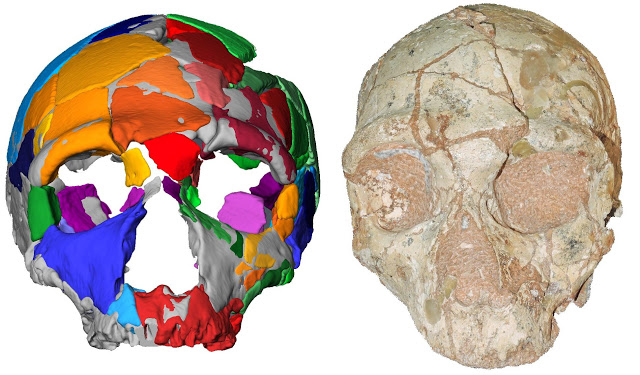
Earliest known Homo sapiens in Eurasia found in Greece
After comprehensive analyses, scientists identified a skull from the Apidima site, southern Greece, as early Homo sapiens and dated it to about 210,000 years ago.
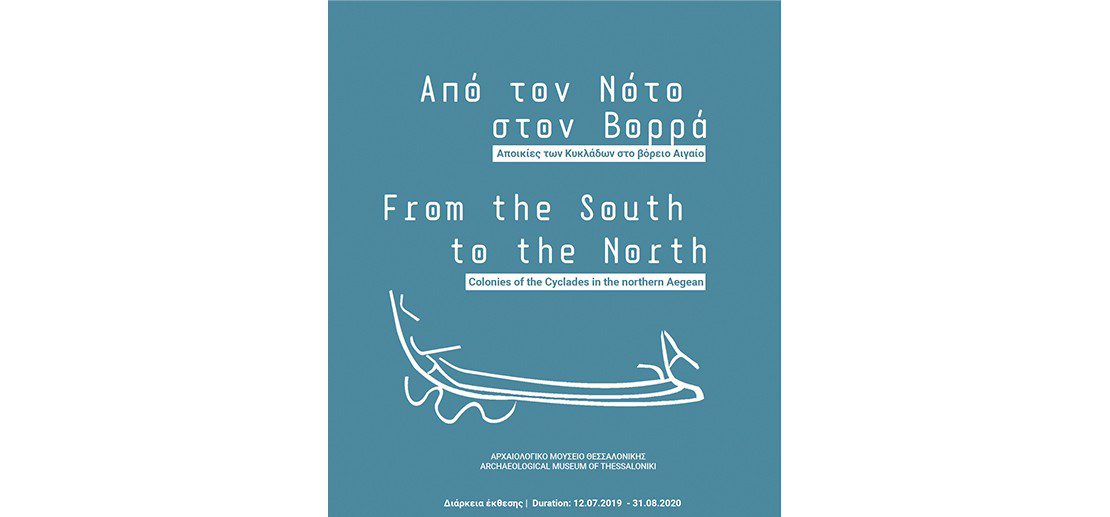
From South to North: Cycladic colonies in the northern Aegean
This temporary exhibition attempts to narrate one of many pages that make up the fascinating history of Greek colonization.
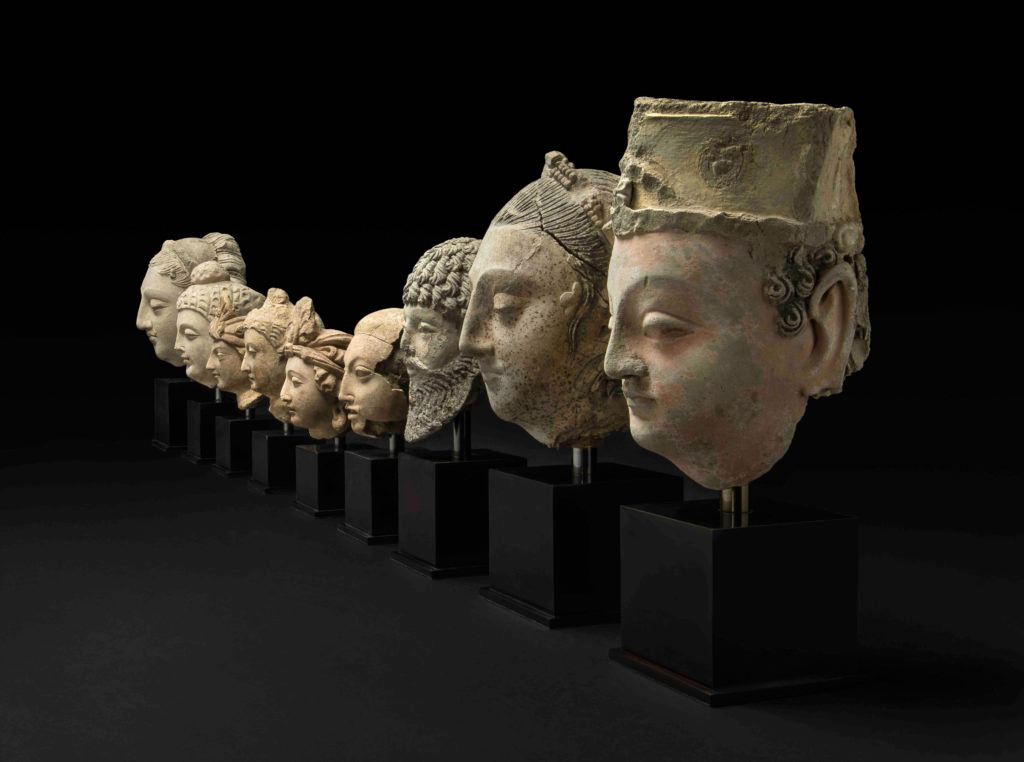
Looted artefacts to be returned to Iraq and Afghanistan
More than 150 looted ancient artefacts from Iraq and Afghanistan seized in Britain will be repatriated after appraisal by the British Museum.
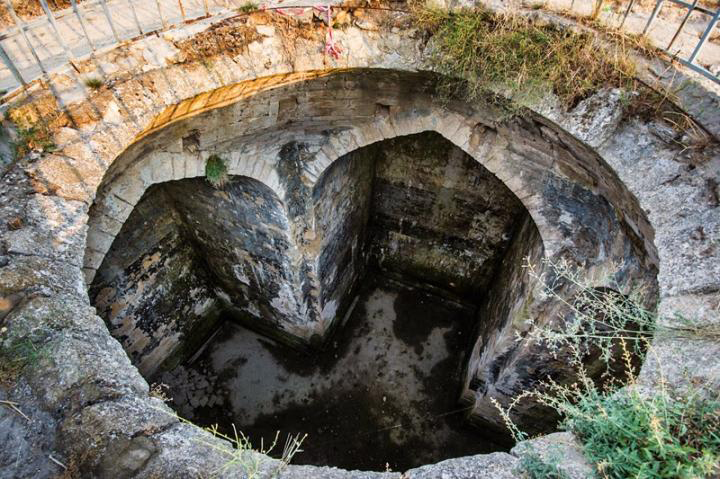
A 12-meter buried building could be one of the oldest churches in the world
Almost completely hidden under the ground, this building in the northwestern part of the Naryn-Kala fortress in Derbent dates back to about 300 AD.
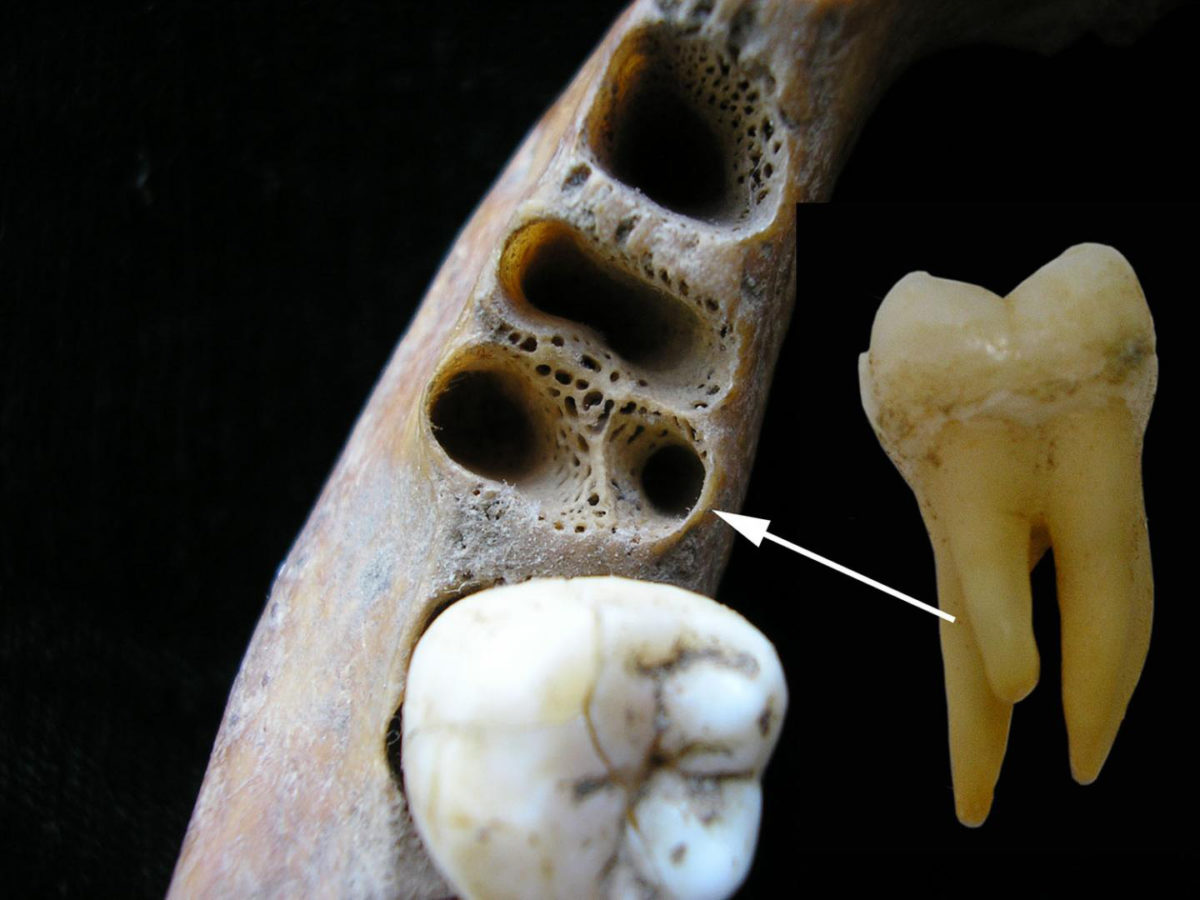
Interbreeding between archaic humans and Homo sapiens in Asia
An analysis of a 160,000-year-old archaic human molar fossil discovered in China offers the first morphological evidence of the fact.

Fuzhou (China) to host 2020 session of World Heritage Committee
This decision concluded the work of the 43rd session of the World Heritage Committee, meeting in Baku since 30 June.
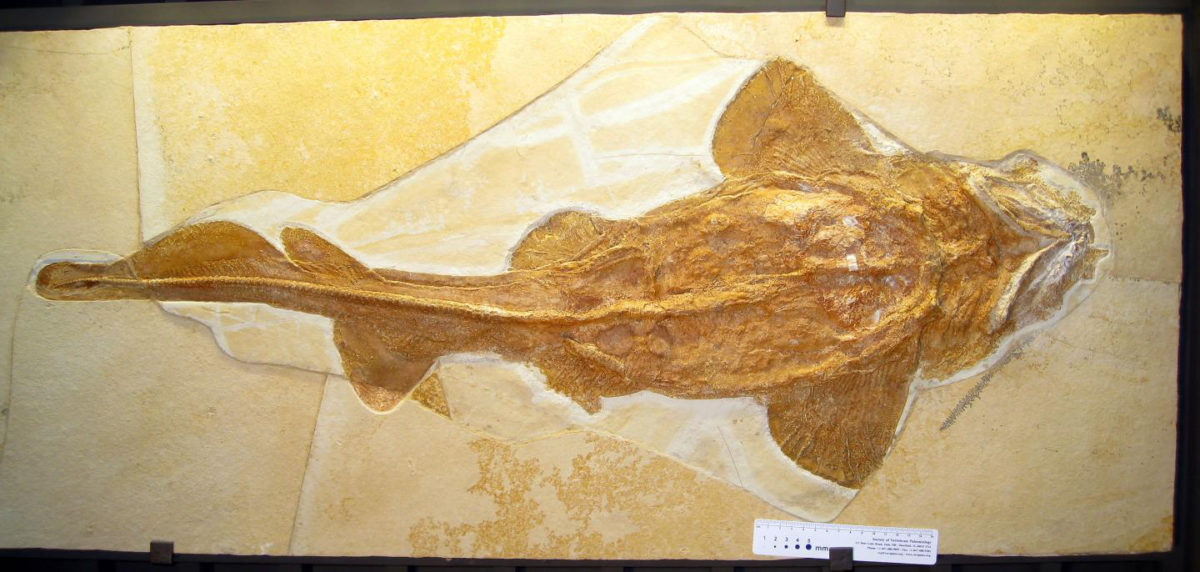
The ancestor of the great white shark
Researchers from the University of Vienna traced back the origin of this group to a small benthic shark from the Middle Jurassic.
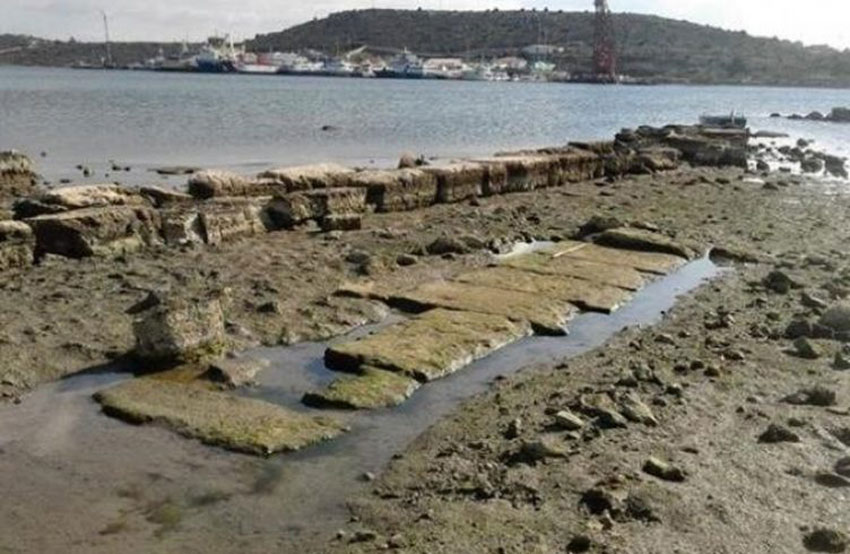
Upgrading and promotion of the ancient harbour of Salamis
Cleaning operations have begun in the Ancient Harbour of Salamis as part of the initiative taken for its upgrading and protection.
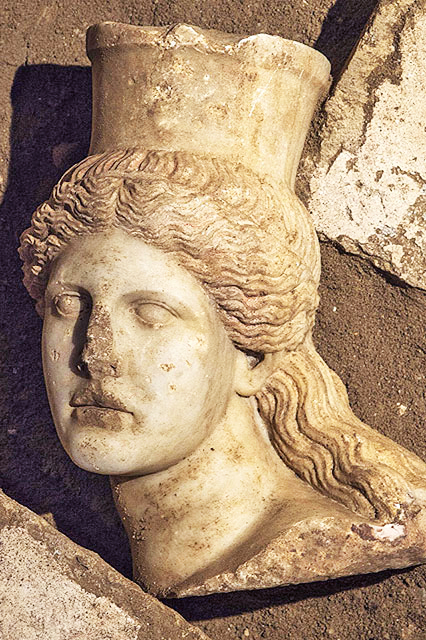
Work on the Kasta Mound in Amphipolis
Highly specialized work began in mid May; the replacement of the monument’s temporary reinforcement and support system with a new one.
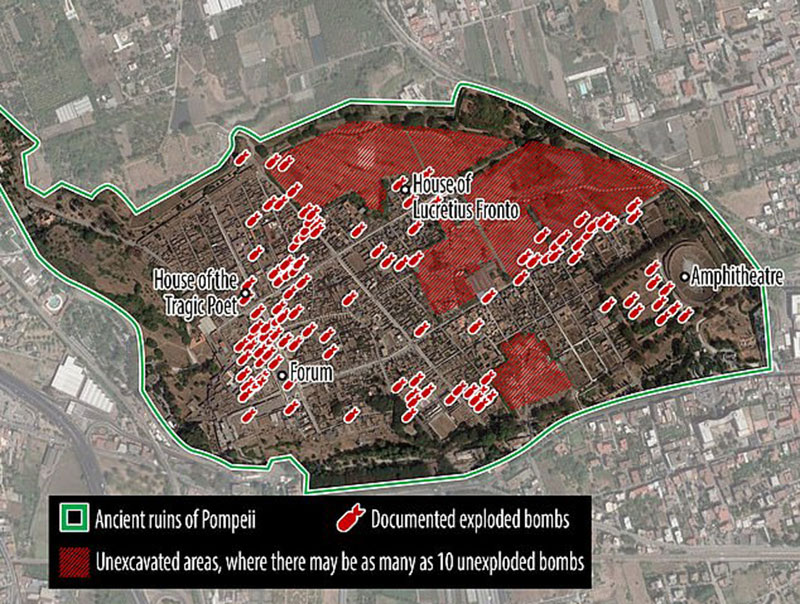
Unexploded WW2 bombs are hidden under Pompeii ruins
Unexploded bombs from the Second World War lie underneath Pompeii ruins according to article in an Italian newspaper.
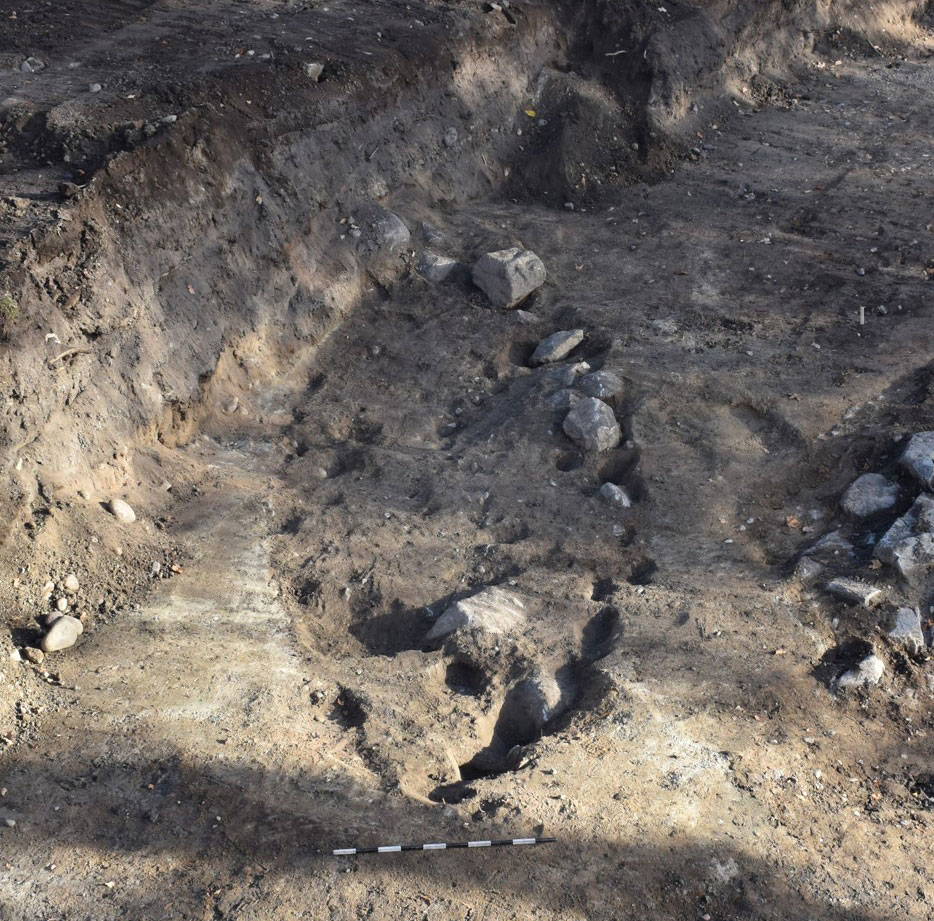
Two Viking burial ships have been discovered in Sweden
Archaeologists in Uppsala, Sweden, have discovered two Viking burial ships along with various items.
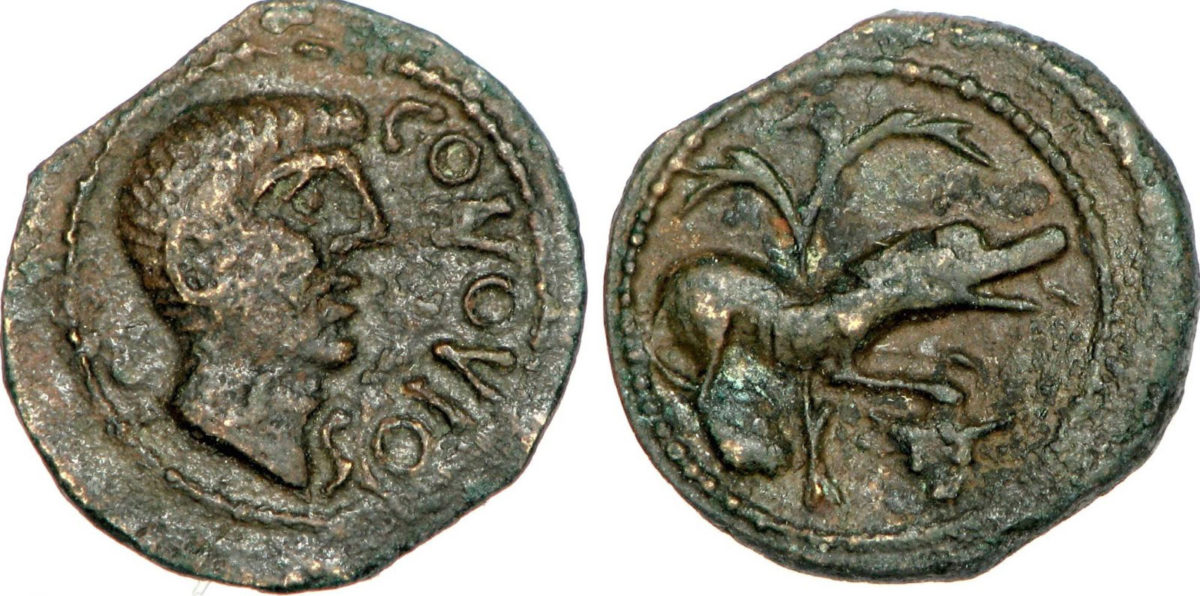
Gallic coin found in Spain confirms Roman activity at Dessobriga
A coin from southwestern Gaul found in Spain belonged to a Gallic soldier 2,000 years ago.
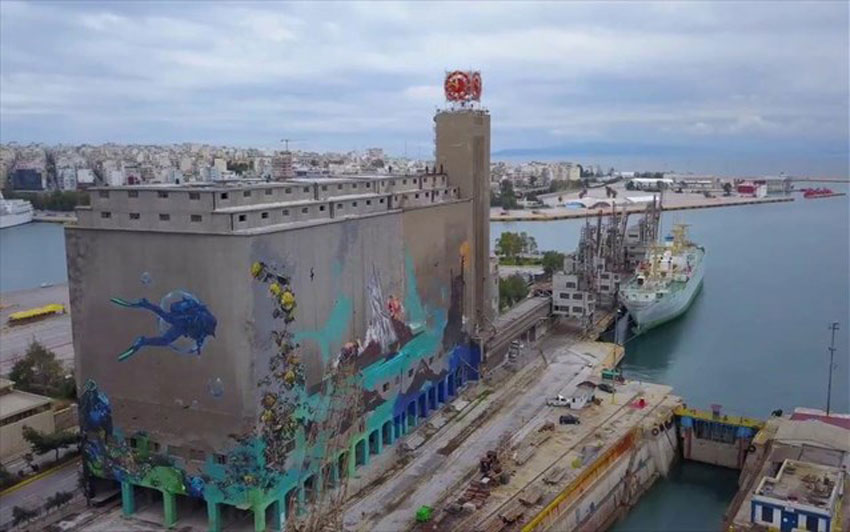
Creating a Museum of Underwater Antiquities in the SILO building
Establishing the Museum of Underwater Antiquities will contribute to the enhancement of numerous and already conserved underwater finds which to date remain in storage.
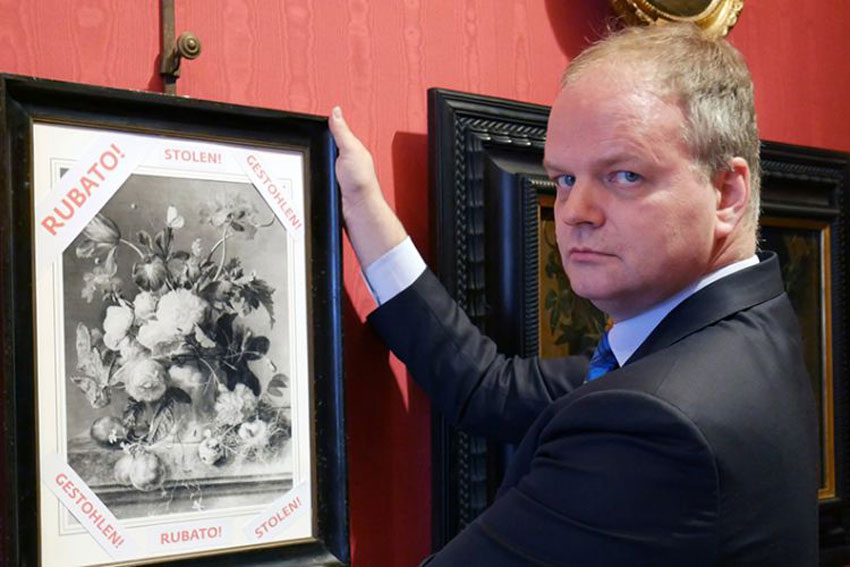
Still life painting stolen by the Nazis returns to Florence
The Italian government announced that the painting stolen by Nazi troops from the Uffizi Gallery in Florence in 1943 will be returned to where it belongs.
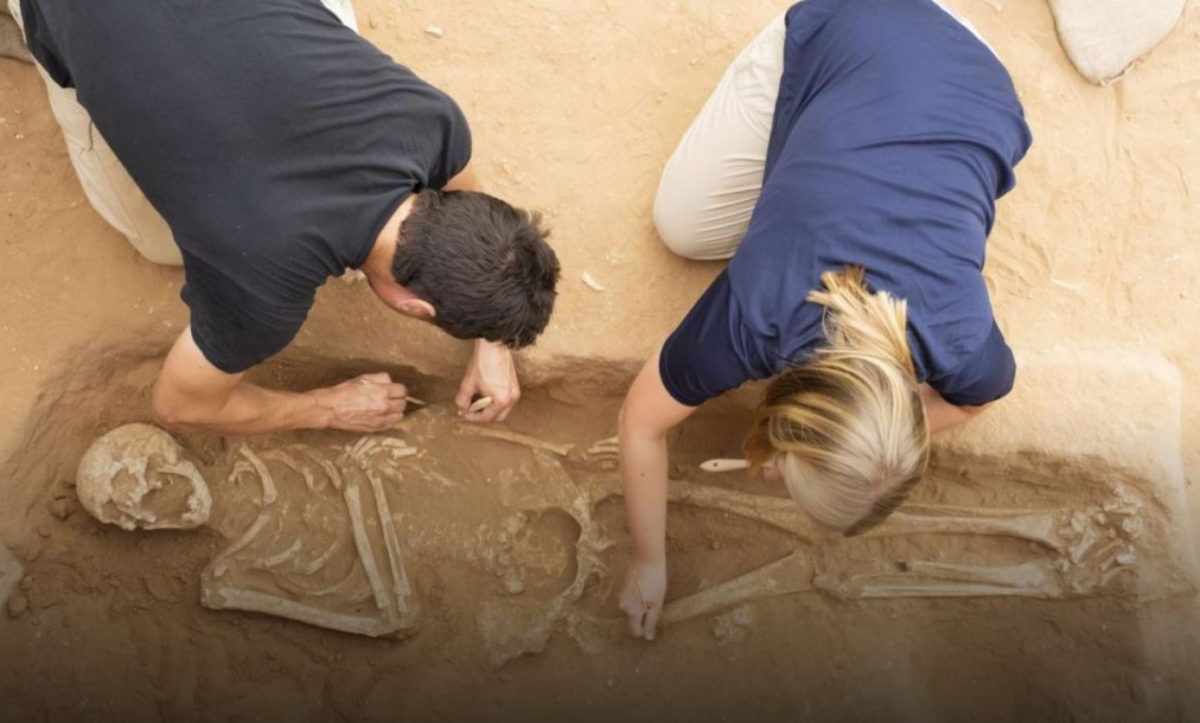
Ancient DNA sheds light on the origins of the Biblical Philistines
The research team found that a European derived ancestry was introduced in Ashkelon around the time of the Philistines’ estimated arrival.
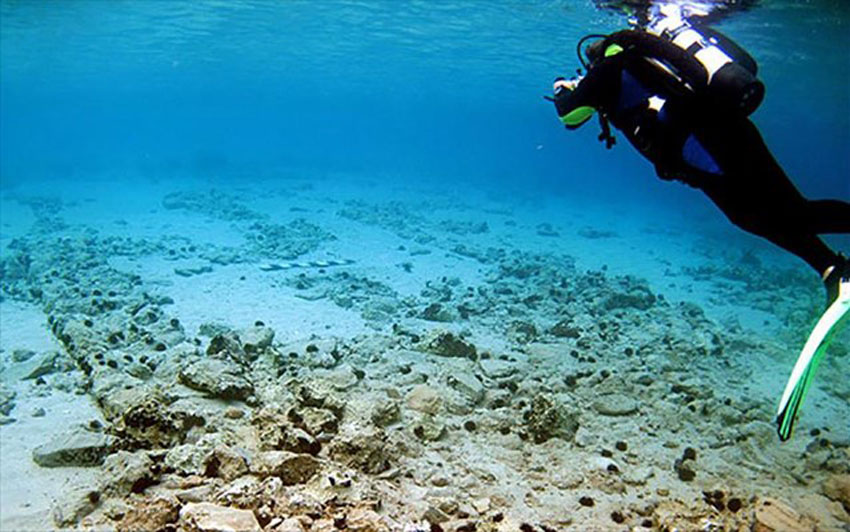
Underwater routes in the submerged prehistoric settlement at Pavlopetri
Underwater routes for swimmers over the submerged prehistoric settlement at Pavlopetri in Laconia are in the plan of the Ephorate of Underwater Antiquities (EUA), recently approved by the Central Archaeological Council. Moreover, the plan’s novelty is that it links the
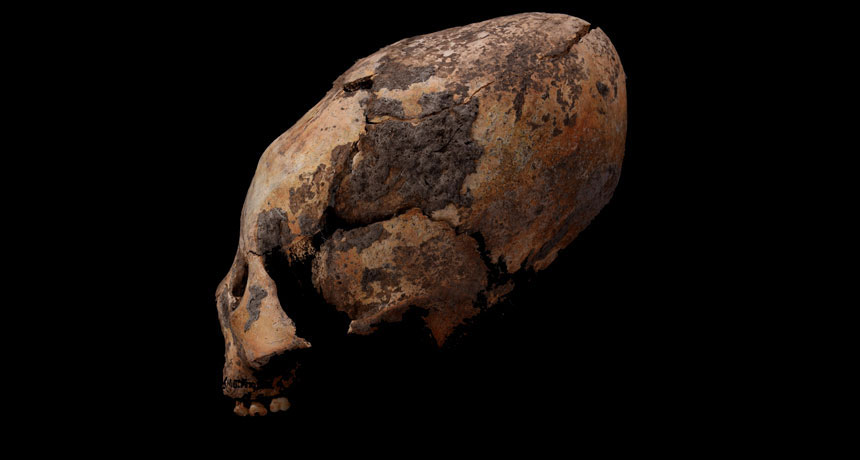
Neolithic skulls found in China were reshaped
Human skulls found in China could have been intentionally reshaped according to a new study.
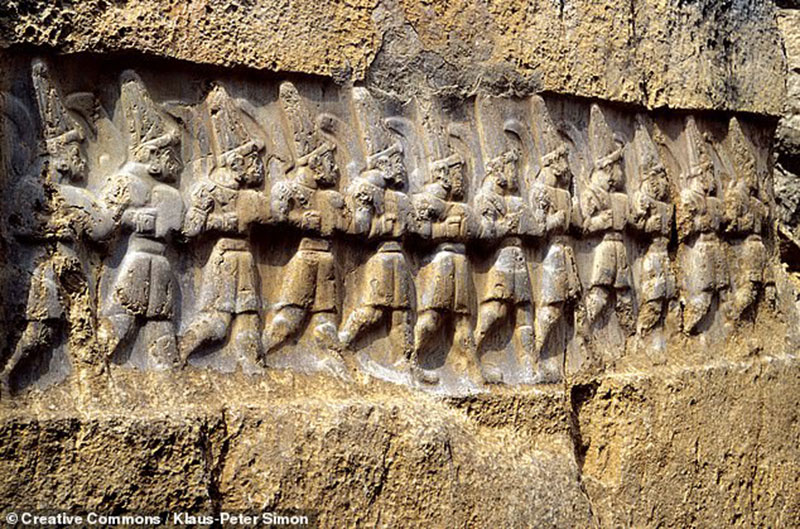
Ancient limestone carvings could be Hittite calendar
A new investigation into the rock sanctuary of Yazilikaya suggests the Hittite site had a calendrical function.

Caravaggio painting sold before being auctioned
In 2016, the French state had classified the painting as a "national treasure", preventing its sale abroad till November 2018.
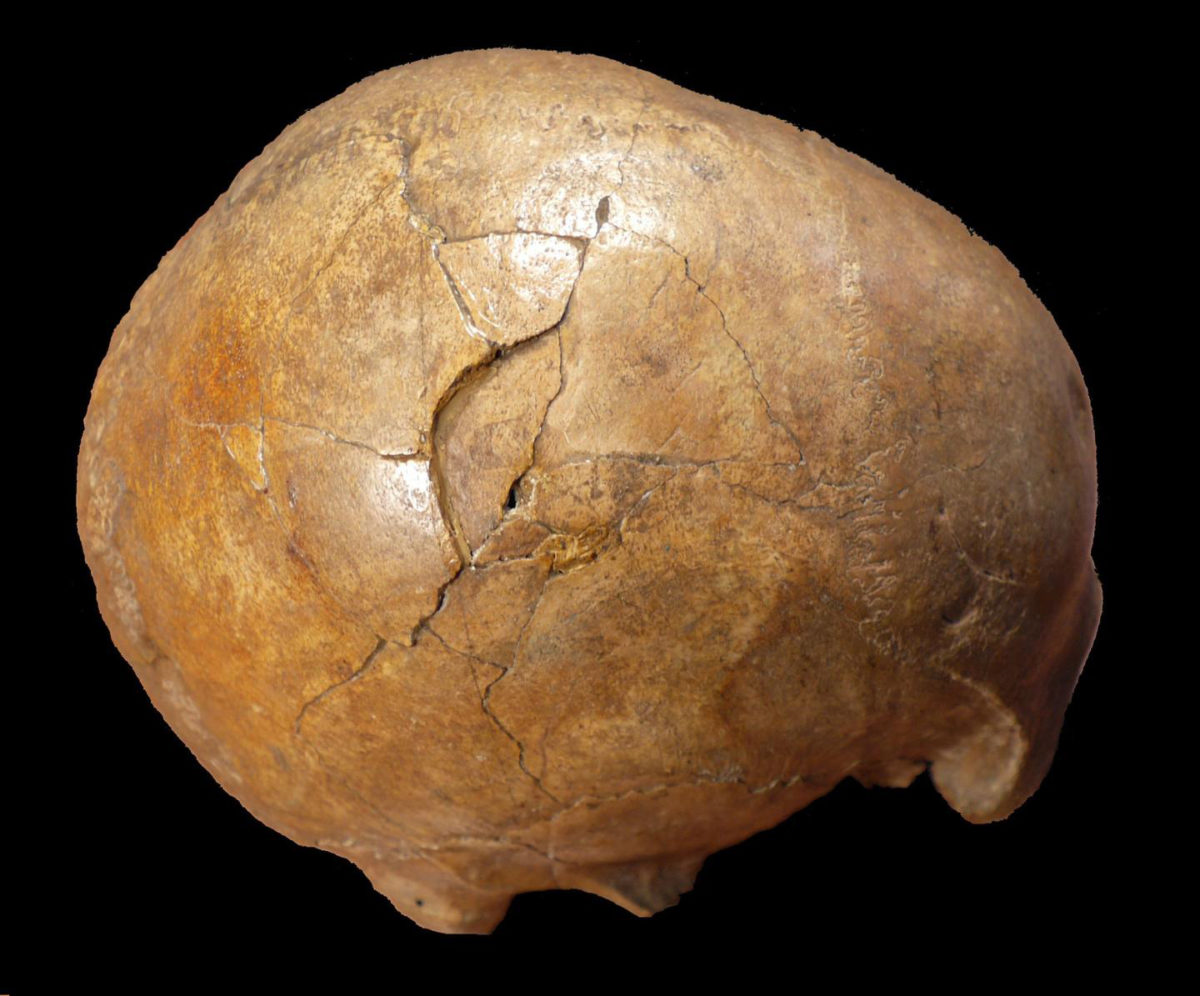
Murder in the Paleolithic?
New analysis of the fossilized skull of an Upper Paleolithic man suggests that he died a violent death, according to a study published July 3, 2019 in the open-access journal PLOS ONE.
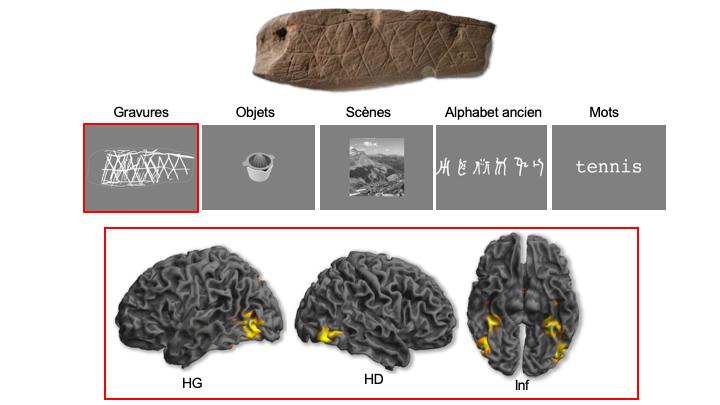
Neurosciences unlock the secret of the first abstract engravings
Scientists answer whether they are the result of unpurposive behaviour the simple desire of imitating nature or endowed with meaning.
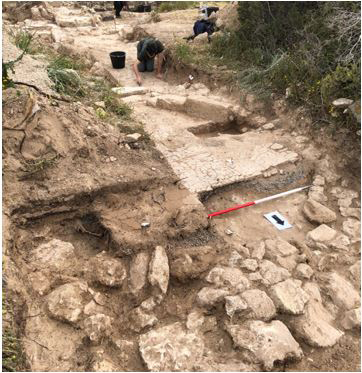
Akrotiri – Dreamer’s Bay 2019 Report
Investigations on a concentration of masonry buildings on the hilltop overlooking the shoreline structures from the north were completed, as well as further survey and sample excavations of the large complex of ancient quarries.