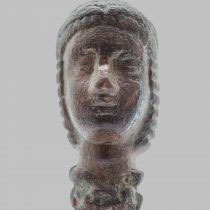
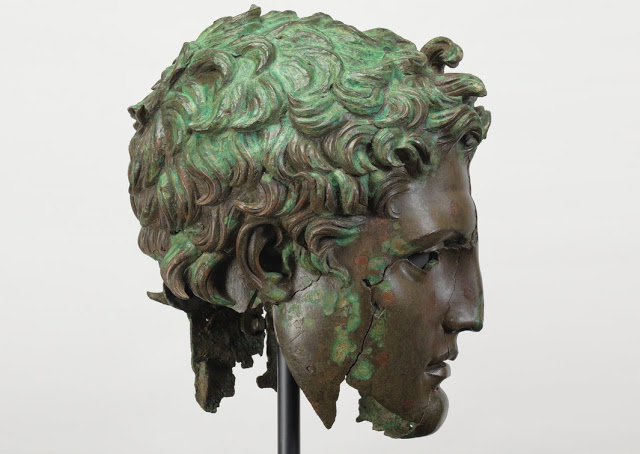
Demetrius Poliorcetes: A monumental Hellenistic bronze restored
The Museo del Prado has restored the monumental bronze head from its permanent collection and has identified the subject as Demetrius I.
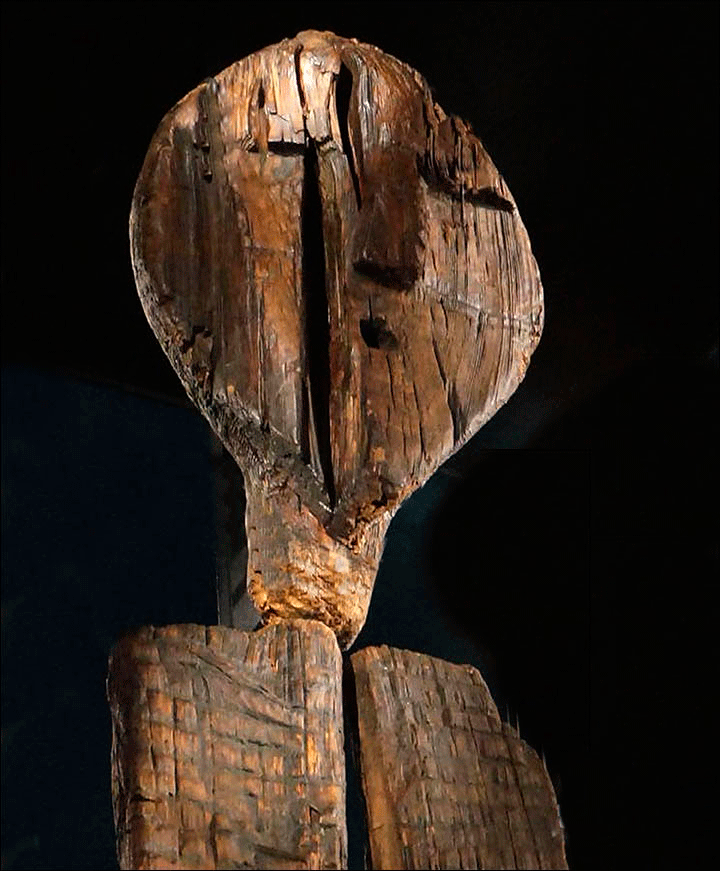
Carvings on Mesolithic idol were made with beaver jaw tool
New findings indicate that images and hieroglyphics on the Shigir Idol were carved with the jaw of a beaver.
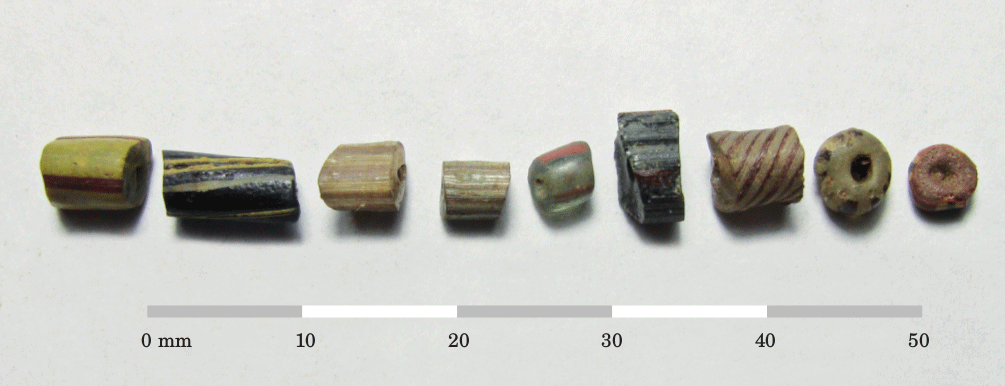
Study indicates new evidence on West Africa glassmaking history
A new study claims that glass beads discovered in West Africa were constructed locally, in contrast to what was previously thought about glassmaking in the area.
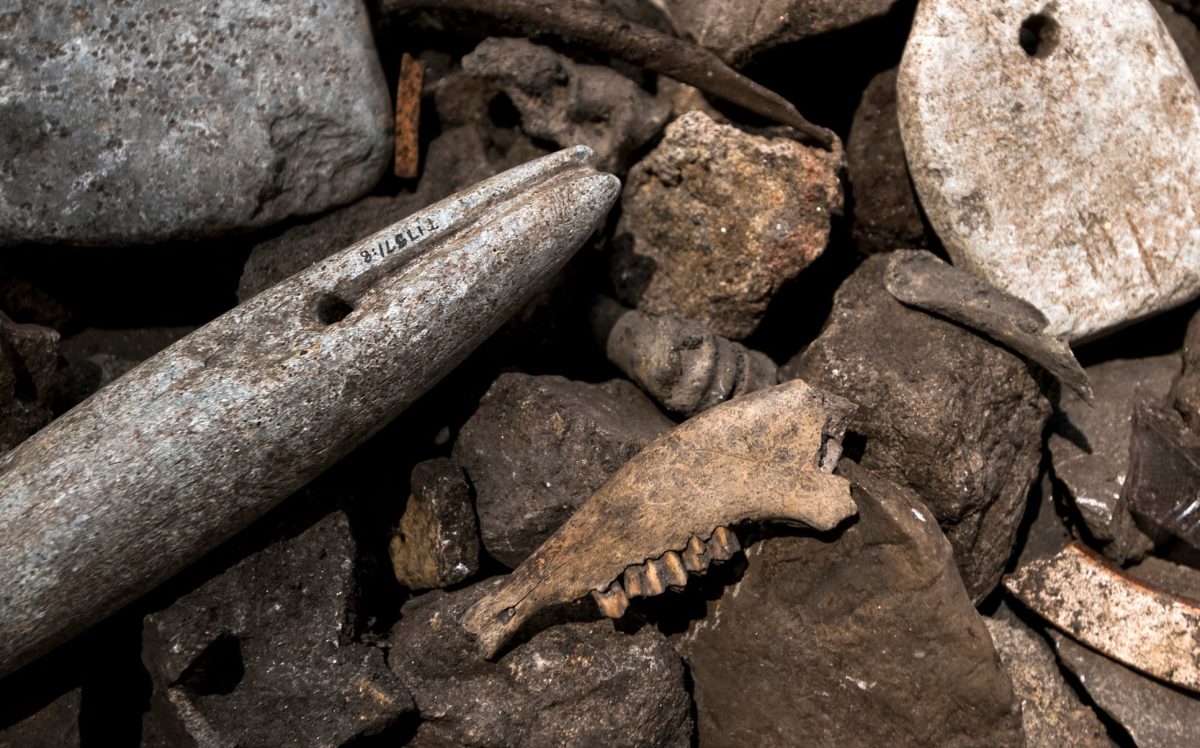
Brewing Viking beer — with stones
Ancient bones and stones from trash heaps can tell complex stories.
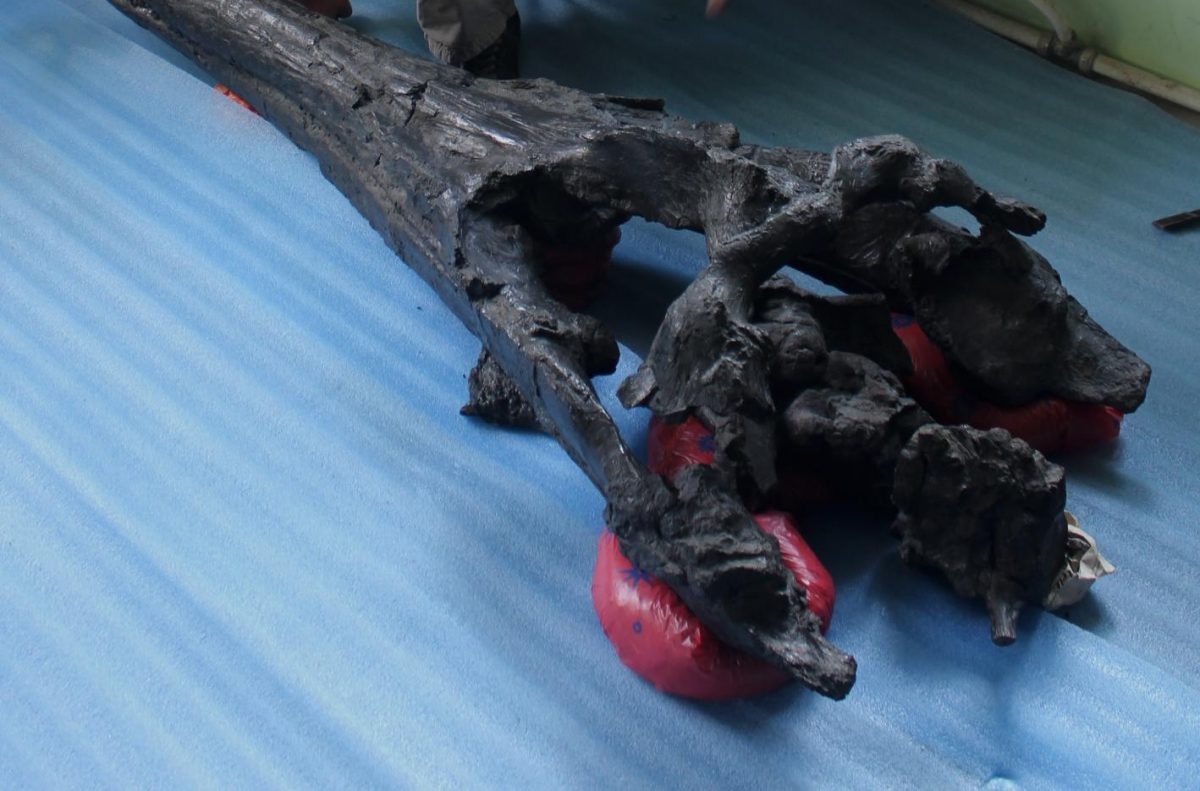
The newly discovered Russian dinosaur named after Mongolian spirit
Study and description of a new genus and species of the ancient marine reptile, called pliosaur.
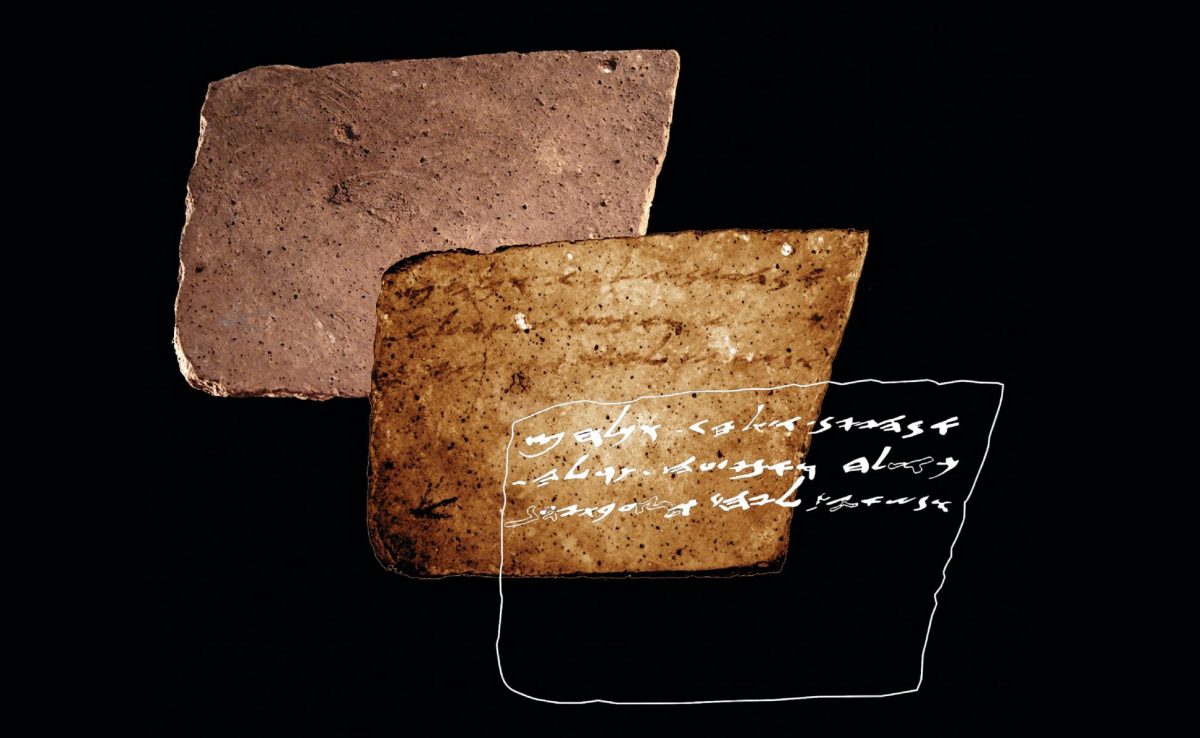
Multispectral imaging reveals ancient Hebrew inscription undetected for over 50 years
Using advanced imaging technology, Tel Aviv University researchers have discovered a hitherto invisible inscription on the back of a pottery shard that has been on display at The Israel Museum for more than 50 years.
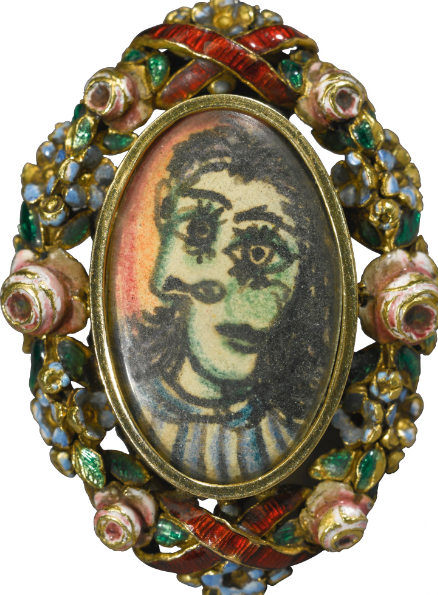
Picasso’s portrait ring for Dora Maar to be auctioned
Half a million dollars is the estimated price that the portrait ring Picasso gave to his mistress Dora Maar is going to fetch at a Sotheby’s auction next week.
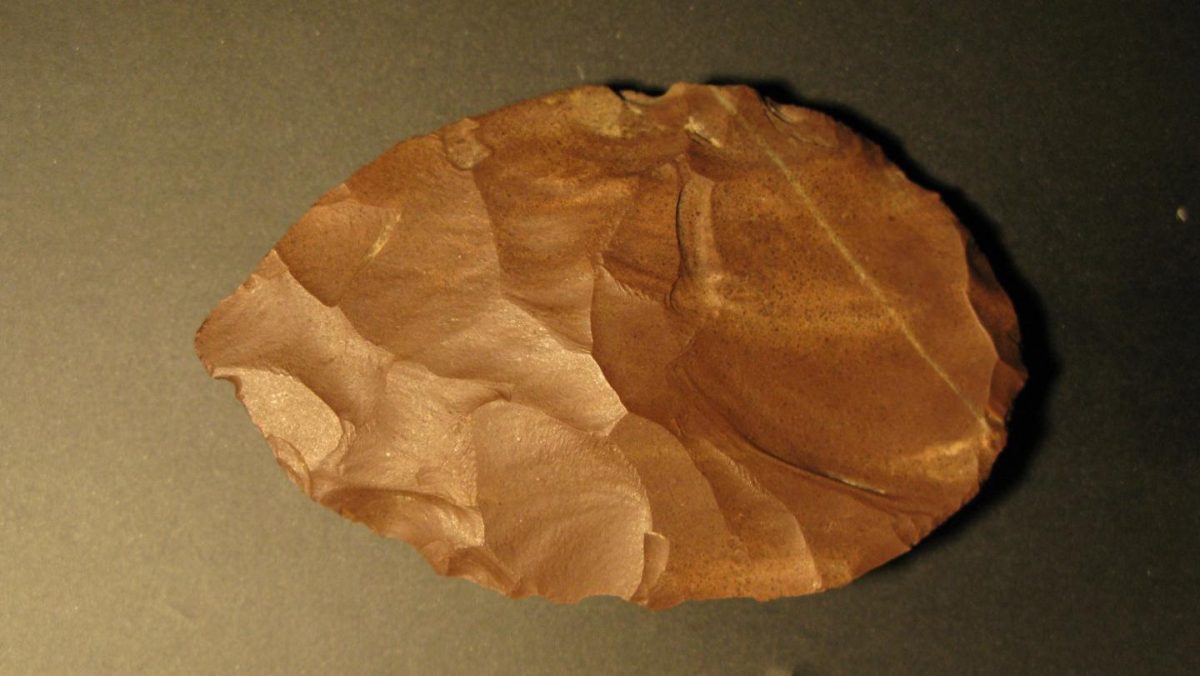
Study sheds light on Neanderthal-Homo sapiens transition
Archaeological dig provided a window into one of the most exciting periods in human history — the transition between Neanderthals and modern humans.
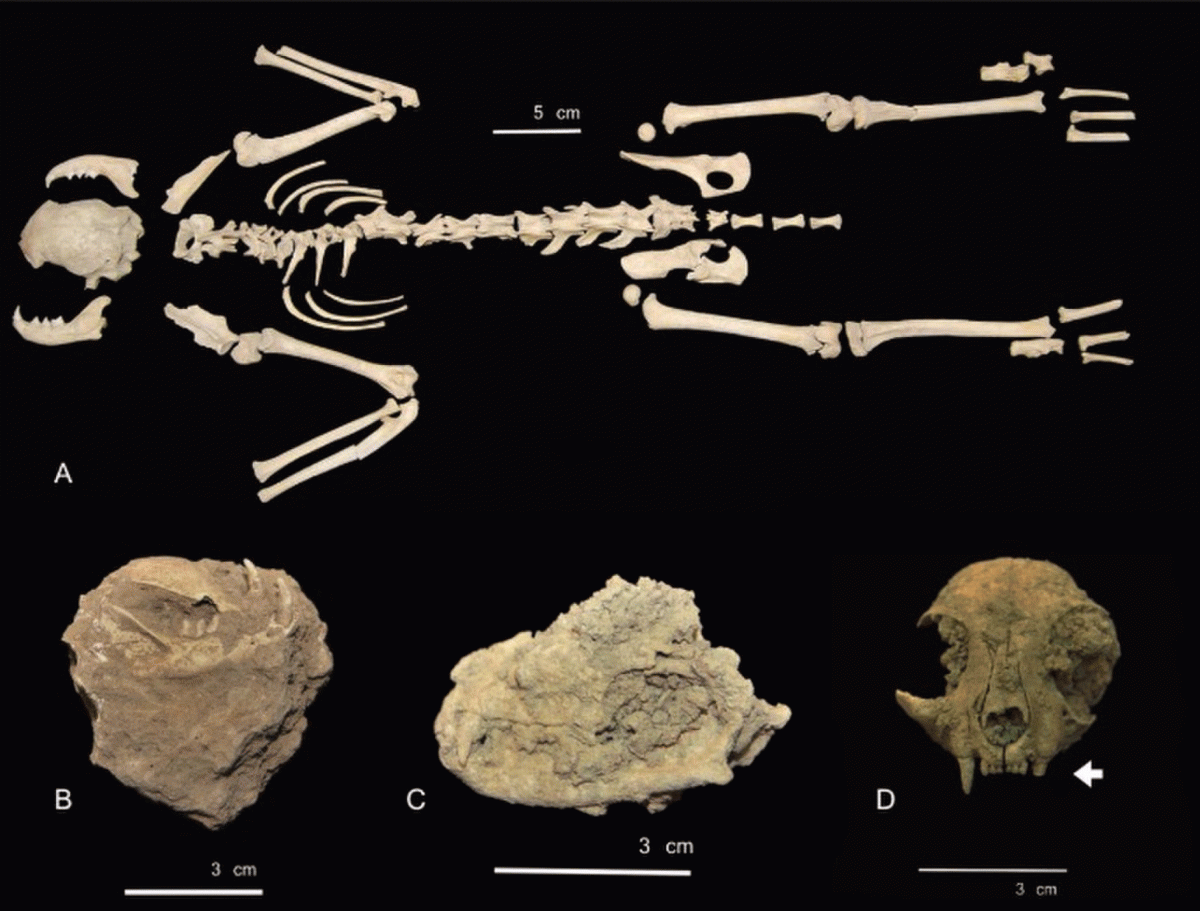
Medieval farm findings show that cat fur could have been used in pagan rites
A new study says farmers in Medieval Spain skinned cuts to use their fur in trade and pagan rituals.
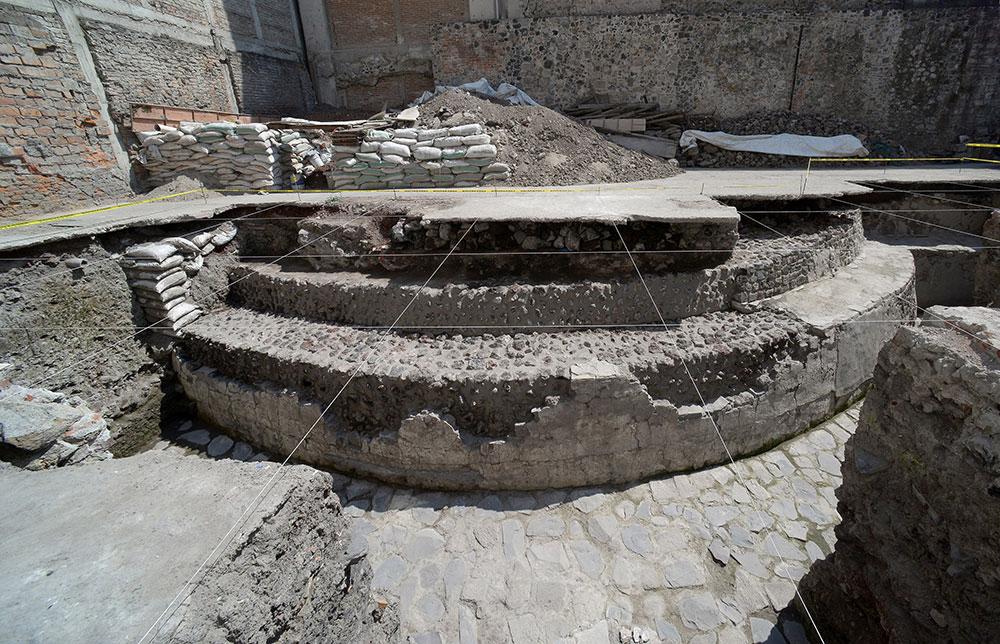
Archaeologists discover remains of ancient Aztec temple & ball court
Archaeologists have announced the discovery of a large circular temple, dedicated to the Aztec wind god Ehecatl-Quetzalcoatlin.
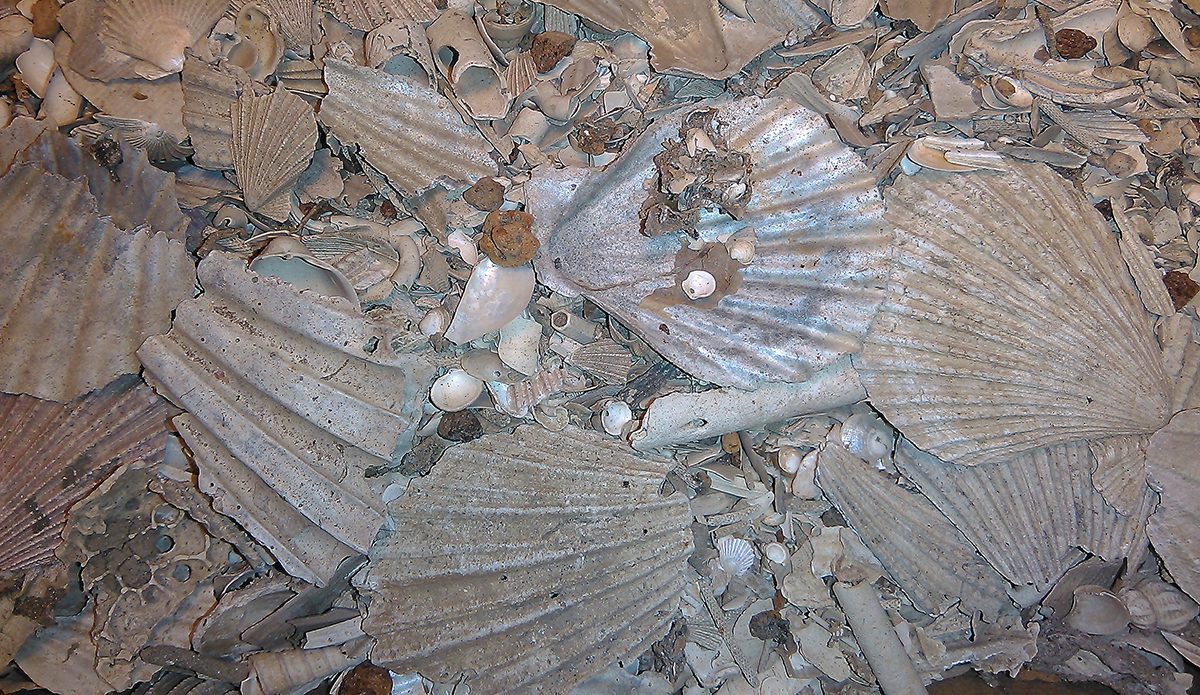
Lost ecosystem found buried in mud of southern California coastal waters
Paleontologists investigating the sea bed off the coast of southern California have discovered a lost ecosystem that for thousands of years had nurtured communities of scallops and shelled marine organisms called brachiopods.
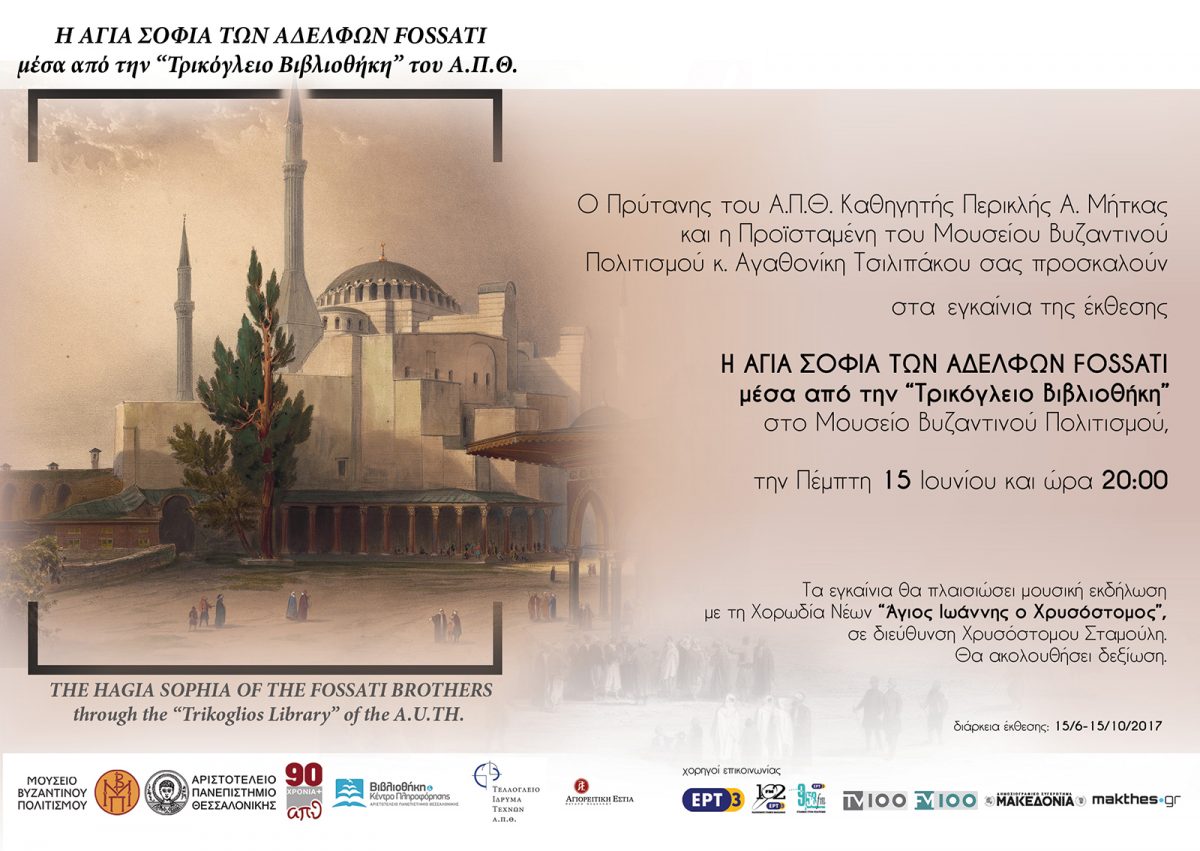
The Hagia Sophia of the Fossati brothers through the Trikoglios Library of the A.U.TH.
Opening of the temporary exhibition “The Hagia Sophia of the Fossati brothers through the Trikoglios Library of the A.U.TH.” in the Museum of Byzantine Culture, on Thursday 15 June at 8.00 pm.
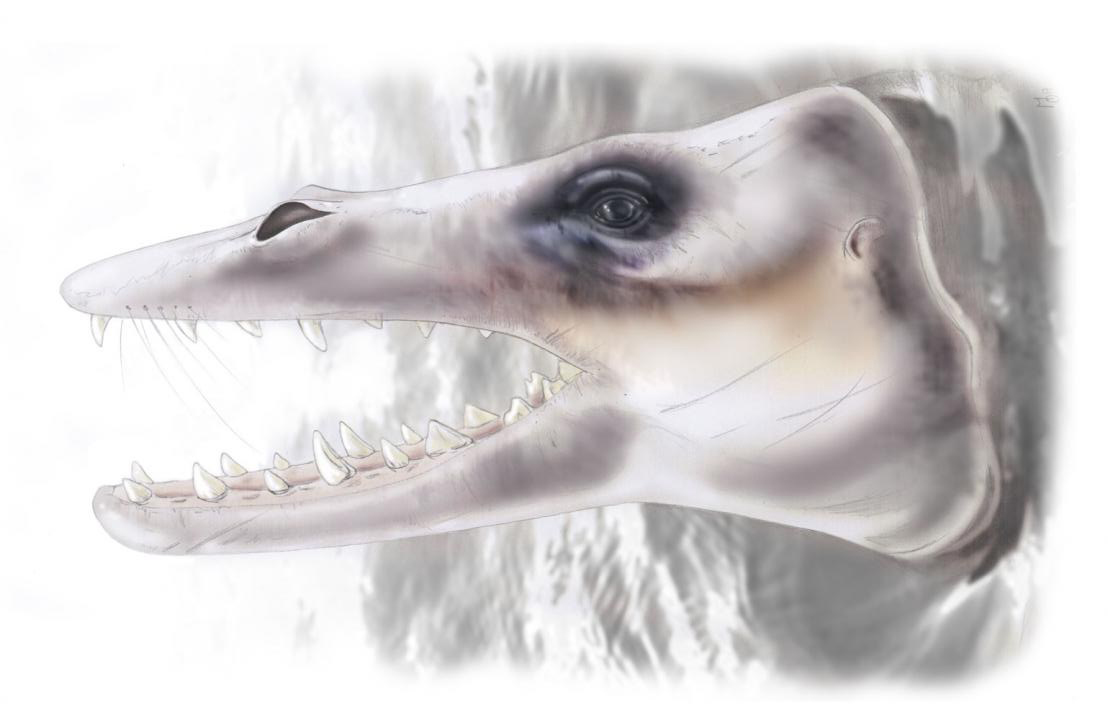
Extinct early whales listened like their relatives on land
Fossil evidence from extinct early whale species shows that differences in hearing arose only after whales evolved into the fully aquatic animals we know today.
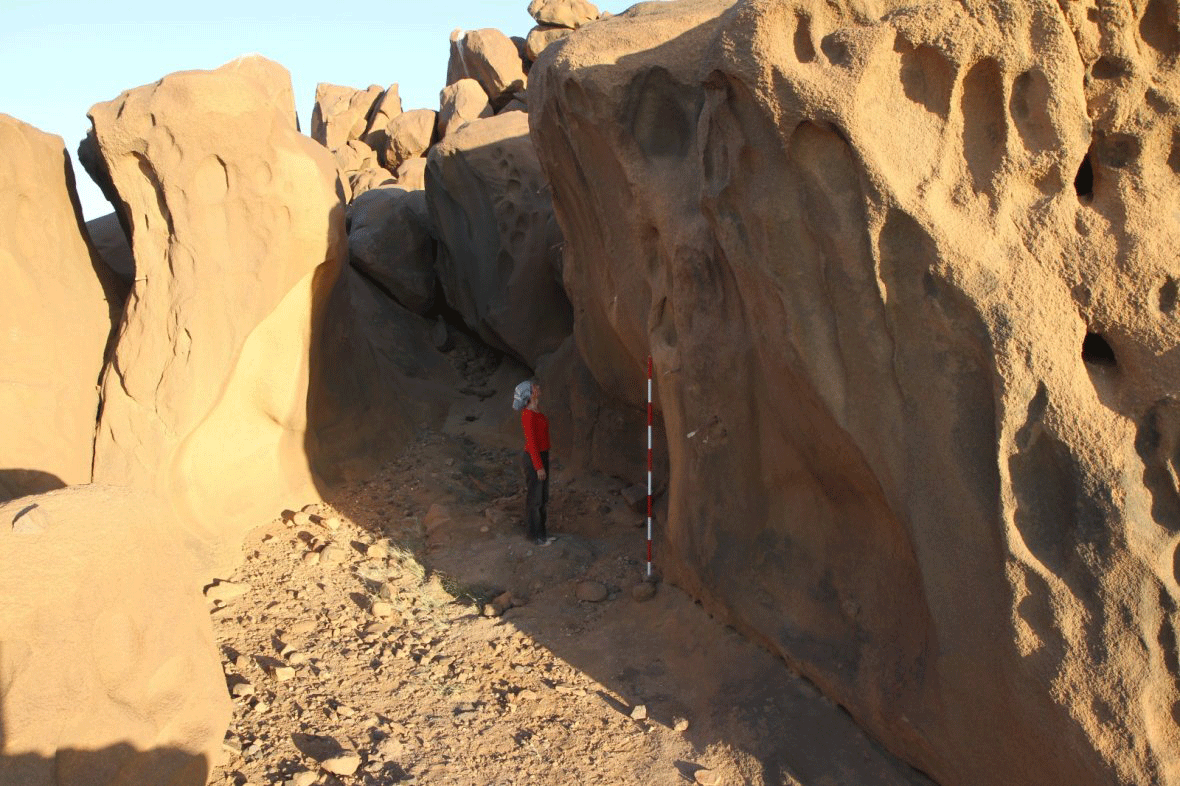
Mysterious holes in rocks in Sudan supported architectural structures
Archaeologists in central Sudan believe they have deciphered the purpose of man-made holes in rocks on the west bank of the River Nile.
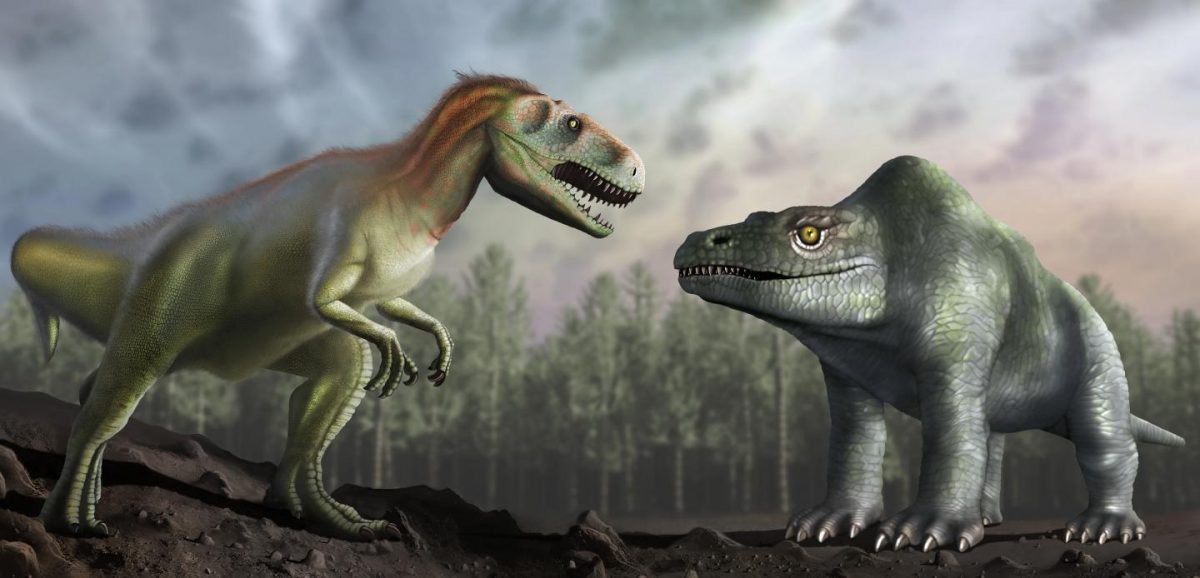
The ‘Great Lizard’ reveals new teeth with scanning tech
Pioneering technology has shed fresh light on the world’s first scientifically-described dinosaur fossil.
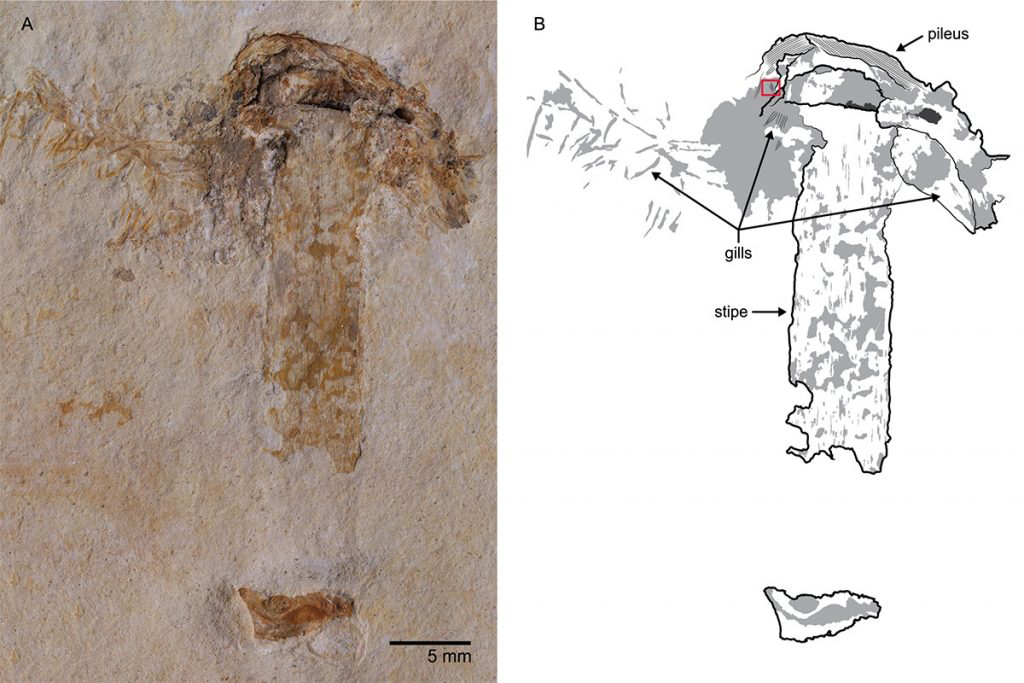
Scientists find world’s oldest fossil mushroom
Roughly 115 million years ago, when the ancient supercontinent Gondwana was breaking apart, a mushroom fell into a river and began an improbable journey.
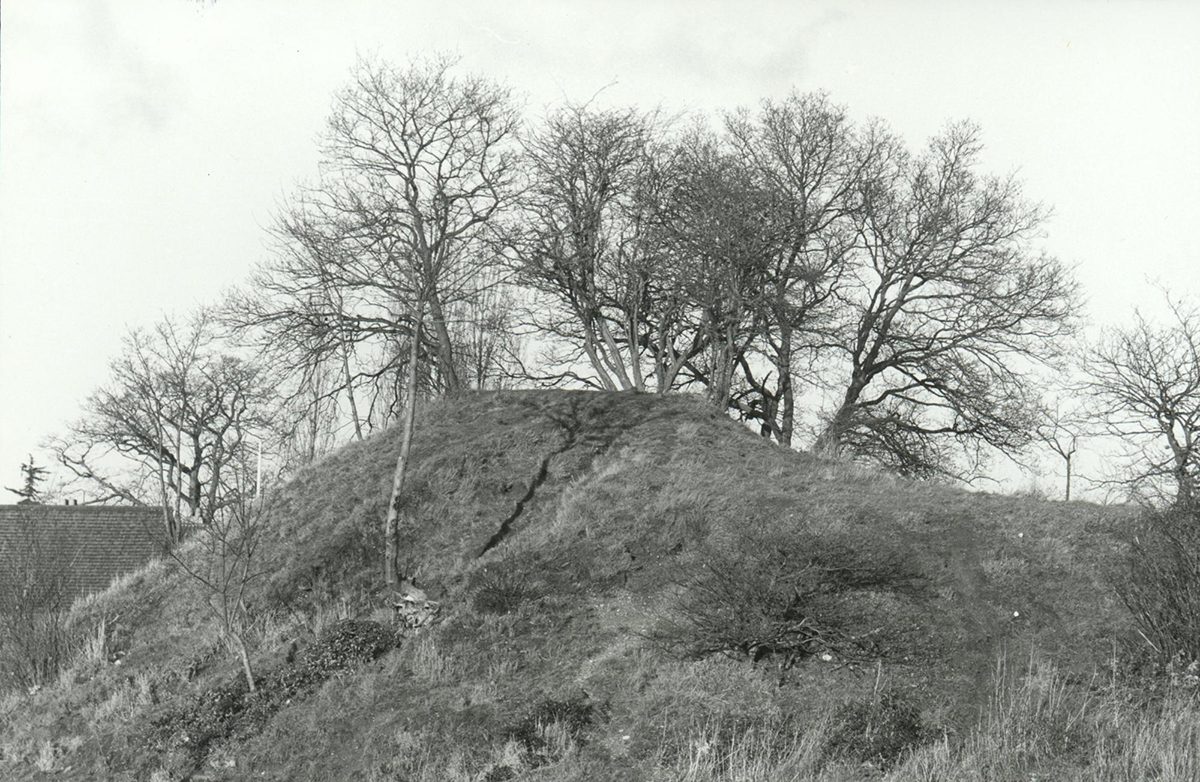
Archaeologists discover mound next to Slough car park is ‘prestigious’ Anglo-Saxon monument
Archaeologists have found that a 20-foot high mound in Slough, thought to be a Norman castle motte and for centuries the centrepiece of a bizarre Eton College ceremony, is actually a rare Saxon monument, built 1,500 years ago.
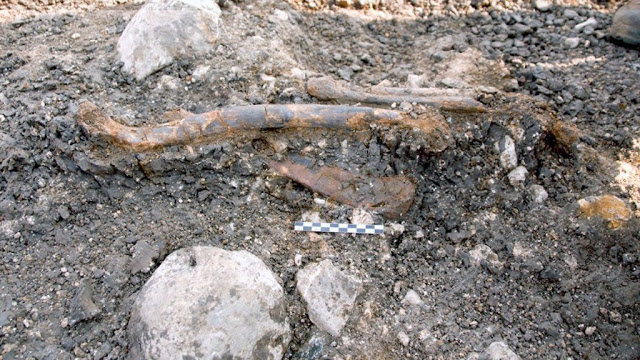
Israeli study finds Neanderthals had versatile habitats
According to this study, the Neanderthals in the Levant were a resilient population that survived successfully in the region when modern humans reached it again some 60,000 years ago.
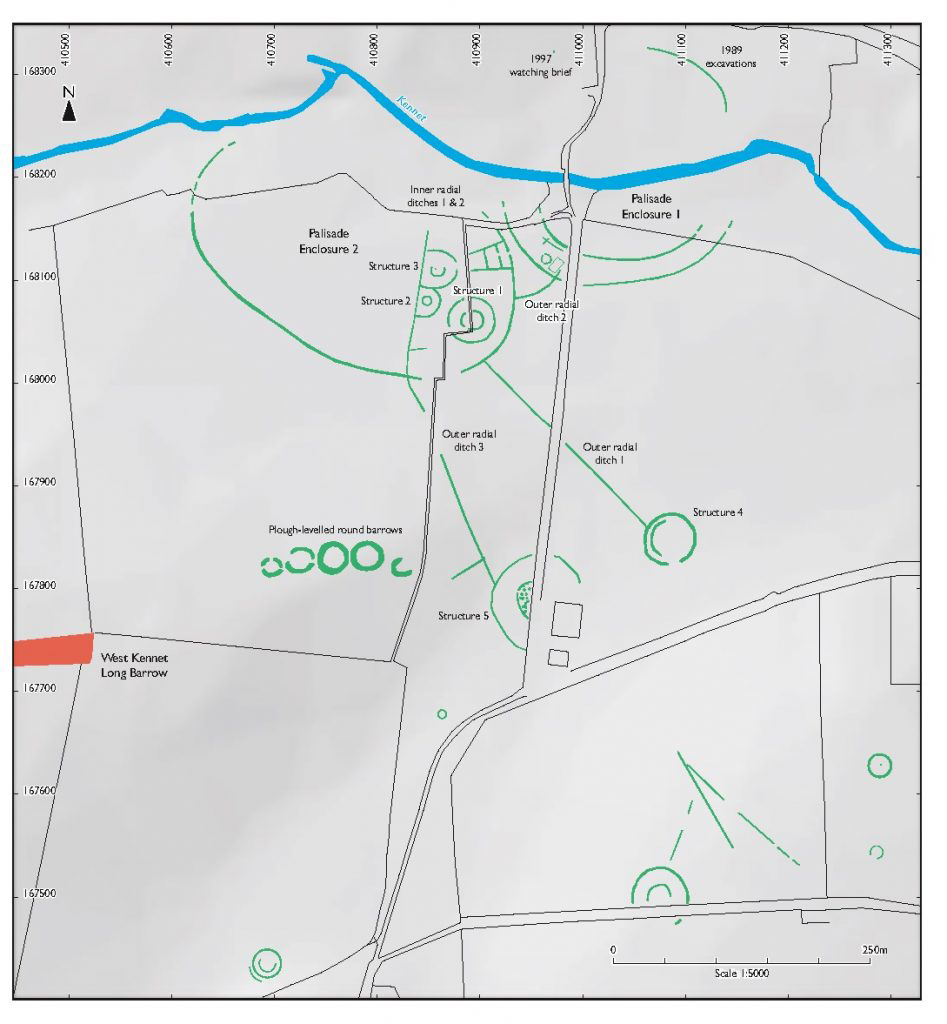
Earlier date for ancient wooden structures in West Kennet, Wiltshire
Historic England’s Scientific Dating team have been running a project on the dating of the Late Neolithic palisaded enclosures around West Kennet in Wiltshire.
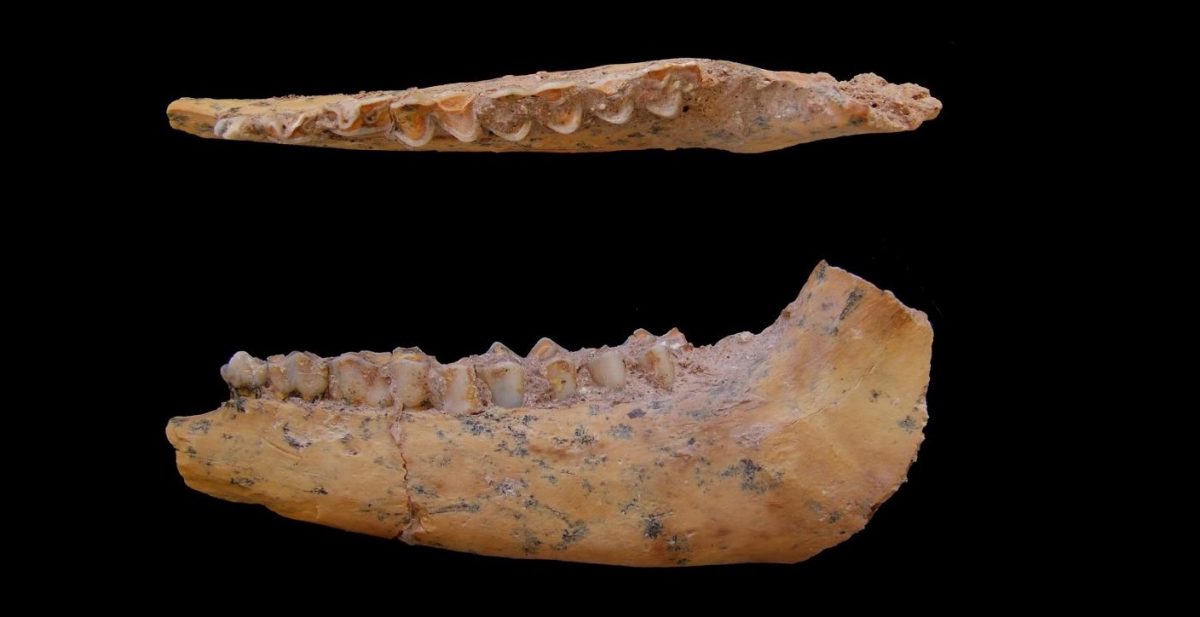
Moroccan fossils show human ancestors’ diet of game
New fossil finds from the Jebel Irhoud archaeological site in Morocco do more than push back the origins of our species by 100,000 years.
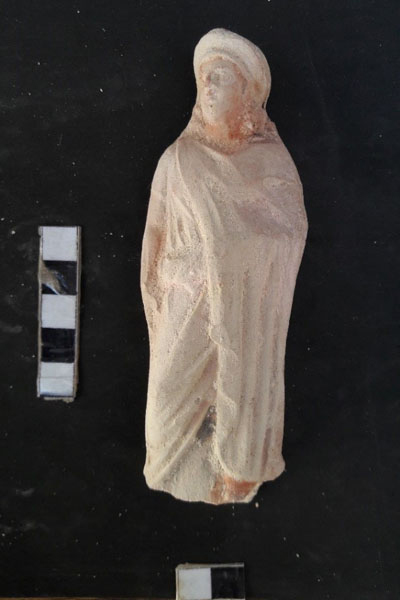
Hellenistic tomb discovered in Alexandria
Dr. Mahmoud Afifi, the Head of the Ancient Egyptian Antiquities Sector at the Ministry of Antiquities, announced the discovery of a Hellenistic tomb in El Shatby area in Alexandria city.
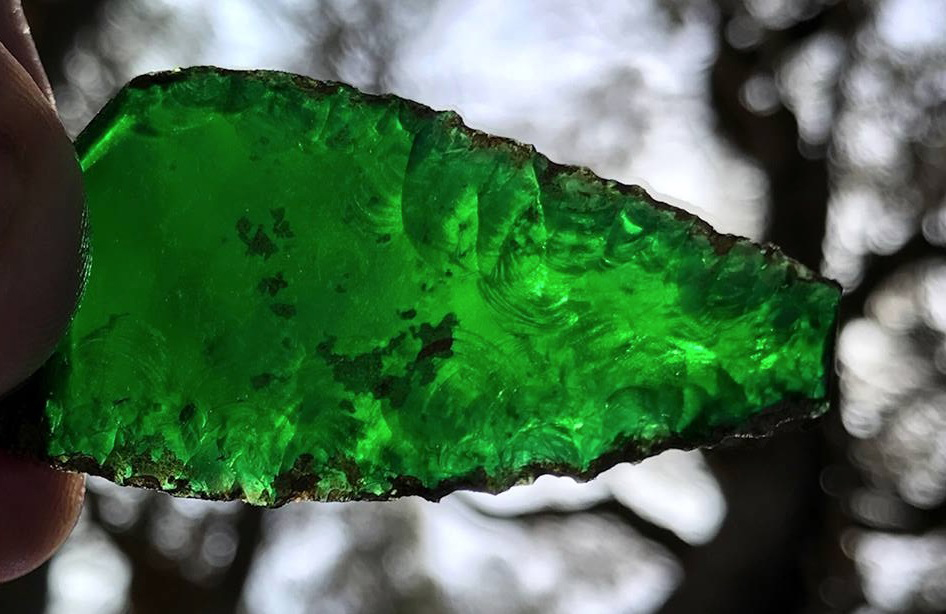
Rare glass spearhead found on Rottnest Island
During a University excursion on Rottnest Island a student found a spectacular emerald green glass spearhead.
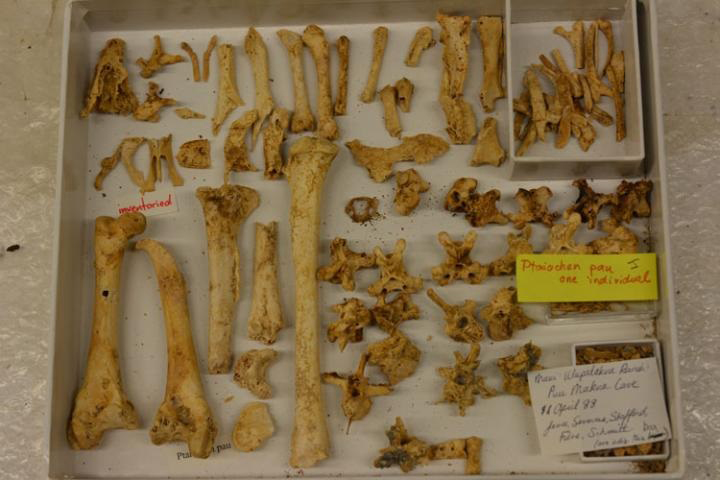
Which extinct ducks could fly?
A new study from The Auk: Ornithological Advances takes a fresh approach, classifying species as flightless or not based on how far their skeletal proportions deviate from the expected anatomy of a flying bird.
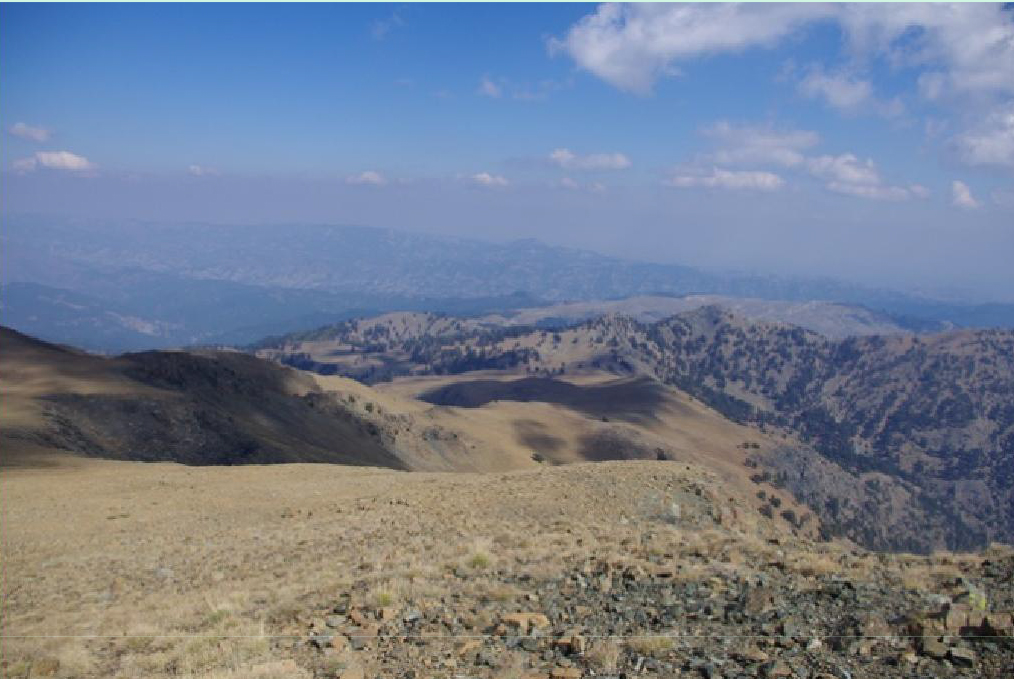
Middle Palaeolithic highland zone exploitation – Western Macedonia
Paolo Biagi (University Ca' Foscari, Venice) and Nikos Efstratiou (Aristotle University of Thessaloniki) will be the speakers of this academic year's last Palaeolithic Seminar.