
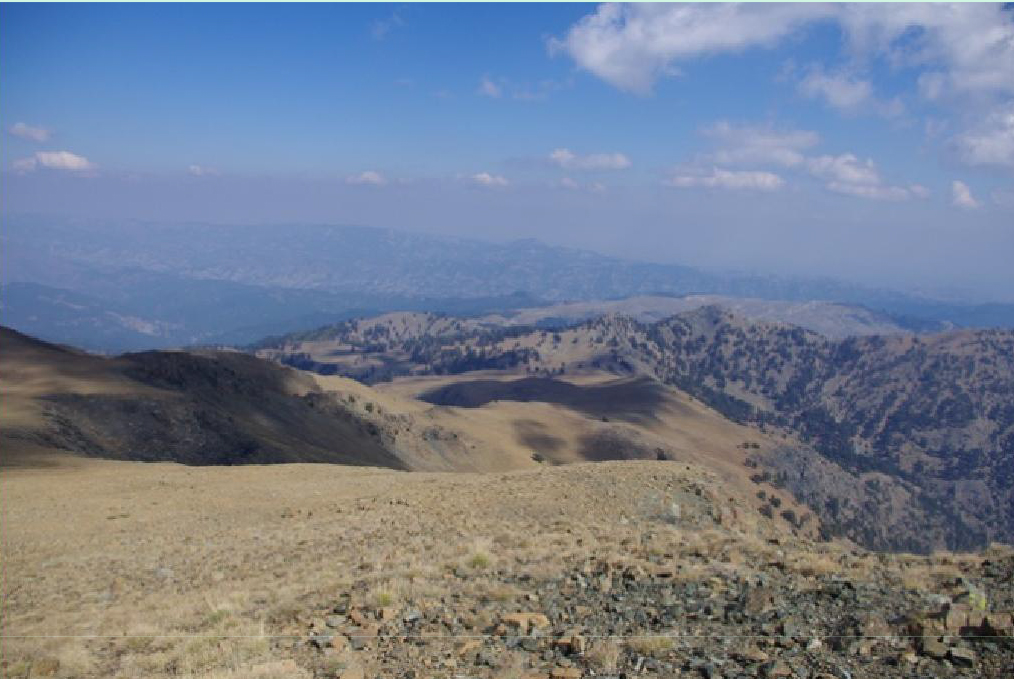
Middle Palaeolithic highland zone exploitation – Western Macedonia
Paolo Biagi (University Ca' Foscari, Venice) and Nikos Efstratiou (Aristotle University of Thessaloniki) will be the speakers of this academic year's last Palaeolithic Seminar.

Ancient grain tells the tale of our ancestors’ cities
Archaeological digs in the Middle East have revealed the remains of ancient harvests that record how some of the world’s earliest cities grew and developed.
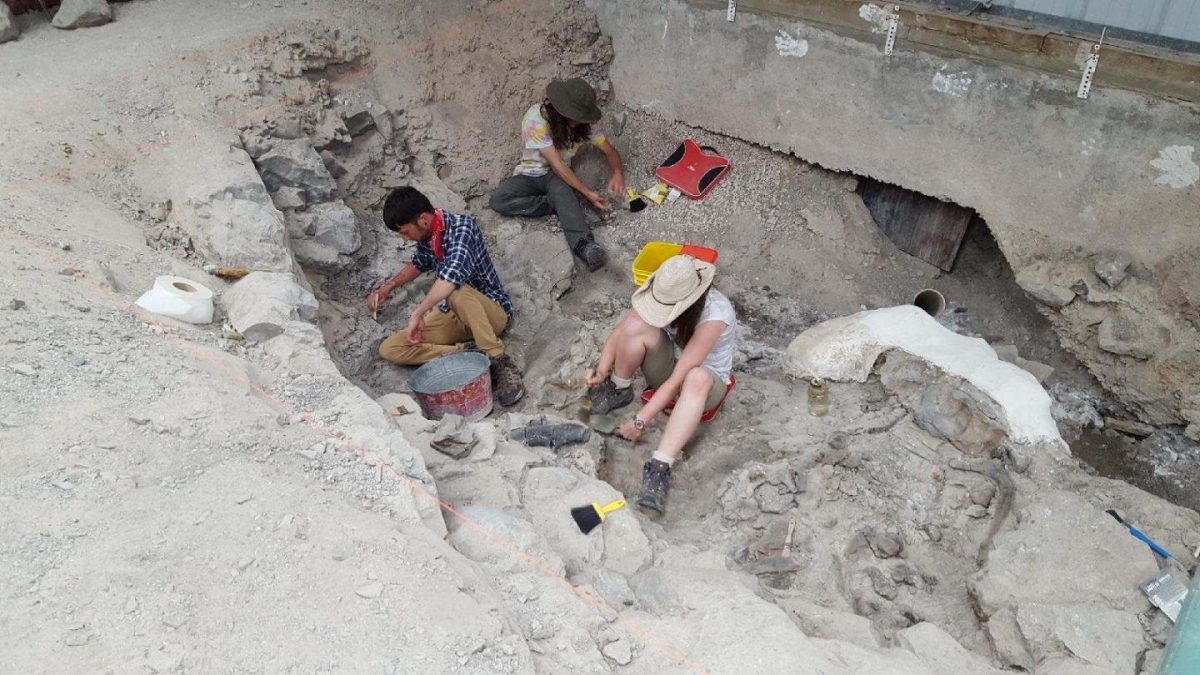
New data for old bones: How the famous Cleveland-Lloyd dinosaur bone bed came to be
The new hypothesis helps paleontologists understand the setting of the quarry, and to begin to unravel the mystery that led to this unique, Allosaurus-dominated bone bed.
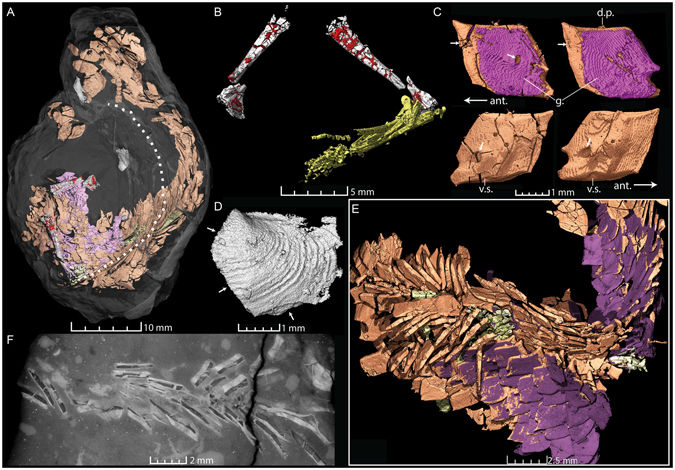
3D-modelling shows food residues in 230 million year old fossil faeces
Synchrotron scanning can produce high-quality 3D models of well-preserved food residues from fossil faeces.
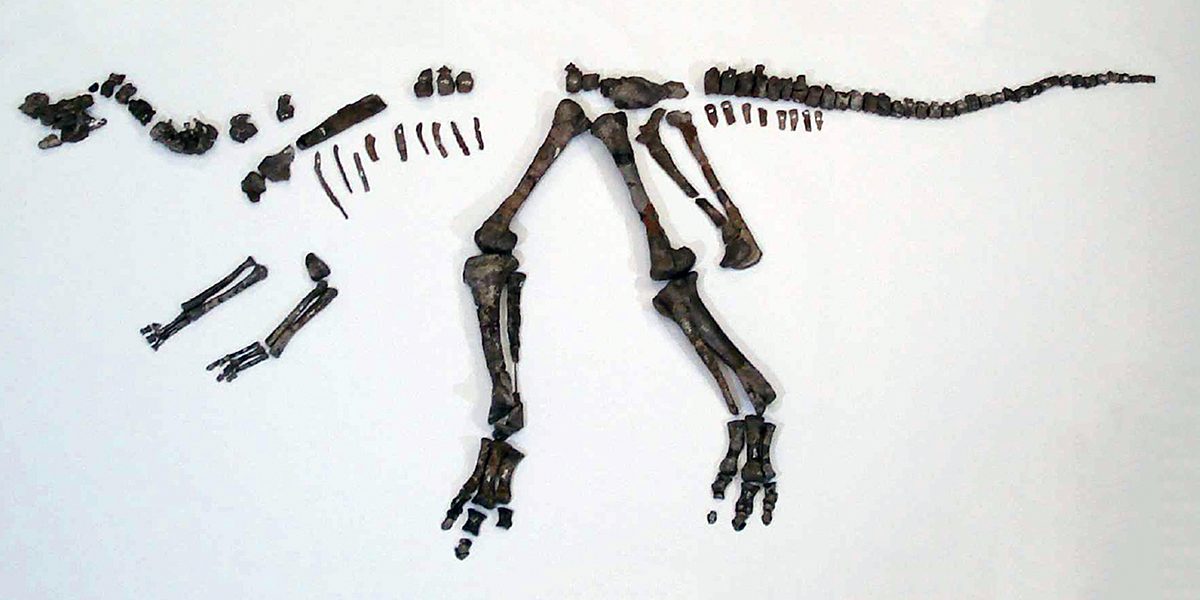
Unraveling the mysteries of Nipponosaurus
The complete skeleton of an 8-meter-long dinosaur has been unearthed from marine deposits dating back 72 million years at Japan’s northern island of Hokkaido.

The Cyprus Institute Graduate School Summer 2017 Internship Program
Through this program, CyI aims to expose young talented scholars to an international laboratory experience and to encourage and inspire them in the pursuit of a scientific career.
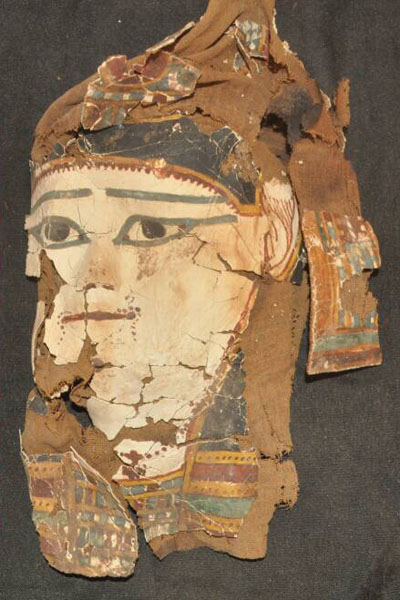
Ten Late Period tombs revealed in Aswan
Ten Late Period tombs have been uncovered near the Aga Khan Mausoleum on the west bank of Aswan during the excavation work carried out by an Egyptian archaeological mission from the Ministry.
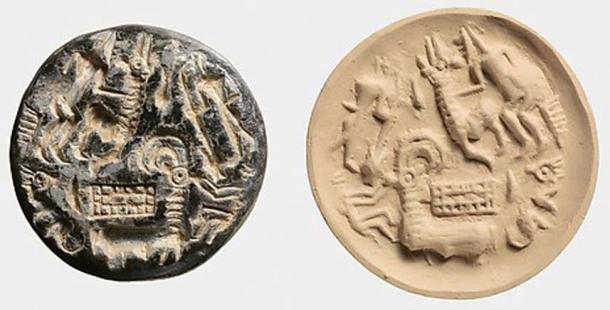
Bronze Age trading post found on Sir Bani Yas island
Inside a stone-constructed building at a site on the island’s south-west coast a number of fragmentary large jars were found.
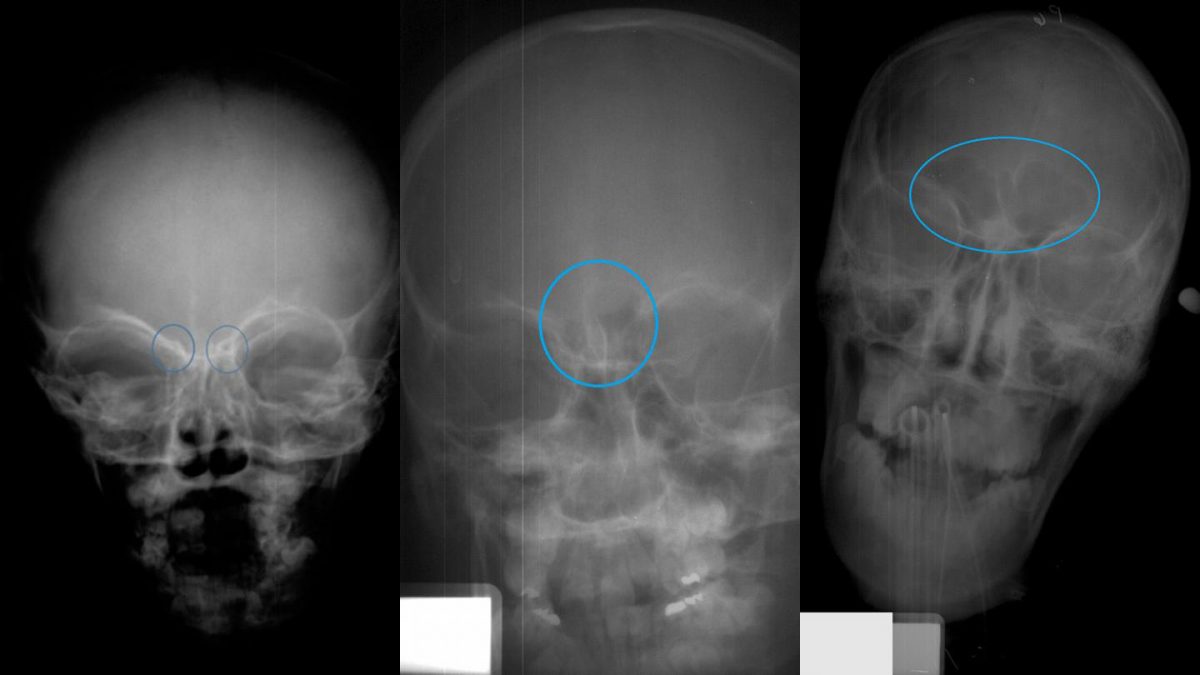
Forensic technique uses forehead X-rays to assess age of juvenile remains
An approach which should be particularly valuable when working with incomplete remains.

Rice first domesticated in China at about 10,000 years ago
Rice, one of the world's most important staple foods sustaining more than half of the global population, was first domesticated in China about 10,000 years ago, a new study suggested Monday.
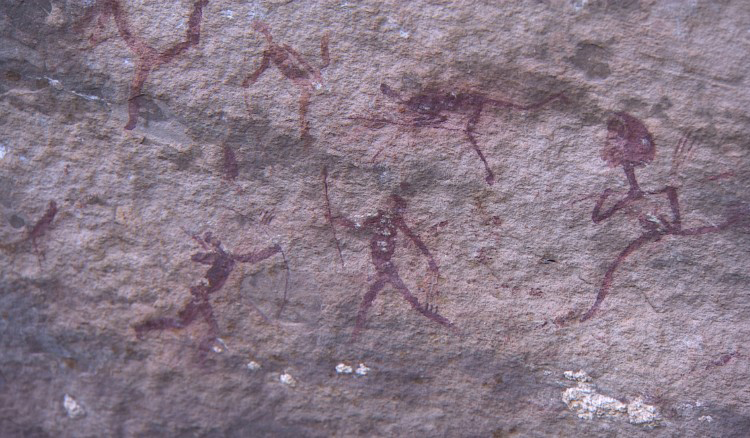
New research reveals earliest directly dated rock paintings from southern Africa
Experts showed that paintings in south-eastern Botswana are at least 5500 years old, whilst paintings in Lesotho and the Eastern Cape Drakensberg, South Africa, date as far back as 3000 years.
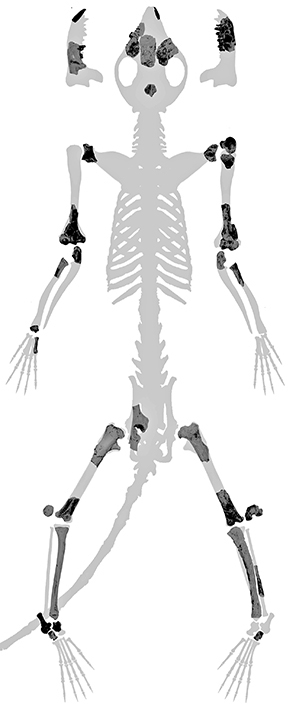
Fossil skeleton confirms earliest primates were tree dwellers
Study supports the hypothesis that plesiadapiforms, which first appear in the fossil record shortly after the extinction of non-avian dinosaurs, were the earliest primates.
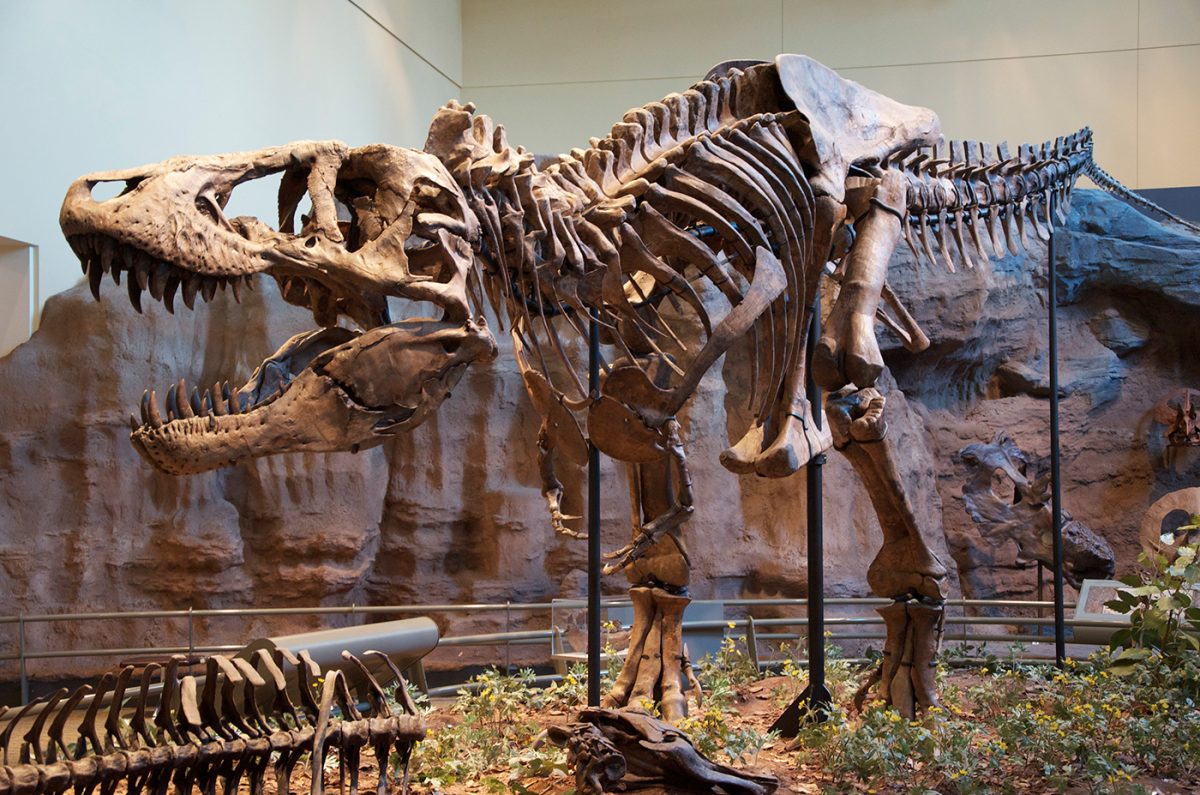
Collagen from a Tyrannosaurus rex bone proves Jurassic Park will never exist
Palaeontologists at the University of Manchester have definitively proven there will never be a Jurassic Park after re-analysing collagen from a Tyrannosaurus rex bone discovered more than a decade ago.

Sensing Divinity: Incense, religion and the ancient sensorium
This conference will explore the history of a medium that has occupied a pivotal role in Mesopotamian, Greek, Roman and Judeo-Christian religious tradition: incense.
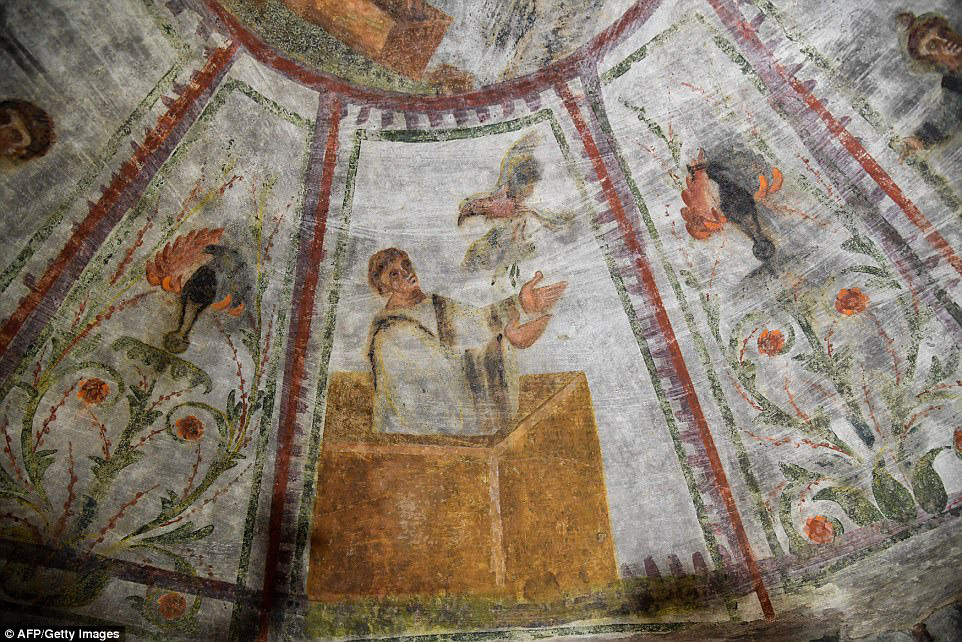
New Christian frescoes revealed in Rome’s biggest catacomb
A seven-year restoration of two underground burial rooms at the Catacombs of Domitilla, close to the Appian Way, has been completed on Tuesday.
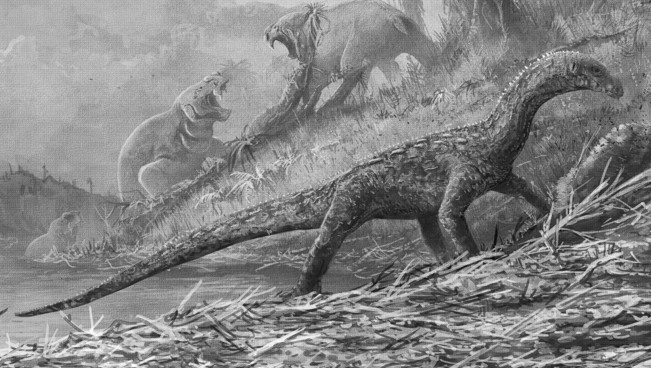
Paleobiologists make intriguing new discoveries about dinosaurs’ ancestors
An international group of researchers has discovered that the most ancient dinosaurs' ancestors were quadrupedal.
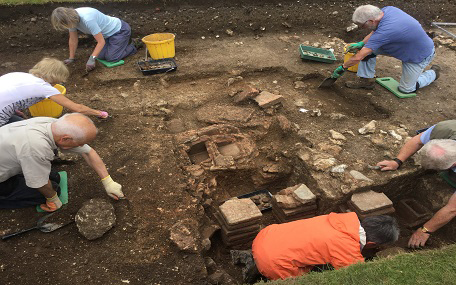
Private Roman bath house is found under city park
A private Roman bath house, belonging to the richest Romans in Chichester, has been unearthed in one of the city's parks.
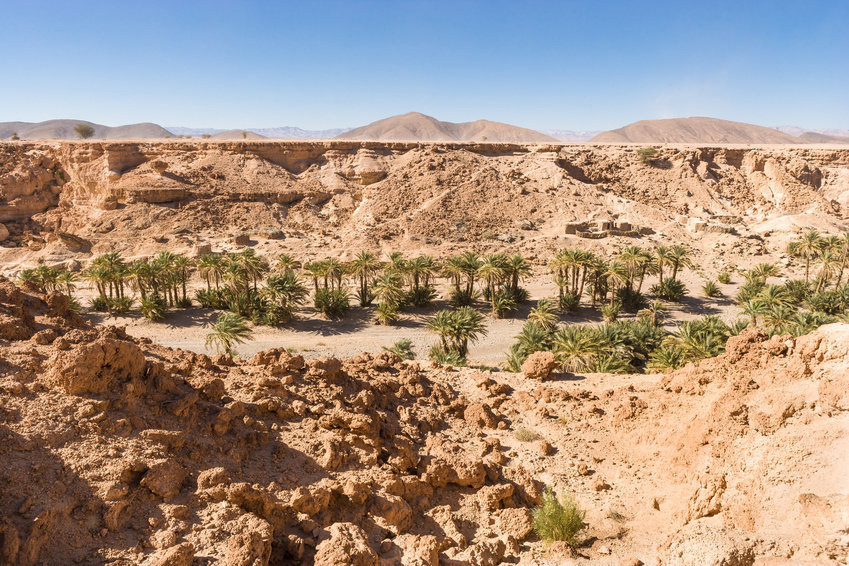
Groundwater ‘pit stops’ enabled survival and migration of our ancient ancestors
New study reveals the importance of African groundwater in kick-starting the evolutionary history of humans.
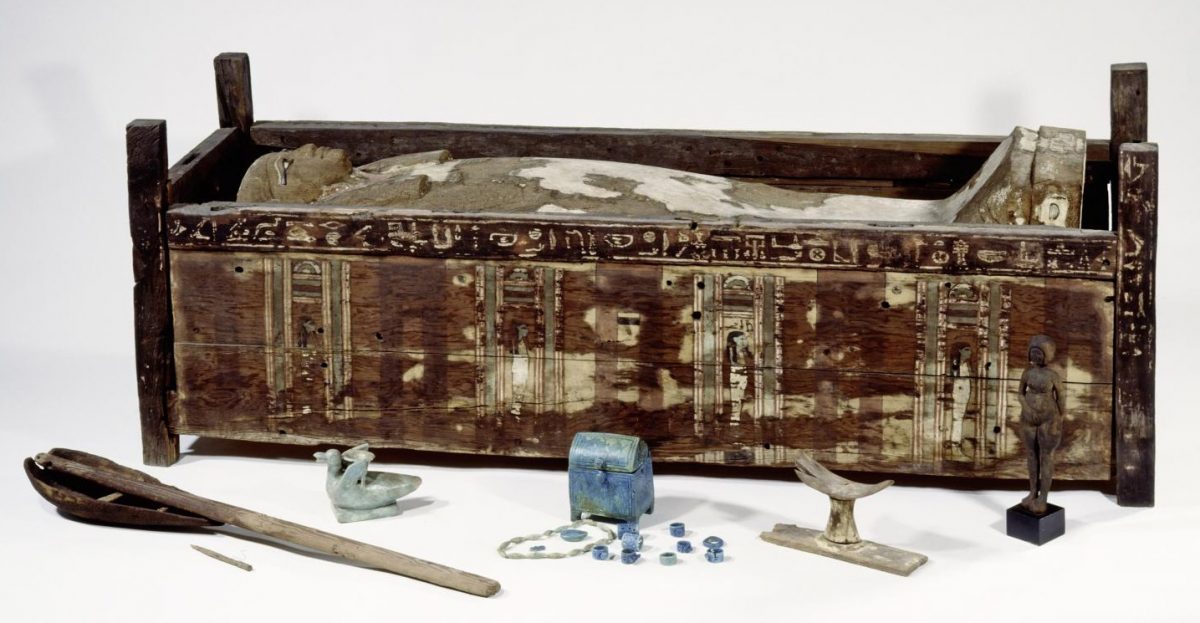
The first genome data from ancient Egyptian mummies
The study found that modern Egyptians share more ancestry with Sub-Saharan Africans than ancient Egyptians did, whereas ancient Egyptians were found to be most closely related to ancient people from the Near East.
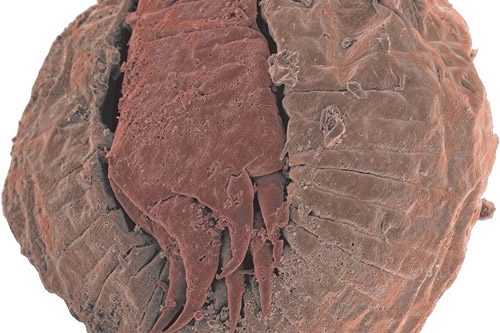
Just how old are animals?
Our oldest ancestor might have existed around 1.5 billions of years ago, a date that is almost three-times as old as the oldest fossil evidence of animal life.
Solving the puzzle of when the first humans arrived in the Americas
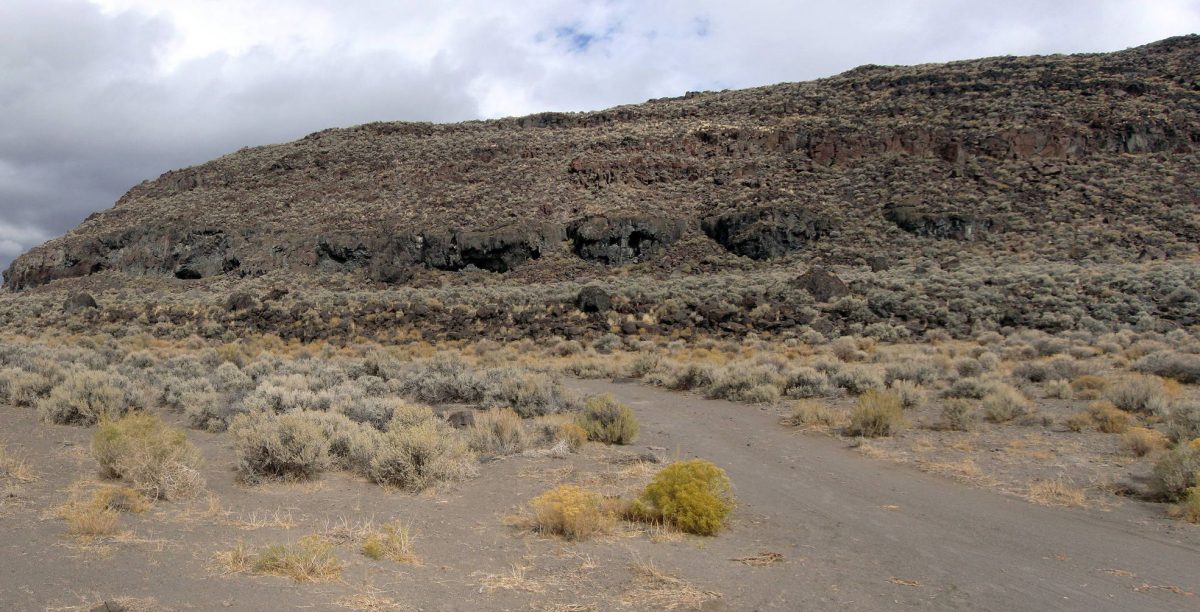
A Newcastle University expert is leading a new study which aims to resolve a longstanding debate about how and when people first came to the Americas.
Delos: Ancient remains and new shipwrecks discovered
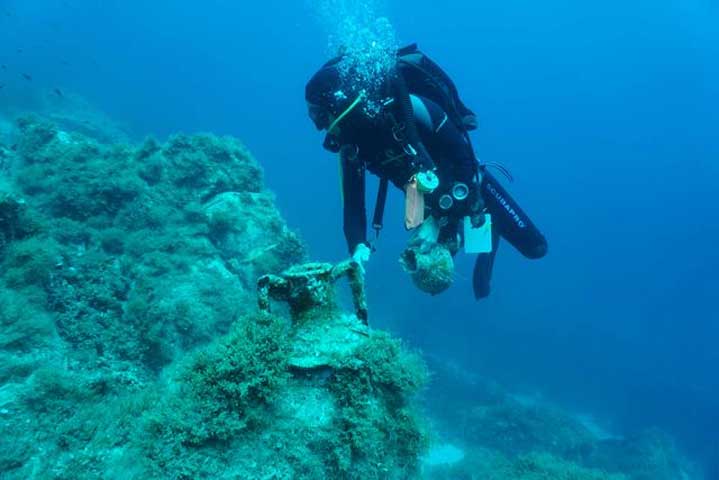
Results of the investigation conducted from May 2 until May 20, 2017.


VOYAGE: Greek Shipbuilding and Seafaring from antiquity to modern times
The goal of the exhibition is to present to the visitors, in a coherent and comprehensible manner, the history of Greek seafaring and shipbuilding.