
New light on polar explorer’s last hours
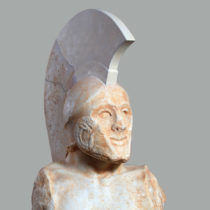
The Denmark Expedition set out to explore unknown Inuit land in 1906. Three members died.
Aiolou Street has a story of its own…
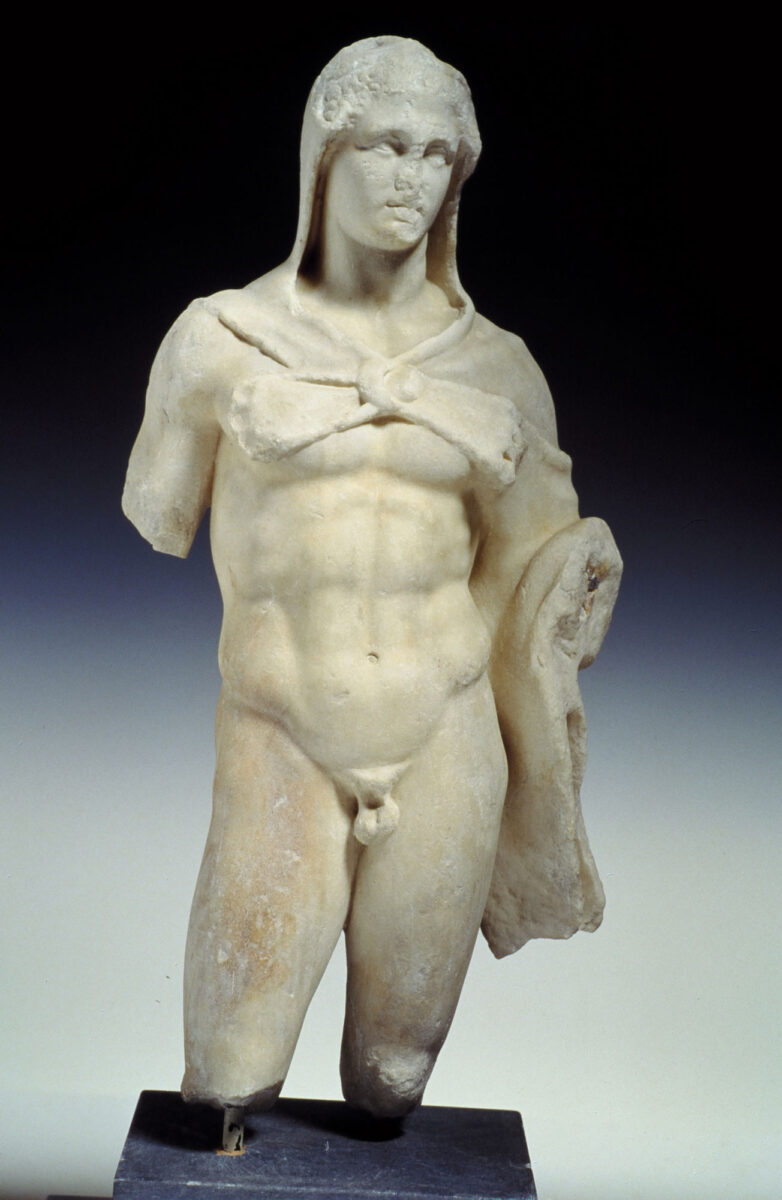
On the occasion of this discovery, the Ministry of Culture presents a brief history of the district and its important finds.
First exhaustive review of fossils from Iberian archaeological sites
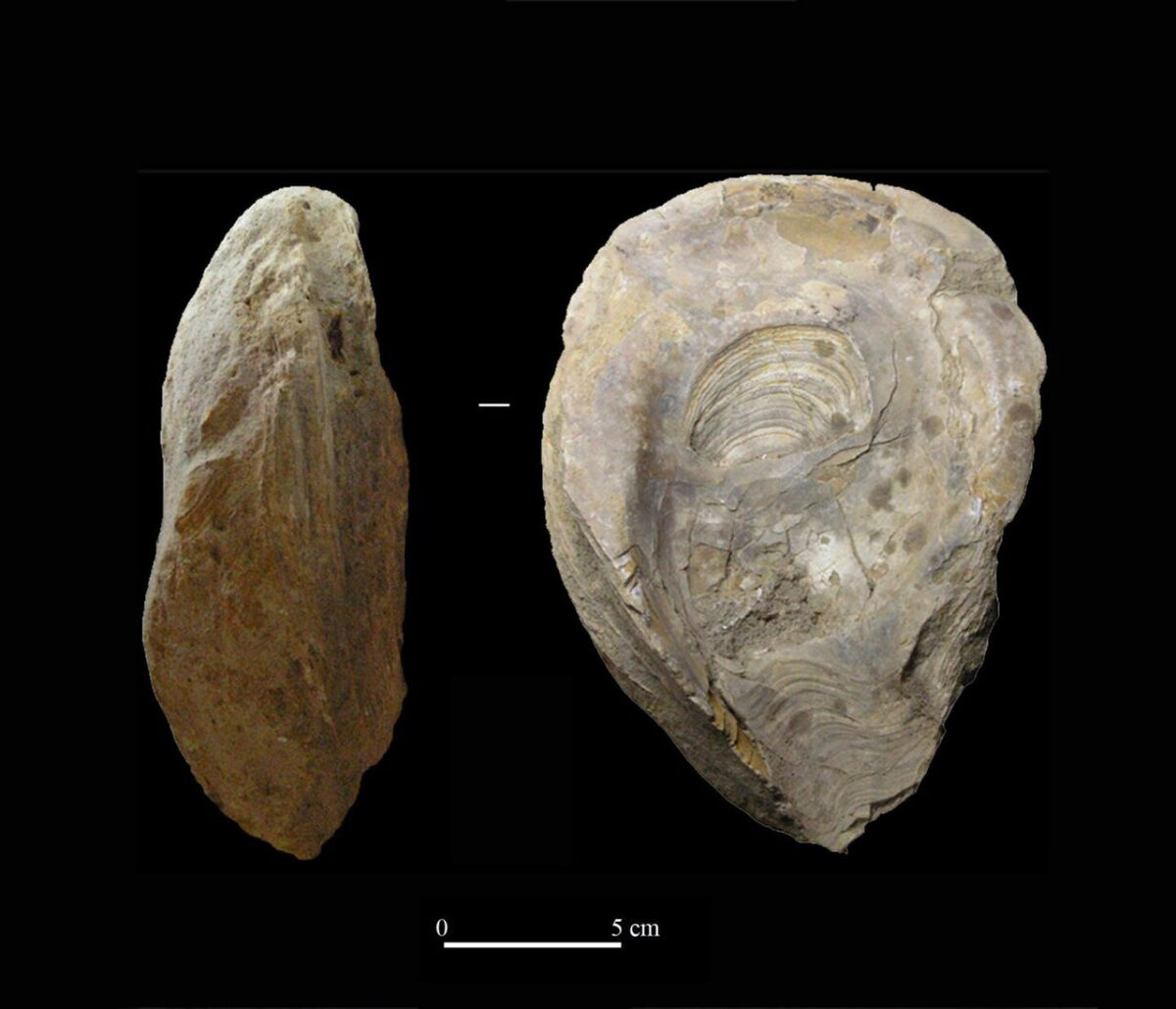
The researchers have analysed a total of 633 specimens of scaphopods, molluscs, shark teeth and mammal remains from 82 archaeological sites in different regions.
Ireland’s only dinosaurs discovered in Antrim
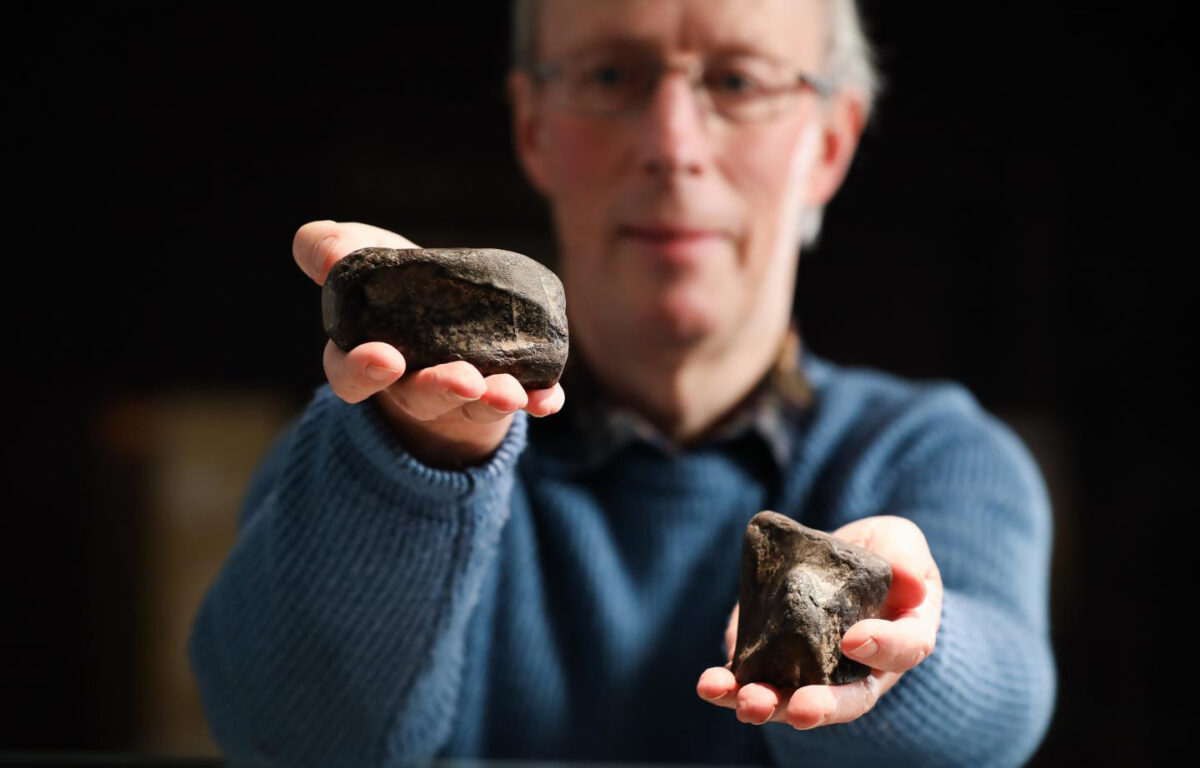
The only dinosaur bones ever found on the island of Ireland have been formally confirmed for the first time by a team of experts.
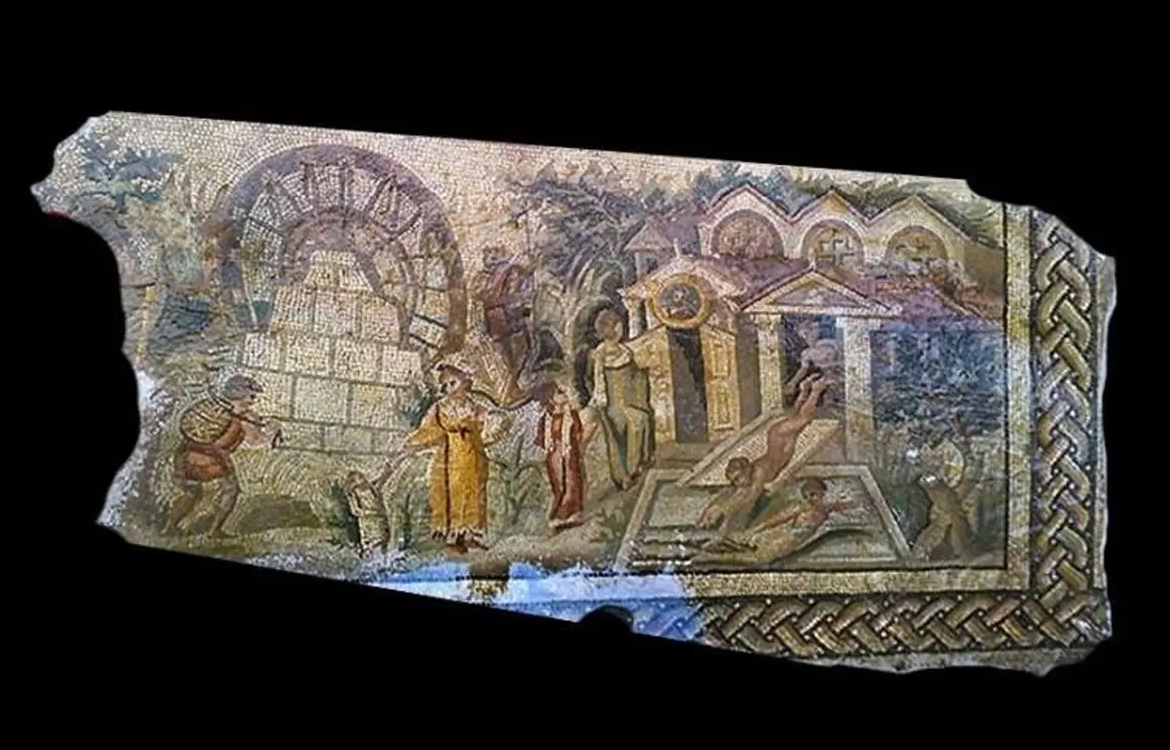
Oldest representation of Roman hydraulic wheel
Researchers from the University of Warsaw have determined that a mosaic stolen from Apamea in present-day Syria is the oldest representation of a Roman hydraulic water wheel.
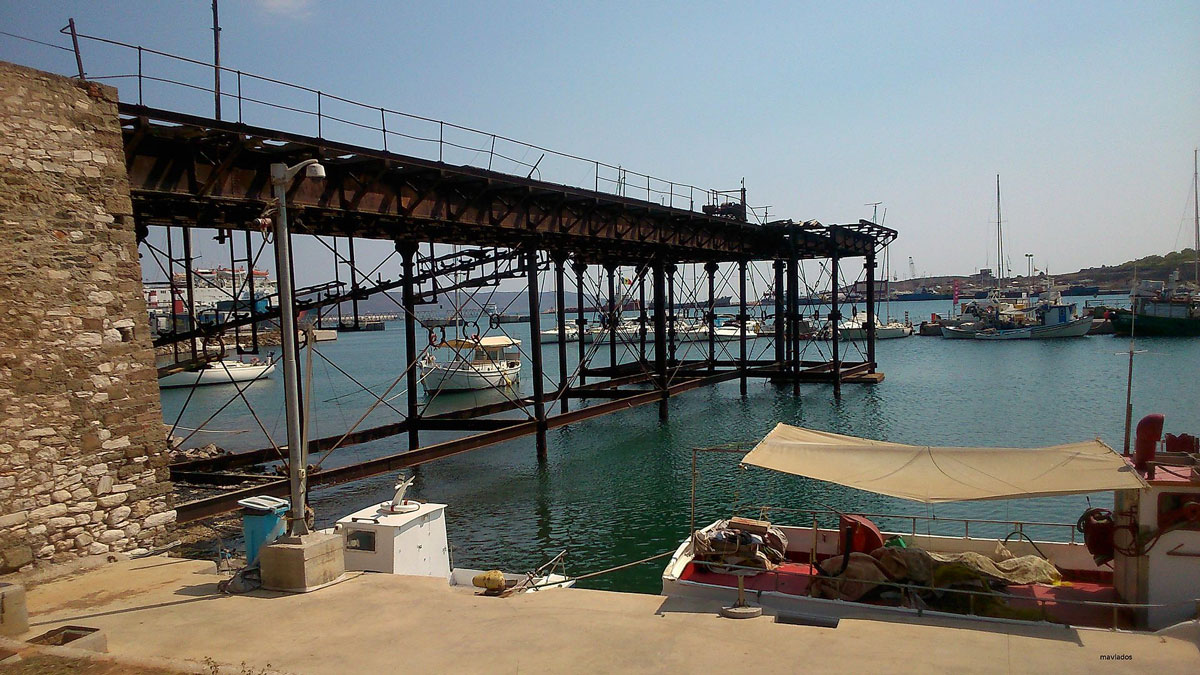
French Wharf at Lavrion to be restored
The study prepared by the National Technical University of Athens was approved unanimously by the Central Council of Modern Monuments.
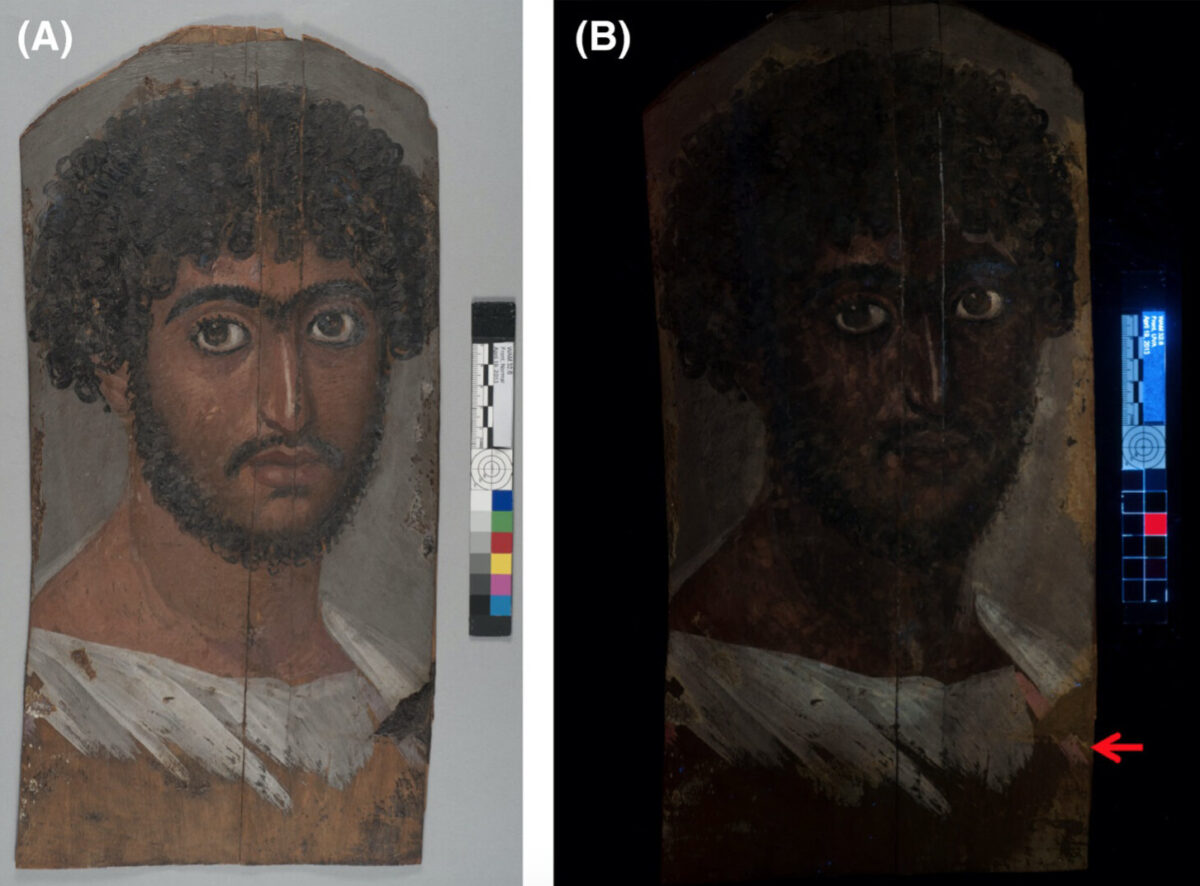
Science reveals secrets of a mummy’s portrait
Analysis of a speck can teach us about how the pigment was made, what it's made of–and maybe even a little about the people who made it.
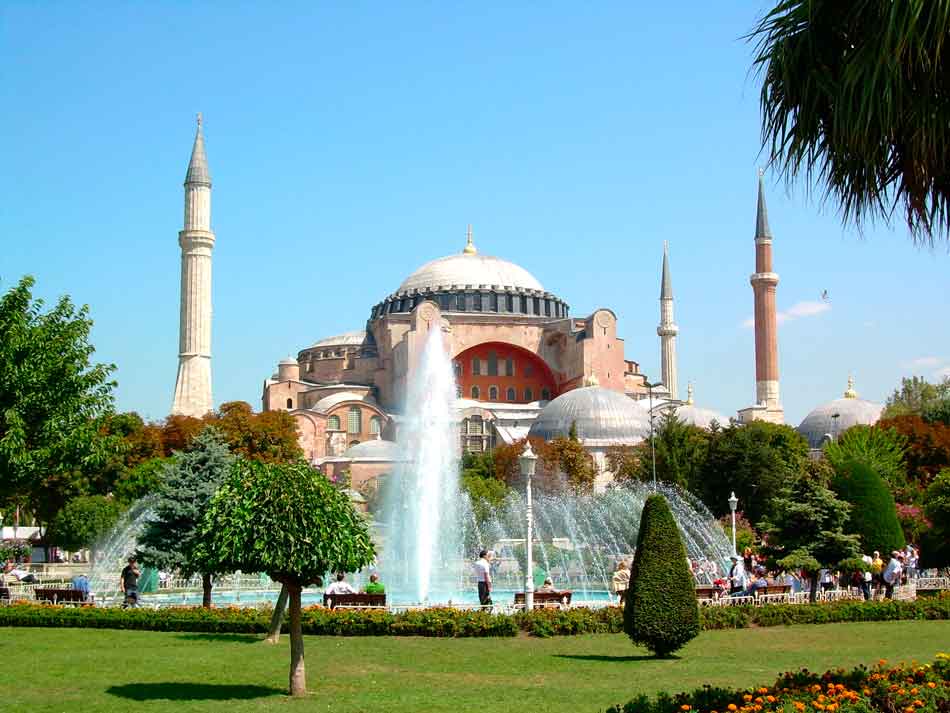
UNESCO’s reaction on status of Hagia Sophia
Results are impending of the report by inspectors examining the change in status of Hagia Sofia and the Monastery of Chora.
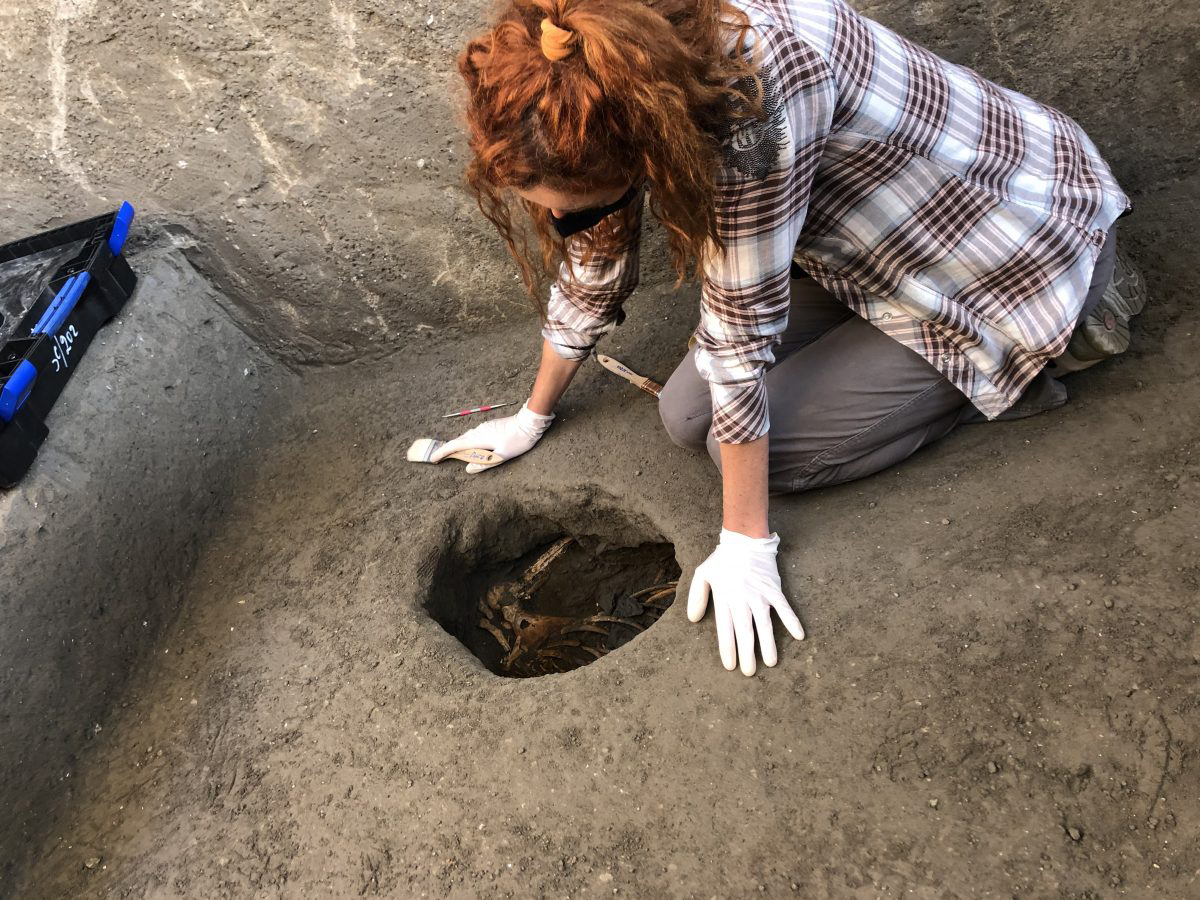
“The traces of pain”. The victims of Civita Giuliana
During the current excavations at Civita Giuliana, in the area of the large suburban villa, two skeletons of individuals caught in the fury of the eruption have been found.
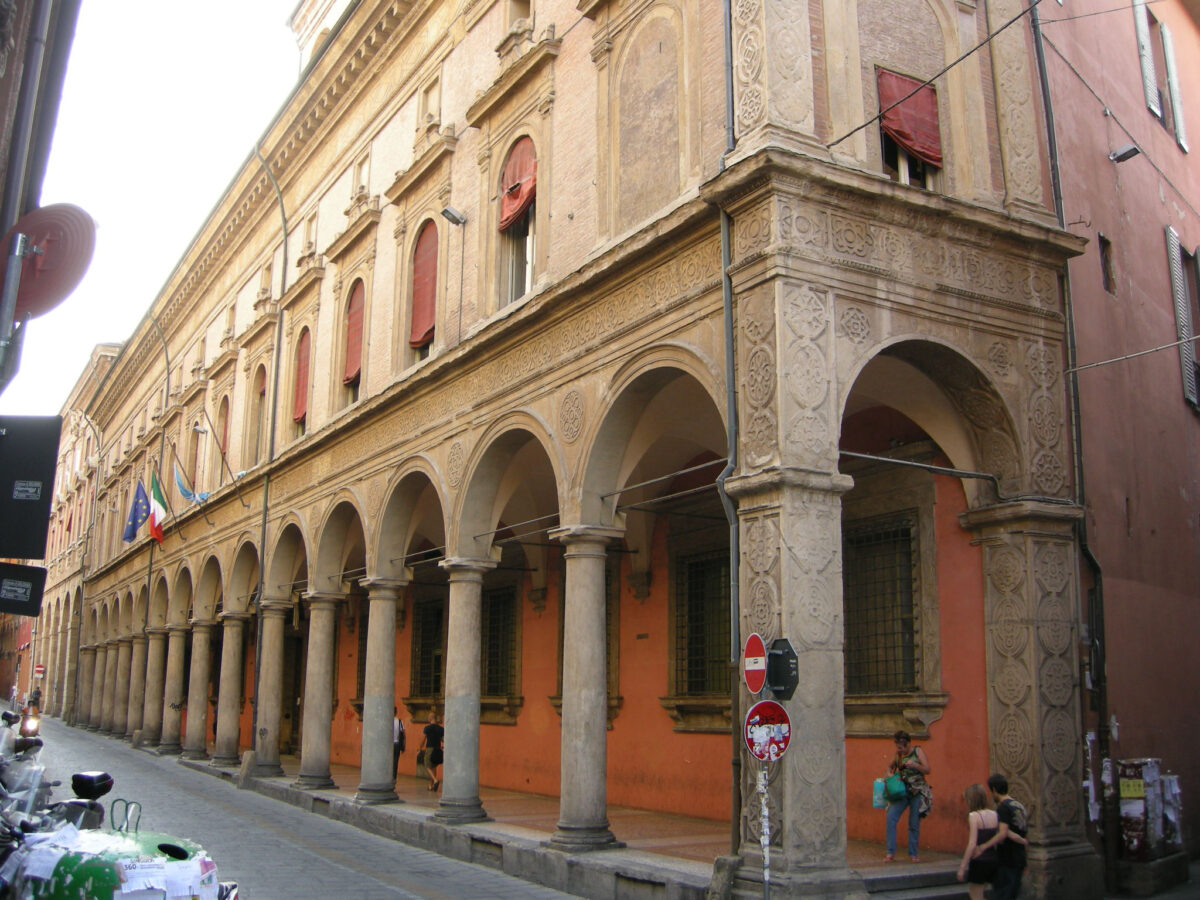
Open positions in Italian universities
Positions in antiquity-related subjects are currently open in Italian universities.
Nagorno-Karabakh: Reaffirming the obligation to protect cultural goods
“Damage to cultural property belonging to any people whatsoever means damage to the cultural heritage of all mankind” Convention for the Protection of Cultural Property in the Event of Armed Conflict.
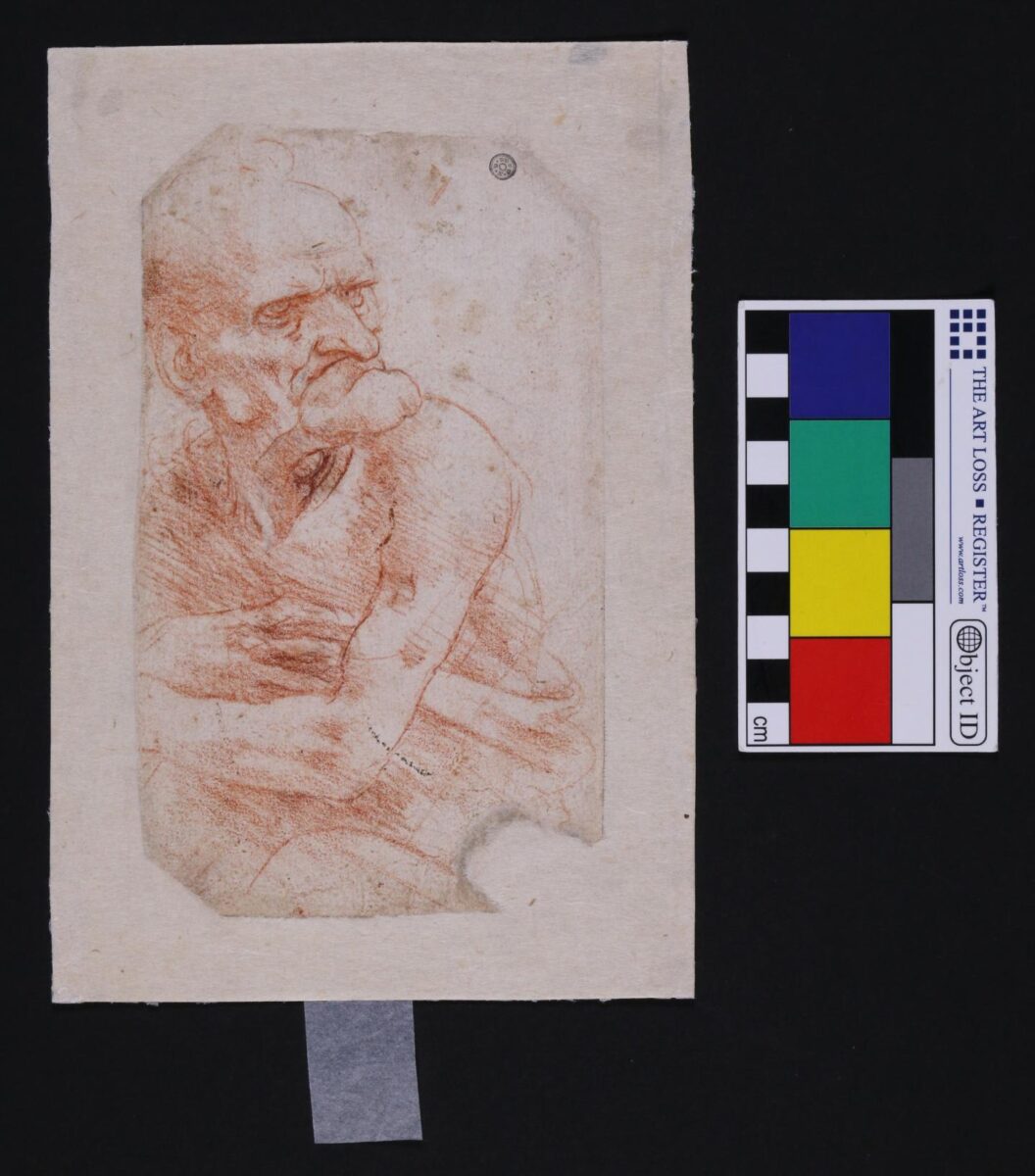
The microbiome of Da Vinci’s drawings
The microbial composition of art pieces can reveal interesting facts about their past and the journey they made.
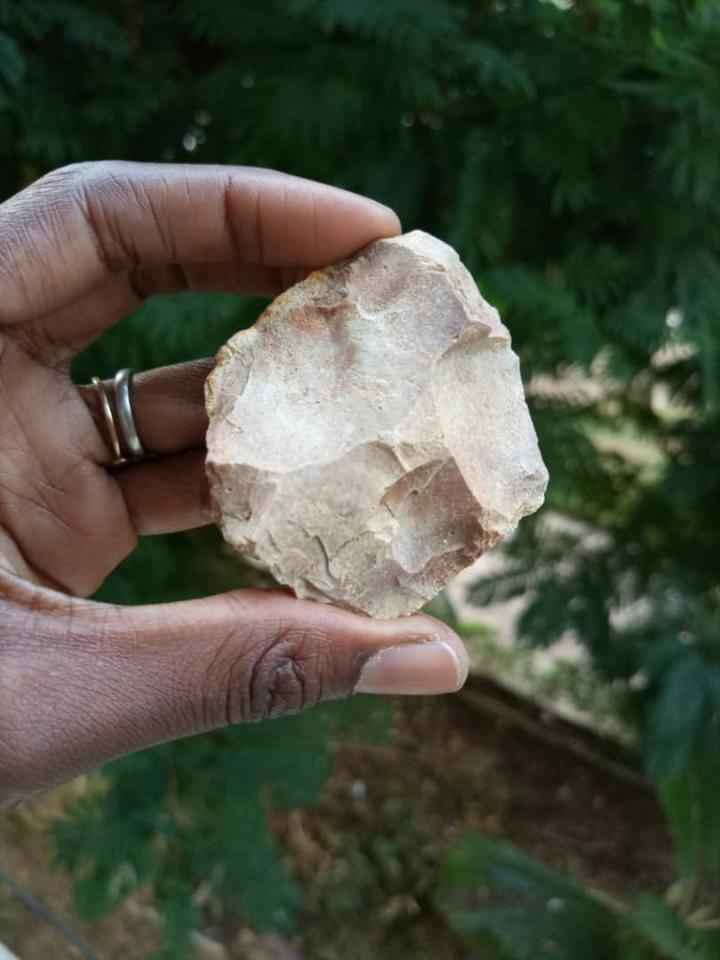
Middle Stone Age populations repeatedly occupied West African coast
Excavations at Tiémassas, Senegal, indicate roughly 40,000 years of behavioural continuity, in contrast to other African regions over this period.
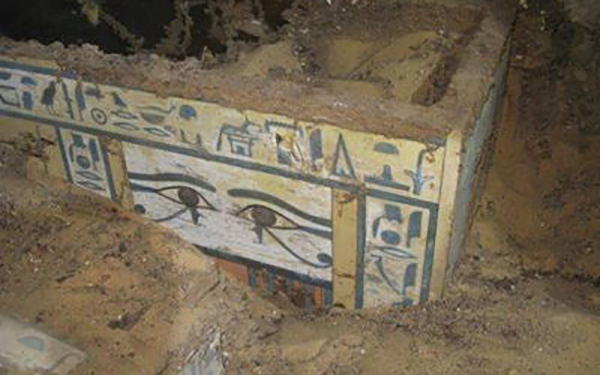
Ancient Egyptian tomb yields material evidence for gynecological treatment
An ancient Egyptian tomb of a noblewoman has yielded the first material evidence supporting the application of a certain gynecological treatment which was only known from medical papyri.
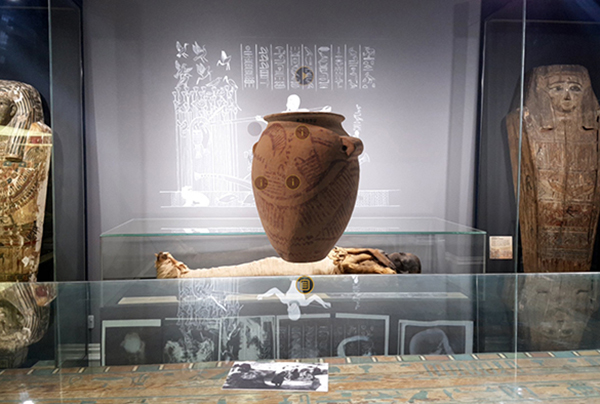
Garstang Museum to support development of 3D digital exhibitions
The University of Liverpool’s Garstang Museum of Archaeology secured £40,000 investment from the Art Fund to produce digital exhibitions using 3D imagery.
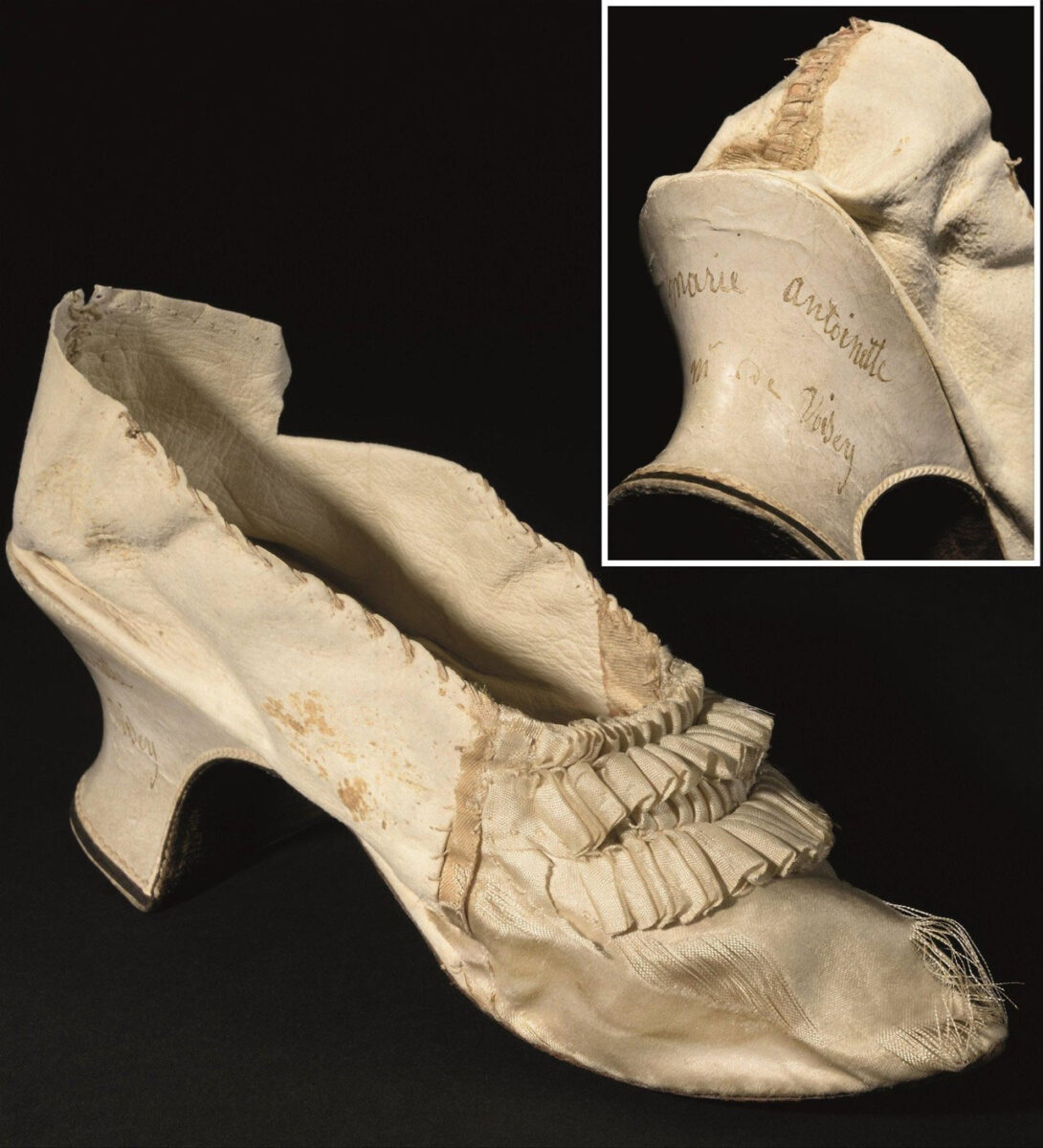
43,750€ for a shoe belonging to Marie Antoinette
Thanks to the "lively interest" shown by collectors, the price of the shoe far exceeded the initial estimate.
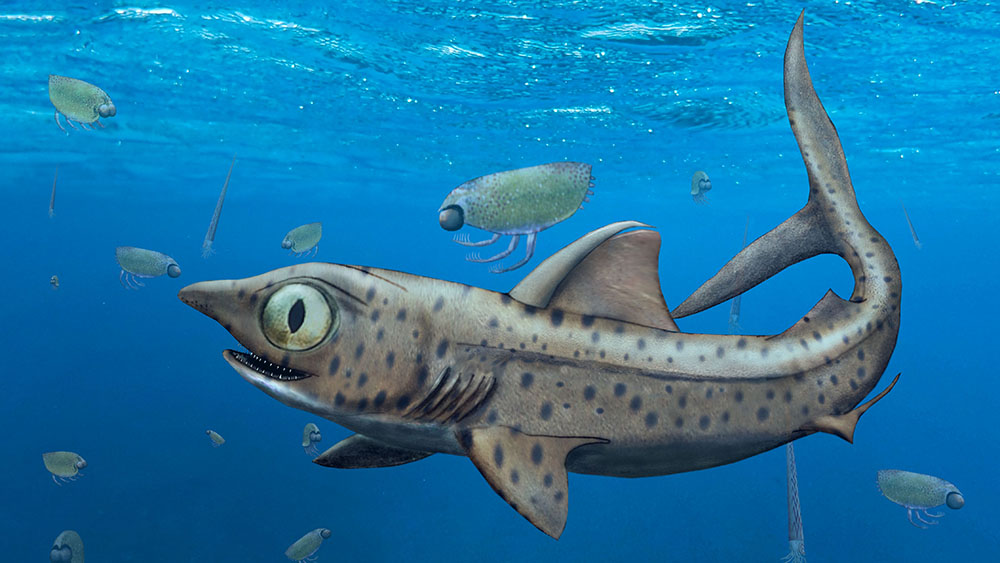
Prehistoric shark hid its largest teeth
Some, if not all, early sharks that lived 300 to 400 million years ago not only dropped their lower jaws downward but rotated them outwards when opening their mouths.
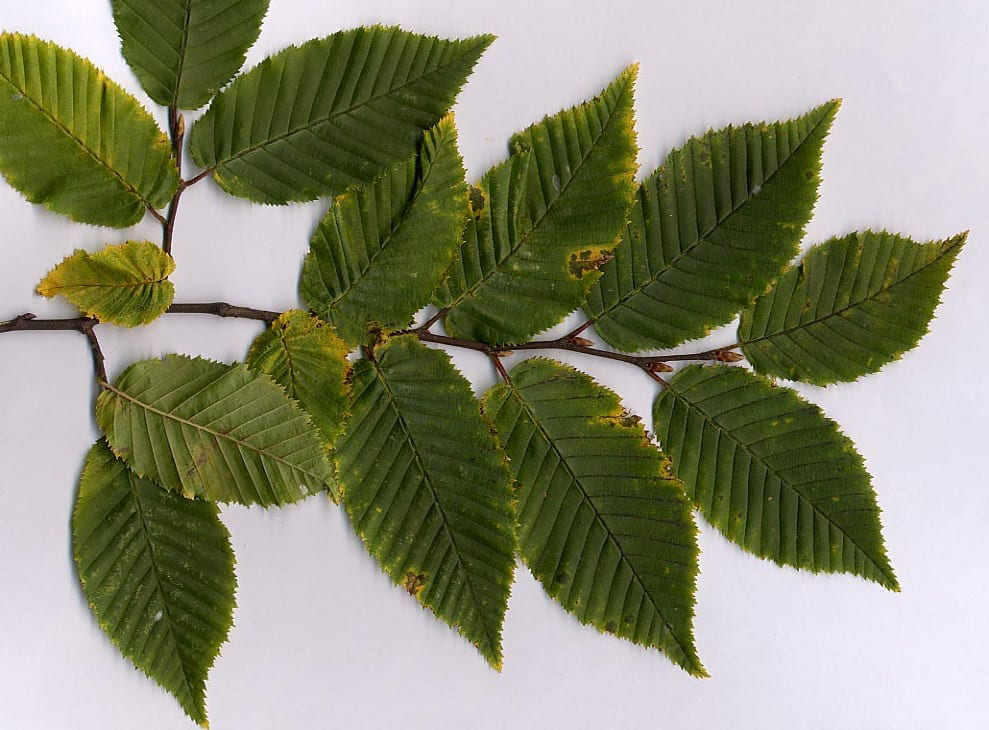
Transition to feudal living in 14th c. impacted local ecosystems
The findings illustrate the direct and significant impact the economic transformation of Lagow from a tribal to a feudal society had on the local ecosystem.
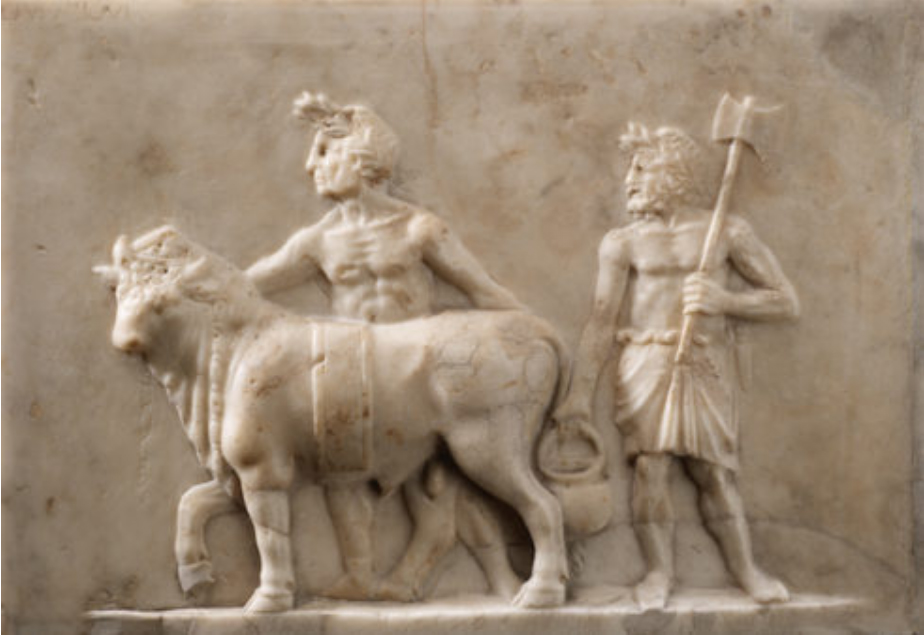
Events at The Baron Thyssen Centre for the Study of Ancient Material Religion
The Baron Thyssen Centre for the Study of Ancient Material Religion (The Open University) has announced some upcoming events.
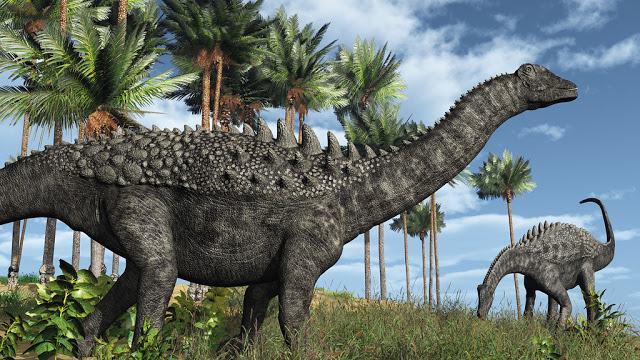
Dinosaurs were not in decline before asteroid hit
The researchers say that had the impact not happened, dinosaurs might have continued to dominate the Earth.
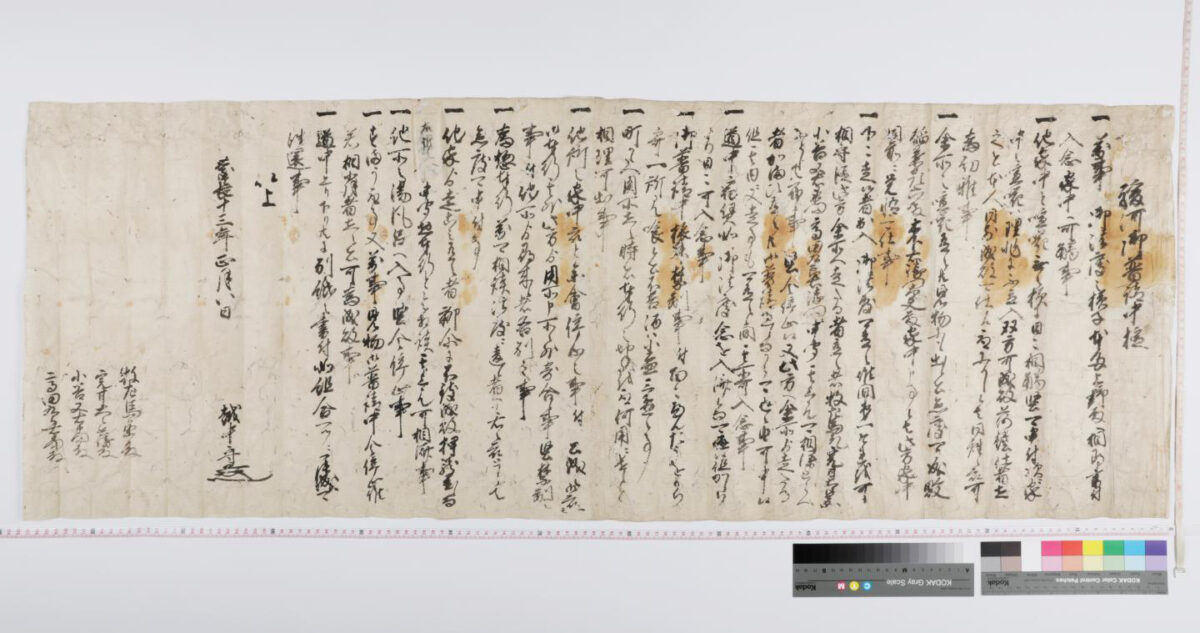
No drinking! No Fighting! The laws of early Edo Japan
The official document details how workers should act during the reconstruction of Sunpu Castle.
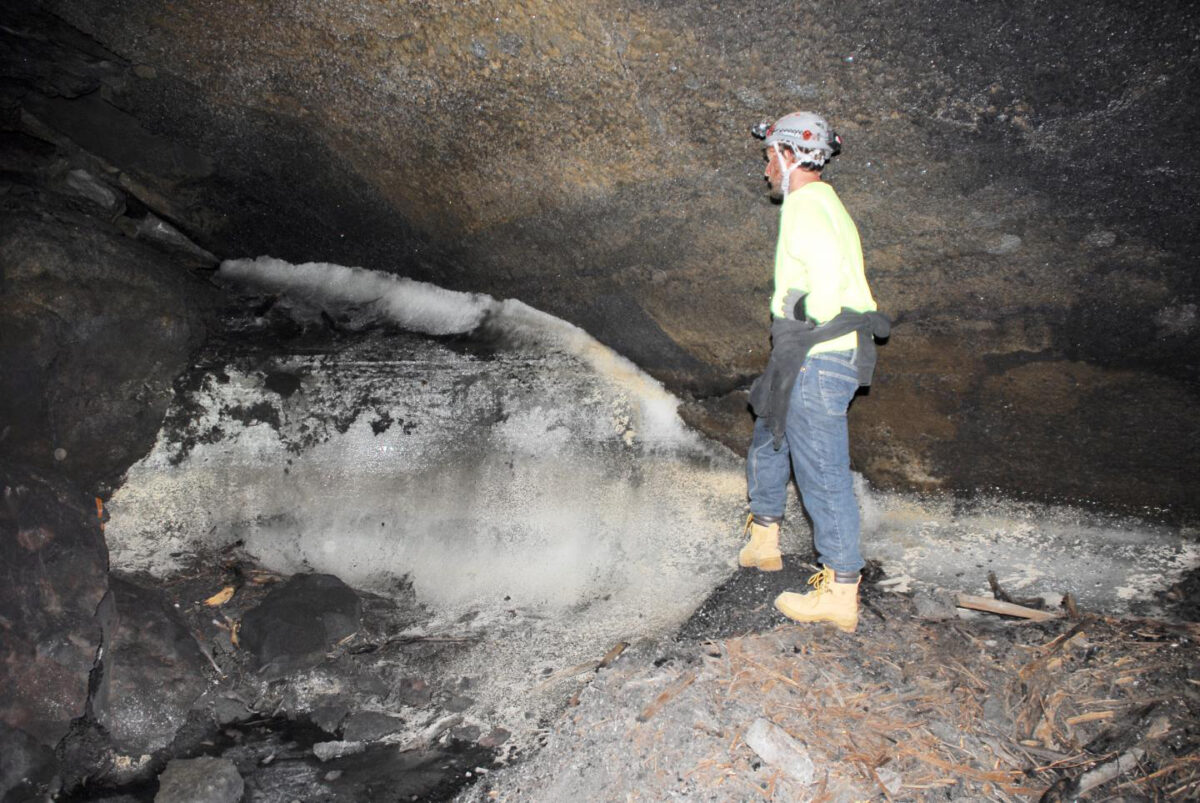
Ancestral Puebloans survived from ice melt in New Mexico lava tubes
A lava tube in the El Malpais National Monument yields centuries-old insights of survival in the face of harsh climate change.
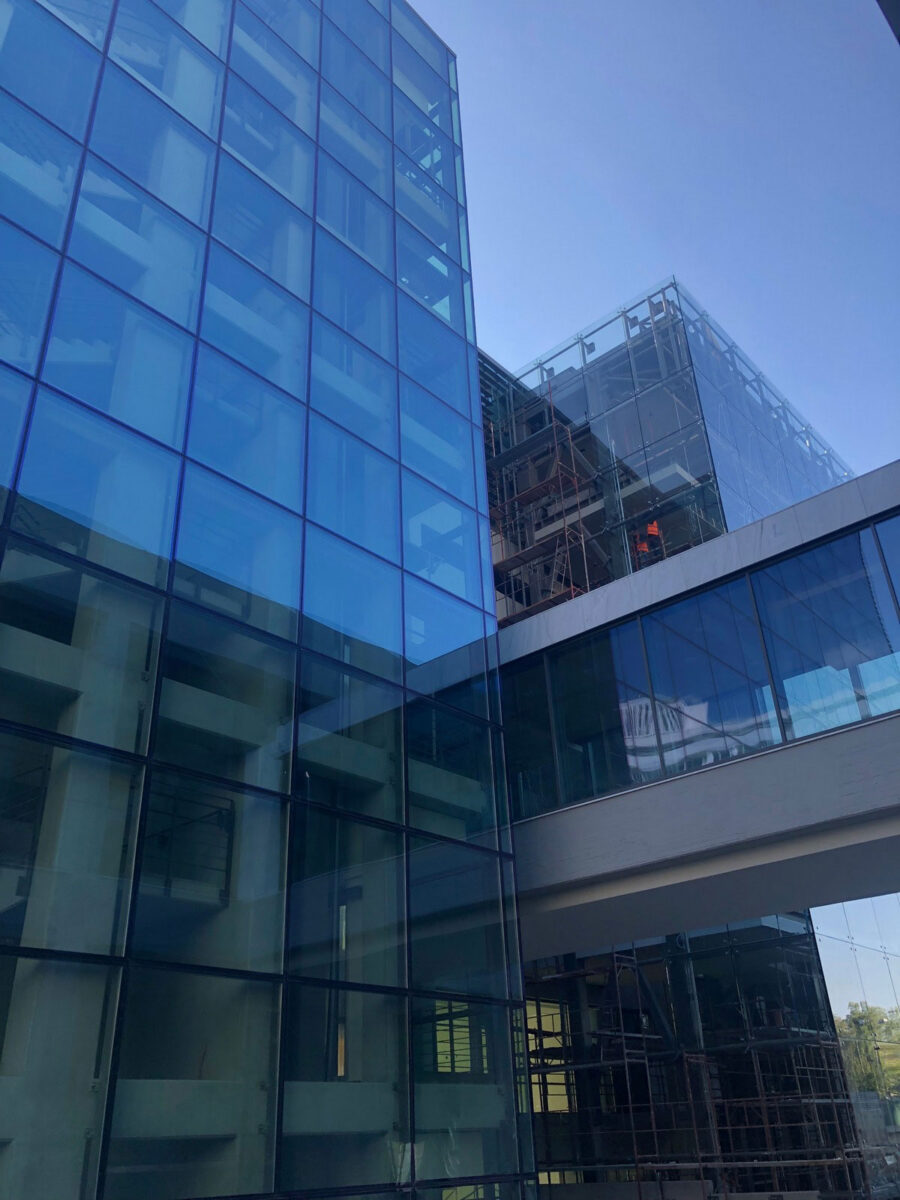
The course of work at the National Gallery
The National Gallery’s Digital Programmes project is also in progress, with a budget of 2,200,000€.
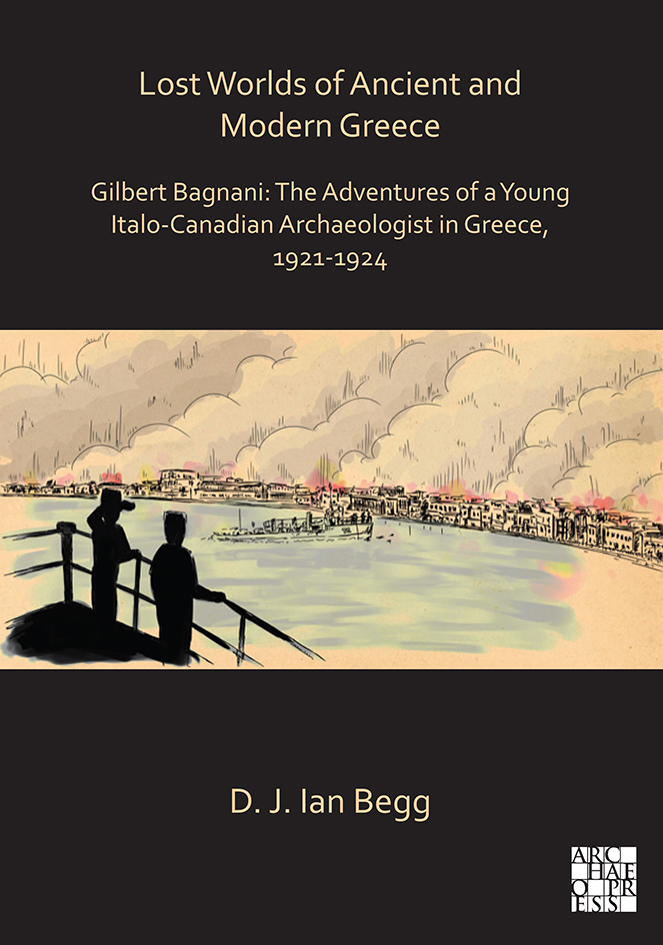
Lost Worlds of Ancient and Modern Greece
The volume based on Gilbert Bagnani's personal letters and news’ reports covers the momentous years from 1921-1924.