
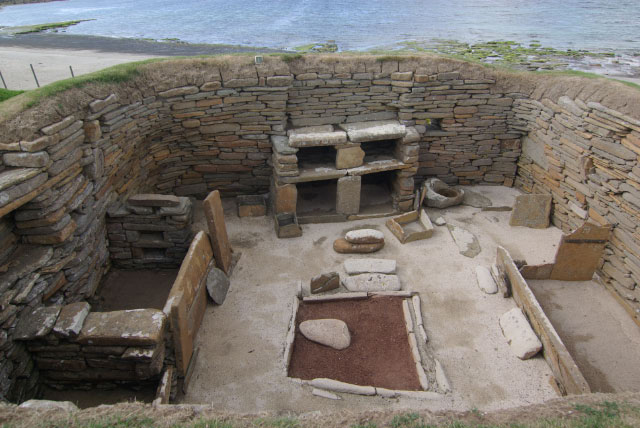
Could the Neolithic Revolution offer evidence of best ways to adapt to climate change?
Human behaviour during the last intense period of global warming might offer an insight into how best to adapt to current climate change, a study suggests.
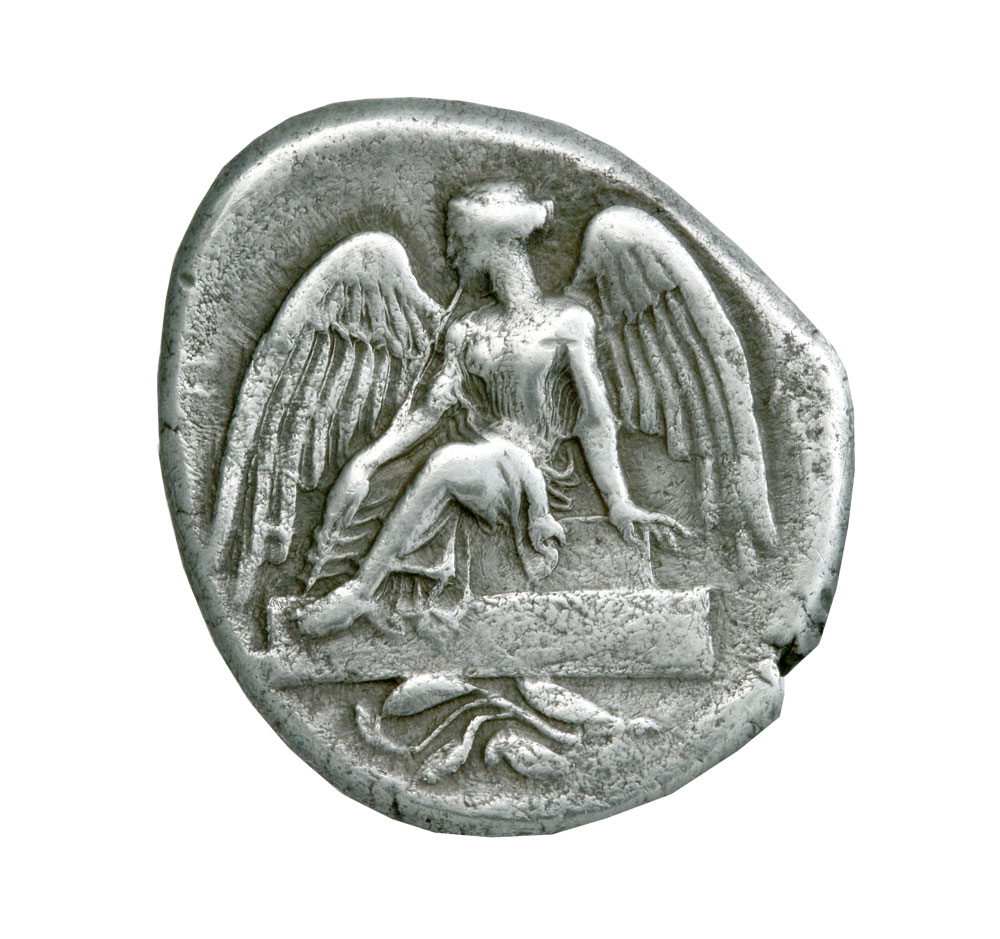
MONEY. Tangible symbols in ancient Greece
The Museum of Cycladic Art and the Alpha Bank Numismatic Collection, in their first ever collaboration, are organising a major exhibition entitled “MONEY. Tangible symbols in ancient Greece”.

Systematic research at Ancient Alasarna on Kos
A two day conference was very successfully realized on Kos, during which 15 presentations were made of the results of over thirty years systematic research in the region.
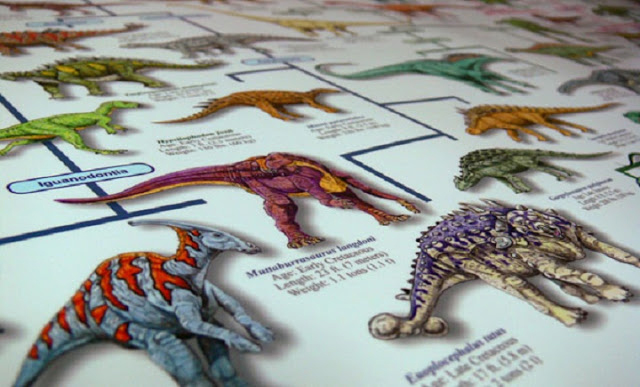
Time to rewrite the dinosaur textbooks? Not quite yet!
The classification of the dinosaurs might seem to be too obscure to excite anyone but the specialists.
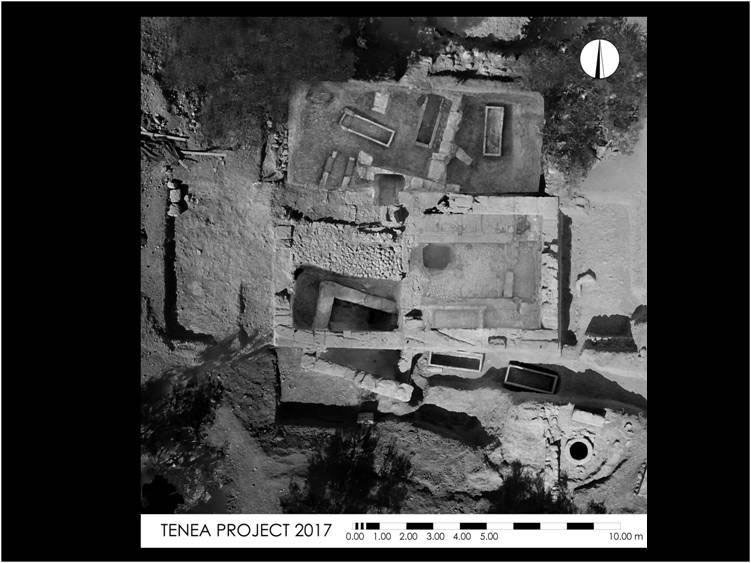
Excavations at Ancient Tenea have been completed
The excavation trenches were centered mainly round the two-roomed Roman monument built above ground and uncovered in 2016, confirming the place’s timeless use from the Archaic to the Roman era.
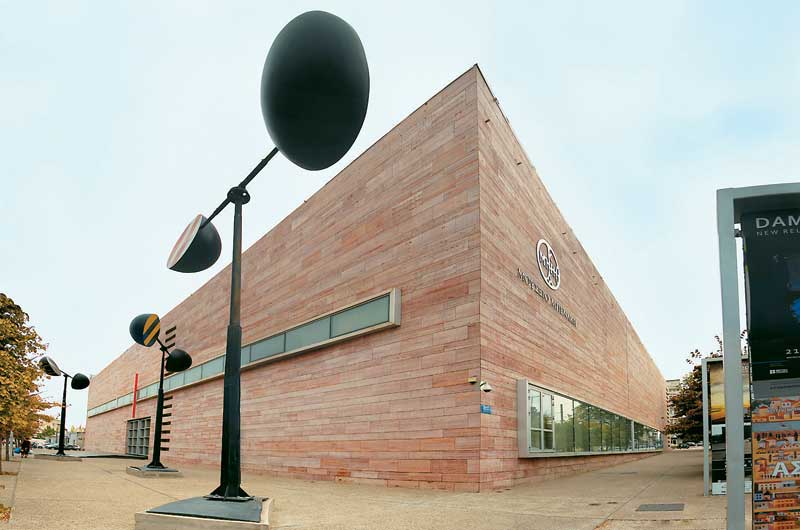
Museums as agents of change
The conference “Museums as Agents of Change: Diversity, Accesibility and Inclusion” will take place at the Benaki Museum, on Thursday, November 30, 2017,
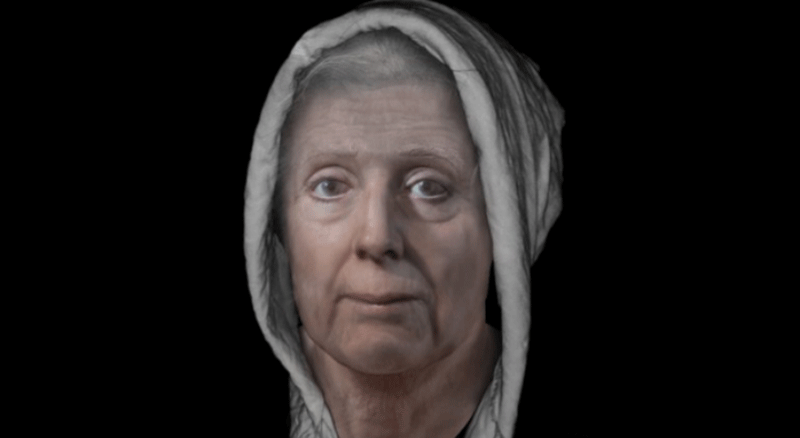
Face of 18th century “witch” reconstructed by scientists
Forensic scientists have reconstructed the face of a woman persecuted for witchcraft over 300 years ago.
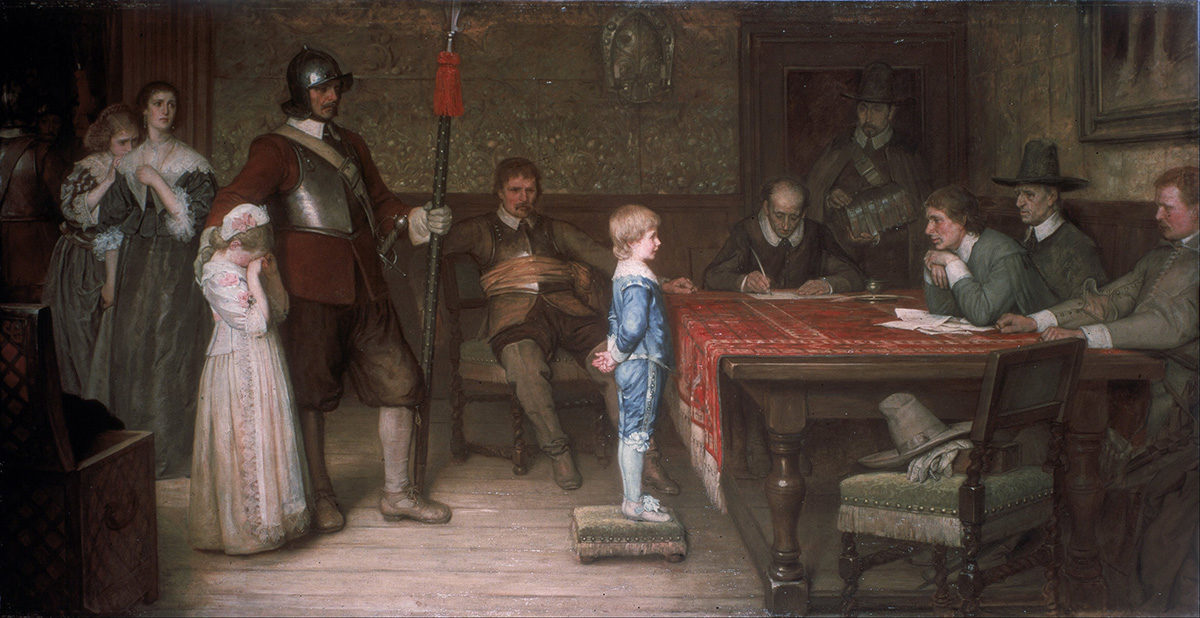
2018 Society for the Study of Childhood in the Past Conference in Vienna
The main conference theme is: Pregnancy, birth, early infancy and childhood: life’s greatest transitions in the past.
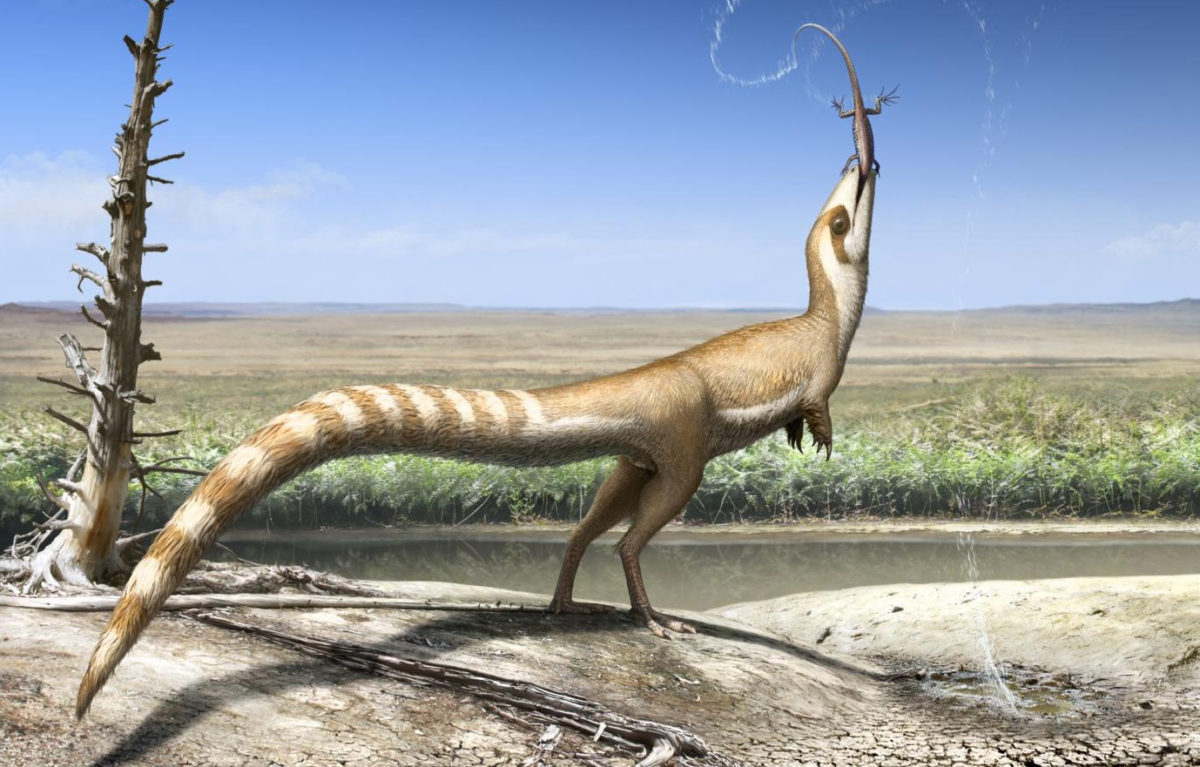
‘Bandit-masked’ feathered dinosaur hid from predators using multiple types of camouflage
Researchers from the University of Bristol have revealed how a small feathered dinosaur used its colour patterning, including a bandit mask-like stripe across its eyes, to avoid being detected by its predators and prey.
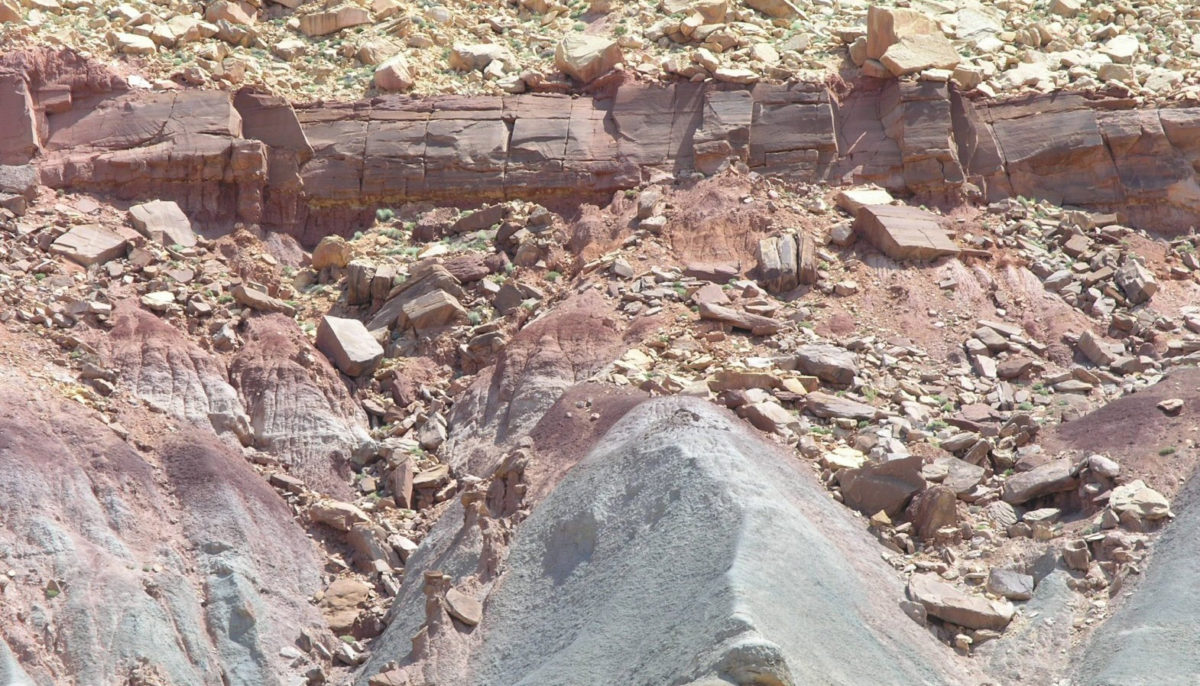
Late Triassic terrestrial ecosystem changes
New pollen and spore data from the Chinle Formation at the Petrified Forest National Park, Arizona, suggest that a extinction of plants occurred between 213 and 217 million years ago.
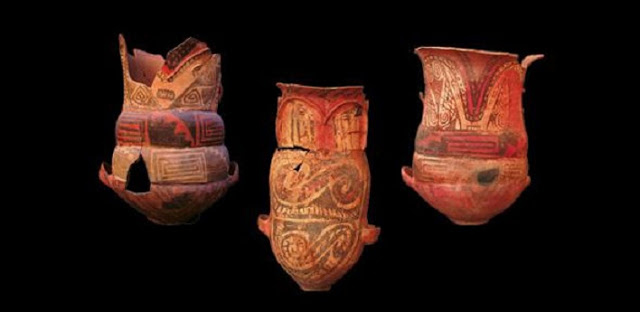
Pre-Inca elites and the social life of fragments
Objects unearthed in the Andes tell new stories of societies lacking hierarchical leadership in the time before the Inca Empire.
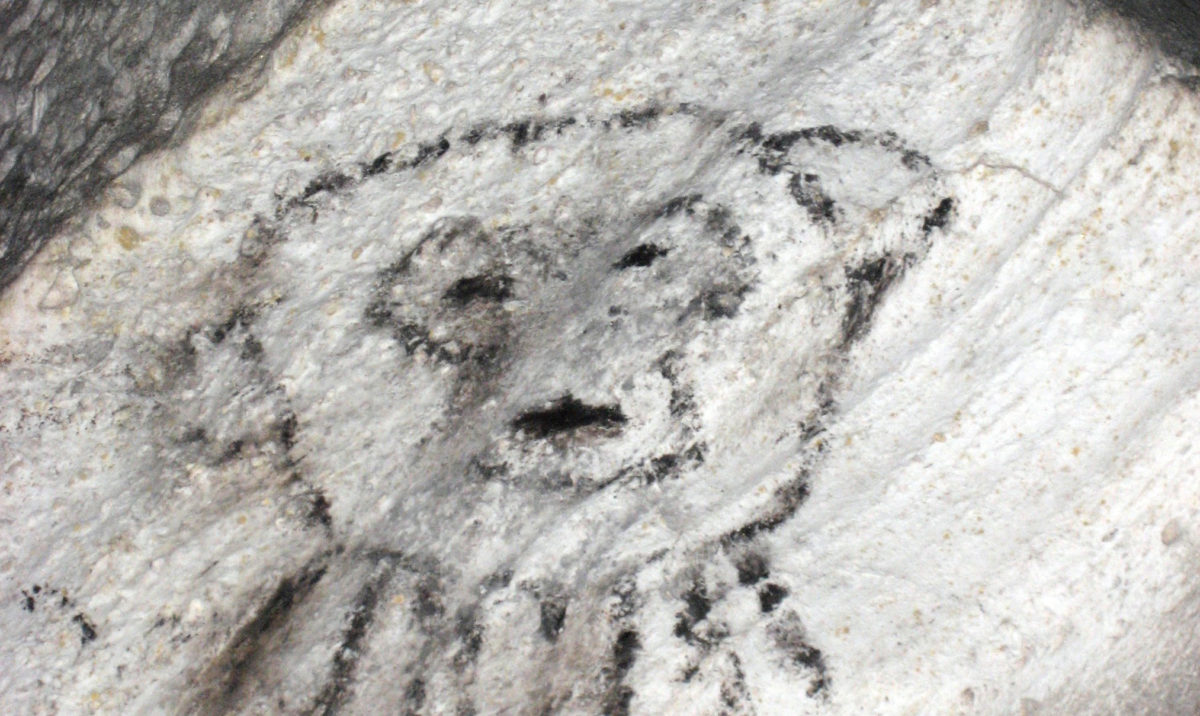
New research on the Caribbean’s largest concentration of indigenous pre-Columbian rock art
Exploration and surveys of around 70 cave systems — part of an interdisciplinary study of past human activity on Puerto Rico’s Mona Island — revealed that Mona’s caves include the greatest diversity of preserved indigenous iconography in the Caribbean.

Claim of oldest recorded use of zero is challenged
Researchers challenge a recent claim of the oldest recorded use of a zero having been found in an ancient manuscript.
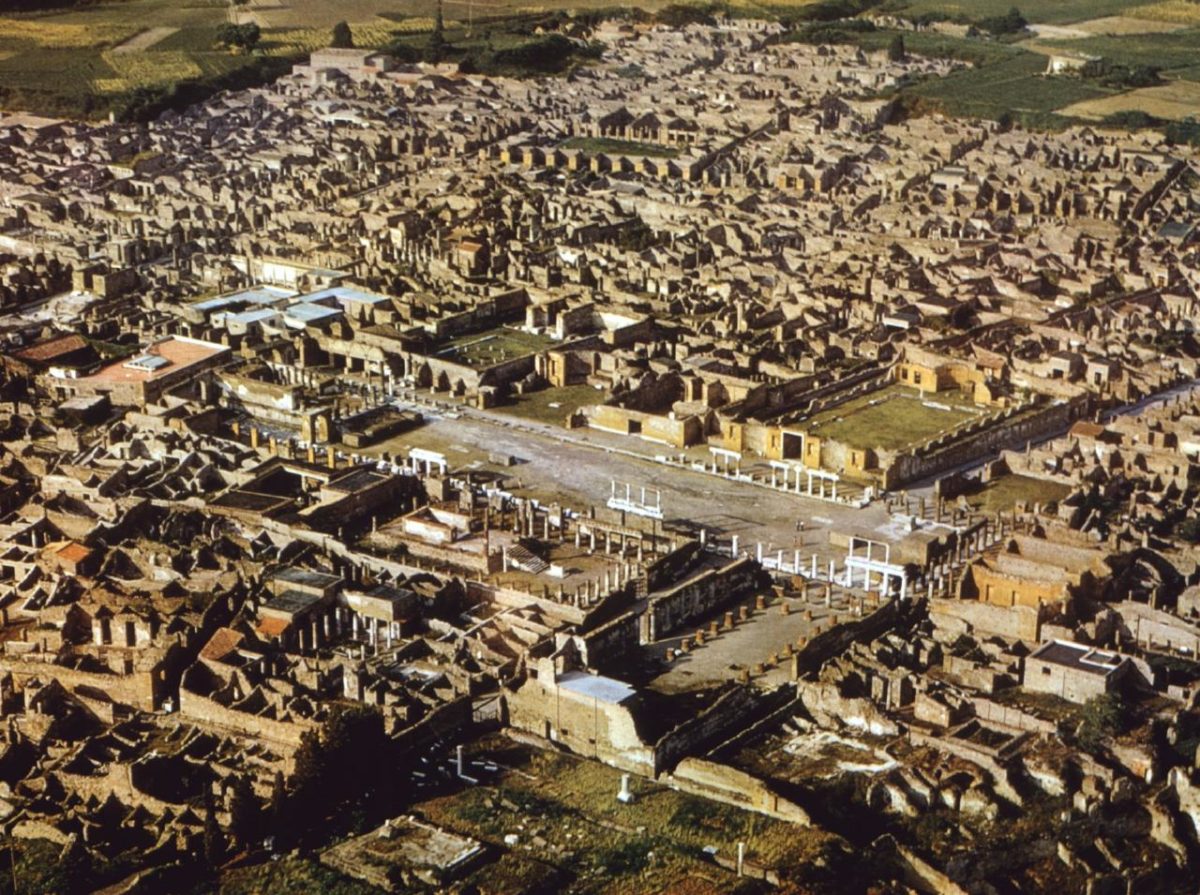
Has the skull of Pliny the Elder been found?
The puzzle of an ancient skull lying forgotten in museum in Rome may be solved.
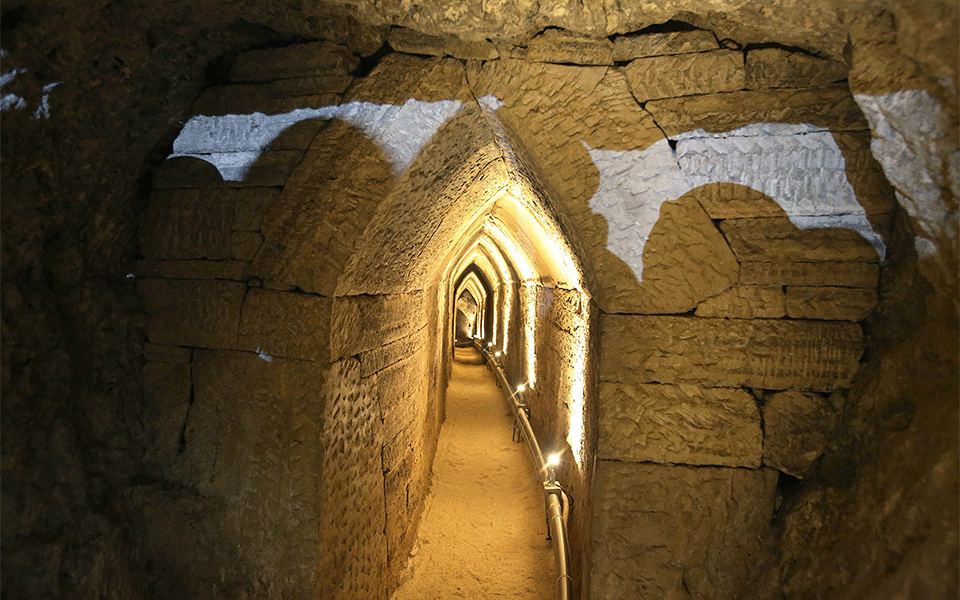
Visiting the restored Eupalinian aqueduct on Samos Island
The aqueduct and tunnel have been declared an International Tunnelling Landmark by ASCE.

Colloquium on Late Antiquity
The aim of the Colloquium is to bring together and achieving synergy among PhD Students from across the UK and abroad working on Late Antiquity.

Oldest recorded solar eclipse helps date the Egyptian pharaohs
Researchers have pinpointed the date of what could be the oldest solar eclipse yet recorded.
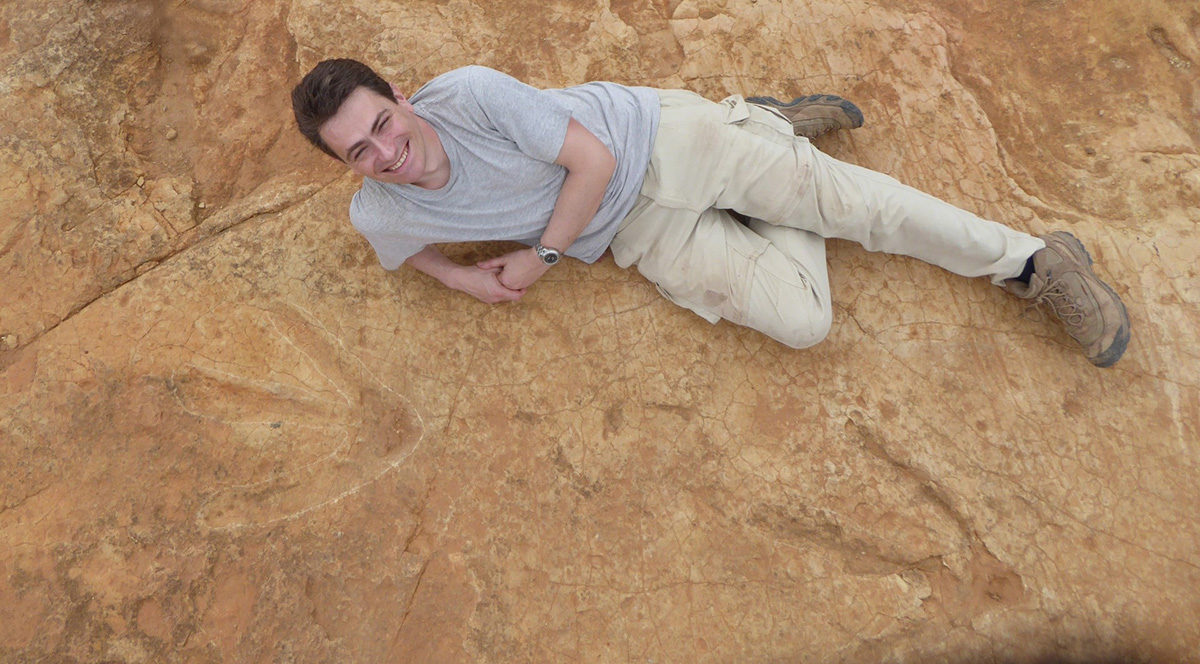
‘Mega-carnivore’ dinosaur roamed southern Africa 200 million years ago
An international team of scientists has discovered the first evidence that a huge carnivorous dinosaur roamed southern Africa 200 million year ago.
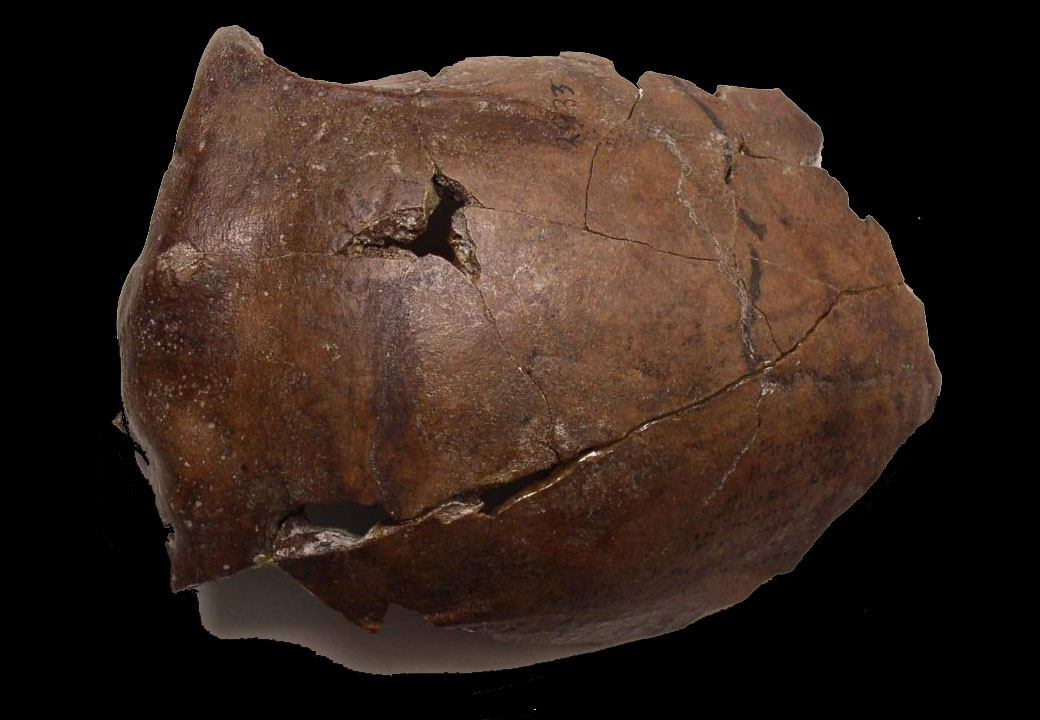
6,000-year-old skull could be from the world’s earliest known tsunami victim
Scientists studying the effects of tsunamis have now shed light on what could be the earliest record of a person killed in a tsunami.
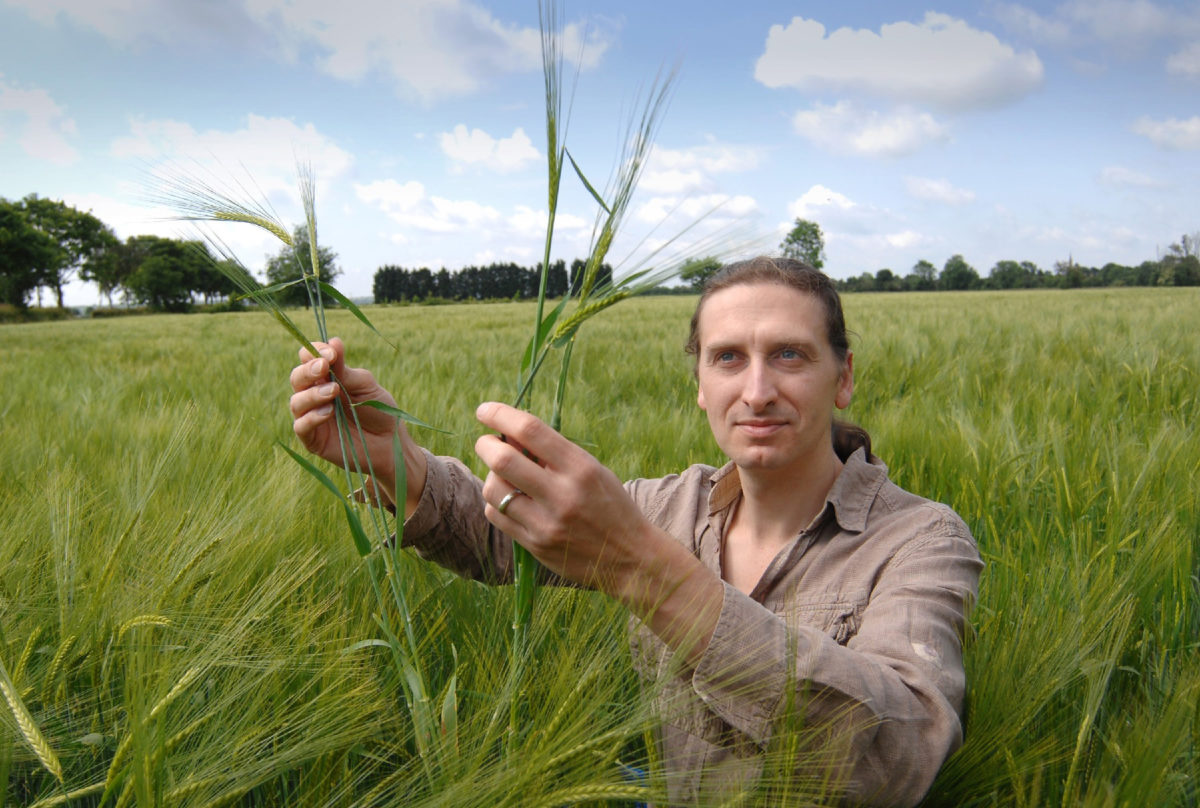
Crops evolving ten millennia before experts thought
Ancient hunter-gatherers began to systemically affect the evolution of crops up to thirty thousand years ago.
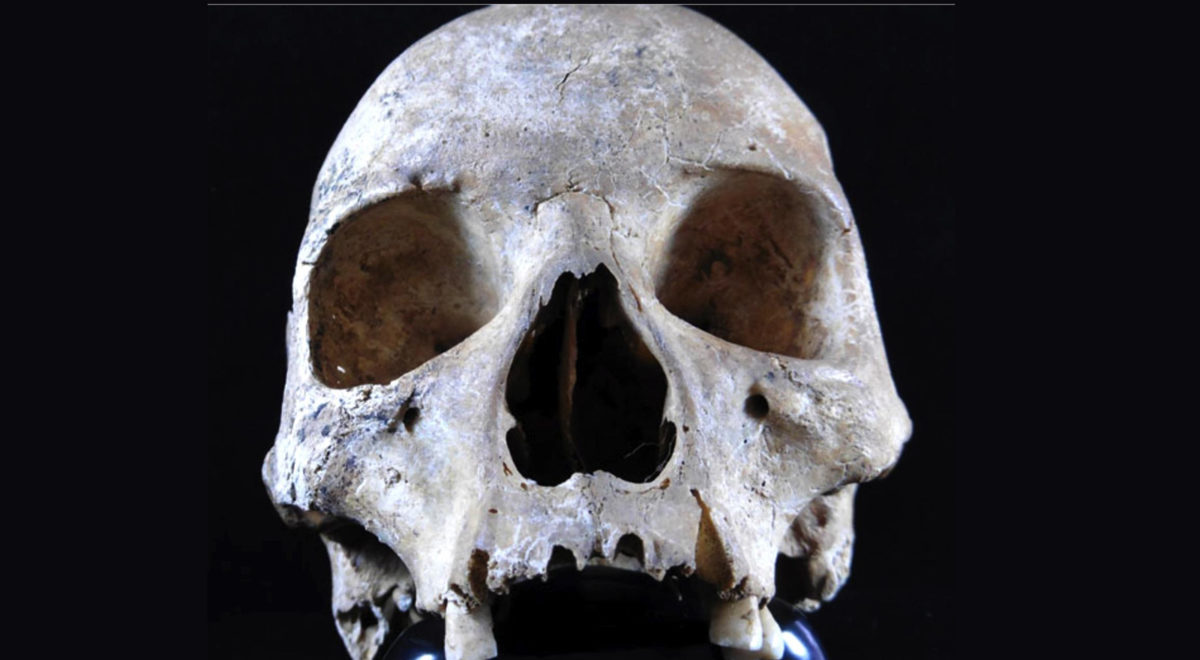
Could Squirrel trade have contributed to England’s medieval leprosy outbreak?
Genetic analysis of a pre-Norman skull unearthed in a garden in Hoxne, Suffolk, has added to a growing body of evidence that East Anglia may have been the epicentre of an epidemic of leprosy that spread through medieval England.
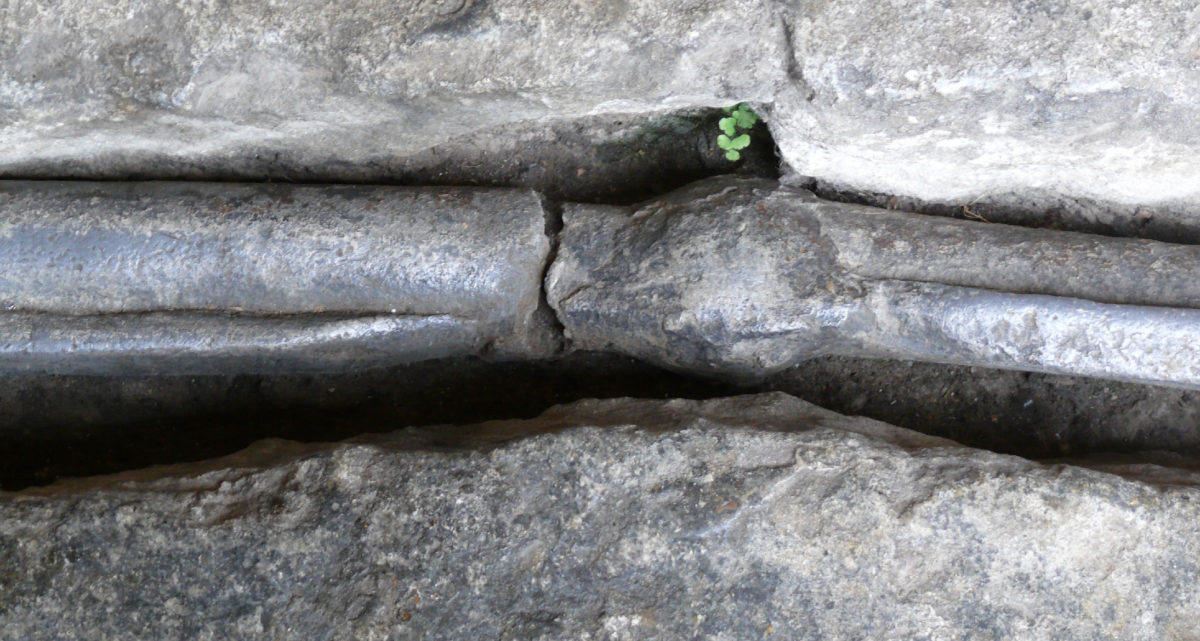
Deadly lead: how lead poisoning affected the Roman Empire
Archaeologists at the University of Sheffield are investigating how lead poisoning affected human health in the Roman Empire.
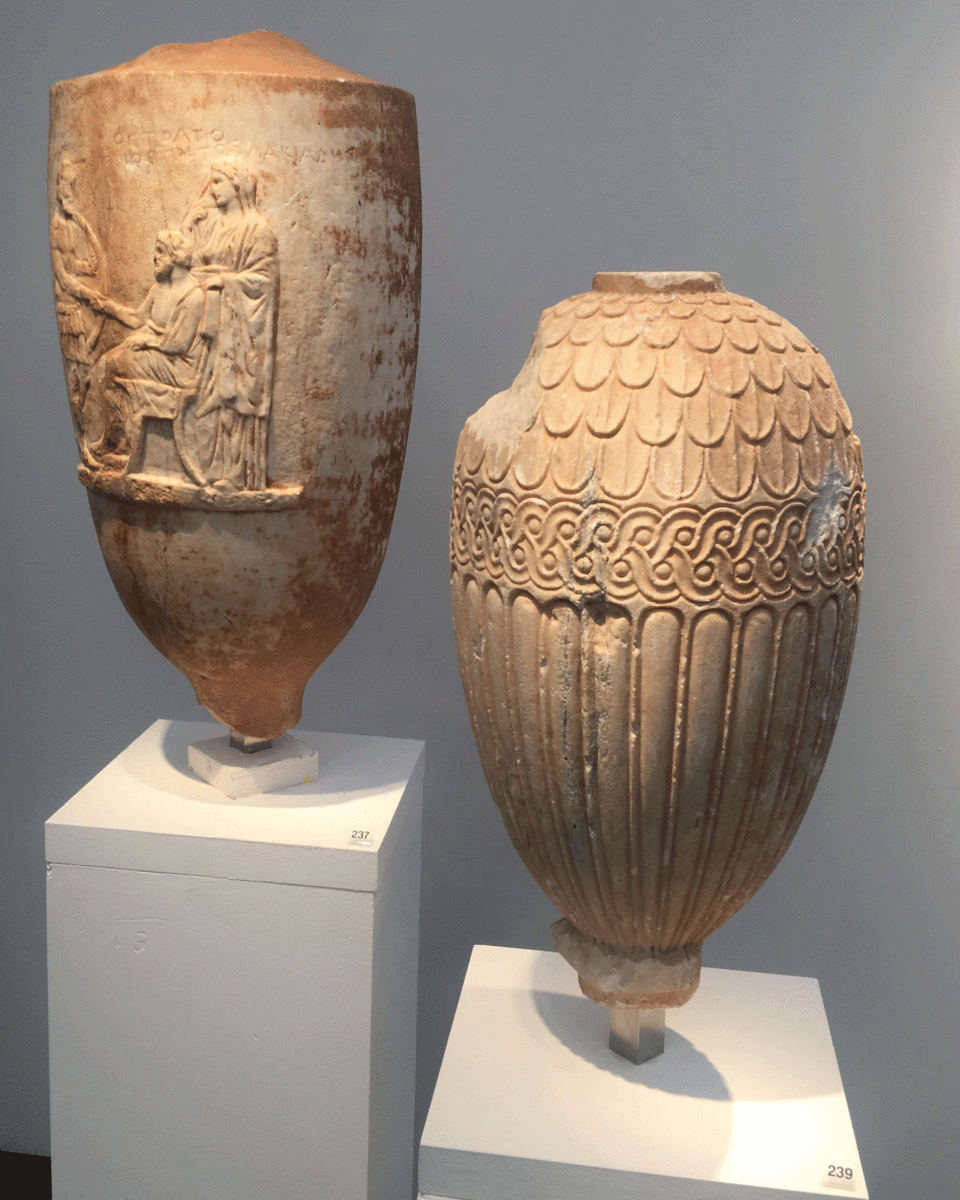
Suspected looted ancient Greek vases for sale at London art fair
Two ancient Greek vases on sale at London art fair are considered looted antiquities by experts.
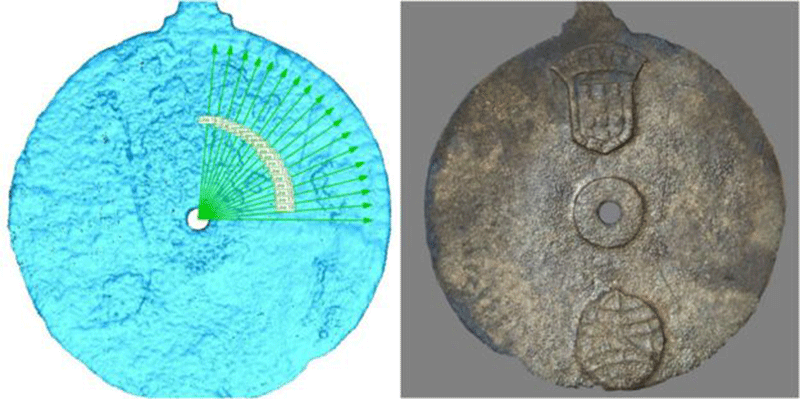
A 16th-century astrolabe has been found off the coast of Oman
Archaeologists say a navigational tool found in Vasco da Gama's sunken ship off the coast of Oman is an astrolabe. It was found near al-Hallaniyah island in the Arabian Sea.