
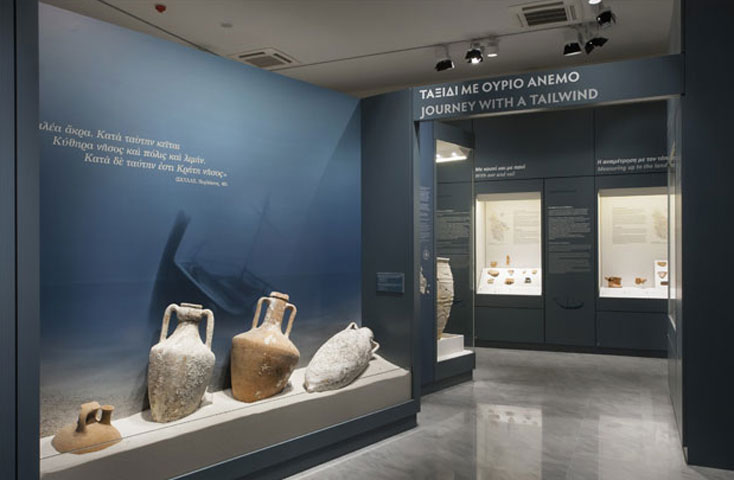
The Archaeological Museum of Kythera reopens its gates
After nine years of closure, the Archaeological Museum of Kythera opens its gates to the public, fully renovated and with a modern exhibition space.
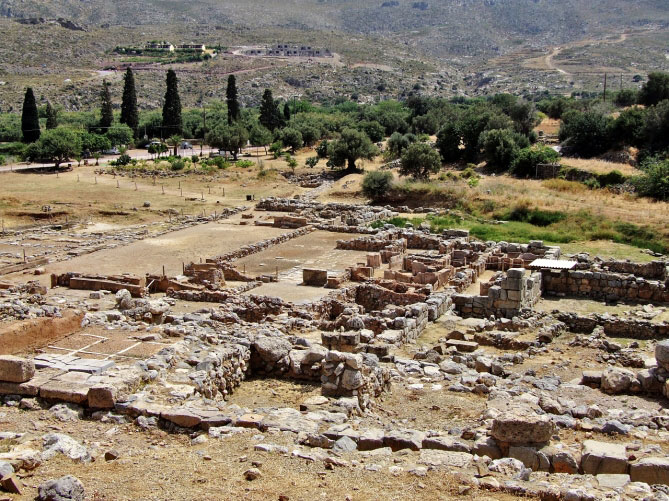
Sealing practices in Minoan Kato Zakros
In the next Minoan Seminar, to be given tomorrow, April 22, 2016, by Dr Maria Anastasiadou (Co-supervisor of the CMS archive, Heidelberg) the preliminary results of a new study of the impressed nodules from Kato Zakros.
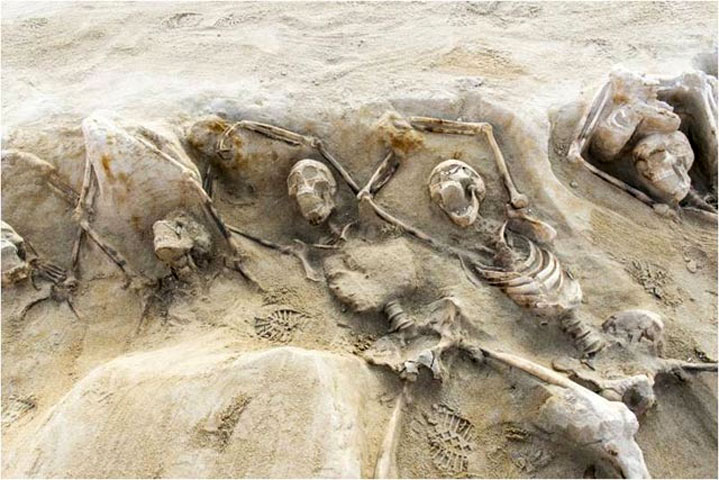
The Faliron “prisoners” will be preserved in situ
The “prisoners” revealed at the Faliron Delta, during works of planting trees for the Stavros Niarchos Foundation Cultural Centre, won’t be backfilled, but preserved in situ.
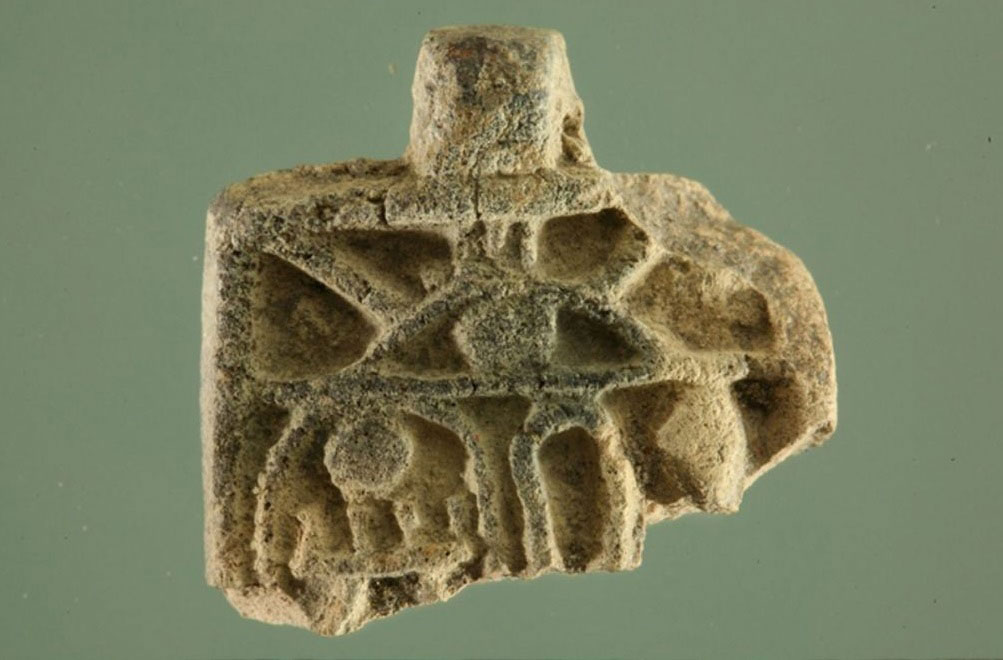
Rare Egyptian amulet with name of Ancient Pharaoh found
A rare amulet more than 3,200 years old bearing the name of the Egyptian ruler Tuthmose III, Pharaoh of the Eighteenth Dynasty (who reigned from 1479-1425 BC) has been discovered at the Temple Mount Sifting Project located in Jerusalem’s Tzurim Valley.
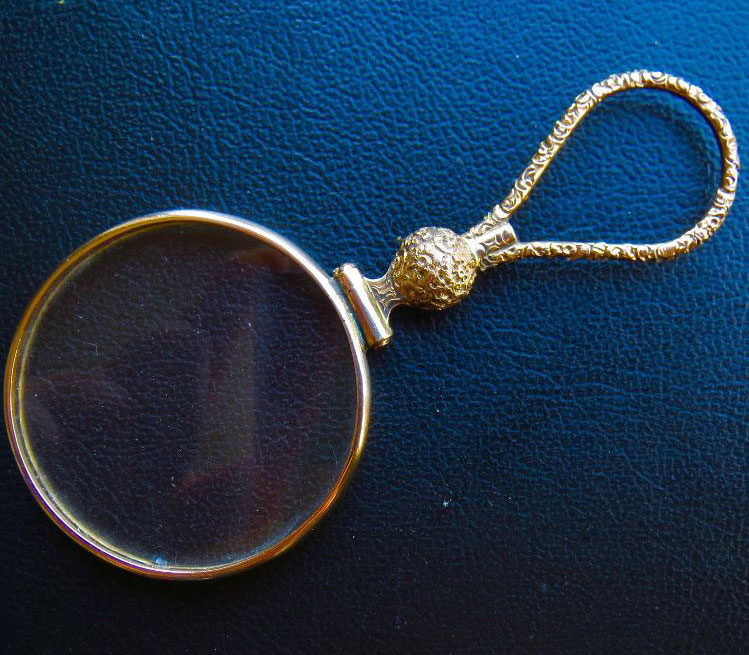
Victorian Age technology can improve virtual reality
Virtual and augmented reality have the potential to profoundly impact our society, but the technologies have a few bugs to work out to better simulate realistic visual experience.
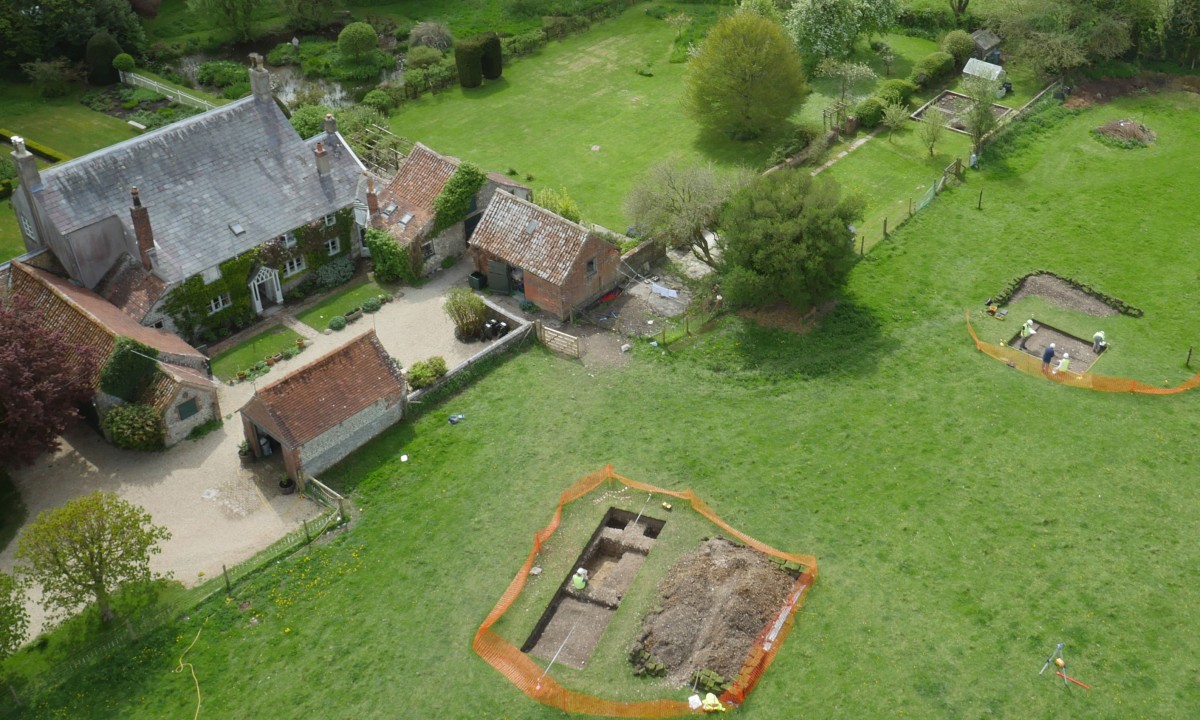
Unique Roman villa accidentally found in Wiltshire
The remains of a Roman villa have been discovered under a Wiltshire home and its garden, when the owner tried to lay cables under the barn.
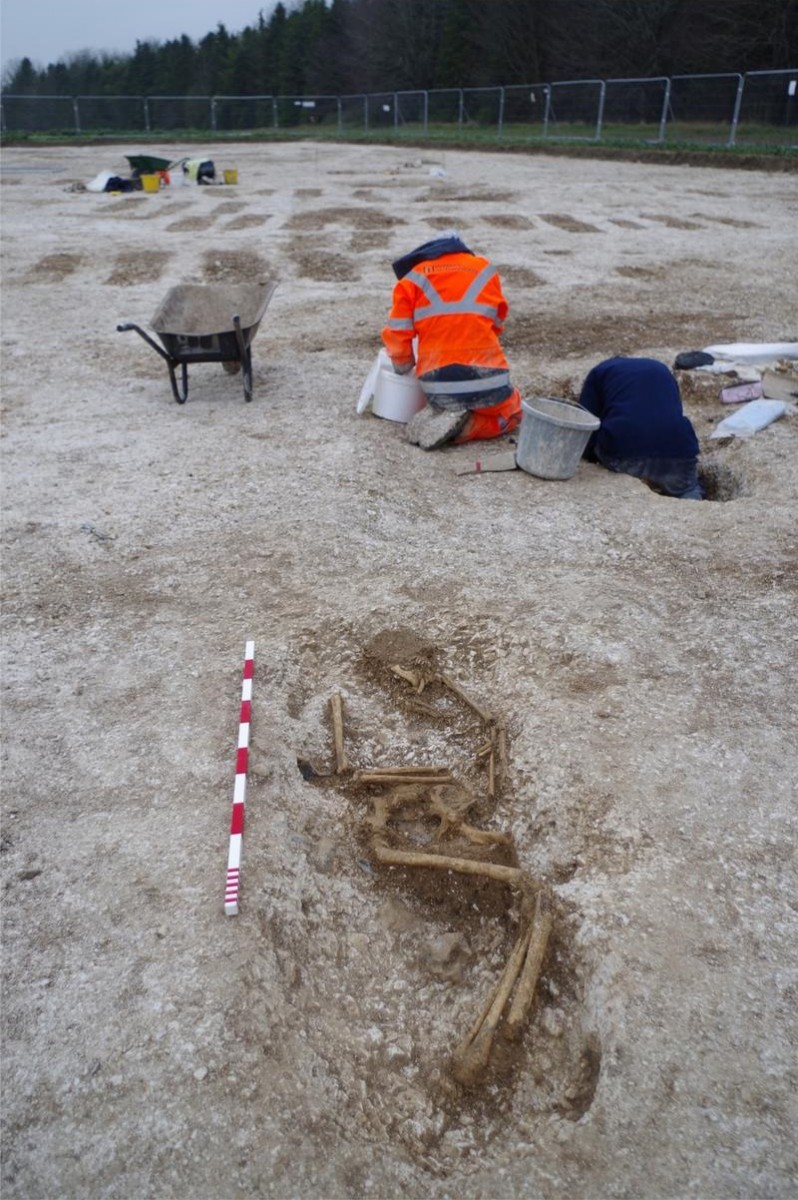
Saxon cemetery discovered at Bulford, Wiltshire
An Anglo-Saxon cemetery of about 150 graves was revealed in Bulford. Artefacts found in the graves included spears, knives, jewellery, bone combs and other personal items.
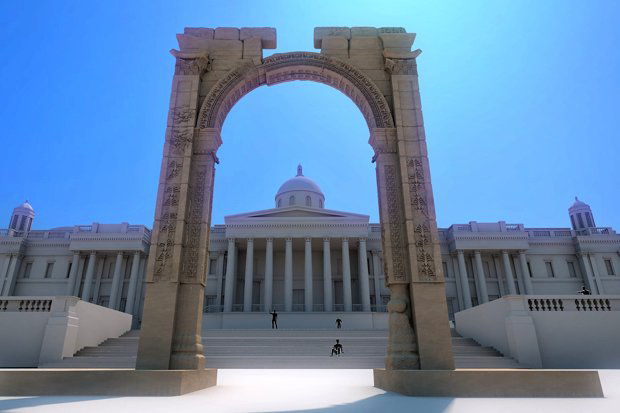
Replica of the Palmyra arch unveiled in London
A replica of the Palmyra Arch, that was destroyed by Islamic State fighters, was unveiled in Trafalgar Square, in London, on Tuesday.
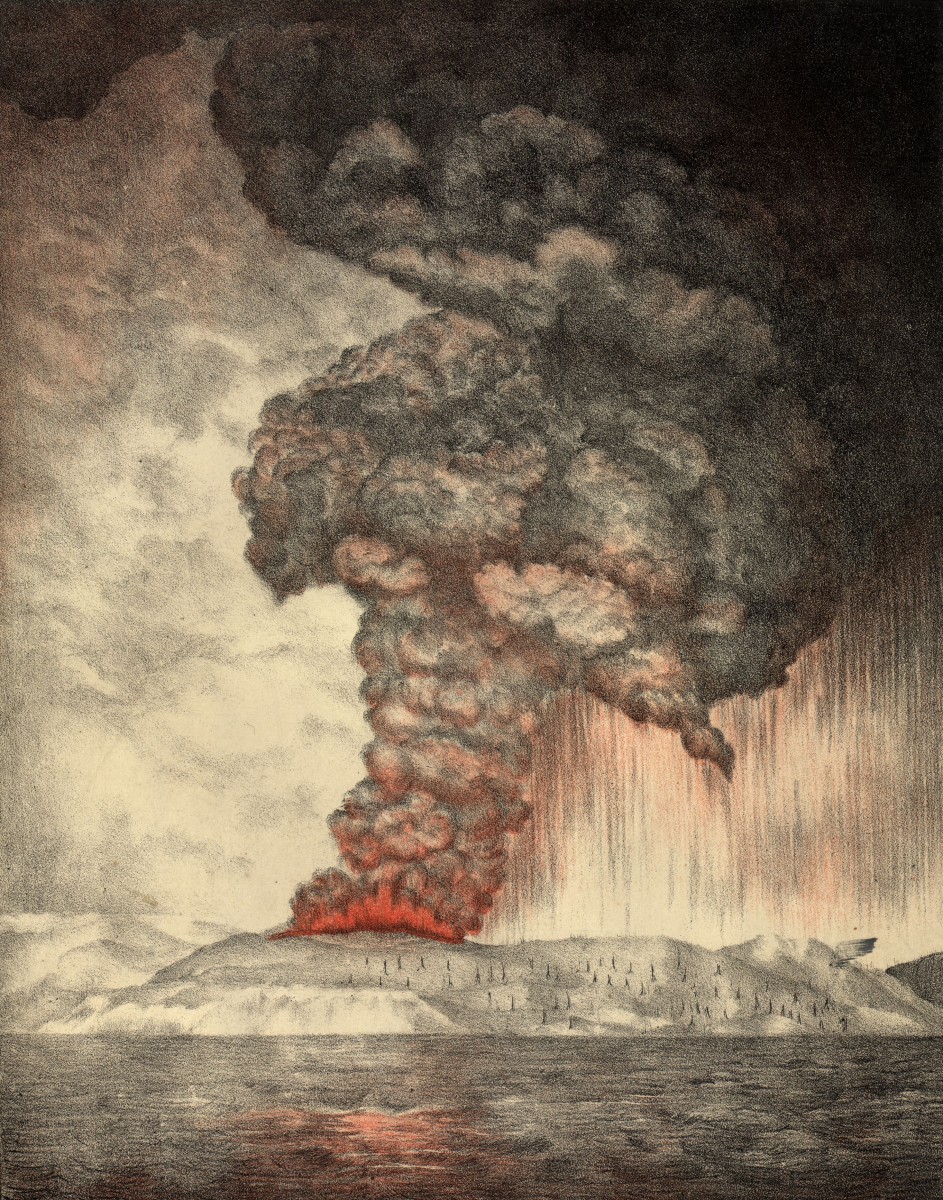
Two volcanoes trigger crises of the late antiquity
The impact of the volcanic double event of 536/540 on Northern Hemisphere climate was stronger than any other documented or reconstructed event of the past 1200 years.
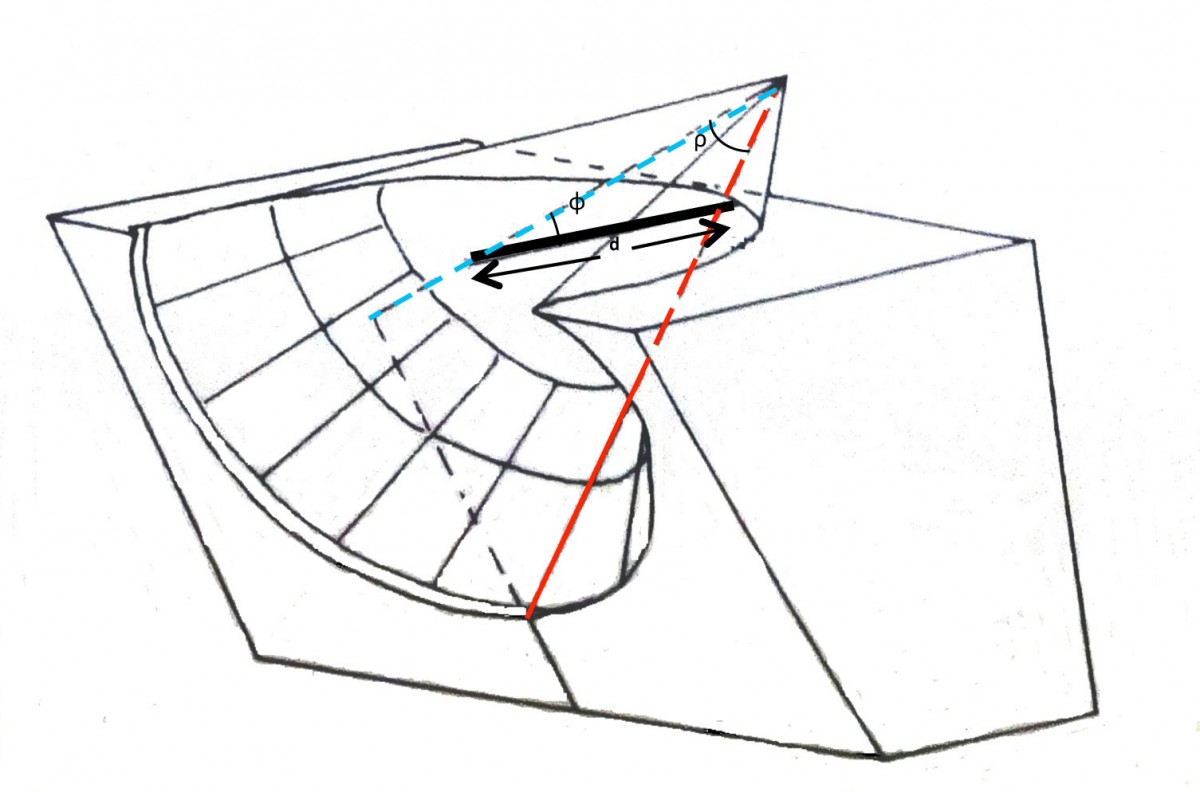
The conical sundial in the Archaeological Museum of Piraeus
It was an everyday occurrence in Ancient Greece to use sundials in fine weather to calculate the passage of time.
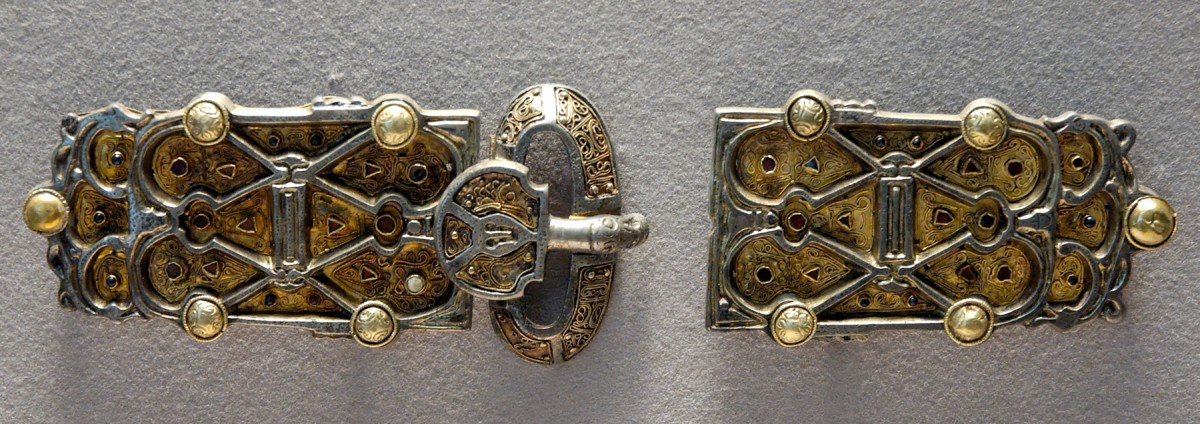
Solving the mystery of a mummified lung
An international team of researchers might have found the answer of how an organ of Queen Arnegunde was preserved while her body was skeletonized.
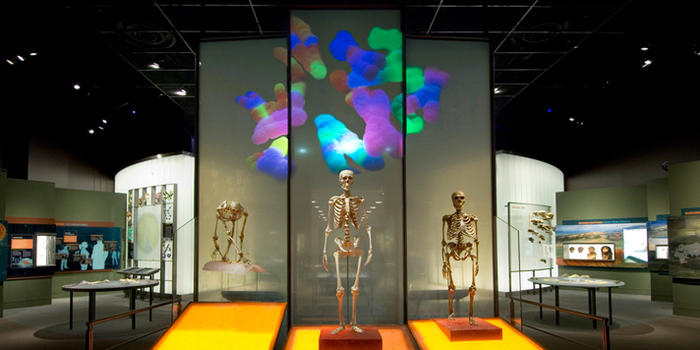
Bigger brains led to bigger bodies in our ancestors
New research suggests that humans became the large-brained, large bodied animals we are today because of natural selection to increase brain size.
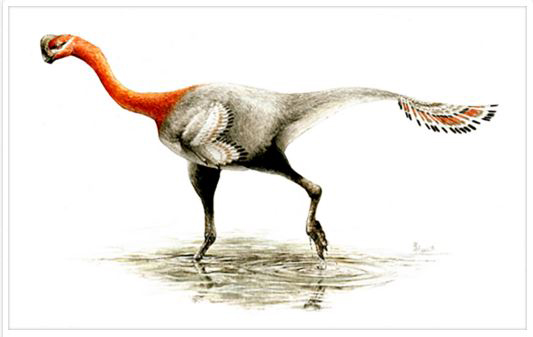
Deceptive feathered dinosaur finally gets a name
Solving one of the longest cases of mistaken identity, University of Alberta PhD candidate Greg Funston recently described a new genus and species of toothless dinosaur from Alberta.
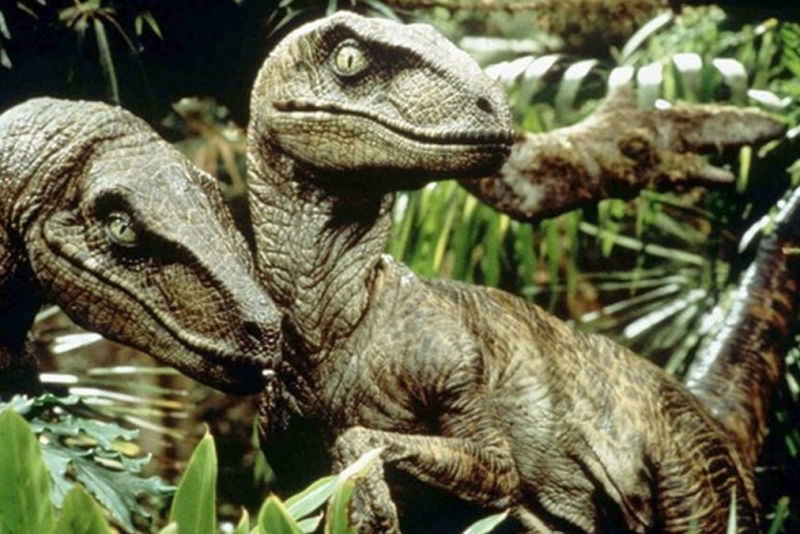
Dino dinner, dead or alive
New research conducted at Trinity College Dublin suggests that T Rex and Velociraptor might be better remembered as oversized, scaly or feathered hyenas.
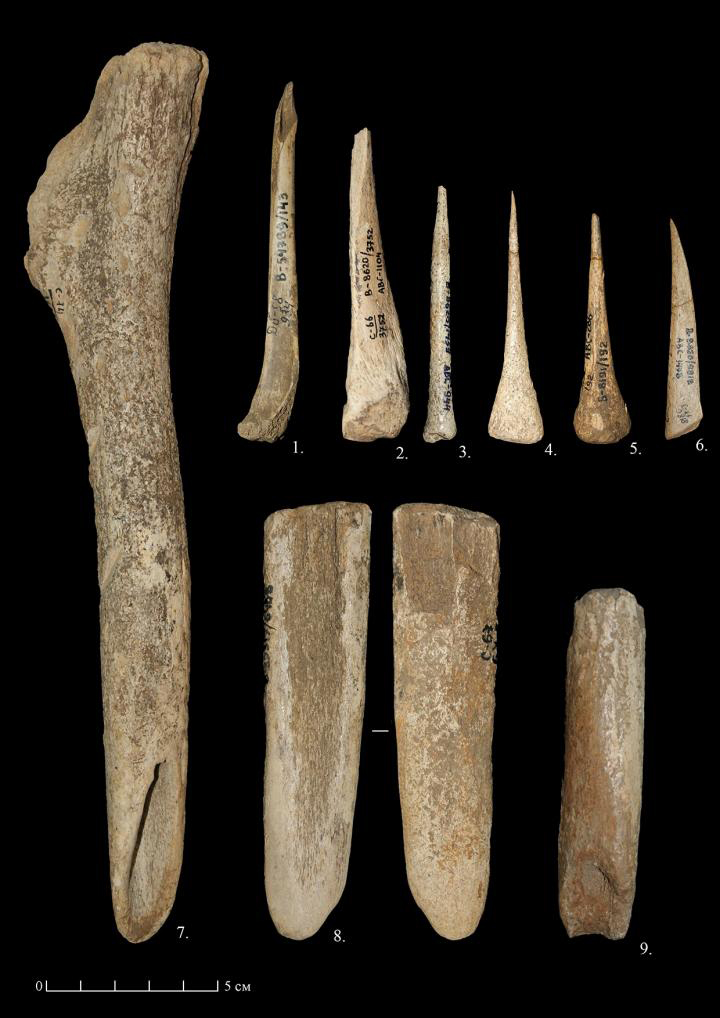
Vladimir is thrilled by the Sungirian man
Archaeologists studied tools made by Homo sapiens who had lived near Vladimir.

What helped deep sea creatures survive asteroid strike that wiped out the dinosaurs?
Study of fossil shells solves unanswered question of how deep sea creatures survived asteroid strike during immense upheaval of the world's oceans.
Mass grave containing 80 skeletons found at the Faliron Delta
Archaeologists excavating at the site of the Faliron Delta found a mass grave containing 80 skeletons.
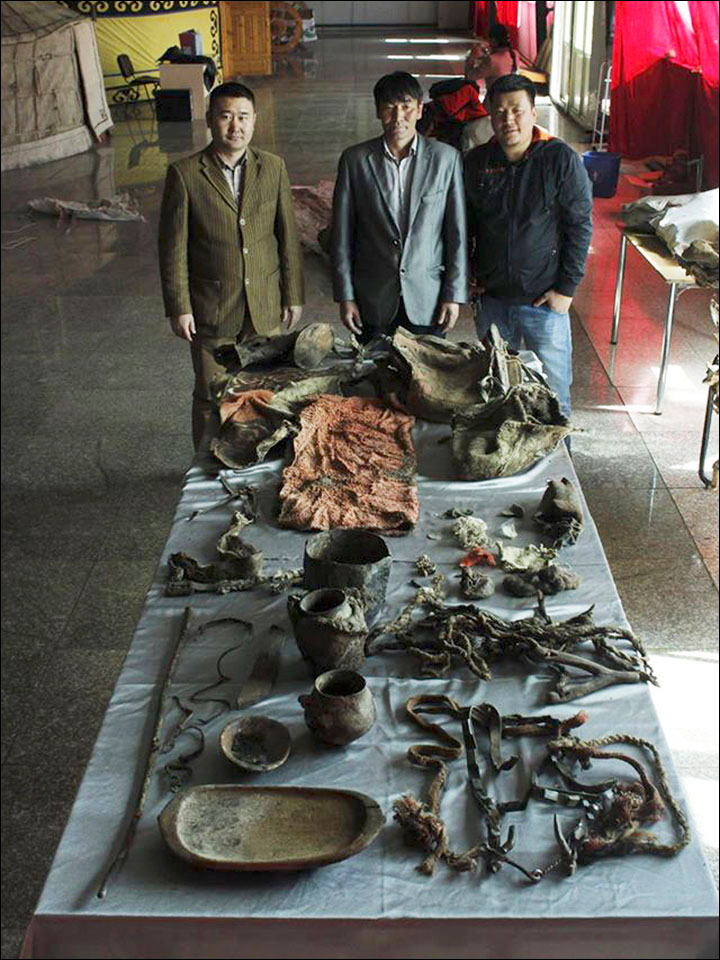
A grave with a mummy was found in Mongolia
Archaeologists have unearthed mummified human remains along with animal remains and artefacts from a grave at the Altai Mountains in Mongolia.
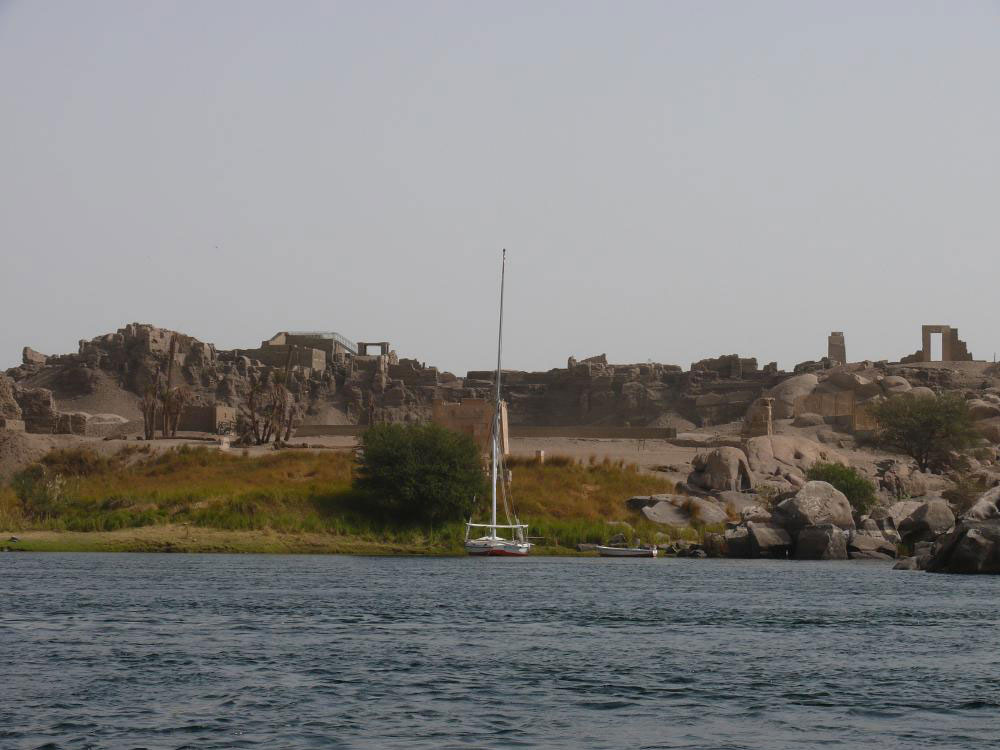
Barque station of Queen Hatshepsut discovered on Elephantine Island
According to Dr Felix Arnold, the field director of the mission, the building served as a way-station for the festival barque of the god Khnum.
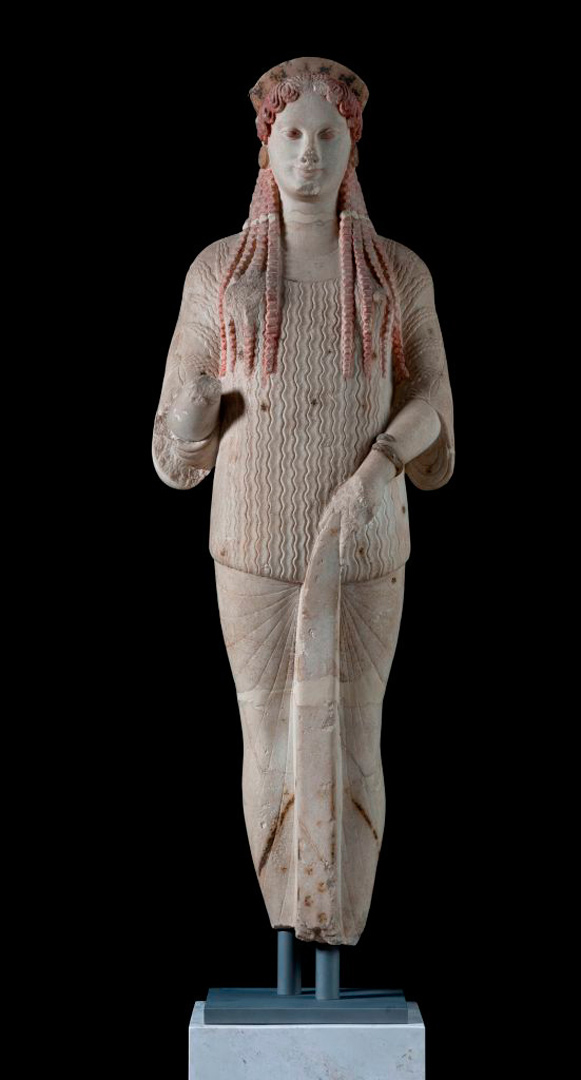
A Kore in the Hermitage Museum
On 8 April 2016 an exhibition of an Ancient Greek sculpture from the Acropolis Museum (Athens) has opened in the State Hermitage – an Archaic Statue of a Kore.
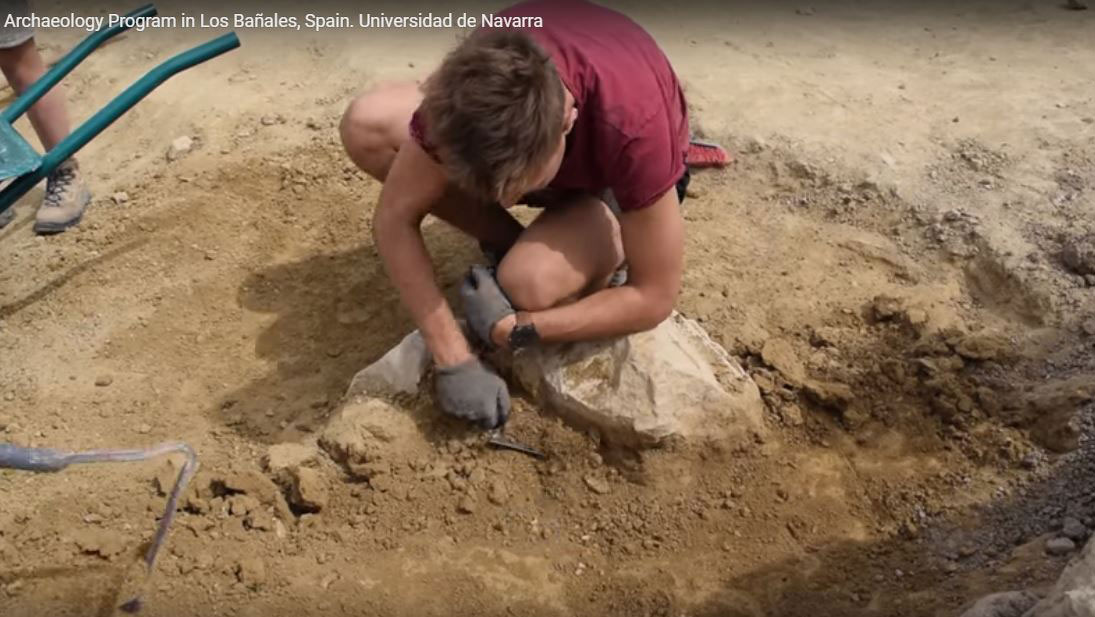
Archaeology Program in Los Bañales
The University of Navarre offers the possibility of excavating a Roman city in Spain.
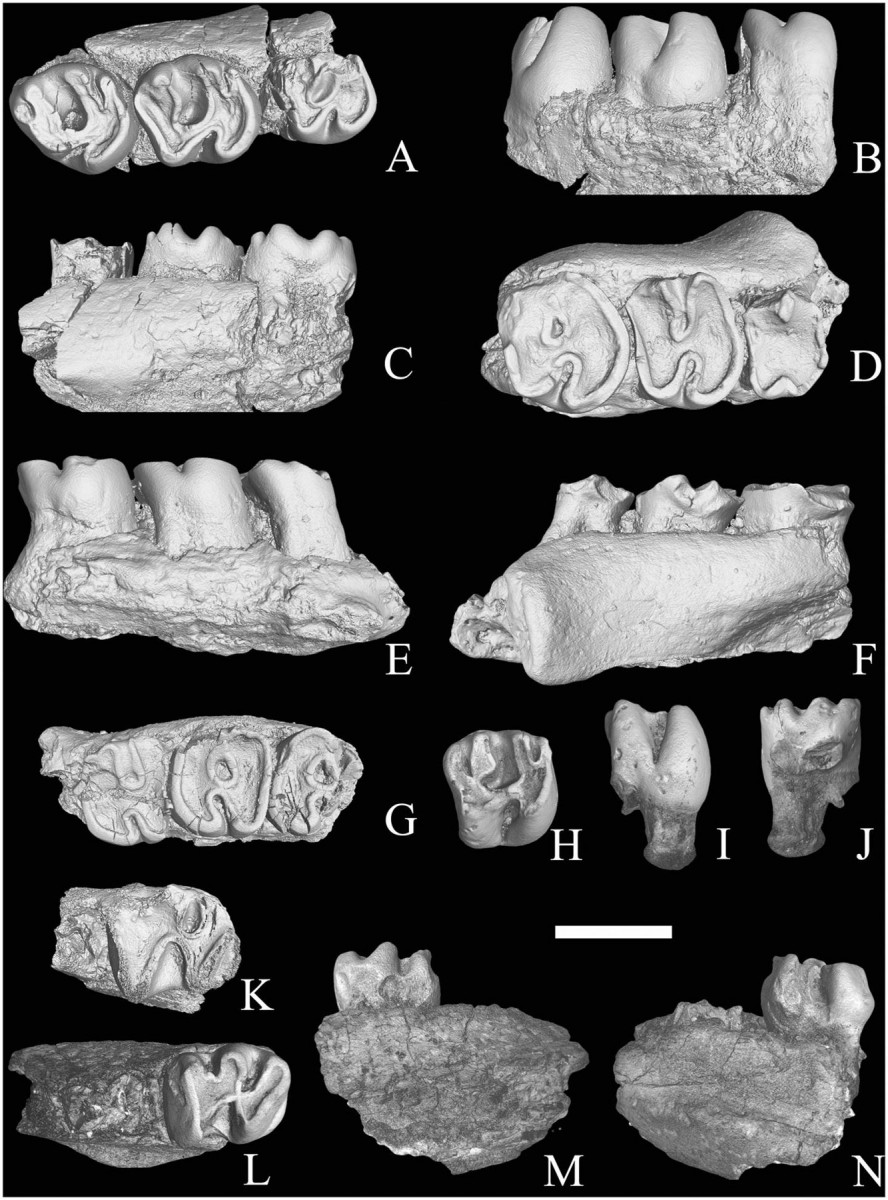
New species of extinct rodent discovered in Israel
The new-found species has unique features that offer fresh insight into the migration patterns of ancient animals from Asia to Africa.
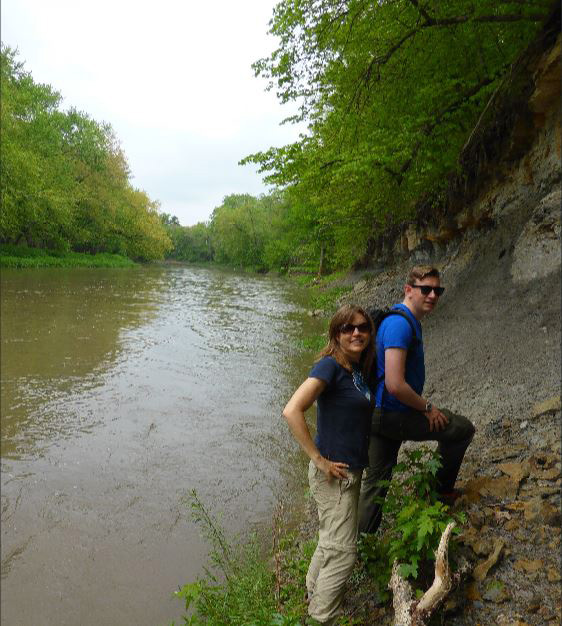
Prehistoric peepers give vital clue in solving 300 million year old ‘Tully Monster’
University of Leicester researchers identify ancient ‘Tully Monster’ was a vertebrate.
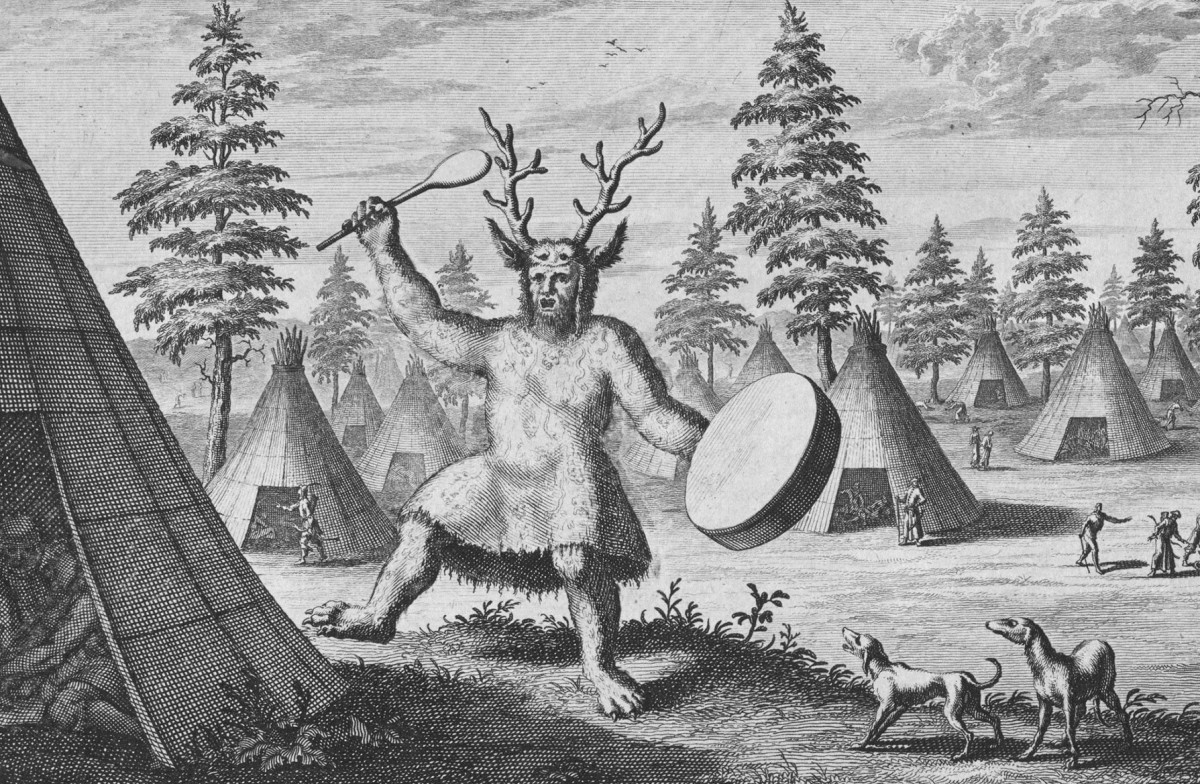
Headdress reconstruction throws light on hunter-gatherer rituals
A research team led by archaeologists at the University of York used traditional techniques to create replicas of ritual headdresses made by hunter-gatherers 11,000 years ago in North Western Europe.