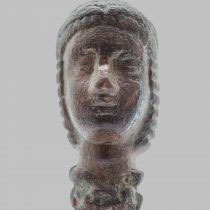
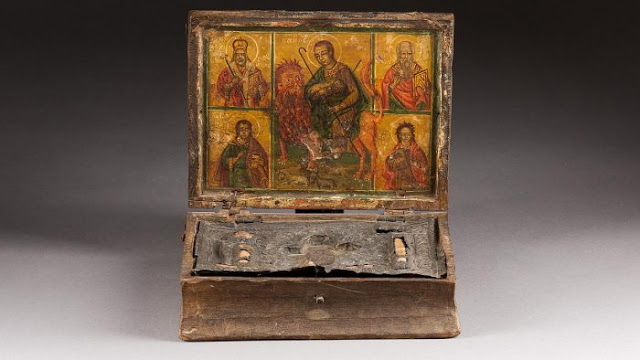
Germans returned priceless reliquary case looted from North Cyprus
The reliquary was on sale online on the Hargesheimer Kunstauktionen Düsseldorf auction house website. The Holy Bishopric of Morfou was immediately notified.
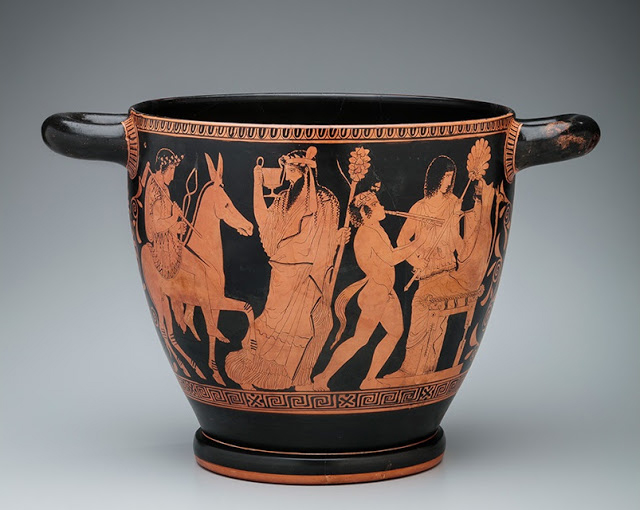
Toledo Museum of Art to return ancient Greek vase to Italy
The vessel will remain on view at TMA for four years, after which the Museum may ask to renew the loan or request another significant object from the Italian government as part of a continuing and rotating cultural exchange.
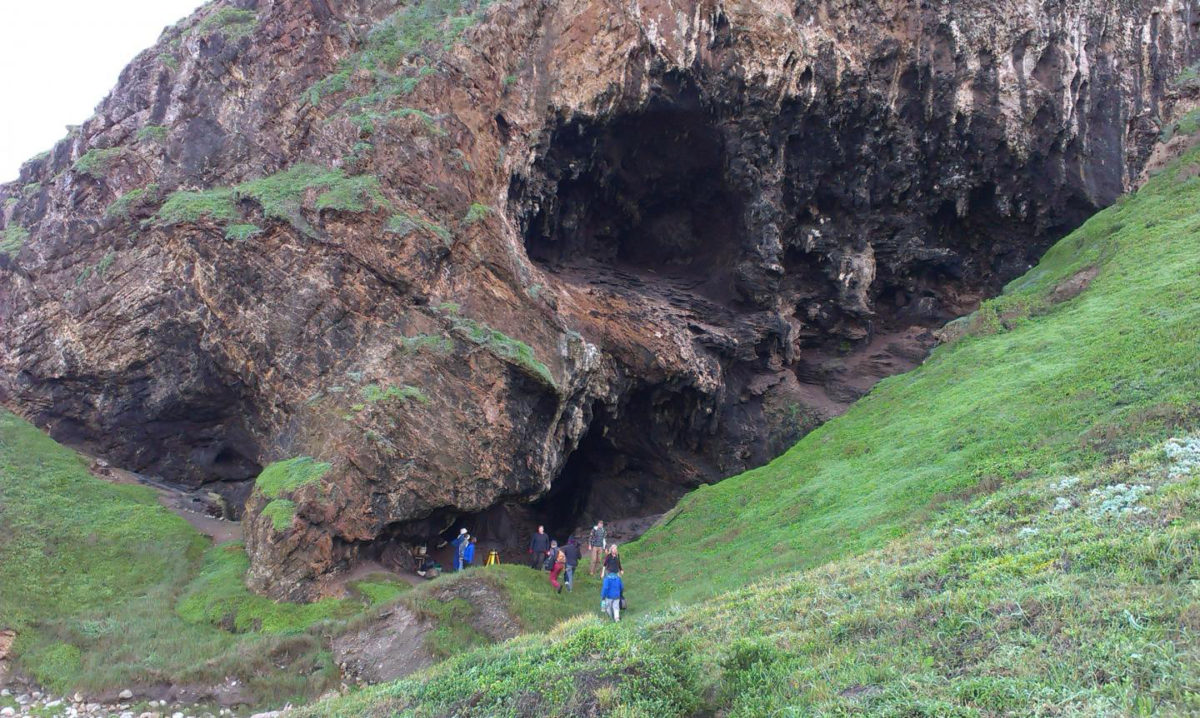
Earliest evidence of the cooking and eating of starch
Early human beings who lived around 120,000 years ago in South Africa were 'ecological geniuses' who were able to exploit their environment intelligently for suitable food and medicines.
Palaeolithic diet had no social divisions in food consumption
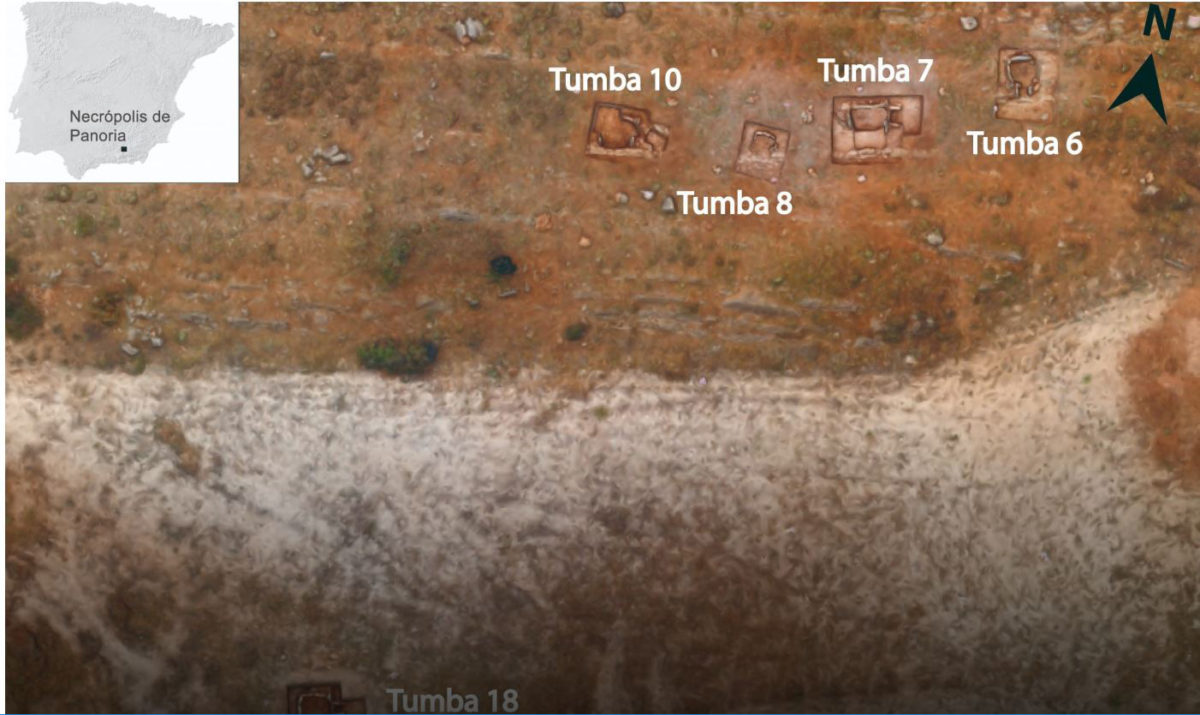
Although Megalithic communities did vary their eating habits over time, there were no relevant social differences either in the type of food or in the proportion of proteins consumed.
Record Price for a Monet painting
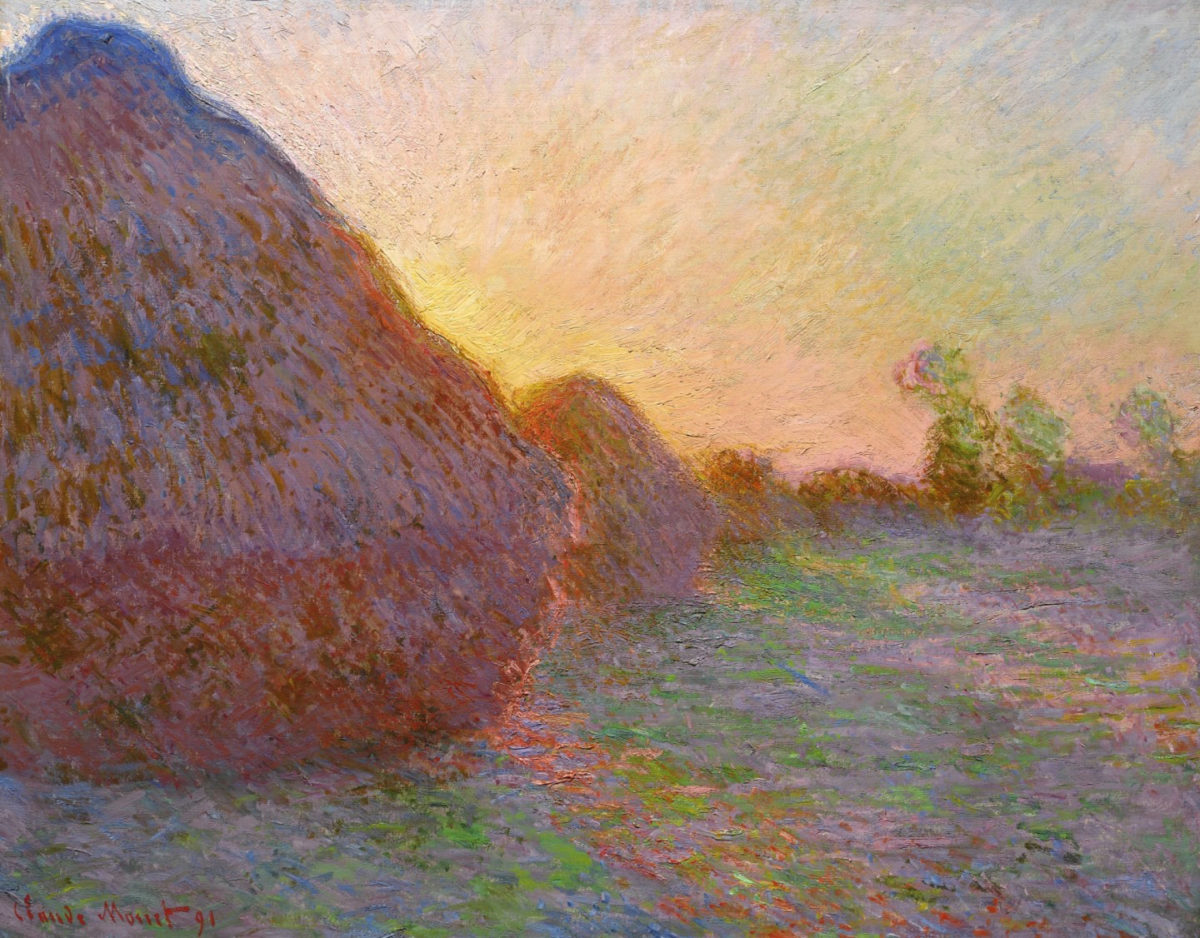
A Claude Monet painting from the “Haystacks” series by the French artist sold last Tuesday at a Sotheby’s auction in New York for 110.7 million dollars.
3,500-year-old cave burials found in Western Pyrenees
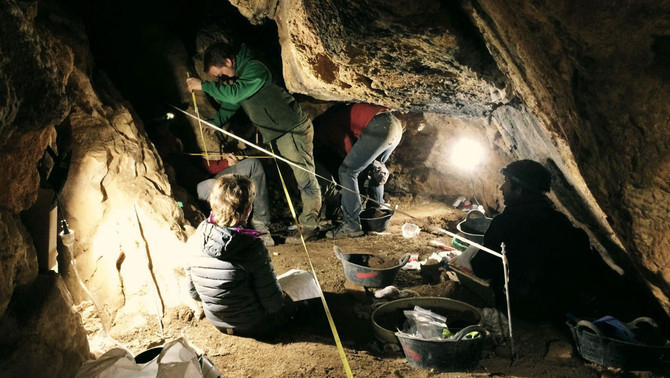
The oldest documented human remains in the Western Pyrenees have been discovered at Pallars Sobirà in the Siarb Valley (Catalonia).
Archaeological expedition to the Sudanese desert
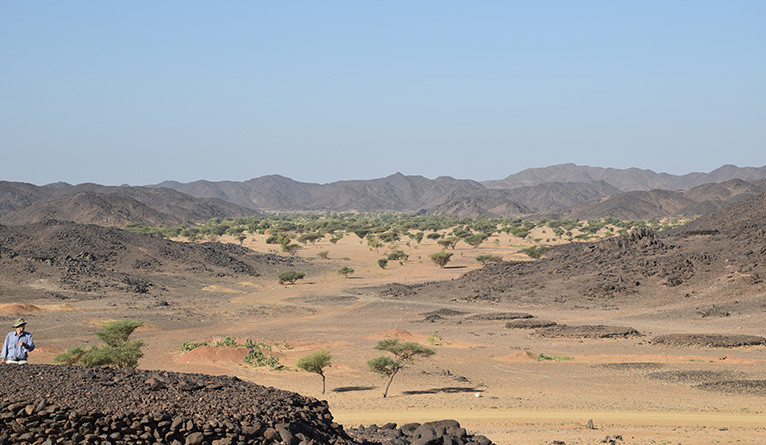
The archaeologists' goal was to research the ancient nomads of the region and also assess antiquities threatened by goldmining.
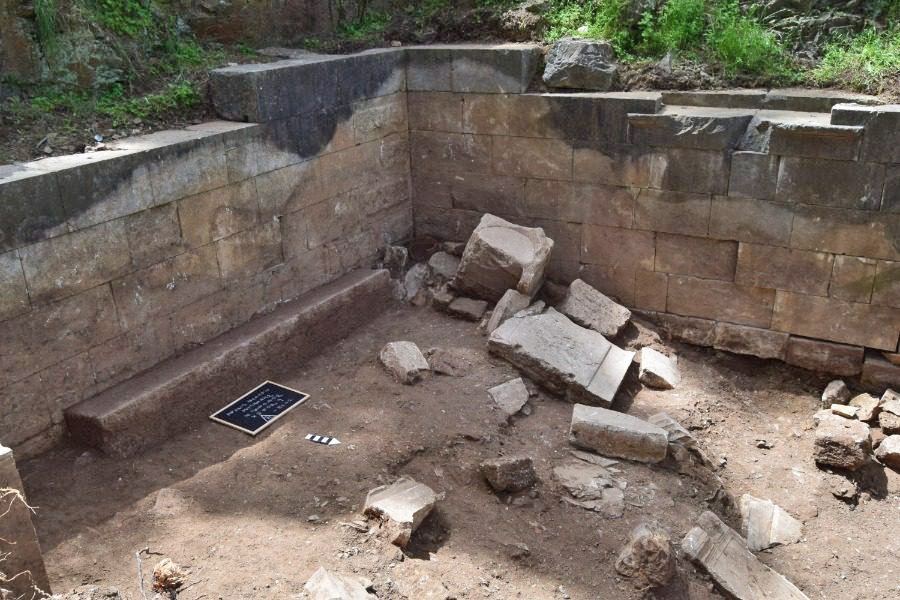
Sanctuary of Nemesis has come to light in the ancient theatre of Mytilene
This important find enhances the significance of the site of the ancient theatre of Mytilene.
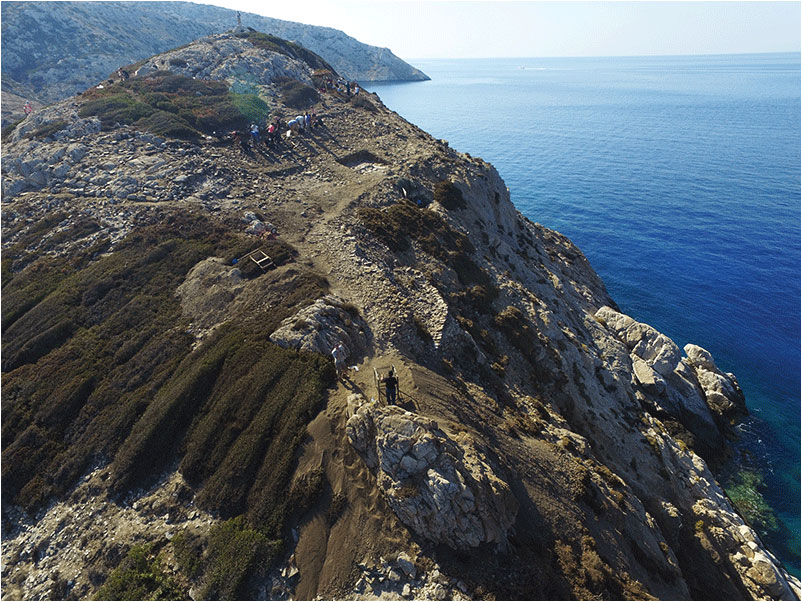
Evidence of advanced architectural planning on Dhaskalio
A four year research program has been completed with the discovery of impressive architectural remains of an important Proto Cycladic settlement.
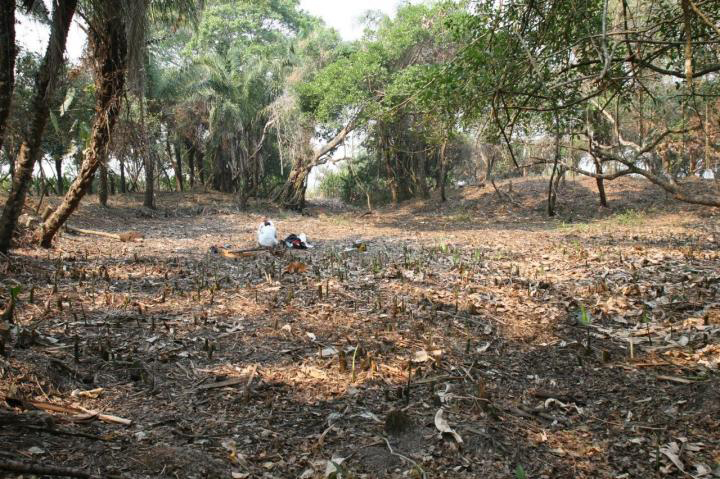
Ancient fish ponds in the Bolivian savanna supported human settlement
A network of fish ponds supported a permanent human settlement in the seasonal drylands of Bolivia more than one thousand years ago.
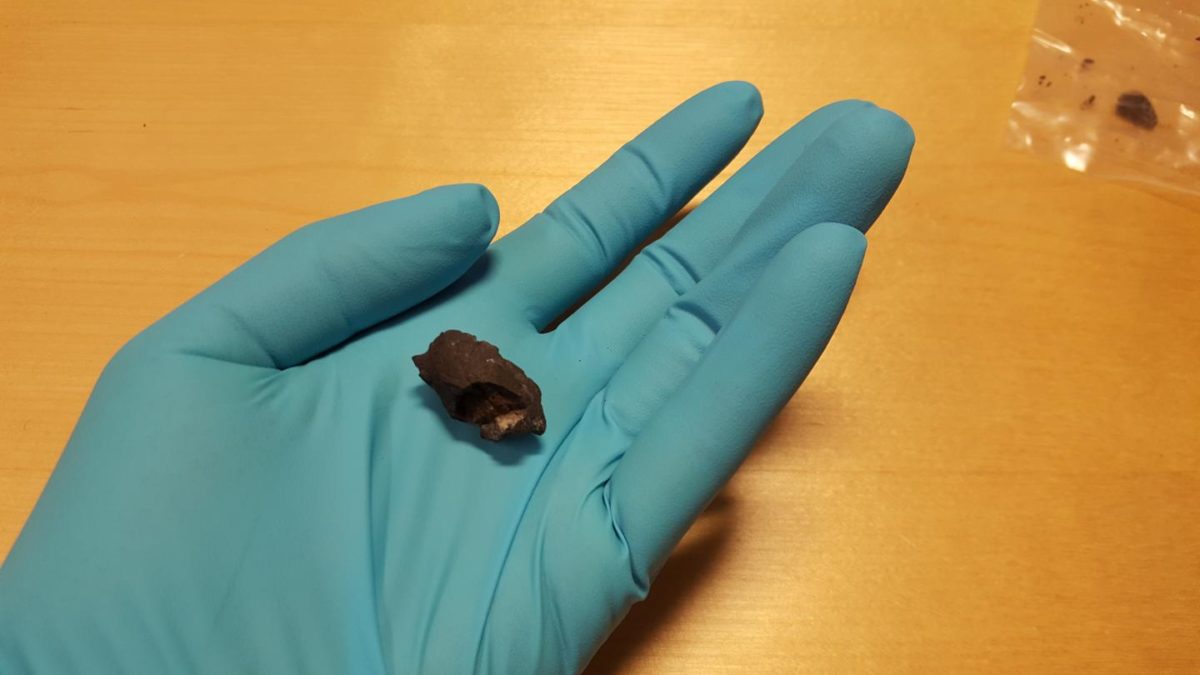
Chewing gums reveal the oldest Scandinavian human DNA
The first humans who settled in Scandinavia more than 10,000 years ago left their DNA behind in ancient chewing gums, which are masticated lumps made from birch bark pitch.

Coins for the Gods, coins for the merchants
The purpose of this colloquium is to examine the specific context of coin finds in sanctuaries.
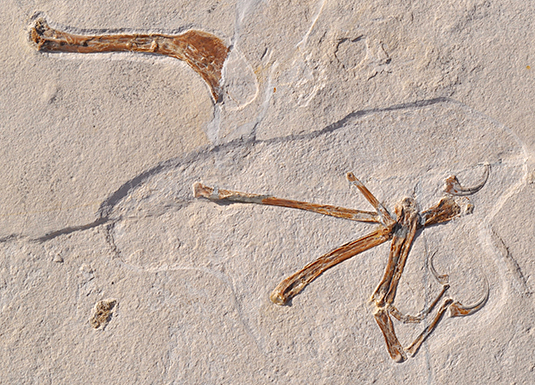
First birds: Archaeopteryx gets company
A team led by Professor Oliver Rauhut has taxonomically identified a bird unknown until now: Alcmonavis poeschli.
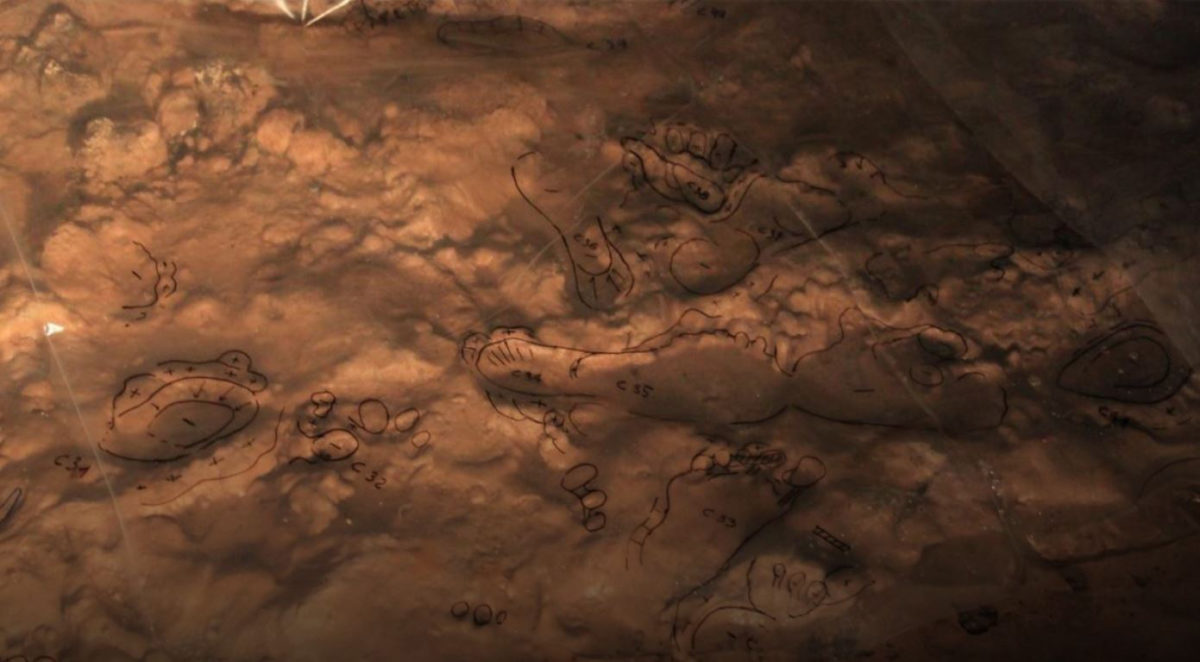
Traces of crawling in Italian cave give clues to ancient humans’ social behavior
Evidence of crawling in an Italian cave system sheds new light on how late Stone Age humans behaved as a group, especially when exploring new grounds.
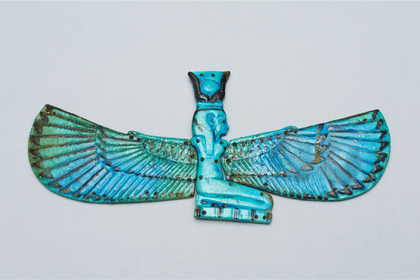
Belief and Identity in the Ancient World
The Sixth Annual Birmingham Egyptology Symposium, ‘Belief and Identity in the ancient World’ will be held in the Murray Learning Centre (Room UG10) at the University of Birmingham.
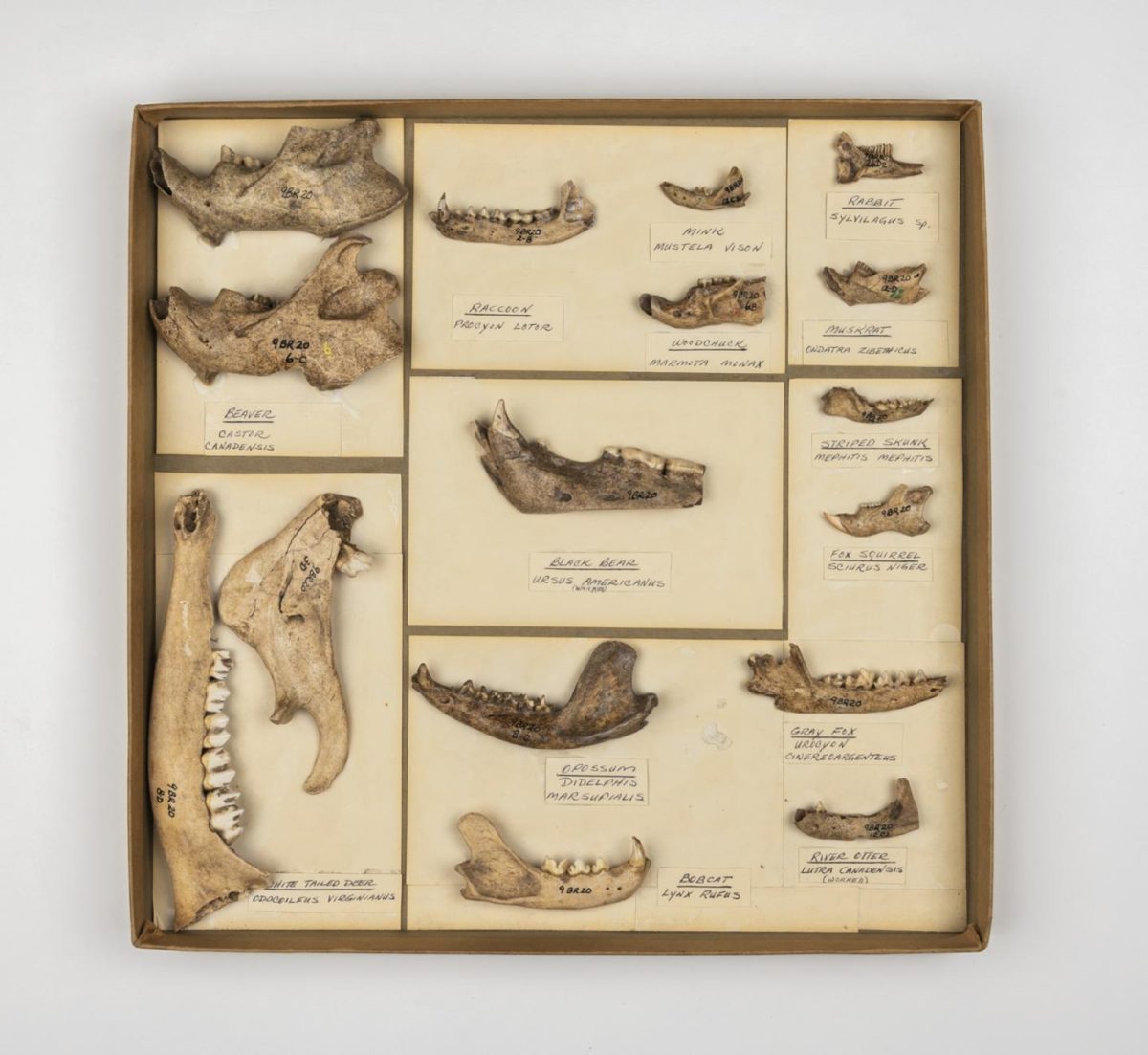
New data platform illuminates history of humans’ environmental impact
Making these specimen records accessible digitally helps provide a long-term perspective on current biodiversity crises.
Art history in digital humanities: where an “X marks the spot” in time and space
Dr. Stuart Dunn (King's College, London) shares his views on how "digital" is the future of archaeology and art history.

The Knossos Tablets
The sixth edition of The Knossos Tablets brings for now to completion nearly 120 years of the study of the texts of the Linear B inscriptions from the preeminent Cretan palatial site of the late Minoan Bronze Age.
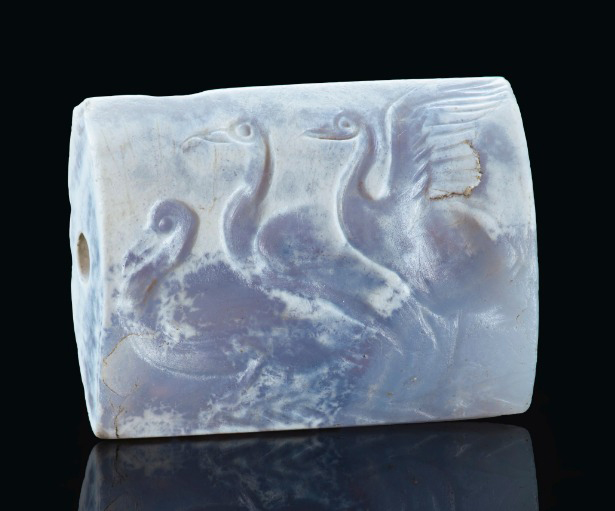
Getty Museum acquires collection of ancient engraved gems
All seventeen gems will be featured as part of a special exhibition opening at the Getty Center in December highlighting recent acquisitions.

Abrupt climate change drove early South American population decline
Abrupt climate change some 8,000 years ago led to a dramatic decline in early South American populations, suggests new UCL research.

Ancient DNA suggests that some Northern Europeans got their languages from Siberia
The findings highlight the way in which a combination of genetic, archaeological, and linguistic data can converge to tell the same story about what happened in particular areas in the distant past.
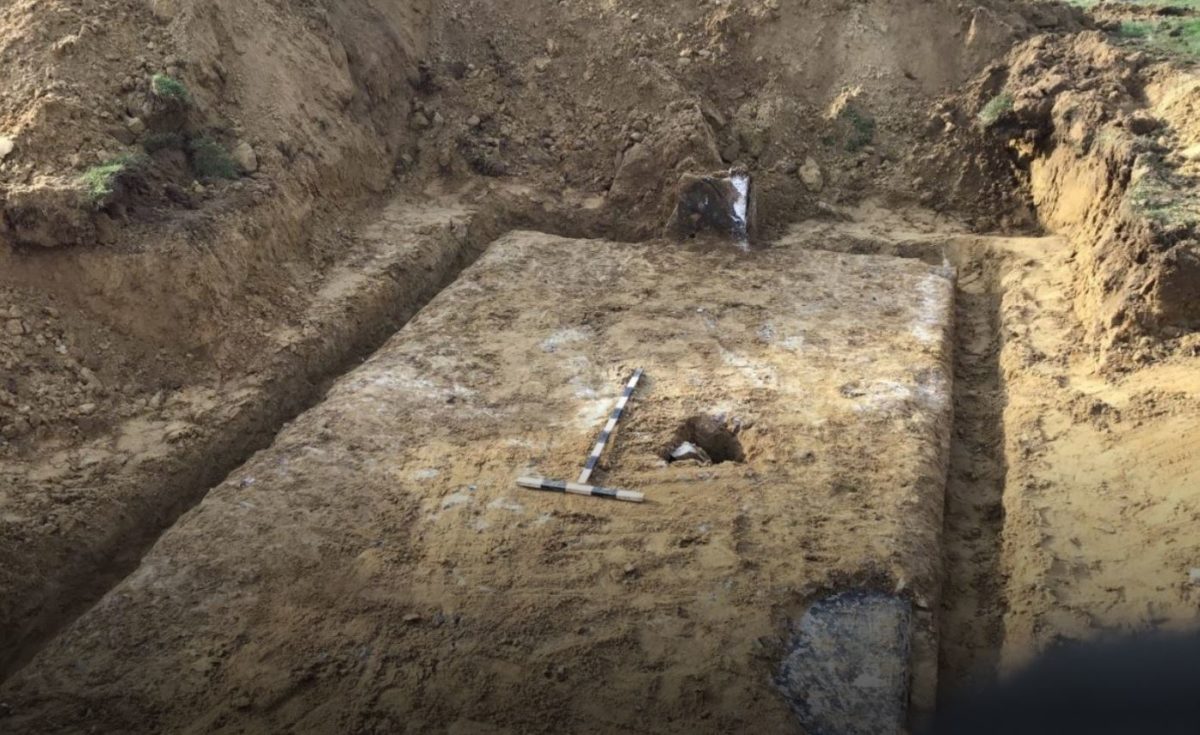
Archaeologists uncover Cold War structure
Wessex Archaeology have discovered of an Underground Monitoring Post (UGMP) in Arborfield dating back to the Cold War.
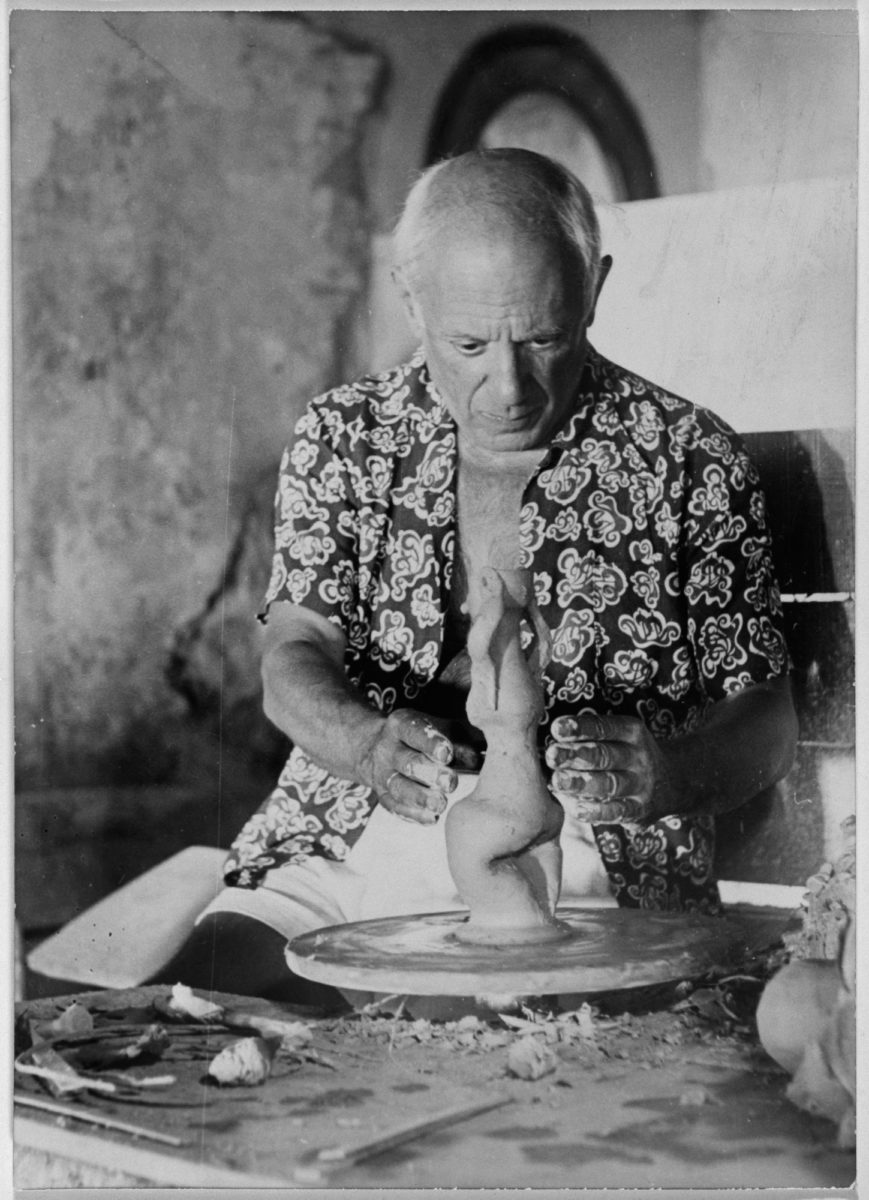
Picasso at the Cyprus Museum
The exhibition presents a small but representative part of Picasso’s ceramic creations, with original and unique works.
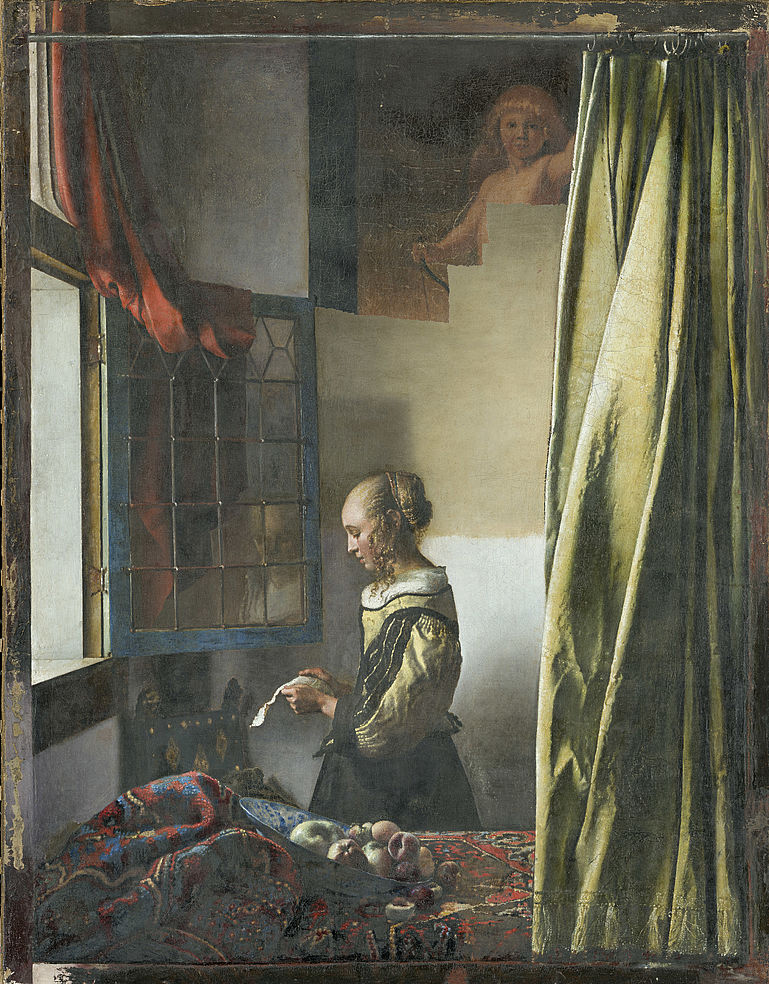
A “new” Vermeer in Dresden
Today, new laboratory tests have conclusively determined that the overpainting of the naked Cupid was not by Vermeer’s hand.