
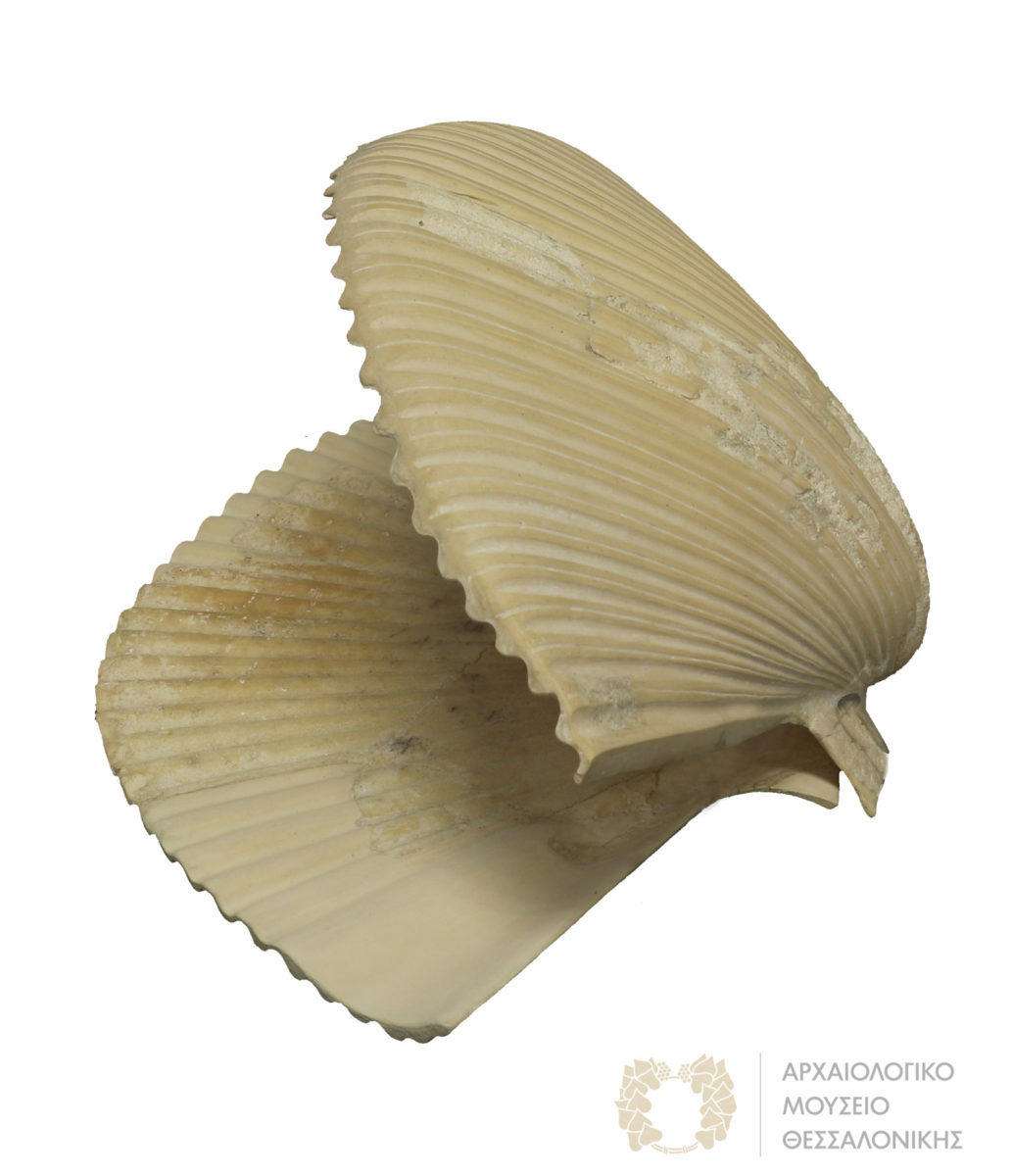
Copying (in) the Past: Imitation and Inspiration Stories
The exhibition attempts to approach the multi-faceted phenomenon of copying in the past and the present and its innumerable expressions.
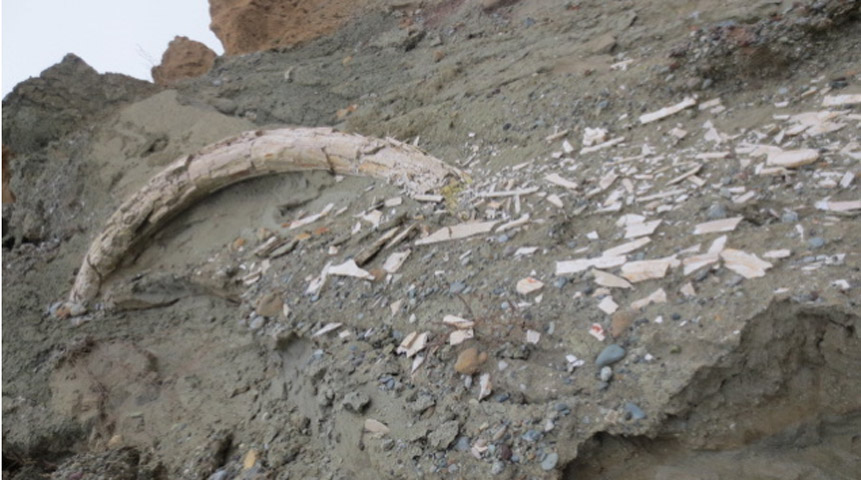
2-metre-long prehistoric tusk found in Amyntaio
It was found by PPC employees while clearing earth from a landslide at the mine of Amyntaio, Florina.
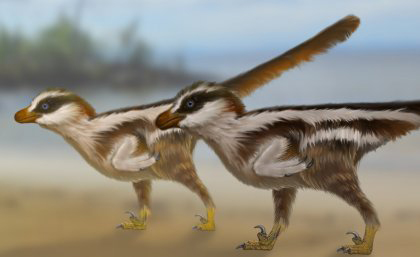
Tiny raptor tracks lead to big discovery
Tracks made by dinosaurs the size of sparrows have been discovered in South Korea by an international team of palaeontologists.
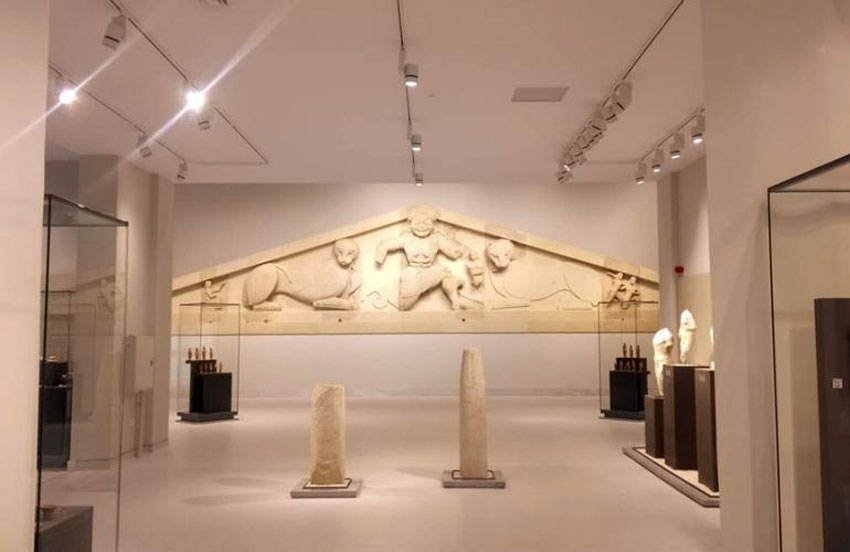
The Archaeological Museum of Corfu is open once again
Housed in the two-storey Archaeological Museum of Corfu are archaeological finds from the entire “island of the Phaeacians″.
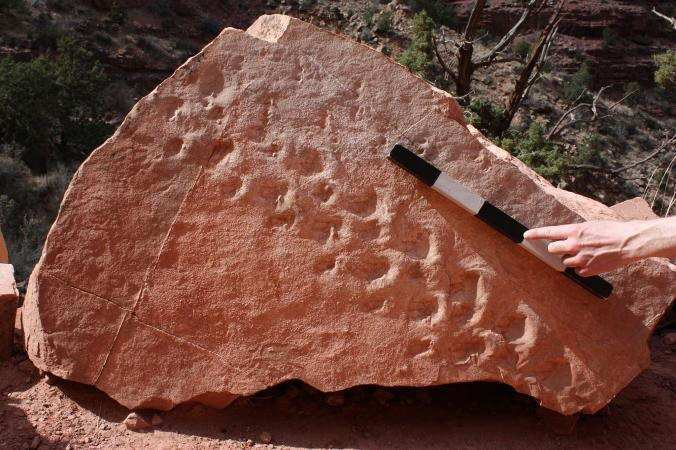
Tiny footprints, big discovery
A set of 28 footprints left behind by a reptile-like creature 310 million years ago are the oldest ever to be found in Grand Canyon National Park.
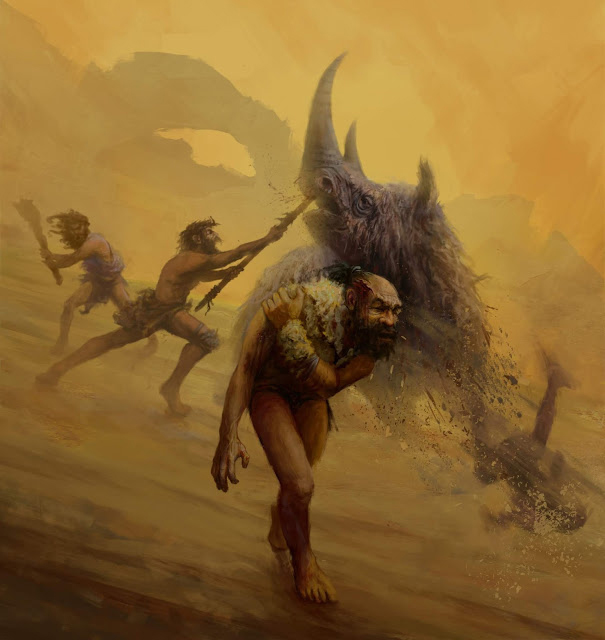
Not so dangerous: Neanderthals and early modern humans show similar levels of cranial injuries
A team of researchers led by Professor Katerina Harvati has shown that Neanderthals sustained similar levels of head injuries to the earliest anatomically modern humans in Eurasia.
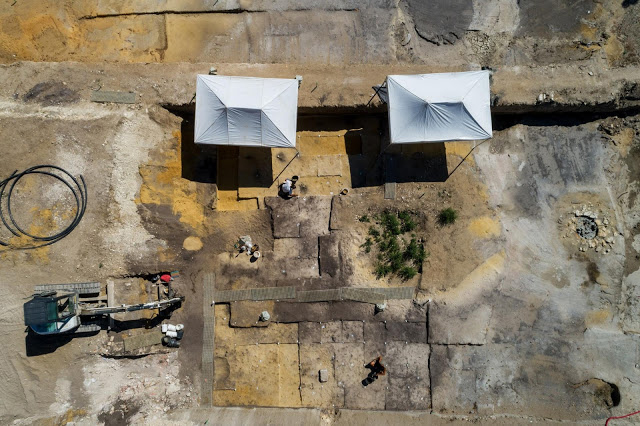
Late Palaeolithic Site Unearthed In Southwestern France
Preventive excavation on the Renaudin Islet, located in a sector that is poorly known from an archaeological perspective.
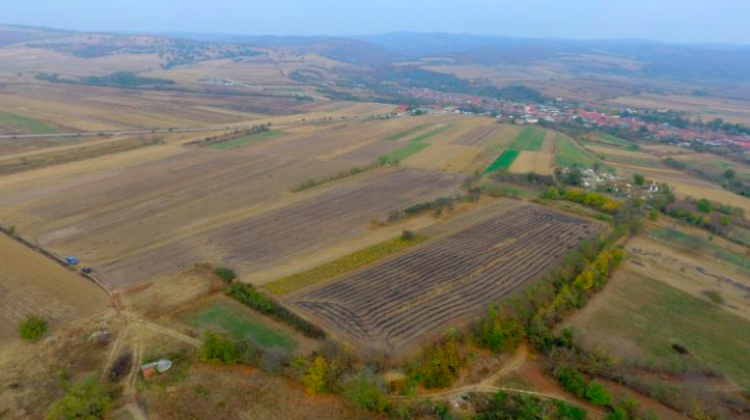
Scientists have determined the layout of the Roman fort in Pojejena
We now know the layout of a large Roman fort in Pojejena in western Romania, on the Serbiam border.
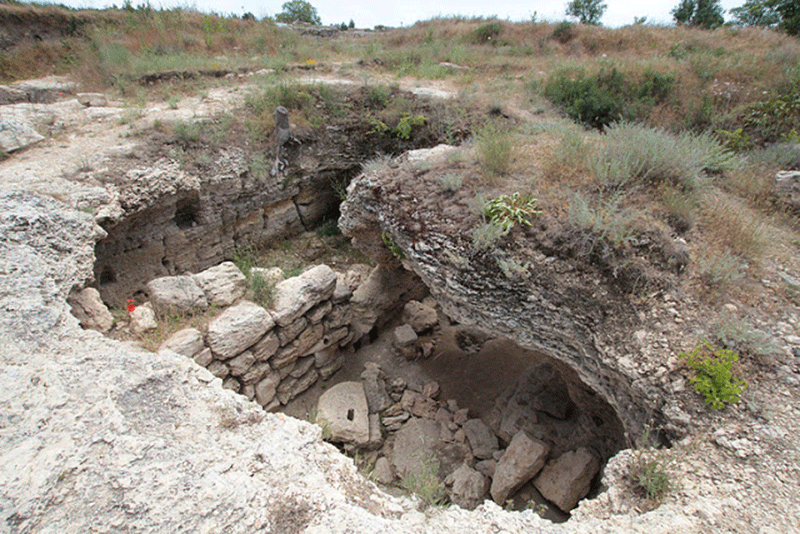
An ancient Greek settlement was found in Crimea
Archaeologists excavating in eastern Crimea have discovered an ancient Greek settlement which had been previously unknown.
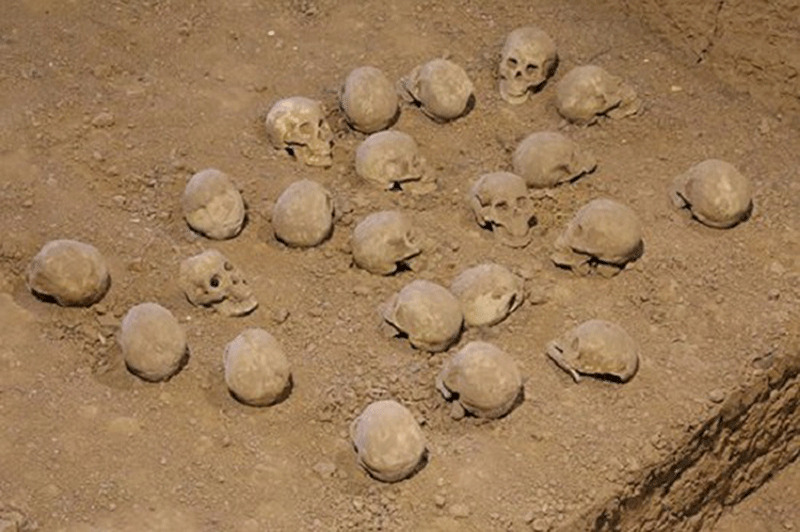
Findings in China yield evidence of early medical treatments
Excavations in central China have yielded evidence of early craniotomy more than 3,000 years ago, shedding light on medical treatments at the time.

The Mycenaean Priesthood through the Linear B Tablets
The 2nd meeting of the Mycenaean Seminar presents Dr. Aspasia Gkioka (archaeologist).

Experts find that stone tools connected communities
The tools – mainly blades and backed knives from the Howiesons Poort – were found in various layers in the Klipdrift Shelter, in the southern Cape in South Africa.
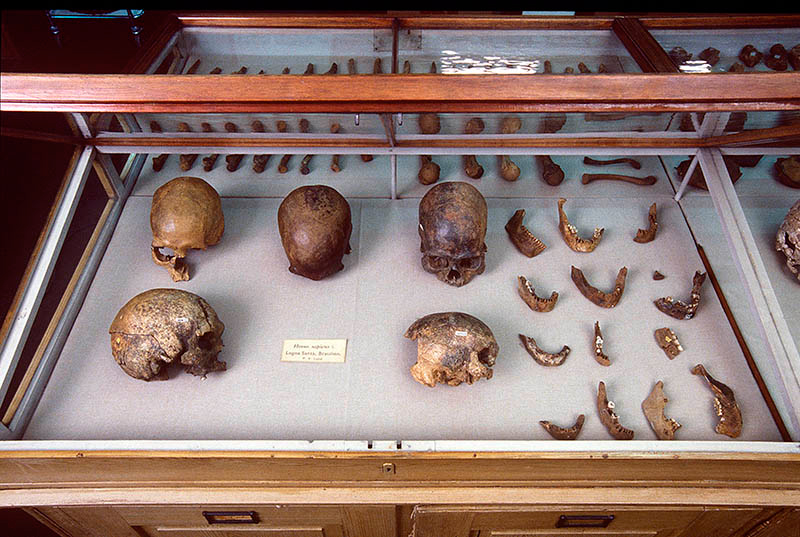
Ancient DNA analysis unlocks secrets of Ice Age tribes in the Americas Research
Scientists have sequenced 15 ancient genomes spanning from Alaska to Patagonia and were able to track the movements of the first humans as they spread across the Americas at “astonishing” speed during the last Ice Age.
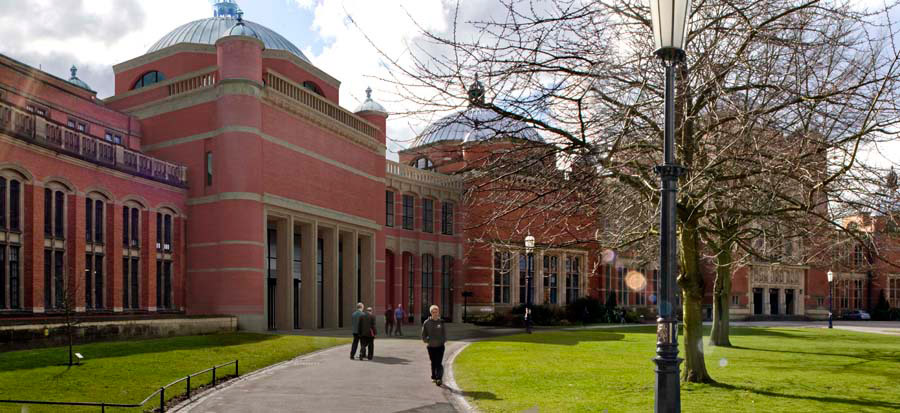
Ph.D. funding opportunities at the University of Birmingham
Ph.D. funding opportunities at the University on offer by the AHRC Midlands4Cities Doctoral Training Partnership.
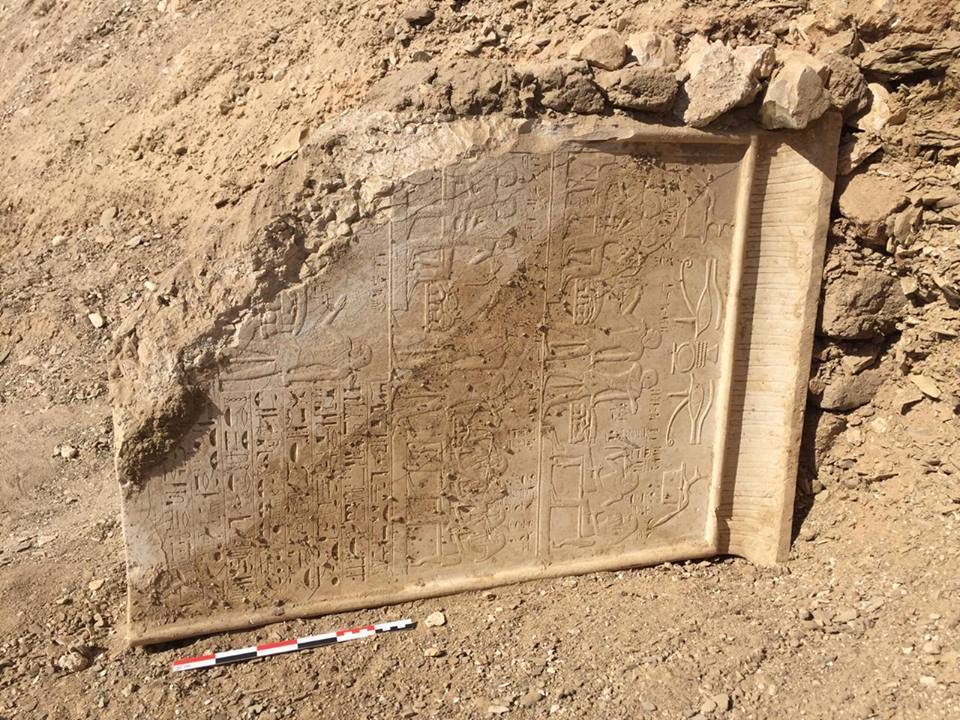
Archaeologists in Egypt found ancient stela and sarcophagus
Limestone stela and wooden sarcophagus, both from the 18th Dynasty.
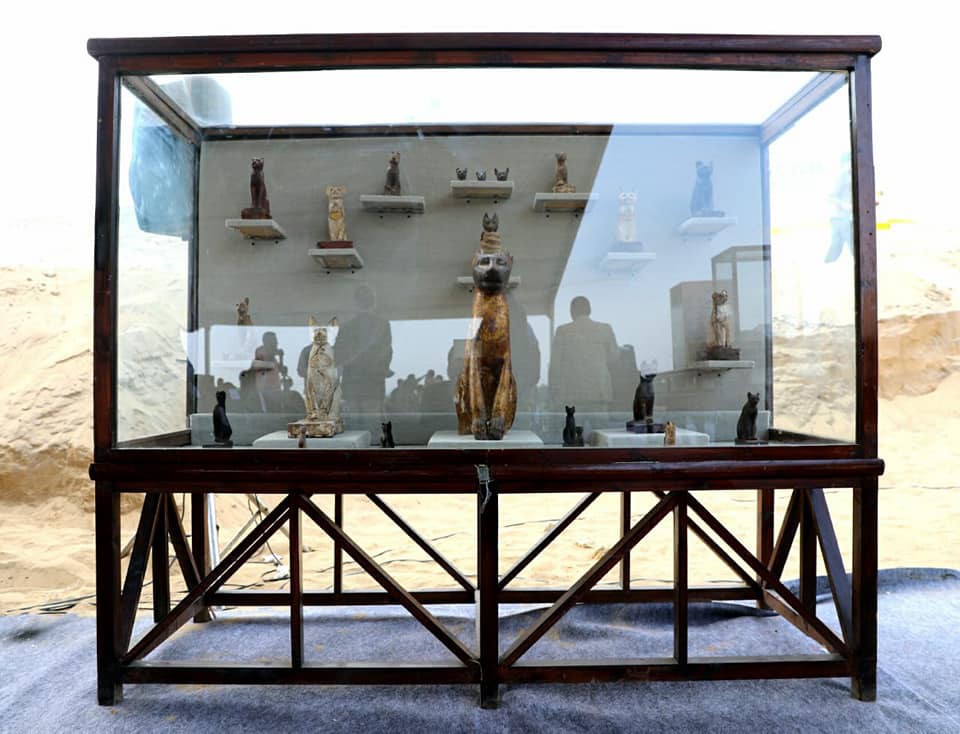
Mummified sacred beetles and cats found in Saqqara Necropolis
Minister of Antiquities Dr. Khaled El-Enany announced a new discovery made by an Egyptian archaeological mission during excavation work carried out since April at the area located on the stony edge of King Userkaf pyramid complex in Saqqara Necropolis.
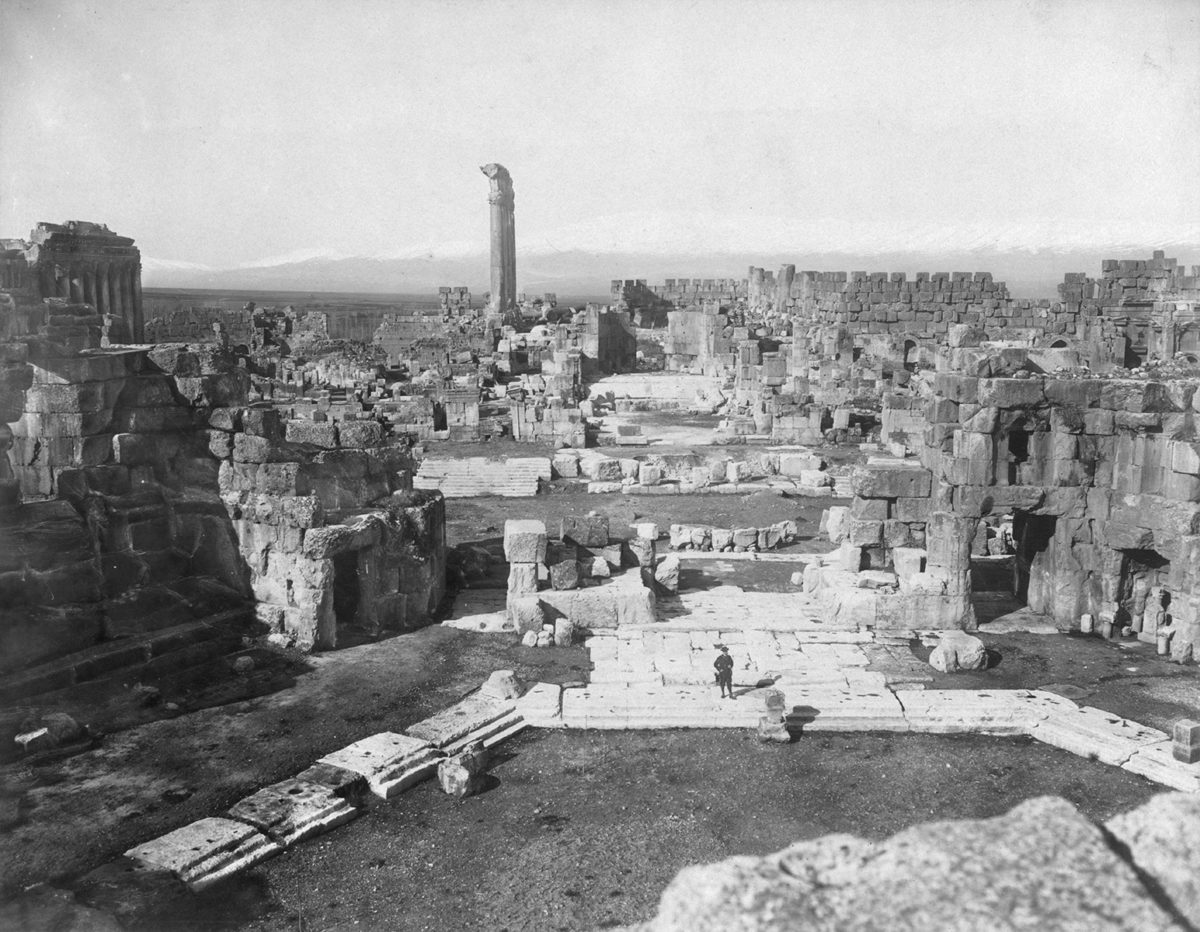
19th-century Photo-Archaeology
The aim of this upcoming conference is to examine Photo-Archaeology in terms of the historiography of the 19th century while discussing the visual aspect of the field.
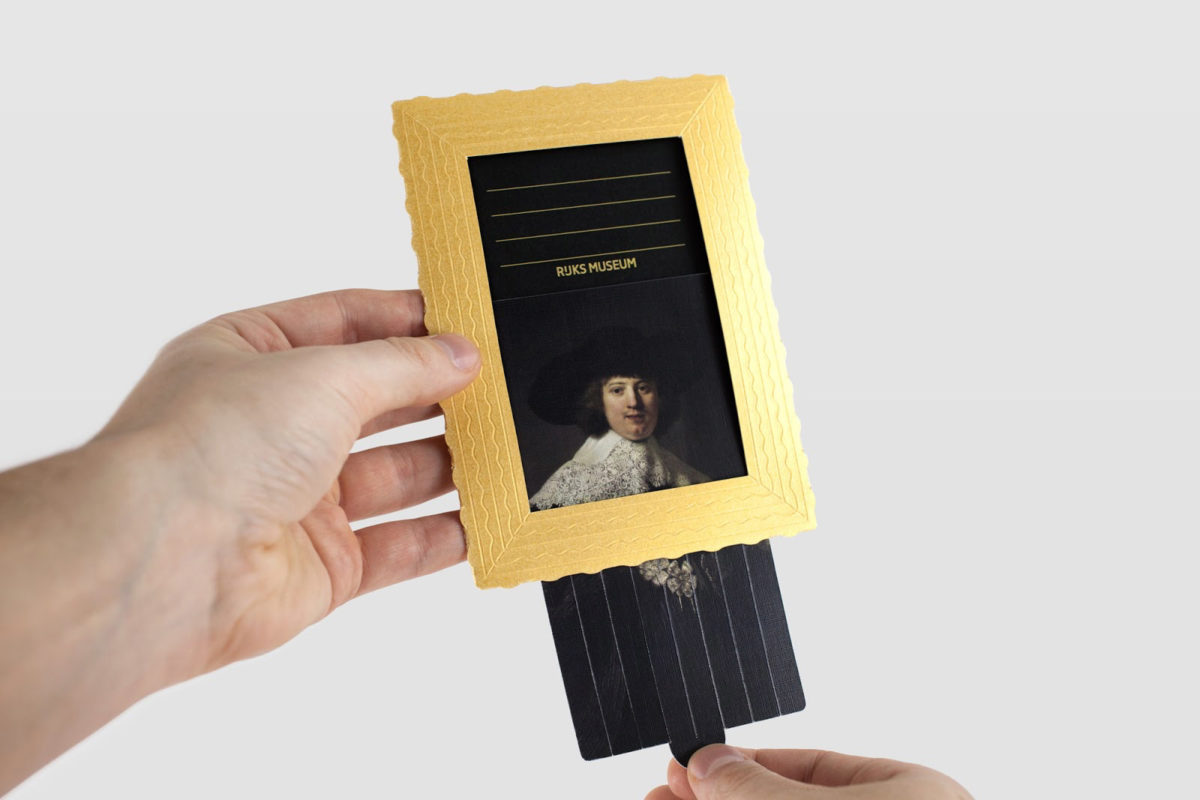
Hello from Banksy: Museum cards “self-destruct”
Lesha Limonov created postcards that depict great works of art housed in big museums and which are a “nod towards” Banksy and his inspiration.
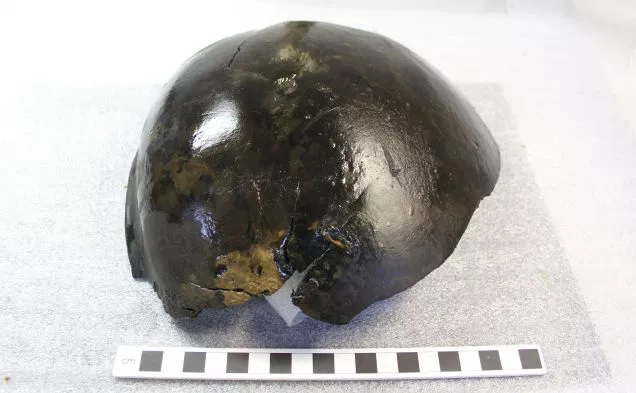
Orkney’s oldest wooden bowl unveiled
A remarkable, perfectly preserved, wooden bowl unearthed from a two-thousand-year-old well has been revealed during conservation work being undertaken on the artefact this week.
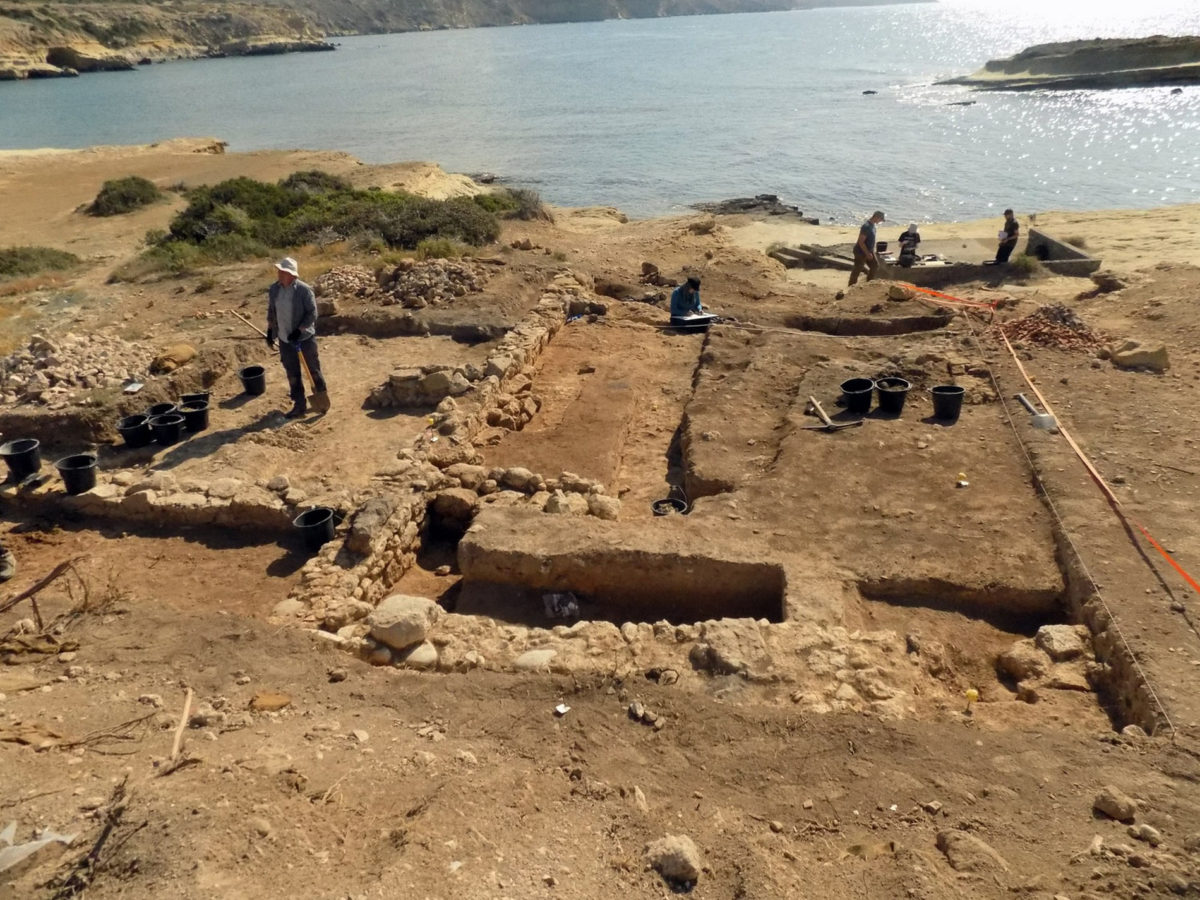
Excavation and survey of the ancient port landscape at Akrotiri-Dreamers Bay
The 2018 underwater archaeological mission at the Akrotiri- Dreamer’s Bay ancient port, in the Limassol District have been completed.
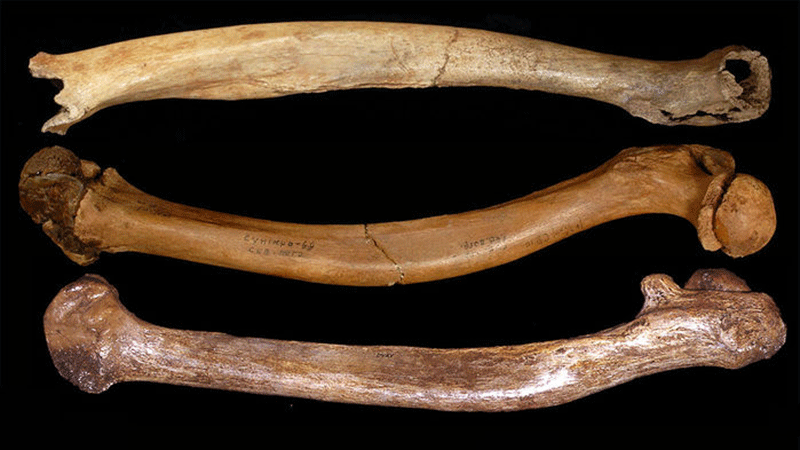
Skeletal deformities in Pleistocene may have been caused by inbreeding
A new study explains evidence of birth defects in early humans as the result of inbreeding.
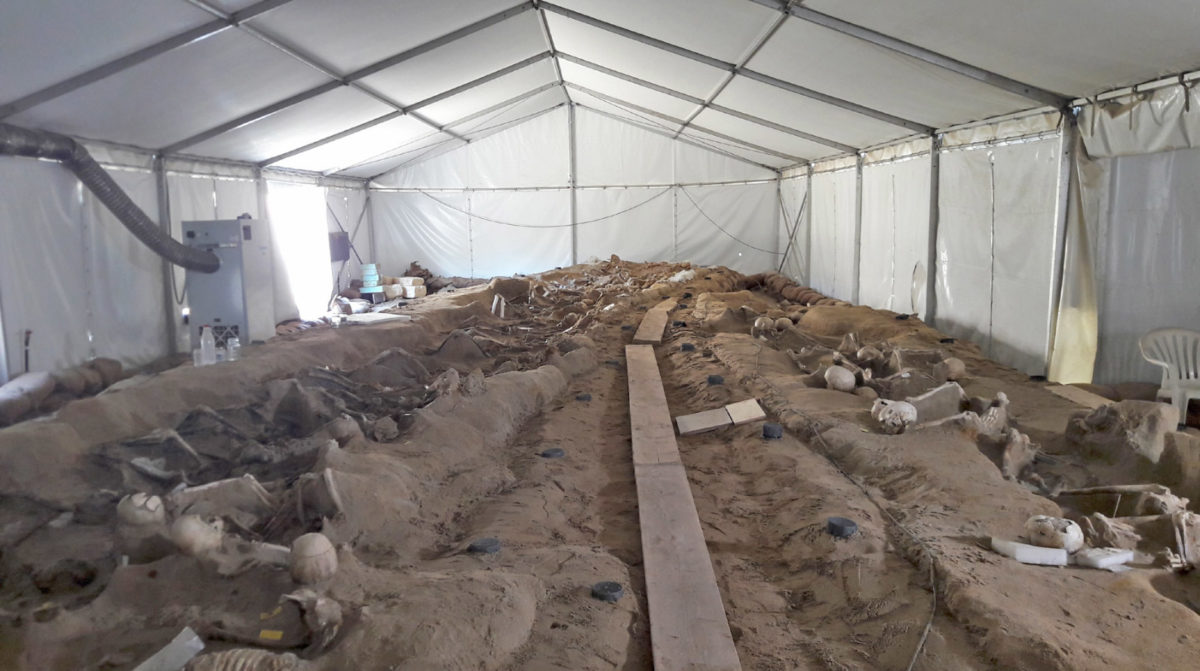
The “Captives/Prisoners” will be restored to the public
Myrsini Zorba paid her first visit to the site of the archaic mass grave discovered in the Park of the Stavros Niarchos Foundation.
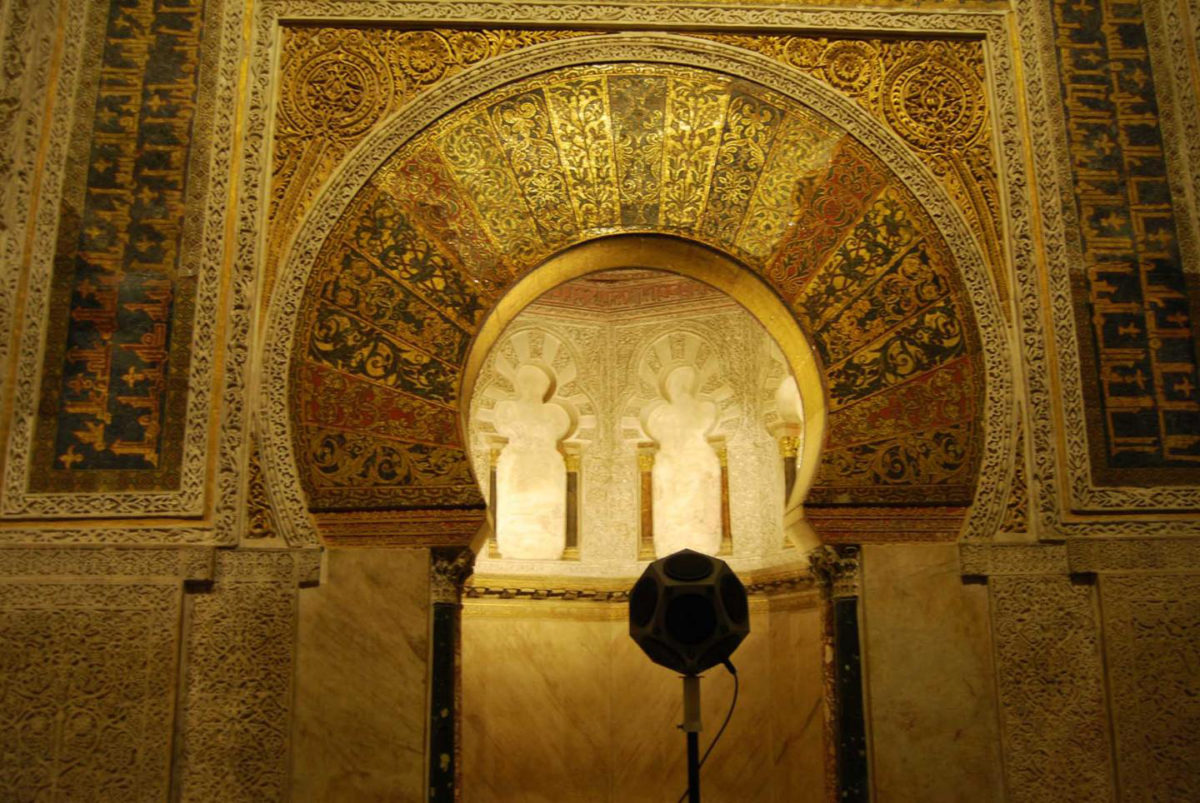
Recreating the sound of the Islamic past of the Mosque of Cordoba
Researchers have carried out a study in which they have determined the variation of the acoustic parameters, such as reverberation, clarity or definition of the Mosque of Seville currently.
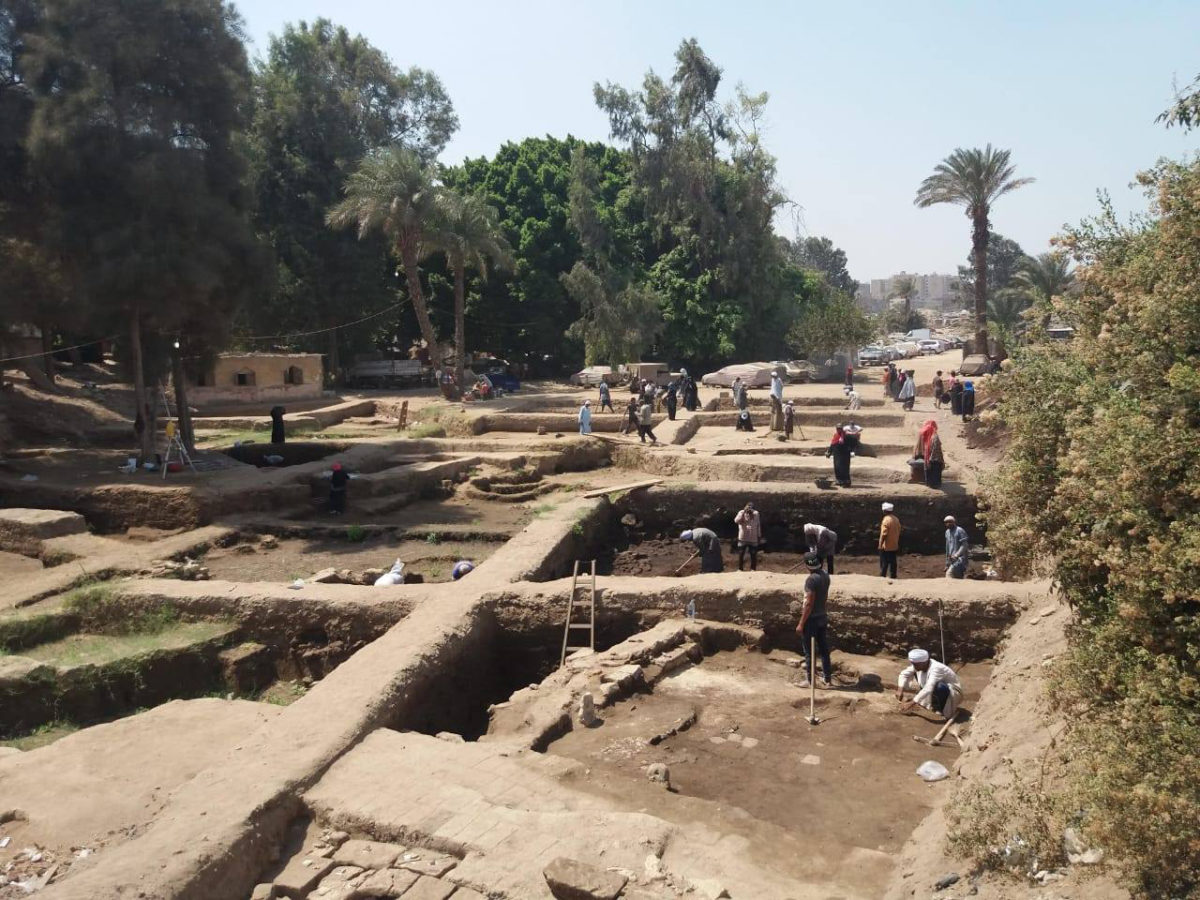
New discoveries at Matariya/Heliopolis in Egypt
This season the team continued their work on the area of the workshops of the 4th–2nd century BC located at the south-eastern section of the innermost enclosure of the temple.