Scientists find seeds of domestic plants in the burial sites of ancient nomads
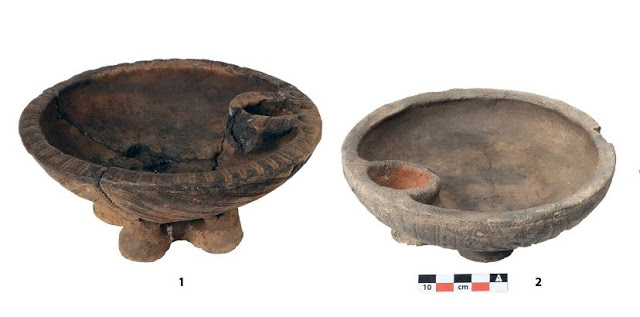
An international team of scientists has studied burial sites dated back to the Bronze Age at the border between Kalmykia and Stavropol Territory and found traces of domestic barley on the walls of vessels.
Part of Mytilene’s defensive wall discovered
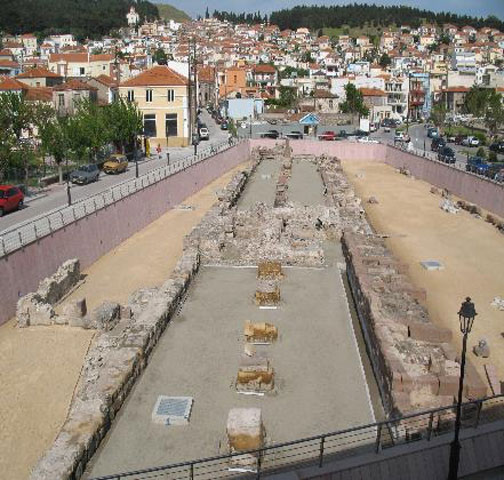
It is part of a wall of the 3rd century BC, constructed of massive ashlar blocks of local stone with obvious repairs from Roman times.
Joana Hadjithomas & Khalil Joreige: Unconformities
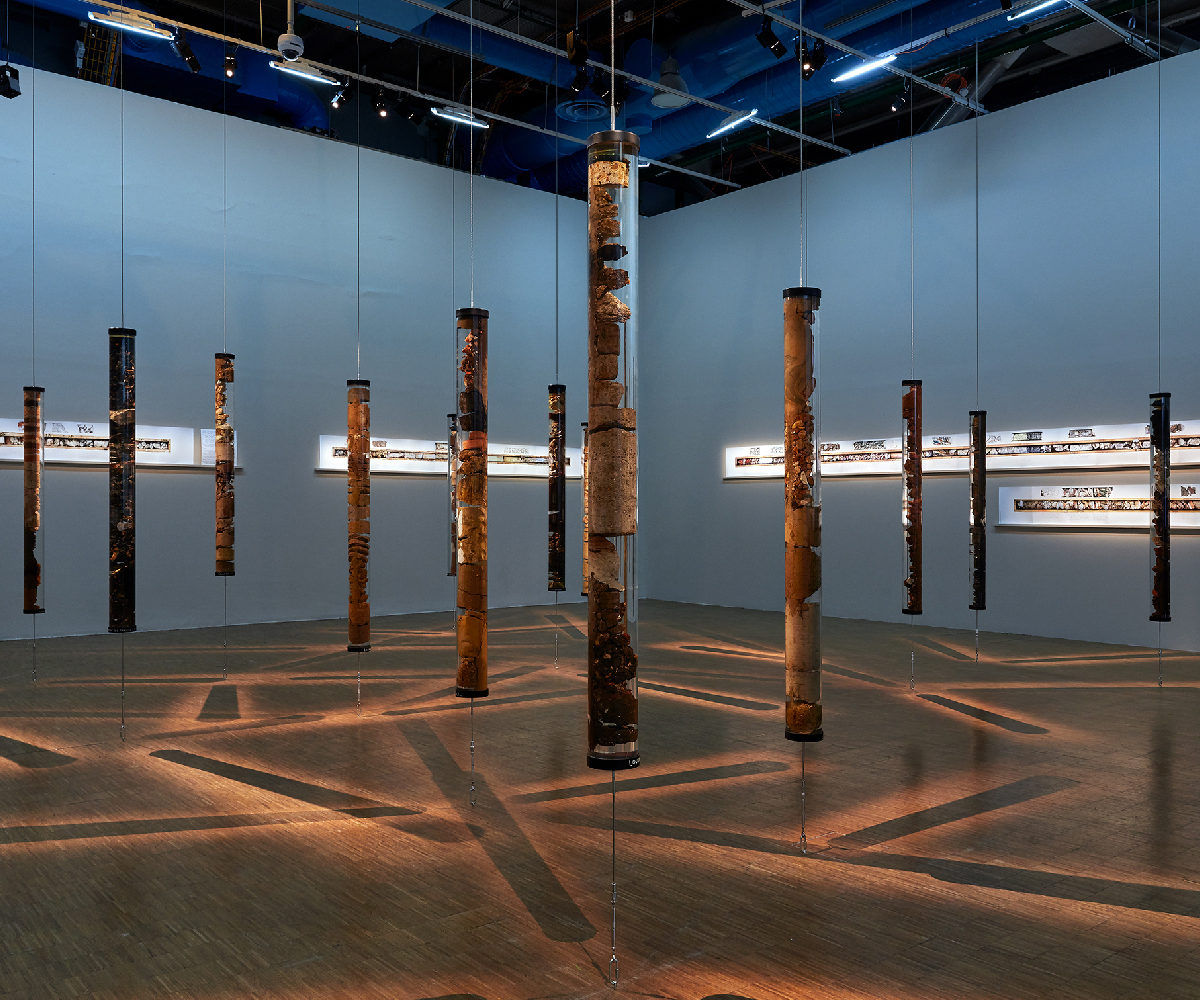
It is for the third time that Onassis Cultural Center invites the distinguished French-Lebanese pair, this time for their project “Unconformities” at the Acropolis Museum.
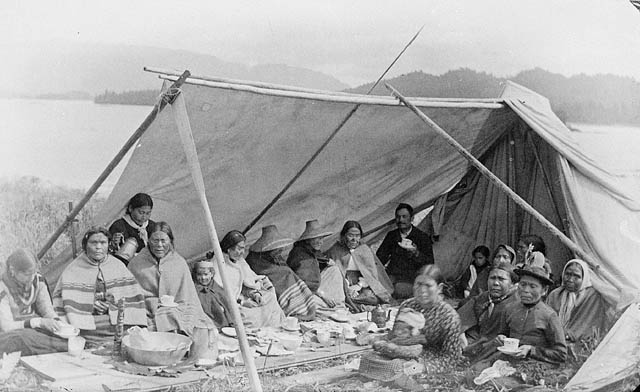
DNA adds twist to ancient story of Native American group
The ancient genomes of the Tsimshian indigenous people left tell-tale markers on the trail of their past.
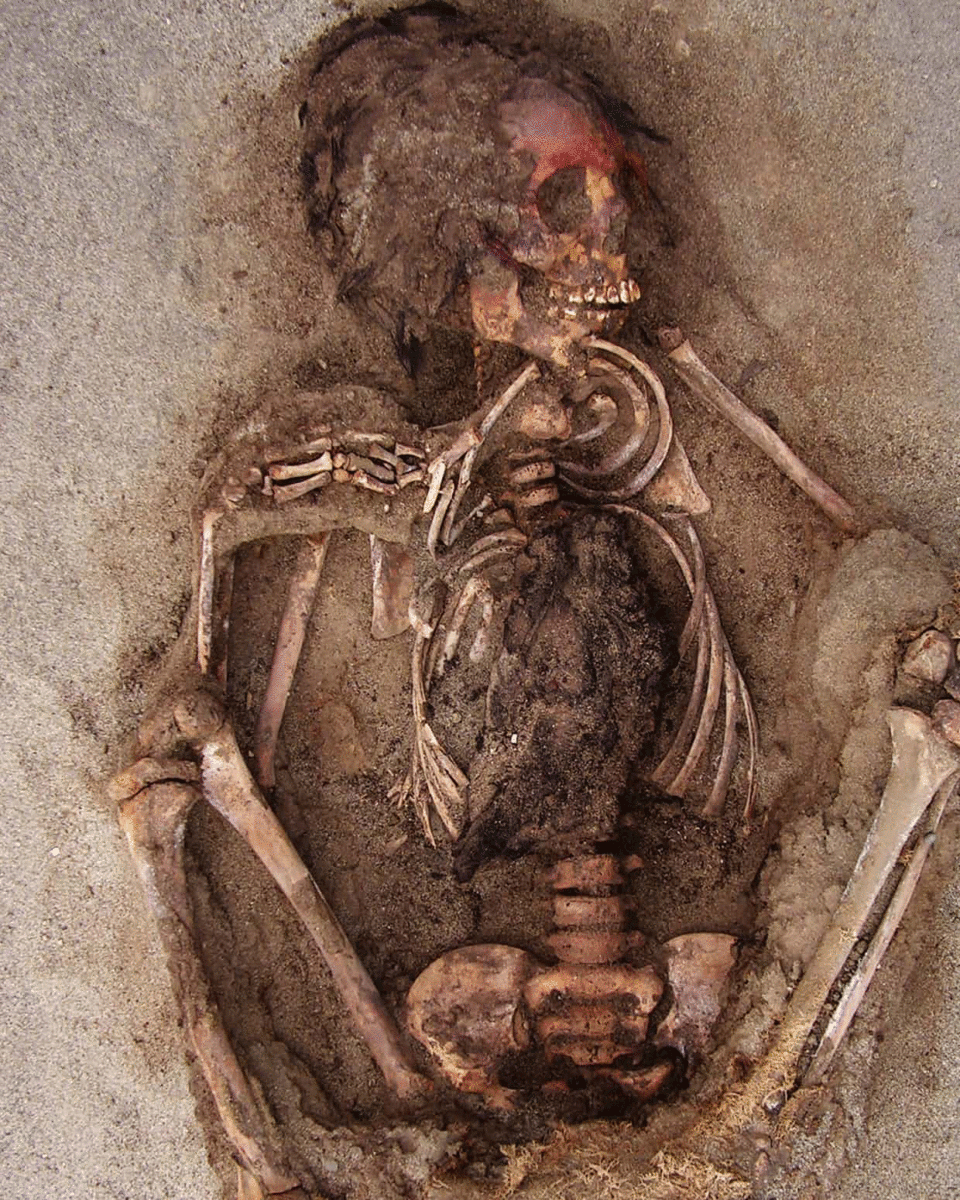
Evidence of large-scale children sacrifice found in Peru
The Las Llamas site in northern Peru yields evidence of the world's largest ritual child sacrifice case about 550 years ago.
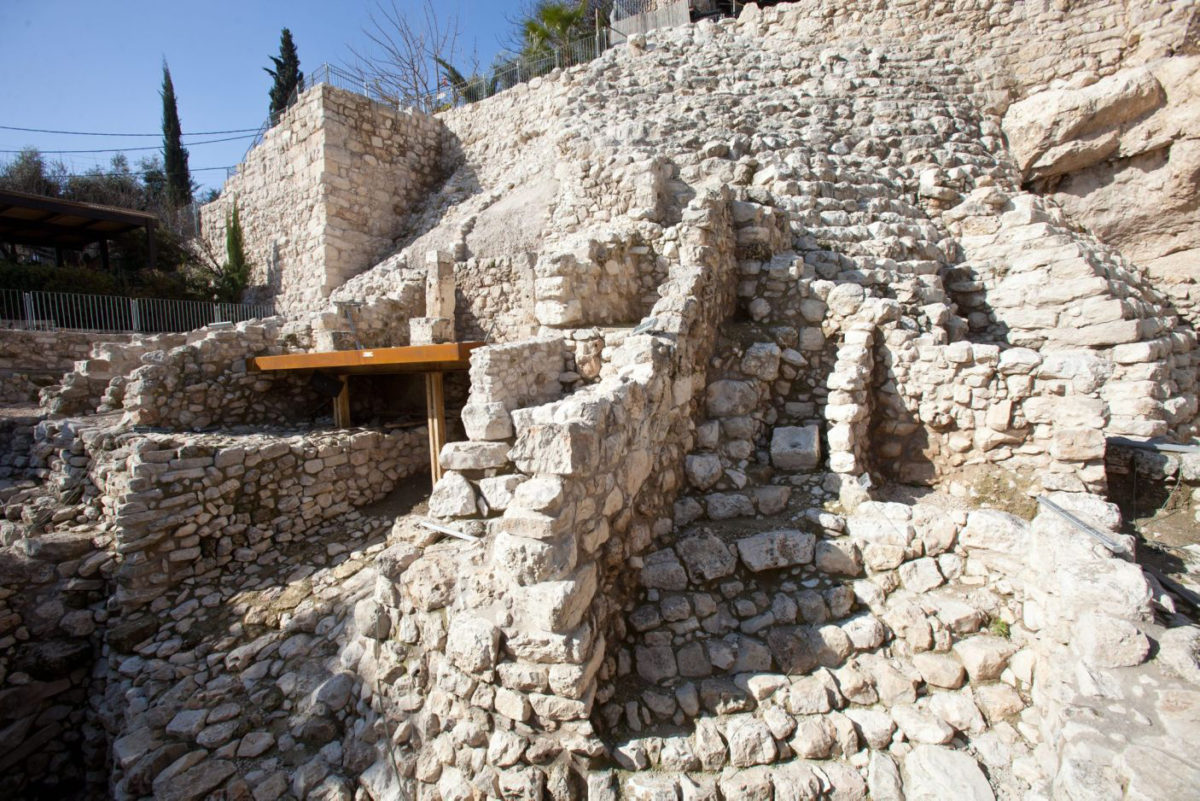
New evidence pertaining to expansion of the kingdom of David and Solomon uncovered
Researchers find new evidence that supports the existence of Israel's united monarchy and indicate that the Kingdom extended beyond Jerusalem's vicinity.
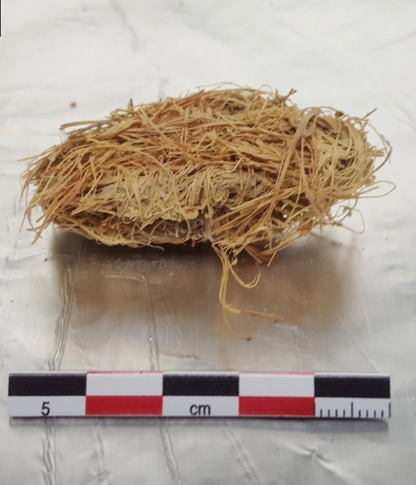
Ancient quids reveal clues about genetic ancestry of early Great Basin inhabitants
Researchers recover intact human mitochondrial DNA from common type of plant-based artifact.
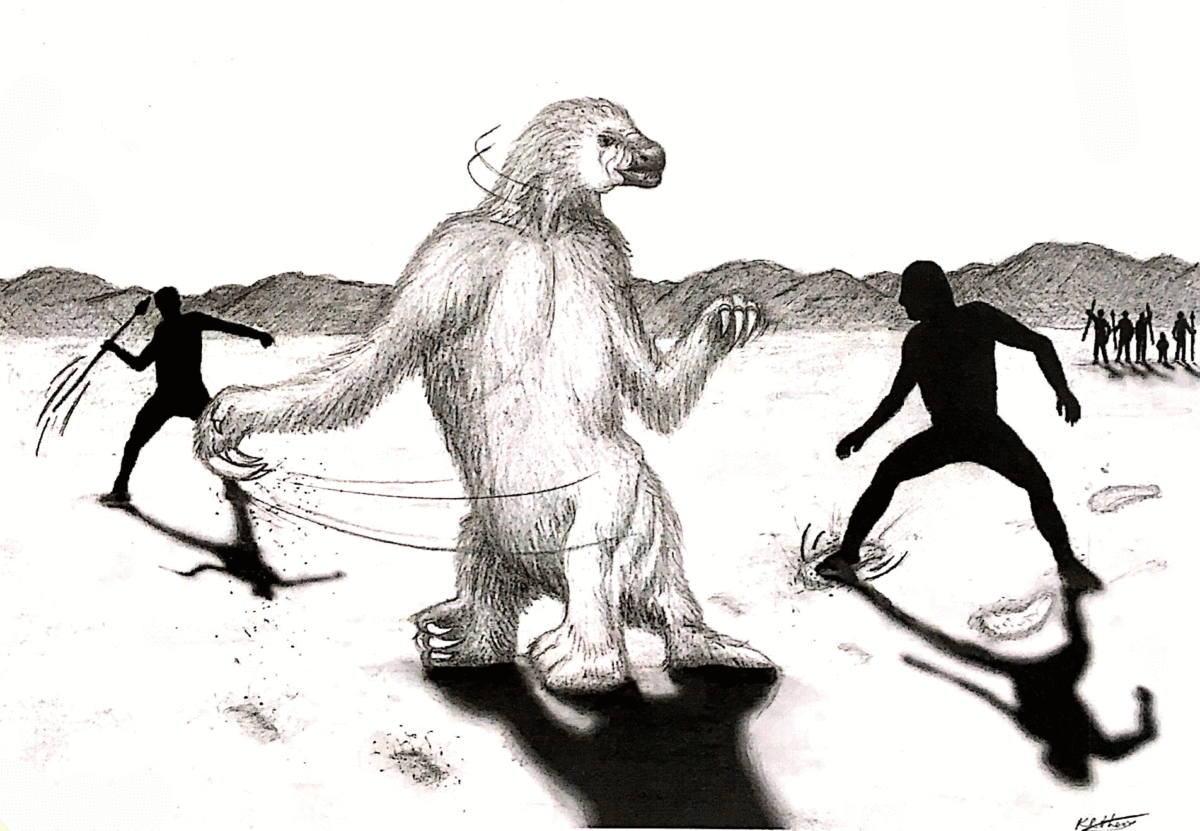
Prehistoric footprints indicate sloth hunt by humans
Archaeologists examining a set of fossilized footprints believe the scene was where prehistoric humans hunted down sloths, leading perhaps to their extinction.

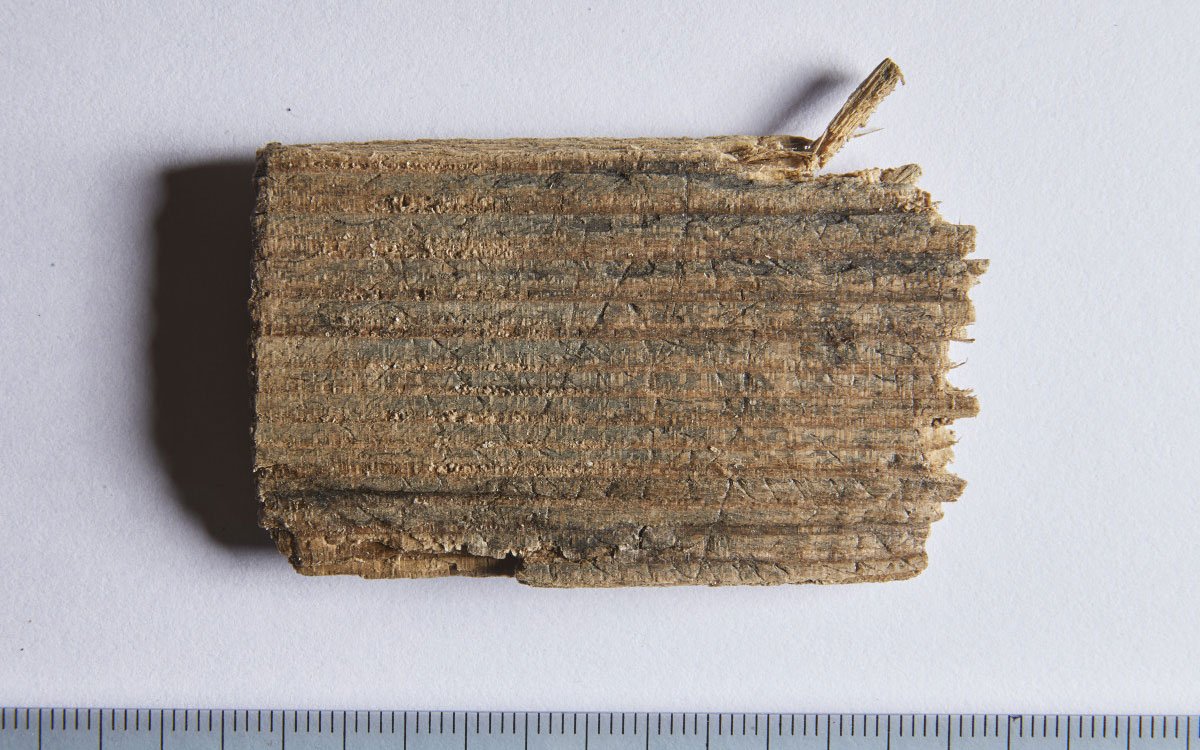
The forgotten Papyrus
Exhibition about a Late New Kingdom papyrus found in one of the terracotta cones in 2013, when the animal mummies in the Ancient Egyptian and Near-Eastern Collection were moved to a new depot.
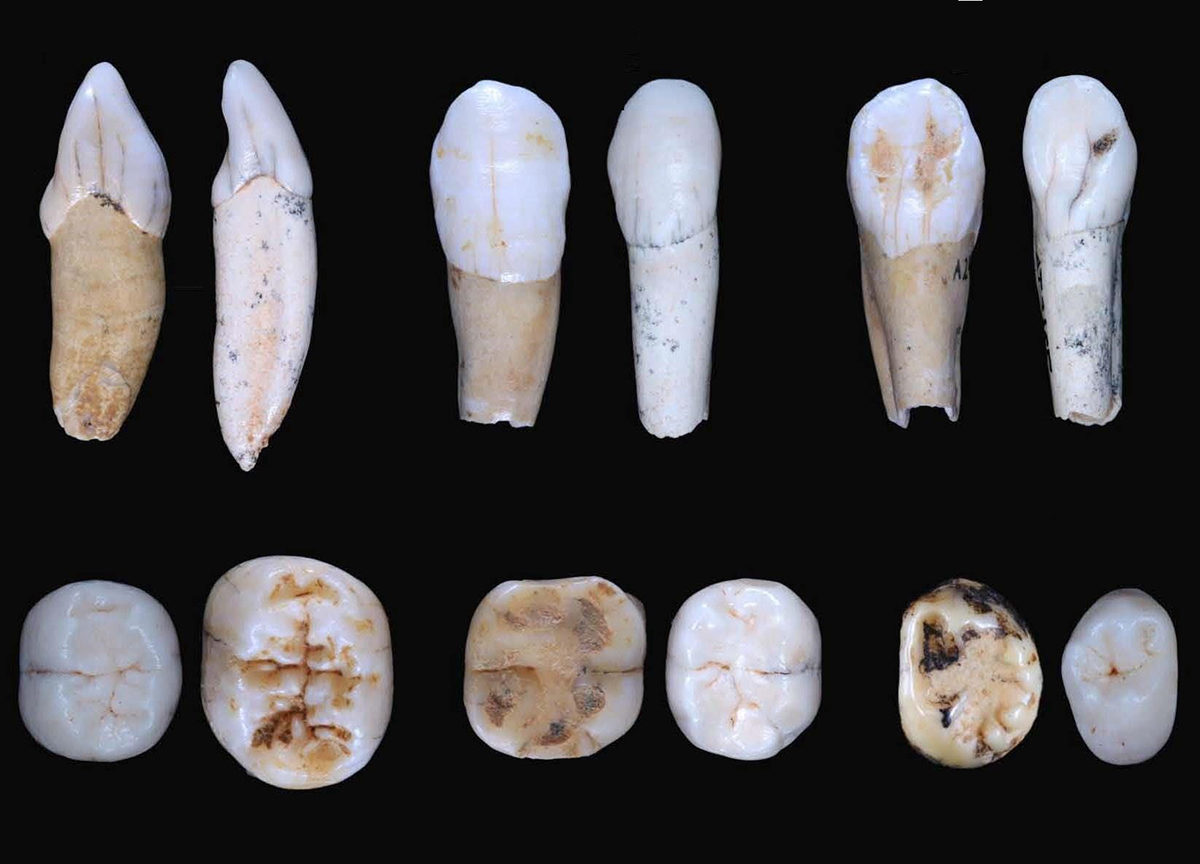
A study challenges the European origin of Neanderthals
CENIEH has analysed dental samples from two of the most important Middle Pleistocene archaeological sites in Europe, the Arago Cave, in southern France, and Sima de los Huesos (Atapuerca), in northern Spain.
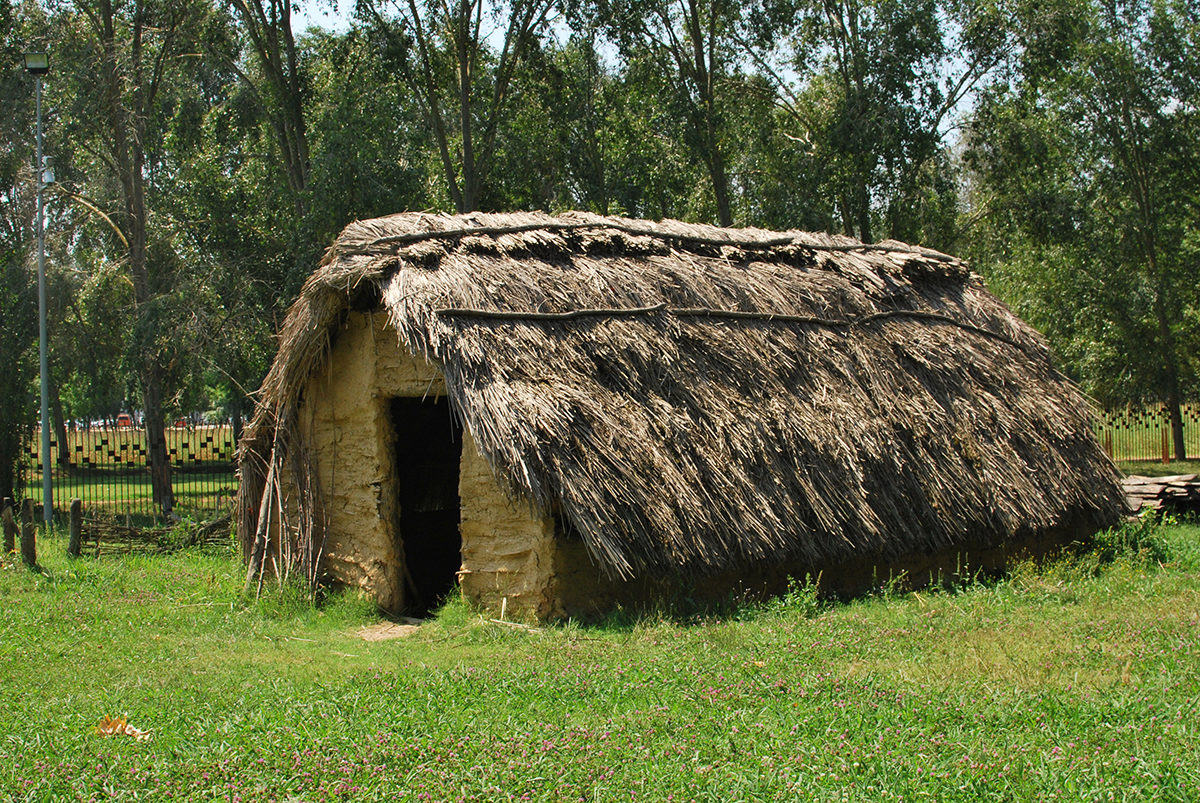
Identifying the use of tinder fungi among neolithic communities at la Draga
Inhabitants of the Neolithic community at la Draga (Banyoles, Girona) already used fungi to light or transport fires 7300 years ago.
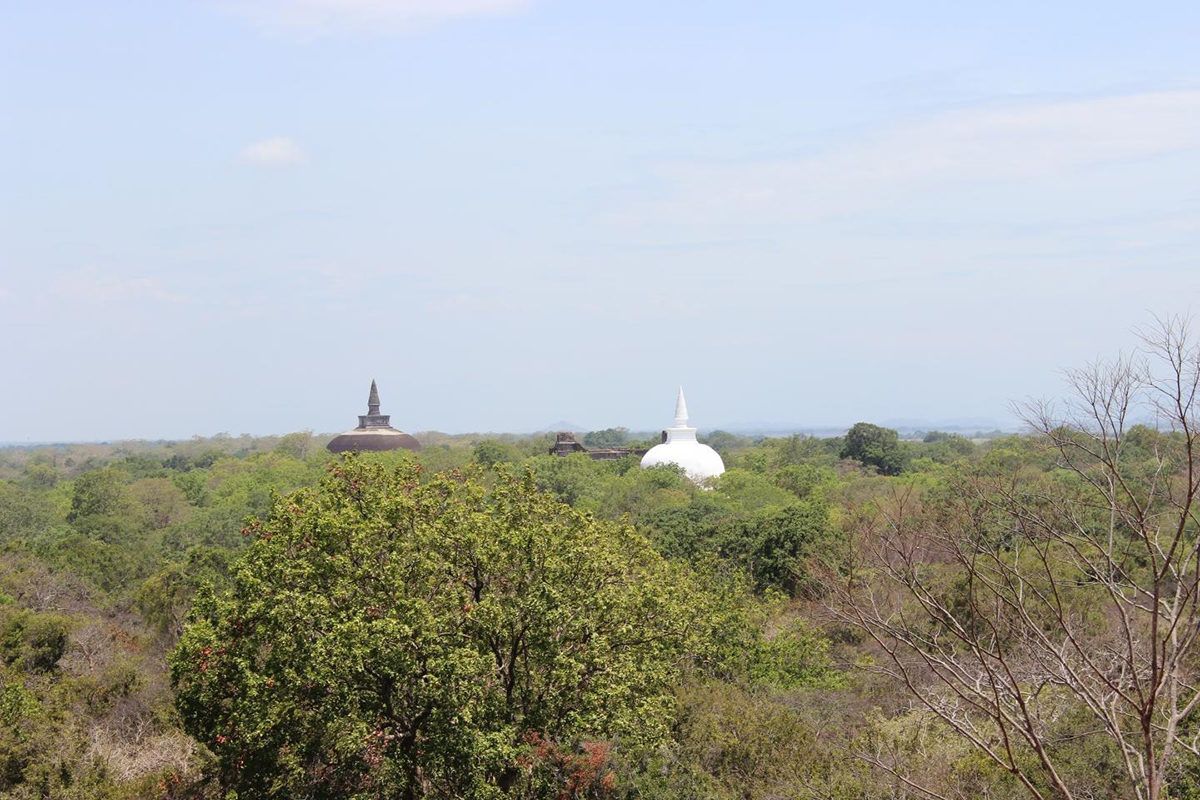
Evidence for persistent forest reliance by indigenous peoples
Researchers demonstrated that while some indigenous hunter-gatherers in Sri Lanka made use of agricultural resources and trade connections with farmers and colonial power structures, others continued to subsist primarily on tropical forest resources as late as the 19th century.

Angelos Delivorrias: Patience, endurance and Greek tenacity
"His true life story is very difficult to formulate, because there will always be aspects οf Angelos Delivorrias, the man and scientist, for us to discover."

Géza Alföldy stipends offered by AIEGL in 2018
The Association Internationale d’Épigraphie Grecque et Latine will award two Géza Alföldy stipends in 2018: a Research Grant and a Publication Grant.

The Album of the World Emperor: Cosmopolitan Collecting at the Ottoman Court of the Seventeenth-Century
The lecture will examine an early-seventeenth century album made for the Ottoman sultan Ahmed I.
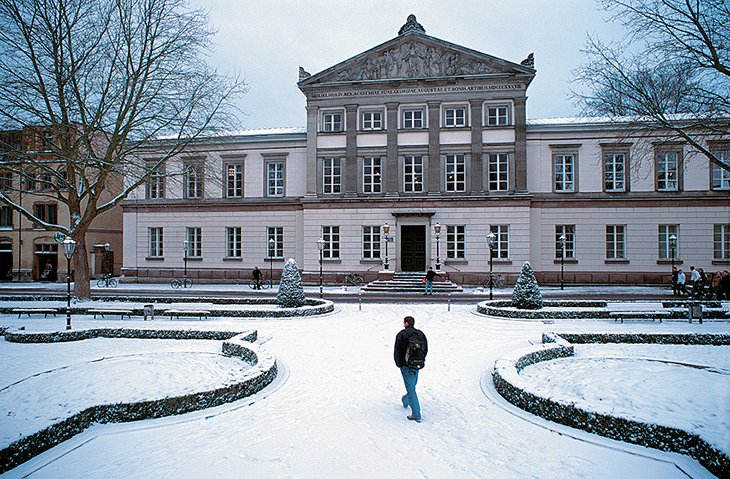
‘As It Is Written’? Uses of Sources in Ancient Mediterranean Texts
Proposals for papers focusing on the use of sources in ancient texts from scholars working in Classics, Hebrew Bible, and/or Ancient Near Eastern Studies are invited.
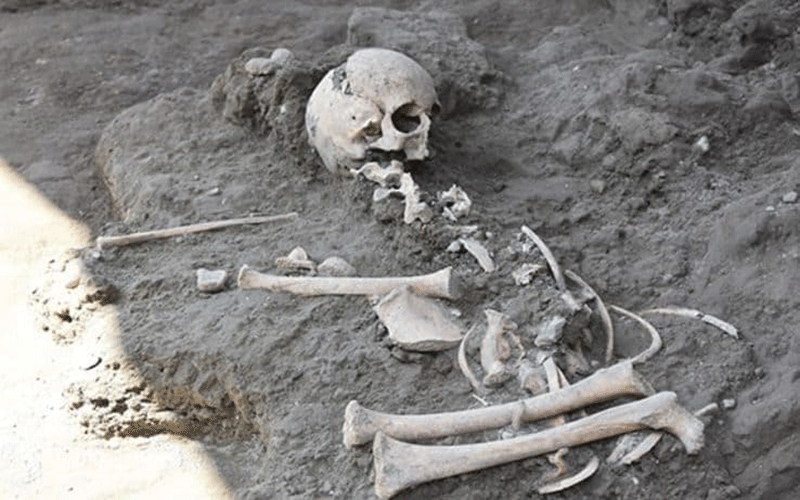
The skeleton of a child has been discovered at Pompeii site
The skeleton of a child has been unearthed from the ruins of Pompeii, as was announced yesterday.
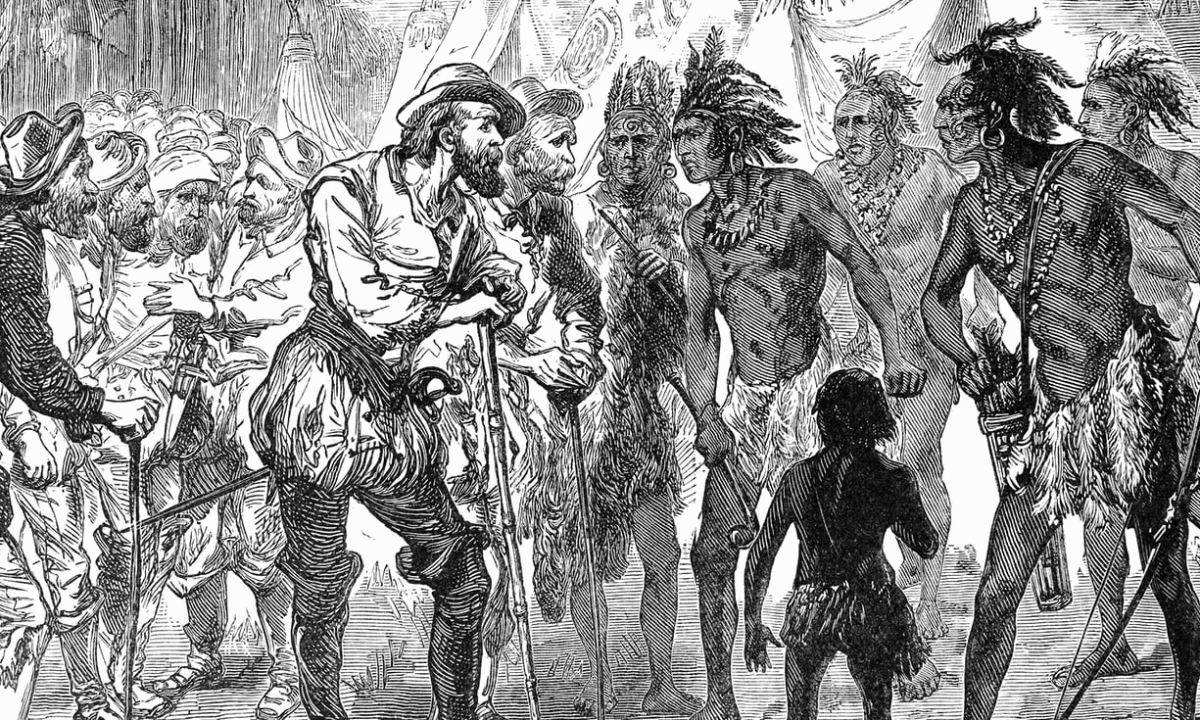
New study shows that early Caribbean peoples were not cannibals
A team of scientists are using archaeological evidence to defute accounts of Carib people as ferocious and man-eating.

Angelos Delivorrias has passed away
A state funeral will be held for Angelos Delivorrias at the First Cemetery of Athens, on Friday April 27 at 14.00.
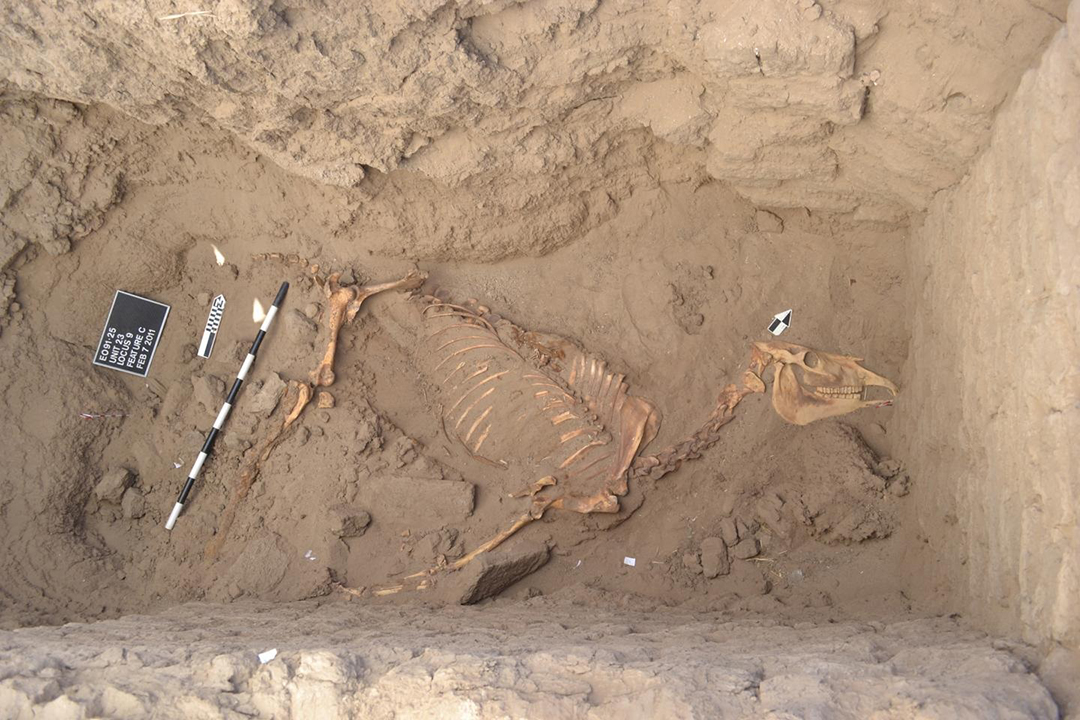
Purdue archaeologists on ancient horse find in Nile River Valley
An ancient horse burial at Tombos shows that a member of the horse family thousands of years ago was more important to the culture than previously thought...
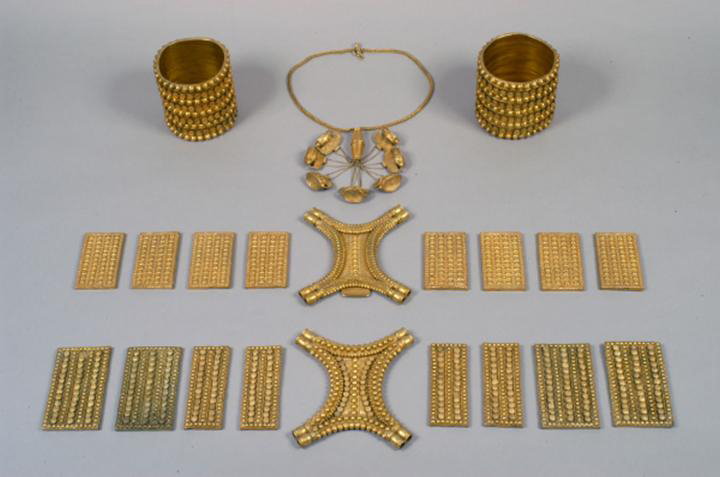
Geologists assist in solving the mystery of a gold treasure
Elemental and isotopic chemical analyses conducted by the UPV/EHU-University of the Basque Country discover the source of the metal in items belonging to the controversial Carambolo treasure.
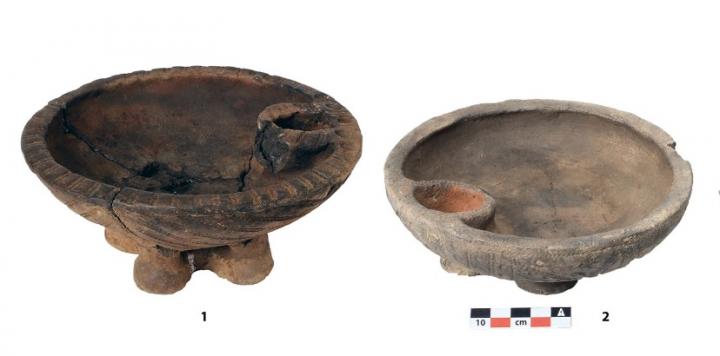
MSU scientists found the seeds of domestic plants in the burial sites of ancient nomads
MSU-based scientists found the seeds of domestic plants in the burial sites of ancient nomads.
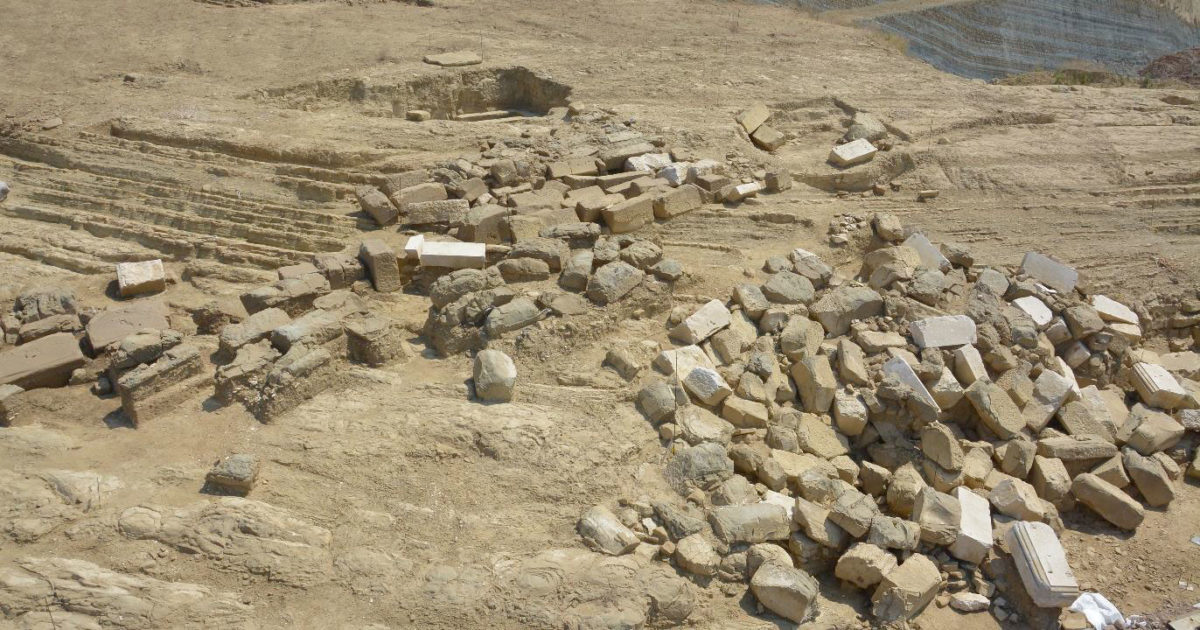
Excavating a large funerary monument in Aetolia
The excavation brought to light a massive mound of stones made up of blocks of sandstone and white limestone, which occupied part of the bed of an ancient quarry.
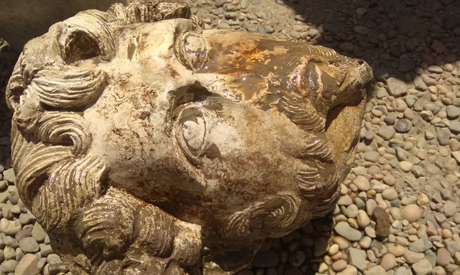
Two discoveries in Luxor and Aswan
An Archaeological Egyptian Mission from the Ministry of Antiquities working at the south part of Karnak Temples’ 10th pylon, has uncovered architectural elements of god
Osiris-Ptah-Neb shrine.