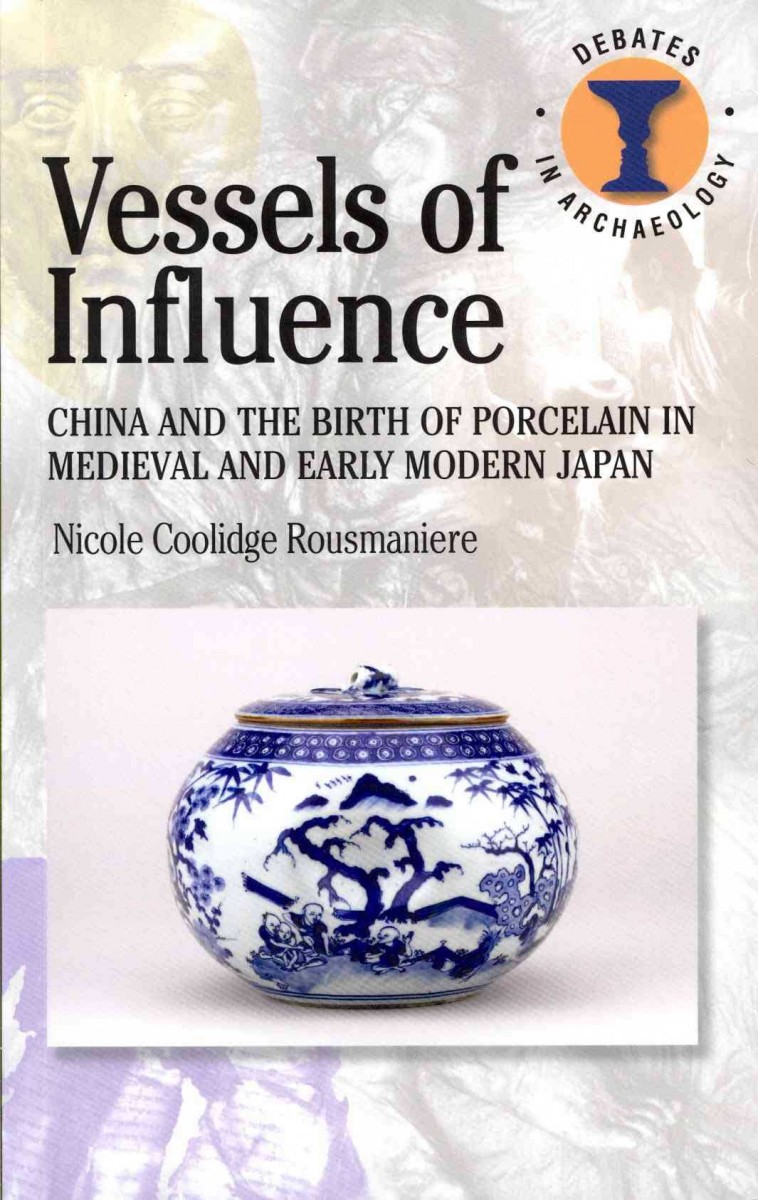
N. Coolidge Rousmaniere, Vessels of Influence
This book examines in depth the role of Chinese ceramics in Japan.
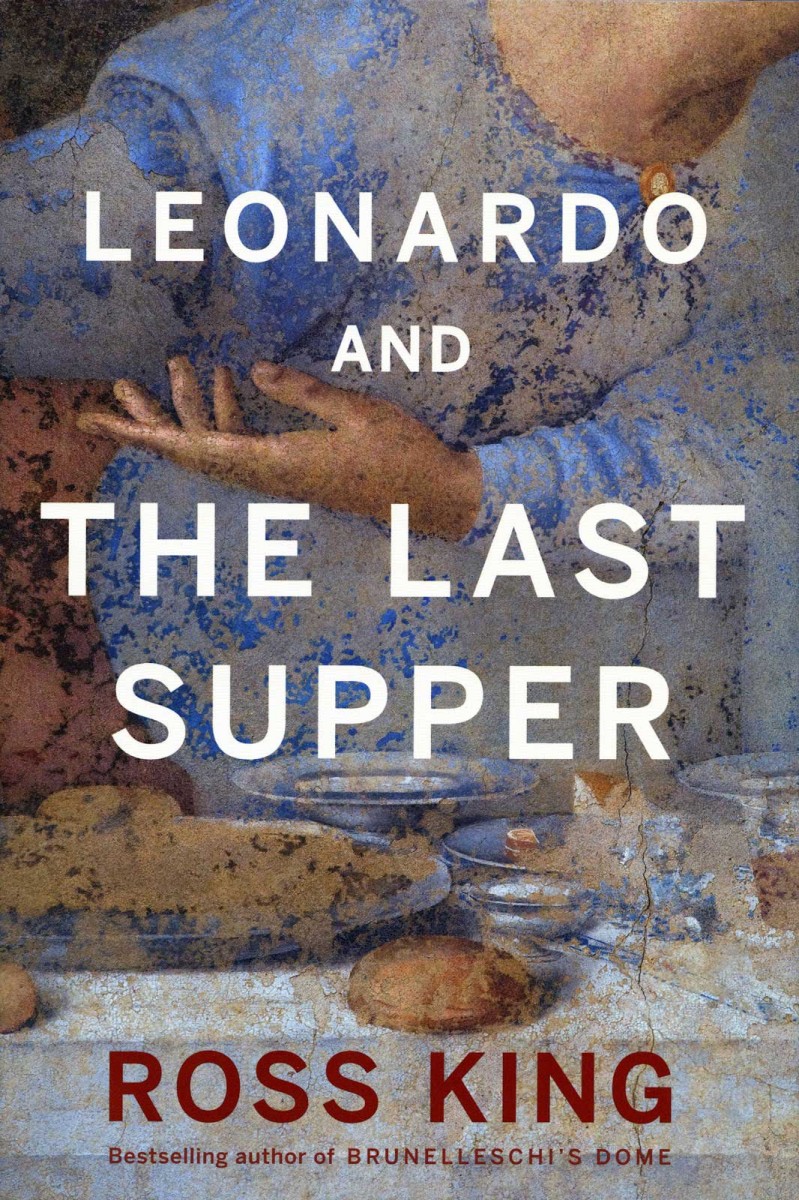
R. King, Leonardo and the Last Supper
In his compelling new book, Ross King explores how—amidst war and the political and religious turmoil around him, and beset by his own insecurities and frustrations—Leonardo created the masterpiece that would forever define him.
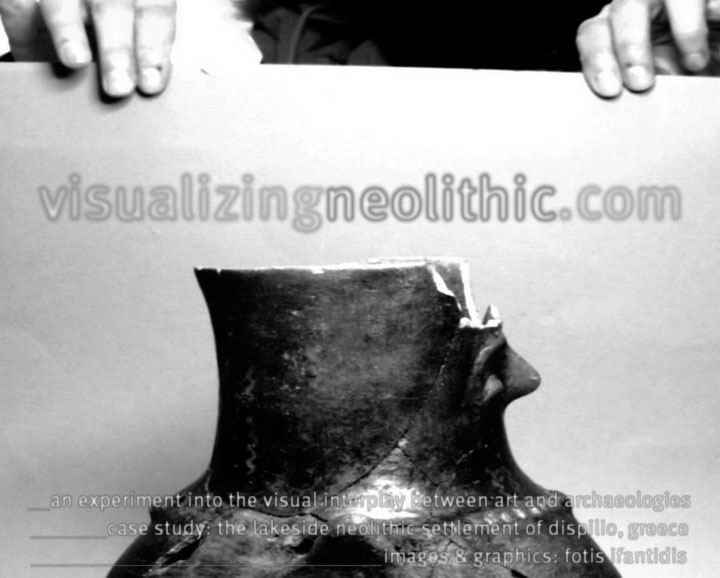
Fotis Ifantidis, “Archaeographies. Excavating Neolithic Dispilio”
A book tackling archaeological practice on site, the microcosms of excavation, and the interaction between people and “things”.
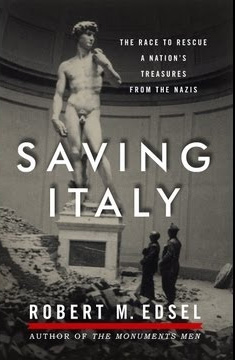
Robert M. Edsel, Saving Italy
An account of a little known American effort to save Italy’s vast store of priceless monuments and art during World War II.
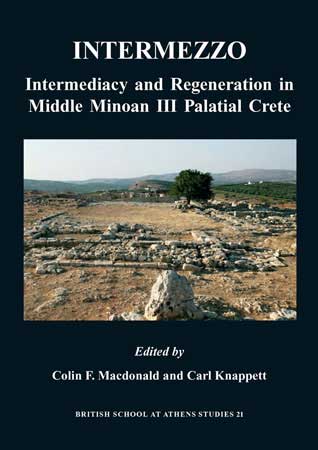
Colin F. Macdonald, Carl Knappett (eds.), Intermediacy and Regeneration in Middle Minoan III Palatial Crete
Volume covering most key sites where Middle Minoan III occupation has been identified.
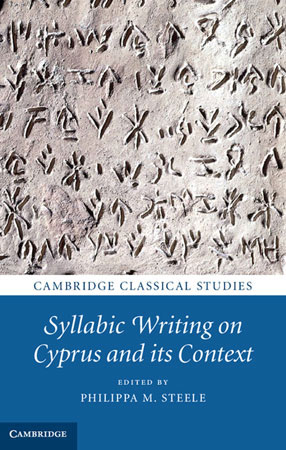
P.M. Steele (ed.), Syllabic Writing on Cyprus and its Context
A team of distinguished scholars tackles epigraphic, palaeographic, linguistic, archaeological, historical and terminological problems relating to the island's writing systems in the Late Bronze Age and Iron Age.
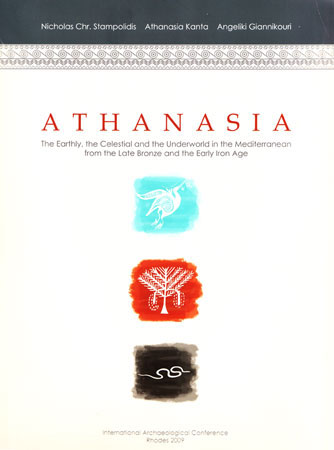
N. Stampolidis, A. Kanta, A. Giannikouri (eds.), Athanasia
Proceedings of the International Archaeological Conference, Rhodes, 28-31 May, 2009.
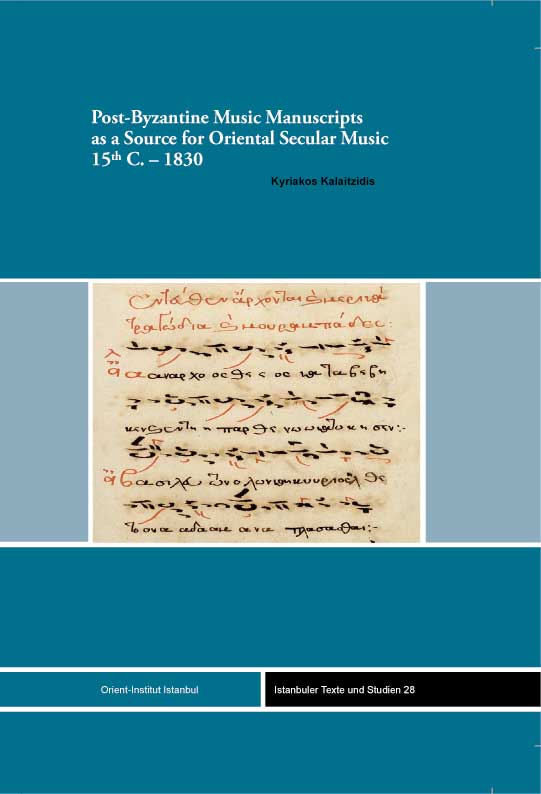
K. Kalaitzidis, Post-Byzantine Music Manuscripts
Presentation of 4,200 pages of previously unknown notations of secular Greek, Ottoman and Persian music.
A.-L. Schallin (ed.), Perspectives on ancient Greece
This book consists of articles based on the lectures, which were held at the Swedish Institute celebrations on May 10, 2008 and also of a number of articles by scholars who wished to celebrate Robin Hägg and who thus joined the venture.
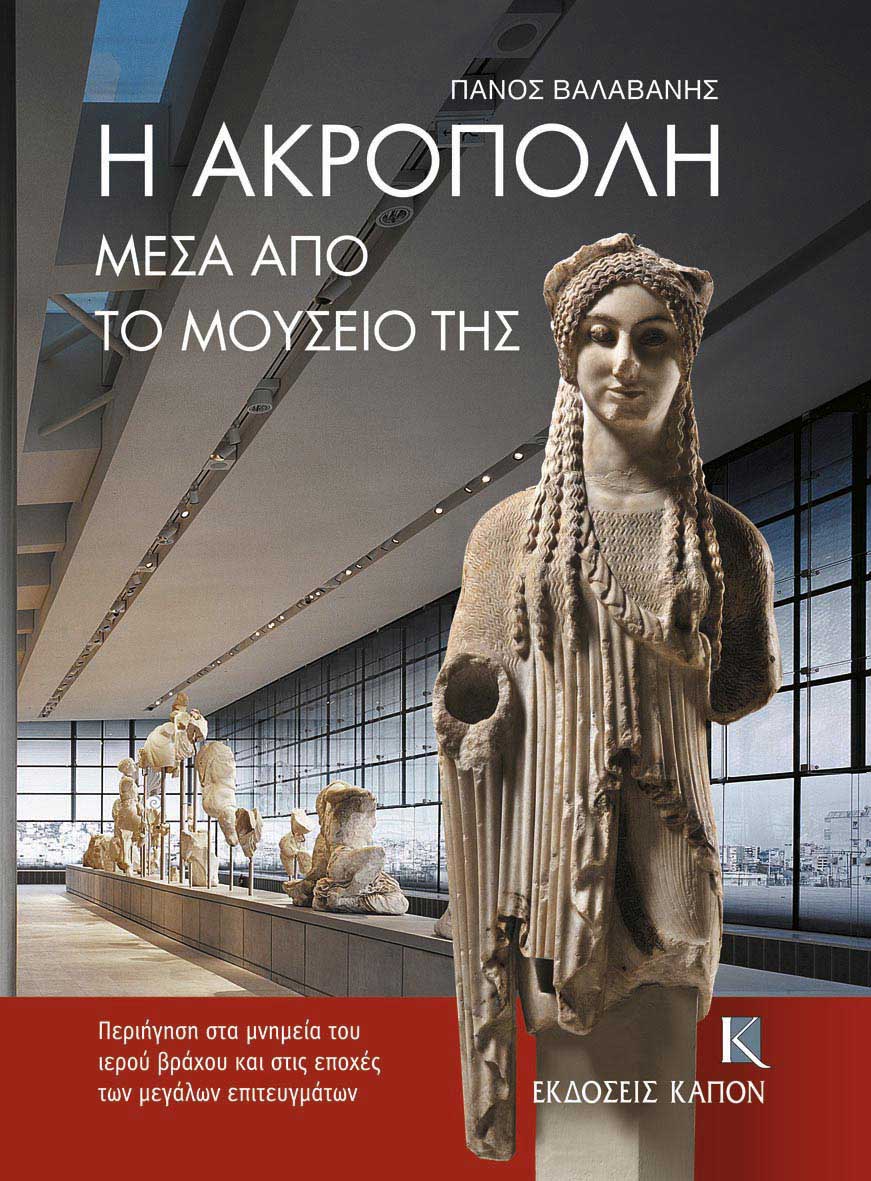
P. Valavanis, The Acropolis
This publication presents the works of art exhibited in the Acropolis Museum, and resynthesizes the history of the Sacred Rock as part of the cultural and the wider historical process of Athens.
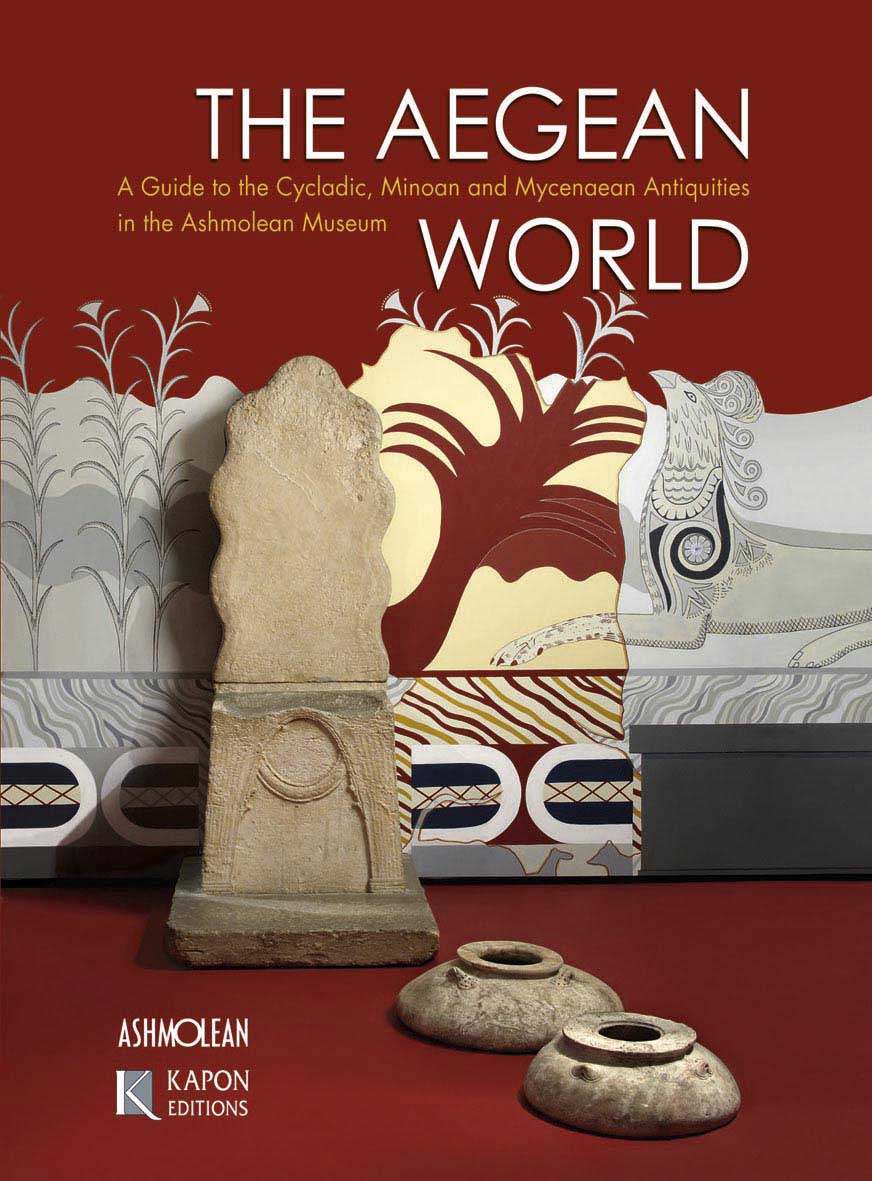
Y. Galanakis (ed.), The Aegean World
A collective work presenting the Ashmolean Museum's Aegean collections.
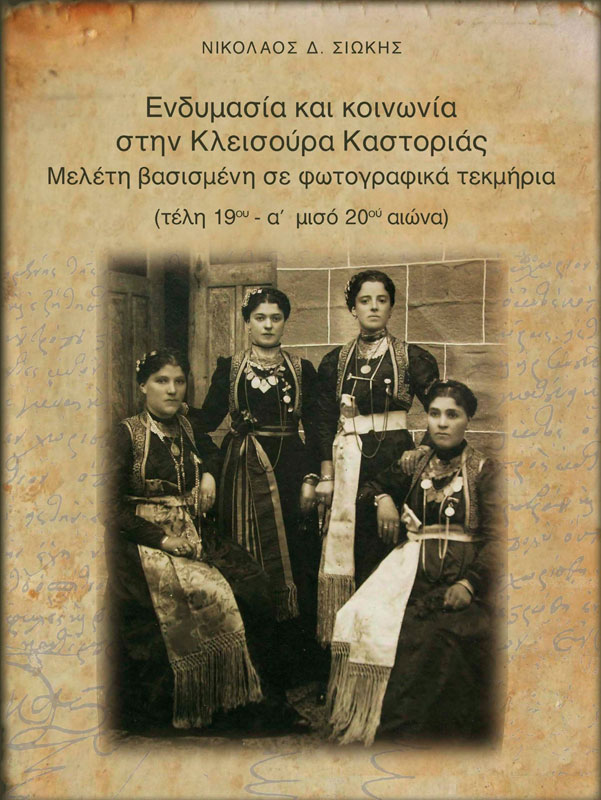
N.D. Siokis, Clothing and society in Kleisoura of Kastoria
Through a rich collection of photographs, this publication highlights the economic, social and intellectual development of a historic village with a shining history.
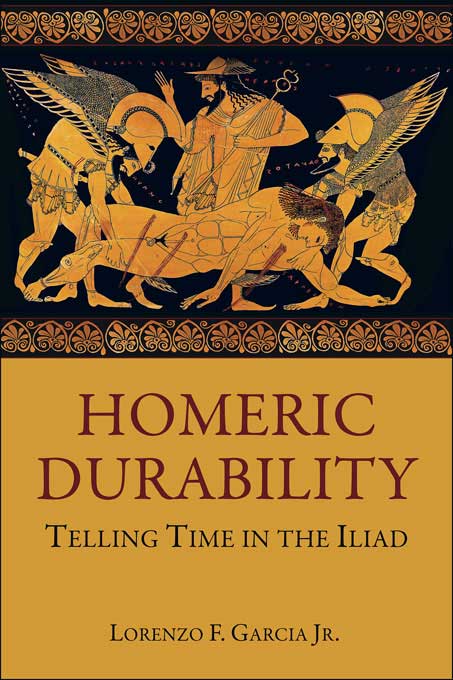
L.F. Garcia, Jr., “Homeric Durability”
The Center for Hellenic Studies is pleased to announce the publication of "Homeric Durability: Telling Time in the Iliad", by Lorenzo F. Garcia, Jr.
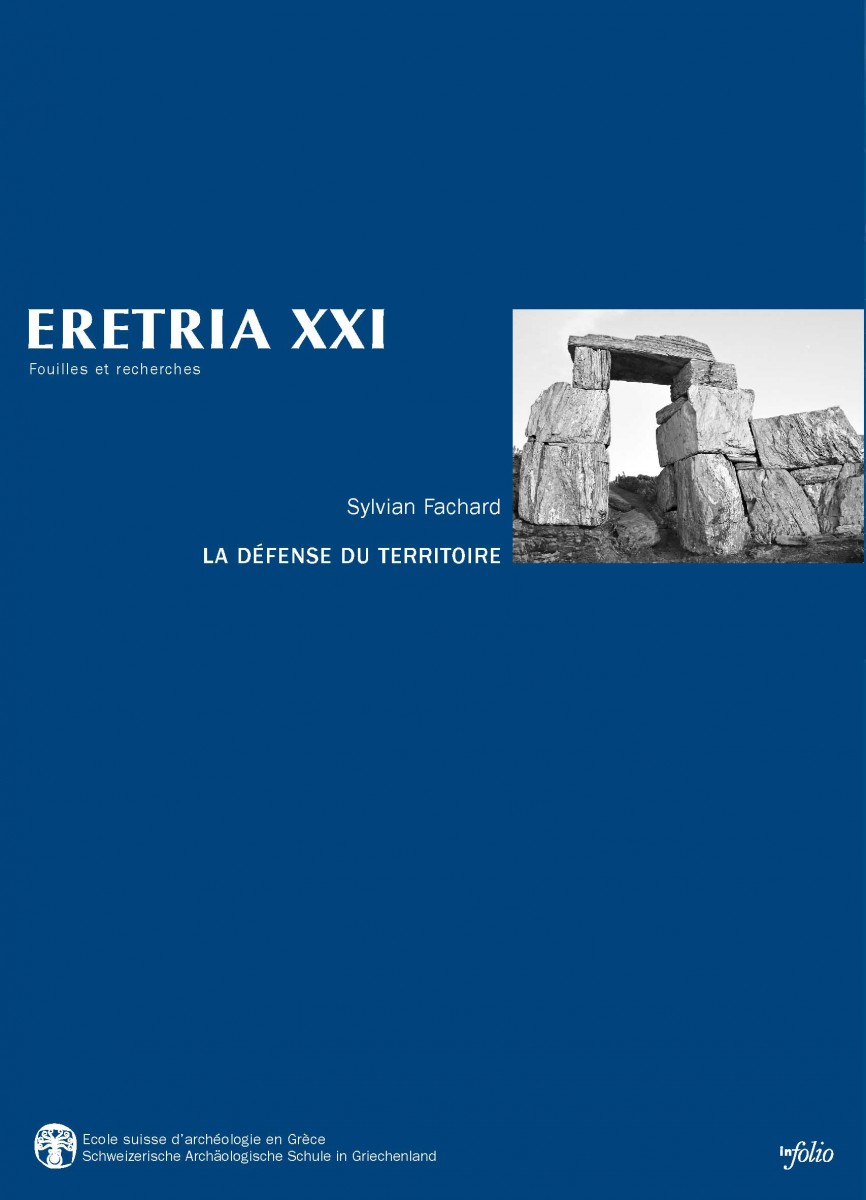
S. Fachard, Eretria XXI: La défense du territoire
The monograph contains the most detailed archaeological map of the Eretrian territory, the fruit of years of survey and excavation.
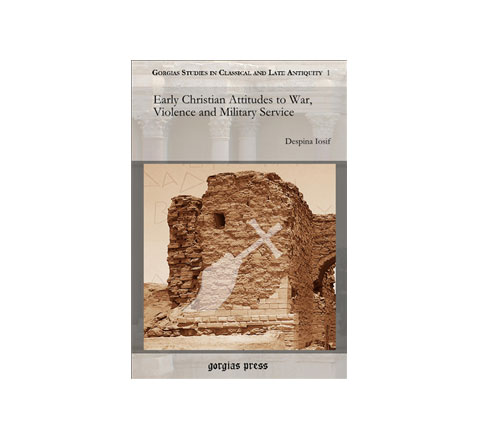
D. Iosif, Early Christian Attitudes to War, Violence and Military Service
This study looks to reposition early Christian ethics and the attitude towards war and to bring new understanding to the relationship between military service and Christianity.
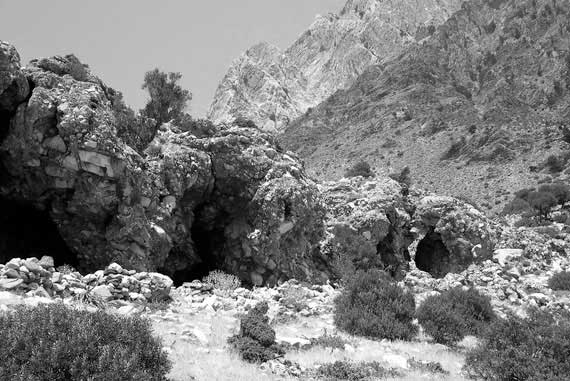
M. Georgiadis, Kos in the Neolithic and Early Bronze Age
Volume based on material from an intensive and systematic field survey of Halasarna (modern Kardamaina).
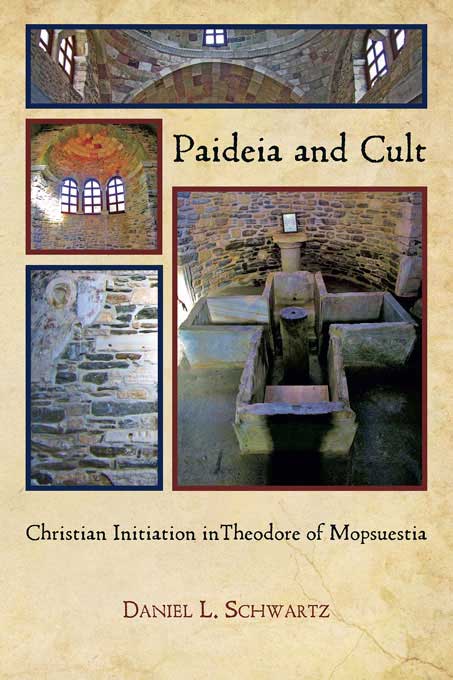
D.L. Schwartz, Paideia and Cult
"Paideia and Cult" explores the role of Christian education and worship in the complex process of conversion and Christianization.
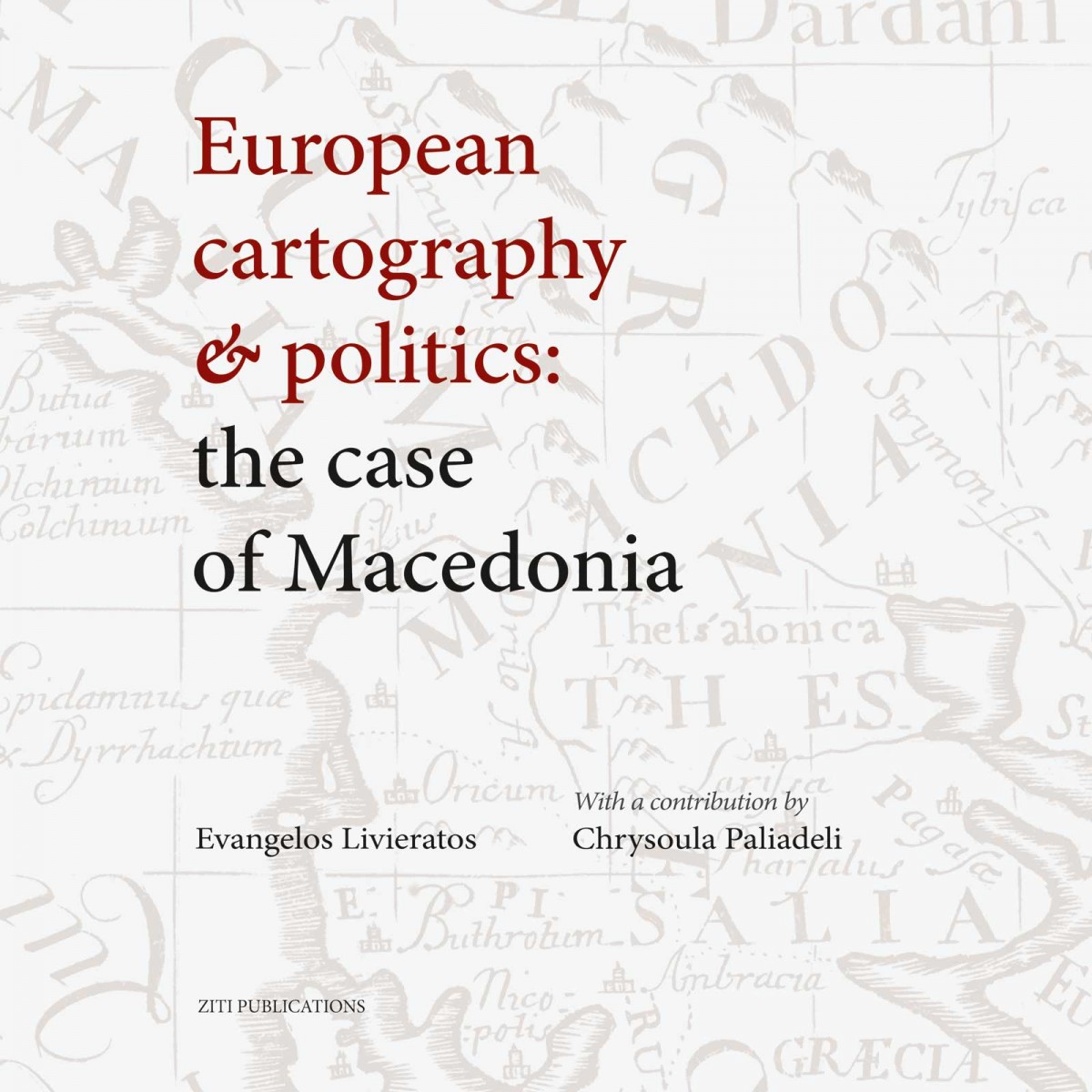
E. Livierátos / C. Paliadeli, European Cartography and Politics: The Case of Macedonia
A series of historical maps depicting the history of the land of Macedonia from antiquity up until the early 19th century.
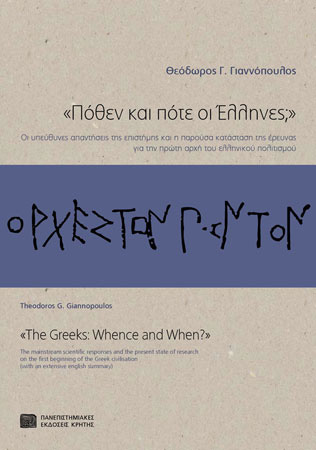
T.G. Giannopoulos, “The Greeks: Whence and When?”
A systematic and intelligible handbook of the long-standing international research on the first beginning of the Greek civilisation
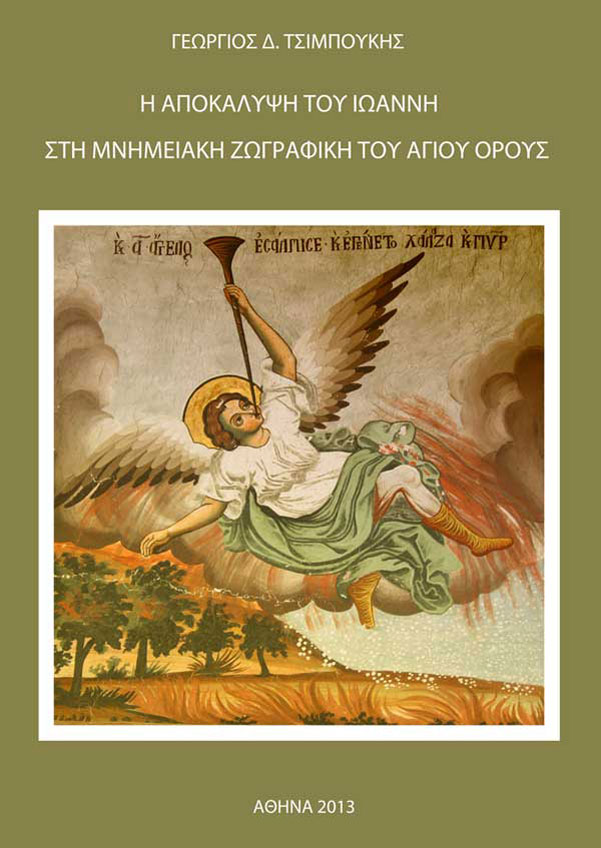
G. Tsimpoukis, “The Revelation of John in the monumental painting of Mount Athos”
The book examines the ten iconographic cycles of the Revelation of John, as preserved in the wall paintings of nine monasteries in Mount Athos.
US Cultural Diplomacy and Archaeology
The first book to evaluate museums and their roles in presenting the past at national and international levels, contextualizing the practical and diplomatic processes of archaeological research within the realm of cultural heritage.
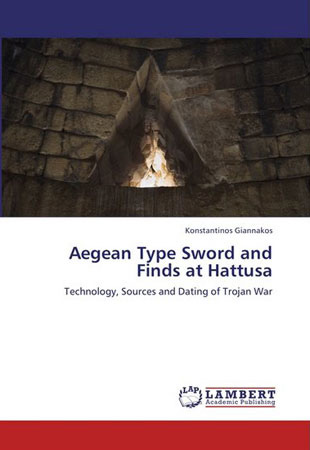
K. Giannakos, Aegean Type Sword and Finds at Hattusa
The finding of a sword of possible Mycenaean or Aegean origin of the Late Bronze Age, at Hattuša, dated ca. 1420-1400 BC, inspired the present research.