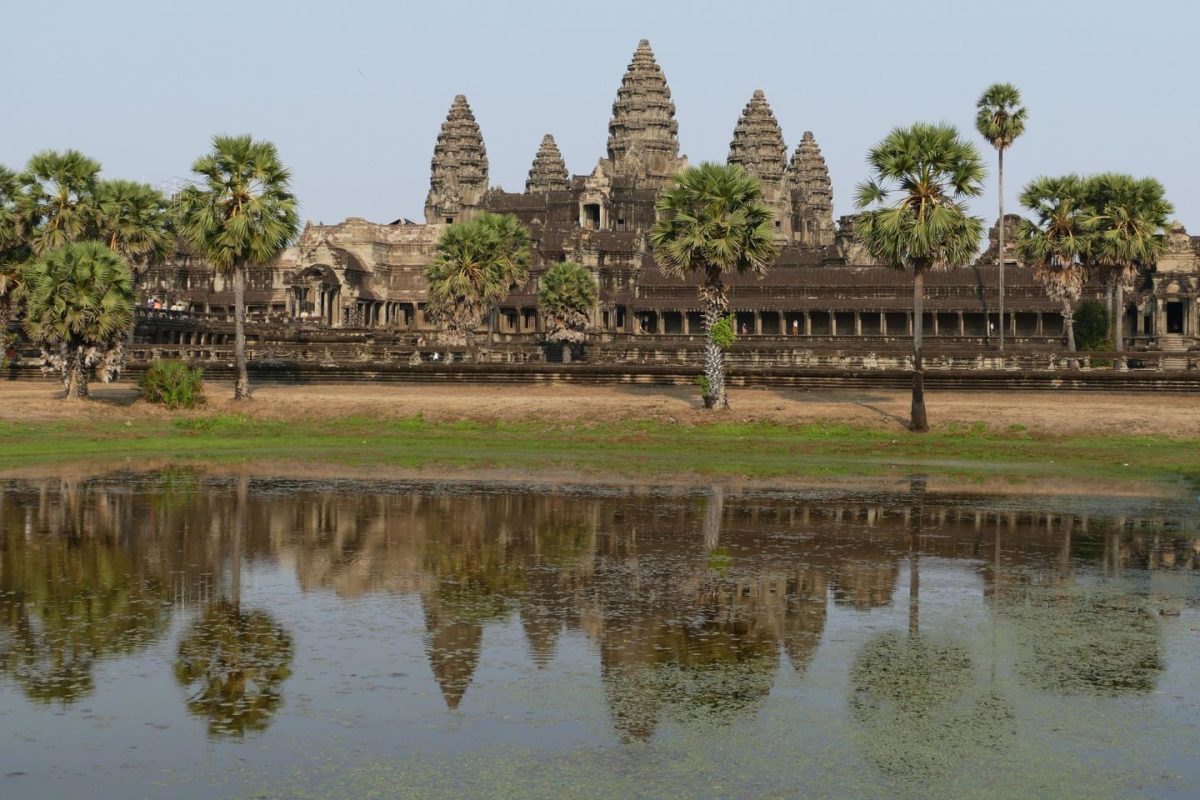
New research casts doubt on cause of Angkor’s collapse
The findings suggest Angkor's demise was not a catastrophic collapse caused by the Ayutthayan invasion or by infrastructural failure, but a gradual demographic shift by the urban elite.
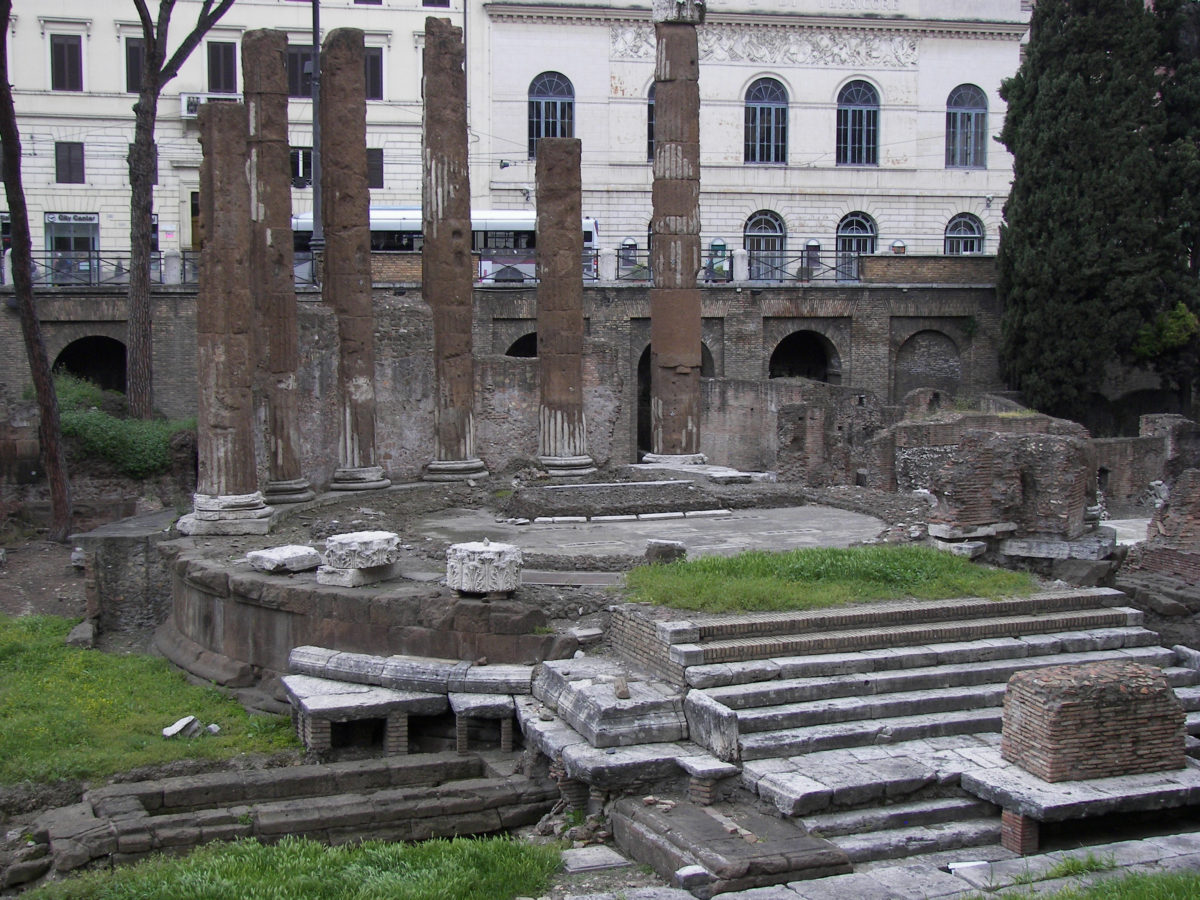
Donation made by house of Bulgari to protect an archaeological site
The Italian jewelry firm will donate €500,000 to develop the archaeological site in the district of Largo di Torre Argentina.
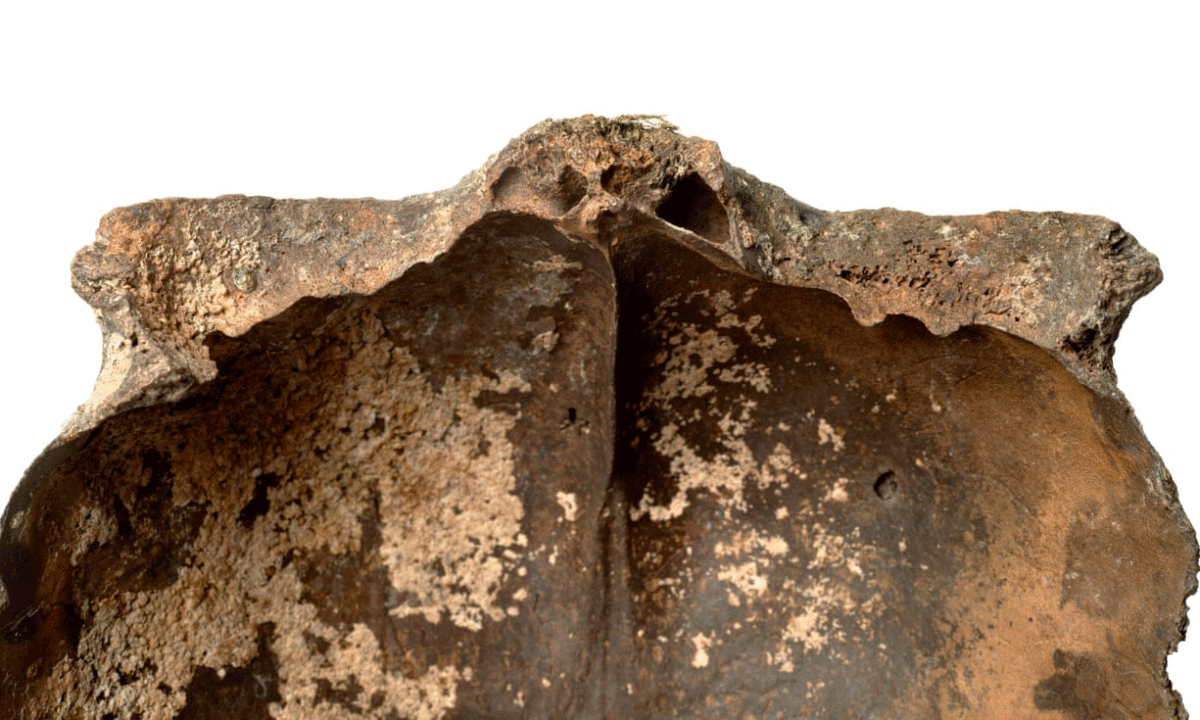
Skull fragment found on Thames banks is now on display
A fragment of a Neolithic skull found on the south bank of the River Thames will be exhibited at the Museum of London.
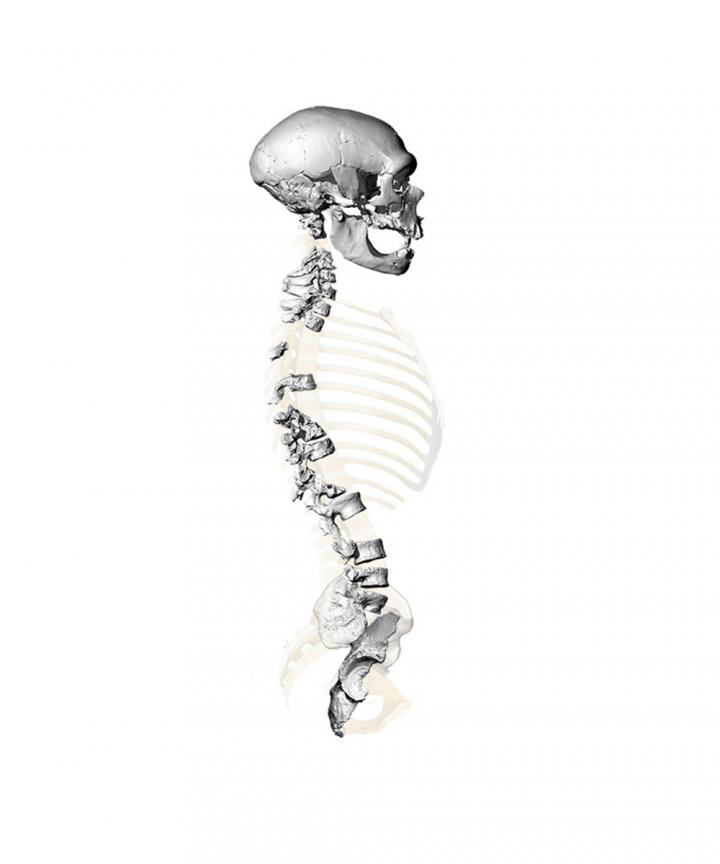
Neanderthals walked upright just like the humans of today
Neanderthals are often depicted as having straight spines and poor posture. However, these prehistoric humans were more similar to us than many assume.
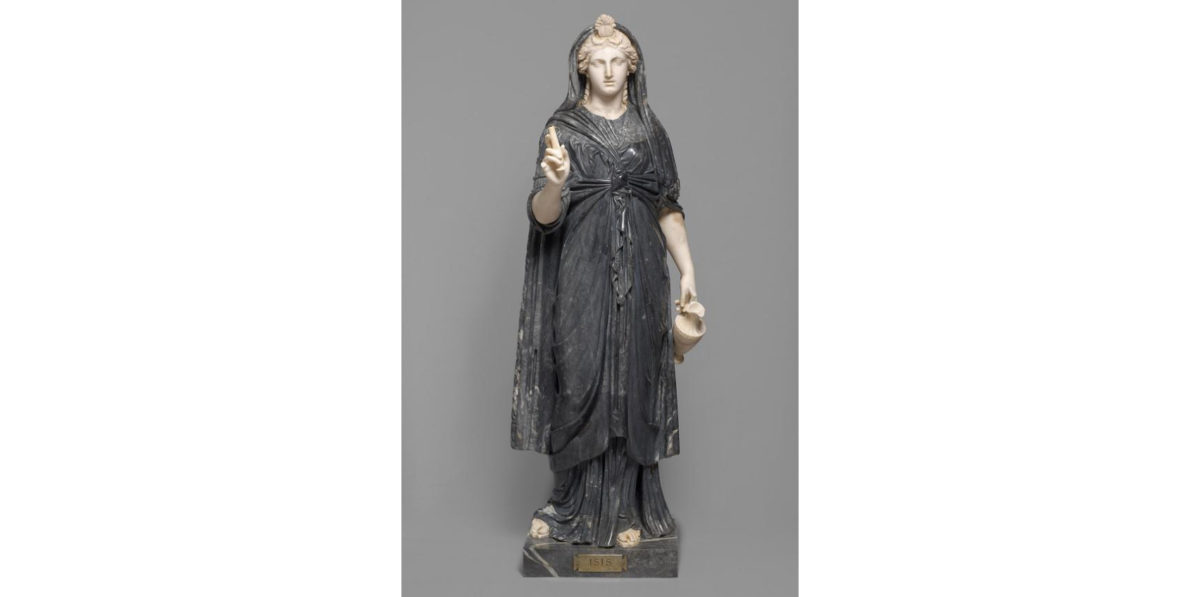
The cult of the Egyptian Isis in Roman Italy
The cult of the Egyptian Isis in Roman Italy through an enigmatic object known as Mensa Isiaca is the subject of the forthcoming lecture by Dr. Eleni Vassilika.
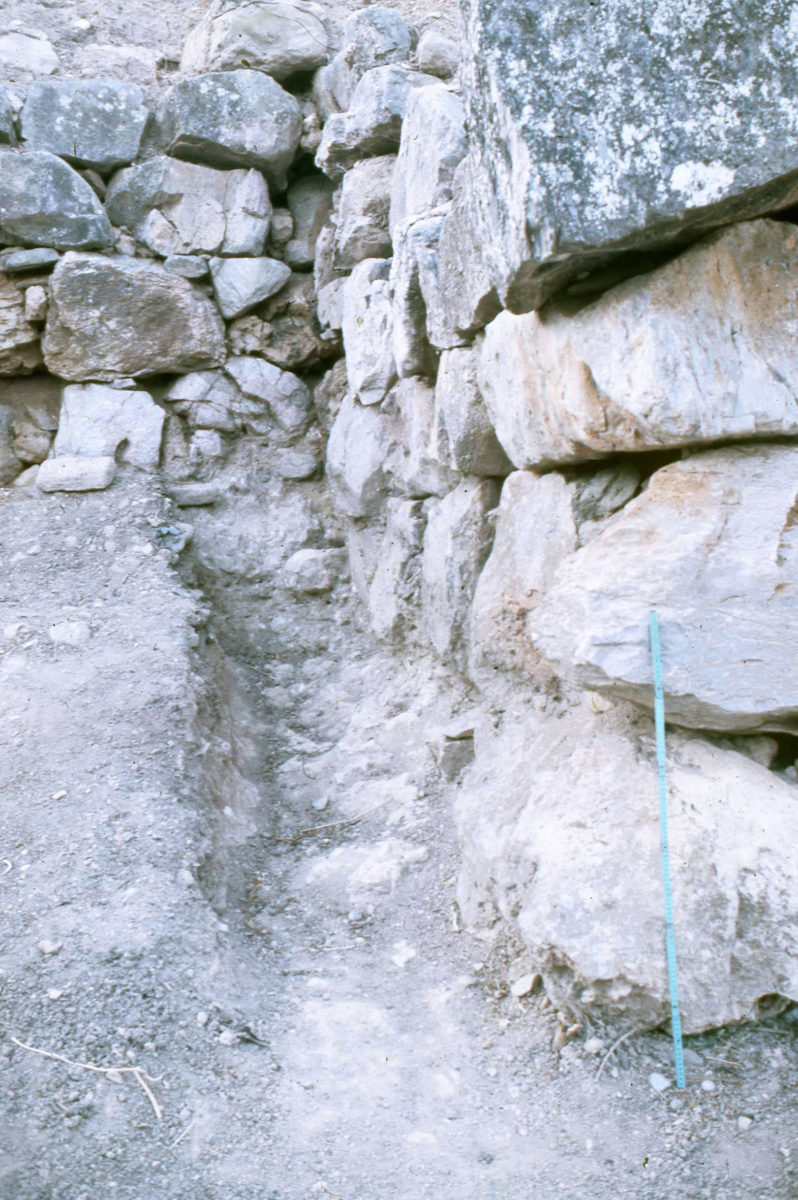
Evidence of violence and martial readiness in Minoan Crete
Just how peace loving were the Minoans? Why did they not leave behind images of wars, battles and walls despite their contacts with other peoples who used such representations?
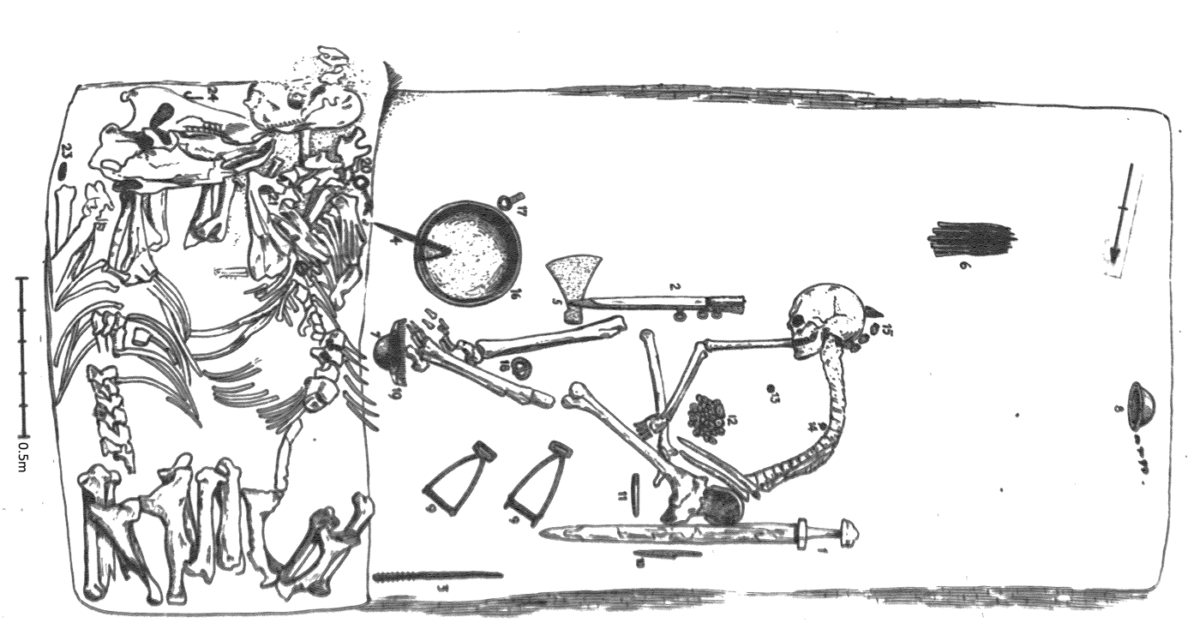
Viking warrior found in Sweden was indeed a woman
A new study further supports the 2017 discovery that Viking warrior in prestigious burial was a woman and not a man as it had been assumed for over a century.
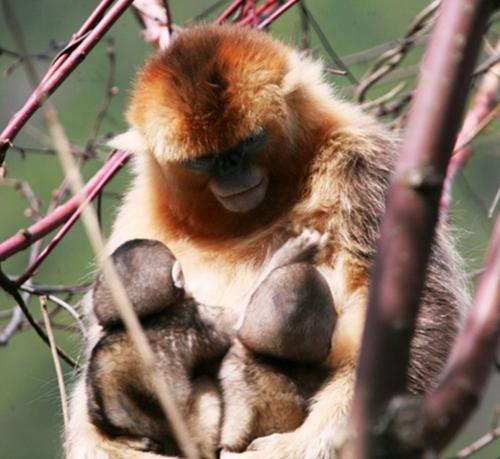
Scientists find routine allomaternal nursing in an Old World monkey
A team of scientists led by Prof. LI Ming of the Institute of Zoology, Chinese Academy of Sciences, found widespread allomaternal nursing behavior in nursing others' offspring in an Old World monkey, the golden snub-nosed monkey.
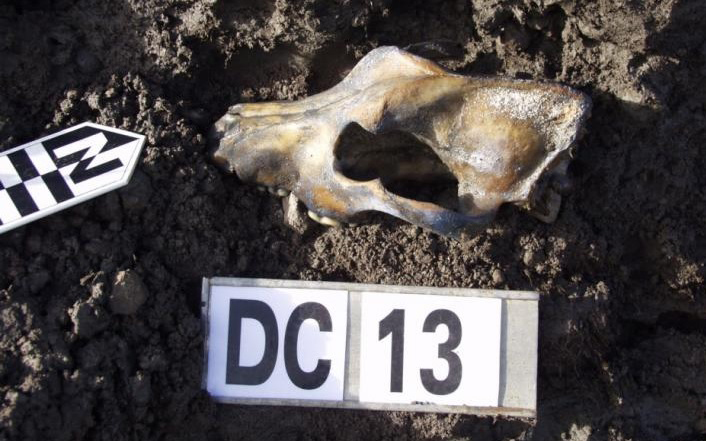
The ancient people in the high-latitude Arctic had well-developed trade
Russian scientists studied the Zhokhov site of ancient people, which is located in the high-latitude Arctic, and described in detail the way of life of the ancient people had lived there.
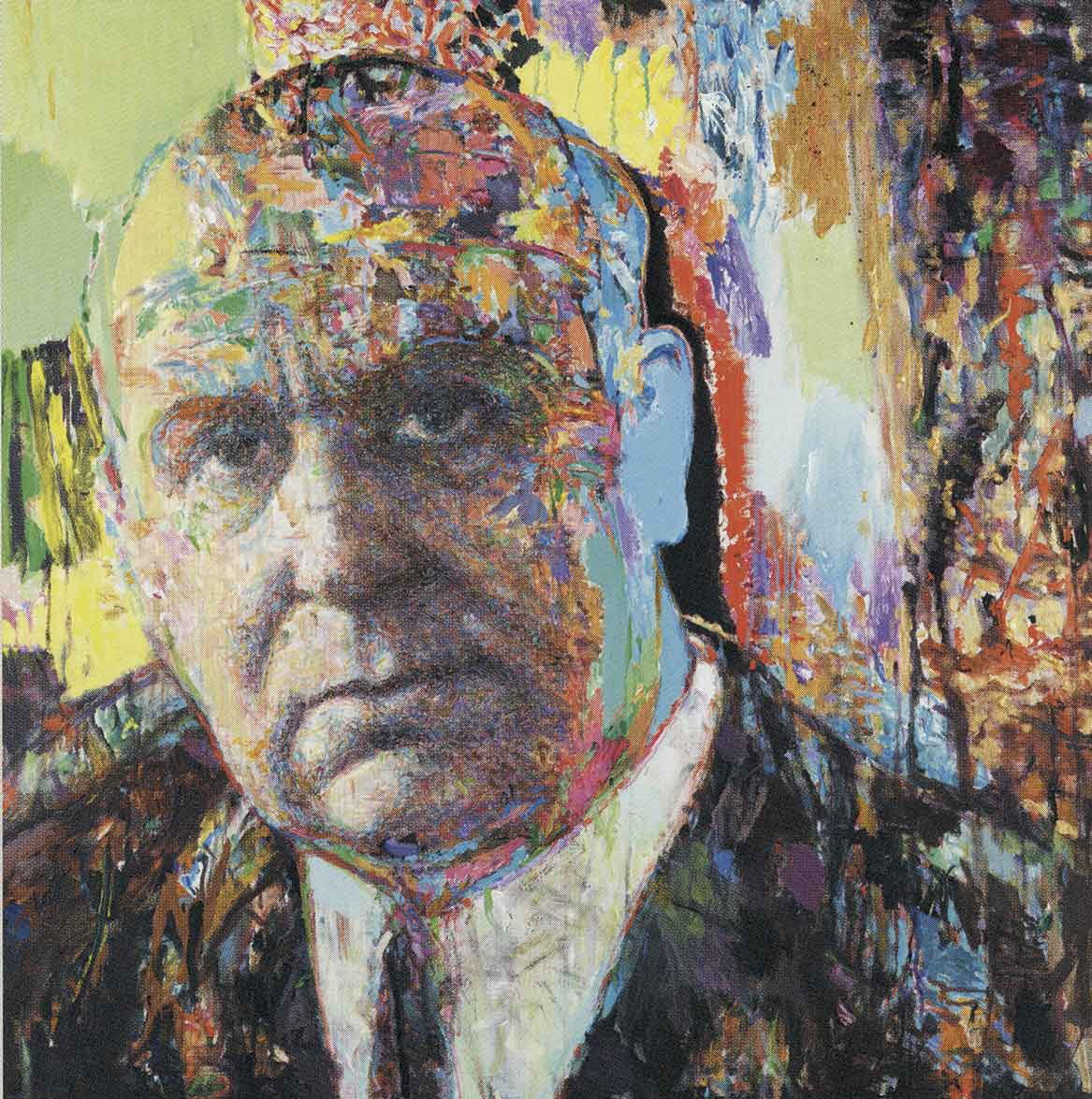
Seferis and his poetry through painting and photography
Works by great Greek painters inspired by the poetry of George Seferis, photographs of the poet and some of his personal belongings are included, among other things, in this exhibition.
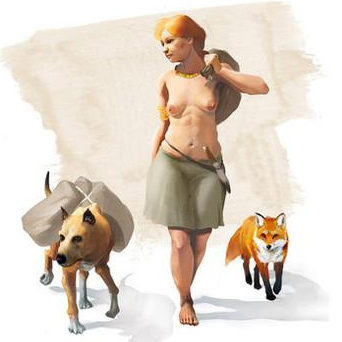
Foxes were domesticated by humans in the Bronze Age
In the northeast of the Iberian Peninsula, between the third and second millennium BC, a widespread funeral practice consisted in burying humans with animals.
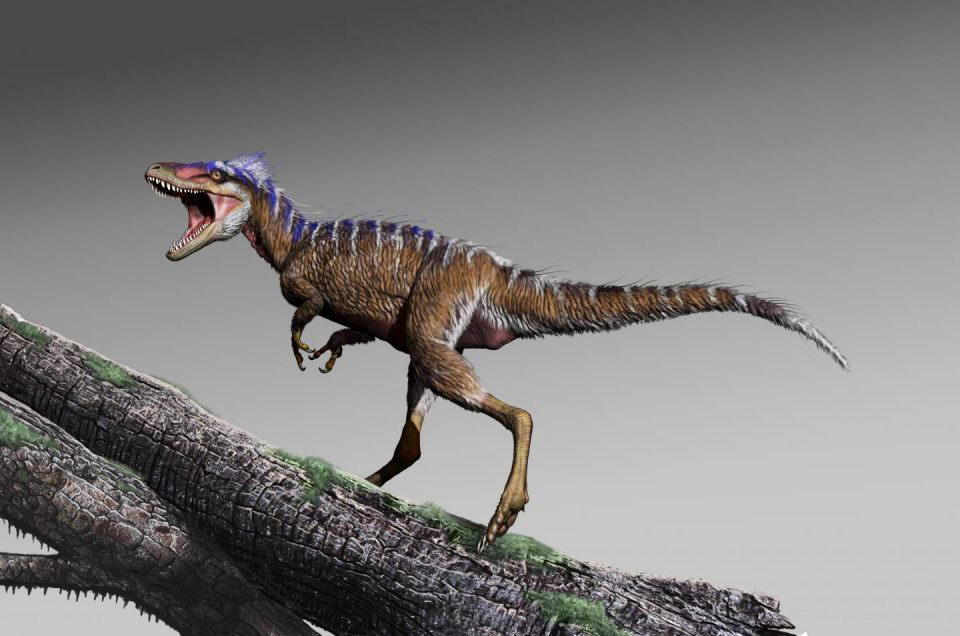
New species of tiny tyrannosaur foreshadows rise of T. rex
A newly discovered, diminutive – by T. rex standards – relative of the tyrant king of dinosaurs reveals crucial new information about when and how T. rex came to rule the North American roost.
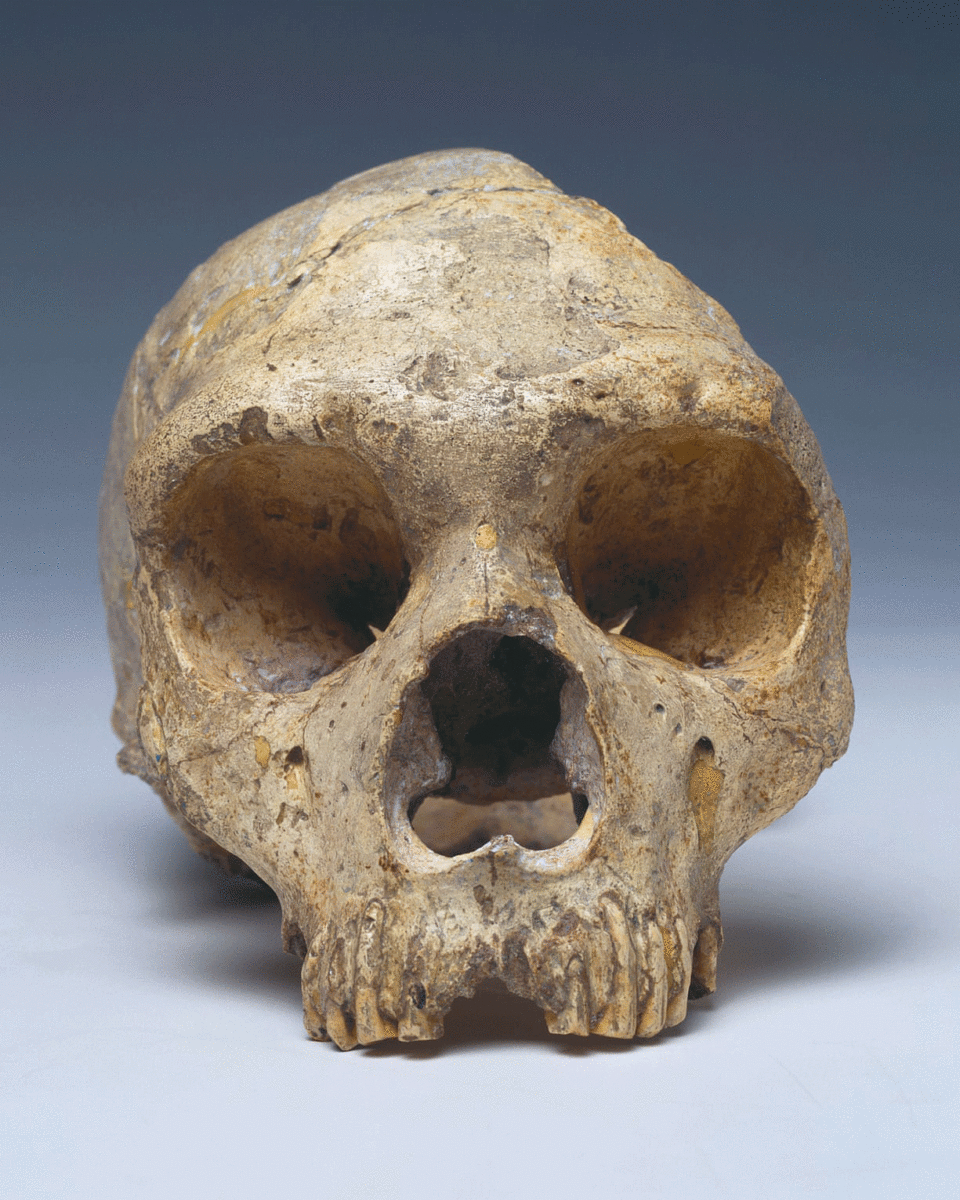
UK museums face increasing demand for repatriation of antiquities
Various institutions in the UK, such as the British Museum and the Natural History Museum, are called to repatriate items in their collections.
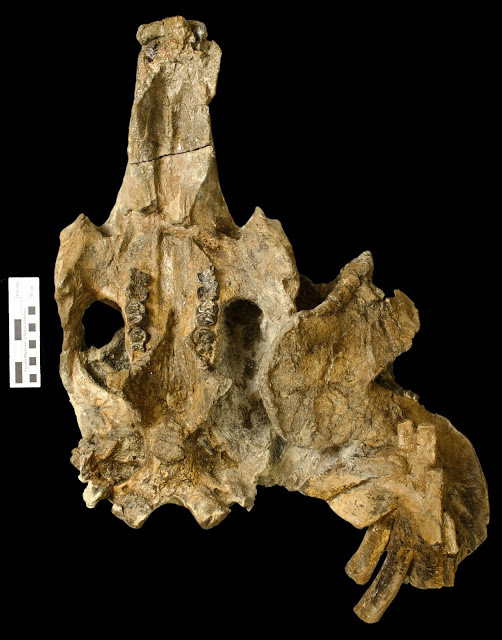
20-million-year-old tusked sea cow is Central America’s oldest marine mammal
Steven Manchester didn't set out to discover Central America's oldest known marine mammal. He was hoping to find fossil plants.
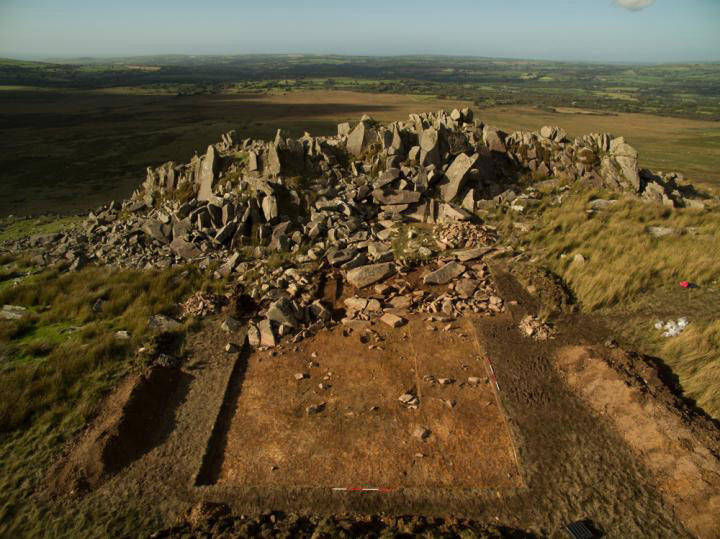
Quarrying of Stonehenge ‘bluestones’ dated to 3000 BC
Excavations at two quarries in Wales, known to be the source of the Stonehenge 'bluestones', provide new evidence of megalith quarrying 5,000 years ago.
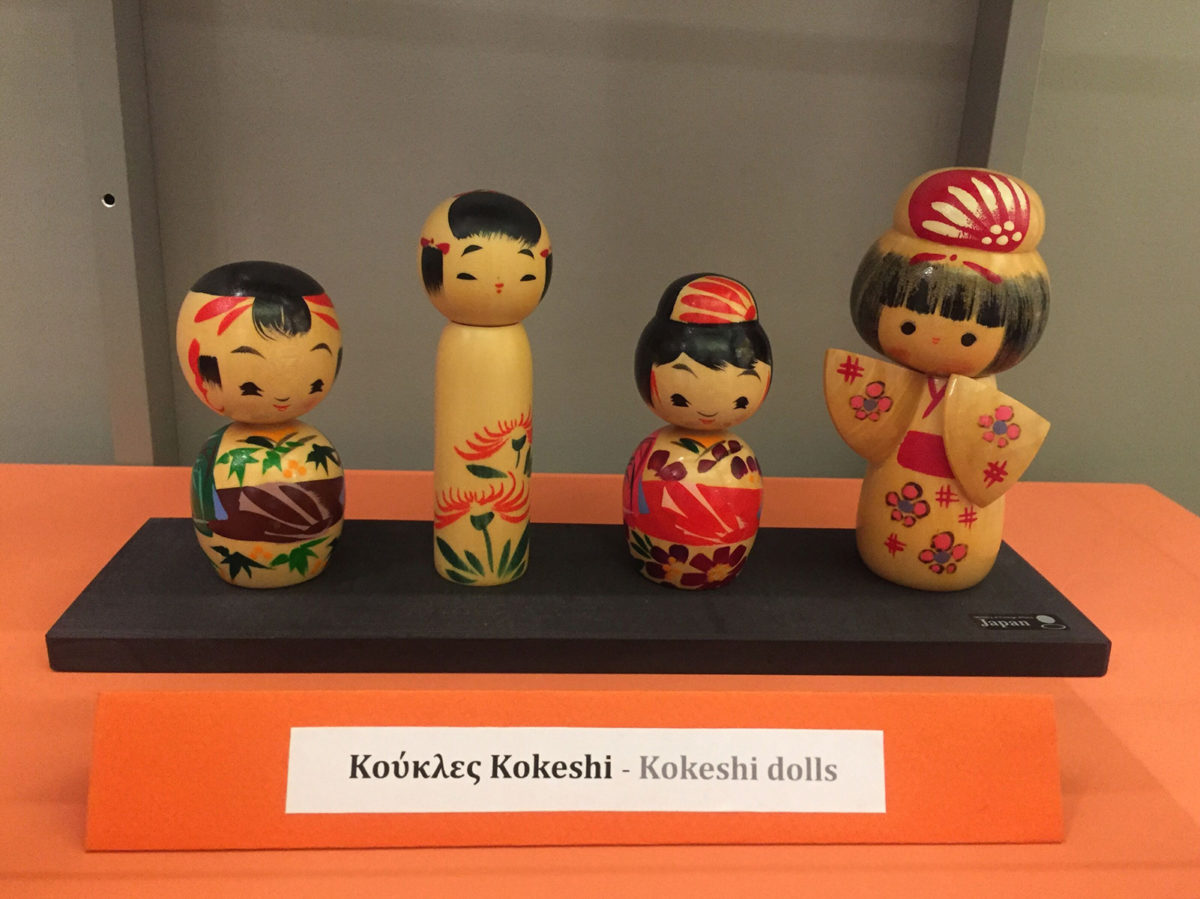
Japanese Traditional Dolls and Toys
The Embassy of Japan in cooperation with the Benaki Museum organizes an exhibition of Japanese Traditional Dolls and Toys.
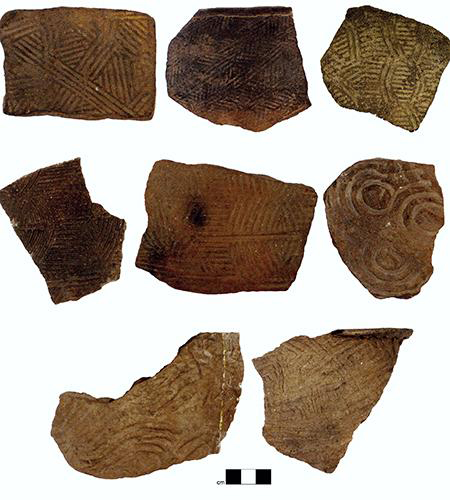
Pottery reveals America’s first social media networks
Ancient Indigenous societies, including Mississippian Mound cultures, were built through social networks, PNAS study suggests.
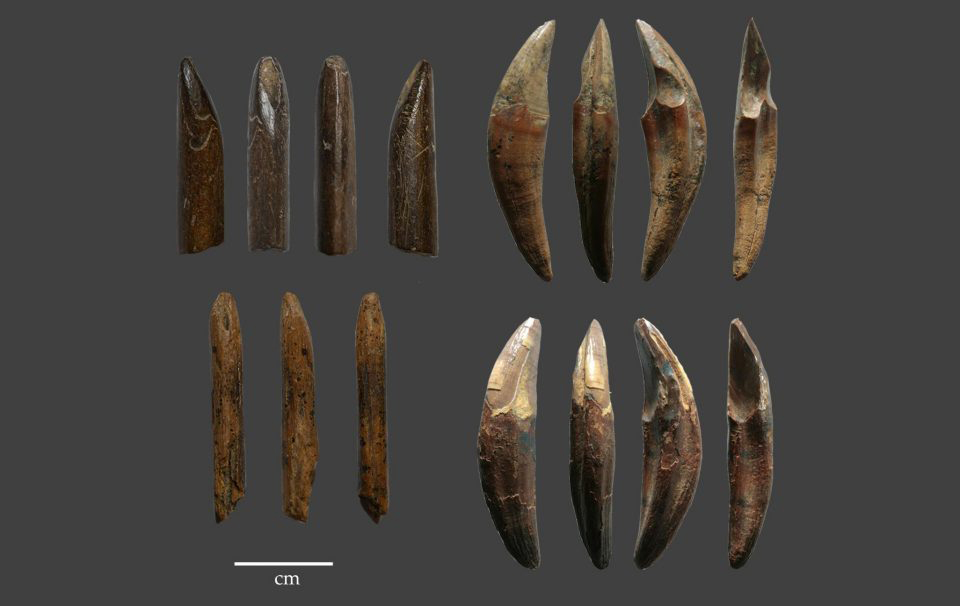
The monkey hunters
A multidisciplinary study has found evidence for humans hunting small mammals in the forests of Sri Lanka at least 45,000 years ago.
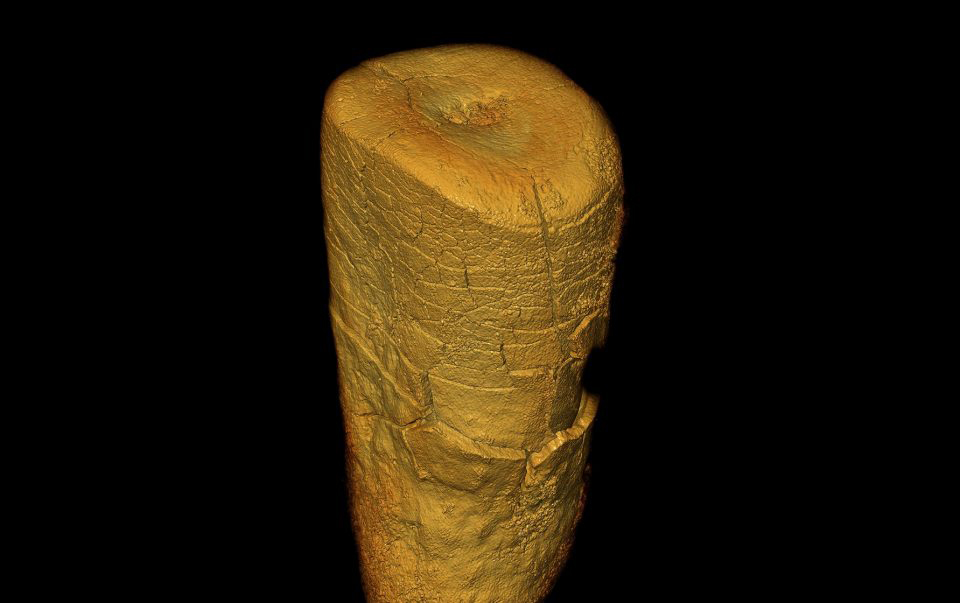
Neandertals’ main food source was definitely meat
Neandertals’ diets are highly debated: they are traditionally considered carnivores and hunters of large mammals, but this hypothesis has recently been challenged by numerous pieces of evidence of plant consumption.
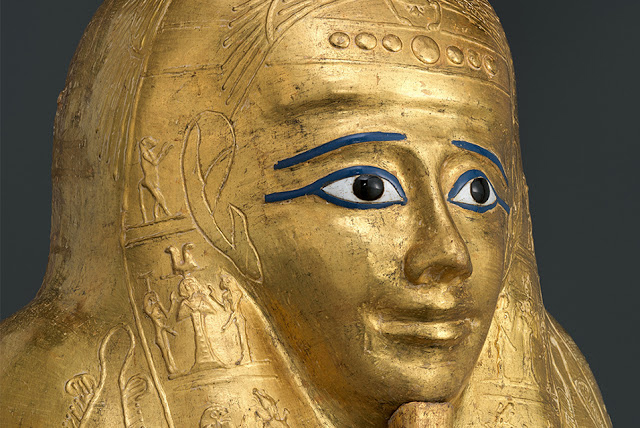
The Metropolitan Museum of Art returns coffin to Egypt
The Metropolitan Museum of Art announced last week that it has delivered the gilded Coffin of Nedjemankh, for return to the Government of Egypt by the Manhattan District Attorney’s Office.
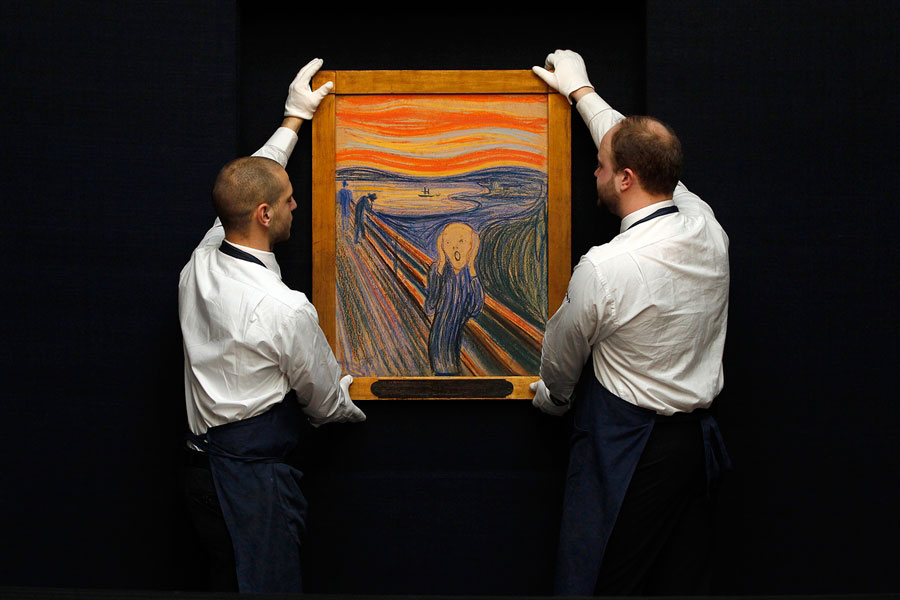
25 years since one of the most famous thefts of a painting
‟The Scream” is the most iconic painting by Norwegian artist Edvard Munch in the History of Art.
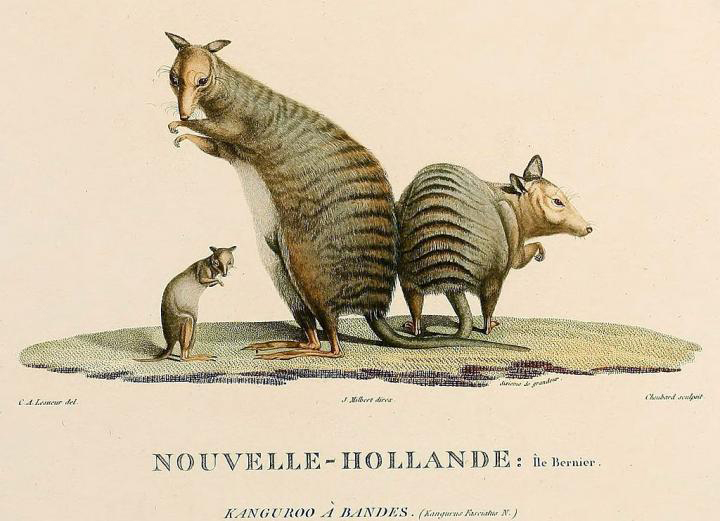
Indigenous hunters have positive impacts on food webs in desert Australia
Australia has the highest rate of mammal extinction in the world. Resettlement of indigenous communities resulted in the spread of invasive species, the absence of human-set fires, and a general cascade in the interconnected food web that led to the
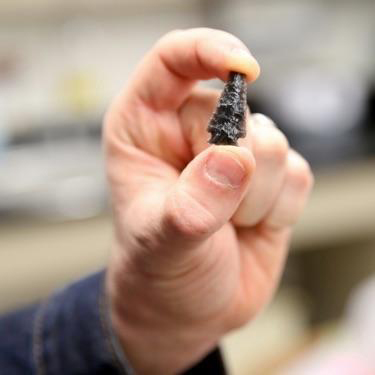
Marin County: Safe harbor for Native residents during the Mission era and beyond
Latest findings will be discussed during the Society for California Archaeology annual meeting March 7-10 in Sacramento.
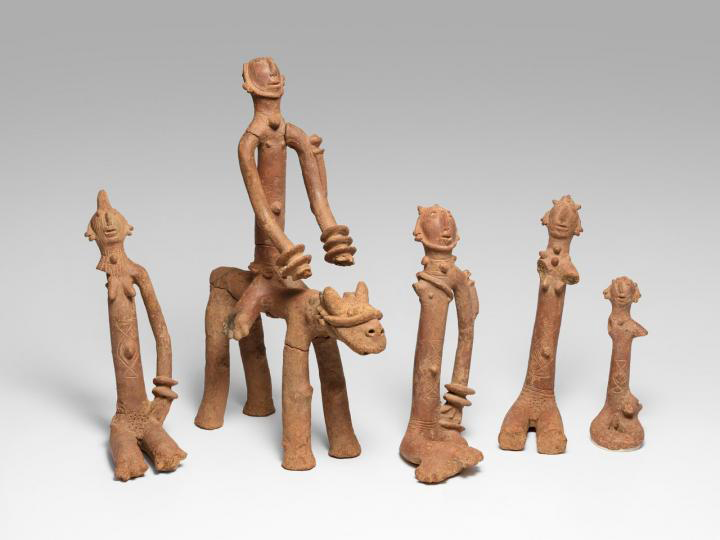
Art Institute of Chicago unveils key findings in African art thanks to medical technology
the Art Institute of Chicago announced the results of significant new research on five terracotta sculptures—so named Bankoni after a village in present-day Mali where they were found.