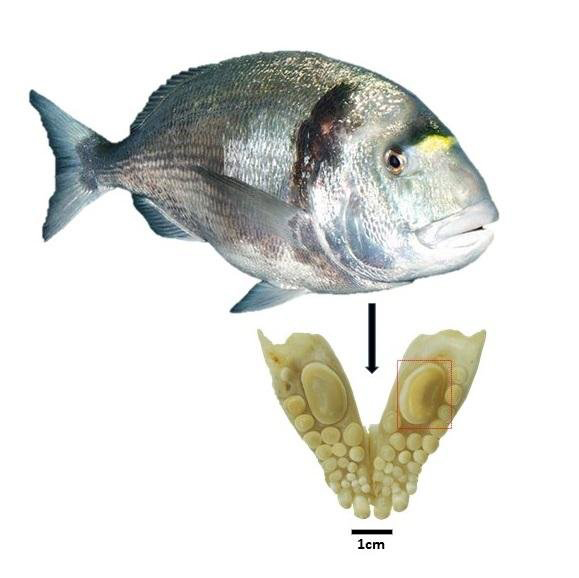
Extensive trade in fish between Egypt and Canaan 3,500 years ago
The dorade was caught in the Bardawil lagoon on the northern Sinai coast and then transported from Egypt to sites in the southern Levant.
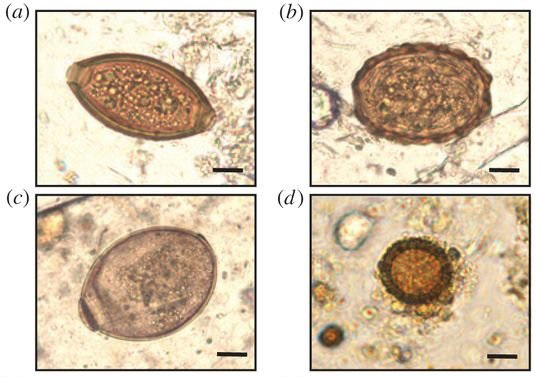
Parasites from medieval latrines unlock secrets of human history
A radical new approach combining archaeology, genetics and microscopy can reveal long-forgotten secrets of human diet, sanitation and movement from studying parasites in ancient poo.
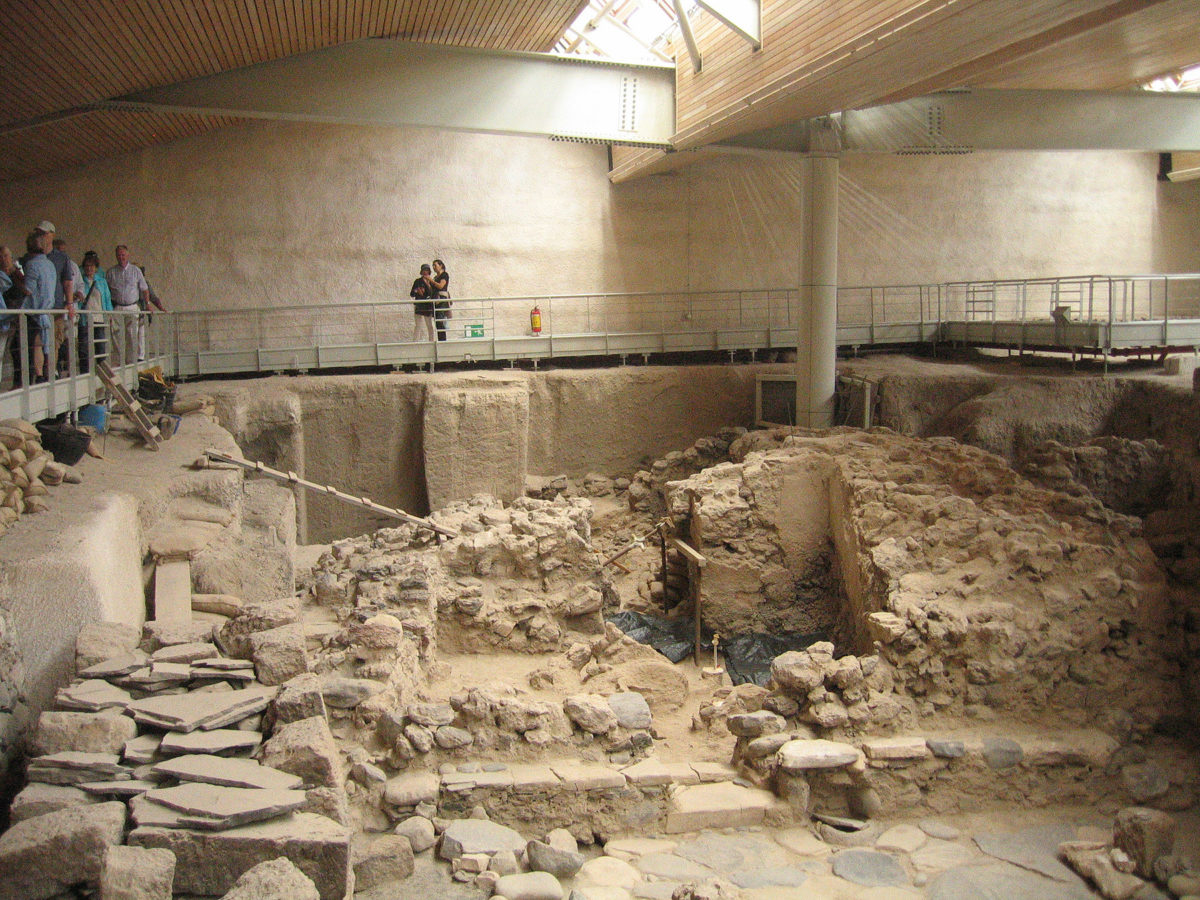
Important finds from prehistoric Akrotiri, Thera
Inside a building, known as the “House of Benches,” amphoras and small rectangular clay larnakes were found.
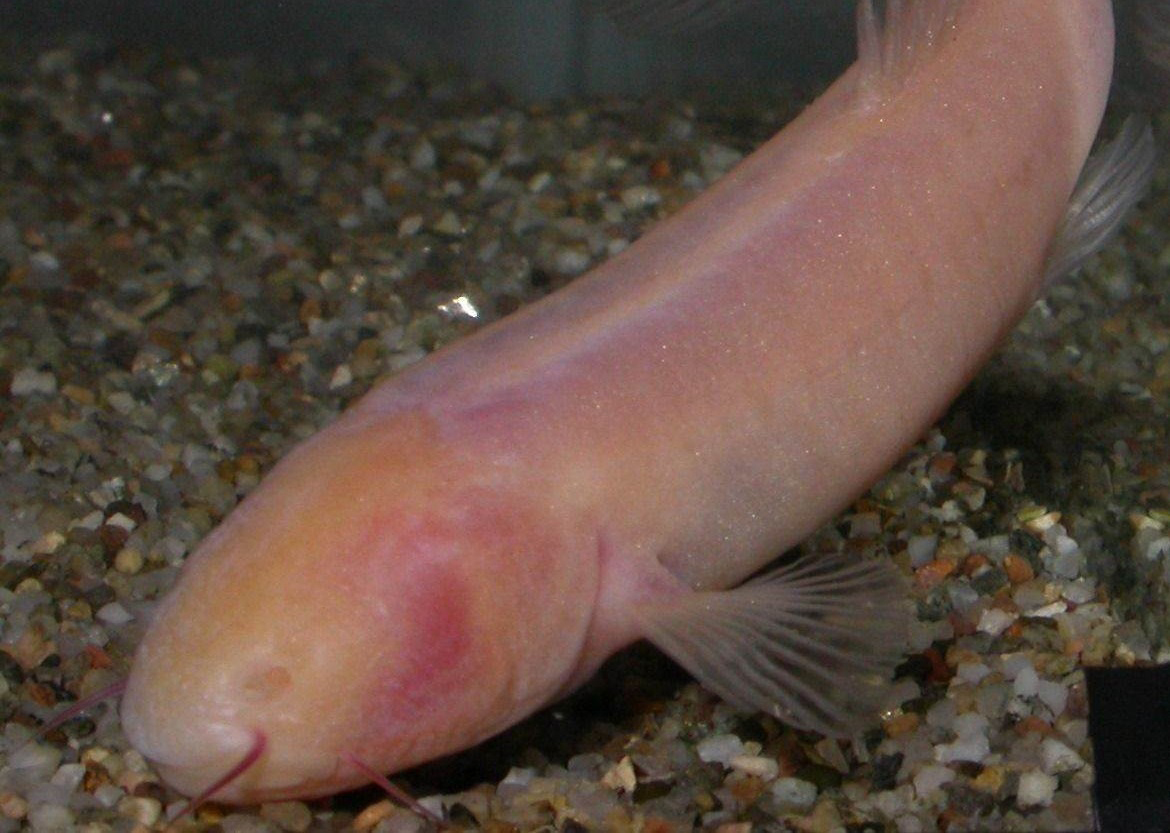
Did the ancestors of mammals live underground?
It is an ancient system and has hardly changed in the course of evolution.
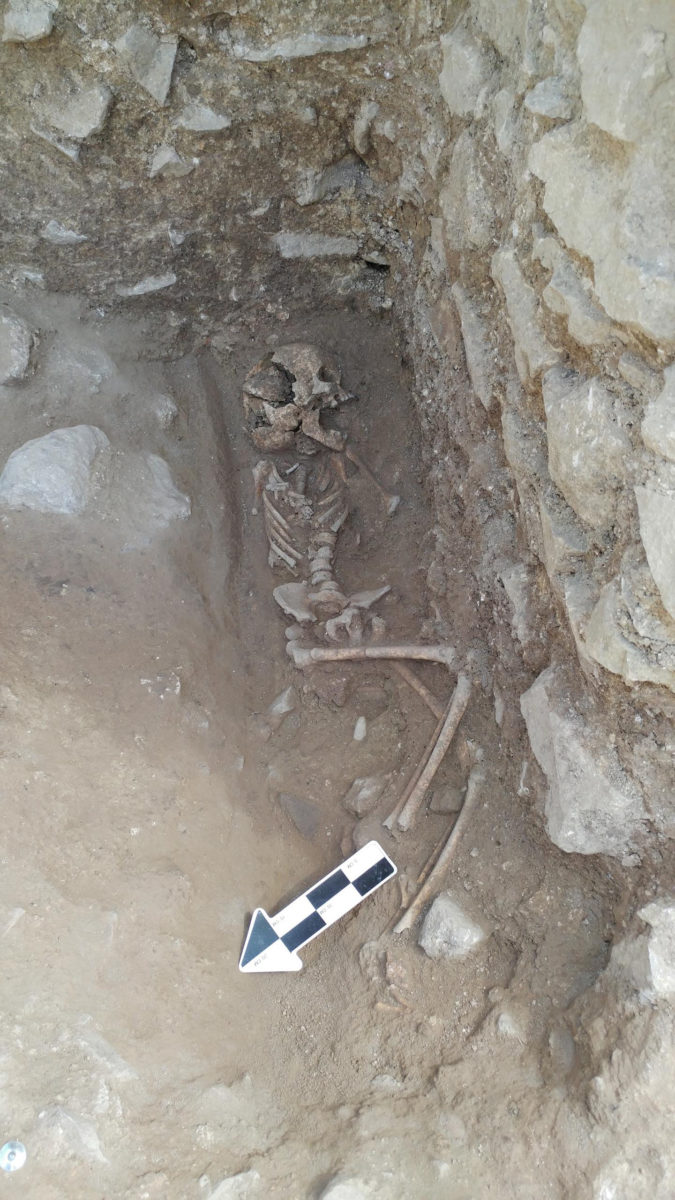
‘Vampire burial’ reveals efforts to prevent child’s return from grave
The discovery of a 10-year-old's body at an ancient Roman site in Italy suggests measures were taken to prevent the child, possibly infected with malaria, from rising from the dead and spreading disease to the living.
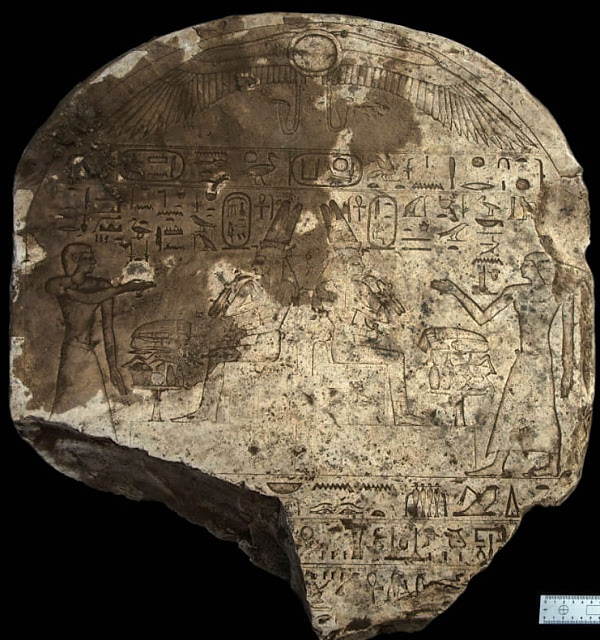
Egyptian archaeologists discover stele of liberation queens in Aswan
Egyptian archaeologists discovered a limestone stele in Kom Ombo temple area dated back to Early 18th Dynasty or the Liberation war period.
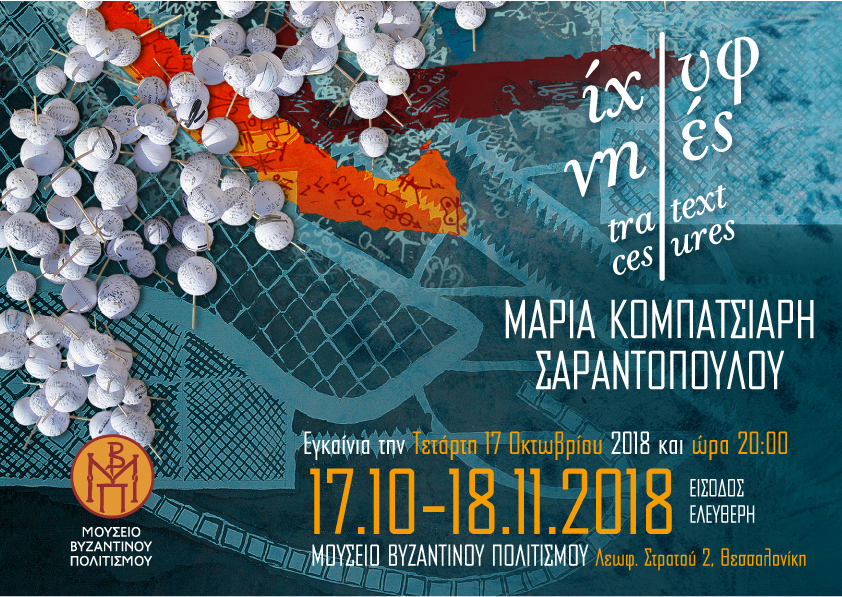
Traces – Textures
The Museum of Byzantine Culture presents the exhibition of the artist Maria Kompatsiari, titled “TRACES-TEXTURES” in the multi-purpose hall “Eftychia Kourkoutidou-Nikolaidou”.
Reconstructing the history of mankind with the help of fecal sterols
The story of mankind's presence on the planet can be told by studying the sediment and soil accumulation of these chemical compounds in human feces.

“The culture that connects us”
A unique online initiative that celebrates the diversity and liveliness of European cultural heritage.
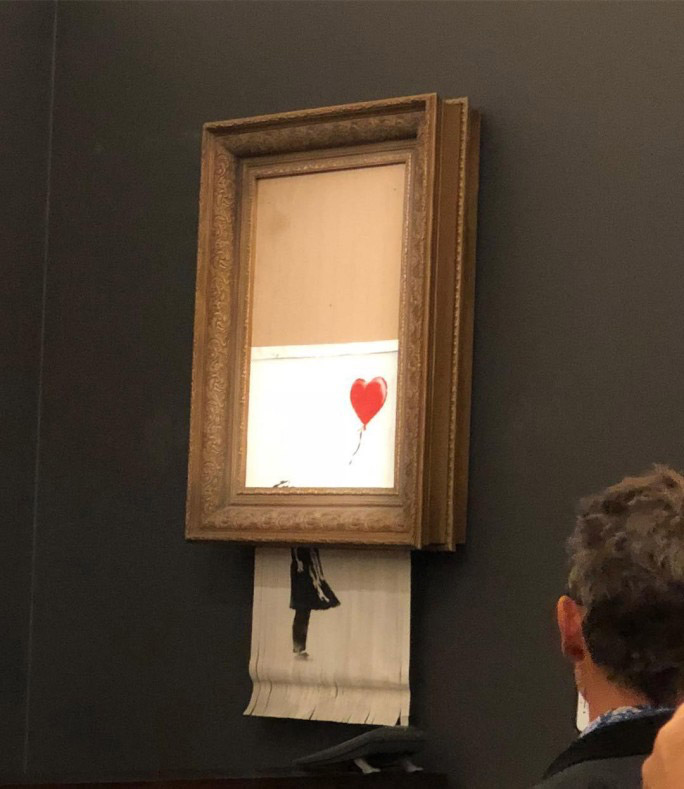
The “Girl with Balloon” was shredded while being auctioned
One of the most well known works by Banksy was torn to pieces by a paper shredder hidden in its frame, the moment the hammer had secured the work.
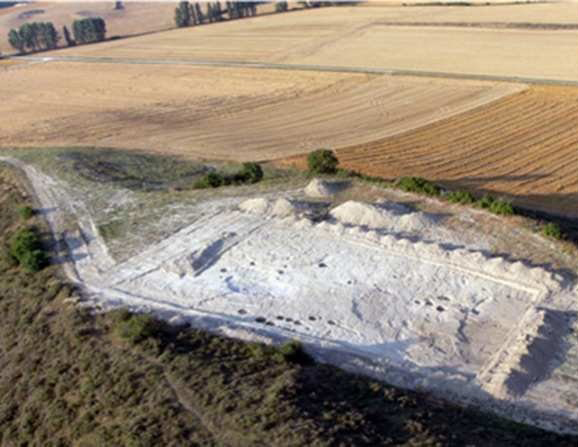
Statistical method recreates the history of a long-abandoned village in Spain
Paola Ricci from the University of Campania "Luigi Vanvitelli" in Italy and colleagues used this approach to establish the history of the village in the time leading up to the Middle Ages.
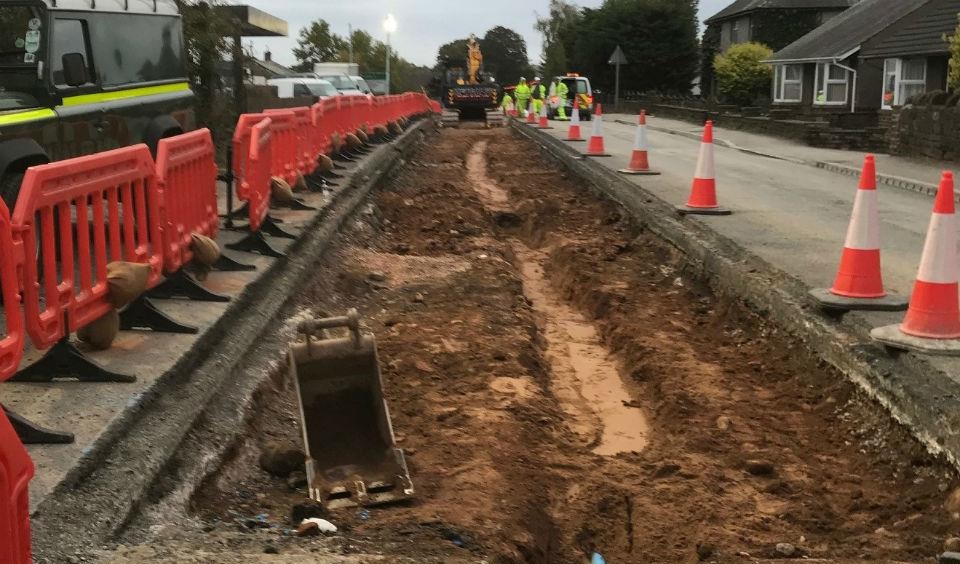
Roman settlement discovered during A66 Eden Valley works
Foundations of the original Roman road, traces of Roman life – and death – have been identified at the site, where major carriageway reconstruction and resurfacing is being carried out.
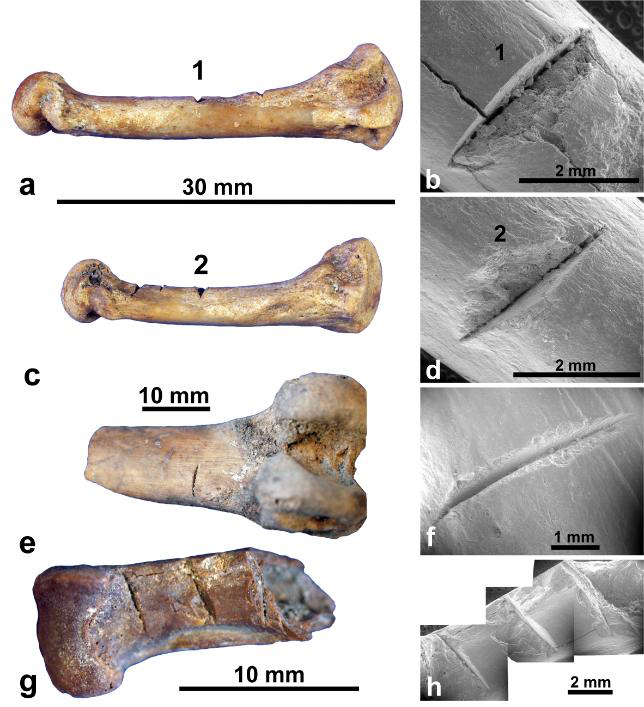
Humans may have colonized Madagascar later than previously thought
New archaeological evidence from southwest Madagascar reveals that modern humans colonized the island thousands of years later than previously thought.
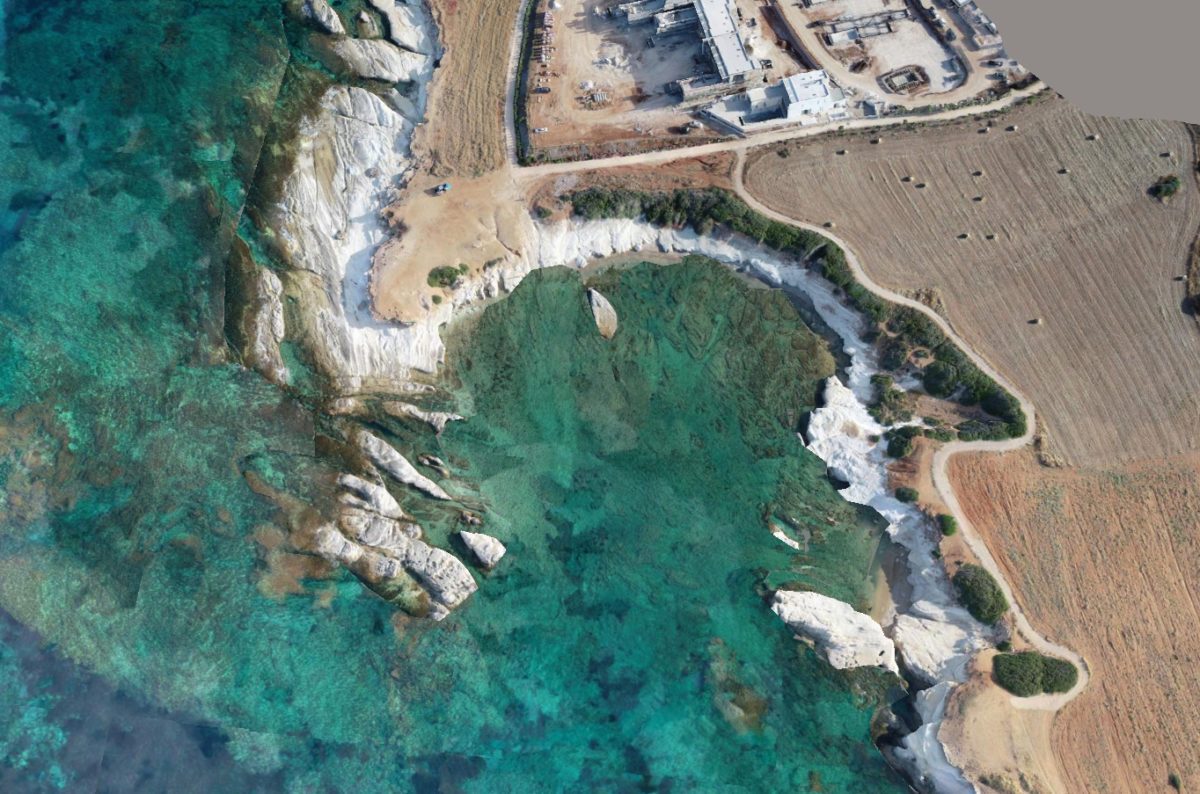
Multi-disciplinary research at ancient Maniki port
Excavation focused on three stratigraphic sections dug through the vast dumps of late Roman transport amphorae at the harbor’s edge.
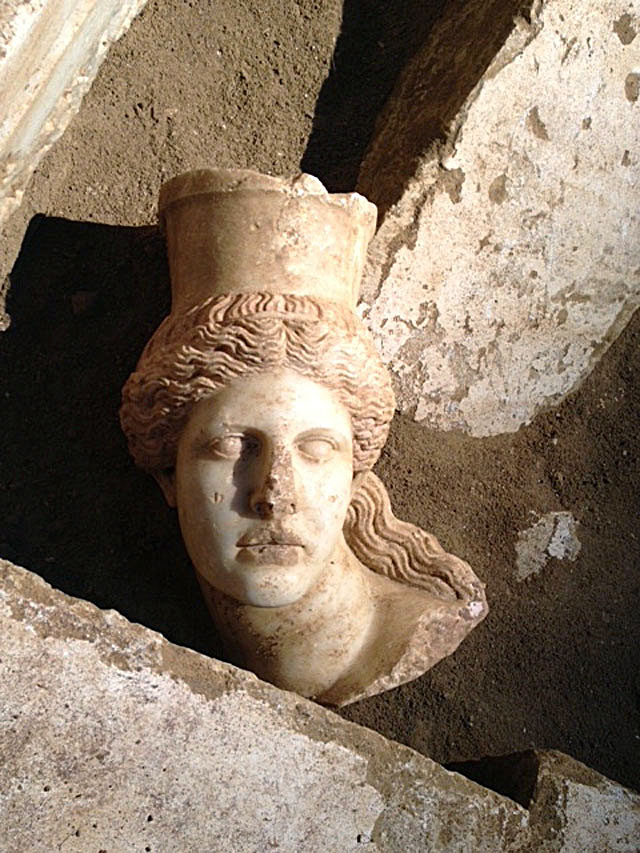
Into the sanctum sanctorum of the funerary monument on the Kasta hill
Katerina Peristeri presented through numerous photographs all those elements that make this funerary monument so unique.
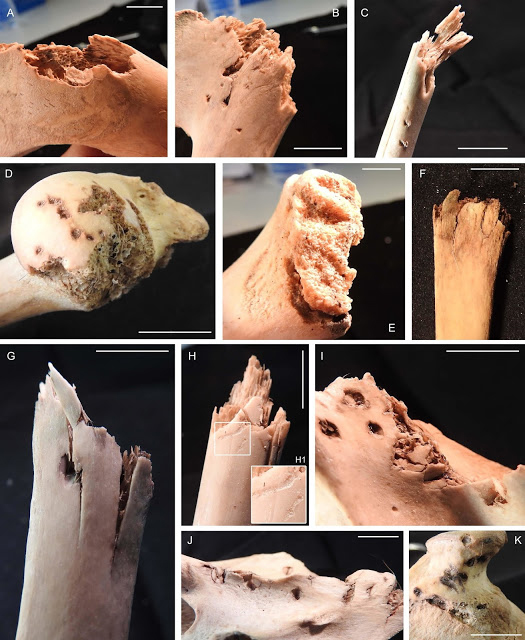
Small carnivores might be the most destructive in archaeological sites
A recent study attempts to simulate the actions of small carnivores at an experimental level and find diagnostic features that make them different from other agents.
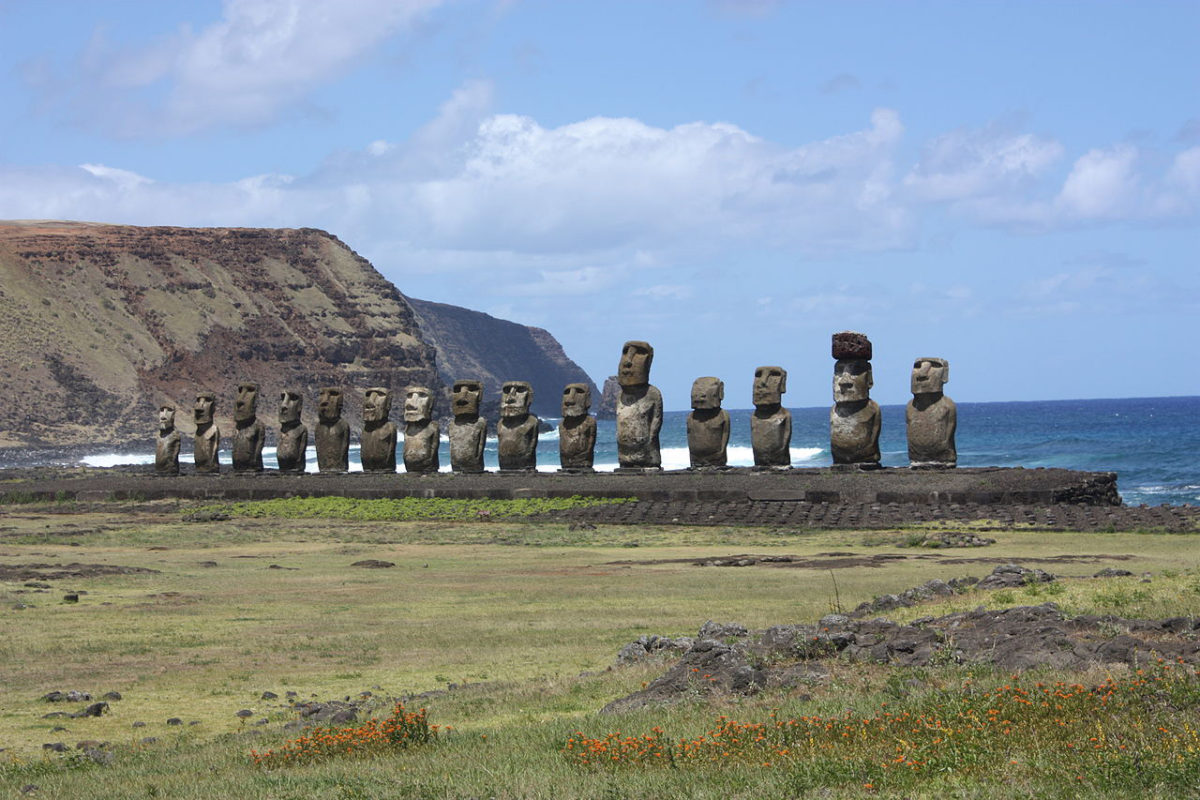
Easter Island inhabitants collected freshwater from the ocean’s edge
Process of 'coastal groundwater discharge' made water safe to drink for ancient people of Rapa Nui.
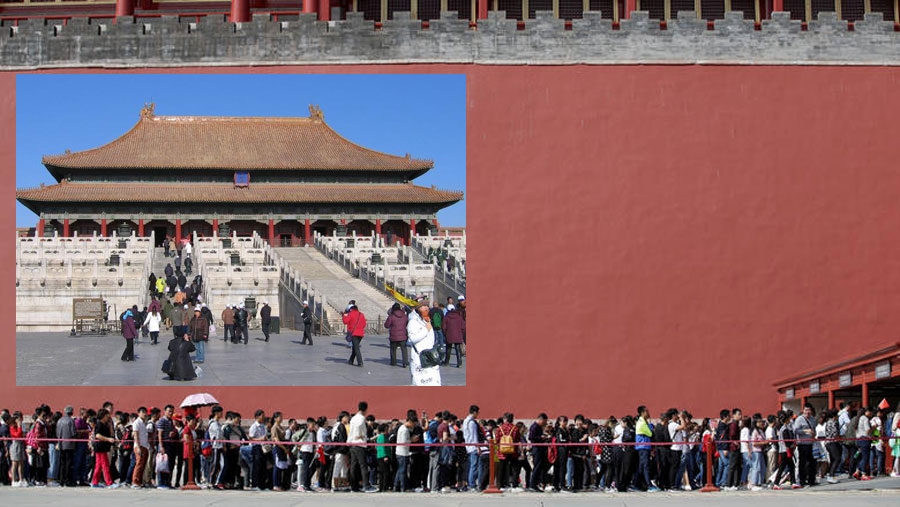
New sections have opened of the wall of the Forbidden City
This move aimed to avoid overcrowding and give people a chance to admire the cultural monuments.
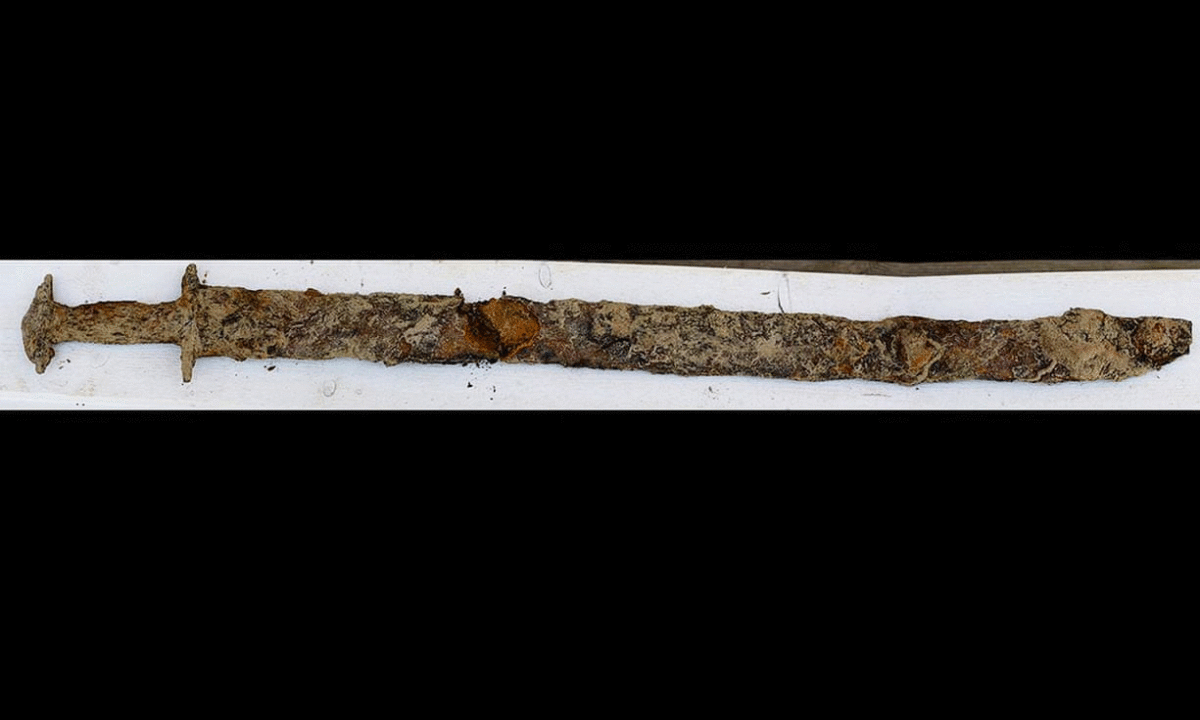
Girl finds Viking sword at the bottom of a lake
Last summer a spectacular discovery of an Iron Age sword was made in the lake Vidöstern by a little girl.
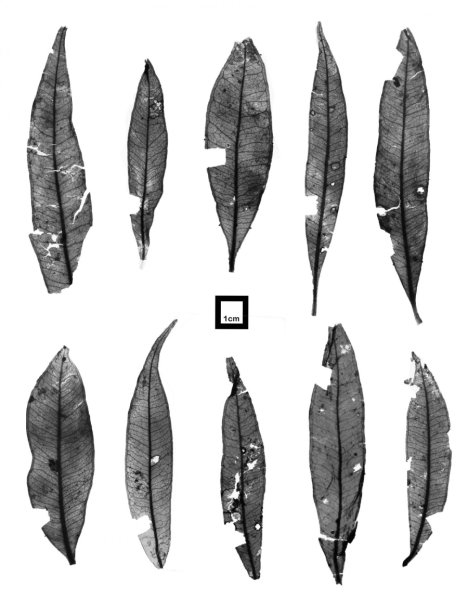
Lilly Pilly fossils reveal snowless Snowy Mountains
Leaf fossils discovered high in Australia's Snowy Mountains have revealed a past history of warmer rainforest vegetation and a lack of snow.
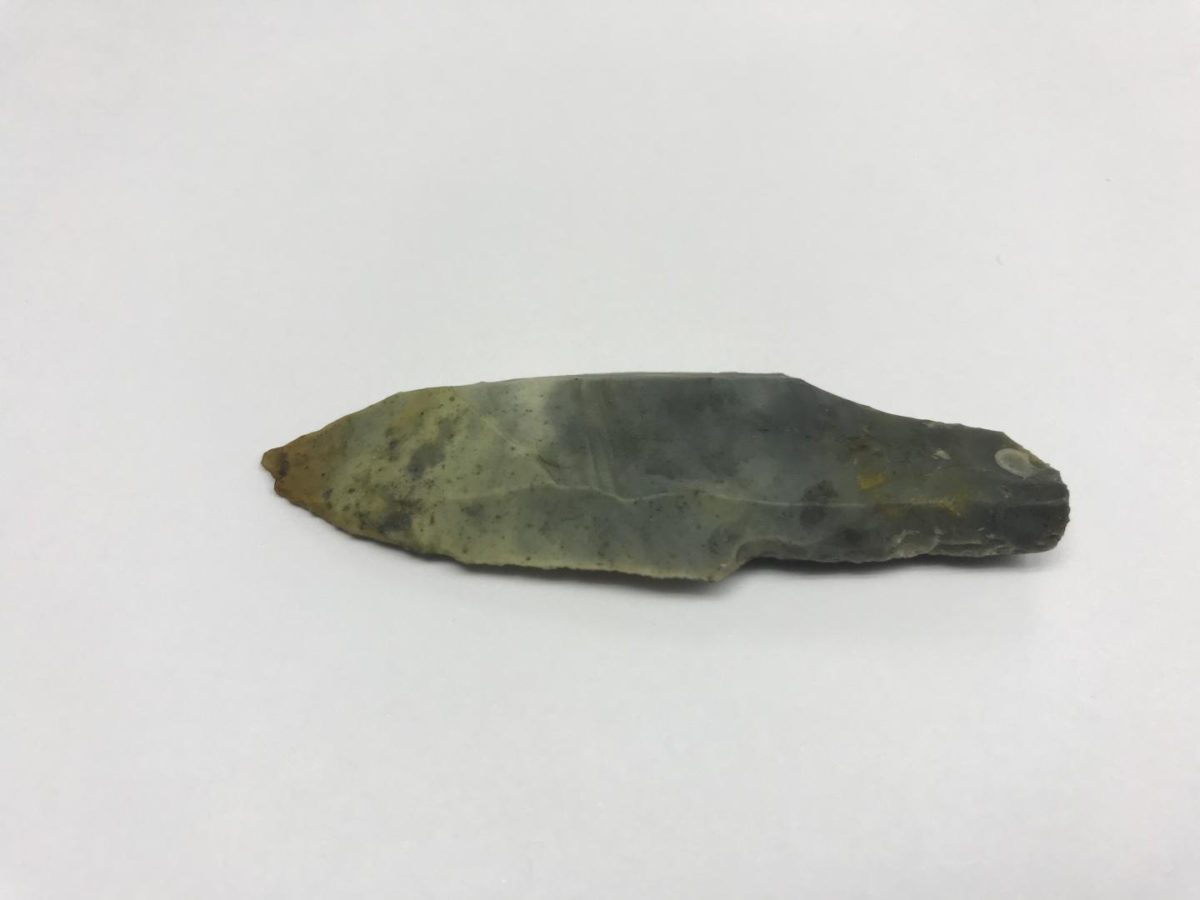
Salt: Mover and shaker in ancient Maya society
An anthropologist at LSU discovered remnants of an ancient salt works in Belize that provide clues on how the ancient Maya at the peak of their civilization more than 1,000 years ago produced, stored and traded this valuable mineral.
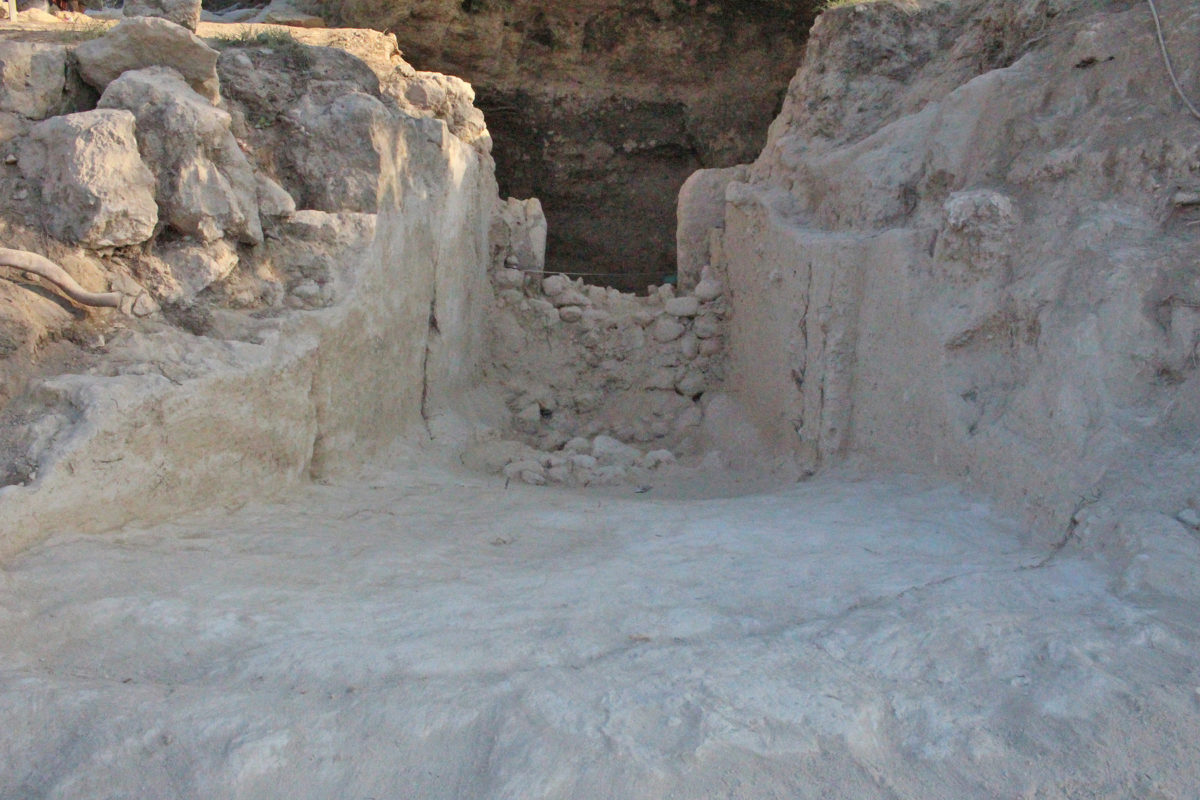
An intact grave was found at the Aidonia cemetery
The Mycenaean cemetery at Aidonia was located almost four decades ago, having been extensively looted and became more widely known in the 1990s.
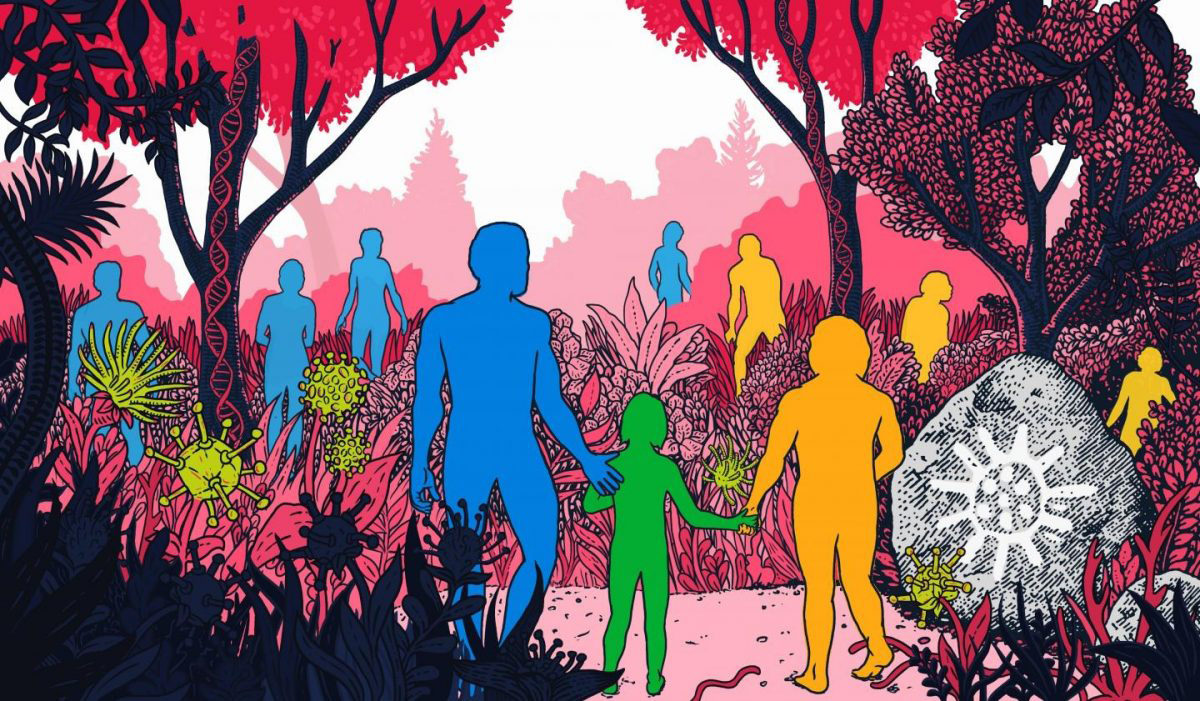
Modern humans inherited viral defenses from Neanderthals
Many modern Europeans and Asians today harbor about 2 percent of Neanderthal DNA in their genomes.
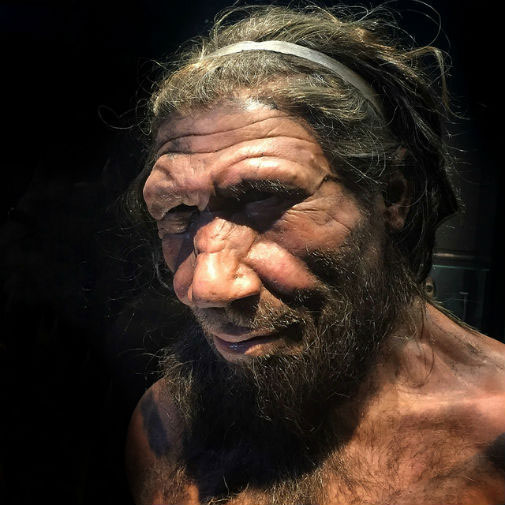
Neanderthal healthcare practices crucial to survival
Research at the University of York has suggested that Neanderthals embraced healthcare practices, such as assisting in cases of serious injury and the challenges of childbirth.