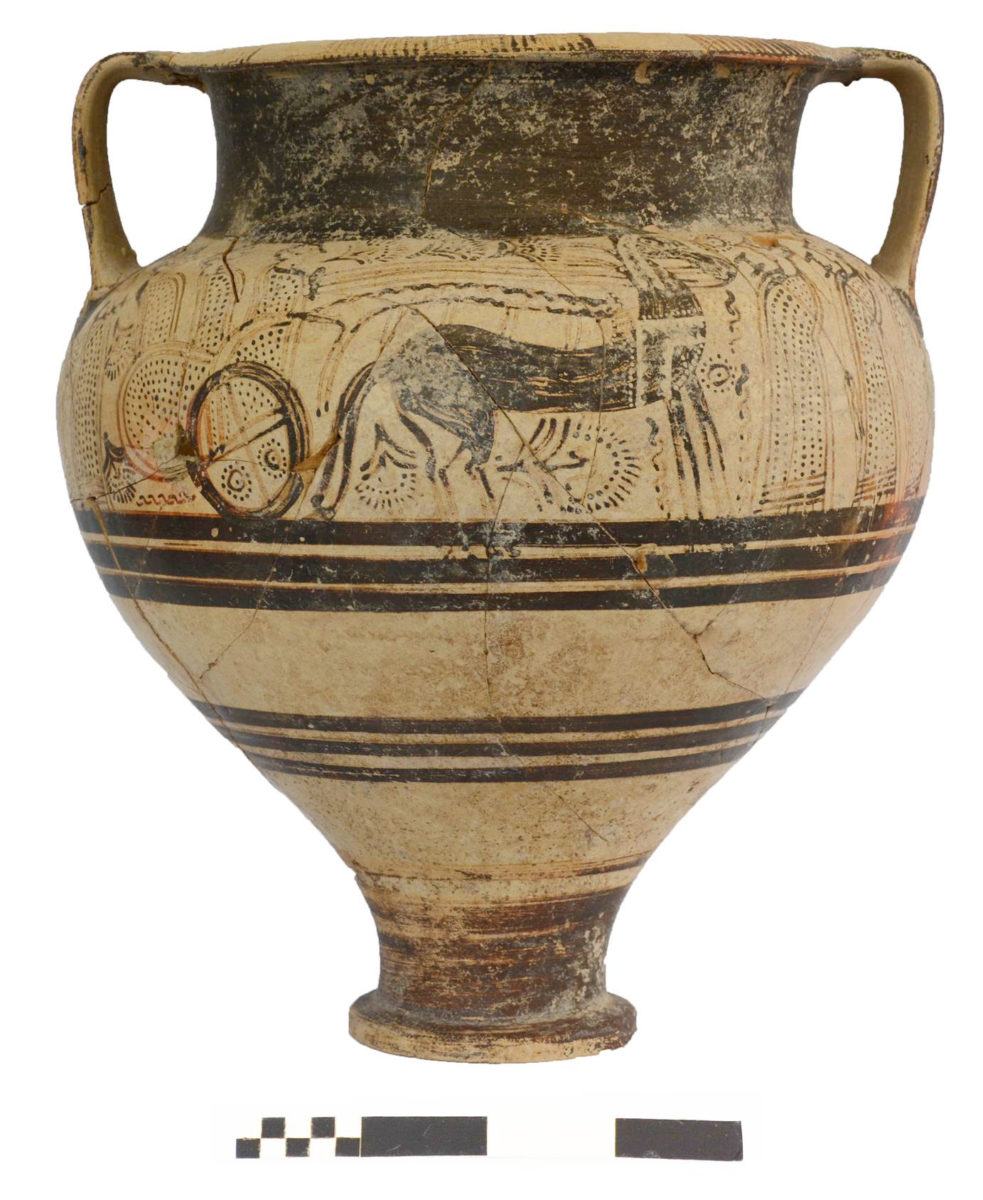
Tomb with significant finds discovered in Dromolaxia
In April and June 2018, A Swedish team, headed by Professor Peter M. Fischer from the University of Gothenburg, carried out excavations at the Late Cypriot harbour city of Dromolaxia-Vyzakia.
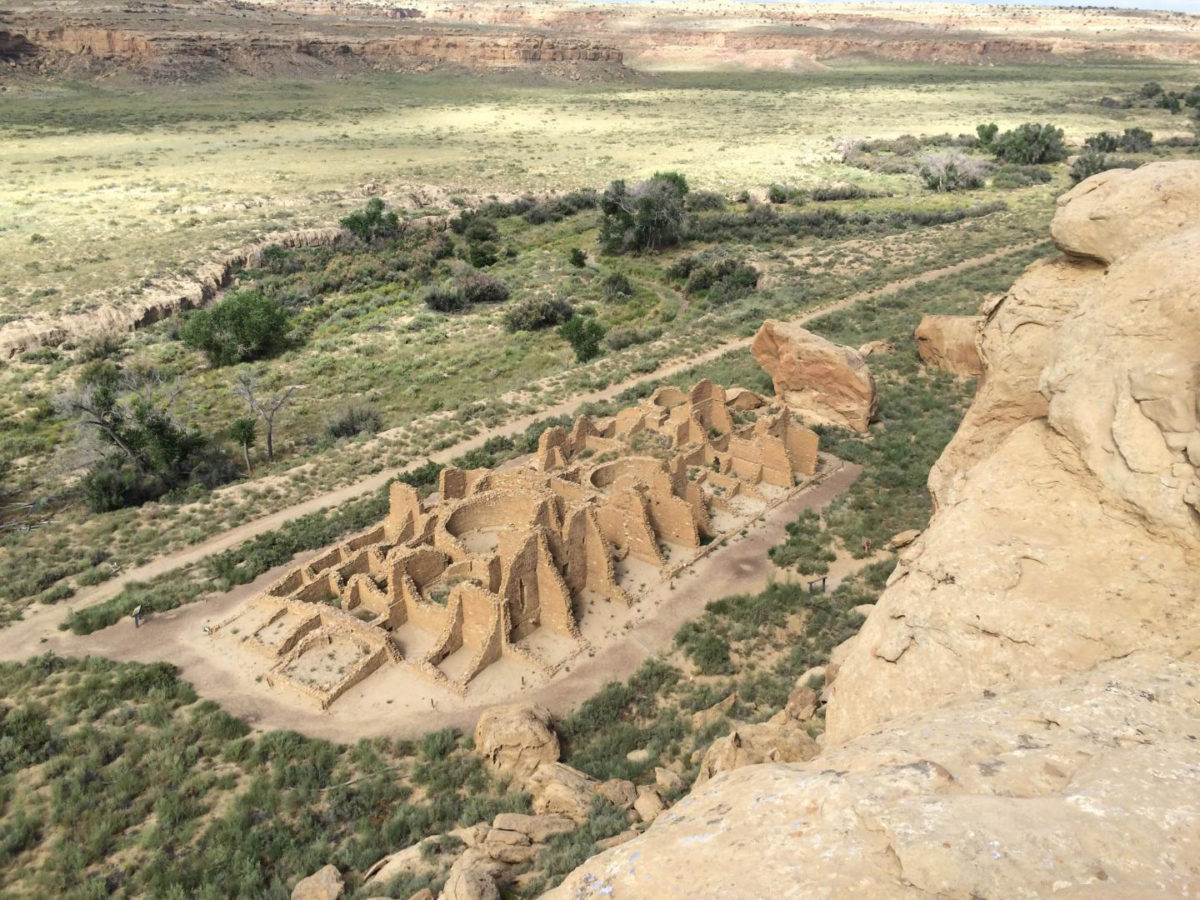
Ancestral people of Chaco Canyon likely grew their own food
University of Cincinnati researchers found the soils in New Mexico could support agriculture, suggesting the people who lived there 1,000 years ago were self-sufficient.
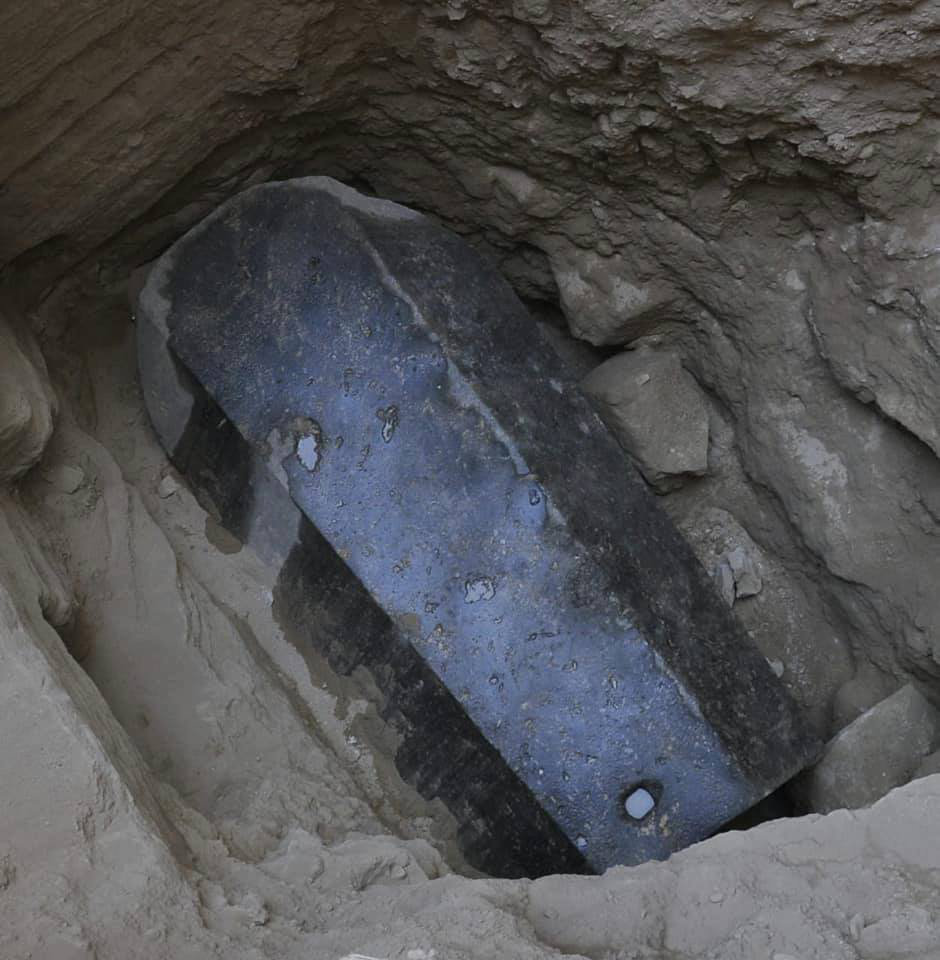
Ancient Ptolemaic Tomb Found in Alexandria
An Egyptian archaeological mission from the Supreme Council of Antiquities uncovered an ancient tomb dating back to the Ptolemaic period.

Dressing divinely: clothed or naked deities and devotees
The XVII International ARYS Colloquium "Dressing divinely: clothed or naked deities and devotees" will take place at Jarandilla de la Vera, on 13-14 December 2018.
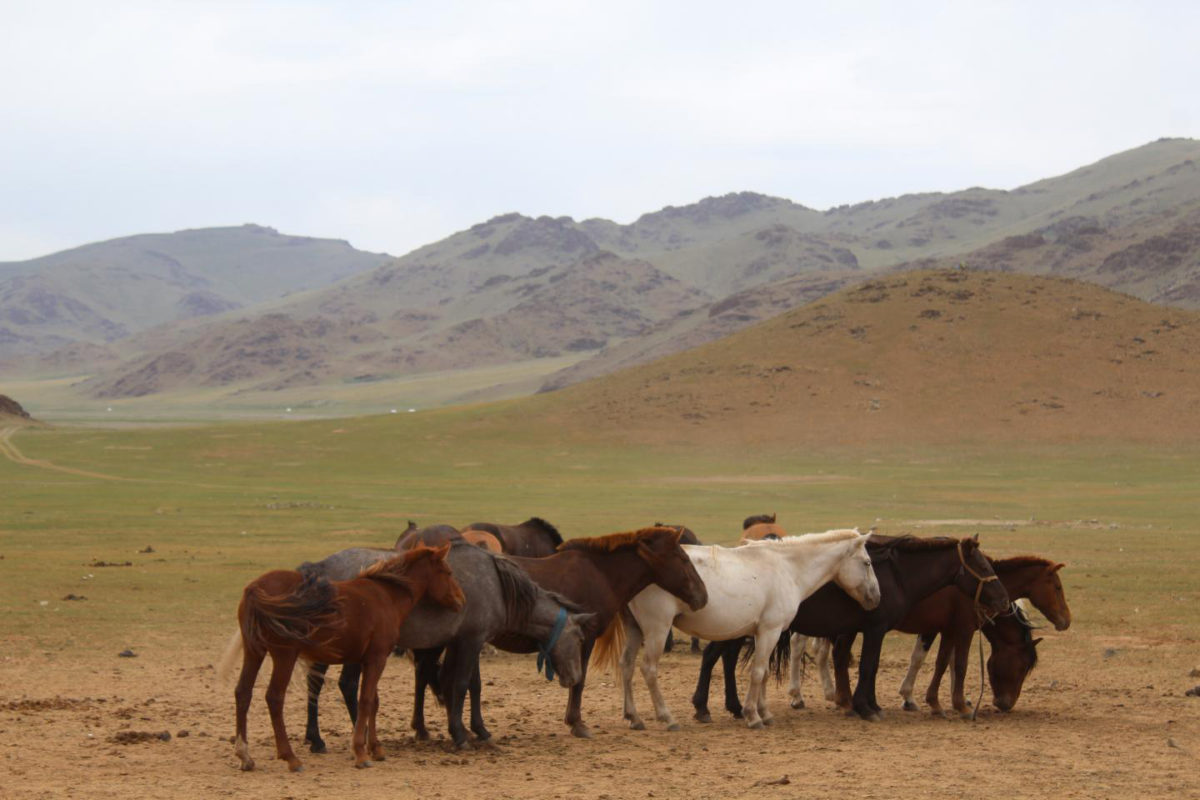
Oldest evidence of horse veterinary care discovered in Mongolia
New research reveals that the practice of veterinary dentistry was innovated on the open steppes of Mongolia and eastern Eurasia — and dates back more than 3,000 years.
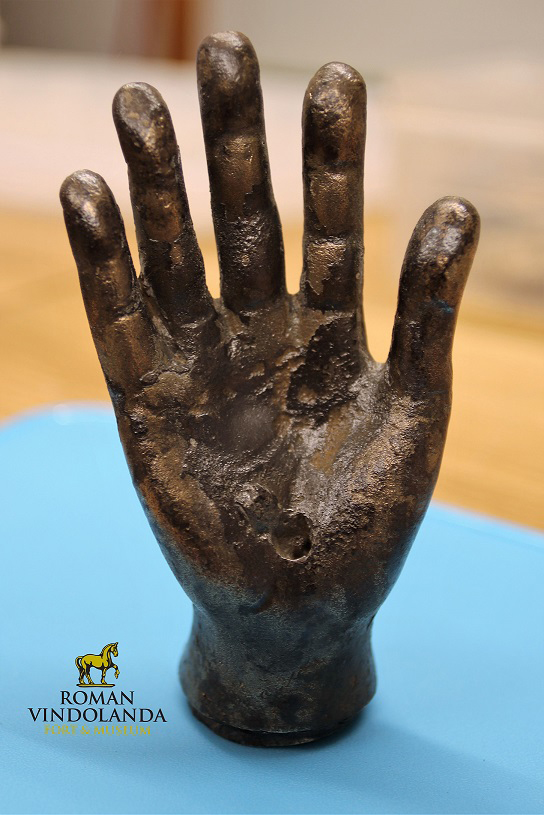
Bronze hand uncovered at Vindolanda
Bronze hand attributed to a Roman God Jupiter Dolichenus unearthed at Vindolanda.
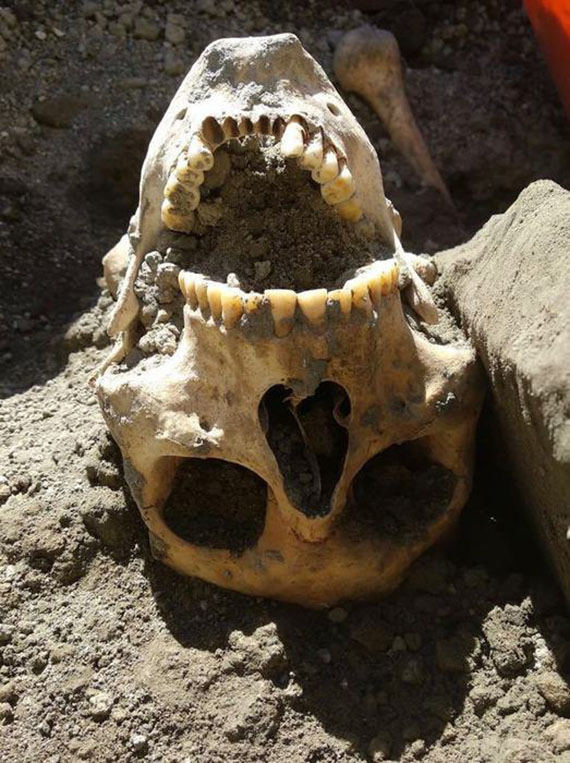
Pompeii: Head of the fugitive discovered
The skull of the fugitive has been found. He was the first victim to have been discovered at the site of the new excavations of Regio V, only a part of whose skeleton had been found.
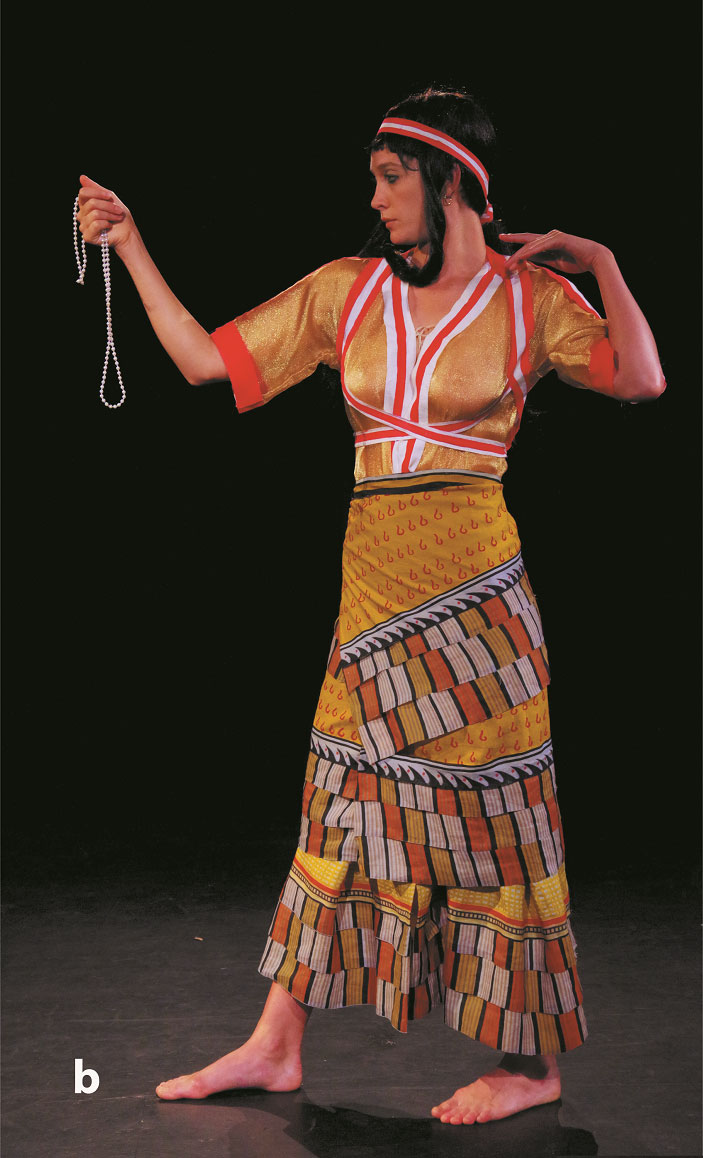
Costume in the Prehistoric Aegean
From Tuesday June 26 to Sunday July 8 experimental reconstructions of Minoan and Mycenaean costume will be on display.
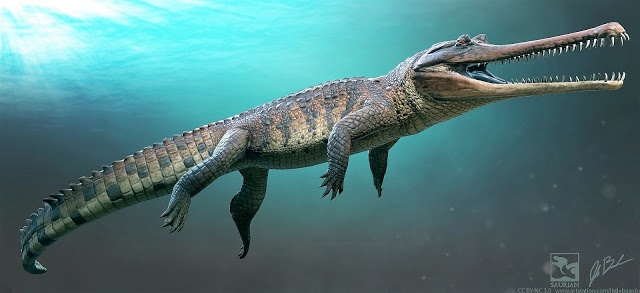
When is a croc not a croc? When it’s a thoracosaur
The fearsome Thoracosaurus, a dinosaur-era reptile from North America with jaws like giant pincers, bears an uncanny resemblance to a modern fish-eating croc called a gharial.
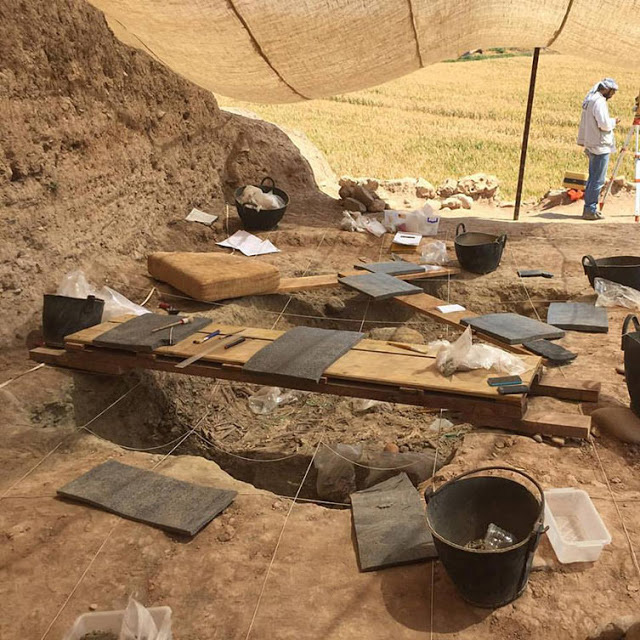
New evidence of ancient child sacrifice found from Bronze Age Mesopotamia
Remains of young people who were ritually sacrificed have been found from Bronze Age Mesopotamia.
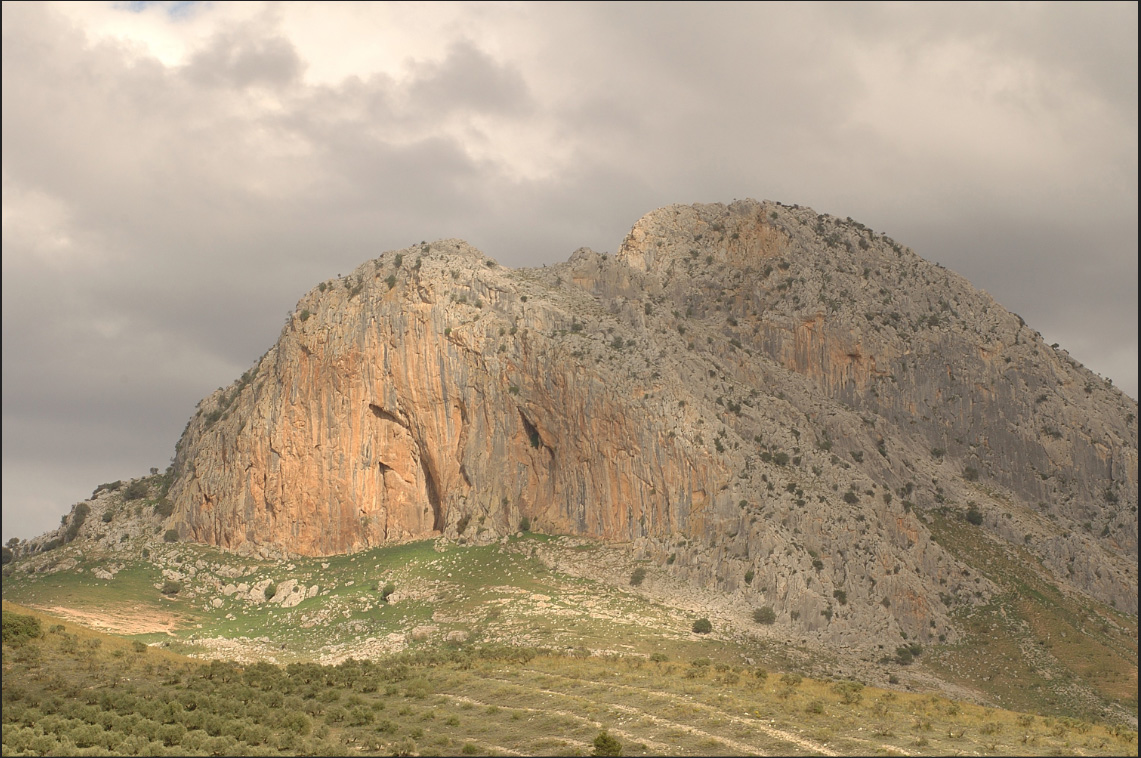
Crucial new data on the origin of the Dolmens of Antequera
A study has been done of the 'Abrigo de Matacabras', a small cave, which is home to cave paintings in the schematic style of the beginning of the 4th millennium BC.
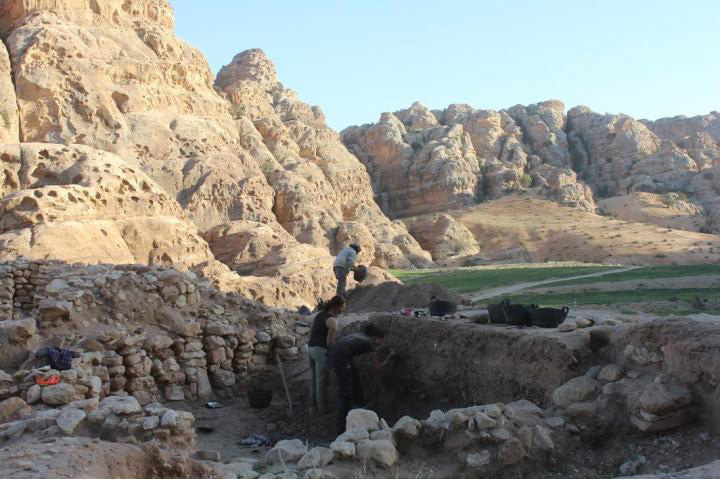
Special-purpose buildings bring together earliest Neolithic communities
The advent of food production took place in the Near East over 10,000 years and sparked profound changes in the ways human societies were organized.
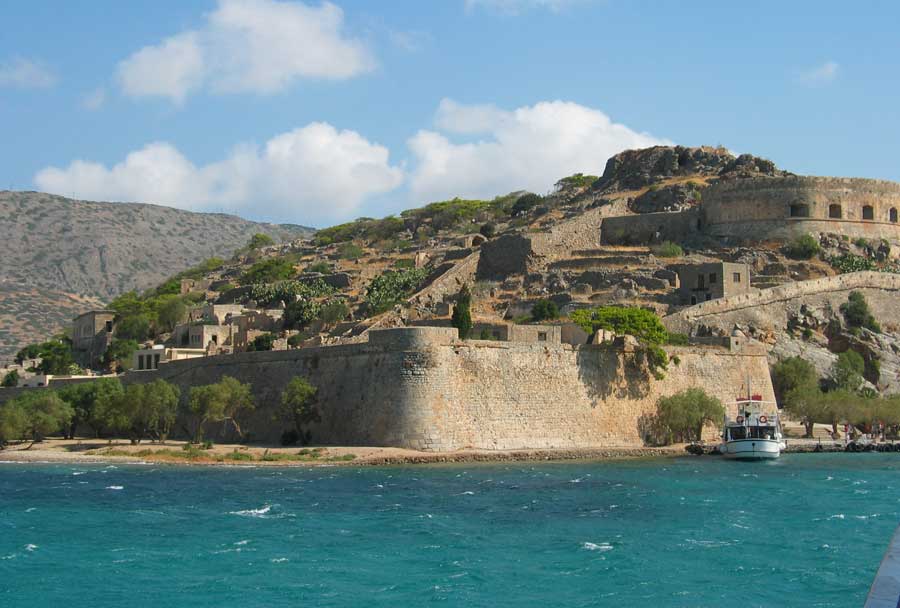
Concert in aid of Spinalonga Island
A joint effort is being made to include Spinalonga on the UNESCO World Heritage List, hoping for positive results in January 2019.
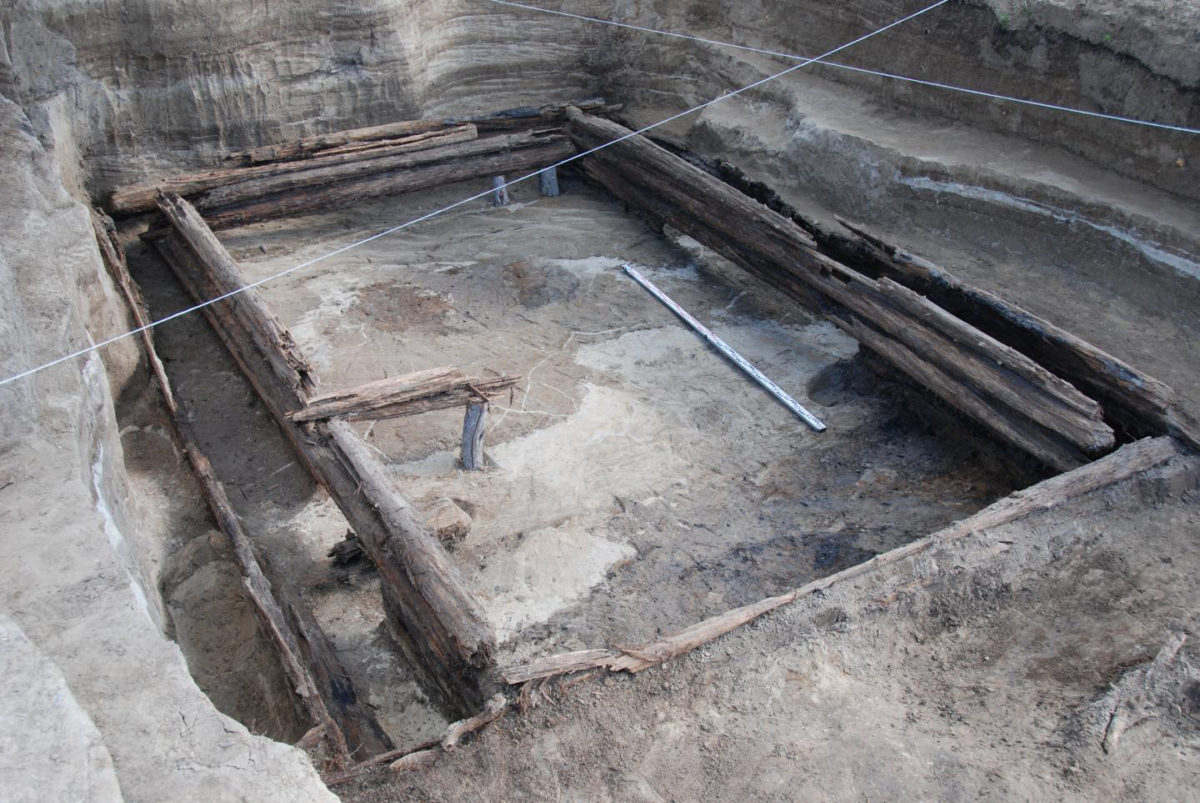
Scientists confirm the high speed of Siberia development
Following the trail of Siberian pioneers, archaeologists from the University of Tyumen have investigated the camp on Karachinsky Island, the Lower Tobol River, and confirmed the high speed of the Cossacks' campaign.
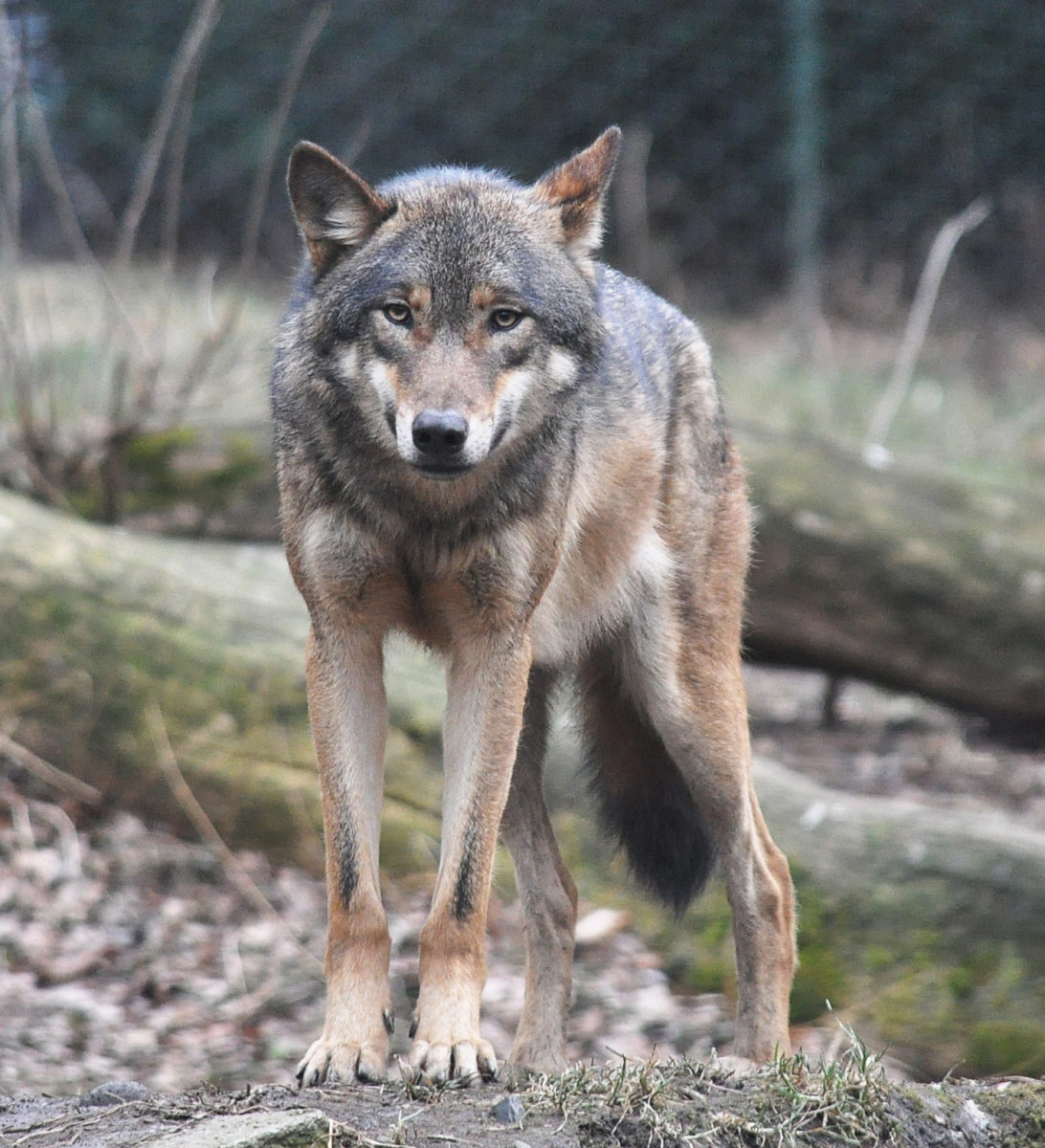
What makes dogs man’s best friend?
A comparison of dog and wolf DNA reveals interesting genetics behind domestication. The new study is a step toward a deeper understanding of evolution for dogs and humans alike.
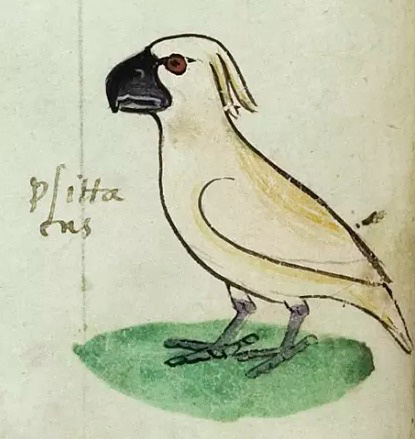
How did an Australasian cockatoo reach 13th century Sicily?
Images of an Australasian cockatoo have been discovered in a manuscript dating from 13th century Sicily, now held in the Vatican library.
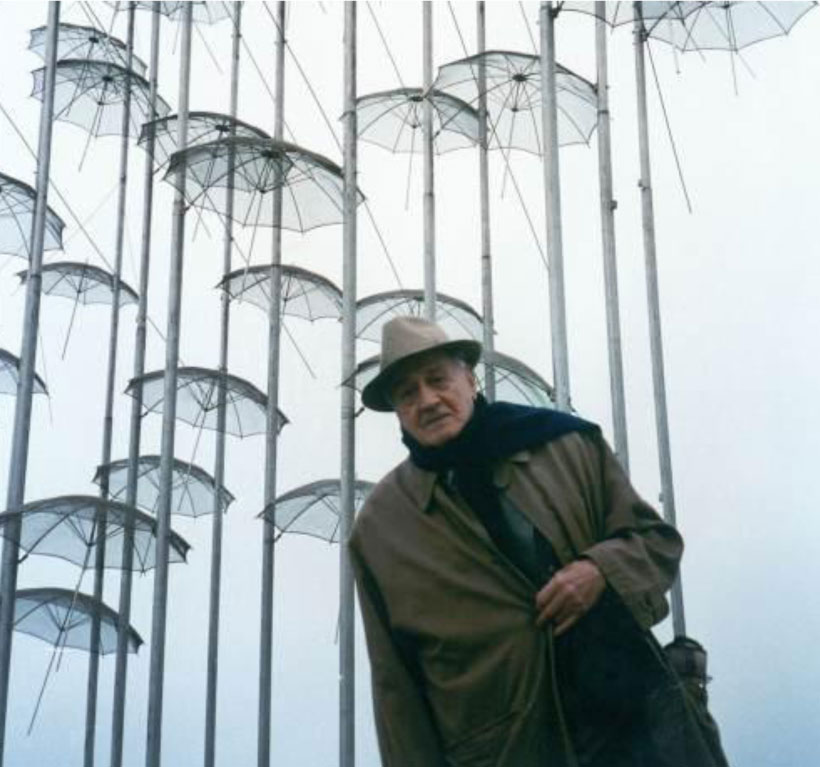
The Zongolopoulos “Umbrellas” in Egypt
George Zongolopoulos had shown his sculptures in Egypt in 1946, participating in the International Exhibition of Cairo.
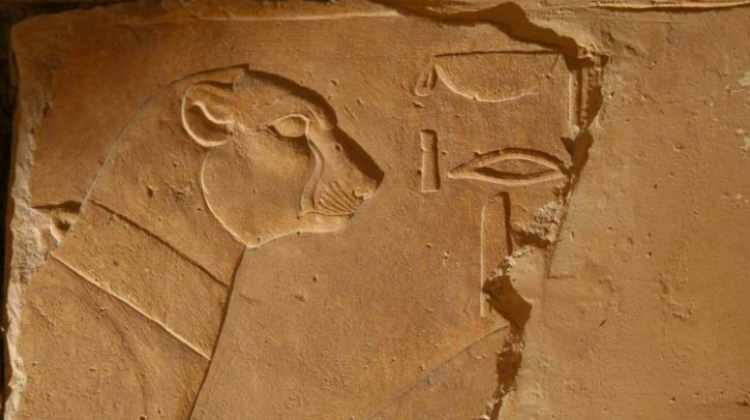
A secretary bird in the Temple of Hatshepsut
The only depiction of a bird of prey—the secretary bird—known from ancient Egypt come from the Temple of Hatshepsut at Deir el-Bahari.
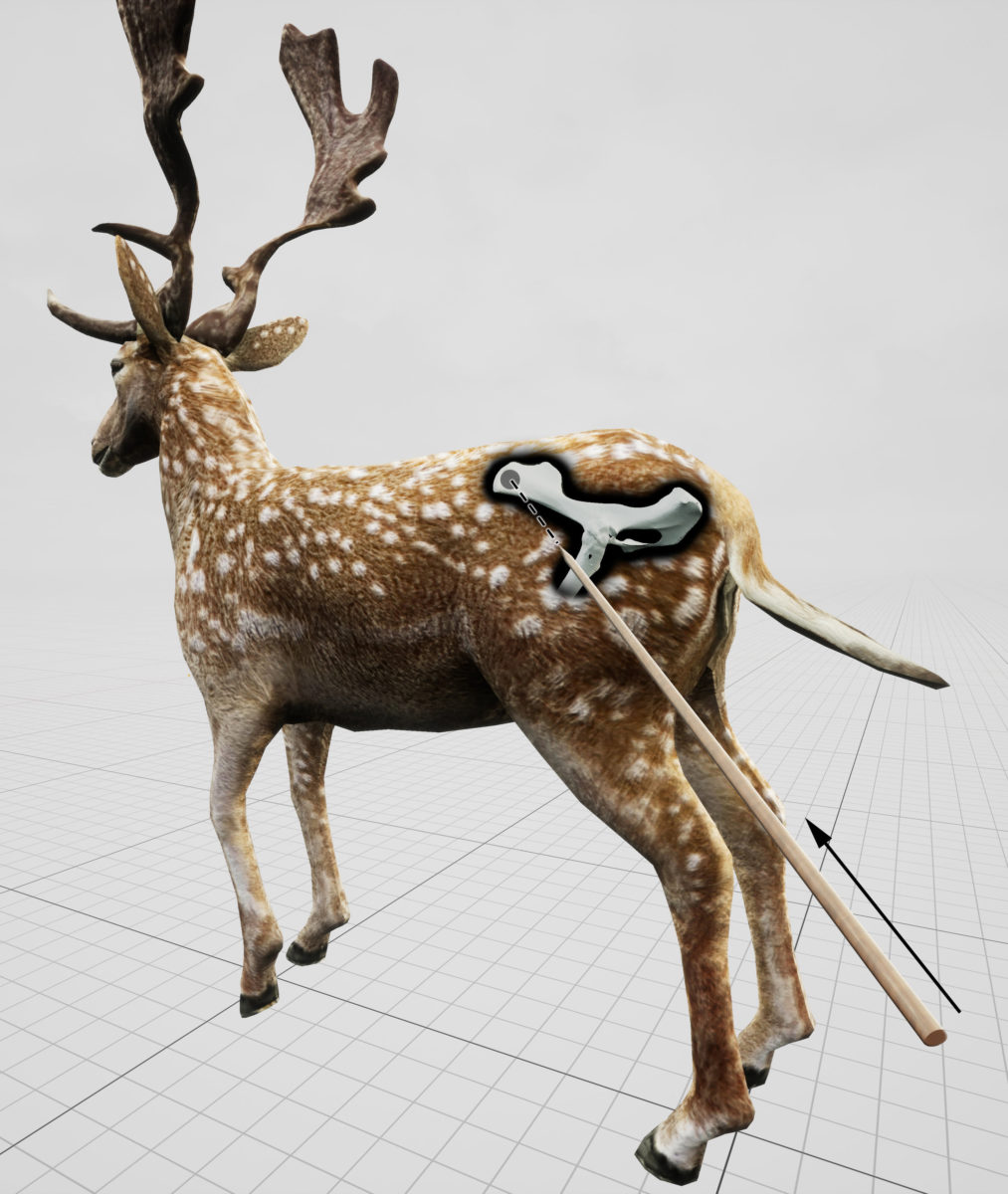
Neanderthals were capable of sophisticated, collective hunting strategies
Neanderthals used sophisticated weapons and hunting strategies, according to new bone analysis.

ICARO – ΙΚΑΡΟΣ The Factory of Rhodes 1928-1988
The exhibition presents the history and production of a company closely connected with Rhodes, that has been a key element of the island's economy for many decades.
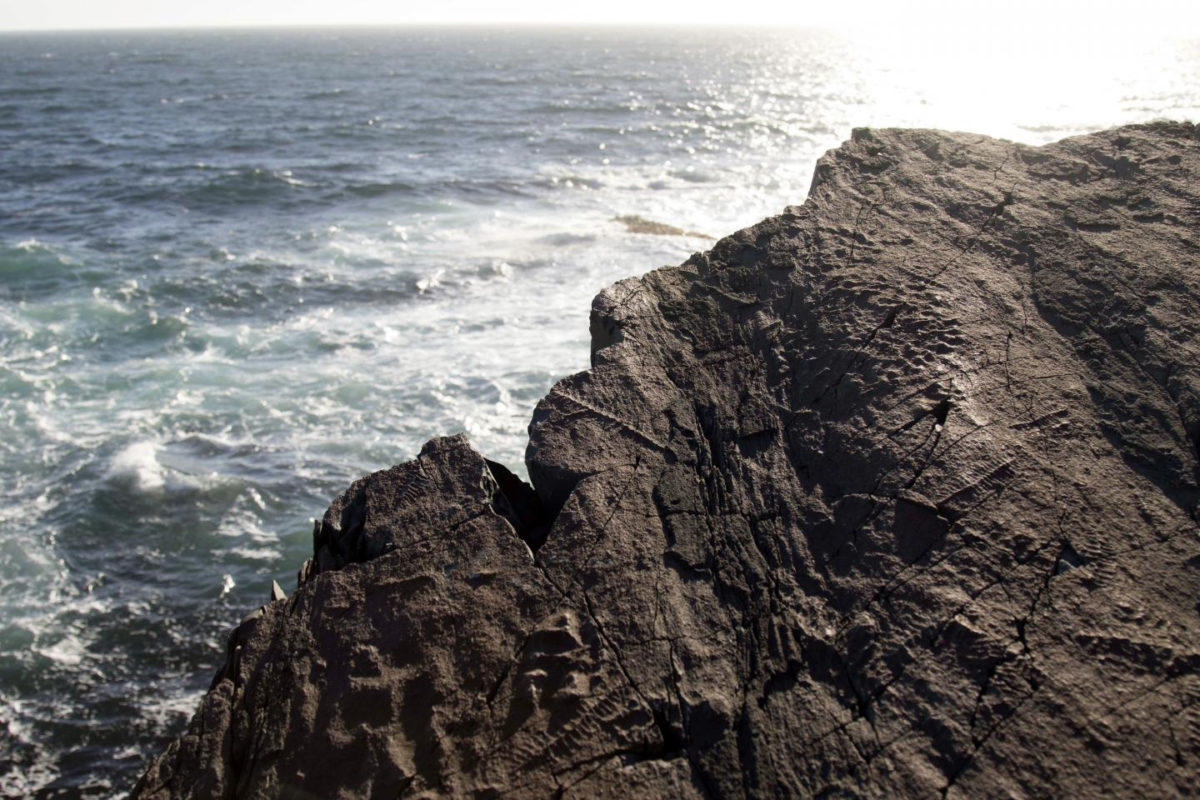
Why life on Earth first got big
Some of the earliest complex organisms on Earth – possibly some of the earliest animals to exist – got big not to compete for food, but to spread their offspring as far as possible.
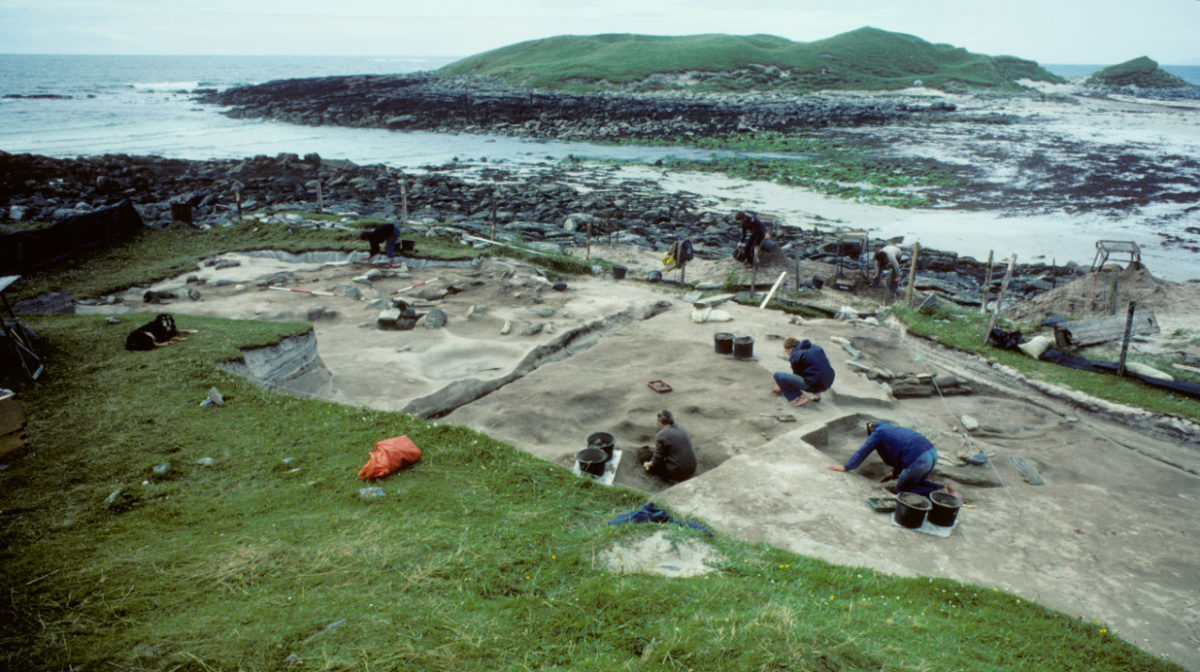
Life on the Edge
Newly published archaeological research from excavations undertaken at the Udal in North Uist reveals some of the hardships of life in Neolithic and early Bronze Age Scotland.
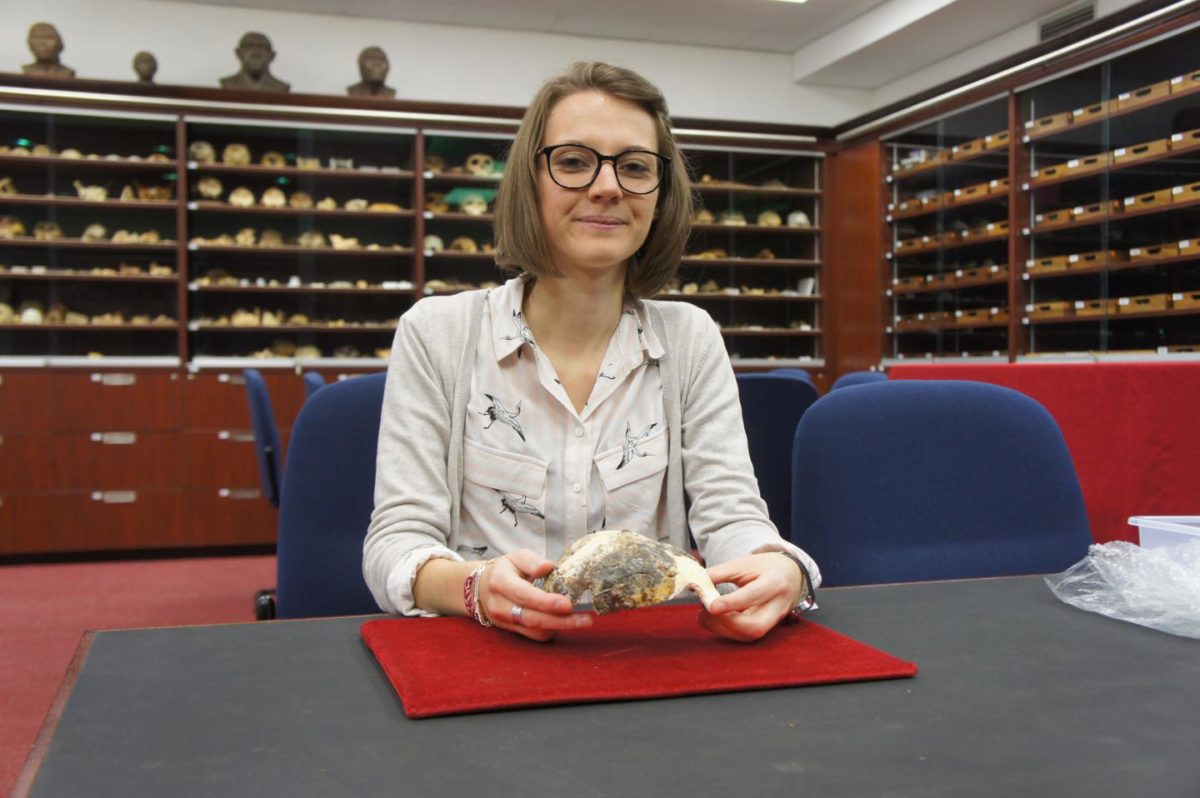
Cranium of a four-million-year-old hominin shows similarities to that of modern humans
The 'virtual' revisiting of a fossil described as 'the oldest evidence of human evolution in South Africa' shows surprising results.
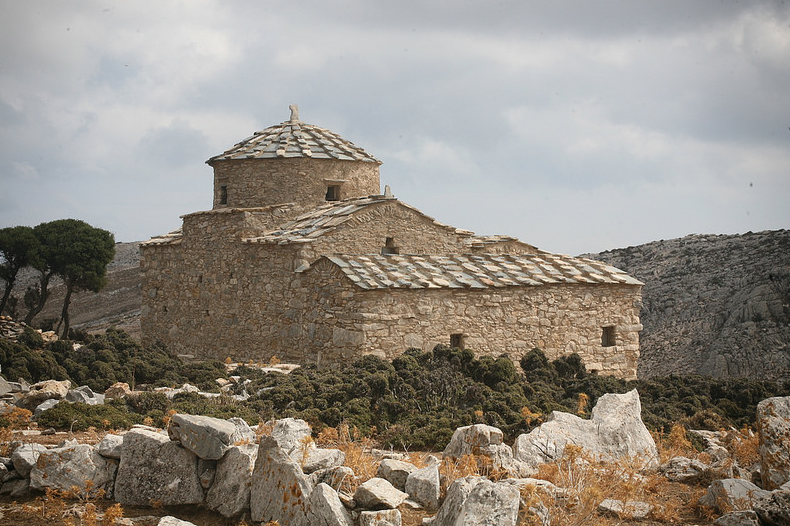
Europe’s top heritage award winners 2018 in Berlin
The winners of the 2018 EU Prize for Cultural Heritage / Europa Nostra Awards, Europe’s top honour in the field, were celebrated this evening during a high-profile awards ceremony in Berlin.