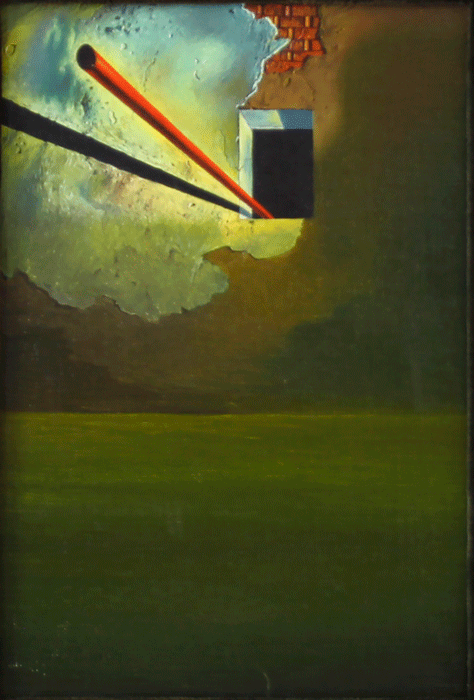
Dalí painting thus far held privately goes on display
A painting by Salvador Dalí thus far held in a private collection will be going on display in New York. The news come only a few weeks after two Dalí paintings previously held privately would be auctioned for the first time.
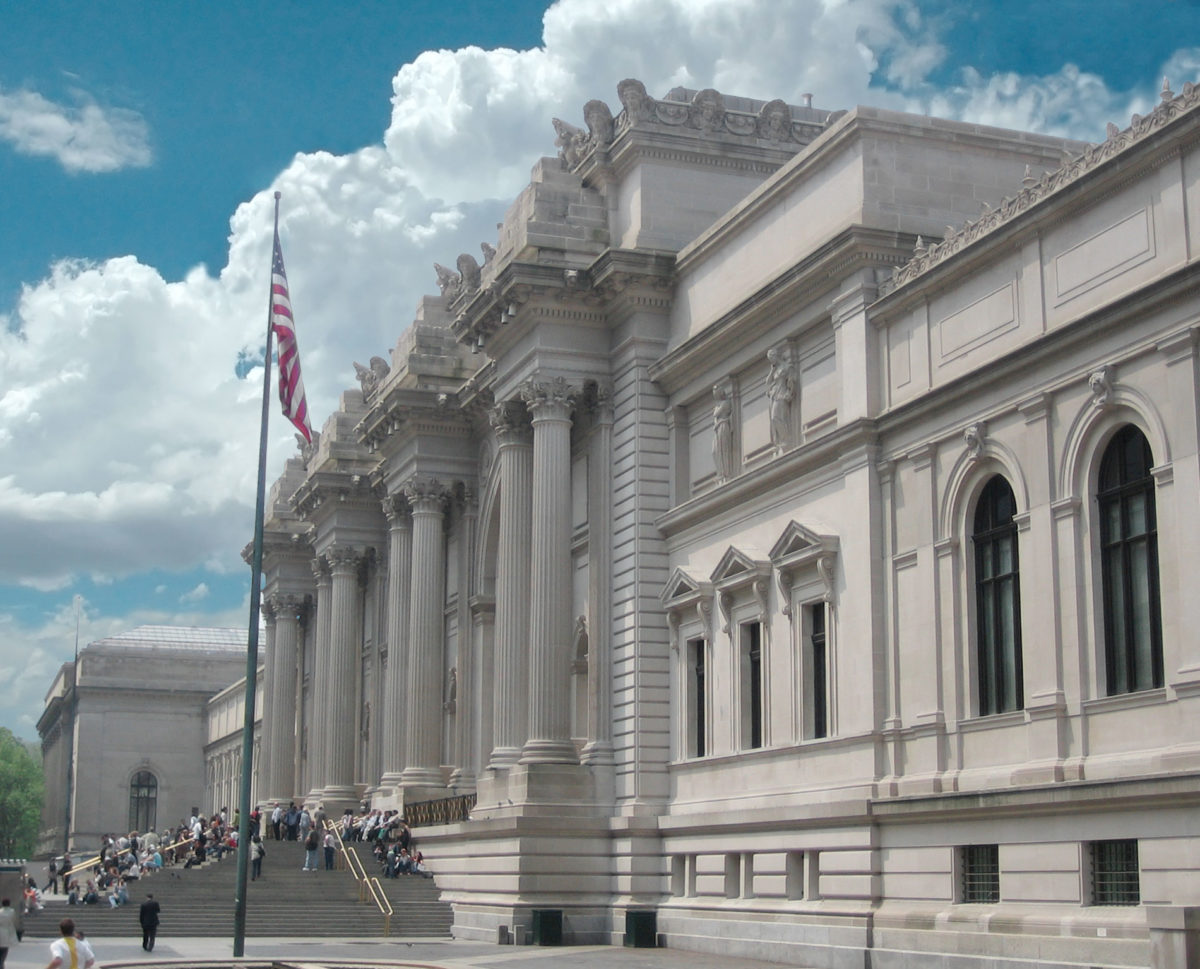
Works of art from the Vatican at the Metropolitan Museum of Art
The exhibition on the relation between fashion and the Catholic religion will be presented in New York from May 10 to October 8.
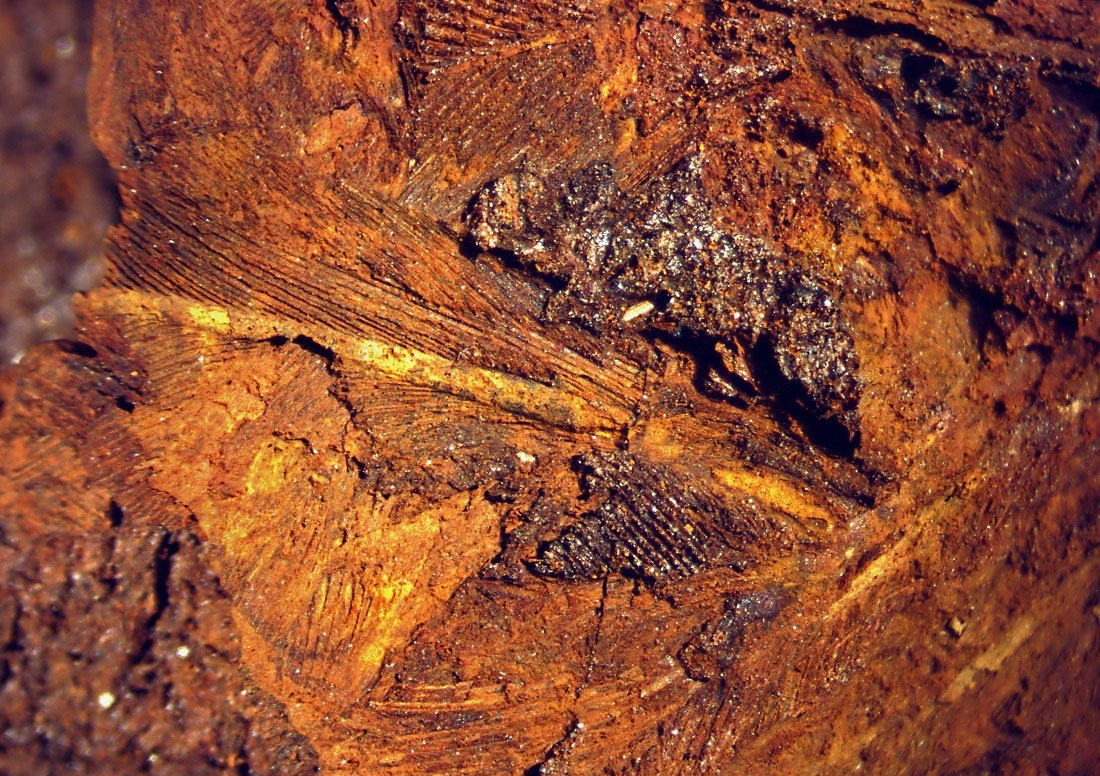
What Vikings really put in their pillows
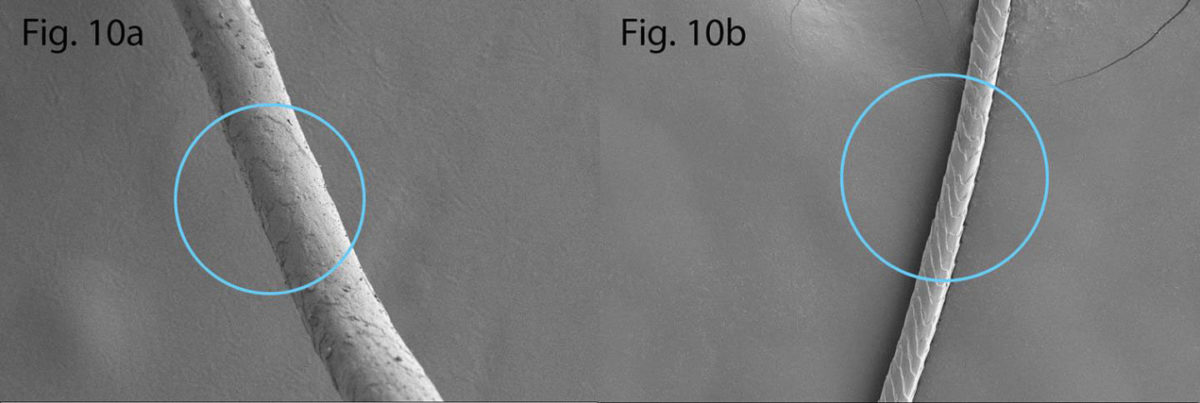
Not too many people are able to identify birds by examining a single feather. But a number of folks need to know that sort of thing, and it can actually save lives.
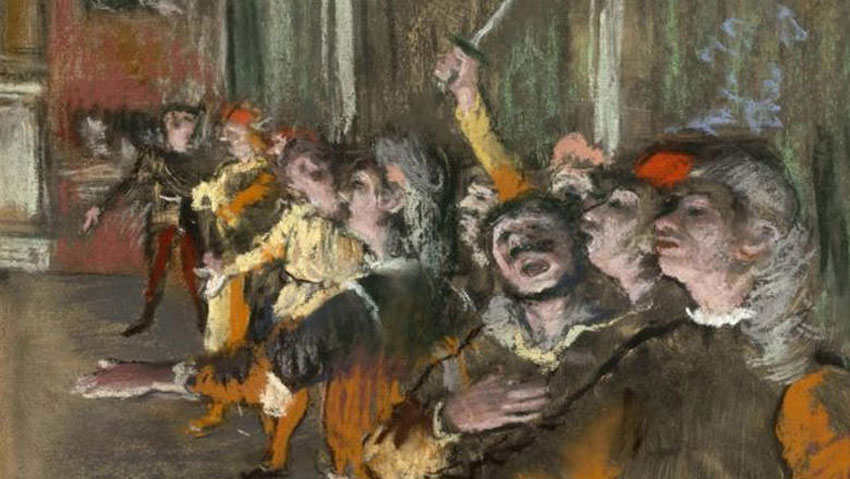
A stolen painting by Edgar Degas was found in Paris
The painting, which belonged to the Musee d’Orsay and was also known as‟Les Figurants”, had been stolen from the Musee Cantini in Marseilles where it had been on loan for an exhibition, with no obvious signs of a break in being discovered.
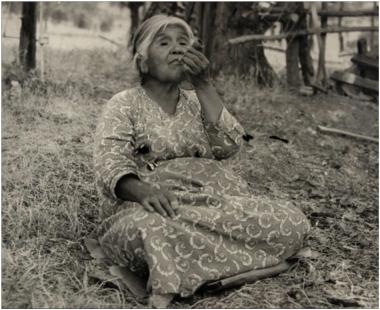
WSU researchers extract nicotine from ancient dental plaque for the first time
Research has shown for the first time that nicotine residue can be extracted from plaque, also known as "dental calculus", on the teeth of ancient tobacco users.
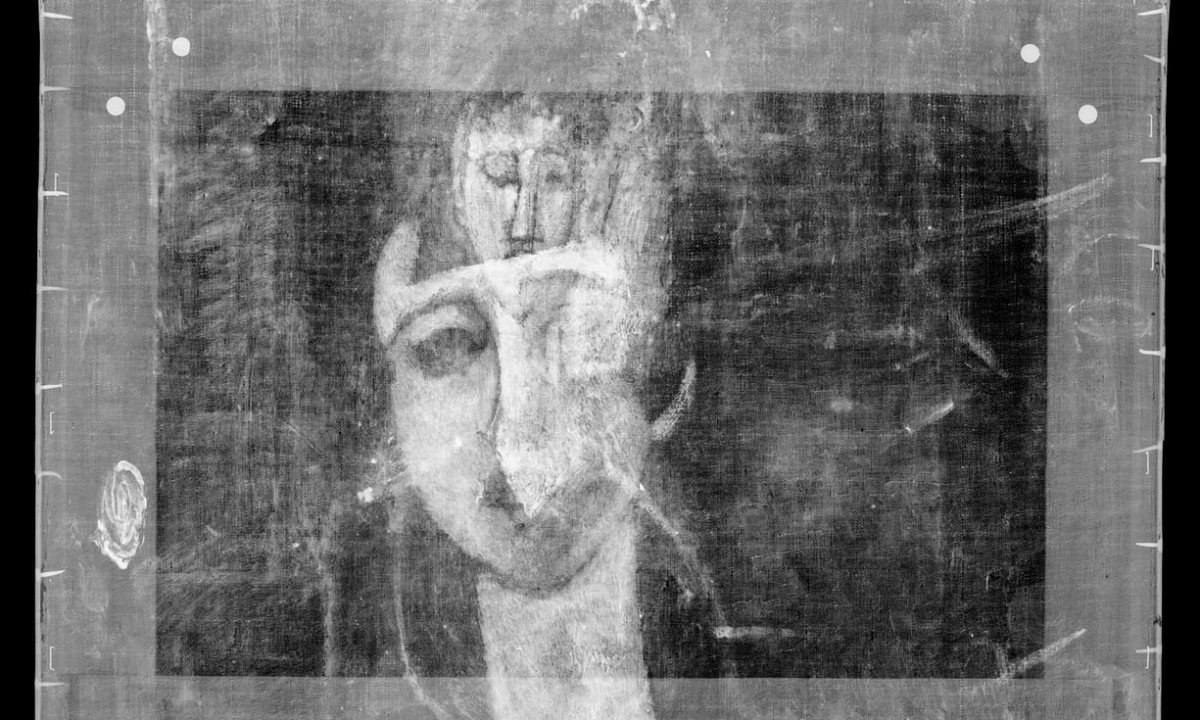
Hidden portrait found beneath a famous Modigliani work
A portrait has been discovered beneath one of Modigliani's paintings, indicating the famous artist had painted over one of his works.
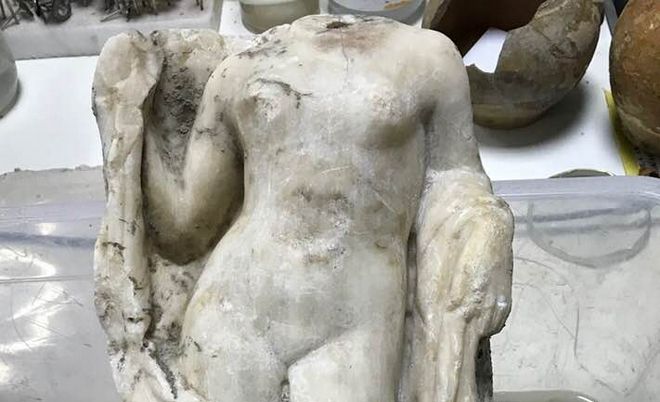
Aphrodite statue and floor mosaics unearthed in Thessaloniki
Excavations from the Thessaloniki Metro yield new findings, namely a headless statue of Aphrodite and floor mosaics from the 4th century AD.
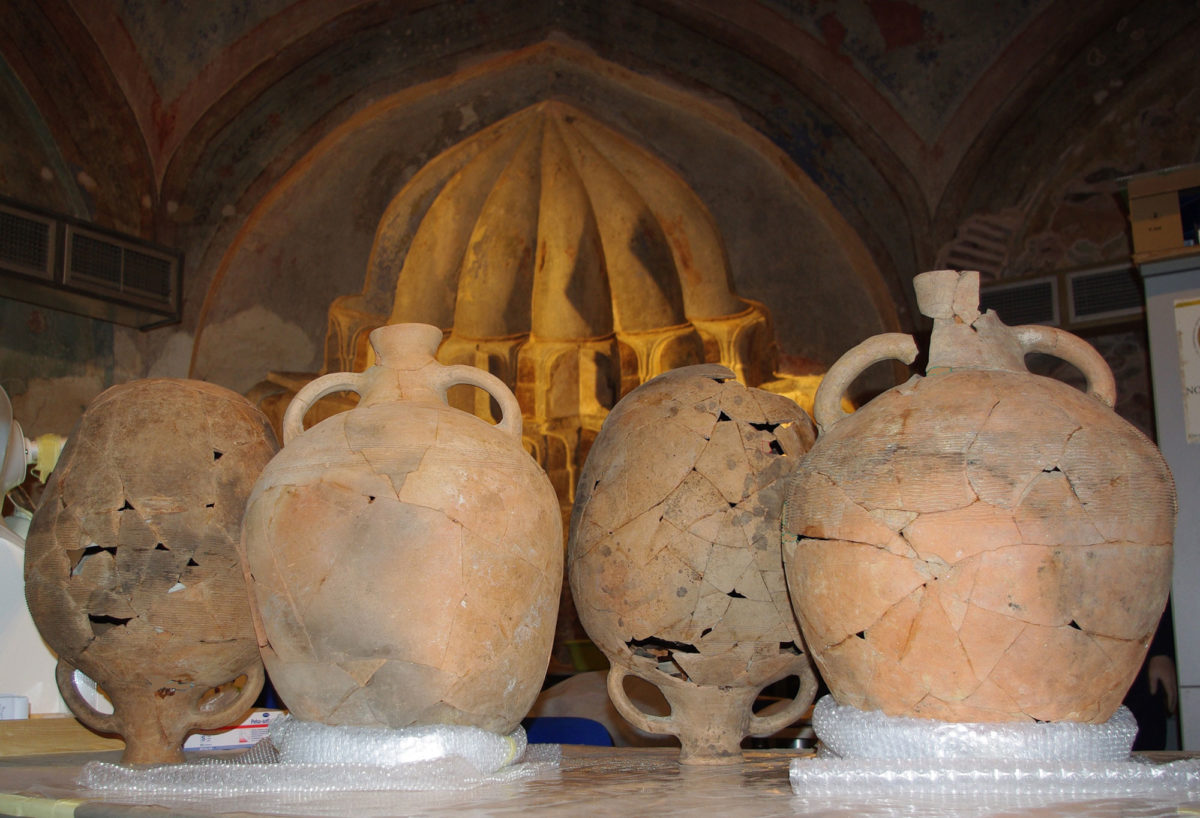
Thessaloniki Metro: the archaeological finds and the project’s progress
In mid-April of this year, an exhibition of part of the movable archaeological finds has been planned in two completed stations of the metro.

Ancient DNA reveals genetic replacement despite language continuity in the South Pacific
New genetic research reveals the complex demographic history of Vanuatu, explaining how Austronesian languages were retained throughout its history despite near-total replacement of early Austronesian-Lapita with Papuan ancestry.
Domestic goat dating back to the Neolithic Corded Ware period identified in Finland
This is the first concrete evidence found in Finland of a goat dated back to the Neolithic Corded Ware period (in Finland ca. 2800-2300 BCE).
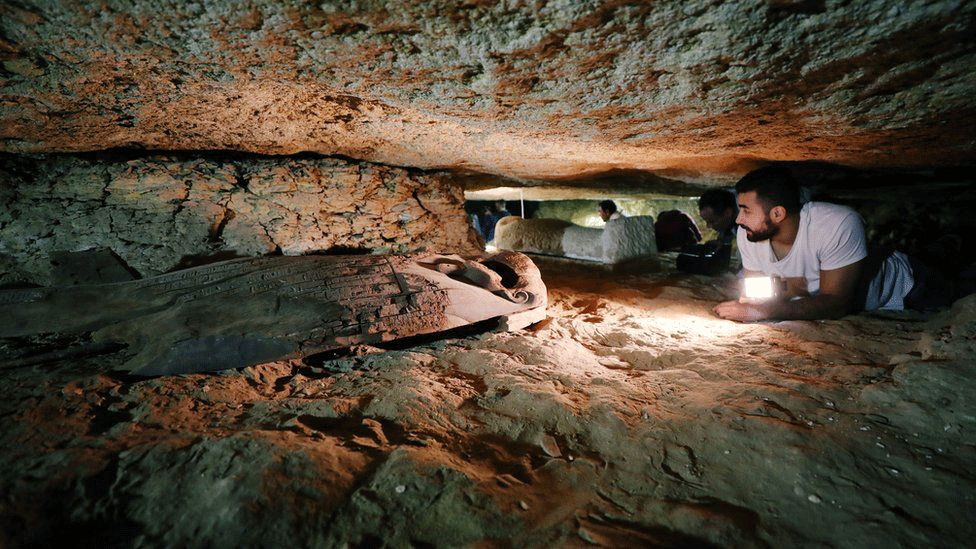
Ancient necropolis discovered in Egypt yields first artefacts
Archaeologists in Egypt have discovered an ancient cemetery near the Tuna Al-Gabal archaeological site. The announcement and display of the first findings took place on Saturday with artefacts from the burial sites.
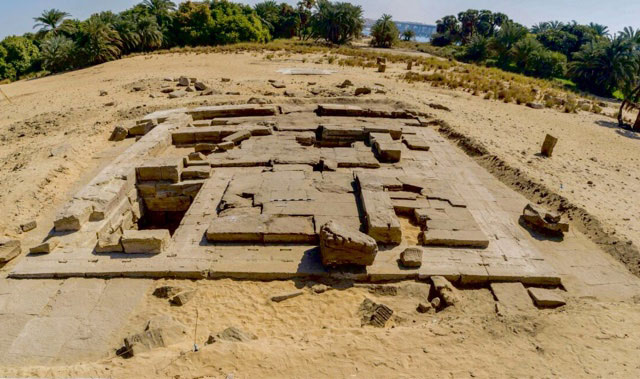
Roman sandstone temple uncovered in Kom Al-Rasras
The Egyptian Excavation Field School at Kom Al-Rasras archaeological site in Aswan has uncovered the remains of a temple dating back to the 2nd century of the Roman era.
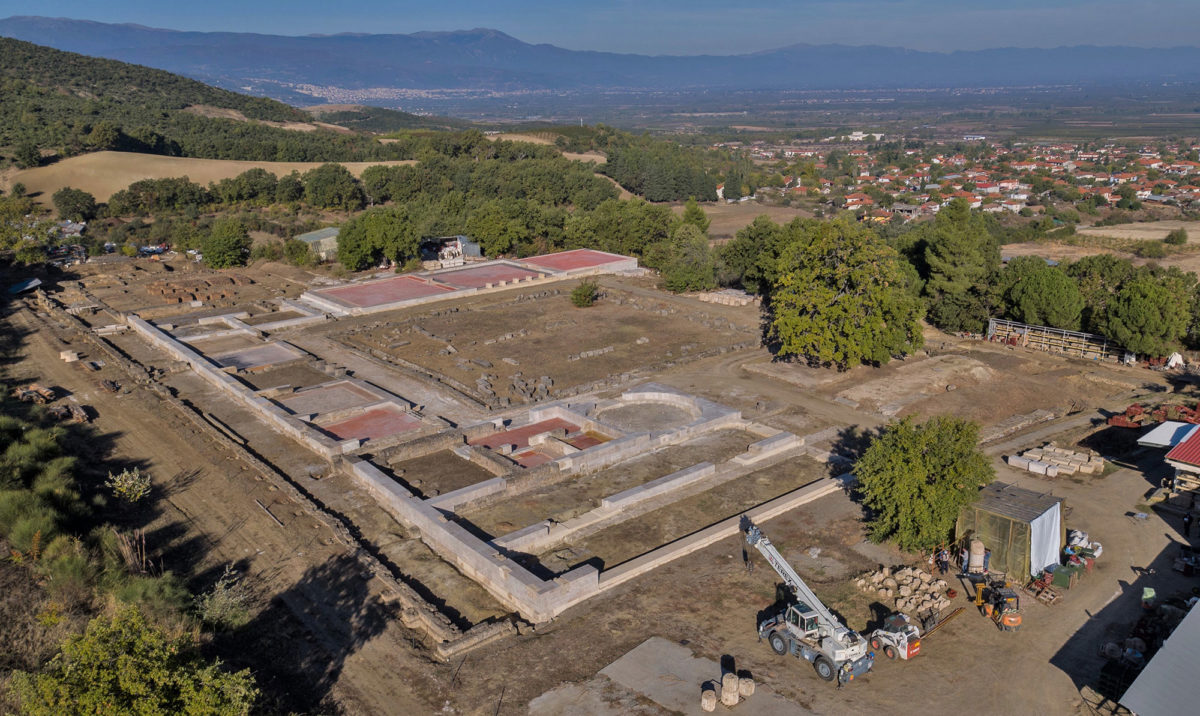
The palace of Aigai will open to the public in May
According to Mrs Kottaridi, the restoration of the palace of Aigai is extremely important, because it will offer Macedonia the most significant example of architecture of the Classical era existing throughout the whole of northern Greece.
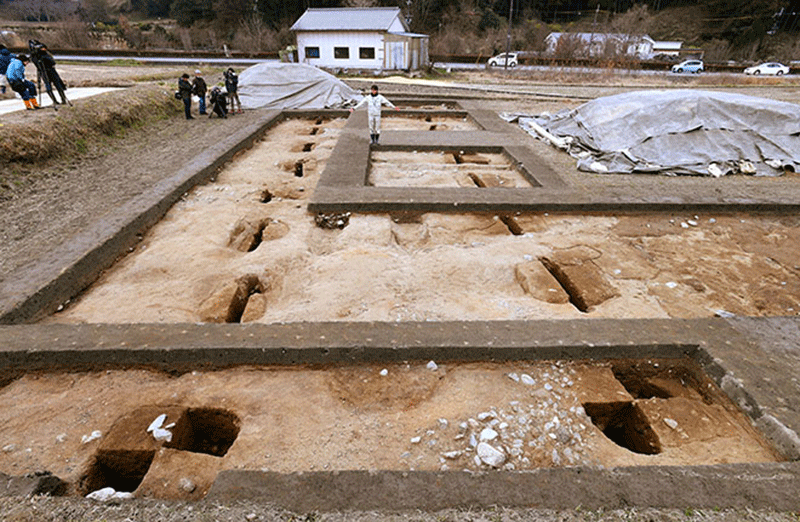
Ancient banquet hall found in temple compound in Japan
A an ancient structure found in Japan, dating to the Asuka Period, was probably part of a banquet hall complex.
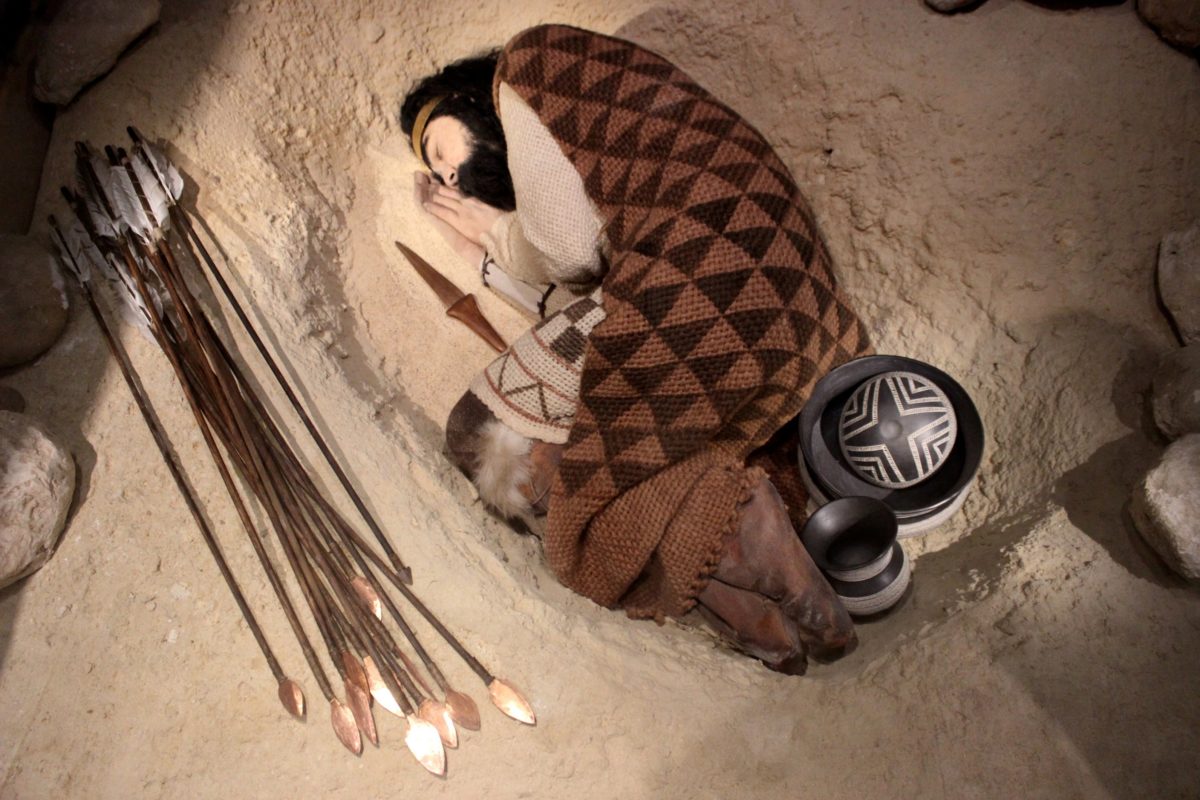
Ancient DNA tells tales of humans’ migrant history
Scientists once could reconstruct humanity’s distant past only from the mute testimony of ancient settlements, bones, and artefacts.
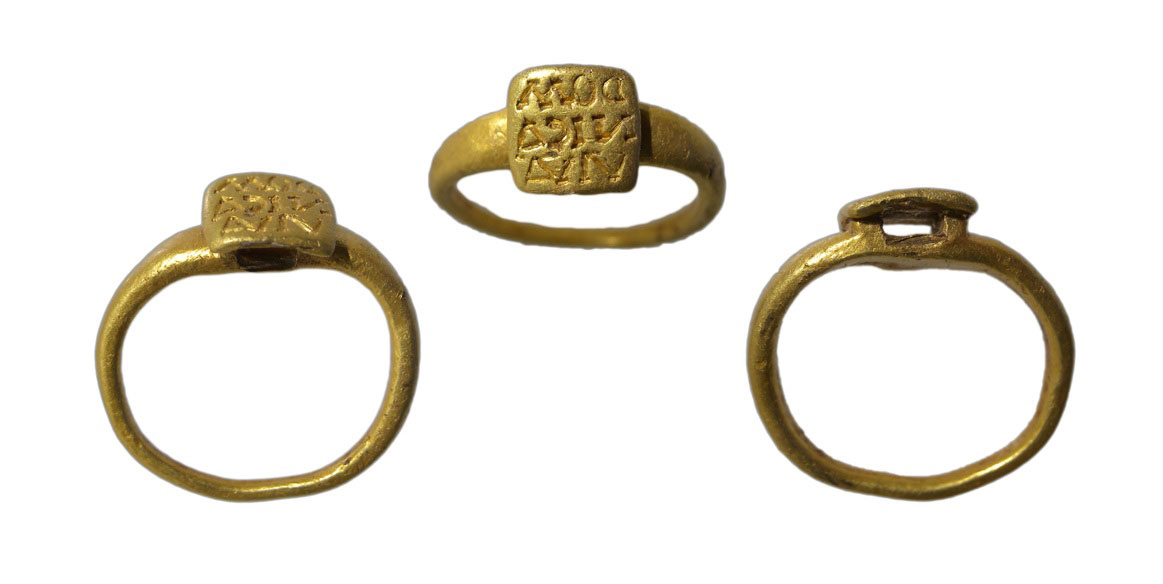
Brancaster Rings tell the story of life in Britain during the twilight of the Roman Empire
Researchers from Newcastle and Oxford Universities have for the first time catalogued in detail each of the 54 Brancaster-type rings known to exist in the UK today.
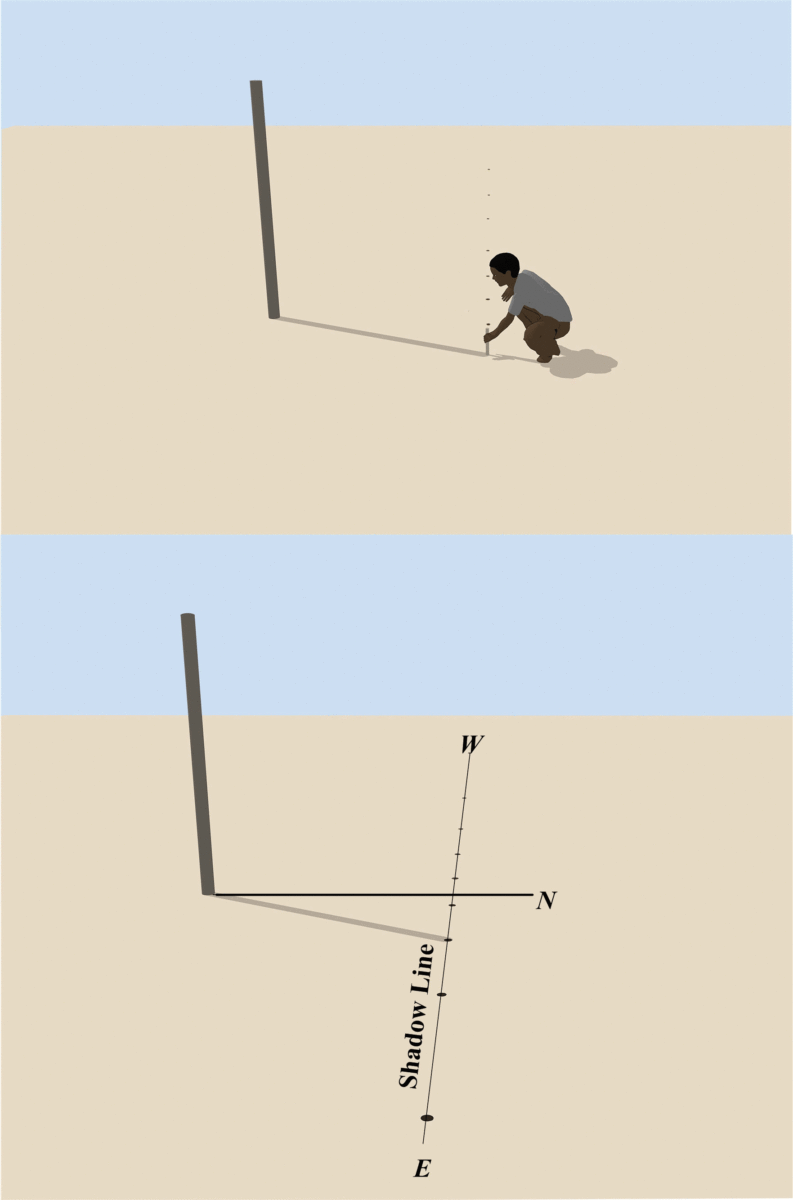
Alignment method of the Great Pyramid to cardinal points could be identified
A new study indicates that ancient Egyptians used the fall equinox for the alignment of the Great Pyramid of Giza to the four cardinal points, north-south-east-west, with great accuracy.
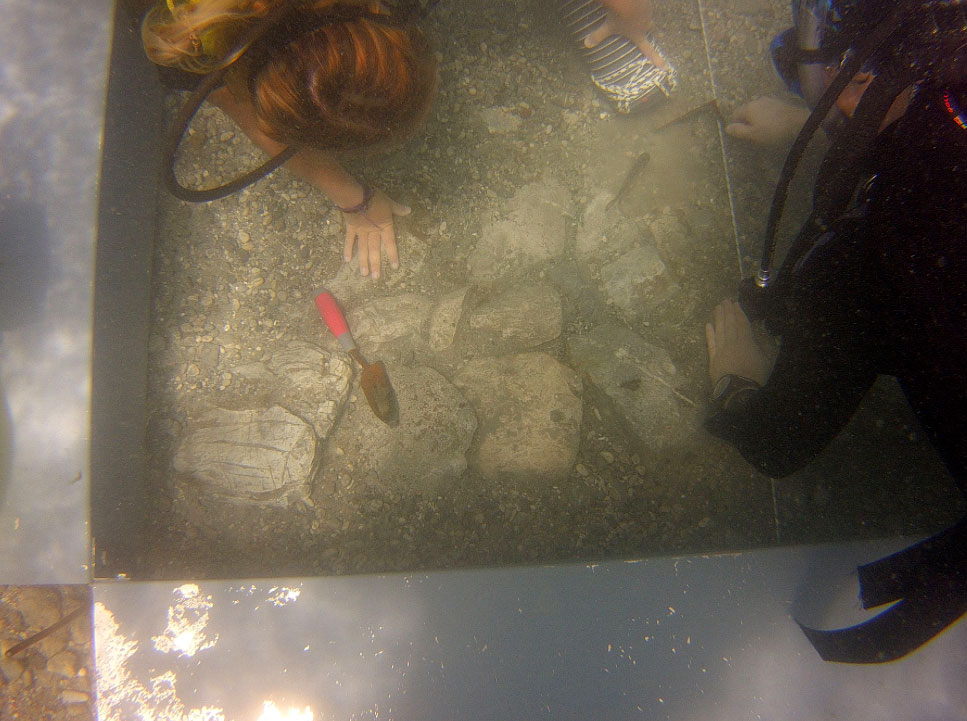
Koilada in Argolis: The survey’s latest finds
In 2015, quite a large Early Bronze Age settlement was located off the beach of Lampayannas, in Argolis.
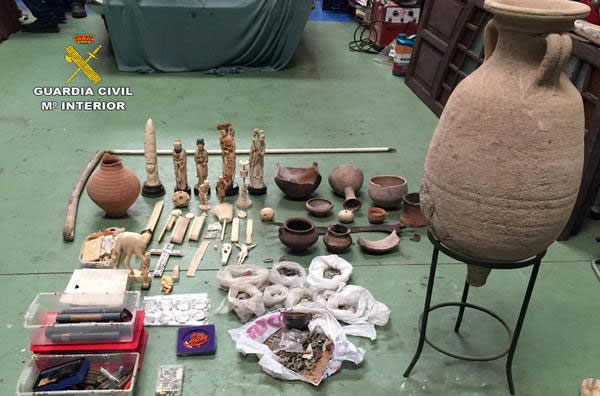
Over 41,000 artefacts seized in global operation targeting trafficking of cultural goods
More than 41,000 objects including coins, furniture, paintings, musical instruments, archaeological pieces and sculptures have been seized in a global operation targeting the trafficking of cultural artefacts.
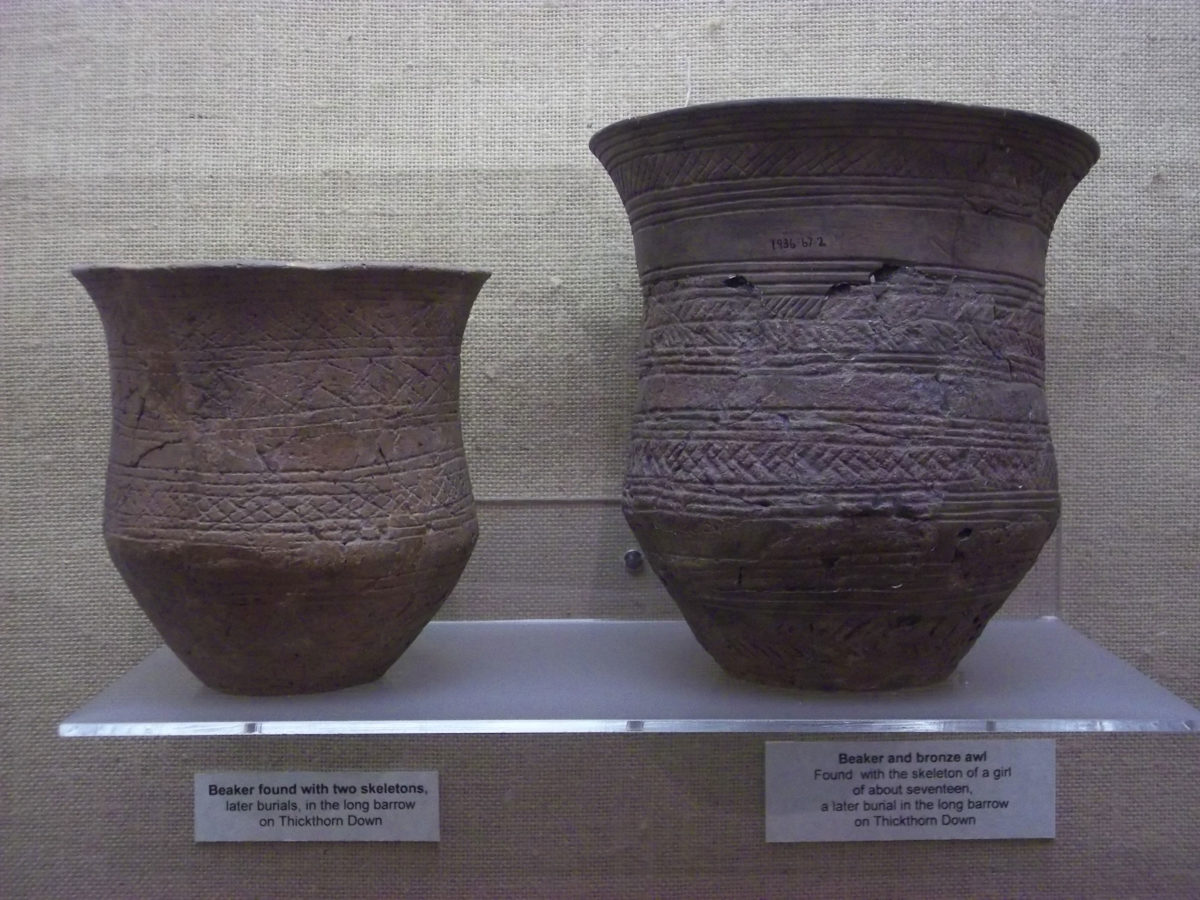
Pots, people and knowledge transfer
In the Late Neolithic, a new style of pottery appears among the grave goods buried with the dead in many parts of Europe.
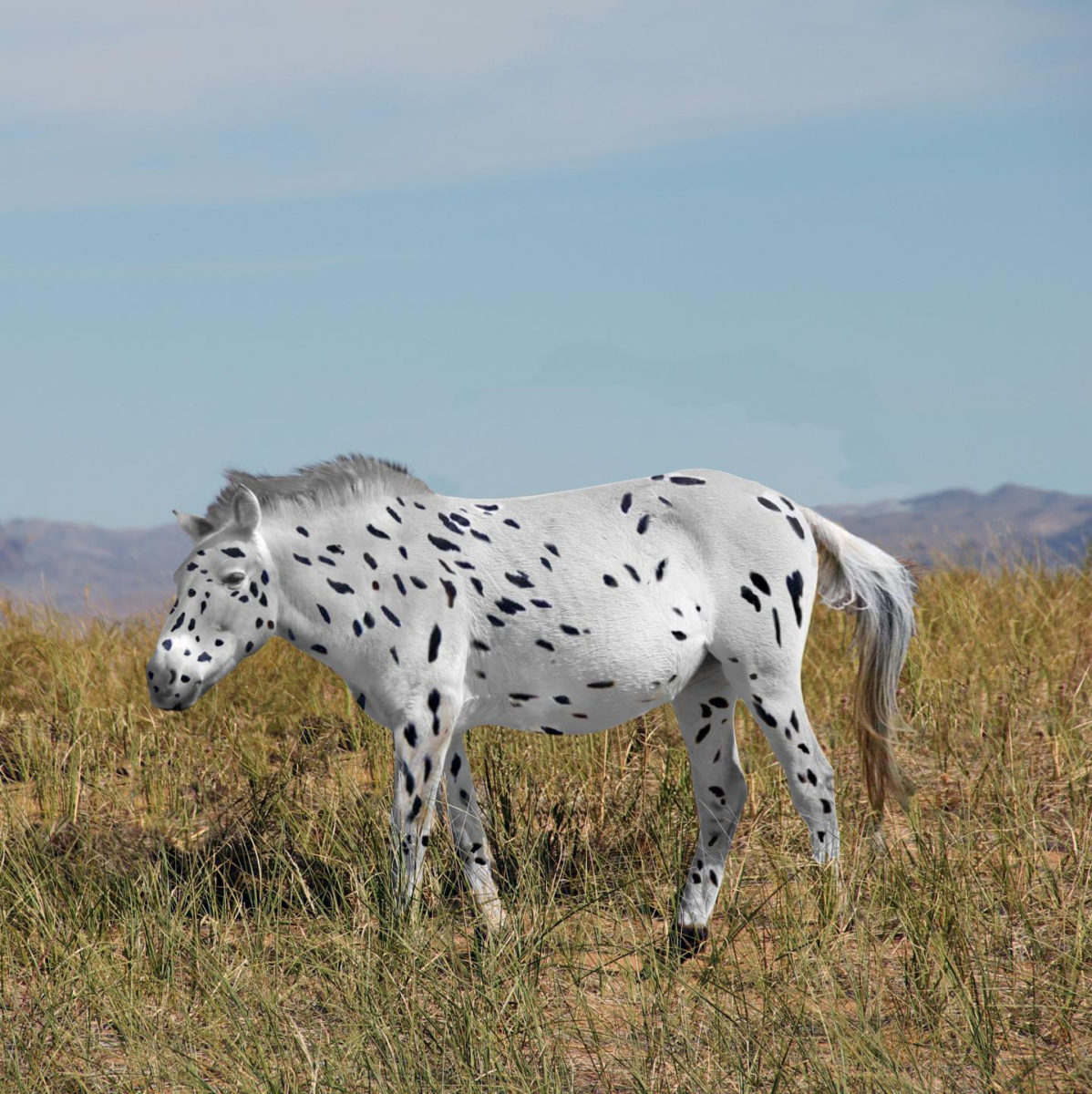
Research into the family tree of today’s horses sheds new light on the origins of the species
The earliest known domesticated horses are not at the root of today's modern breed's family tree, as had previously been thought, new research has shown.
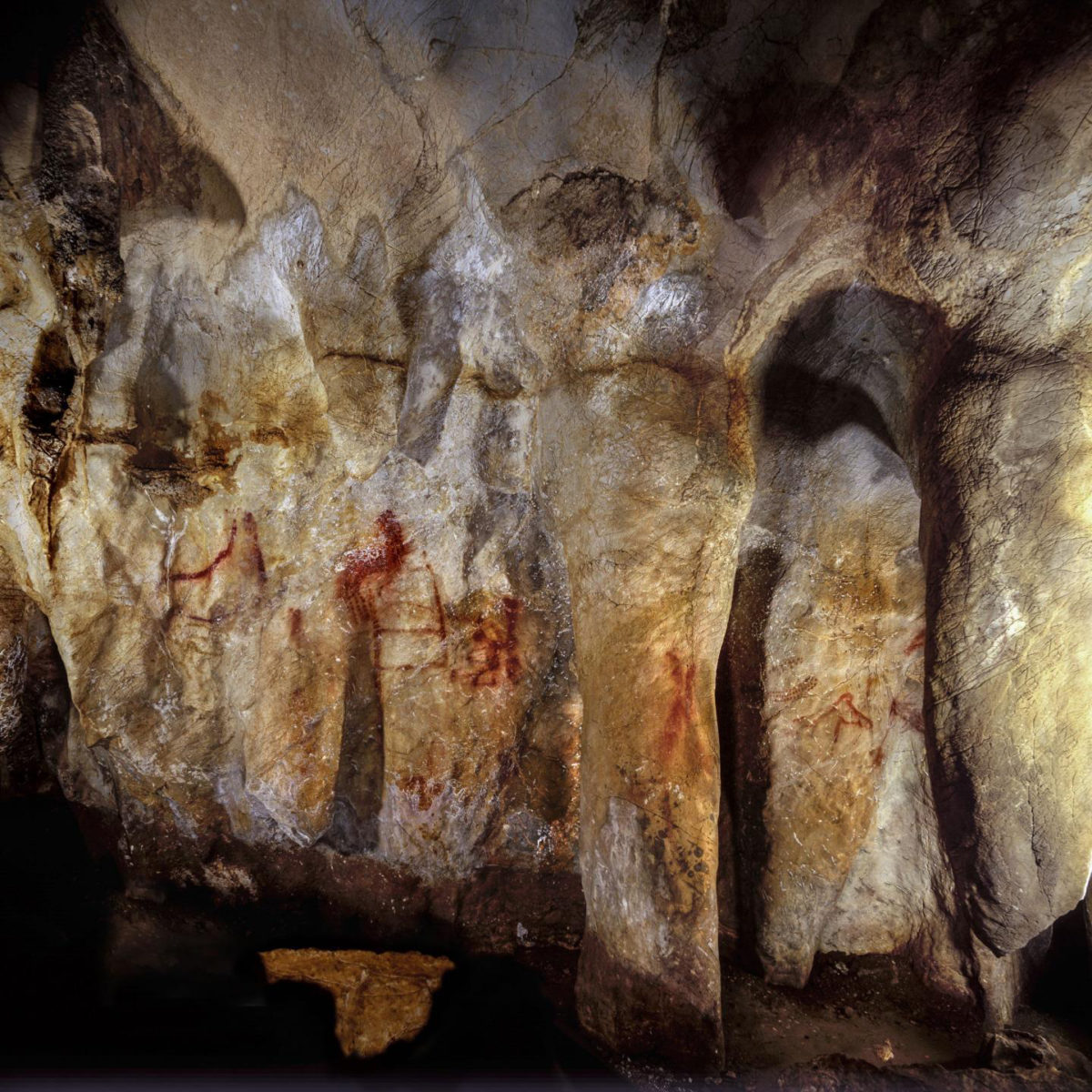
Neanderthals thought like we do
As early as 64,000 years ago Iberian Neanderthals created cave paintings.
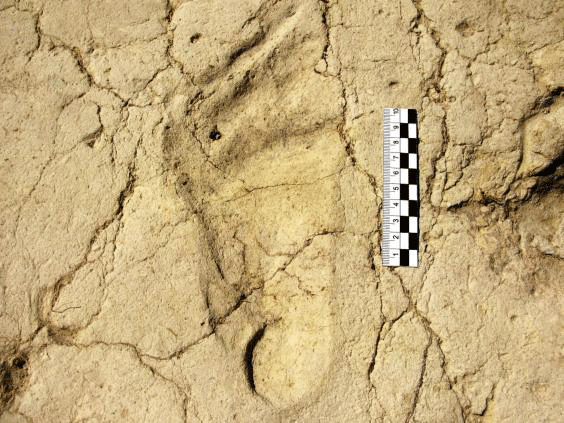
Children in prehistoric societies accompanied adults in all activities
A research based on footprints and other findings found at a prehistoric site indicates that children in prehistoric societies accompanied adults in all activities, from hunting to tool making.
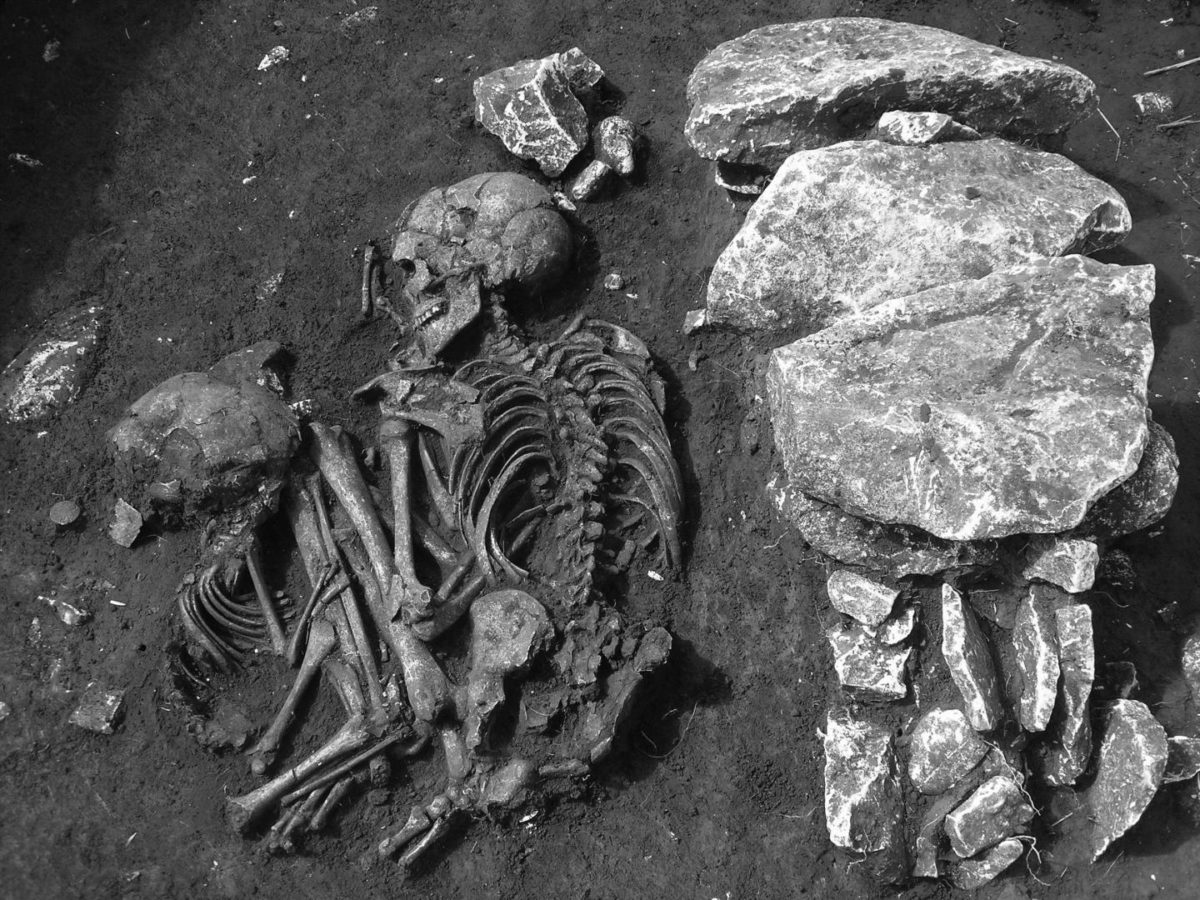
New research sheds light on prehistoric human migration in Europe
DNA of ancient skeletal remains of people from southeastern Europe were used to determine migration patterns across Europe during prehistoric times.