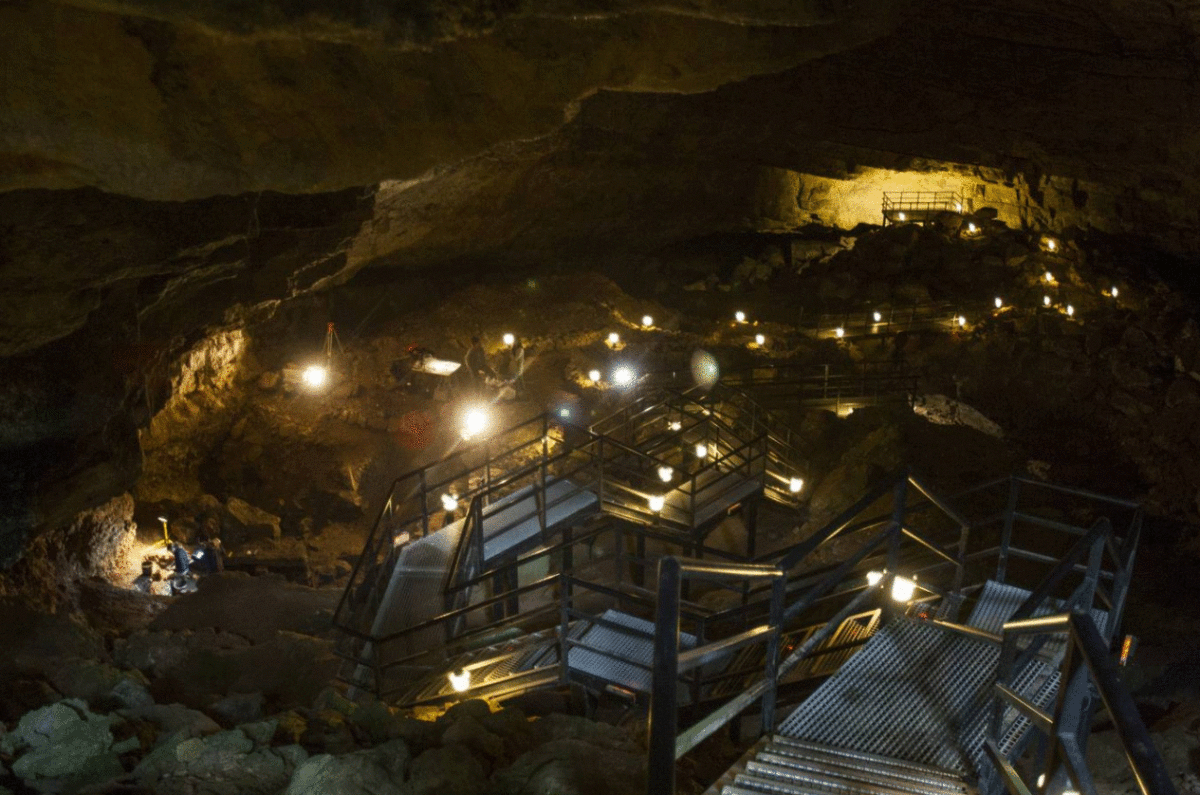
El Pendo cave in Spain was a continuous Neanderthal settlement
Archaeologists working in the El Pendo cave, Spain, have discovered a permanent settlement for Neanderthals for thousands of years.
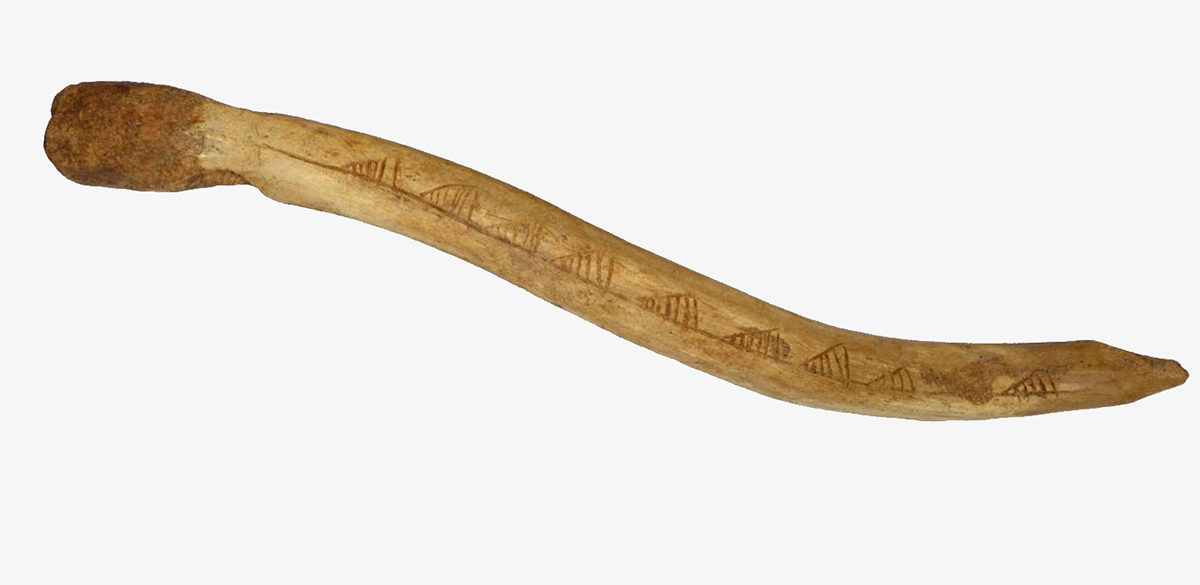
Ornamented artifact may indicate long-distance exchange between Mesolithic communities
An ornamented bâton percé found in Central Poland may provide evidence of exchange between Mesolithic communities.
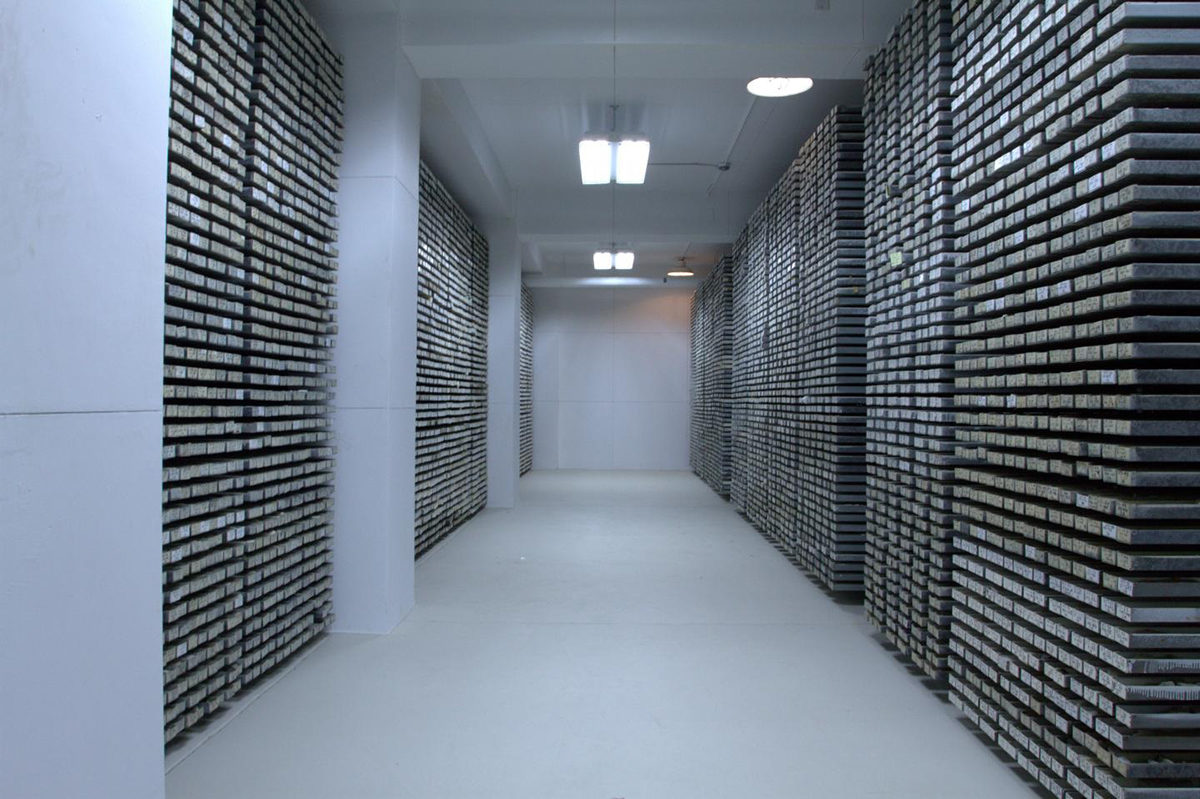
Ancient humans left Africa to escape drying climate
Humans migrated out of Africa as the climate shifted from wet to very dry about 60,000 years ago, according to research led by a University of Arizona geoscientist.
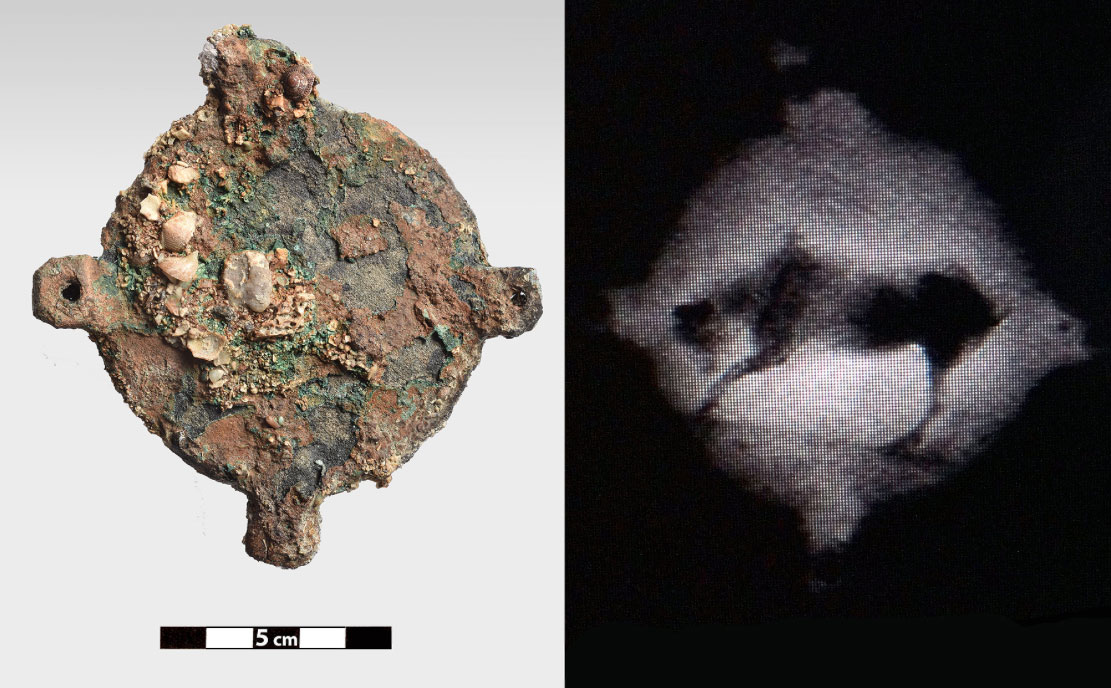
More statues will be found in the Antikythera Shipwreck
‟Year by year the excavation teaches us what to do, so that now we know exactly where to locate the finds, allowing us to go ahead with pulling them up” said the head of the Ephorate of Underwater Antiquities (EUA) to the Athens and Macedonian News Agency.
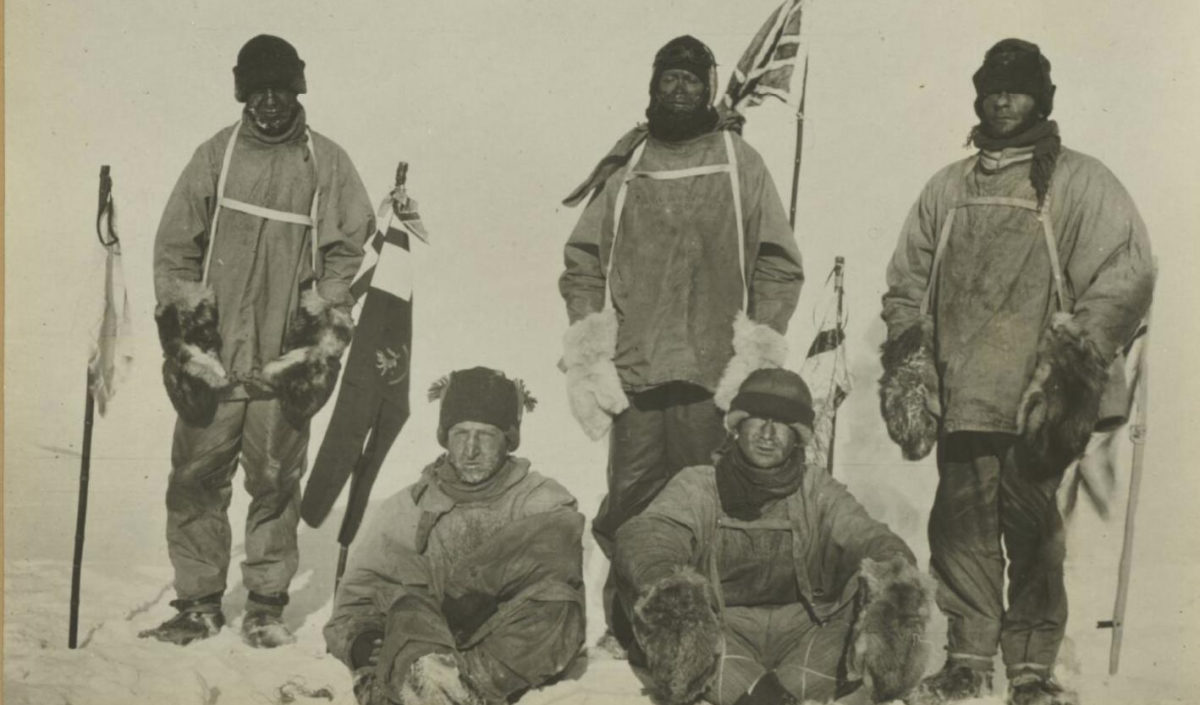
Did Teddy Evans fatally undermine Scott of the Antarctic?
New documents shed light on the tragic death of Scott of the Antarctic and four companions on the return of his scientific expedition to the South Pole in 1912.
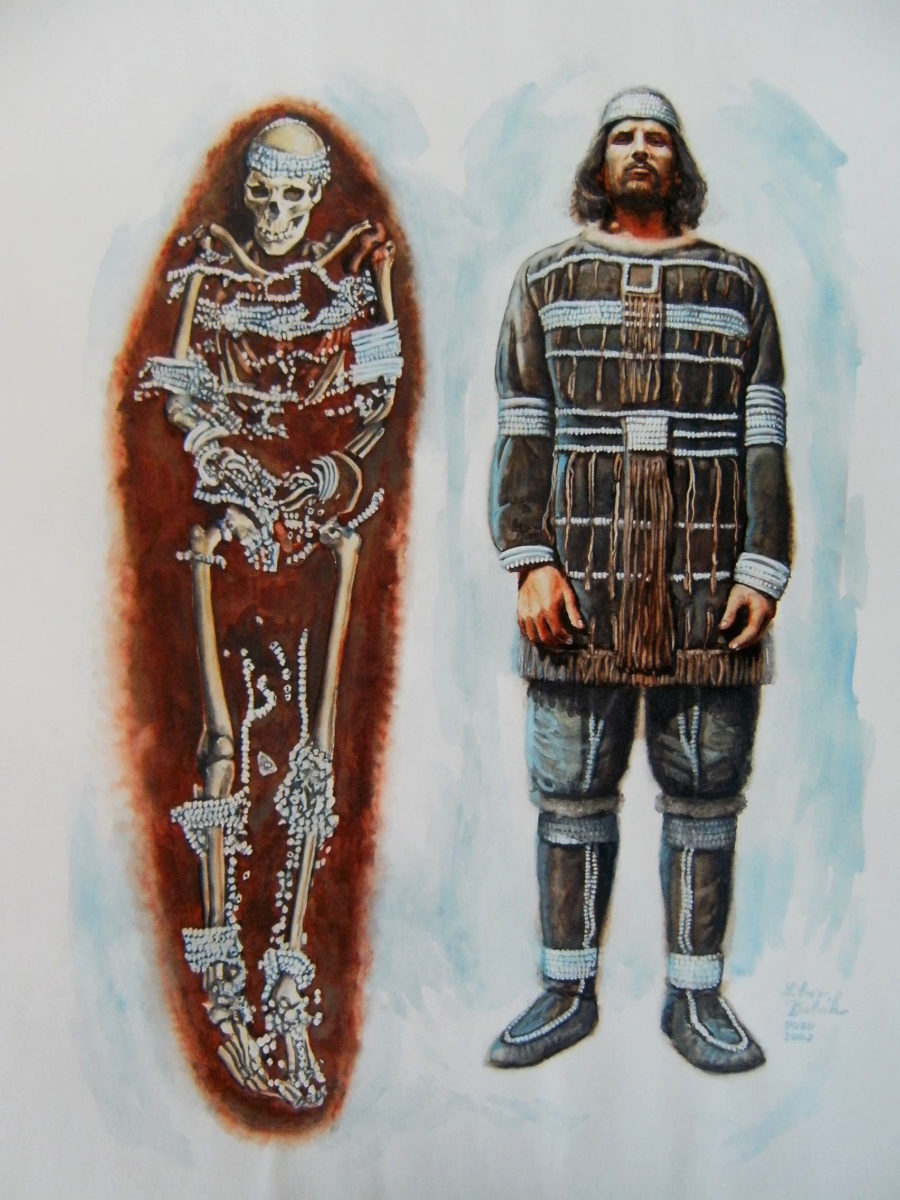
Prehistoric humans are likely to have formed mating networks to avoid inbreeding
Early humans seem to have recognised the dangers of inbreeding at least 34,000 years ago, and developed surprisingly sophisticated social and mating networks to avoid it.
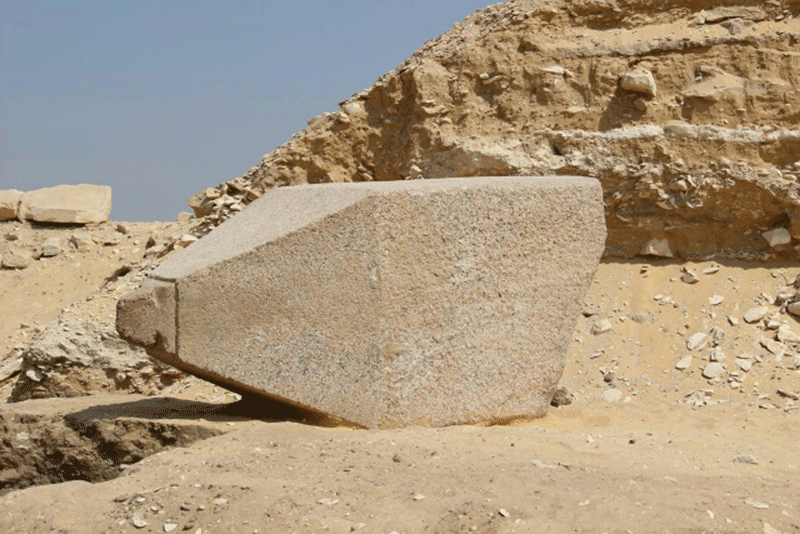
Largest Old Kingdom obelisk fragment found in Egypt
A part of an obelisk dating to the Old Kingdom that has been discovered in Egypt is the largest one found so far.
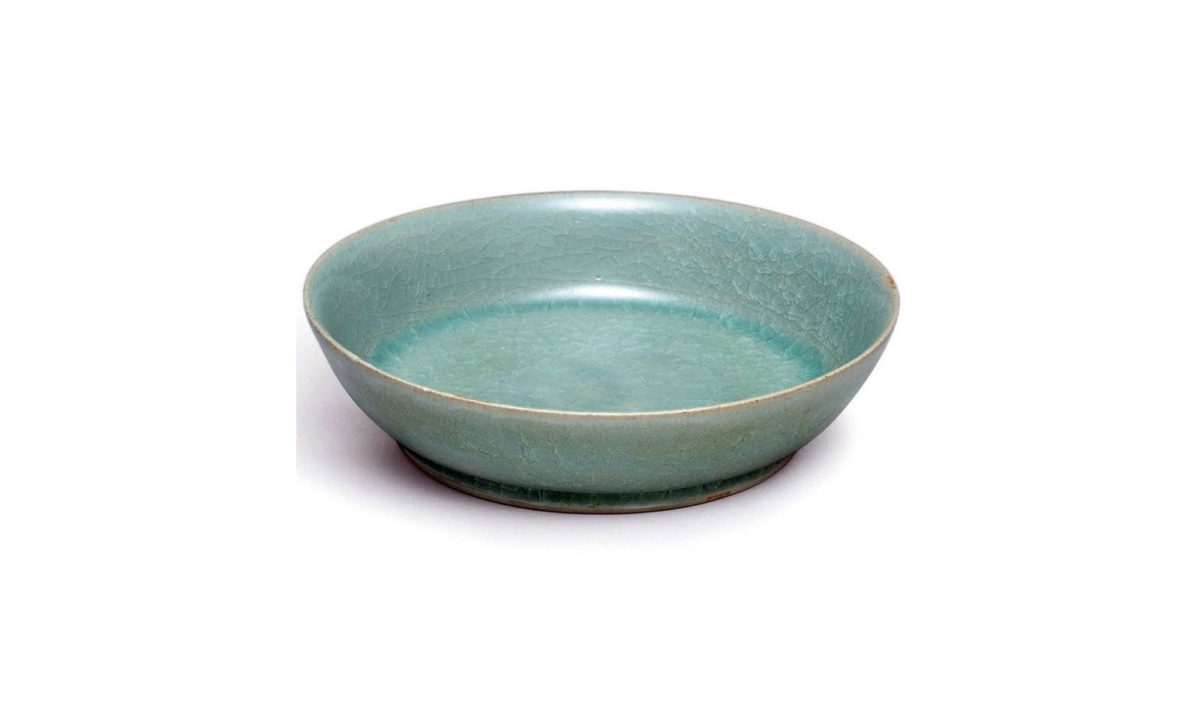
Record price for a one thousand year old Chinese bowl
The bowl, originally used for cleaning paint brushes, is one of the rare pieces of Chinese porcelain from the imperial court of the Northern Song dynasty.
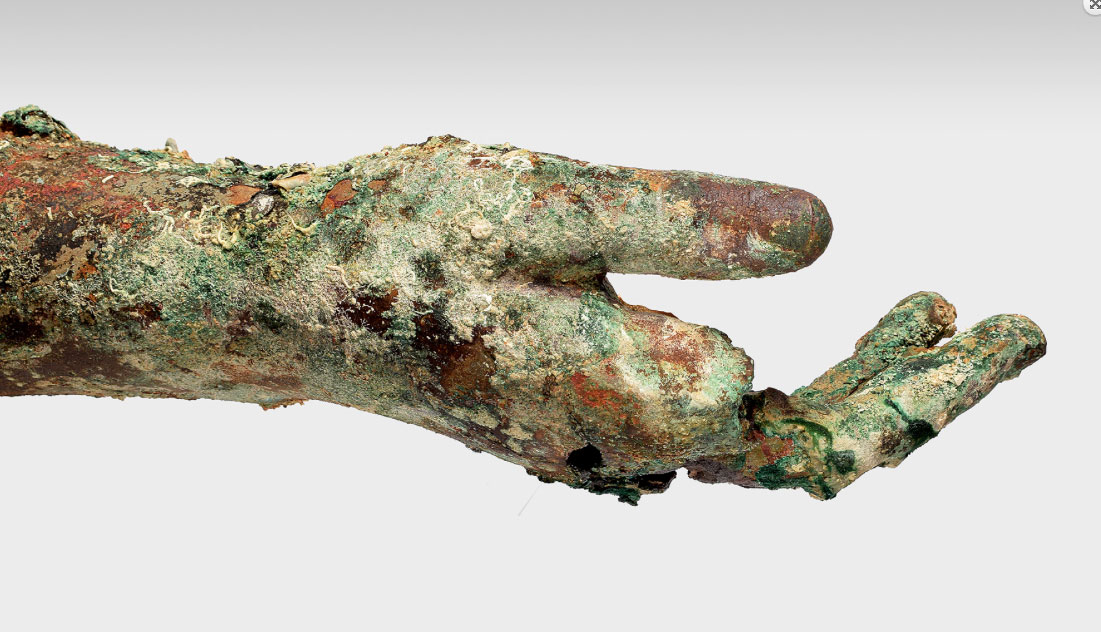
Parts of statues found in the Shipwreck of Antikythera
The excavation was extended to two more areas, where fragments of copper and marble statues to be researched in future, were located under large boulders that had landed on the sea bed during a massive earthquake.
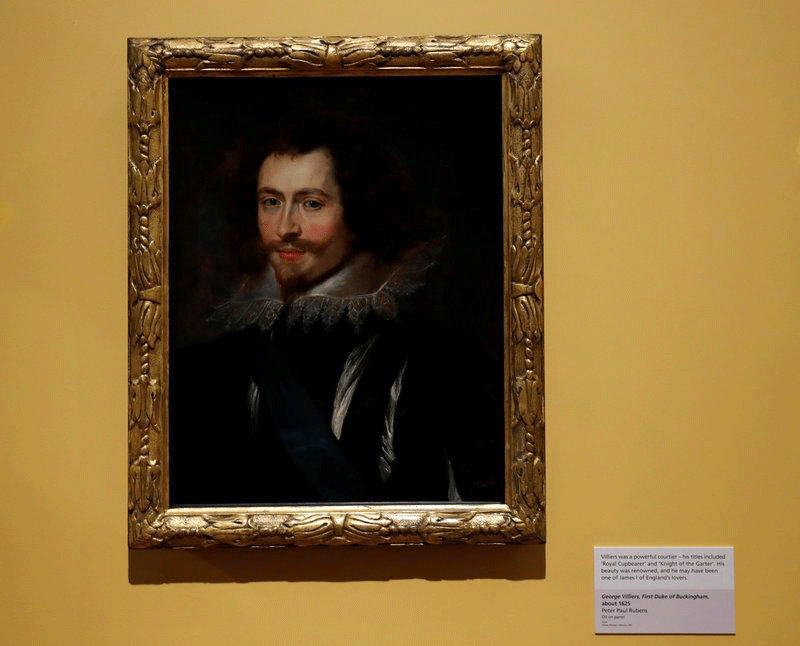
Rubens painting thought to be a copy is an original
An original portrait of the first Duke of Buckingham by Peter Paul Rubens, thought to have been a copy, has been found in Glasgow.
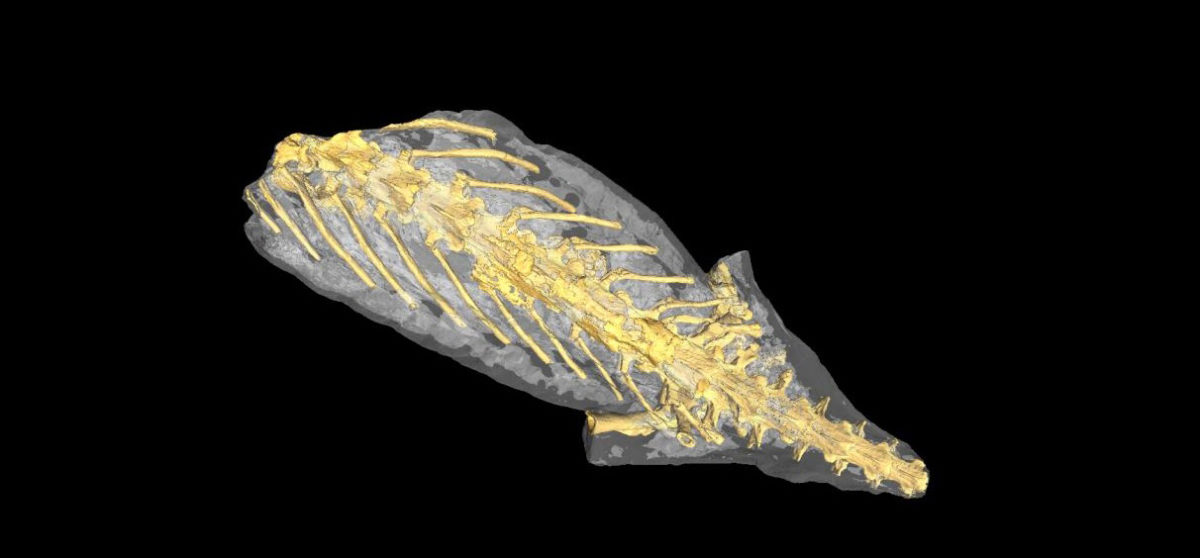
Ancient petrified salamander reveals its last meal
A new study on an exceptionally preserved salamander from the Eocene of France reveals that its soft organs are conserved under its skin and bones.
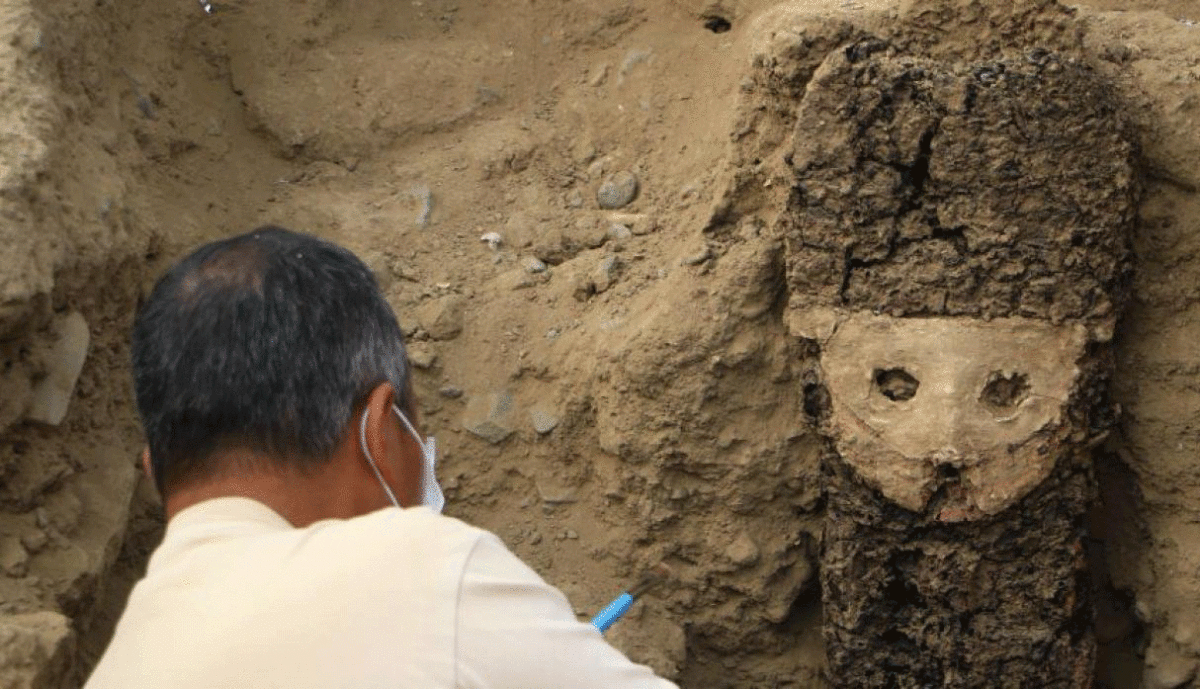
Wood sculptures and other artefacts found at pre-Columbian site
Archaeologists in Peru have discovered four wood sculptures among other artefacts at the pre-Columbian city of Chan Chan.
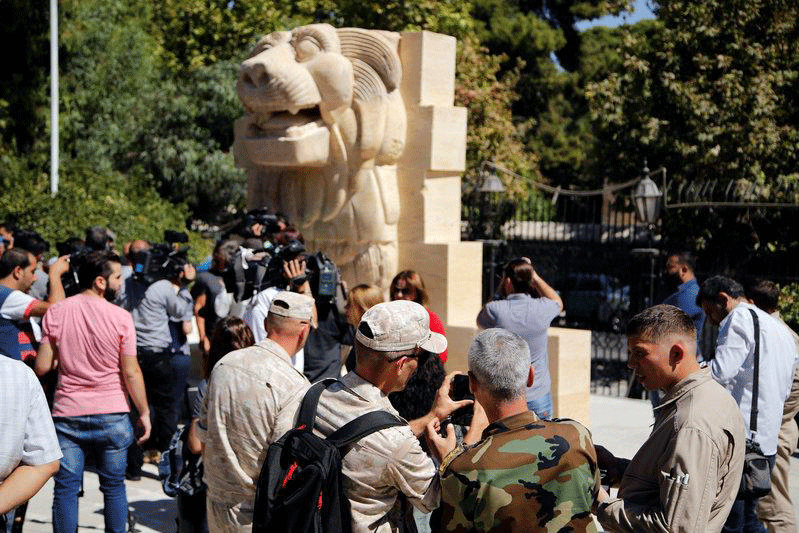
Restored Palmyra statue went on display in Damascus
A statue from Palmyra, badly damaged by the IS, has been restored and it went on display in Damascus on Sunday.
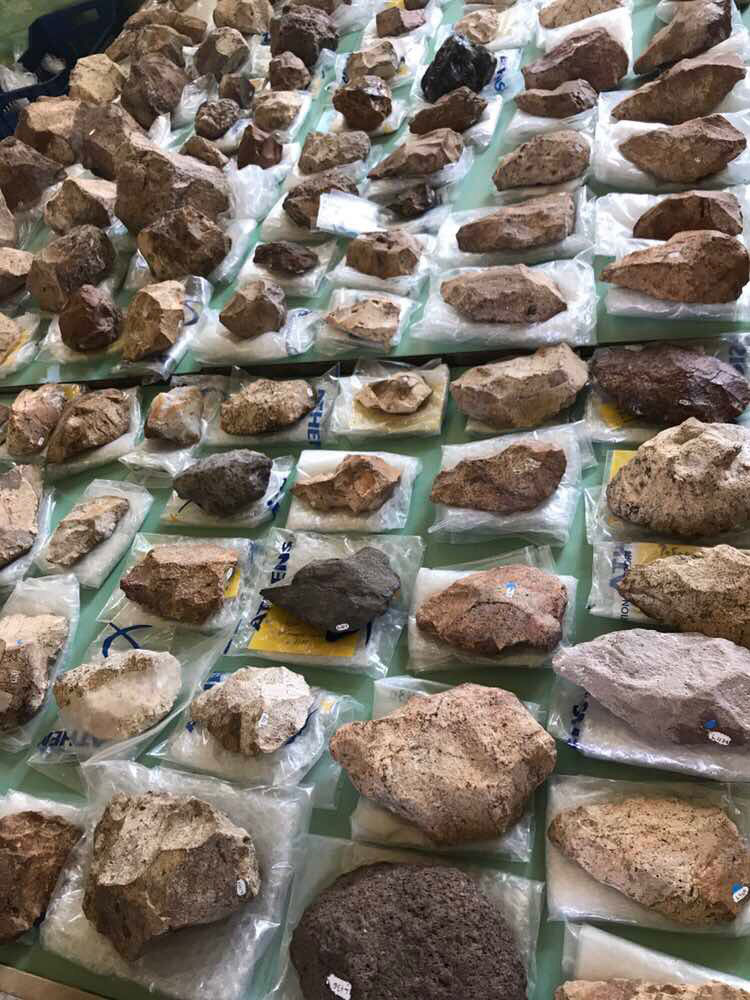
Lisvori: Highlighting the identity of southern Lesbos
Archaeological research at Lisvori, Lesbos conducted by the University of Crete and headed by Associate Professor of Prehistoric Archaeology Nena Galanidou, was successfully completed after six consecutive years.
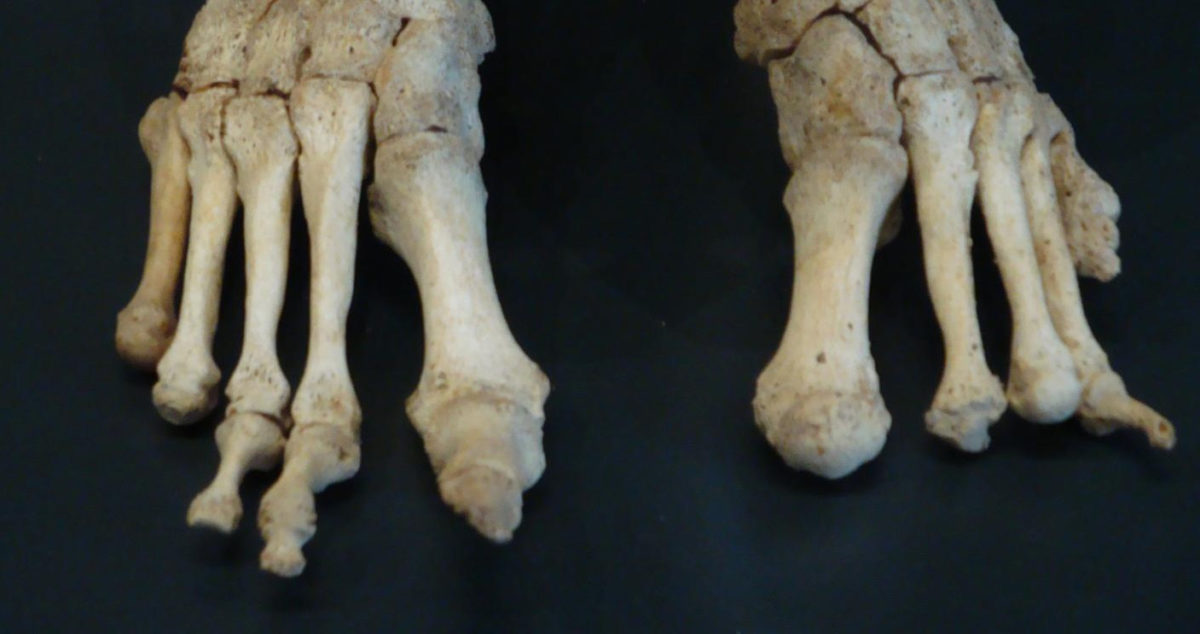
Morbidity and mortality of leprosy in the Middle Ages
During the Middle Ages, nearly everyone in Europe was exposed to the disfiguring, painful and ostracizing disease of leprosy. But did contracting the disease necessarily increase a person’s chances of dying?
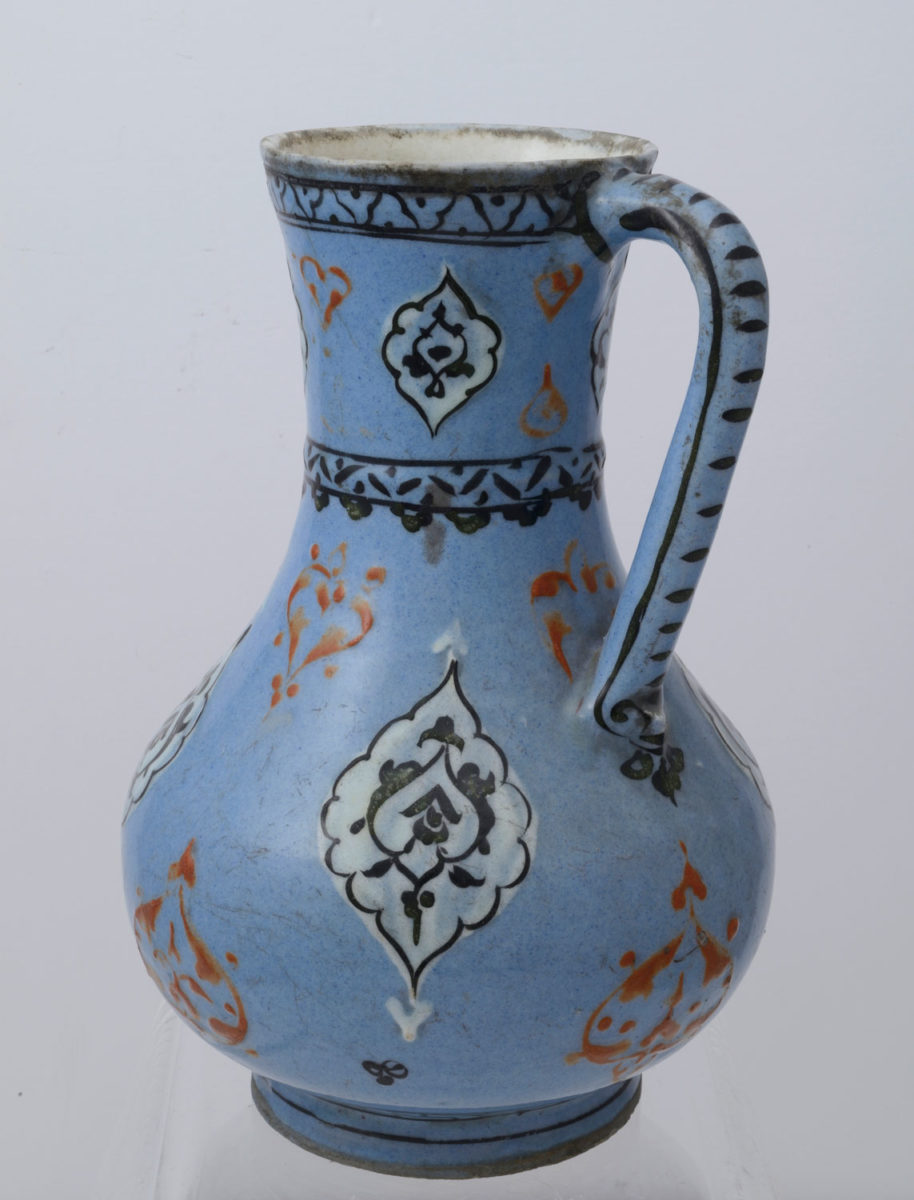
The Magic of Iznik Ceramics
“The Magic of Iznik Ceramics” focuses on ceramics of the Ottoman period and specifically on those made in the town of Iznik in Asia Minor in the 16th century.
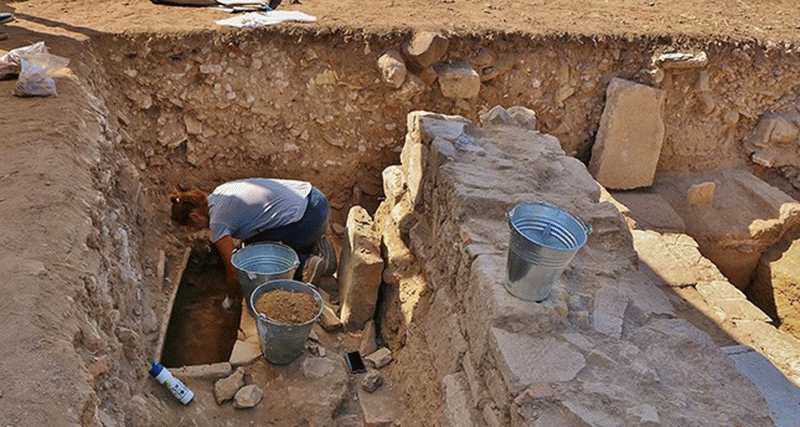
Second church found in the ancient city of Adramyttion in Turkey
Archaeologists in Turkey have discovered an ancient church at the site of the ancient city of Adramyttion dating back 1,200 years.
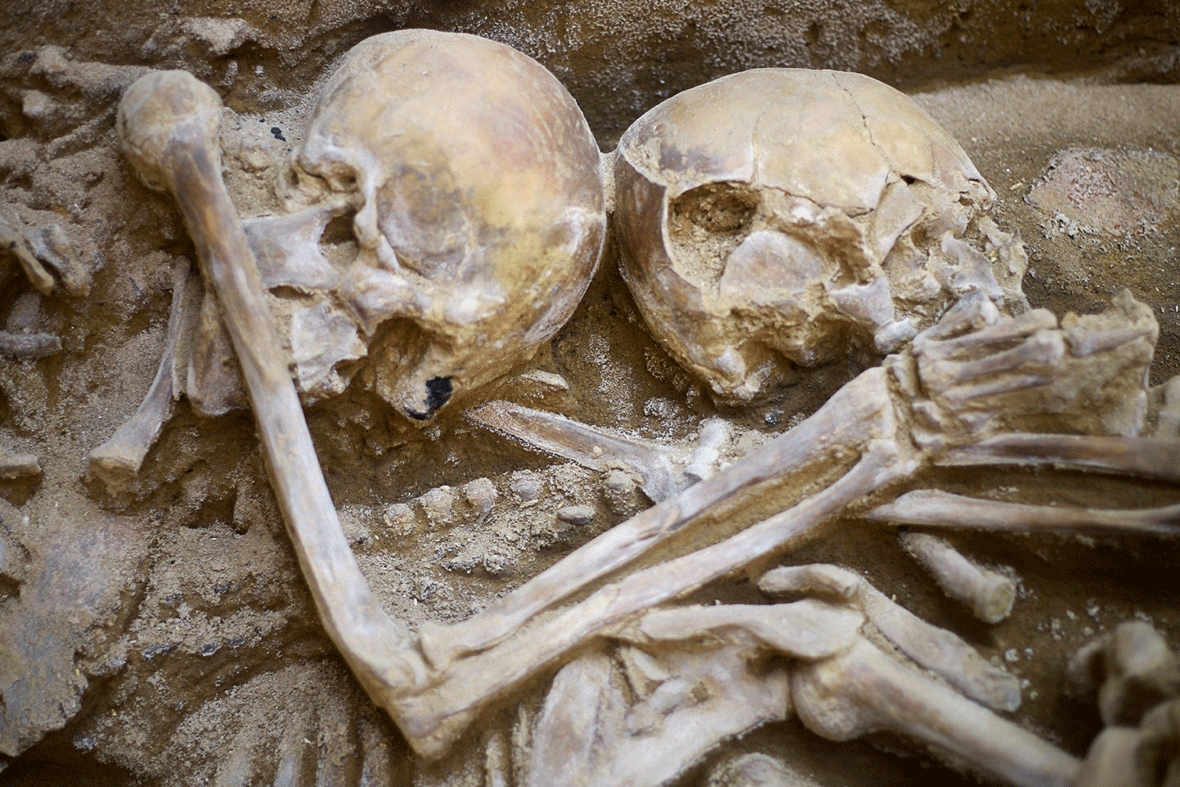
Ancient grave with human sacrifices found in Peru
Archaeologists in Peru have discovered two tombs, one with victims of human sacrifice and one with a member of an elite, and a metallurgy workshop, possibly dating back over 1,000 years.
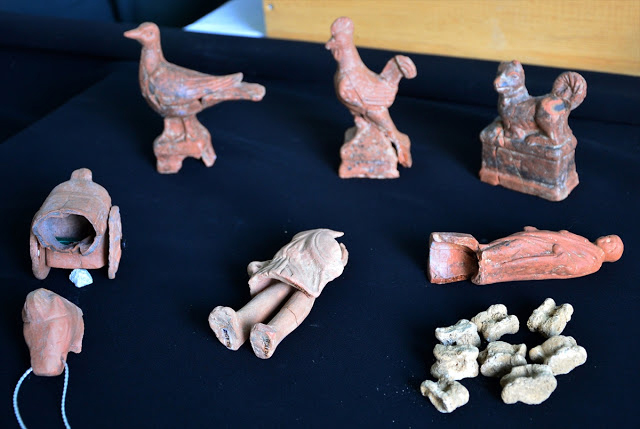
Toys recovered from tombs in ancient Greek city of Parion
2,000-year-old tombs in the ancient Greek city of Parion (Turkey) have revealed children’s toys made of clay.
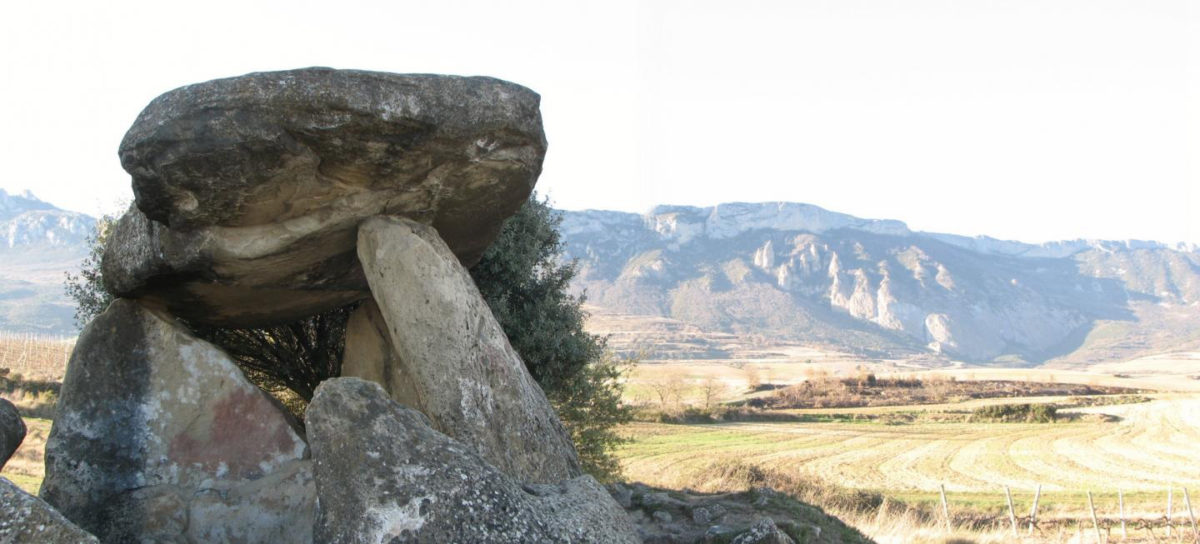
Bones reveal social differences between the people buried in dolmens and those in caves
While male adults predominated in the dolmens, children and women were more common in the caves.
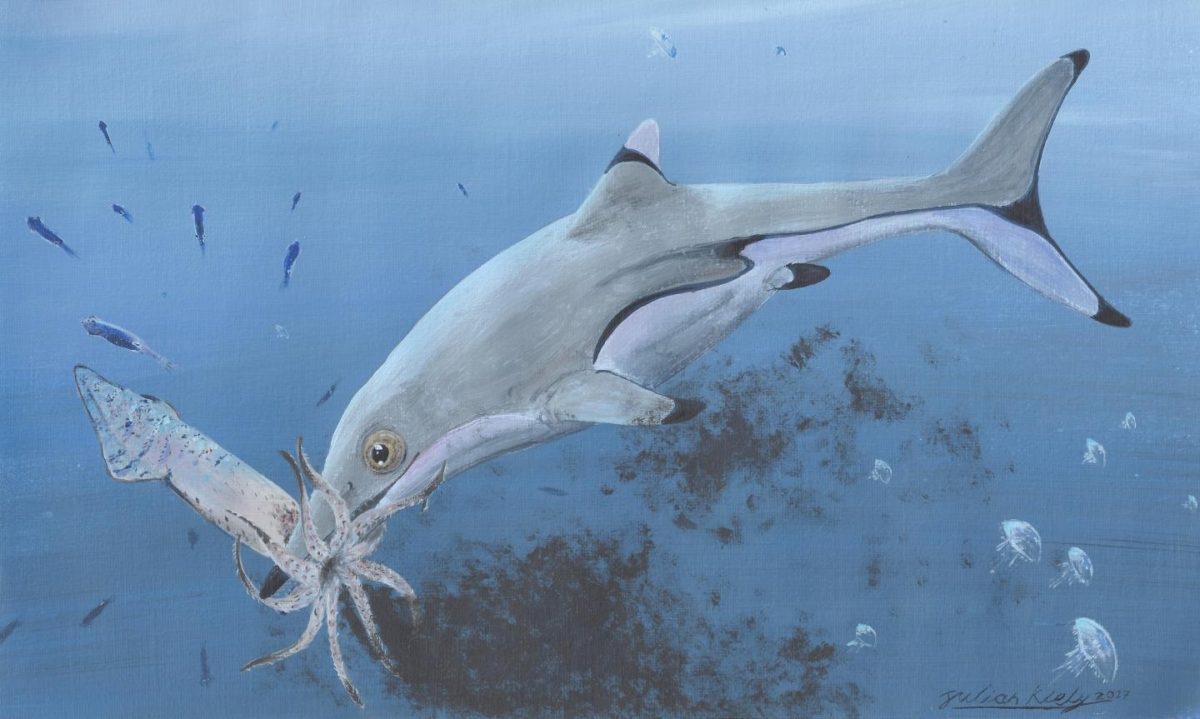
Prehistoric squid was last meal of newborn ichthyosaur 200 million years ago
Smallest and youngest specimen of Ichthyosaurus communis on record identified and an additional surprise found preserved in its stomach.
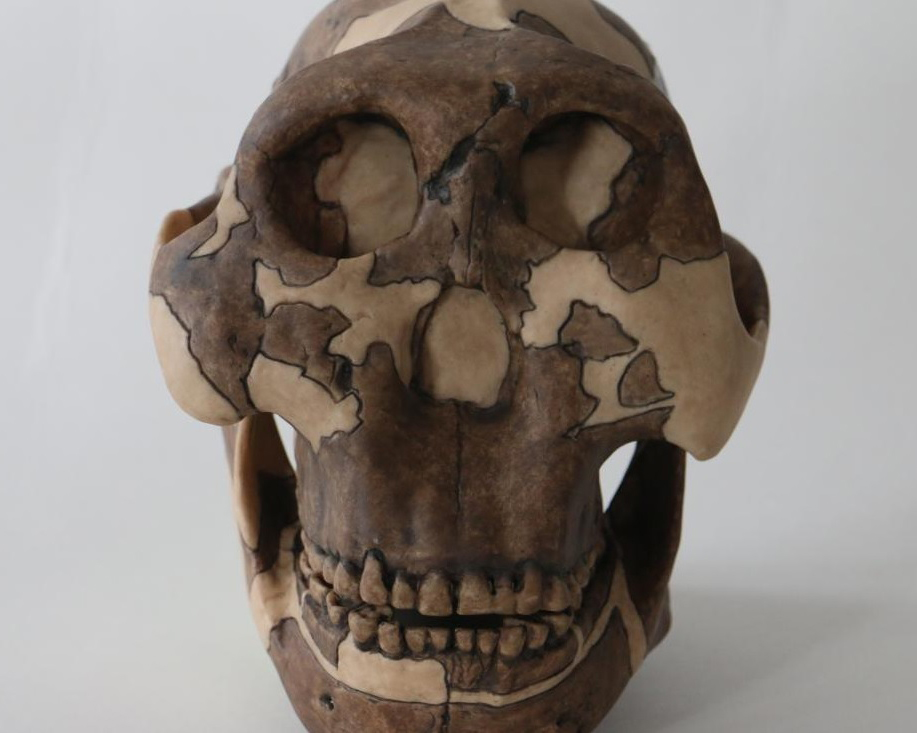
Meet the hominin species that gave us genital herpes
In a study published in the journal Virus Evolution, researchers suggest that P. boisei most likely contracted HSV2 through scavenging ancestral chimp meat where savannah met forest – the infection seeping in via bites or open sores.
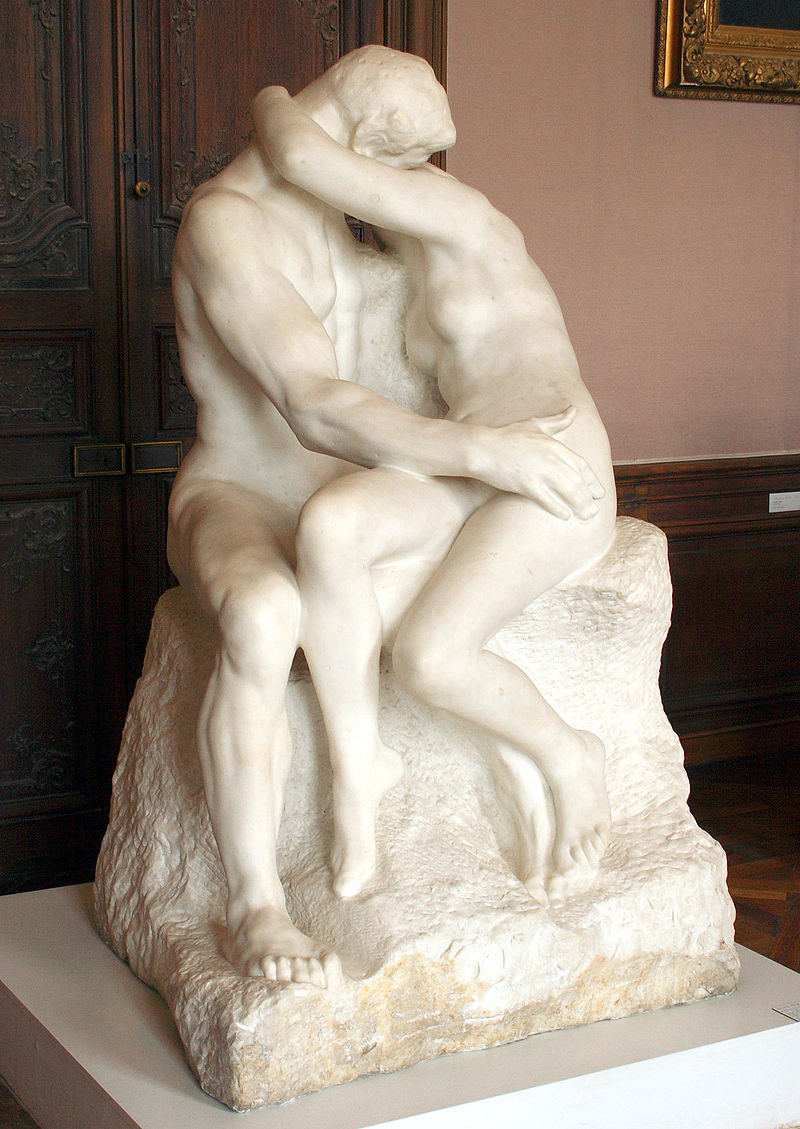
The Parthenon Marbles through the eyes of Rodin
Auguste Rodin’s love for the Parthenon Marbles will be the theme of a big exhibition opening next April at the British Museum.
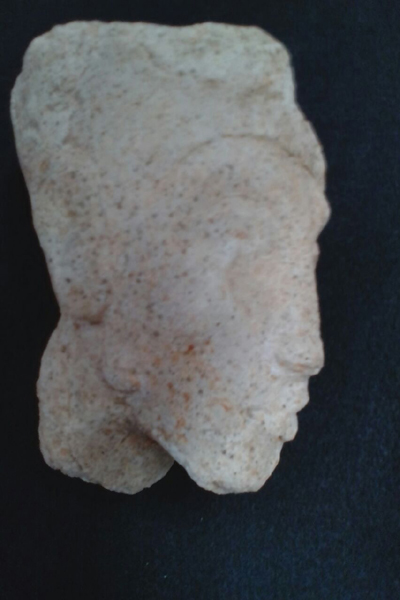
An Akhenaten of gypsum has been revealed in Tell el Amarna’s Great Aten Temple
The Mission of the University of Cambridge at Tell el Amarna (Minya governorate, Egypt) revealed the head of a statue depicting Pharaoh Akhenaten.