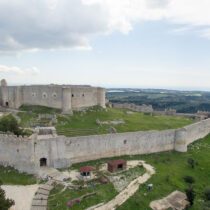

Free access to 1.4 million books
The organization The Internet Archive went ahead with offering free online access to all 1.4 million books of its lending library.
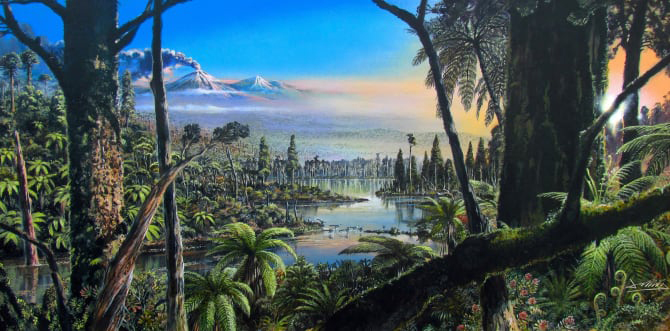
Evidence for a 90-million-year-old rainforest near the South Pole
Researchers have found unexpected fossil traces of a temperate rainforest near the South Pole 90 million years ago, suggesting the continent had an exceptionally warm climate in prehistoric times.
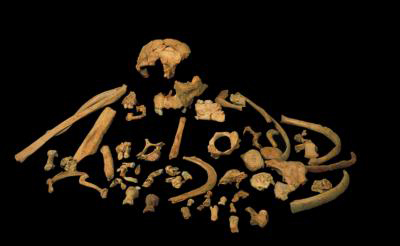
Oldest ever human genetic evidence clarifies dispute over our ancestors
Genetic information from an 800,000-year-old human fossil has been retrieved for the first time.
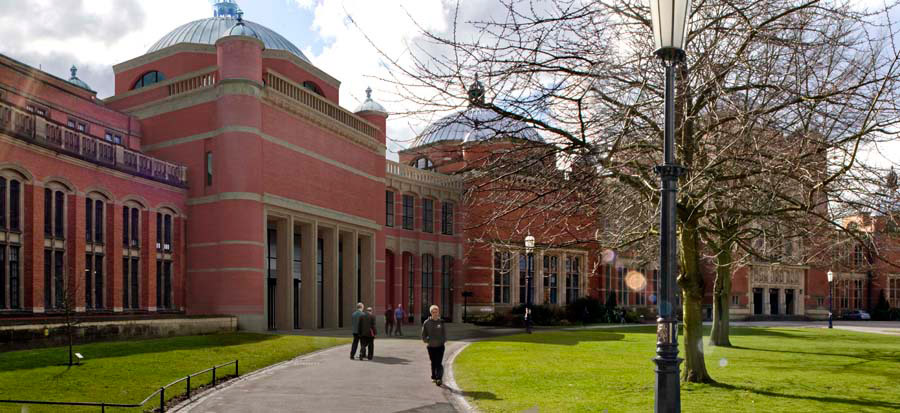
Teaching Fellow in Roman History
The Department of Classics, Ancient History and Archaeology of the University of Birmingham is looking to appoint a teaching fellow for 12 months starting 1 September 2020.
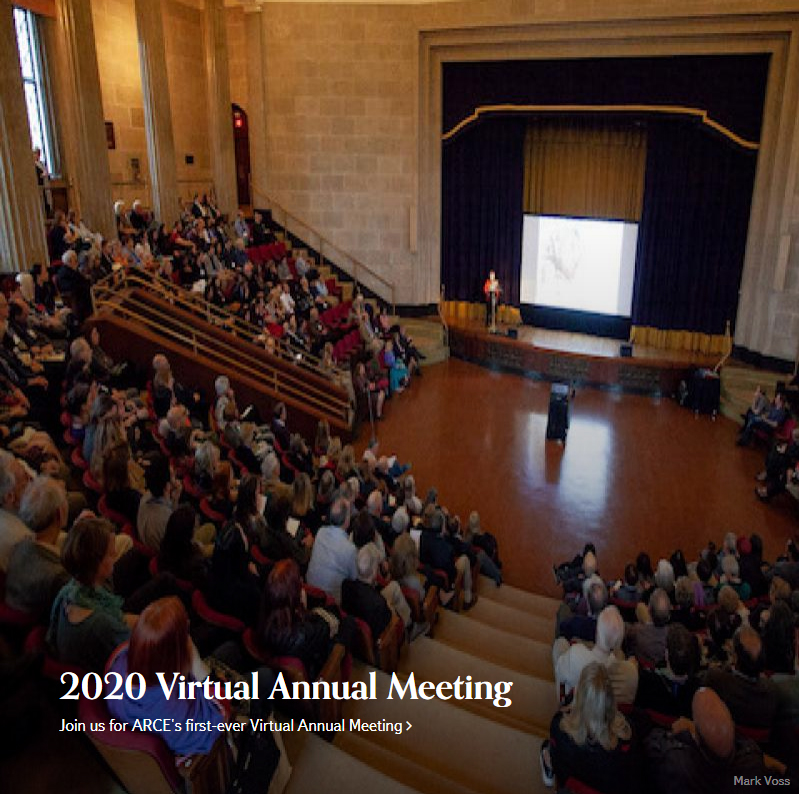
ARCE’s 2020 Virtual Meeting
For the first time ever, the American Research Center in Egypt (ARCE) will host its Annual Meeting virtually.
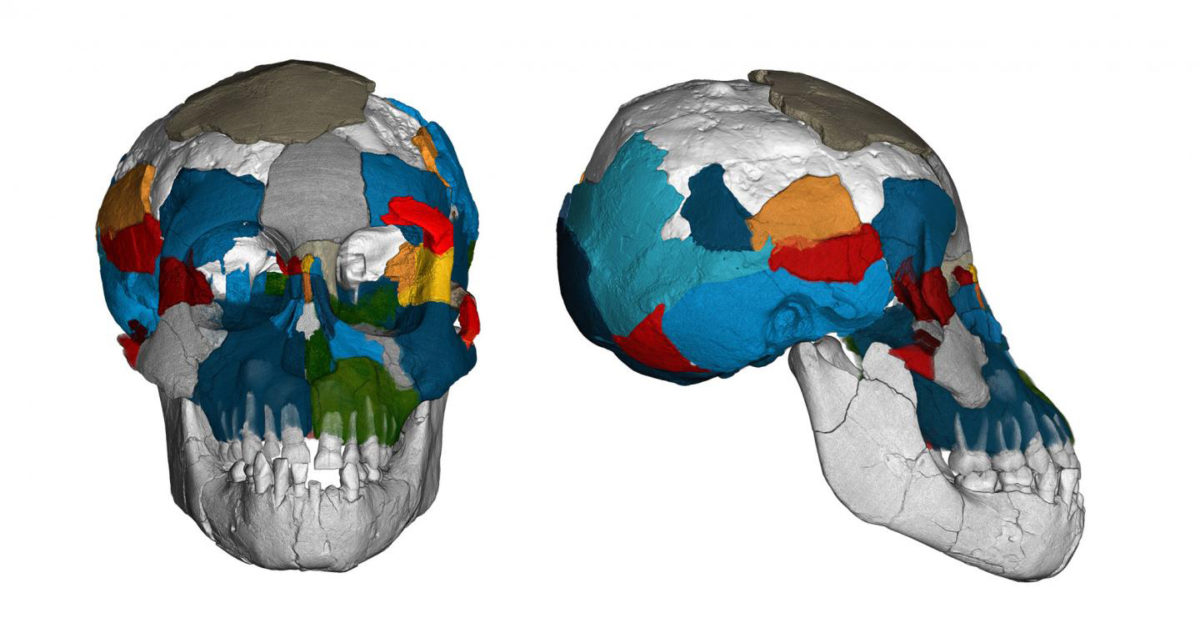
Lucy had an ape-like brain
Three-million-year-old brain imprints show that Australopithecus afarensis infants may have had a long dependence on caregivers.
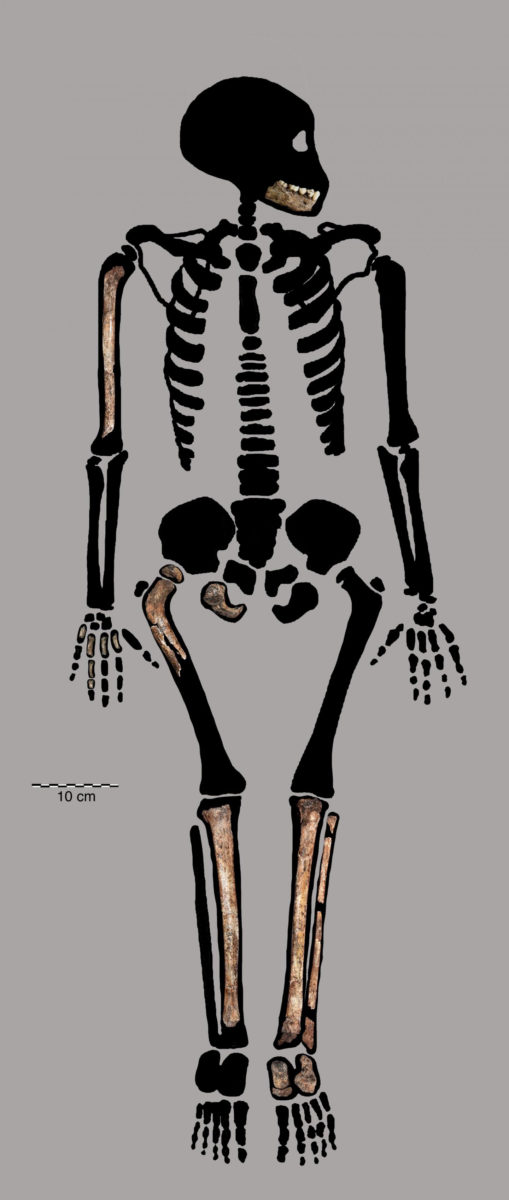
Homo naledi juvenile remains offers clues to how our ancestors grew up
A partial skeleton of Homo naledi represents a rare case of an immature individual, shedding light on the evolution of growth and development in human ancestry.
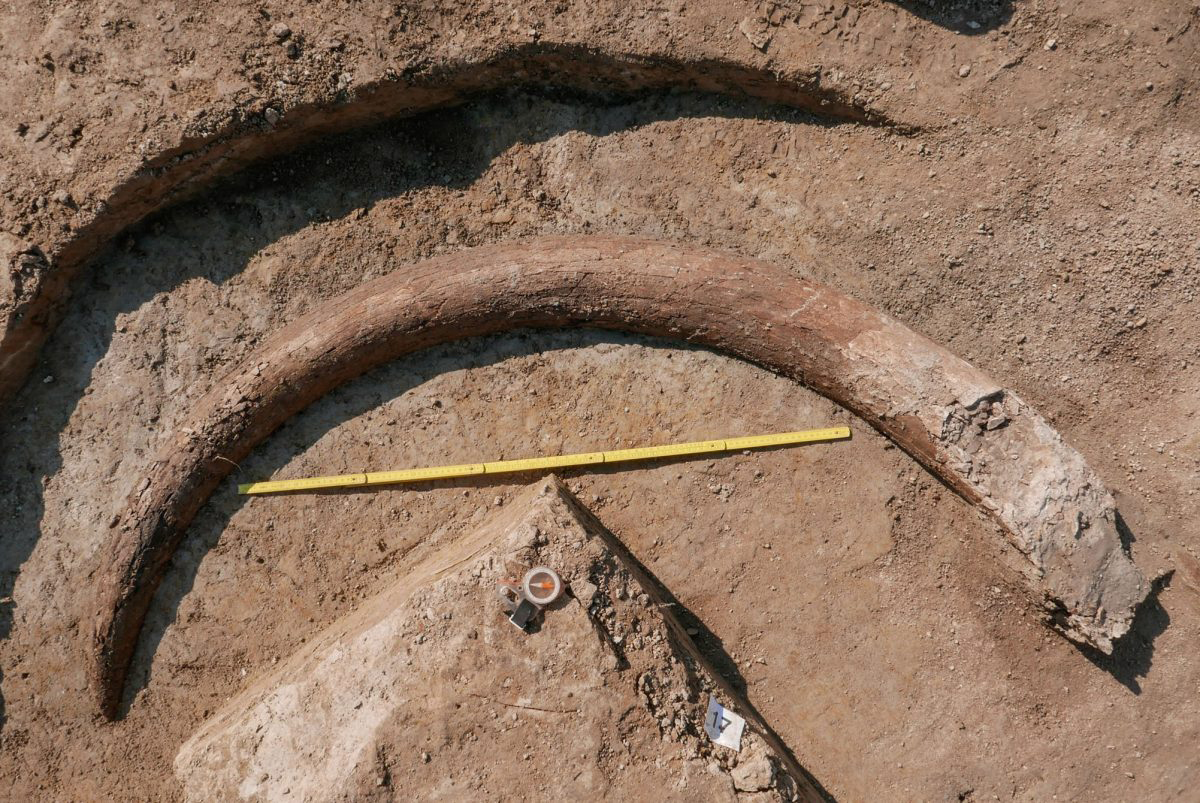
Discovery of 8-foot mammoth tusk in Bavaria
Archaeologists working in the Bavarian town of Riekofen have discovered a large mammoth tusk whilst carrying excavations works looking for the remains of settlements from the 15th century.
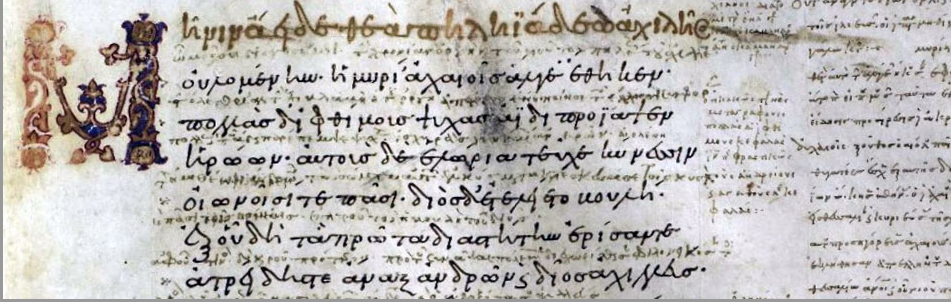
Open-access classicists’ resources exceptionally available
The Consulta Universitaria del Greco (CUG, Association of the Italian Academic Hellenists) has activated a new forum through its website.
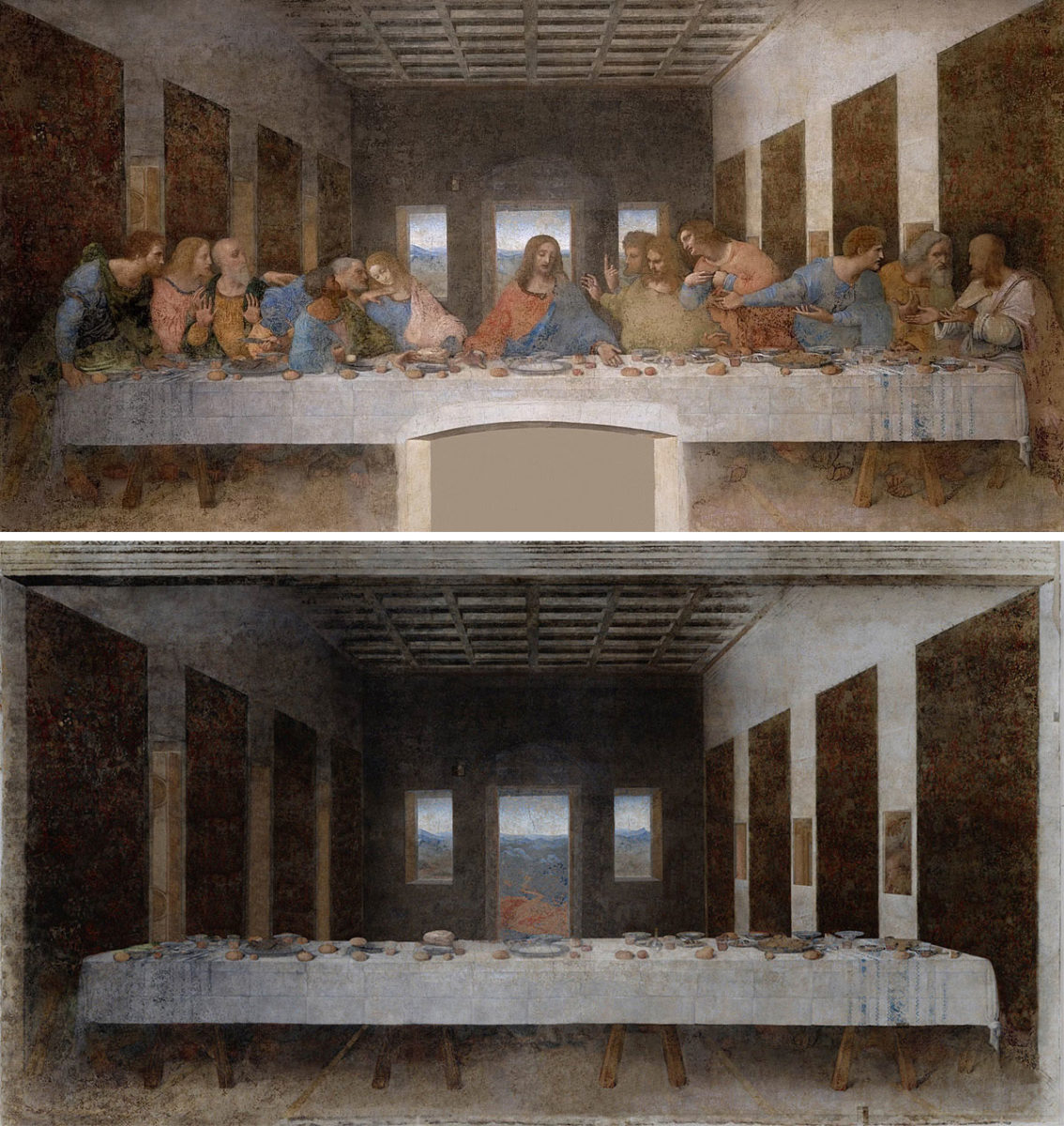
Works by the artist Ballester go viral online
Ballester faithfully recreates classic works of art digitally but missing one decisive detail: the human presence.
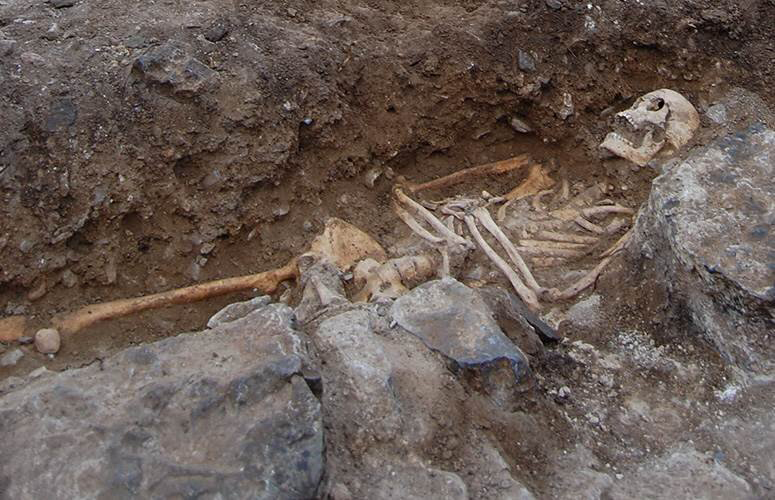
Rheumatic diseases, the cost of survival during the Little Ice Age
A piece of research by the Human Evolutionary Biology Group at the UPV/EHU-University of the Basque Country provides clues about the prevalence of a certain genetic profile in the European population.
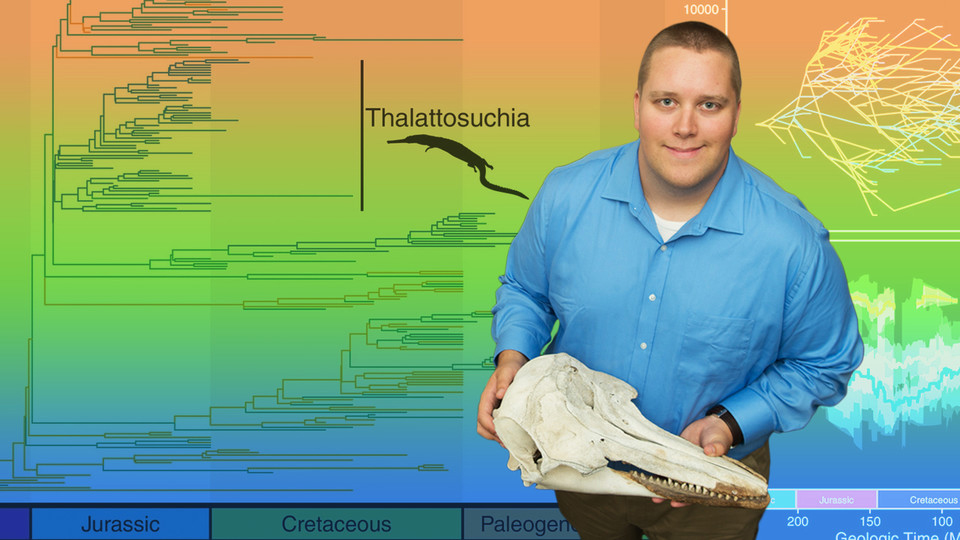
Ancient aquatic crocs evolved, enlarged to avoid freezing
Nearly 200 million years ago crocodilian ancestors chose freedom: from gravity, from territorial boundaries, from dietary constraints.
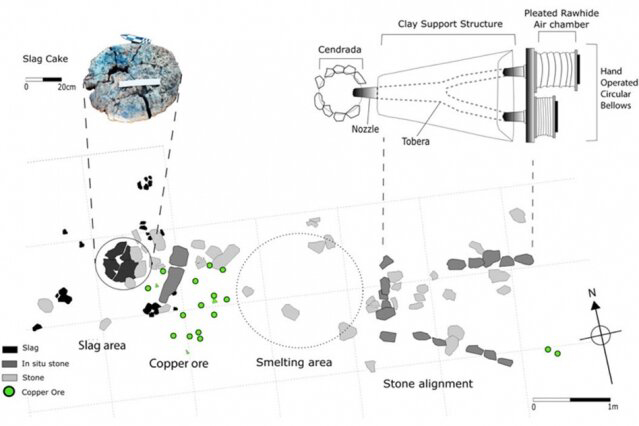
Mesoamerican copper smelting technology aided colonial weaponry
The Spaniards were quite dependent on an older indigenous technology in parts of Mesoamerica (today’s Mexico, Guatemala, Belize, and Honduras).
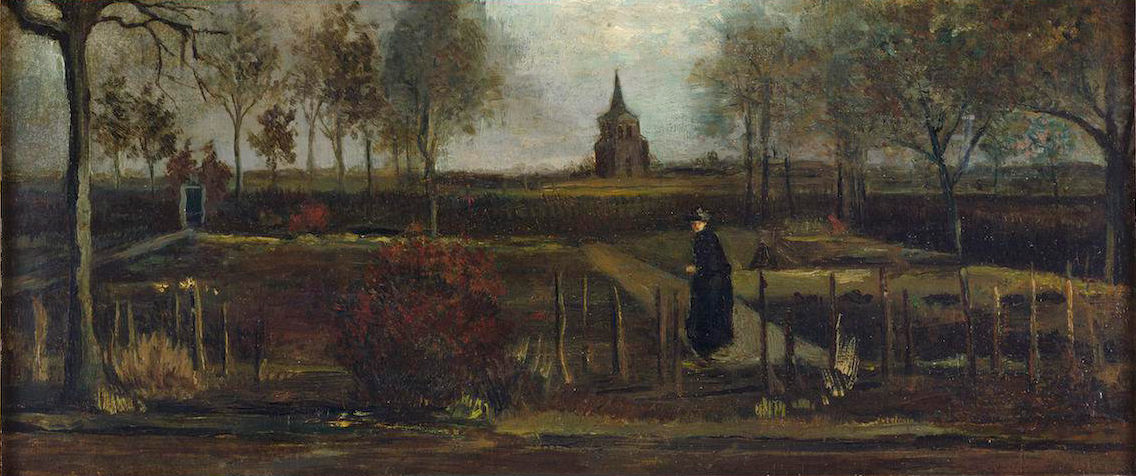
Van Gogh painting stolen from Dutch museum
In the early hours of Monday 30 March the painting “Spring Garden, the Parsonage Garden in Nuenen in Spring” (1884) by Vincent van Gogh was stolen from Singer Laren.
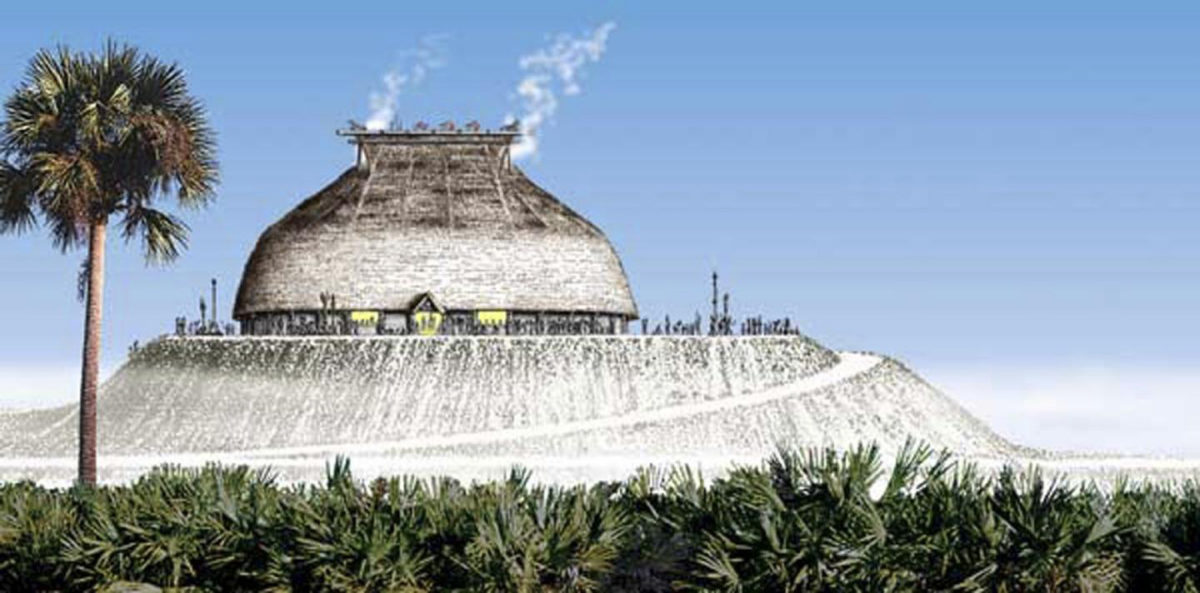
‘Watercourts’ stored live fish, fueling Florida’s Calusa kingdom
Unlike the Aztecs, Maya and Inca, who built their empires with the help of agriculture, the Calusa kingdom was founded on fishing.
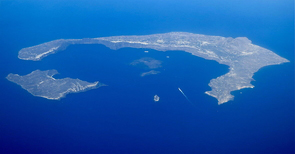
Tree rings could pin down Thera volcano eruption date
Research led by the University of Arizona Laboratory of Tree-Ring Research has anchored a long sequence of tree rings, providing context for the civilizations that existed throughout the Bronze and Iron Ages.
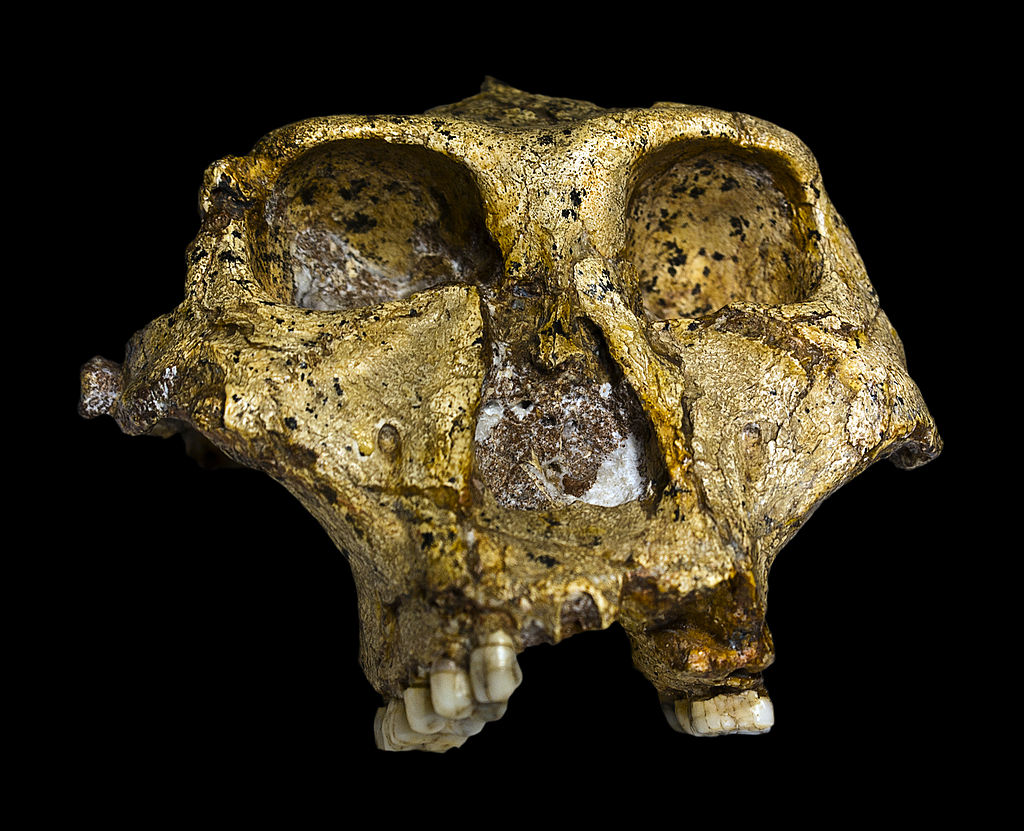
Research identifies regular climbing behavior in a human ancestor
A new study led by the University of Kent has found evidence that human ancestors as recent as two million years ago may have regularly climbed trees.
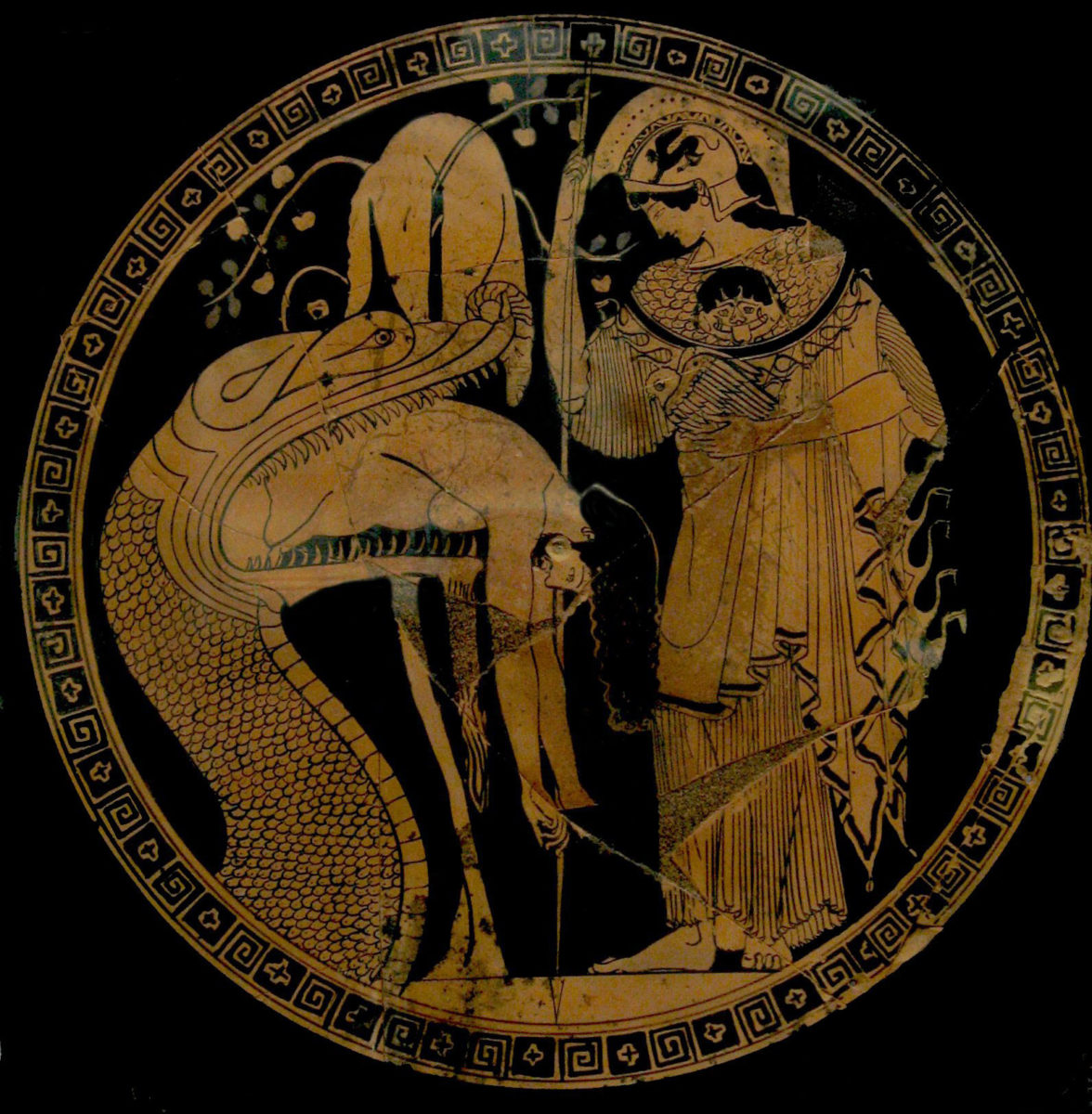
Stranger Things. Fantasy in Antiquity in Historiography and Reception
In this online congress the wide topic of fantasy and historiography will be discussed.

A pigment from ancient Egypt to modern microscopy
Egyptian blue is one of the oldest manmade colour pigments. It adorns, for instance, the crown of the world famous bust of Nefertiti. But the pigment can do even more.
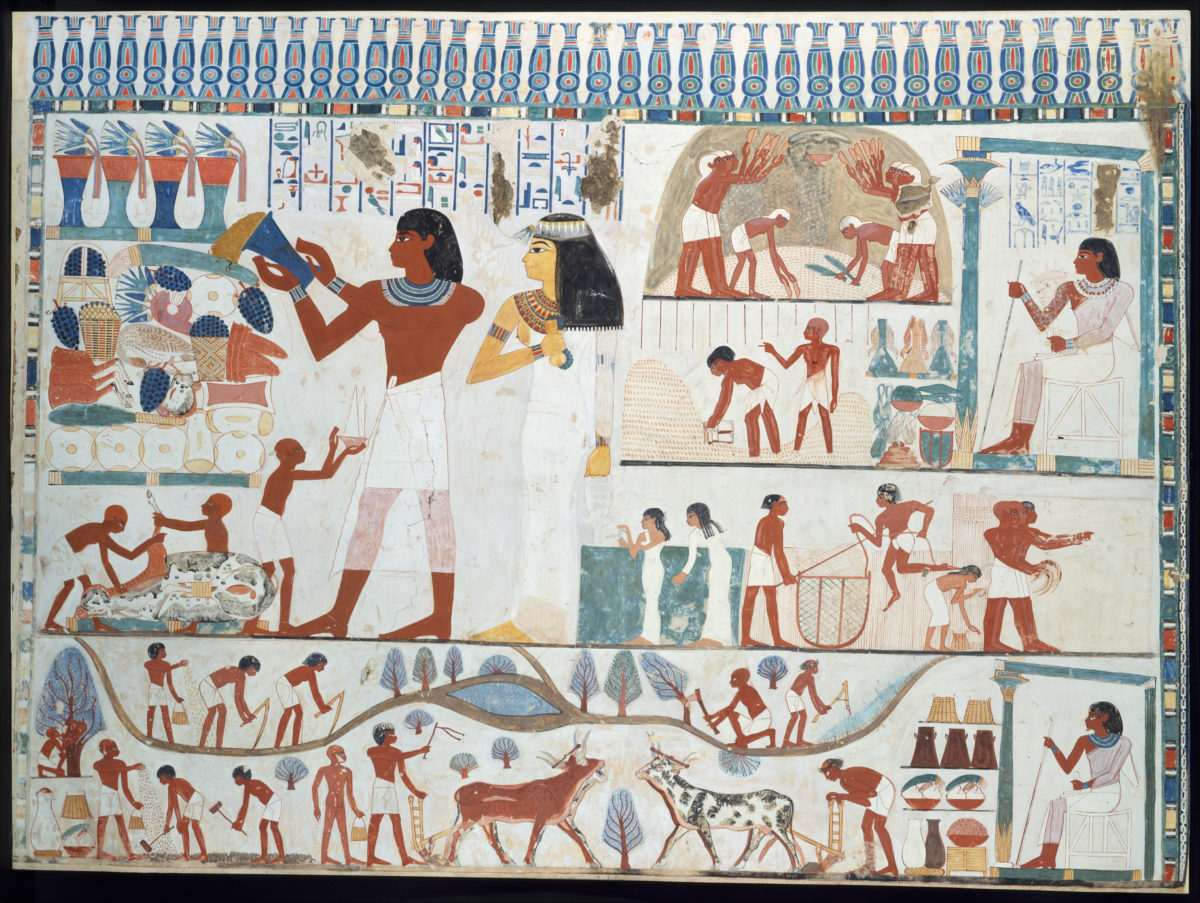
Beer as a signifier of social status in Ancient Egypt
This study not only settles an old academic dispute but also provides new insight into Egyptian beer.
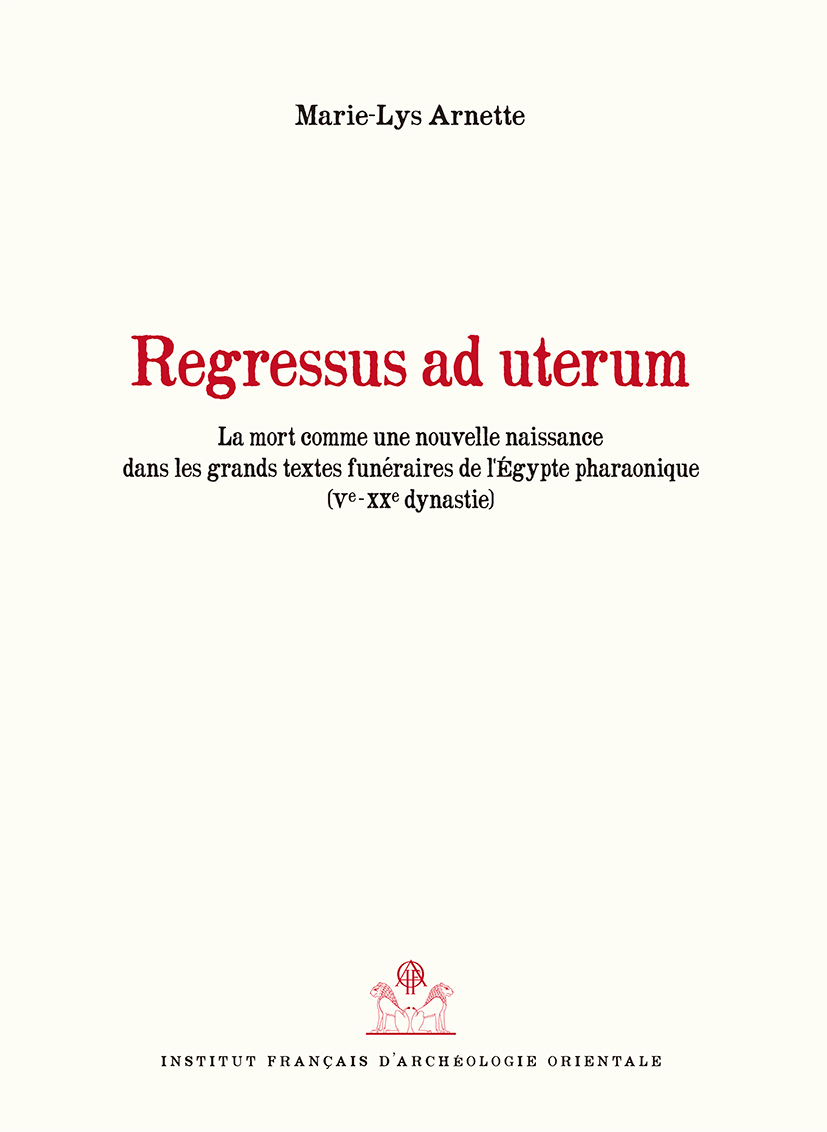
Regressus ad uterum
This book aims at demonstrating
that referring to birth and its practical modalities is an essential
aspect of Ancient Egypt’s funerary beliefs.
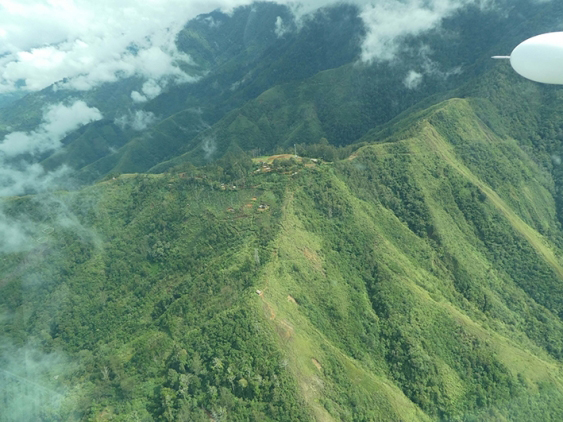
Dig for artefacts confirms New Guinea’s Neolithic period
It is well known that agriculture developed independently in New Guinea 7000 years ago, but evidence of its influence on how people lived has eluded scientists – until now.
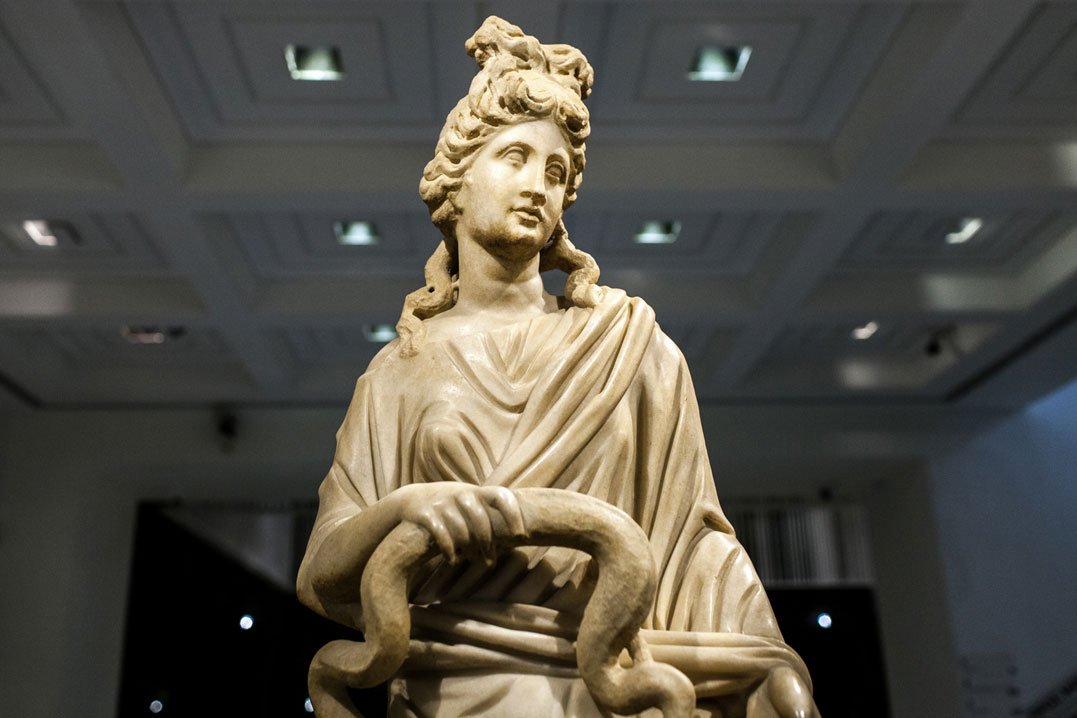
Health (Hygieia) in Ancient Greece
Visitors can explore the world of Hygieia in ancient Greece from their home and discover practices and traditions.
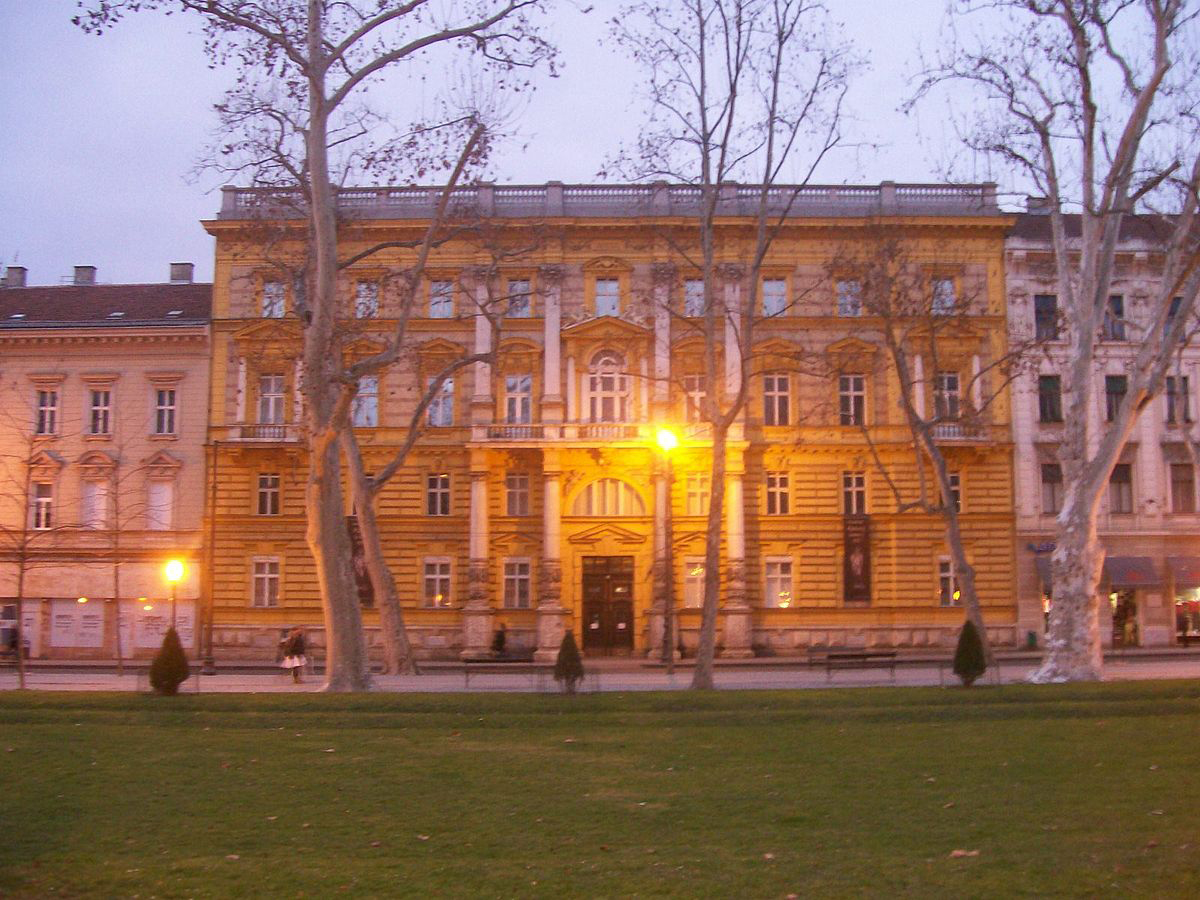
Damage caused to the Archaeological Museum in Zagreb
In a series of earthquakes, on Sunday, March 22, 2020, the Archaeological Museum in Zagreb suffered damage to the building and severe damage to the permanent exhibition and objects.