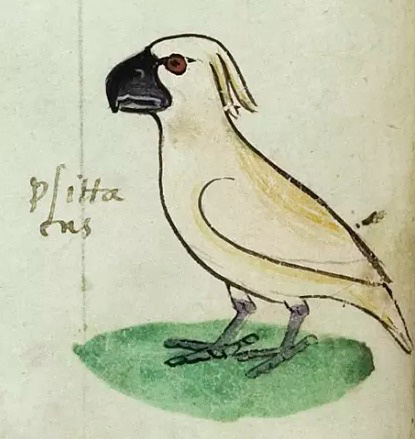
How did an Australasian cockatoo reach 13th century Sicily?
Images of an Australasian cockatoo have been discovered in a manuscript dating from 13th century Sicily, now held in the Vatican library.
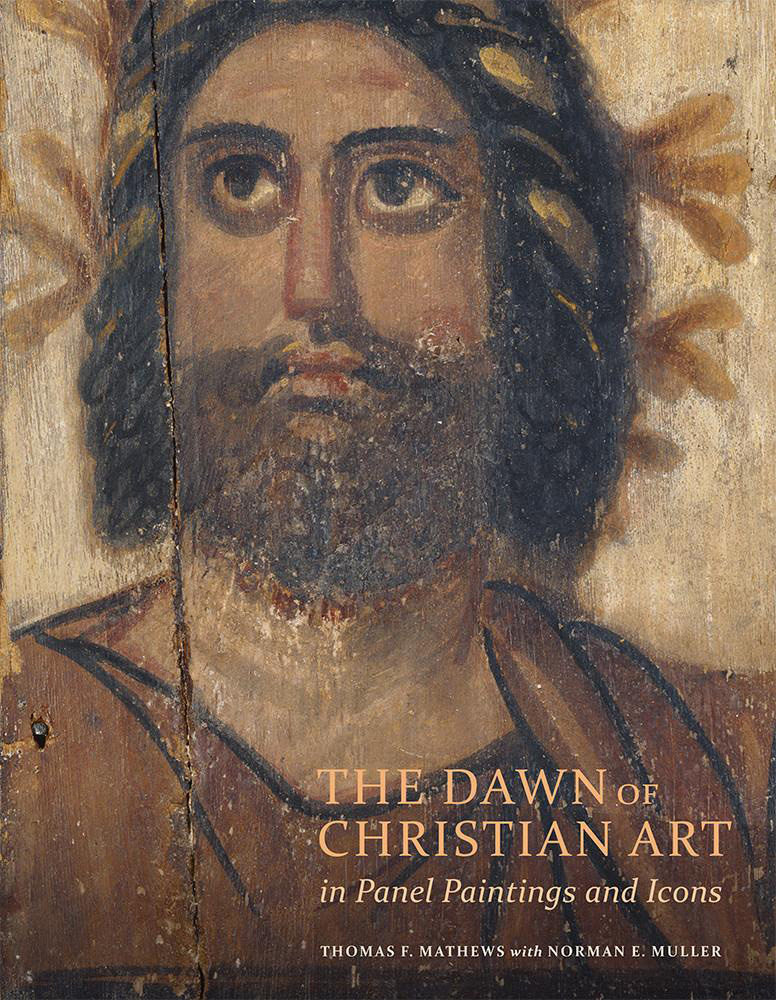
The Dawn of Christian Art in Panel Paintings and Icons
This book presents a compelling argument for a lost link between the panel-painting tradition of Greek antiquity and Christian paintings of Byzantium and the Renaissance.
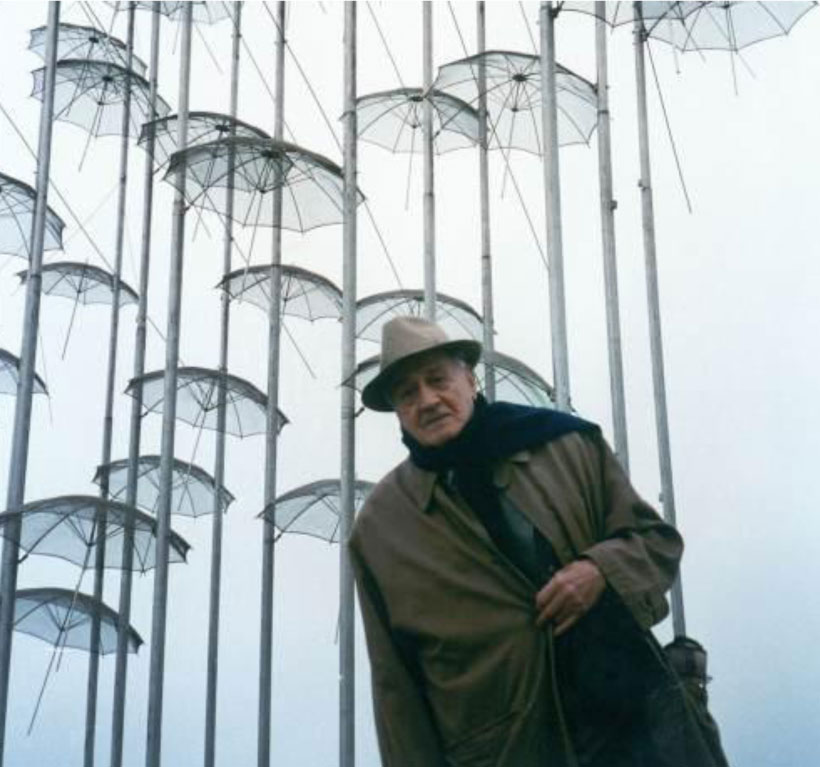
The Zongolopoulos “Umbrellas” in Egypt
George Zongolopoulos had shown his sculptures in Egypt in 1946, participating in the International Exhibition of Cairo.
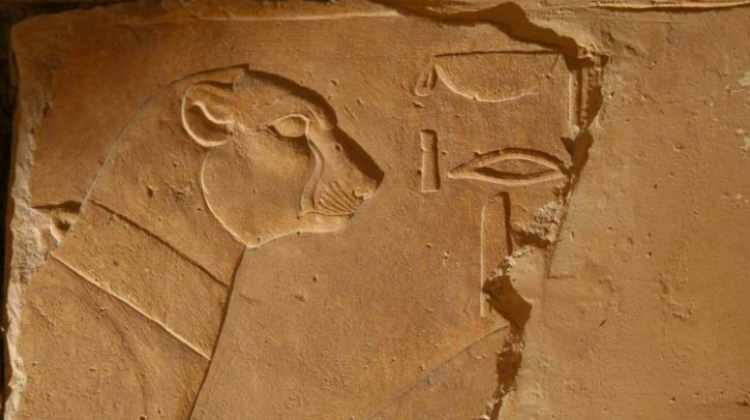
A secretary bird in the Temple of Hatshepsut
The only depiction of a bird of prey—the secretary bird—known from ancient Egypt come from the Temple of Hatshepsut at Deir el-Bahari.
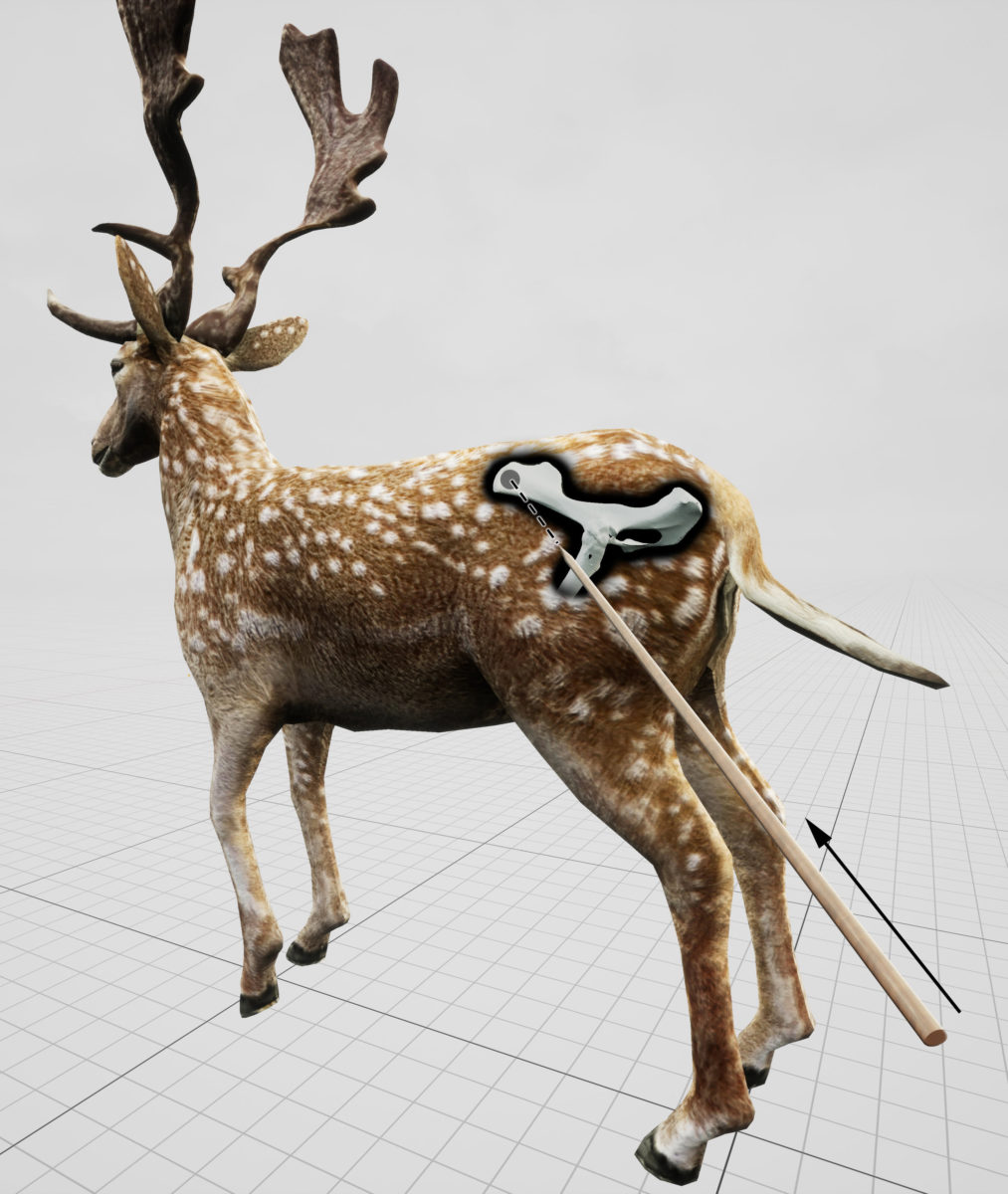
Neanderthals were capable of sophisticated, collective hunting strategies
Neanderthals used sophisticated weapons and hunting strategies, according to new bone analysis.
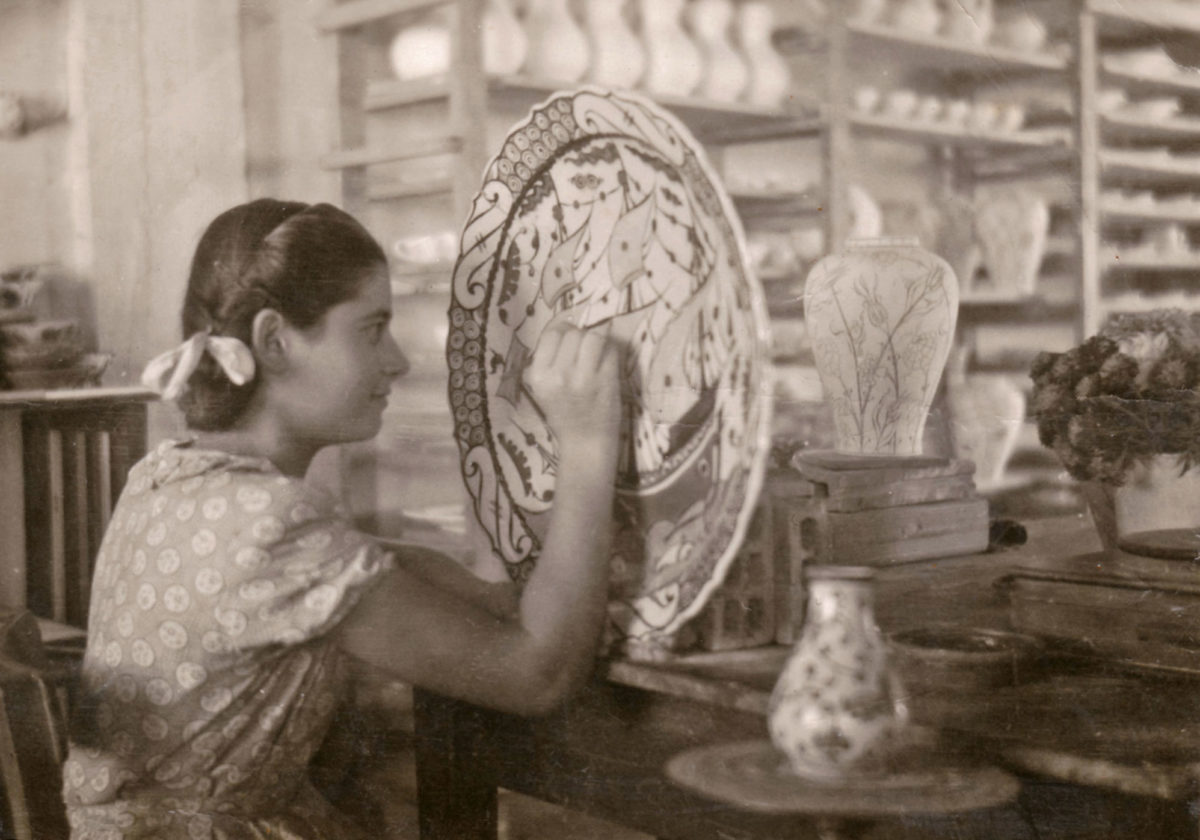
ICARO – ΙΚΑΡΟΣ The Factory of Rhodes 1928-1988
The exhibition presents the history and production of a company closely connected with Rhodes, that has been a key element of the island's economy for many decades.
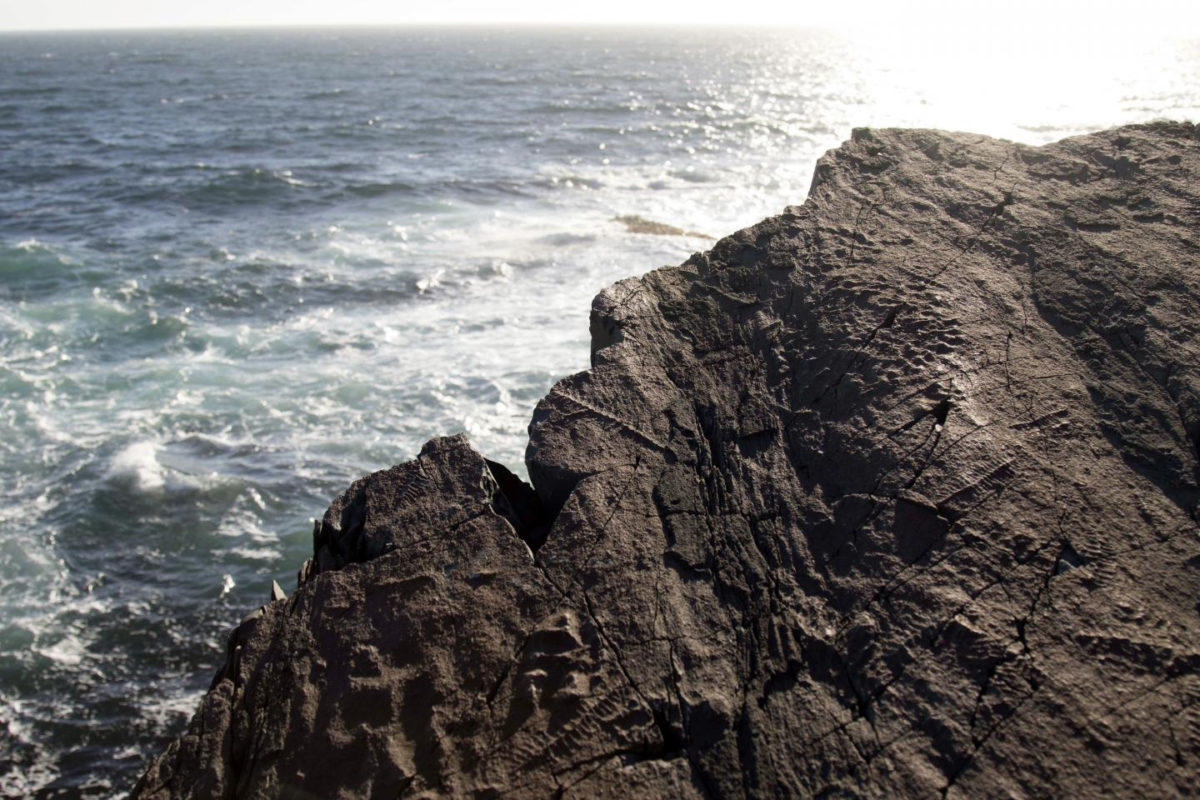
Why life on Earth first got big
Some of the earliest complex organisms on Earth – possibly some of the earliest animals to exist – got big not to compete for food, but to spread their offspring as far as possible.
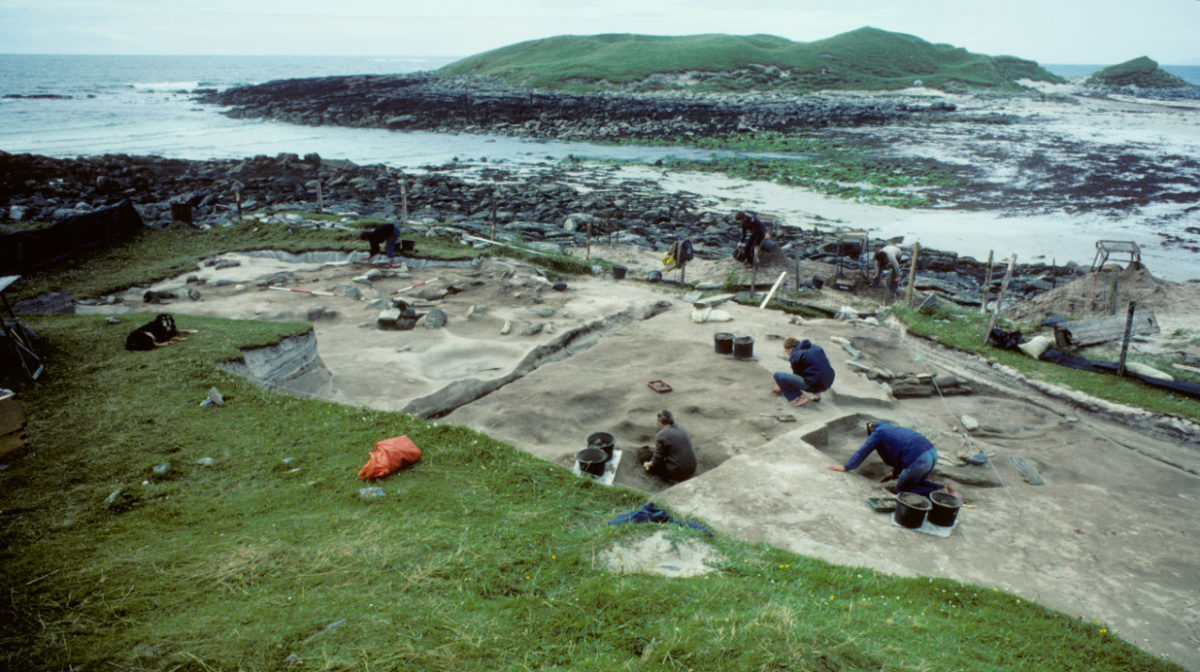
Life on the Edge
Newly published archaeological research from excavations undertaken at the Udal in North Uist reveals some of the hardships of life in Neolithic and early Bronze Age Scotland.
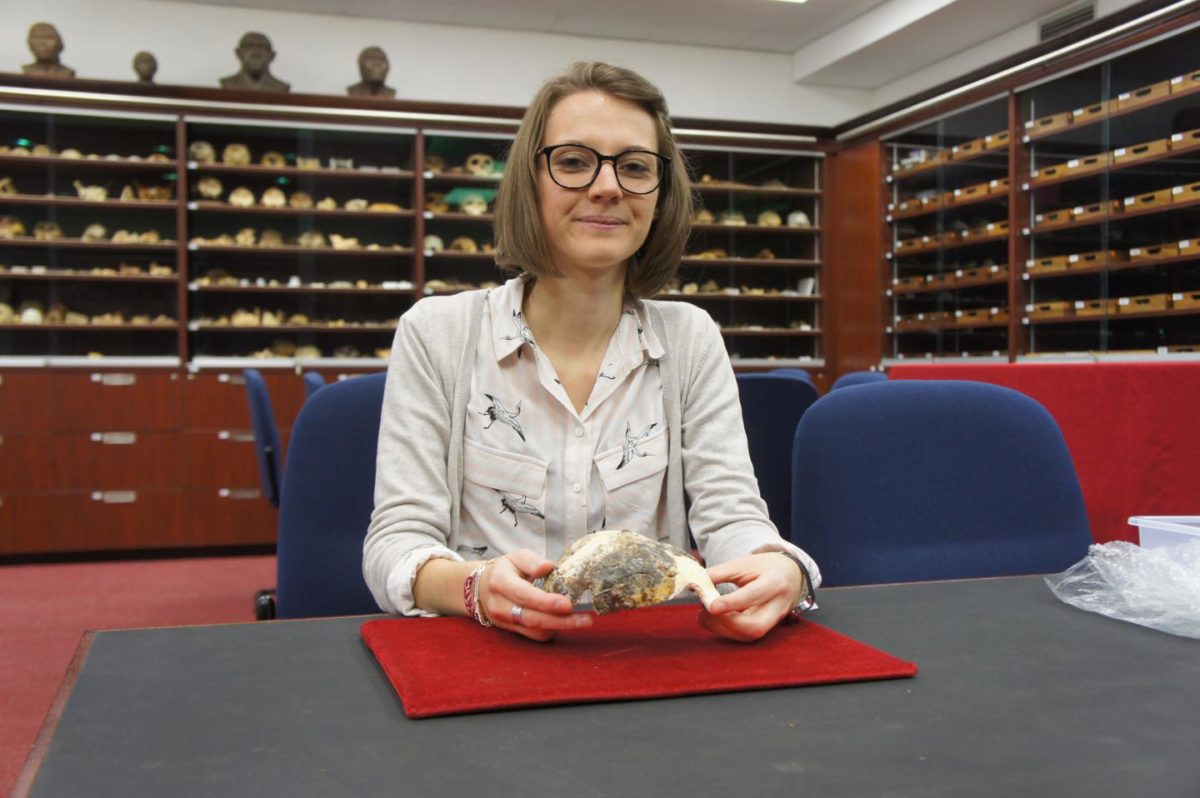
Cranium of a four-million-year-old hominin shows similarities to that of modern humans
The 'virtual' revisiting of a fossil described as 'the oldest evidence of human evolution in South Africa' shows surprising results.
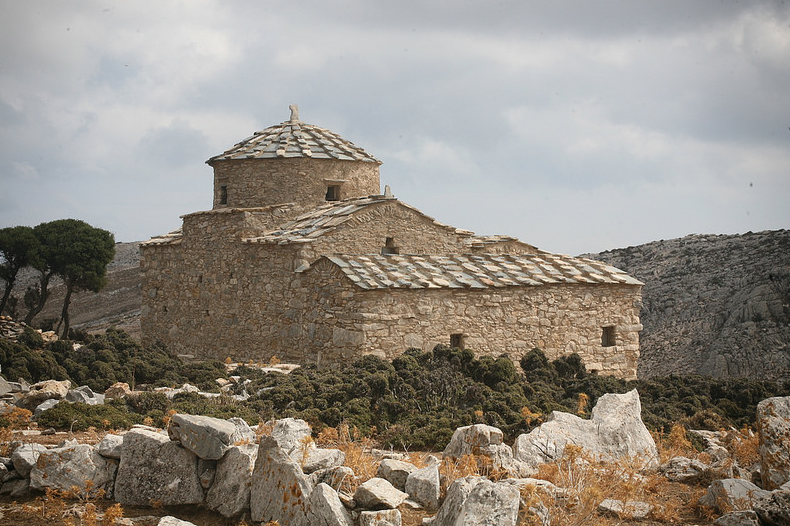
Europe’s top heritage award winners 2018 in Berlin
The winners of the 2018 EU Prize for Cultural Heritage / Europa Nostra Awards, Europe’s top honour in the field, were celebrated this evening during a high-profile awards ceremony in Berlin.
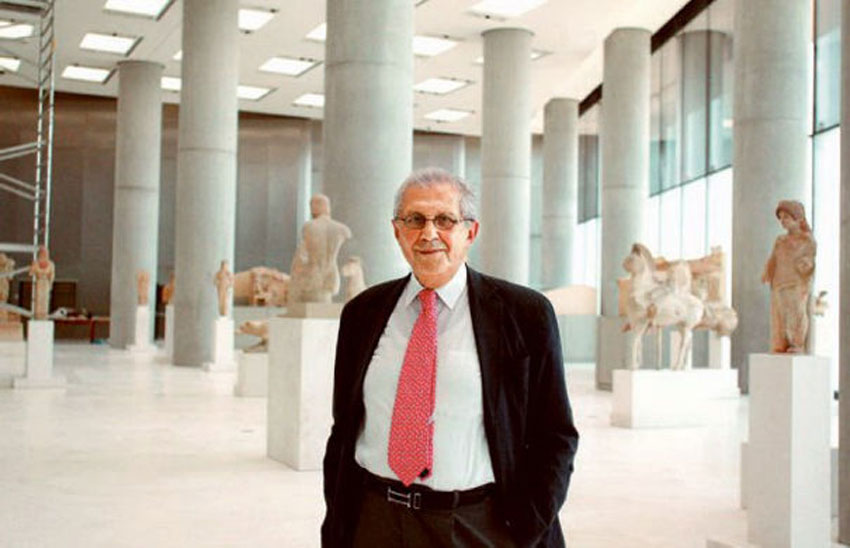
The Acropolis Museum celebrated nine years of operation
The number of English speakers is almost equal to that of the Greek, i.e. about 300,000.
Summer school in ancient languages
A one-week summer school in ancient languages is taking place in the center of France, Auvergne.
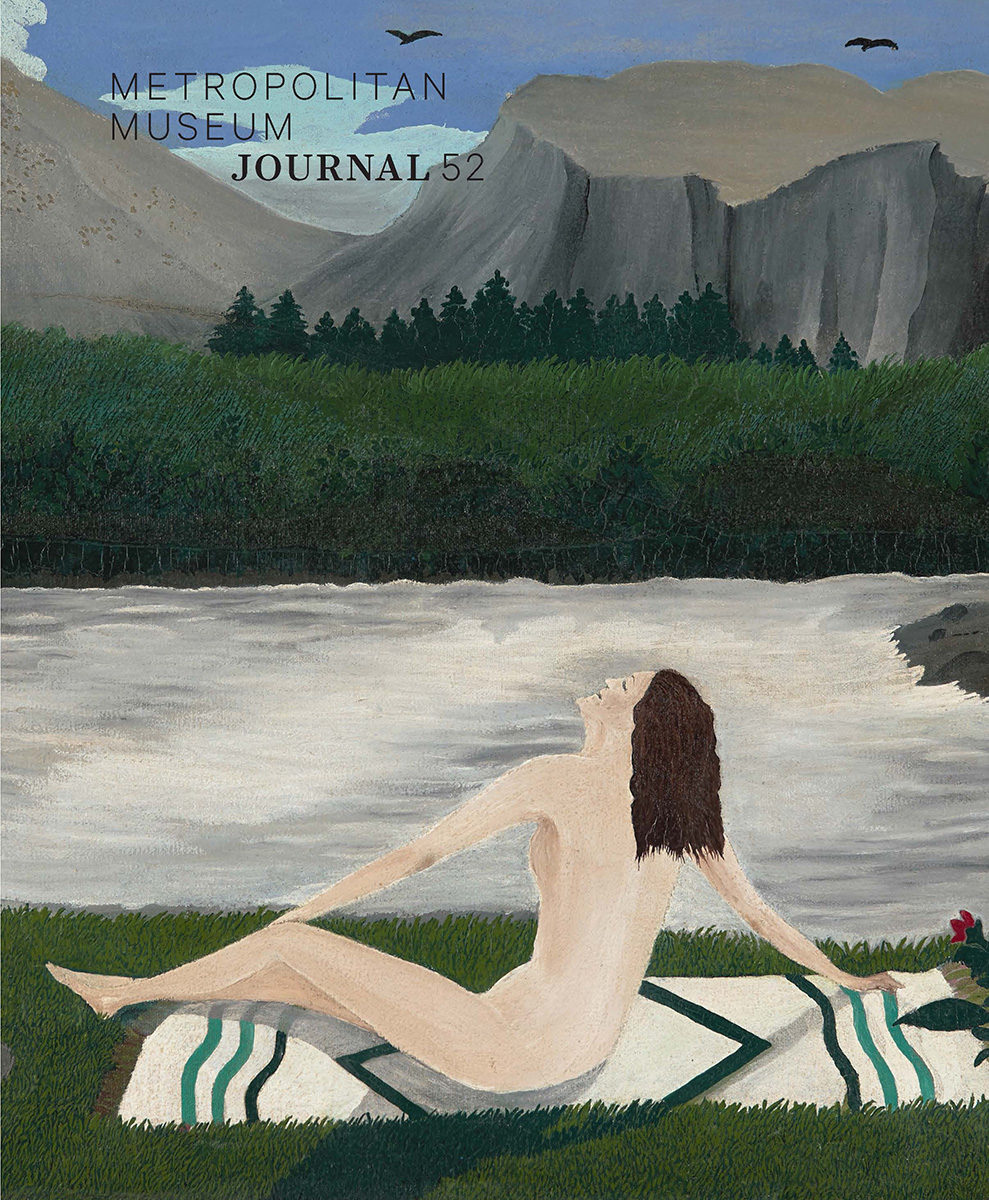
Call for Articles: Metropolitan Museum Journal
The Editorial Board of the peer-reviewed Metropolitan Museum Journal invites submissions of original research on works of art in the Museum's collection.

The lady’s ape
A new genus and species of gibbon has been identified in the most unexpected of places – interred in the tomb of an ancient Chinese noble-woman.
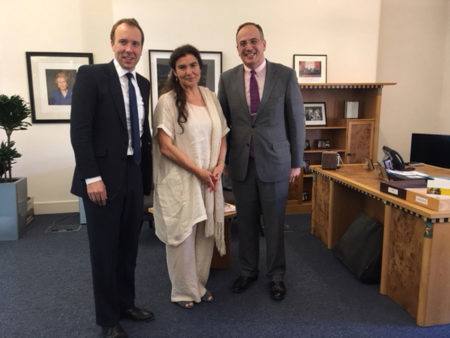
Meeting of the Minister of Culture with her counterpart in London
During the discussion, a multi-level cooperation was agreed on in the area of the arts and in the field of culture professionals.
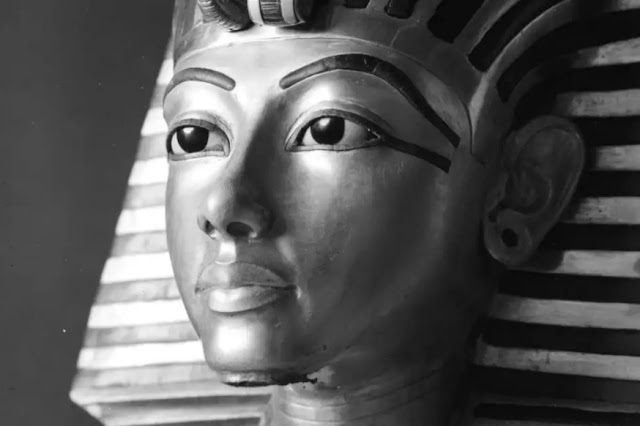
‘Photographing Tutankhamun’ exhibition reveals historical context behind pioneering images
Iconic photography taken during the decade-long excavation of King Tutankhamun’s tomb has gone on display at Cambridge University’s Museum of Archaeology and Anthropology (MAA).
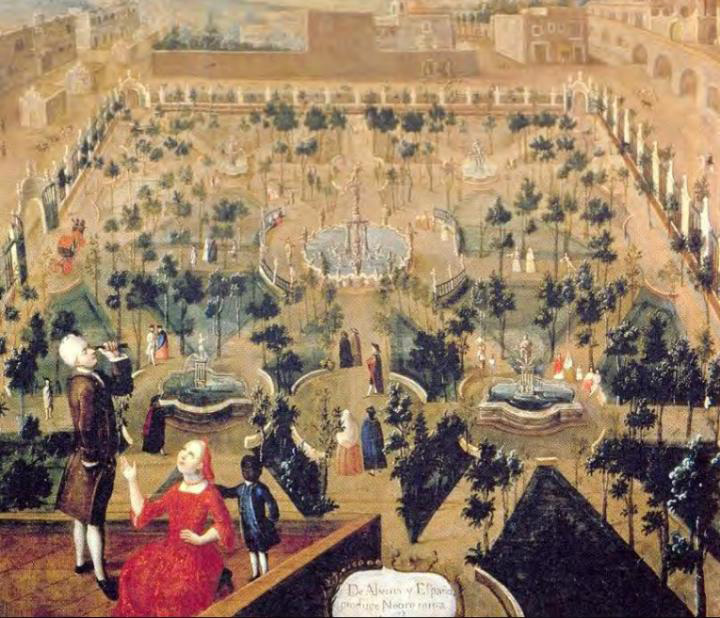
First ancient syphilis genomes decoded
Researchers recovered three genomes of the bacterium Treponema pallidum from skeletal remains from colonial-era Mexico.
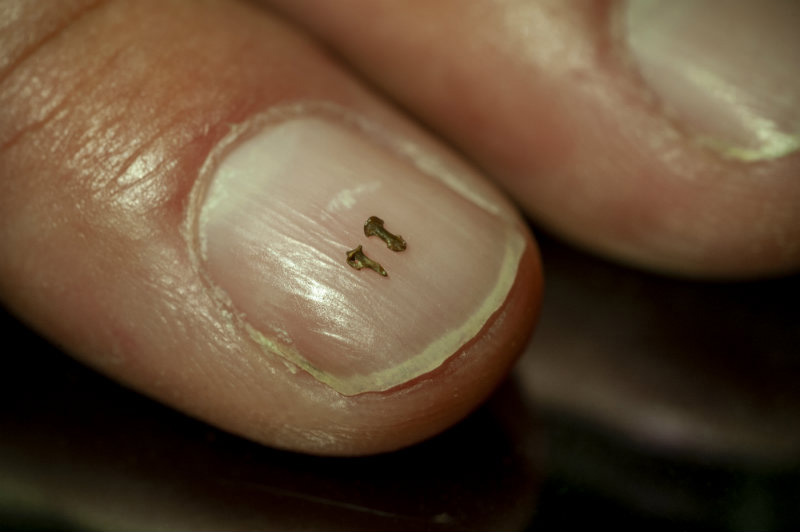
Fossils show ancient primates had grooming claws as well as nails
New fossil evidence shows that ancient primates – including one of the oldest known, Teilhardina brandti – had specialized grooming claws as well as nails.
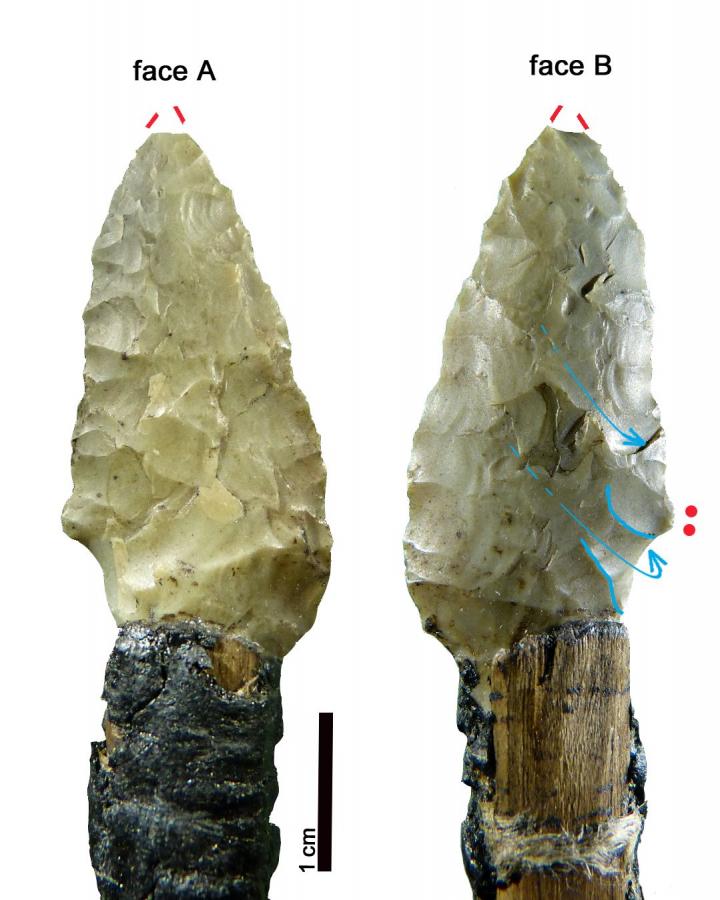
Stone tools from ancient mummy reveal how Copper Age mountain people lived
In this study, the researchers analyzed the Iceman's chert tools to learn more about his life and the events that led to his tragic death.
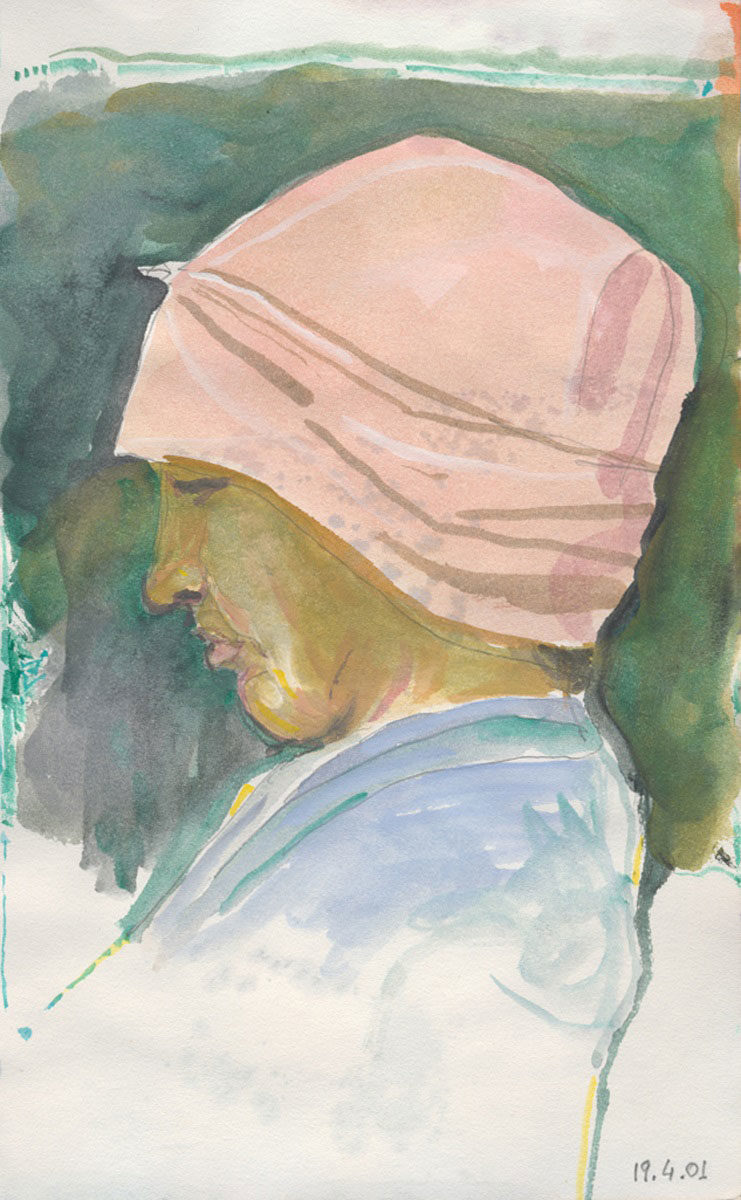
“Painted Memories” by Chronis Botsoglou
The exhibition “Painted Memories” invites visitors to “feel” Botsoglou’s “gaze” through his drawings and notes.
Swedes have been brewing beer since the Iron Age
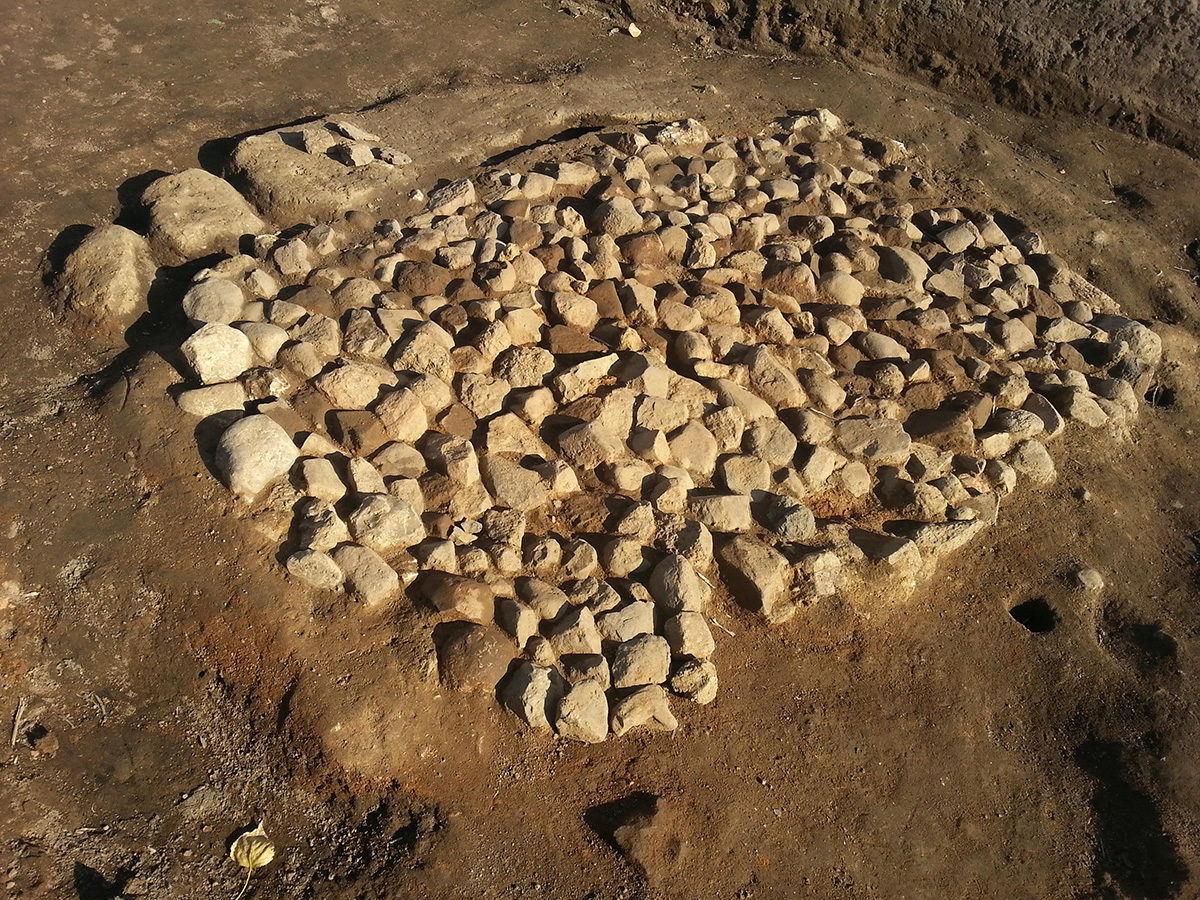
Carbonised germinated grains found showing that malt was produced for beer brewing as early as the Iron Age in the Nordic region.
Montana burial site answers questions about early humans
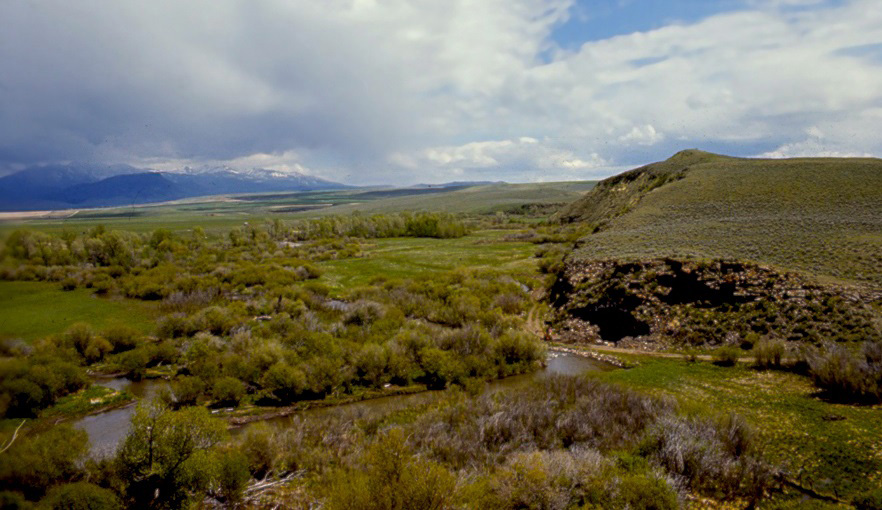
Scientists have shown that at the Anzick site in Montana – the only known Clovis burial site – the skeletal remains of a young child and the antler and stone artifacts found there were buried at the same time.
Thessaloniki. Costakis Collection. Restart
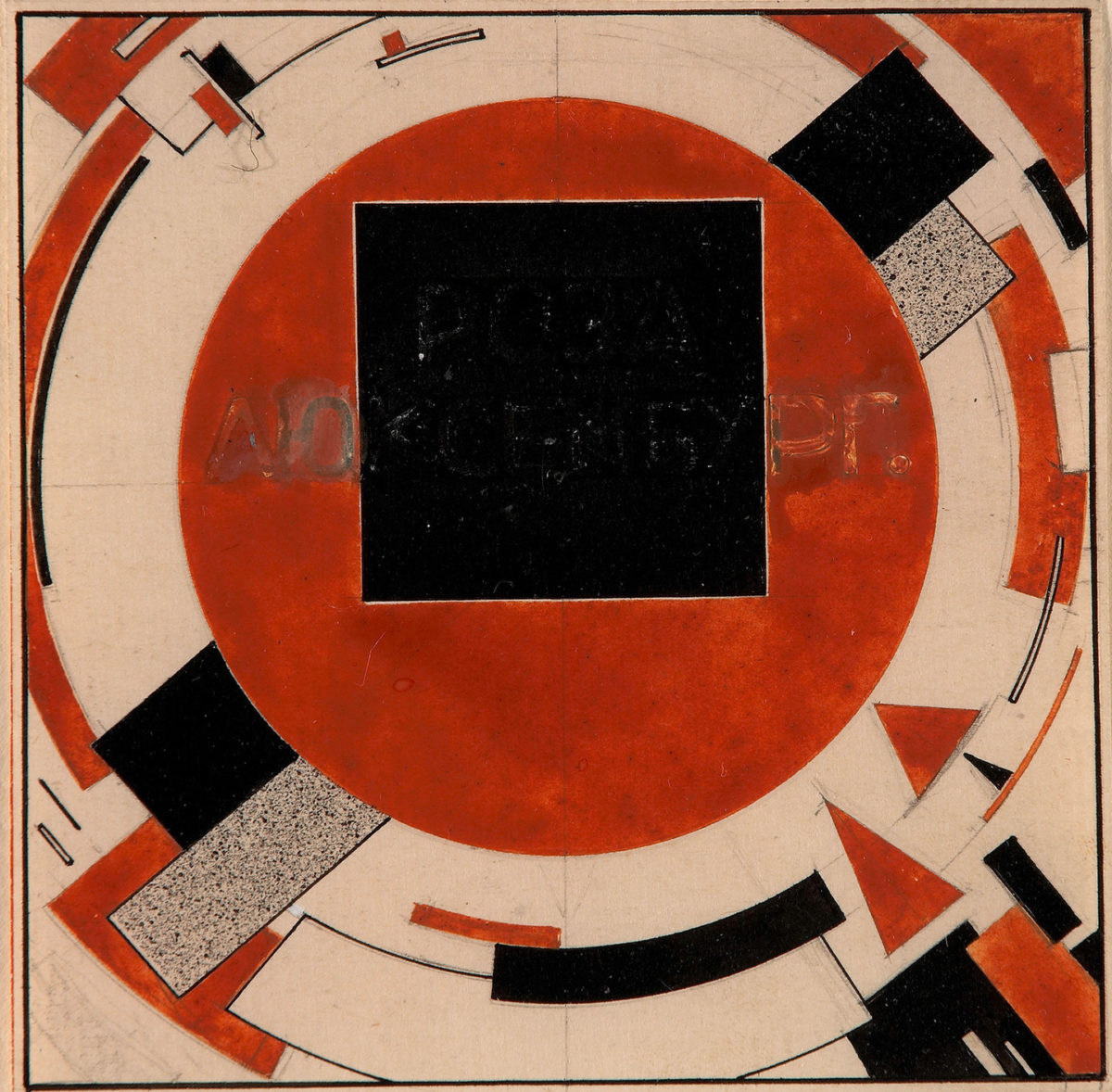
The exhibition "Thessaloniki. Costakis Collection. Restart" will be shown June 29 – September 16, 2018 at the State Museum of Contemporary Art Moni Lazariston.
Finds in Wadi Umm Tineidba, Eastern Desert
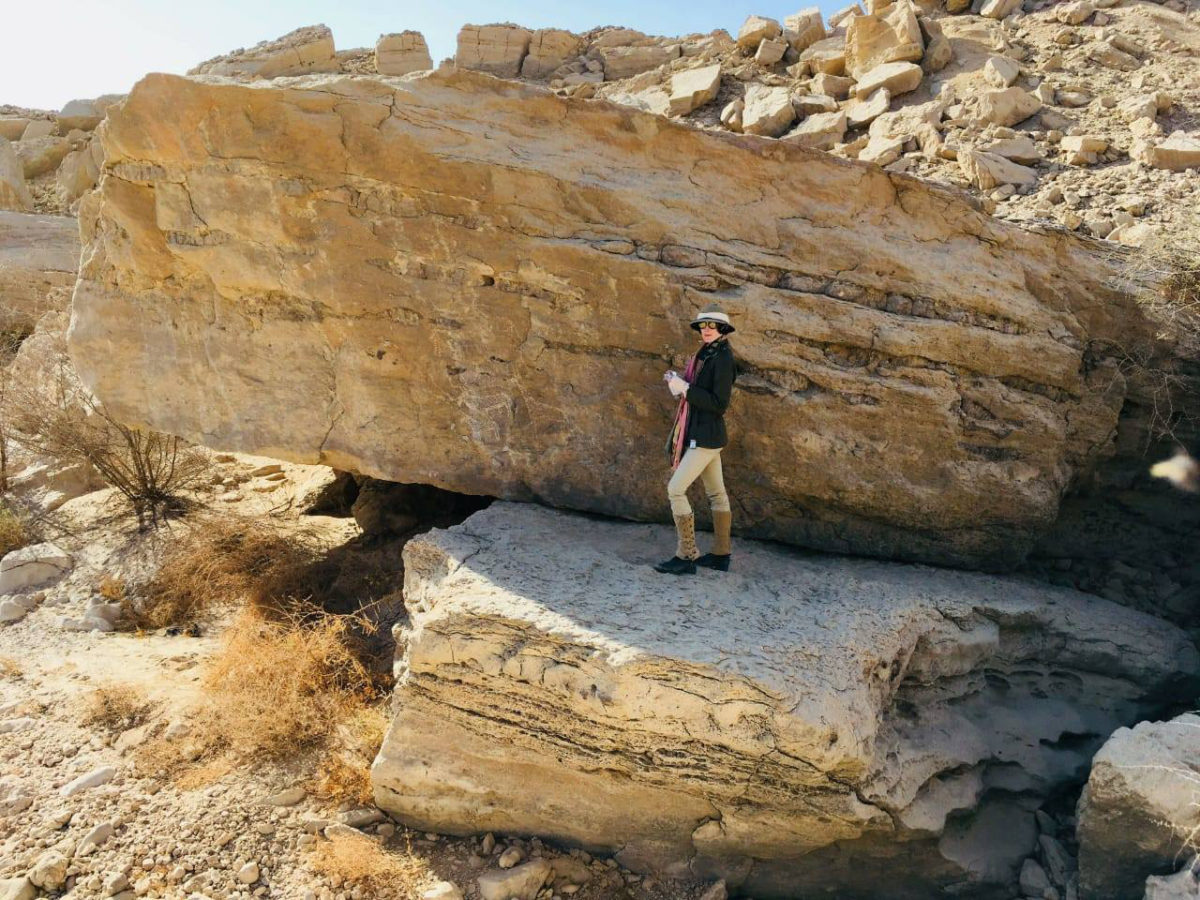
An Egyptian-American archaeological mission from Yale University found extensive flint- working areas at the Bir Umm Tineidba site, located in Egypt’s Eastern Desert.