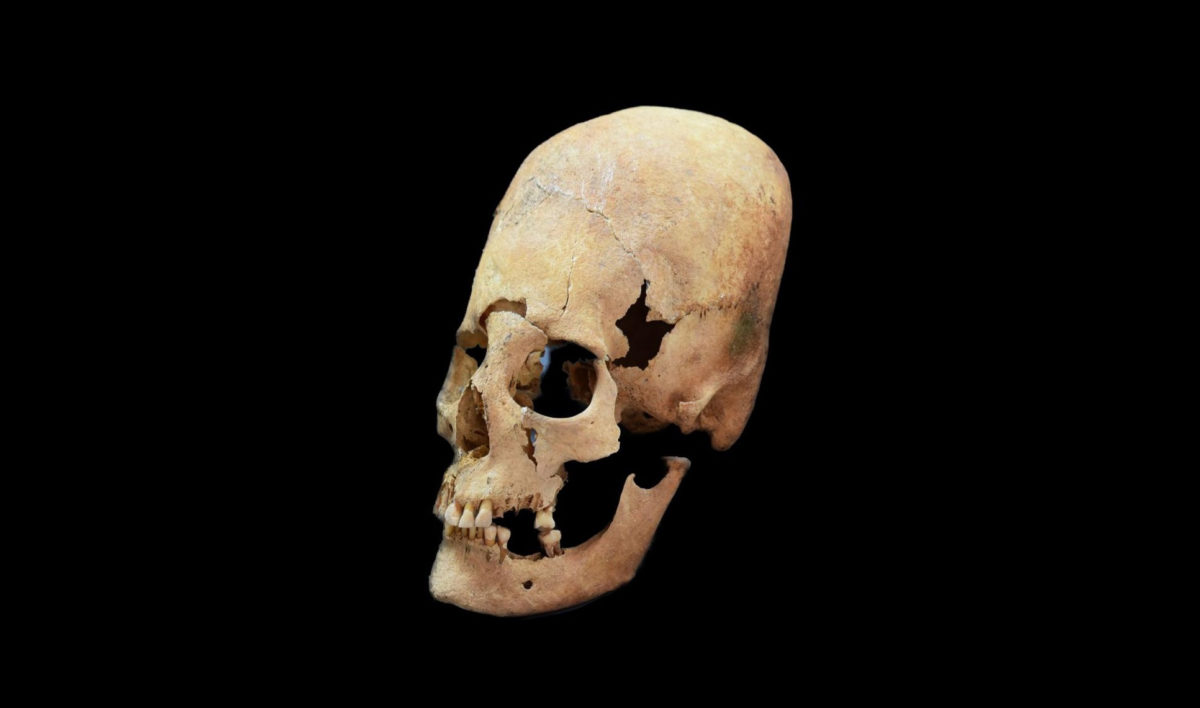
New insights into the origin of elongated heads in early medieval Germany
The transition from Late Antiquity to the Middle Ages in Europe is marked by two key events in European history, i.e., the fall of the Western Roman Empire and the migration into this Empire by various barbarian tribes.
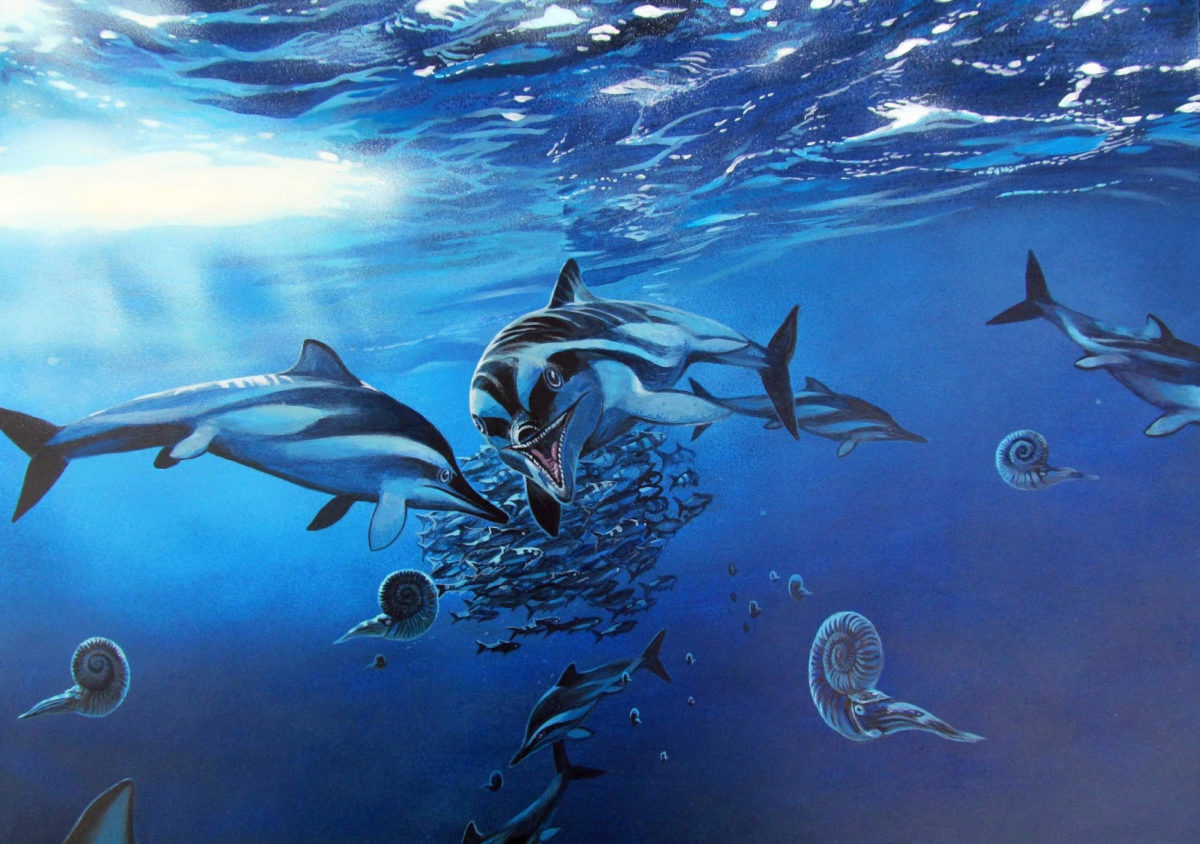
Are Palaeontologists Naming Too Many Species?
A common British Jurassic ichthyosaur (sea-going reptile) also known as 'Sea Dragons', has provided important information into recognizing new fossil species.
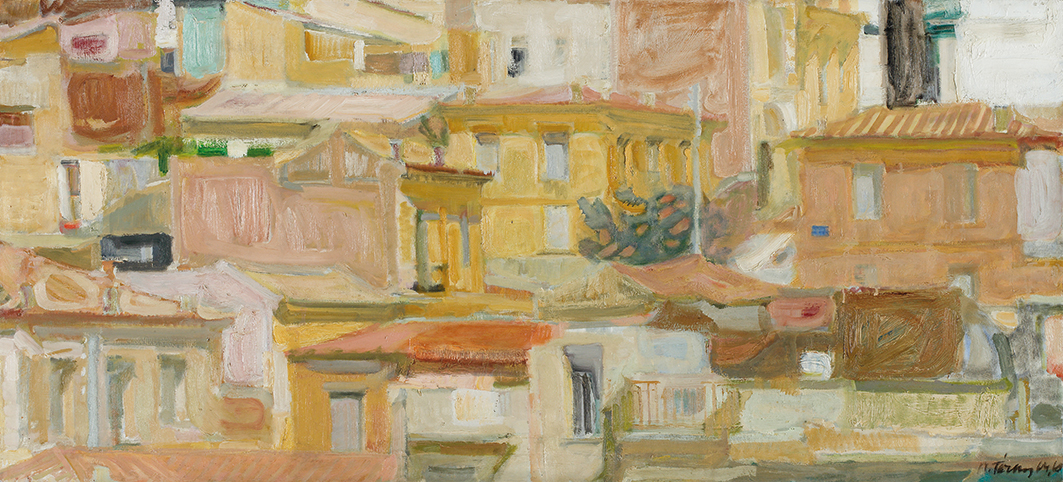
Frames of Reference from the Bank of Greece Collection
On the occasion of the 90th anniversary of the Bank of Greece, the Centre for Culture, Research and Documentation of the Bank and the Benaki Museum present an exhibition entitled Frames of Reference. From the Bank of Greece Collection, at the Pireos St. Annexe of the Benaki Museum.
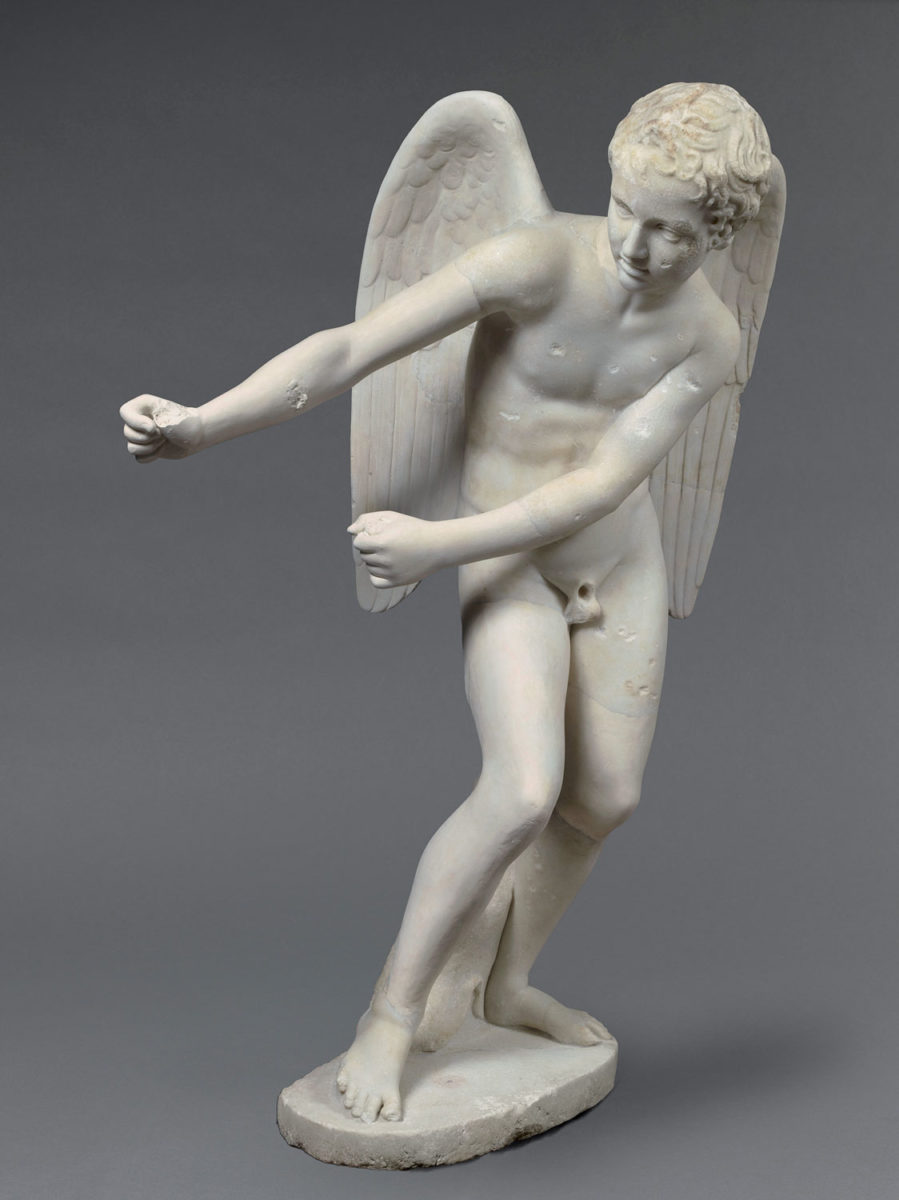
Onassis Foundation USA Wins GFAA Audience Award for A World of Emotions
The Onassis Cultural Center New York is the winner of the Global Fine Art Awards’ 2017 Youniversal Award, the audience award determined by popular vote.
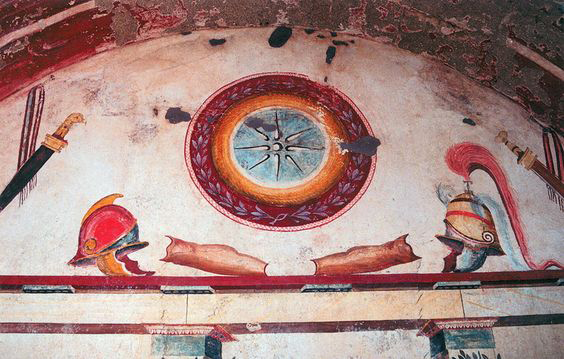
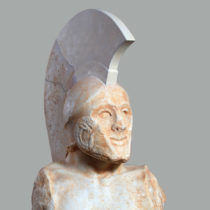
Macedonia After Alexander: The Antigonids and Their Kingdom
The conference "Macedonia After Alexander: The Antigonids and Their Kingdom" will take place in June, in the University of Exeter.
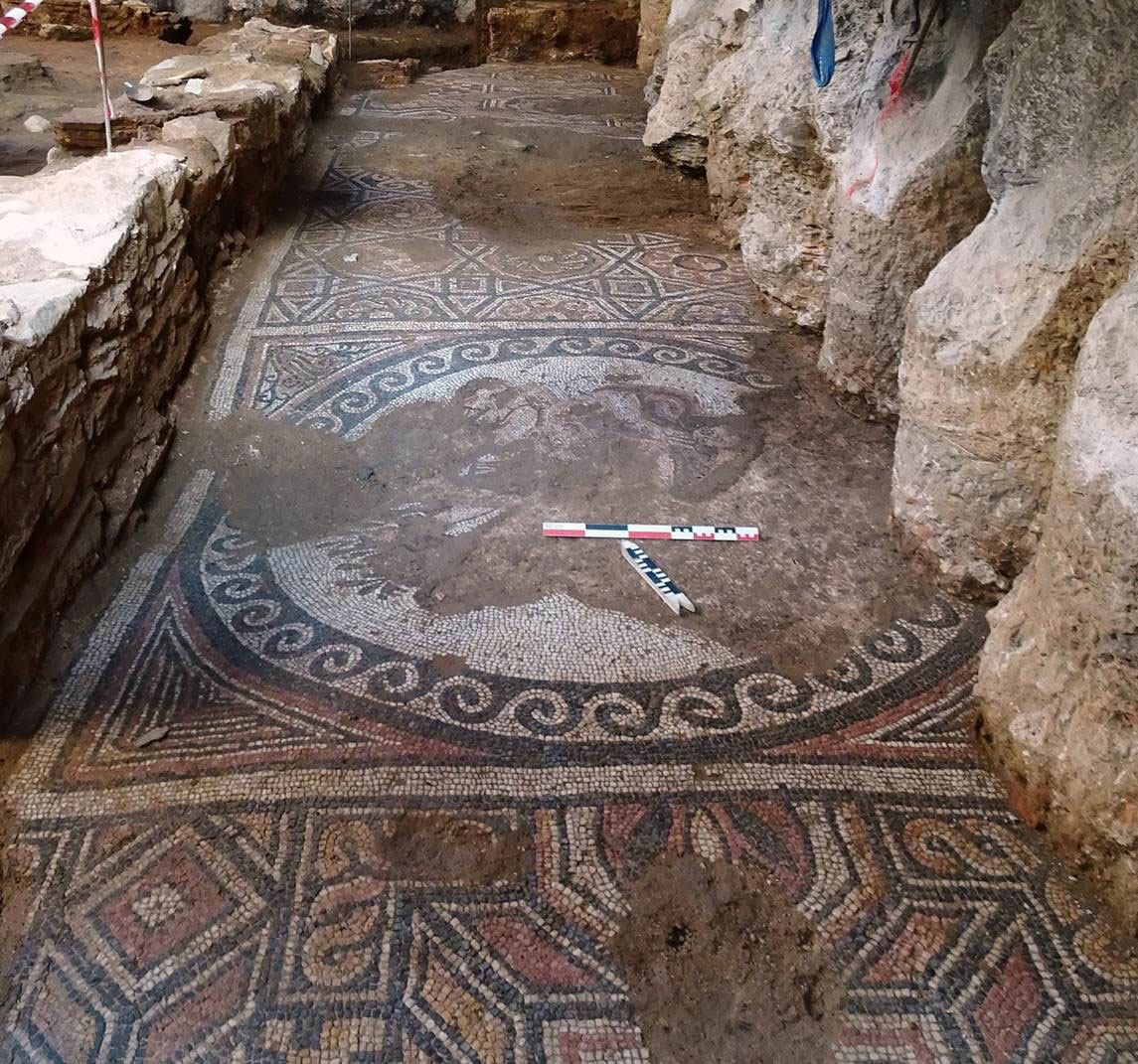
The mosaic floors found in Thessaloniki Metro will be detached and conserved
The very well preserved hypocaust bath found at the same site will also be removed to be used as an exhibit.
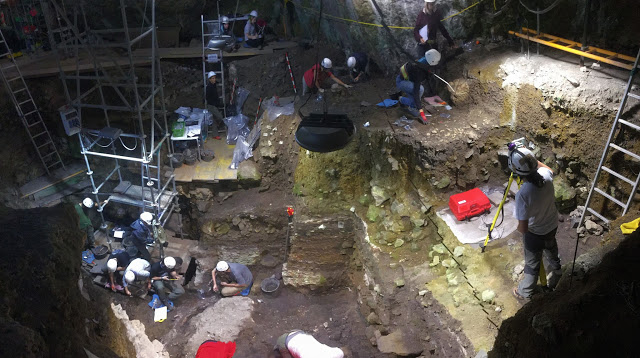
Genetic prehistory of Iberia differs from central and northern Europe
An international team of researchers combined archaeological, genetic and stable isotope data to encapsulate 4000 years of Iberian biomolecular prehistory.
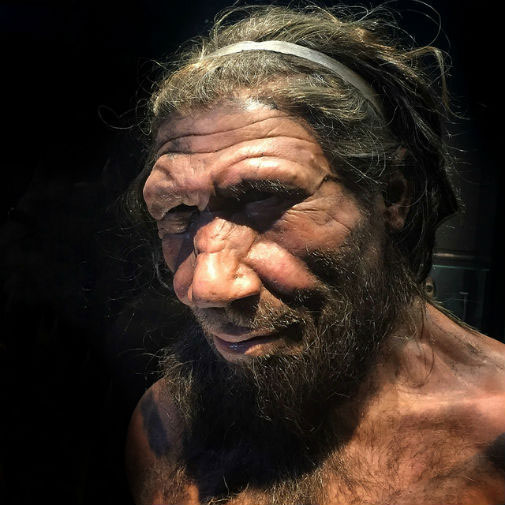
Compassion helped Neanderthals to survive, new study reveals
They have an unwarranted image as brutish and uncaring, but new research has revealed just how knowledgeable and effective Neanderthal healthcare was.
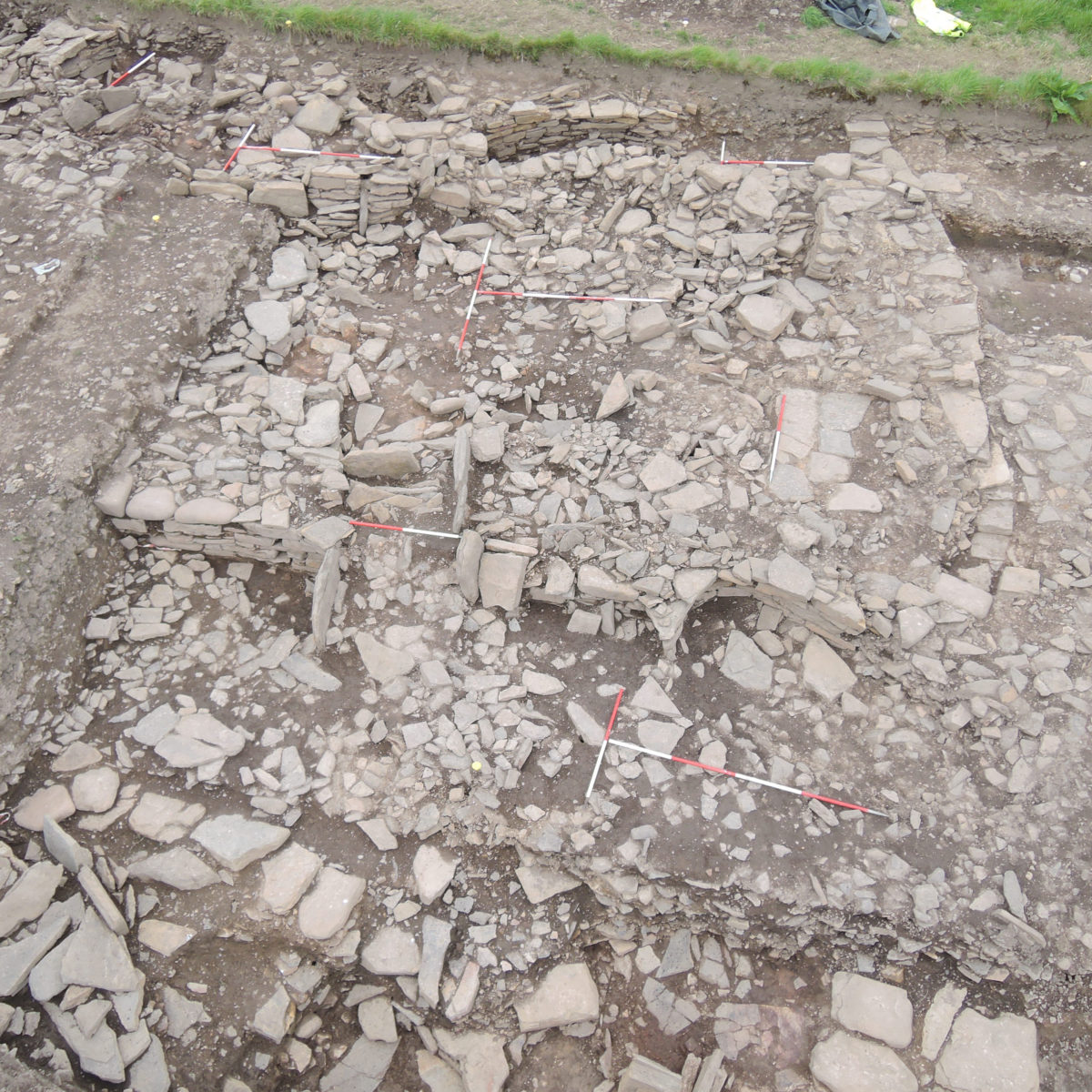
New Radiocarbon Dates shed light on changes in Iron Age Society in Orkney
The Cairns archaeology dig is situated on a wild and wind-swept cliff above Windwick Bay in South Ronaldsay, Orkney.
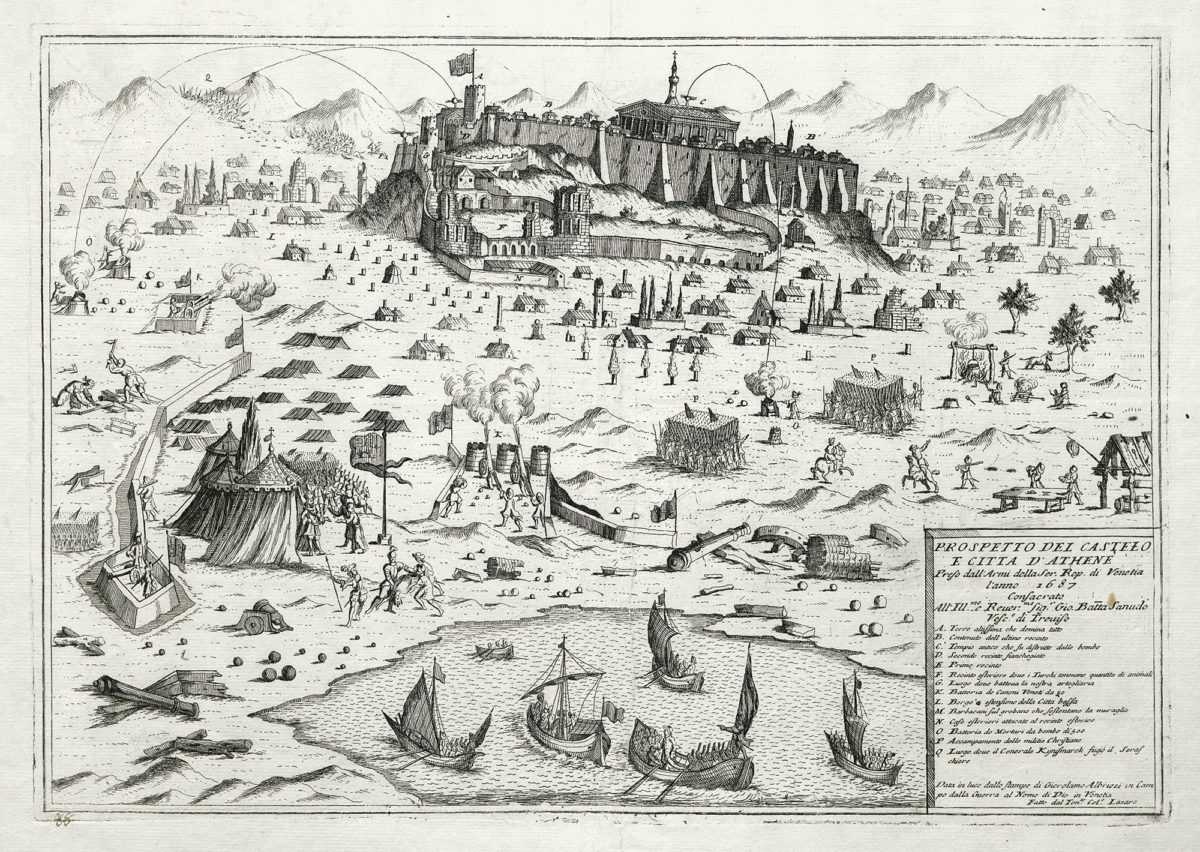
Travels in Greece from the 15th to the 19th century
For the first time, the Benaki Museum is exhibiting material from the collection of historical and travel publications of the Efstathios Finopoulos Collection.
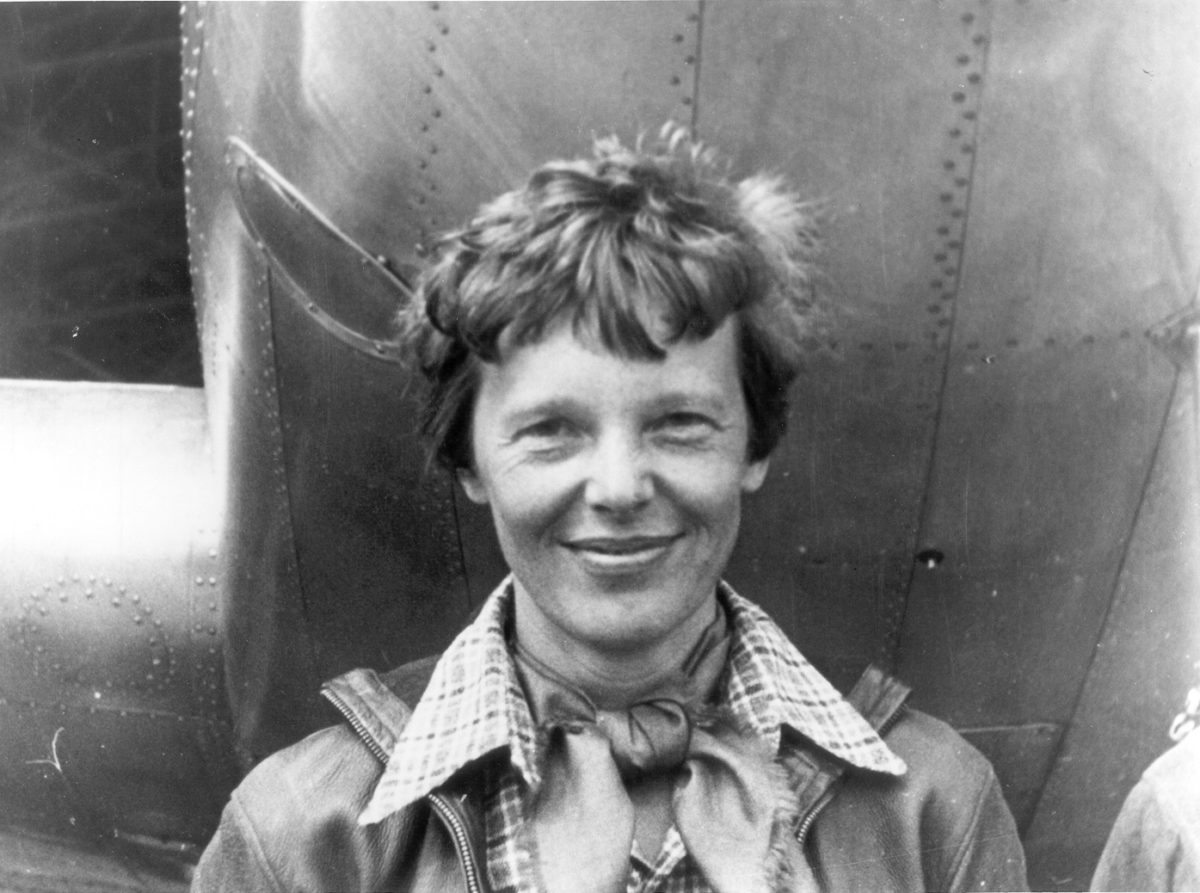
New forensic analysis indicates bones were Amelia Earhart’s
Bone measurement analysis indicates that the remains found on a remote island in the South Pacific were likely those of legendary American pilot Amelia Earhart.
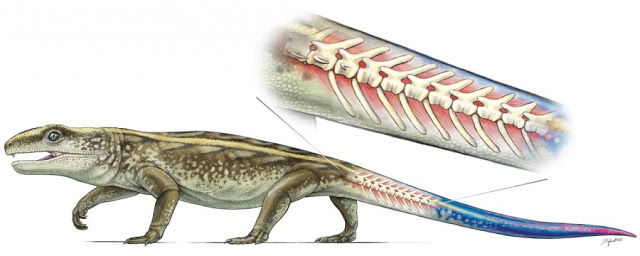
Ancient reptile Captorhinus could detach its tail to escape predator’s grasp
If a predator grabbed hold of one of these reptiles, the vertebra would break at the crack and the tail would drop off.
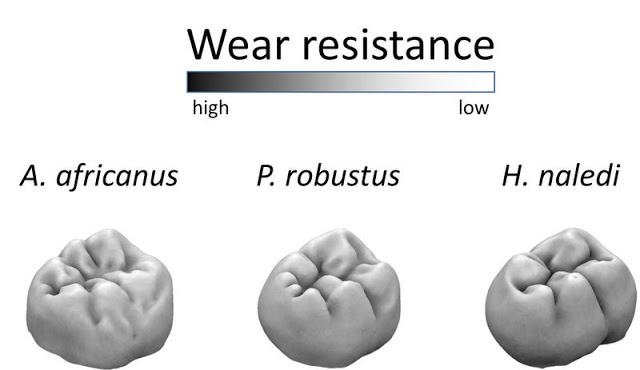
Homo Naledi had wear-resistant molars
Homo naledi's relatively taller and more wear resistant molars enabled it to have a much more abrasive diet than other South African hominins.
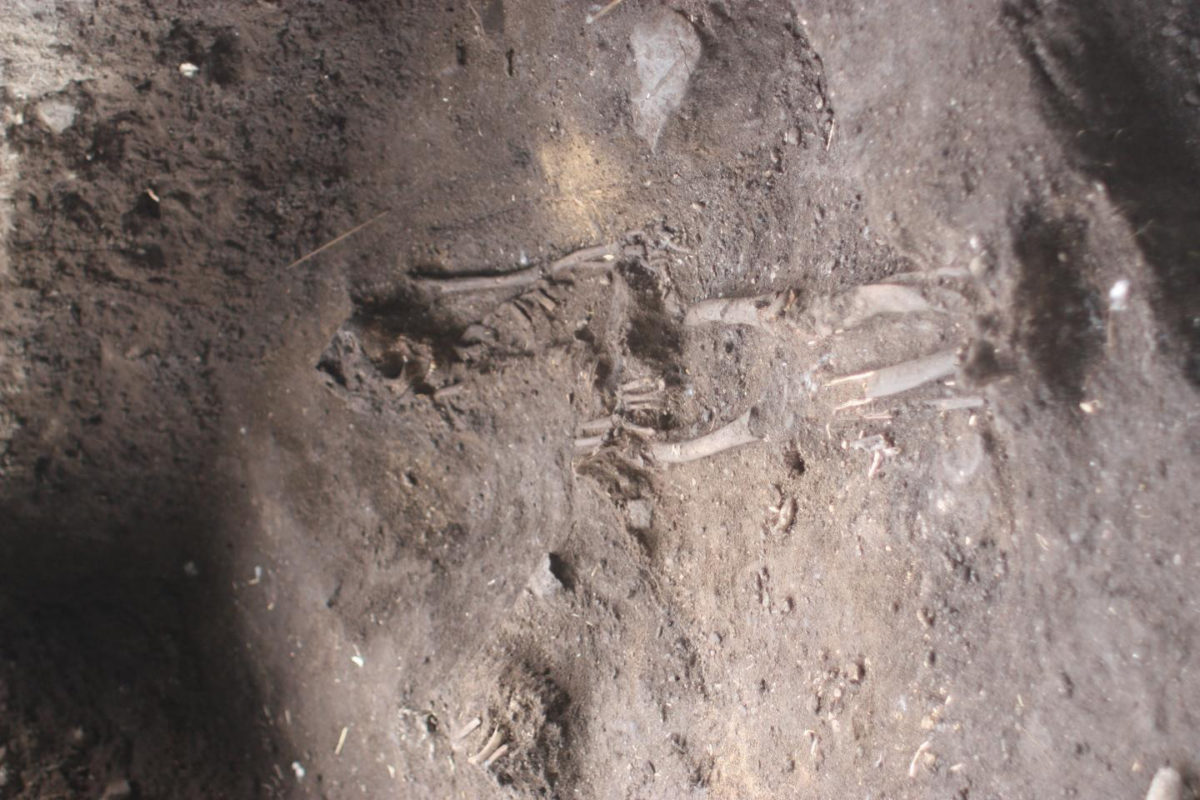
ANU research reveals genetic timeline of early Pacific settlers
Most comprehensive study ever conducted into the origins of people in Vanuatu – regarded as a geographic gateway from Asia to the Remote Pacific.
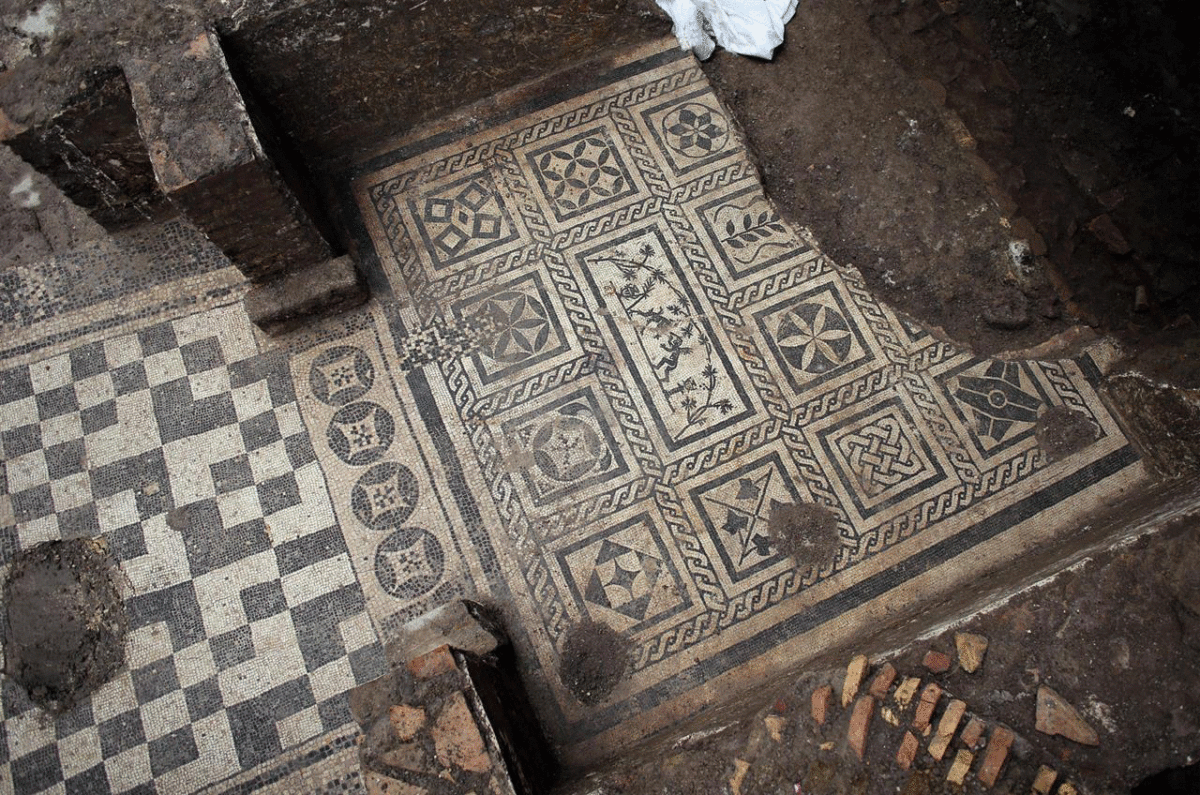
Ancient domus found during subway line works in Rome
Works for a new subway line in Rome have once more revealed an ancient house with a central courtyard.
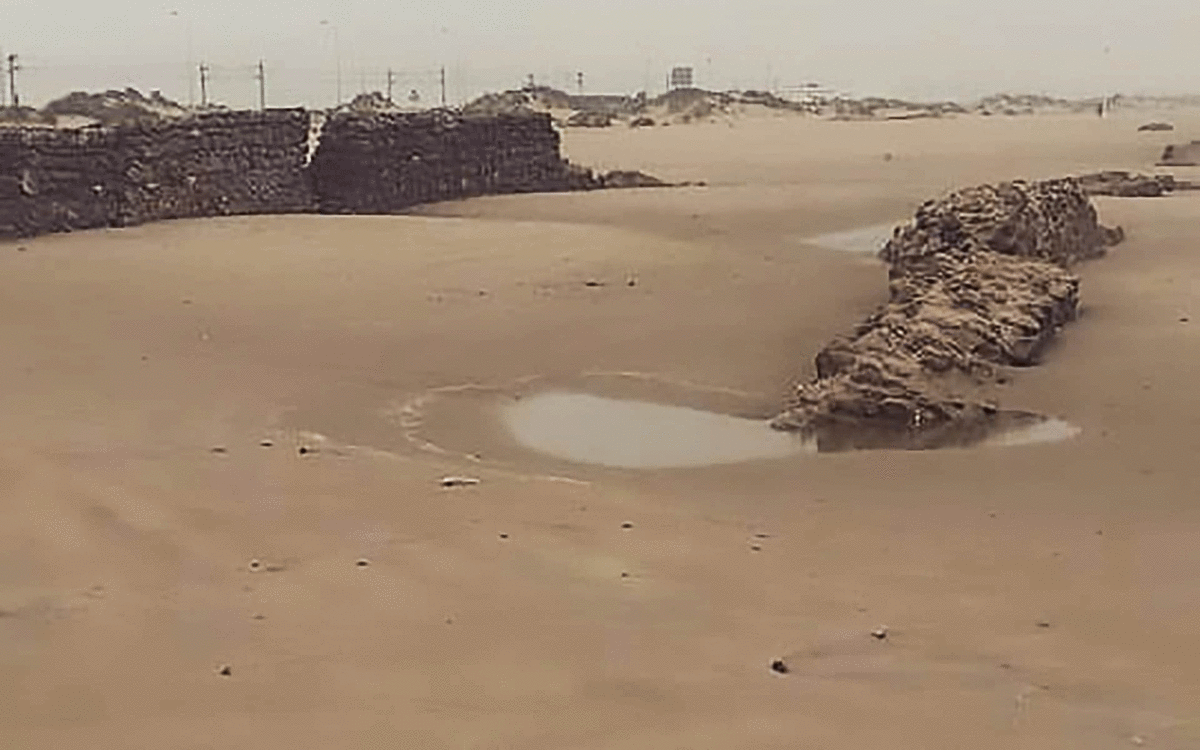
Ancient Roman aqueduct revealed after Storm Emma
Roman remains of a road and an aqueduct have been revealed in southern Spain after large amounts of sand were removed due to Storm Emma.
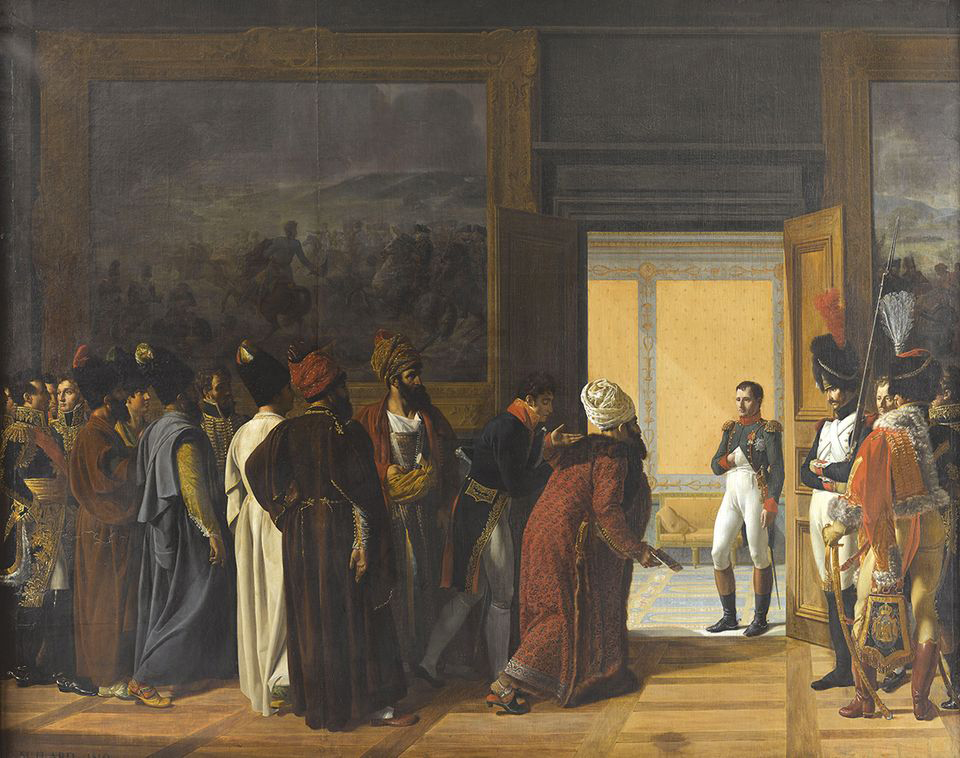
The Louvre at Tehran
The Louvre in Tehran is the first large-scale exhibition by a major Western museum in Iran and an outstanding cultural and diplomatic event for both countries.
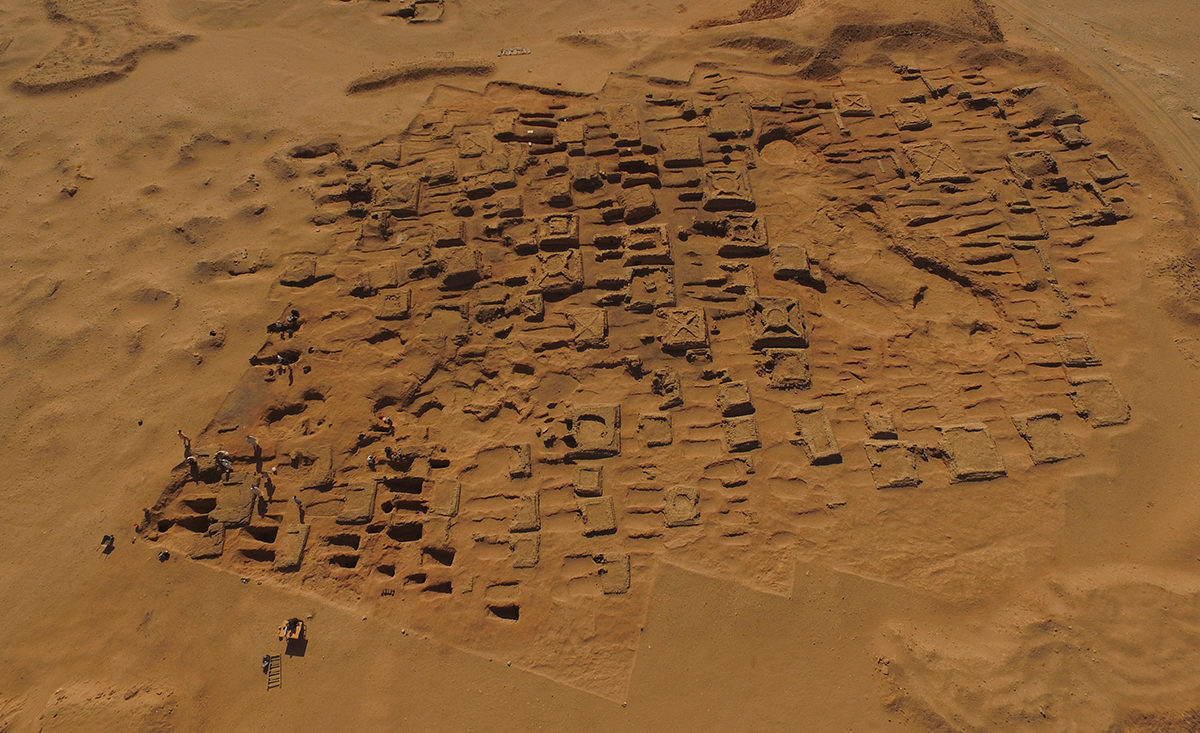
Ancient Nubia: In the footsteps of the Napata and Meroe kingdoms
The archaeological site of Sedeinga is located in Sudan, a hundred kilometres to the north of the third cataract of the Nile, on the river’s western shore.
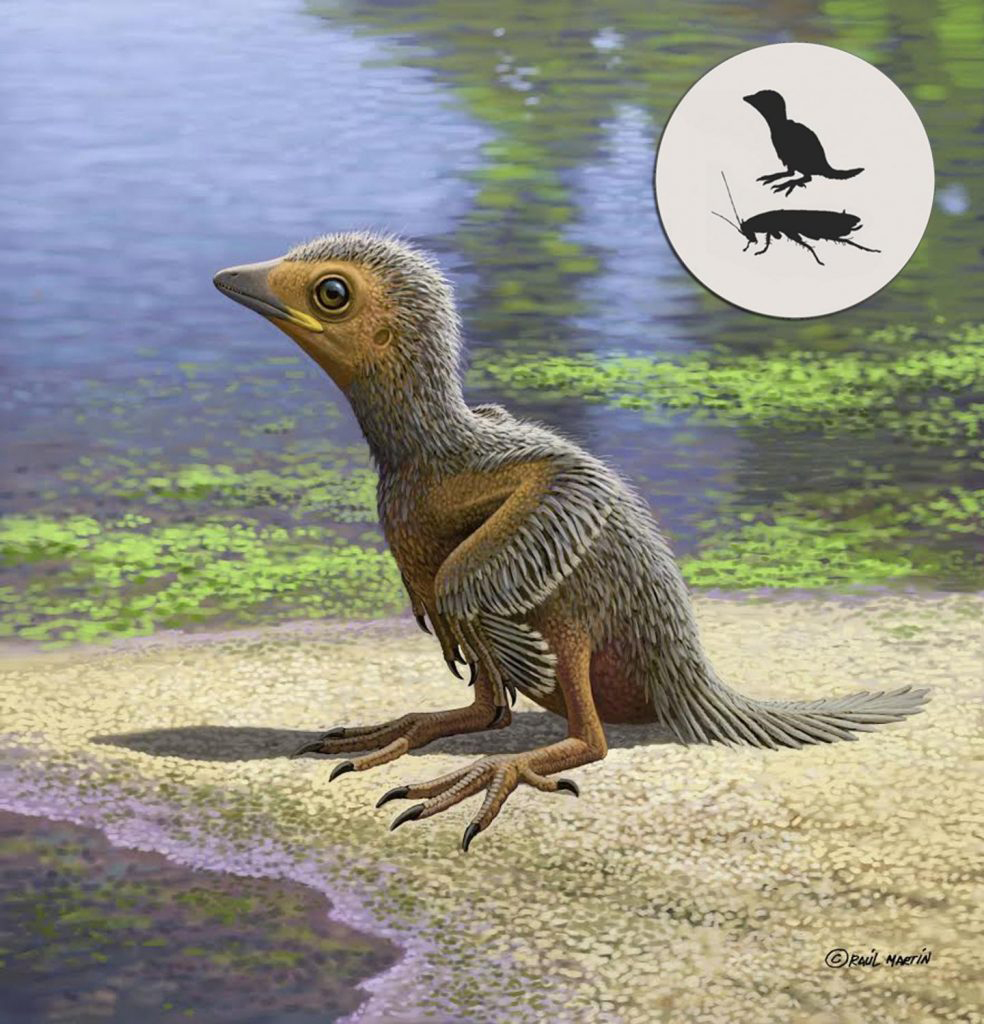
127-million-year-old baby bird fossil sheds light on avian evolution
The tiny fossil of a prehistoric baby bird is helping scientists understand how early avians came into the world in the Age of Dinosaurs.
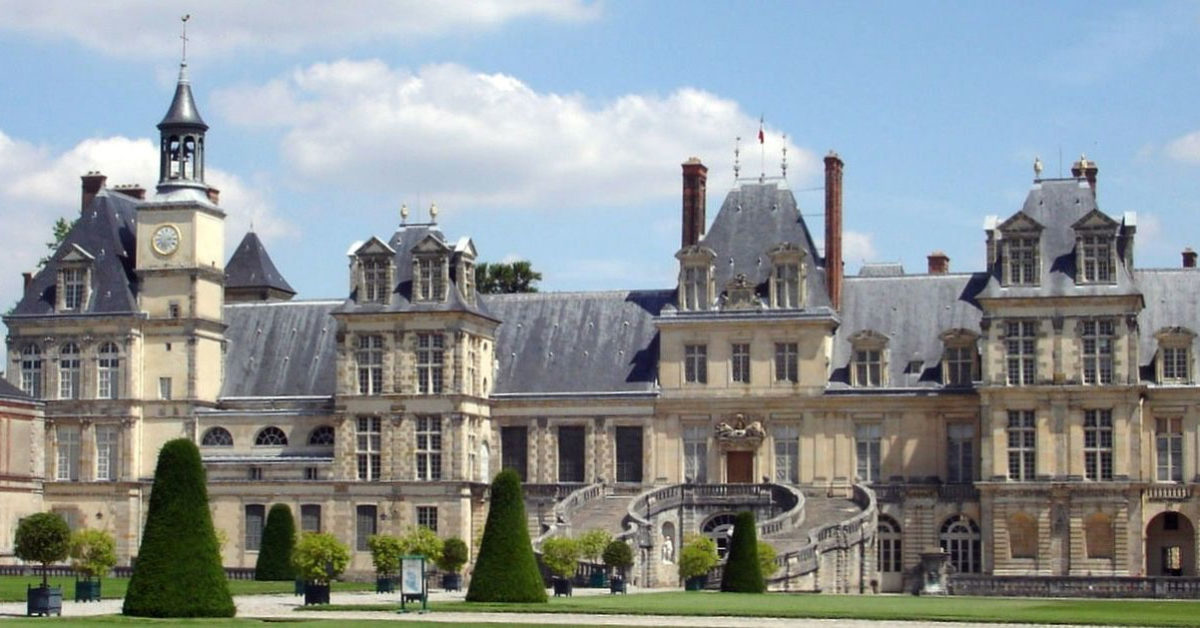
The Napoleon Museum is reopening at Fontainebleau Castle
Studies have shown that Napoleon I is France’s most well known personality abroad, which makes him the Chateau’s best ambassador, contributing to its increased popularity with visitors.
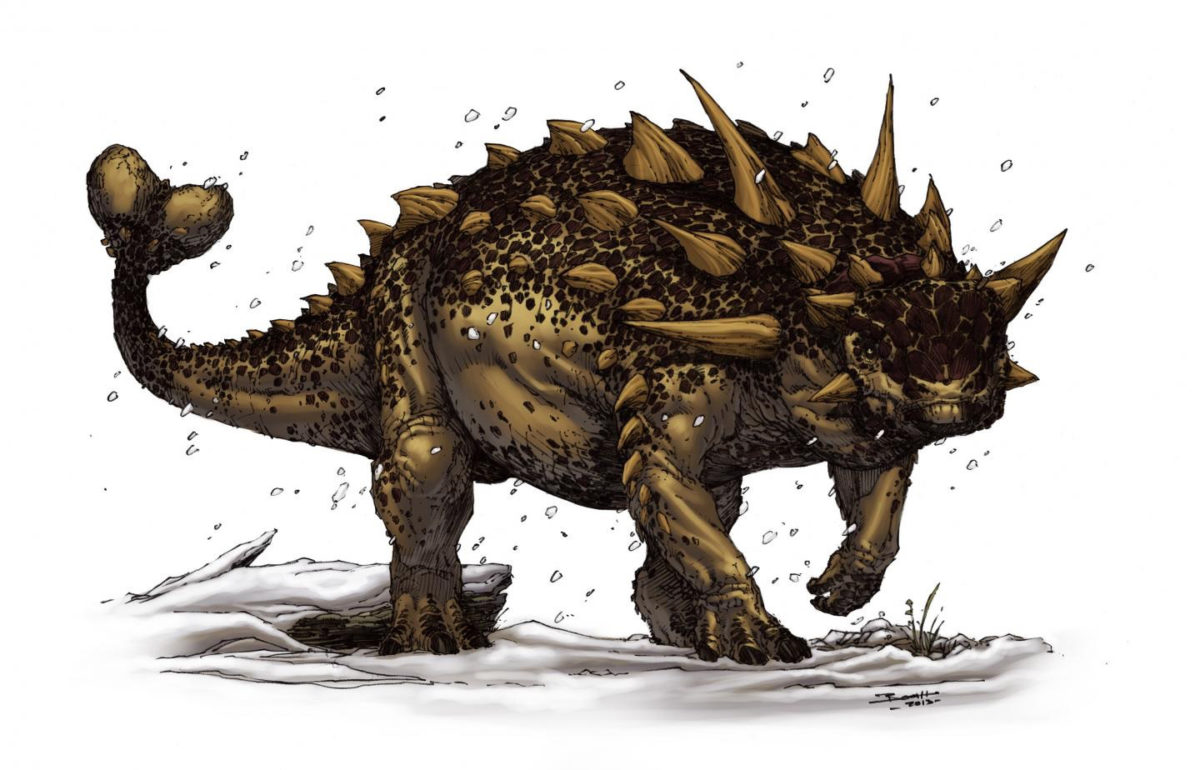
Flipside of a dinosaur mystery
A scientist with the Canadian Museum of Nature has answered a long-standing mystery about why fossils of ankylosaurs.
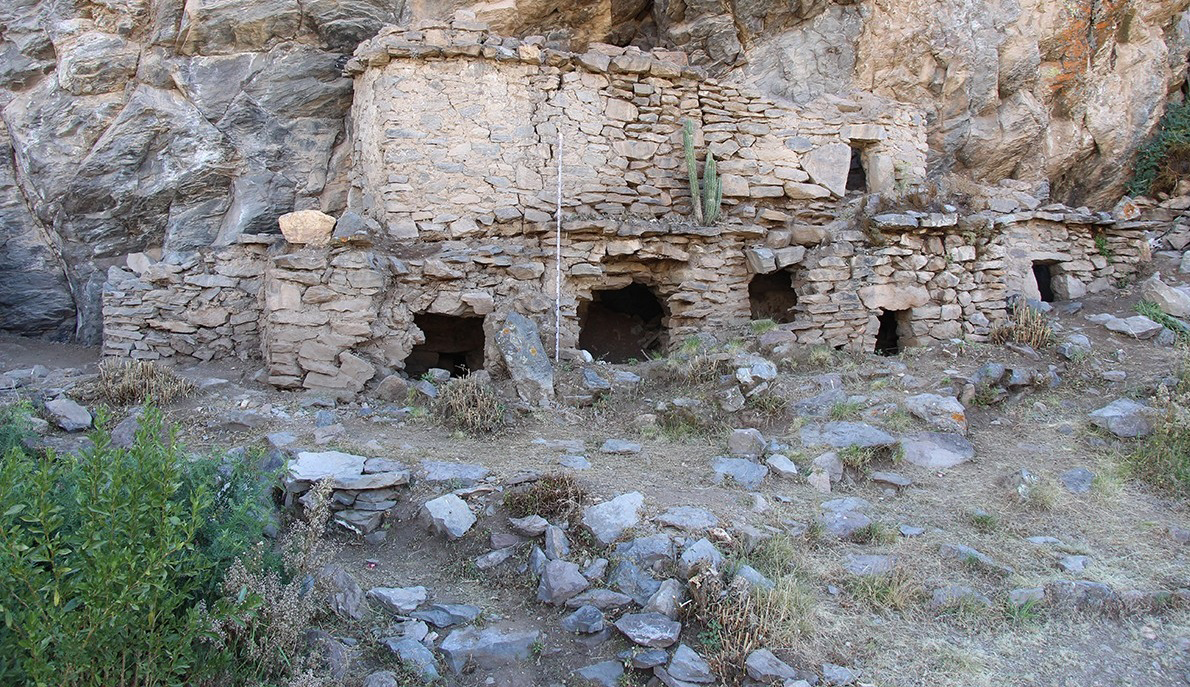
Infant skull binding shaped identity, inequality in ancient Andes
The idea of binding and reshaping a baby’s head may make today’s parents cringe, but for families in the Andes between 1100-1450, cranial modification was all the rage.
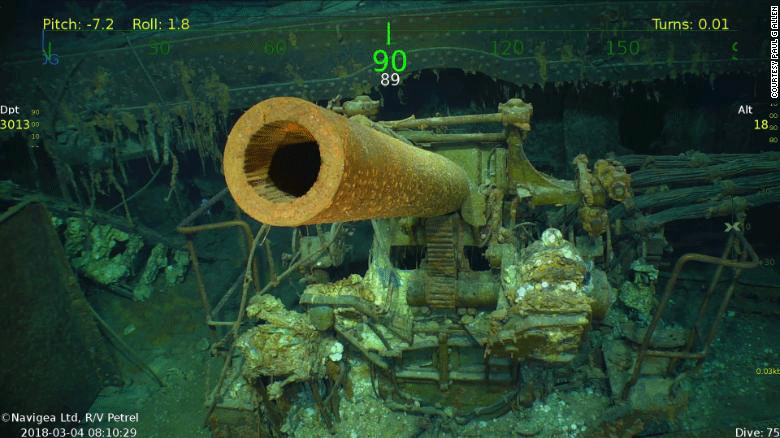
The USS Lexington wreckage was found off Australian coast
The wreckage of USS Lexington sunk in WW2 was discovered about 800km off the eastern coast of Australia.

Central Asia under and after Alexander
The aim of the conference is to discuss what actually happened in Central Asia.