

Leverhulme Early Career Fellowships
The UCL History Department is now accepting preliminary applications from prospective candidates for the 2017 Leverhulme Early Career Fellowship scheme.
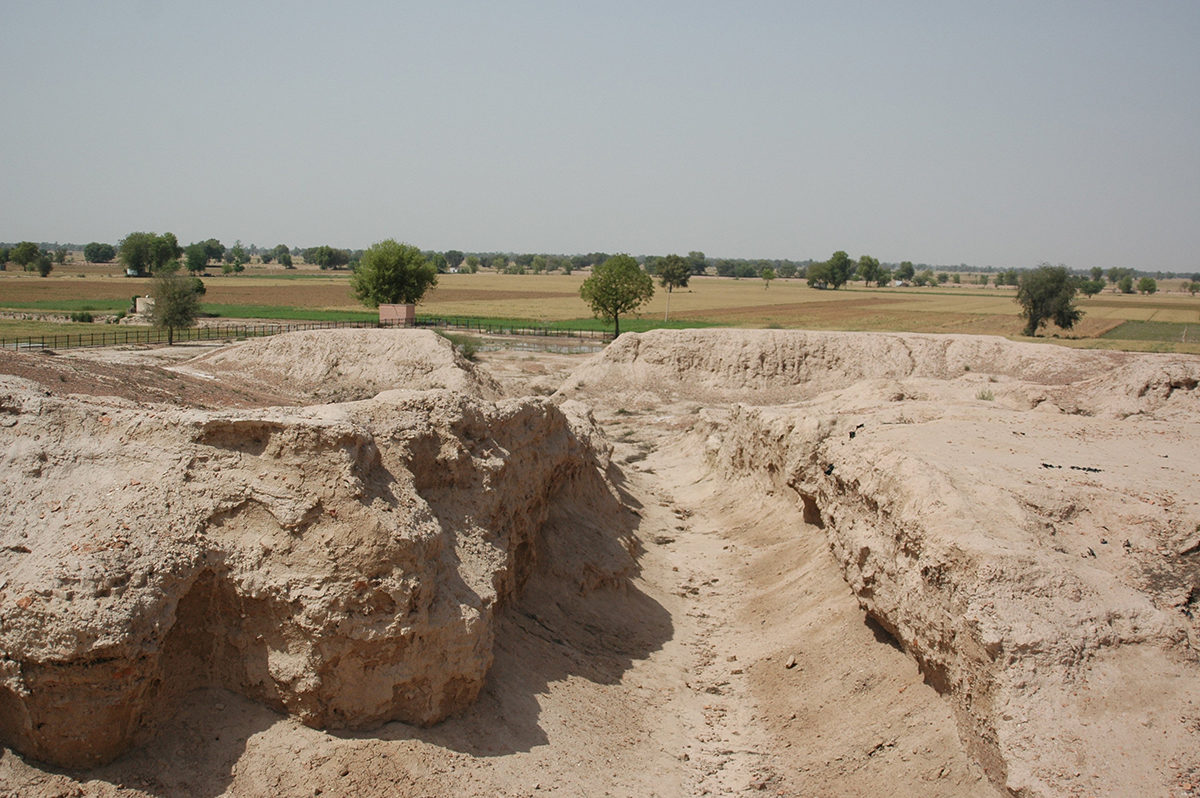
Scientists show how Himalayan rivers influenced ancient Indus civilization settlements
Research shows how ancient urban centres didn’t necessarily need an active, flowing river system in order to thrive.
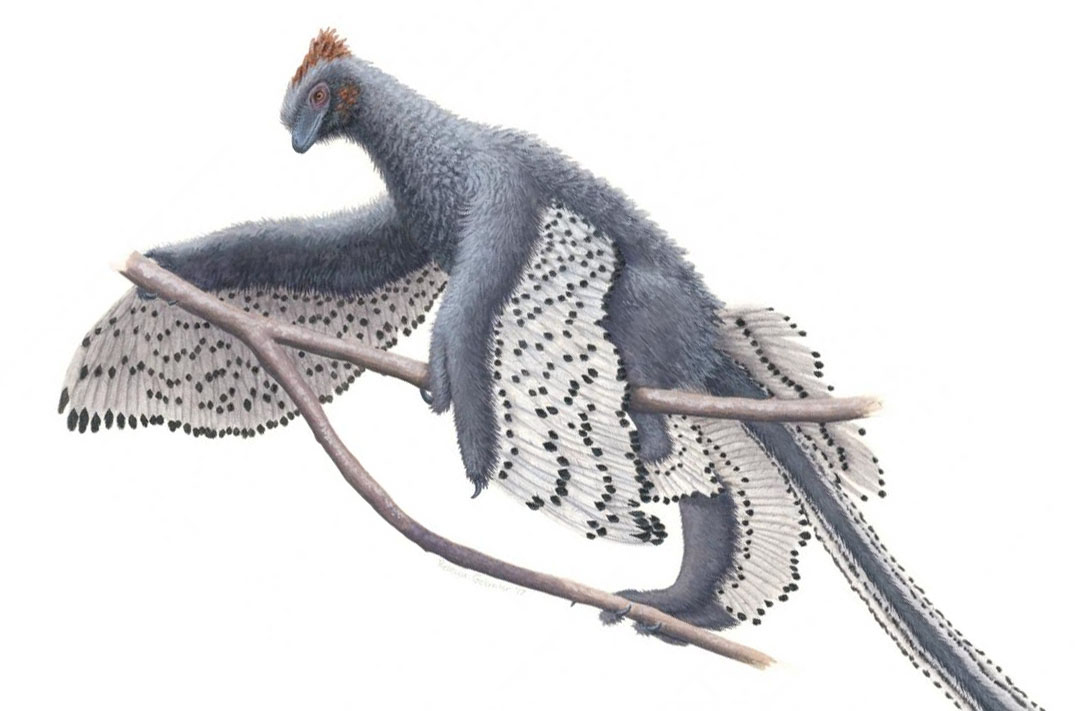
Feathered dinosaurs were even fluffier than we thought
A University of Bristol-led study has revealed new details about dinosaur feathers and enabled scientists to further refine what is potentially the most accurate depiction of any dinosaur species to date.
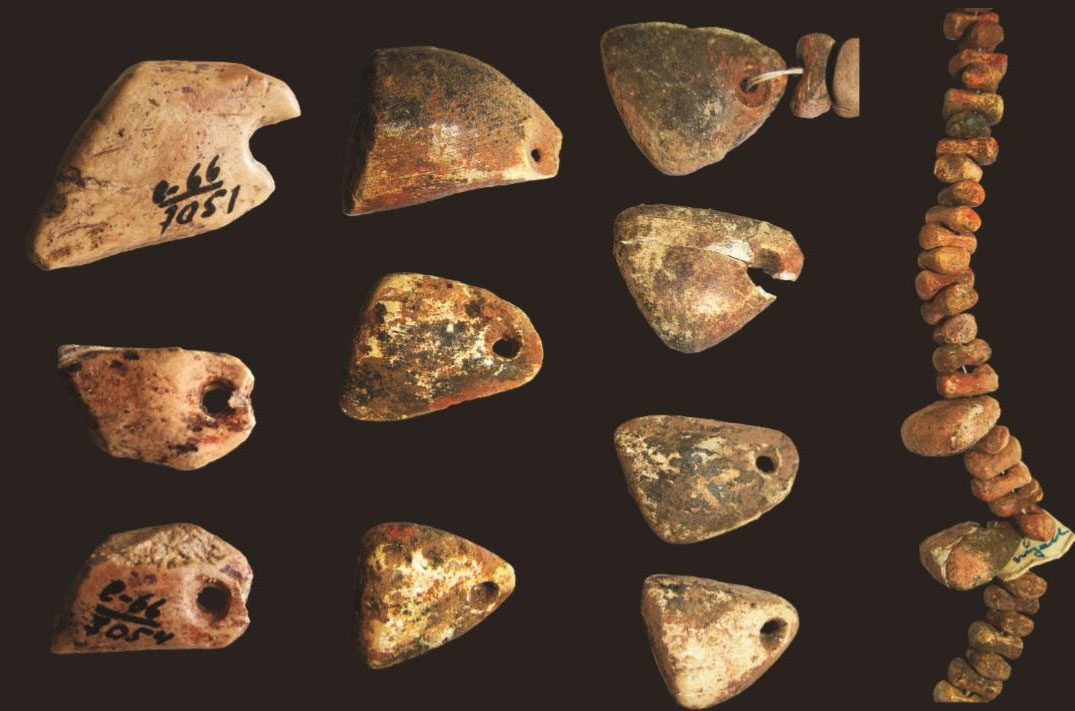
Adornments told about the culture of prehistoric people
Many items were crafted specifically for burial purposes, while others were worn on a daily basis.

The Hardt Foundation of Geneva
All temporary or permanent teachers of classics and ancient history in British university departments are invited to consider a stay at the Fondation Hardt.

Two Postdoctoral Positions in the field of Ancient Studies
In order to qualify for application, candidates must have completed their doctorate in the field of ancient studies with outstanding results.
Munich Graduate School for Ancient Studies ‘Distant Worlds’
The Graduate School invites applications for 4 Doctoral Positions.
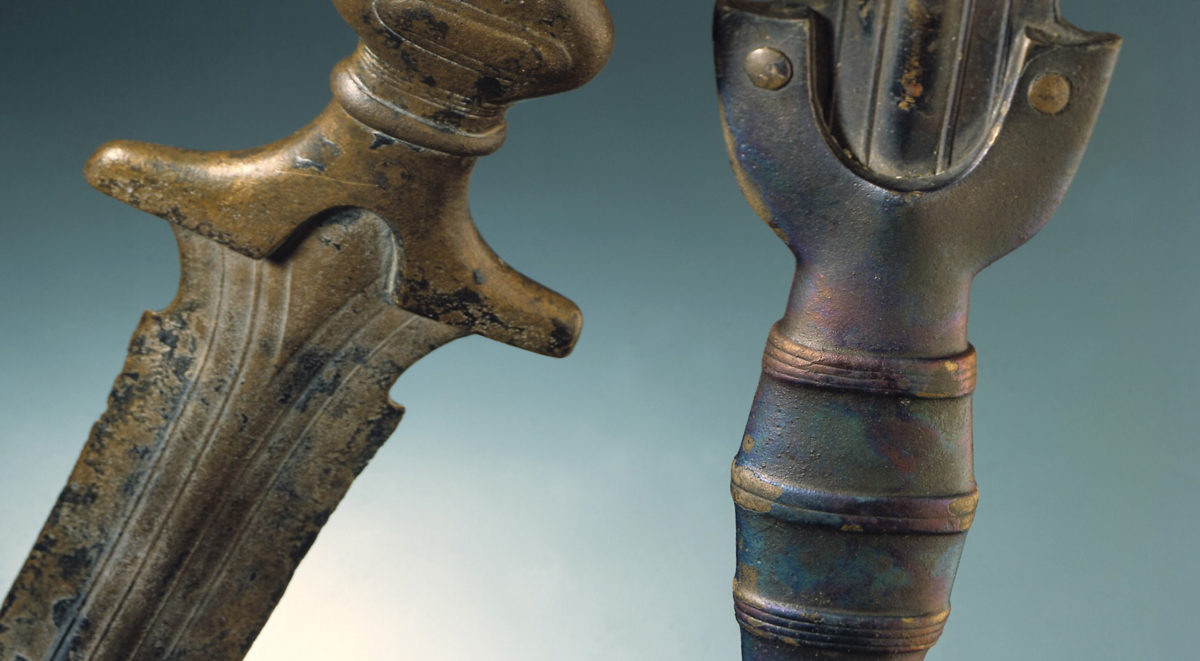
Bronze Age artifacts used meteoric iron
You may already be surprised to hear there are iron objects dating back to the Bronze Age, but their meteorite origin is even more astonishing.
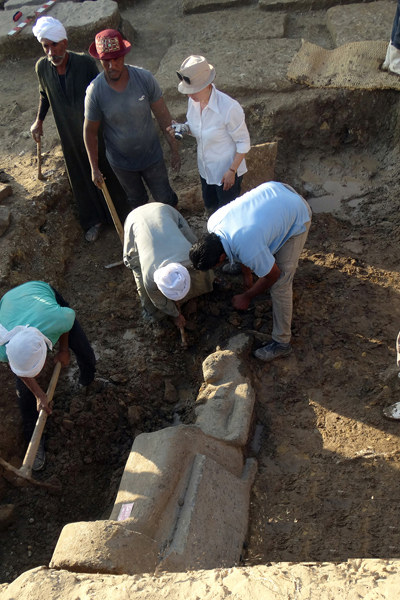
Statues of Sekhmet found in Luxor
A collection of 27 fragmented statues of the lioness goddess "Sekhmet" has been discovered during excavations carried out by an Egyptian-European Archaeological Mission at the Colossi of Memnon area, in the framework of the King Amenhotep III Temple Conservation Project.
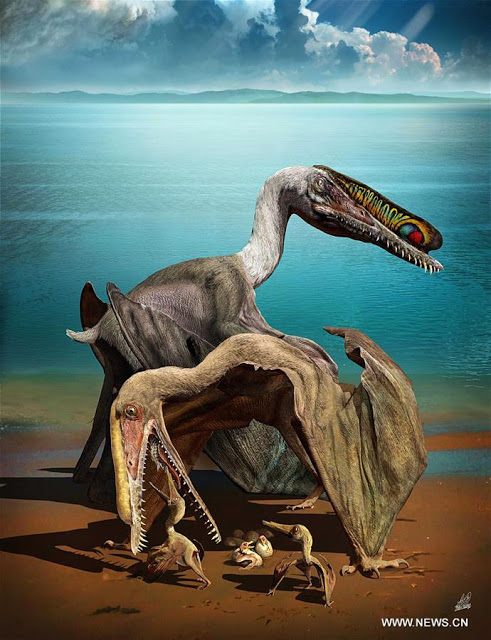
Exceptionally preserved eggs and embryos reveal life history of a pterosaur
Researchers reported on hundreds of three-dimensional (3D) pterosaur eggs of the species Hamipterus tianshanensis from a Lower Cretaceous site in the Turpan-Hami Basin.
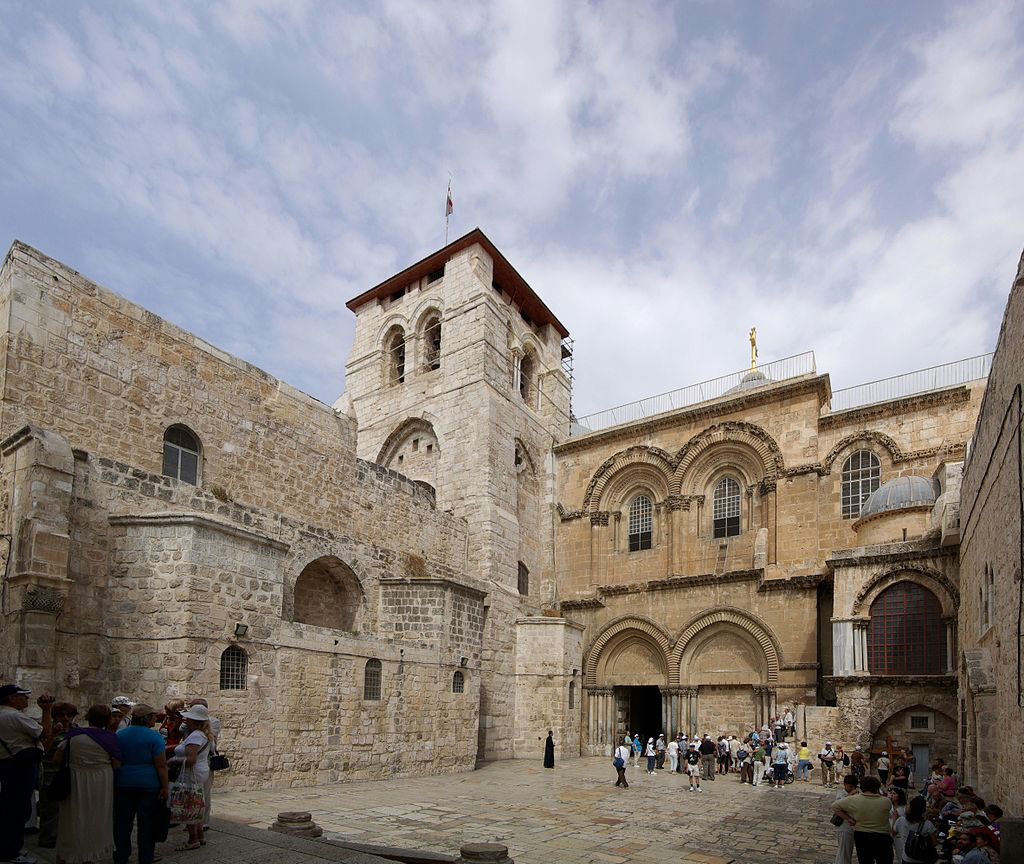
New date to Holy Sepulchre in Jerusalem given by researchers of the National Technical University of Athens
Based on new data, the tomb, located within the Church of the Holy Sepulchre and covered by the building of the Edicule, is almost 1,700 years old.
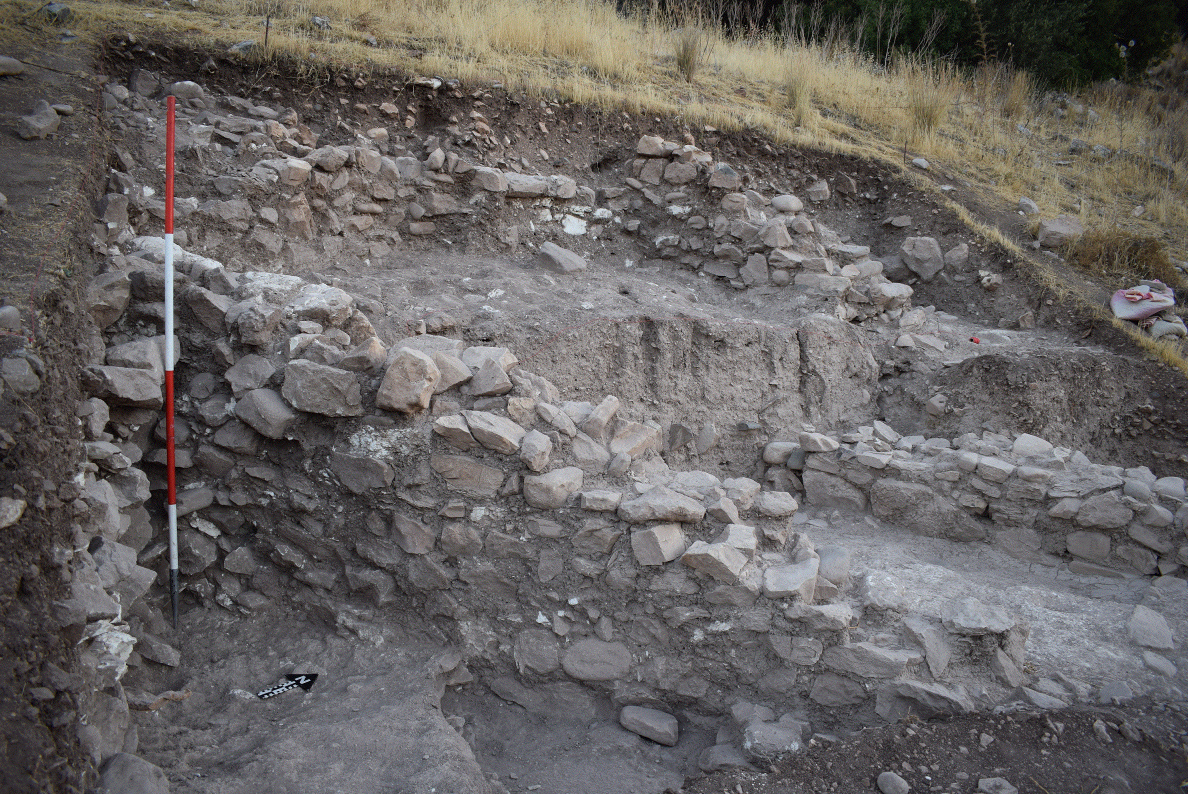
Various finds at Prastio-Mesorotsos site
Broken objects placed in a ritualistic manner, a fragment of an anthropomorphic clay figurine, incised stones, the remains of a collapsed roundhouse, are some of the finds at the site.
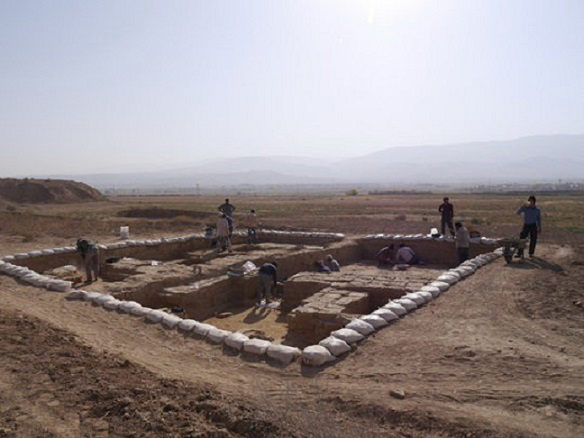
Bronze Age to Sassanid period finds in Northeastern Iran
Iranian and German archaeologists exploring the ancient site of Rivi in North Khorasan Province have revealed important remains of the Bronze Age up to the Sassanid period.
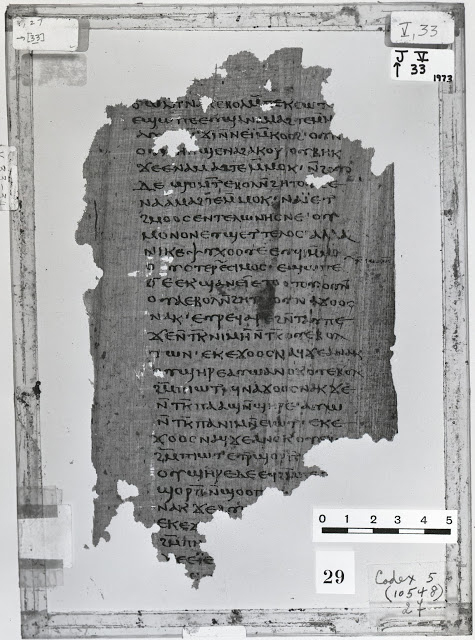
Copy of ‘Jesus’ secret revelations to his brother’ discovered by biblical scholars
The first-known original Greek copy of a heretical Christian writing describing Jesus' secret teachings to his brother James has been discovered at Oxford University by biblical scholars at The University of Texas at Austin.
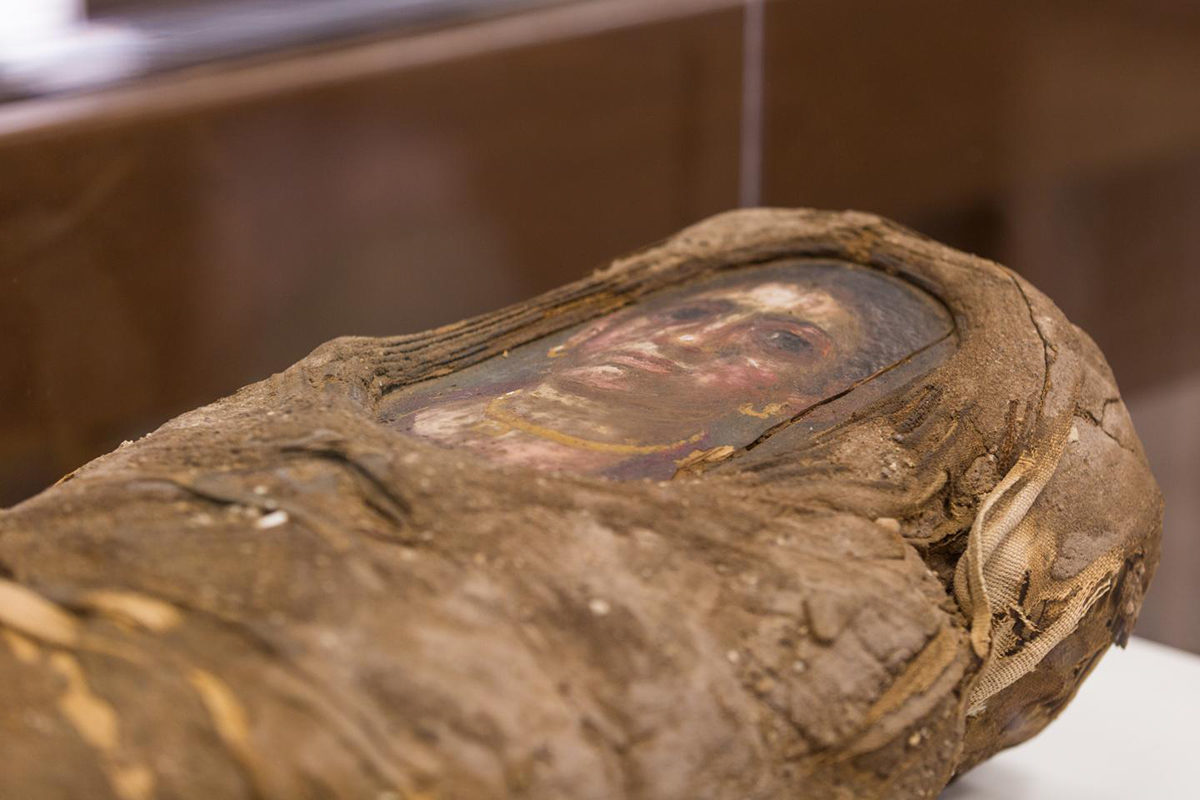
First-of-its-kind mummy study reveals clues to girl’s story
Who is she, this little mummy girl? Northwestern University scientists and students are working to unravel some of her mysteries.
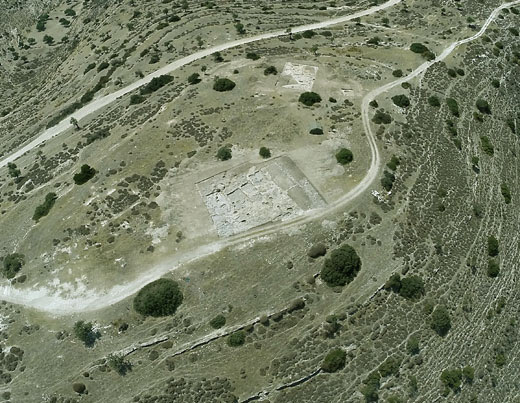
Ideology, ritual and labour in Middle Bronze Age Erimi (Cyprus)
Today, Friday, December 1, 2017, Luca Bombardieri will give a lecture entitled "Working (with) class. Ideology, ritual and labour in Middle Bronze Age Erimi (Cyprus)".
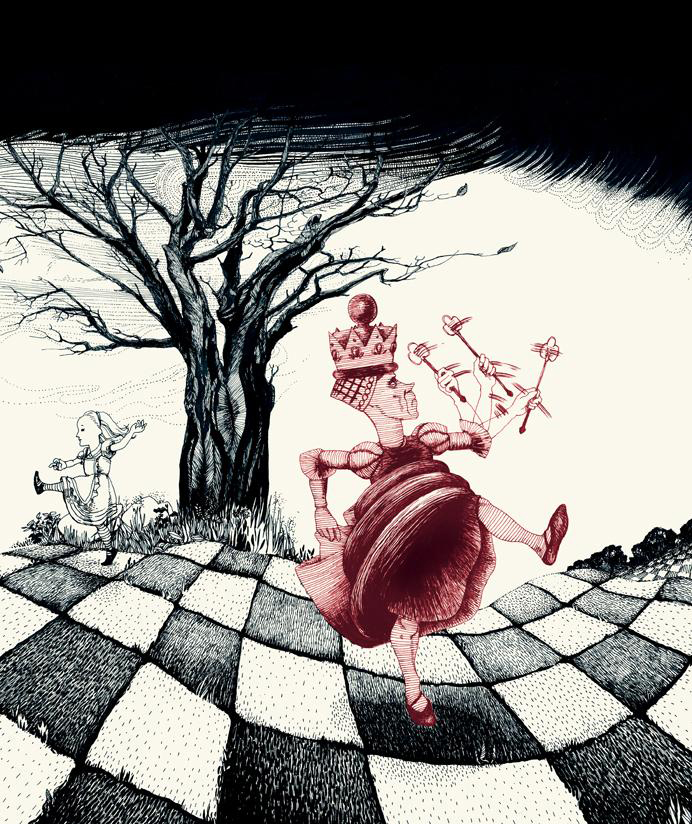
New interpretation of the Red Queen’s Hypothesis
A new interpretation of one of the classic theories of evolutionary theory, the Red Queen's Hypothesis, proposed by Leigh Van Valen in 1973.
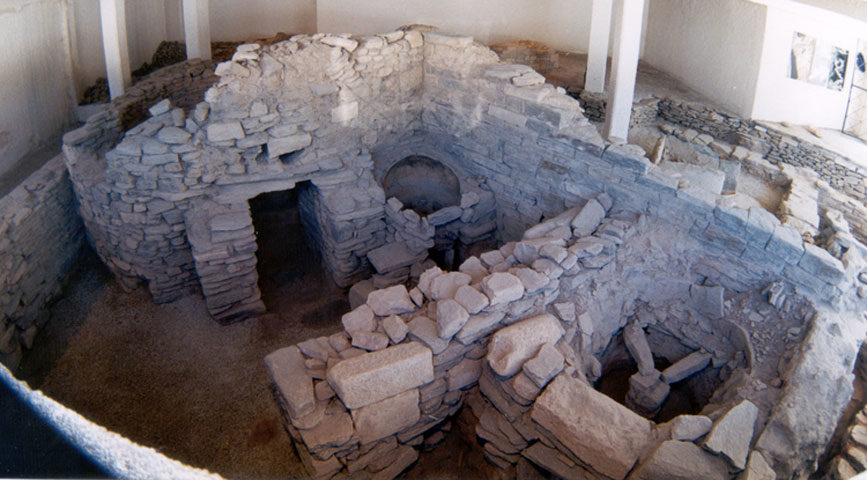
The first web atlas of ceramic kilns in ancient Greece
A first of its kind GIS database was created to help archaeological research in Greece.
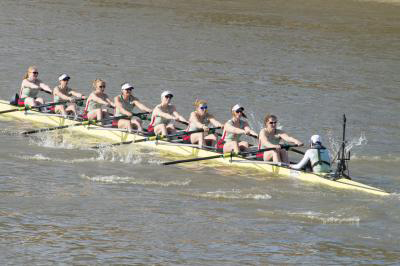
Prehistoric women had stronger arms than today’s elite rowing crews
According to a new study comparing the bones of Central European women that lived during the first 6,000 years of farming with those of modern athletes.
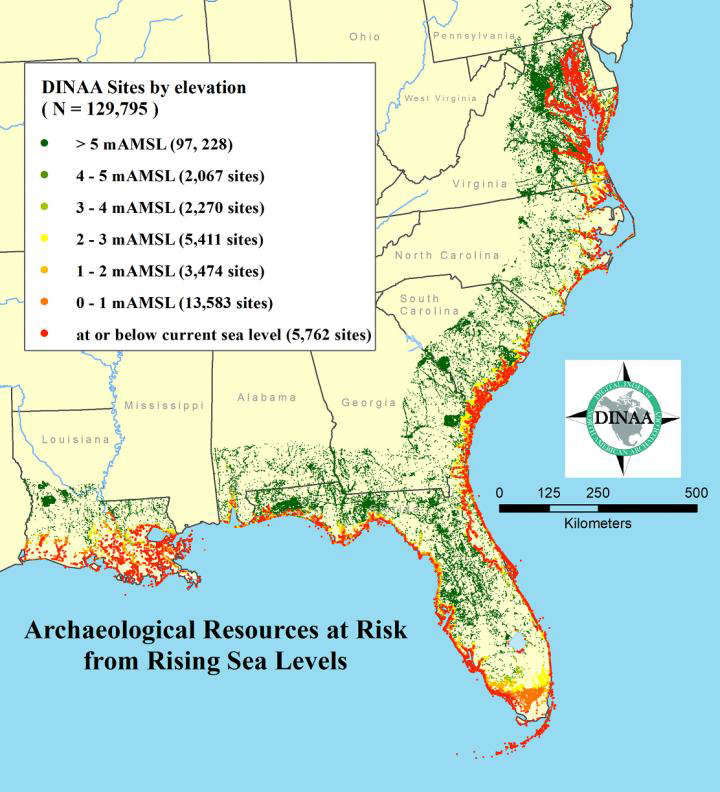
Sea-level rise predicted to threaten more than 13,000 archaeological sites
Researchers analyzed heritage data integrated in the Digital Index of North American Archaeology.
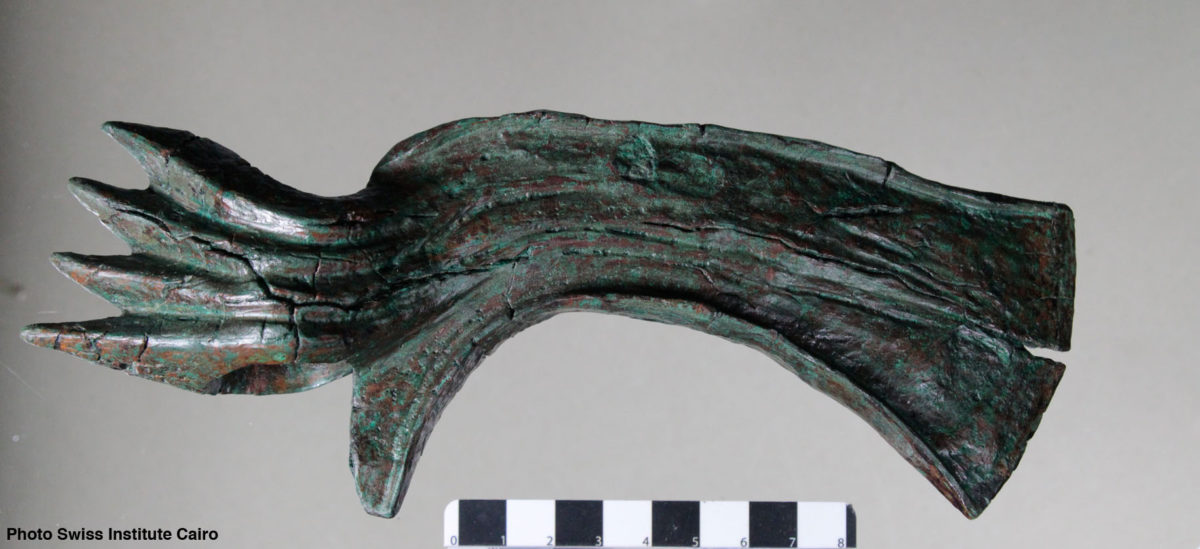
Two discoveries in Aswan
The first discovery was carried out by an Egyptian mission in Komombo Temple while the second one was by a joint German–Swiss mission in Elephantine Island.

New Acquisitions of the EMST collections
The new acquisitions complete the existing parts of the collection and introduce new areas with new topics.
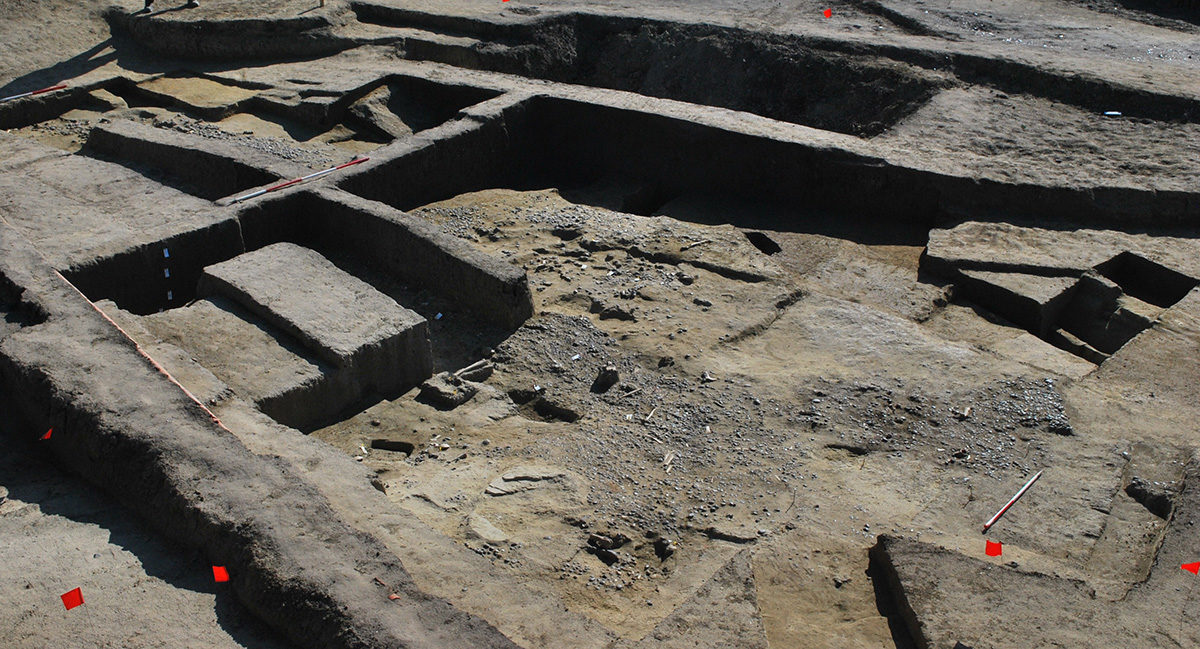
First evidence for Julius Caesar’s invasion of Britain discovered
The first evidence for Julius Caesar’s invasion of Britain has been discovered by archaeologists from the University of Leicester.
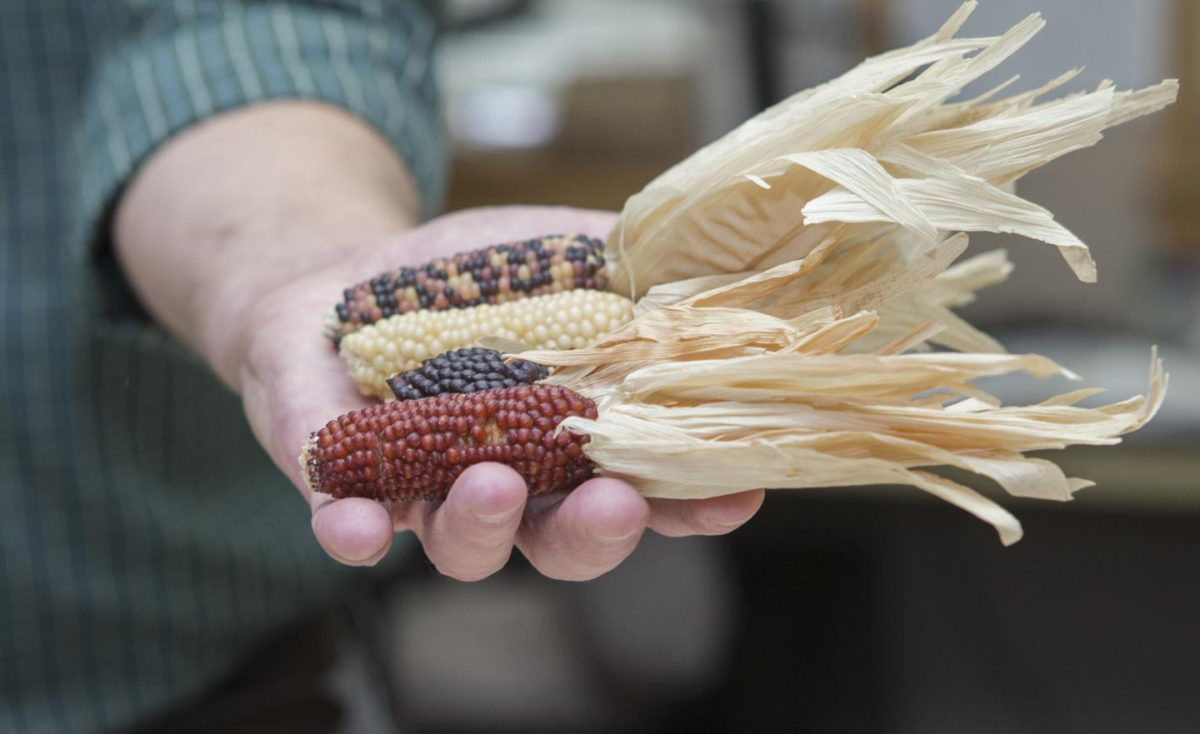
Archaeologist says fire, not corn, key to prehistoric survival in arid Southwest
Conventional wisdom holds that prehistoric villagers planted corn, and lots of it, to survive the dry and hostile conditions of the American Southwest. But University of Cincinnati archaeology professor Alan Sullivan is challenging that long-standing idea.