Ancient barley took high road to China
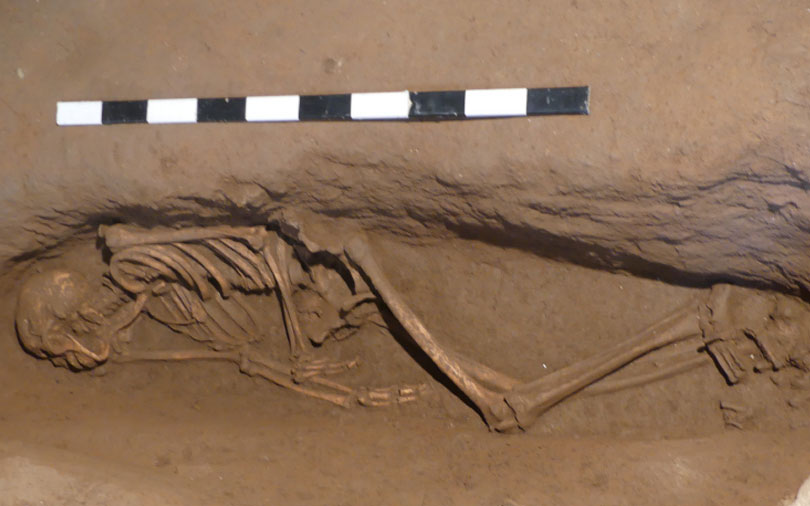
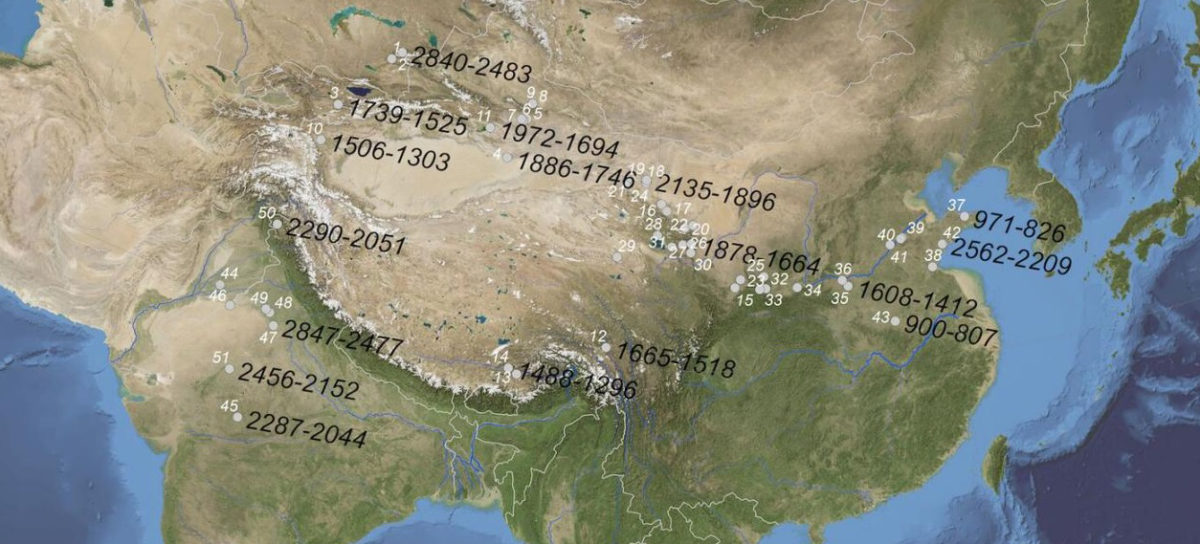
First domesticated 10,000 years ago in the Fertile Crescent of the Middle East, wheat and barley took vastly different routes to China.
Cycladic snapshots of the monuments and their people
The archaeological exhibition “Cycladic snapshots of the monuments and their people” is opening at the Byzantine and Christian Museum today, November 22, 2017 at 20.00.
Stolen artefacts to be returned to Egypt
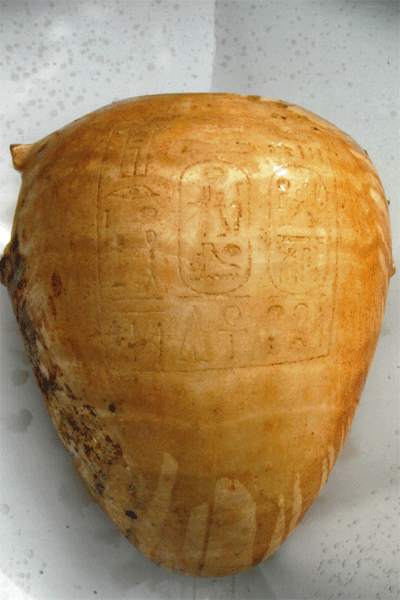
A collection of artefacts stolen and smuggled out of Egypt are to be returned by Cyprus.
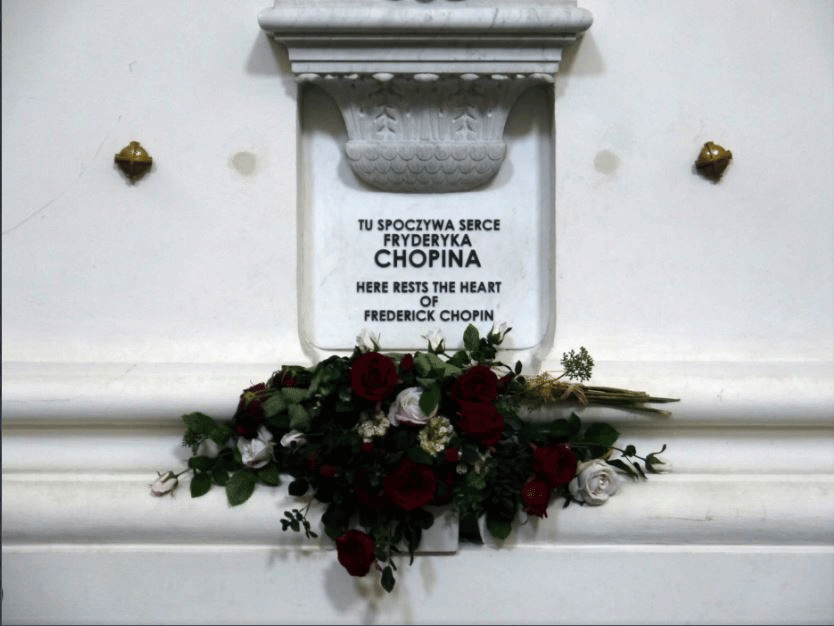
Chopin’s heart examined to identify cause of death
Researchers examining the pickled heart of Frederic Chopin think the famous composer died from complications of tuberculosis.
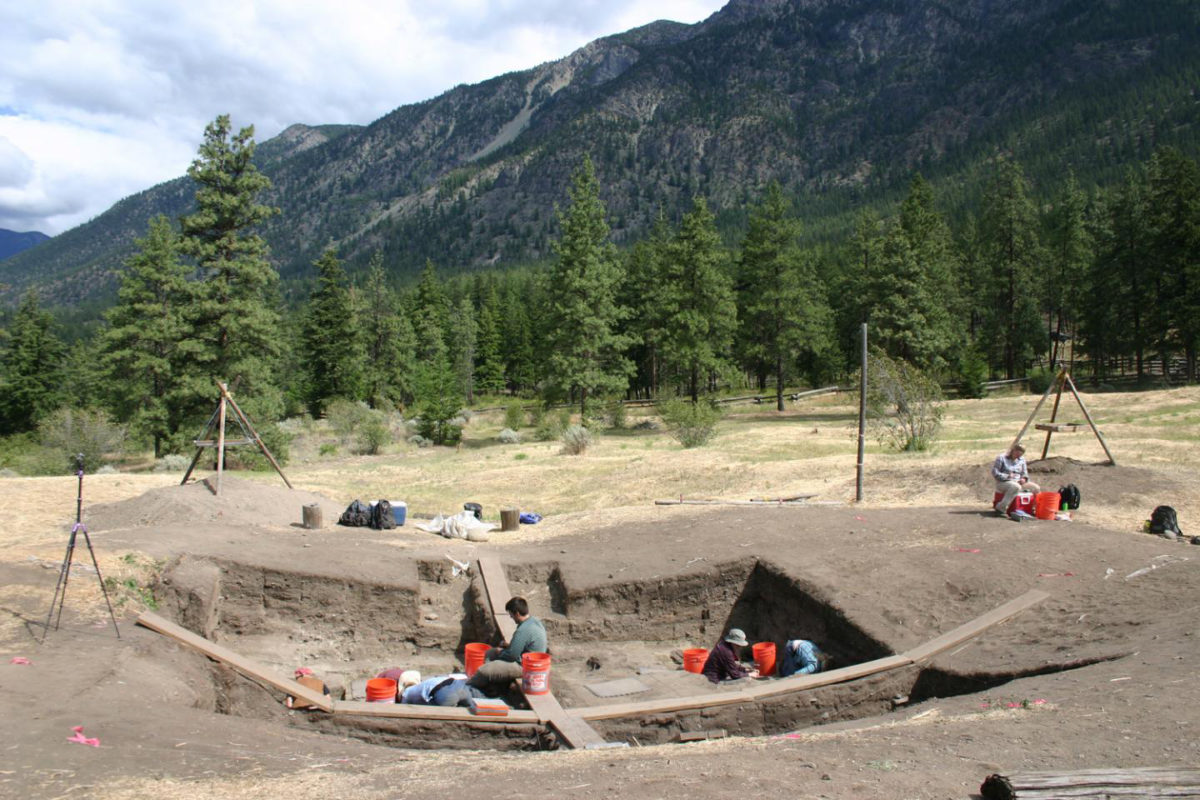
Professor publishes archaeological research on social inequality
The origins of social inequality might lie in the remnants of ancient Eurasia's agricultural societies, according to an article recently published in the major science journal Nature.
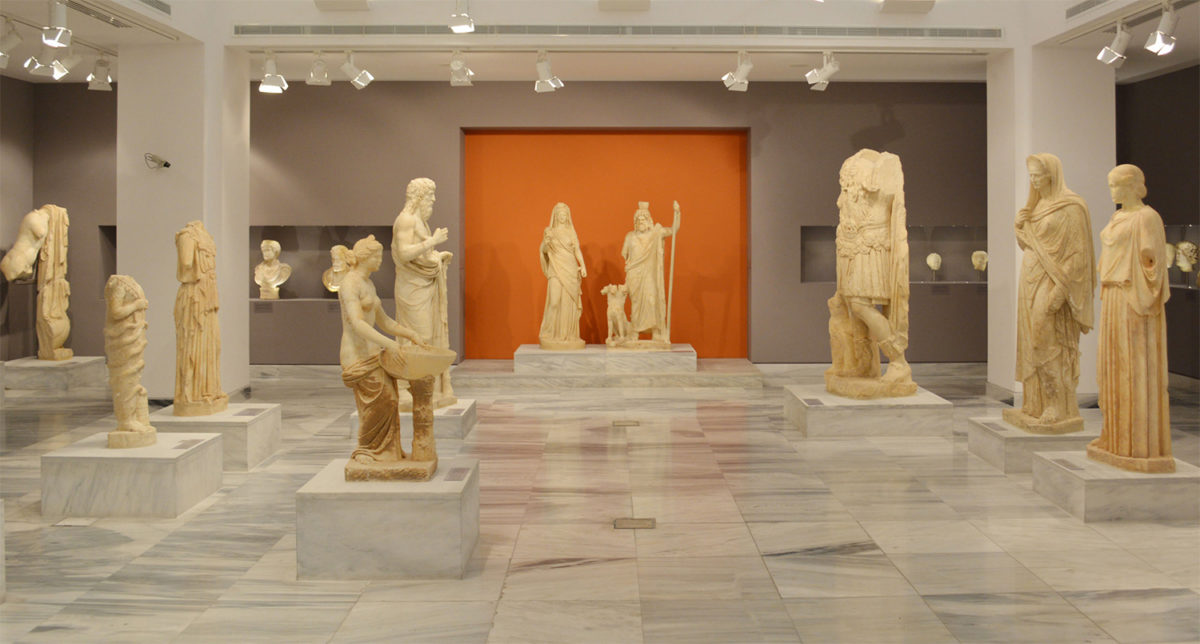
Repatriation of 26 ancient artifacts from Austria
Identification of the antiquities was made possible thanks to Graz University having recently recorded and documented antiquities associated with Nazi activities during the Second World War.
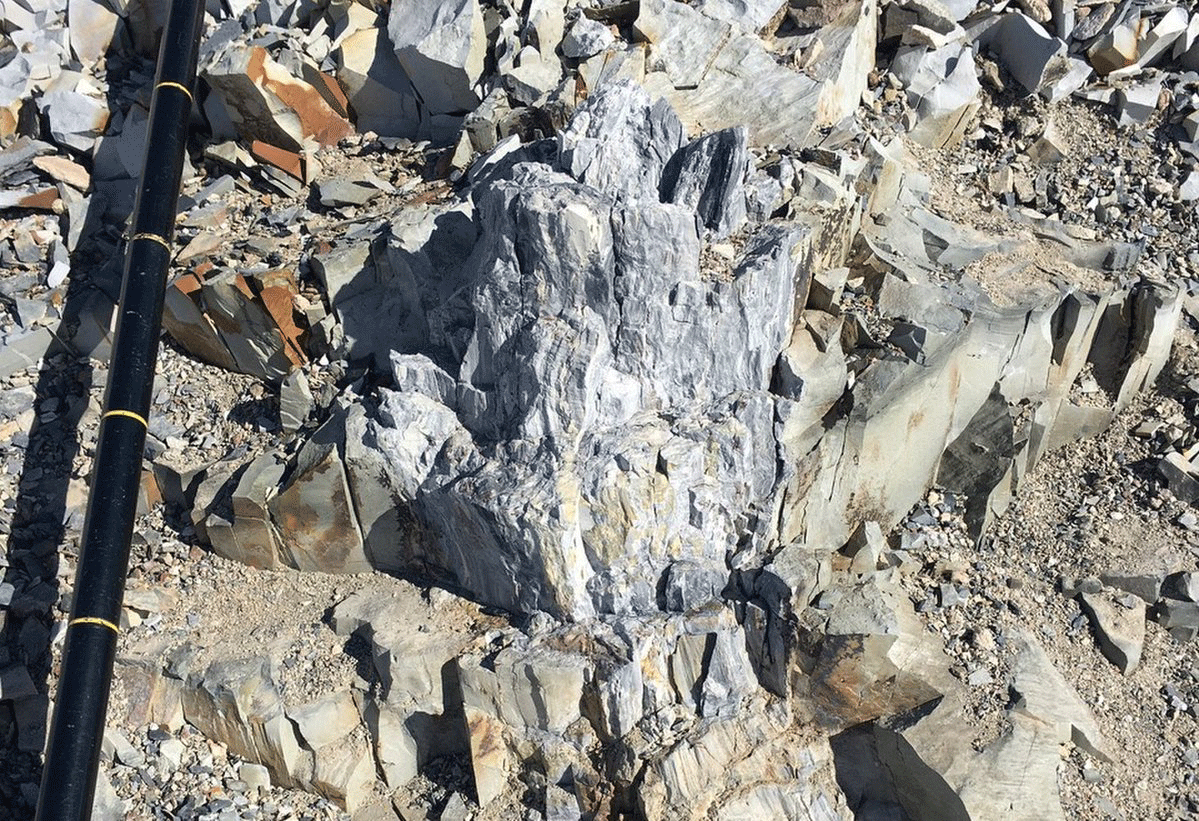
Fossil forest fragments have been found in Antarctica
Geologists exploring Antarctica have discovered fragments of fossil forest fragments over 260 million years old.
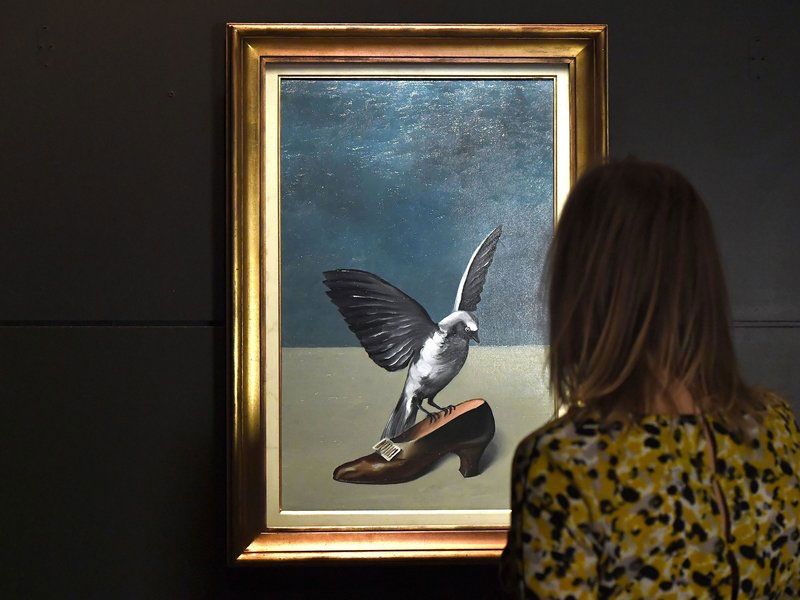
Part of a lost Magritte painting found under another of his works
The surrealist had destroyed the painting, cut it into sections and between 1935 and 1936 had painted the work “God is not a saint” on the last one.
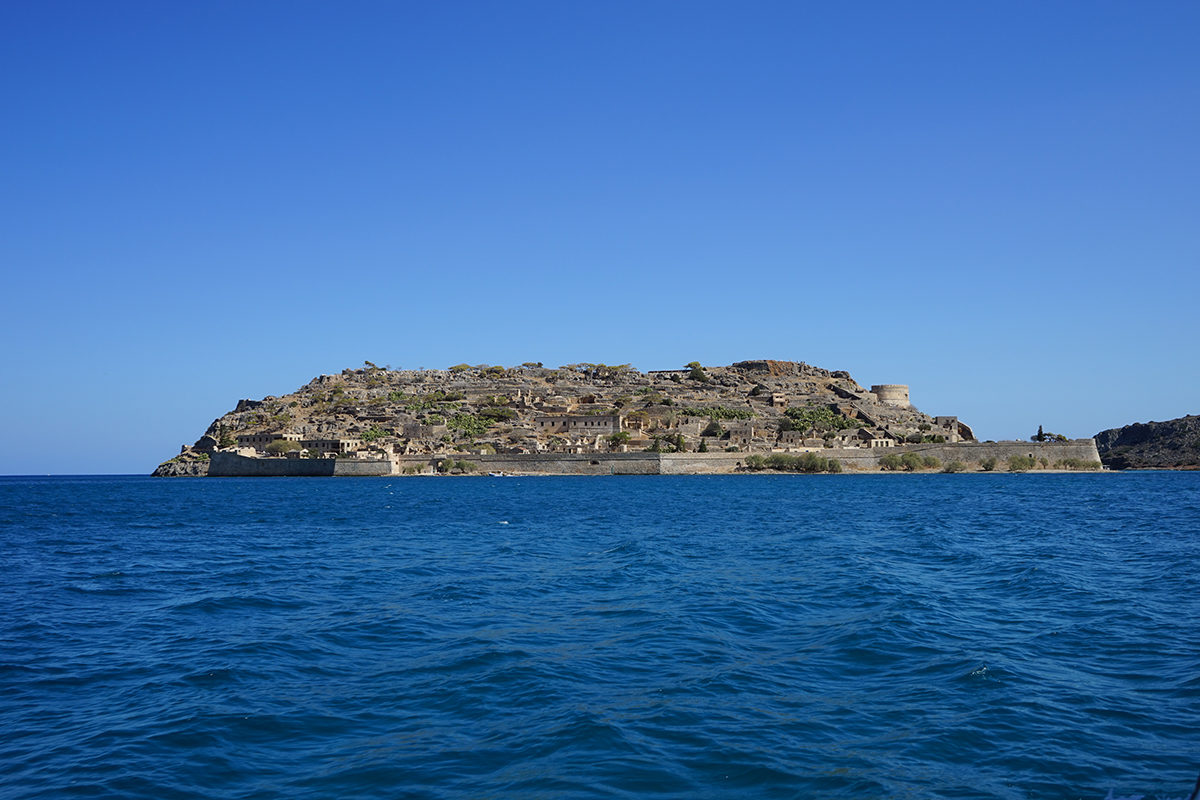
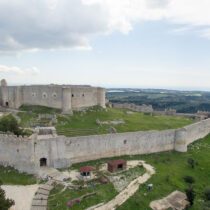
The Spinalonga blues
Spinalonga is much more than the leper colony; its historic palimpsest now being one of the major advantages on the road to inscription on the World Heritage List.
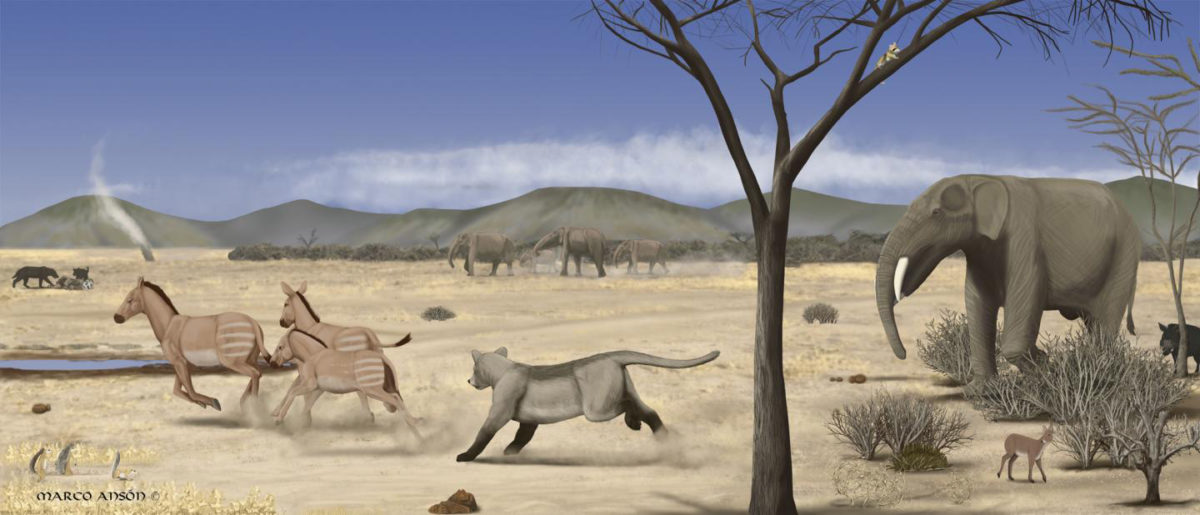
A sub-desert savanna spread across Madrid 14 million years ago
In this study paleontologists have been able to infer that the centre of the Iberian Peninsula witnessed a very arid tropical climate with a high precipitation seasonality.
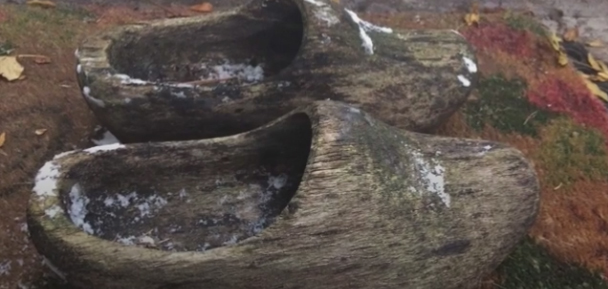
‘Wooden shoe’ rather wear sneakers?
Western University research shows long-lasting issues from inflexible clogs.
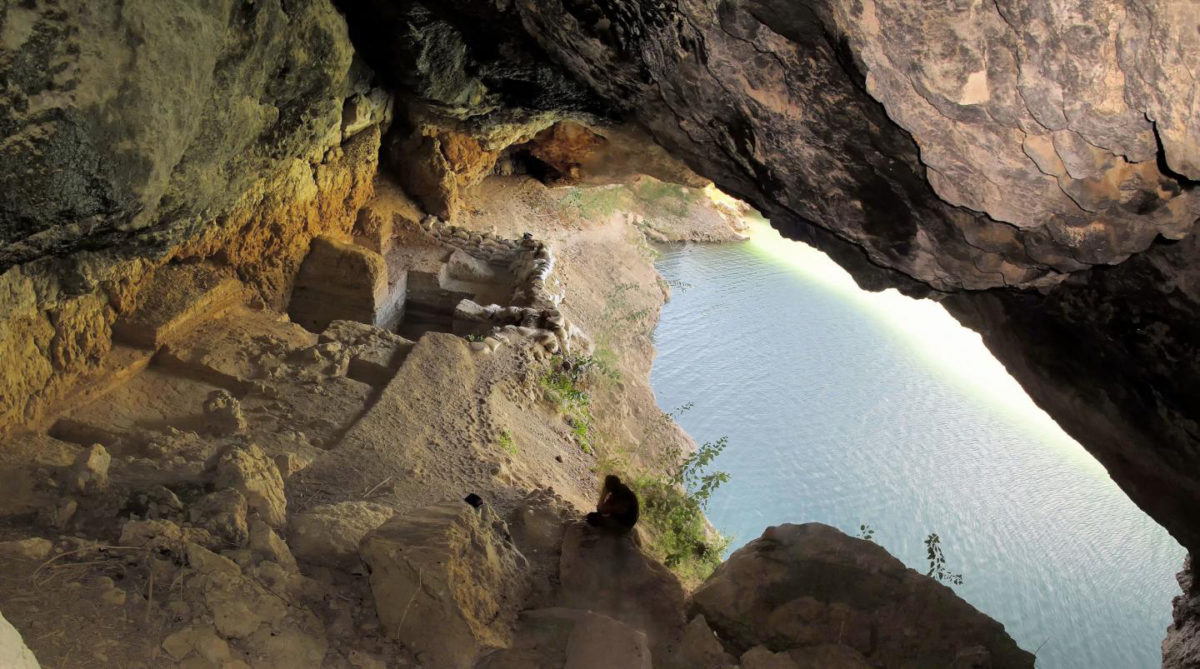
Human evolution was uneven and punctuated
A new study in Heliyon suggests that Neanderthals survived at least 3,000 years longer in Spain than we thought.
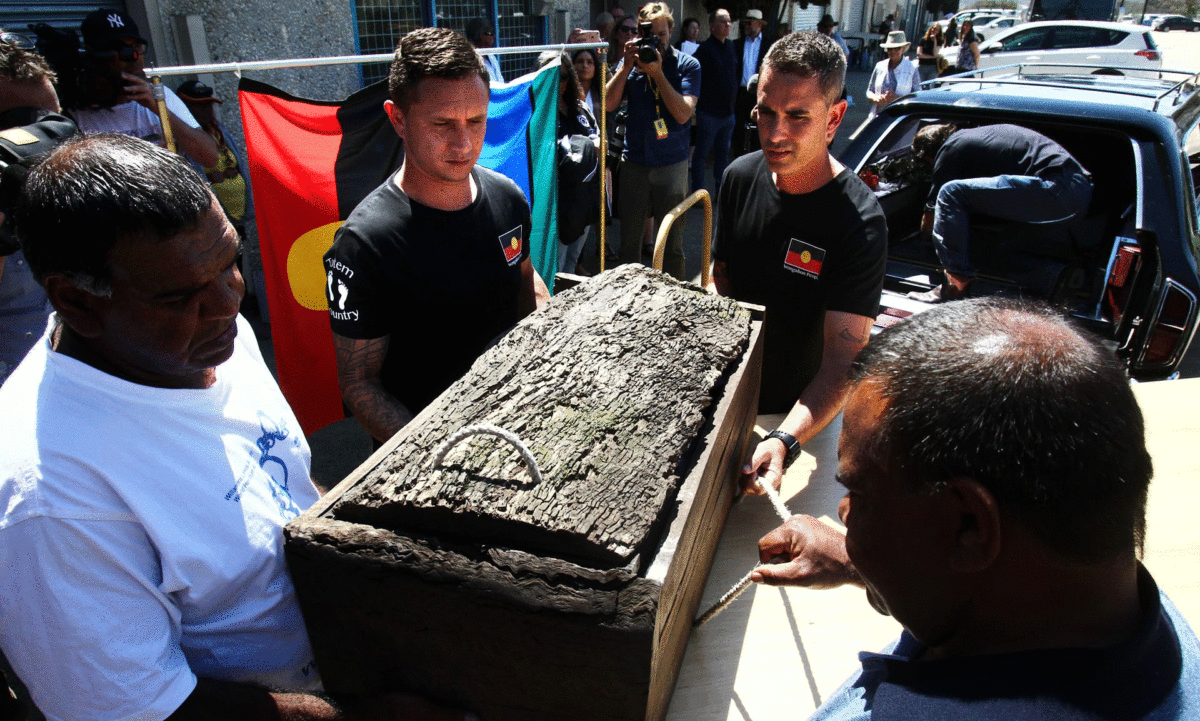
Australia’s oldest ancestor to be reburied on local ground
In a special ceremony in Canberra, the remains of Mungo Man, the first known Australian, have set off to a repatriation journey to Lake Mungo.
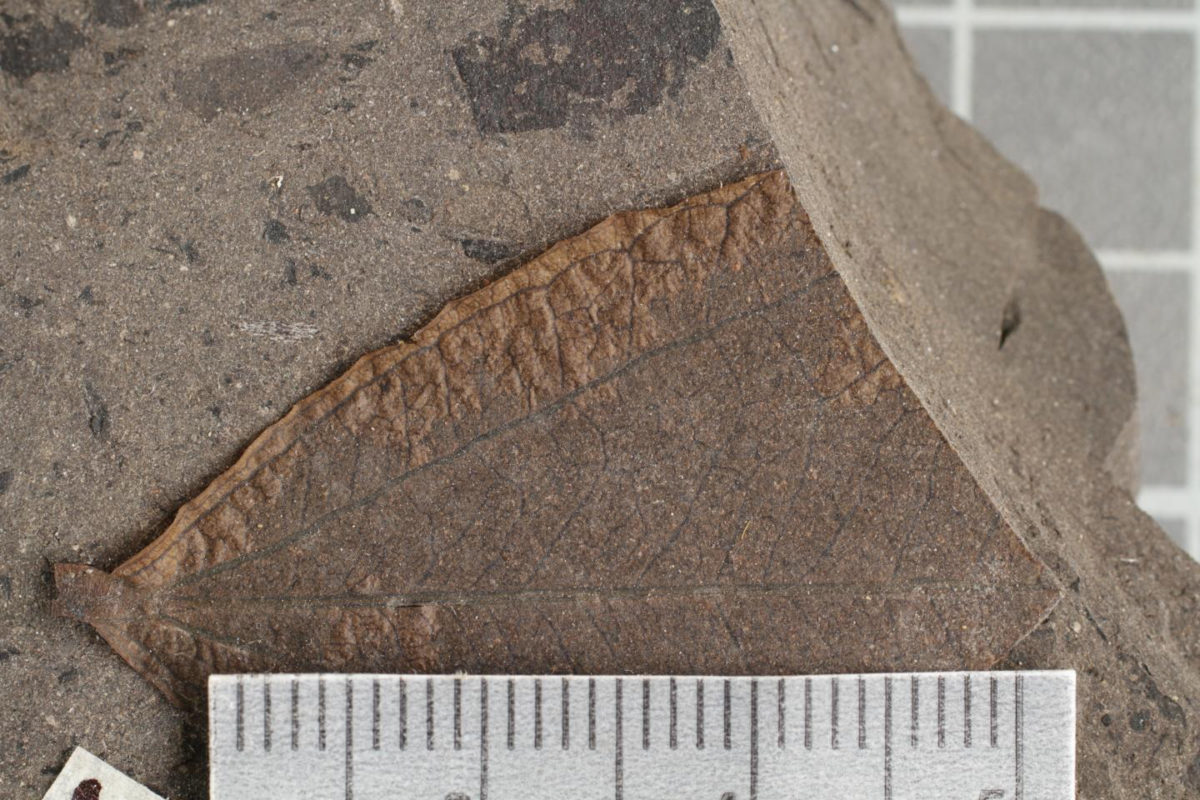
Study settles prehistoric puzzle, confirms modern link of carbon dioxide & global warming
Fossil leaves from Africa have resolved a prehistoric climate puzzle — and also confirm the link between carbon dioxide in the atmosphere and global warming.
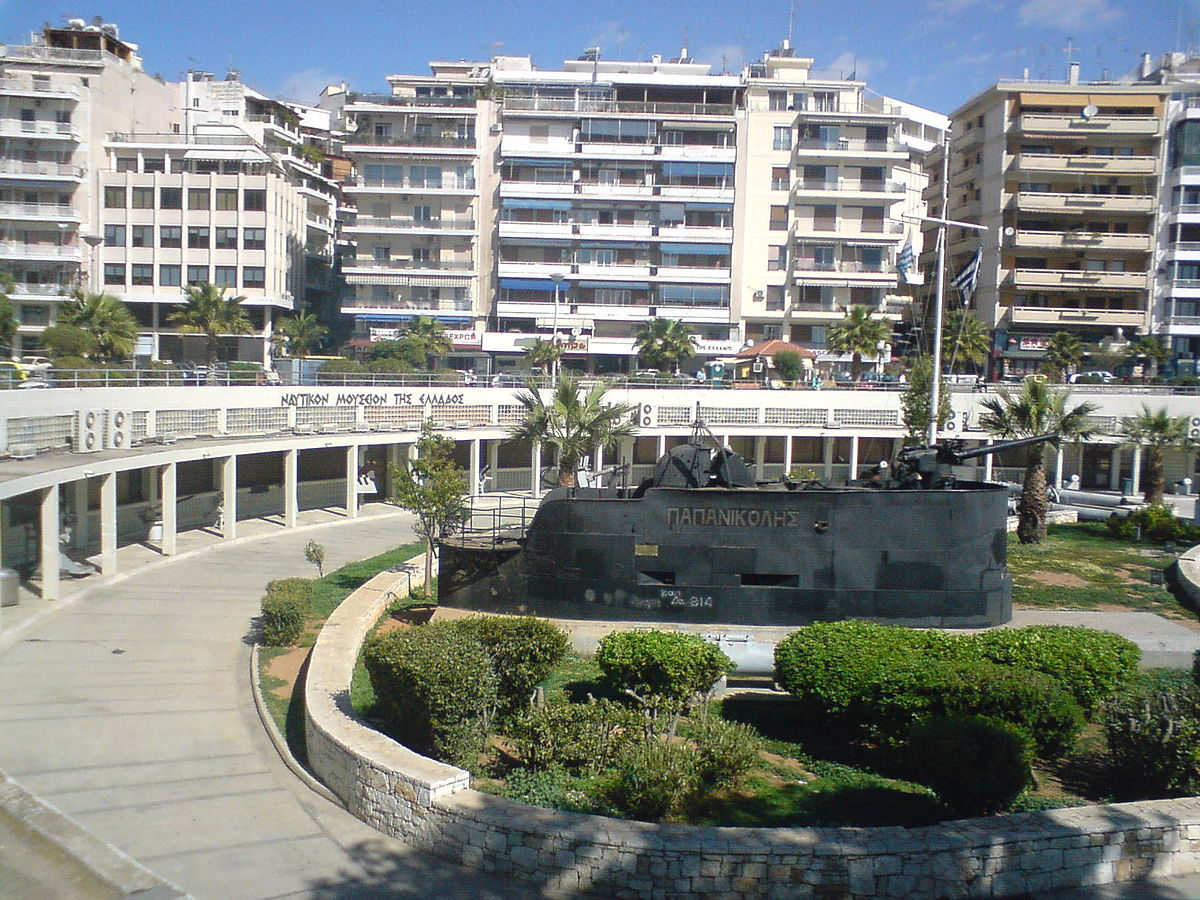
Hidden Cultural Heritage
The International Congress on the theme of the Hidden Cultural Heritage (HCH) wants to draw attention on the protection strategies and management of the underwater cultural heritage in the Mediterranean sea.
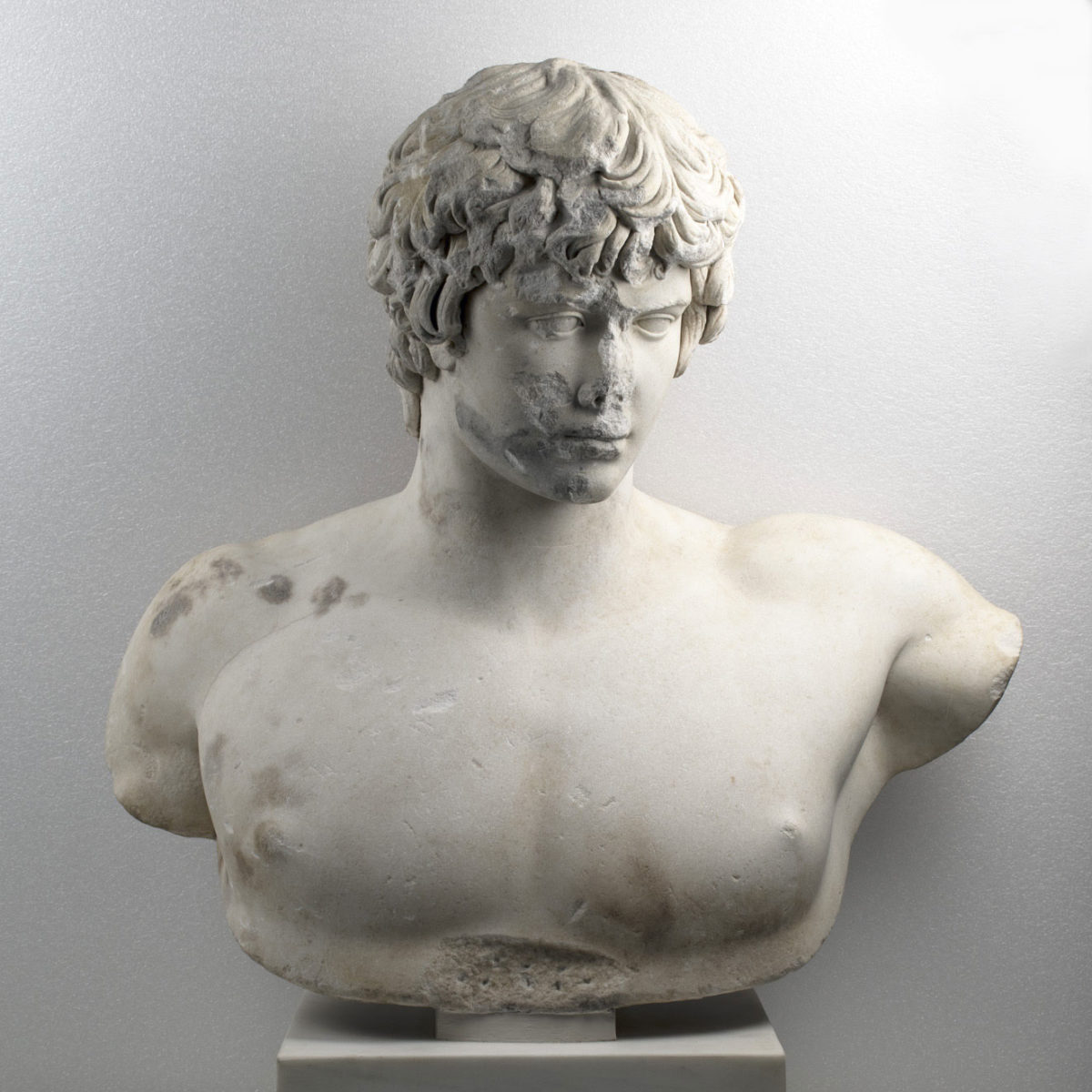
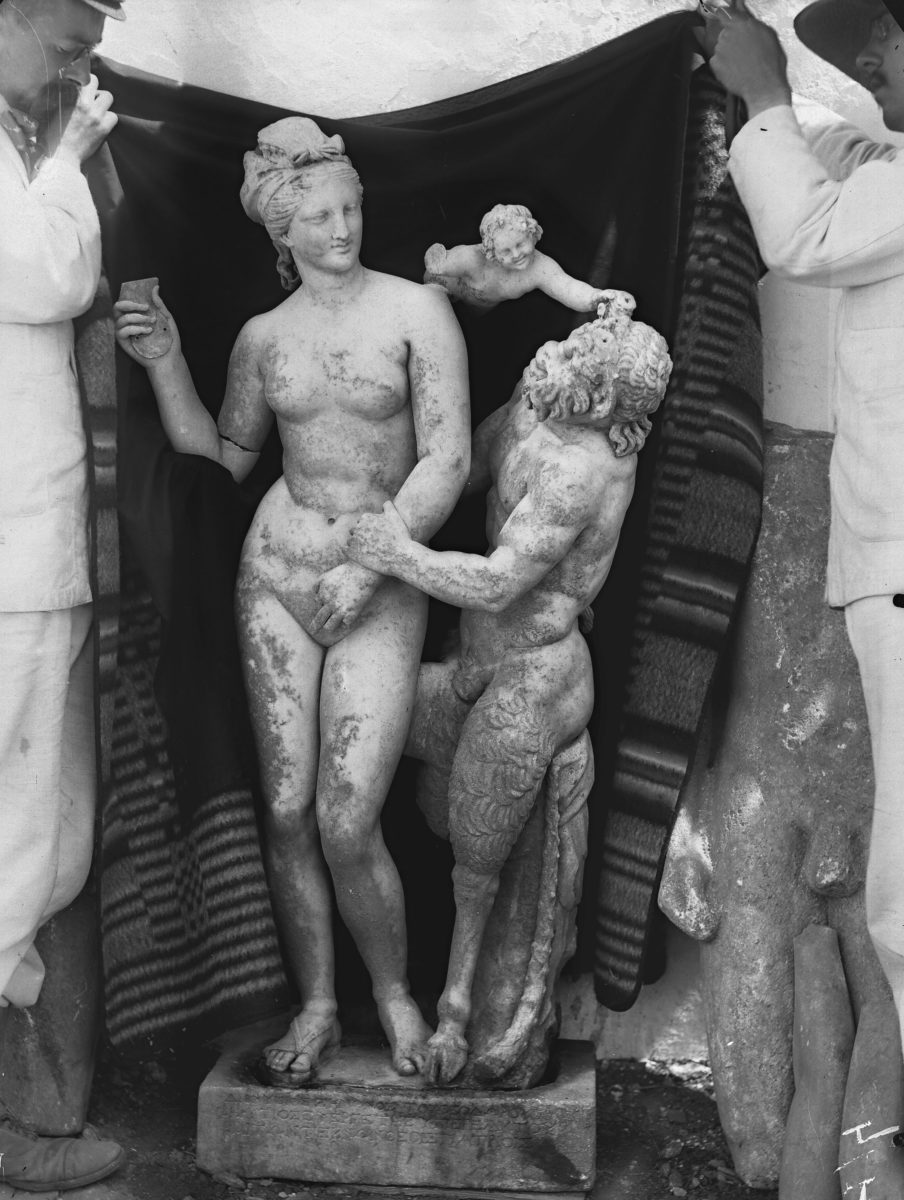
Hadrian and Antinous: a meeting after 19 centuries
An exhibition of the inscribed base of a monument in honour of the emperor Hadrian and an outstanding portrait of Antinous, his attendant and favourite.
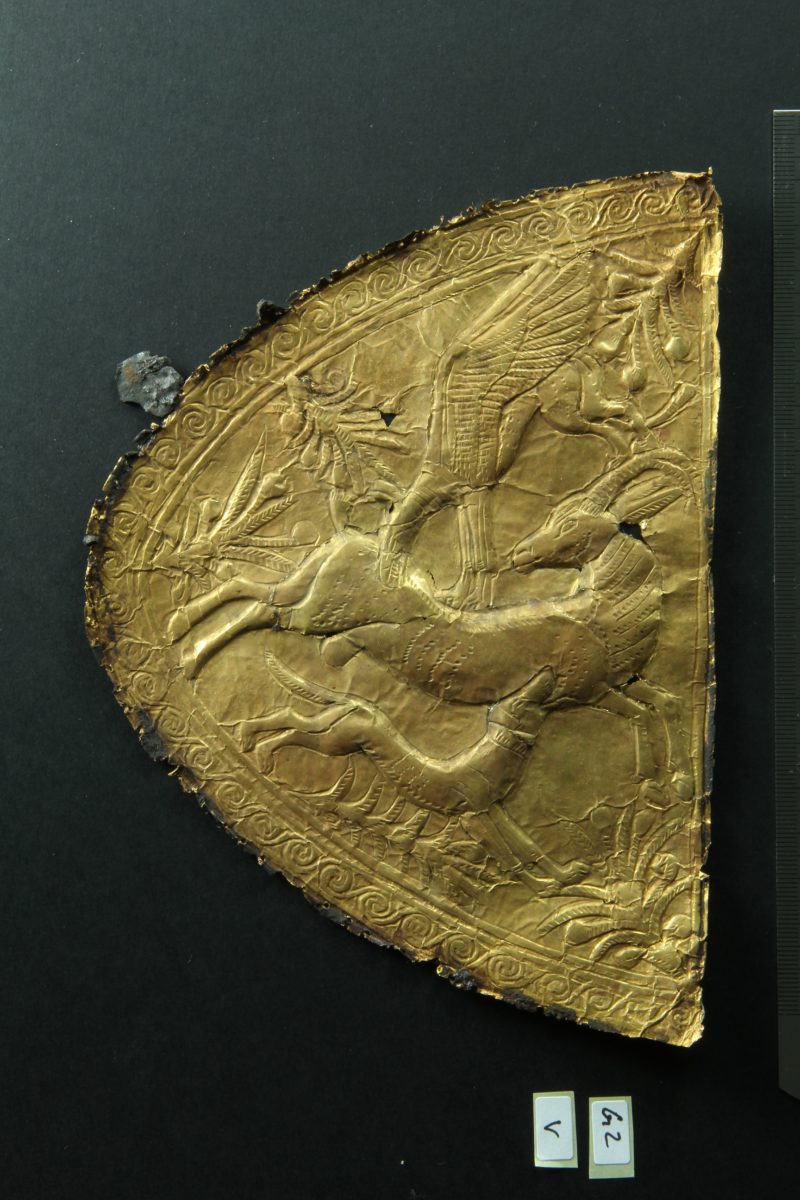
New treasures from Tutankhamun’s tomb
As part of a German-Egyptian project, archaeologists from Tübingen for the first time examine embossed gold applications from the sensational find of 1922. The motifs indicate surprising links between the Levant and the Egypt of the pharaohs.
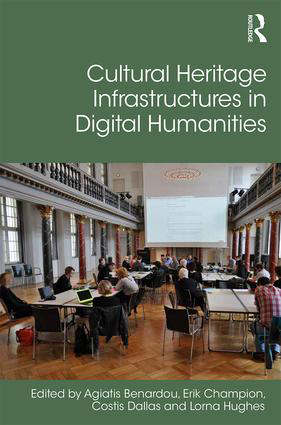
Cultural Heritage Infrastructures in Digital Humanities
In this book, authors from a wide range of countries, representing some of the best research projects in digital humanities related to cultural heritage, discuss their latest findings.
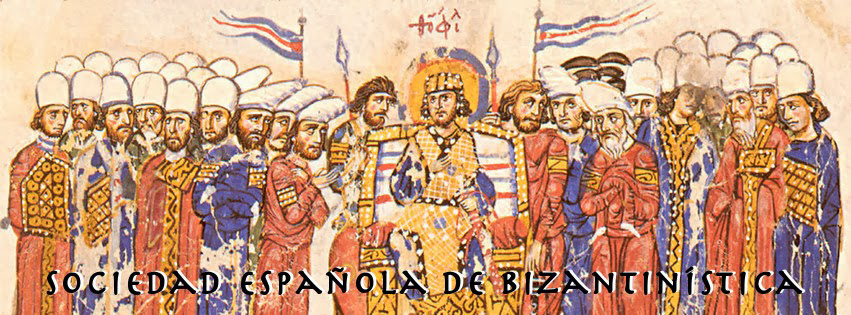
Byzantium and the Modern Imagination
Byzantium and the Modern Imagination. Patterns of the Reception of Byzantium in Modern Culture will take place in Brno, on 12-14 September 2018.
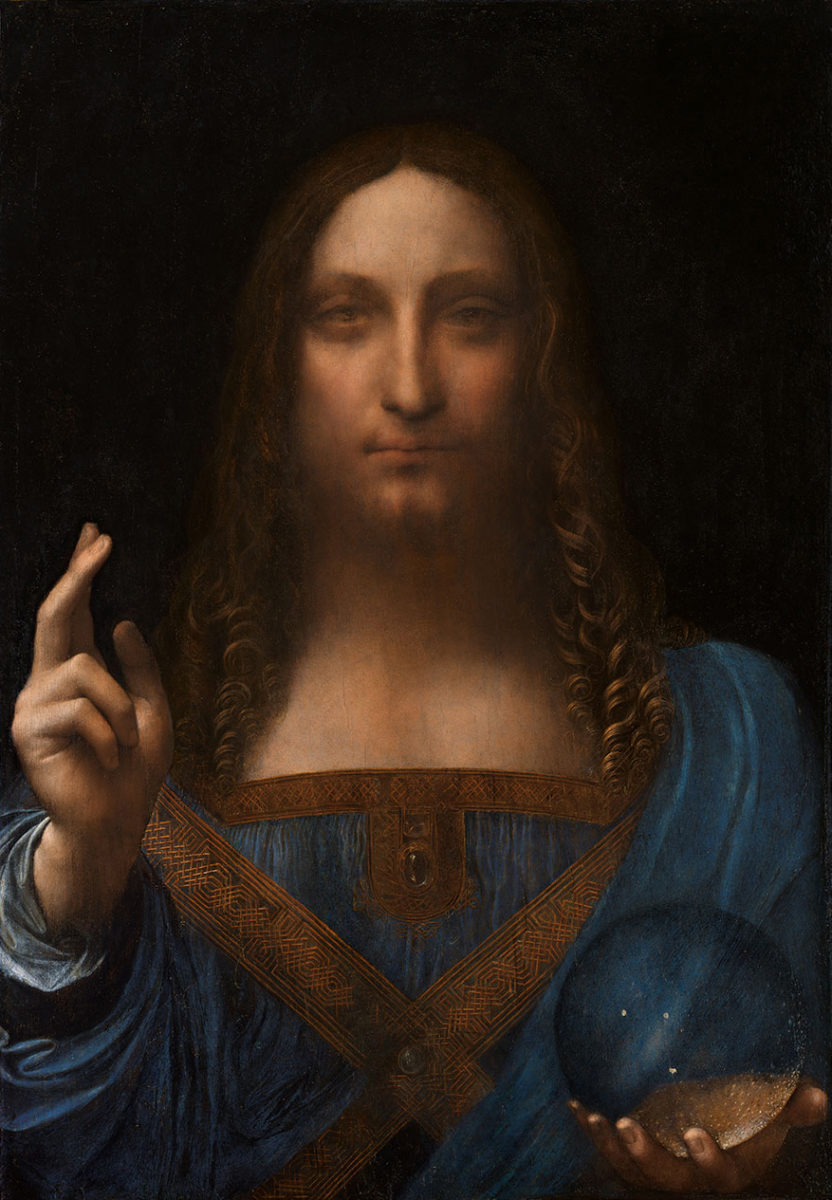
Saviour of the World sells for record $450m
At the packed Christie’s auction room, Leonardo da Vinci’s work “Salvator Mundi” was sold for a record price of $450m, yesterday, November 15, 2017.
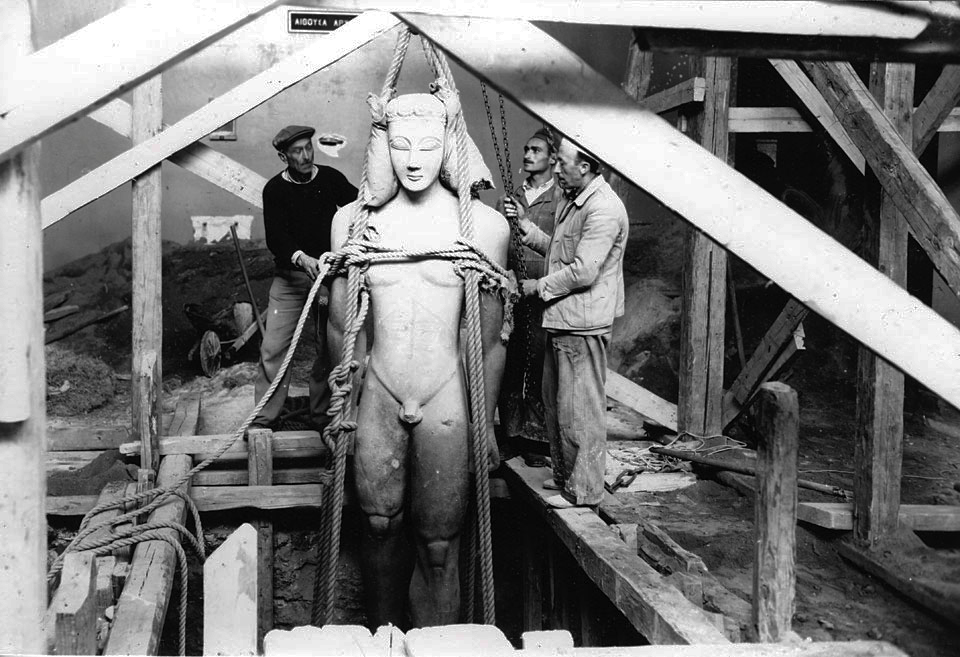
Article on the behaviour of German archaeologists during the Occupation in Greece
The article entitled “Massacres and some beautiful souvenirs” was published in the cultural inset of the newspaper Süddeutsche Zeitung.
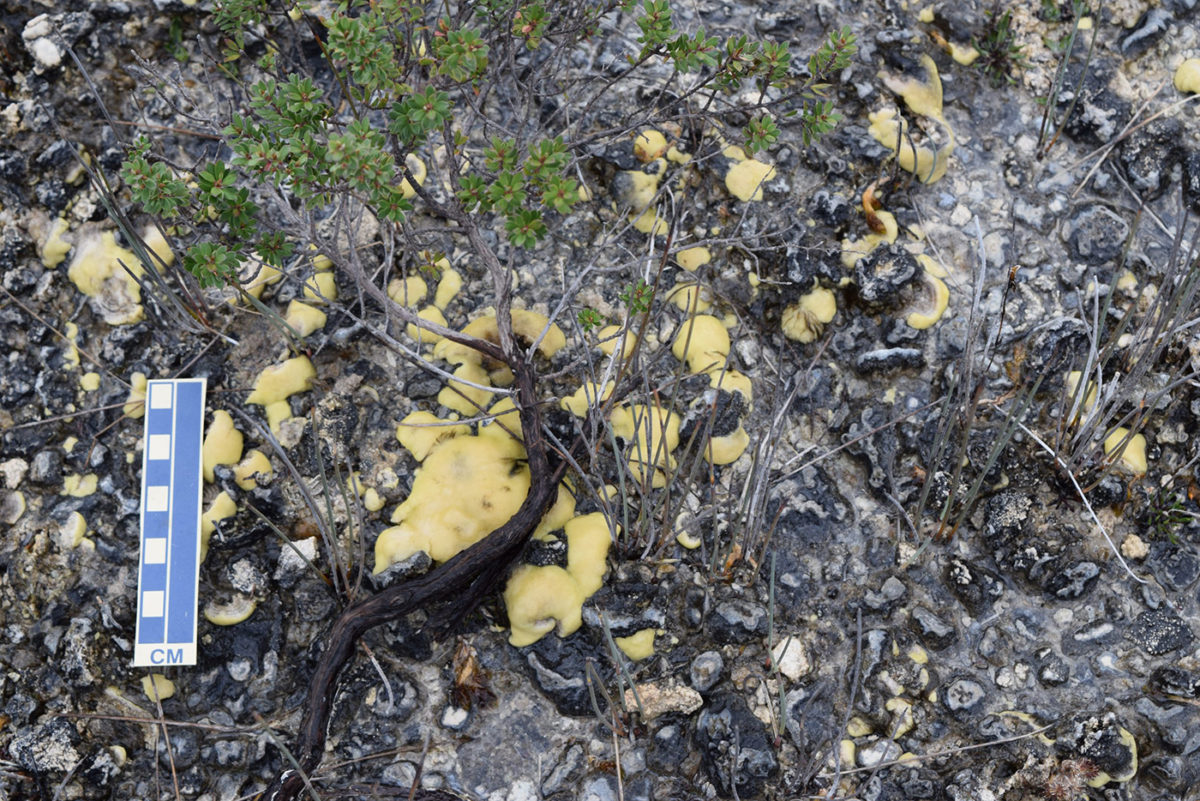
Ancient life form discovered in remote Tasmanian valley
A team of Tasmanian researchers has uncovered rare, living stromatolites deep within the Tasmanian Wilderness World Heritage Area.
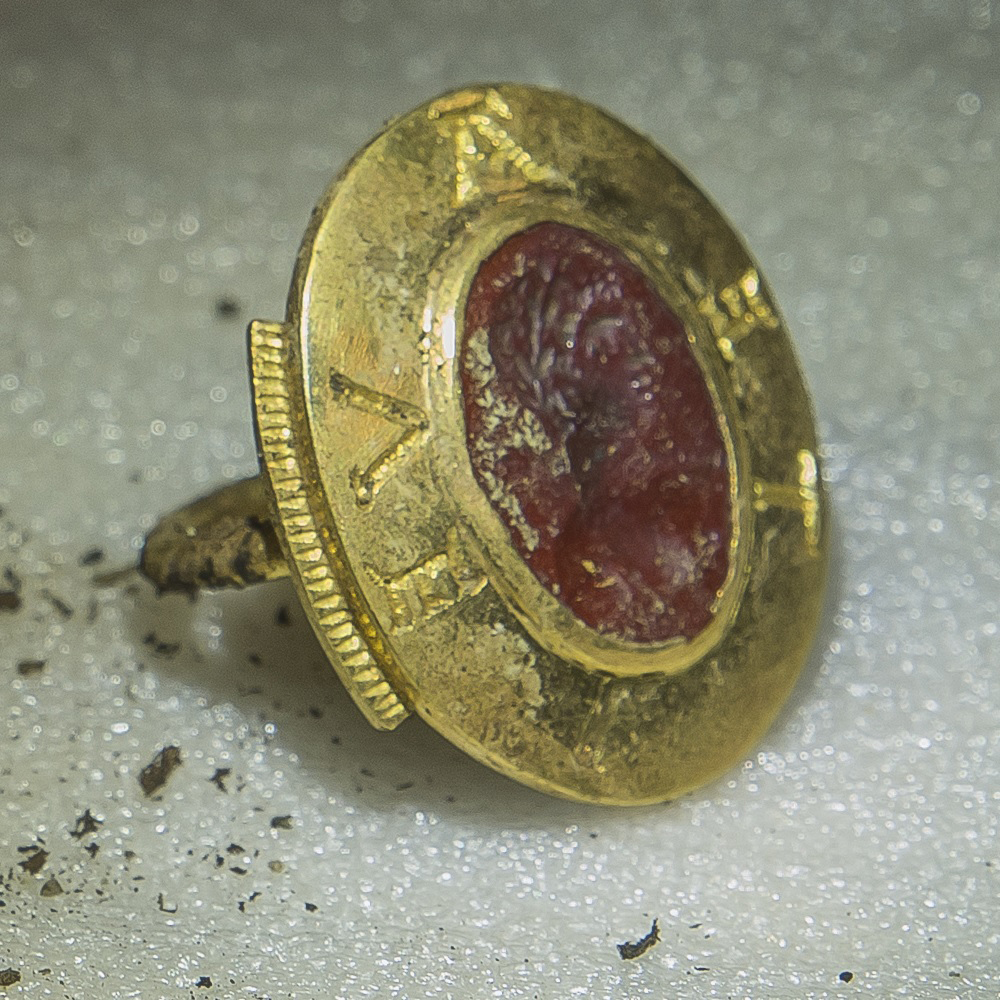
Medieval treasure unearthed at the Abbey of Cluny
A large medieval treasure has been unearthed during excavations last September at the Abbey of Cluny, a former Benedictine monastery in Cluny, Saône-et-Loire, France.
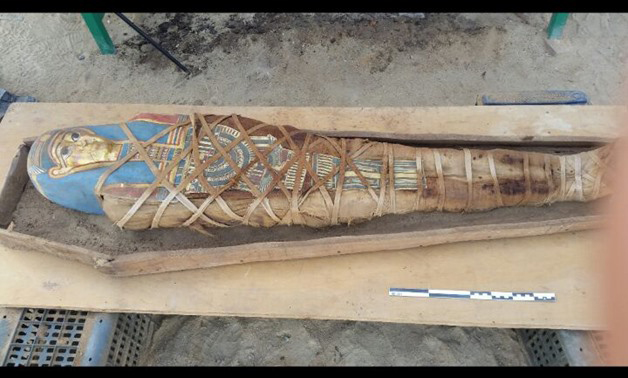
Coffin and mummy found in Deir al-Banat
The Egyptian-Russian archaeological mission working in the Archaeological Site of Deir al-Banat (Monastery of Al-Banat) in Fayoum Governorate uncovered a wooden coffin with a mummy inside that are dated back to the Greaco-Roman era.