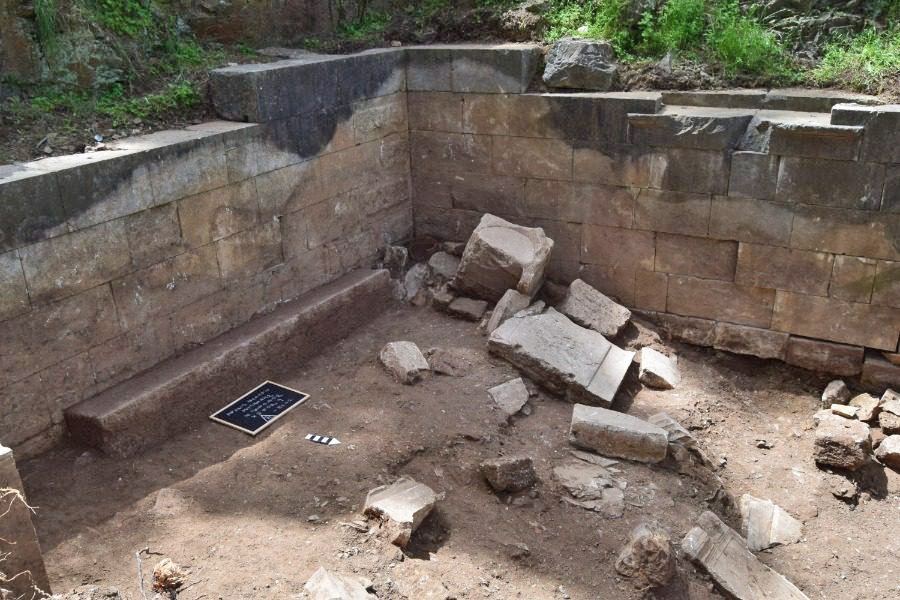
Sanctuary of Nemesis has come to light in the ancient theatre of Mytilene
This important find enhances the significance of the site of the ancient theatre of Mytilene.
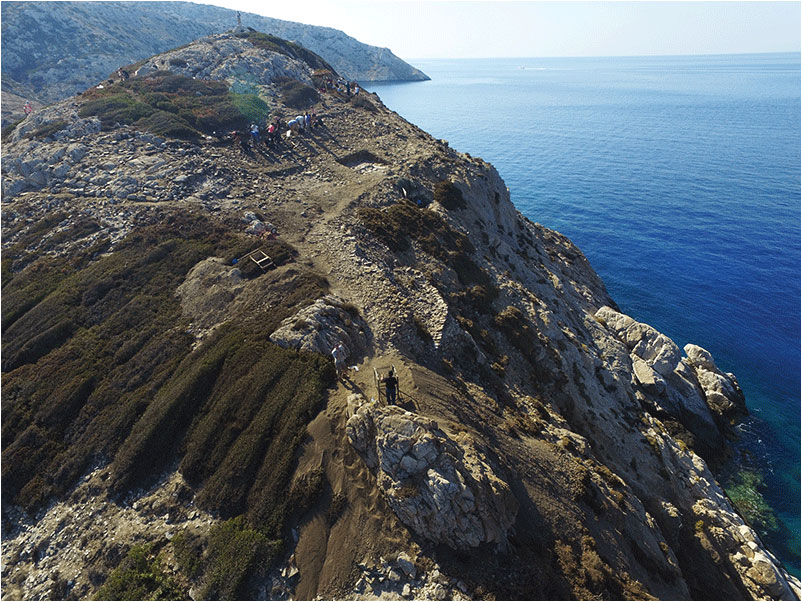
Evidence of advanced architectural planning on Dhaskalio
A four year research program has been completed with the discovery of impressive architectural remains of an important Proto Cycladic settlement.
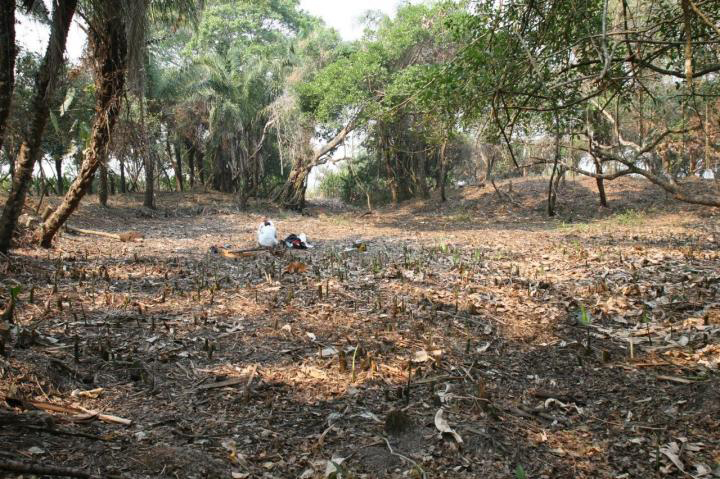
Ancient fish ponds in the Bolivian savanna supported human settlement
A network of fish ponds supported a permanent human settlement in the seasonal drylands of Bolivia more than one thousand years ago.
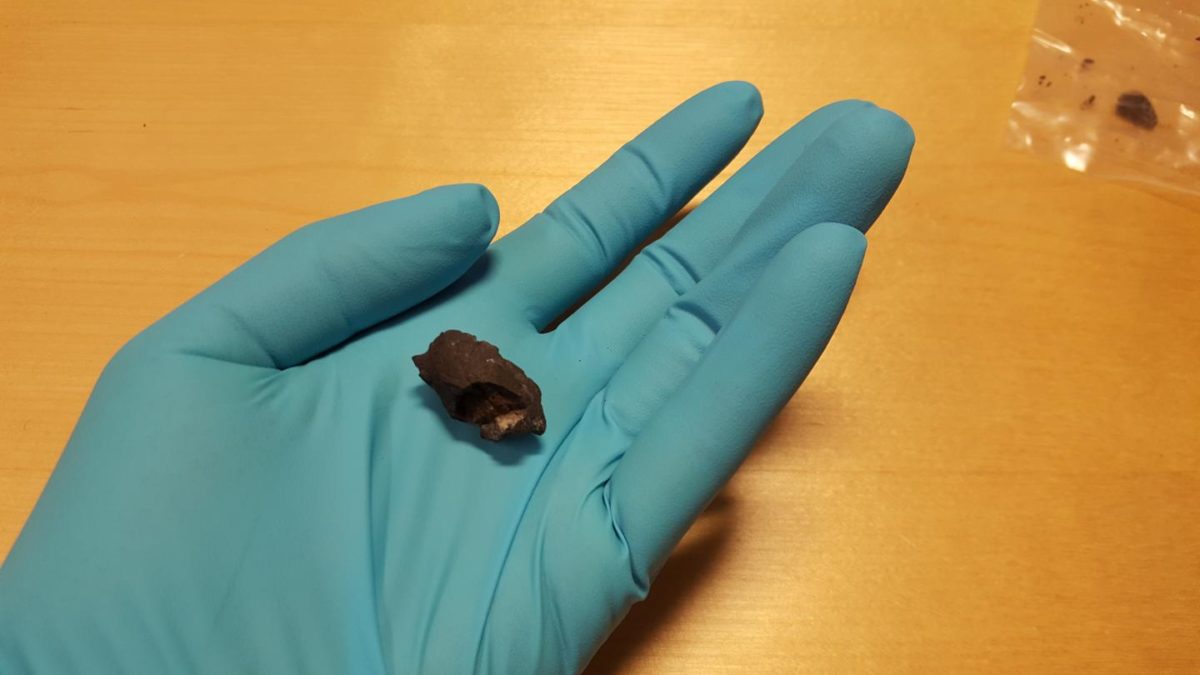
Chewing gums reveal the oldest Scandinavian human DNA
The first humans who settled in Scandinavia more than 10,000 years ago left their DNA behind in ancient chewing gums, which are masticated lumps made from birch bark pitch.
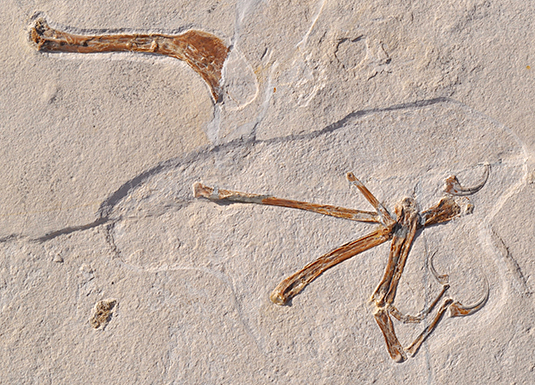
First birds: Archaeopteryx gets company
A team led by Professor Oliver Rauhut has taxonomically identified a bird unknown until now: Alcmonavis poeschli.
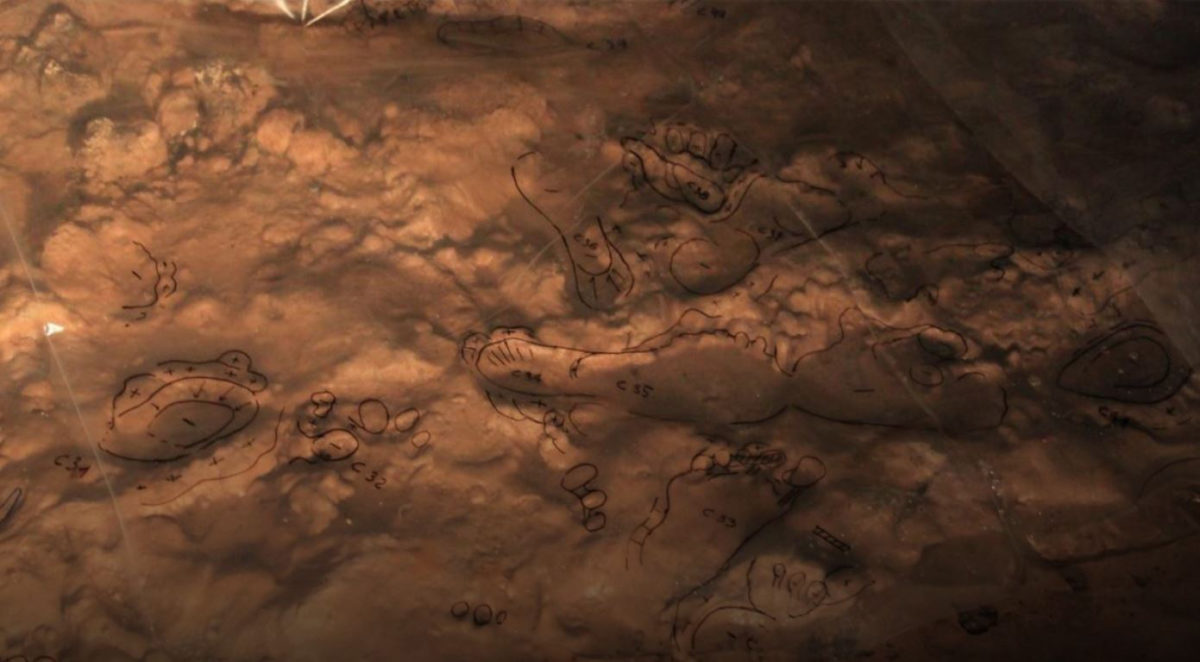
Traces of crawling in Italian cave give clues to ancient humans’ social behavior
Evidence of crawling in an Italian cave system sheds new light on how late Stone Age humans behaved as a group, especially when exploring new grounds.
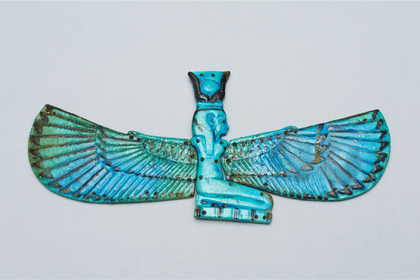
Belief and Identity in the Ancient World
The Sixth Annual Birmingham Egyptology Symposium, ‘Belief and Identity in the ancient World’ will be held in the Murray Learning Centre (Room UG10) at the University of Birmingham.
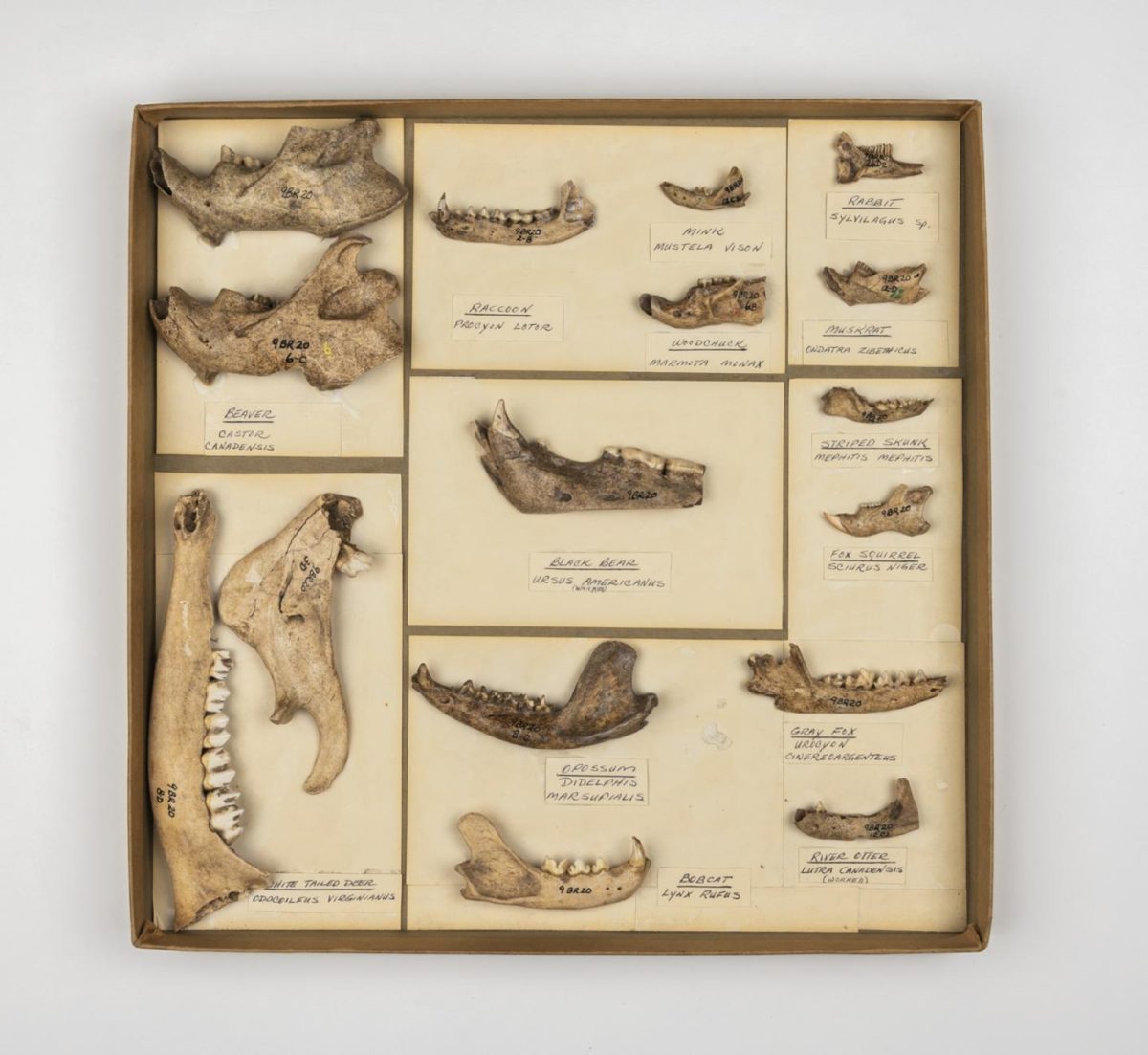
New data platform illuminates history of humans’ environmental impact
Making these specimen records accessible digitally helps provide a long-term perspective on current biodiversity crises.

Getty Museum acquires collection of ancient engraved gems
All seventeen gems will be featured as part of a special exhibition opening at the Getty Center in December highlighting recent acquisitions.

Abrupt climate change drove early South American population decline
Abrupt climate change some 8,000 years ago led to a dramatic decline in early South American populations, suggests new UCL research.

Ancient DNA suggests that some Northern Europeans got their languages from Siberia
The findings highlight the way in which a combination of genetic, archaeological, and linguistic data can converge to tell the same story about what happened in particular areas in the distant past.
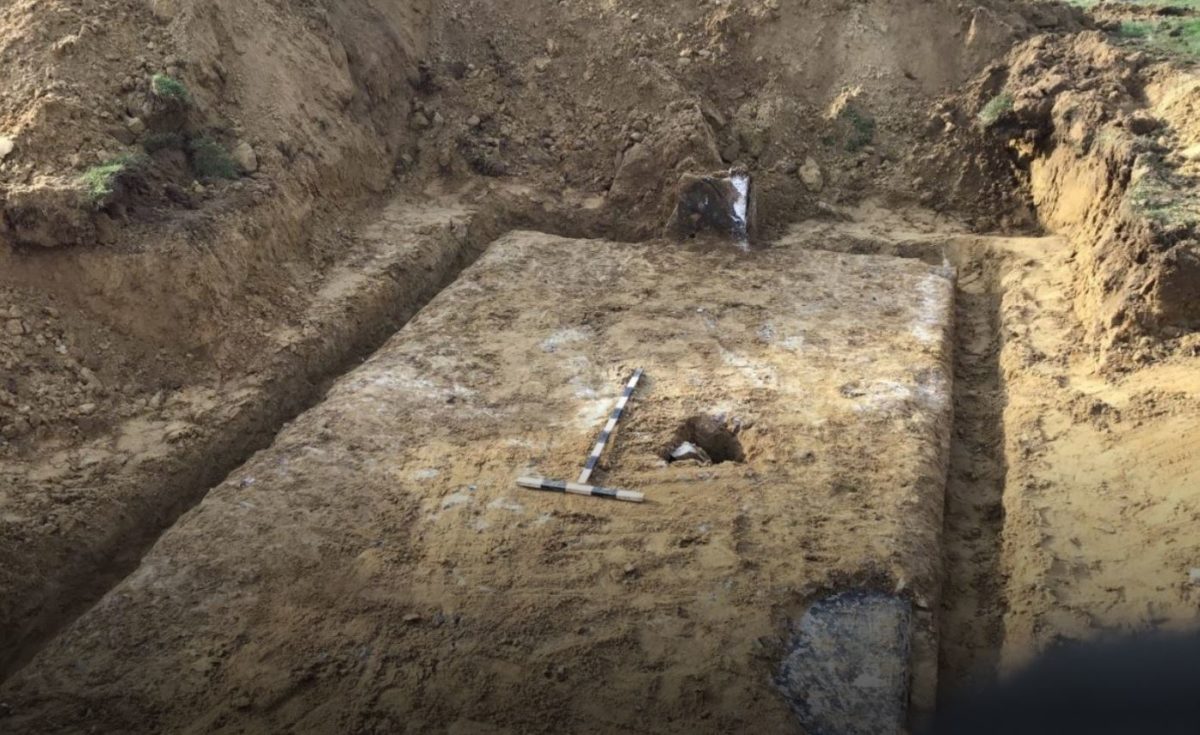
Archaeologists uncover Cold War structure
Wessex Archaeology have discovered of an Underground Monitoring Post (UGMP) in Arborfield dating back to the Cold War.
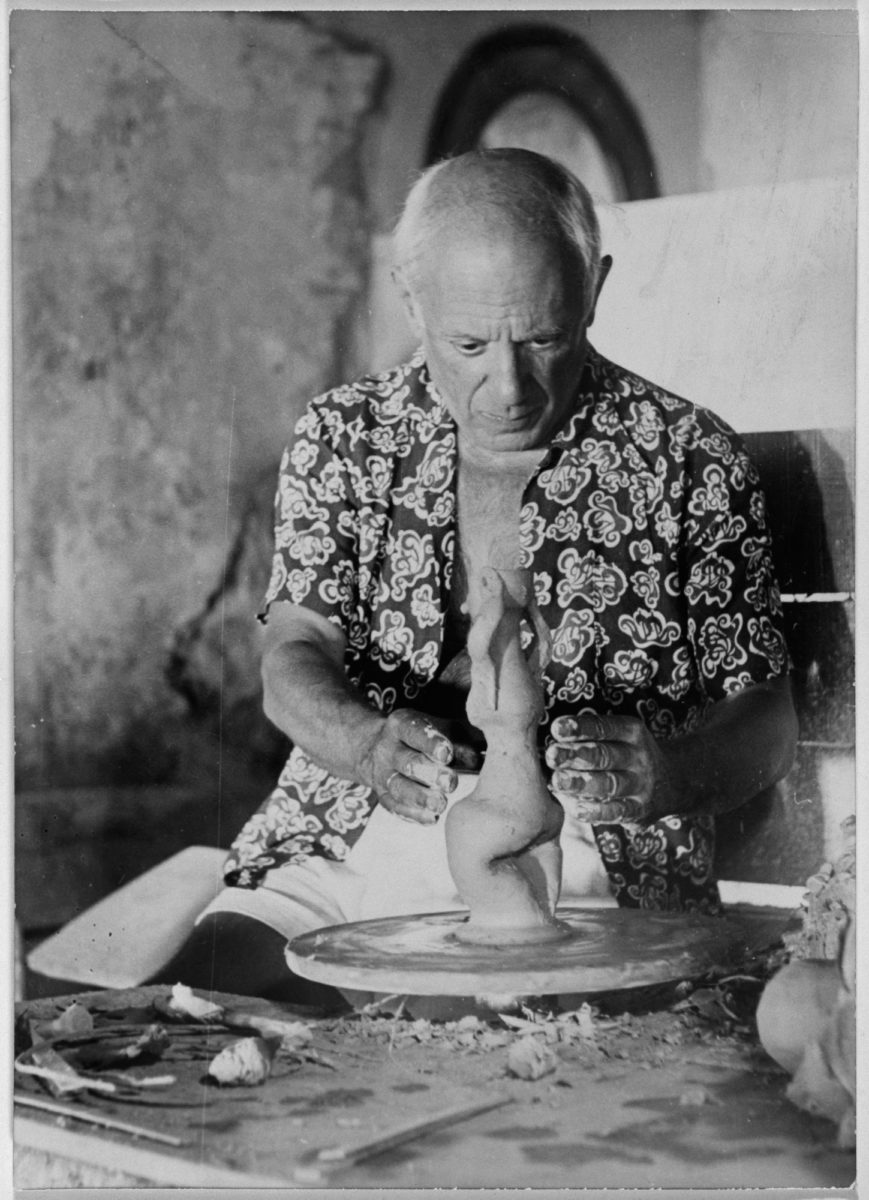
Picasso at the Cyprus Museum
The exhibition presents a small but representative part of Picasso’s ceramic creations, with original and unique works.
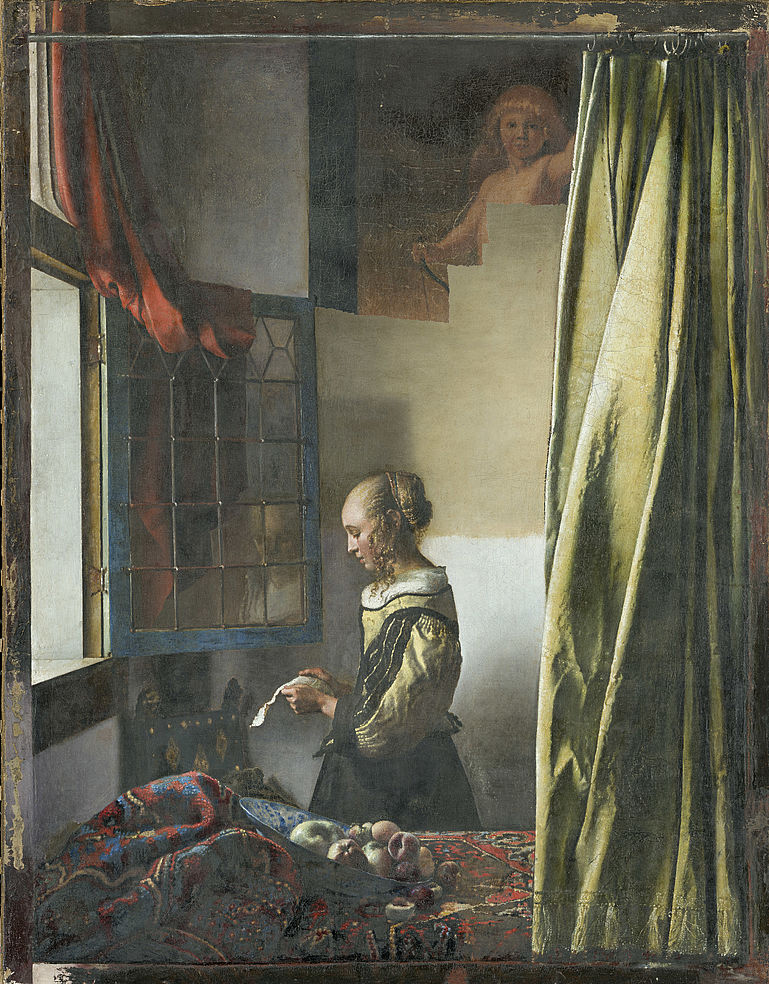
A “new” Vermeer in Dresden
Today, new laboratory tests have conclusively determined that the overpainting of the naked Cupid was not by Vermeer’s hand.
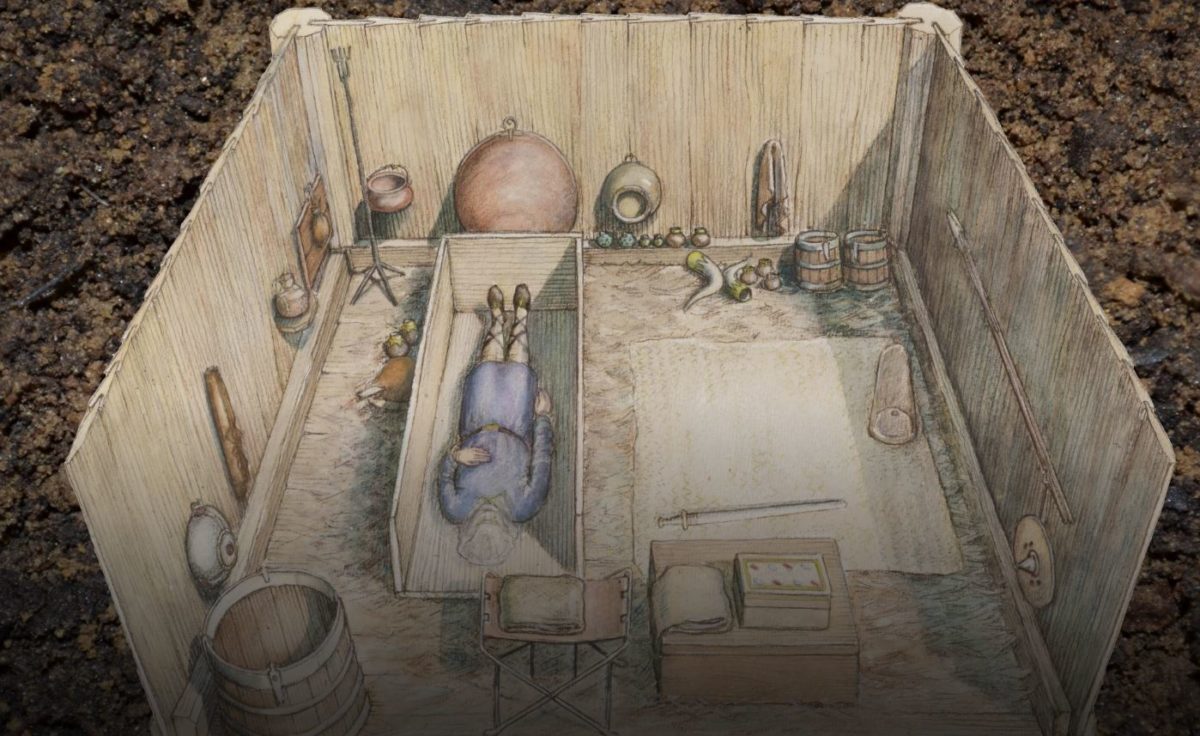
Archaeologists reveal findings of Prittlewell Anglo-Saxon burial
Previously hidden secrets and insights into the Prittlewell princely burial and the man buried have been painstakingly reconstructed by a team of over 40 archaeological experts.
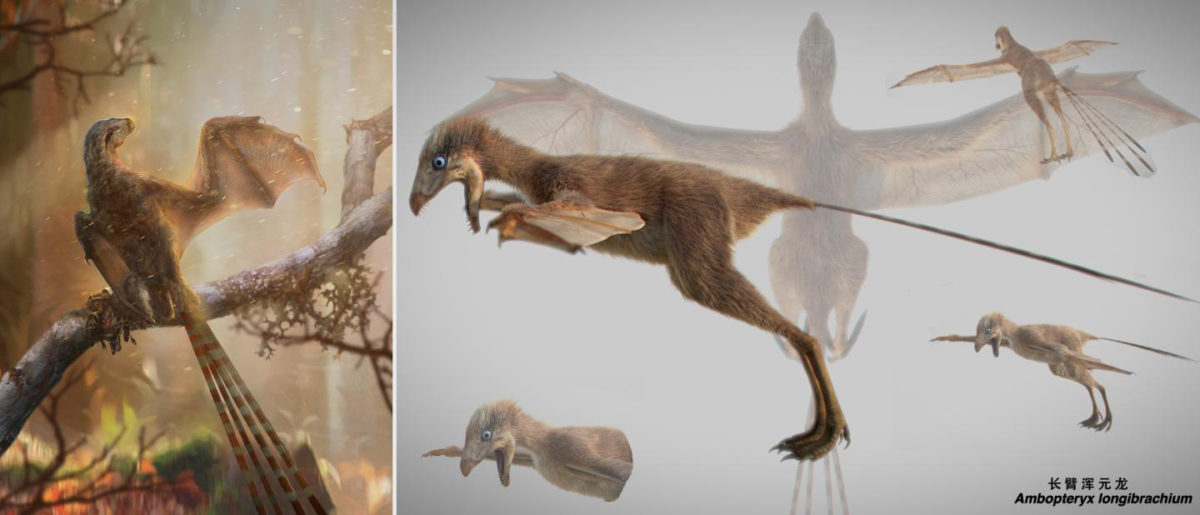
New Jurassic non-avian theropod dinosaur sheds light on origin of flight in Dinosauria
The new species, named Ambopteryx longibrachium, belongs to the Scansoriopterygidae, one of the most bizarre groups of non-avian theropods.
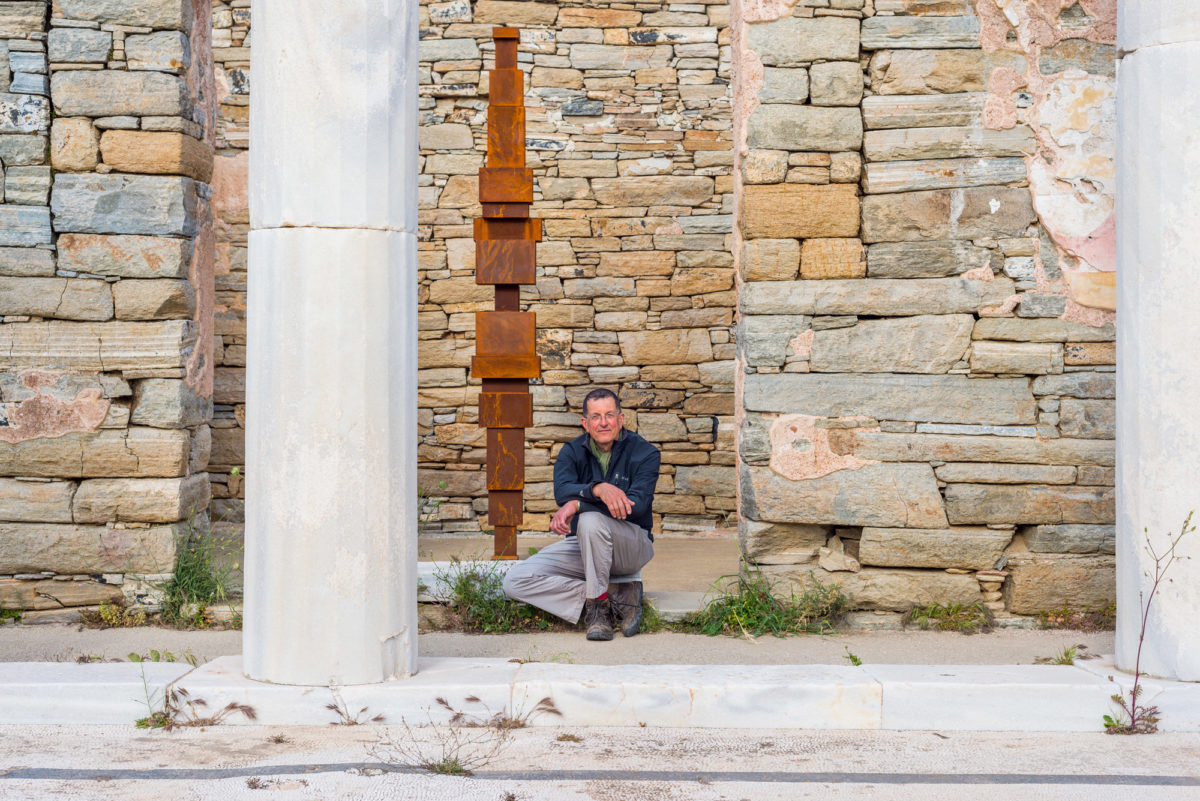
SIGHT – On the sacred island of Delos
This project by the renowned sculptor marks the first time that an artist takes over the archaeological site of Delos since the island was inhabited over 5,000 years ago.
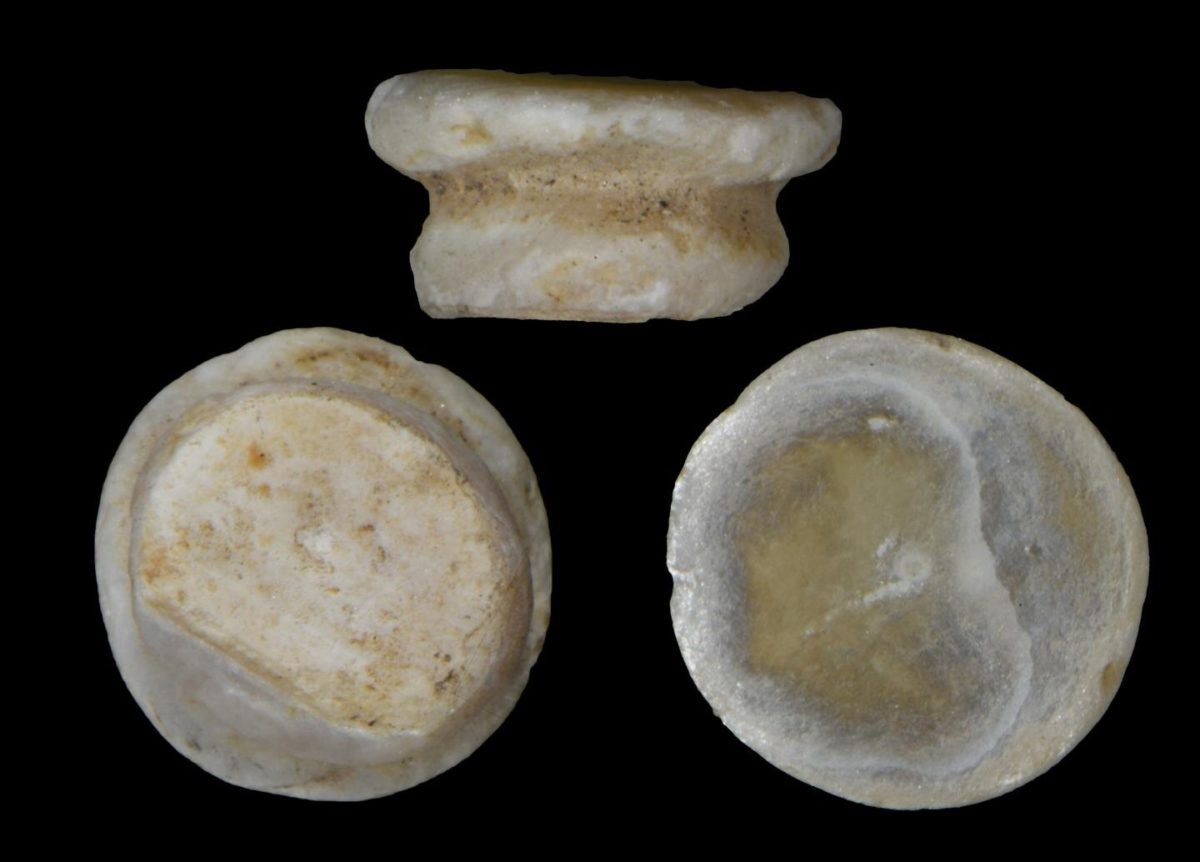
Freshwater mussel shells were material of choice for prehistoric craftsmen
A new study suggests that 6000-years-ago people across Europe shared a cultural tradition of using freshwater mussel shells to craft ornaments.
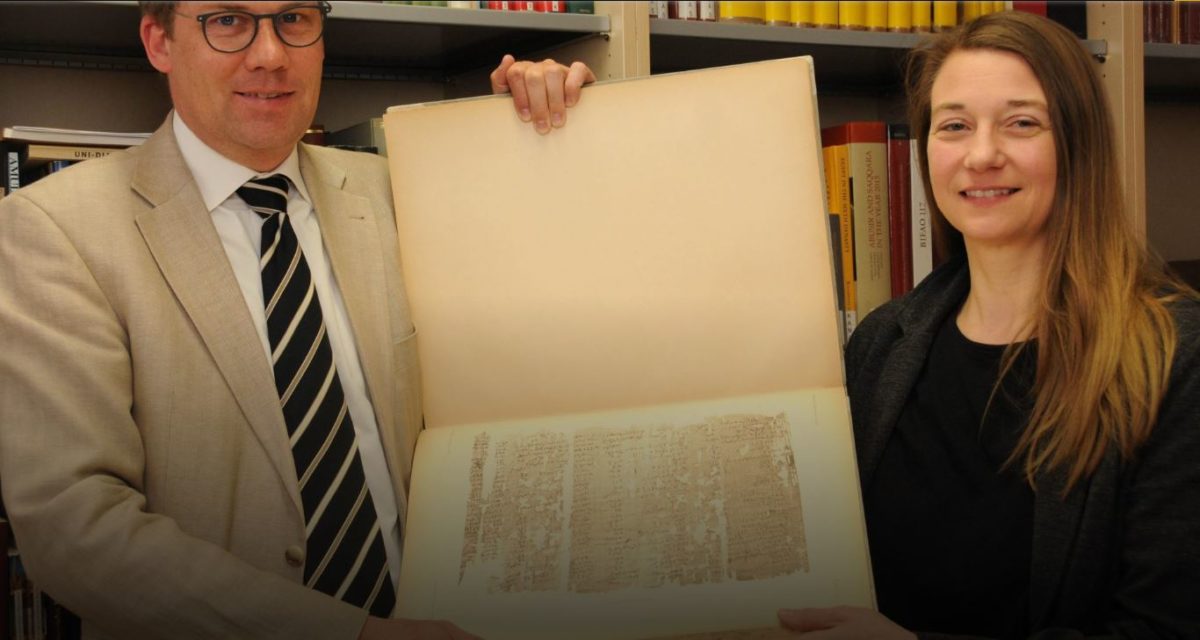
Wheat, wine and wool: What old account statements reveal
Under the keyword “Digital Humanities”, ancient historians and Egyptologists will be provided with new sources that will put the knowledge about the economic life of Egyptian temples in the Roman Empire on a new footing.
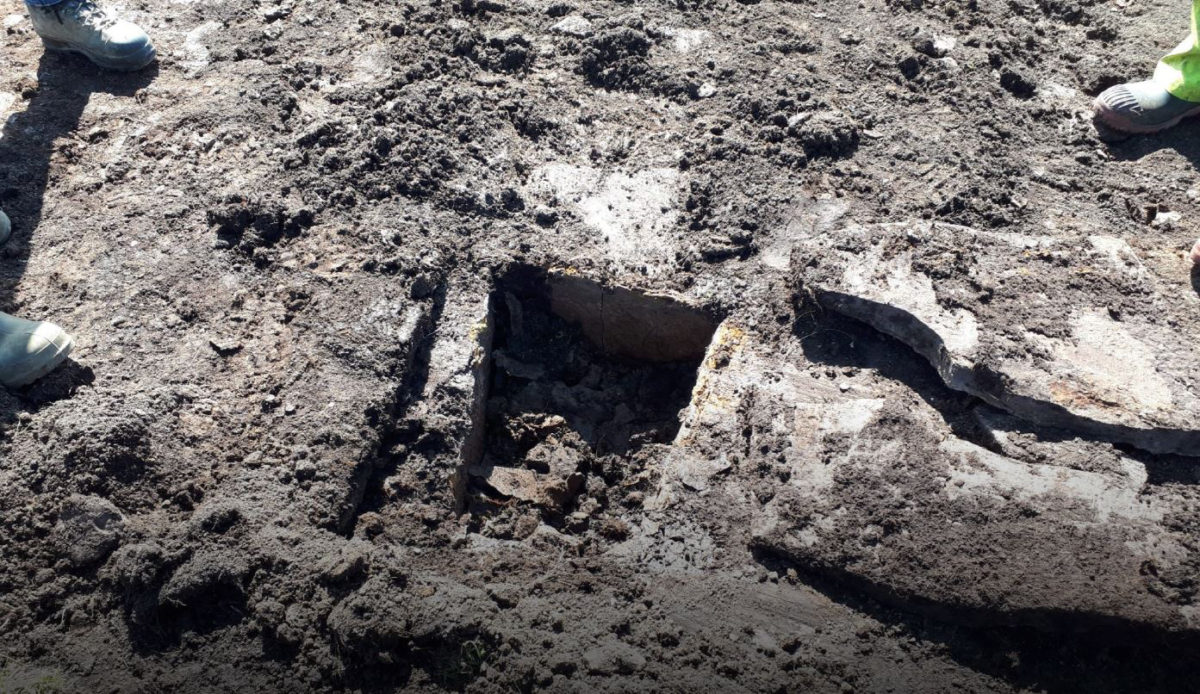
Bronze Age Burial Unearthed in Orkney
A team from ORCA Archaeology discovered a 3,500 year old burial cist last week while undertaking exploratory archaeological excavations on behalf of SSEN Transmission in Orkney.
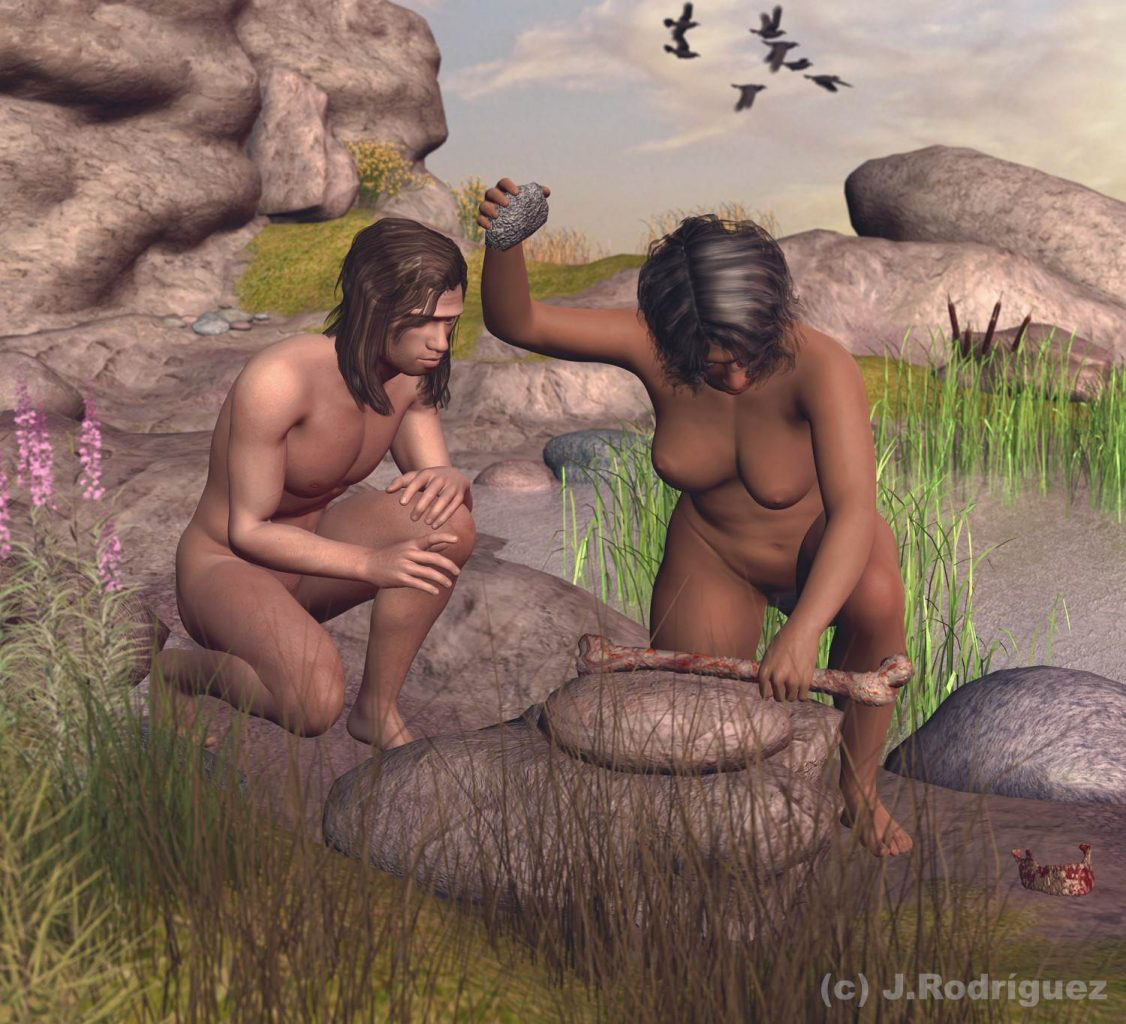
Cannibalism was profitable for Homo antecessor
CENIEH researchers have studied the cannibalistic behavior of Homo antecessor, reexamining the data furnished by other earlier work.
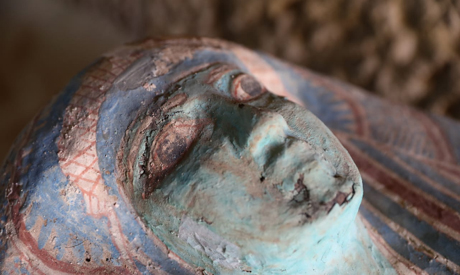
Old Kingdom tombs found on the Giza Plateau
A group of tombs dating back to the Old Kingdom have been unearthed on the Giza Plateau.
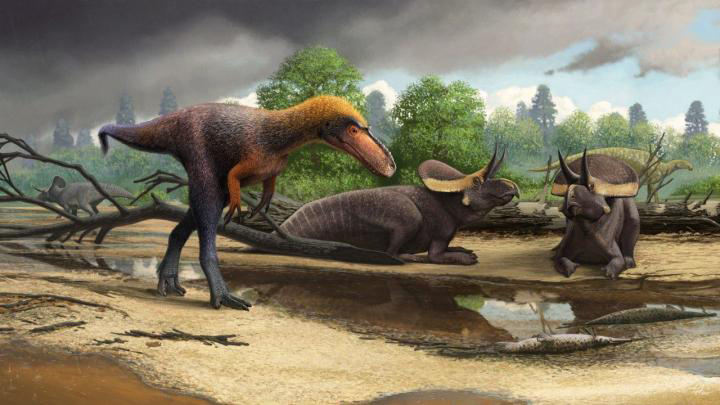
New 3-foot-tall relative of Tyrannosaurus rex
A new relative of the Tyrannosaurus rex has been discovered and named by a Virginia Tech paleontologist and an international team of scientists.
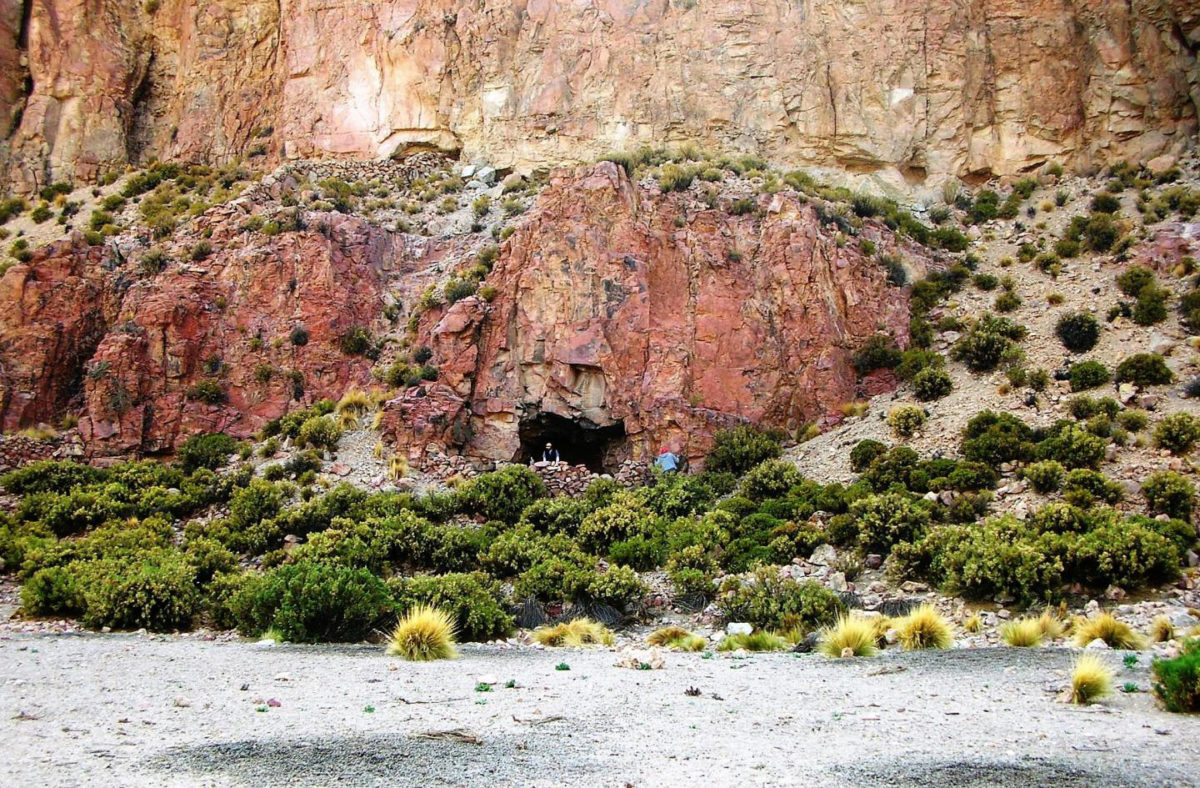
Ancient ritual bundle contained multiple psychotropic plants
A thousand years ago, Native Americans in South America used multiple psychotropic plants to induce hallucinations and altered consciousness.