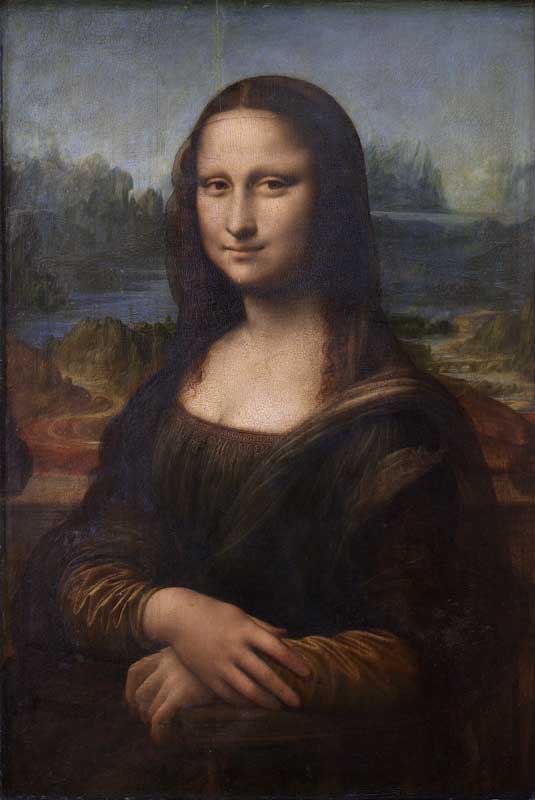
Scientists prove wrong the myth of the “Mona Lisa Effect”
It is that particular “Mona Lisa Effect” which describes the viewers’ impression of the eyes of the person in the painting watching them as they move in front of the picture.
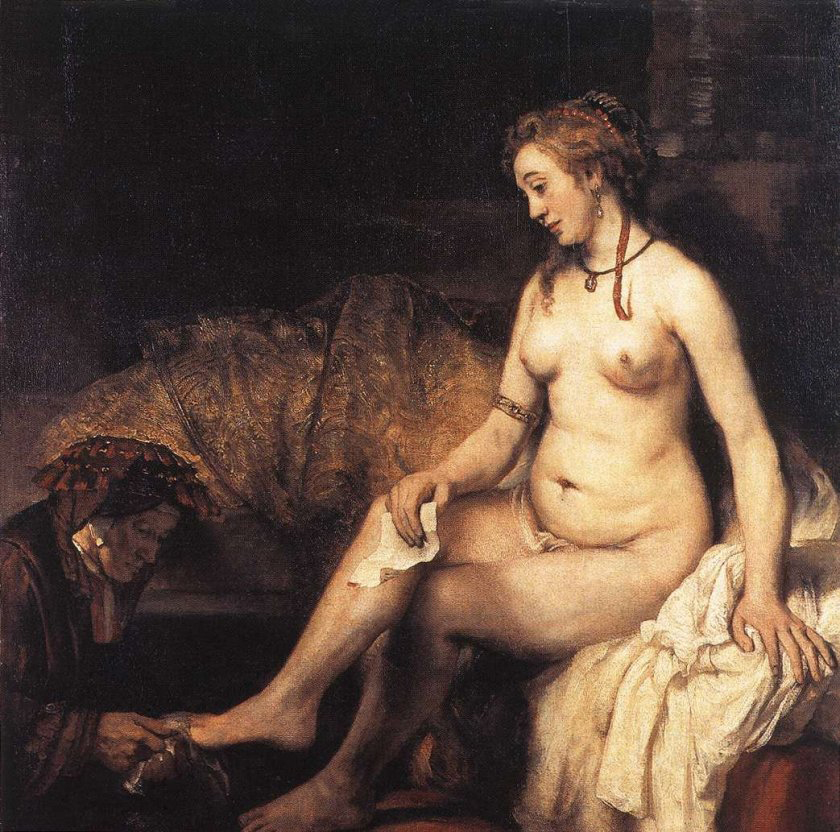
The secret to Rembrandt’s impasto unveiled
Αn international team of scientists have found how Rembrandt van Rijn used his impasto technique, where thick paint makes a masterpiece protrude from the surface.
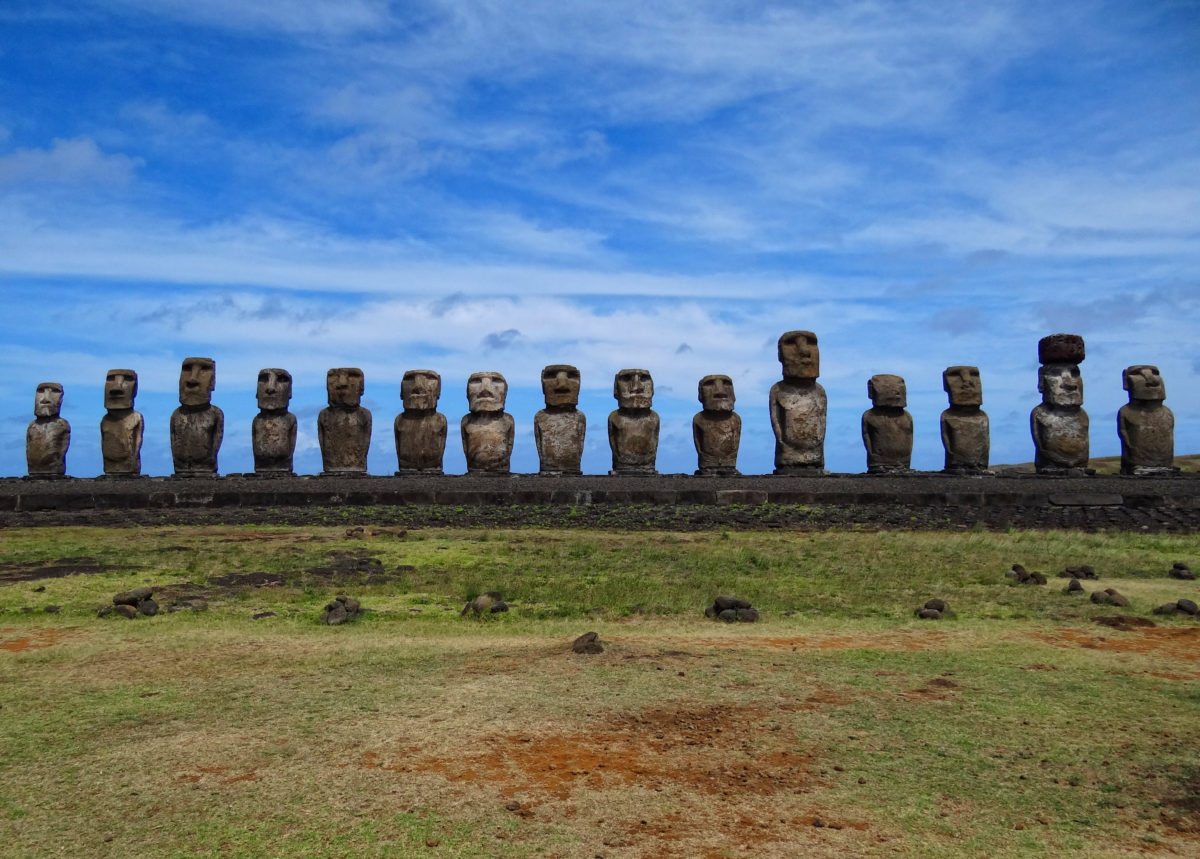
Solving the ancient mysteries of Easter Island
Rapa Nui islanders built monuments close to freshwater sources.
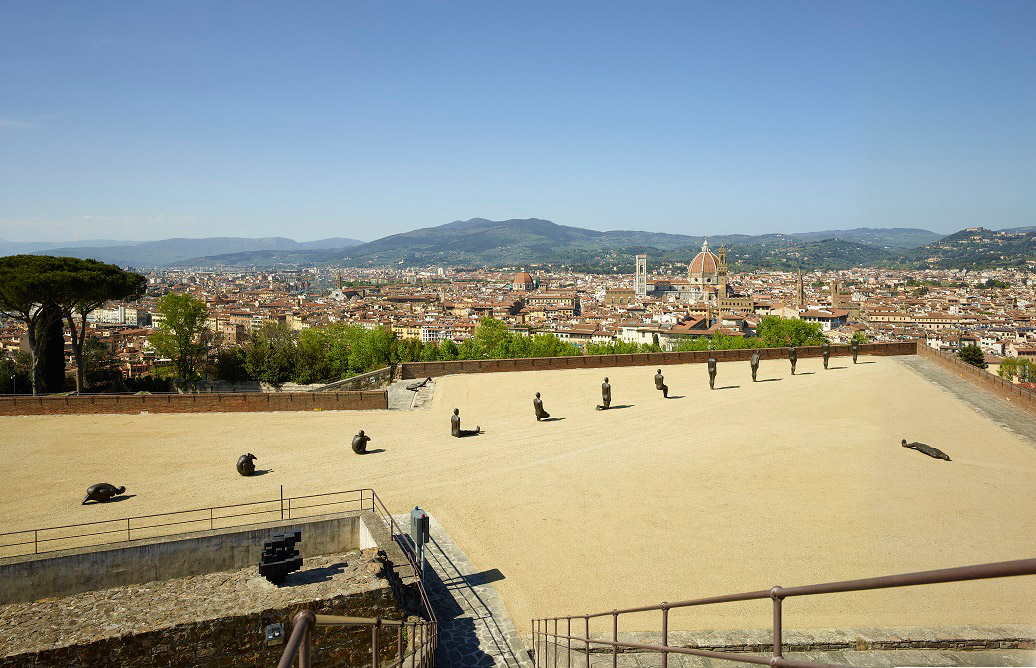
Modern art Installation for the first time on Delos
The installation on Delos will be made up of 29 life size sculpted figures placed in various parts of the island.
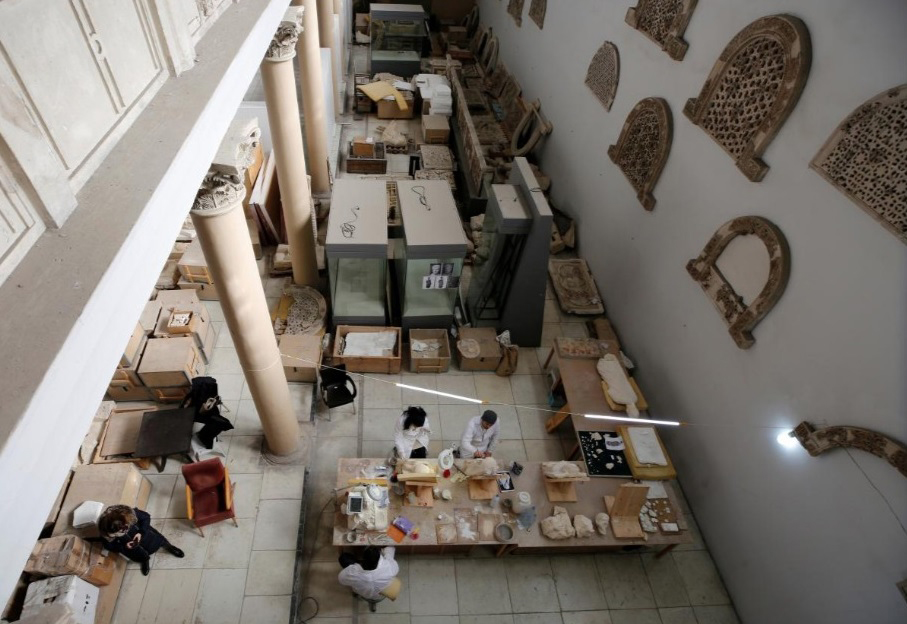
Restoring Palmyra’s damaged artefacts
In the National Museum of Damascus, archaeologist Muntajab Youssef is restoring an ancient stone bust from Palmyra.
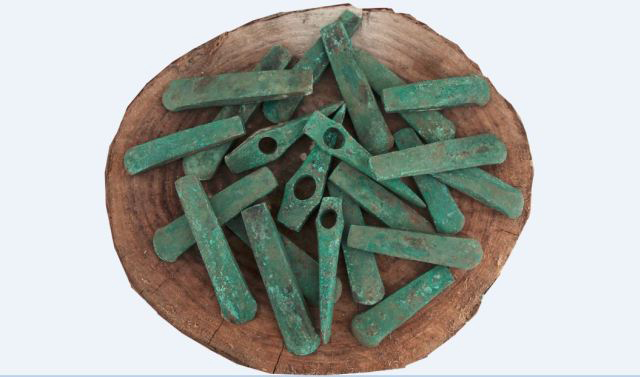
Europe’s largest hoard of Copper Age axes found in Northeast Bulgaria
A hoard of 6,500-year-old Copper Age axes and ax hammers has been discovered by accident near the town of Polkovnik Taslakovo.
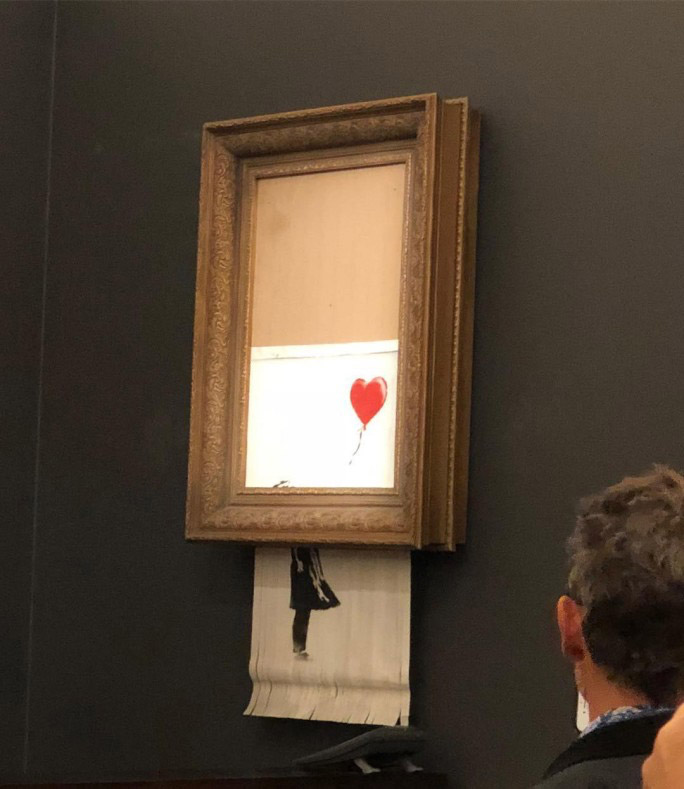
Partially shredded painting by Banksy is to be exhibited in Germany
The work, part of which was torn into thin strips, will be shown to the public for the first time since the incident at Sotheby’s.
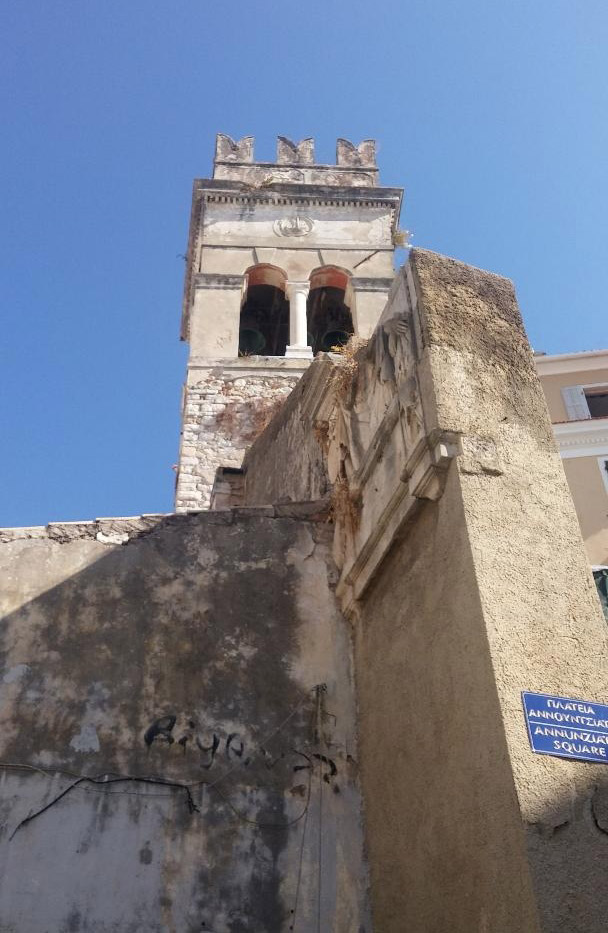
The belfries of Corfu… guardians of the island
The tall, imposing and unique forms cast their shadow over the rest of the buildings and the island’s narrow alleyways (kantounia), recording Corfu’s history.
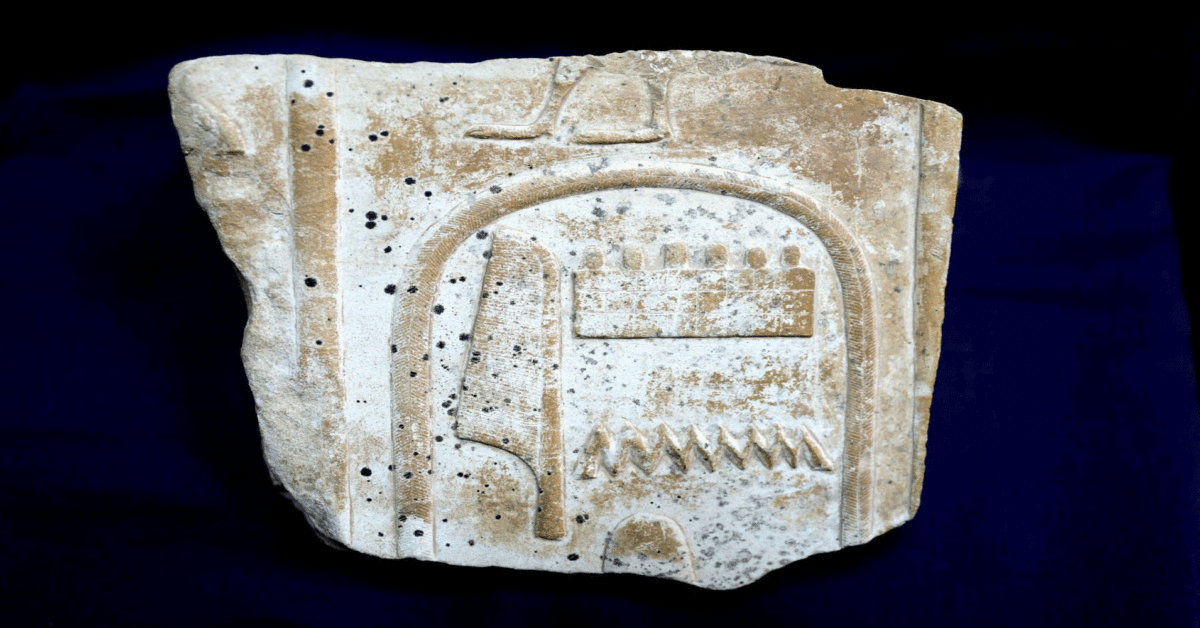
An Egyptian relief illegally smuggled into the UK is repatriated
An Egyptian artefact has been repatriated after being put on for sale at a London auction house.
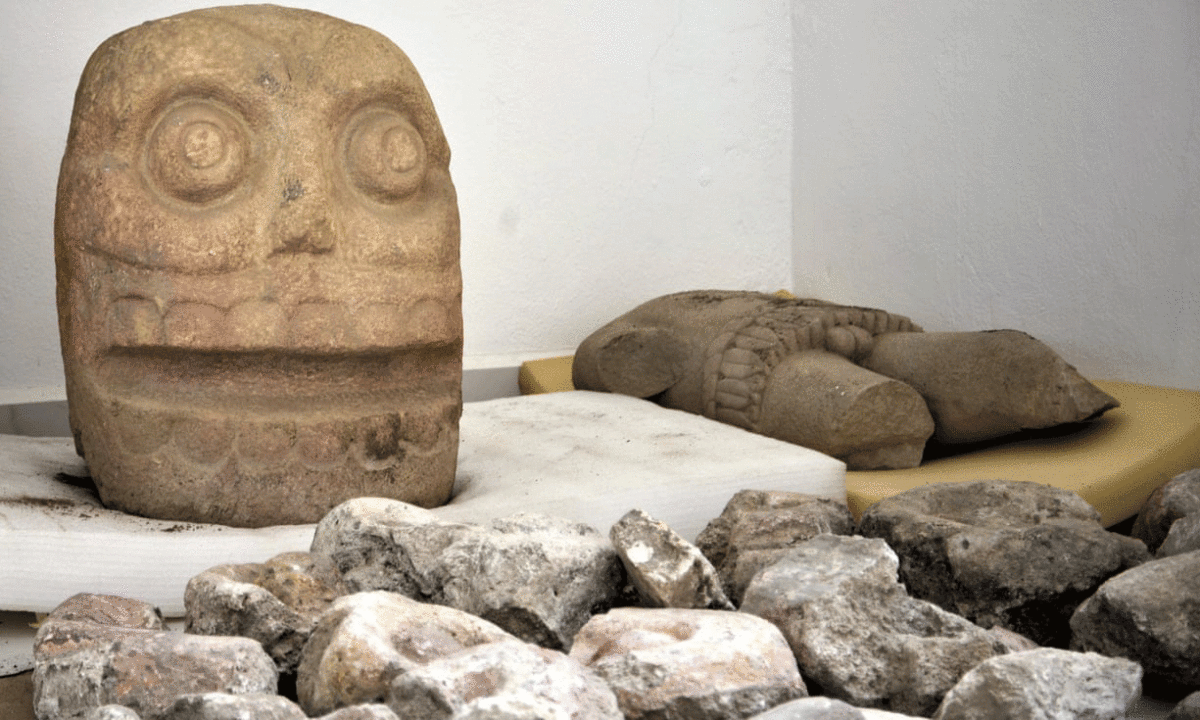
The temple of a pre-Hispanic God was found in Mexico
The temple is the first one dedicated to the deity, its name meaning the "Flayed God", which was worshipped by numerous peoples across central and western Mexico and the Gulf coast.
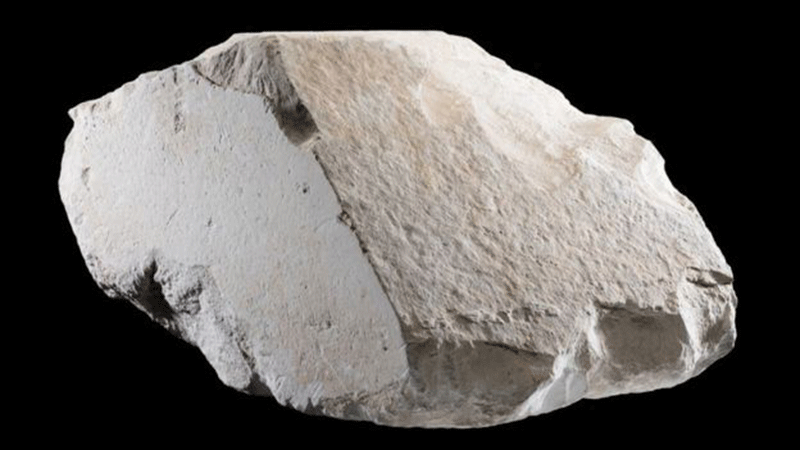
Pyramid stone block to go on display in Scotland challenged by Egyptian authorities
The Museum of Scotland's plan to exhibit a stone from the Great Pyramid of Giza in February has been challenged by Egyptian authorities.
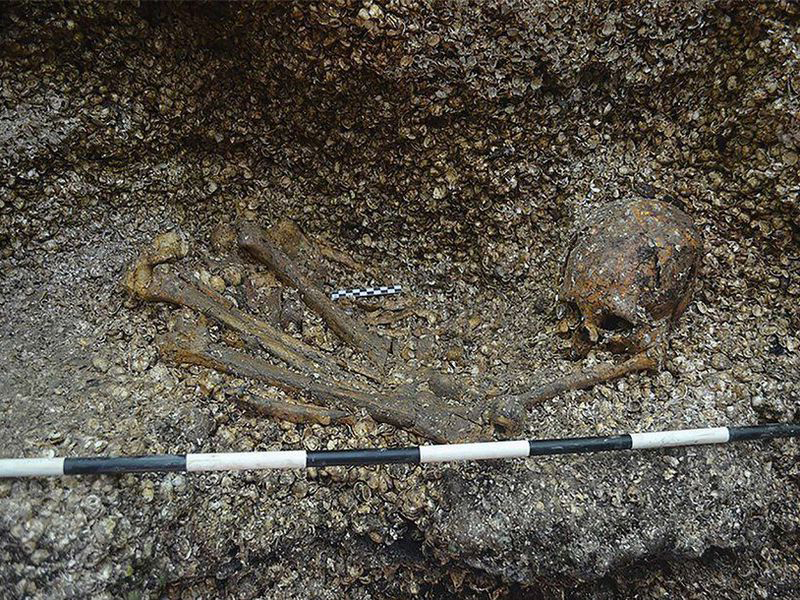
Oldest known human burial identified in Lower Central America
The remains of a young woman were discovered by archaeologists in what is now the Nicaraguan village of Bleera Kaanu.
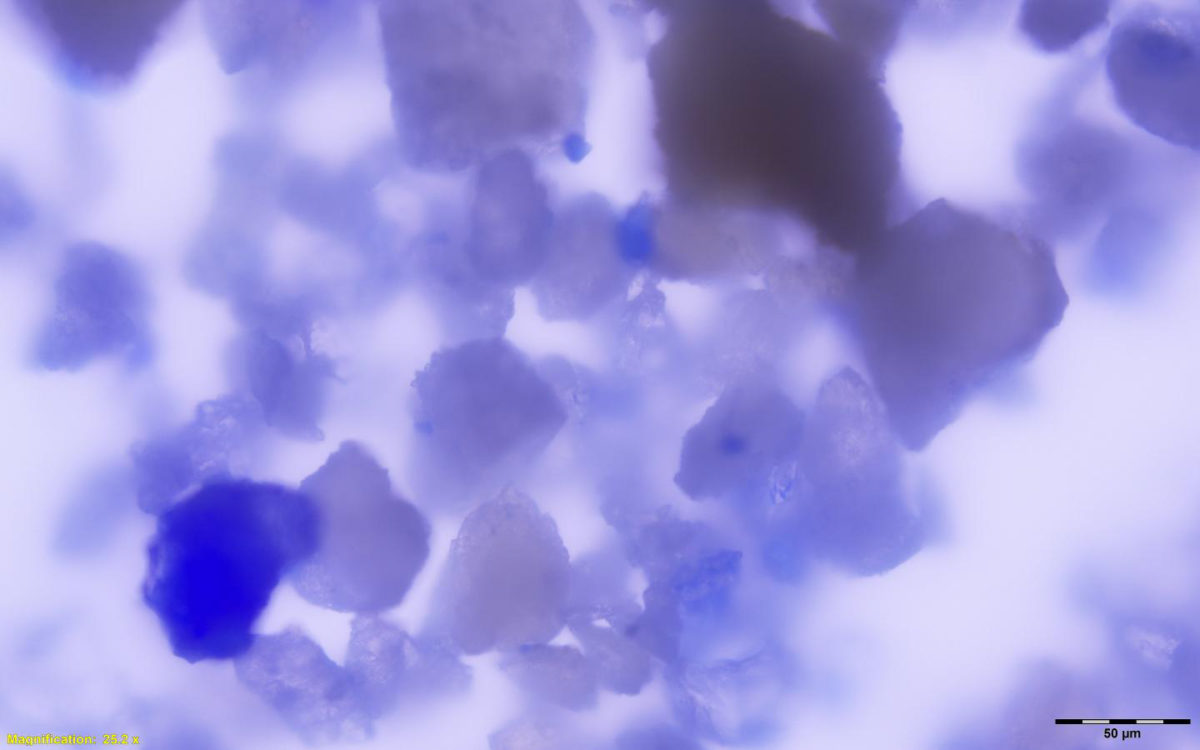
Illuminating women’s role in the creation of medieval manuscripts
Analysis of the fossilized dental plaque of a medieval woman reveals lapis lazuli, suggesting she was an accomplished painter of illuminated manuscripts.
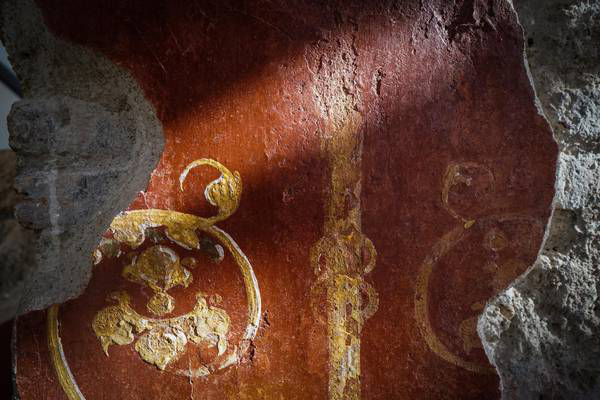
The Rebirth of the Schola Armaturarum
The story of this place will be told by the restorers, who will recount the meticulous restoration intervention on the frescoes and show the rooms at the back of the structure.
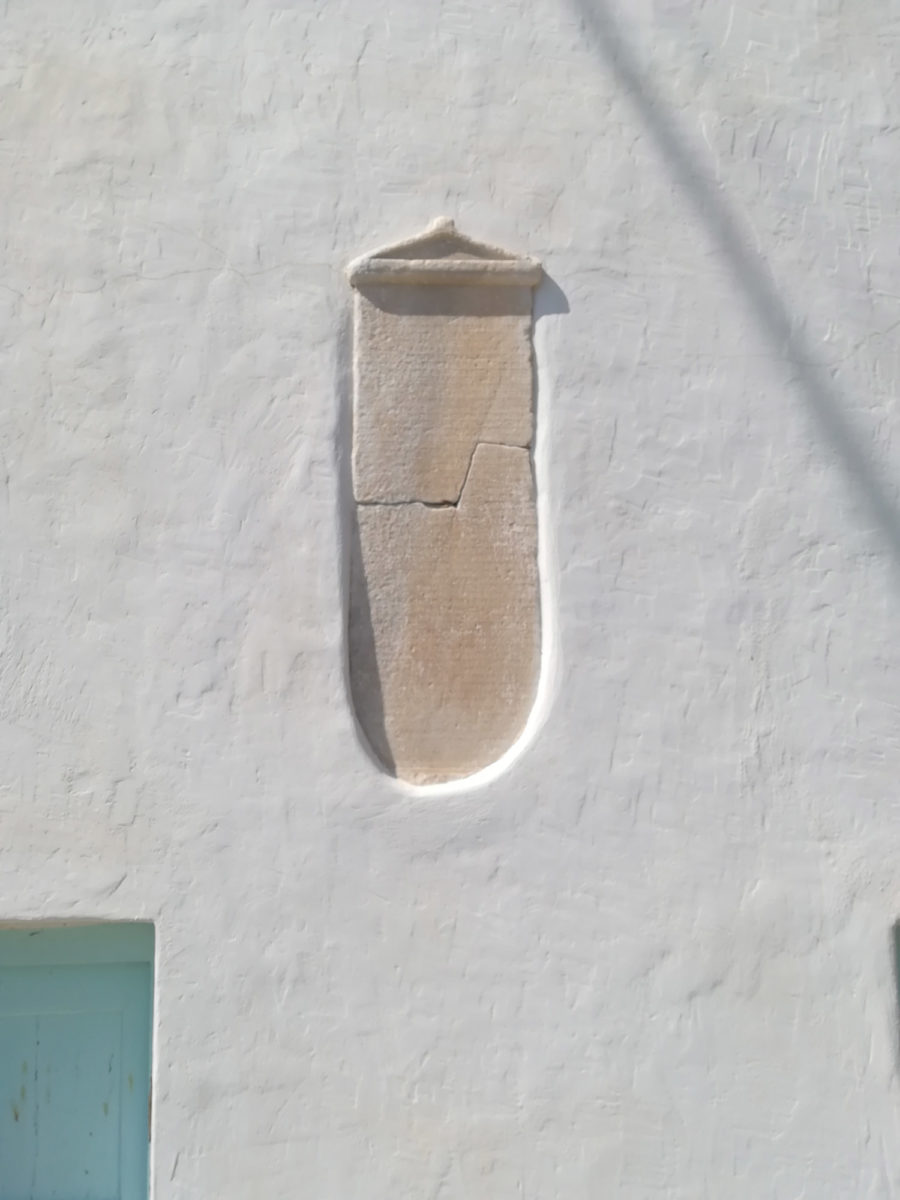
The Adventure of a stone: rediscovery of an important inscription on Amorgos
The famous resolution of Nikouria, a key text regarding the history of the Aegean in the 3rd c. BC, was recently rediscovered on Amorgos.
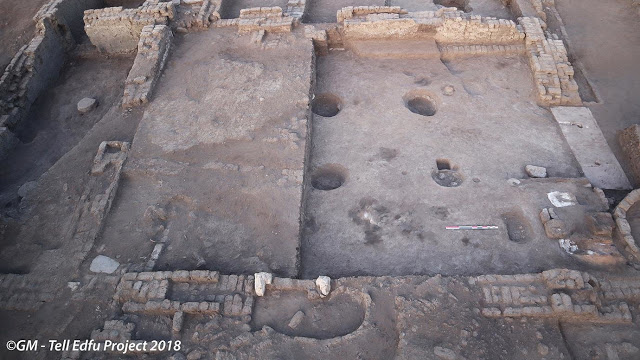
Ancient urban villa with shrine for ancestor worship discovered in Egypt
Excavation work led by the University of Chicago's Oriental Institute team has unearthed a large urban villa dating back to the early New Kingdom, about 1500-1450 B.C.E.
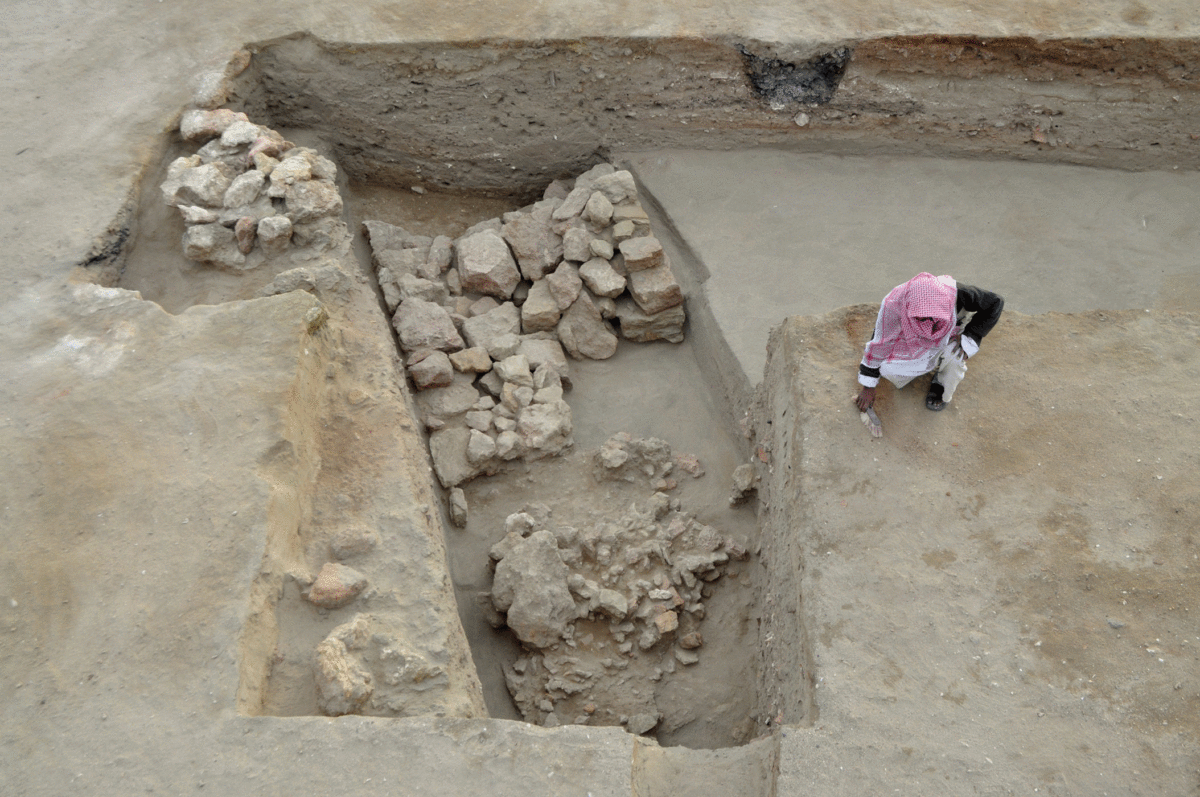
Berenike fortress on the Red Sea coast has been discovered
Archaeologists in Egypt have found the fortress that protected the Berenike port, on the coast of the Red Sea, which along with other ports on the coast also served as a passage of war elephants for the arm of the Ptolemies.
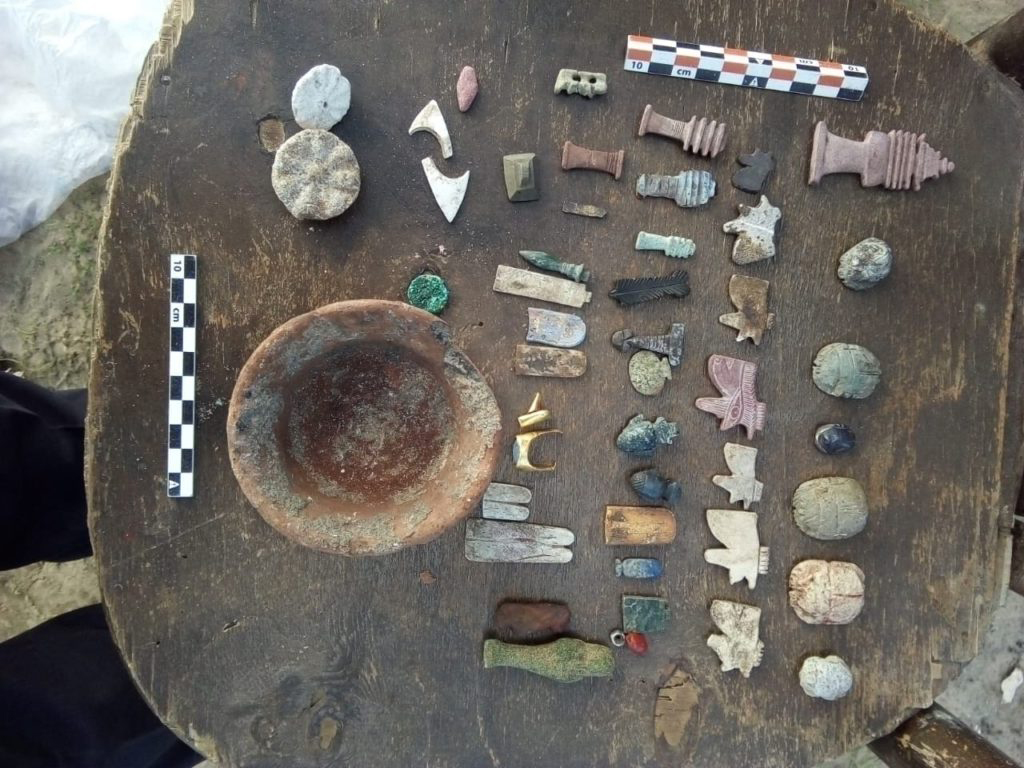
Egyptian archaeological mission unearths Roman pottery coffins in Damietta
The discovery of a collection of red cylindrical
pottery coffins that date back to the Roman era has been announced.
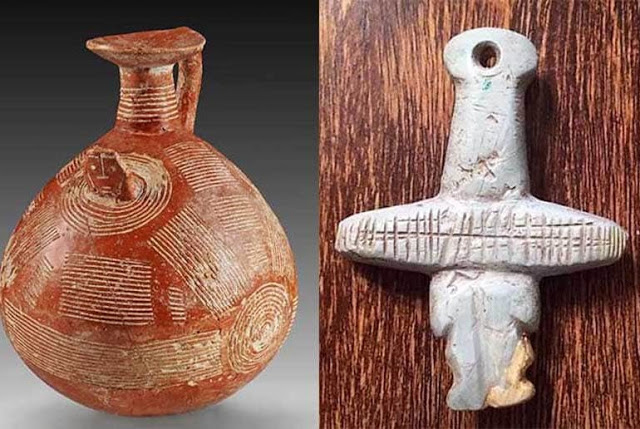
Regarding the repatriation of 100 Bronze Age antiquities
The Department of Antiquities of Cyprus has issued a press release regarding the repatriation of 100 Bronze Age antiquities to Cyprus.
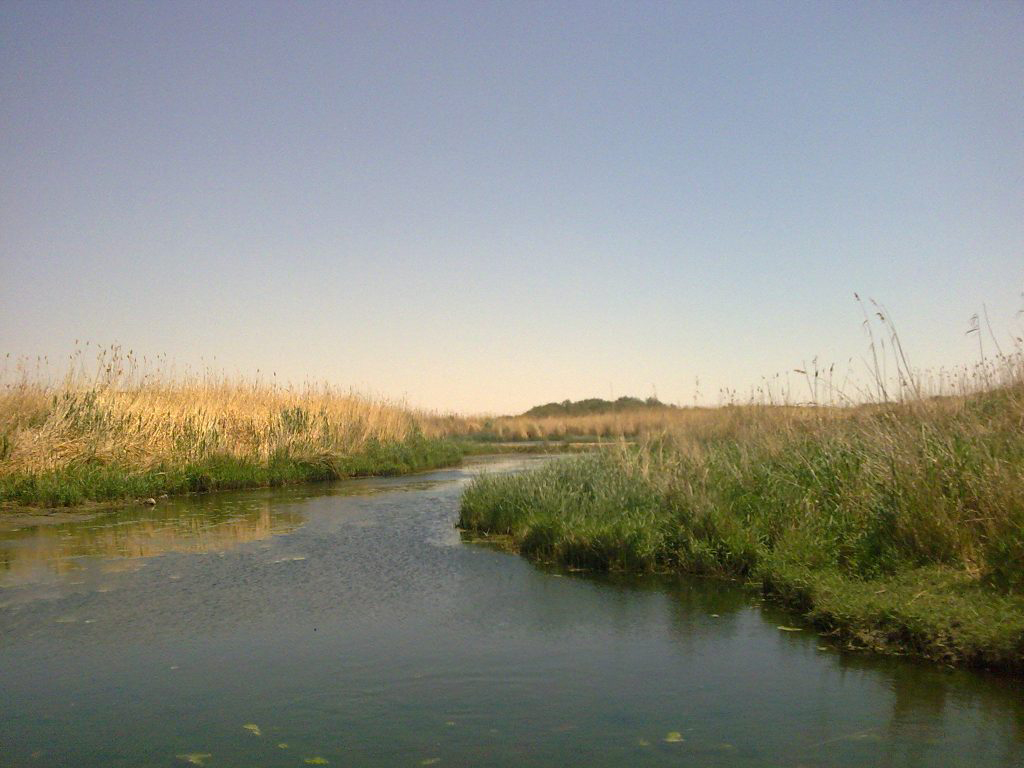
Archaeological discovery yields clues to how our ancestors may have adapted to their environment
During the Stone Age ancestral humans lived with a variety of animal species along what was an area of wetlands in the middle of the Jordanian desert.
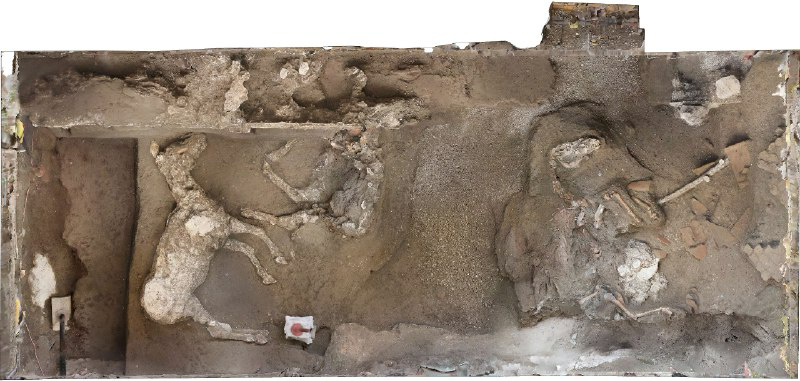
Third thoroughbred with elaborate military harness unearthed in ancient stable near Pompeii
A third thoroughbred with an elaborate military harness has been discovered in the stable of Civita Giuliana, as part of the recent excavation campaign.
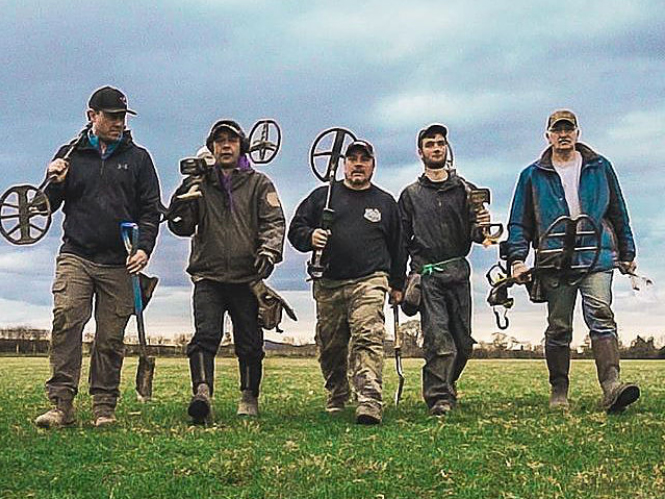
The tourism of detectorists
Tourists from the US, Australia and Canada are paying thousands of pounds to hunt for treasure on historical sites across the UK using metal detectors.
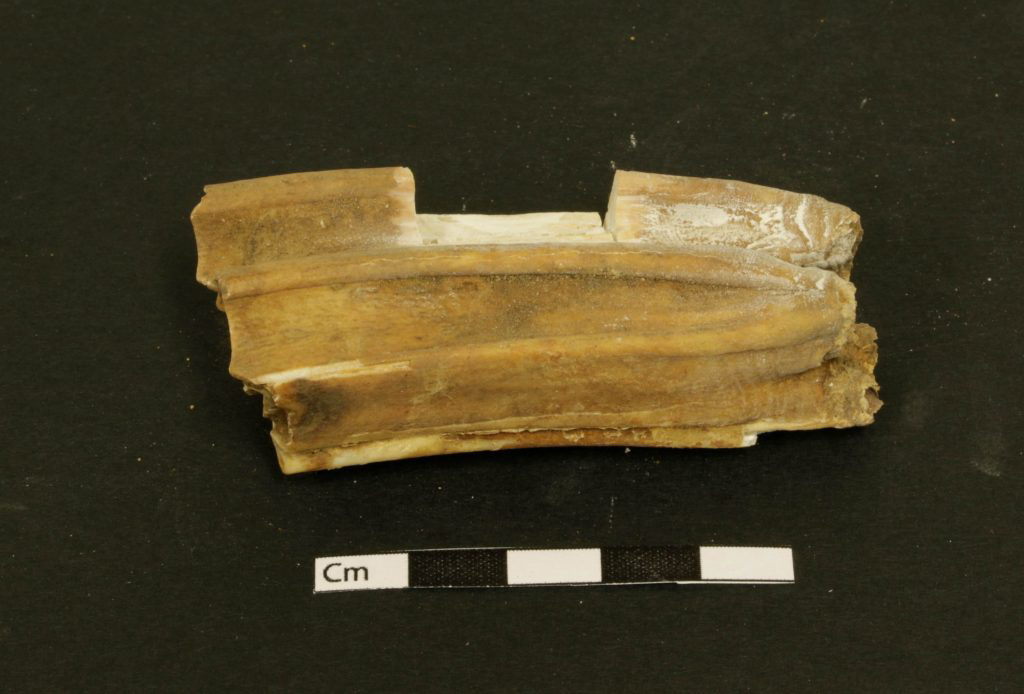
Powerful Icelandic Vikings were buried with stallions
All horses in 150 Viking Age graves found in Iceland turned out to be male.
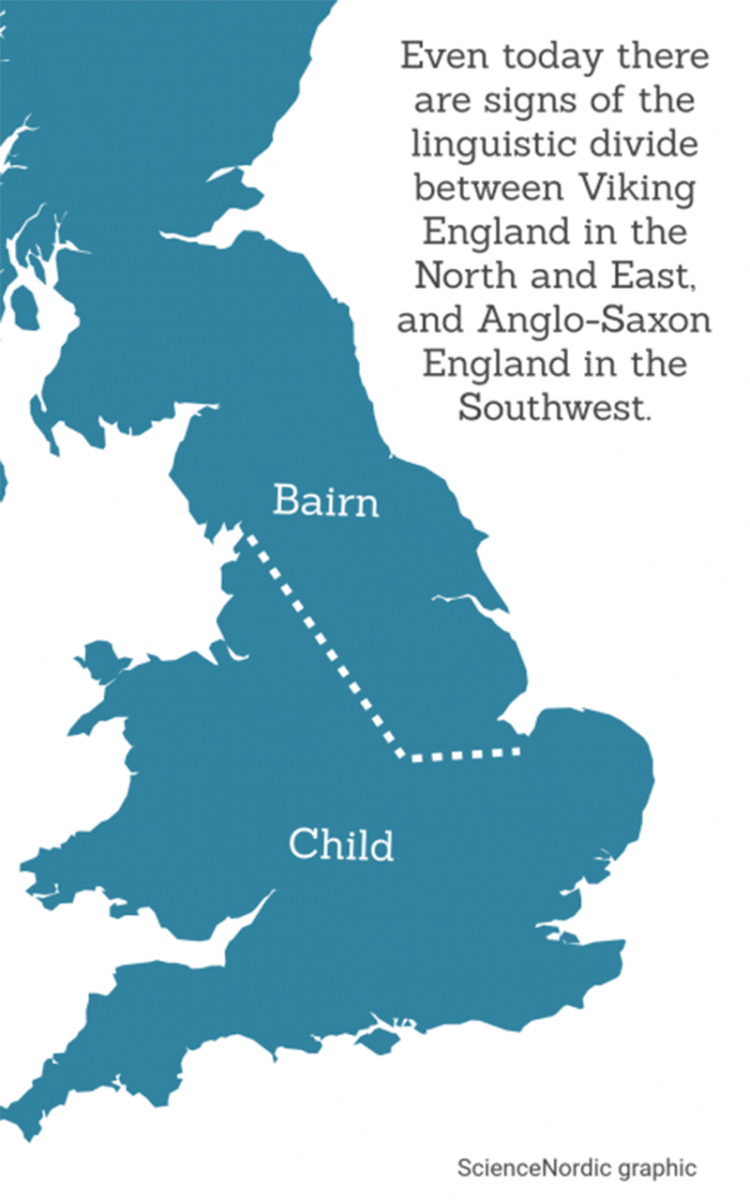
The Viking invasion was not as massive as the Anglo-Saxon one
Recent research indicates that the invaders who had the worst impact on England were the Anglo-Saxons, rather than the Vikings, as it is widely thought.