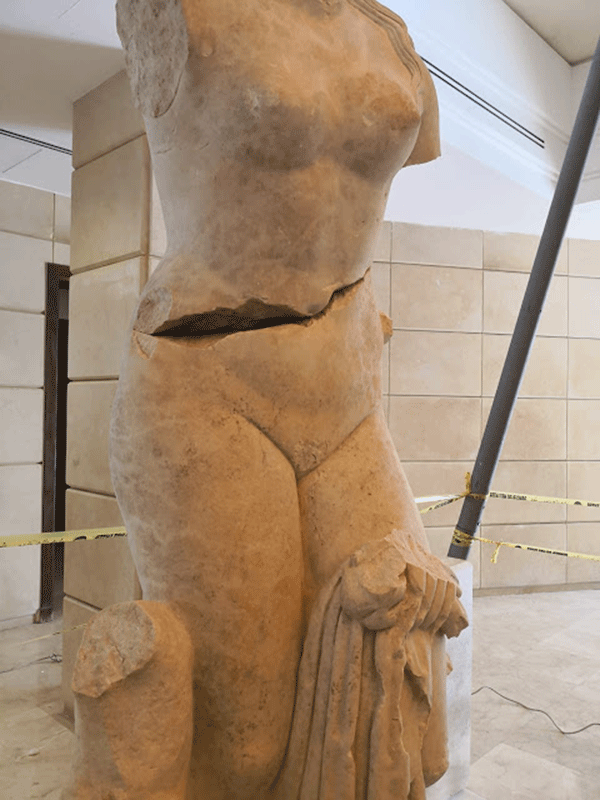
Roman sculptures of Greek gods found in Jordan
Excavations in Jerash, Jordan, have yielded Roman sculptures of ancient Greek gods that historians and archaeologists have described as priceless.
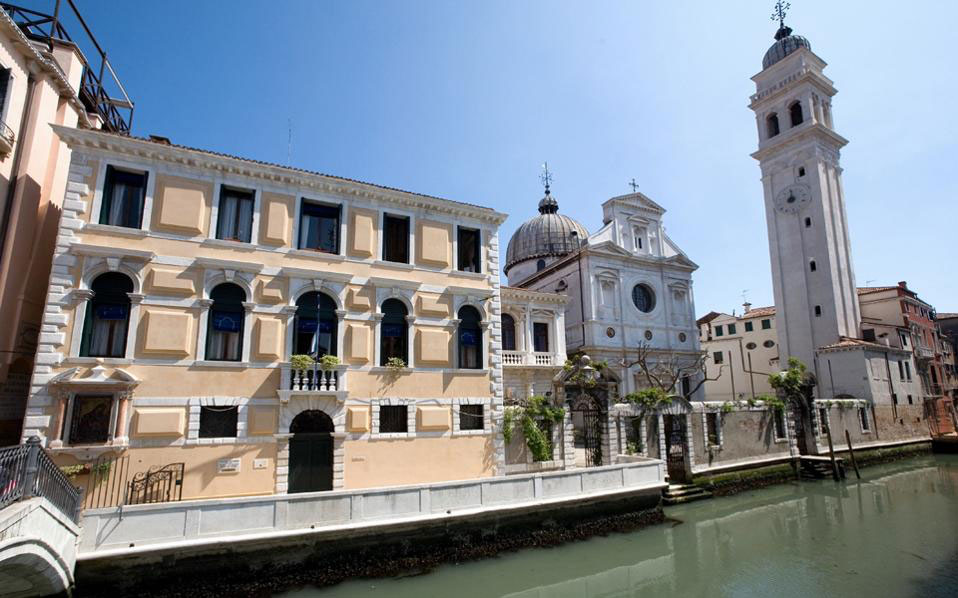
Chr. Arabatzis: “The Hellenic Institute in Venice is being reborn”
The scientific and research relaunching of the Institute of Byzantine and Post-Byzantine Studies in Venice is being endorsed by the Supervisory Committee which took office at the beginning of June this year.
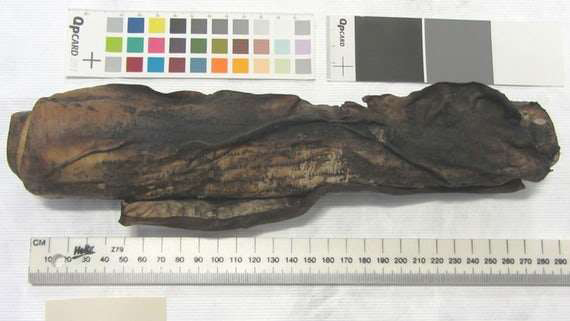
Scientists ‘virtually unravel’ burnt 16th century scroll
Researchers at Cardiff University have been refining their technique since they first revealed the hidden text of a scroll from Bressingham Manor over five years ago.
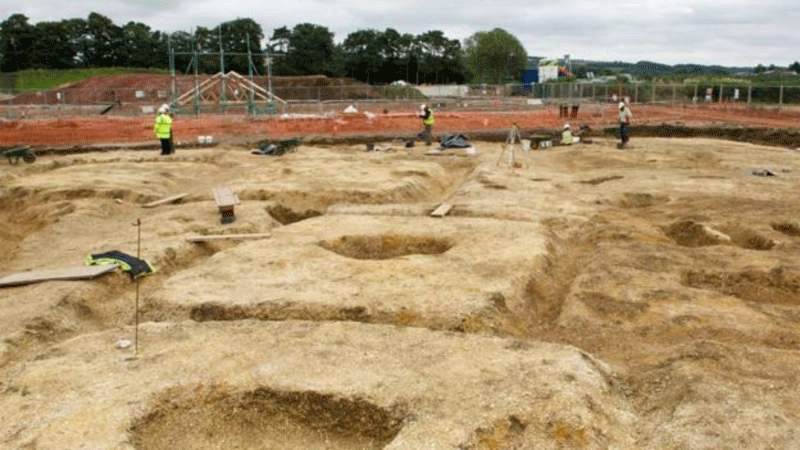
Iron Age chariot found at construction site
An Iron Age chariot has been found at a Yorkshire site during construction work, the second in less than two years.
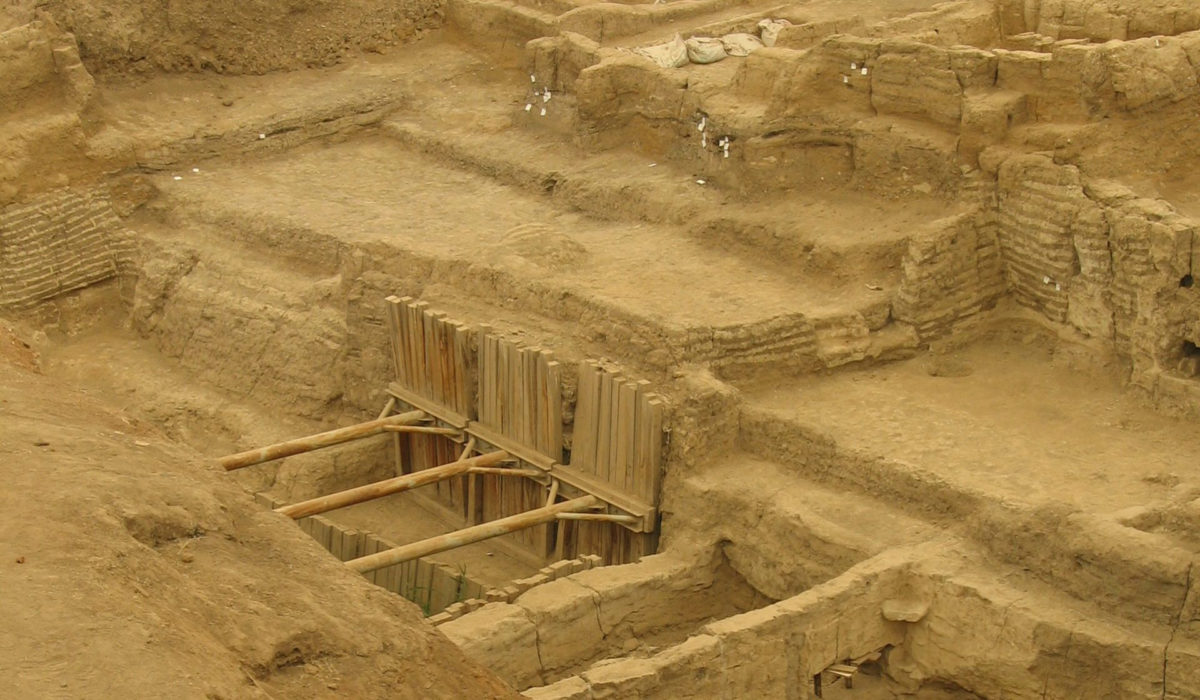
Cuisine of early farmers revealed by analysis of proteins in pottery from Çatalhöyük
Knowledge of the diet of people living in the prehistoric settlement of Çatalhöyük almost 8000 years ago has been complemented in astonishing scope and detail by analyzing proteins from their ceramic bowls and jars.
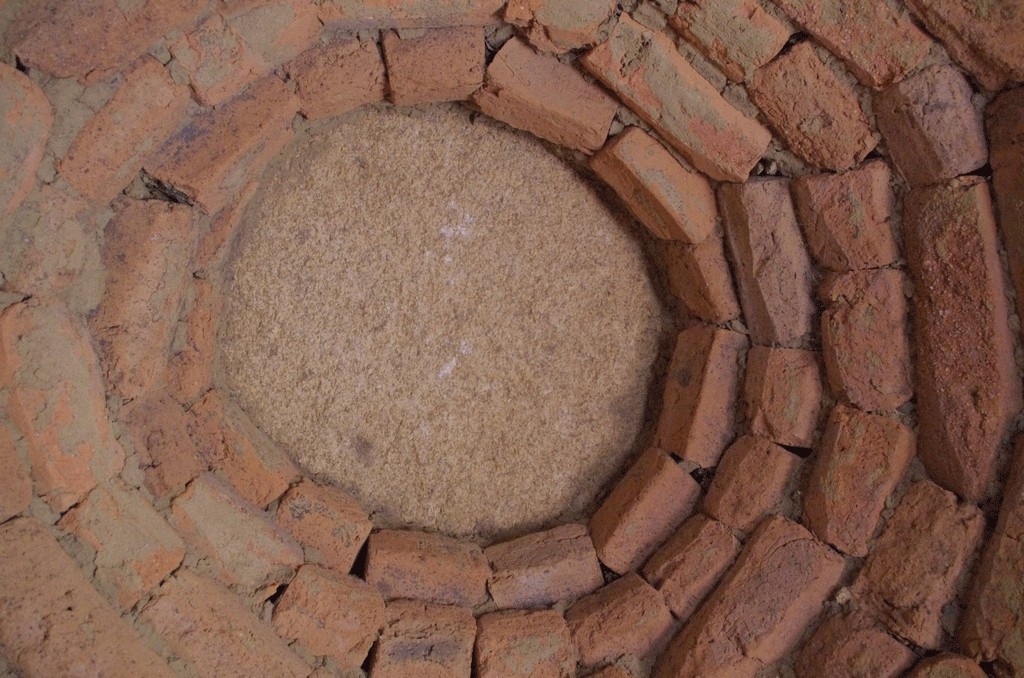
A very small ancient Thracian brick tomb was found in Bulgaria
Archaeologists in Bulgaria have unearthed the smallest ancient Thracian brick tomb in the country, near the town of Rozovo.
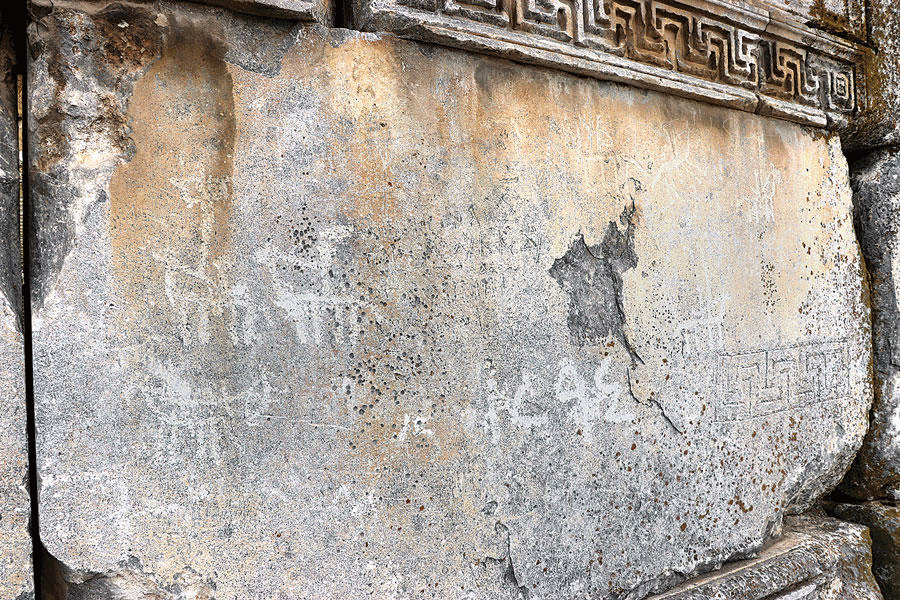
Figures drawn by Çavdar Turks were found at a Temple of Zeus
Hundreds of figures drawn by Çavdar Turks on the Temple of Zeus in the ancient city of Aizanoi, in Turkey's Kütahya province have been discovered, recorded and will soon be included in a book with studies.
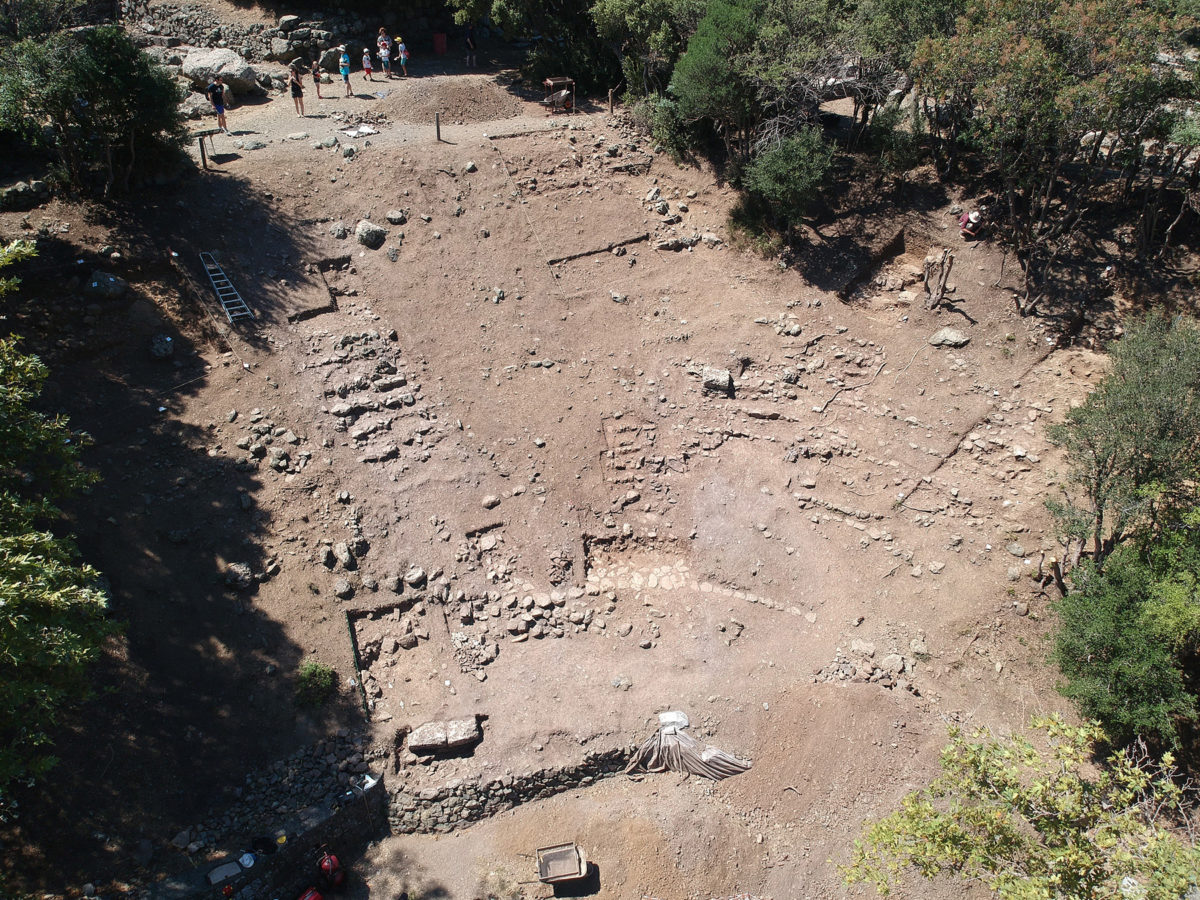
Excavations at the sanctuary of the Great Gods after 22 years
Research on the Sanctuary of the Great Gods on Samothrace offers an excellent though fleeting picture of the important role of this mystical cult in Hellenistic times.
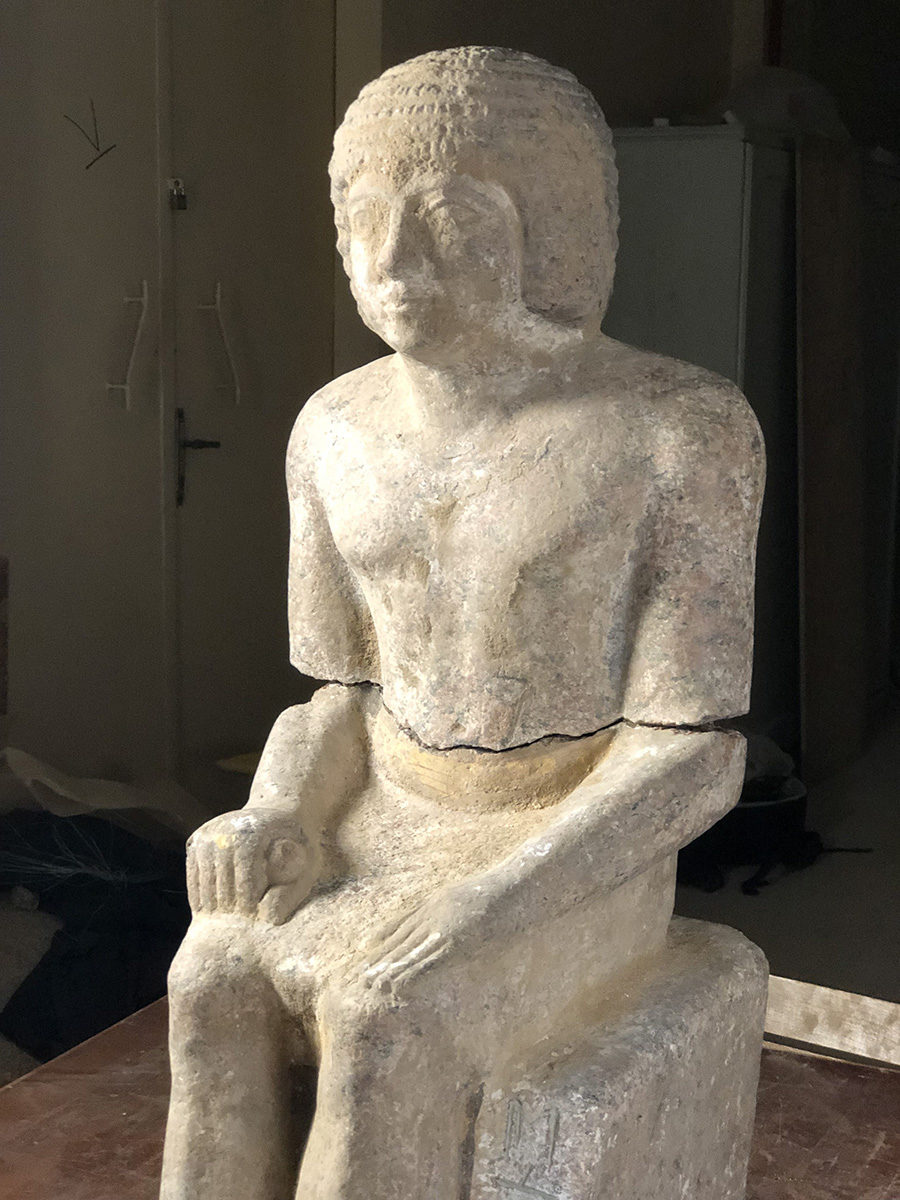
The discovery of the tomb of priest Kaires
Archaeologists working at Abusir pyramid field discovered a unique burial complex of the royal confidant and priest Kaires.
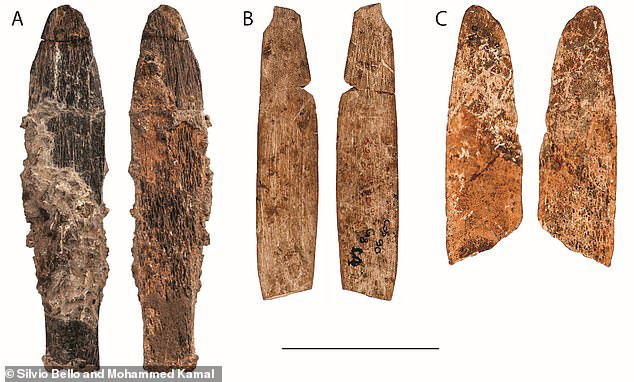
Bone knife from Morocco is oldest specialized tool of Aterian culture
This find indicates the appearance of a unique technological complex in North Africa around 90,000 years ago.
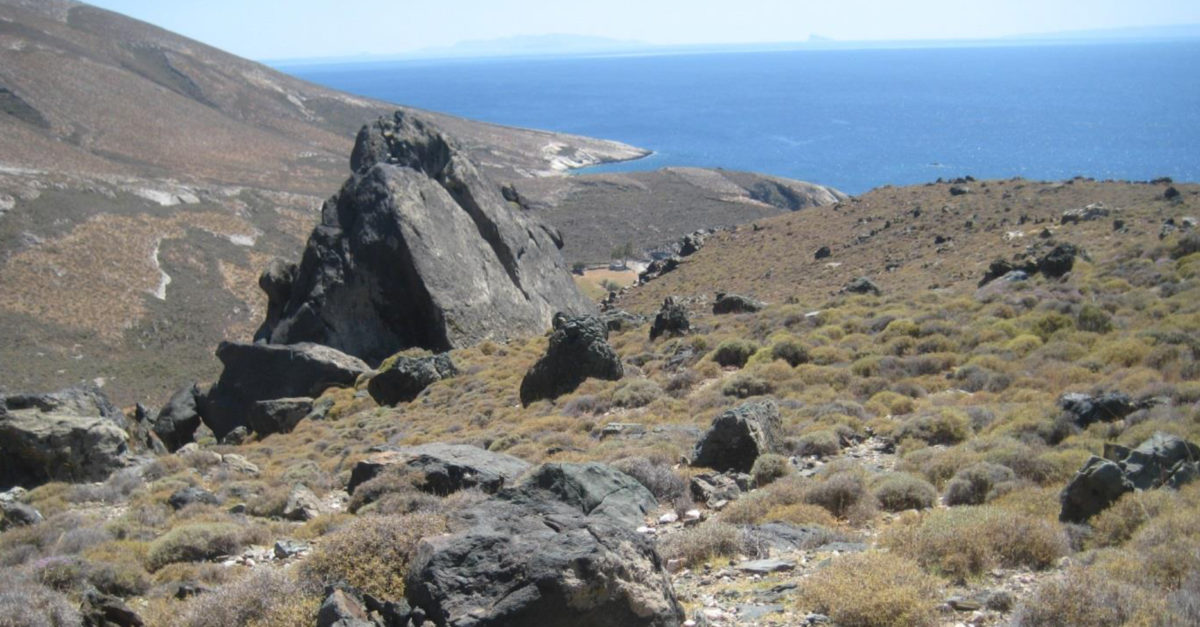
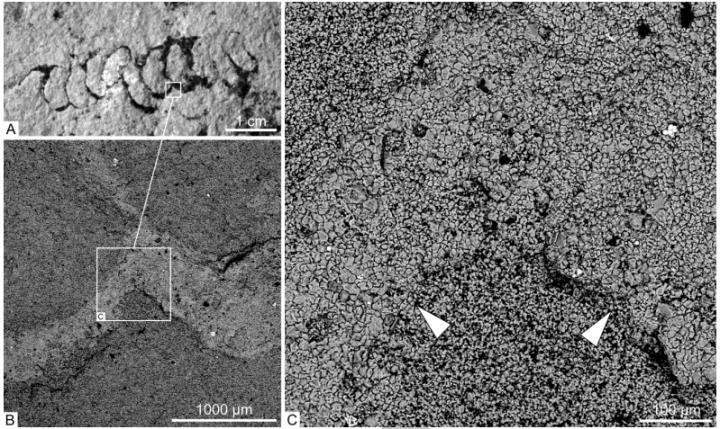
Siberian paleontologists discovered the oldest macro-skeleton remains
Palaeopascichnus resembles a series of spheres or ellipsoids, which are placed one by one and called chambers.
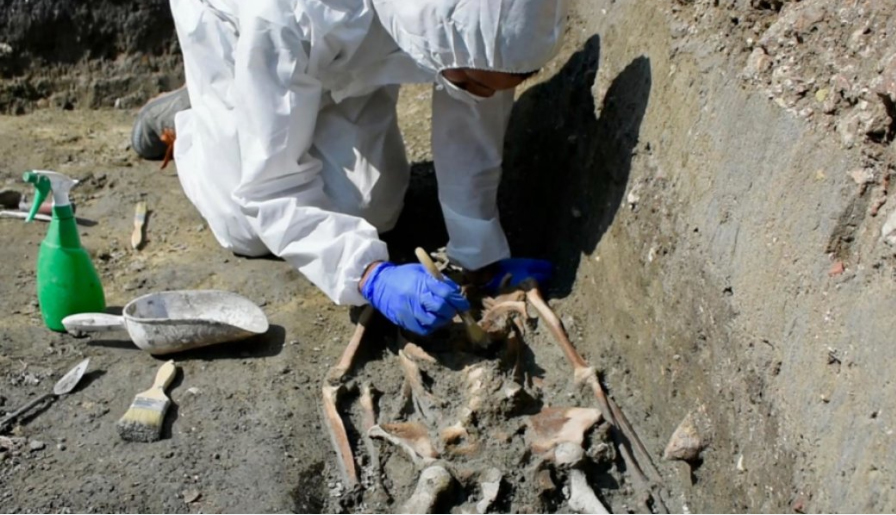
Eighth-century skeleton found at Torcello
On the island of Torcello, at the Ca' Foscari University of Venice excavation site, some protagonists of the island's thousand-year history have begun to emerge.
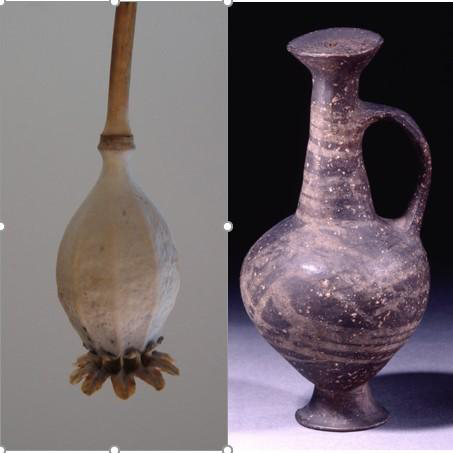
Traces of opiates found in ancient Cypriot vessel
Researchers at the University of York and the British Museum have discovered traces of opiates preserved inside a distinctive vessel dating back to the Late Bronze Age.
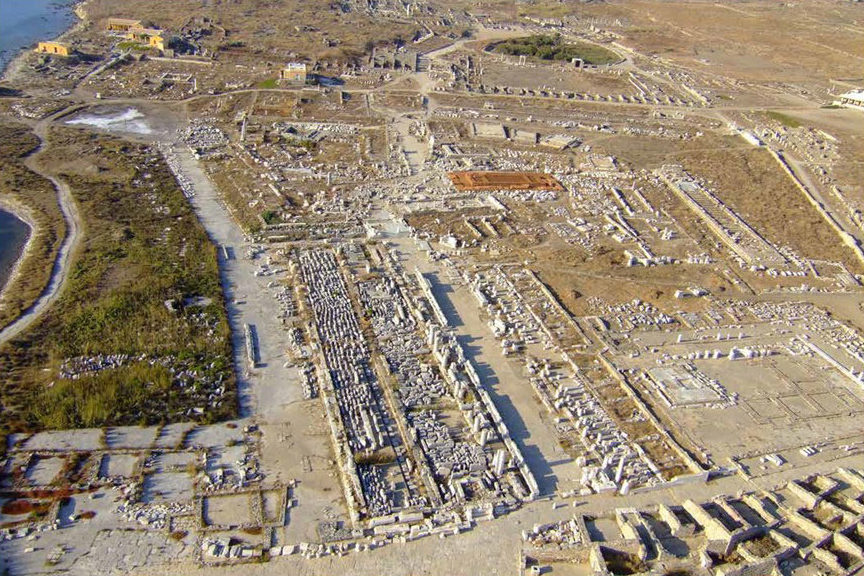
The temple of Apollo on Delos is being restored
The relevant preliminary study was “passed” unanimously by the Central Archaeological Council and the project is expected to begin in the spring, having first been incorporated in the current NSRF.
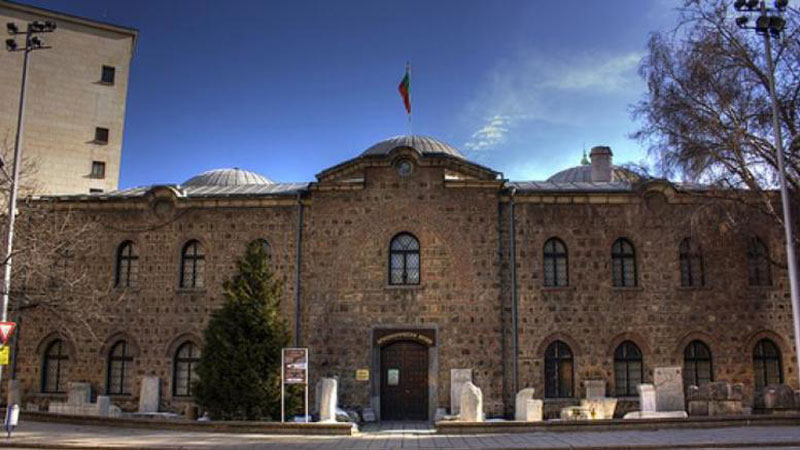
Greece and Bulgaria: Cultural bridges for progress and sustainability
Presented in five sections are cultural collaborations unknown to the general public that were conducted over the last decades.
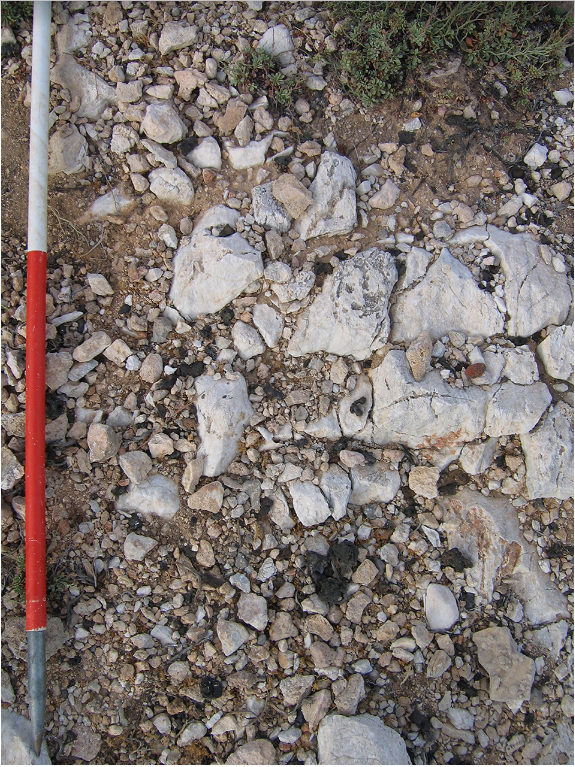
Production and circulation of metals in the Early Cycladic period
Cycladic Seminar by Myrto Georgakopoulou.

Prehistoric man with a delicate touch
Headed by Senckenberg scientist Katerina Harvati, researchers concluded that Neanderthal man performed his day-to-day work with precise hand and finger movements.
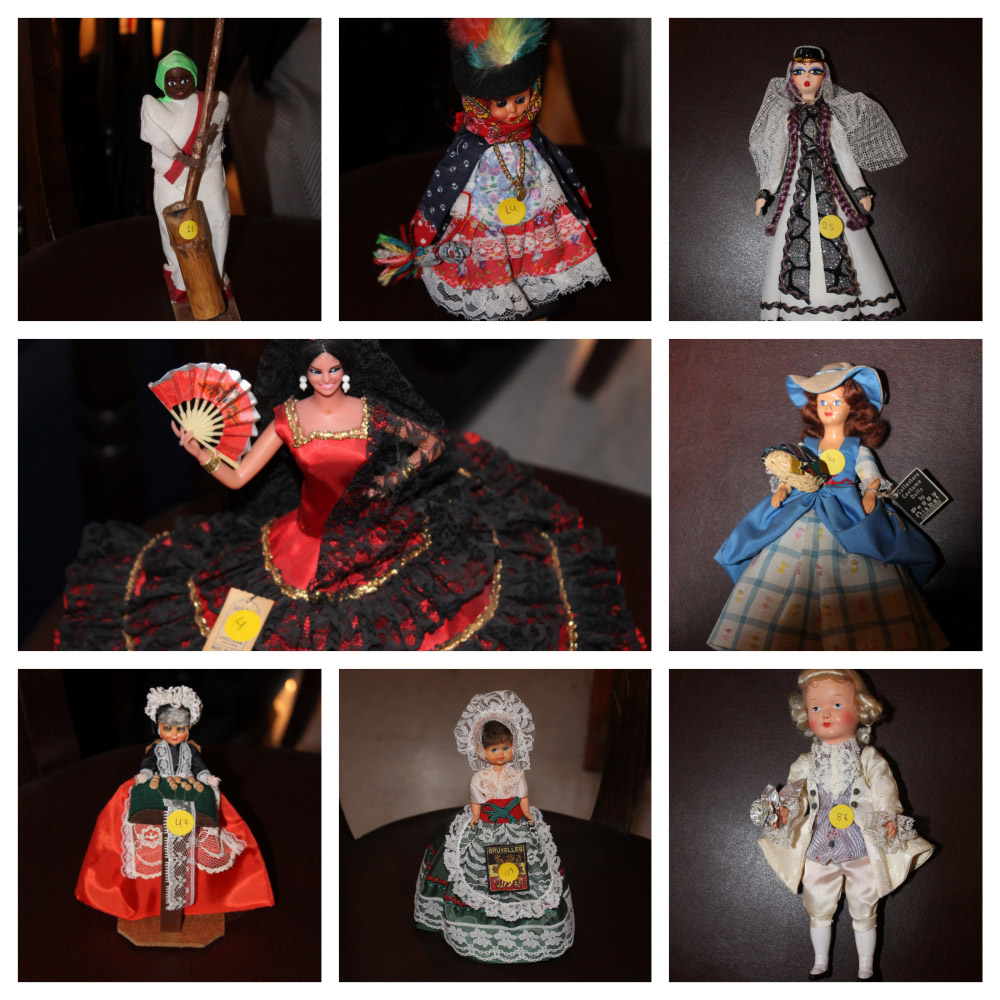
Books from the personal collection of Yiannis Moralis in Veria
The Moralis Collection will make up a section of the library’s reference material and will shortly be available for use on its premises only.
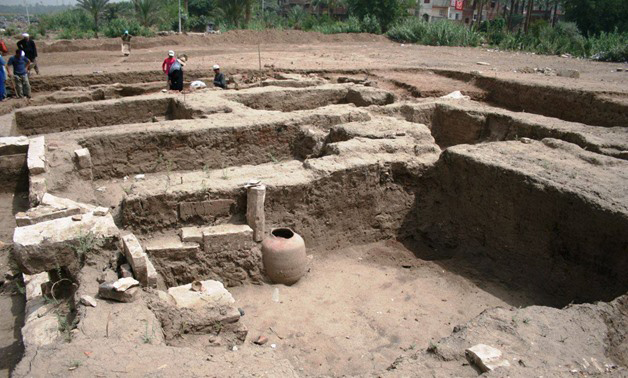
Huge building found in the Hid Al-Demerdash area
The Egyptian archaeological mission in Mit Rahina discovered a huge archaeological building in Demerdash basin area located 400 km north of Mit Rahina Museum.
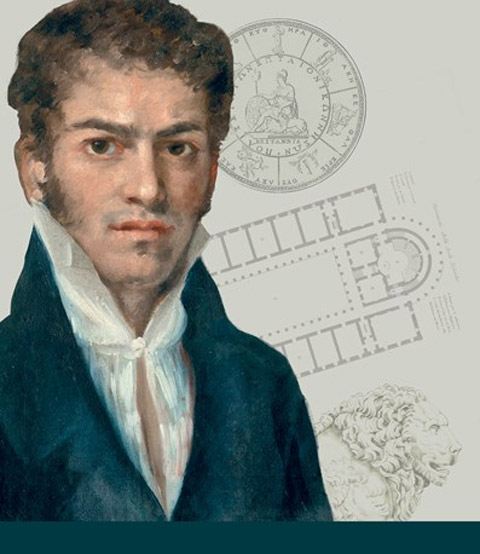
Pizzamano fecit: An artist from the Ionian Islands at the dawn of a new era
Gerasimos Pitsamanos lived an eventful life, working for the progress and freedom of the Ionian Islands and for Hellenism as a whole.
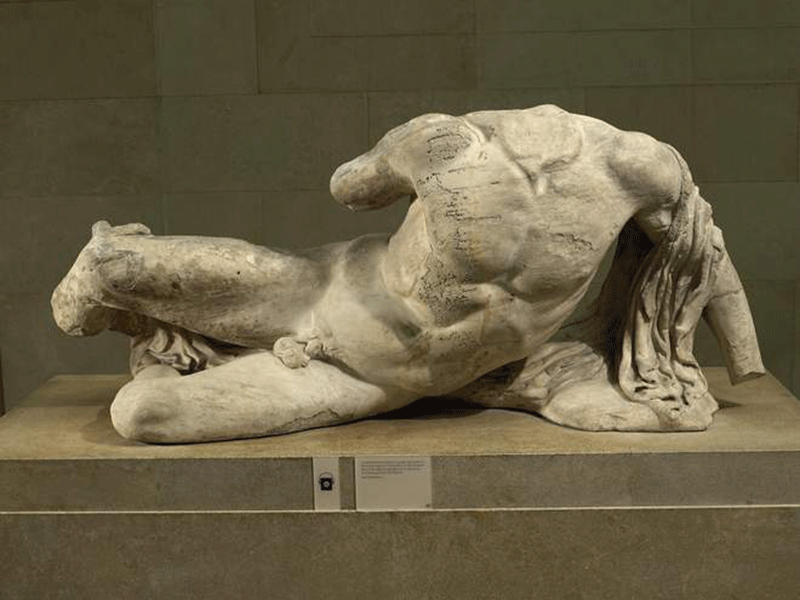
Brexit deal might lead to return of Parthenon marbles to Greece
The Parthenon marbles, now kept at the British museum, might be returned to Greece as a consequence of Brexit.
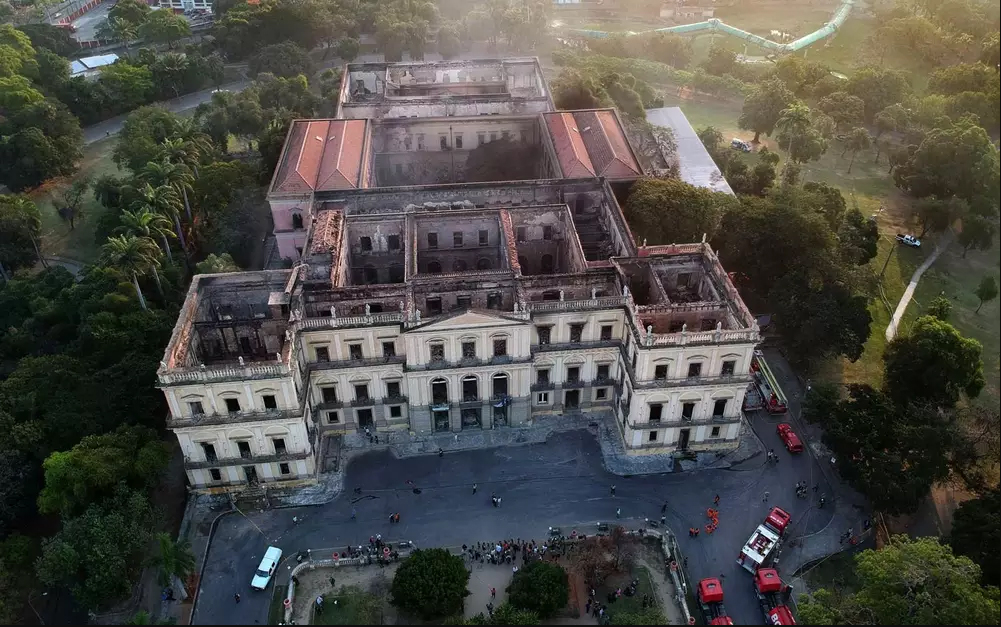
Lack of science support fails Brazil
Reflecting on Brazil's National Museum fire, scientists warn against lack of museum investment.
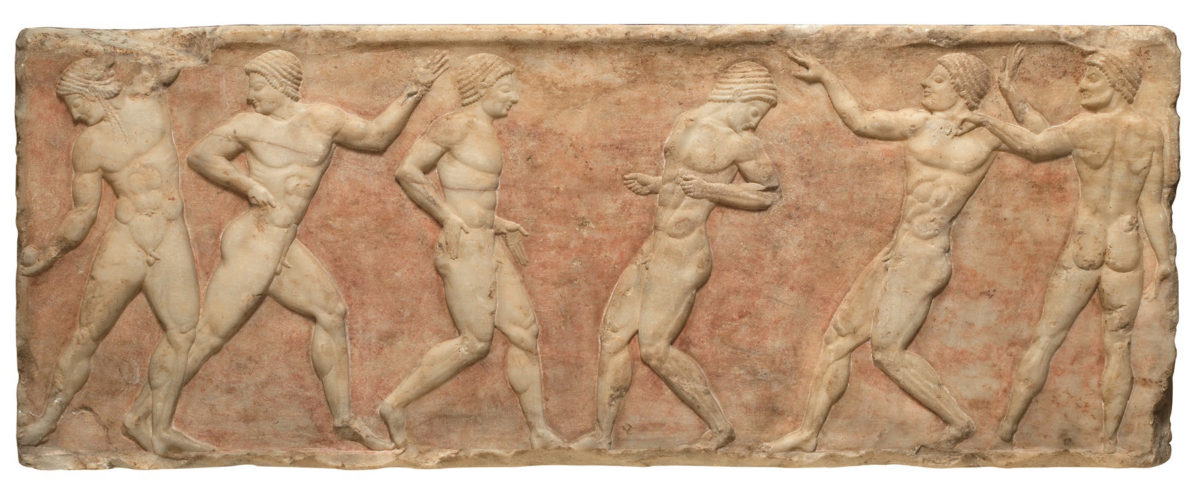
The NAM celebrates the European Days of Cultural Heritage
With an educational programme for children and theme tours for adults by archeaologists of the Museum.