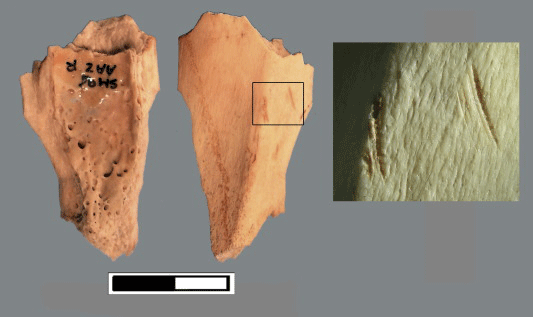
Archaeological evidence found in Spain indicate cannibalism
Archaeological evidence found in a cave in Spain indicate that cannibalism took place among ancient humans in the area about 10,000 years ago.
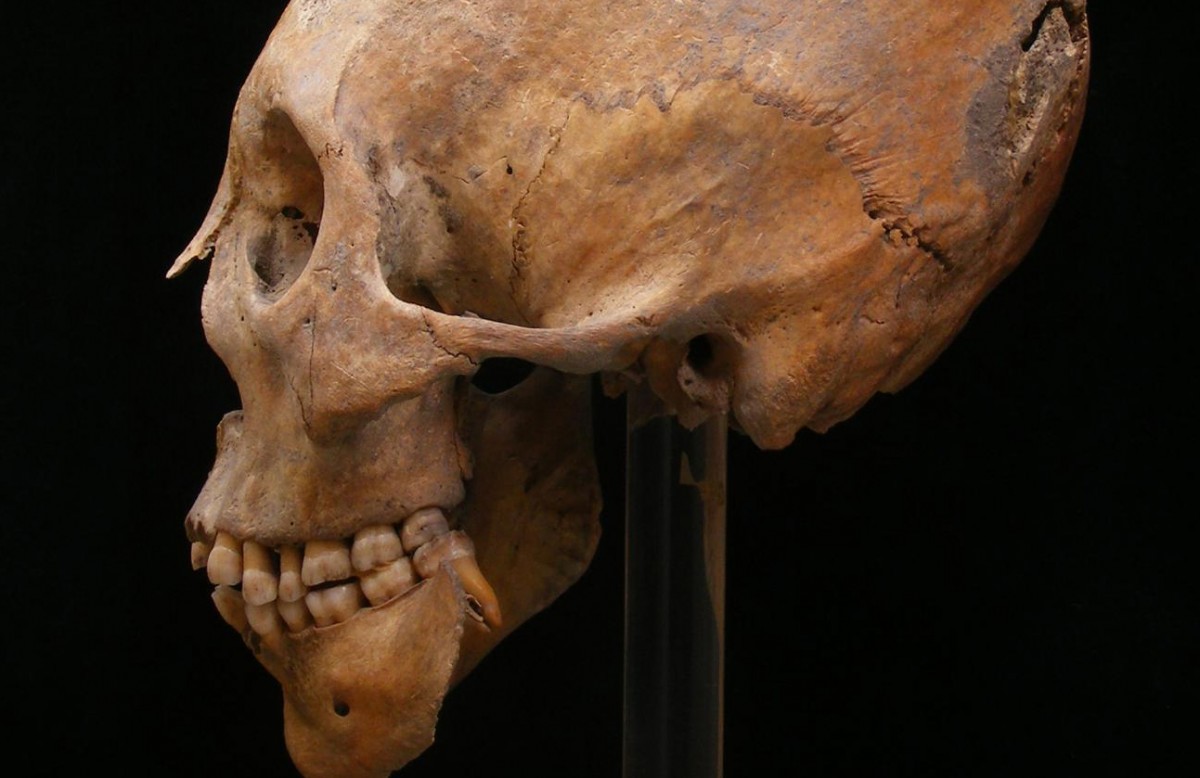
Huns and settlers may have cooperated on the frontier of Roman Empire
New research suggests that nomadic Huns and Pannonian settlers on the frontier of Roman Empire may have intermixed.
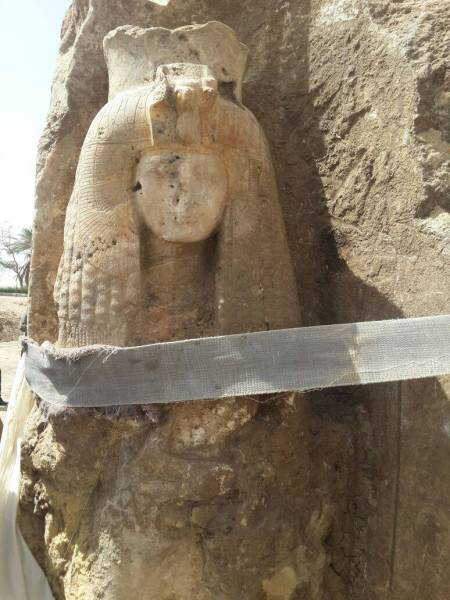
Alabaster statue of Queen Tiye found in Kom al-Hittan
The European Egyptian mission working in King Amenhotep III funerary temple at Kom Al-Hittan area on Luxor west bank, has uncovered a beautifully carved statue possibly of Queen Tiye.
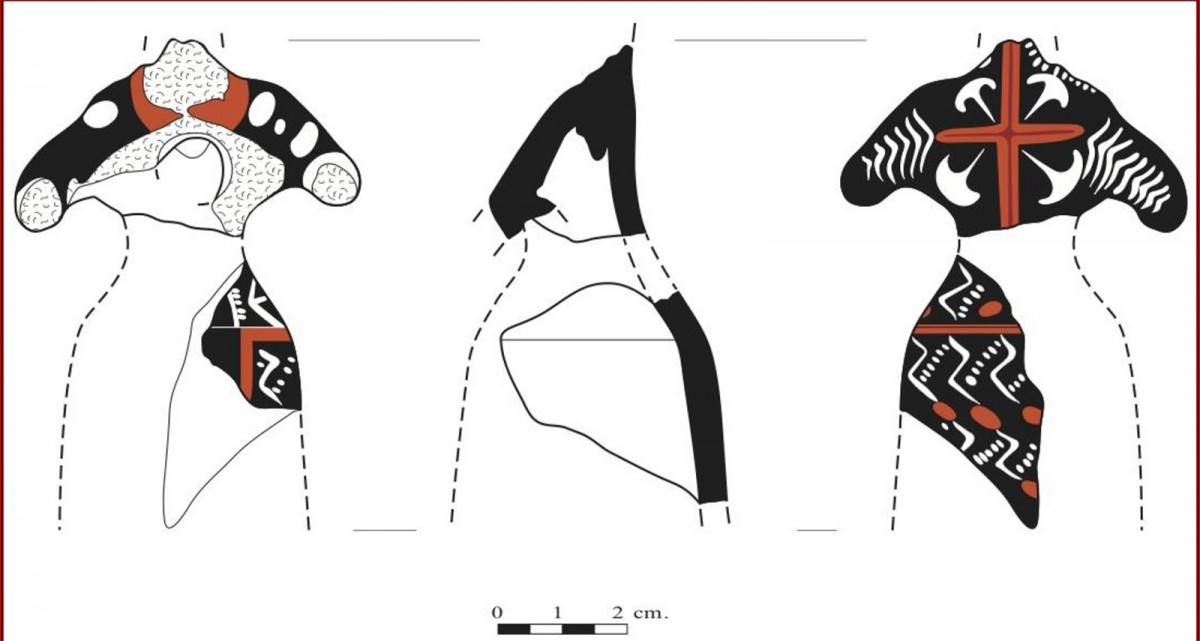
Reconsidering the Middle Minoan Pottery at Phylakopi in Melos
Cycladic Seminar by Dr J.A. MacGillivray.
Intact burial chamber revealed in Qubbet el-Hawa, West Aswan
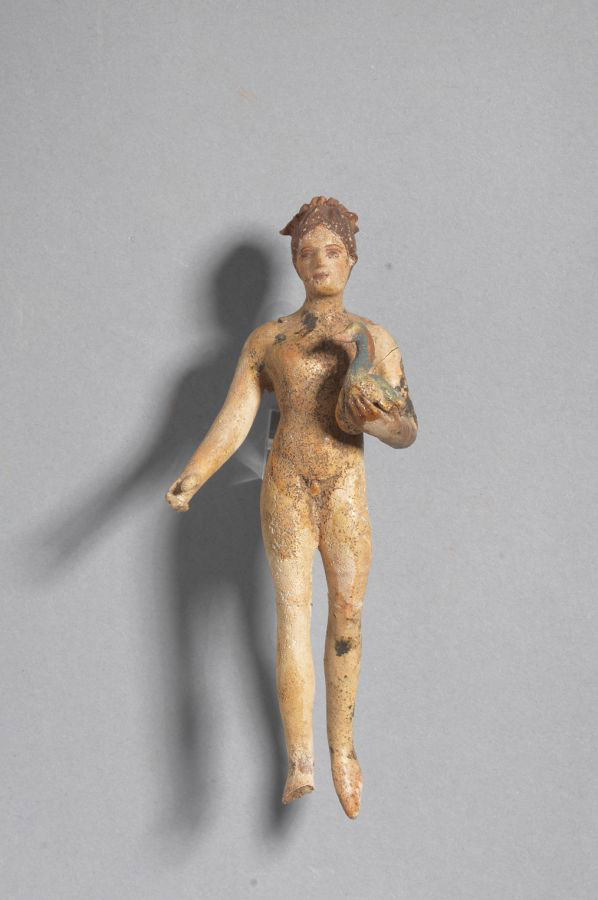
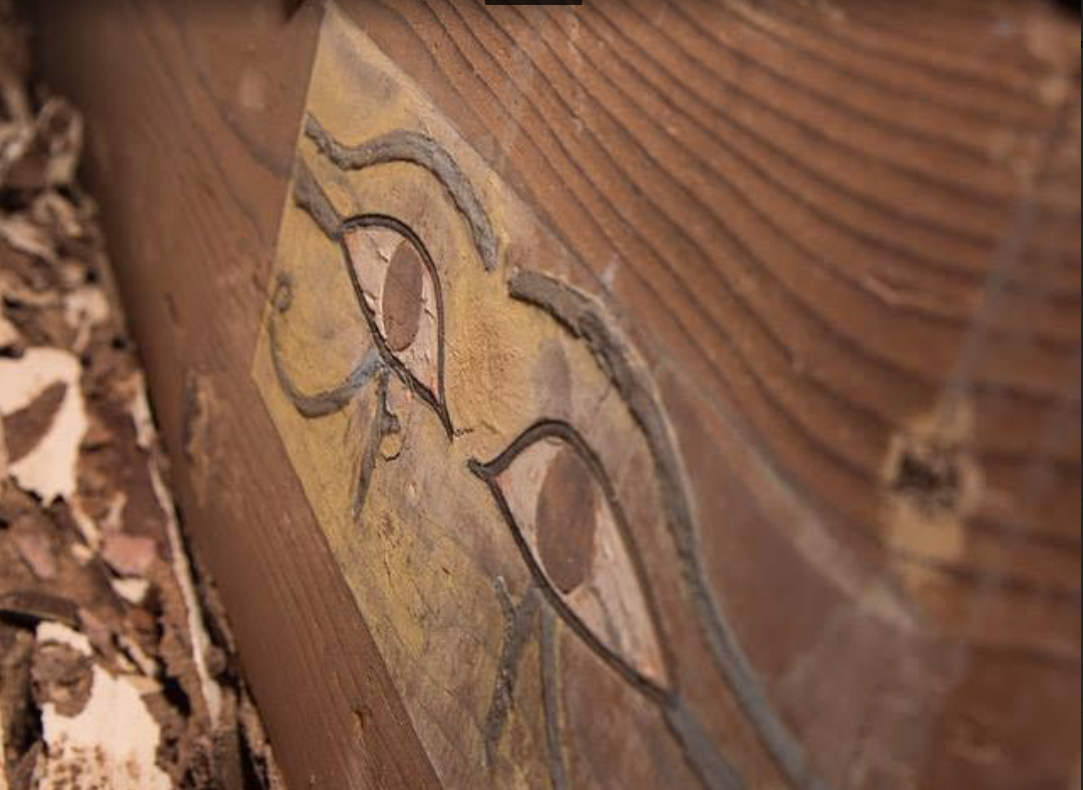
The Spanish Archaeological Mission in Qubbet El-Hawa, west Aswan, has discovered an intact structure where the brother of one of the most important governors of the 12th Dynasty, Sarenput II, was buried.
New study shakes the roots of the dinosaur family tree
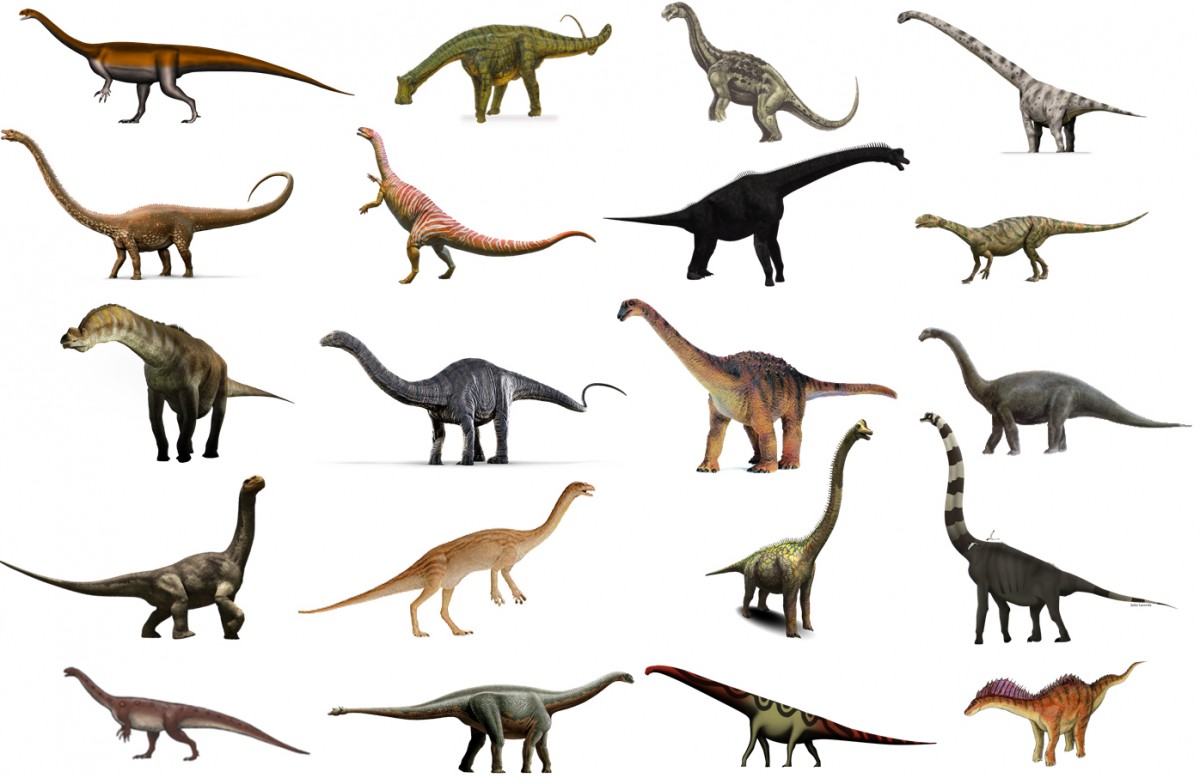
More than a century of theory about the evolutionary history of dinosaurs has been turned on its head.
Egyptian ritual images from the Neolithic period
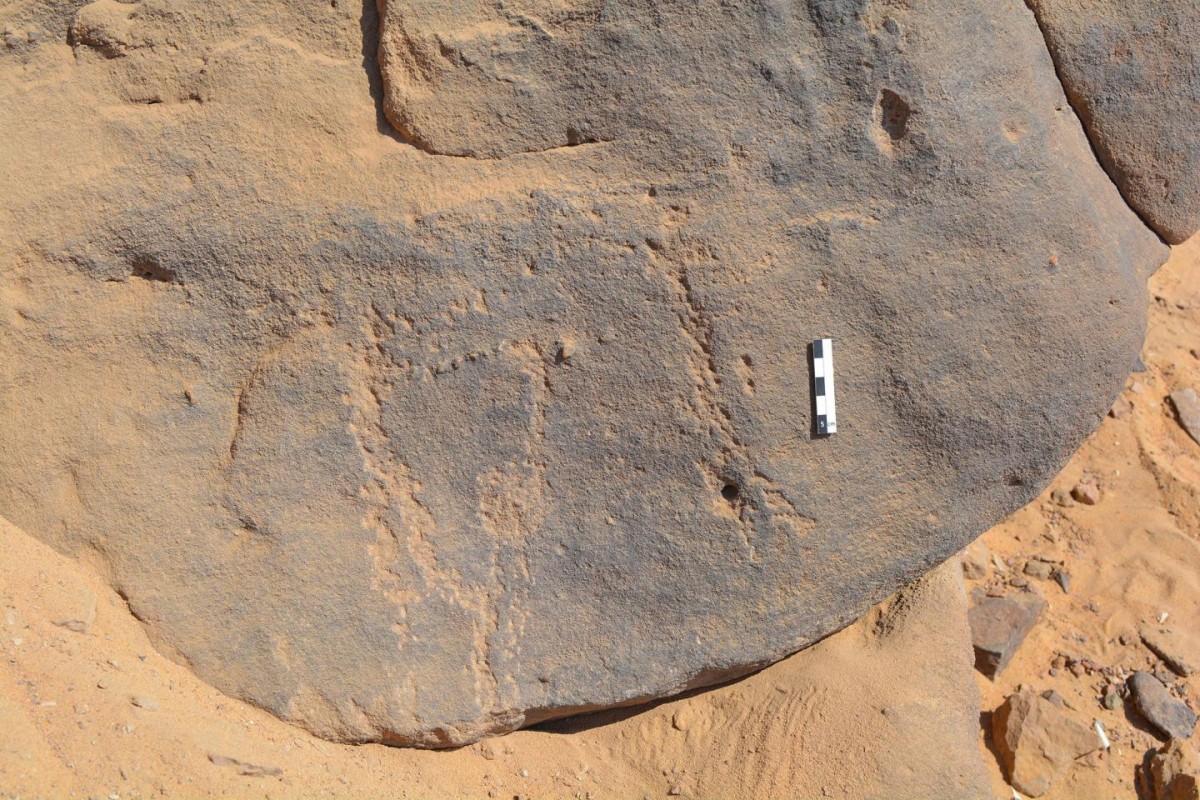
Egyptologists at the University of Bonn discovered rock art from the 4th millennium BC during an excavation at a necropolis near Aswan in Egypt.
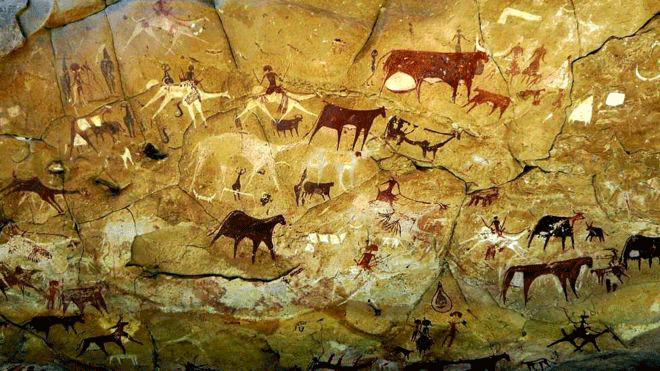
Graffiti scribbled on ancient cave paintings in Chad
Ancient cave paintings at an African Unesco heritage site in north-eastern Chad have been defaced with graffiti.
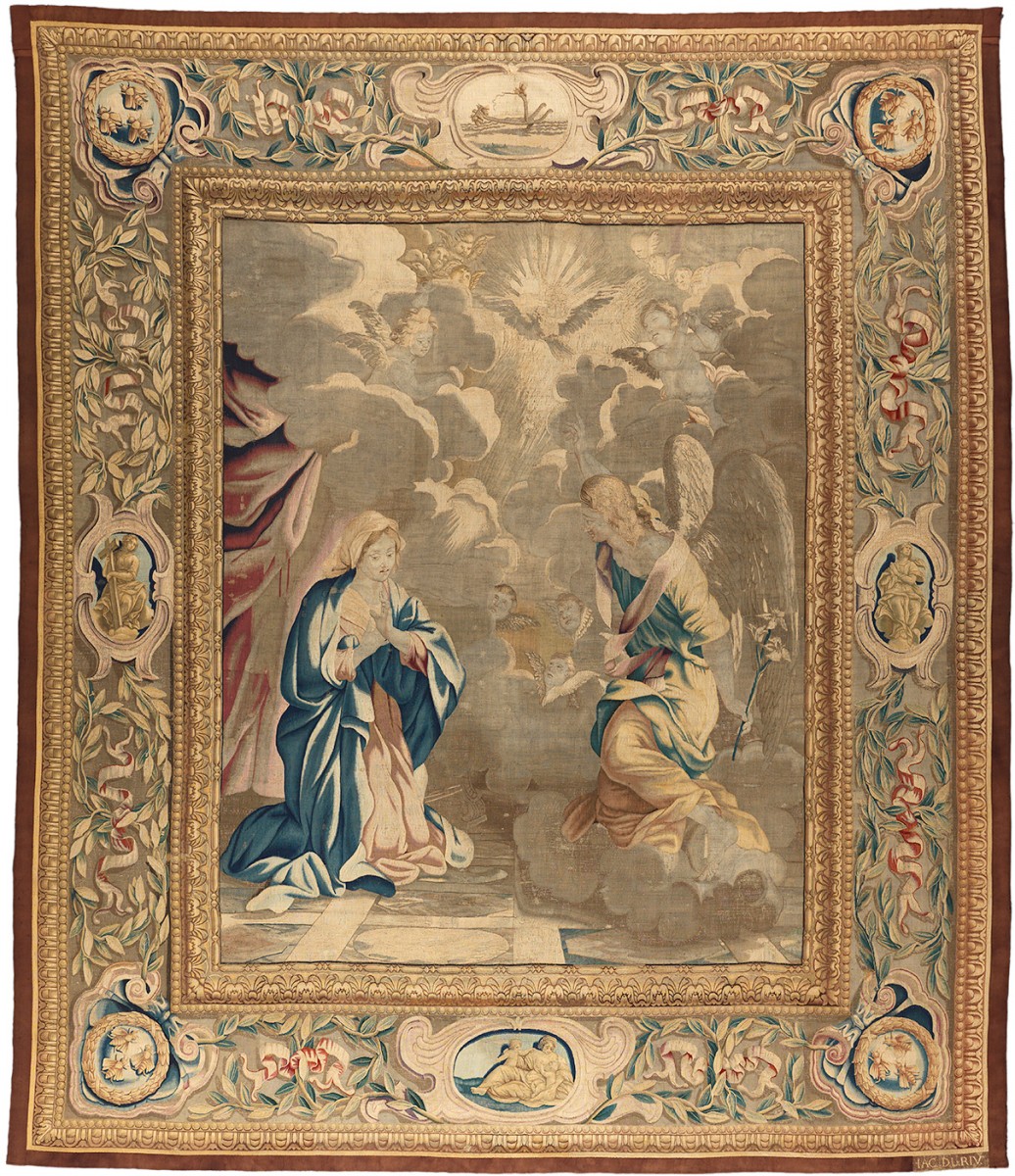
The Barberini tapestries on show
As of March 21 the Barberini Life of Christ tapestries are hanging in the Cathedral Church of St. John the Divine in Manhattan.
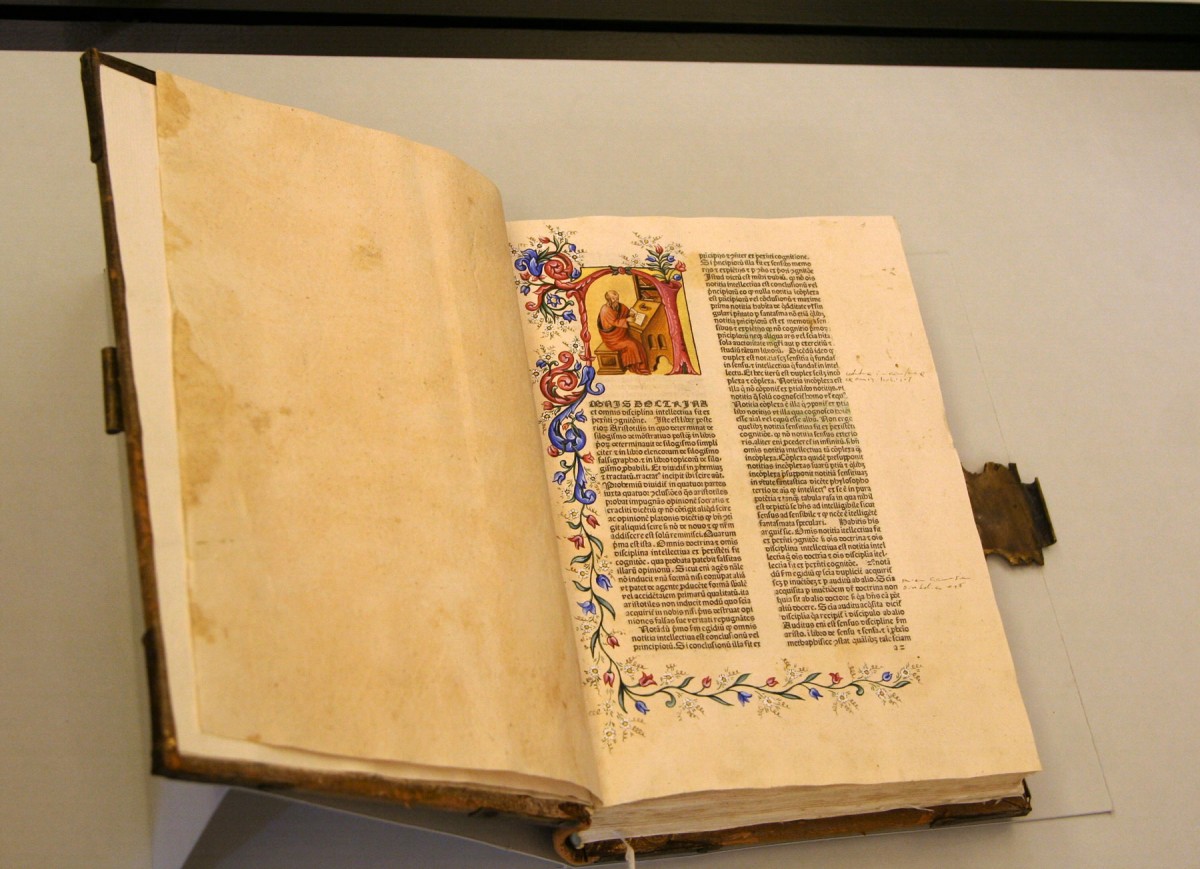
Incunabula. Aspects of Early Greek Printing
A selection of 29 incunabula from the Historical Library of the Aikaterini Laskaridis Foundation.
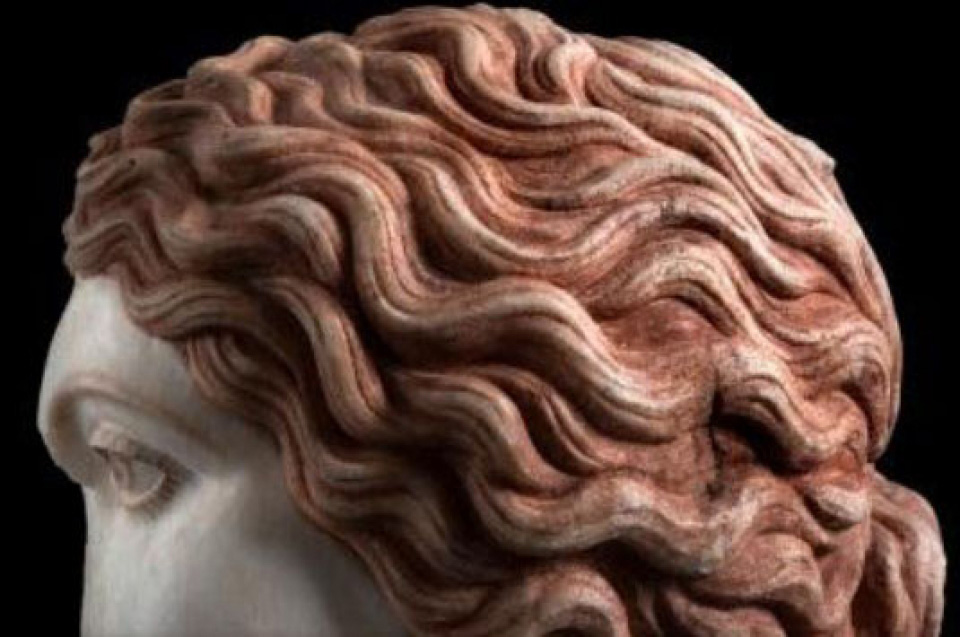
Pompeii and the Greeks
Over 600 exhibits reinterpret places and monuments of the Vesuvian city with their own “biographies”.
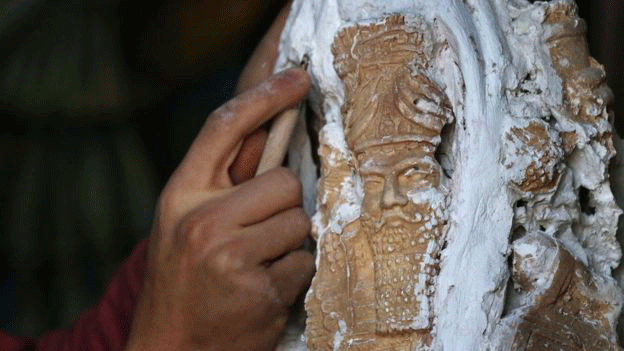
Invisible liquid will hopefully deter antiquities smugglers
An invisible liquid, a traceable solution, is applied on Syrian artefacts, aiming to save the country's heritage from plundering.
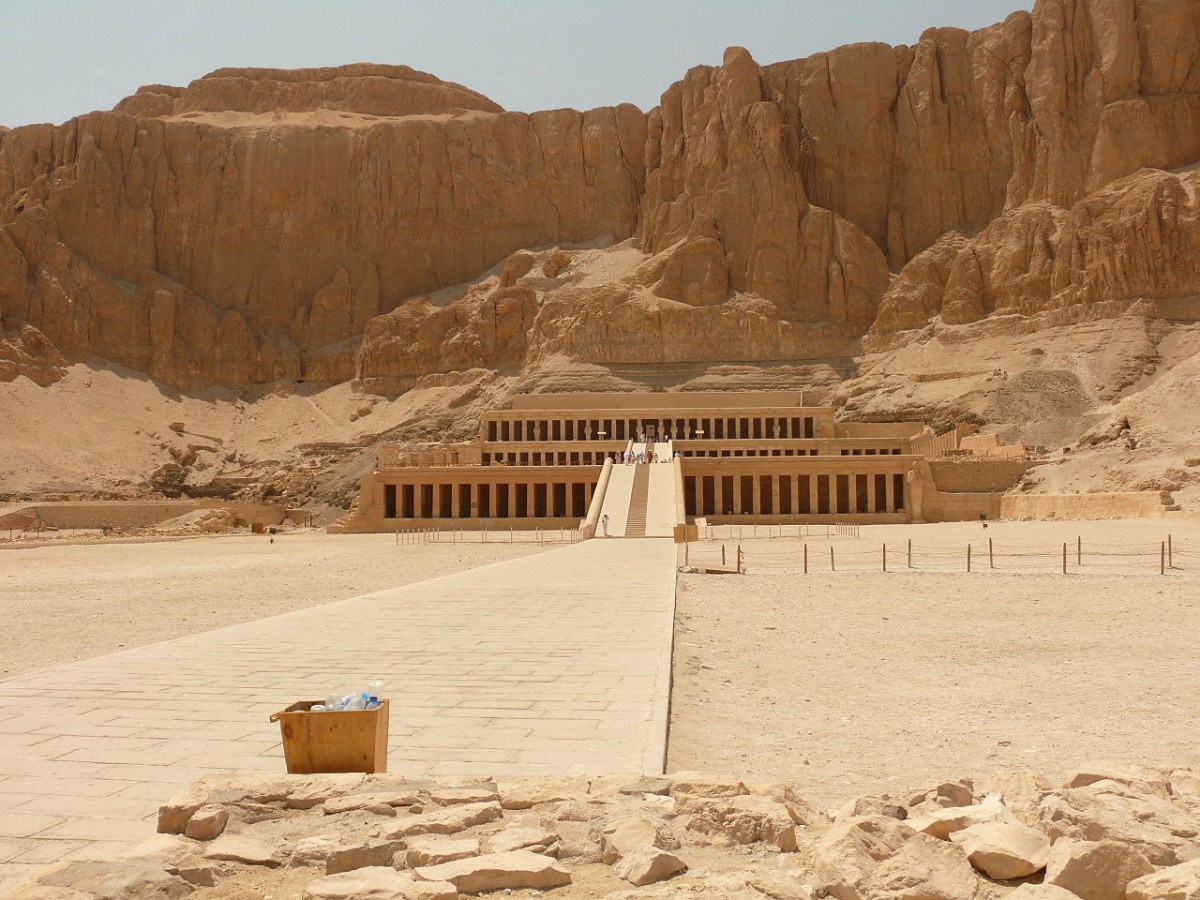
University of Alcalá Expedition to Deir el-Bahari (Luxor)
This season the expedition will continue in the northern hills of Deir el-Bahari.
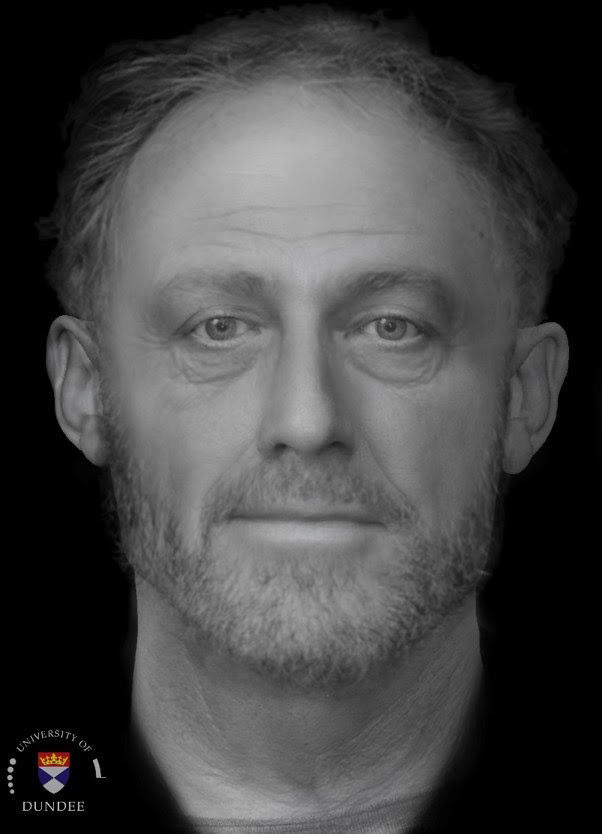
Face of ‘ordinary poor’ man from medieval Cambridge graveyard revealed
New facial reconstruction of a man buried in a medieval hospital graveyard discovered underneath a Cambridge college sheds light on how ordinary poor people lived in medieval England.
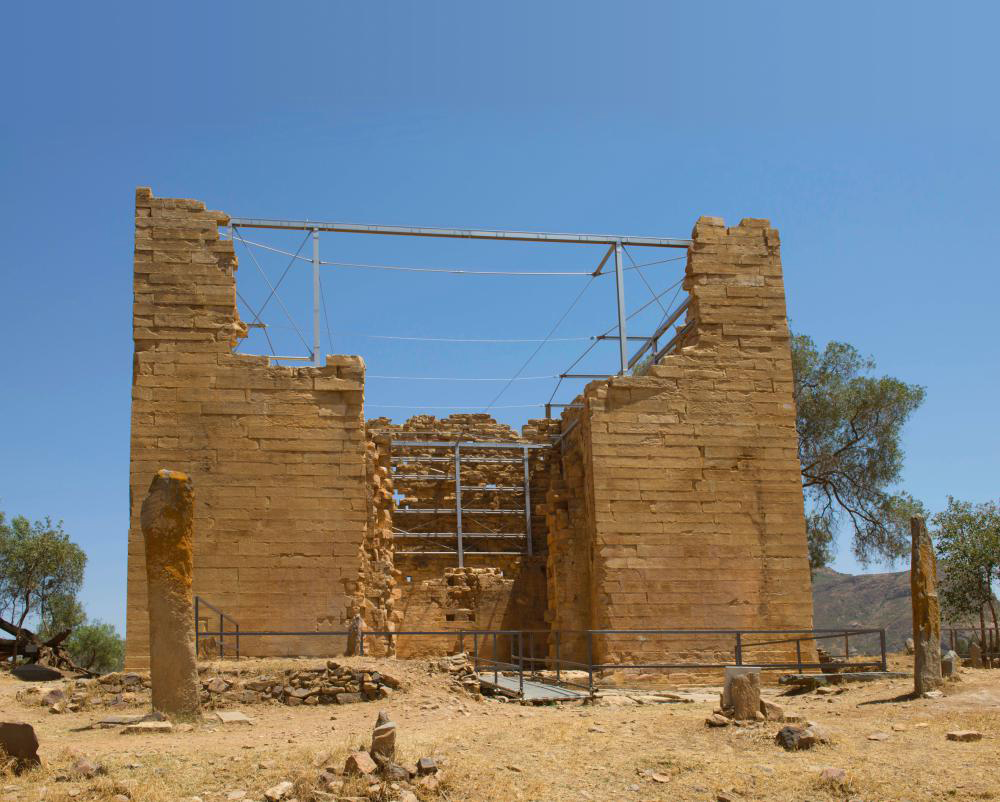
Restoration of 2,700-year-old temple in Yeha/Ethiopia completed
DAI’s Sanaa branch of the Orient Department together with the Ethiopian Antiquities Authoritiy have conducted extended restoration works at the sanctuary of Yeha.
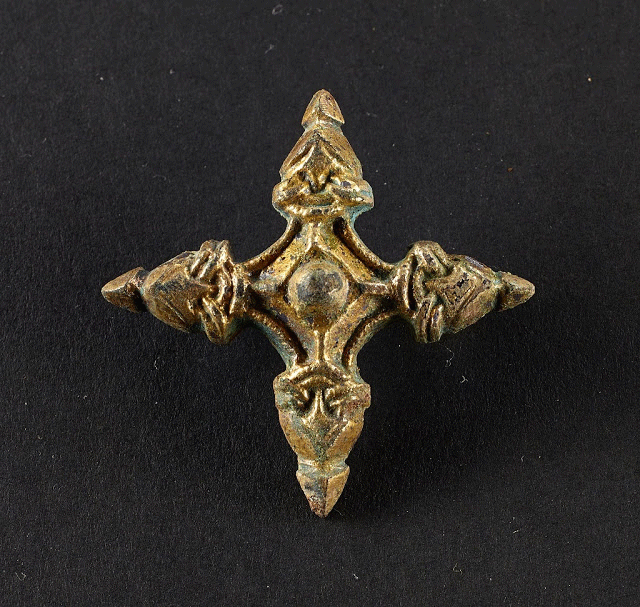
Viking grave complex in Denmark yields significant findings
Archaeologists in Denmark have announced the discovery of several Viking grave chambers, probably of a high ranking individual, containing exquisite artefacts.
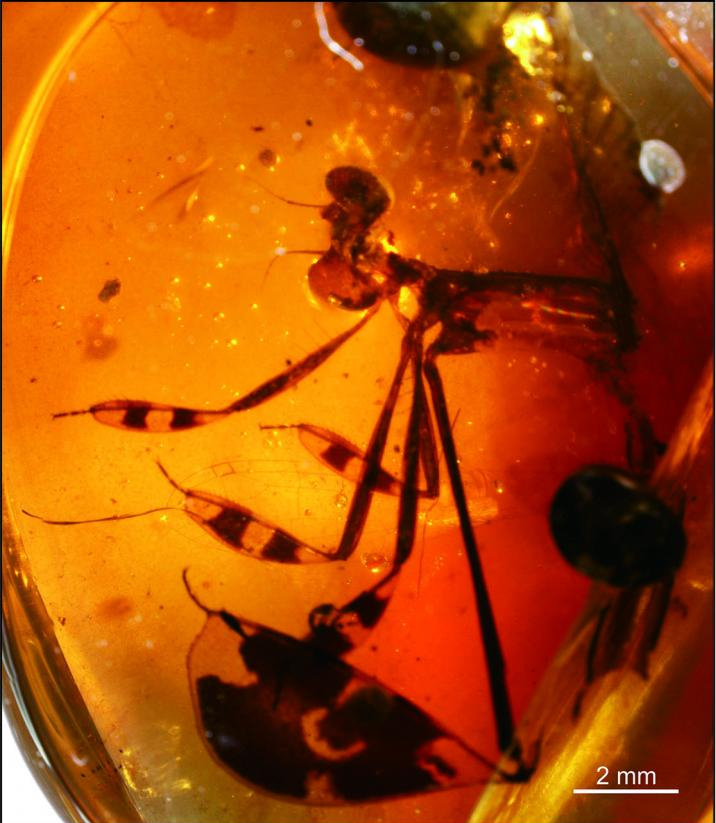
Courtship behavior trapped in 100-million-year-old amber
Recently, Dr. Zheng Daran and Prof. Wang Bo described three male damselflies showing ancient courtship behaviour from mid-Cretaceous Burmese amber.
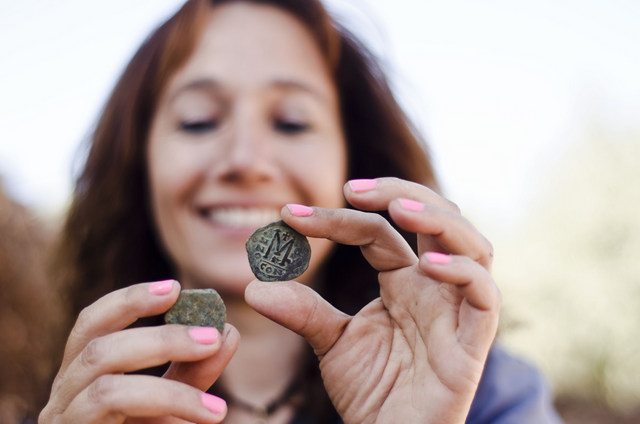
A 1,400-year-old coin hoard discovered in Jerusalem
The buried coins were revealed beneath the ruins of a building that was part of a large complex which apparently served Christian pilgrims on their way to Jerusalem.
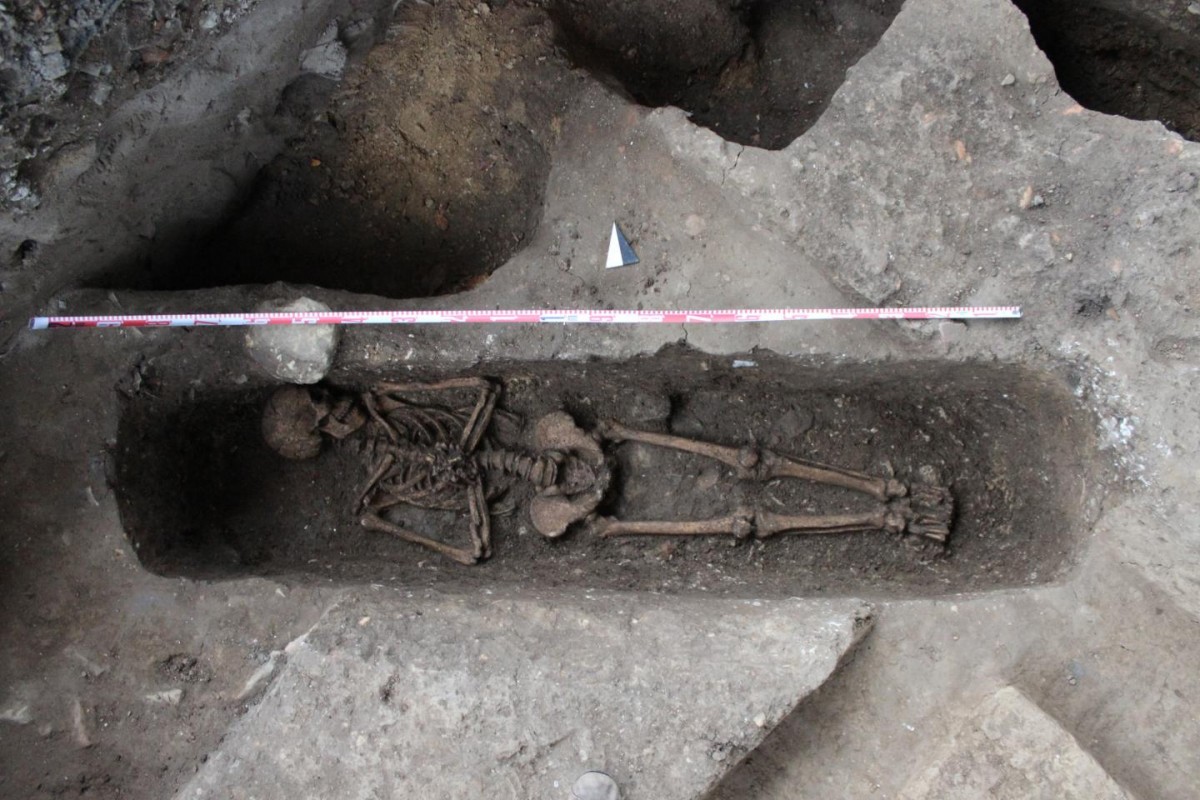
A new perspective on the European colonization of Asia
Archaeological excavations at a settlement in northern Taiwan have brought a new perspective on the colonisation of the Pacific region to light: ‘San Salvador de Isla Hermosa’ was an early globalised spot.

The archaeology of urbanism
Lecture on Tuesday the 21st of March at 19.00 in the auditorium of the Danish Institute at Athens, Herefondos 14A, Plaka, Athens.
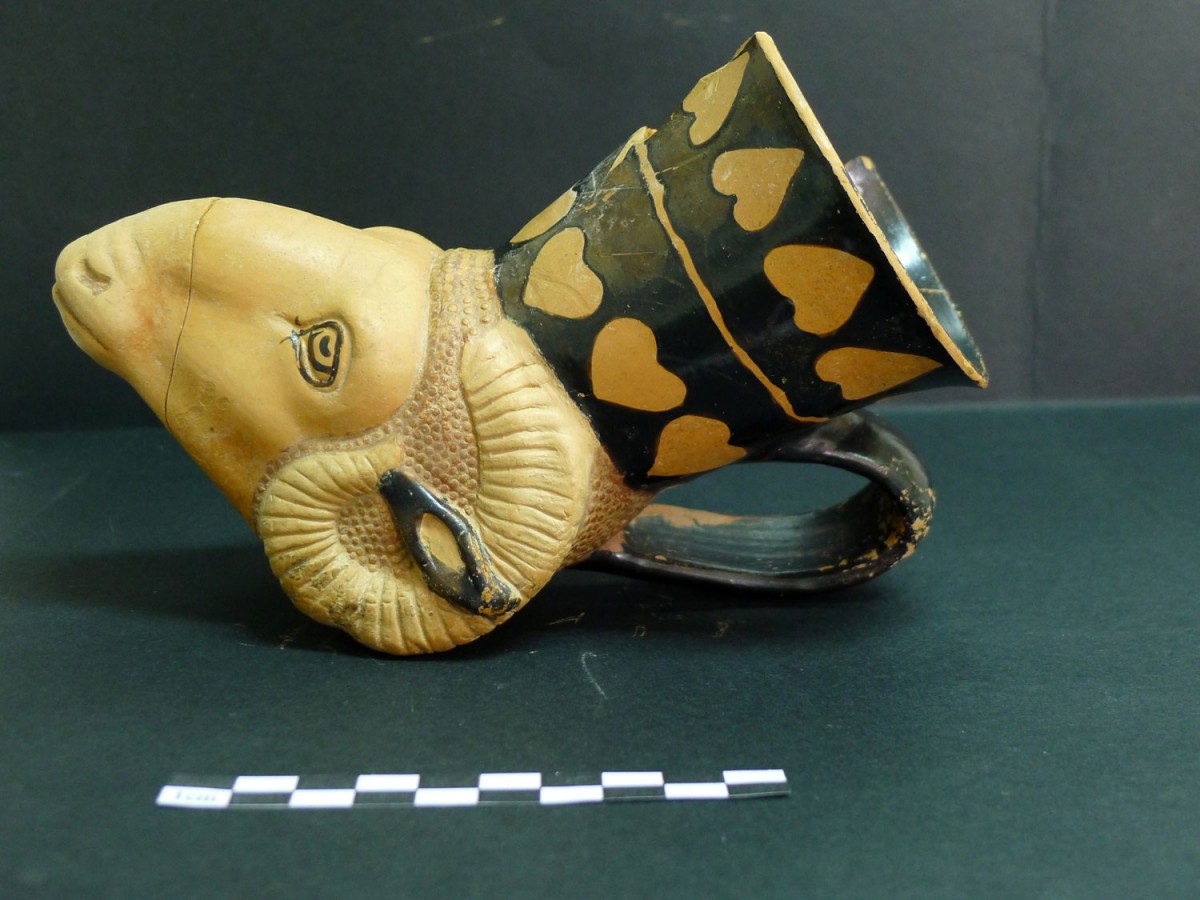
Unique archaeological evidence about Lynkestis
Many answers were hidden in the soil of Achlada and the current research fills in the gaps of the written sources about the history of Macedonia and the national identity of Macedonians.
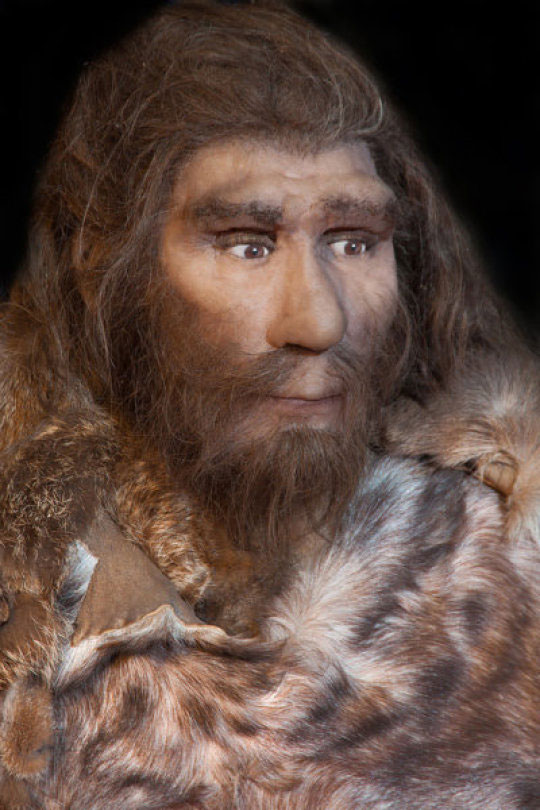
Agriculture, dietary changes, and adaptations in fat metabolism from ancient to modern Europeans
In the new study, Nielsen and his colleagues examine data from 101 Bronze Age individuals and present-day human data from the 1000 Genomes Project.
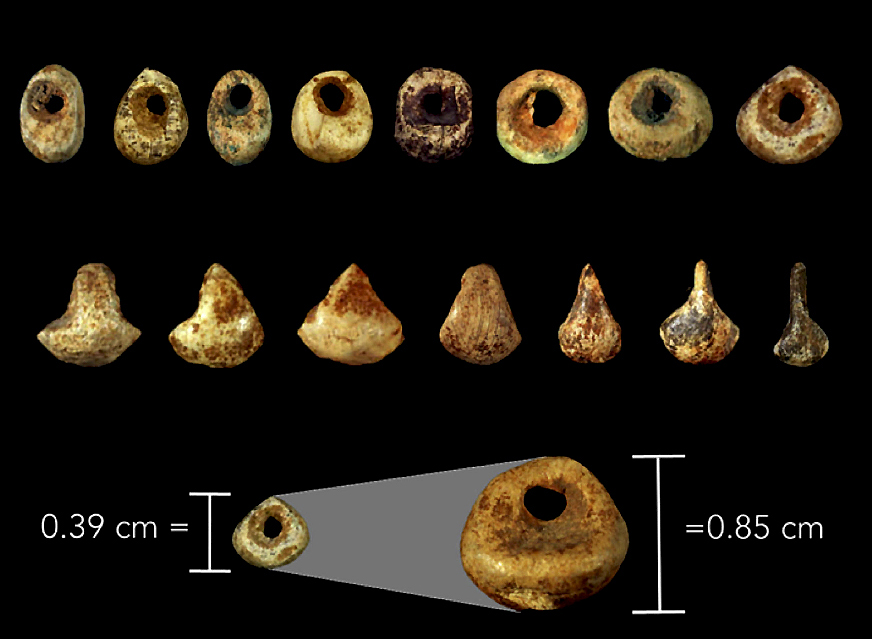
Evidence of craft specialisation in bead production in Upper Palaeolithic France?
Bead production during the Aurignacian was a highly standardised process...