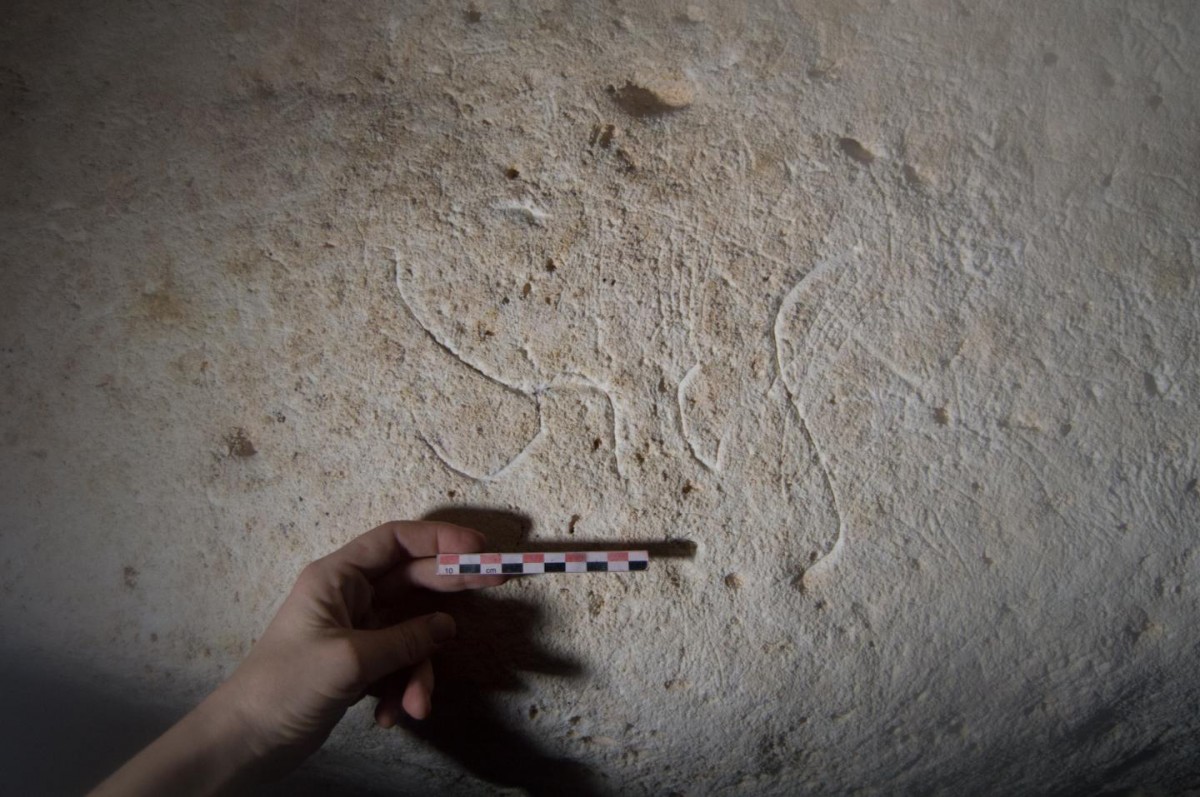
Cave discoveries shed new light on Native and European religious encounters
British Museum and University of Leicester-led research uncovers new evidence in Caribbean.
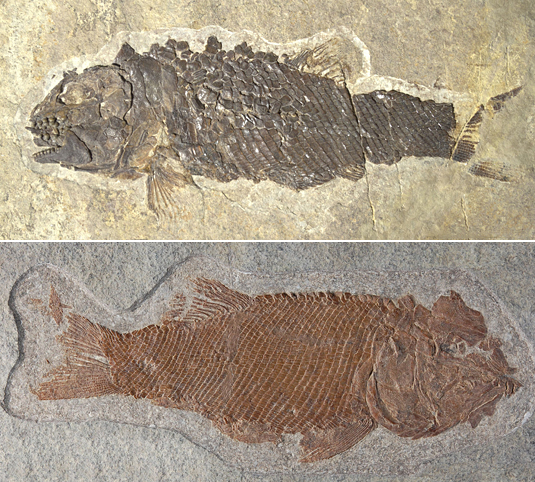
Aftermath of a mass extinction
A new study of fossil fishes from Middle Triassic sediments provides new insights into the recovery of biodiversity following the great mass extinction event at the Permo-Triassic boundary.
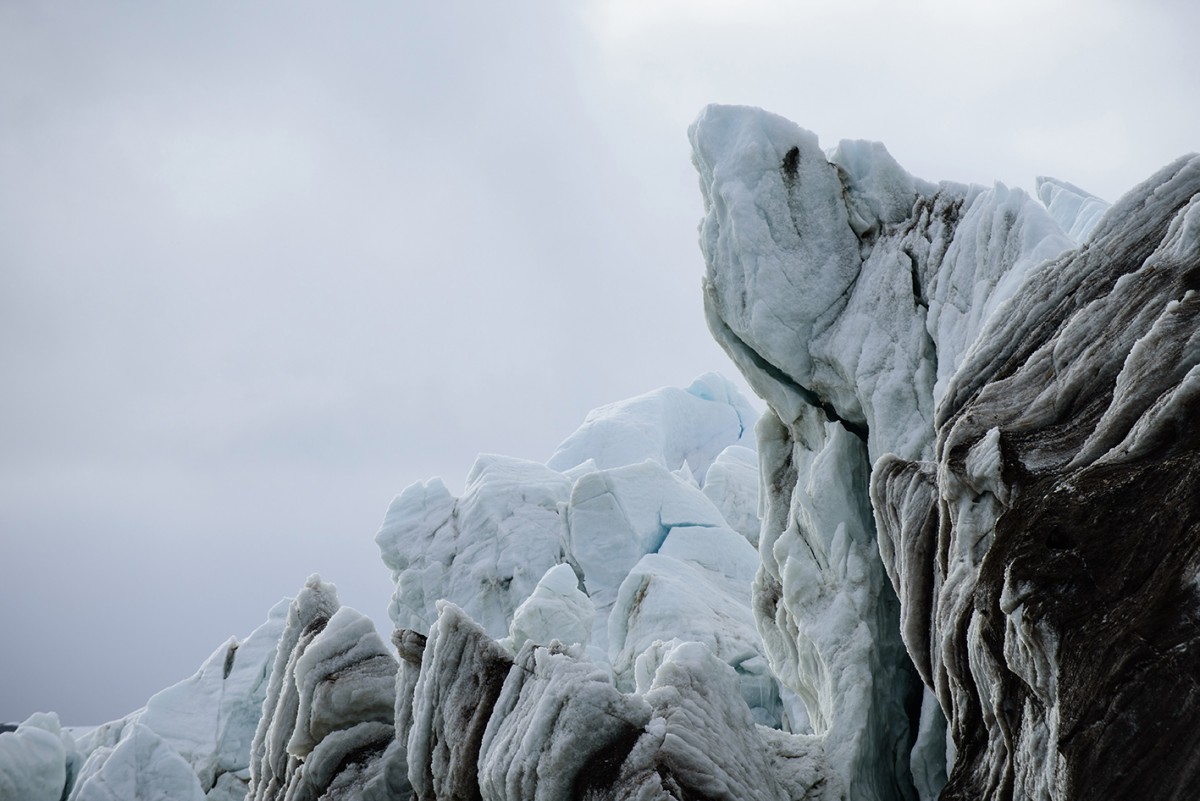
How meltwater from the ice sheets disturbed the climate 10,000 years ago
How will the melting of ice in Greenland affect our climate? In order to gain an idea how that process might look like, researchers have taken a look into the past.
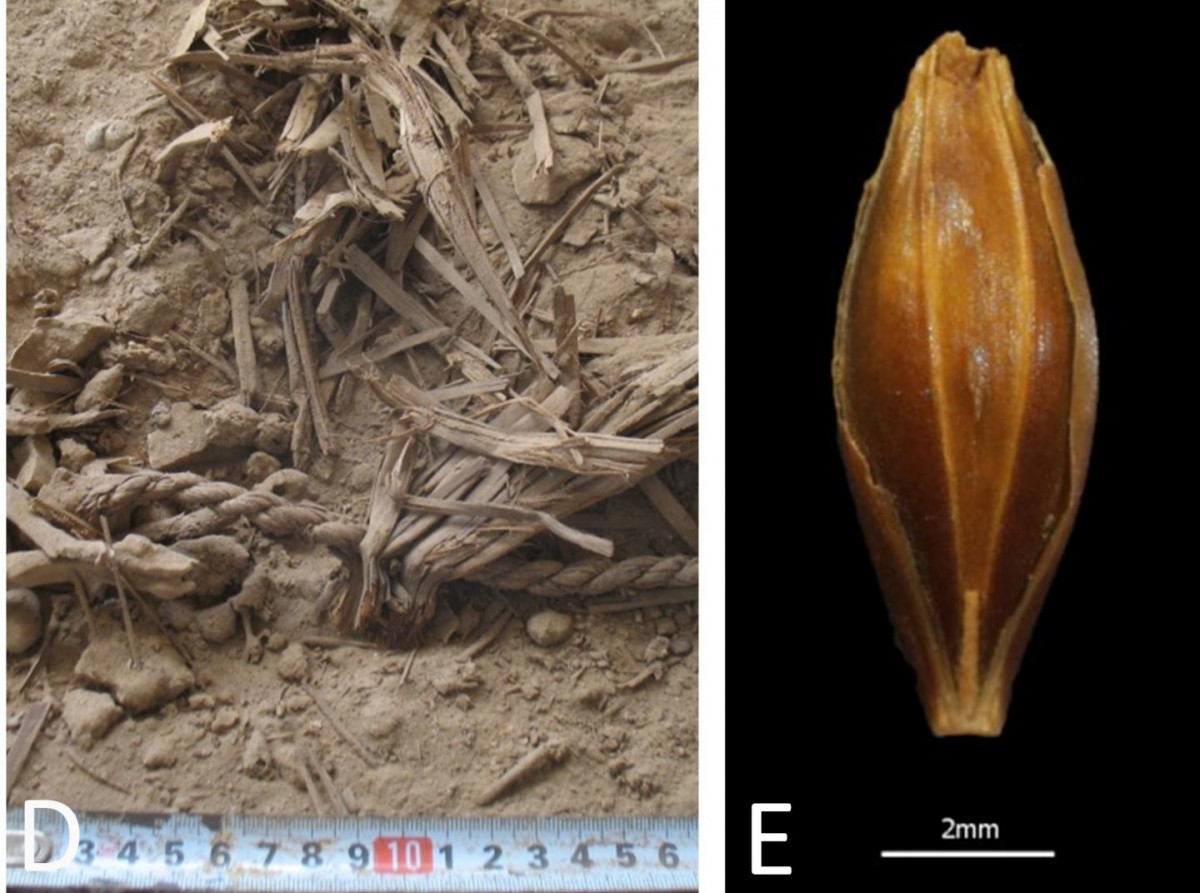
Genome of 6,000-year-old barley grains sequenced for first time
An international team of researchers has succeeded for the first time in sequencing the genome of Chalcolithic barley grains. This is the oldest plant genome to be reconstructed to date.
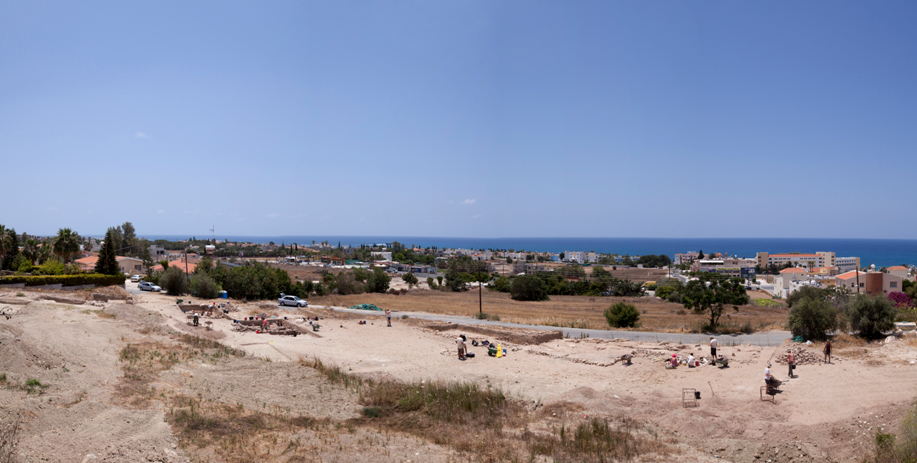
An important Chalcolithic settlement at the Chlorakas-Palloures site
Two small neighbourhoods of the 5000 year-old site of Chlorakas-Palloures were investigated during the second season of excavations at the site.
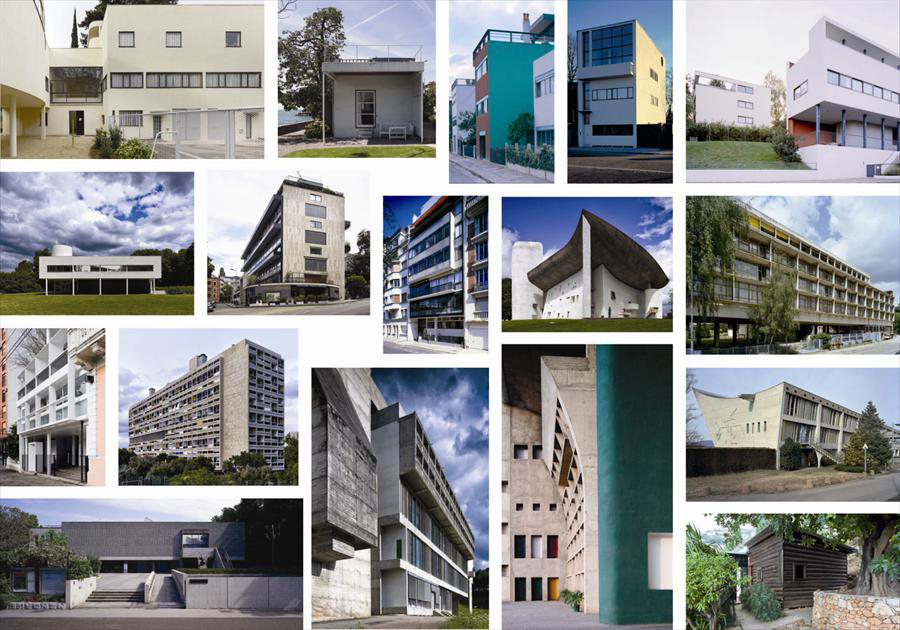
17 Le Corbusier buildings named as UNESCO World Heritage Sites
Τhe World Heritage Committee has inscribed the Architectural Work of Le Corbusier on the World Heritage List, namely 17 buildings in seven countries.
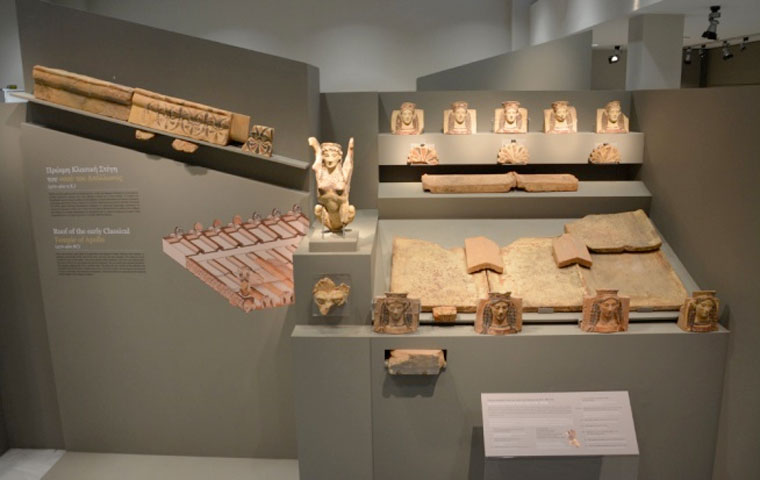
The Archaeological Museum of Thermo has opened
The museum's permanent exhibition mainly includes finds from the Sanctuary of Apollo in Thermo and smaller neighbouring shrines, spanning a period from Early Prehistoric times to the Roman conquest.
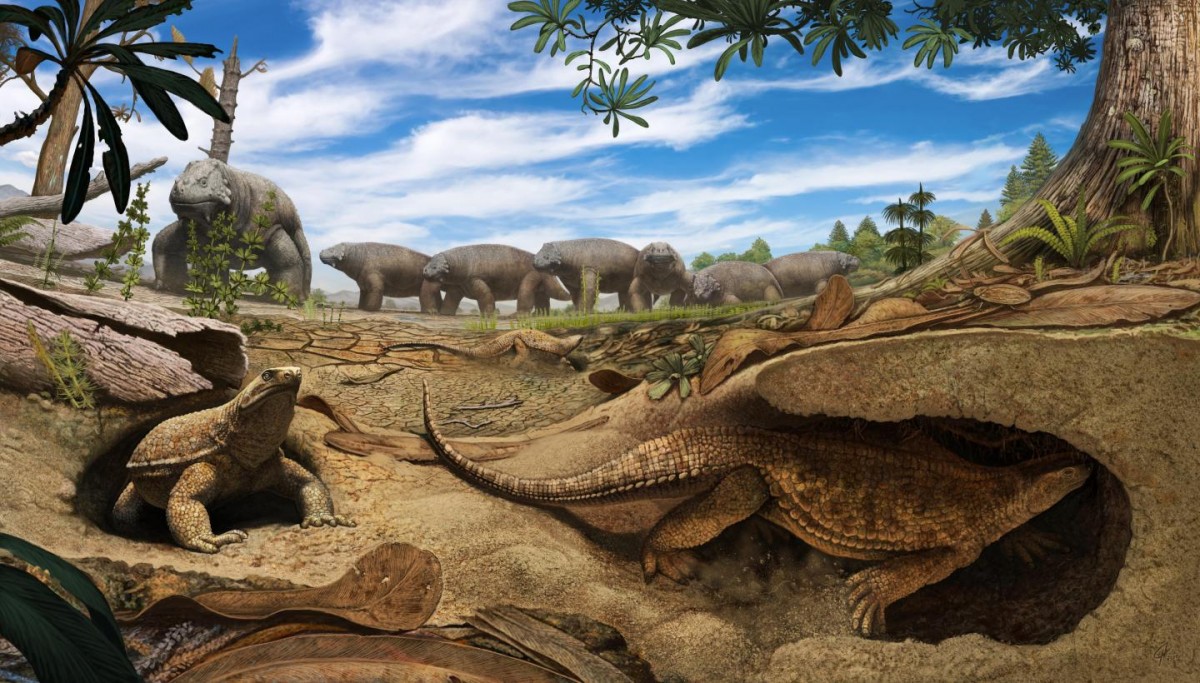
Scientists discover real reason turtles have shells
A new study by an international group of paleontologists suggests that the broad ribbed proto shell on the earliest partially shelled fossil turtles was initially an adaptation, for burrowing underground, not for protection.
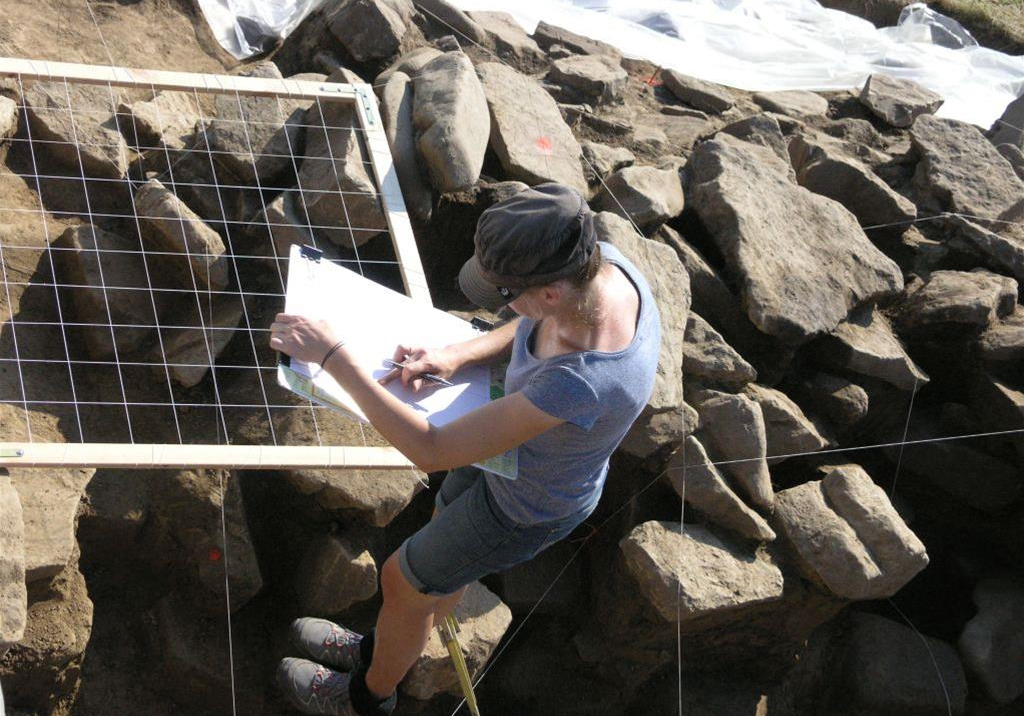
More about the builders of the Bronze Age-wall in Poland
Unique stone wall that protected the villagers who came from the area of the Mediterranean more than 3.5 thousand years ago, reveals further secrets to scientists working in Maszkowice (Małopolska).
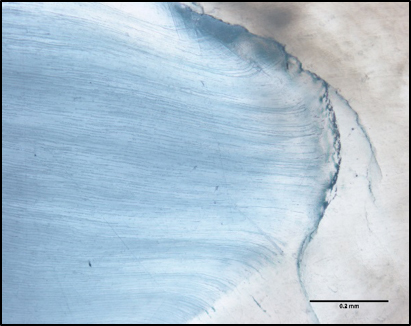
Teeth tell the story of people who didn’t get enough sunshine
Dental enamel – much harder than bone – protects the dentin long after death, making teeth a rich and accurate source of archaeological information.
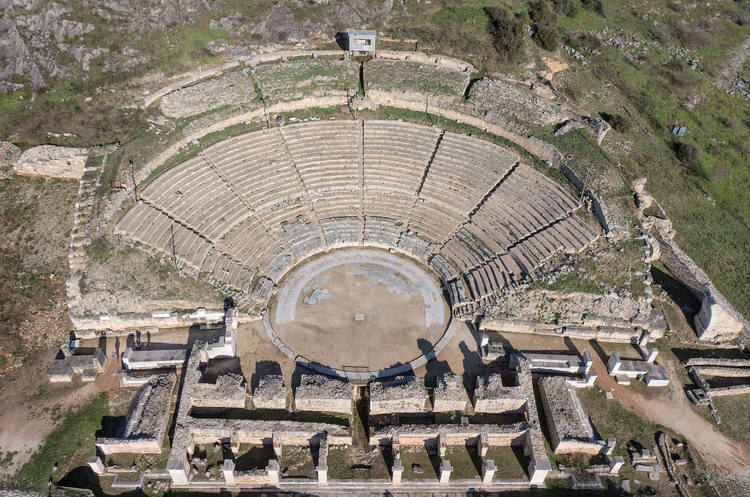
Philippi on the World Heritage List
The Archaeological Site of Philippi has been inscribed on the World Heritage List. The site is one of the five inscribed by the World Heritage Committee on July 15, 2016.
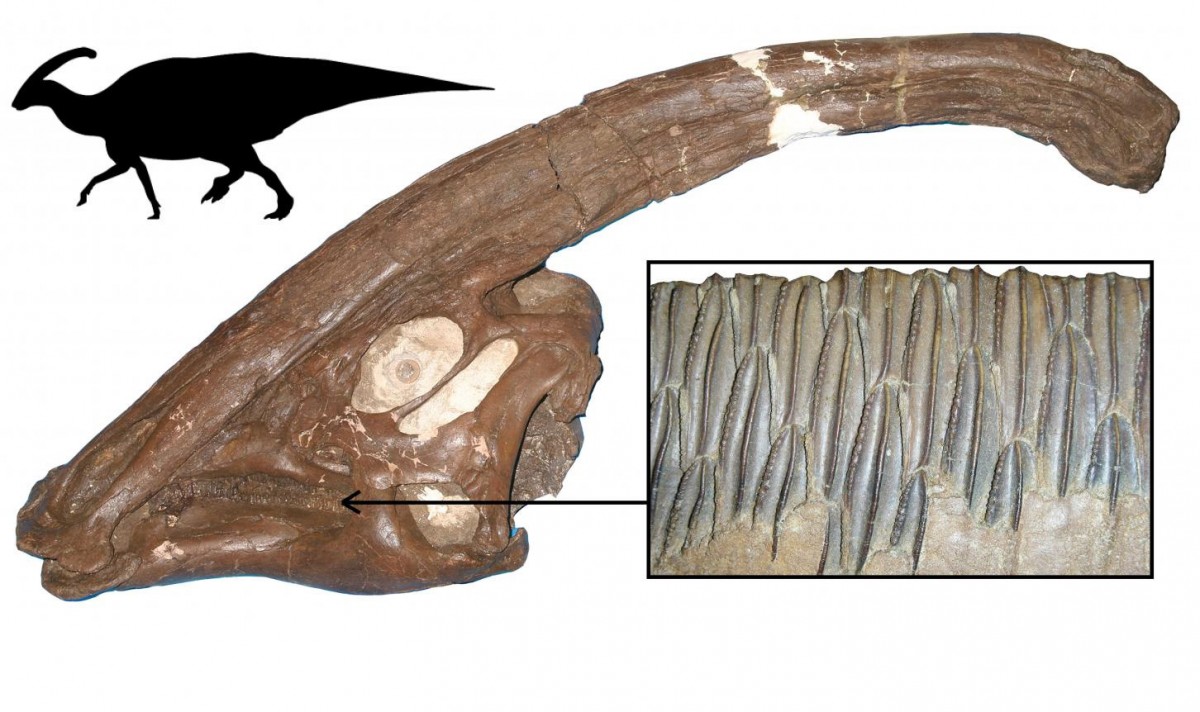
The success of the plant-eating dinosaurs
Why were dinosaurs so successful? Say dinosaur, and most people think of T. rex, but the most successful dinosaurs were of course the plant-eaters.
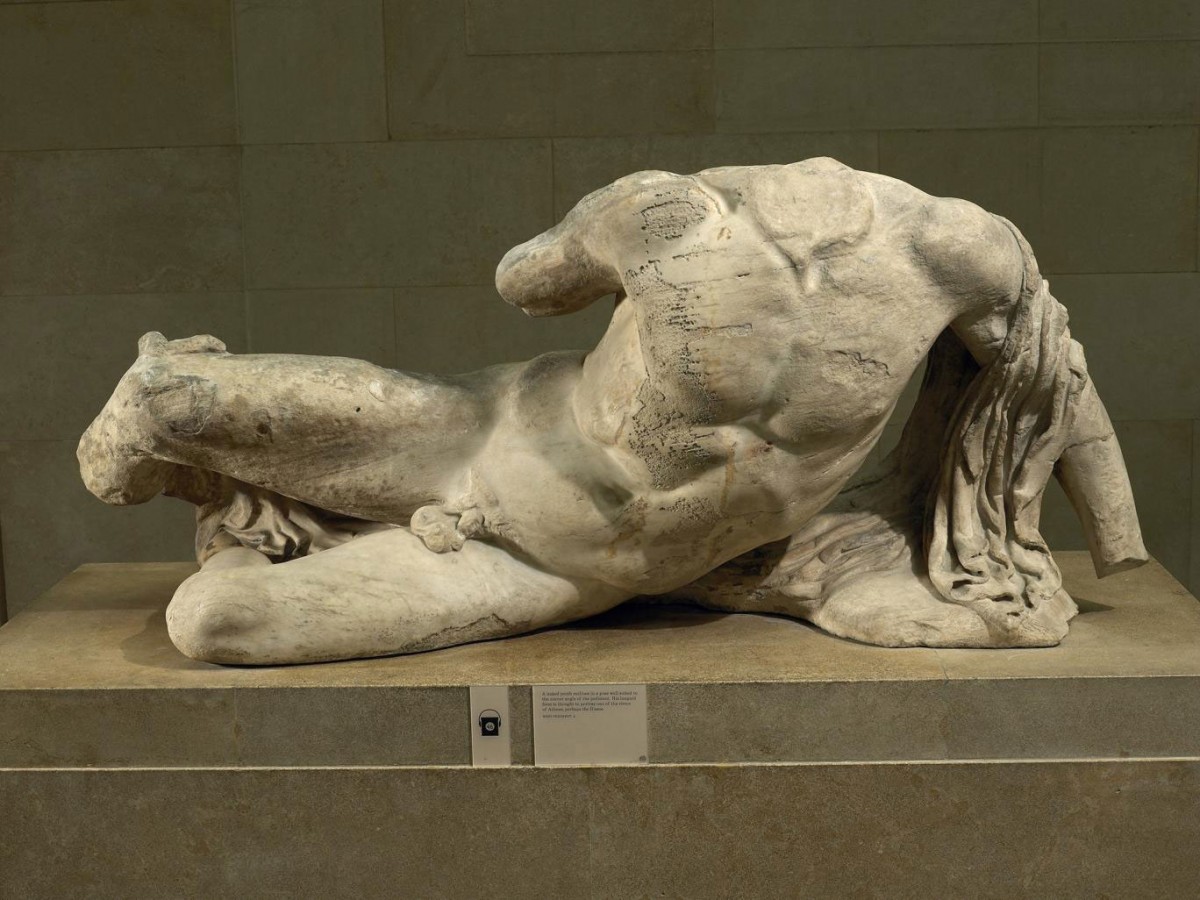
UK MPs back the return of Parthenon Sculptures to Greece
MPs from various parties in the UK are preparing a bill with the aim of returning the Parthenon Marbles, the so-called Elgin Marbles, to Greece.
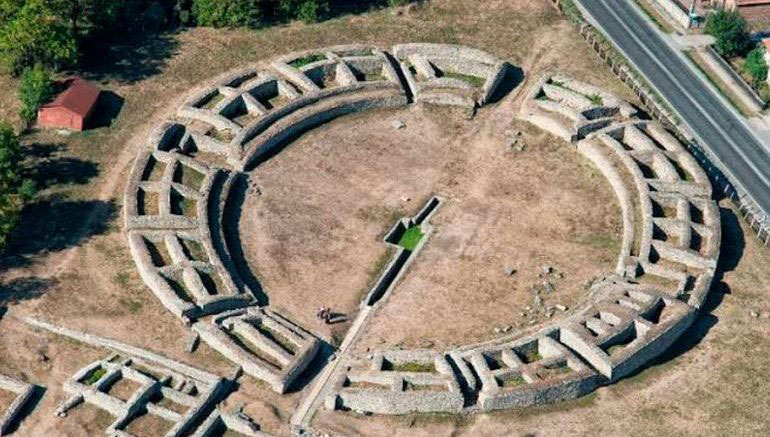
Roman Dacian capital to be restored and reconstructed
Ulpia Traiana Sarmizegetusa, the capital and largest settlement in Roman Dacia, is to be restored as part of million-euro project.
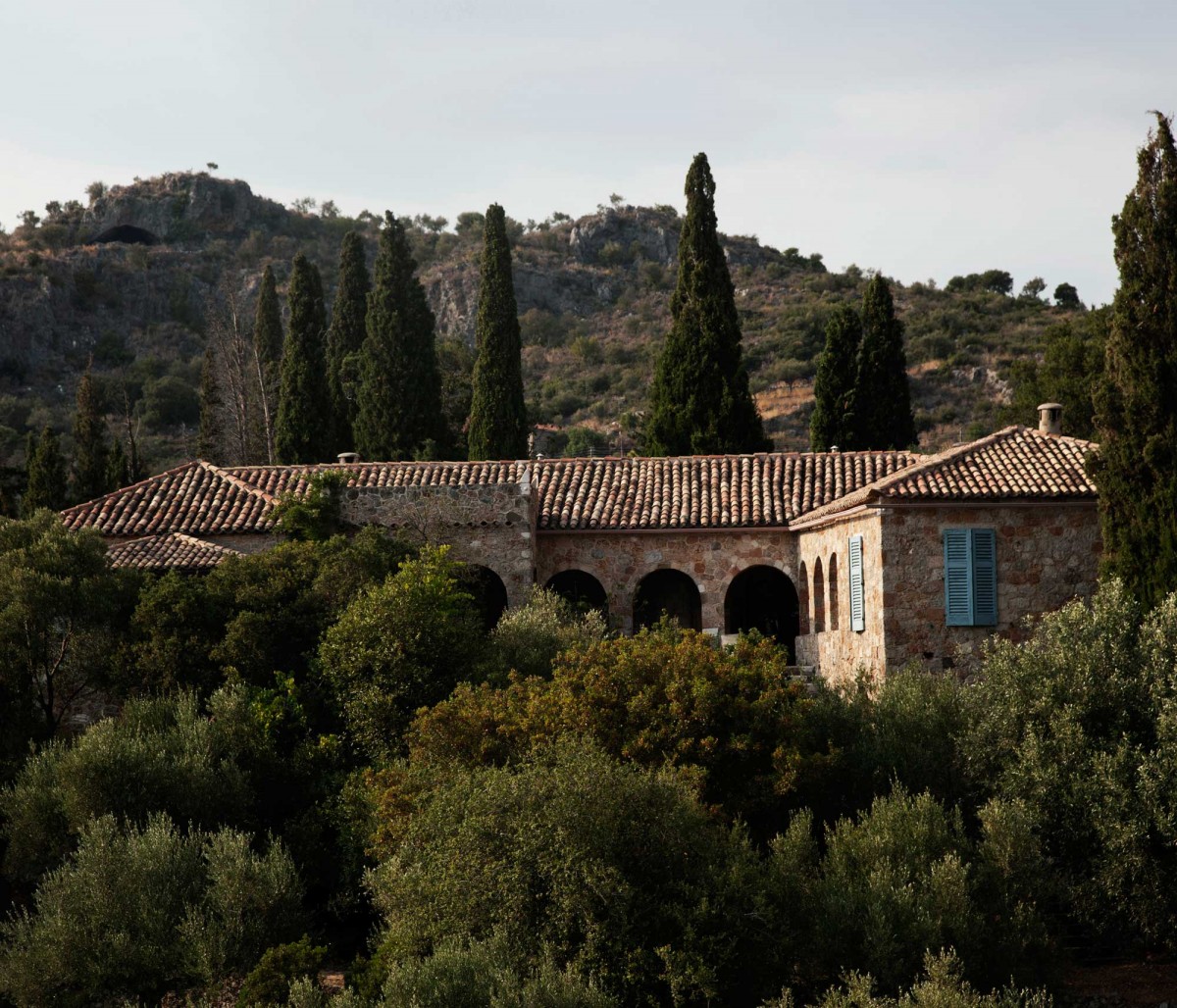
SNF’s grant to the Benaki Museum for the house of Patrick & Joan Leigh Fermor
The Stavros Niarchos Foundation has approved a grant to the Benaki Museum to fully cover the repair and restoration works as well as the cost of the necessary equipment for the Patrick and Joan Leigh Fermor House in Kardamyli.
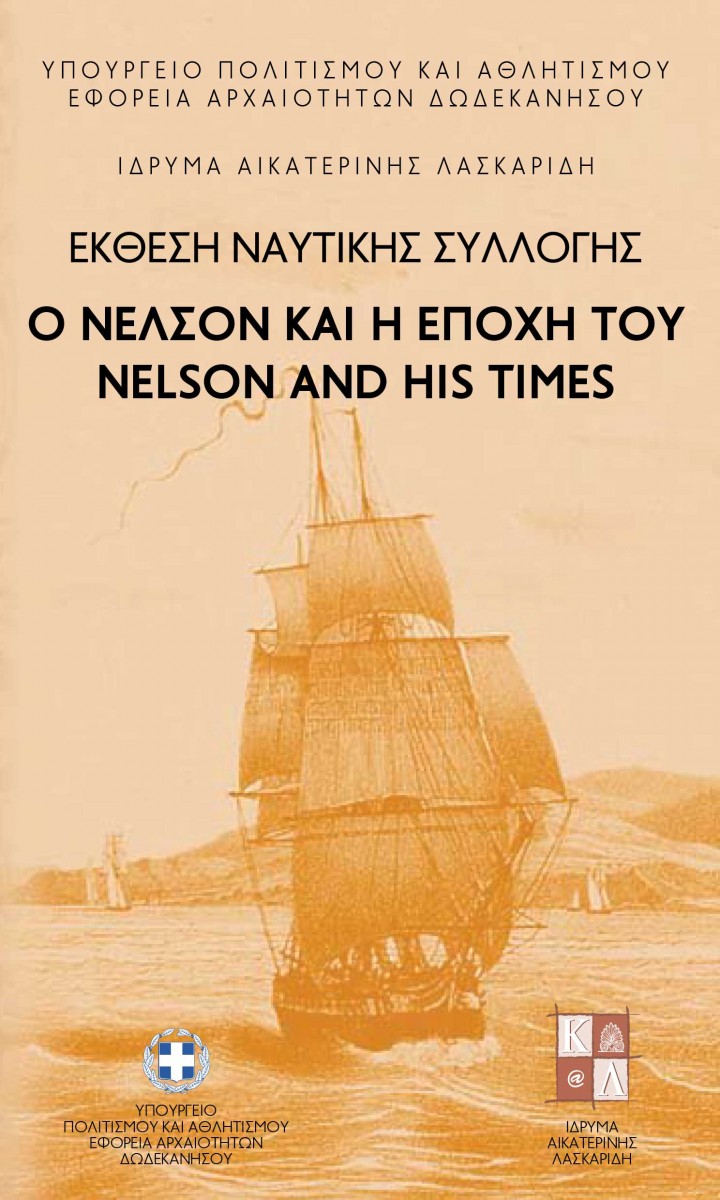
Nelson and His Times
The exhibition “Nelson and His Times”, hosted by the Ephorate of Antiquities of Dodecanese and organized by the Aikaterini Laskaridis Foundation, opens on July 16, 2016 at the Palace of the Grand Master in the Medieval City of Rhodes and will run through October 30, 2016.
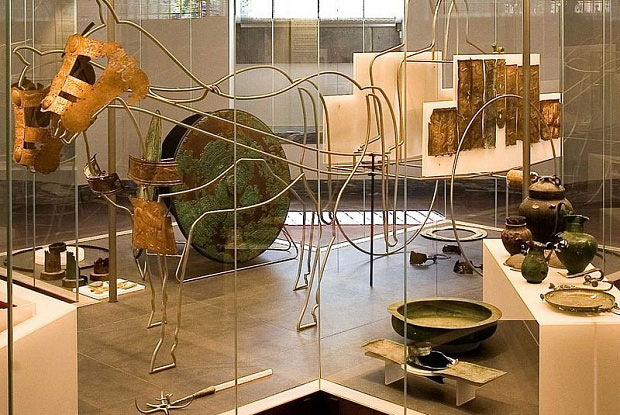
Looted artefacts to be returned to Italy from Denmark
Several artefacts from the tomb of an Etruscan prince, among other archaeologies, will be returned to Italy from the Ny Carlsberg Glyptotek in Copenhagen.
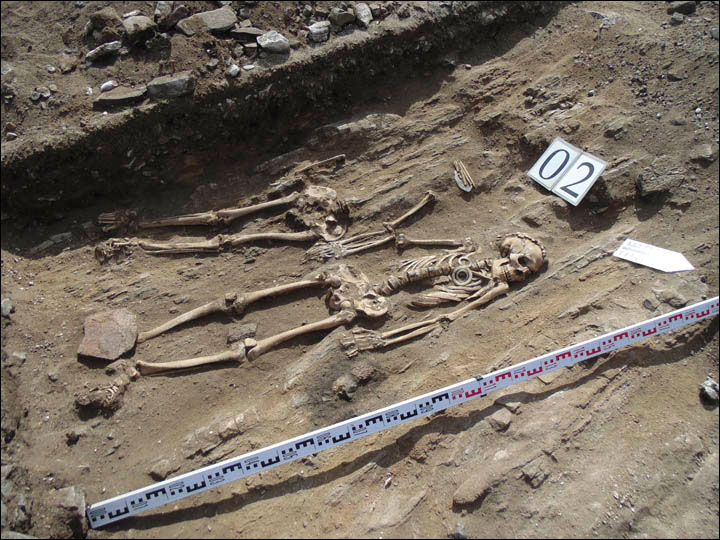
Bronze Age couple buried holding hands
A Bronze Age burial with two skeletons holding hands as well as with implements and decorations has been discovered near Lake Baikal.
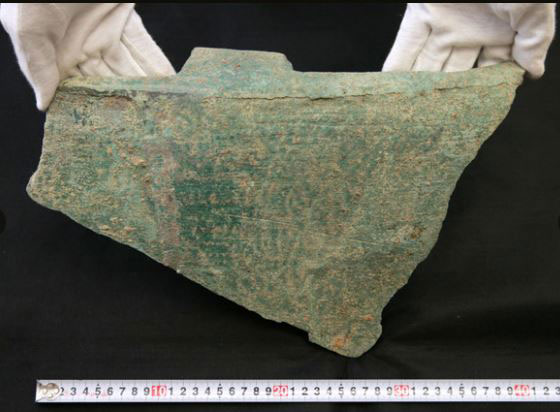
Excavated item is perhaps from the tallest Buddhist pagoda in Japan
A fragment discovered in Kinkakuji temple at Kyoto, Japan, is thought to be of the tallest pagoda ever built in Japan.
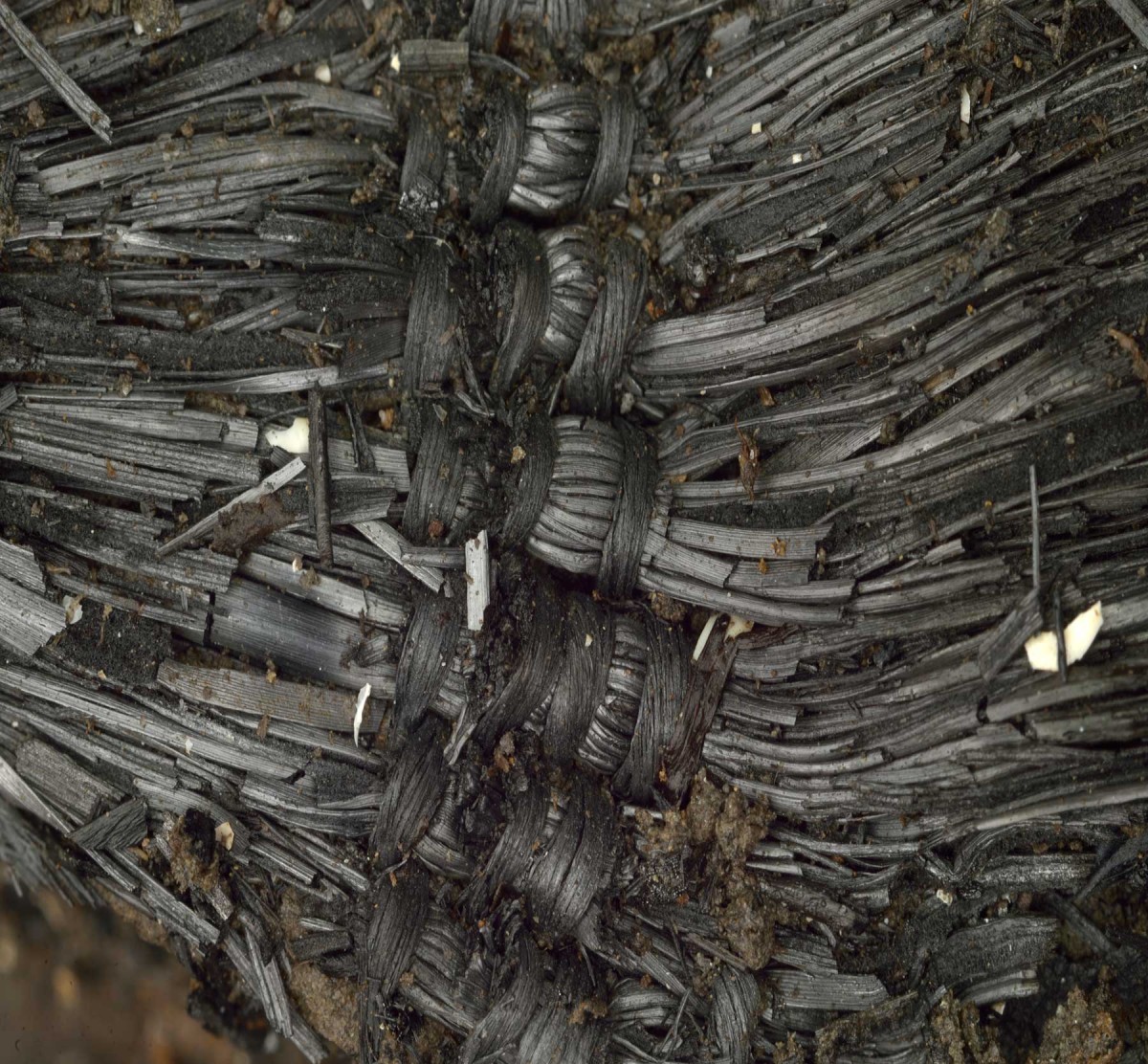
Unearthed Bronze Age textiles shine light on life 3,000 years ago
The findings of two Bronze Age homes built on wooden stilts five feet above a river at the Must Farm site in Cambridgeshire have been unearthed in an archaeological excavation which has been dubbed the “Pompeii of the Fens”.
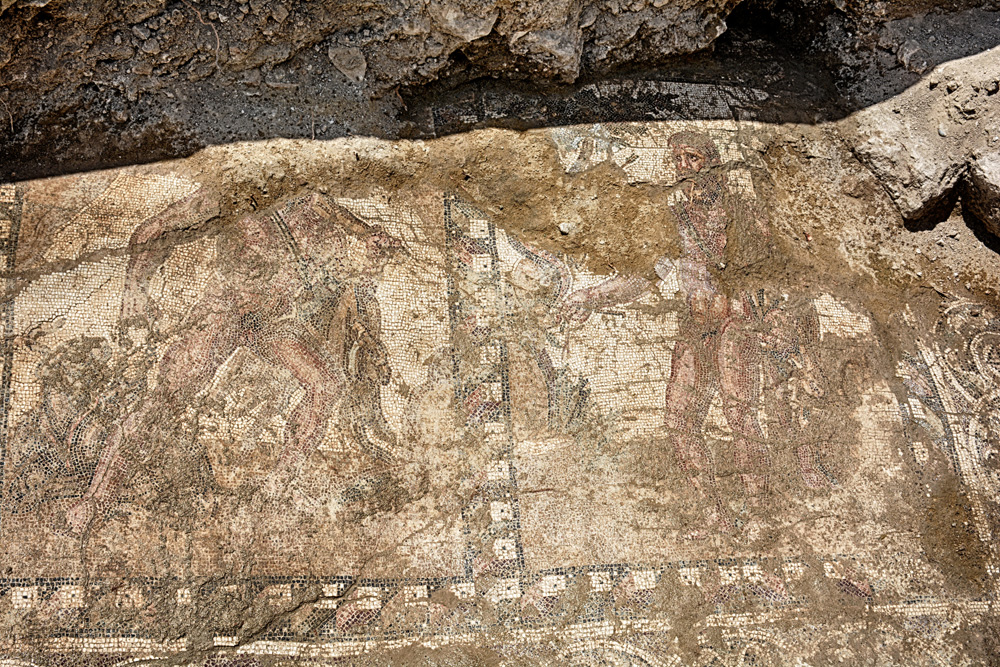
The mosaic pavement in Larnaka
Even though the mosaic floor has only been partially excavated, and has yet to be conserved, a preliminary estimation would suggest that scenes of the Labours of Hercules are depicted and that it is dated to the Roman period.
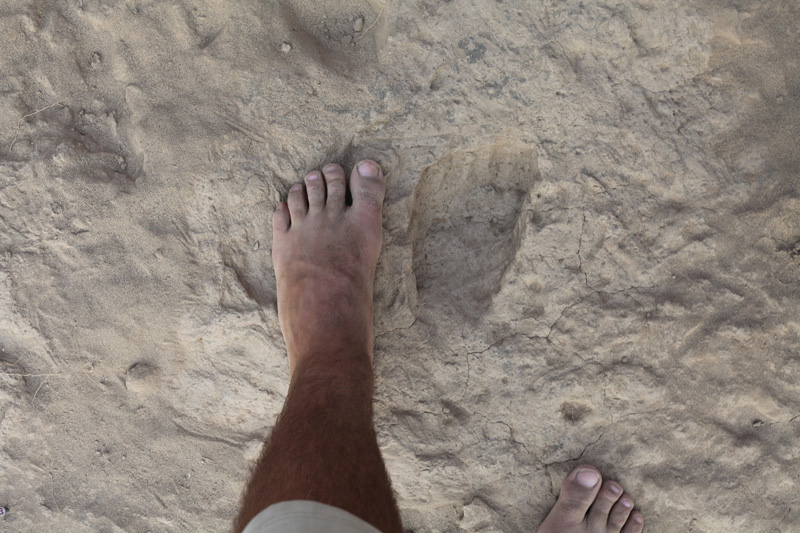
Homo erectus walked as we do
Multiple assemblages of Homo erectus footprints in northern Kenya have provided unique opportunities to understand ancestral locomotor patterns.
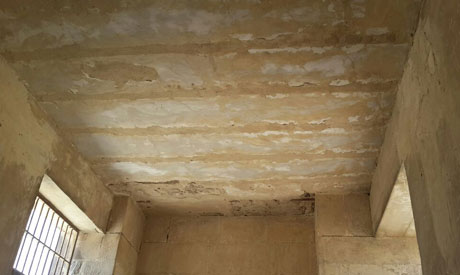
Rawer tomb ceiling and western wall have collapsed
The ceiling and western wall of Rawer tomb in Egypt collapsed last week. However, according to the manager of the site the collapsed parts were modern repair works.
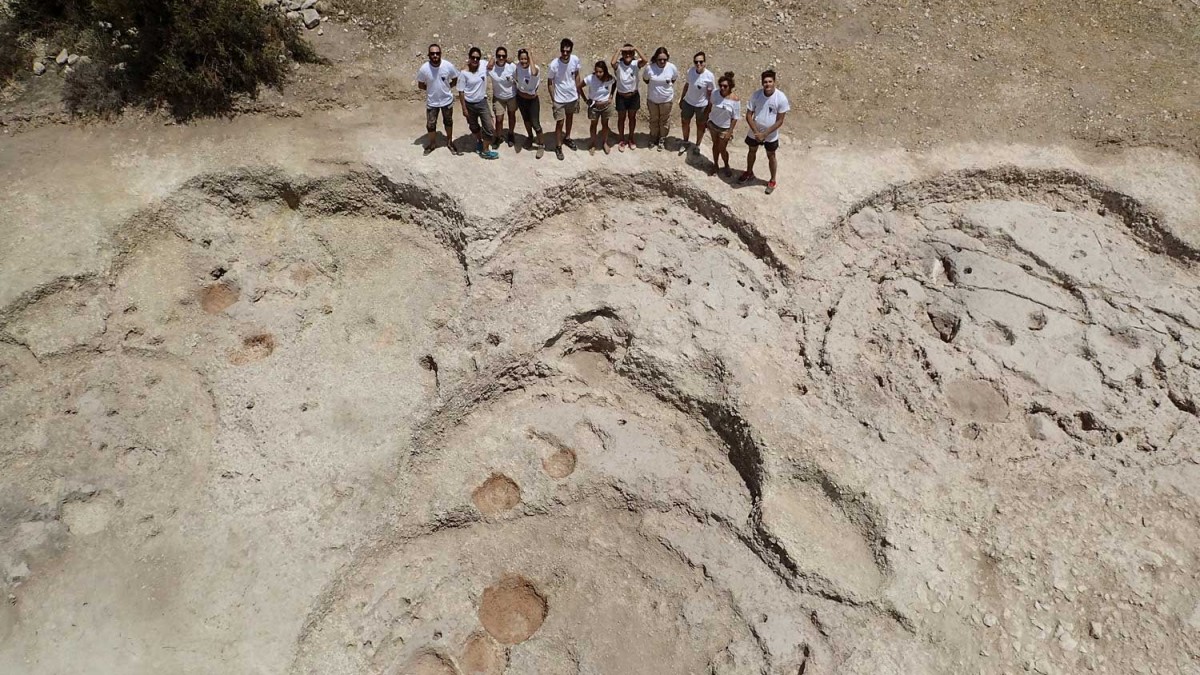
Earliest known village discovered in Cyprus
This year’s investigations at the site of Ayios Tychonas-Klimonas in the Lemesos (Limassol) District brought to light the remains of more than 20 round buildings.