New fossil evidence claims first discovery of taro in Māori gardens
The first discovery of Polynesian taro grown in Māori gardens in the 1400s can be claimed by an archaeological research project on Ahuahu-Great Mercury Island.
An optical illusion for the 30th anniversary of the Louvre’s glass pyramid
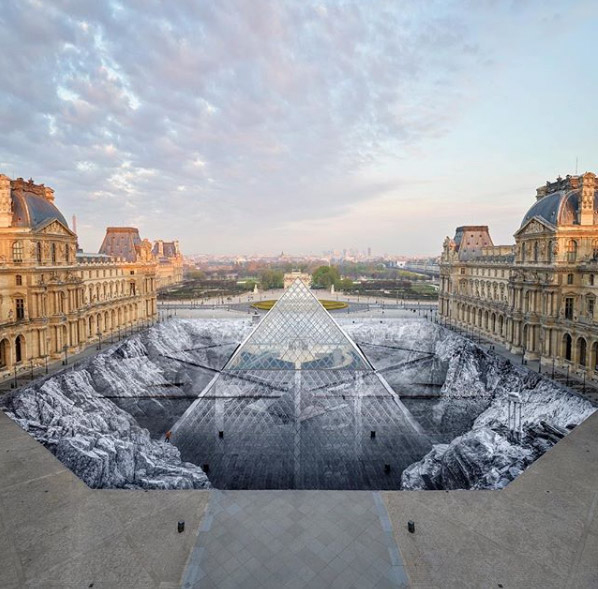
The ‟Secret of the Great Pyramid″ was revealed by French artist JR, sticking strips of paper in the courtyard where the Louvre glass pyramid is situated.
Scientists shed light on preservation mystery of Terracotta Army weapons
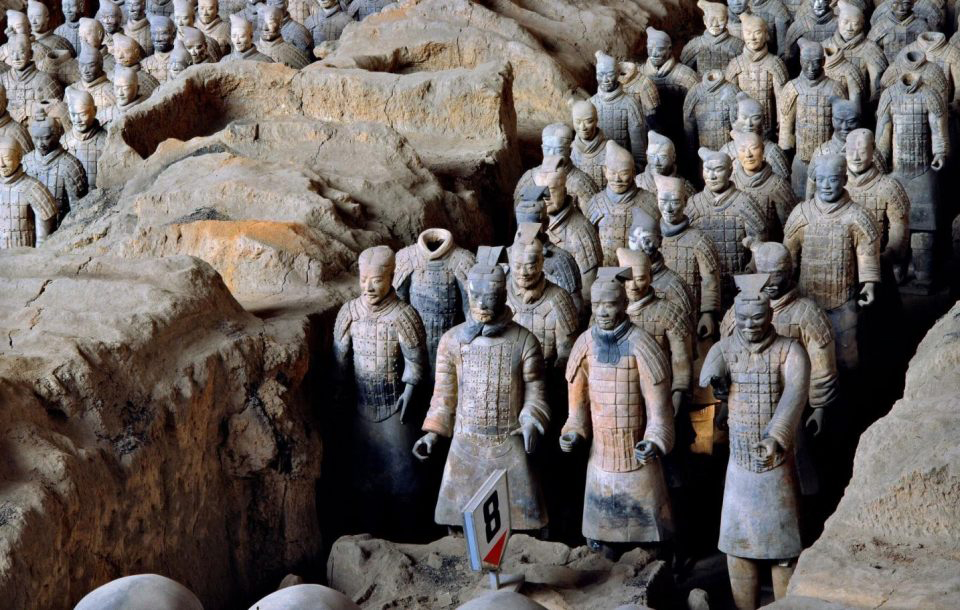
The chrome plating on the Terracotta Army bronze weapons – once thought to be the earliest form of anti-rust technology – derives from a decorative varnish rather than a preservation technique.
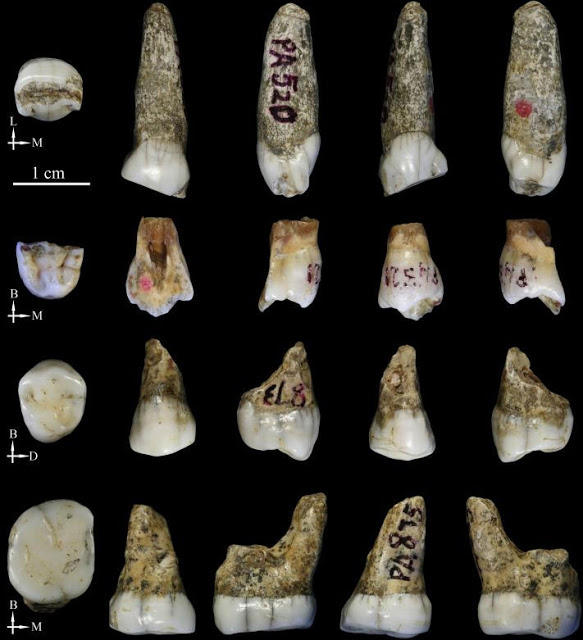
Tongzi hominids are potentially a new human ancestor in Asia
Tongzi teeth do not fit the morphological pattern of traditional Homo erectus.
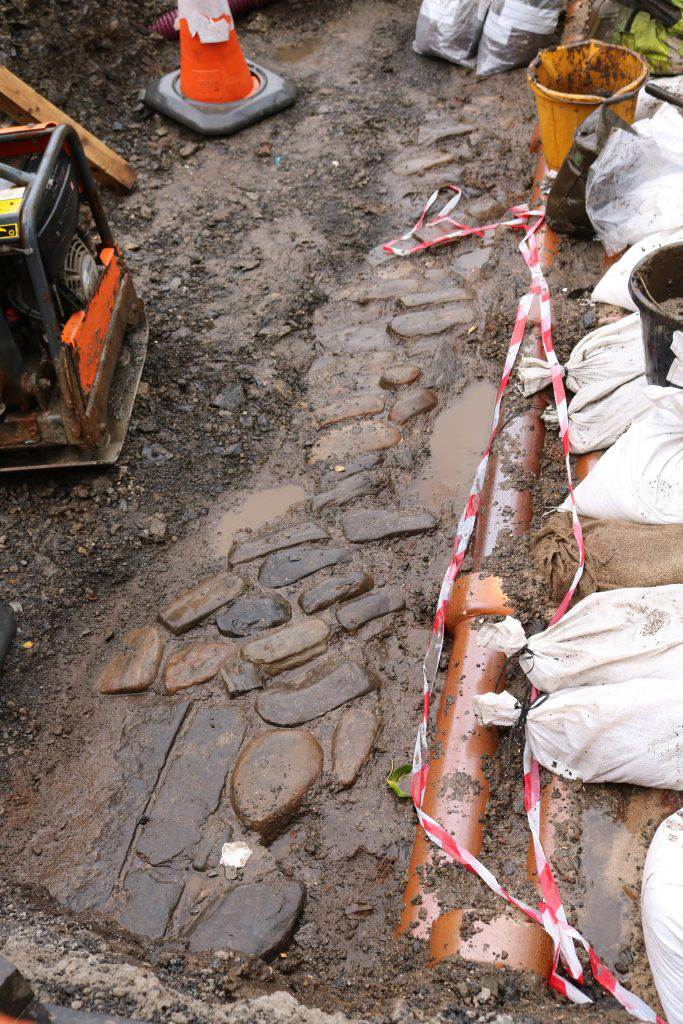
Kirkwall Castle walls unearthed during roadworks in Orkney
A team from ORCA Archaeology unearthed sections of wall and cobbled surface this week while undertaking a watching brief for an Orkney Islands Council infrastructure project in the centre of Kirkwall.
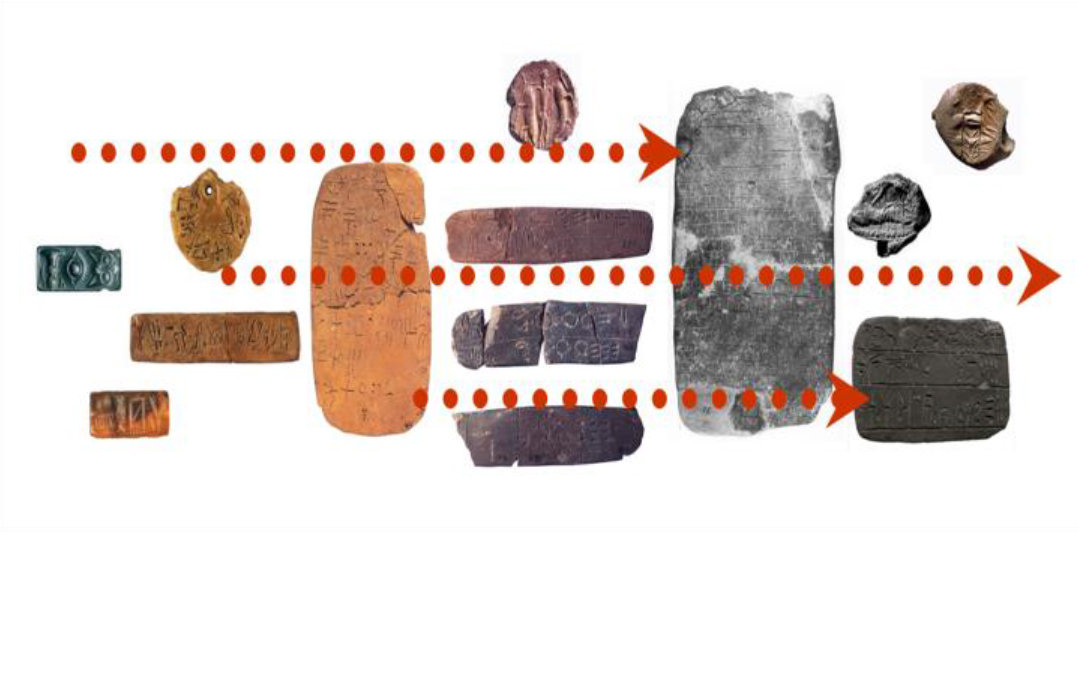
The Cretan “Matrix” of Mycenaean writing and administration
New perspectives to the discussion about the relationship of the Mycenaean writing system to its Cretan predecessors.
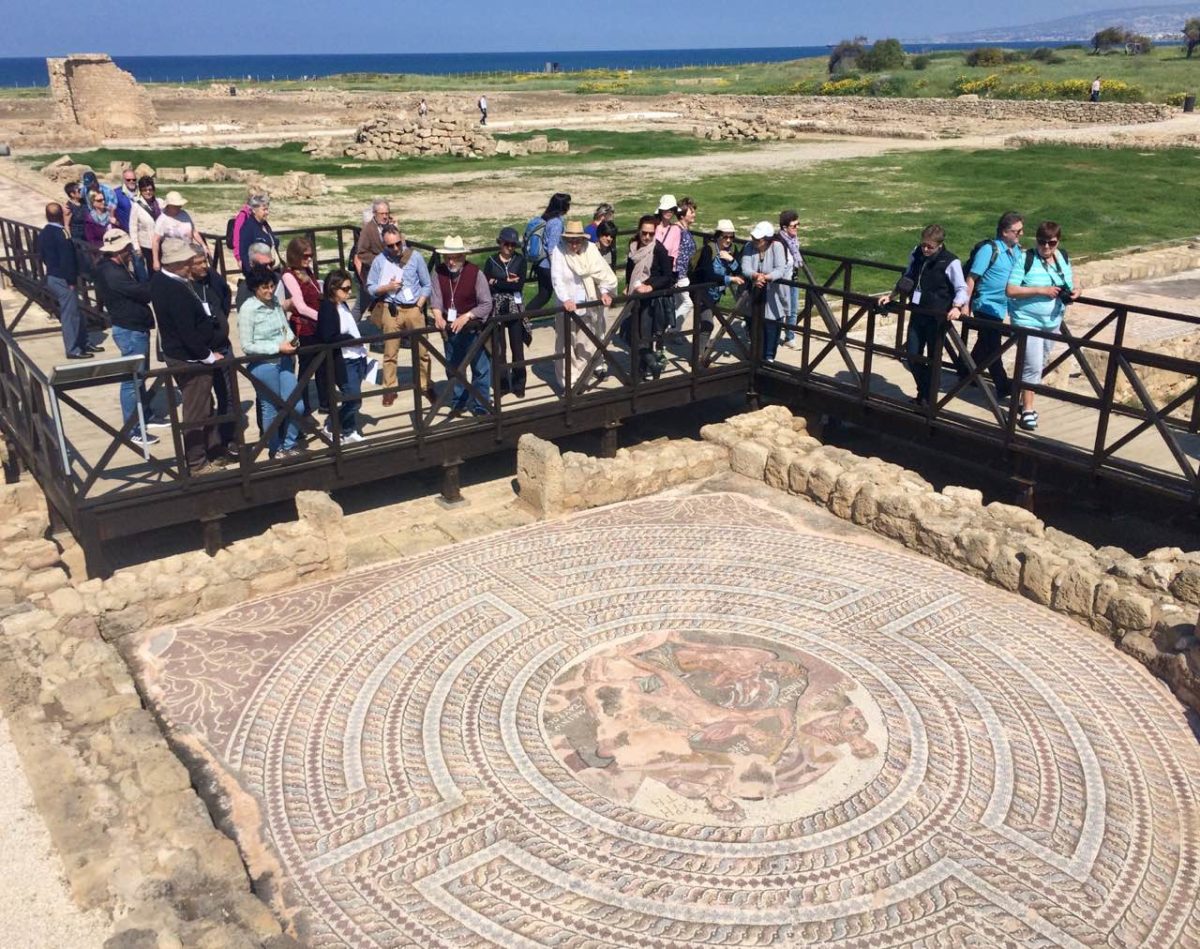
Collaboration between the Department of Antiquities and the Getty Conservation Institute
The aim of the collaboration is to develop a comprehensive Conservation and Management Plan for the World Heritage sites of Nea Pafos and the Tombs of the Kings.
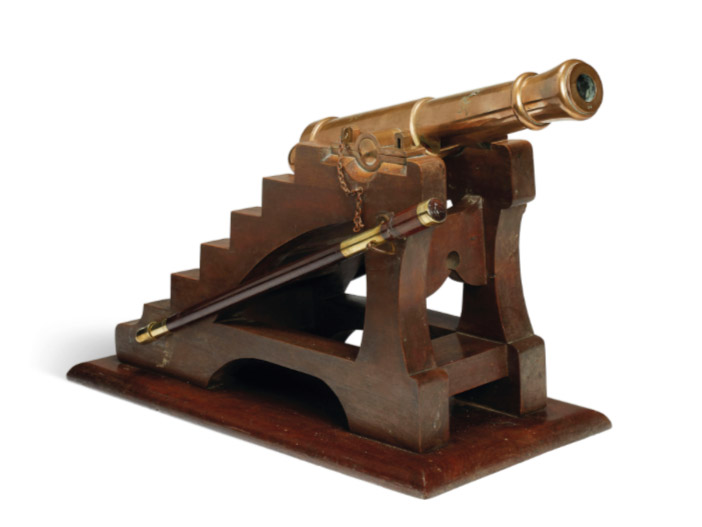
Authentic souvenir of the Eiffel Tower up for sale
The only miniature replica of the Eiffel Tower cannon that until 1914 was fired at midday on the dot will be auctioned at Christie’s.
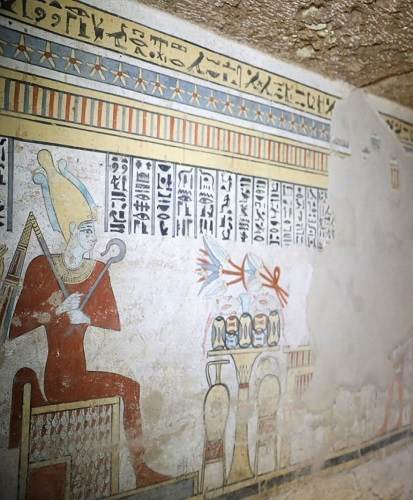
Supertomb found in Upper Egypt’s Sohag
An exceptionally well-preserved and finely painted tomb containing mummified animals and humans, found last October, was presented on Friday.
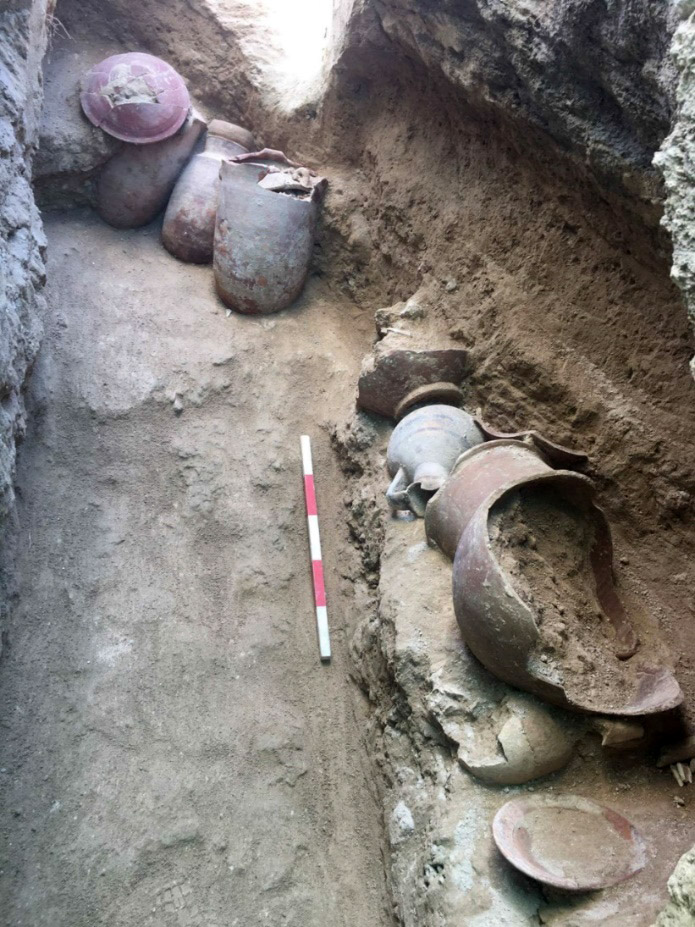
Larnaka’s rich past comes to light
The results of the salvage excavations conducted in conjunction with the construction of the sewerage network of Larnaka have been announced.
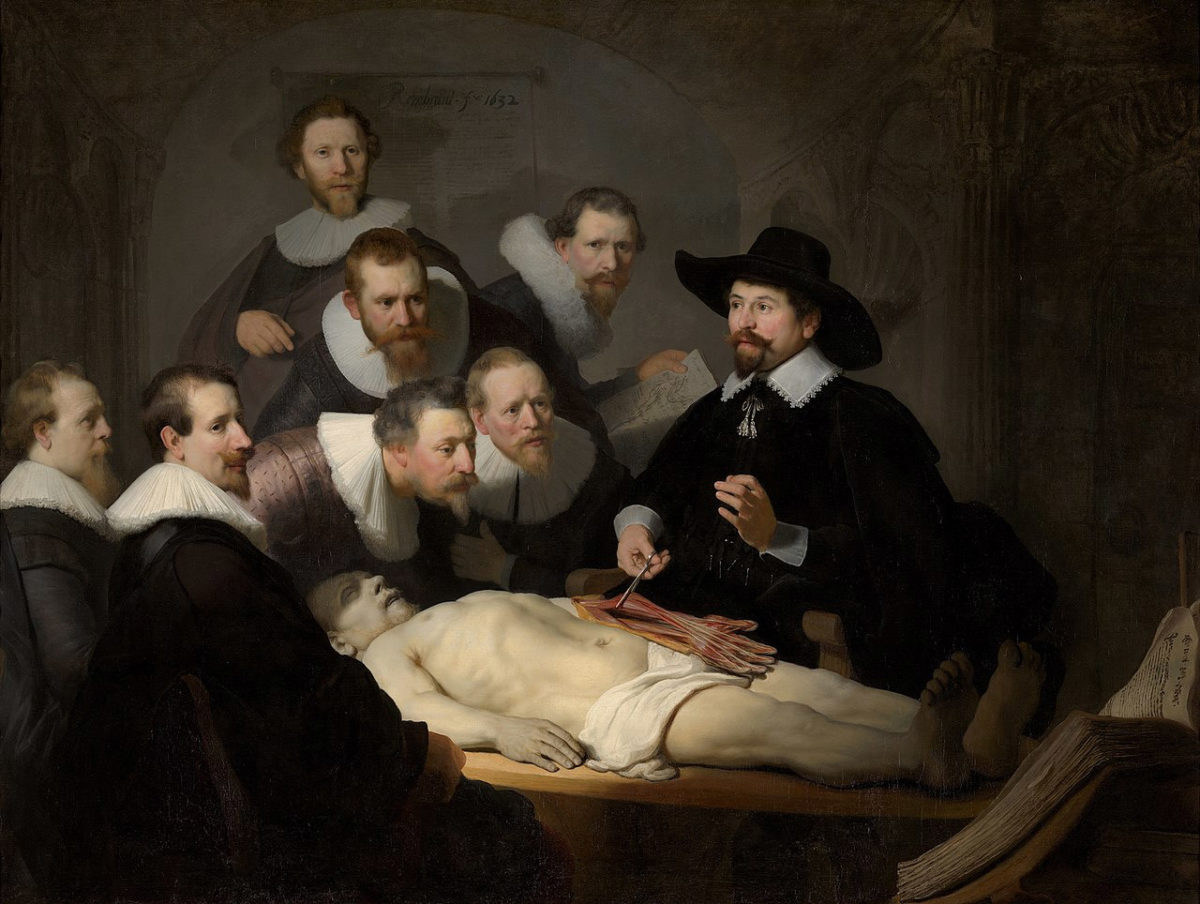
Inside a Rembrandt painting
Visitors interact with virtual, holographic and 3D objects that have been scanned from an actual recreation of the painting.
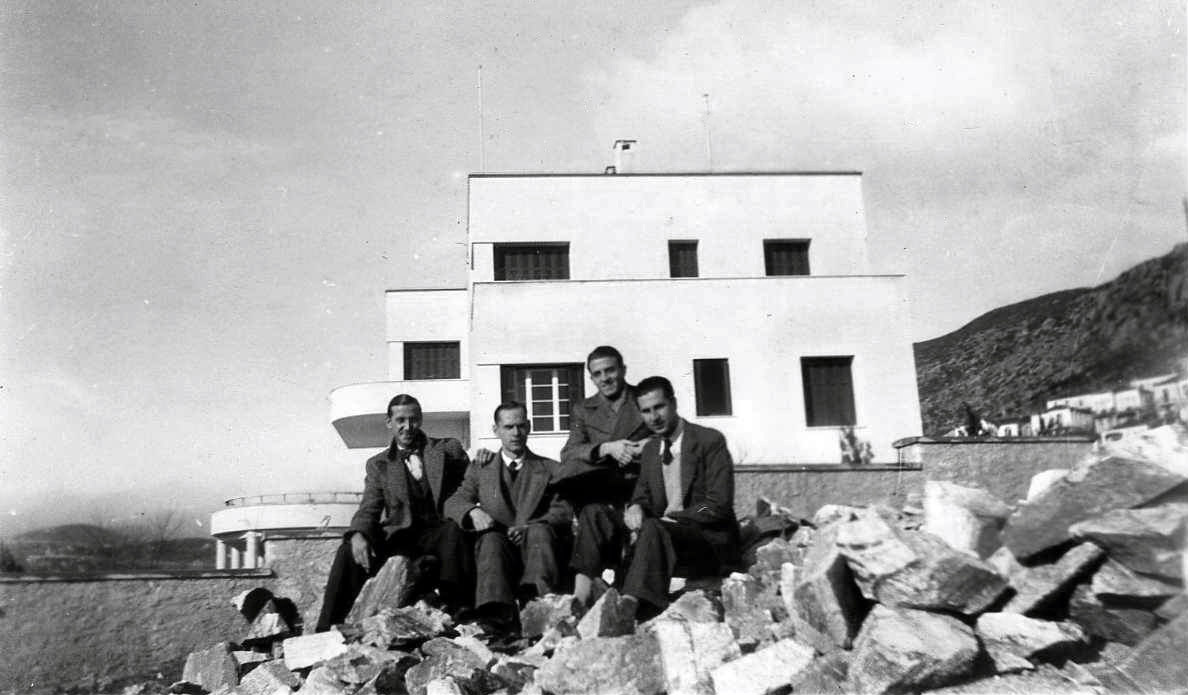
The Swedish House of Kavala
The curator of the Swedish House of Kavala, Elisabeth Gullberg Kaidi, opened its doors and talked to the Athens and Macedonian News Agency about the historical events that left their marks on it.
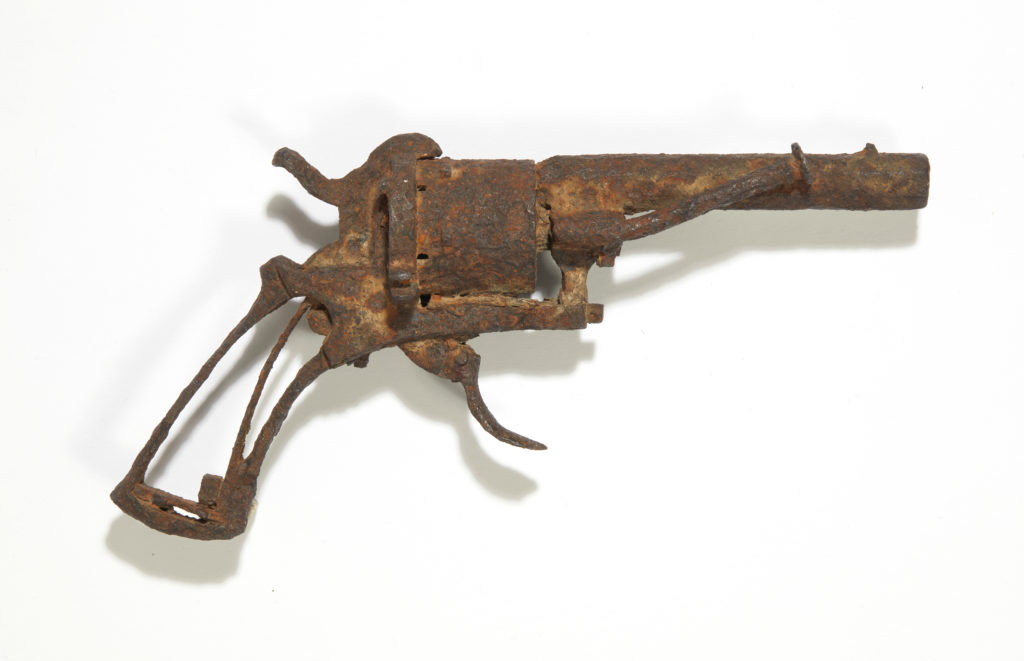
Van Gogh’s suicide gun goes under the hammer
Paris auction house announced it will put up for sale the gun possibly used by Vincent Van Gogh to kill himself.

The Cyprus Institute Graduate School announces its Summer Internship Program 2019
Through this program, The Cyprus Institute Graduate School aims to expose young talented students and scholars to an international research experience and to encourage and inspire them in the pursuit of a scientific career.
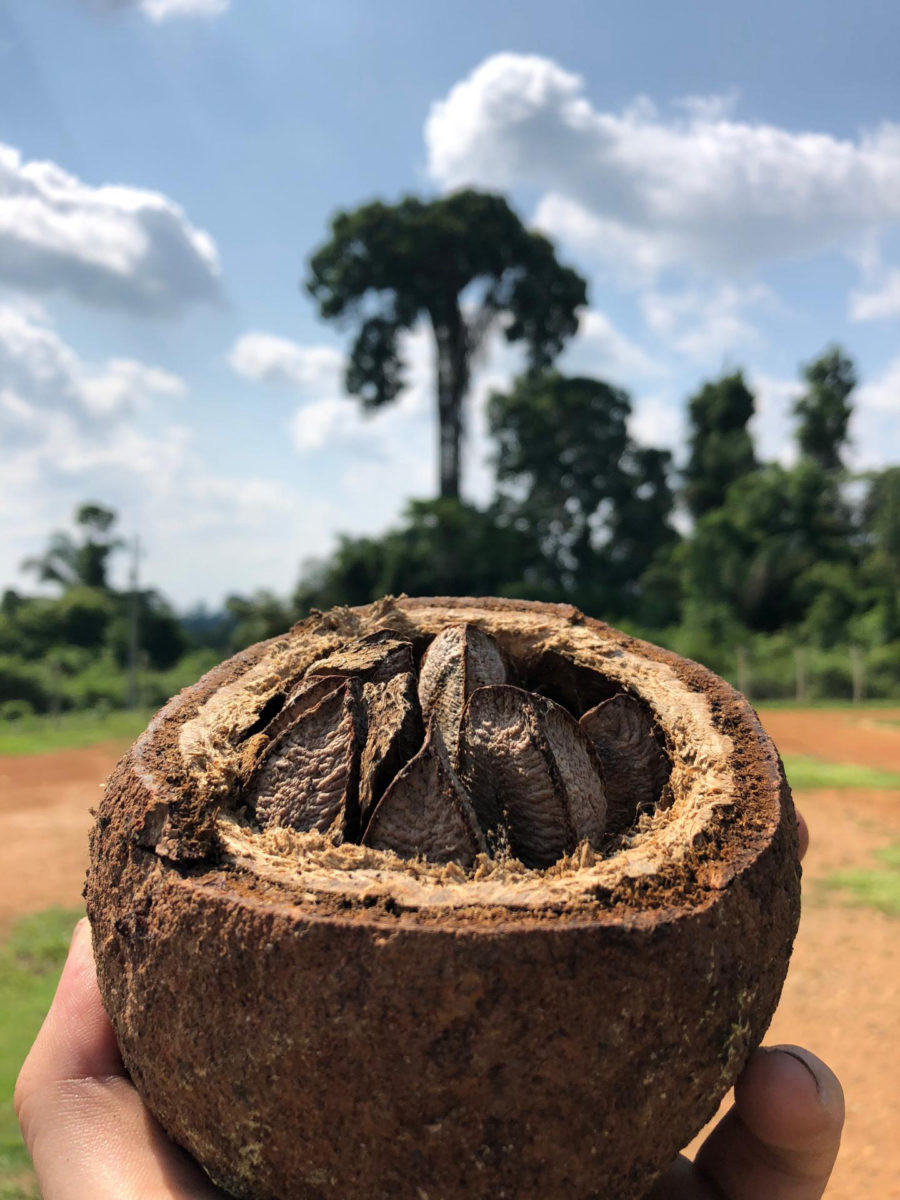
Human history through tree rings: Trees in Amazonia reveal pre-colonial human disturbance
New study shows that tropical trees act as a living record of past human activity in the Amazon.
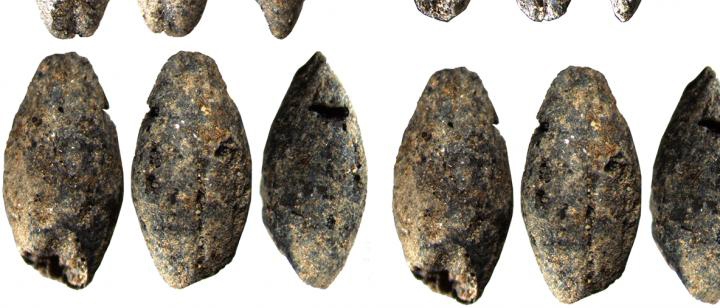
A 5,000-year-old barley grain discovered in Finland changes understanding of livelihoods
New findings reveal that hunter-gatherers took to farming already 5,000 years ago in eastern Sweden, and on the Aland Islands, located on the southwest coast of Finland.
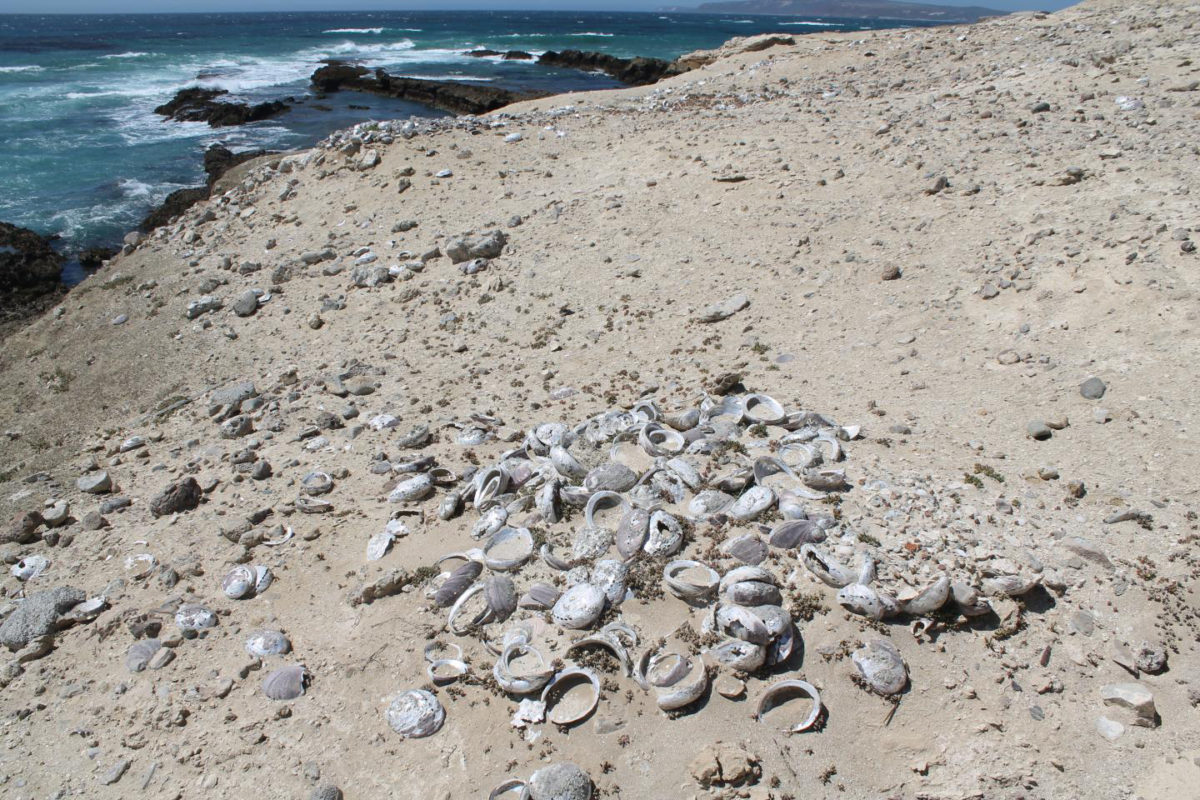
Scientists measure extent of recovery for critically endangered black abalone
One critically endangered species of smooth-shelled abalone is making a comeback in certain parts of its range along the California coast.
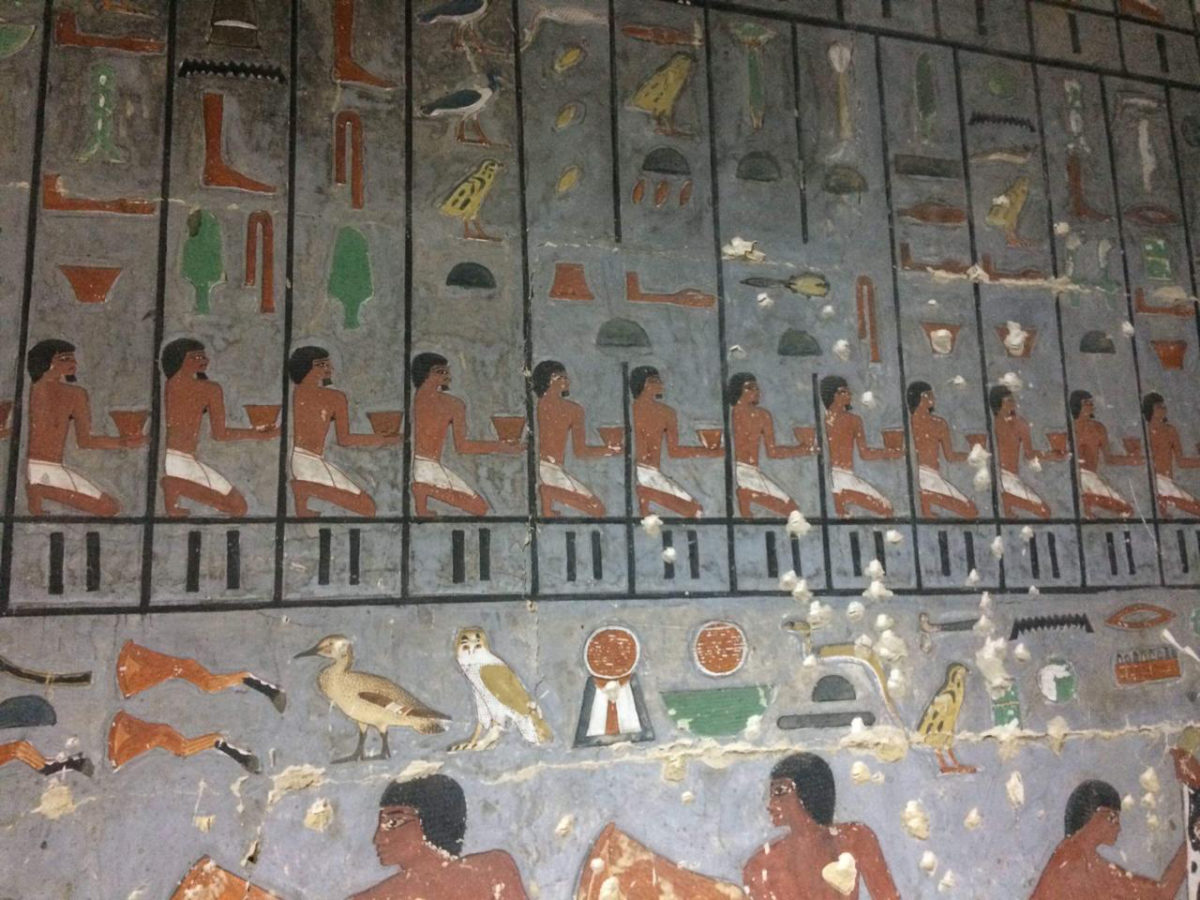
Fifth Dynasty tomb and name of a new queen discovered at Saqqara
Egyptian archaeologists discovered the tomb of a Fifth Dynasty dignitary named Khuwy during an excavation and documentation survey carried out in south Saqqara.
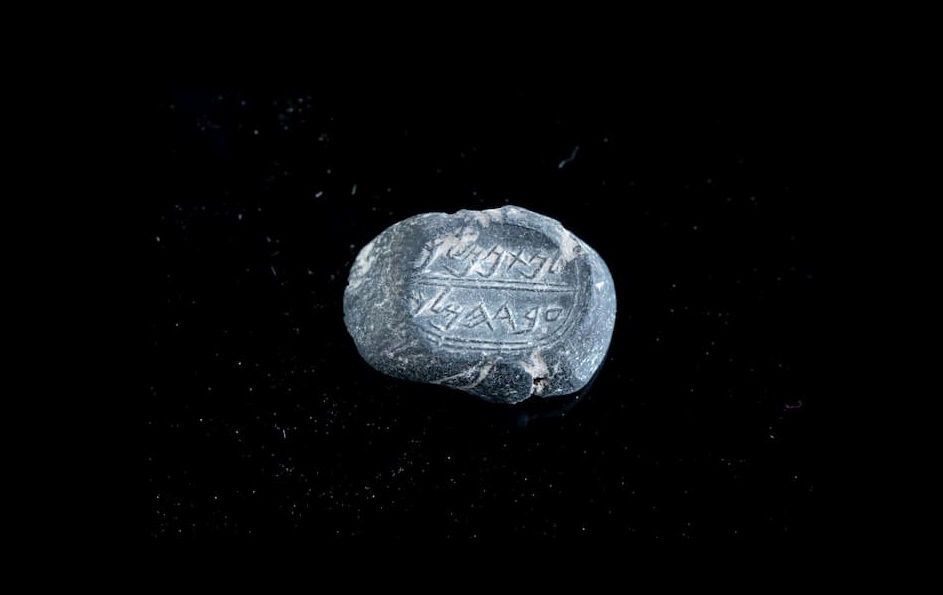
Who Was “Natan-Melech the King’s Servant”?
A rare and exciting discovery: A bulla (seal impression) and a 2,600-year-old stamp bearing Hebrew names were uncovered in the City of David.
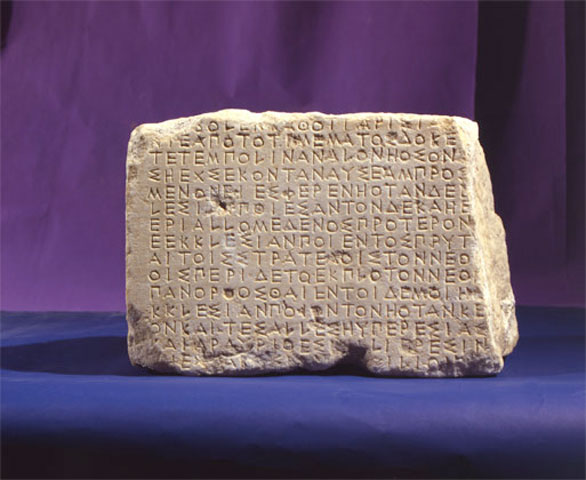
Ancient Greek and Latin to be intangible cultural heritage
The association Human Hist. submitted the request with a manifesto presented at the opening of the ‟2nd International Meeting of ancient languages”.
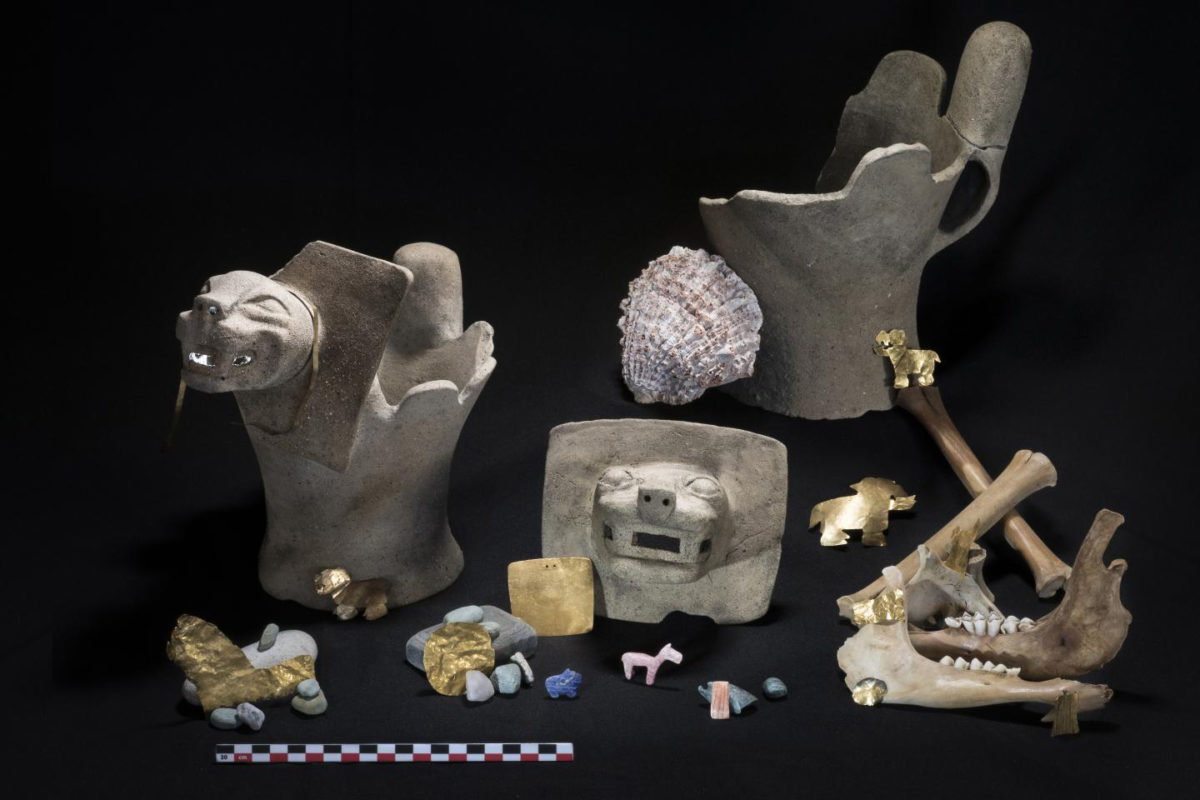
Rise of religion pre-dates Incas at Lake Titicaca
An ancient group of people made ritual offerings to supernatural deities near the Island of the Sun in Lake Titicaca, Bolivia, about 500 years earlier than the Incas, according to an international team of researchers.
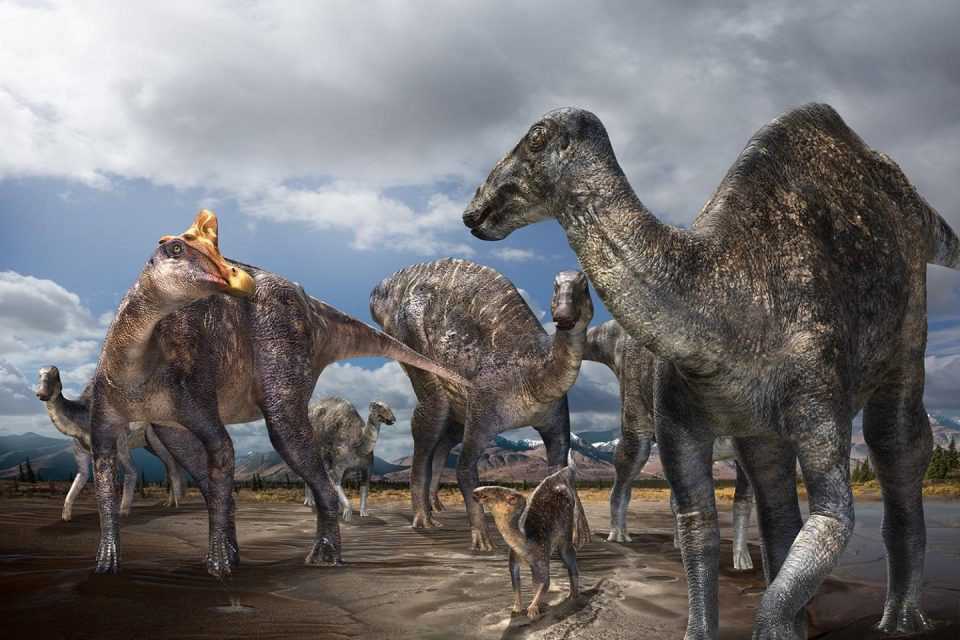
First-confirmed occurrence of a lambeosaurine dinosaur found on Alaska’s North Slope
Paleontologists have discovered the first-confirmed occurrence of a lambeosaurine (crested ‘duck-billed’ dinosaur) from the Arctic.
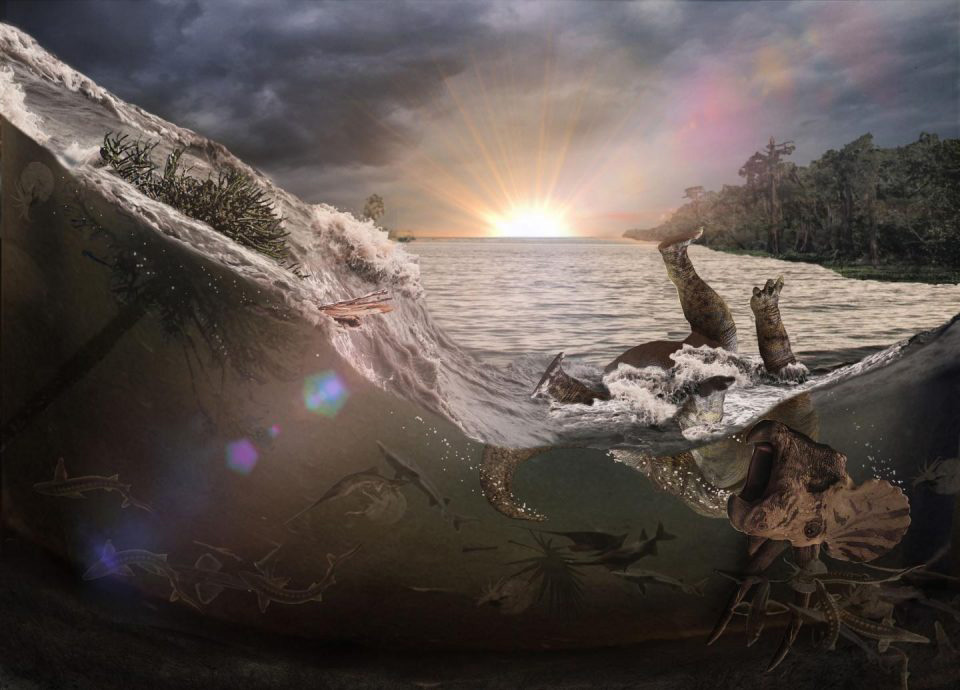
66-million-year-old deathbed linked to dinosaur-killing meteor
Scientists describe the site, dubbed Tanis, and the evidence connecting it with the asteroid or comet strike off Mexico’s Yucatan Peninsula 66 million years ago.
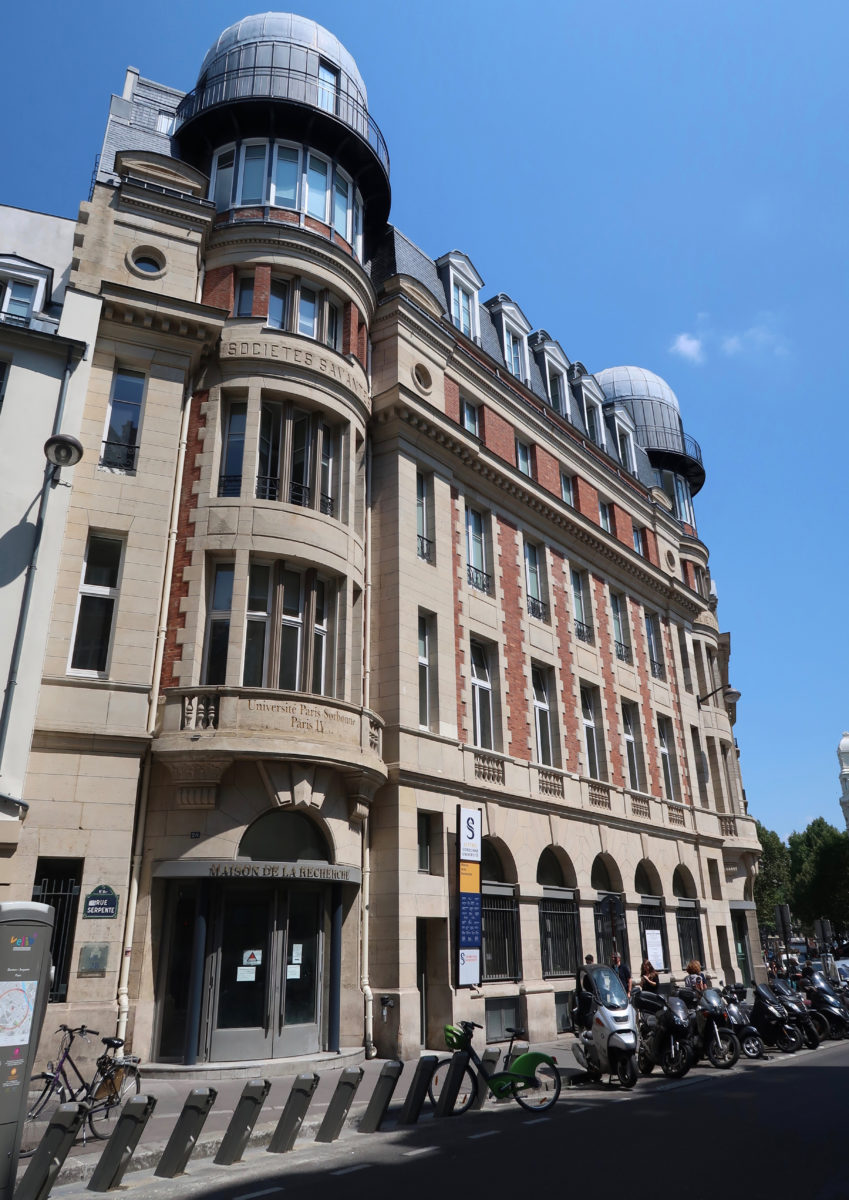
Rules and Subversions in the Mediterranean Ancient World
This conference for PhD students and young PhD holders aims at reflecting upon the interrelated notions of rule and subversion in the Mediterranean Ancient world.