Evidence of 7,200-year-old cheese making found on the Dalmatian Coast
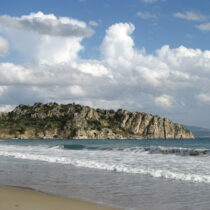
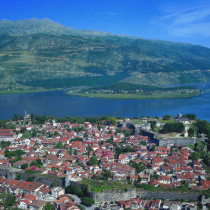
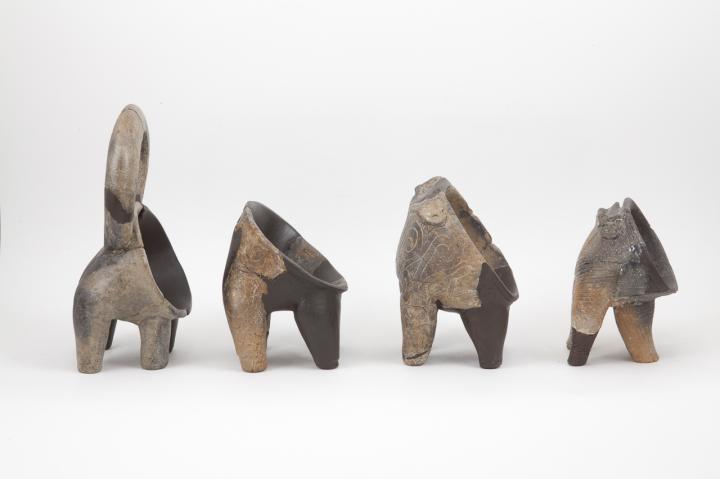
Analysis of fatty residue in pottery from the Dalmatian Coast of Croatia revealed evidence of fermented dairy products — soft cheeses and yogurts — from about 7,200 years ago.
Turtle shells served as prehistoric musical instruments
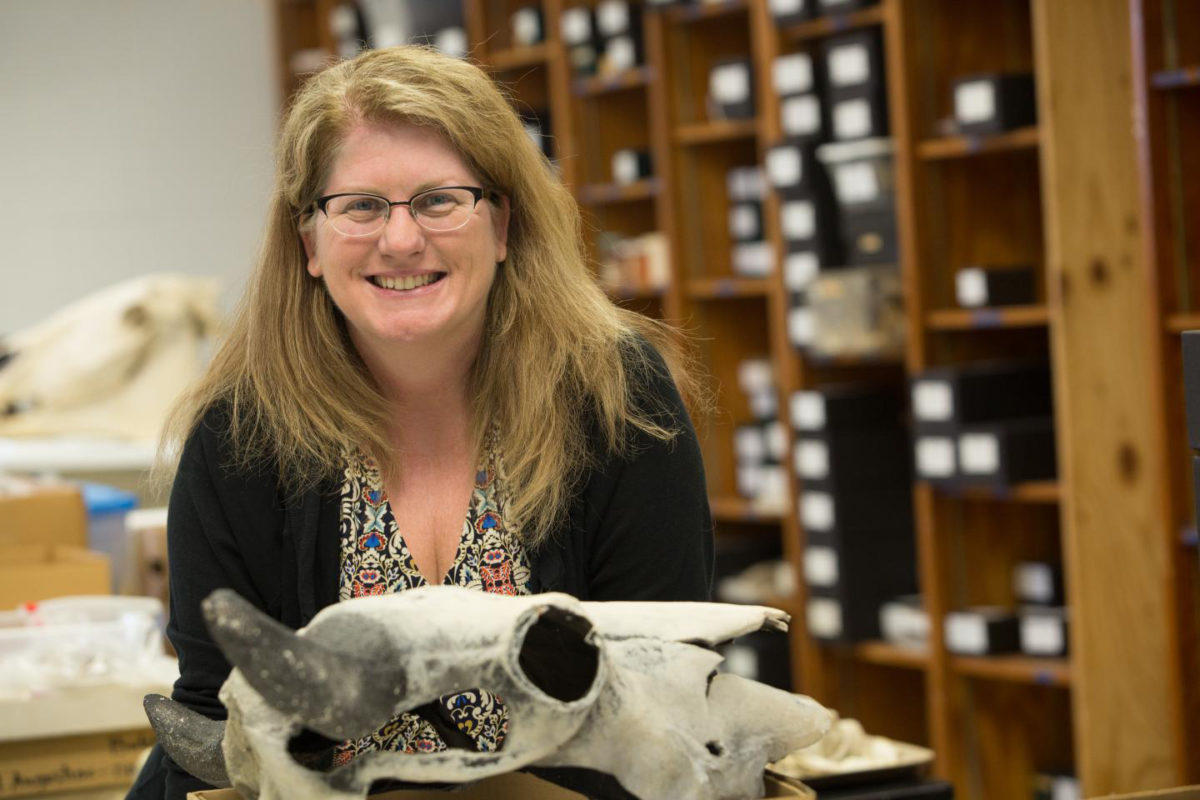
Turtles served as more than tasty treats for many Native American tribes throughout North America.
Statue head of Emperor Aurelian and Roman colonnade found in Bulgaria
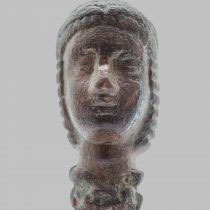
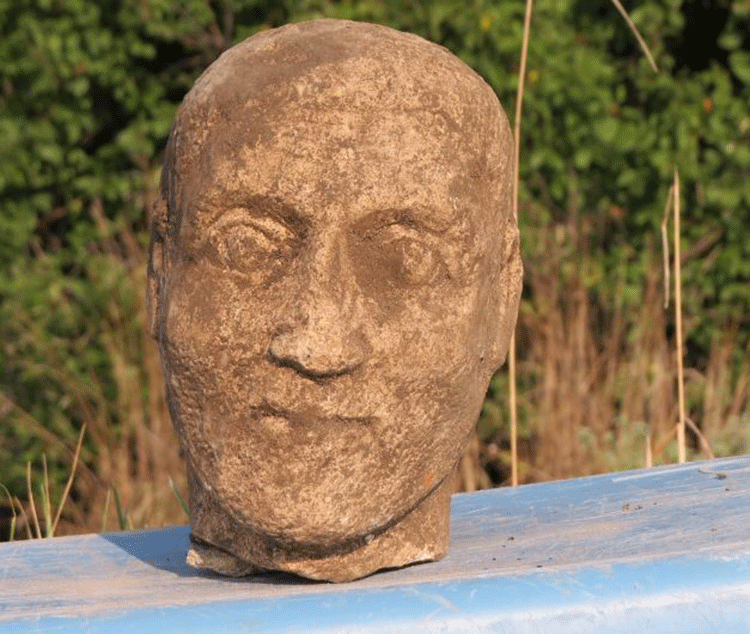
Archaeologists in Bulgaria have discovered a statue head thought to depict Roman emperor Aurelian
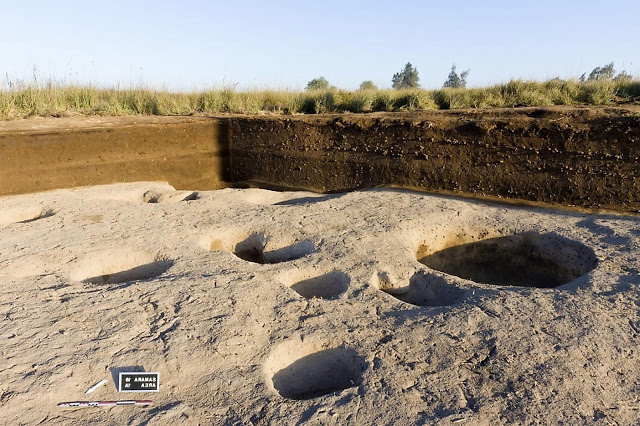
One of the earliest settlements of the Nile Delta
One of the oldest villages ever discovered in the Nile Delta, has been recently uncovered at the Tell el-Samara site, Egypt.
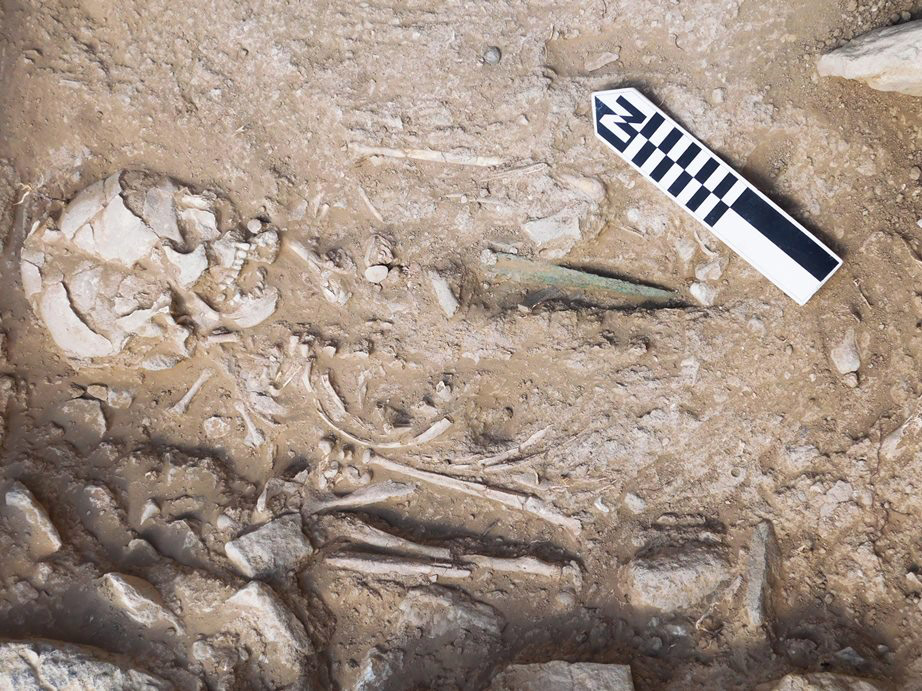
The Petras cemetery in Crete dig yields new important finds
The cemetery at Petras which has proved by far the largest of its era in Crete, belonged exclusively to prominent families of the palatial settlement.
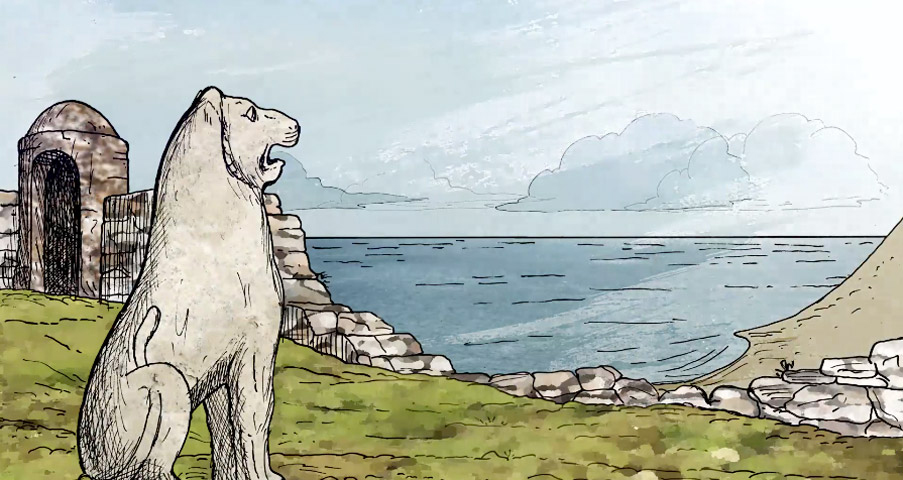
Two Greek museums among the winners of the Museums in Short 2018
Two Greek museums among the winners for short videos they produced.
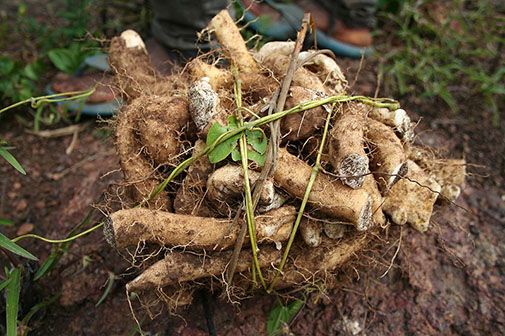
Coastal strip in Brazil sheds new light on early farming
Humans may have been cultivating plants on a narrow coastal strip in Brazil as far back as 4,800 years ago, according to a new study.
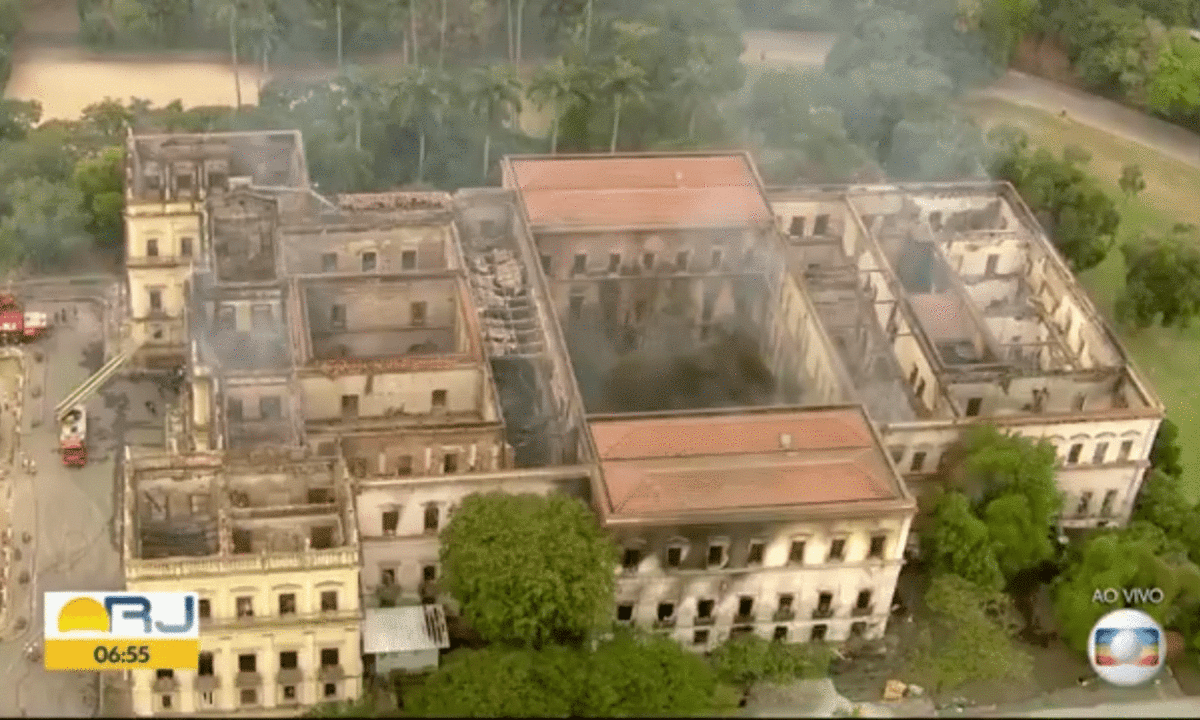
Fire at the Brazil’s oldest museum causes immense destruction
On Sunday a fire destroyed a two-century-old building in Brazil which accommodated one of the country's oldest and most significant museums. Hundreds of thousands of artifacts have been destroyed and others severely damaged.
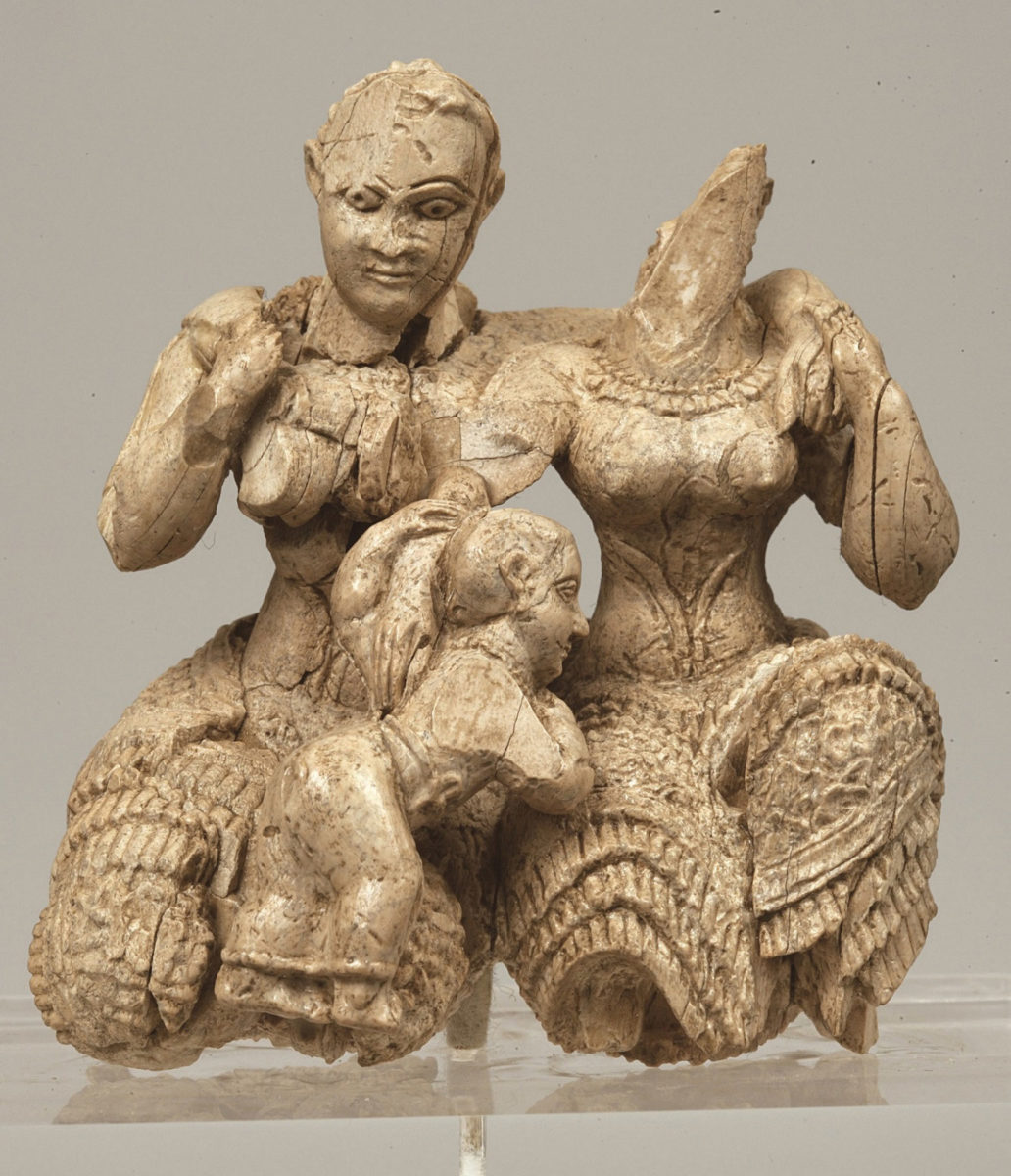
Costume in the Prehistoric Aegean at the National Archaeological Museum
From Monday September 3 to Sunday September 16 experimental reconstructions of costumes inspired by Minoan Crete, Thera and Mycenaean Greece will be on display in the Museum’s exhibition areas.

New finds at the Prastio-Mesorotsos site
In the tenth excavation season at the site, the team excavated in four areas.
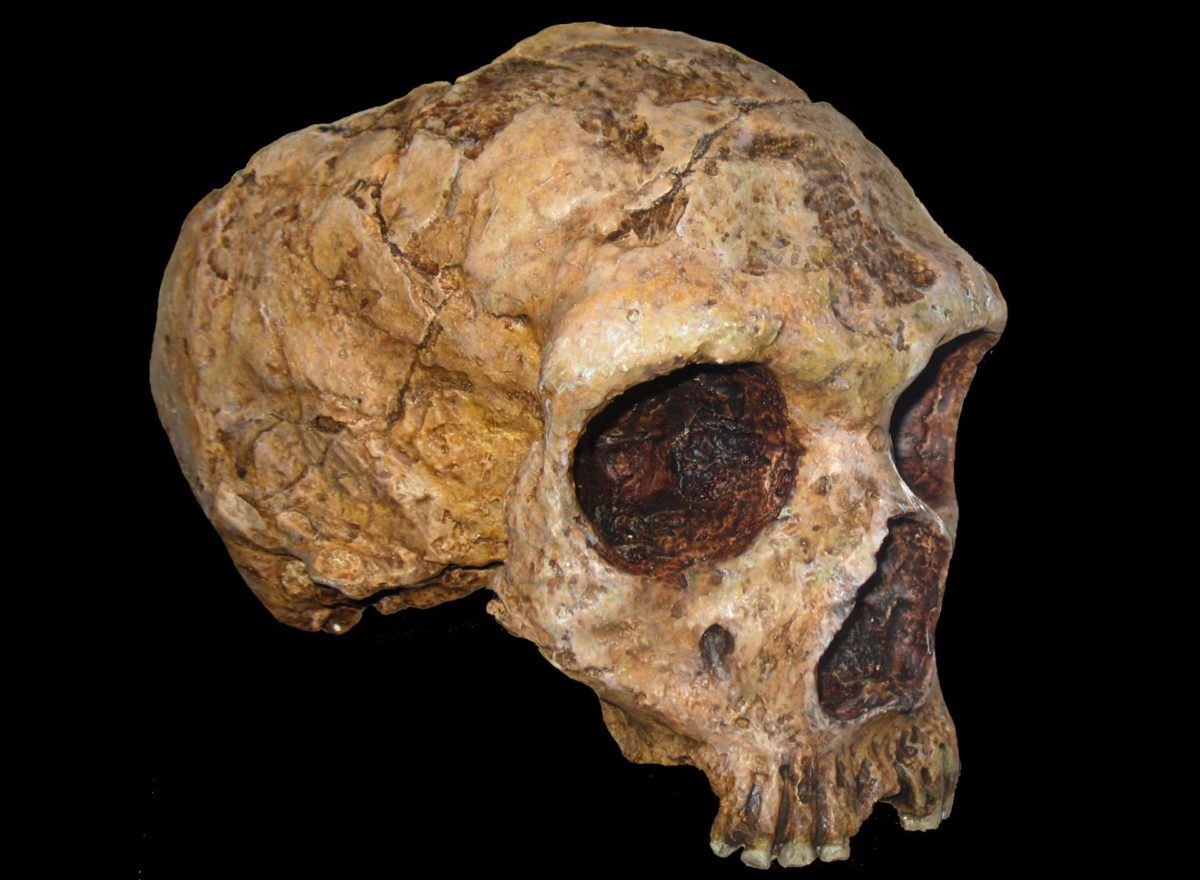
Cold climates contributed to the extinction of the Neanderthals
Climate change may have played a more important role in the extinction of Neanderthals than previously believed.
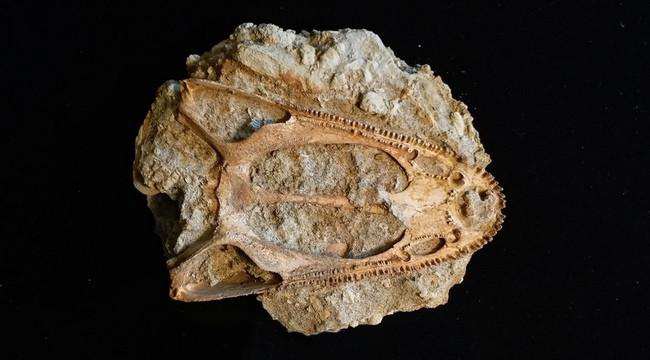
Samara Polytech geologists discovered the fullest skull of Wetlugasaurus
Wetlugasaurus is an extinct genus of temnospondyl amphibian from the Early Triassic of northern Russia and Greenland.
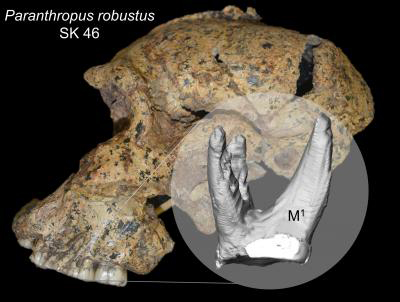
Getting to the roots of our ancient cousin’s diet
The splay of tooth roots reveals how South African hominins, Australopithecus africanus and Paranthropus robustus, chewed their food.
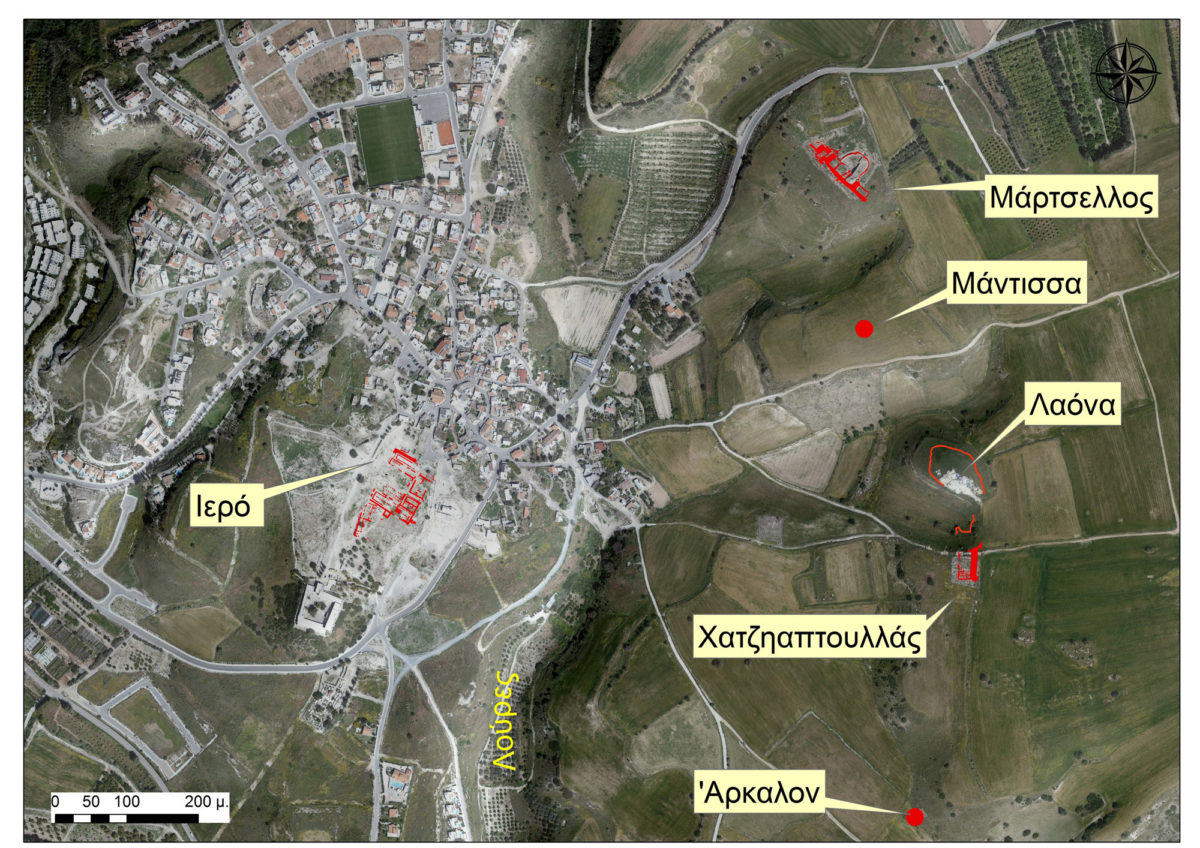
Excavations at the citadel of ancient Pafos (Kouklia)
The 2018 excavations took place between May and July and concentrated on the plateau (citadel) of Hadjiabdoulla, one kilometer east of the sanctuary of Aphrodite.
The nomination period for the new SCS Forum Prize is open!
This prize recognizes outstanding contributions to public engagement made by non-academic works (e.g. essays, books, poems, articles, podcasts, films, and art) about the ancient Greek and Roman world.
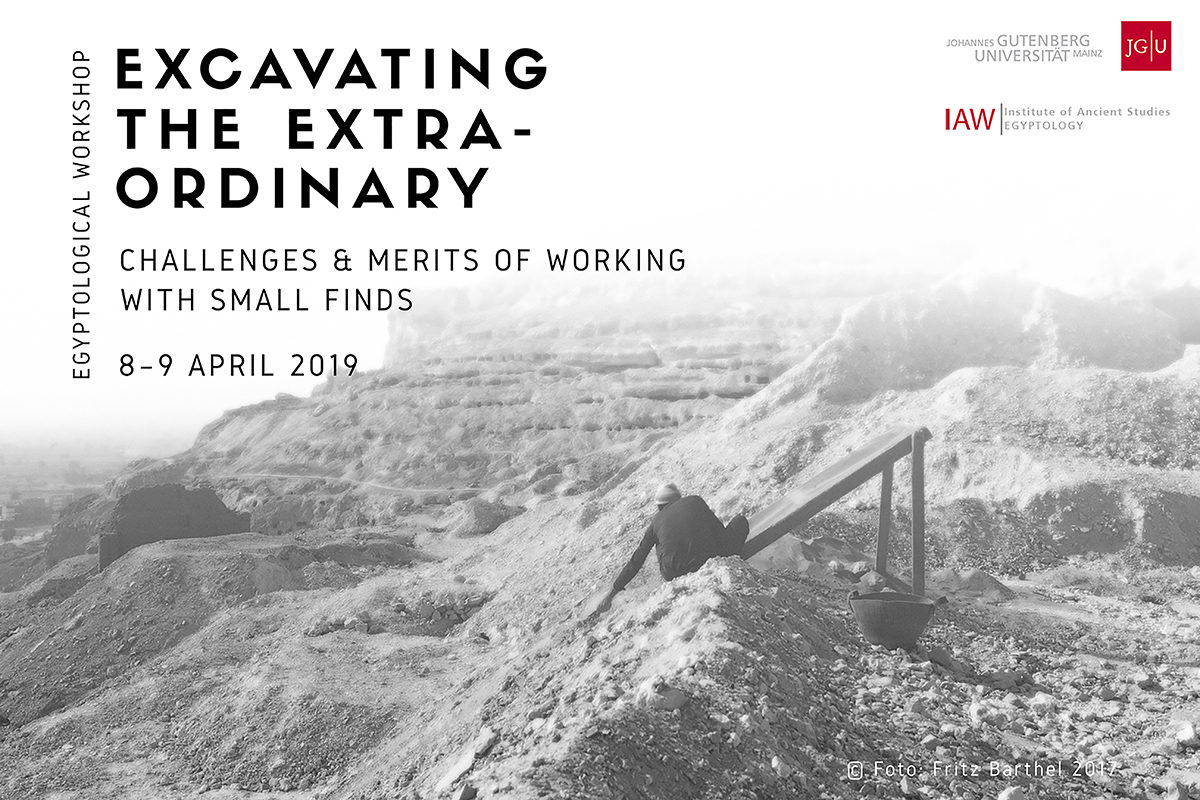
Excavating the Extra-Ordinary
Egyptologists and scholars from related fields are kindly invited to participate in the international Egyptological workshop Excavating the Extra-Ordinary.
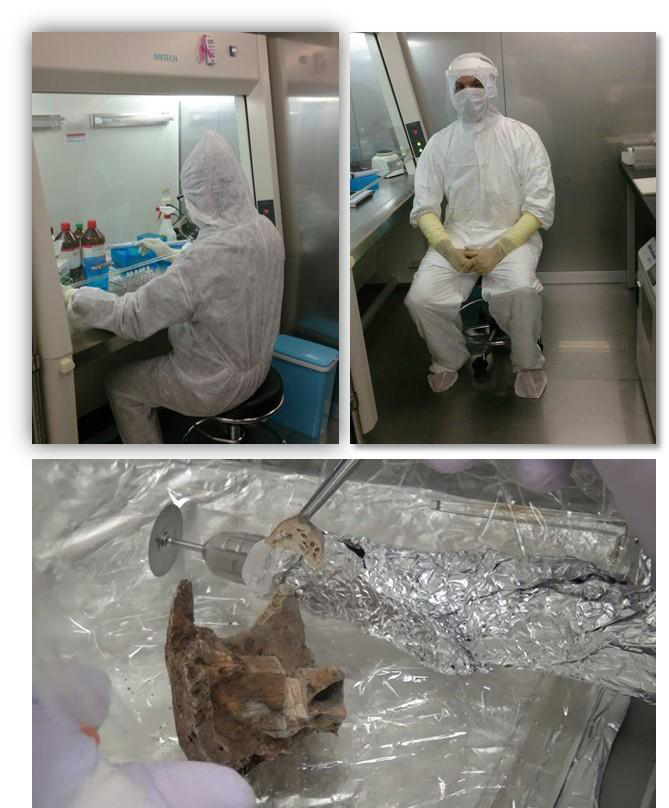
Prehistoric peopling in southeast Asia
In the present study, the international research team succeeded in extracting and sequencing DNA from 25 ancient individuals' skeletons from Southeast Asian remains.
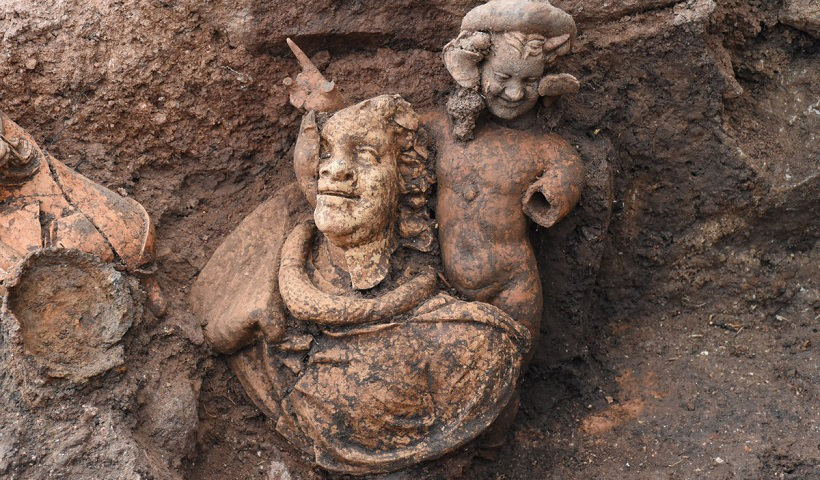
Kotyora: Statues were found of Dionysus and Pan
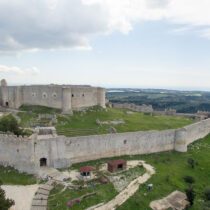
As excavations continue this year at the Kurul Castle, two statuettes of Dionysus and Pan have come to light.
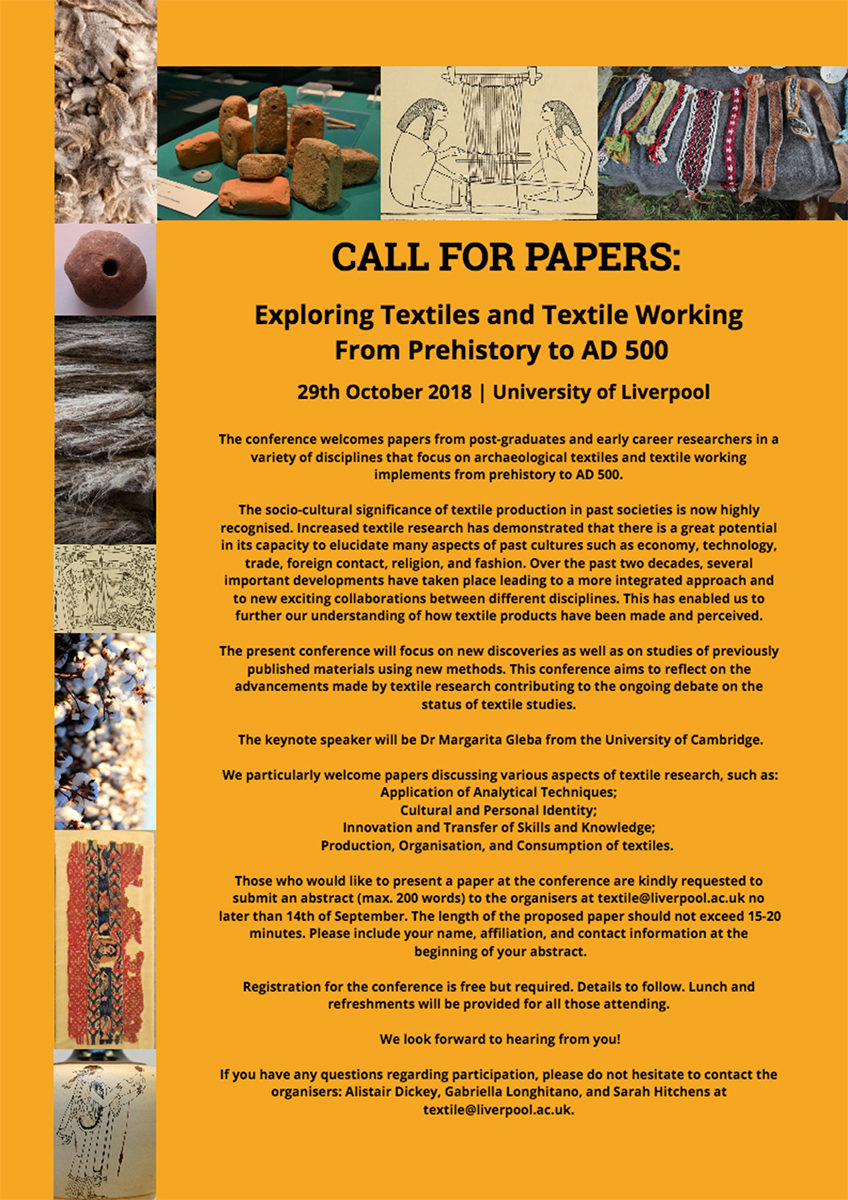
Exploring Textiles and Textile Working from Prehistory to AD 500
The present conference will focus on new discoveries as well as on studies of previously published materials using new methods.
CHS Fellowships in Hellenic Studies 2019-20
The Center for Hellenic Studies (CHS) is now accepting fellowships applications for the 2019-20 academic year.
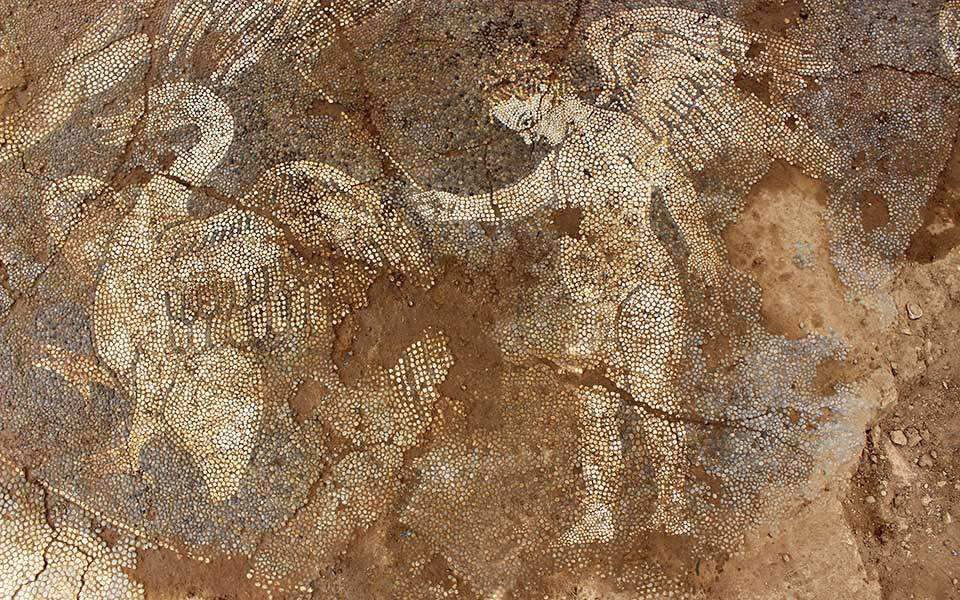
Pebble floor uncovered in the Small Theatre of Amvrakia
A pebble floor that adorned the circular space of a bathhouse has been uncovered in the Small Theatre in ancient Amvrakia, Arta.
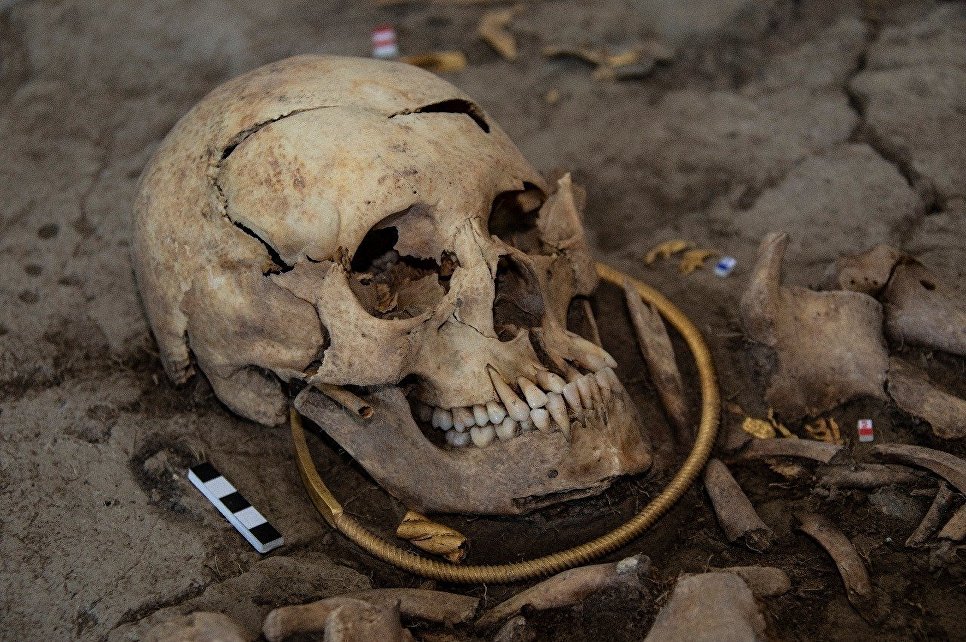
‘Golden man’ found in burial mound in Kazakhstan
A “golden man” mummy dating back to the 8th-7th centuries BC came to light in the Yeleke Sazy burial mound during excavations in the remote Tarbagatai Mountains in East Kazakhstan.

Classical Displacements
This interdisciplinary colloquium aims to explore the involvement of Greco-Roman antiquity in the displacement and marginalisation of minority identities.
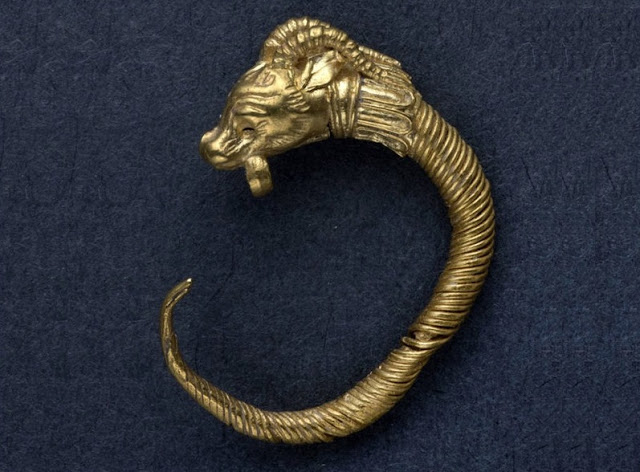
Rare Hellenistic-era golden earring discovered in Jerusalem
The findings from this excavation open a window to what Jerusalem was like during the early Hellenistic period.