

First 3D morphometric study of the molars of Sima de los Huesos
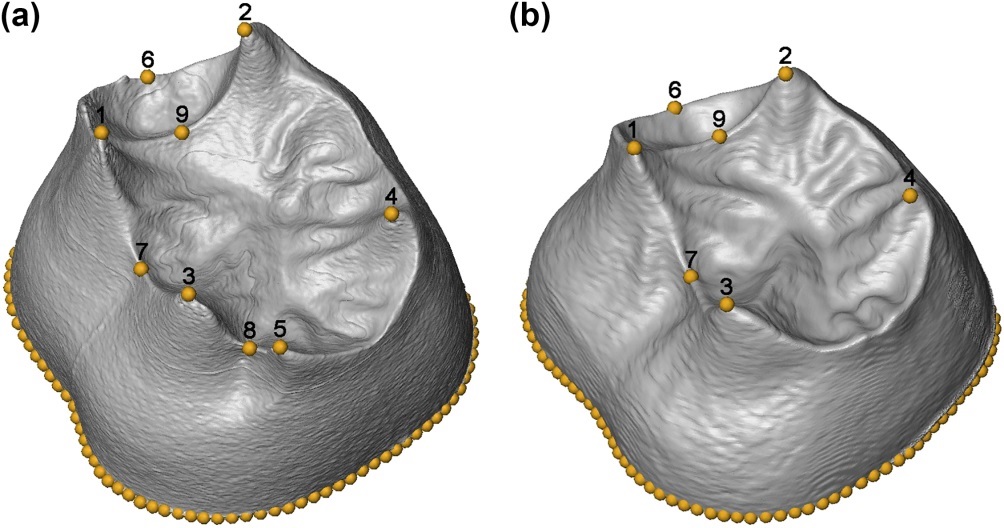
Paper on the morphological analysis of the dentin in the lower molars of the population of the archaeological site of Sima de los Huesos (Atapuerca, Burgos), using three-dimensional geometric morphometry.

“The countless aspects of Beauty” are being exhibited in Sparta
The exhibition aims to record humankind’s continuous quest for Beauty over the centuries and its incorporation into daily life, by depicting it in art works, cosmetic artefacts and everyday utensils.

Bi/Multilingualism and the History of Language Learning and Teaching
Abstracts should be sent by 23 February 2018.

Annual Meeting on Christian Origins
The call for papers for the Annual Meeting on Christian Origins (Bertinoro, Italy, September 27–29, 2018) has opened.

What fluffy bunnies can tell us about domestication
Rabbits were domesticated by monks in 600 AD after an edict from Pope Gregory declared that it was acceptable to eat fetal rabbits, known as laurices, during Lent.
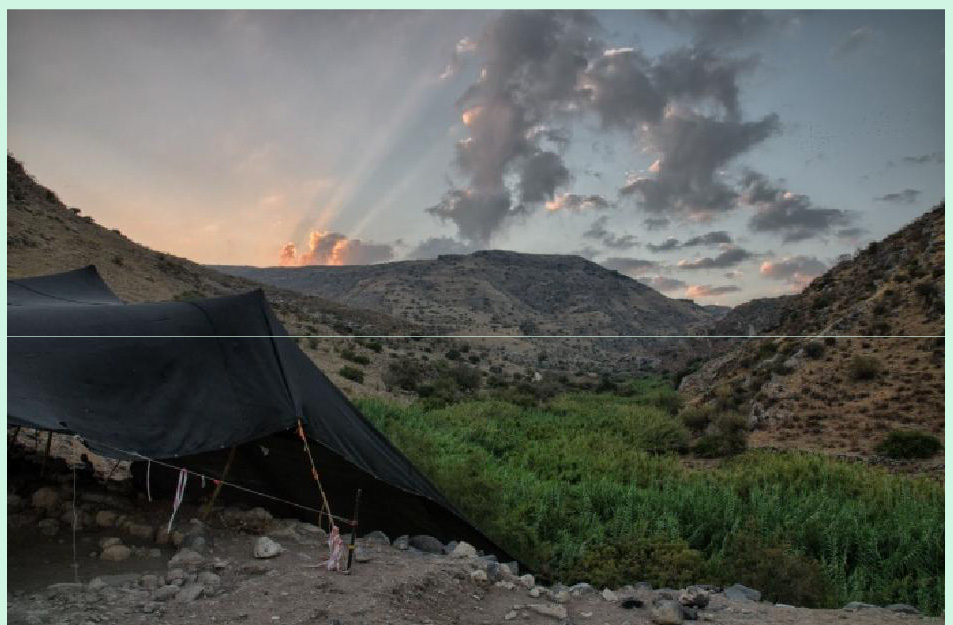
The Natufian culture – the harbinger of food-producing societies
Evidence from the burial cave of Hilazon Tachtit, and the residential village of Nahal Ein Gev II in close proximity to the Sea of Galilee will be presented.
Locus ludi – The Cultural Fabric of Play and Games in Classical Antiquity
Conference "Le temps est un enfant qui joue".
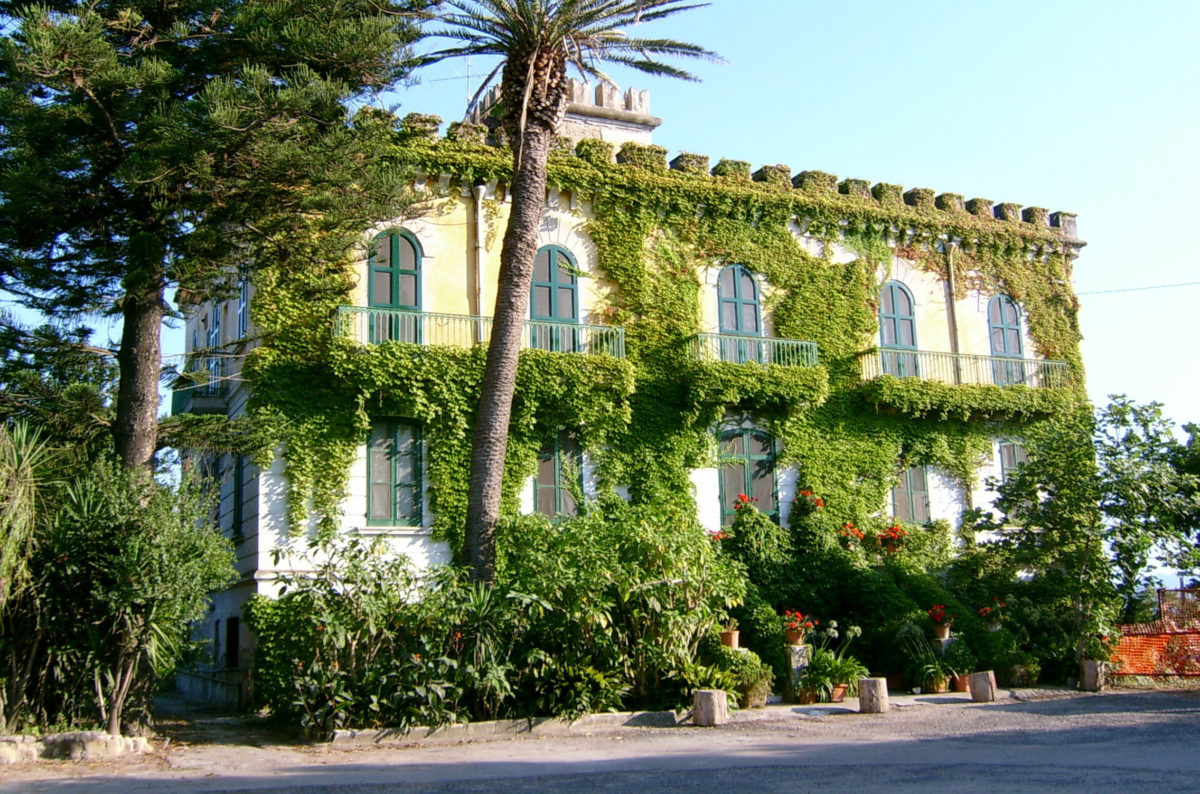

Stranger Things: An Interdisciplinary Conference on Marvels in the Ancient World
This interdisciplinary conference seeks to explore wonder and the wondrous from a variety of angles.

Malcolm Hewitt Wiener, Corresponding member of the Athens Academy
Founder of the Institute of Aegean Prehistory (INSTAP) and the Wiener Laboratory in the American School of Classical Studies at Athens.

Interdisciplinary approach yields new insights into human evolution
Vanderbilt biologist Nicole Creanza takes interdisciplinary approach to human evolution as guest editor of Royal Society journal.
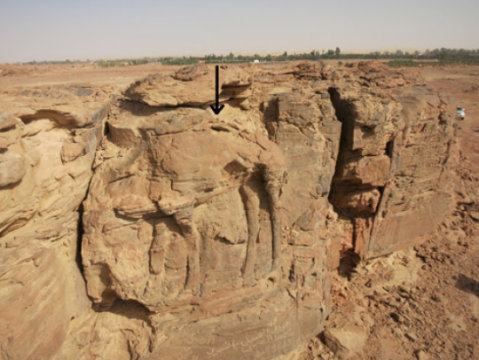
Rock art: Life-sized sculptures of dromedaries found in Saudi Arabia
At a remarkable site in northwest Saudi Arabia, a CNRS archaeologist and colleagues from the Saudi Commission for Tourism and National Heritage (SCTH) have discovered camelid sculptures unlike any others in the region.
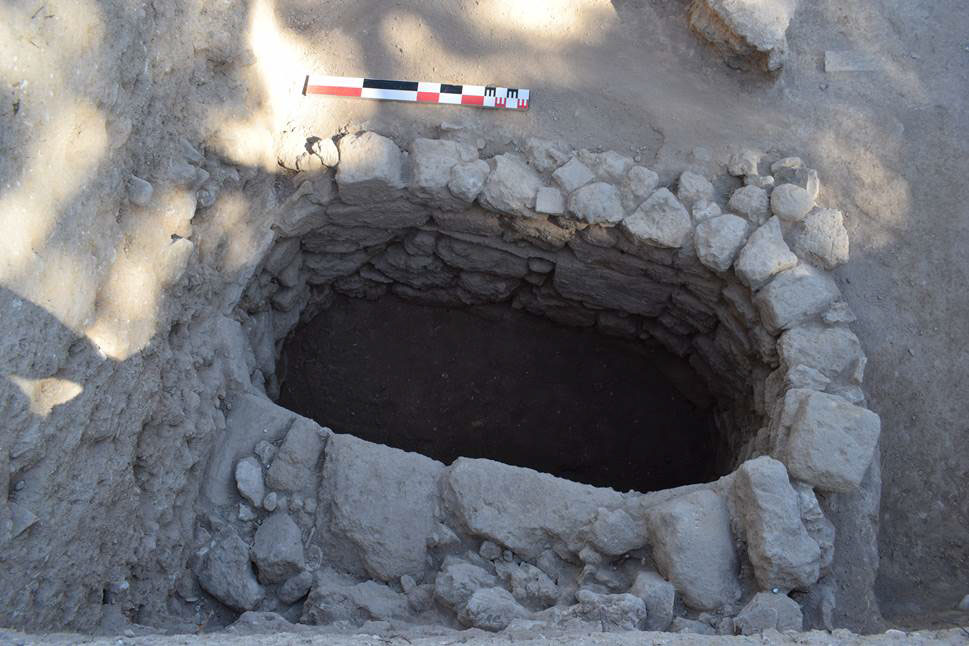
Results of the 2017 excavations at Bamboula, Larnaka
The French Archaeological Mission of Kition conducted a second campaign of excavations in the Northern part of the site of Kition-Bamboula.
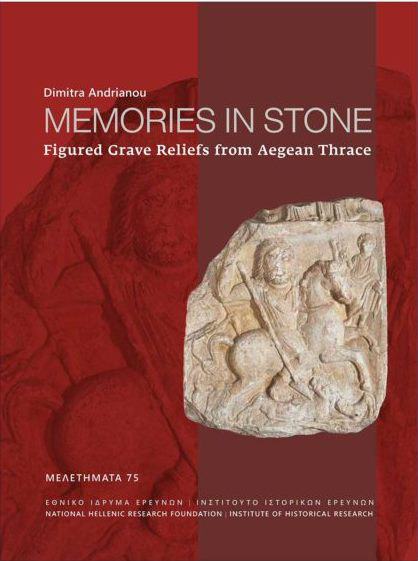
Memories in Stone: Figured Grave Reliefs from Aegean Thrace
The book brings together for the first time a group of 70 decorated funerary reliefs from the region between the Nestos and the Hebros rivers.
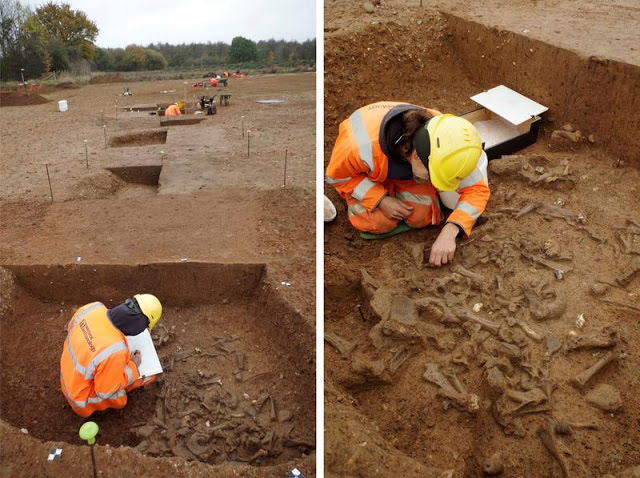
Major Neolithic ceremonial enclosure uncovered at Windsor
A major 5,500 year old Neolithic ceremonial gathering place known as a causewayed enclosure has been partially uncovered within sight of Windsor Castle in Berkshire.
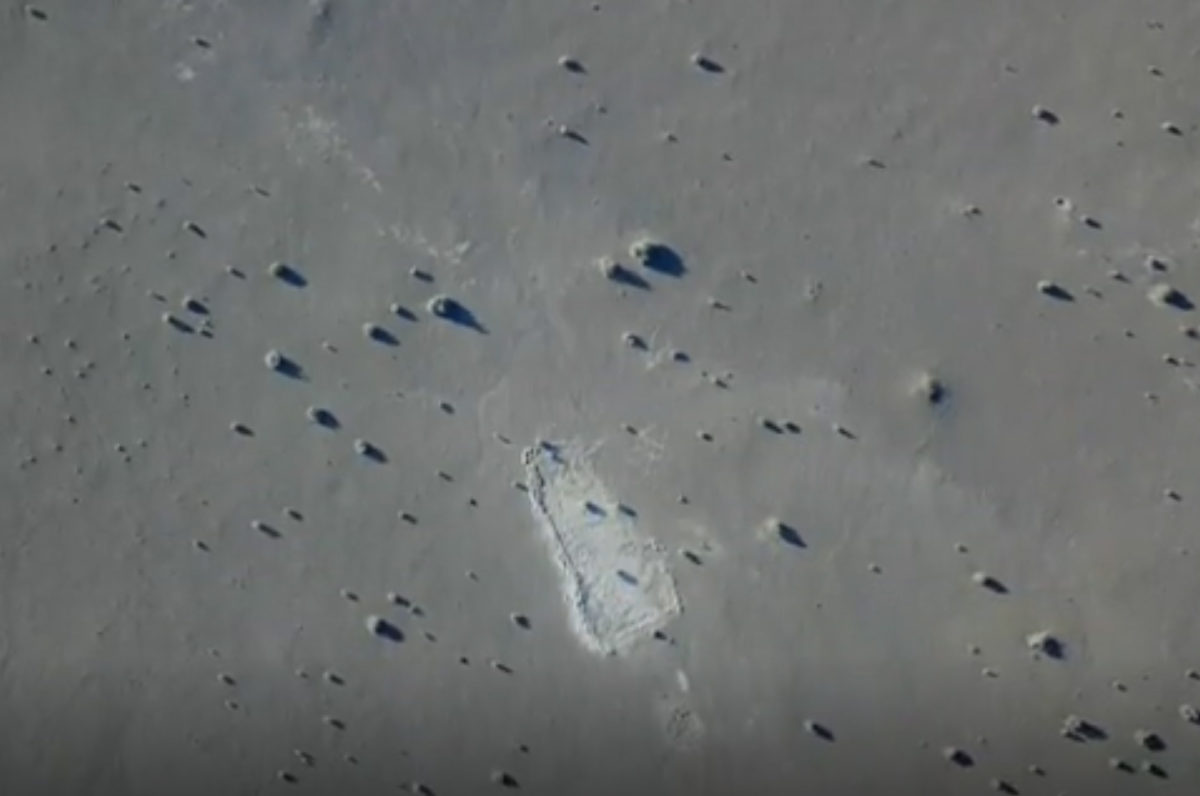
Ancient trail of Columbian mammoths uncovered in south-central Oregon
University of Oregon-led research team uncovers numerous footprints of adult, juvenile and infant elephants in a remote dry lake basin.
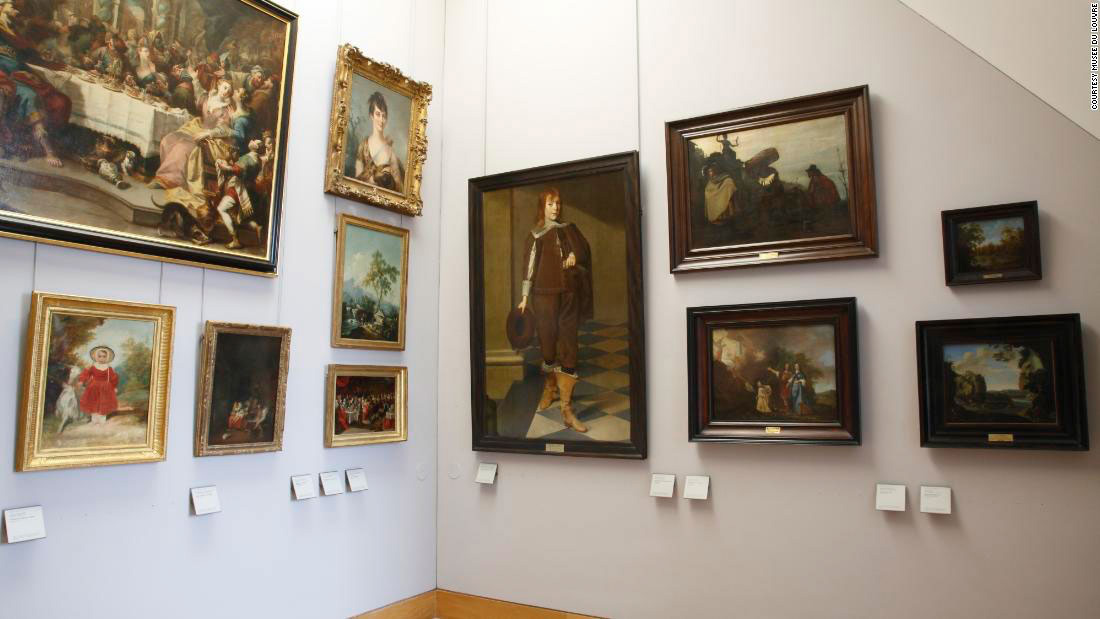
The Louvre Museum seeks the owners of the works of art stolen by the Nazis
Their common denominator is that they all once belonged to the properties of French Jews plundered by the Nazi armies during World War II and repatriated after its end.
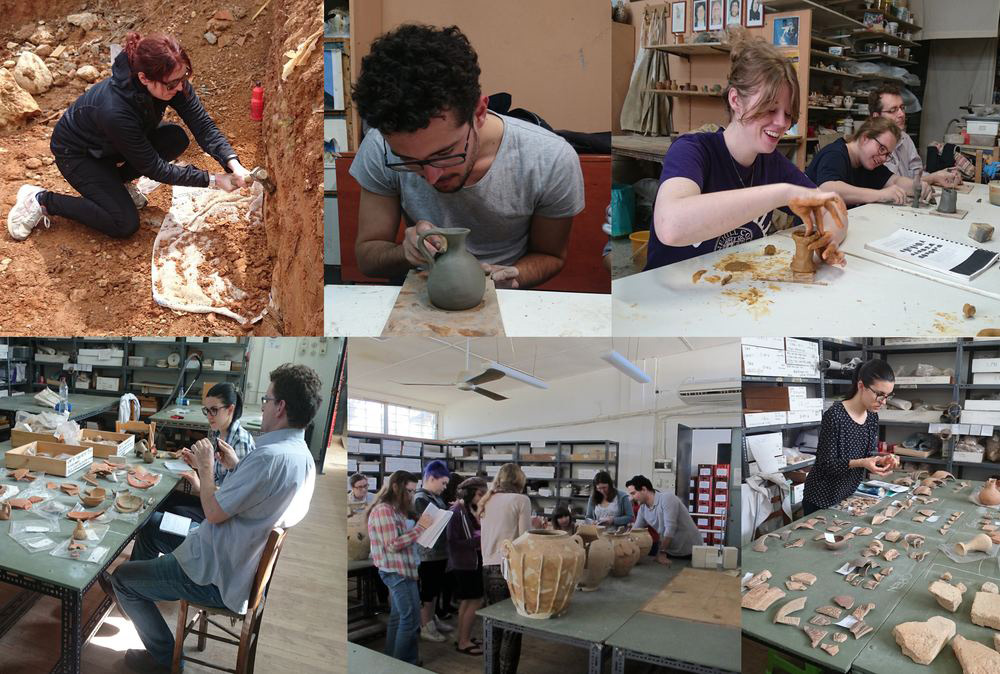
Postgraduate Course in Prehistoric, Greek and Roman Pottery
The British School at Athens Greek and Roman Pottery Course will take place in 3rd-15th April 2018.
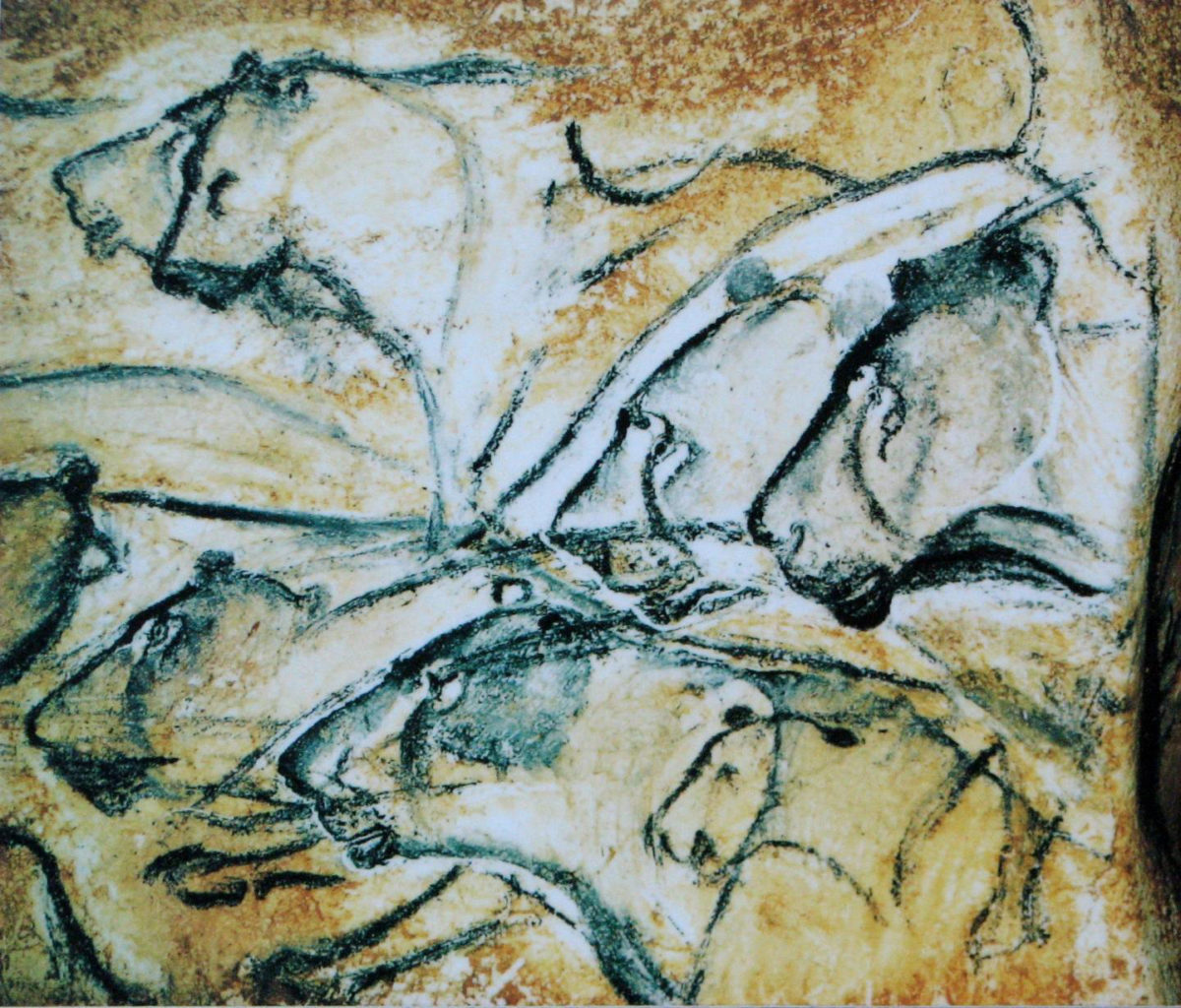
Neanderthals’ lack of drawing ability may relate to hunting techniques
Spear-throwing gave Homo sapiens better eye-hand coordination, smarter brains, UC Davis study suggests.
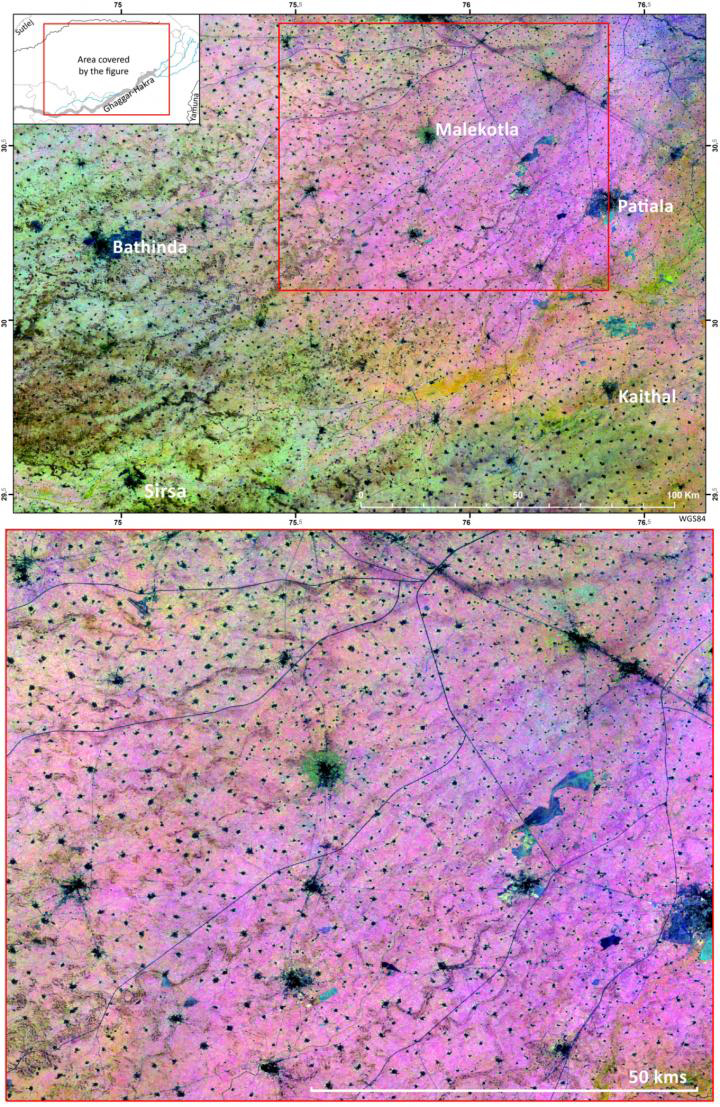
Micro to macro mapping
Cambridge archaeologists present a new algorithm, which is able to extract micro-topographic information at a variety of scales employing micro-, meso- and large-scale digital surface (DSM) and digital terrain (DTM) models.

Rapid land changes forecast for East African savannahs
A study, presenting a 5000-year environmental history of the popular tourist destination, Amboseli National Park in Kenya, has shown that the impact of climate change on land is more rapid than previously thought.

International Byzantine Greek Summer School
The course allows early learners to engage with original Byzantine texts from the start.
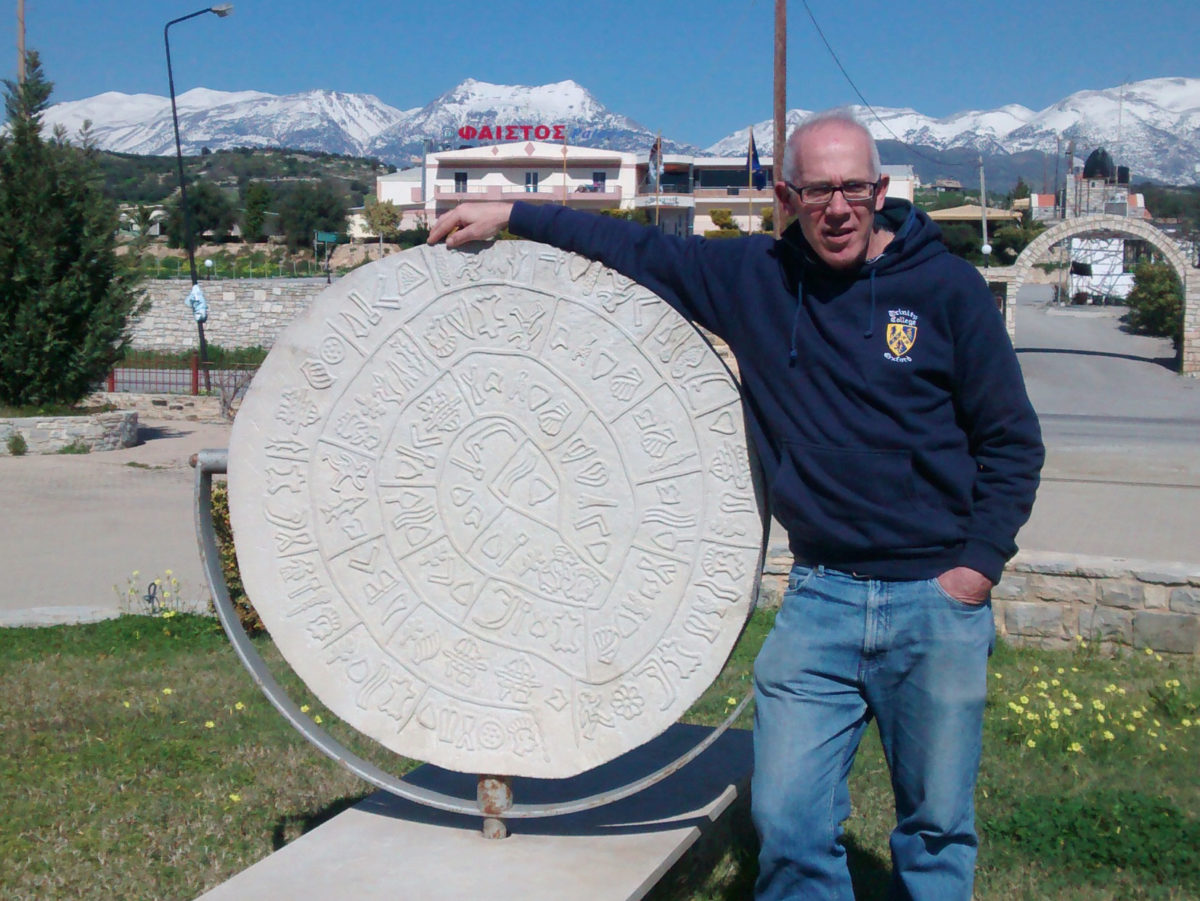
The Phaistos Disk refers to the goddess of love who glows and grows dim
Side Α of the Phaistos Disk speaks of the pregnant goddess who glows and side B about the goddess who grows dim, according to G. Owens.
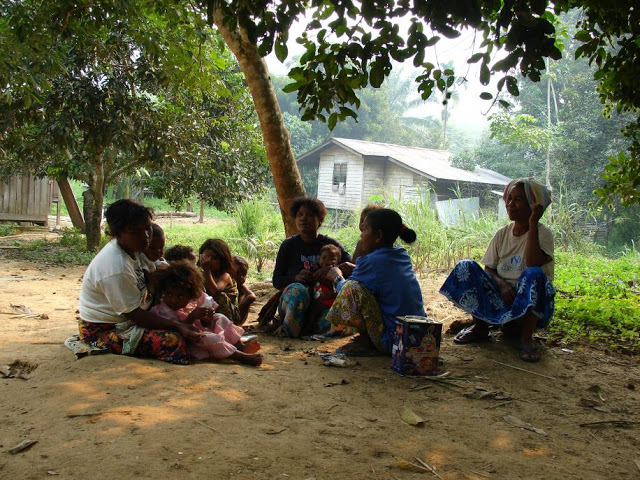
Unknown language discovered in Southeast Asia
A previously unknown language has been found in the Malay Peninsula by linguists from Lund University in Sweden. The language has been given the name Jedek.