Dentistry, a 9000-year-old science
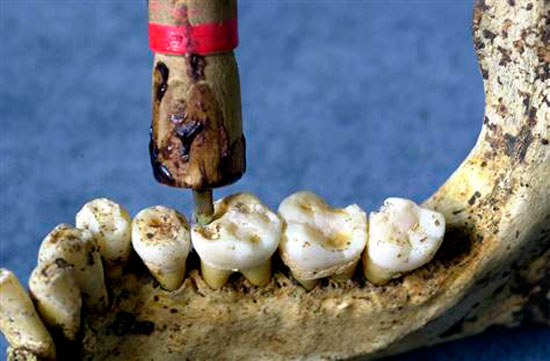
Examples of ancient dentist’s techniques and the first efforts to treat dental ailments appear as early as 7000 BC.
The skeleton that “spoke”
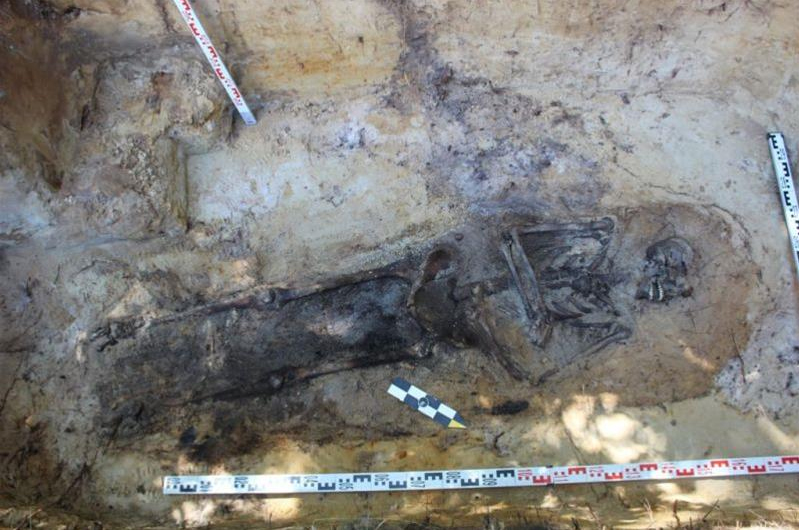
A lone, forgotten grave in a forest near Konstantynów in the Kraków-Częstochowa Upland, Poland.
People Made These Things: Connecting with the Makers of Our World
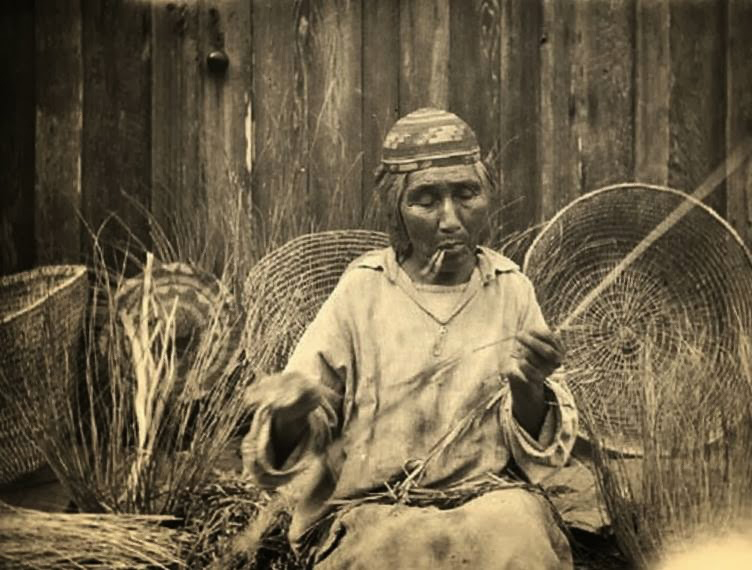
The exhibit will urge visitors to think critically about how perceptions of makers have varied in different times and different places.
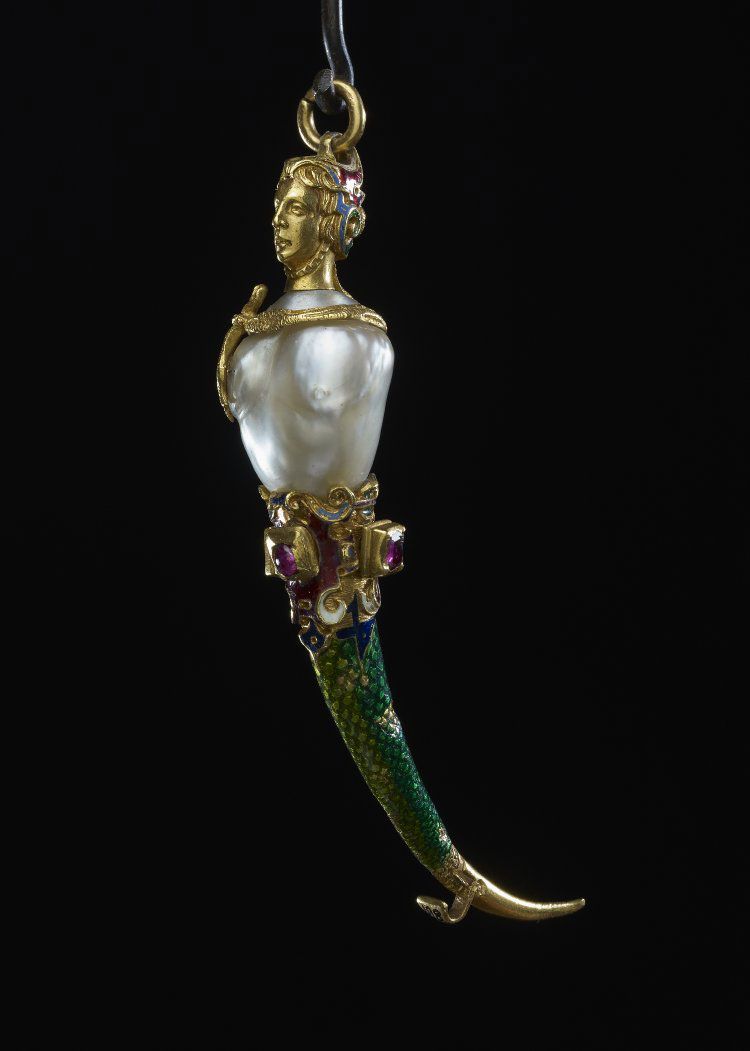
Between the salt and pepper
Nowadays that care for oral hygiene is wide spread, the tooth pick has lost its glamour but there was a time when people used to hang it around their neck…
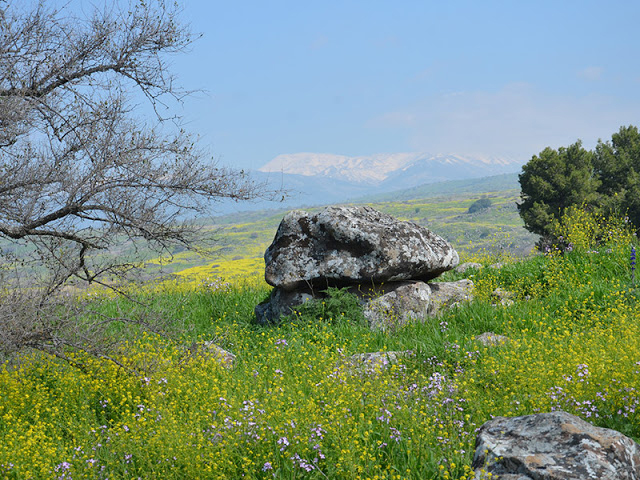
Carved ancient dolmen exposed in the Galilee
Archaeologists have recently discovered a mysterious dolmen over 4,000 years old in a large field of dolmens, in the Upper Galilee.
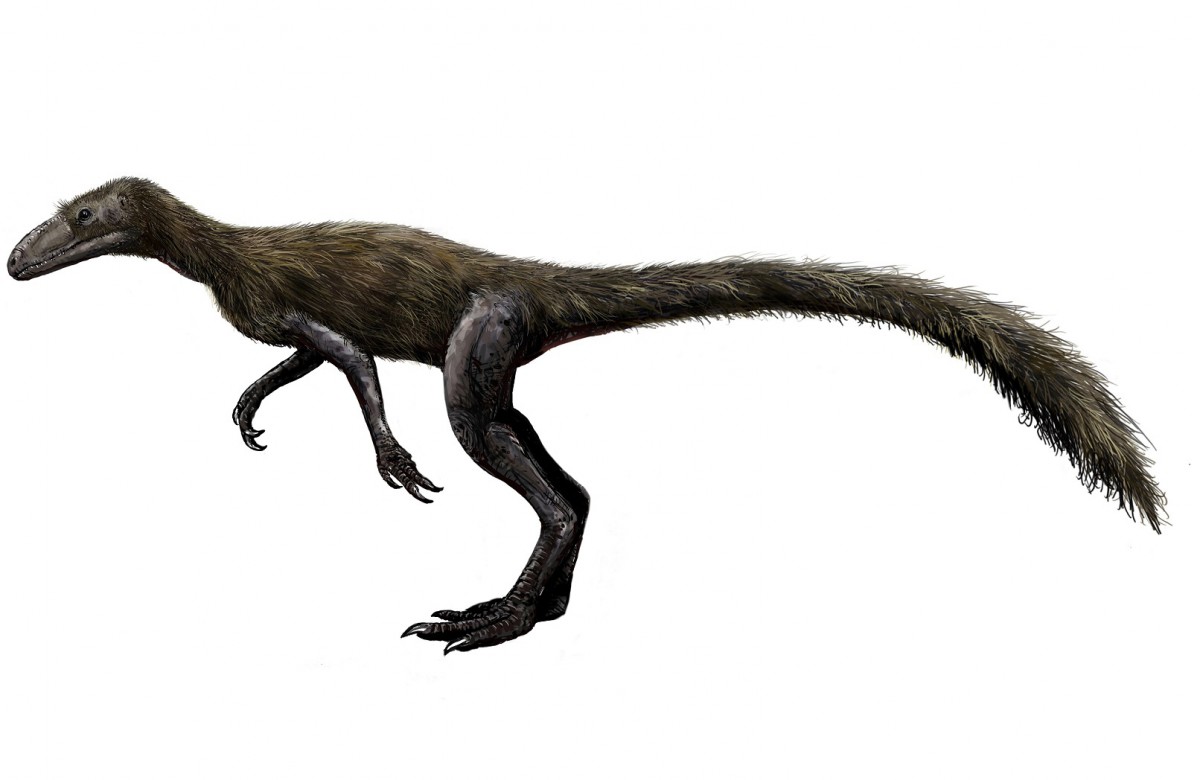
Researchers investigate evolution of bipedalism in ancient dinosaur ancestors
Paleontologists at the University of Alberta have developed a new theory to explain why the ancient ancestors of dinosaurs stopped moving about on all fours and rose up on just their two hind legs.
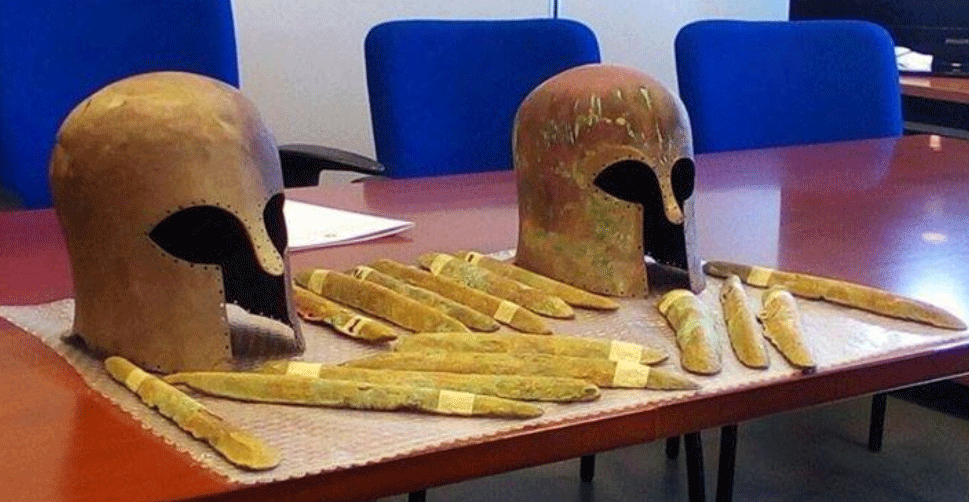
Underwater archaeologists discover orichalcum ingots off Sicilian coast
Underwater archaeologists have discovered orichalcum ingots and two Corinthian bronze helmets off the Sicilian coast, investigating a shipwreck that had yielded similar finds about two years ago.
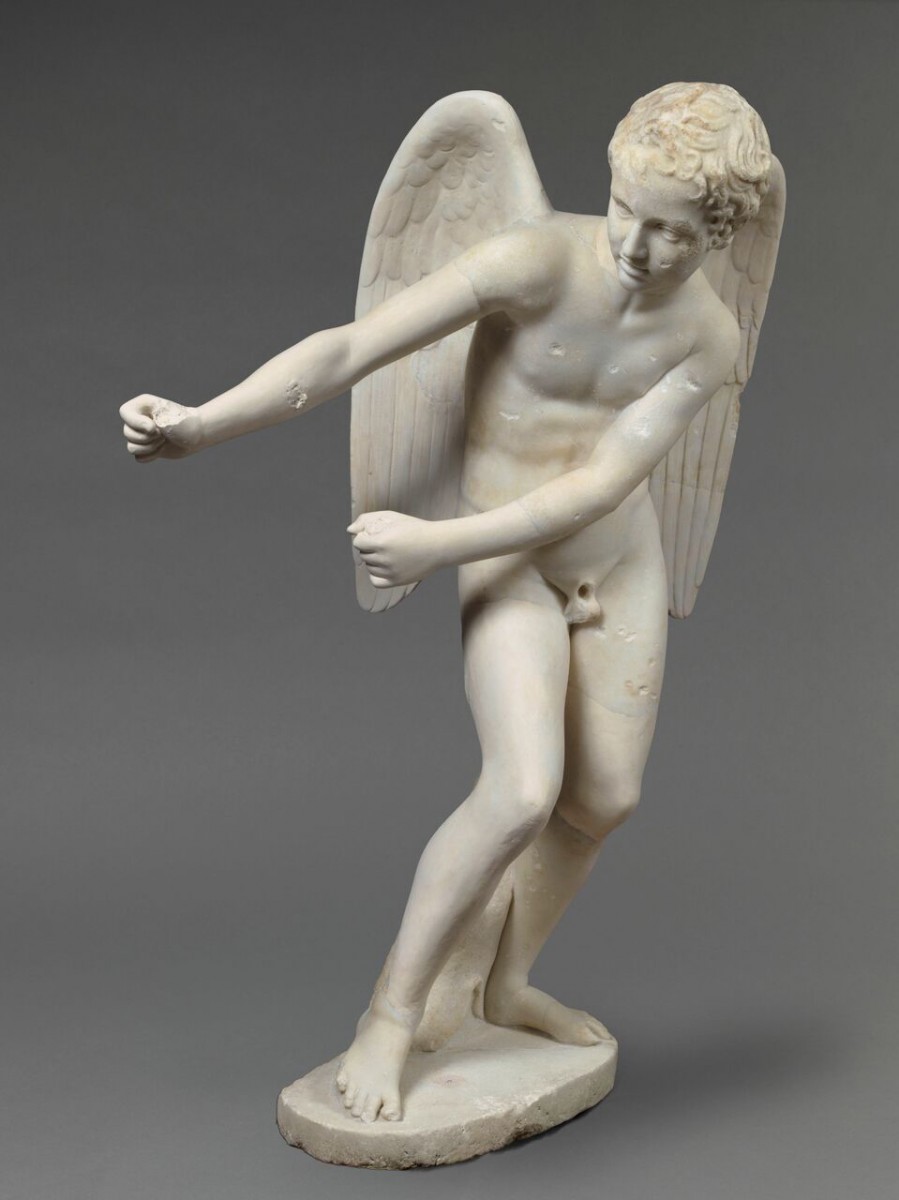
A World of Emotions: Ancient Greece, 700 BC – 200 AD
On view exclusively at the Onassis Cultural Center New York, the exhibition brings together more than 130 masterpieces from some of the finest museums in the world.
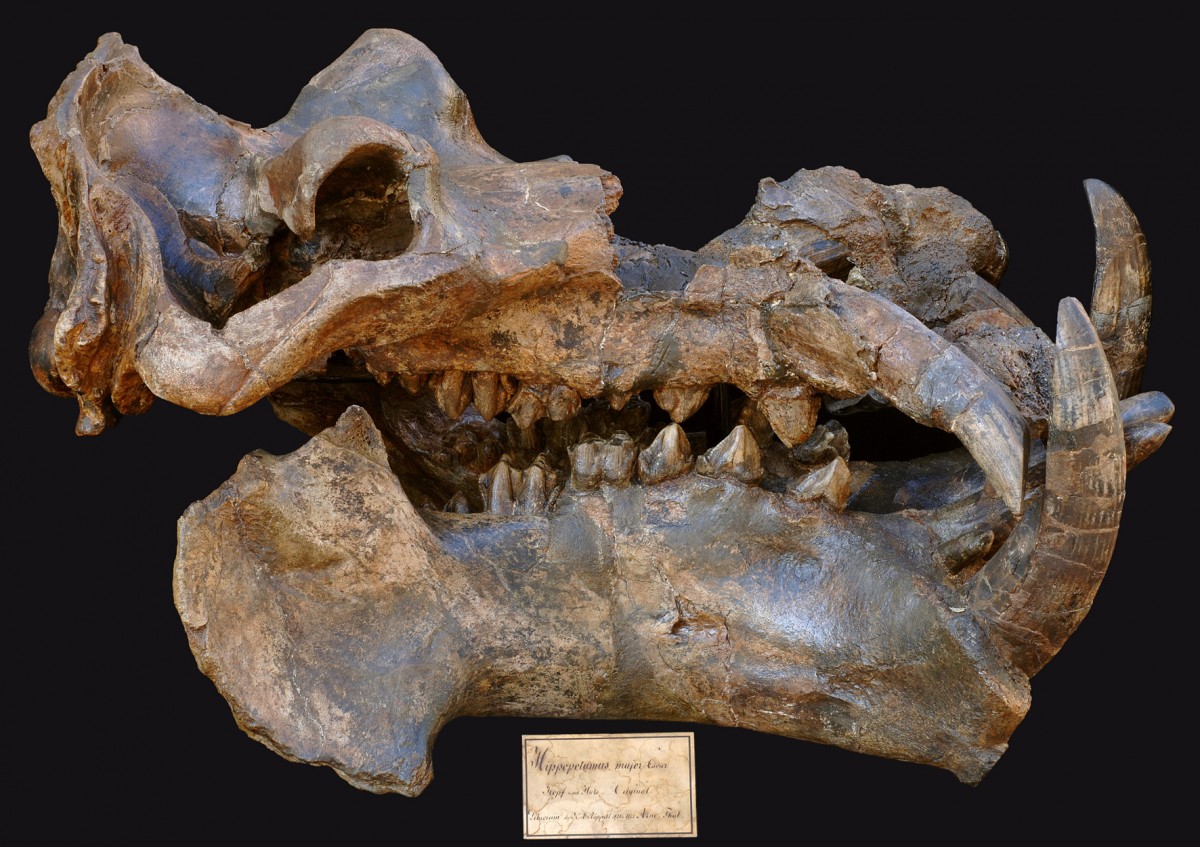
How ungulates got bigger in the Neogene
The observed increase of body size in ungulates during the 20 million years before the Pleistocene is driven by the process of species selection.
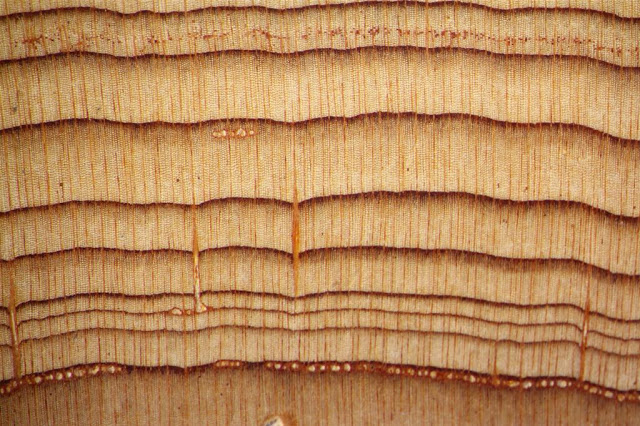
Tree ring study to establish date of Thera eruption
Scientists want to determine the exact date of the Thera eruption by looking for 'fingerprints' of the eruption in tree rings.
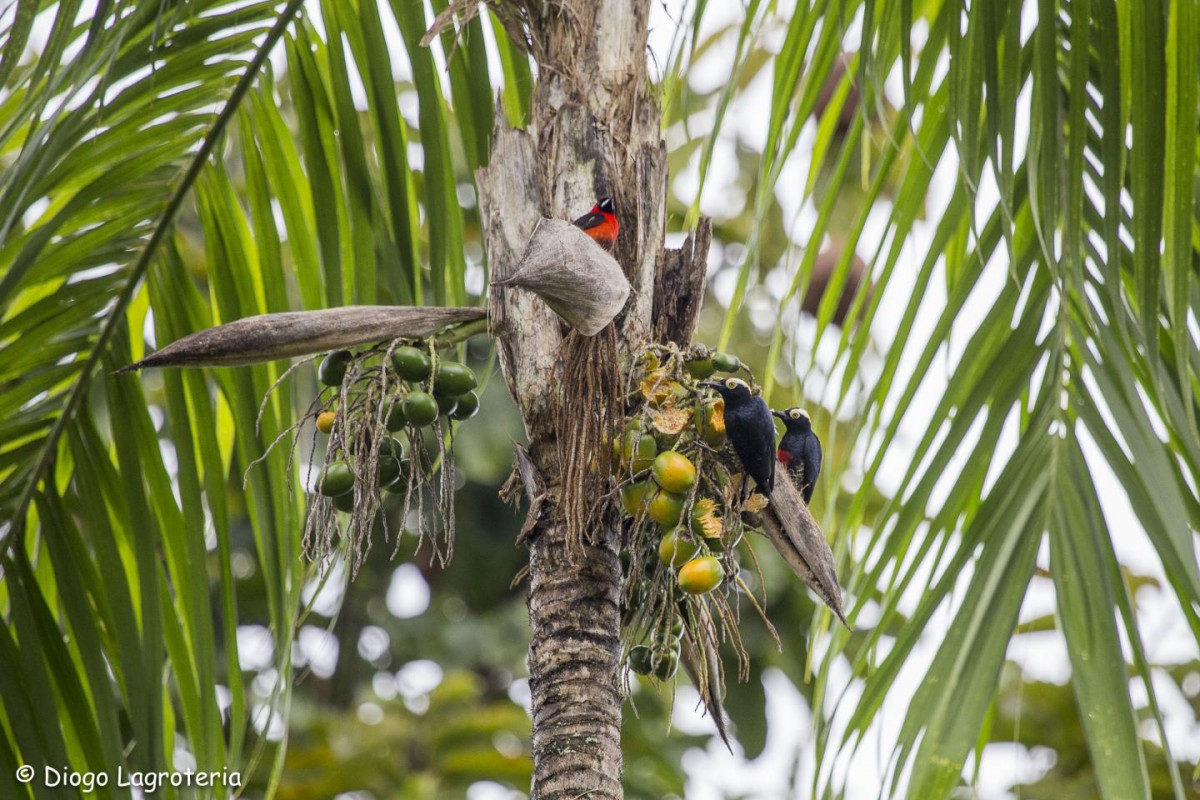
Ancient peoples shaped the Amazon rainforest
Trees domesticated by pre-Columbian peoples remain more common in forests near ancient settlements.
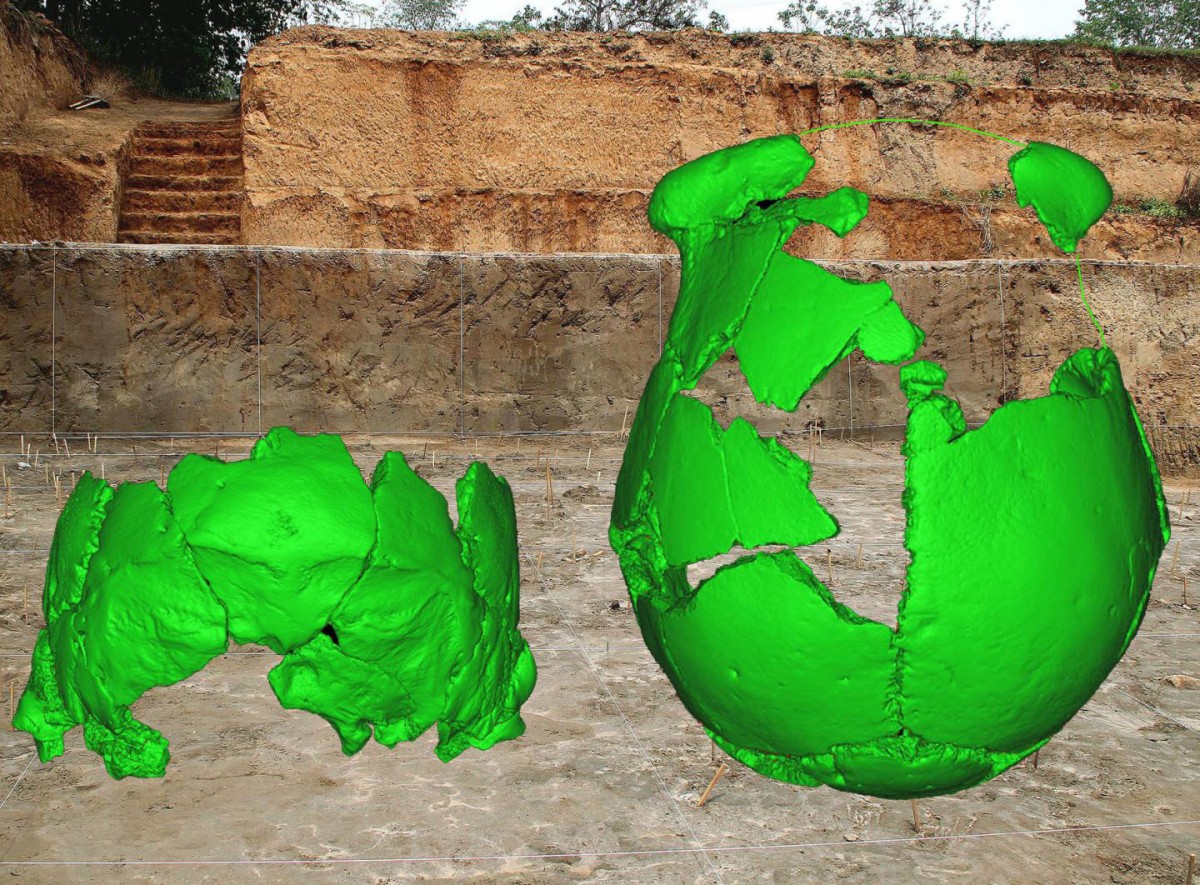
100,000-year-old human skulls from east Asia reveal complex mix of trends in time, space
Two partial archaic human skulls provide a new window into the biology and populations patterns of the immediate predecessors of modern humans in eastern Eurasia.
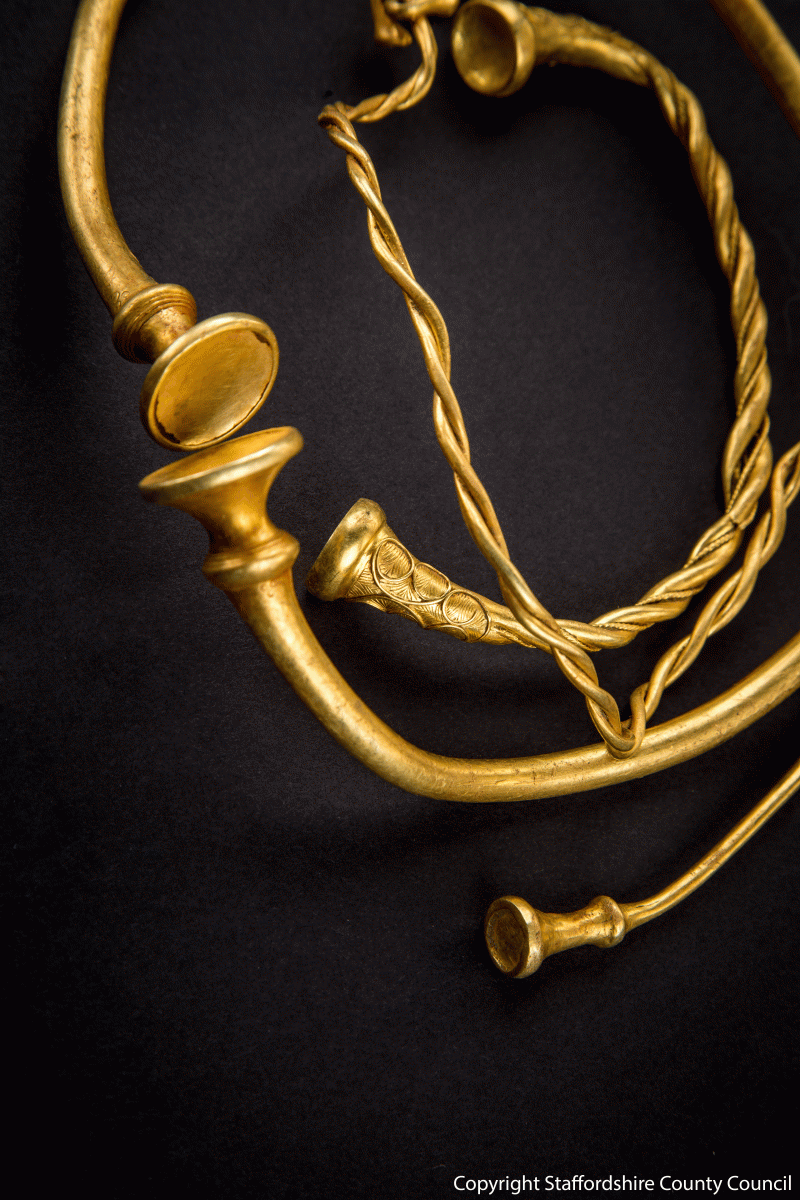
Iron Age gold hoard found by metal detectorists
An Iron Age hoard of gold jewellery was found in Staffordshire, UK, by two metal detecting friends.
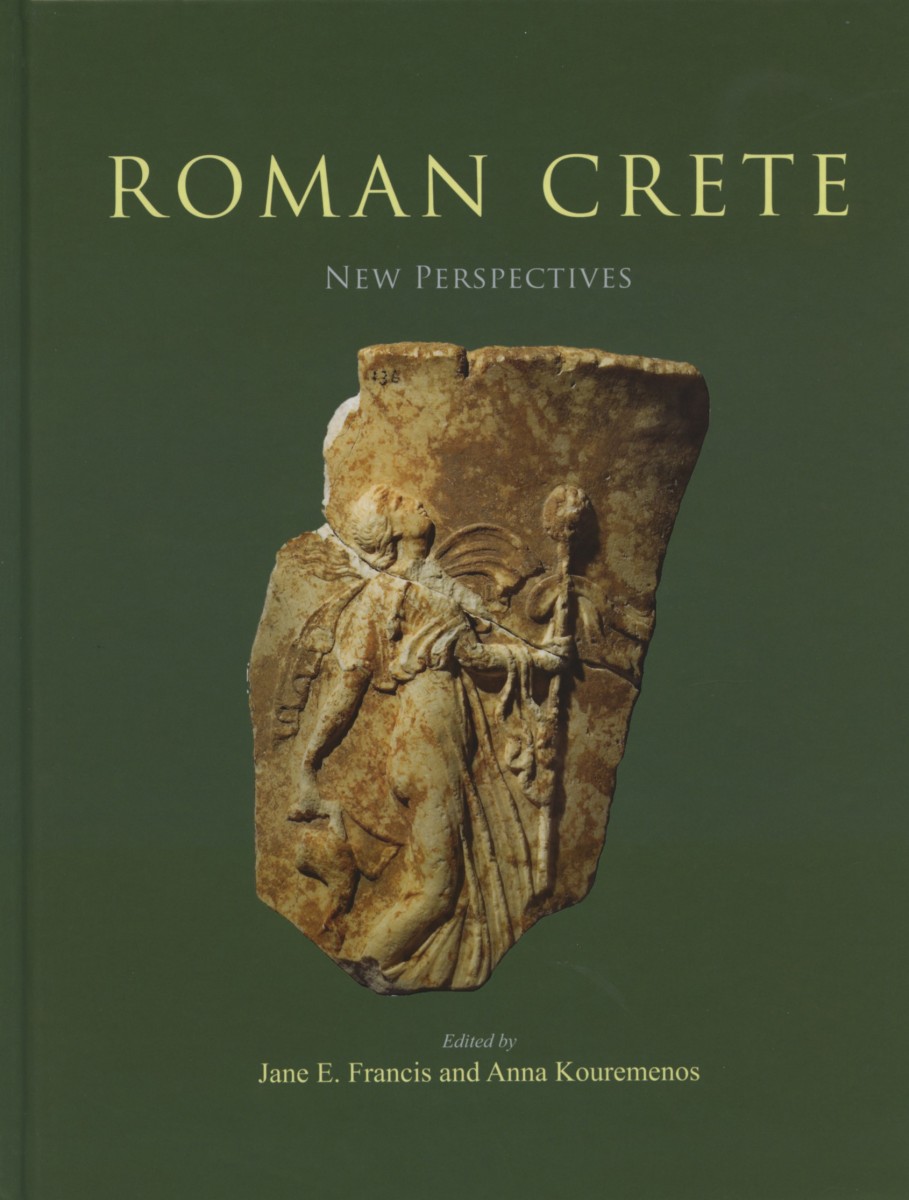
Jane E. Francis and Anna Kouremenos (eds.), “Roman Crete: New Perspectives”
A collective work that complements Ian Sanders’ "Roman Crete", “transferring” it to the 21st century with new information and theoretical approaches.
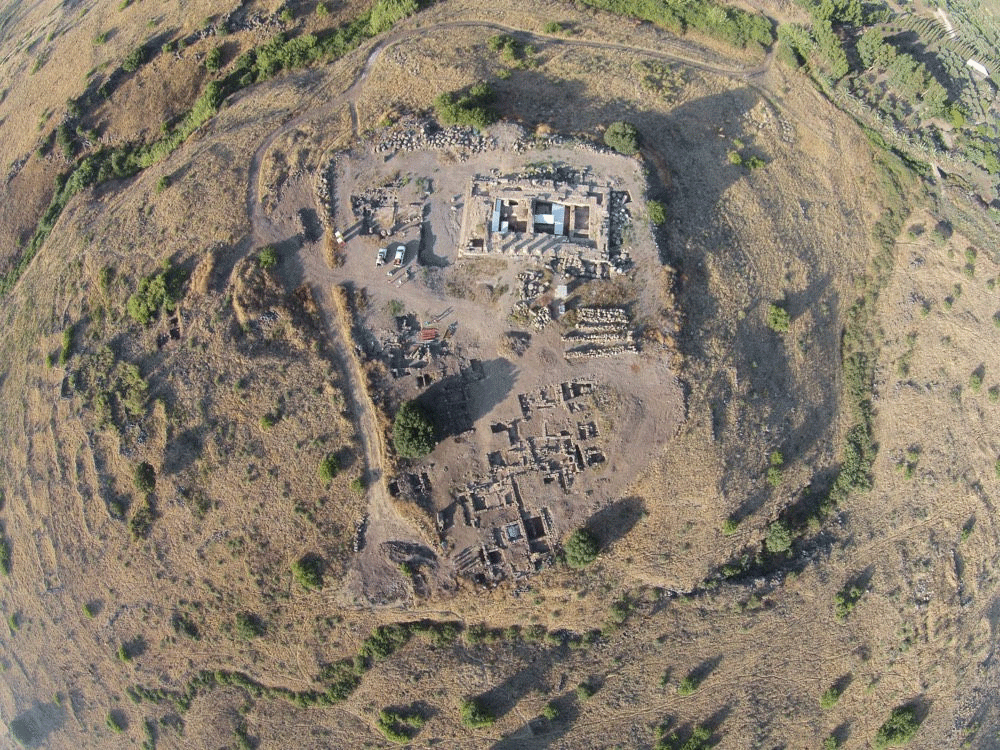
Demolished Roman house was unearthed in Israel
Researchers in northern Israel have brought to light the remains of a Roman house covered in phallic shaped amulets.
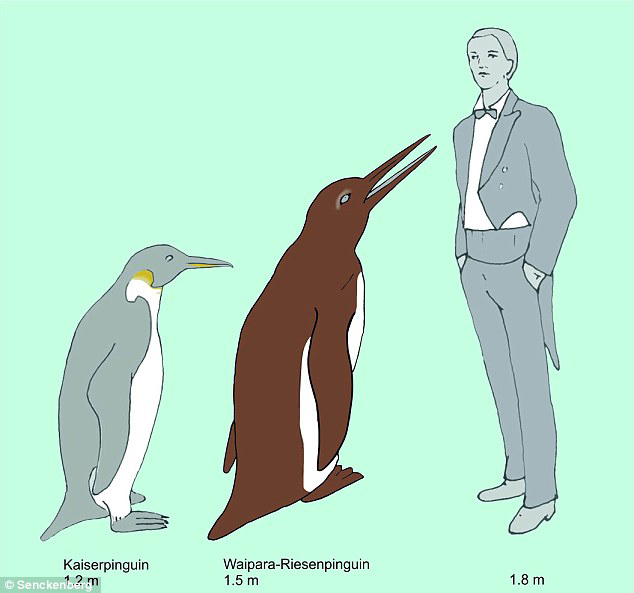
The oldest fossil giant penguin
The new find dates back to the Paleocene era and, with an age of approx. 61 million years, counts among the oldest penguin fossils in the world.
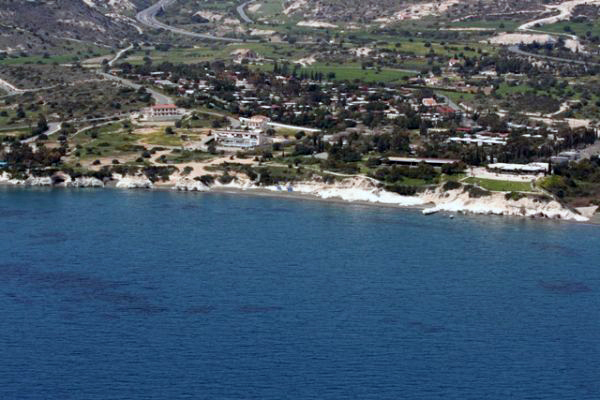
The Moni, Pentakomo, Monagrouli Project
Cypro-Archaic pottery, evidence of a chipped stone industry, a possible funerary site, a settlement, remains of a Roman period quarry are some of the interesting finds.

Glafcos Clerides’ private collection of antiquities donated to UCY
The University of Cyprus received the donation of the private collection of antiquities belonging to the late former president Glafcos Clerides.
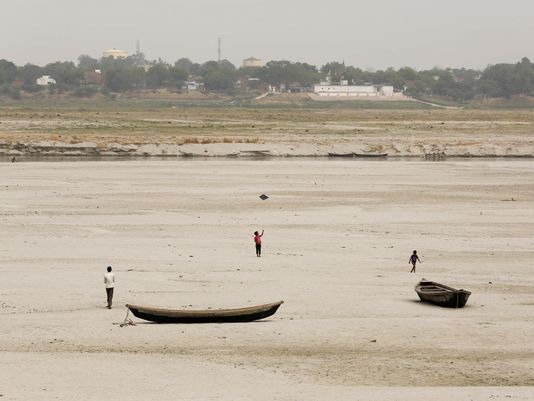
Archeologists at the vanguard of environmental research
Historical ecologists have recently come together to determine what we need to know about past human-environmental relationships to build a more sustainable future.
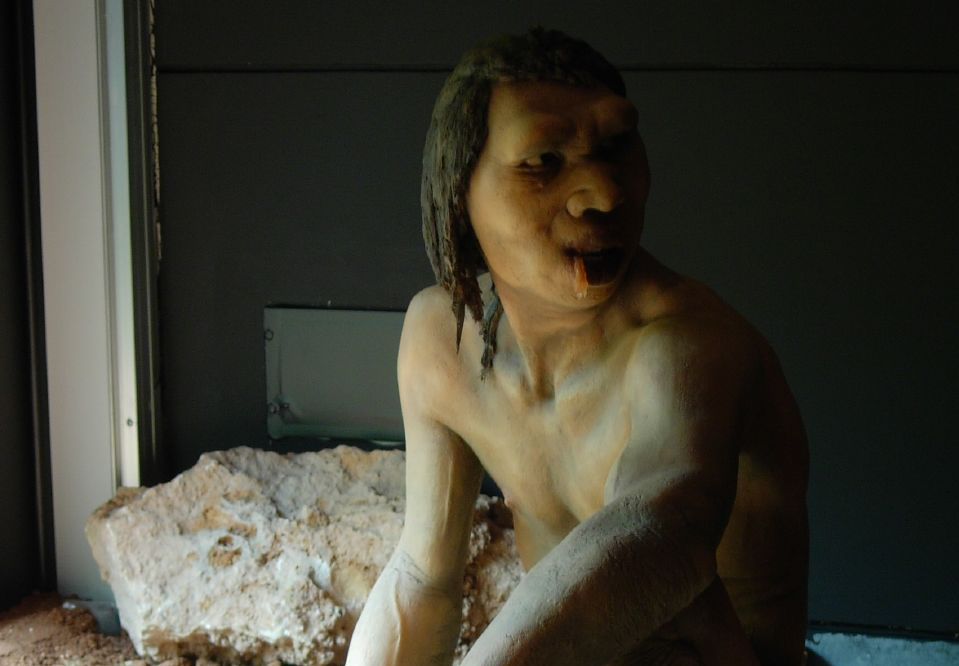
New evidence on the diet of the ’Homo antecessor’ from Atapuerca
This hominin species that inhabited the Iberian Peninsula around 800,000 years ago, would have a mechanically more demanding diet than other hominin species in Europe and the African continent.
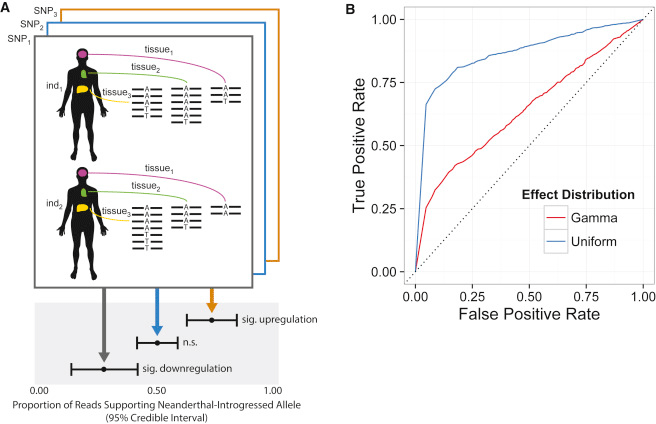
Neanderthal DNA is linked to traits of modern man
Although tens of thousands of years have passed since the Neanderthals lived on the Earth, their genes are still affecting our DNA, a new study has confirmed.
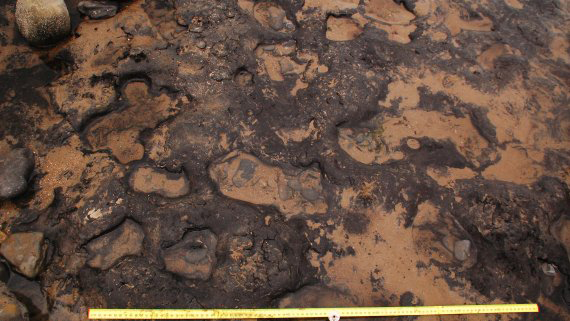
Rare prehistoric footprints redefined as 7,000 years old
In a massive time-shift, new analysis conducted by a Cardiff University researcher pushes our understanding of a set of rare human footprints on the Welsh coast back by 3,000 years.
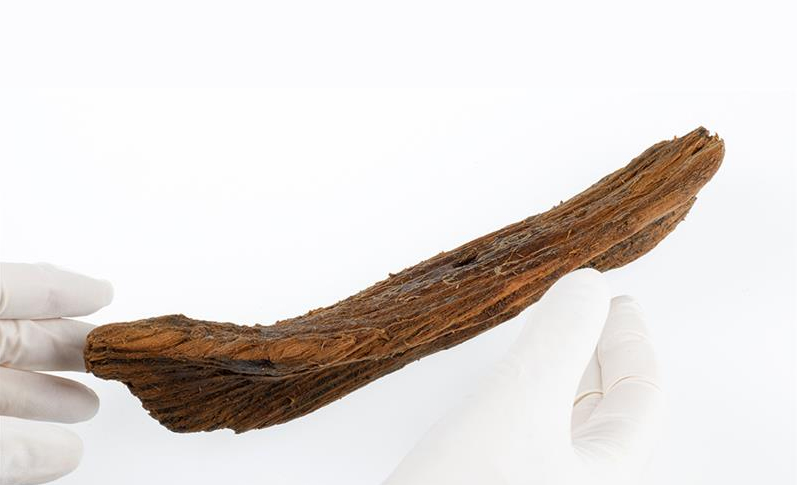
The toy Viking boat that sailed the seas of time
Archaeologists have found a 1000-year-old Scandinavian toy boat.
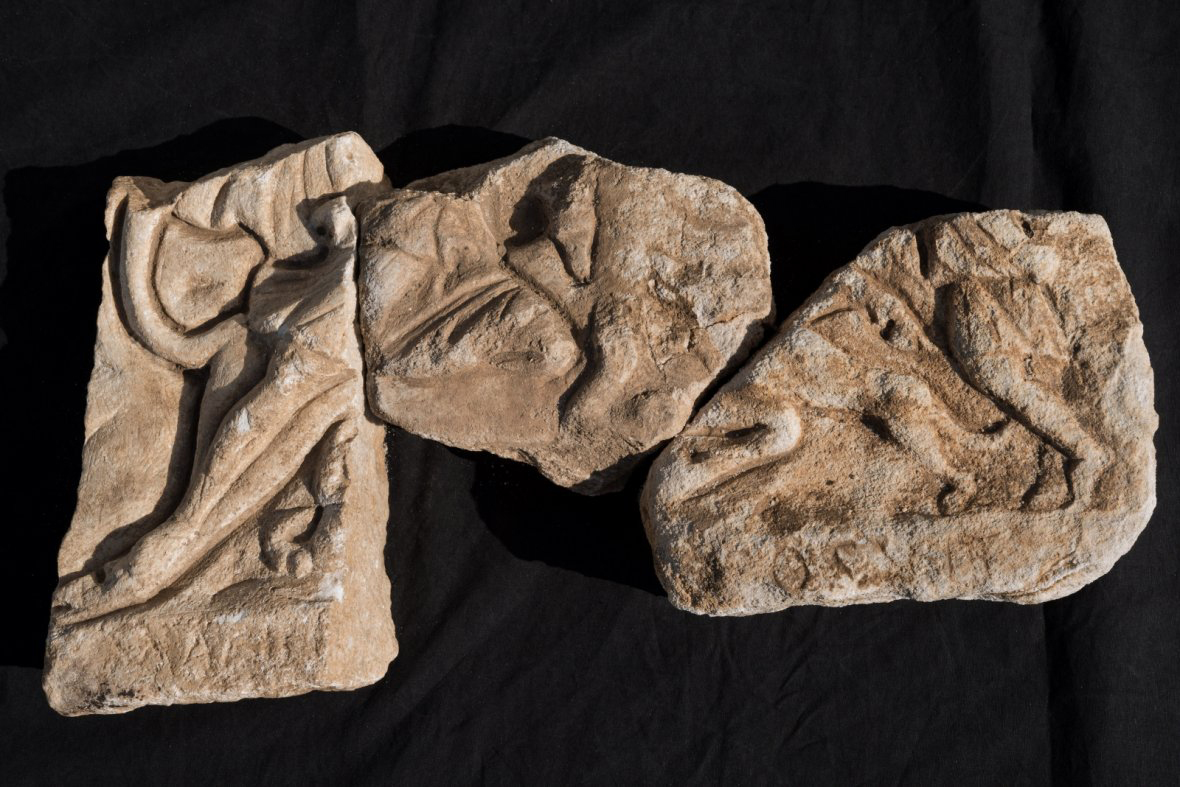
Sanctuary dedicated to the god Mithras unearthed in Corsica
A team of Inrap archaeologists has just uncovered a sanctuary dedicated to the god Mithra on the site of Mariana.