
Vatican and Rome’s Jewish Museum host joint exhibition
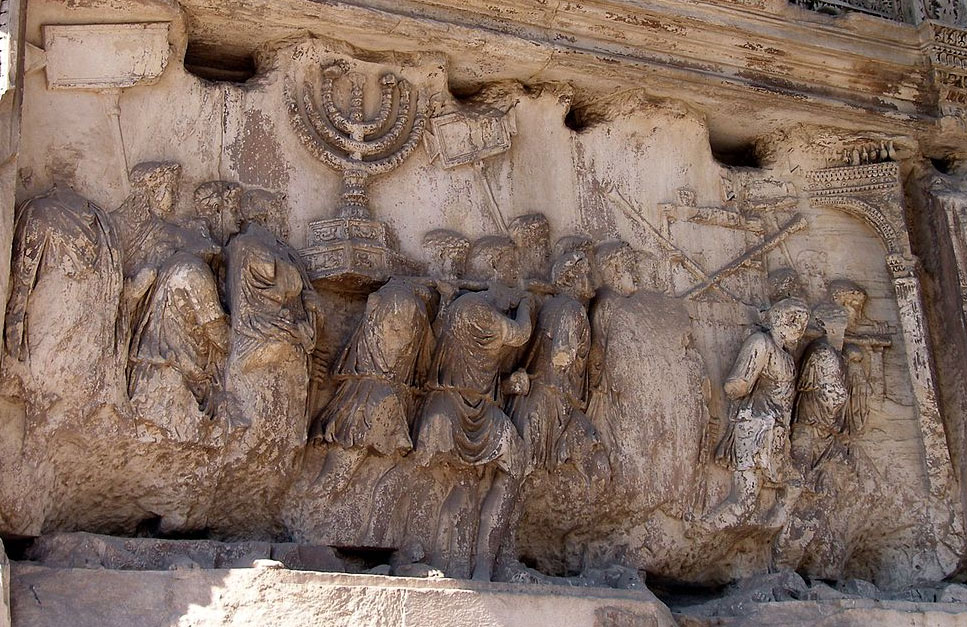
This spring the Vatican and the Jewish Museum of Rome are hosting a unique joint exhibition centred around the seven-armed candelabrum.
Secrets of Tudor life revealed at the Crossrail site
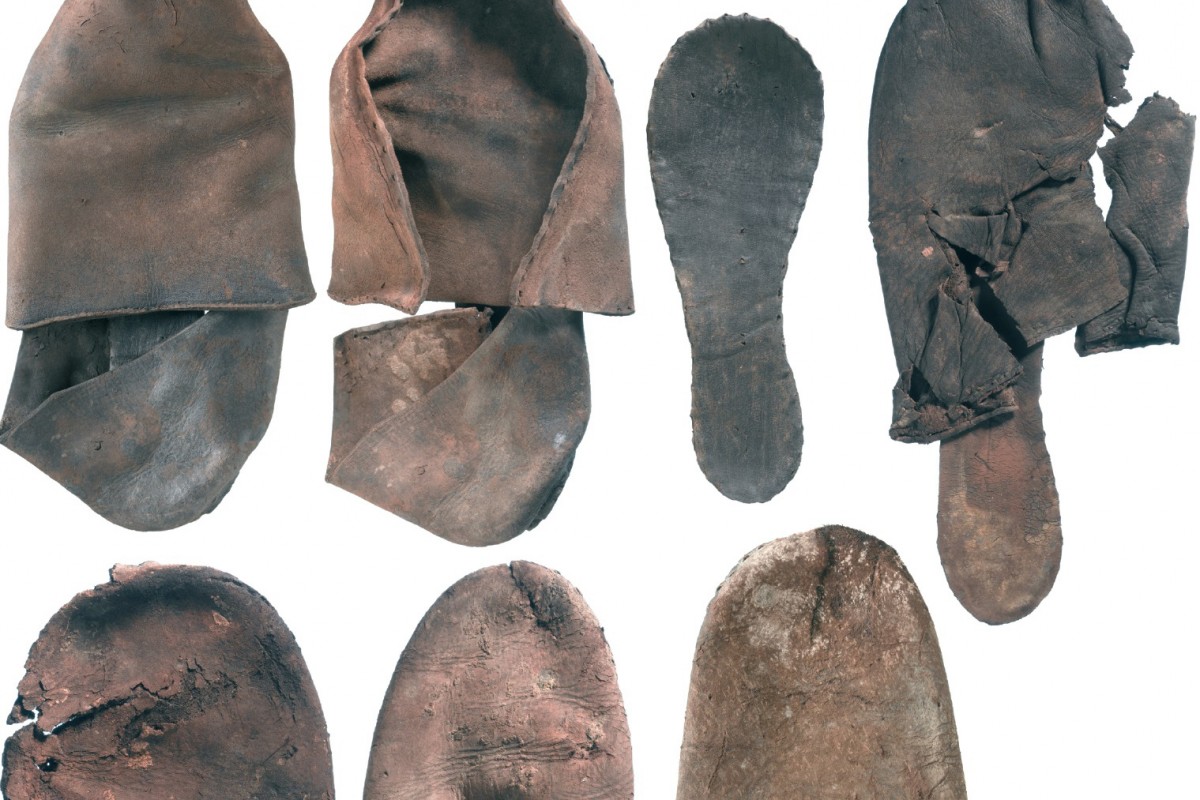
Excavations by MOLA at the Crossrail site at Farringdon have revealed fascinating insights into daily life in Tudor London in recently published findings.
1,800 year old Hebrew inscriptions exposed on a column capital in Western Galilee
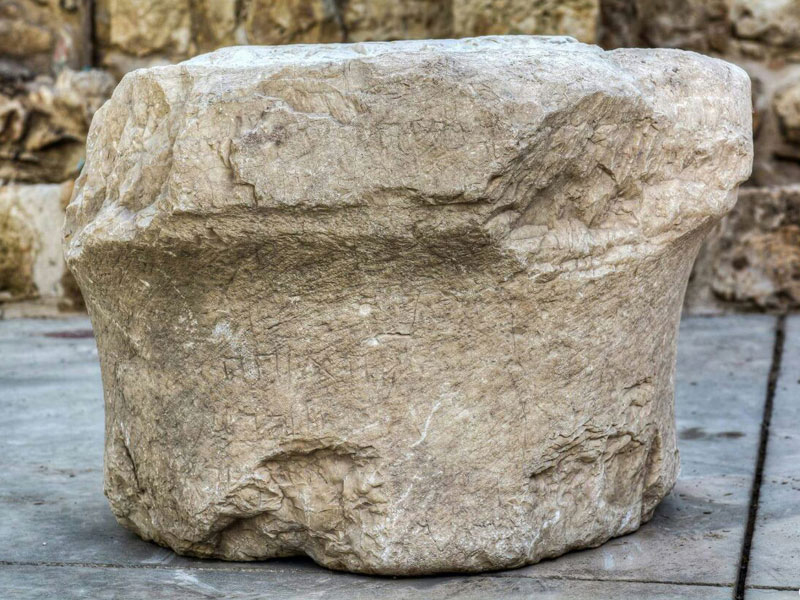
Limestone capital dating to the Roman period, engraved with two Hebrew inscriptions, was discovered in the ancient synagogue and neighboring Beit Zinati visitor center at Peqiʽin, in the Western Galilee.
Kennewick Man buried on Columbia plateau
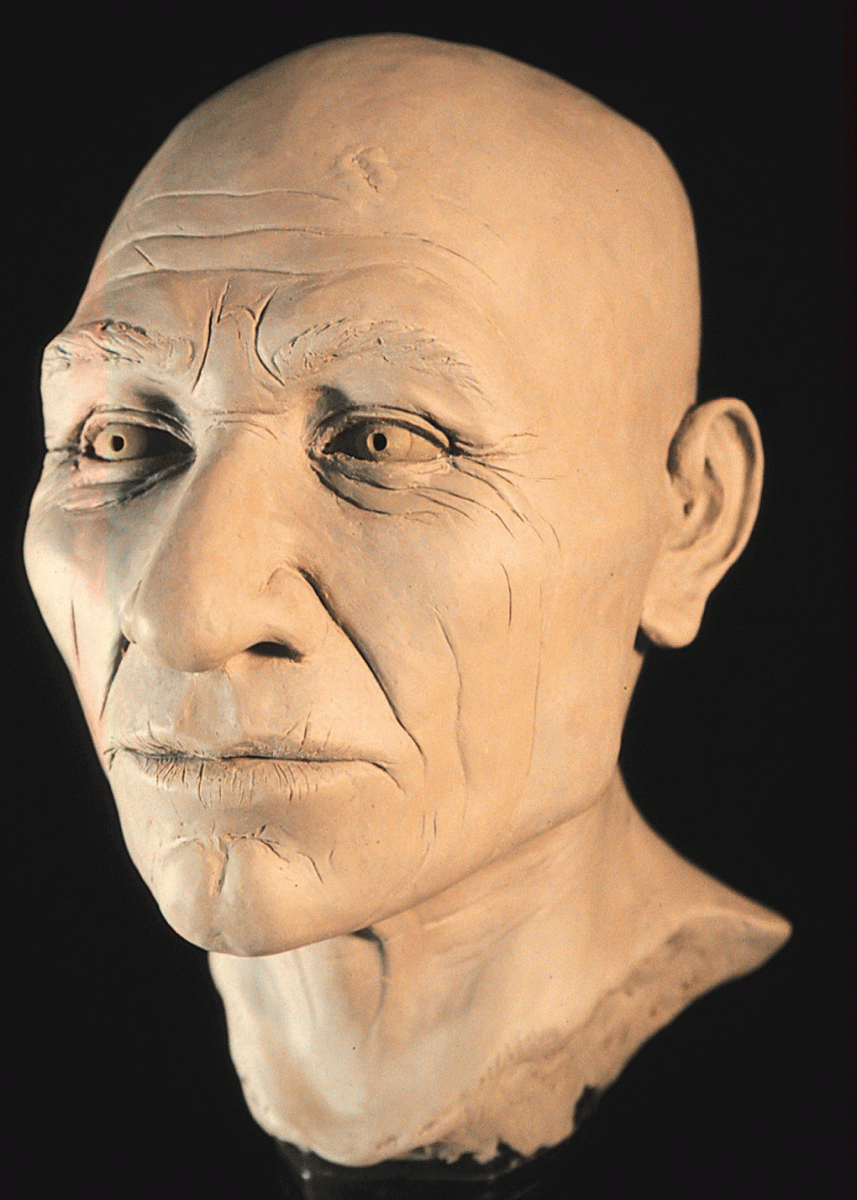
The remains of a man found in North America are returned to local tribes for reburial after a 20-year long debate between tribes and scientists.
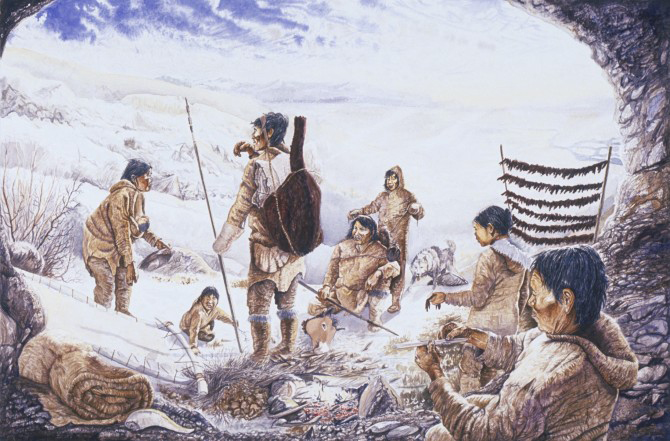
Linguist’s ‘big data’ research supports waves of migration into the Americas
New research analyzing more than 100 linguistic features suggest more complex patterns of contact and migration among the early peoples who first settled the Americas.
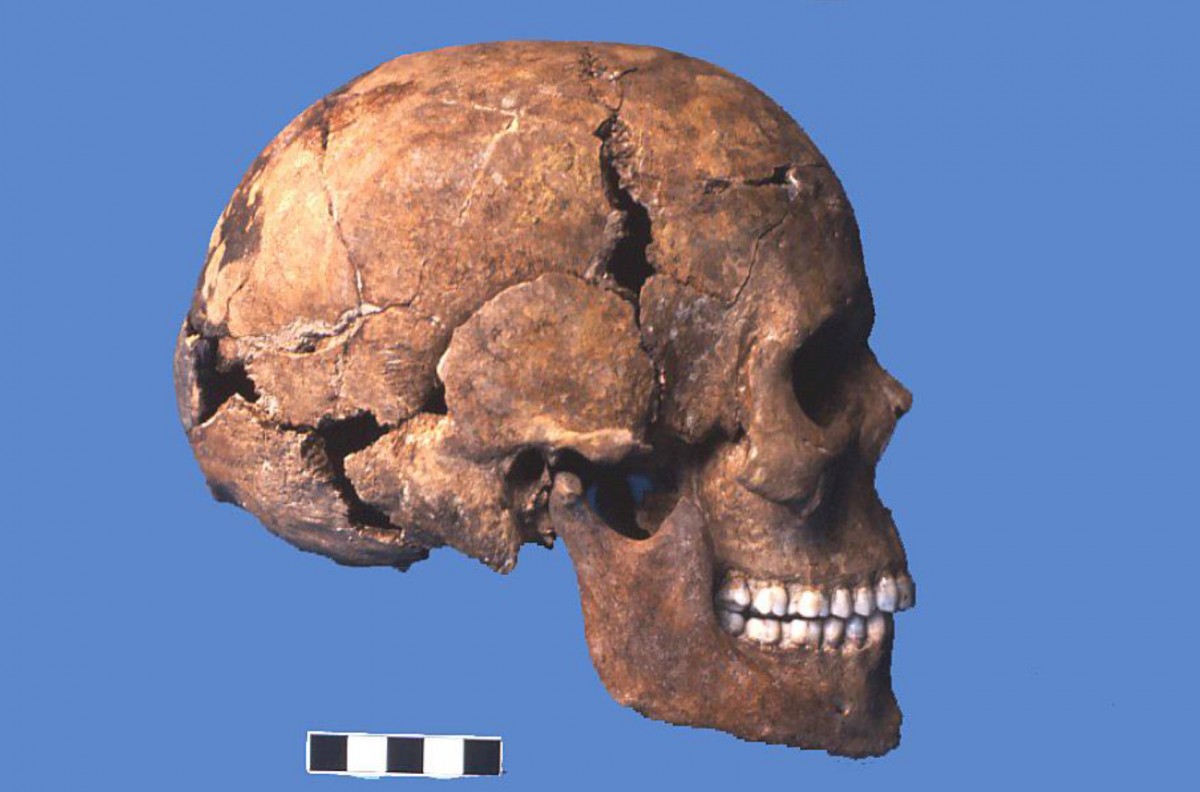
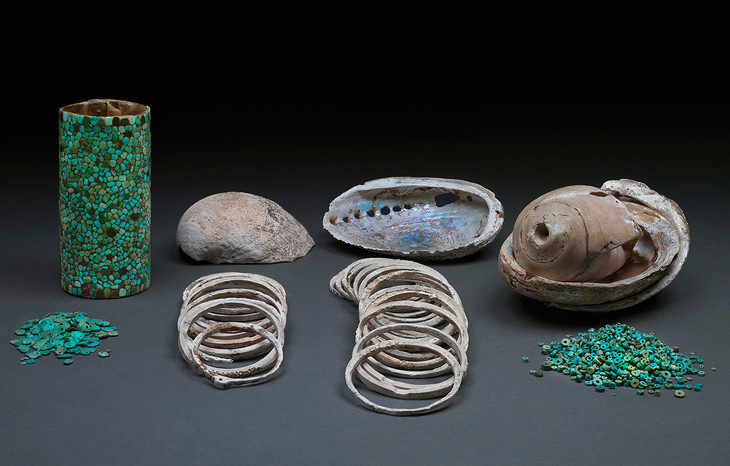
Radiocarbon dating and DNA show ancient Puebloan leadership in the maternal line
Archaeologists and biological anthropologists have shown that a matrilineal dynasty likely ruled Pueblo Bonito in New Mexico for more than 300 years.
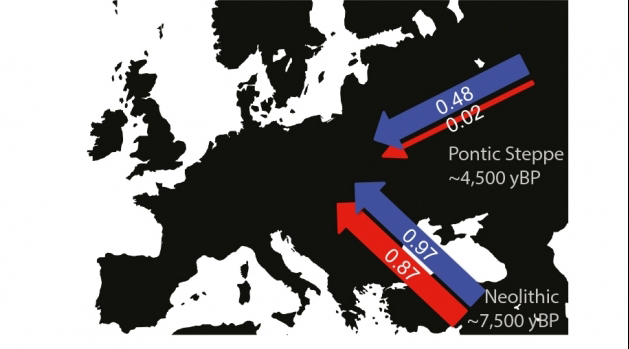
Genetic data show mainly men migrated to Europe from the Pontic steppe 5,000 years ago
A new study shows that hardly any women took part in the extensive migration from the Pontic-Caspian Steppe approximately 5,000 years ago.
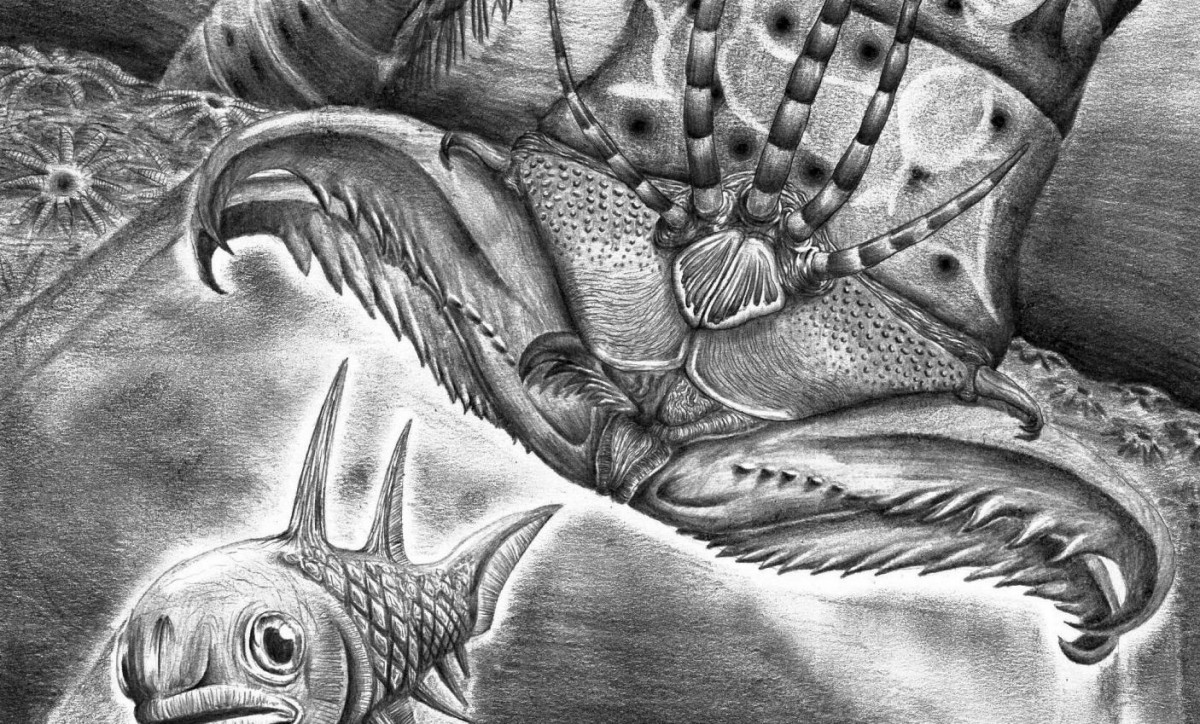
400 million year old gigantic extinct monster worm discovered in Canadian museum
A previously undiscovered species of an extinct primordial giant worm with terrifying snapping jaws has been identified by an international team of scientists.
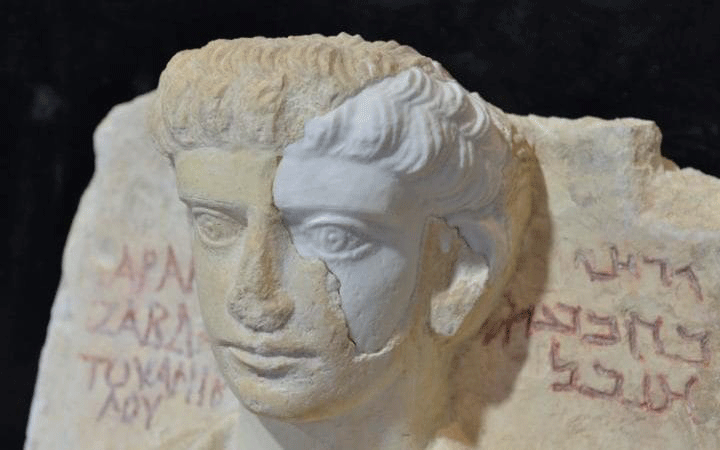
Ancient busts rescued from Palmyra will return to Syria
Two funerary busts from Palmyra, partly destroyed by IS, have been restored in Italy and will return to Syria by the end of the month.
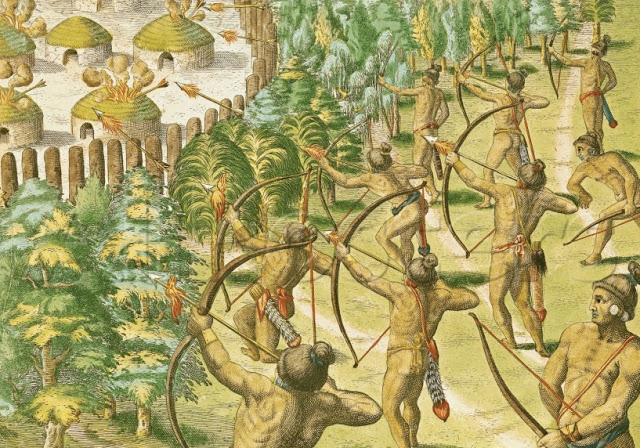
Violence in prehistoric central California driven by scarcity of resources
'When people are stressed out and worried about protecting the group, they are willing to be aggressive', study author says.
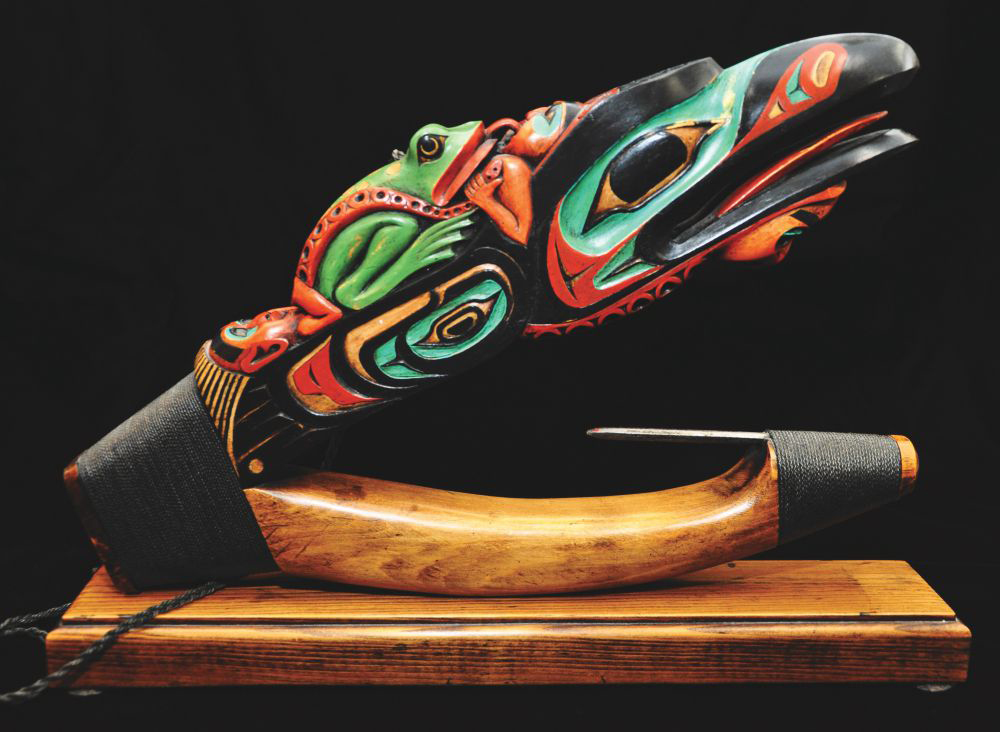
A cultural catch
A University of California - Santa Barbara scholar examines the evolution of wooden halibut hooks carved by native people of the Northwest Coast.
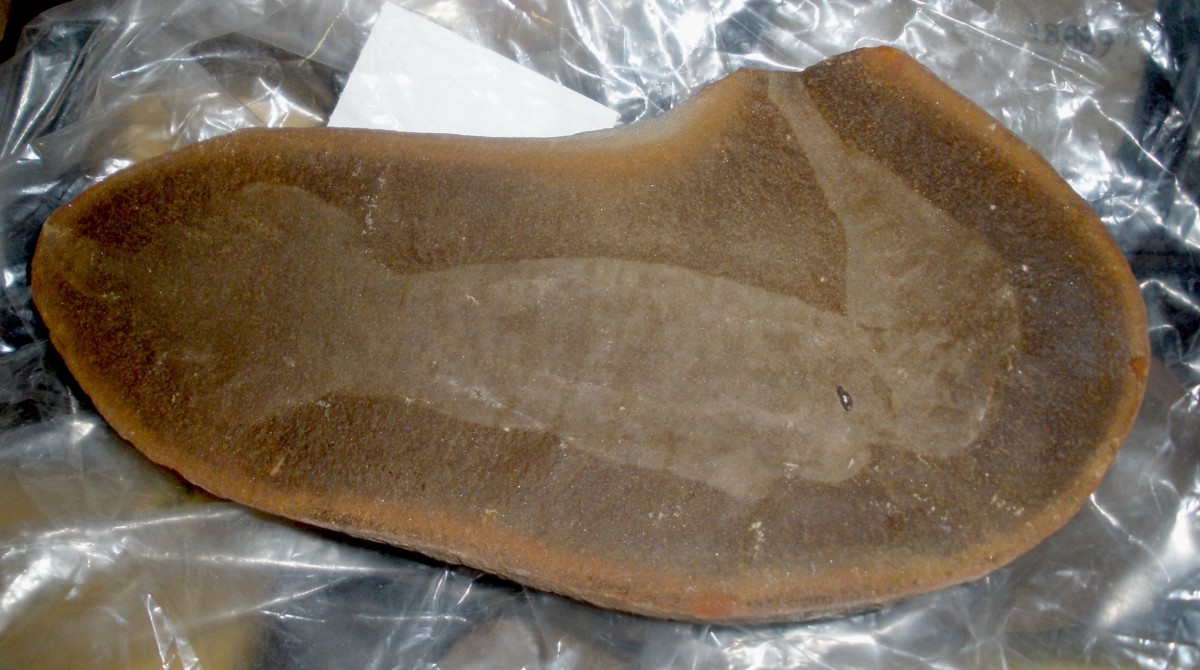
‘Tully monster’ mystery is far from solved
In a new report in the journal 'Palaeontology', scientists argue that the two papers that seemingly settled the Tully monster debate are flawed, failing to definitively classify it as a vertebrate.
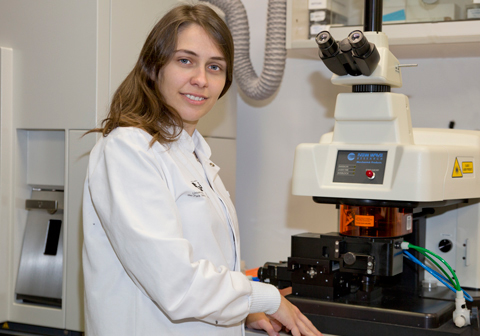
Diet and mobility end up recorded in our bones and in our teeth
A piece of research has applied standard geological techniques and methods at an architectural site in Zaragoza to establish the diet of individuals.
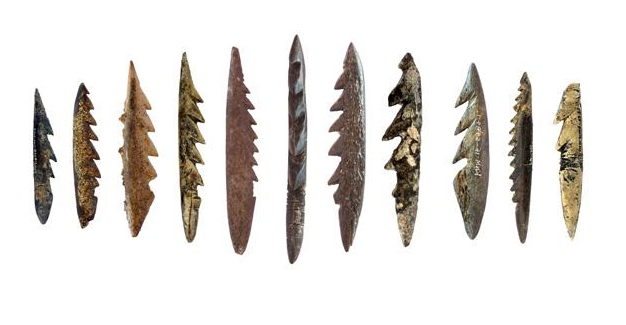
Sharpening our knowledge of prehistory on East Africa’s bone harpoons
A project exploring the role of East Africa in the evolution of modern humans has amassed the largest and most diverse collection of prehistoric bone harpoons ever assembled from the area.
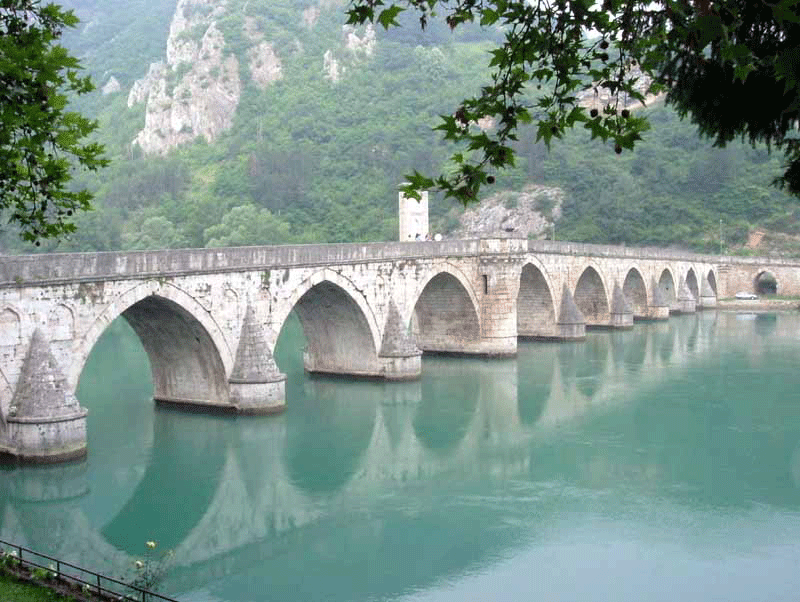
Ottoman monuments in the Balkans are restored
Dozens of Ottoman era monuments in the Balkans are restored as part of a project by Turkey carried out in various countries.
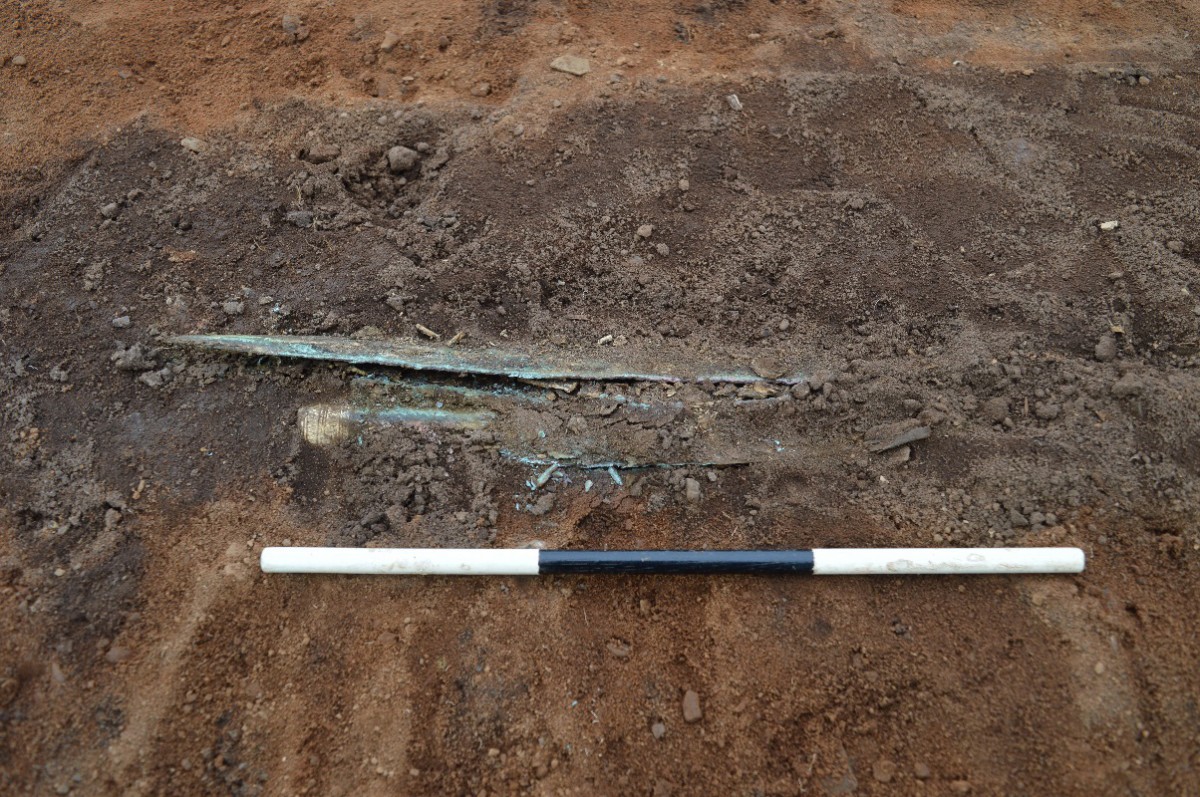
The Carnoustie Bronze Age Hoard
The edge of a gold decorated bronze spearhead was first spotted in a pit during excavations by GUARD Archaeology.
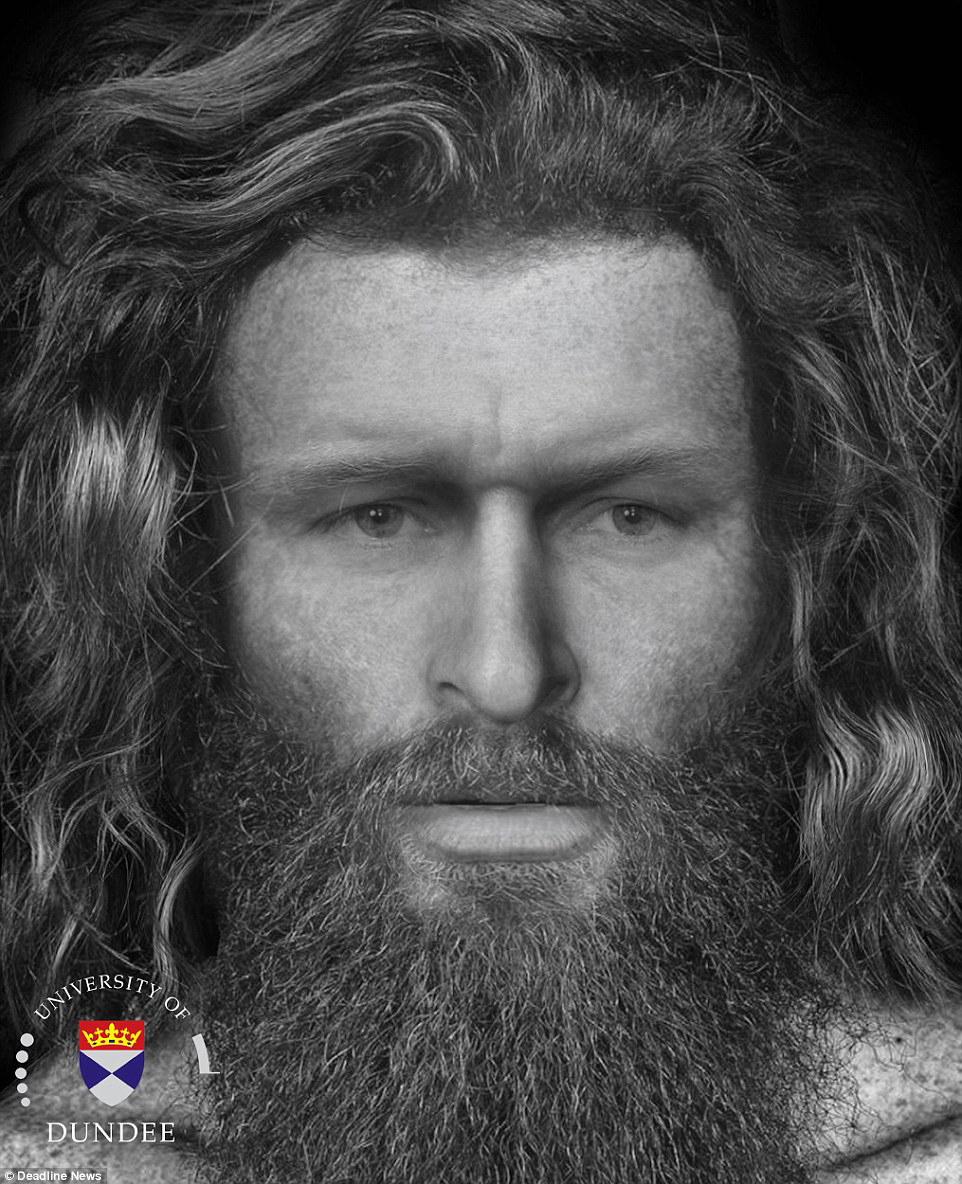
‘Brutally murdered’ Pictish man brought back to life
Researchers from the University of Dundee’s CAHID have reconstructed the face of a Pictish man they showed to have been brutally murdered 1,400 years ago.
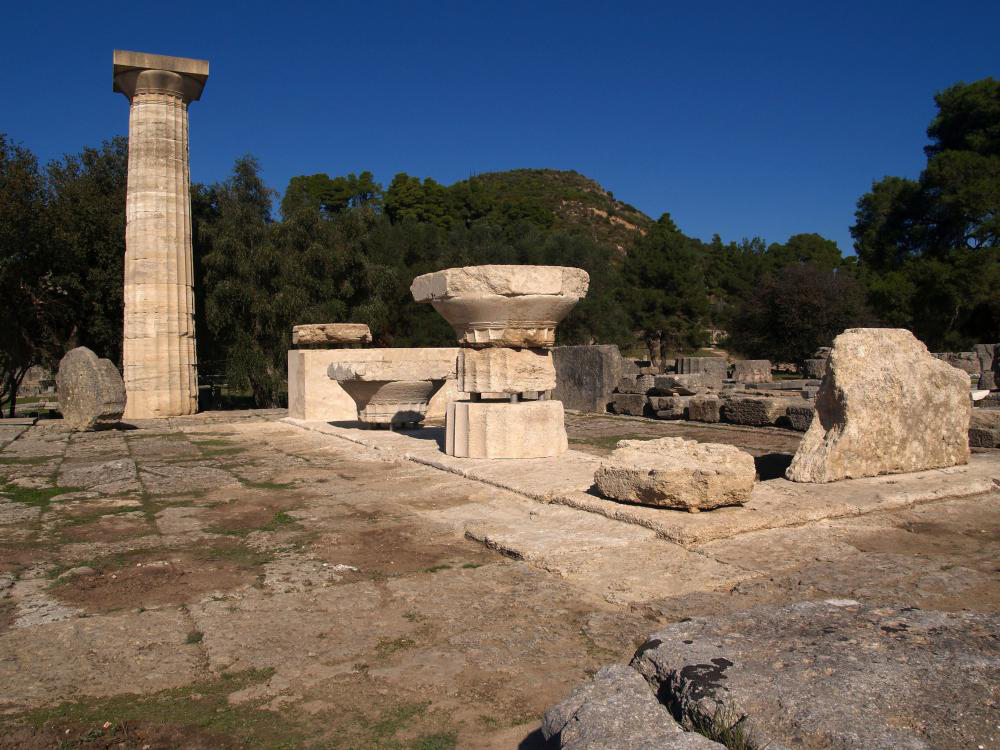
Collecting, clustering and evaluating in ancient Olympia
A three-year joint project has been launched between the Athens Department of the German Archaeological Institute and the Romano-Germanic Central Museum Mainz involving votive offerings in the Temple of Zeus at Olympia.
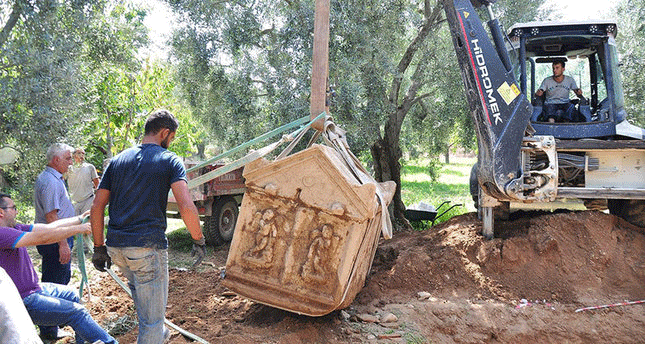
Late Antiquity burials found in Turkey
Three late antiquity burials have been discovered in Bursa, Turkey, at an olive grove where previously more archaeological finds had been unearthed.
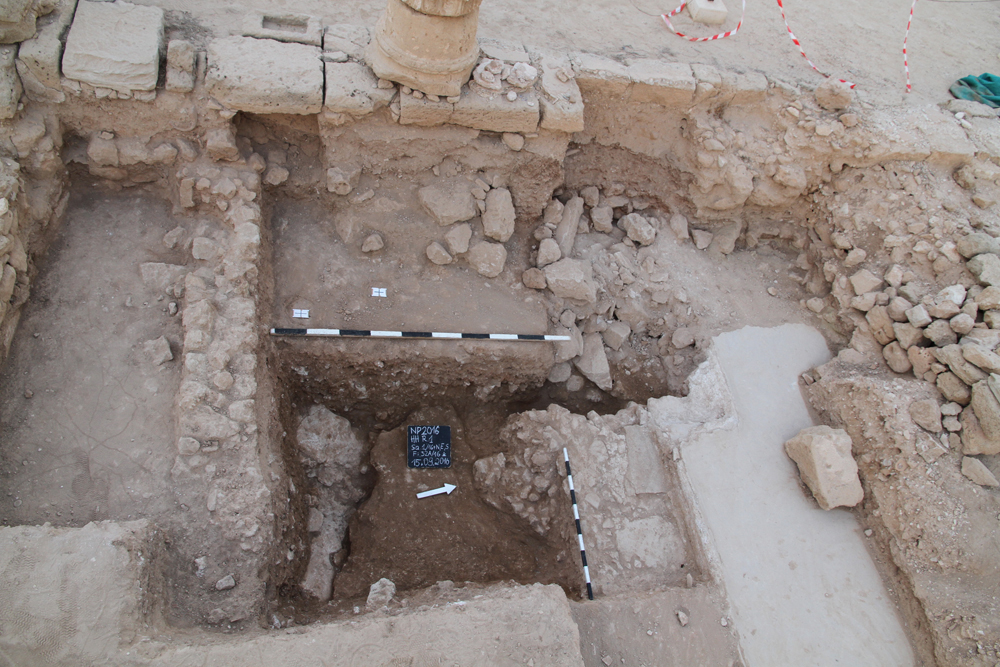
The 2016 Polish excavations at Kato Pafos-Malloutena
This year's excavations at the site were limited to the area of the main courtyard of the “Hellenistic” House and the corridor between the “Roman House” and the “Hellenistic” House, nr 29.
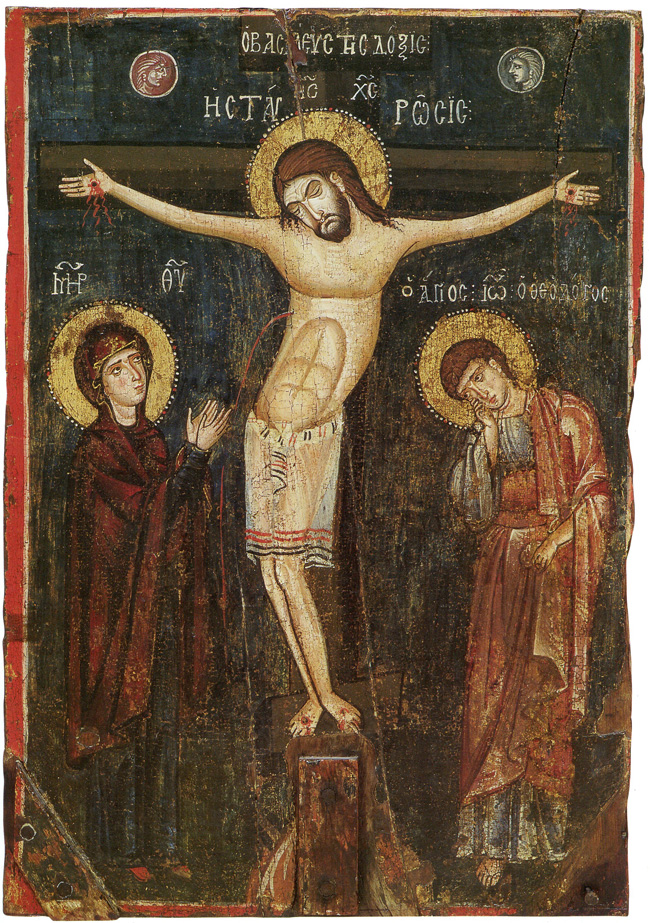
Maniera Cypria: The Cypriot painting of the 13th century between two worlds
The exhibition aims to highlight the Cypriot painting during the 13th century and the ways of artistic symbiosis between two worlds, East and West.
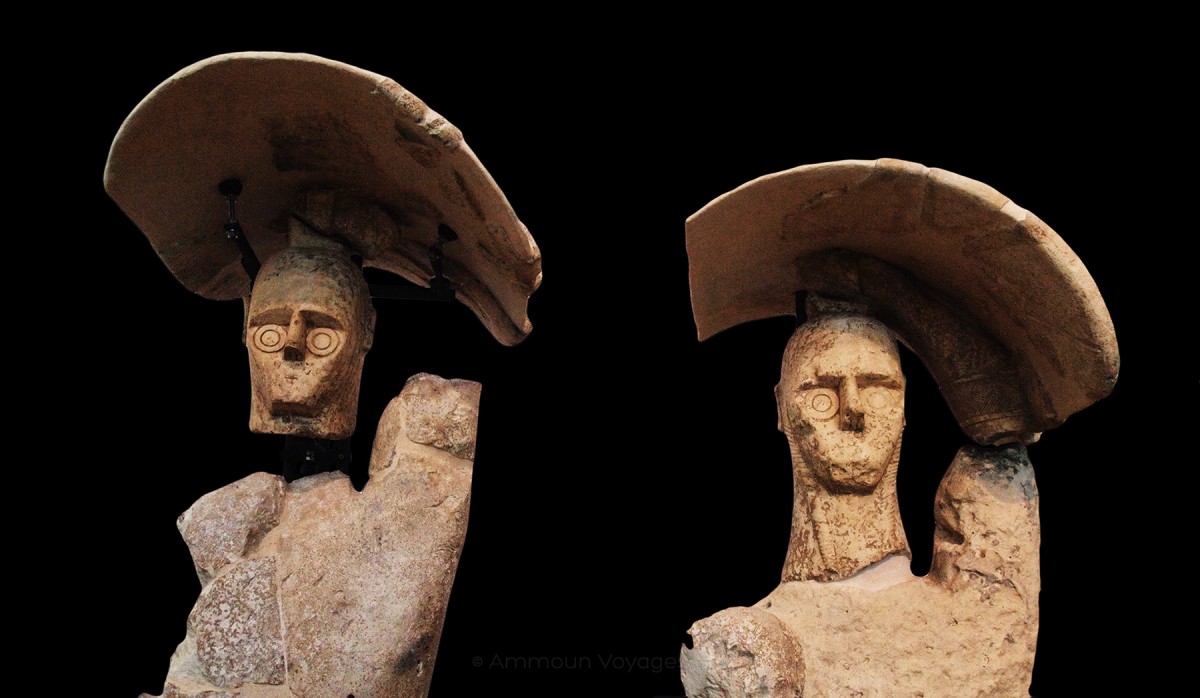
Looking at Sardinian DNA for genetic clues to an island’s -and Europe’s- past
What were the origins of the Sardinian population in the context of European prehistory and ancient human migrations?
Ancient Greek and Roman Numismatics
The Institute of Historical Research of the National Hellenic Research Foundation is pleased to announce the organisation of its first Summer School on Ancient Greek and Roman Numismatics, to take place at its premises in Athens, from 3 to 12 July 2017.