The Berlin Painter and His World
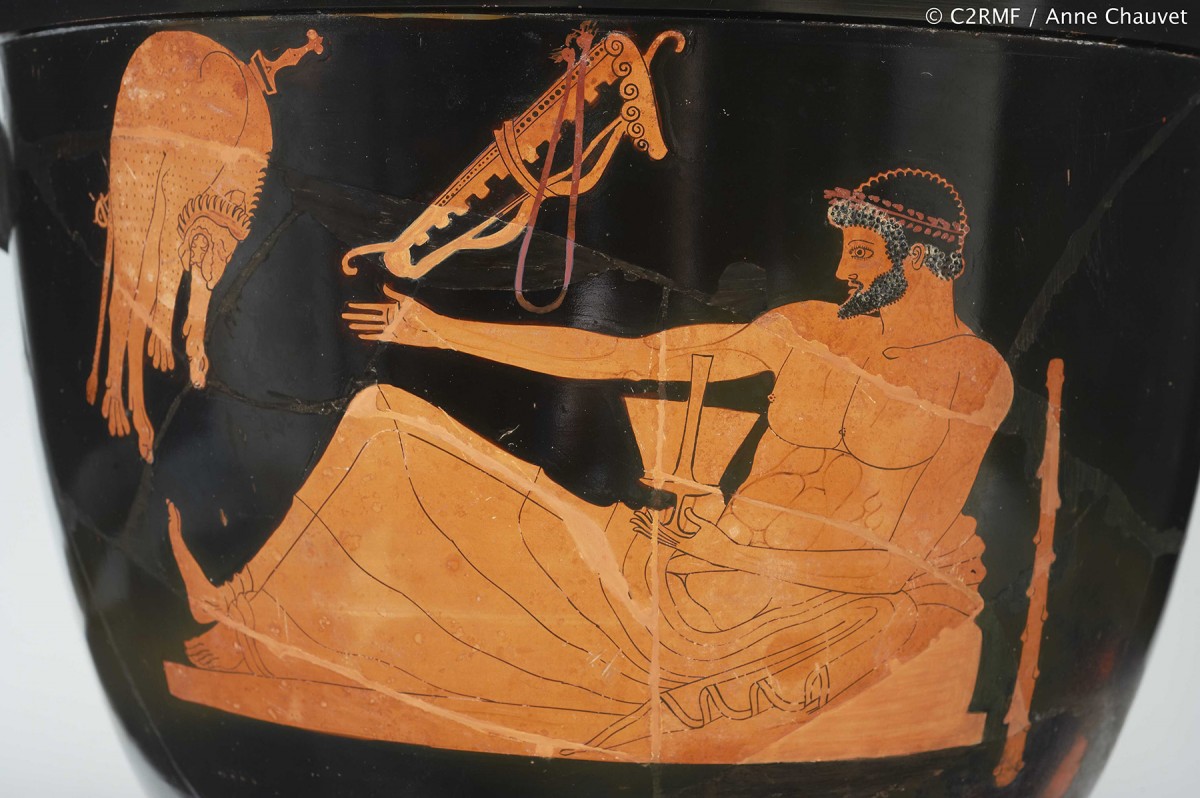
Major international exhibition of classical Greek vases organized by Princeton University Art Museum.
Strolling with Power
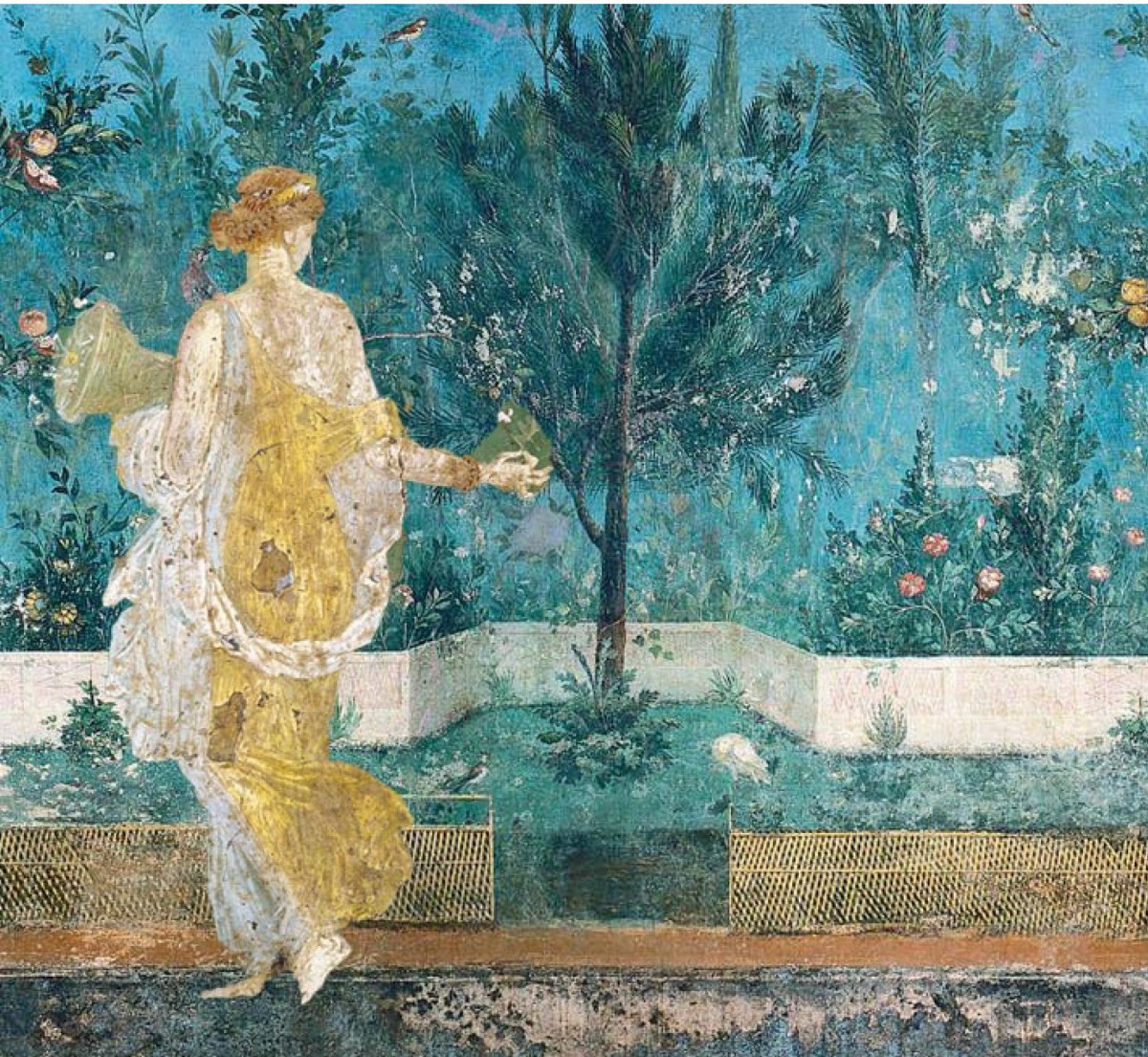
Thomas Noble Howe will give a lecture about the gardens in elite maritime villas of Ancient Stabiae.

Ancient fossil reveals first evidence of live birth in animals thought to lay eggs
The first ever evidence of live birth in an animal group previously thought to lay eggs exclusively has been discovered by an international team of scientists.
Romanian skeleton puzzles archaeologists
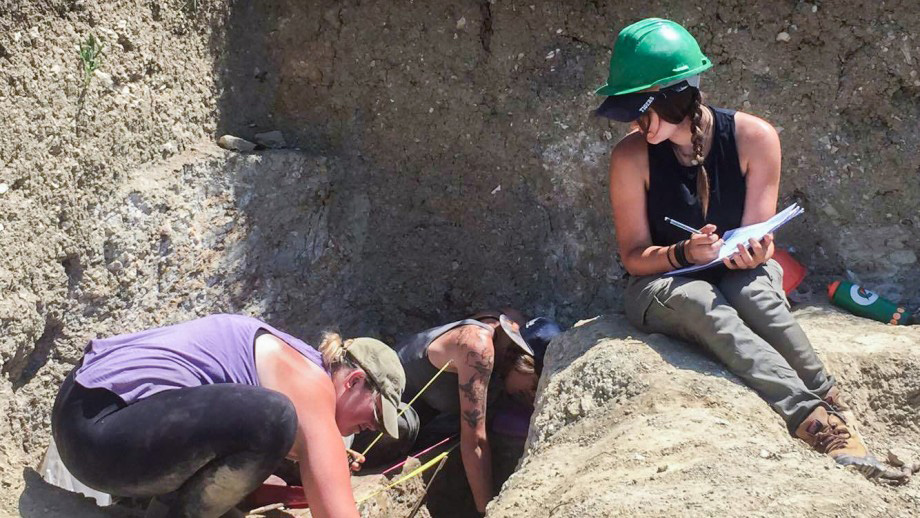
An unusual and 'confusing' grave site dug up in Romania by a student from The Australian National University (ANU) is helping provide evidence for the first official written history of the Székely people.
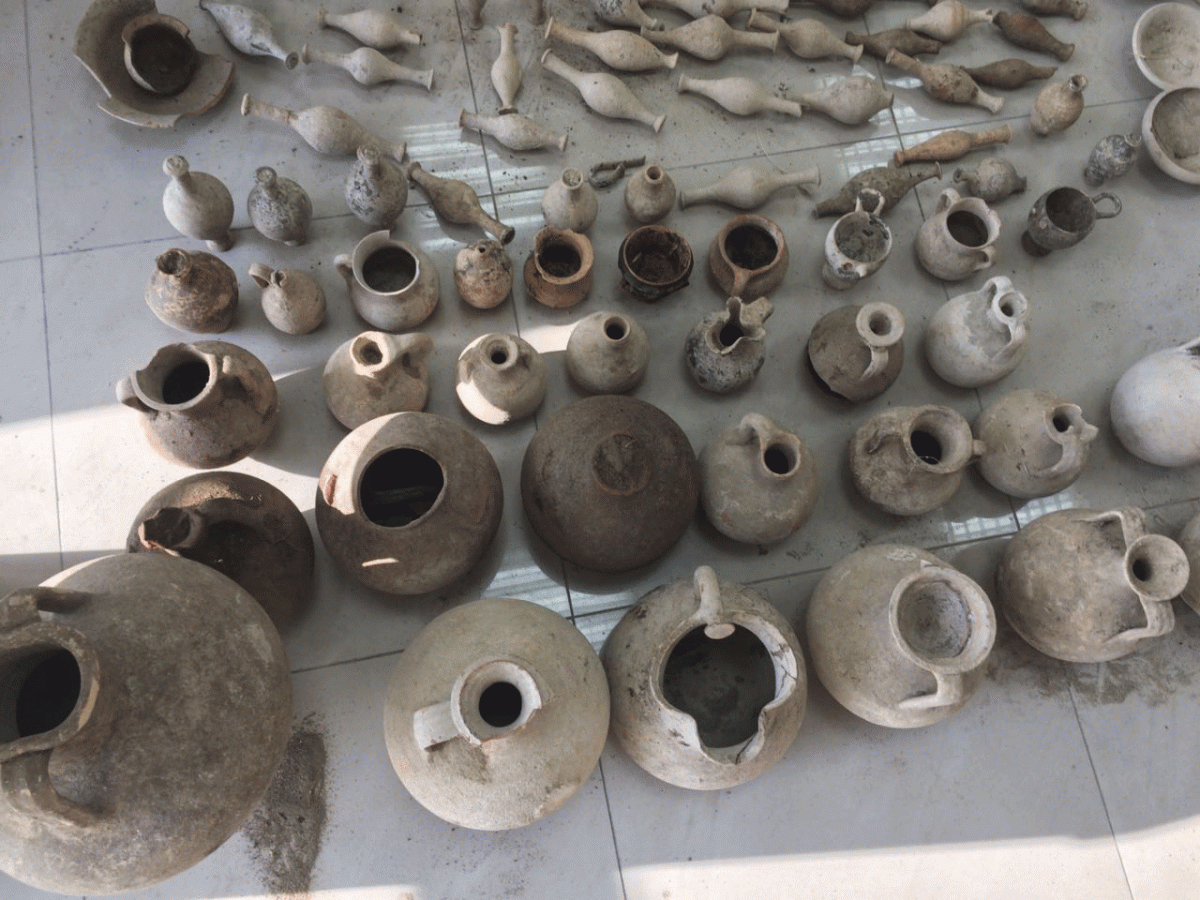
Hundreds of illegally retrieved artefacts seized by Albania police
The smuggling of hundreds of artefacts from the Apollonia archaeological park has been prevented by Albanian police, according to a statement issued on Sunday.
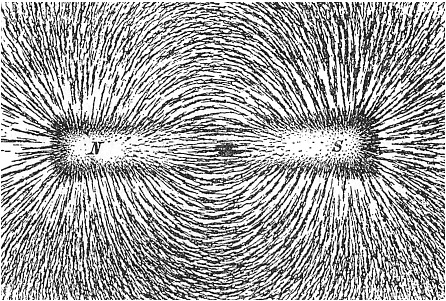
Ancient jars found in Judea reveal earth’s magnetic field is fluctuating, not diminishing
New evidence says geomagnetic force 'spiked' in 8th century BCE, say Tel Aviv University, Hebrew University, UC San Diego researchers.
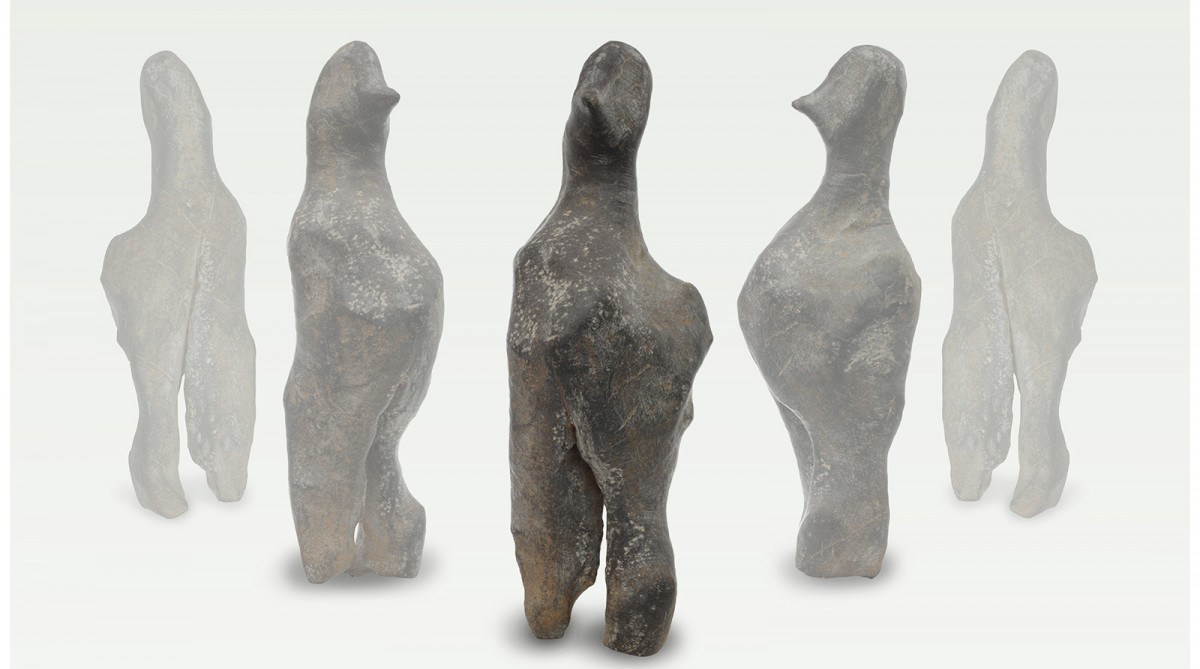
A human figure carved in stone 7000 years ago
The smaller than life-size statuette exhibit, shown in the NAM, clearly sums up the effort of the sculptor of the Final Neolithic to carve in the round this rare work, out of such a hard rock as granite, without having at his disposal metal tools.
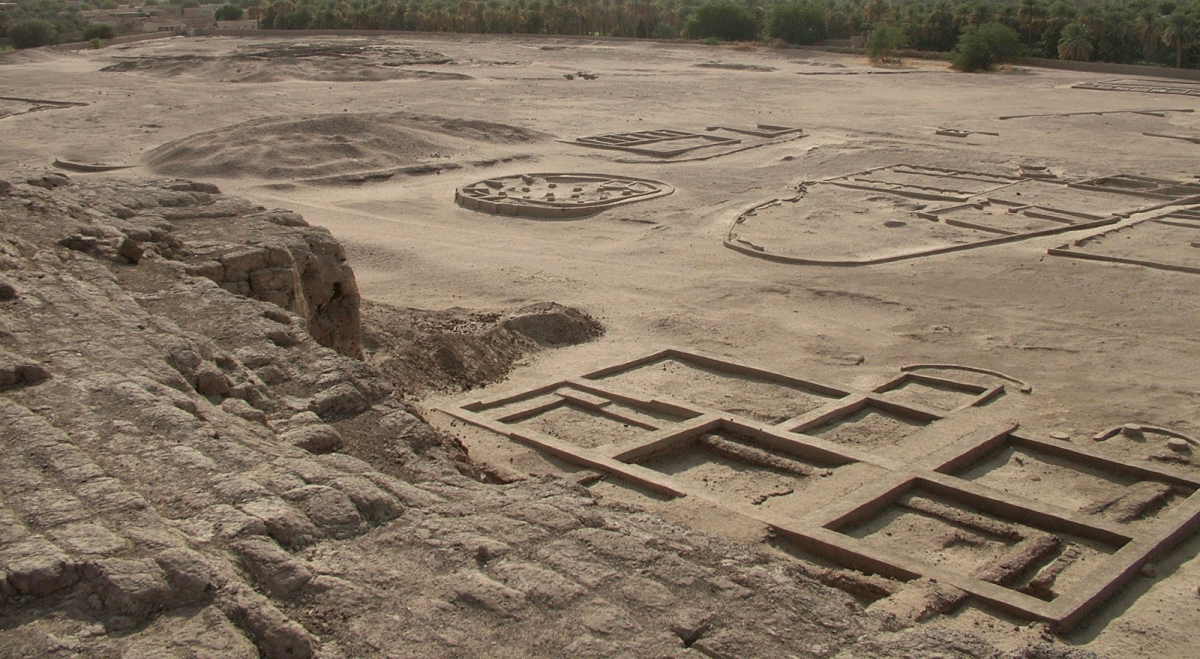
Ancient temples found in Sudan offer new insight
An archaeologist from Switzerland has discovered three temples in Sudan dating back to 1,500-2,000 BC. The discovery, he says, will shed new light on African ancient past.
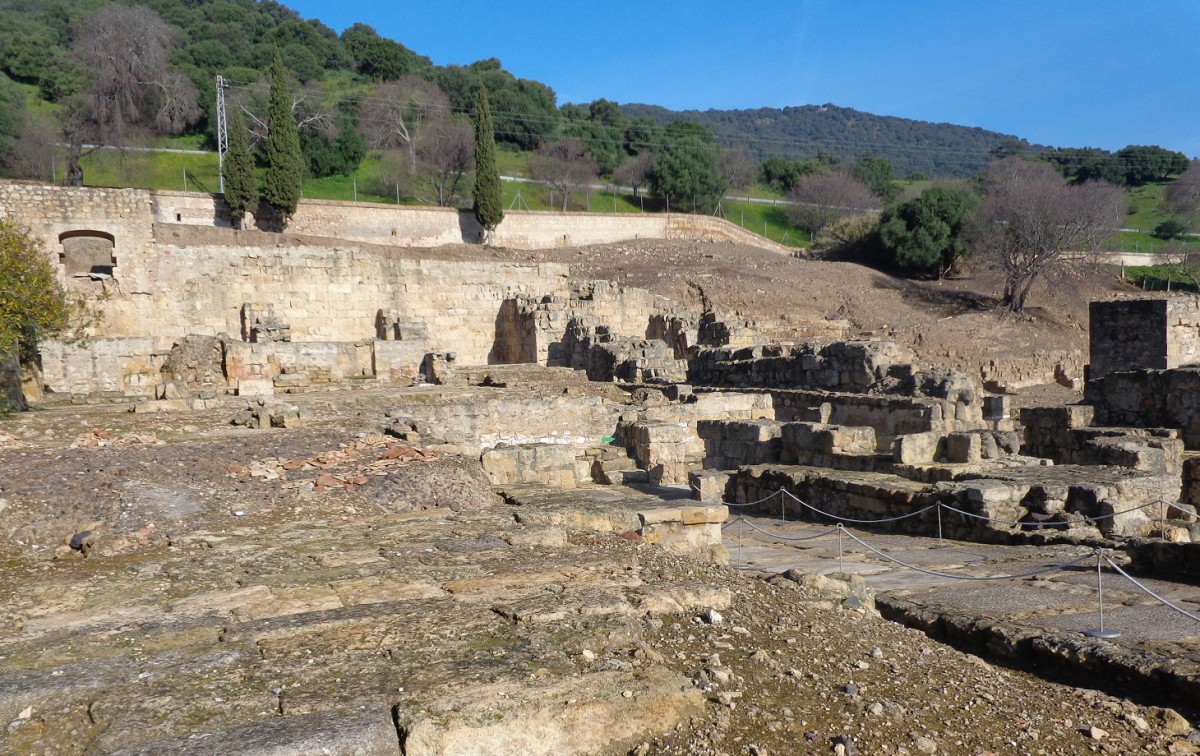
Digging deeper
Bournemouth University researchers are using new archaeological techniques and technologies to learn more about an iconic Islamic palace in Southern Spain.
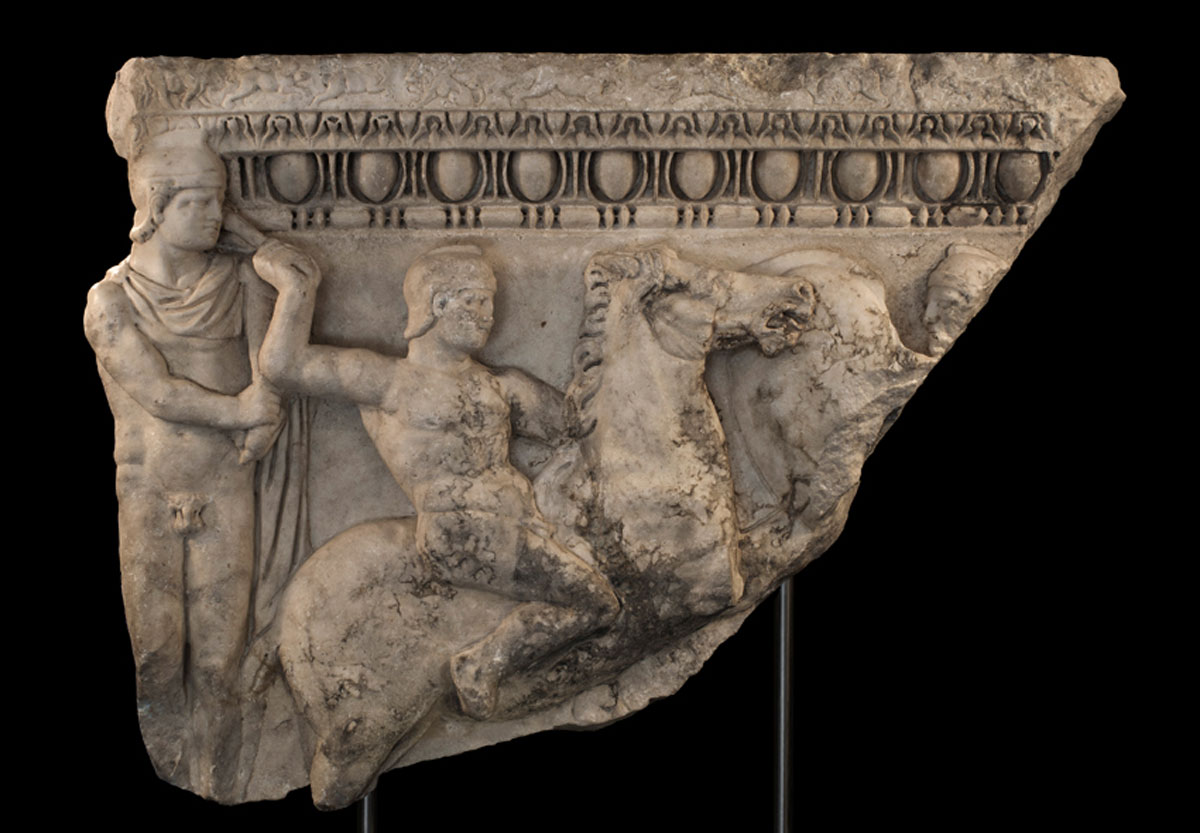
Stolen sarcophagus returns to Greece
The fragment of the marble sarcophagus which had been stolen in 1988 and has been travelling for 30 years in Europe and the USA returns to Greece.
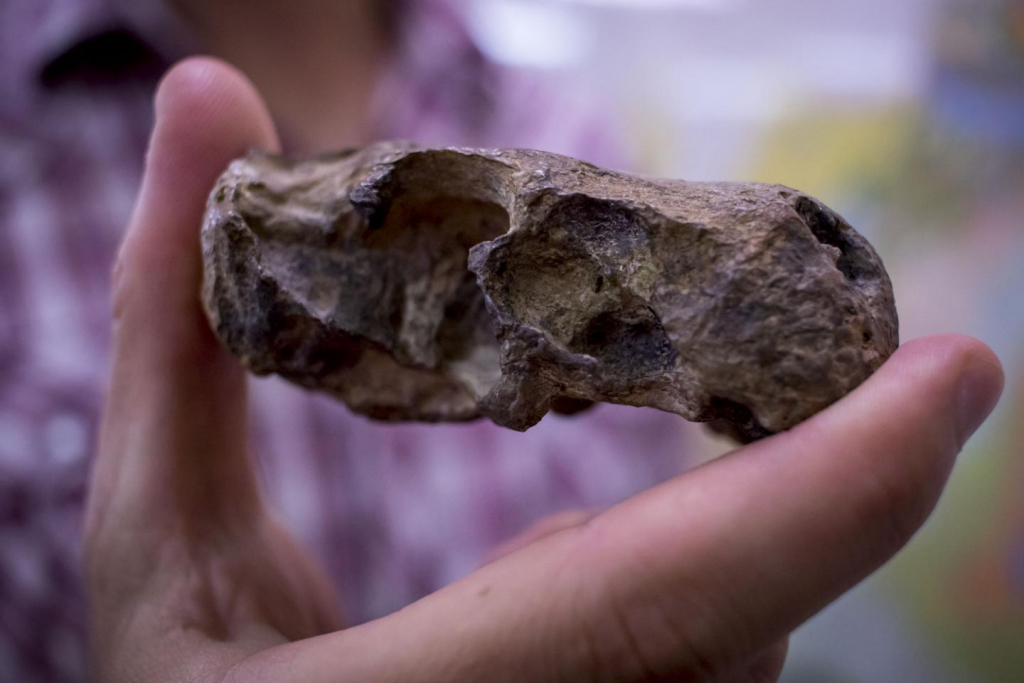
A kiss of death
Living in the Karoo, near Colesberg in South Africa, the Euchambersia developed a deep and circular fossa, just behind its canine teeth in the upper jaw, in which a deadly venomous cocktail was produced.
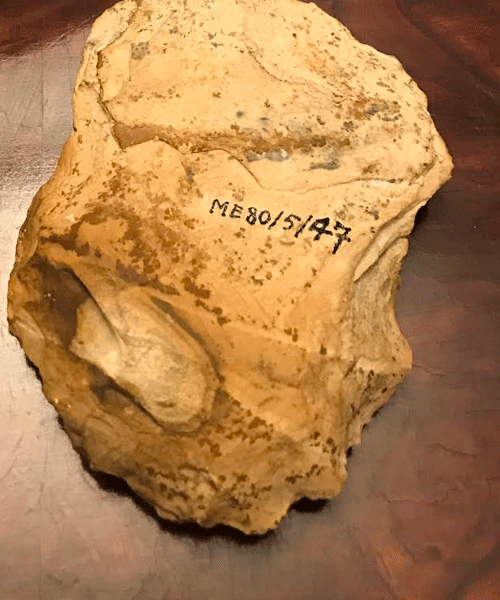
Egyptian artefact is repatriated after studies
A 35,000-year-old axe has been returned to Egypt by the Leuven University in Belgium.
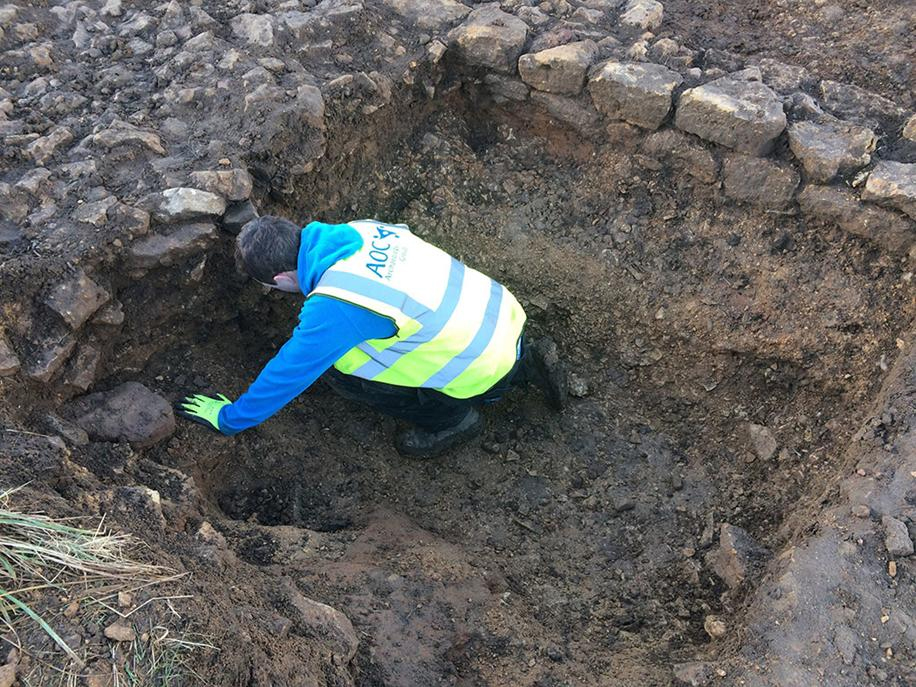
A fascinating glimpse into past Roman and Iron Age communities
Preliminary works for a relief road in Lincolnshire have provided a fascinating glimpse into past Roman and Iron Age communities, settlements and landscapes in the area.
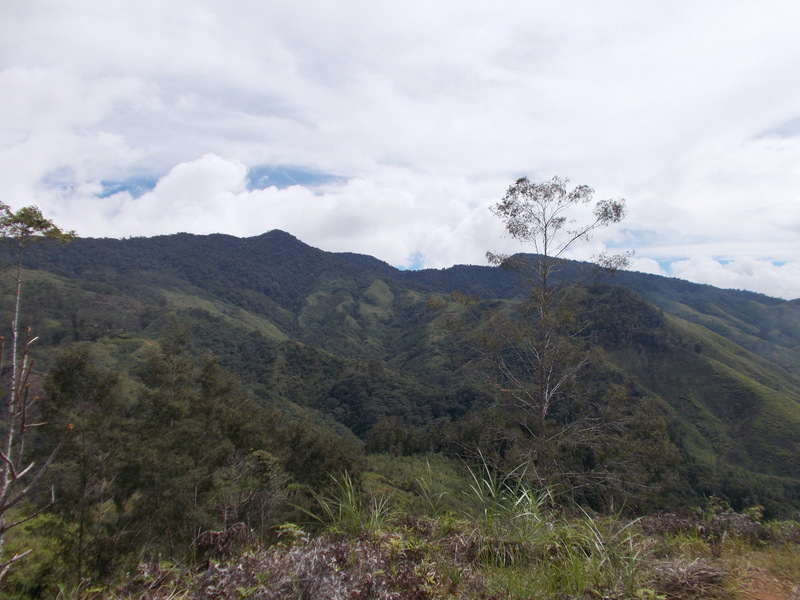
Were early humans forced to start farming or not?
Foraging lifestyles persisted in New Guinean tropical forest environments even after the advent of farming 8,000 years ago.
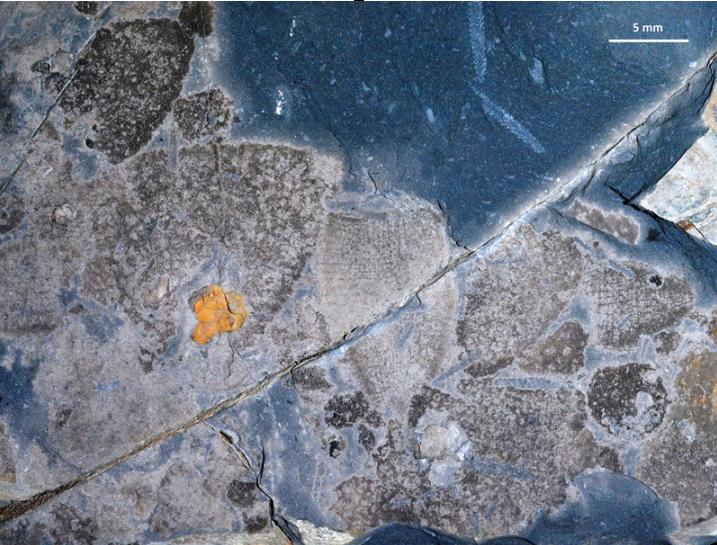
Fossil treasure-trove reveals post-extinction world ruled by sponges
A joint team of researchers from China and Britain have revealed a new fossil fauna preserving delicate skeletons and soft tissues, from the immediate aftermath of the Ordovician mass extinction.

Fossilised tree and ice cores help date 1,000 year-old volcanic eruption
An international team of researchers has managed to pinpoint, to within three months, a medieval volcanic eruption in east Asia the precise date of which has puzzled historians for decades.
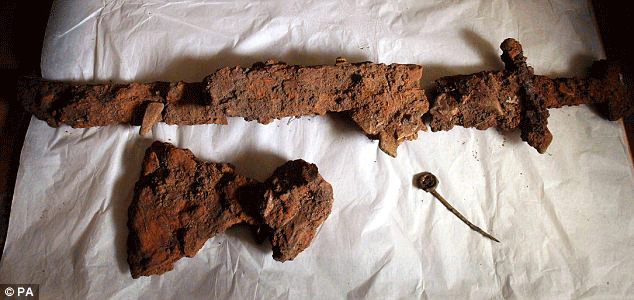
New information on 10th century Viking burial site
Researchers have shed new light on a Viking boat burial site in western Scotland, originally discovered in 2011.
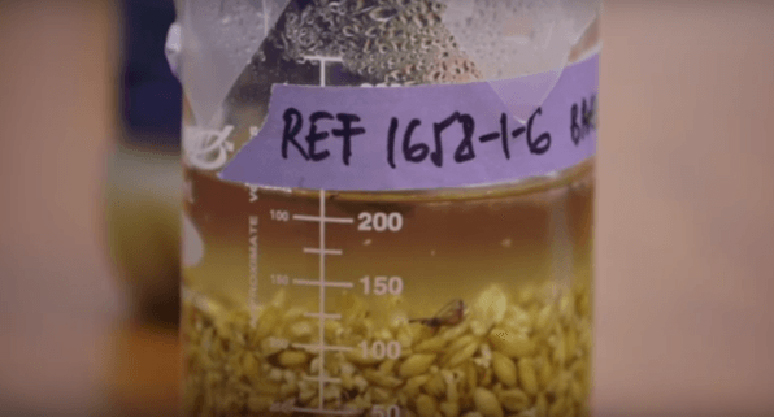
5,000 year old Chinese beer recipe recreated
Stanford University students brewed an ancient beer during class with Stanford archaeologist Li Liu, who discovered evidence of earliest beer-making in China as part of her recent research.
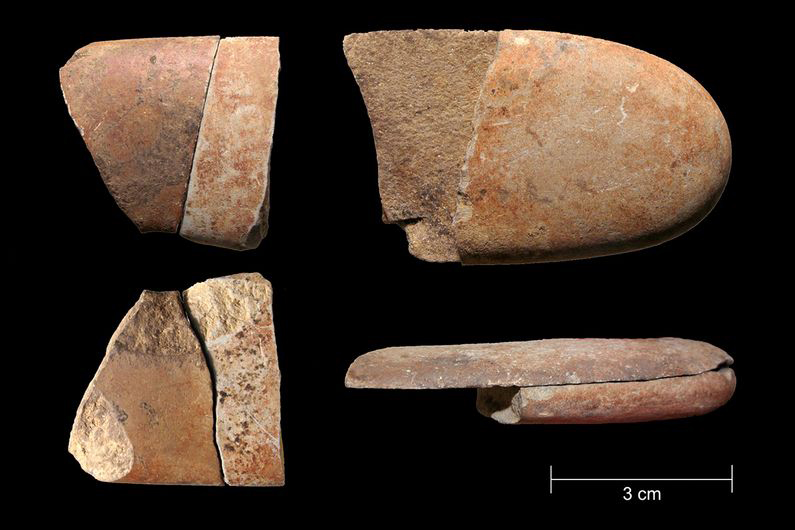
Broken pebbles offer clues to Paleolithic funeral rituals
Researchers from Canada, the U.S. and Italy uncover evidence that people in the Upper Paleolithic Period used stone spatulas to decorate the bodies of the dead with ochre.
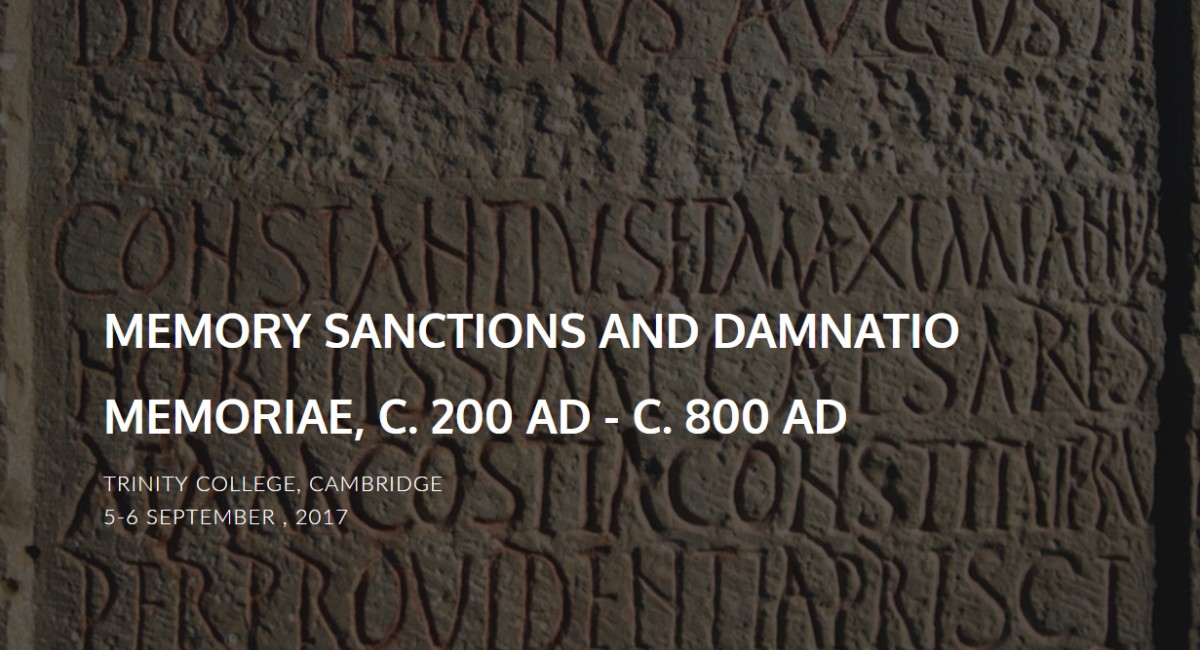
Memory sanctions and ‘damnatio memoriae’, c. 200AD – c. 800AD
This conference aims to bring together an interdisciplinary group of scholars to bridge the gap between Roman and medieval practices of memory sanction.

Deterritorializing Classics: Deleuze, Guattari, and their Philological Discontents
This panel asks how these two thinkers might aid us in “deterritorializing” classics—unraveling its entrenched structures, hermeneutics, and habits.
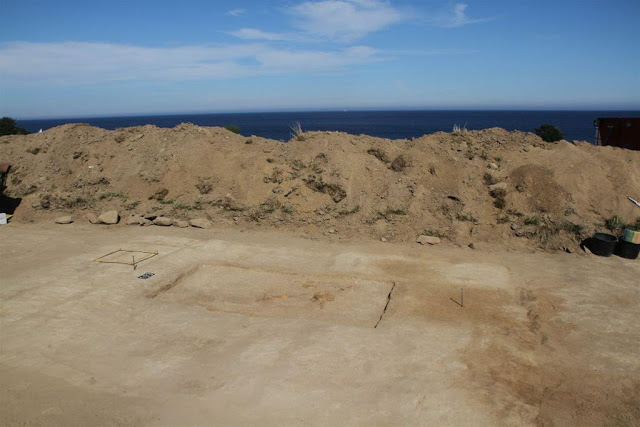
Elite burials discovered on Danish island of Bornholm
The research may also contribute to the knowledge of the socio-cultural situation on the island in the beginning of the Viking period.
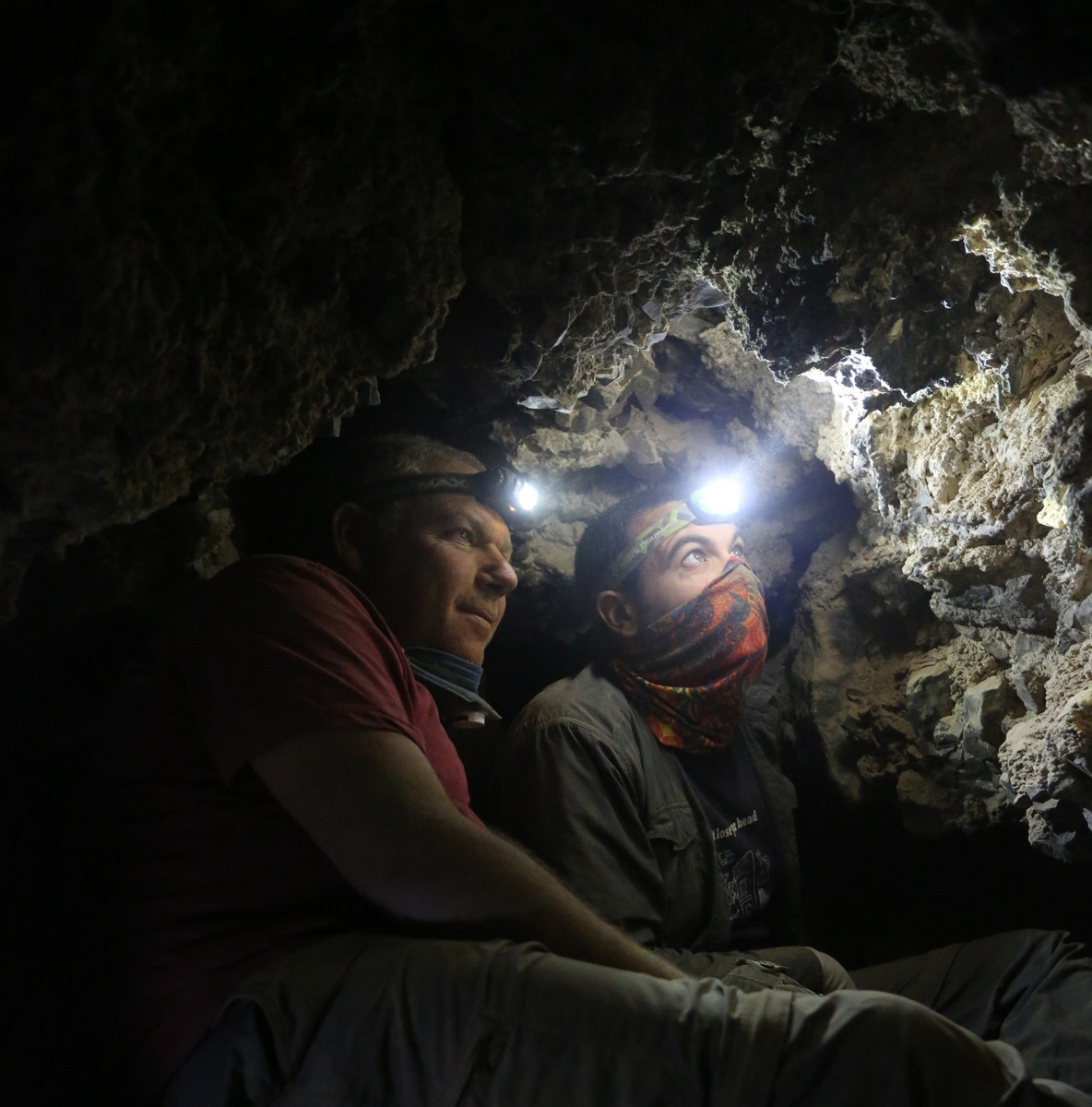
Archaeologists find 12th Dead Sea scrolls cave
Hebrew University archaeologists working near the Dead Sea have found a cave that previously contained Dead Sea scrolls, which were looted in the middle of the 20th century.
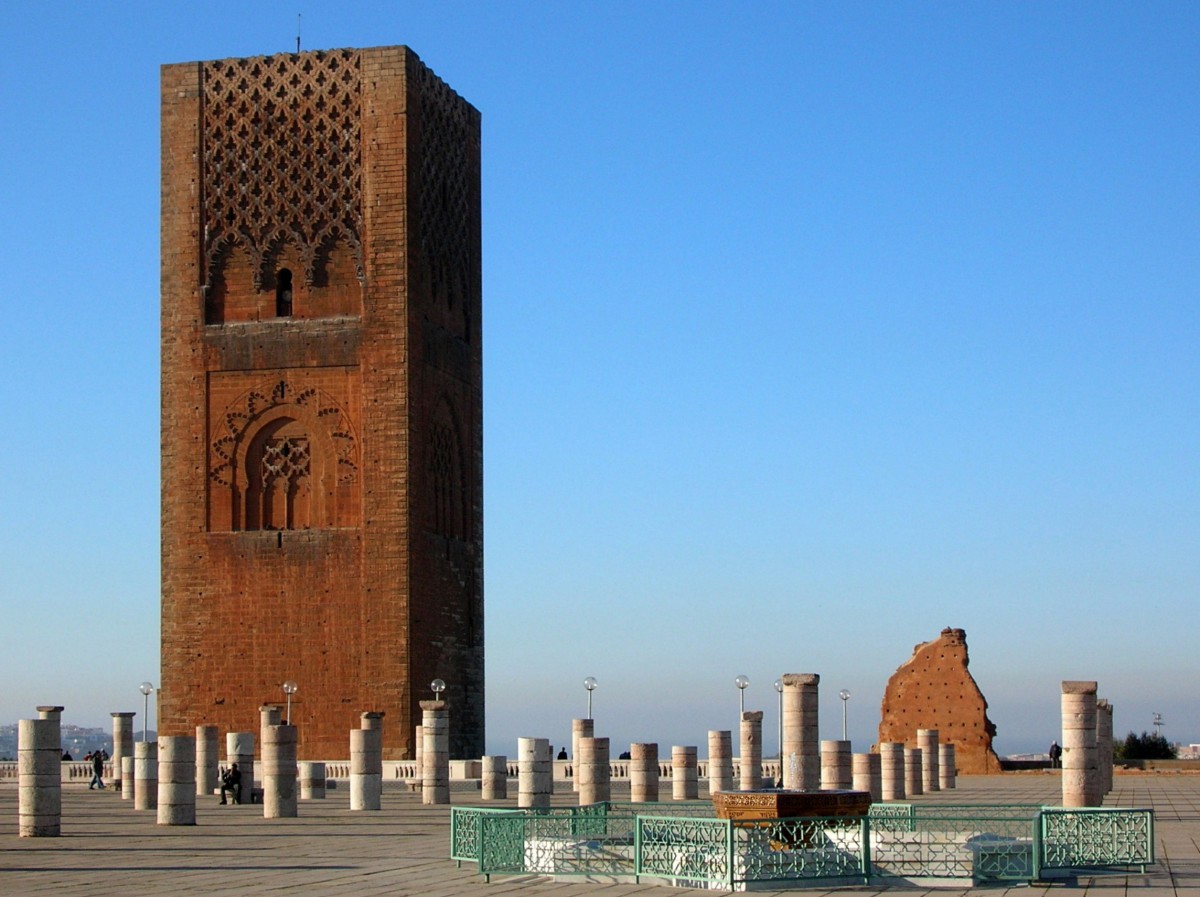
ICOM-CIMUSET 45th Annual Conference
Conference dedicated to the study of industrial heritage issues and aspects.