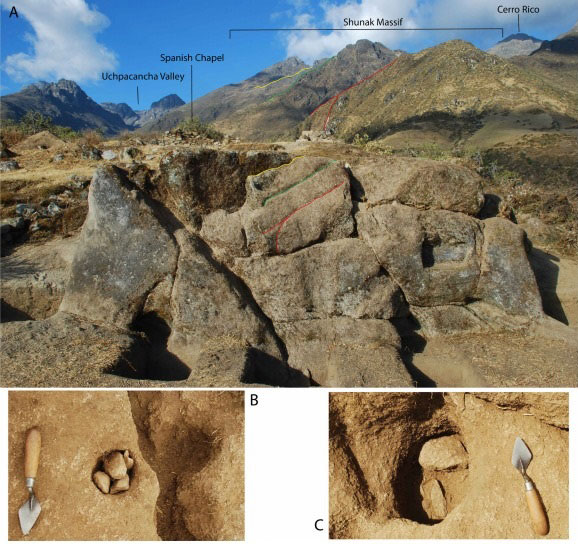
Understanding Andean concepts of death and renewal
Research in the Andes has yielded evidence for a complex association between settlement sites and mortuary monuments, tied to concepts of death, ancestor veneration and water.
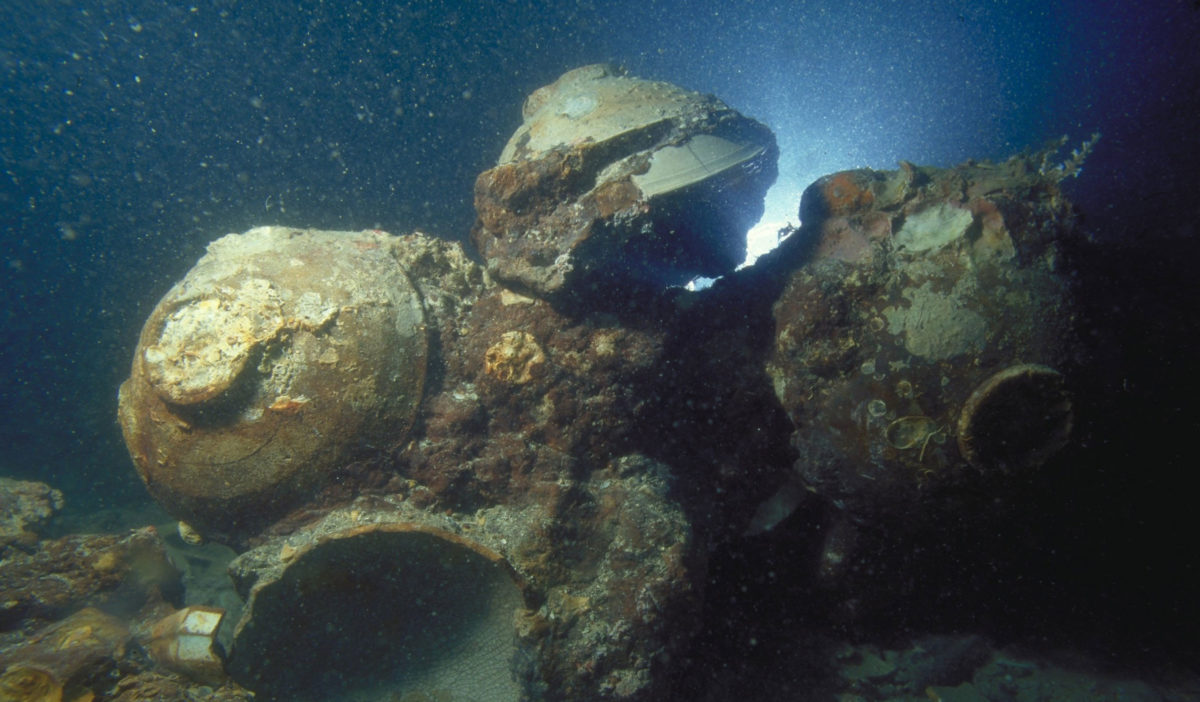
A shipwreck and an 800-year-old ‘made in China’ label reveal lost history
Centuries ago, a ship sank in the Java Sea off the coast of Indonesia. The wooden hull disintegrated over time, leaving only a treasure trove of cargo.
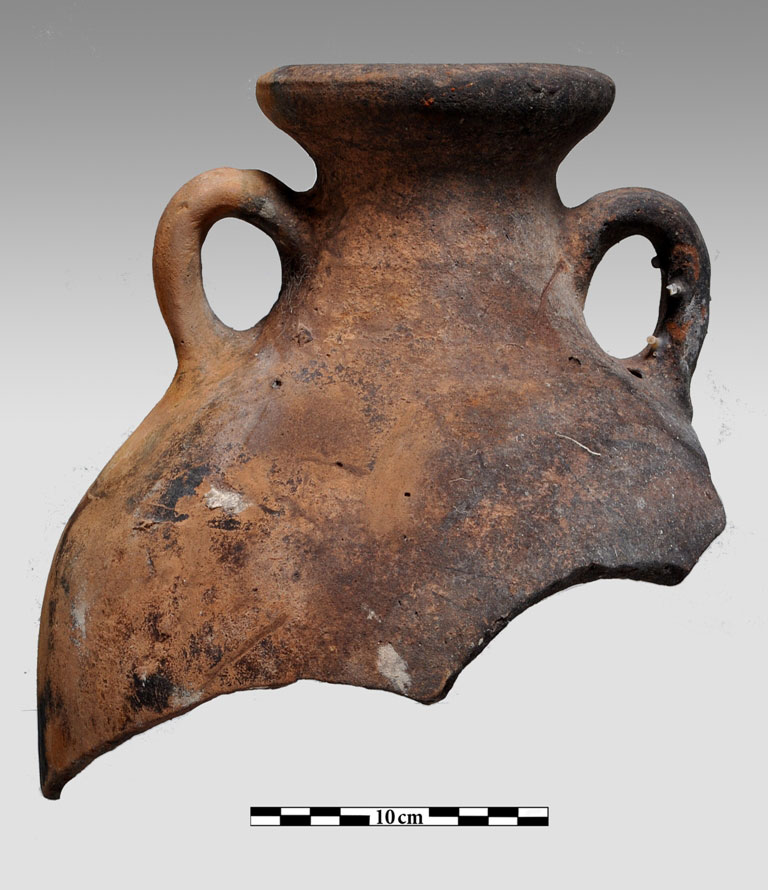
Ionian shipwrecks and antiquity smuggling
The Ionian is a sea that compared with the Aegean remains relatively unexplored, says Pari Kalamara, head of the Ephorate of Underwater Antiquities.

London’s Design Museum is the Best Museum of the Year
The European Museum of the Year Award 2018 goes to the Design Museum, London, United Kingdom.
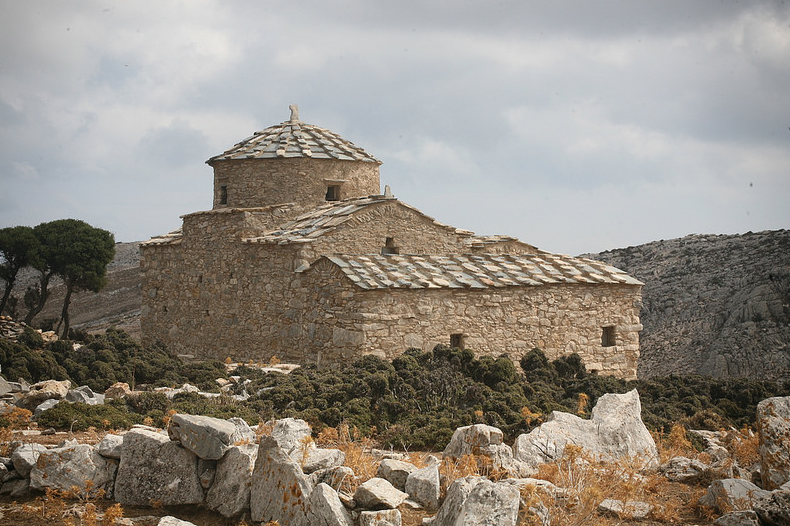
EU Prize for Cultural Heritage / Europa Nostra Awards 2018
The winners of the 2018 EU Prize for Cultural Heritage / Europa Nostra Awards, Europe’s top honour in the field, were announced today by the European Commission and Europa Nostra, the leading European heritage network.
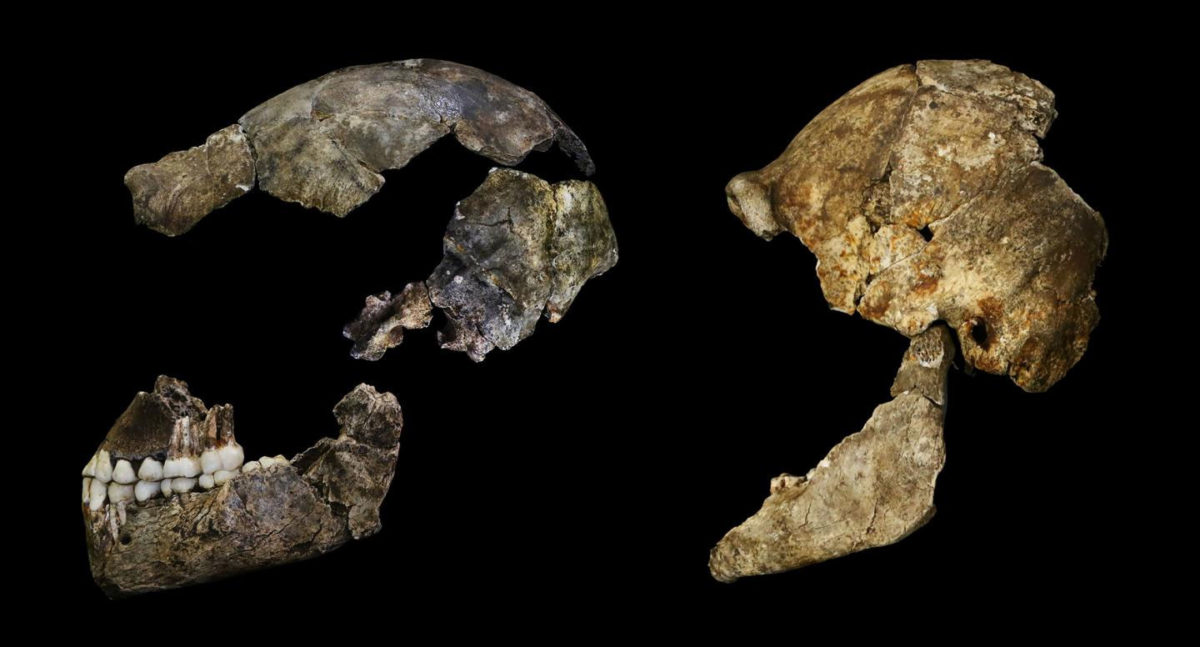
Where hominid brains are concerned, size doesn’t matter
New research examines the imprints of the brain upon the skulls of Homo naledi, called endocasts.
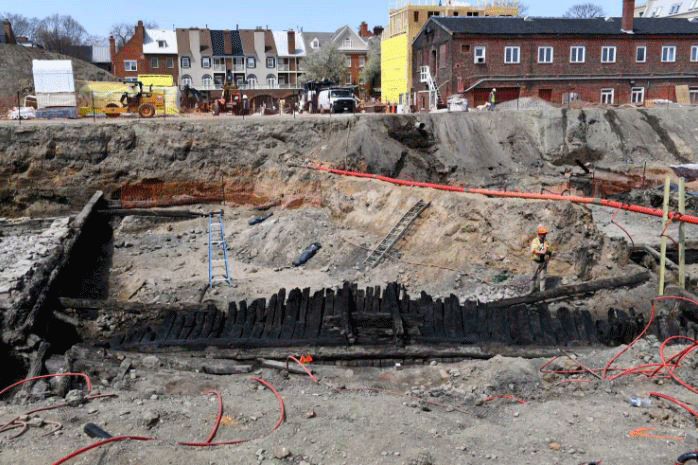
Three ships used as landfill in 18-century Virginia have been found
In Old Town Alexandria archaeologists have unearthed the remains of three colonial-era ships which were used as landfill at the time, near the site where another ship had been discovered in 2015.
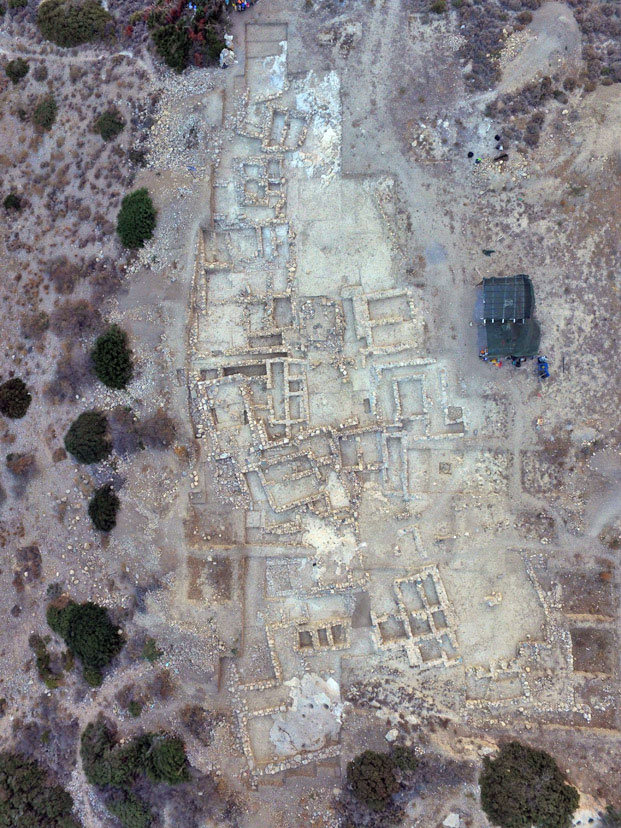
Excavation at Minoan cemetery of Petras “left hanging”
Not for lack of money, but because it seems that a private citizen can obstruct access to the excavation site.
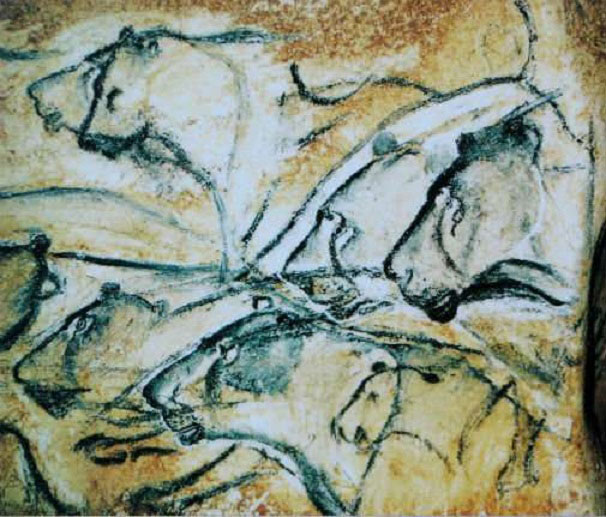
How our ancestors with autistic traits led a revolution in Ice Age art
The ability to focus on detail, a common trait among people with autism, allowed realism to flourish in Ice Age art, according to researchers at the University of York.
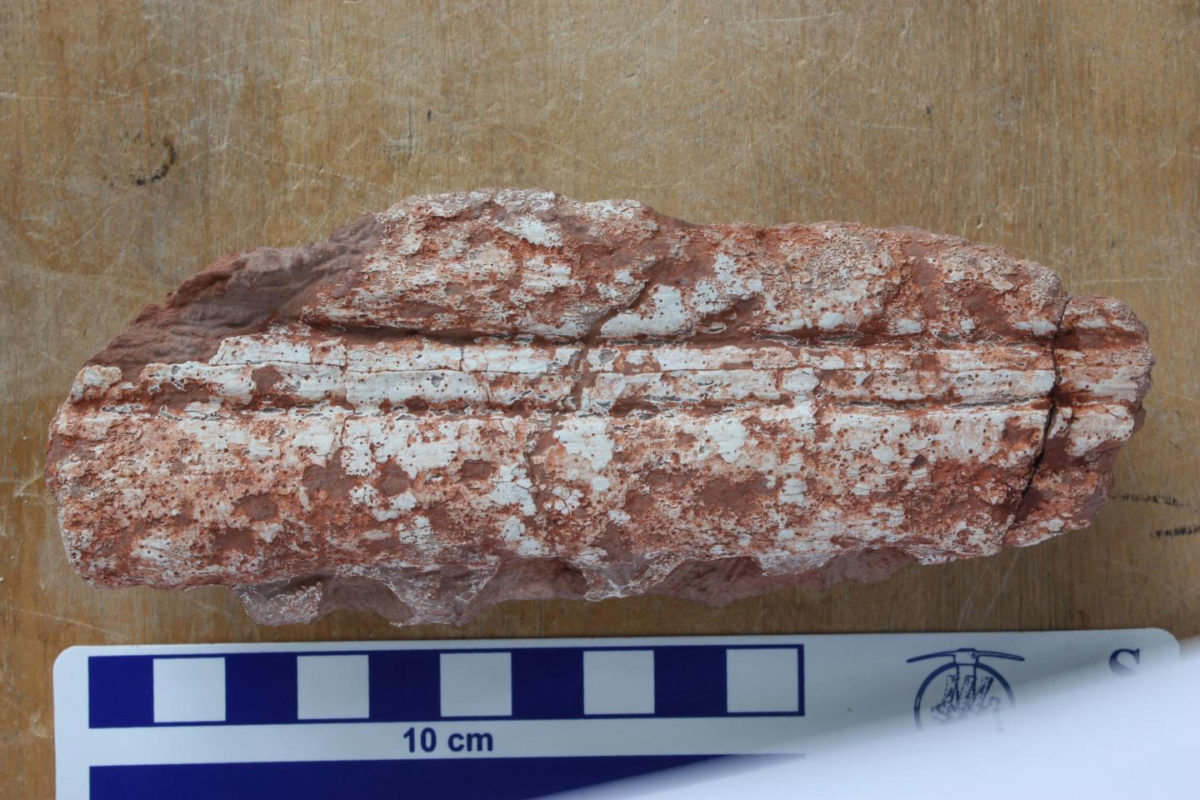
Jurassic fossil tail tells of missing link in crocodile family tree
A 180 million-year-old fossil has shed light on how some ancient crocodiles evolved into dolphin-like animals.
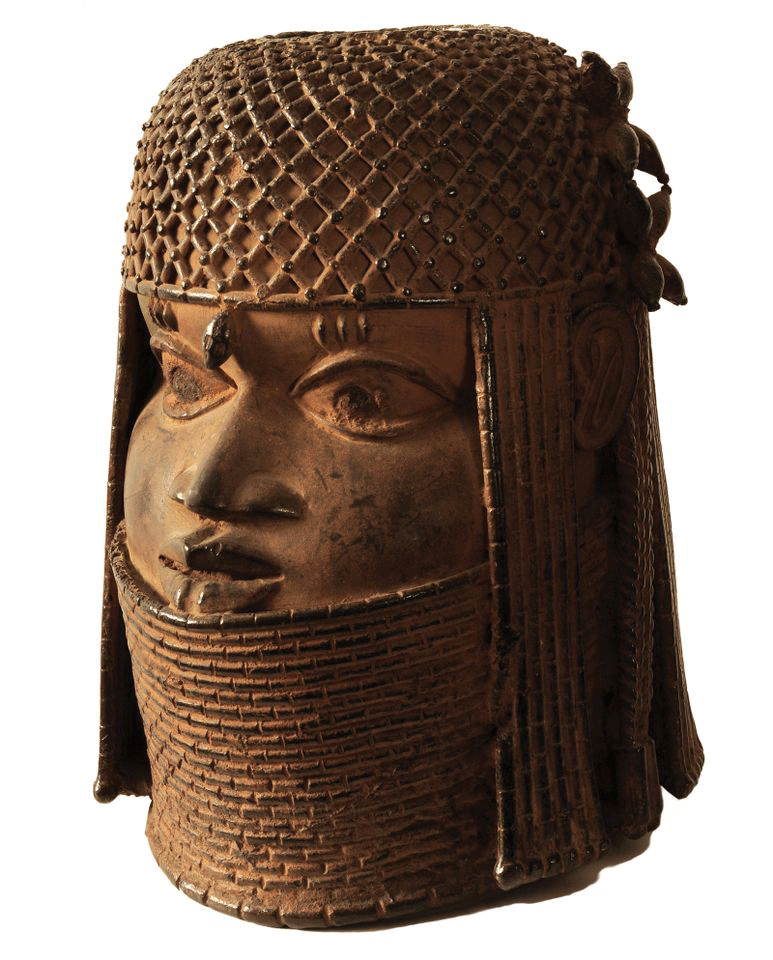
Germany is to fund research for looted artifacts in its museums
The provenance of colonial-era artifacts in the collections of German museums will be investigated, as the state is to provide funding for this cause.
500-year-old Leaning Tower of Pisa mystery unveiled by engineers
Group of 16 engineers has investigated why the Leaning Tower of Pisa has survived the strong earthquakes that have hit the region since the middle ages.
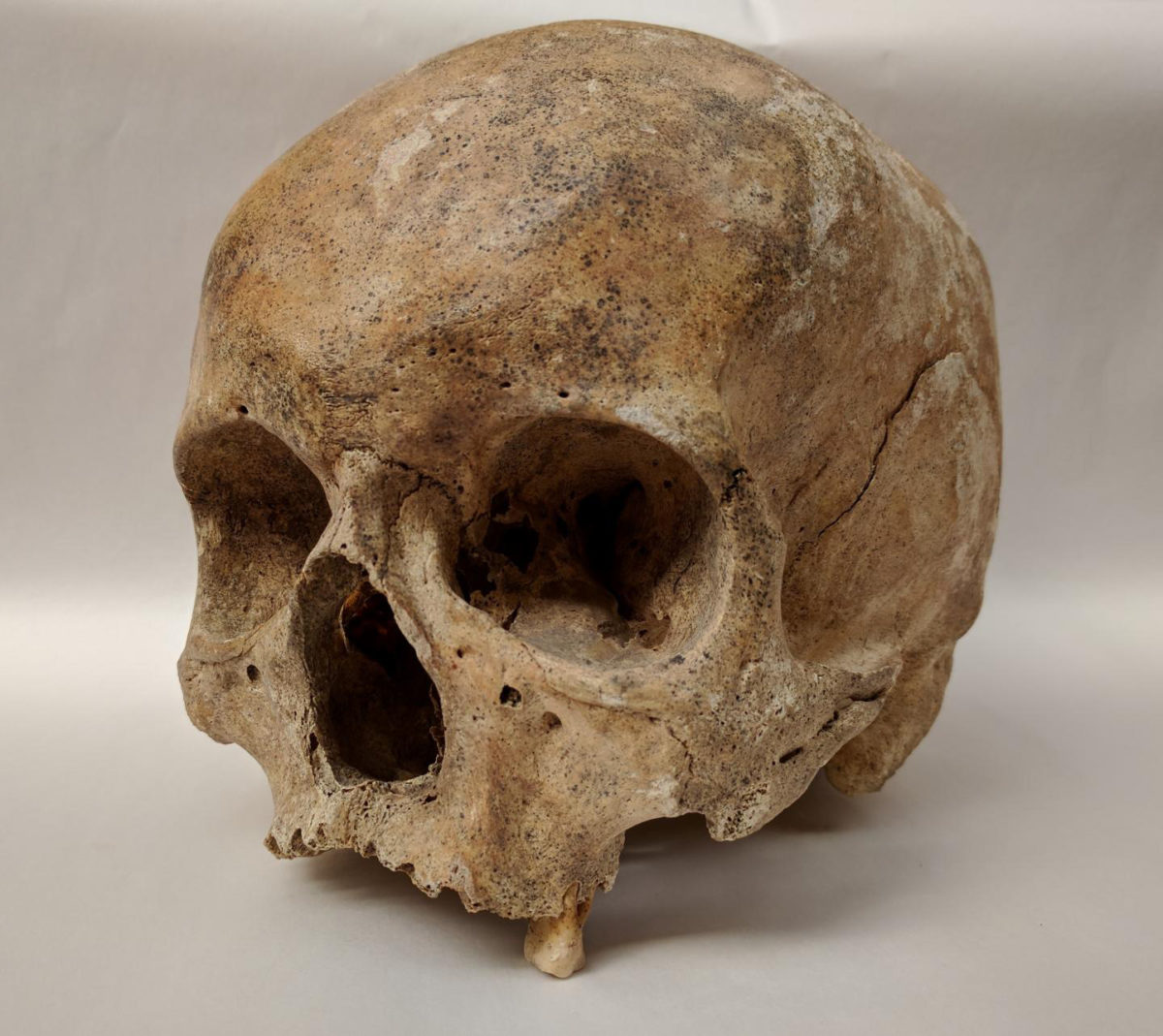
A European origin for leprosy?
The largest study to date on ancient leprosy DNA reveals previously unknown diversity of strains in Medieval Europe.
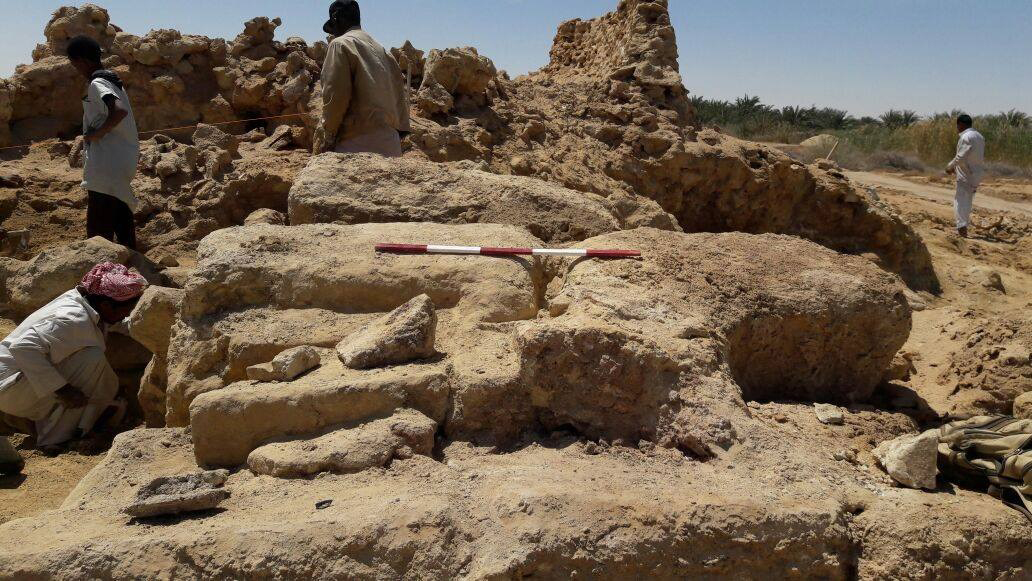
Roman temple from reign of Emperor Antonius Pius discovered in Egypt
An archaeological project by the Ministry of Antiquities in Egypt has announced the discovery of a Roman temple from the 2nd century CE.
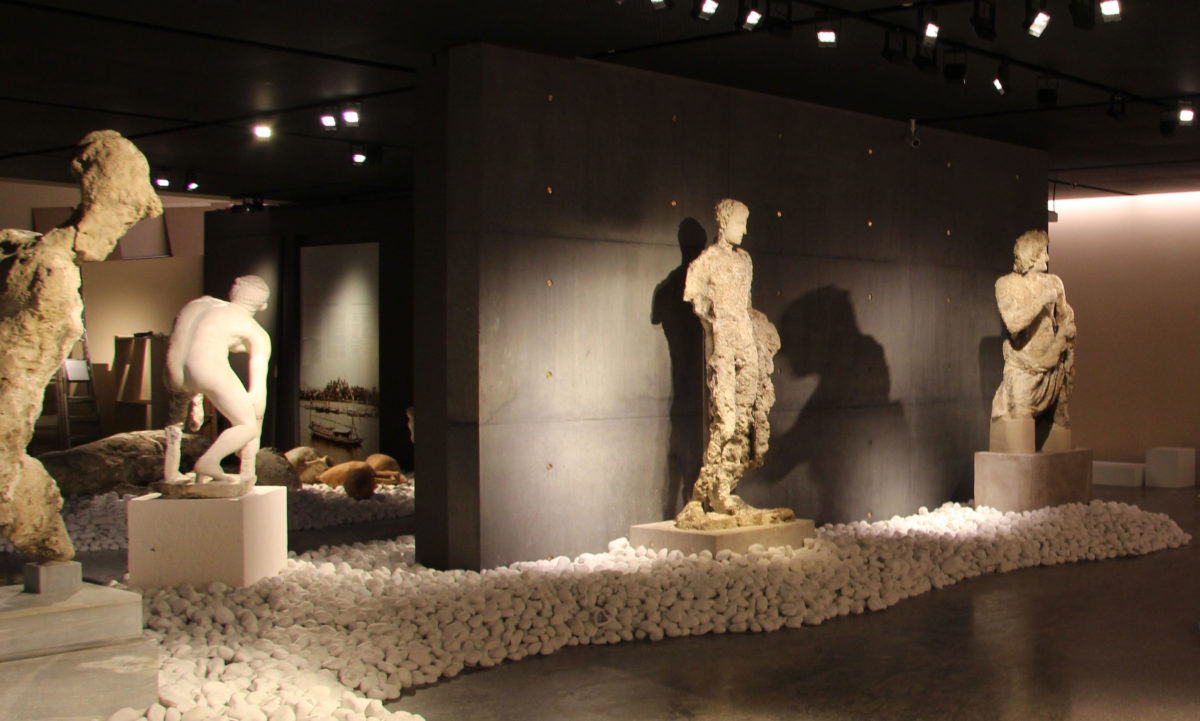
“The Antikythera Shipwreck” will travel to Beijing
The temporary exhibition had been on at the National Archaeological Museum from 2012 to 2014 drawing 800,000 visitors.
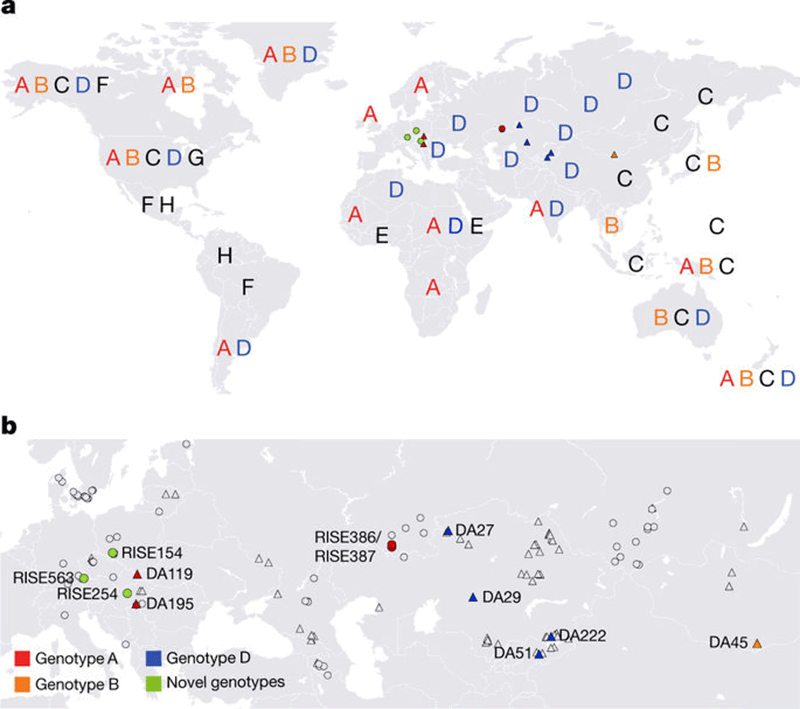
Evidence of Hepatitis B have been found in Bronze Age DNA
Researchers have found that evidence of Hepatitis B in human DNA dates back to the Bronze Age, earlier than previously though.
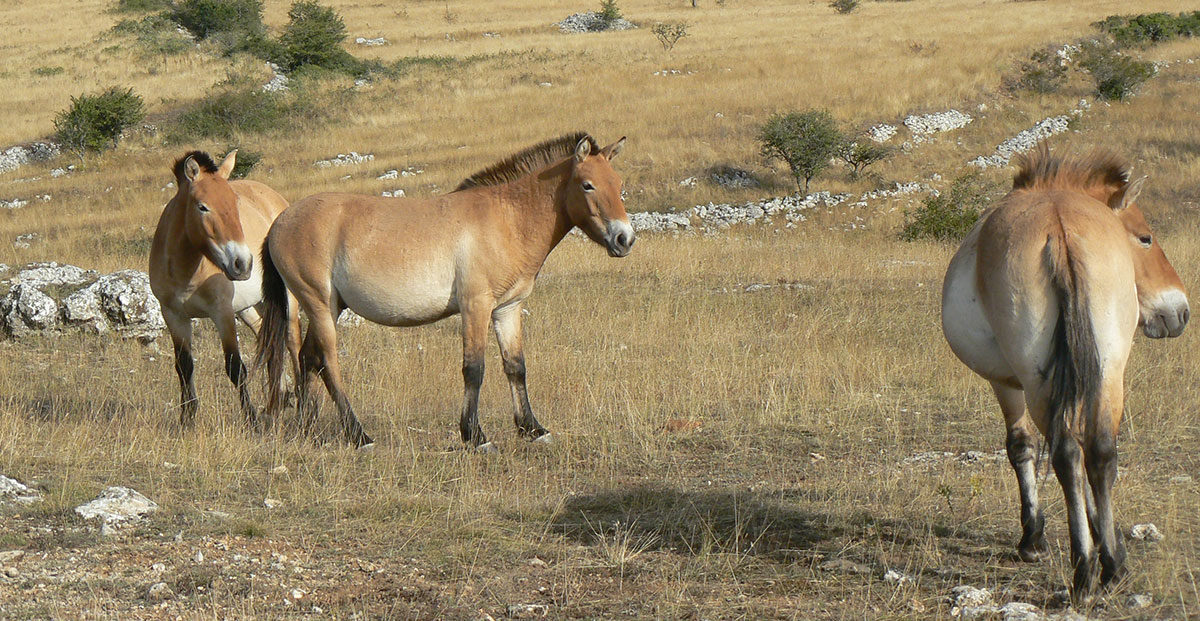
How Indo-European languages spread across Asia
The research sheds new light on the long-standing “steppe theory” on the origin and movement of Indo-European languages made possible by the domestication of the horse.
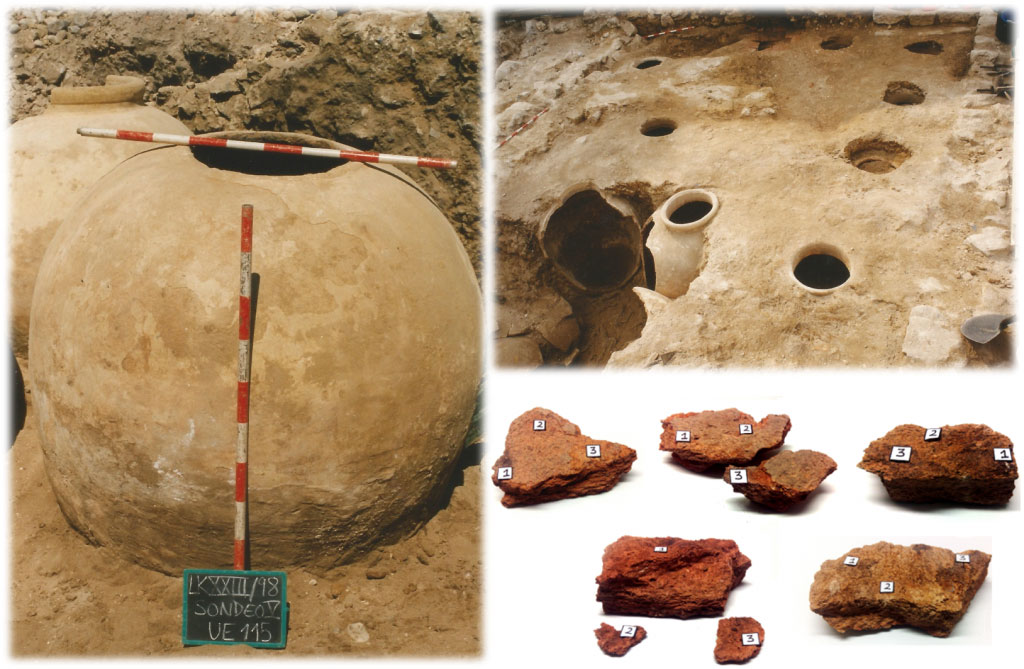
Finding out about the history of Basque whalers by studying pottery fragments
Ceramic vessels found on a site in Lekeitio were in fact used to store whale oil.
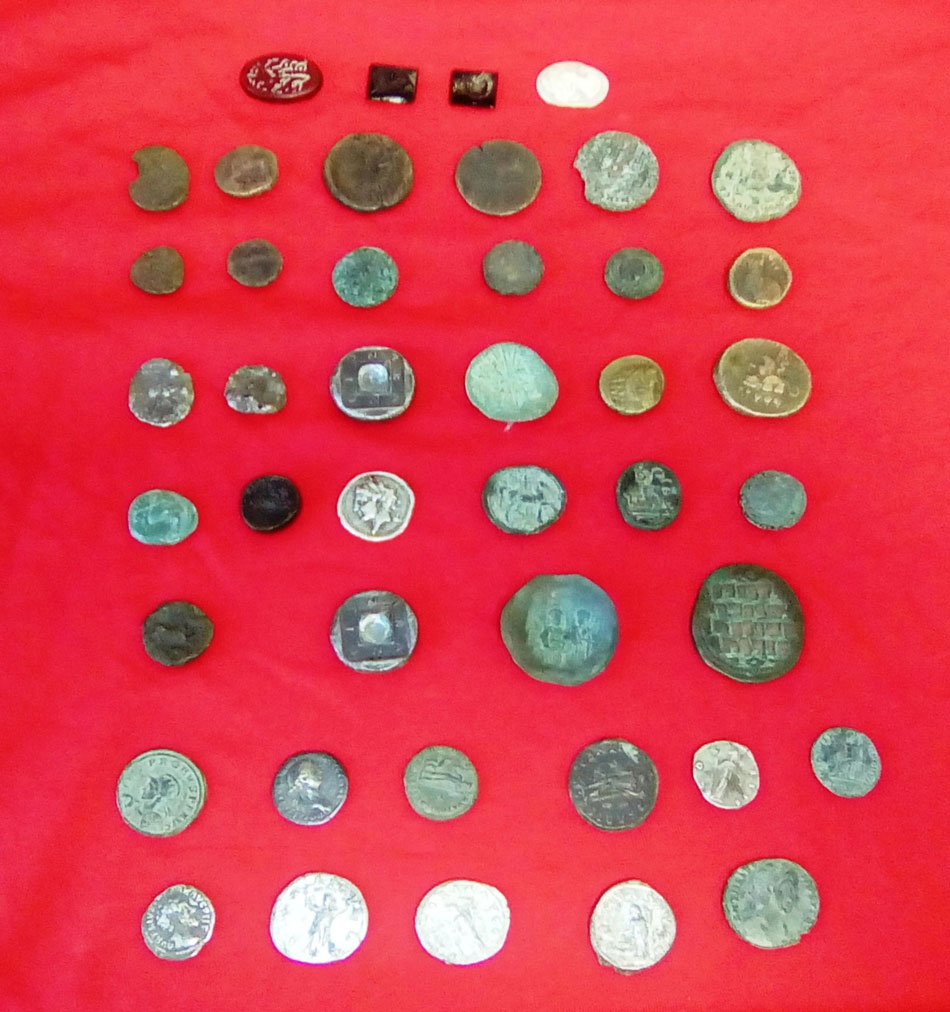
Thessaloniki: Two arrests for a case of antiquity smuggling
Found in their possession and confiscated were 38 ancient coins and portable icons that fall under the provisions of the Law “On protection of antiquities and cultural heritage in general”.
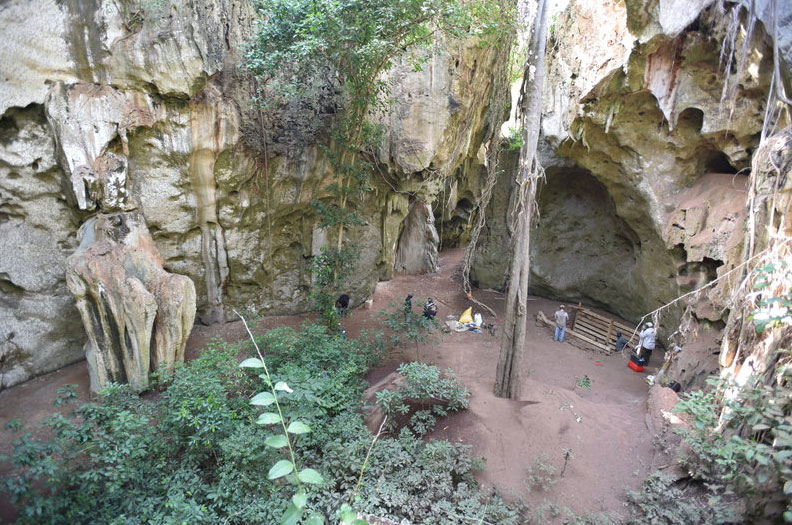
78,000 year cave record from East Africa shows early cultural innovations
A project led by the Max Planck Institute for the Science of Human History has excavated the Panga ya Saidi cave site, in the coastal hinterland of Kenya.
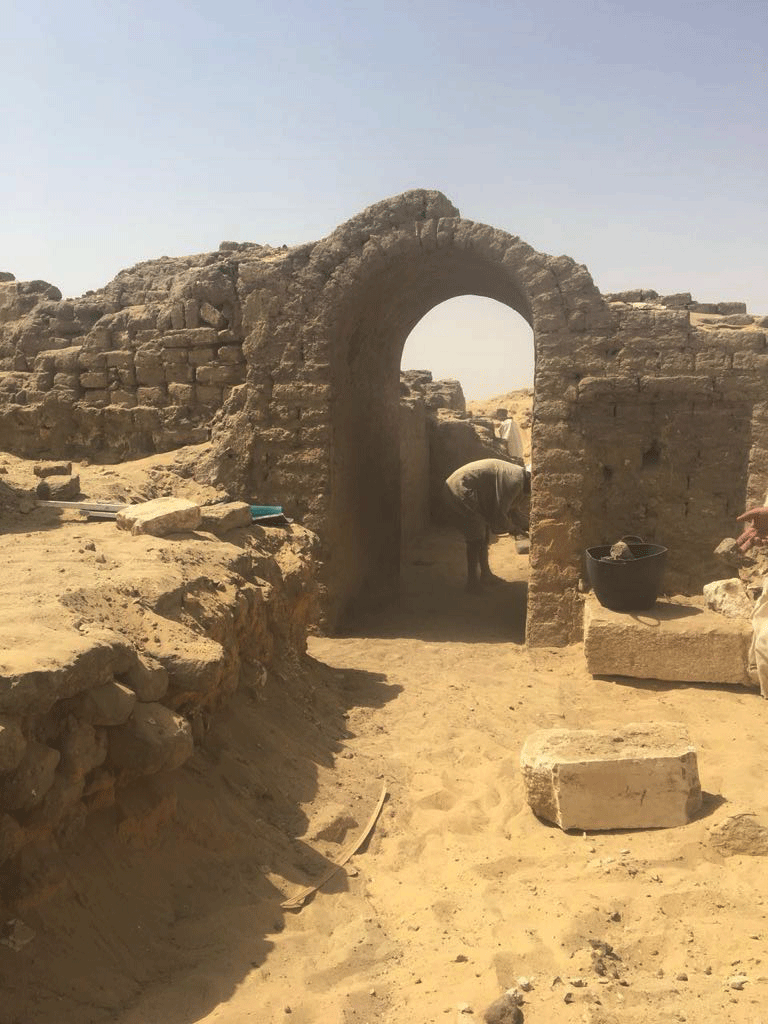
The ancient tomb of an army general has been found in Egypt
Archaeologists in Egypt have uncovered the tomb of the Great Army General in the period of King Ramses II in Saqqara.
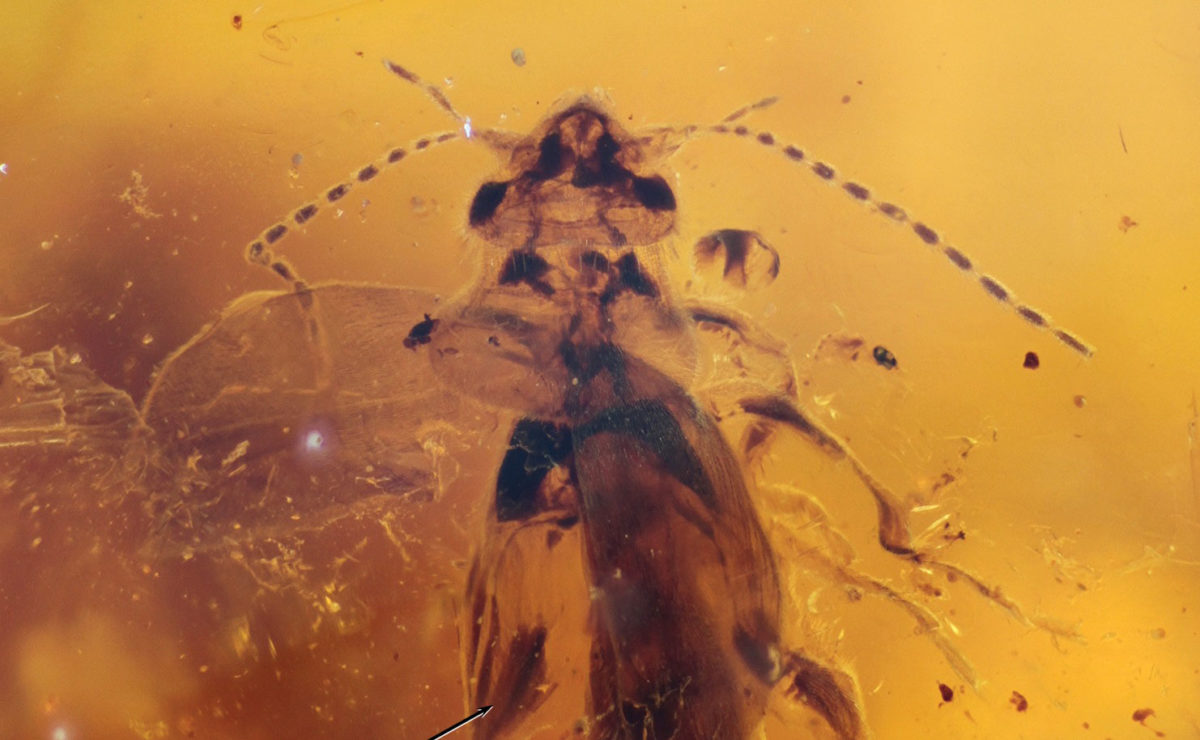
Is amber tricking palaeontologists?
When we see a ring or glassware made of amber, most of the times we think about its aesthetic or economic value.
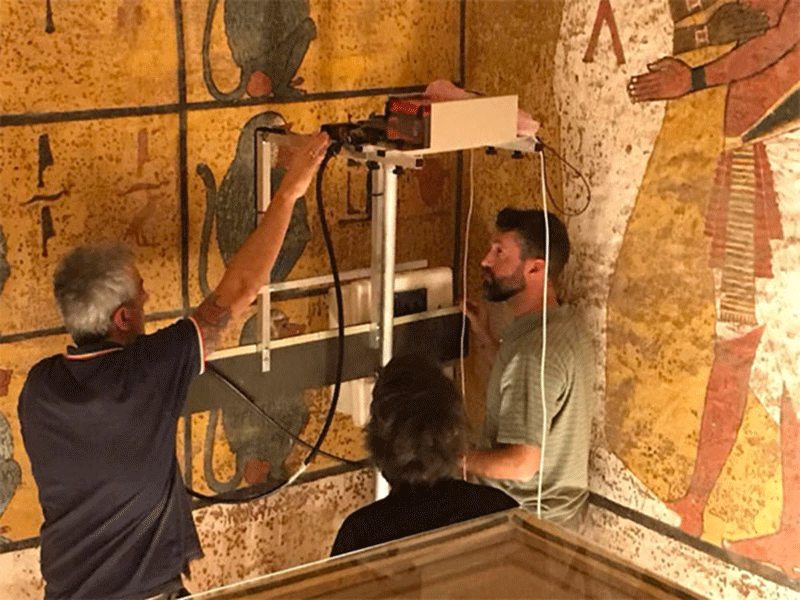
Tutankhamun’s tomb contains no secret chamber
The theory that a secret chamber existed in Tutankhamun's tomb, Egypt, has been rejected, scientists concluded after special scans were performed at the site.
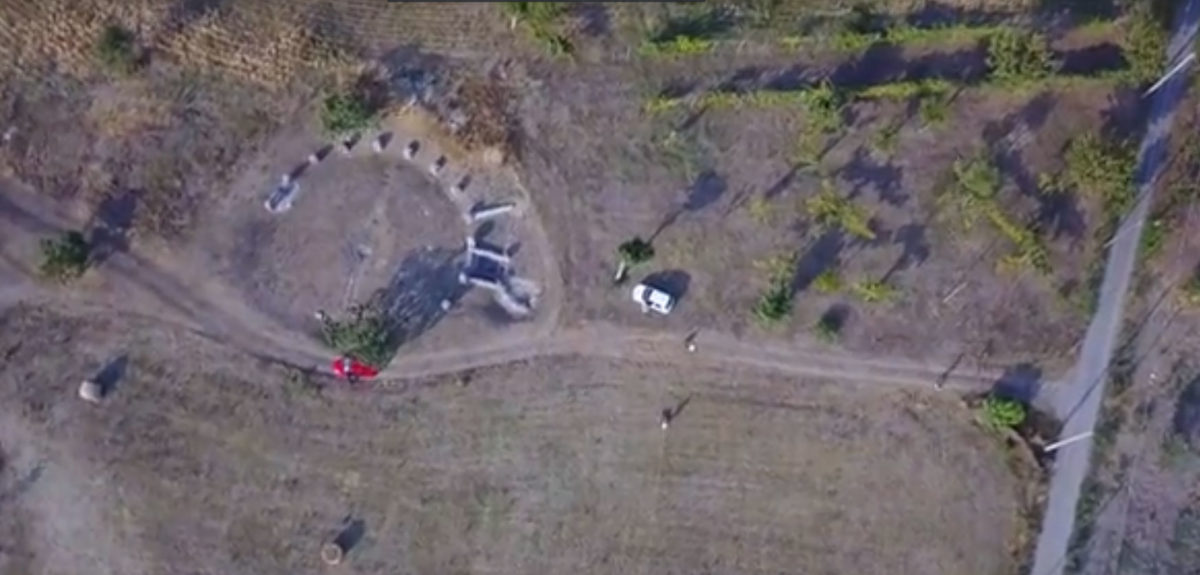
Geophysics Summer School at Aeclanum
Following the success of the 2017 season, the University of Edinburgh - Apolline Project excavations at Aeclanum will again run a summer school in geophysical survey in 2018.