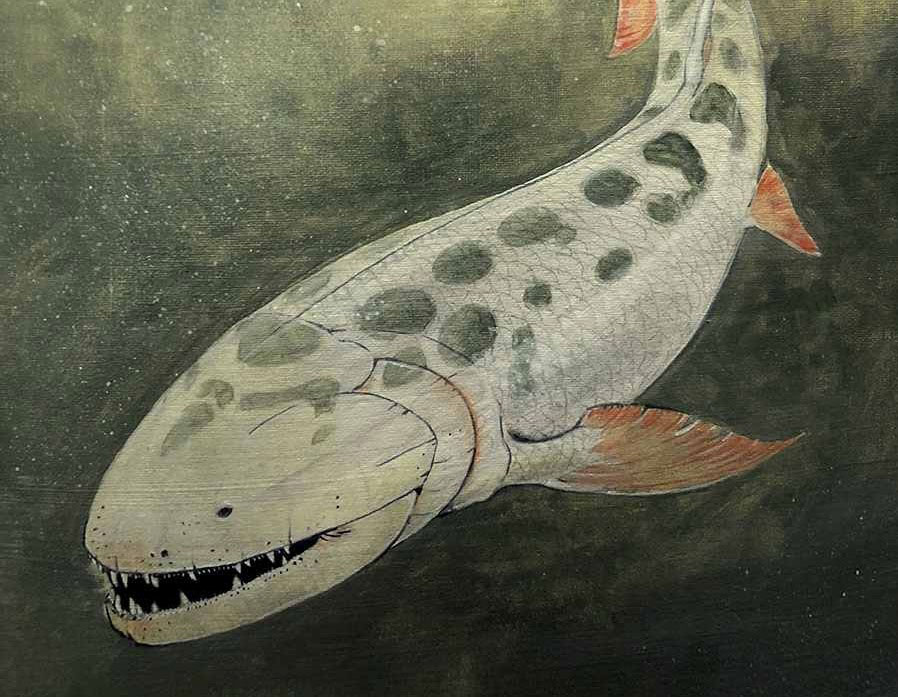
25 years of fossil collecting yields clearest picture of extinct 12-foot aquatic predator
After 25 years of collecting fossils at a Pennsylvania site, scientists at the Academy of Natural Sciences of Drexel University now have a much better picture of an ancient, extinct 12-foot fish and the world in which it lived.
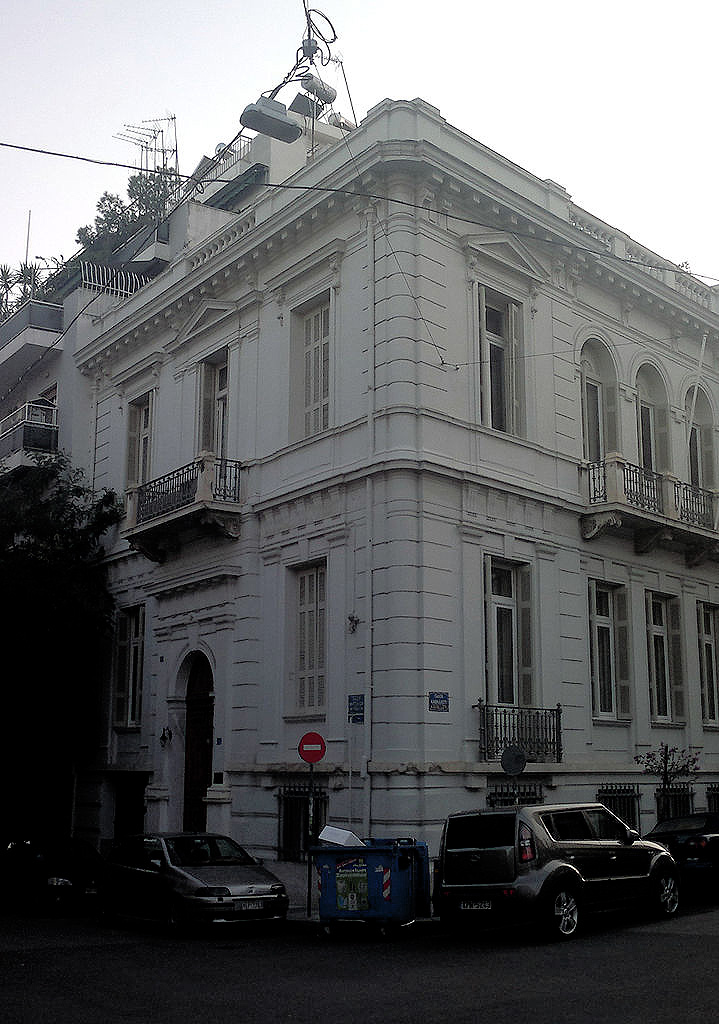
Future For The Past: studying the past in the digital age
What role does the digital have in our study of the past? Is the digital always superior to the material/physical? These questions were central to discussions held during the conference at the Swedish Institute in Athens (February 13 - 15, 2018).
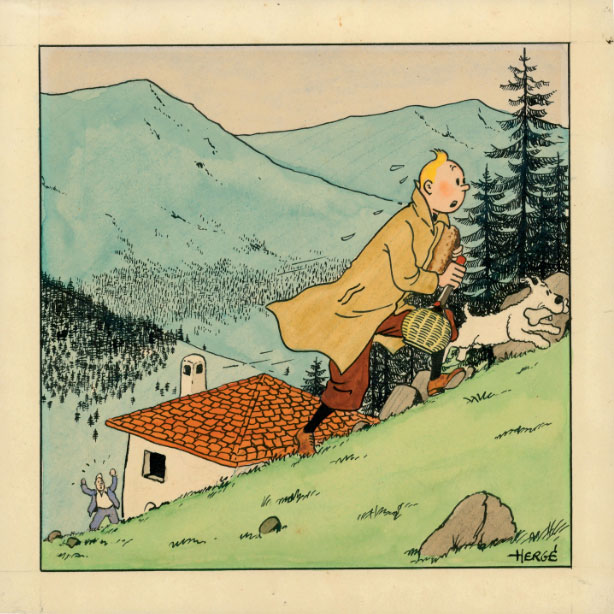
Sold for 629,000 Euros: a rare water colour by Hergé
Hergé designed and painted the water colour for the cover of the weekly magazine supplement “Petit Vingtième” that circulated on June 22 1939.
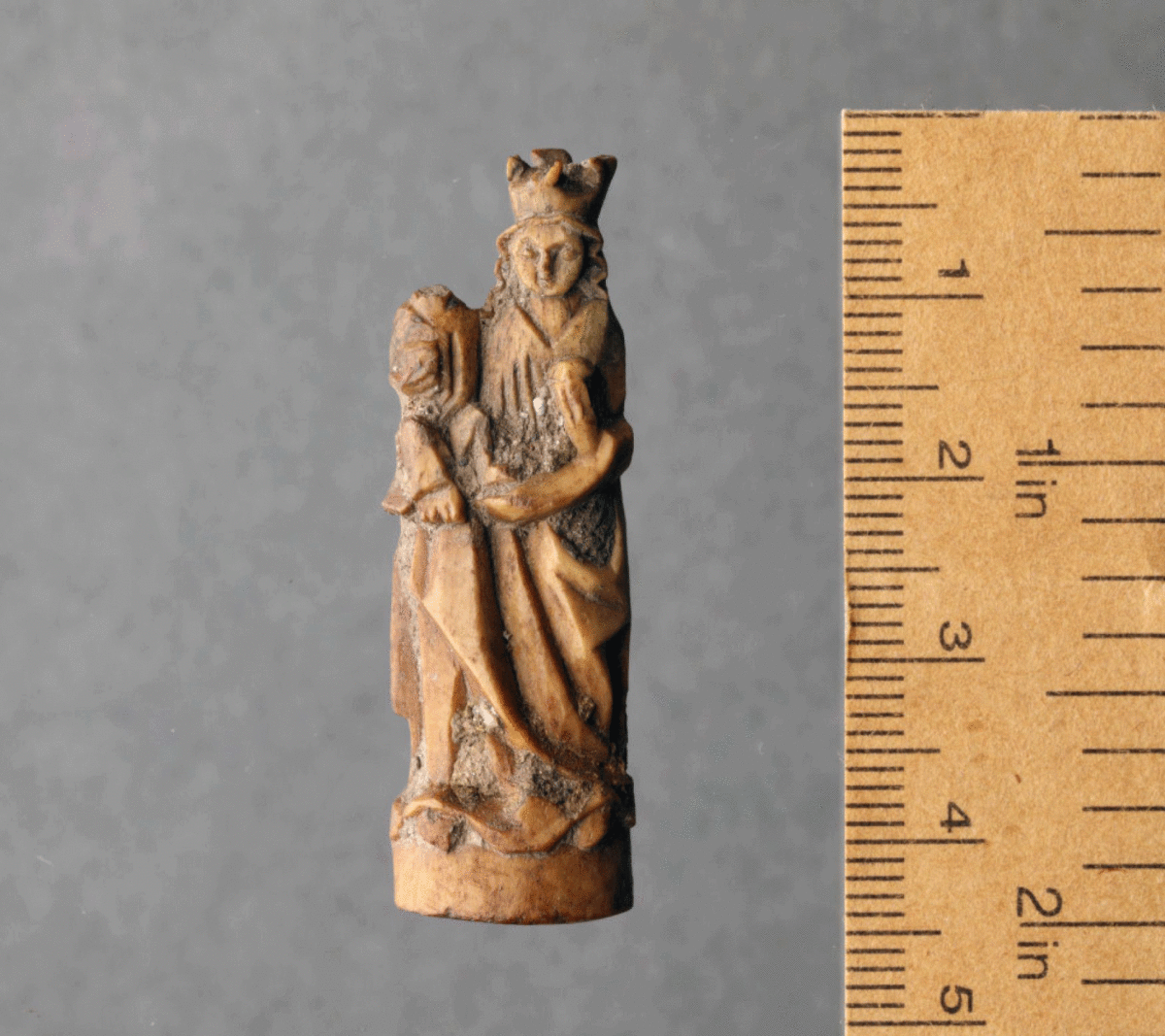
City of Prague Museum presents excavation findings
The findings from two excavations in the centre of Prague have been published by the City of Prague museum, including items from Medieval Times and a rare statuette of a Madonna.
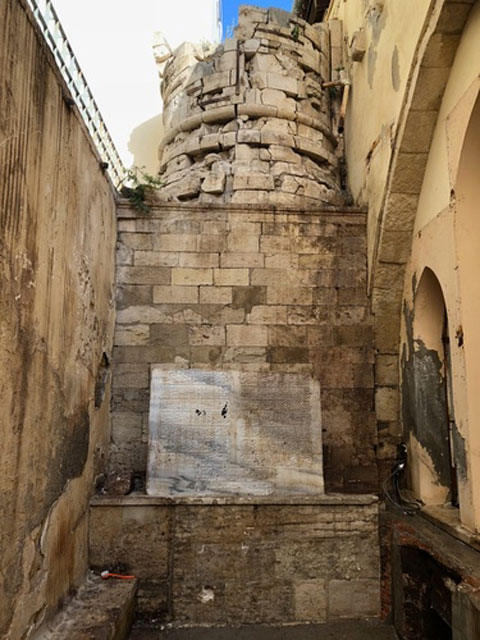
Turkish inscription found at the Agios Markos Basilica of Heraklion
The find, which came to light during recent restoration works at the monument, is an important evidence directly related to the history of the Agios Markos Basilica.
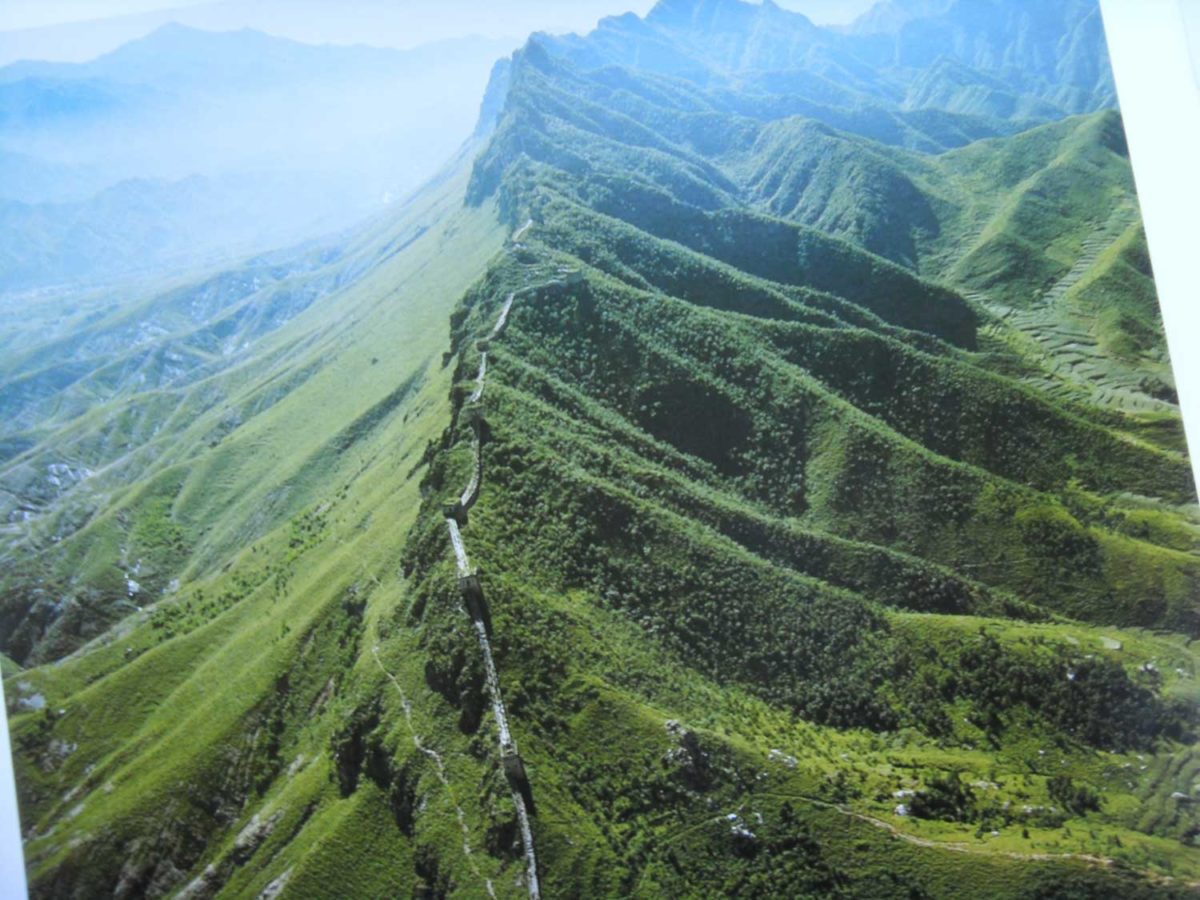
Catastrophes to the Great Wall of China caused by antiquity smugglers
Illegal excavations have caused dozens of holes to be punched through a section of the Great Wall of China in the autonomous region of Inner Mongolia in northern China.
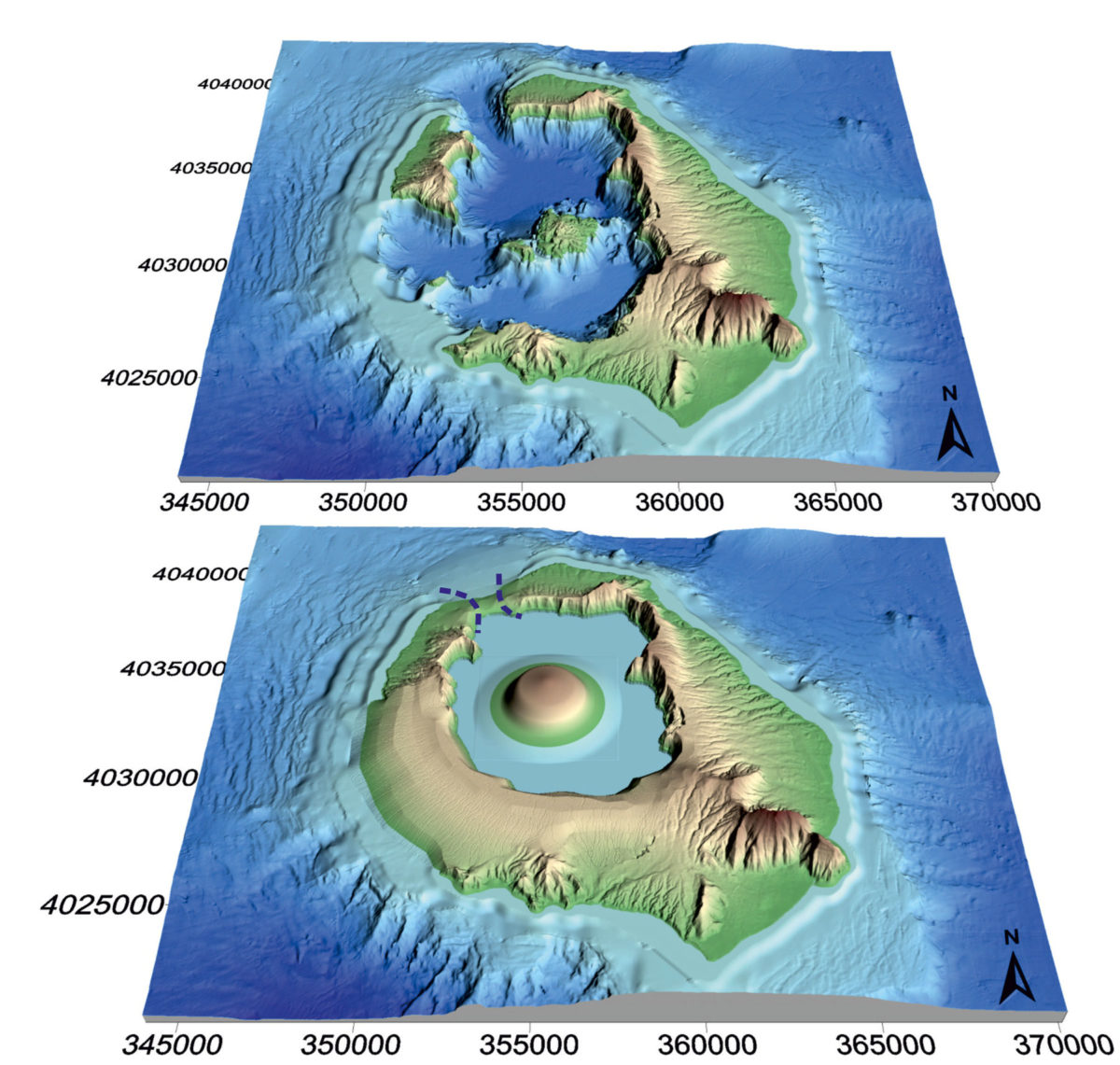
New study brings to life the ancient volcanic island Kameni
Researchers have studied for the first time submarine deposits of the famous Minoan eruption on the seabed and pieces of andesite lava in the pumice stone and have proceeded to the reconstruction of the so-called Pre-Kameni.
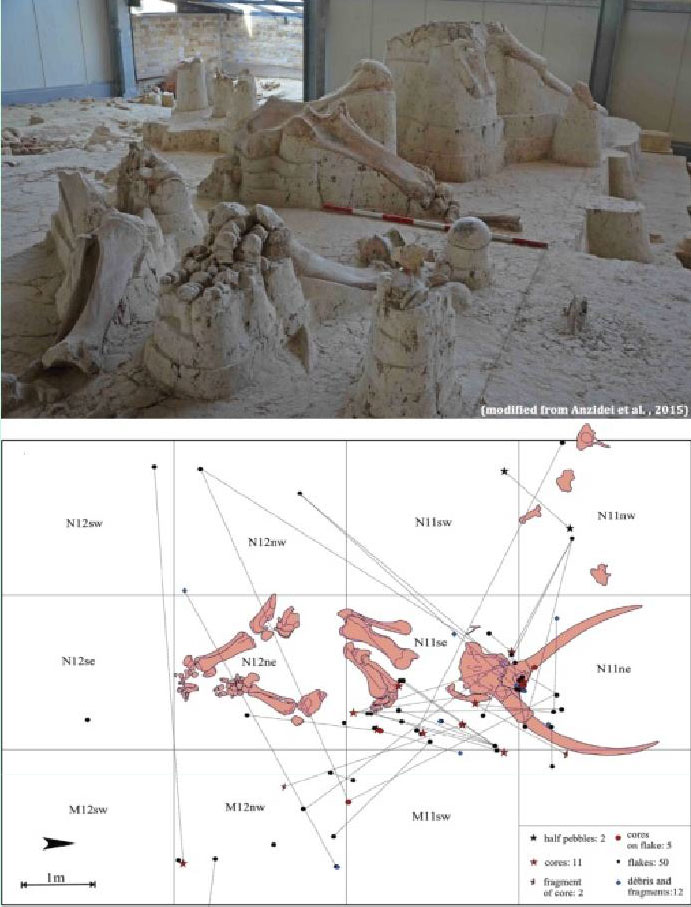
Hominins and Elephants in the Pleistocene: a Lesson from the Mediterranean
Palaeolithic Seminar, which will be presented by Maria Rita Palombo (Professor at La Sapienza of Rome) and Eugenio Cerilli (Muzeo Nationale Romano e l’Area Archeologica di Roma).
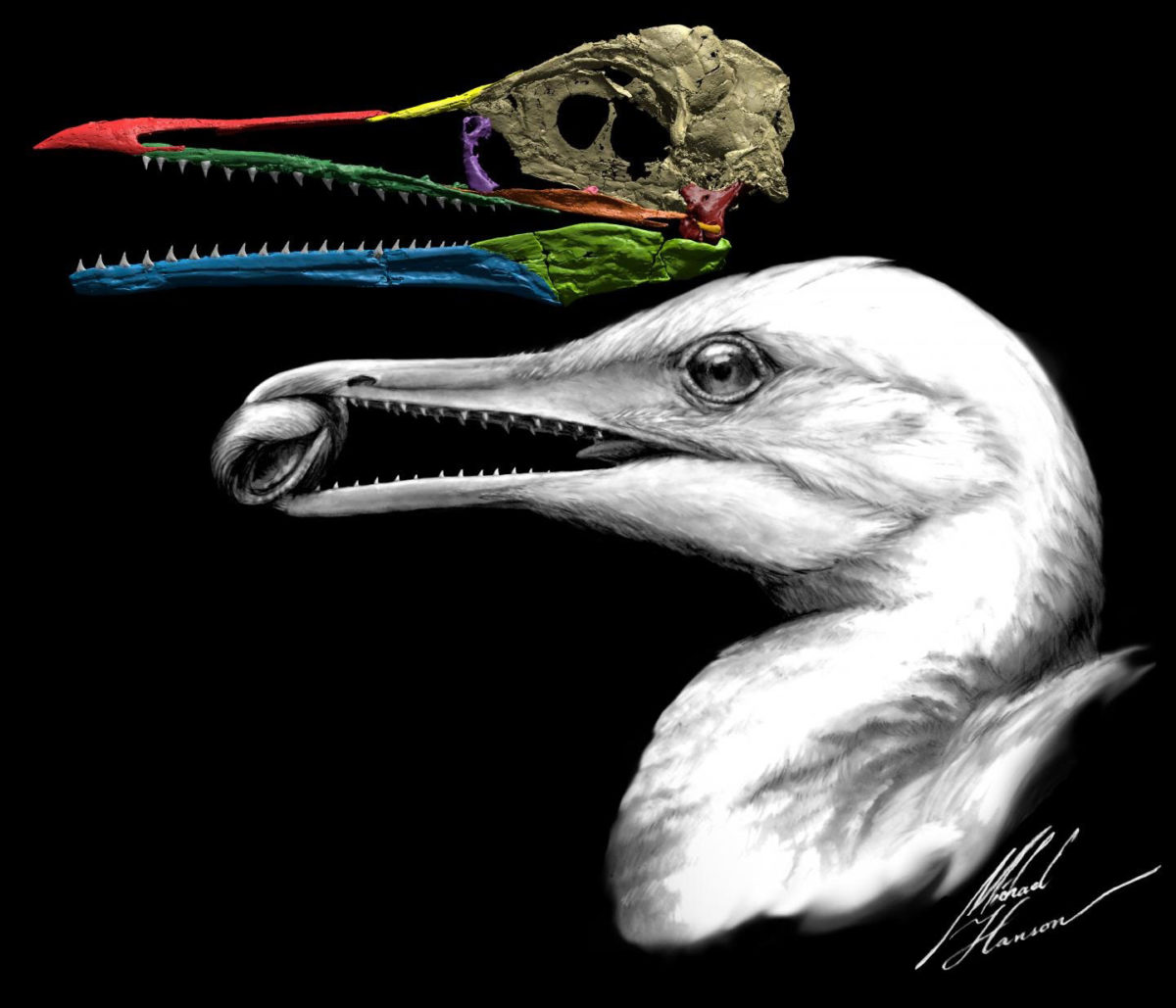
Scientists find the first bird beak, right under their noses
Researchers have pieced together the three-dimensional skull of an iconic, toothed bird that represents a pivotal moment in the transition from dinosaurs to modern-day birds.

Expert disease detective unravels mysterious illness that killed famed 12th century sultan
After closely examining a range of evidence about Saladin's condition, Stephen J. Gluckman has developed a diagnosis about Saladin's death.
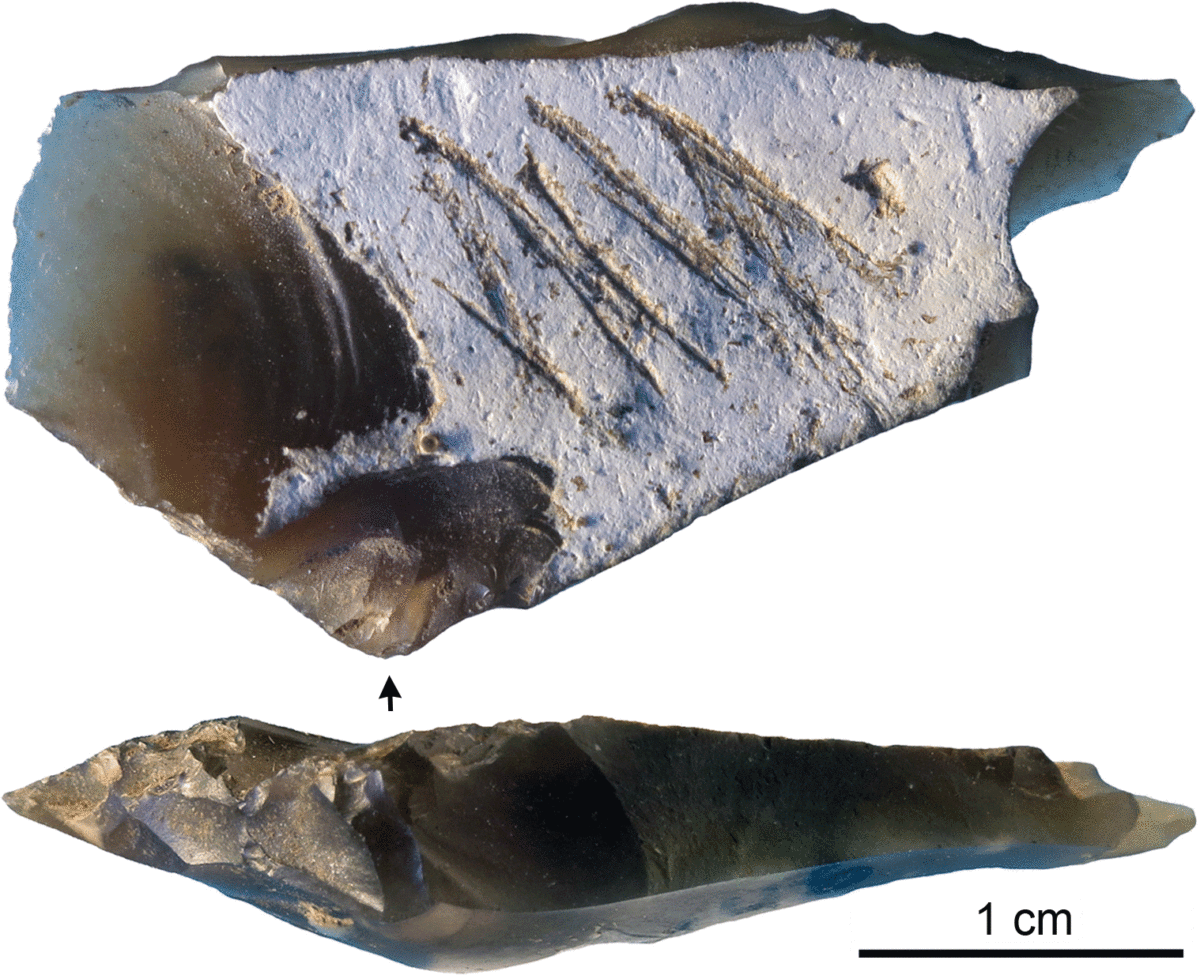
Neanderthal markings on flint stones could be symbolic art
A new study suggests that markings carved on flint stone by the Neanderthals could be symbolic representational art.
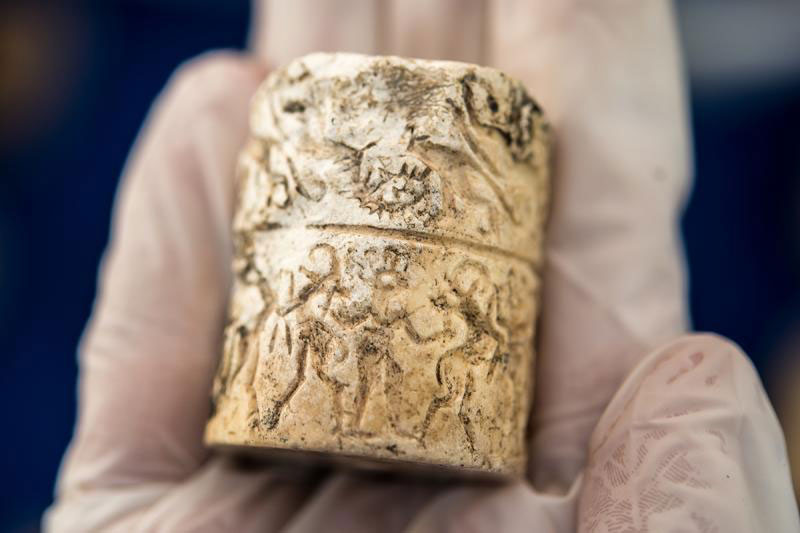
ICE returns ancient artifacts to Iraq
On May 2, 2018, U.S. Immigration and Customs Enforcement (ICE) returned 3,800 ancient artifacts, including cuneiform tablets, cylinder seals, and clay bullae, to the Republic of Iraq.
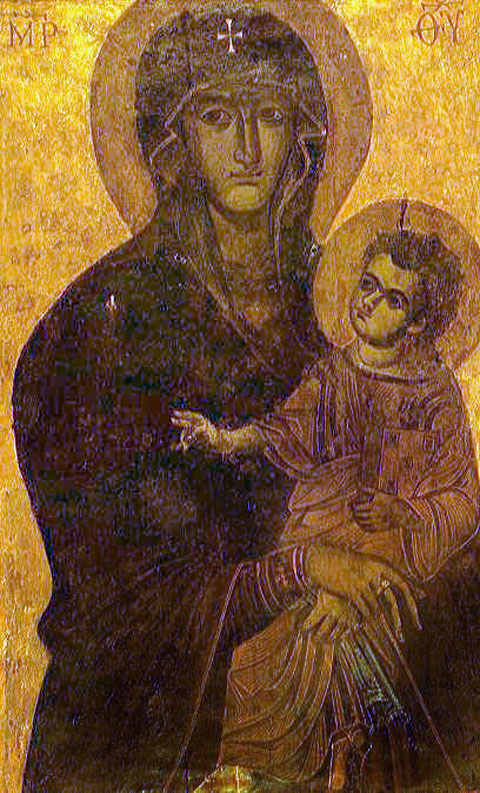
Pope’s favourite icon glows once more
Visitors to the church of Santa Mara Maggiore in Rome are lucky. They will notice that the icon Salus Populi Romani (Salvation of the People of Rome), one of the favourite icons of the Roman Catholic Church and of Pope Francis himself, is glowing once again.
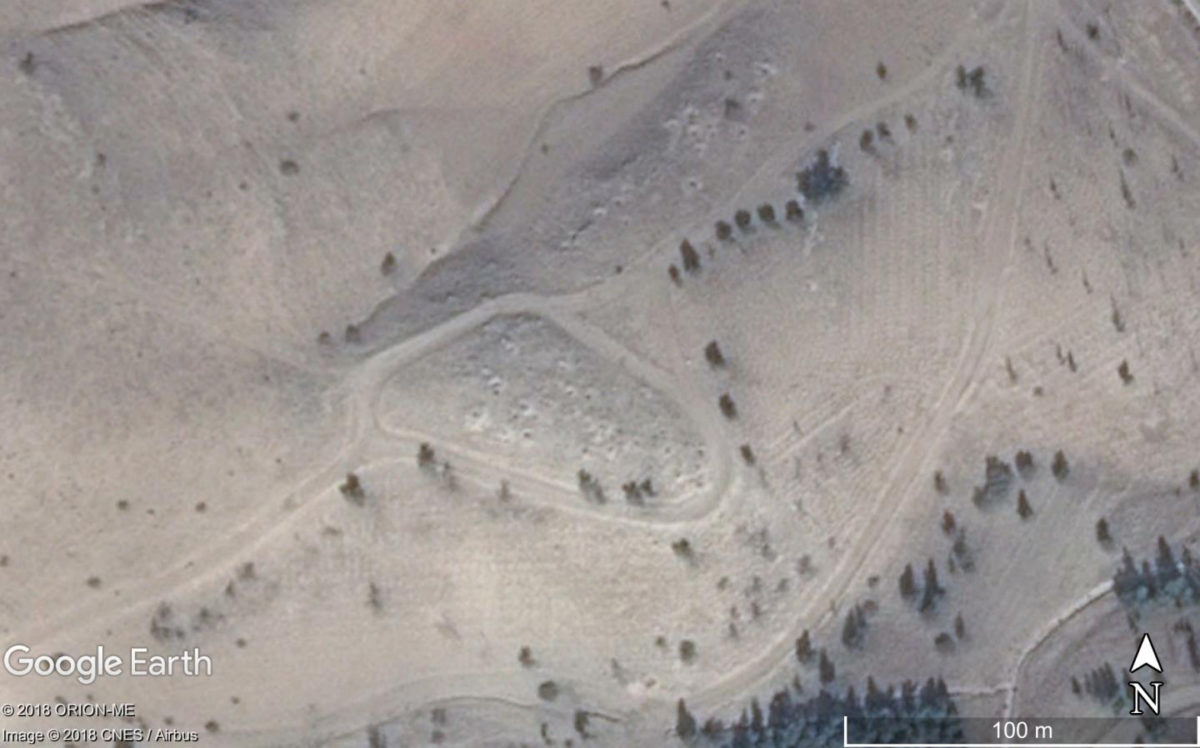
Scientists call for ‘open-skies’ imagery policy over Israel and Palestine
New Oxford University research has called for an 'open-skies policy' around the availability of high resolution satellite imagery of Israel and Palestine.
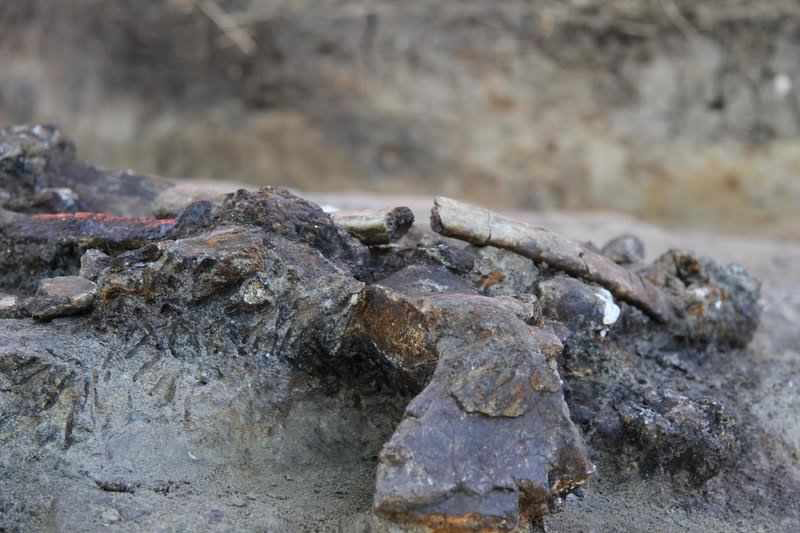
Humans were present in the Philippine islands as early as 700,000 years ago
An international team of researchers led by Dr Thomas Ingicco from the Museum national d’Histoire naturelle, France, and M. Clyde Shago-on from the National Museum of the Philippines discovered the oldest evidence of hominins occupation in the Philippines.
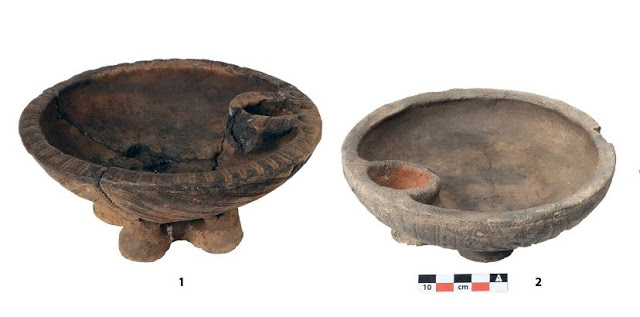
Scientists find seeds of domestic plants in the burial sites of ancient nomads
An international team of scientists has studied burial sites dated back to the Bronze Age at the border between Kalmykia and Stavropol Territory and found traces of domestic barley on the walls of vessels.
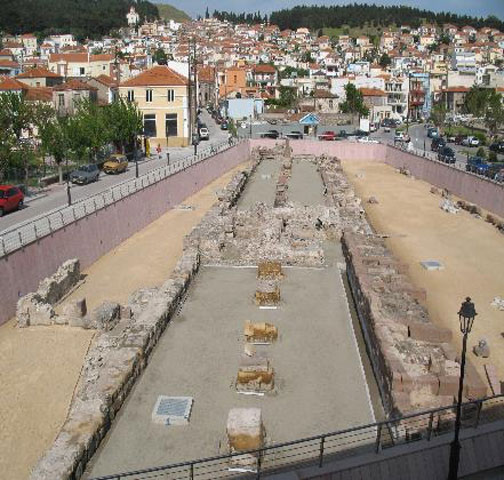
Part of Mytilene’s defensive wall discovered
It is part of a wall of the 3rd century BC, constructed of massive ashlar blocks of local stone with obvious repairs from Roman times.
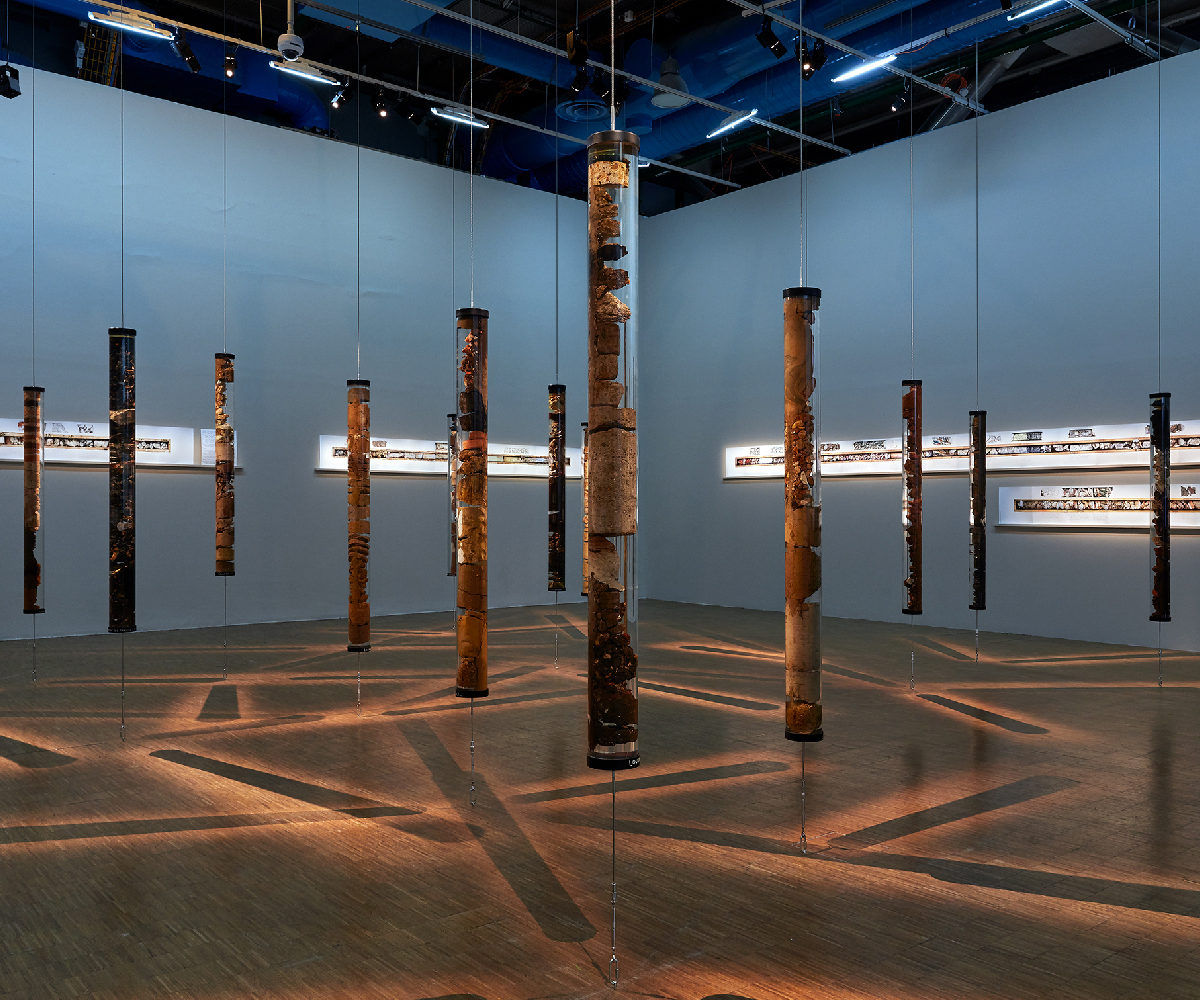
Joana Hadjithomas & Khalil Joreige: Unconformities
It is for the third time that Onassis Cultural Center invites the distinguished French-Lebanese pair, this time for their project “Unconformities” at the Acropolis Museum.

DNA adds twist to ancient story of Native American group
The ancient genomes of the Tsimshian indigenous people left tell-tale markers on the trail of their past.
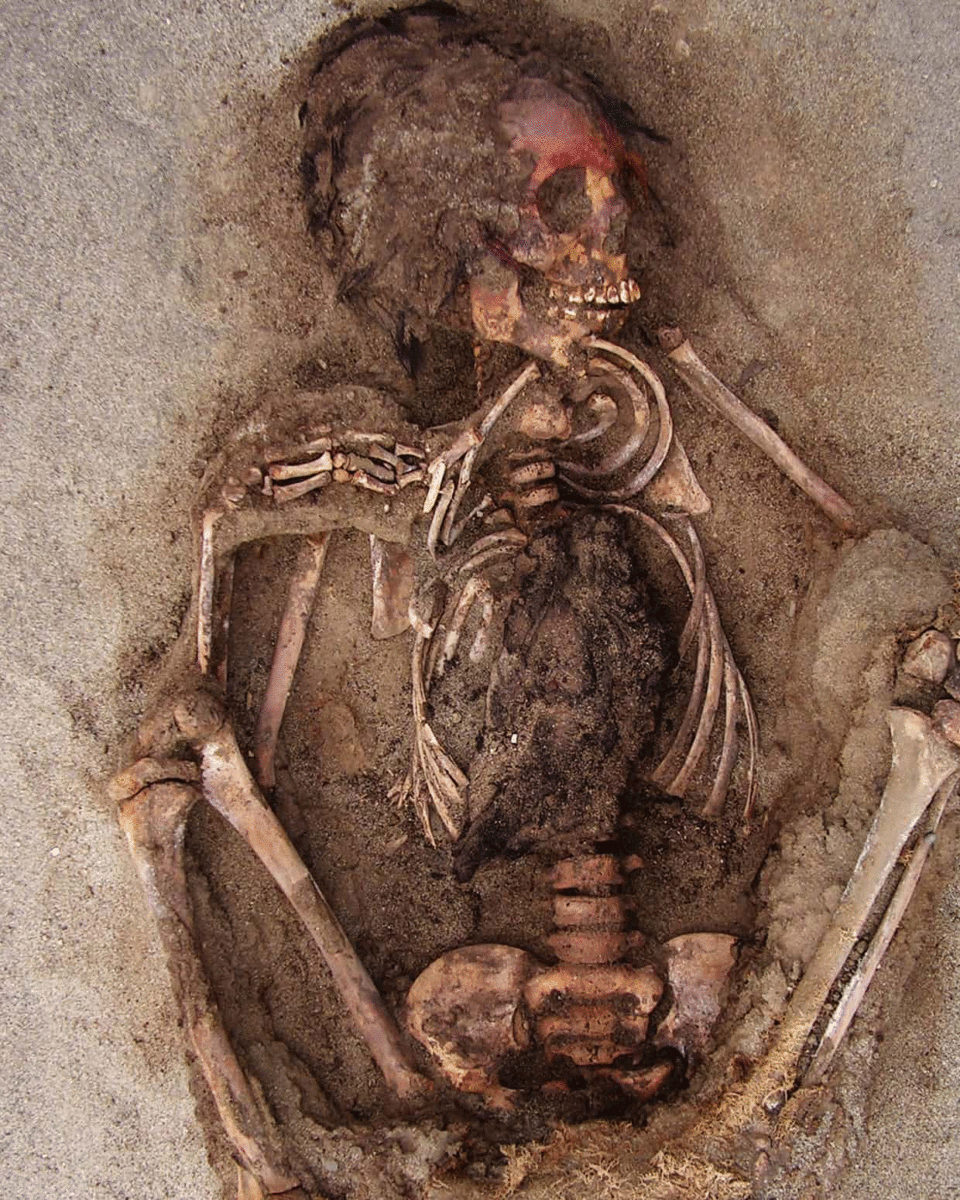
Evidence of large-scale children sacrifice found in Peru
The Las Llamas site in northern Peru yields evidence of the world's largest ritual child sacrifice case about 550 years ago.
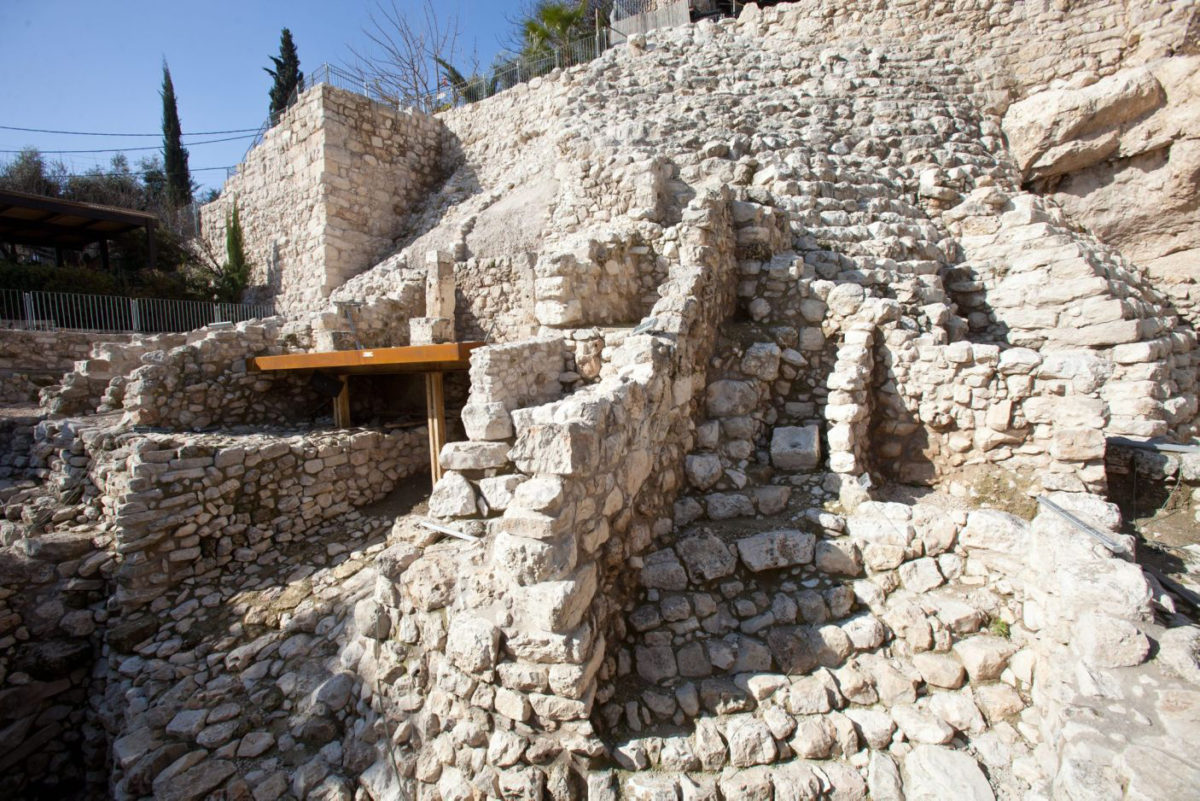
New evidence pertaining to expansion of the kingdom of David and Solomon uncovered
Researchers find new evidence that supports the existence of Israel's united monarchy and indicate that the Kingdom extended beyond Jerusalem's vicinity.
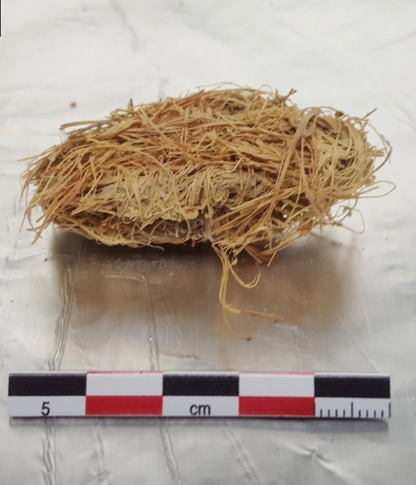
Ancient quids reveal clues about genetic ancestry of early Great Basin inhabitants
Researchers recover intact human mitochondrial DNA from common type of plant-based artifact.
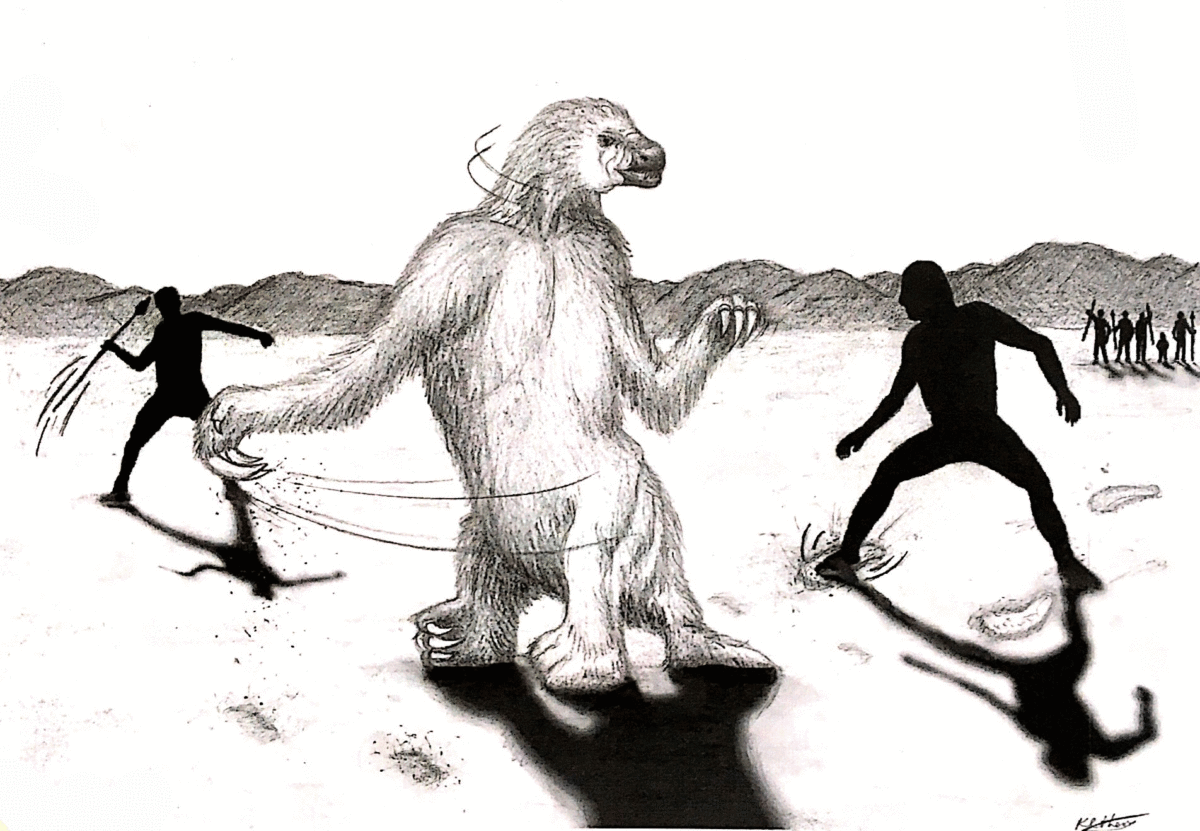
Prehistoric footprints indicate sloth hunt by humans
Archaeologists examining a set of fossilized footprints believe the scene was where prehistoric humans hunted down sloths, leading perhaps to their extinction.
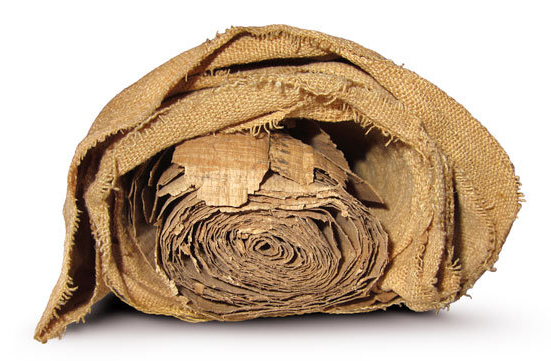
The forgotten Papyrus
Exhibition about a Late New Kingdom papyrus found in one of the terracotta cones in 2013, when the animal mummies in the Ancient Egyptian and Near-Eastern Collection were moved to a new depot.